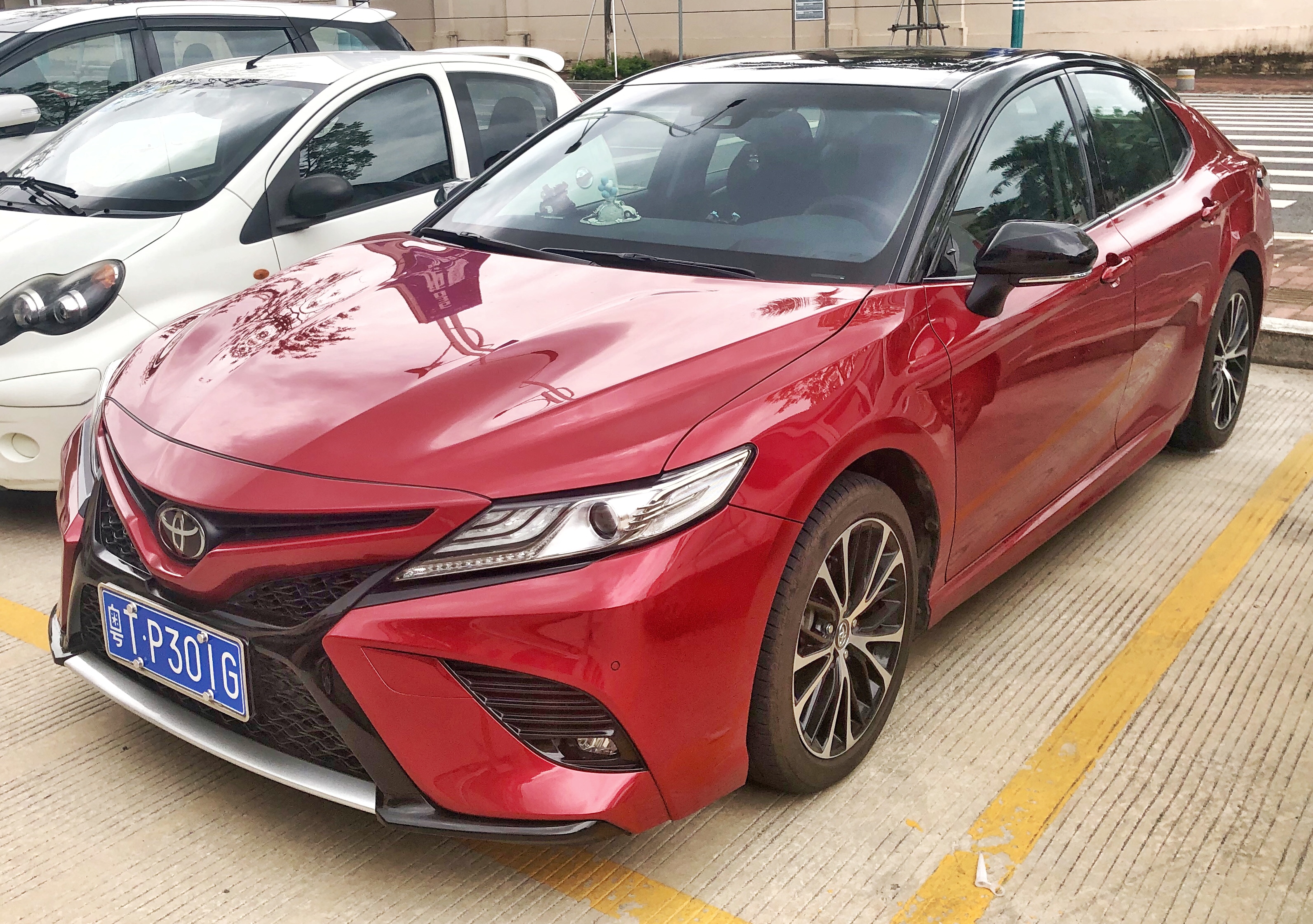
Toyota is a massive Japanese company that makes some of the world's most popular cars and trucks. They also spend a lot of money researching how to make driving safer for everyone.
Passive safety is how a car protects you once an accident actually happens. It includes things like airbags and seatbelts that keep you safe during the impact.
This is a highly detailed, virtual human body on a computer that researchers use to simulate car crashes. It helps engineers see exactly how bones and organs are affected by crash forces without needing a physical dummy.
These are the smart safety features in modern cars, like automatic braking when you get too close to another car, or steering help that keeps you from drifting out of your lane.
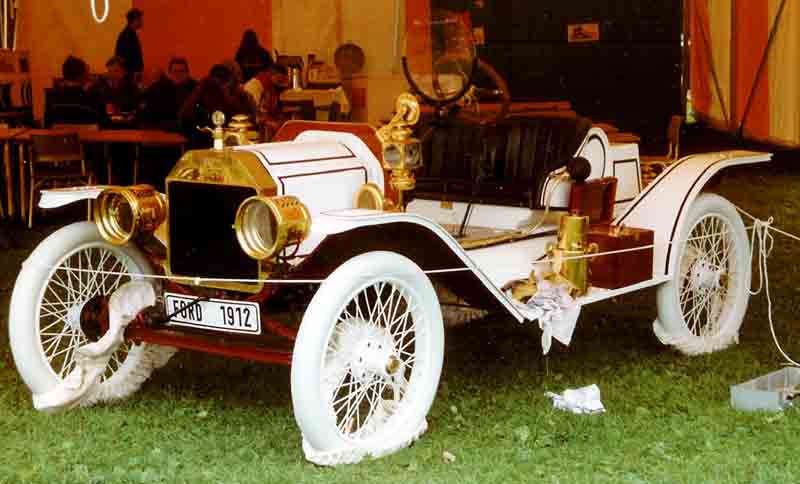
Introduced in 1917, this was Ford's very first factory-built pickup truck. It was a tougher, longer version of the famous Model T car, designed to carry heavy loads.
Lee Iacocca was a legendary car executive who helped create the famous Ford Mustang and later saved Chrysler from going out of business by introducing the minivan.
The MT1 is a small, all-electric pickup truck made by a new company called Telo. Even though the truck is short and easy to park in tight city spaces, it is designed to hold just as much cargo in its truck bed as a traditional, much larger pickup truck.
The Ford Escape is a small, family-friendly SUV made by Ford. It is designed for everyday driving, like commuting to work, running errands, and taking road trips, offering good fuel economy and a comfortable ride.
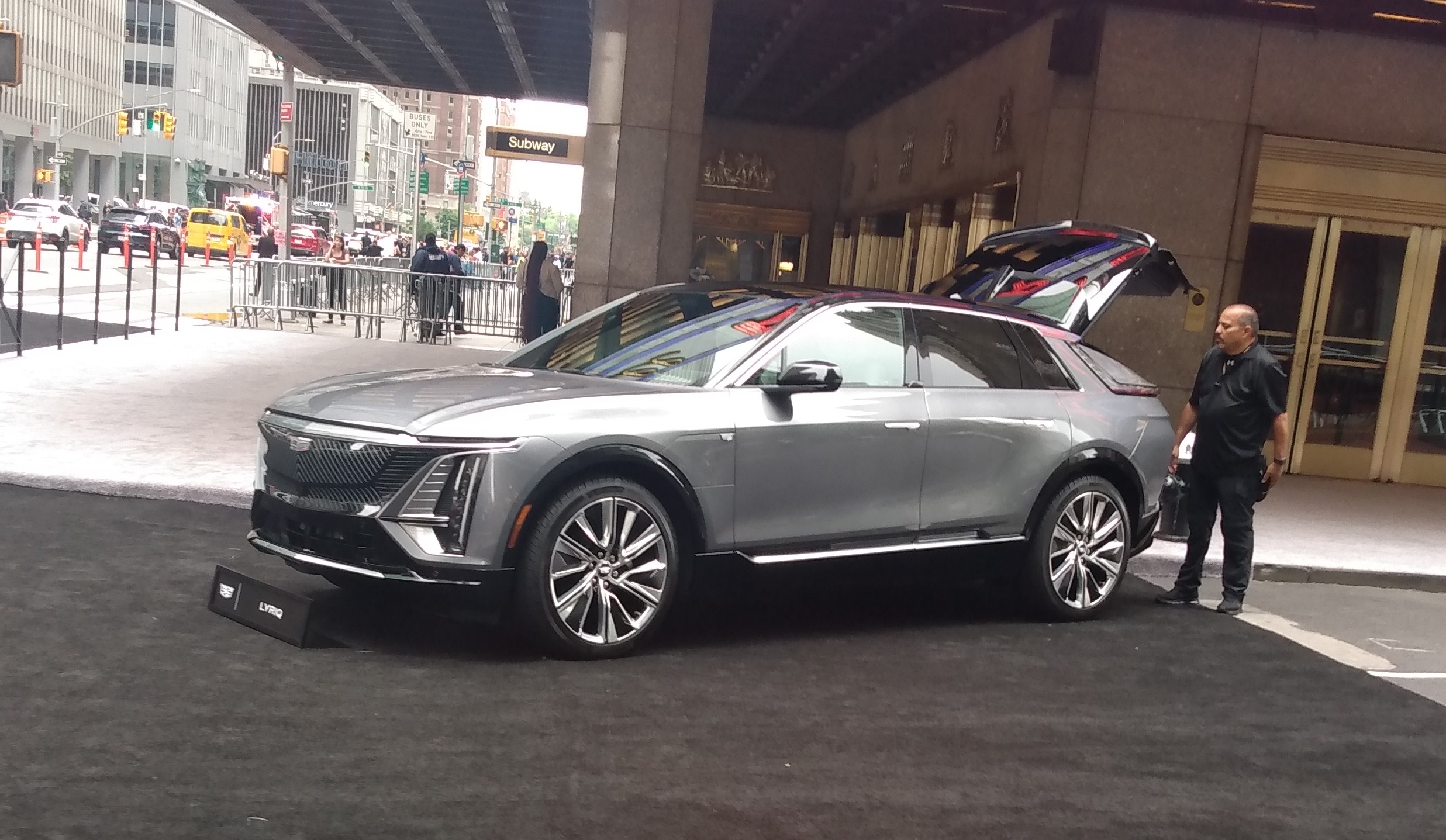
The Lyriq is a luxury, all-electric SUV made by Cadillac. It runs entirely on battery power instead of gasoline and features a very quiet ride, a futuristic design, and a giant computer screen that stretches across the dashboard.
The Ram is a large, powerful pickup truck designed for hauling heavy loads, towing trailers, and working on construction sites. While it used to be called the 'Dodge Ram,' it is now just called 'Ram.' It is popular for having a very comfortable and high-tech interior compared to traditional work trucks.
The Jeep Wrangler is a famous, boxy vehicle made by Jeep that is famous for its ability to climb over rocks and drive through deep mud. It is unique because you can easily take off its doors, roof, and even fold down the front windshield. It is designed for ultimate outdoor adventure and has a very loyal following.
The Ford Bronco is a rugged, boxy SUV made by Ford that is built for driving on rough dirt trails, rocks, and sand. You can take the roof and the doors completely off to enjoy the outdoors while driving. It is designed for people who love camping, outdoor adventures, and off-road driving.
This is a massive factory in South Carolina where BMW builds most of its popular SUVs for both the US market and for shipping all over the world.
LIVE
Speaker 1: Autoline after Hours is brought to you by bridge Stone Tires Solutions for your journey.
Speaker 2: Hey, everybody, thanks for tuning in to Autoline after Hours.
All right, Gary, the show is faradough do what I'm doing really well, it'll get better.
Speaker 3: From now, Yes it will. So we got to let
everybody know.
Speaker 2: We've got Jamie Butters here, hell, the host of Autotown podcasts.
Speaker 4: Podcast radio, all the Autotowns, all the Autotowns.
Speaker 3: That's great. Yeah, you've become an entrepreneur.
Speaker 4: Yeah, I mean it's actually Autotown is one of the brands created by Butter's Bureau LLC. So actually it's the
only brand we've created the bureau itself. But I'm doing
some public speaking, doing some newsletter work, and then the Autotown is sort of my like.
Speaker 5: So Jamie's a longtime journalist who now has a radio show.
Speaker 6: Let's just that's one way to put it.
Speaker 2: Yeah, congrats on becoming an entrepreneur. Thanks, but we got
to let everybody know. Our special guest for the first
part of the show is Jason Hallman, senior researcher with the Toyota Collaborative Research Center.
Speaker 3: Did I get that right?
Speaker 7: Collaborative Safety Research Centers.
Speaker 2: Oh okay, say my bad, but yeah, so tell us about what's this collaborative research in the title?
Speaker 7: Well, first, thank you for having me a pleasure to be here. I was just telling you guys that, you know,
I've an avid car guy for a long time, so it's a real pleasure to be on the show and talking with y'all. The Collaborative Safety Research Center, or CSRC
as we call it internally, is a small team of subject matter experts in traffic safety that are charged with connecting Toyota researchers and engineers to identify problems and then collaborating with universities or hospitals or other institutions to identify kind of key learnings that can inform future products or maybe safety policy or the general promotion of a safe mobility society for all.
Speaker 5: So basically what it is is and I'm simplifying it greatly for you. So there's Toyota and they said, hey,
safety is important for our customers. We want them to
be safe. And then you guys decided, Okay, we'll put
together a whole bunch of smart people, but we'll supplement that by getting a lot of smart people from universities, and you help fund research and work with people on doing various types of research.
Speaker 7: Correct, that's exactly right. Yeah, And so we've got experts
from a wide variety of backgrounds. We generally kind of
bucket them into behavioral safety kind of driver behavior, or active safety like crash avoidance, or passive safety like injury mitigation and biomechanics. And so this broad spectrum within a
relatively small team kind of gives us a multi disciplinary perspective on how to solve these challenges that we have with the number of crash fatalities that continue to plague our streets in the United States and around the world.
Speaker 4: Is your work driven by, as you said, the crash data I know, like like Volbo famously for decades would go to every injury crash within one hundred miles of their headquarters. Right, Is it based on that or is
it sometimes like the regulatory challenges like this thing around driver detection and driver monitoring and all that.
Speaker 7: That's a really good question, Jamie. I would say that
we do some of that. We often kind of the
Toyota way thinks about root cause analysis, and so we try to investigate crashes usually not through like individual Toyota crashes like a go team, but more like the national databases that we have available to us, or sometimes we'll work with universities to create larger data sets of driving behaviors and things like that. But we also lists use
our collaborative skills that's part of the SEA and the CSRC to talk to stakeholders at government or third party safety advocates about what they're seeing and what their priority these are and then kind of filling out the picture of what they're trying to achieve by providing data driven potent like evidence that they can help make good decisions.
Speaker 2: So we talk about some of the things that you're working on. What are you working on these days?
Speaker 7: Well, yeah, so you know, I'm the senior manager, so I'm responsible for kind of helping lead the overall strategy of the organization. But I'm also a passive safety subject
subject matter expert, so my particular role is injured biomechanics.
I'll start by talking a little bit about what the things I'm doing. I have a particular collaboration with the
University of Virginia looking at put an ankle injury and the reason why we're kind of prioritizing that is because when we look at brash data, particularly comparing males and females for reasons that we still can't explain, women are more likely to sustain fractures to their ankles and lower limbs than men are, assuming that they're in a crash about men, of course, are in twice as many crashes as women, and so the total numbers maybe are a little bit different. So we're looking at kind of the
way that bones are shaped between men and women, and we're using computational modeling of humans that Toyota has something called the Total Human Model for Safety, or THUMBS as we call it, which is like a simulated human that can be subjected to crash forces, but we can tune its size and shape and posture and study more deeply the forces and moments that might cause injury.
Speaker 2: So men get in twice as many accidents as women.
Is it because men are driving more? It's just because
we're a bunch of idiots.
Speaker 7: I don't want to speculate about the root cause of that.
That's just the fact that we see in the data that men are in much more crashes than women. And
I think I might have misspoke it's men are in twice as many fatal crashes as women, and so they'll have to that a little bit.
Speaker 2: Again, could that be balanced out to say, you know, speaking about a sort of even universe of male versus female drivers.
Speaker 7: Well, see, that's what we're kind of aiming toward it in the future is when we can understand that any differences and different sizes and shape or gender and make sure that based on our understanding of the difference, provide the maximum protection we can or any occupant in a crash.
Speaker 4: But I think part of what you're asking is sort of like, on a on a miles driven basis, do men get in more accidents?
Speaker 6: Is that maybe kind of like, really.
Speaker 2: Are more men driving ergo they get in more fatal accidents?
Speaker 3: Or is it just because of.
Speaker 2: Maybe physiologic differences or maybe mental differences and the way they drive?
Speaker 7: Yeah, I can't speak to that. I'm sorry I didn't compare.
Speaker 5: So basically, if you had ten males and ten females, that the odds are that the females would have more broken bones in their ales and.
Speaker 7: Men would be ten ten males in a crash, ten females in a crash, The odds or that the females might would have or ankle injury.
Speaker 3: So that's interesting.
Speaker 5: Look anyway, So that's why that's the research research.
Speaker 2: But who knew that the ankle construction of men and women were that different?
Speaker 7: Well, see, that's actually what we've found is that the the surprisingly it's not there's not that much difference in the actual anatomy or the shape of the ankle. It's
something else. So right now what we're investigating is whether
there's something in uh self selected posture like how you put your foot on the break or gas pedal or something, or again something else.
Speaker 4: Does it matter by steat position like driver's seat, passenger or rear seat.
Speaker 7: It turns out right now we are focused right primarily on drivers because of the interaction with the pedals inside the driver the Footwell, i'd have to go back and check the data on the passenger side.
Speaker 5: So you mentioned University of Virginia. Now you guys are
working like with universities across the country. Is that correct?
Speaker 7: That's right?
Speaker 5: So what I mean did do certain universities have certain areas of expertise that you guys try to tap.
Speaker 7: Into precisely, So we've got relationships with many universities basically coast to coast. We've got some ongoing work with Massachusetts
Institute of Technology focused primarily on driver behavior. One of
the great studies that we completed with them was looking at how drivers and pedestrians interact with one another when they're negotiating, like crosswalks or these kinds of high risk scenarios that might lead to a pedestrian injuries. That work
helped informed how we design automation, because if there's no driver, how would you navigate kind of a crosswalk scenario or some type of yielding with a pedestrian. We wanted to
study how that already happens right now when the driver is present, in order to help inform how automation might might.
Speaker 4: Behave because a lot of times there's eye contact, I mean, at least by my house, by the pool. You know,
it's like I got to see you to know that you're going to not run over me and my dog when we cross the street. How do you do that
with an automated vehicle?
Speaker 7: You know, That's exactly what we hypothesized when we went into this study. But the surprising reality that we found
actually was that both the driver and the pedestrian primarily use their own motion to communicate to the other individual what their intent is. So a driver that sees a
pedestrian is willing to yield to them will stop earlier and stop much further away from the crosswalk, versus someone who is maybe doesn't notice them and might go right up to the crosswalk. And similarly, the pedestrian is looking
for that kinematic queue that we call it, or like the motion of the vehicle coming at them, to see any kind of indication that the vehicle is slowing down for them, and likewise they will communicate with their body their intent across like getting right up to the curb and sometimes in rare circumstances kind of stepping right out into the crosswalk. So that informs how we would approach automation,
where we would use automated vehicle behavior of the vehicle itself to communicate as opposed to like signs or lights or other kind of electronic means.
Speaker 2: Jason, have you guys looked into this drunk driving technology?
Is it coming into any of the research that you're doing.
Speaker 7: Yes, So we are looking at alcohol impaired how to reduce alcohol bear crashes. What we're focused on primarily is
the characterizing exactly what these crashes look like to help set kind of performance requirements for what the technology, whatever technology it would be, what it would need to perform under what conditions. A surprising thing that we found looking
at our alcohol related crash fatalities is that a large percentage of them happen after five, ten, twenty minutes of driving, which was counterintuitive to our original thought, which is that alcohol crashes primarily have been very quickly after someone gets behind the wheel.
Speaker 2: So, as you know, it's become a politicized issue. Congress
has mandated that drunk driver detection technology be in cars I think in the twenty twenty eight model year or something like that, and it's been politicized and it's being called a kill switch that will allow the government to monitor you at all times and stop your car. I'm
just wondering if you guys have looked into any sort of technologies that would meet the requirement of the law and maybe not.
Speaker 3: Trigger off all this kill switch politicization.
Speaker 7: Yeah. At CSRC in particular, we're focused a lot on
kind of informing the requirements of what the technology, how it would perform, or how we can make the best policy decisions to really create this safe mobility society. For
all that we talk about, we're less focused on the actual technology, like the intellectual property that might perform in the way that we that regulation. So I can't speak
specifically to that, but I can point back to what I talked about earlier with the there's a the mass majority of or the large percentage of the crashes that do involve alcohol involve a large period of driving ahead of time, which suggests that maybe some type of technology that monitors how you're driving and then gives you some coaching or a suggestion to pull over because you're impaired in some way would be beneficial.
Speaker 5: So you guys actually crash have a crash test set up in your facility in Saline. To what extent is
that important to the research that you guys do Versus the engineer guys who are developing vehicles and physical objects.
Speaker 7: Yeah, you know, I would. I would not create two
different buckets for those things because the crash facility is there.
Because we have such a large R and D presence for Toyota here in Southeast Michigan, over two thousand team members that are designing and developing cars for North American customers, and we CSRC are here in Southeast Michigan for that same reason to be close to our engineers who are developing cars, hearing the problems that they're encountering, getting ideas through the work that they have to do to make our cars, and then taking those outside to these universities or hospitals or other stakeholders and helping to create the
knowledge to inform the future policy or technology.
Speaker 3: What about simulation?
Speaker 2: Can you offset your physical crashes by doing a lot more simulated crashes?
Speaker 7: Absolutely, we are doing more and more simulation all the time, especially for crash at least that's my area of expertise.
We are in CSRC in particular focused on that human body modeling or virtual human crashes, which is something that is maybe a little bit different from say a crash test dummy that you would use in a physical car crash.
The primary benefit of using that virtual tool is that we can create you know, tall, short, fat, thin, all kinds of different postures and body shapes to really explore out of best protect like the diversity of individuals in the general population.
Speaker 5: How do you guys, You guys have those crash test dummies though, that whole family, the tall ones, short ones.
Speaker 7: Yes, and we do use those in our development processes with CSRC. We're trying to inform, you know, kind of
the next generation in the future, how we can improve things even more.
Speaker 2: In fact, you probably buy those dummies from a company that I could literally, you know, chip on with a nine iron hit their building, Human Addicts, which is right across the road from us here.
Speaker 7: I'm certain that we are buying some of our dummies from Human Exis.
Speaker 2: If I remember right, Toyota was working with the University of Michigan to develop to develop the technology that could detect somebody that is about to have an epileptic fit before it hit, so that they could safely pull to the side of the road.
Speaker 3: And where I'm also going to is with this.
Speaker 2: Is at Cees earlier this year, there was a company and I'm blanking out on the name of it right now, that can literally measure part of your brain waves from a sensor that.
Speaker 3: They put in the head rest.
Speaker 2: And so what I'm getting at is where is your safety research going in terms of monitoring the human body to be able to warn drivers that they might be having a heart attack, an epileptic fit, some other kind of problem.
Speaker 5: You know.
Speaker 7: Earlier in csrc's history, we had done some work with detecting kind of irregular heartbeat or maybe some diabetic episode.
Even we've kind of we'll say, we've kind of bookshelfed that and stopped it, but we've taken a plause on that in order to focus on some of the things that are maybe more near term focus areas, particularly for kind of policy makers and our external stakeholders. Some lots
of organizations are really focused on not the we'll say the medical induced risky driving, but like the conscious decisions to do risky driving, and so we've pivoted a lot of our effort to focus on like speeding motivations or people who choose not to use our advanced safety systems that are in the like like for our crash avoidance features, in order to kind of really kind of make some quick wins with some of the research that we're doing.
Speaker 4: What have you found on the people who don't like to use the safety technology that's built into the car.
Speaker 7: That's a really good question. We kind of were able
to cluster people into several different groups of their both their comfort with a particular technology as well as their self perceived now edge of how the technology actually works.
And so there are two particularly problematic groups where we want to focus our efforts on to enhance their use of AID what we call AID ass features advanced driver system systems. The first group are those who are not
comfortable using a feature and not very knowledgeable about it.
But they know they're not very knowledgeable about it, and so we want to get them the right information or maybe experience behind the wheel using something. But there's another
group that is not comfortable using a feature, but they think that they know how it works and it's wrong, and so they have been kind of they're misinformed about how a pre crash braking system or a lane assistant system actually works, and because of that misinformation, they're frustrated with their experiences. They just turn it off and walk
away from using it. And so those are the groups
that we want to make sure that we don't leave behind as we put these systems on our vehicle for our customers and they can still get the benefits.
Speaker 3: So how do you not leave them behind?
Speaker 7: That's actually we're still focusing on. It turns out that
that's kind of a problematic group in terms of being able to really help them be more comfortable and turn the system on. You know, I don't have an answer yet,
but that's why we do the research.
Speaker 2: You remind me of a great Mark Twain saying that I love to quote, which goes, it ain't what you don't know that gets you in trouble.
Speaker 3: It's what you think you know for sure that just ain't.
Speaker 7: So. Yes, I think that's exactly right.
Speaker 5: Yes, so, Jason, you mentioned automated vehicles earlier. Now, when
people are going to be in automated vehicles, they're not necessarily going to be in position as people are in vehicles. Now,
are you guys looking at what the implications of that are for safety?
Speaker 7: Yeah? We are, actually primarily from a biomechanics standpoint. We've
done several studies looking at particularly like postures like a reclined occupant, someone who maybe can imagining a future where you're in your car and you can set the automated driving to go on the highway and now you want to just recline or take a nap or something. What
can we do from a seat crash safety perspective to keep that individual a similar level of acceptable level of protection from the seat belts in the airbanks and everything else.
We're actually what we're still trying to find out from a technology standpoint how to make that happen. But what
we did identify is that pretty clearly there's a lot of influence of like the soft tissue around your abdomen and things like that, and changes in the way that the load goes through your lower back they called the lumbar spine. And so that's work that we did primarily
with the University of Virginia. Again actually we brought them
up earlier, but also some of that work in the computational modeling is worth the University of Michigan here or just down the road in an arbor.
Speaker 5: So you're looking at the consequences of the seat belt system on one's stomach basically.
Speaker 7: So that's why it's so important that when you are in your car you sit upright in a comfortable but upright position and make sure your lap belt is low and tight across your waist, just like the airlines tell you to do, because that is how it works best for you. And if you are reclined now, now you're
not in that advantageous position. And so imagining a future
automation kind of society. We want to be able to
provide whatever technology we need to develop in order to provide a similar level of protection, and we don't quite have that yet.
Speaker 3: Are there any lessons to be learned in motor racing?
Speaker 2: And I know they're all belted up and you know, wearing helmets and everything like that, but talk about extreme physiological impacts and things like that. I'm just wondering if
there's any data in there that's worth looking at.
Speaker 6: Well.
Speaker 7: I think what I will say about that is that those race car drivers get in very severe crashes and walk away, and that's because of the restraints systems that they have been wearing, and they've been wearing them tight, and and that provides me hope for the future for anybody on the roads today that if we are paying attention and wearing our seatbelts appropriately, that we similarly can
enjoy the benefits of the technology that's been inside the vehicle.
Speaker 4: We talked a little about, you know, drunken driving. I'm
also wondering about drowsy driving. Is that do you see
those as they separate problems to solve or are they fundamentally kind of the same thing of the person being disconnected with the future, you know, what's in front of the car, or closing their eyes.
Speaker 7: That's a really good question. We've done some more relatively
recently where we're kind of looking at all of these different types of impairment together, right, Because if we have some future driver monitoring system that's looking for whether or not you're fit to drive, it's probably going to have to look for all of these things simultaneously, right, whether it's drowsiness or impairment or distraction. And so by kind
of layering these different things on top of one another at the same time and kind of thinking about it holistically, it makes it easier to develop kind of the performance requirements for whatever that system might be, to really detect the human performance in a realistic way.
Speaker 5: Jason, if we look at what's on the road today, I mean, we have vehicles, very small, very large evs now are proliferating to a certain degree, very heavy. What
are the consequences of these various arc textures and various masses on safety of whether it's drivers or pedestrians.
Speaker 7: Oh, there's a lot going on that question. So the
concept of compatibility between different vehicles has been a conversation that's going on a long time, and we continue to develop compatibility requirements internally related to like heavy vehicles versus light vehicles, and we have considerations for that. What CSRC
is doing, particularly in that kind of the battery space is we're looking at do these different vehicle characteristics change the way drivers behave behind the wheel. One of the
interesting things that we recently found was that battery vehicle drivers, for some reason that we can't fully explain, tend to kind of speed a little bit more than drivers with an internal combustion engine. They do it for a shorter
period of time, meaning they kind of overshoot the speling and then go back to normal. We don't exactly, we
don't know why that reason is just yet it's John's favorite things.
Speaker 6: Yeah, but.
Speaker 3: Look, this is not scientific.
Speaker 2: But you know, evs accelerate faster and they're quiet, and it's easier to go faster and not realize you're doing that.
Speaker 3: I wonder if people are.
Speaker 2: Going, you know, getting in feeling comfortable and realize, oh my god, I'm going ten over the limit.
Speaker 7: I better slow down, you know, John, that's anecdotally, that's that is my Oh sorry, that is my experience as well, that it's very smooth, it's very quiet, and it's easy to maybe lose track of the speed you're going, particularly at lower speeds. It's part of the reason, actually not
part of the reason, but also to help drivers in those scenarios, we have the what we call it road Sign Assist feature in Toyota. It's standard on all of
our vehicles. Or it loses the camera to look for
the speed limits sign and then displays the little icon in the multimeter display. So that way, if you lose
track of what spie limit is, it's there for you whenever you are questioning it, and it even can advise you if you've exceeded the spelling.
Speaker 5: Certainly reach those as suggestions to be ignored.
Speaker 3: Actually, but no, that's interesting.
Speaker 2: Where do you see safety going overall? I mean, you know,
we saw a huge ramp up in the last decade.
The more aid ass we threw on the cars, the more accidents and fidelities and injuries there were. Where do
you see it all going?
Speaker 7: You know, for the future especially, we're spending a lot of time thinking about how to kind of support drivers where they're at, thinking about this human centric approach to safety and thinking about the decisions that they that drivers make today to do risky things even though they know they're not supposed to do them. How can we encourage
them to make better choices. We're also thinking about how
can we pull ahead the warnings for maybe something that is increasing in risk. That way, you're not just applying
the brakes as soon as the crash is in and but providing something to encourage better choices or informed decisions earlier in that event.
Speaker 5: So Sean thinks I have this love for Toyota that I expressed too often, so that put out there.
Speaker 7: I love Toyota too. That's okay.
Speaker 5: So my question to you is is that the research that you do this just isn't for Toyota cars. Oh
you guys put this information out in the world so general leaders and Ford and everyone else can use it.
Speaker 7: Thank you for that question, and I neglected to mention it earlier. One of the key unique features of the
Collaborative Safety Research Center is that we're encouraging our academic partners to publish the research findings that we have, share them at technical conferences or we even have dedicated meetings with stakeholders in Washington, for example, to share these findings that we have so that anybody can build on the results or can use them in their own vehicles. We're
even proud of the fact that students that work on our collaborator safety research projects at these universities graduate and they move on to work for, say, our competitors. I
can same several who have gone on to other companies, and we're proud of that because we're building that kind of safety ecosystem to make sure that we have sustained improvements going forward.
Speaker 3: That's great.
Speaker 4: Yeah, the question, you know, Gary and I were at a drive recently of the Rev four and one of the things that it has now standard is a dash camp or you know, a crash cam. You know, if
you have an incident, it'll record video and maybe audio two and so you have that file for your insurance purposes or to you know, show what even just to know what happened. Were you guys involved with that? And
is that something we might see proliferating? Does that help safety?
I mean I see it indirectly helping safety with like, I don't know, people who run into your car, maybe then you can protect yourself, but at least in quarter or something.
Speaker 6: But were you guys involved in that at all.
Speaker 7: Uh No, we were not involved in that discussion. And
I can't really speak to like future product of planning for that. But what I can't say is that the
increased amount of data available on the car is something that we're excited about from the safety research perspective, so that we can get more information about what's actually happening out there in the field, identify those priority gaps where people are getting hurt or killed, and then great new solutions or new information to guide future product and policy.
Speaker 5: All right, I got one more. Just be quick, just
be very quick.
Speaker 7: Okay.
Speaker 5: So, knowing what you know, how comfortable are you when you're driving?
Speaker 7: I am. That's a good question, of course, I trust myself.
That's the other drivers, right, That's what everybody says. I
will say that since coming into my current role as the leader of the CSRC, the senior manager, I have tempered my speeding behavior, Like I really make an effort to drive the speed limit. I make an effort to
sit up straight in my car and make sure that my seatbelt is low and tight up. Took it in
Michigan Winters, by the way, because if you got that big puffy coat on. You really got to make sure
that you tuck it underneath that coat. But I I
I'm proud to drive my Toyter camera every day and I don't have a worry about that.
Speaker 2: So were good, Jason Hollman, thanks so much for coming on the show. This has been interesting. Lots of little
tidbits of great information there.
Speaker 7: Oh, thank you for having me. It's been a pleasure.
That's great.
Speaker 2: We're going to give a shout out to our great sponsored bridge, don't. We'll be back in just a moment.
Speaker 8: Performance that shines even in the rain. That's what really matters.
Rich don't pretends to tires, improved grip and wet conditions.
Speaker 3: All right, we're back and I got quiz you guys.
Speaker 5: Oh god, all right, I got I got three for July second.
Speaker 6: Oh jeez.
Speaker 7: All right.
Speaker 5: So one is about a vehicle. One is about an executive.
But actually two are about vehicles. Okay, two odd vehicles,
one and about an executive. Which do you want?
Speaker 4: Oh? I want the second? One about the vehicle?
Speaker 7: All right.
Speaker 5: In nineteen seventeen, on July second, this vehicle was introduced.
Now this this isn't some random vehicle that I'm just you know, like some obscure things turing out there. This
is this is a vehicle that arguably has had some of the greatest influence on auto mobility, certainly in the twentieth century.
Speaker 3: Wow, second seventeen.
Speaker 2: So the only thing that comes to my mind for that date that has had so much influence is Cadillac coming out with Charles kettering self starter.
Speaker 6: Jamie, that's pretty good. I'm clueless. Is it a Ford?
It is? Oh, it is a Ford with a with
a famous letter models something.
Speaker 5: Yes, actually it has two famous letters, or it has or it has or it has the same. It has
a famous letter used twice.
Speaker 3: So the g came out in nineteen oh eight.
Speaker 6: And twice.
Speaker 5: No, John said a all right, the model T T first truck. Interesting, Okay, do you want the executive who no, no, no,
you gotta go Oh well, okay. So in twenty nine,
twenty nineteen, yes, this executive, and I would argue that this executive may be one of the last of a breed of executives died. Okay, and this is in twenty nineteen,
died in twenty nineteen. Twenty nineteen. We've gone from nineteen
seven twenty nineteen. I have no clue Leah Coca.
Speaker 6: Oh yeah, yeah, he was the last of a kind, Yes he was.
Speaker 7: Right.
Speaker 5: Are we ever going to see executives like that again in this industry?
Speaker 3: I don't see any today.
Speaker 6: I mean, you don't think Elon musk is uh well Eli, yeah, yeah, a little bit.
Speaker 5: I mean those is the sort of regards he's got in the industry pretty much.
Speaker 6: Well, he was an entrepreneur, he's an executive like Lee was.
Speaker 3: Yeah, and so Lee was.
Speaker 2: You know what what the entrepreneurs will derisively refer to as managers? And so will we see managers in big
corporations like Leiah Coca?
Speaker 3: Again, I highly doubt.
Speaker 4: It, especially to be you know, to work your way up and be so swashbuckling. I mean, that's that's I
think the thing that's hard to come by. You maybe
Bob Lutz would be a little bit of that type and obviously sort of the same generation, even though he worked a lot longer. Are you maybe a little younger
of course, But yeah, that's really hard to see the pressures of the job and the responsibilities. I don't know
that there's room to be as much of a character as he was.
Speaker 3: Yeah, what do you think, Harry, I think that.
Speaker 5: There have been so many opportunities for this to have occurred since this time of and there haven't been that there's.
Speaker 6: Not likely to be.
Speaker 5: But I also think that people like that make this a more interesting industry because their inclination is to create more interesting vehicles. And I think that interesting vehicles are
the things that make the difference between success and failure. Now,
some of these interesting vehicles may be complete and total flops, but yeah, you know, at least they're putting them out there with you on that and we're nice speaking of interesting vehicles.
Speaker 2: Nice segue here found my part, well, what do you guys think about Slate? I was actually last week, and
you know, it's the bare bones little electric truck or suv with a cap on it, and everybody's focusing on the fact that it's got nothing on board. I mean,
there's not even a screen, there's no sound system, it has crank windows, and somebody in the media says this is going to be a flop. I look at the
company and I am just floored at how these guys are putting on a master class of how to be frugal as a company, and they're doing things like almost all the equipment in their assembly plant is use stuff.
For example, they were able to get a skillet type assembly line that General Motors had paid two hundred million dollars for they repurposed it for less than twelve million dollars.
And you know, they've taken that approach throughout the entire company.
Speaker 3: And I like that kind of stuff.
Speaker 2: And again, entrepreneurs, right, this is not there are people who have Bezos's money, so let's not well yeah, yeah, but but but they're they're doing everything in their power not to spend money. They're doing everything extremely I hate
to say cheap, because they're doing it really well, and cheap implies you know, Shody, Shody, it's not shoddy, it's just really inexpensive.
Speaker 4: I'm glad you saw it because that was, to me, the big question, Like, I think it's worth the shot in the market. My sister is super excited. She loves
crank windows, you know, you know, it doesn't want to have to worry about a motor breaking down on something as simple as raise and lowering your window. I don't
really know, but it's like, if you're going to sell a twenty five thousand dollars electric pickup, even with only two hundred miles range, Like, you've got to be really efficient at making it, manufacturing it, procuring the parts, the batteries, et cetera. So I'm glad to hear a strong report
from you on what they're doing, both on the frugality and the you know, efficiency and quality of what looks like what they're trying to build.
Speaker 6: Yeah.
Speaker 5: Yeah, I just wonder whether, okay, maybe this becomes a third vehicle for someone versus someone's primary vehicle, you know, and then this whole notion of you know, like, okay, this is this is this is fundamental. You know. You
you mentioned the crank windows. Well, let's not forget that.
Back in the day of crank windows, a lot of times those windows would not come up. They the hand,
they stay in the door, and you'd be like, oh, you know, and how many people now have no idea what crank windows are?
Speaker 7: Right?
Speaker 6: It's like generations, right, why we say roll up and down?
Speaker 5: Yeah, So to a certain you know, I just wonder whether this will have like success like this and then drop off.
Speaker 2: See they've tooled their plant for one hundred and fifty thousand a year. I think there's no way in hell
they're going to sell one hundred and fifty thousand a year, year after year after year of these vehicles. They have
one hundred and eighty thousand hand raisers on it. The
day they opened the order books they got ten thousand paid reservations.
Speaker 3: That's pretty good.
Speaker 2: But I think they need more models, And I was asking them about that. They didn't want to talk about
future models at all. They were like, look, we got
to sell these, but they did. Eric Kiper, the chief engineer,
did say to me, look, we've left flexibility in the platform to do additional models. And so you know, in
my mind, I could see take the pickup bed off, put a bit big box on there so you can do parcel delivery, drop the fastback suv version down, make a hot hatch out of it. So I can see some,
in my mind at least very inexpensive derivatives that.
Speaker 3: Come off it.
Speaker 2: But I think they need more models for this thing to be able to really make a go of it.
Speaker 5: So so do you think if if they really make a go of it, that some big legacy auto manufacture with big, deep pockets in big knowledge of building trucks might not do the same thing, maybe.
Speaker 3: But none of them's done it.
Speaker 2: I mean, you know, Ford's going to be hot on its heels with this little electric pickup coming out of its skunk works. There's another startup called tee Low, which
has got a really cool design for a pickup. So
it's going to be twice as expensive, although maybe not because you know, twenty five thousand dollars for the base Slate does not include a fourteen hundred dollars delivery charge, It does not include any of the accessories that most people are going to want. So I think that twenty
five thousand dollars truck is really going to be a thirty thousand dollars truck.
Speaker 3: The thirty thousand dollars.
Speaker 2: Suv is really going to be a thirty five thousand dollars suv. But I want to say the Tilo is
going to be priced fifty fifty grand, thank you, Sean.
And but what I'm getting at is there are other products coming into the space, so that's going to be a challenge for Slate, but it is another argument for coming out with a broader product line, more models.
Speaker 5: So this is a perfect segue too. So we had
sales this week. We need to talk about first have
sales and so this this. You know, you guys have
read more press releases about sales than most human beings read serial bizzes. This, but this is a quote from Ford,
and this I've never read an thing like this, and you'll see if it goes to Okay. This is from their
their press release about their their sales. Total second quarter
sales declined ten percent to five and forty hundred vehicles, reflecting the model phase outs and a sixty nine percent drop in daily rental sales. Retooling is underway at the
Louisville assembly plant to build the all new affordable small four door electric pickup off the Universal Electric Vehicle platform next year. Excluding these model transitions, in assuming flat rental
volumes for second quarter sales would have risen an estimated point five percent, outperforming flat industry sales.
Speaker 6: Outstanding work.
Speaker 5: If these things were so. Yeah, you know, if I
was taller, I'd.
Speaker 6: Be in the NBA. No, you wouldn't.
Speaker 4: But still, you know, the one of the really good heard on the street, Calmness at Wall Street Journal was questioning, you know, Ford's dividend policy and he's, you know, said it's all based on adjusted EBITDA, which is basically earnings without the bad stuff, you know, and so you take out well, we stopped making the escape, we stopped doing this other stuff. But if we didn't stop doing that,
you know, then we would have been great.
Speaker 2: Okay, what's your take on Look, it's pr SPAN. What
can you say. It's like you're saying adjusted ebit you know,
they used to call it pro forma earnings. Boy, did
we did good if you ignore all the bad stuff until the federal or the Securities in Exchange Commission came out and said no more pro forma reporting.
Speaker 3: My problem with it is what Ford said there.
Speaker 2: Hey, look, if you take out this bad stuff, our core stuff is good, is good for the analyst community.
It's misleading to the general public, just as pro forma reporting was misleading to the general public but was valuable to to Wall Street analysts who are analyzing. Okay, let's
really get down to what this company is doing. And yeah,
now you hear all this adjusted number stuff, which is again I think important for the investment community to get its hands on, put to spit it out in a press release to the public.
Speaker 3: Is it's they should not be doing it.
Speaker 4: Well, I mean, I hear you, and I agree with you in a lot of I mean, of course we're these and journalists, and we roll our eyes at some of the dark arts of public relations. But there is
an element, you know, and not just for the analysts, but for like their own employees and other stakeholders, to be like, sales were down whatever was ten eleven percent, But it's not because people are rejecting our products. It's
not that we can't sell the stuff we make. It's
because of these strategic decisions we made. Now again, making
all the undoing, all the caveats and trying to claim a sales increase when you didn't have one is a little silly. But you do want, especially you know, all
those employees to not feel like, oh, we're getting our bart point.
Speaker 6: We're just making it. We're in the middle of a
strategic move.
Speaker 3: Right right right.
Speaker 5: I want to say a nice thing about the Ford Motor Company.
Speaker 7: Okay, okay, So I was.
Speaker 5: Looking at the sales numbers for Lincoln. Now, unfortunately for Lincoln,
their sales were down for the first half nine point two percent. Okay, So they sold forty nine hundred and
ninety nine vehicles in the first half, so I compared it to Cadillac. Well, Cadillac sold sixty six, nine hundred
and twenty three vehicles, you know, so it seems that Cadillac is kicking Lincoln's behind. But then I thought, let's
take a look here. Lincoln has four models, Cadillac has
ten models. Who's doing a more efficient job by far
Lincoln on that basis. No, you're right, Cadillac sales were
down twenty percent in the quarter, nineteen percent.
Speaker 2: But the thing that I thought was interesting is their EV sales were up, and their EV market share is a percent of their own sales, is now thirty four percent.
So Cadillac's doing a pretty good job with evs. The
rest of the stuff that wasn't selling well.
Speaker 6: Well, And I do think though, I mean, it's better than a year ago.
Speaker 4: And they've got a pretty robust lineup of evs on Cadillac, which is hurting their average, you know, per vehicle sales. Right,
I'm sure those are are not the ones that are doing six thousand and a half. Necessarily, it's still to escalate,
is their their big self.
Speaker 5: Yeah, you could take all the basically, you know, the lyric and the optique and the Vistiq and you can add their numbers together and they're still not what Escalate is selling and Escalates and Escalate sales.
Speaker 3: Are down, are right down.
Speaker 2: Okay, another segue, Pollstar, Jamie, have you been following this?
They're getting kicked out of the US market?
Speaker 6: Yeah?
Speaker 4: Well, are there accepting being kicked out of there? And
they're not allowed to sell their vehicles starting twenty seven model year because of their Chinese hardware and software. Surprisingly,
their parent brand, Volvo. I mean, Polestar was not created
as a Chinese brand, but I was sort of Volvo's premium line. They're m equivalent, and then under the Chinese
owner Leshafu, they decided to make it a separate brand.
Does it really have that much more Chinese content than the Volvos do? But Volvo says they got to they
got to pass, and they're okay, although there's a little ambiguity about that. Polestar was told no, you're not allowed
for twenty seven and they said, okay, fine, well we'll just stop selling cars after we sell down to twenty sixes.
Speaker 5: Maybe it's just the lack of the rear window that people just don't like. They say, you know what, we've
had enough to this.
Speaker 4: It seems like people really like that car, though, I mean the people who've been in it. It's expensive, but
pretty cool, very awkward to drive.
Speaker 6: I have not driven it yet.
Speaker 2: I got a call from a guy that I think both of you know, but I won't name him, and maybe he didn't want me to. But so the rumor
out there amongst at least some Polestar dealers is that this was an inside job at that Polestar told the Trump administration, please kick us out of the country because business is so dismal, and.
Speaker 3: I really is. I mean, their sales are nowhere.
Speaker 2: I don't believe that because Polestar is going to continue to sell cars in Canada and their sales in Canada are a fraction of what they are here and what they're here to what.
Speaker 6: They are here, that they were surprised.
Speaker 2: No, no, they're far less in Canada than they are here.
So yeah, this is very interesting. That was my question
to the Polestars and Volvos. And remember the Polestar two
is it the Postar three is built in South Carolina going down the same line that the Volvos are going down.
And so that's what I wanted to know, was is there any difference in the technology, And basically what I've been able to find out is no, just.
Speaker 5: Stick all these transceivers that send information.
Speaker 3: No.
Speaker 2: But what Volvo did was go to the Commerce Department and really argue its case. Showed them here's how we
capture all the connectivity stuff. And the connectivity, I mean
it's everything. It's your remote car lock, it's it's your
tire pressure set. Anything that's got to do with connectivity
is part of this fear that the info is being beamed back to China. And they were able to show them, No,
everything is contained. It's all cyber hardened. You know, we
keep all the data in the United States, none of it goes to China. And then Commerce said, okay, you're.
Speaker 3: Good to go.
Speaker 2: Where was Pollstar in all this? Didn't Volvo say to Pollstar, hey,
guess what you know or what's going on here? And
also what I found in digging stuff up here is Polestar had assured its dealers several years ago, anticipating this kind of problem, don't worry, We're going to take care of everything. It's going to meet the American standards. Don't
worry about it. You know, expand your franchise, and so
these guys put millions down.
Speaker 3: I think there's like thirty five Pole Star dealers.
Speaker 2: Thirty two and they've put millions into their their franchises, which are were you know about nothing right now? And
I just find it a very curious case of what's going on?
Speaker 6: All right?
Speaker 5: Who feels worse Pole Star dealers or Fiat in Alfa Romeo dealers give us the numbers, Gary, because they're they're well, this is so for Q two, they sold eighty two Fiats okay for three months, three months, for the whole the whole years they got for the whole year, it's.
Speaker 7: Been two hundred and twenty eight vehicles.
Speaker 2: Two hundred and twenty eight vehicles were over three hundred dealers.
Speaker 6: Yea less or.
Speaker 3: Right, somebody's gotten not selling anything.
Speaker 5: Alfa Romeo for the quarter they sold eight hundred and twenty eight vehicles for the six months seventeen and forty seven.
Speaker 3: How did these guys exist?
Speaker 6: Yeah? I mean to your question, who feels worse?
Speaker 4: Right, It's like, on the one hand, if your Polestar maybe you feel like your Pollstar dealer, You're like, why aren't they fighting for us? If you're a Fiat Alpha dealer,
you're like.
Speaker 6: What are they doing?
Speaker 4: This is almost worse because you're going to keep running an unprofitable new car franchise.
Speaker 5: You had to buy all those Cappu channel machines too, and it's just like.
Speaker 4: You have at least you get to drink good coffee while you're not selling own car.
Speaker 5: But but credits to Stilantis. Their sales were up in
the quarter.
Speaker 4: For yeah, Ram, Christ, Chrysler and Ram, right, I mean right there.
Speaker 6: Jeep was still down.
Speaker 3: I want to say, Chrysler was down significantly.
Speaker 5: No, No Chrysler brand for the for the quarter, they were up eighty percent for the quarter. They're up fifteen percent
for the year, which I think is the more significant number.
And then Ram brand was up eleven percent for the quarter but fifteen percent for the year. Jeep was down
five percent for the quarter and down one percent for the year. So one of the things Ford did boast
about is that Bronco sold Wrangler.
Speaker 3: Oh, and that's actually pretty significant.
Speaker 4: And although the other curious one when you think about things like rankings, is CRV being the top selling vehicle in the US for the first half.
Speaker 6: Sold f one fifty.
Speaker 4: Now you have to trust the estimates that back out the F two fifty and three fifty because Ford only releases F series sales. But yeah, topping the F one fifty,
which of course is supply constrained because of aluminum, topping the Rev four, which is supply constrained because the model of you're changeover.
Speaker 6: So we'll see if.
Speaker 4: They hold onto it for the year. Yeah, but pretty
remarkable for Honda. And you talk about a brand that's
been suffering, a company that's been suffering.
Speaker 6: The US has been a good market.
Speaker 4: For them this year, and this is a really nice win for for Honda while they're you know, CEO is on the ropes taking a beating like everyone else in Japan.
Speaker 6: Yeah, that's not okayo.
Speaker 5: Well, and then and you know, Nissan reported that they've been up for sixteen consecutive once a year over years.
I mean, they're beginning to get some momentum. They're up
ten point two percent for the quarter, which is a good number. They're only up four percent for the year.
Speaker 4: But incentives are pretty strong, yeah, I think, which at least the dealers appreciate that that they're helping them move the metal while they wait for more fresh stuff to get launched.
Speaker 5: So is there any likelihood there may be this Honda Nissan idea coming back together again?
Speaker 3: The rumors out of Japan are exactly yes.
Speaker 2: And you know, two years ago when this merger between them was proposed, Honda was high and mighty and Nissan was sinking.
Speaker 3: Honda wanted nothing to do with it.
Speaker 2: Now, like you're saying, Jamie, their CEO, Honda CEO is getting beat up badly.
Speaker 6: They both had rough shareholder meetings, rough.
Speaker 2: Shareholder meetings, and in fact, you know, the reports out of Japan is that the former CEO of Honda, Mibe I think, went to the current CEO and told him he should resign. So it's not your shareholders, it's you know,
retired officers in the company telling this guy to go with But anyway, long story short is the reports coming out of Japan right now is that Honda is quite interested in doing something with Nissan.
Speaker 5: So, speaking of people who are having probably bad meetings with their boards and investors, what about Volkswagon. Holy moly, Yeah,
and we're talking the group just talking about shutting four plants in Germany and cutting one hundred thousand people, which is basically fifteen percent of its workforce.
Speaker 2: No, it's scary, it's it's it's a heap of no good.
I mean Volkswagon and this includes Audi and Porsche too, are in deep, deep trouble. They need to right size
the company. But you know how hard it is to
close a plant in the United.
Speaker 3: States, mad is it hard to close a plant in Europe.
Speaker 2: It's going to cost them a fortune to do this, if they can even pull it off, because, as you know, their board of supervisors is half of it is representatives of labor or the local government, you know, the local state government, and they're in it for jobs.
Speaker 3: They don't want to hear any of this talk about getting rid of job.
Speaker 6: So the union I G.
Speaker 5: Mattal and Volkswagen's General Works Council released a statement together which says, in part, should such plans go ahead, we will do everything in our power to prevent them.
Speaker 2: Right, and they will, and if they succeed, Volkswagen will collapse.
So you're damned if you do, and damned if you don't.
It's a real predicament.
Speaker 4: Like you said, the company is structured as a job creator, not a wealth creator, right, And they've been really successful at that. So, you know, one hundred thousand jobs is
a lot, but you think about compared to Toyota. Right,
Volkswagen makes themselves about nine million vehicles a year. They
have six hundred and sixty thousand employees. Toyota does a
little more than eleven million vehicles with fewer than four hundred thousand employees. It's about a two hundred and seventy
thousand employee gap and a two million.
Speaker 6: Plus vehicle gap. I mean, they are so much less
efficient on a global level.
Speaker 5: But I'll give you a little German engineering.
Speaker 3: Yeah yeah, yeah, yeah. But here here's the thing.
Speaker 2: The German companies count all the employees at their Chinese joint ventures, the gm Foard Toyota. They don't count those
joint venture employees. That's not to take away from the
statement that you made. There's no question that they have.
Speaker 6: Three hundred thousand employees.
Speaker 2: Yeah right, they're horrifically inefficient, but the employment numbers you got to be a little bit careful on how you compare them. But yeah, Garry, you're mentioning one hundred thousand
jobs going away for a plant.
Speaker 3: That's just the Volkswagen Group.
Speaker 2: Germany's auto industry as a whole is expected to shed three hundred thousand jobs by the end of the decade.
And you know, end of the decade automotive terms, that's like tomorrow.
Speaker 5: So is this because of two great a dependents on the China market for all these companies?
Speaker 6: It's the double edged sort of China. Right.
Speaker 4: It's for Volkswagon, right, they lost a bunch of sales that they used to make profitably in China and they're losing market share at home. They're Europe's dominant automaker and
China is taking more and more share quarter after quarter.
So yeah, they're taking it from both ends.
Speaker 3: Yeah, well said, I can't add anything to that.
Speaker 5: All right, So I got this. This is a question
for you, John. So So BMW, since we're not talking
about Germany, they announced completion of their one point seven billion dollar investment in South Carolina and so they're they're going to start plant Spartanburg will be the first plant in the BMW Group's global production network capable of assembling a single vehicle takes five with five different drive train technologies on one assembly line, ice, BEV, plug and hybrid diesel and even fuel cells. Okay, so five vehicles fuel
cells is okay, okay, okay, no, no, yeah, but here here's here's my questions. So you have long been an advocate
for Okay, if you're going to do an electric vehicle, do a clean sheet. Yep, don't put it on the
same platform you're putting an ice vehicle on. Correct, So
do you think BMW is wrong?
Speaker 7: No?
Speaker 3: Look, no, no, no, no, no, they're not. And here's what
happened is that.
Speaker 2: The industry in very heavily in EV's and I still think having a dedicated EV platform, and even more so in a dedicated EV plant is the way to get the most efficient EV and make the most profit out of that manufacturing facility. Tell the guys at factory zero,
but where's the market going.
Speaker 3: Evs are real hot this year? Oh no, no, no,
they're dead in the water that year old.
Speaker 2: But over here in the world they're going great, and over here they're not.
Speaker 3: What do you do? And so you can't do it all?
Speaker 2: And right now the industry is in a capital crisis.
They wasted so much money on their EV investments. Now
they got tariffs to deal with on top of that.
You know, capital is precious, It always has been. Now
it's ever more so. And so if you're going to
invest in a product line and you don't know where the market's going to go. And remember that plant is
the number one export assembly plant in the United States on a dollar value basis, so they do a lot of exports all the world.
Speaker 3: What does the world want.
Speaker 2: We better come up with a platform that can accommodate anything.
So is the vehicle as efficient as it could be?
Speaker 4: No?
Speaker 3: Is it as capital efficient as it could be?
Speaker 5: You bet it is. So it'll be more profitable that way.
Speaker 3: So well, it's a hedge.
Speaker 2: It's a hedge that says, look, we're gonna we're gonna have to spend a couple of billion bucks on this thing.
Let's make sure it's flexible in terms of where we shipt these products. So that's why I say it's still
best to do a dedicated EV But the way BMW is going for now is the right way to do it.
Speaker 4: Hydrogen seems like a stretch. I'm a huge fan of
hydrogen fuel cell. I think the concept is great and
if we had if we could do efficient you know, green hydrolysis and create hydrogen from water, it would be we would solve global warming, but we're not there yet, and the volumes are super small, the costs.
Speaker 6: Are super high. It's a great stunt.
Speaker 4: It's a great to be able to say we're going to do five power trains in one factor that they could do regular hybrid as well if they really wanted you, right, But.
Speaker 6: Well, that's that's not going to help your ROI all I'll say.
Speaker 5: And who are they working with on their hydrogen fuel cell systems, right, Toyota, which, by the way, in terms of the first half their their sales of electrified vehicles.
Now there's their EV sales are going up, but let's let's face it, it's it's still a hybrid play there.
Speaker 3: It's a hybrid market.
Speaker 5: And fifty three point nine percent of their vehicles sold in the first half were electrified. Yeah, I mean, what
can we say about our traditional domestic auto manufacturers in terms of that, Not even anywhere close.
Speaker 4: No, they they were much more responsive to Wall Street's lust for imagined DV profits. So you know, they really
went all the way BEV and abandoned their hybrids. And
now that the market's shifted back, it's like, do you really want to spend billions of dollars to create a powertrain that might only be a stepping stone, although I mean there's a good argument being made these days that hybrids are probably a durable long term you know, decades or generations, we're still going to be driving hybrids and not switched fully to EV We'll see.
Speaker 2: I give the strategy about five years and that's it.
And the reason I say that is when you look at the battery technology coming out of China right now, with cars with five hundred miles range with costs that are equal to ICE, with fast charging in the five to eight minute range, that's the future right there. And
hybrids are great. I'm not arguing against them. They're very complicated,
they're expensive, and so I would say China's already passed the tipping point where BEVs are the the solution. They've
got the infrastructure, they got the cost. The rest of
the world will catch up to that. I give it
about five years.
Speaker 3: We can argue over that five.
Speaker 5: Years will be five years from now.
Speaker 4: Well, I mean, well, look interesting, I mean it really depends I think about like what happens with graph height and lithium and these, and we're not going to catch up on graphite and lithium production, mining and refining in five years. Right, those are ten twenty year projects in
North America. So I don't know, it's a It feels
like a longer haul unless we get some sort of great, great deal with China where we can get all the all the materials we need for EVS. But I don't
think they're going to give up that advantage yet.
Speaker 3: We'll see how it plays out. That's what's so interesting
about watching this industry asolutely.
Speaker 5: Right, it's so interesting about watching the show.
Speaker 3: Yeah, that's right. We didn't get to USMCA, but I.
Speaker 2: Think we're out of time and so we're going to have to save that or another show. Speaking of which,
no show next week. The outline crew is taking a
summer break.
Speaker 3: Can't wait.
Speaker 6: USMC is collaborating.
Speaker 4: They're not doing anything until the week of the twentieth, when the US is scheduled to meet with Mexico again.
Speaker 6: So everything I can just stay on with Evergreen.
Speaker 2: Yeah, anyway, Jamie, thanks so much for coming on the show.
To have you back here again. Yeah, thanks, guys and Gary.
I'll see you in two weeks and I hope to see all of you at that time.
Speaker 1: Too out online after hours is brought to you by bridge Stone Tires. Solutions for your journey
About this episode
Toyota's Collaborative Safety Research Center (CSRC) is taking a unique, data-driven approach to road safety. Senior manager Jason Hallman joins the show to discuss how the automaker partners with top universities to tackle complex safety challenges. Hallman shares fascinating insights from their latest research, including why women suffer more ankle injuries in crashes than men, how pedestrians and autonomous vehicles communicate through movement rather than eye contact, and the realities of drunk driving detection technology. It is an eye-opening look at the future of crash prevention and occupant protection.
TOPIC: Road Safety PANEL: Jason Hallman, Toyota Collaborative Safety Research Center; Jamie Butters, Autotown; Gary Vasilash, shinymetalboxes.net; John McElroy, Autoline.tv