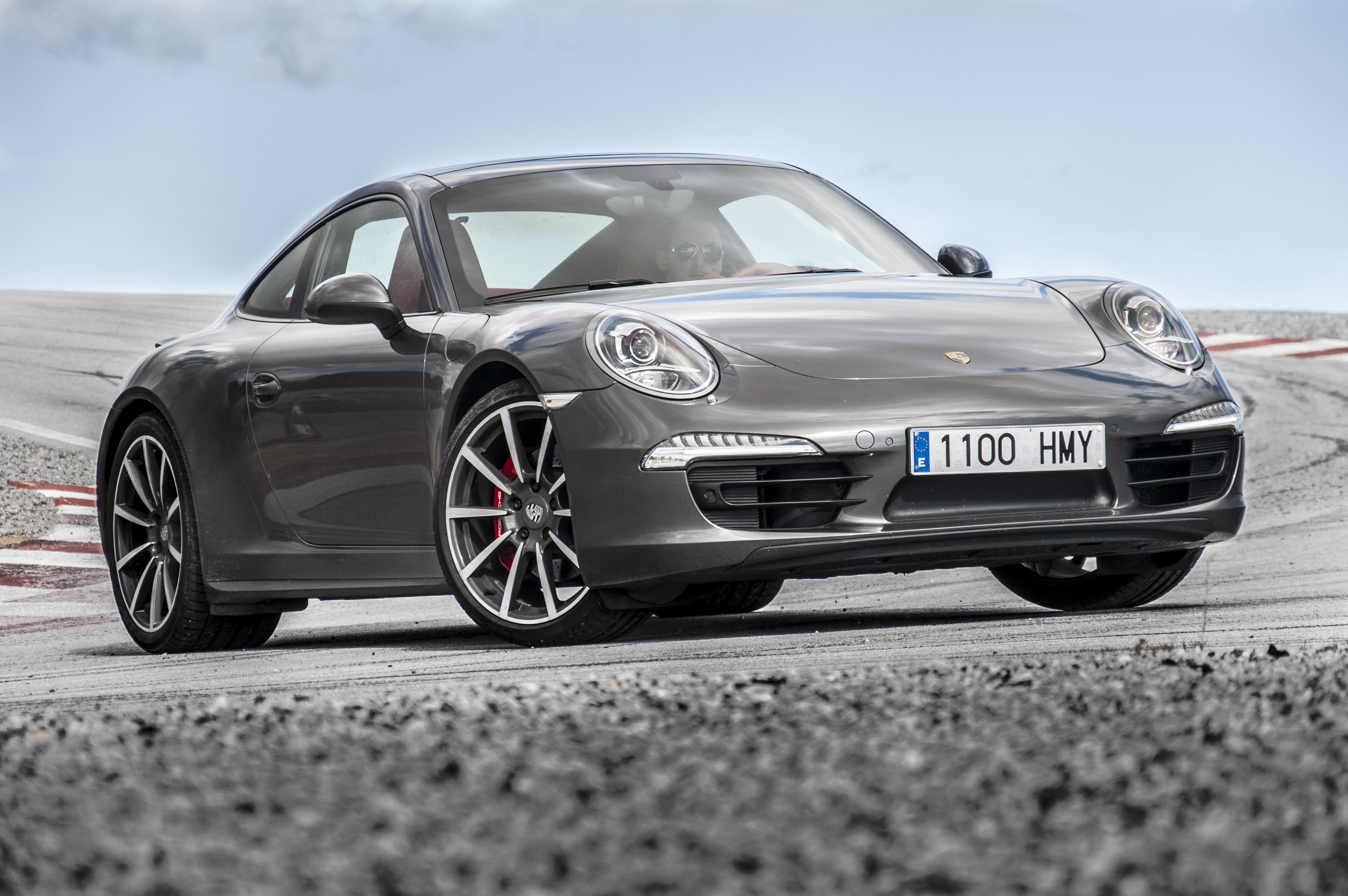
The Porsche 911 is a famous sports car that many people admire for its speed and style. It's known for being fun to drive and has been around for many years, making it a classic choice among car enthusiasts.
Backdating means changing a car to make it look like an older version. It's a way to give a modern car a classic style, like making a newer Porsche look like one from the 1970s.
The Chevrolet Camaro is a popular sports car that has been around since the late 1960s. The 1968 version is one of the original models and is known for its powerful engines and sporty design.
The Volkswagen Beetle, often called the Bug, is a small car that has a very unique round shape. It's been around for a long time and many people like to customize them.
The Volkswagen Bus is a large, boxy vehicle that people love for its roomy interior and fun design. It's often associated with road trips and has a special place in pop culture.
Hunter Engineering makes machines that help fix cars, like lifts to raise them up and tools to change tires. They're well-known in the car repair business.
A high performance all season tire is a type of tire that works well in different weather conditions, like rain or dry roads. They are made for drivers who want better control and safety while driving.
Performance tires are special tires that help cars handle better and go faster. They grip the road more than regular tires, making them great for sporty driving.
The Acura NSX is a fancy sports car that was made in the 1990s and is known for being fast and fun to drive. It's special because it looks cool and is built to last, which makes it a favorite among car lovers.
The Volkswagen Rabbit diesel is a small car that runs on diesel fuel, which is known for being more fuel-efficient than regular gasoline. It's a simple car that was popular in the 1980s, especially for people who wanted to save on fuel costs.
The injection pump is a part of a diesel engine that helps send fuel to the engine so it can run. It makes sure the fuel gets to the engine at the right time and pressure, which is important for the car to work well.
Changing oil means taking out the old oil from the car's engine and putting in new oil. This helps keep the engine working well and can make it last longer.
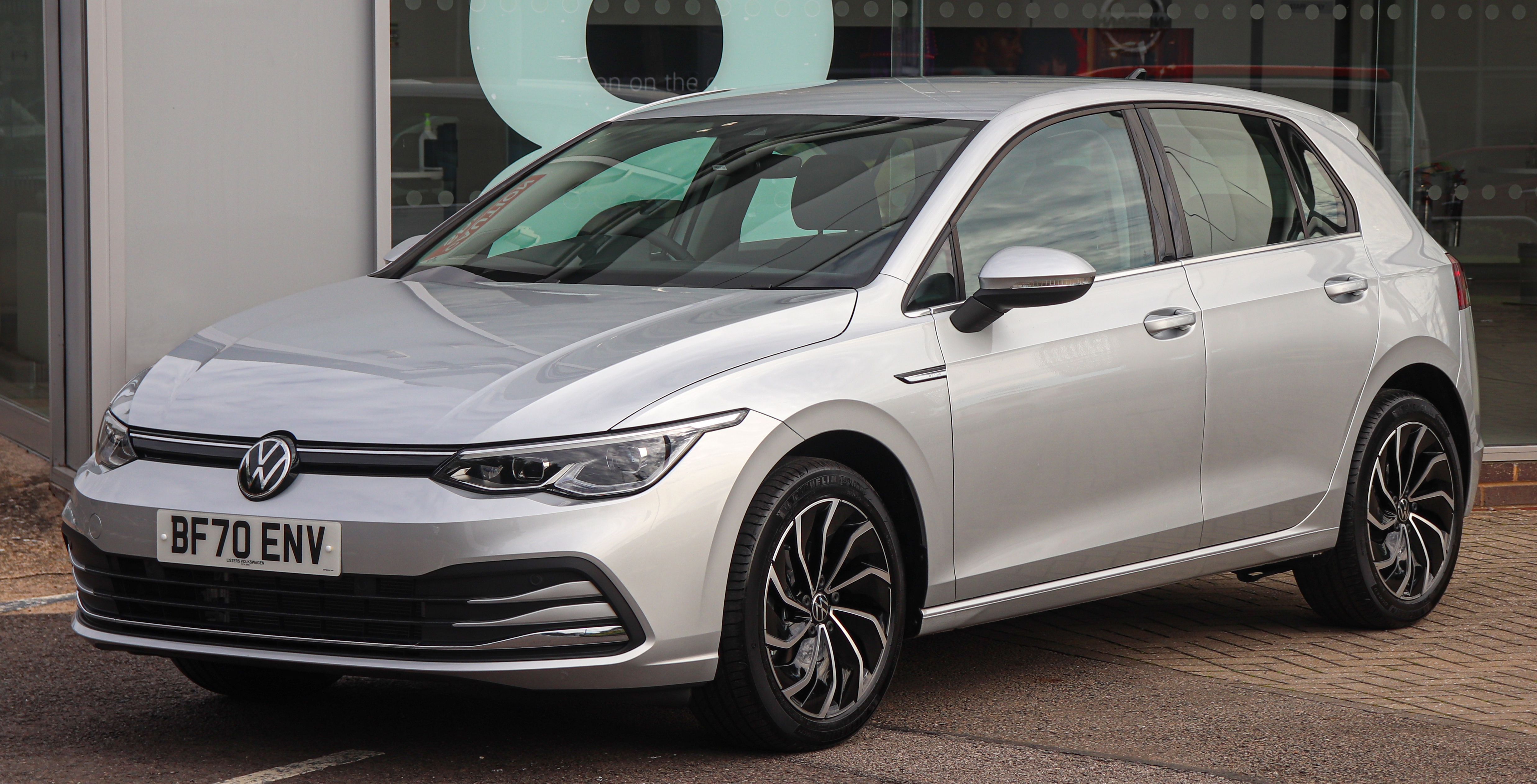
The Volkswagen Golf is a small car that people really like because it's easy to drive and has a lot of space inside. It's been around for a long time and is popular in many places, especially in the Midwest.
Diesel is a kind of fuel used in certain types of engines. These engines are often more efficient and can produce more power than regular gasoline engines.
A distributor is a part of a car's engine that helps send electricity to the right place so the engine can run. Changing it can sometimes change how well the engine works.
The G-Class is a fancy SUV made by Mercedes-Benz that looks tough and can go off-road. The 2002 version is known for being strong and stylish.
Car
Volkswagen Manx
The Volkswagen Manx is a fun, lightweight buggy made from parts of the Beetle. It's great for driving on the beach or off-road, and many people enjoy its unique design.
Car
Minx
The Hillman Minx is an older car from Britain that many people remember for its comfortable ride and simple look. It was popular in the mid-20th century.
The Ford Pinto is a small car that was made in the 1970s and is known for being very affordable. However, it had some problems with safety that people often talk about, which makes it a bit of a controversial car.
The Mercury Cougar is a car that was made for a long time and is known for being both stylish and comfortable to drive. It started out as a sporty car but changed over the years to be more about luxury.
The Ford Capri is a cool-looking car that was made a long time ago and is known for being sporty. It was popular because it was a fun car to drive but didn't cost as much as other fancy sports cars.
LIVE
Mr. Aaron Ross, how's that going, man?
It's going great, man.
I am.
This is rad.
Things are good.
Things are good.
Busy, but good.
Busy.
It's manual focus, keeping you busy, I imagine.
You know, it's a bummer because yes, manual focus is keeping us very busy, but there's
a lot of other things going on in general.
And so we are just, of course, double and triple busy, but hey, that's okay.
Busy is good.
I've said that my entire life.
Busy is good.
If you're not busy, you're bored.
I'm someone who the busier I am, the, you know, I'm not bored and that's nice, but
I know hands and all that, right?
Idle hands and all that.
So I like staying busy.
It's just nice when you have a little bit of control of that busyness and right now
we are, I feel like we're grasping for the control, but hey, we're doing it.
You know, I always feel like the, he's, for some reason, I just got this, imagine a guy
in a plane that's going way too fast.
He's trying to grab it and grab the, you know, that's what this stuff feels like sometimes,
man.
And what would be the surprising part if you were to tell somebody that ever had put something
together like manual focus that you could explain to them about something you didn't
know before going into it?
Oh man, what did I not know?
Um, that's a great question.
What did I not know?
I don't, I don't really know.
Honestly.
I don't know because I feel like the entire thing has been like a, you know, we're just
kind of doing it.
I think we're just a bunch of group, a good group of doers and it's just sort of like
you do what's in front of you, do what you can and you hope the best.
I will say that some of the stuff I didn't know was we've been hearing a lot from the
community and I'm not saying like we didn't build this community and I had this conversation
with someone earlier today.
We didn't build this community.
The community was here.
We gave them a place to funnel into whether it's group chat or Austin or, you know, Hill
Country Rally or something where like there's a place for them now and there was always
meetups and groups and drives, but there wasn't this one place of like minded people.
And I think one of the things we have learned through this process is like win or lose and
I'm not, I don't know what winning is and in this, but like we've made a lot of great
friends and people are very excited to support us.
And I don't know if that looks like this giant thing or just this really fun thing that's
like, I don't want to say intimate, but just like the community gets together and has like
a big party and gets to enjoy each other.
And like, yes, I know it will be bigger than our normal meetups by three or four or five times,
but I think I've learned that when you put a good group of guys together and a good group of
friends, anything is possible if you, you know, if everyone just sort of checks boxes every day
and keeps, keeps going.
That's it.
And I don't know what else I've learned.
I'm not one that like stops and takes, I don't look back too often.
I kind of just keep going and what's happened in the past and I don't know.
So just take every day and keep going.
That's it.
I mean, with these things you've put on events, you just kind of have to roll with the punches
and do what you got to do and, and make the most of it and find ways to enjoy it and build
yourself a team of people that are kind of like minded with that same aspect.
So God, you can't win them all.
Let's just keep going.
And I think that's like the best way to do it.
If you kind of stress the details, it's going to be really hard.
What do you think?
Why art?
Because there's lots of car shows, right?
There's lots of car shows, lots of things that get this.
I mean, there's been get togethers and clubs going on since dudes were racing on the beaches.
You know, this has been going on for quite some time.
It's like, it's a great conduit for which to build community.
What, what, why bring art into it?
Why is that important?
Do you think?
I think it just came down to, we started these group chat shows at the, you know,
this historical burger stand in Austin and very quickly you had people showing up.
And I think at art, it started more photography.
We had a lot of people showing up with film cameras and, and a medium format and all these
things where like, they were just kind of showing love through all that stuff.
And we're like, oh, let's, let's like show off these guys.
Like the people who may or may not have cars, but just support the community.
And then you started to get little things like, oh, look what I've painted.
Oh, look what I've built.
Look what I've done.
And, and you're like, it's not that I'm trying to like say, oh, these other
shows are, it's not like we're trying to say these other shows have or have it try to art.
I mean, there's art in all of these shows.
I think it was a way for us to bridge these two communities and do something a tiny bit
different than what is being done.
All those other shows are great, but if you really look into all those shows,
they have art in them.
They do.
I mean, whether it's someone building something, whether it's a sculpture,
whether it's photos, the art is there.
We all know that.
I think it's just a different take on like, let's emphasize the art and let's do,
let's, let's showcase them first and foremost when we've had,
there's car shows everywhere.
I mean, there just is.
And at the end of the day, how many cars are you,
I don't want to say how many cars are you impressed by.
I think it's a different way of like, hey, like it's cool to see some of these cars in person.
It's cool to finally see them.
But let's see these other people's talents and what they can do.
And like, there's a community of people that can't afford these cars,
but they can do this amazing artwork.
And, and I think it's also just a way to kind of grow that community even more where like,
people are like, dude, I do like this.
These are good people.
This is cool people.
And I think that's kind of how we got here.
I mean, we have, I mean, you could say four different artists in the group.
We have Jed, who's a graphic design artist by trade and was a photographer who shot one of
my first interviews in a BMX magazine of all time.
Jim Bauer, who's the art director of the bike company that I wrote for forever,
that made all these stickers.
And Keith, who's an art artist in his own way.
Like he makes furniture very high end and does all sorts of like, we're all artists.
And we all could like, we collided the thing where we like started in bikes,
you found your art form and you liked cars.
And I'm like, it just goes hand in hand.
You kind of struck me when you said we're all artists.
And I just, I kind of, my brain painted that brush maybe a little differently than you said
because you were just talking about those immediate people.
But then I go, I think about my kids and I have one daughter and they'll listen to this.
I'll, they're probably going to come running and talk to me.
One daughter is always drawing.
And one daughter used to draw more and draws less and less as time goes on.
And I feel like when we were kids, weren't we all artists then?
All artists.
And as we, as we grew older, did we quit?
Yeah.
Well, I think artists are so funny because I always,
I've never wanted to label myself as an artist, but during my BMX career,
every single thing like this or these like frames, like that's an art form.
And I have these ideas.
And just because I didn't have a, I wasn't a good artist or a painter that like,
I couldn't get these art like ideas out of my head.
That's where Jim Bauer came in with Sunday bikes and being able to work with me and like,
get these ideas out.
I feel like even if you're someone who's in production, you're an artist.
Like I think what y'all did in California, that's art.
That's an art form of creating, curating this event and showing people what is in your head
and what you think brings a community together or what, you know, what, what excites people.
Just cause you didn't draw it on a piece of paper, you built it.
Some people can't do that.
And that's not a diss to anybody.
It's just a fact.
Like it's hard to curate anything, whether it's a painting or a photo or whatever.
Some people just have an eye or an itch for something different than others.
And I think that's, I think it's all in art.
I think life's an art form.
I mean, I just do, I think bike riding in a whole or skateboarding is an art form.
The way that people put together their video parts over, you know,
I've put video parts together over two or three, four or five years at times.
And that's an art form.
I mean, it just is like, it's just, that's how, you know,
you put it together.
Oh, we need it.
I need a bigger trick to fill in this gap before the technical trick.
I mean, that's, that's an art form in itself is like, you know, putting together a video part.
I think about manual focus is kind of being like, I don't know you that well.
So I think of like manual focus.
When I think of Aaron Ross now, we've talked a little bit about stuff on Instagram,
but I think Aaron Ross, I think of manual focus right now.
And well, I am, I am, I said that in my last video, I was like,
I'm sorry if y'all aren't getting tired of hearing me.
I'm like, it's only cars and art right now.
I'm like driving people insane.
Okay.
So it's, it's not too far off then.
And then I thought about our very small discussion off air
where we talked about our tires being flat because I dragged my bike over here
in case I needed to show my bike for when I was a kid, which was rediscovered.
I can, we can get into that later if you want.
All right.
Let's take a quick break to talk about our latest sponsor, the common gear.
Now the story of your car matters just as much as the machine itself.
Every seat, every late night fix, rally mile, that's your car's identity.
But most of us have that history scattered everywhere.
You know, it's in your glove box.
It's on social media.
It's in a repair bill that who knows where it went.
The common gear fixes that.
It's a platform built by real car people for car people.
It allows you to digitize everything.
Maintenance receipts, build photos, you know, records, provenance,
where it's coming from, where it came from every mile that you log, every oil change.
And it's all organized, all searchable, all in one single place.
And if you've got decades of paperwork perhaps that you bought with a vehicle,
guess what?
They have a white glove service.
They'll digitize everything for you remotely or on site.
You'll hand them chaos and they hand you back a complete car history.
It adds credibility.
It adds value.
Think about if you're going to sell your car, everything now you can show
is in one place, has records, is ready to go.
Go to thecommongear.com.
Make your free account and start building your car's digital legacy today.
Take a moment to also give a shout out to all the Drivers Club members.
If you're not a Drivers Club member, you are missing out.
We have, as you know, our fall rallies coming up in October.
And we also have sports car vacation land and camp overcrest happening in just a couple weeks.
It's happening and coming up very quickly.
And Drivers Club members get a discount and they will be the first to know about
all sorts of new merch drops that might be coming.
So head on over to overcrestproductions.com slash Drivers Club and check it out.
All the awesome exclusive content.
We have whole back catalogs of history stories and episodes that haven't been released
to the general public.
Check it out.
There's a lot of stuff.
It's awesome to support the content creators that you like.
And hopefully if you're listening to this, that means it might be us.
Check it out.
But dude, you said your freaking bike tires are flat, man.
Well, in my defense, I have a lot of different bikes.
This bike has air in it, the road bike, the mountain bike has air in it,
the BMX bikes, the BMX bike tires might be a little low at the moment.
I did try to ride it this weekend.
It did not work out.
I actually woke up excited.
I was like, hey, let's get together, guys.
And then we had a kid's birthday party and a few things I forgot about
and shooting photos for manual focus for all the art cars that I had.
I was like, let's ride it this afternoon.
And the first thing in the afternoon we had was hours of shooting cars.
So it falls apart quickly right now.
Another three weeks and I'll get back to some normal schedule of skate parking
once or twice a week and enjoying some of that with my friends.
And it'll be good.
Is it weird having BMX be on the back burner like that
when it's been something that's been just so prominent in your life?
It's so weird because, yes and no, but yes.
I think because I think about it all day and I'm still in the group text
with all my like core friends that I've traveled the world with
and like other professionals.
I'm like in the filming group text.
I'm in all the...
So it feels like I'm in it.
I think there's times it hits me when I talk to them,
when I'm like, oh yeah, I'll come out.
And they're like, do you ever been out like four months?
And I'm like, oh shoot.
Like, but to me, I'm going as much as I can
and we own a handful of businesses and we're busy.
And so life just changes.
And like as in like, if you can go out every two, three weeks,
that's a lot when like you should go to every day for four hours.
And so life just changes.
And so it is weird that it's on the back burner.
It's sad, but I have a daughter who's five and life changes, you know.
Yeah, that's, that's for sure.
It's, I don't work on cars as much as I used to be there.
It's just the kids, man.
It's just the way it is.
I get it.
So for like a lot of people that are listening to this podcast,
like I love BMX, I grew up around BMX,
but for me it was, I would wake up in the morning
and my stepmom would say, go, she kicked me out of the house
and locked the deadbolt behind me and I have my bike.
And at the beginning it was this old Mongoose,
this old piece of crap bike that I broke the frame on that bike.
It was my dad's bike when he was a kid.
I broke the frame on it and I threw it in the river.
So I didn't have to tell him that I broke the frame on his bike.
But it was such like this integral part of my youth,
but not as like the BMX sense of what you did.
So for people that don't come from BMX at all,
or people that were like me,
what do you think we all misunderstand
about the kind of life that you've lived as a pro BMX rider?
The thing that I always got the biggest question always was like,
wait, so how did you do that?
Because if you're not Dave Mayer or Matt Hoffman or Tony Hawk,
it's pretty unclear what you do.
I mean, people don't realize how it works,
don't understand that like,
I've gotten pretty good at explaining this over the years
Before influencer was a thing, that's what we were.
And the best way to describe that is we got paid to be ourselves.
We got paid to show off what we were wearing
and what we were riding in or whatever it may be.
And there wasn't necessarily,
early on there was not necessarily like daily obligations.
It was like show up on these trips, wear the clothes, film,
and when those big video projects would come out,
you would, you know, the kids or whoever want to see like,
oh my gosh, this is the guy.
But like any other job, you had a paycheck every month
and you wore certain clothes, you wore certain shoes,
you rode certain bikes and you kind of, you know, it was a job.
I think it was the best job in the world.
I was lucky to do it for 17 years
and still a tiny bit technically today.
I still got, there's some pay in there.
For me, when someone asks, I always have to lean on,
oh, you know, like the X games.
I rode in the X games 10 times.
And I like, if they dig, I'm like, I got four medals
and like kind of have to just, oh, I know X games.
And I'm like, yeah, but I didn't do the like triple flips.
And so then it's a whole nother layer of like,
street riding in the X games and all this.
And it's like, I, but typically when you drop X games,
you get, you know, and if someone digs even deeper,
I had an action figure, which is somewhere right here.
That's like the dream, right?
It is the dream. Look at this.
And then I had a bunch of signature props.
Look at that.
Little, you could buy it and then you actually,
my daughter still doesn't get it, but like,
you had the little, the actual little Aaron Ross toy.
What was that like to hold that in your hand
for the first time when you first saw it?
Like you, the box with your name on it and the bike and the guy, dude.
It's pretty surreal.
And honestly, I think some of it, when it's all happening, you know,
I mean, you know how this is, like when you see how it gets,
when it gets made, you're in the meetings or on the calls,
like months in advance.
And then you see, you kind of know it's coming.
I think I've, a lot of it hit me harder when I would like,
my dad would see it or my mom would see it.
Like my parents would be like,
you have an action figure or whatever it may be.
It's like, like I just rode bikes, man.
Like I went out, my dad would take me to my, you know,
my parents took me everywhere.
I would go to the racetrack, rode bikes.
And so it was all kind of surreal.
Like even though it's, I don't, you know, I guess you earned it.
It's just like you're a kid living a dream and like,
and I guess the one thing I will say is like,
this was never part of the dream.
Riding street, you don't grow up thinking you're going to have an action figure.
You also, we didn't have a discipline in X games when I was growing up.
So I never thought X games was going to be a thing.
I just was like, oh, I'm going to ride street and film video parts.
And then early in my career, they brought out street riding.
And I was, you know, able to ride in X games.
And so the dream changed for me a lot where you're like, oh my gosh,
I'm actually living out the fantasy dream that like,
that the pro pros live, not just the street riders.
And so it was pretty interesting.
You're always like, you were just kind of always caught off guard with like,
wow, this was, you know, like, I mean, I don't, I still to this day,
I like don't even know.
I'm just like, I have an action figure and like, and that's, I don't know.
I have no, I have no idea.
So what, what do you think it was about what you were doing that,
you know, you say it was the first influencers?
And I guess I would tend to agree.
What was it about what you guys were doing that lent itself so well to that?
Like, what was it about you guys?
What do you mean exactly?
Like, like action sports athletes?
No, well, yeah, we'll BMX action sports, sure.
Skateboarding, you know, it's a very, what was it about it that made,
that lent it to being that first influencer?
Like, why?
Um, well, I just think it's one of those where like people still are like,
so what do you do as it?
Not me, but like you ask an influencer, like, what do you do?
And they're like, well, I do brand deals.
And like, it's hard to explain an influx to a normal person who's not on
Instagram all day, what an influence, what the importance of an influencer is.
And, um, and it's, it's one of those where like, I think of it differently today or
the last five years, I'm like, oh, we were the first of these, like
these companies were paying us to like, drink something, wear something, do something,
because we had captured the attention of kids across the country.
And I mean, it's the same as like a pro athlete for football or whatever.
I mean, but I think because pro athletes have like a day they show up and they,
they like, they have, you know, games that you judge them off of.
So they're on TV.
It was different because we weren't on TV.
We were on videos or like, you know, early, early social media, Twitter or early Instagram.
Um, and so you would, sometimes some of these guys would, you would only see them wearing the
shoes in a four minute video part that would drop once a year.
And that was your job was to make sure you put out a good video part.
And then hopefully you're wearing all these stuff with brands on them, the kids buy it all.
And that's, and I just think that's basically what Instagram is now or influencing is now,
except that it's brand deals every day, all day long.
And it seems like it's, if I were to compare now, I would say
back then it was tied to a skill and a lifestyle and now it's tied to your ability to successfully
meet the requirements of an algorithm based on your style and personality.
So I agree.
I still give a lot of credit to the ones that are good because it's a talent to be like,
sure you have people, you know, people walk in the room and they just can,
they turn on a switch and they become, everyone wants to watch it.
Those people in most cases are the ones that succeed in social media.
And so like they're creative, they are taste makers, they see what's next,
they can do that, not all of them, but a lot of them.
And that's a talent and it's a skill and like, and I'm not saying all influencers are that,
some are just hustlers and, you know, caught the algorithm wave and they're riding it.
And then you have someone like, you know, me who's just kind of like, I'm kind of an influencer,
but it's built off this foundation of bike riding and this following.
I've also always noticed that like someone who has done something like myself has a,
I would say a leg up in getting deals because that's not necessarily true,
but like the respect is different.
Like people like, oh no, no, you're like, you did something.
And this guy's like just good at doing Instagram.
And I'm like, yeah, like they did something as well.
They've worked for this.
They have a, they're, you know, they have a personality that people like,
but people do tend to respect like the pro skateboarder, the pro bike rider,
the pro athlete, the pro football player, because they lived a dream that like other people
dream they could have.
Like, you know, and that'll be the case later.
Like kids are growing up today wanting to be influencers.
I mean, they're going to be like, oh, wow, I'm not this person.
But our generation sees that long middle though too.
Like, like everybody, it's very easy on social media.
When you hop on and you look at it and you go, oh, that person's got a million views and million
followers and you can see exactly what it is that they do and you can define what they do
by what you see for someone like you who spent the long middle, right?
All that time wiping out and fucking up and, you know, busting your ass was,
was nobody even really knows about it.
Unless you were to tell no one that long it disappears.
Yeah.
It's kind of crazy because sometimes like I did, like, you know, I got the cover of
that Avons magazine, is it Avons or Avons?
And I like Avons.
And like, it's when I was like, you're like, you can ride a bicycle?
And I was like, that's my entire life.
Like, because we're at Top Notch, I'm doing all these interviews.
They're like, oh, you're so, you know, you're good at this.
And they're like, what, how did you do that?
And they just think I'm an interview influencer.
And I'm like, no, no, like, I can jump over a car.
And I have become a one-trick pony.
I just jump over cars, but it is funny because like there's people at that show,
hundreds of people that come once a month and they just have no idea.
They have no clue that there's an entire different life that I've lived that was,
you know, you could argue was very successful in like my accomplishments on the bicycle
and the people I see on a regular basis or through the car community just have no clue.
But that's the case for a lot of pro athletes.
I mean, like, I think we talked about that Chris Rungi was at y'all show.
Like, he's in a, he's, I don't know.
I wouldn't speak on what he, is he a gold meadows?
I don't know all the details.
But it's like, he has a professional snowboarder at the highest level.
And like, people just know him for this amazing pieces of art that he makes.
It's funny, you just have these two lives.
And I think someone like him or myself, you find these grooves in life where like,
hey, I'm going to do my own thing.
I'm going to find a way to do it.
And you just keep doing it because like that's what snowboarding is.
Snowboarding or bike riding, it's not a traditional team sport.
You want to kind of do your own thing.
You want to go your own way.
And so, I mean, it makes sense what he's doing.
Like he's, you know, found a way to work with himself in a garage and like,
and make it amazing.
Is there, speaking of that confidence, is there was like, if you, as you look back
at what you have accomplished, was there a moment where you feel like that confidence
started to take hold?
Was there like a place or a time or a thing or a competition that
really kind of solidified that for you and that started there?
Um, no, I've always just been a pretty confident person.
I think I'm just like a, I might glass half full person.
I'm just sort of all those people.
It's like, ah, you know, we'll see how it goes.
Um, maybe it's because I did get to accomplish my dream.
And so like everything else is a bonus from there.
Like, um, I don't, I don't know, because I don't think of myself as this like
overly confident person.
I just think that you wake up in the morning, I have stuff to do and someone in the group
has to get it done.
And my role is being the confident outspoken guy.
I'm comfortable there, but it's not, or I'll say I'm good at that.
I don't know if that's my favorite thing, but I think people seem to think it's,
think it is.
And I just kind of roll with it and someone's got to do it.
Um, I definitely am confident, but I'm also not like, uh, I don't know.
It's kind of tough because it's like this weird, I've had these conversations with people
who are like, you're like a weird, like I turn a switch on.
I enjoy it.
I feed off people being excited.
Does it exhaust you at all?
Do you get exhausted by it?
I do have a battery.
Um, it's a good one though.
A good one.
I do have a battery, but it's a good one.
It's funny because we went to an event not a few months ago with the guys and it was
the first time they were like, I just was, you know, exhausted long week.
We're opening, we were opening a new business.
We have like real estate stuff we do and Airbnb stuff.
And so we're just busy as well as nights where I'm like, I just want to sit down with
my wife and like, that's it.
And we went to this event and like, it was the first of, she was like,
I've never really seen you just like, I just don't want to do this.
Like I just want to go sit at the table and talk to you.
And, and that's very rare.
But yeah, I mean, we all get tired.
Do you feel different?
Does manual focus feed that battery differently than BMX did?
Or is it the similar feeling?
It's pretty similar feeling.
You have to also understand that the four guys that are involved
all have a history in BMX.
So like, I feel like I'm hanging out with my BMX friends.
We're just talking about cars, not about bikes.
And the best part is we do talk about bikes a lot.
We talk about mountain biking or trails or like riding and like,
all these guys were in some way respected or
successful in the bike community.
And so it's kind of fun because you're like, oh, these guys are like,
they're not just like my friends.
They're like, they did this.
They lived it.
I lived it differently than they did, but they lived it on that same way.
And so it's pretty cool to feel like you,
I don't know, like it's not me trying to tell people.
I don't have to tell them what I did.
They know, like we don't have to.
That's like, we get to talk about the fun stuff, not the like,
well, this one time I did this.
You can skip the validation part of it.
Yeah, we don't have that.
Was there a bike, as you look back, was there a bike in a place
that you would go back to if you could do it?
Like, is there like a story you'd like to relive?
Man, I'll be honest.
Like, if you look through my Instagram, yes, there is, of course.
But if you look through my Instagram, and I talk about this sometimes,
is I'm not good at throwing back.
I'm not a throwback guy.
I'm not like, we're going that way and we're having fun.
We're building cars.
We're building shows.
We're building manual focus.
We're riding bikes.
And I'm all in on what's in front of me.
And so I love what I did in the past.
And of course, there's a moment and there's a bunch of moments.
The Prime or this, that where I was like, I felt the greatest on the bike.
And, you know, I watched that movie F1, you know, that when he's in the car,
you have the, I don't remember that, like where you could just do whatever you wanted.
You looked at a spot.
You could accomplish it.
You were on the trips.
The money was coming in.
The sponsor, everything was good.
Of course.
When was that?
I don't remember exactly.
But of course, you have those moments when like, man, I do wish that like,
when I look at these spots, when I'm driving the car,
I could still just be like, I'm going to jump that today
without having to like, warm up or think about it or like, be scared.
I mean, there was a time when it was just everything was automatic,
but you know, 39 years old, that's not the case.
Have you always been so forward looking?
I mean, I feel like, I don't even,
I feel like I live in, you know, I was on my phone yesterday
and I just, I was looking for a picture of something
and I look at my map and I've driven all over the place.
So I'm looking, I got caught in the certain area of Nevada.
It was like my daughter driving my car.
My 9-11 across the desert, I had her sit on my lap and she's driving it.
And then I went through this nostalgia hole and I, you know,
I just, I feel like I sometimes get really, really, really snapped up in nostalgia.
And I almost mourn for the death of the old person,
not in the way that I am sad that I am where I am now, but I,
I don't know, I just feel like I didn't appreciate those moments.
I guess that's why I asked, maybe I'm the opposite of you in a way,
where I found the foundation of where I'm going and what I'm doing
as really, really dependent on where I was.
So maybe I over-focus on those things.
I'm not sure.
Yeah, I think, yeah, I don't know, because I think I'm just someone who like,
I love the past.
I love the trips I go on.
I just don't know how to tell people about them in a way that like,
I don't know, like I've been on all these amazing trips and sometimes I think about
like throwing back to them.
And I'm just kind of like, what is this?
I don't want to say like, oh, what is this accomplishing?
Maybe I'm not a great storyteller.
So therefore I'm not going to explain to you how awesome this was.
And I am, I do have a lot of appreciation for my past to the people I did it with.
So like the guys that I went on the trips with, I like love them.
I like, we've seen, you know, I was on a golf course once and this is so bad.
And I said this to these guys.
It was like, these guys meet up once a year.
They're more veterans from Vietnam and they meet up this one time a year and play golf.
And I was paired with them.
It was two guys and I'm not comparing BMX to war.
Please no one think that that's what I'm doing.
But they were like, what they were trying to say is that they had this thing that they
can't share with anyone else.
And I kind of have that with all these BMXers were like, no one can ever be like in those
bands, all those trips around the world riding bikes.
And it's just this weird like, let me say a brotherhood or a community hood because there's,
you know, we have girls in the community as well.
And like, it's just this thing that you got to do and everyone kind of looked up at you
at one point.
And I do think of that stuff a lot.
And I have those friends I send those messages to like, man, I miss that.
I miss those times.
But yeah, I think it's just sort of, I just am like, I just look forward.
And again, for everyone out there, I'm not trying to compare the bike,
my bike riding and falling on the ground to anything in war, but just that like you did,
it's like being in the band and on a road.
Like you did something that people dream of doing.
And I'm not saying they all dreamed of war, but you just sort of like, you have this thing
that no one can take from you.
And you're just, you know, you're lucky to have it.
I feel like that kind of camaraderie or, you know, it's like a, it's a band of brothers,
right?
Yeah, exactly.
You got your bros that you're going out and doing stuff with.
I think, I think a lot of people find that in different places in their life.
I think there's ways to find that.
You know, for me, it's probably, you know, going out with Jeff and Jake and Steph and
Ian and other volunteers from Overpriced is going out there and finding a place and
building something, you know, or, I mean, there's sections of life and maybe this
section of your life will last 20 years, maybe it lasts 10, but like this will be a
part of that life.
And this, these guys, you'll have done this amazing thing with.
And that's kind of how I look at it.
It's the same way as like bands or music or traveling.
Like you have these people who have these segments of life where like I did that and
those will never be taken from me.
I do look, I think back on it, I don't look back too much on like the, you know, the
phone or I'm always like, I don't know what to do.
Like people are doing all the 2016 throwback.
So I went through 2016.
I'm like, I love all this.
I don't know what to say.
Like just, we're going that way, man.
And then that's it.
And I don't, I'm not trying to race to the end.
I do enjoy the moment.
I think BMX came to a slow, gradual, faded stop.
Innocence because I had no order for you.
No, no, for me, I think I was getting older and bike riding is getting harder.
Traveling is getting harder.
We had a daughter in COVID and sort of just changed.
We're like, life changed.
And like, I get to be a dad.
I get to be, you know, not saying stay at home dad, but like we have schedules allowed.
My wife and I to be very involved and I don't know.
It's like, could I, could I, could I hold on for two or three years and like ride BMX?
Yeah, 100%.
But did I want to like miss 10, 14 days at a time and like make it hard on our family
to do all that?
Like a couple of times a year.
That was hard for me.
And I just like hanging out with my daughter's awesome.
She's rad.
And if you follow me enough, you see that I'm very involved.
And, and yeah, so that was it.
It was an, oh yeah.
She was riding at two years old.
She was racing the track.
She was riding mountain bikes.
So like, I, it's been very fun to like switch up the way that we like, you know,
I still am very involved in bike riding that way.
But it's like, there was a day, there was a moment when I was walking out of the house
and I was busy.
I was holding all the stuff.
We, her and I were going to ride mountain bikes north Austin.
I think she's probably two and a half, three.
She'd just learned to ride and we're just cruising.
And I just stopped at the front door and I switched up and this is so dumb,
but it was a mental thing.
I switched up my Instagram profile on a whim from like pro BMXer to like,
honey's, like got rid of that.
Honey's dad.
I also write husband BMX writer, whatever.
And it was like, I'm not, don't count on me to be good at this.
Like don't count on me to be good at bike riding anymore.
I'm going to be a good dad.
And like, I, and not that I wasn't the first two years, just meaning that like,
it clicked for me that like, dude, this is not going to go jump down a rail today.
And, and maybe not for the next few weeks.
You know, our first couple of years are this, I've always described it as kind of
like this, especially the first year, it's almost like this parasite stage
where they, they don't give that much back to you.
And you get into that two to three man and it, and it starts to hit you that,
whoa, this is a little, there's a little person right here.
Holy man.
There's a little person.
So it's, you were probably self-taught with BMX, right?
I mean, you just went out there and did it, right?
I imagine like, I grew up in a pretty small town and luckily we had a racetrack.
My dad rode motocross growing up.
So like we were always, two wheels were always something in the household.
My dad's like a pretty big car guy, big, like, you know, we would build stuff.
We had, we were powder coating frames in the garage.
So I had a great support system.
Like my parents were amazing and like, they were like, oh, you like this?
Let's do it.
And I think my dad, to be honest, just always thought it was cool.
Like he grew up with racing moto.
So I think he related more to action sports than he did traditional sports.
And so if we, you know, doing car stuff, doing that, like Mike,
like I'm in some ways like my, like what we're doing now is living the dream that my dad,
I don't want to say had it for me, but just like his, in some way his dream,
like doing a car show and building a doom buggy and just something.
He's like, this is great.
Fine.
But like the bike riding thing was cool.
But I do have a funny story about my dad.
And, and you know, the, the, is I jumped out of an airplane with Mar-Ellen Dready once,
which is insane.
Pretty insane.
I was sponsored by, you can find it online too.
I was sponsored by Hot Wheels for a couple of years for, for BMX.
And I did this whole thing with like Mouse McCoy and we did the world's best driver.
It was like this like movie they put out.
There was like 20 minutes.
It was like a huge production.
And I did all the YouTube behind the scenes.
Like, hey, let's talk about what's going on today.
They're going to walk us through.
They had these, they brought to life all their famous cars and did all this rock crawling.
This is stuff that like no one knows.
But Mar-Ellen Dready's been a lifelong Hot Wheels sponsored driver or whatever.
We're there at like Lake Elsinore or something at the track and they're flying planes over
and people are jumping and Mar-Ellen Dready and this ties back into my dad.
But Mar-Ellen Dready just looking up, he's a tiny little guy.
He's just looking up and he's like, I'm not going to do his accent.
He's like, I'm going to jump out of a plane today.
And Hot Wheels is like, you can't do that on our like set.
We're on set.
He's like, well, I'm going to, I'm 78 years old and I've never done it.
And I've always wanted to, it's on my bucket list and I'm going to do it today.
And I just, and so he's like, have your people write up paperwork.
I'll sign them.
I'm exiting for an hour and a half to go jump off this plane.
And I turn and I look at the people and I go, I just need everyone to know that I'm going with
like whatever he says, I'm jumping.
I don't care if you fire me today.
I'm jumping out of a plane with Mar-Ellen Dready.
I'm doing it.
So we go up in the sky and we do this whole thing and whatever we jump out of the plane.
I make a joke.
I beat him to the ground.
So I beat Mar-Ellen Dready, the great F1 whatever.
What did you guys talk about on the plane?
We were just strapped to people and like, we didn't talk about anything.
I mean, it was kind of surreal because, you know, nothing against Mar-Ellen Dready,
but like you and I are of a different age.
Like Mar-Ellen Dready is not our hero.
He just, we missed it.
And that doesn't mean I didn't know who he was, but we missed it.
So I was like, this is so cool.
And I was just excited to jump out of a plane and be able to tell my dad.
I jumped out of the plane with Mar-Ellen Dready and I won't say that it brought a tear to my dad,
but I have accomplished a lot in being an actor.
And I've said this before, like, you know, action figures, X games, every, all this stuff,
amazing stuff.
I jumped out of that plane with Mar-Ellen Dready and I think my dad cried because my dad grew up
a car guy.
My dad at 10 years old welded a pipe frame or like a dragster together, like a pipe frame drag car
by himself or with his brother and out of the garage.
So like Mar-Ellen Dready was my dad's hero.
And I think that like me doing something with him like was like, whoa, this BMX thing was cool
and you did do the X games.
This is great.
And I will never say my dad didn't support it or think it was cool.
It was just like Mar-Ellen Dready was like, that was something like I made.
That's way cooler than bikes, right?
That's what I'm saying.
I'm getting a phone call, I think, for someone as my wife might be.
So anyways, the, I hope, can you hear me?
No, no, that's all good.
You're good.
You've gone.
And so I think it was one of those when my dad was like, oh, wow, you've really made it.
I was like, no, I already kind of made it.
Like I kind of did it.
I did the thing I wanted.
And he's like, no, no, no, that's all cool.
But Mar-Ellen Dready, you have finally arrived.
You have finally arrived.
So yeah, what did you build with your dad in the garage?
What were you guys working on?
We've built all kinds of stuff over the years.
We've built like a yellow, we, you know, we've, I had a yellow.
Well, first of all, we backdated my 9-11 together.
I have a 1985 Carrera that we backdated to like a 71 RS, which is finally getting painted
eight years later.
But we, we backdated it, did all the metal work.
My dad helped me backdate my 9-11 in three weeks for $1,300 off of buying a $800 five
gross hood and $100 bumper in the back and some like the, like the RS like light mounts
in the front, the blinkers.
We fabricated everything in the garage and drove up to Hill Country Rally on three weeks
with a finished car, completely finished.
Like we've done a bunch of like stuff for the, this yellow bug.
I had like some all-terrain and we built a roof rack.
We did a lot of stuff for the car jet and gym or building that rally car.
We've built the 9-11, 85 Carrera.
We've built with those guys, which is like a full build, which will be at manual focus
on display.
And then my dad and I built, I'll show you, we built the mix, the, and that's me jumping
over my dad on the beach in Corpus Christi, where I was, where I'm from, and we built
that car together.
He did a lot more of it because they live three hours south.
So he just kind of worked along.
But my dad's been building cars this whole life.
That's, that's, what is he, what does he drive?
What is he, what's his hobby car like?
He has a, he's had a few at like an old 68 Camaro when I was a kid.
He restored a 69 Camaro just to like flip and sell.
He has, but right now he's done a handful of bugs or Volkswagen bugs, but the one he
has is like a 200 horsepower all tucked away hidden.
If you saw this car, it's the biggest sleeper computer drops out of the thing.
Like it's a fully stock looking, like you would never know until you hear the engine
turn on.
And he built like all these, like he built like a new, I don't even know, like the motor
is tucked in between the thing that, you know, cause usually when we see like a 200 horsepower
bug that like hoods always popped open, you can't close it.
He was like, Nope, I don't want anyone to know.
And really,
like size wheels was maybe like a little extra, um, they might be an inch wider,
but they are very stuck.
Like they are unmanageable and they're like 15s.
They're not like, they're not 16 or 17s.
He wanted a completely normal looking car.
And, um, and the other one is the other thing is he, they live out in the middle of nowhere.
And he's like, I need to be able to get on the highway at 75 miles an hour for safety,
like in which I, which I get that.
And, um, so he's built a lot of, they mean, like I said, he built pipe frames.
He had Baja bugs.
He had pipe frame do muggies in high school.
He's been building stuff his whole life.
He was like that jet ski crew that like my dad was like, Oh, I didn't party or anything.
I built cars and hung out.
What was his job that was, what he, he just grew up.
My grandfather was a Porsche, a certified Porsche mechanic that got his, um,
his certification in Germany when he was in the army or the, you know, in station there.
Okay.
And so my dad grew up with a mechanic dad and my dad was a mechanic at a young age.
And then just kind of like an all around, you know, mad scientist, fabricator guy.
And, um, he works in the automotive industry, works for Hunter engineering,
which is like one of the top tier, like a line of machines, lifts, uh, all that stuff, like
tire changers.
And so I've installed a hundred lifts in my life.
He's installed thousands and, um, he's actually retiring next month.
So his manual focus might be my dad's retirement party.
Dang.
Yeah.
After, you know, 35 years of, uh, working in the car industry, he's going to chill.
And then I, I'm going to make him, he's going to move up to Austin.
My mom and dad can move up to Austin.
And I think I'm going to, I'm going to buy, uh, I don't know when and how,
but I think I'm going to buy, I'm going to buy a project car for us.
We need to start a new project.
Do you know, you have any idea what you want it to be?
Are you buying, is it for you guys?
Is it for you to experience with him?
So you want it to be like more for him, but also kind of for you?
Like, what's the,
It would just be, it's just, it's a hobby.
I mean, it's just like he needs something that he's going to need something to do.
And, um, and I figured might as well build something.
And he's going to, he's going to build a big enough garage out here to be able to do it.
I mean, my dad's built jet packs.
He flies around the lake.
Like he's, it's like a whole, uh, you know, it's, uh, one of those like, he'll, we'll think,
he'll, we'll get something.
I don't know what it is.
I haven't decided.
I've looked at a high bar, honestly.
Yeah.
We're, we'll, we'll see.
We'll see.
And like I said, like the car, if it does, it can stay out there.
I don't care.
So you talk about, uh, the Mario and Dredi thing with your dad and that kind of being
like, Oh, you're finally cool.
Was there, was there a moment for you personally that was that summit?
You know, looking back, I know it's, we're looking back a little bit.
What was there like something like that for you?
Like, Oh, this was this.
Whoa.
This is, I finally made it.
Um, I, maybe I think, um, there was a couple of them that happened pretty early.
Like I won BMX rider of the year, but it happened pretty quick in my, like in my career,
where I was still really young and it was kind of hard to grasp what was going on.
How young, how old were you?
I was probably 20, 19 or 20, 20, maybe, I think 20.
And I was probably turning 21 or maybe I'd just turned 21.
Um, so it's one of those where like it all kind of happened so quick and, uh, you know,
obviously I was grateful and excited, but it was, it was tough to kind of, uh,
I didn't know how important that was at that moment.
I'm not saying I didn't like, I think it was just like, Oh, cool.
Put it over here.
Let's keep going.
I think the, some of the signature shoe stuff was when it really said into me that I was getting
to accomplish goals that like there wasn't a handful of guys in the industry that had shoes
like that, um, you know, you, and then it, and then it lasted a long time.
And then my shoes did really well.
And so I was able to like buy a house and like do stuff.
I think that's sort of the time I look back to the action figure came after all that.
Yeah.
And I think the action figure kind of was one of those deals like, Oh,
this kind of makes sense.
I guess I don't know.
Everyone's getting action figures that like would be, it would be, I would be one of those 10.
Um, but I think the shoe thing and having the success with the shoes was like a pretty big
moment where I was like, Damn, this is kind of crazy.
Like my, the guys I all looked up to the most had some signature shoes.
And, um, and that was a pretty cool feeling to like, you know, be able to kind of check that
box off.
You know, there's some of our best fit bike riders today that like have lived that generation
of like BMX and didn't get shoes like that.
And like they should have.
I just was one, I got lucky and then mine did good.
So I got to keep getting lucky.
Um, yeah, I've always just kind of said, I'm like 19 or 20 years old.
I think of just getting out of high school.
You probably, now you can just tell me if I'm wrong.
I'm just making assumptions for the sake of conversation.
Probably had a group of buddies that you rolled with.
Maybe some of them were into bikes, just probably some that weren't.
Did it feel, I mean, if it happened that fast was, did you leave those guys behind?
Like what happened to those?
Like, was it just so fast that you were just like, wow, crap, my life is so different now.
And these dudes, I spent the first year after high school, um, going back and forth from
Corpus Christi to Austin.
It's like three hours away.
Austin's one of the biggest BMX mecca in the world.
Like people coming from all over the world.
It's like Southern California, Austin and like, of course, like a New York city,
but even like Austin and New York and, uh, Southern California, like the places outside
of going to like Europe or Barcelona or whatever.
And, um, so I think I just was already traveling up here a lot senior year on the weekends.
So it just sort of made sense.
I stayed really good friends with a couple of the guys, but that was a small town.
Like not everyone was going to keep doing this.
Some of them got cars and moved on like it, like other, you know, not normal people, I guess.
So I already had a pretty good core friend base in Austin pretty quickly.
And I was like good at bike riding.
So I was getting in the cool cruise and sponsored by the bike shop in Austin.
And, uh, so I spent a year going back and forth and sometimes staying for 20 days and
going home and whatever.
And my parents were like super supportive of that.
And then I just moved here.
And honestly, like I moved here, all those friends I had at that time,
they're still my best friends.
Like I see them on a weekly basis.
That's not even Jim and Jed.
That's like a different group of people.
Austin's just a big bike community.
And so it's nice to have that like, yeah.
So this is, it just kind of became one of those things.
I just, I did definitely leave people behind, but you know, I had to do,
you had to do what you had to do.
And like, I still talk to one of my best friends from riding bikes that still rides today.
Like I see him, see him a couple of times a year, talk to him all the time.
And, uh, he's like a photographer in Austin, in Corpus and like shoots photos.
And he was on a couple of big trips.
He did come on a couple of trips at one point, like as a sponsored rider, like he was good.
But yeah, I mean, usually you have to sacrifice some of that when you're going to make those moves.
Yeah.
And you know, I want to, I was thinking about, I want to, I want to trade a story with you.
So I'm thinking about, you know, like my history with bikes and stuff,
which is, is just like literally teenager with bike, right?
So it's, it's, it's, but for me, this is like the coolest story ever.
Okay.
I'm ready.
With my bike.
So I'm going to grab my bike so I can, I'll show you the bike and then I'll tell you a story.
Nokia and tires has officially launched their newest tire and it's one we're especially excited
about as a tailor made for the type of driving we like to do here at Overcrest.
It's called the surpass ASL one.
And what sets it apart is it's a high performance all season tire.
It's made specifically for drivers who want the most out of their cars without sacrificing
capability when the roads get slick.
We know all too well how unpredictable the roads can be, whether you're out on one of our rallies,
one of your own adventures, or just running to the grocery store.
And let's face it, a car can only perform as well as the tires it's on.
That's why the new surpass ASL one is so great.
It offers the grip of a dedicated performance tire, but won't we be stranded if the road
or weather gets rough?
Not only does it come with a 55,000 mile warranty, it also offers Nokia and tires pot hole protection.
If he happened to damage your tire beyond repair, Nokia will replace it for free.
Check it out at nokiantires.com slash surpass.
Looking for the best app for navigating your next adventure?
Look no further than Onyx Offroad.
With over 750,000 miles of trails and comprehensive offline maps,
you can explore without worrying about cell service.
The app features trail ratings, detailed information,
and a discover tool to help you find trails near you.
Onyx Offroad also includes public and private land boundaries,
so you'll always know where you can legally off-road, camp, and explore.
Want to stay connected?
The app features a cell service layer, so you can plan your route with service in mind,
which is great for emergencies or just staying in touch.
And for added peace of mind, there's a wildfire layer that helps you avoid active fires
and smoky areas, keep you safe and aware of current conditions.
With tools like route builder, waypoint marking,
real-time updates, and route sharing, you're fully equipped for any adventure.
Try it for free for seven days and hit the trails with confidence.
Download Onyx Offroad today.
So this is a diamondback rip tile, which no longer has its original wheels
because they got stolen.
One thing that I always thought was cooler about this bike than my buddies,
dinos, and GTs is I had 48 spoke rims, which we'll come into the story in a second.
So I bought that bike with my own money.
And everybody else had red lines and, you know,
dino NSXs and comps and horror master and all this stuff.
And I love this bike.
And I was probably in, you know, as you get older, time starts to go away.
But I know that I was probably in fifth grade because the boys I'm going to tell you about
were in middle, middle school.
I know.
I don't know what happened.
These things just went off.
Oh, maybe they died.
They should have died because they were very charged.
Hello.
We're back.
I don't know what happened.
Hold on.
Hold on.
No, I'm still actually going.
You might just have to turn your volume volume way down.
Huh.
Hello.
Check.
Check.
They were very charged and said that.
Let's see.
But they do seem to be.
Are they toast?
Those things have like a 14 hour battery life.
Oh, here you go.
Yeah, I know.
Like they're checking.
I don't know what happened or what went back.
So I know I was probably in, I was probably in like,
I had to have been in fifth grade because the guys that I'm going to tell you about
were in middle school.
I remember that.
And I remember biking around with my buddies all summer and I remember biking by this forest
and there was this little bike path.
That you could see go into the woods.
And this is, this is probably, so I'm, I graduate high school in 99.
So this is probably, yeah, it had to have been early 90s.
Early 90s is when this happened.
So there's nobody has phones.
You only know the people that you know.
There's no internet whatsoever, none.
So it's only like word of mouth, boy to boy.
Like it's the only way you find out about anything.
And we, and me and my buddy, Mike, I think his name was Mike.
And he had like a, like a Schwinn.
Like we were the, we were the guys without the cool bikes.
So we, we bike into this.
We're like, let's go check this out.
We bike into this forest.
I'm in Watertown, Wisconsin.
Population.
You're a Midwester.
I'm a Midwester.
Oh, I can't wait to talk to her all that.
Yeah.
Oh man.
So we, we bike in here.
It follows path because it's obviously bypass.
You can see the square tire tracks.
So we go in there and it, and it's, and it's a freaking dirt track.
Okay.
And it's just, it's a, it's an oval and there's, there's jumps that are like
straight up and then straight down.
And there's ones that are up, flat, and then down, like the flat tops.
And it's all dirt.
Like these, what I find out is middle school boys and high school boys built
this in this woods.
There's shovels around.
They built this track.
I'm like, oh, this is so cool.
But we weren't allowed to be there because we weren't in middle school or
high school, or we weren't in middle school, high school.
Yeah, it must have been like fifth grade, but we're allowed to watch.
So we just hang out.
Yeah.
Whatever, wherever.
And eventually we kind of start riding around or whatever.
You know, you kind of start to know the boys.
And like over the summer, you can start biking.
And I remember seeing these dudes clear this flat top on this.
They would go up one side and they go all the way over it.
And they would land on the other side and I just, I wanted to do that so bad.
And I'm a kid who's jumping off curbs or, you know, like jumping off
driveways out of the street as high as I can and riding wheelies.
And, you know, you would hit the little bump where the, the cement had gone
down a little bit and you use that and you'd get a little bit of a jump.
By no means anything special.
So I would always just like bike around the track as fast as I could.
That was it.
So I would do as a kid and I would see these kids doing this.
And I, and I just go, I'm going to do this.
I'm going to clear this thing.
So I, I bike a couple of times and my, my heart is just absolutely pounding.
And, and I, and I go as I don't know what I'm doing.
I go as fast as I can.
I just, I'm pedal as hard as I can as fast as I can to try and clear this thing.
I go up, I go over the flat top, past, past the other side and I land flat on the other side,
blow the tires on the bike, the tubes blew on the bike.
Is it this bike that's right there?
This bike, this fucking bike.
Okay.
And I bent one, like I didn't taco the wheel, but I bent it and it was like this,
this 48 spoke.
I don't think they were peregrines or anything.
It was whatever came with the bike.
It was a $300 bike in 1993.
It was not crazy.
But dude, I, I was like, you know, my wrist hurt.
I remember everything hurt.
Probably smashed my nuts.
I don't remember if I smashed my nuts.
But I, but I, dude, I did it.
You know, my bike broke, but I did it.
I did people watch you do it and watch me do it.
And for you that were you like, dude, it was, it was one of, and I had forgotten about it
till just now.
And it was like, they were like, yo, and they're like celebrating and stuff.
And I was like, oh my God, I have to walk this bike.
Five miles.
So I walked the bike all, all the way home.
And, uh, yeah, it was, uh, put new tubes in and I, and I rode the bike with bent wheels
because there was, there was no, that's a great thing.
That's a great thing about the action sports in general.
I was like, you don't even have to pull it sometimes.
It's not about that.
Like in football, if you don't catch that ball, you're forever like the, you're forgotten.
And like in actual sports, you're like, dude, he sinned it.
No, he died, but he sinned it and you're good.
I said, I broke the bike, uh, I never, I tried it again.
Yep.
Never again.
I never did it.
Well, I mean, I just, I would bike, but I never did that much of a send ever again.
I don't know.
I just, that was, that was my, that was my moment, I guess.
I like it.
I mean, you like, that was it.
You, that was your, you peaked and you showed everyone you could do it and, you know.
So when did you get into cars?
Oh my God.
In the Midwest?
Uh, in the Midwest.
Yeah.
I guess, you know, my grandpa was a Y2K guy, you know, Y2K, the computers are all going
to go to zero and the whole world's going in and he had, he had a windmill.
He bought a windmill, he bought a diesel generator, a bunch of silver coins and like
all this shit and bags of rice to put just in case we were all going to starve to death
come the apocalypse and the windmill was going to grind all the rice for us.
It was pretty crazy.
But the car that he bought was a 1983 Volkswagen Rabbit diesel.
Okay.
Rabbit diesel because it only has one wire to turn it on.
It's, you start it and then it has one wire that goes up there and it sits on the injection
pump and it goes 12 volts, you have fuel, no 12 volts, you don't have fuel.
That's it.
So he bought this thing because he thought the end of the world was coming.
So that was my first kind of exposure to a car that was different because everything
else had been like a Mercury grandma key or an F 150 or like just some quote unquote car.
Like if you define car as like car thing, all the vehicles were car things,
but a rabbit was really different.
There's baby blue as four door and I, and I, and I just for some reason really liked it.
So I ended up getting to drive that car in high school and I remember things would break on it
and I would have to fix it myself.
He taught me how to change my oil on that car.
I remember changing it a half shaft.
The CV died in a gravel driveway in the winter because whatever project he had going on,
because he never would pay anybody to do anything.
Even if it took him a year to fix a transmission or something,
that was the answer is it was, it was, you were going to fix it yourself.
There was no giving up.
You were, you were going to do it.
So that was probably like my first exposure to cars was maintaining that thing.
And it was actually, you know, it had a four speed transmission with 48 horsepower and first gear,
it was really fast.
In first gear, it would squeal the tires.
And then I remember it getting into like the late nineties.
I guess that would have been the same period of time as late nineties.
And you were looking, you would see like a, like a GTI VR six or something.
And you would see, I remember once seeing that the gauges were purple.
So it must have been a mark four, like maybe 2000 or something like that.
I'm like, I know that I know a bunch of BMXers.
I know a bunch of BMXers from the Midwest and the, like the golf,
the golfs was like a big deal.
Like that scene in the Midwest was a big deal.
Like, well, I don't know, the GTIs, the golf ours or whatever, like they were,
all of them, they had a version of that car, whether it was like more,
probably more in the 2005, four, five era, but like the Volkswagen like hatch was a big deal.
There was no scene for me.
Like it's such a small, nothing.
I was, I had that Volkswagen rabbit and we would bomb around in it.
And I didn't discover scene until I moved to Minneapolis, probably in 2002.
Otherwise it was just me and a rabbit.
And then once I started, then I was like, oh, I'm going to get this Passat eight valve.
And then I go, I wonder if I can make this faster.
You know, because I knew that I could mess with the injection pump.
Greppo was a tank mechanic in the Korean war.
So we love diesel.
So that's where my love for diesels comes from.
But he was showing me how to like advance the pump timing.
And I was like, I wonder if you can somehow make this Passat faster.
So then I'm, of course, I'm just like turning the distributor.
Now that does not make it faster.
It does not make it faster.
And then you start to discover like the internet, right?
You start to discover that there's other car people on the internet.
You're like, wait, there's other psychos like me.
I like this.
Yeah.
There's other, whoa.
And then also I realized I can chip it.
And this is right around the same time that I, that I met my wife.
And yeah, that's kind of where it all started was that Passat and that rabbit.
And then I found Volksport, this local car club here.
And I would do it.
I was a snotty kid, man.
I was a snotty kid.
I caused problems.
I would go to problems and fight with people.
Do those people still like you now?
I've seen a few of them here and there.
And I don't think they like me very much because I cause them a lot of grief.
Oh, I really did.
I cause them a lot.
You're giving, you're giving back now.
You're giving back.
Yes, I'm doing the best I can.
You know, as you, I've certainly softened with age as we all do.
I've realized that though I may feel that I am always right,
that may not always be, that may not always, always be the case.
But that's kind of where it started for me is grandpa and him, you know,
saying it's like you could pay somebody or you could do it three times yourself and
screw it up every single time and learn something and still come out ahead of just
paying someone to do it in the first place.
Yeah.
So he always encouraged barely, just barely, as long as you don't value your time.
That's one thing I never realized about all these statements is as long as you don't
value your time as a, as a payment, you can always come out ahead doing it yourself.
But if you start to like count your own labor, which you don't start to do in your older age,
you never do that.
You never do that.
Yeah.
We do a lot of like home renovations and like Airbnb project renovations
and you never count those hours.
You can't.
If you count those hours, you are losing every time, but you're making great memories.
You're making great memories along the way.
I'm a funny car person because I really don't know a lot about cars.
Like I know a lot about cars visually.
I love cars.
I have favorite cars.
I have built them.
I don't care about the speed and I don't care about what's in like the motor.
Don't care.
So like I like people like, so what's in it?
I'm like, couldn't tell you.
I know that like I care about the way it sits.
I care about driving it.
I love kooky cars that I love to treat the minks like it's a truck.
I've delivered boxes and bikes in places in the back and people are like,
what, just use your normal car.
I'm like, that's the, this is a weird car and I want to do weird things with it.
And so cars to me are like, I want mini coopers.
I want weird small things that just make no real sense.
And the Porsche is the same way.
Like I took, we took that road trip with the guys to Bentonville, Arkansas to ride mountain
bikes, took the front seats out and like put bikes in it.
And we're like, this is not an SUV, but this week that's what it is.
And like, I think that's what I love about cars.
And it's not a, why, why, what is that?
Why is that what tickles it?
I think I just grew up in a place where everyone drove a truck.
Even my dad, you know, big truck guy, not like it doesn't drive a big lifted truck.
Just like he uses a truck for work because he needs it.
He's like, you need a truck because I have a welder in the, I have an old 2002 G-wagon.
I drive daily and it has, at times it has a welder in the back.
All my tools are in the back.
We do all these projects.
And I think I'm like, no, I want to keep my bike inside the car.
I want to keep my tools.
I want to keep my other activities.
Like I'm a big hobby guys, want all everything in there.
And I'm like, I'm not a truck guy.
And I think it's just a little bit of that like, no, I'm not going to be a truck guy.
I'm going to be, I'm not a normal Texan truck guy.
I'm going to treat them.
I've put my tools in the back of the Manx and driven to the, the, the rent of it,
the house we're messing with and like just gone to work.
Like, and I think that-
I'm with you, man.
Give me a station wagon.
I don't need a truck.
That's what I'm saying.
I just think it's fun to make it work.
Yeah.
I think it's just something different.
I don't want to, I, I want to do something different.
I think I have more pride in something different.
I think that's it.
Like I want to, I want the G-Wagon to like be used as a truck,
not as the, this like luxury vehicle.
I want the Manx to just, I want the Manx,
makes people happy.
It doesn't intimidate people.
The Volkswagen, when I drove the bug around all the time, people would always kind of be like,
I love this because this, it reminds me of this time that I did this thing and my five
cousins and I drove to Disneyland in Florida when I was, you know, in the 80s.
And I'm like, cool.
Like I think that's fun.
Don't get me wrong.
That happens with Porsches as well.
But I think I just love weird cars.
I love slow.
It's just a unique to cars thing.
Because I feel like cars are very,
yeah, it's a hobby, but it's just like this thing of where, where cars,
it's travel, it's taking you somewhere.
Yep.
And I feel like things that take you somewhere are unique in how human beings interact with
them and interact with each, with each other when we're using them.
And I can't think of anything else like it.
I think cars are very special in that regard.
I think when I think of the bug or the minx specifically, like I think the,
I like that they're slow because I think it reminds, it slows down time, slows down life.
Because like when you get into like my wife's brand new like car, you're kind of like
zipping places.
It's all easy and smooth.
And like that's not how it works with the minx.
You get on the, you get on a road and like 55 is kind of like,
this thing's shaking a little bit.
And I'm just in a fiberglass bathtub and you kind of start to,
and so I think it just slows everything down.
So it's sort of, I'm not a big like hiker guy.
That's not my hobby.
Like I don't want to go hiking.
I want to go mountain biking or I want to go like drive the car on a windy road
and like slow and it takes you away.
And I just think that like, I'm not saying I don't enjoy driving the Porsche fast.
I've done that with Jen and Jim and gone on all the drives and like,
I love that as well, but there's two different tools.
The Porsche has meant for that.
The minx is meant to like putt around and take honey to go get ice cream.
And like, I always tell people that the minx is my family's jeep.
Like people have jeeps to climb up the back wheel and get in the back.
The minx is our jeep.
That's it.
Do you think the going slow is,
it's at the speed at which you consume the world around you
is directly proportional to the speed at which time passes sometimes, I think.
Yeah, I just think it like takes you, takes you to a different time.
I think like, I appreciate the, these old cars,
if you're really going to appreciate them.
And I don't mean the Porsche was meant to be fast.
I'm speaking specifically on these Volkswagen's.
We're like, they weren't fast.
They were just, and like back in the day, like everything was slower.
You know, like you didn't, you got information slower.
You got three channels a week.
Not, I didn't live this life, but you hear these stories.
We live the good life, but it's not that I'm like, mom.
Damn, yeah.
Can we get cable?
No.
Yeah.
Damn it.
And so I think it's nice.
Just like, I tell like someone like Jed that, and Jen's like bigger motor,
and I'm not saying Jed's like big race car.
I feel like Jen, he has a car that like is built for taking corners.
And I have a car that is literally like,
I'm waiting for other cars to pass me.
I'm just like, I want to chill.
My favorite trip I've ever done is with my daughter in a Ford Pinto Squire wagon,
which is the slowest thing I've ever owned.
Because if you did it in a normal, if you did it in a normal modern car,
it's just the car is, the car becomes, that's not a memory.
The trip's the memory.
And if you do it in this weird thing where the car is breaking down and there's
like your fix, like, you know, these Hill Country rallies or any of these rallies,
like when something breaks, that's the trip.
It's not, it's not about the end of it.
It's about how you got there.
And I think that's kind of how I look at all these cars.
Like it's whatever.
Yeah, it's the, that are Vegas does deal, right?
It's the route is the goal.
The journey is the goal.
That's the, that's part of it.
You know, I think that there's risk taking that's involved.
Anytime you take risks was everything.
The story is inevitably going to go better.
I mean, it's a cliche statement that no good story was told after everything went right.
Yeah.
That's, that's, I have a, I have a funny story.
We drove on that same trip and we took out the front seats and put our mountain bikes.
Jen had a roof rack with his bikes, but we put the, took out the seats, put our mountain bikes down.
We drove to, I don't remember where, but Paris, Texas or something.
And Jed's car broke down, Jim and I's car didn't break down.
Jeds broke down.
We pulled into an old like a firestone dealership that was closed parked under the light, you know,
whatever the carport.
And, and we set for no joke for like seven or eight hours while Jed worked on his car
on like a Sunday or whatever a day when things are closed.
I accidentally ordered a chair online, like a foldable, like hiking chair for the trip.
It was a child size and I sat in it for hours.
I ordered pizza to a banded firestone.
Jed worked on his car and put a new oil cooler in it.
I don't know, Ray, I don't know what he did.
And that trip was great, but that's the memory.
The memory is us, Jim and I still remember that chair.
Do you remember the Jed worked on his car for seven hours and we just sat and watched him?
Like there's photos of us just sitting there like, so what are you doing now?
He's like, I don't know.
We're like, I don't know either.
I think at the Arkansas or no, it was a North Carolina rally,
overcrest rally last time.
My most memorable experience from that was not the, you know, the dirt track and the race track
or night zero or these other things.
It was sitting with my buddy Mitchell while he worked on his Mercury cougar at AutoZone.
It just not in a beautiful place.
Not, it was no more special.
The area was under construction.
It was super ugly.
And we couldn't figure out why the thing didn't run.
And there was all these different things that happened.
We had to walk to an O'Reilly and that didn't work.
But then there was this creepy lady that showed up in a Mercury Capri that would just like
sit there and idle and stared us like this old American.
And she's like smoked cigarettes.
And she was, she's smoking cigarettes while she read the Bible in her rusty Mercury Capri
while she stared at us.
And I'm like, I went, I don't know, Mitchell, she's kind of hot, man.
She's like, what are you talking about?
No.
Um, yeah, just like fiddling with this carburetor.
And then we went and bought another carburetor and then we had to buy this or that.
And we're going through the AutoZone aisles going, well, this work, well, can we rig it
with this and that best part of the whole trip?
Yeah, and I think it reminds me of BMX because I've traveled all of the world to ride bikes.
But when I'm not the one riding and someone else is filming, you sit on a curb and hang
out with the five other guys that aren't filming for sometimes 30 minutes, but sometimes three
hours while someone tries one trick or people will take turns at spots.
But my point is that sitting on the curb with Jed fixing his car was no different than sitting
on the curb with the guys riding filming.
And so I feel like these cars are just a new, the new hobby, the new BMX and luckily
get to deal with some bike riding bike rider guys.
So you have this like, we've been doing this forever.
Like we've been doing the same thing that just the tool that we use to do it has changed.
The tool that is broken next to the curb that you're sitting on has changed.
I'm really looking forward to coming down to manual focus.
It'll be great to go to an event that someone else put a bunch of work into doing.
I'm really looking forward to that.
I don't know.
Am I allowed to say what, what overcrosses bring?
Is it like a surprise or something?
I mean, as of right now, everything is a surprise, but we should drop it.
Drop it. Let's do it.
This is it right here.
This thing right here, this is it.
This thing, this car right here is coming down to manual focus.
You can see it there and we're going to bring this thing right here.
We're going to bring it down.
I love it.
So how are you bringing it down?
It is being shipped.
I'm not driving.
It's, it's, it sucks because every time like the hill country,
what you guys don't understand is that between my house and the Minnesota border,
the thing would already have rust because there is so much salt on the roads that
you just can't do it.
You cannot drive anything here until like, I get it.
I get it.
That's okay.
Until like May.
So yeah, we're going to ship it down.
Me and Jeff will be there.
We're very excited.
I know Jeff is, this is the reason this car is cool is Jeff.
I know the artist that put his handprint on this car.
I mean, we're going to have, I mean, I'm sure you've heard,
we have some artists doing some hand, some painting, some cars.
Yeah.
It's going to be a good time.
I don't know what the, you know, we'll see.
We're going to have a good time.
I think that's it at the end of the day.
We're going to have a good time.
And I want everyone to come there and I want it to be fun.
This isn't supposed to be some bougie art event.
It's supposed to be an elevated car event that has a lot of artwork.
And I just want everyone to leave having a good time.
That's it.
Right on.
Well, I will put all the link in the show notes if everybody wants to,
you know, check it out.
And I look forward to seeing you there.
And I can't wait.
Come see us.
It's going to be fun February 6th and 7th.
It's almost here.
We're working too hard, but we're going to have a good time.
Geez.
Yeah, it's creeping up.
Time flies.
All right, man.
We will see you.
We'll see you down there.
We'll do this again.
I have more questions about more bike riding.
I just have so much.
Let's do it again.
All right, man.
Sounds good.
I'll see you in a couple of weeks.
Okay.
Later.
About this episode
Aaron Ross, BMX legend and co-founder of Manual Focus, shares his journey from BMX stardom to building a vibrant car and art community. He discusses the challenges of balancing his busy life, the importance of community, and how art plays a crucial role in car culture. The conversation dives into personal anecdotes, including his experiences with BMX, the significance of unique vehicles, and the joy of creating memorable moments with friends and family. Ross emphasizes the value of enjoying the journey and the connections made along the way.
Aaron Ross is a BMX OG, a builder, driver, and a guy deep in the middle of creating something big. We talk about building Manual Focus with friends, what bikes still give him today, and what it actually takes to stick with something for the long haul.