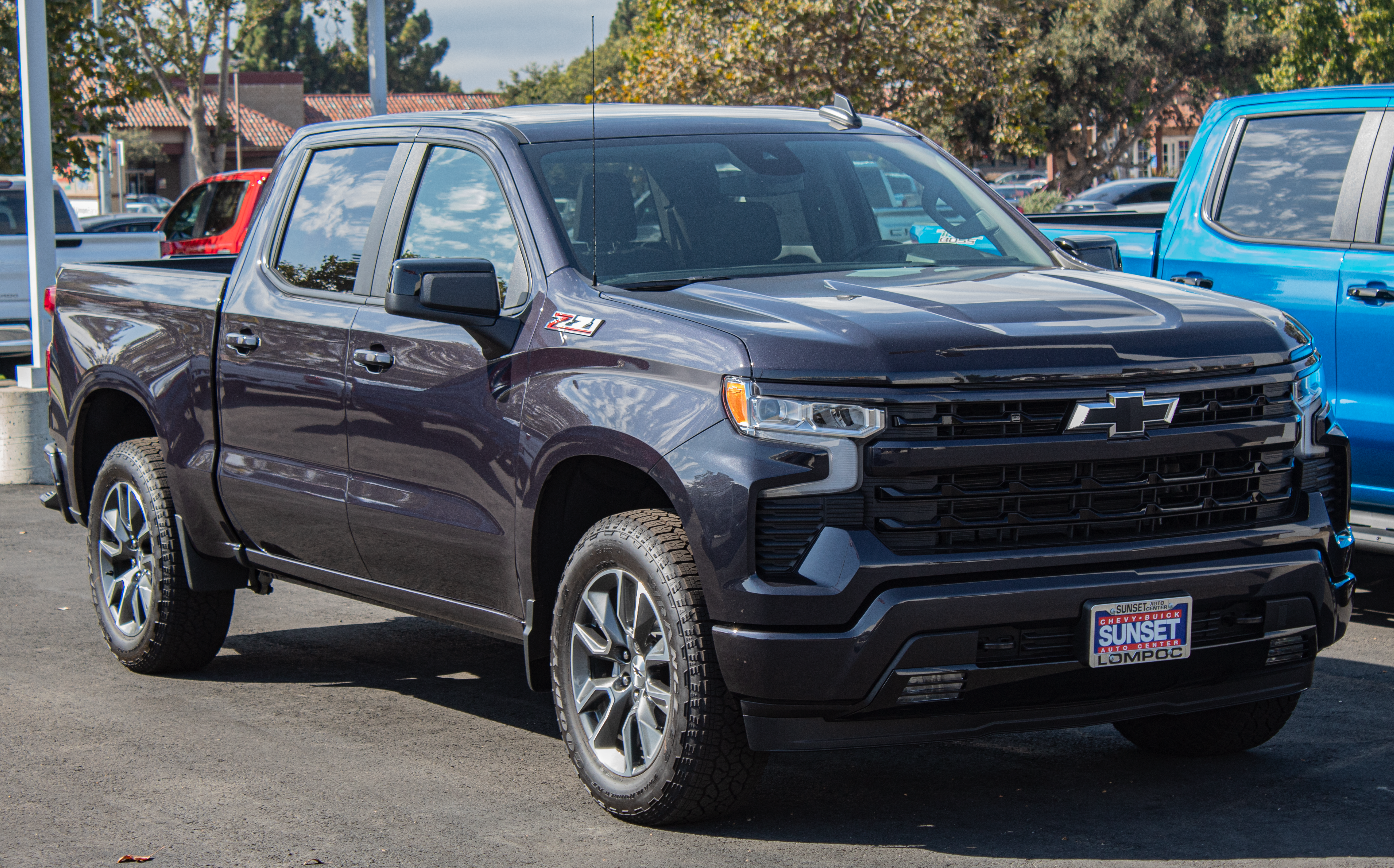
The Chevrolet Colorado is a pickup truck. Here they’re saying it can handle rough terrain better by changing settings for different driving conditions.
Drive modes are preset settings you can switch between. They change how the truck drives so it’s better suited for things like slippery roads or rough terrain.
The Chevrolet Silverado EV is an electric version of the Silverado pickup. They’re saying it’s still capable for real-world truck tasks, not just commuting.
Slicks are special tires that don’t have much tread. They grip the road really well on dry days, but they’re not meant for rainy weather or normal commuting.
A Tier 1 supplier is a company that makes parts for carmakers and ships them straight to the factory that builds the cars. It’s one step closer to the finished car than smaller subcontractors.
OEM parts are made for the car manufacturer, not as an aftermarket add-on. An OEM fuel tank is built to fit and work correctly with that specific vehicle’s design.
EPA regulations are the U.S. rules about how much pollution vehicles are allowed to produce. Diesel cars and trucks use AdBlue to help meet those rules.
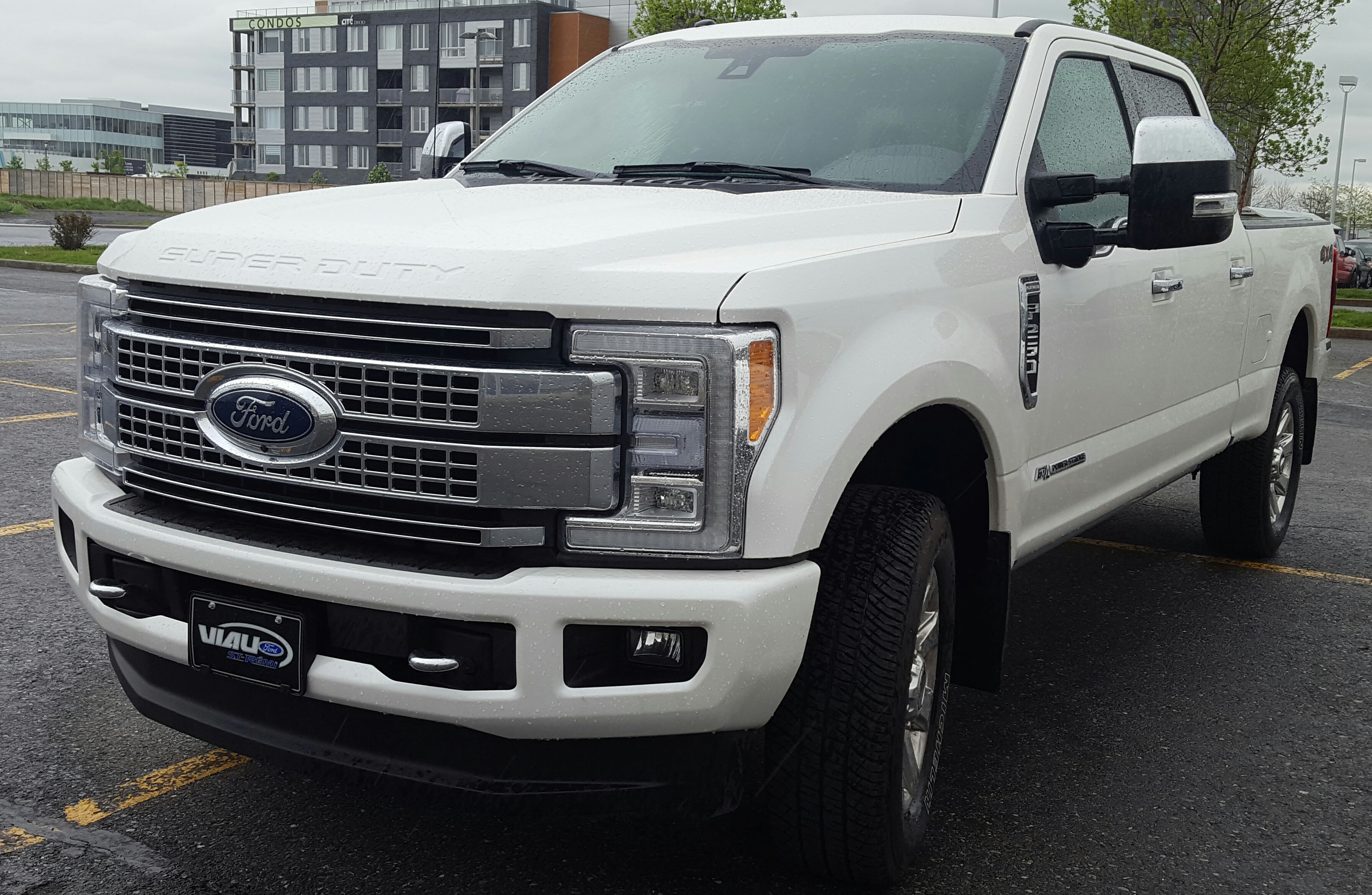
The Ford F-350 is a heavy-duty pickup truck. It’s made for towing and carrying heavy loads. In the podcast, it’s mentioned in connection with fuel tank details, which affect how far you can drive before refueling.
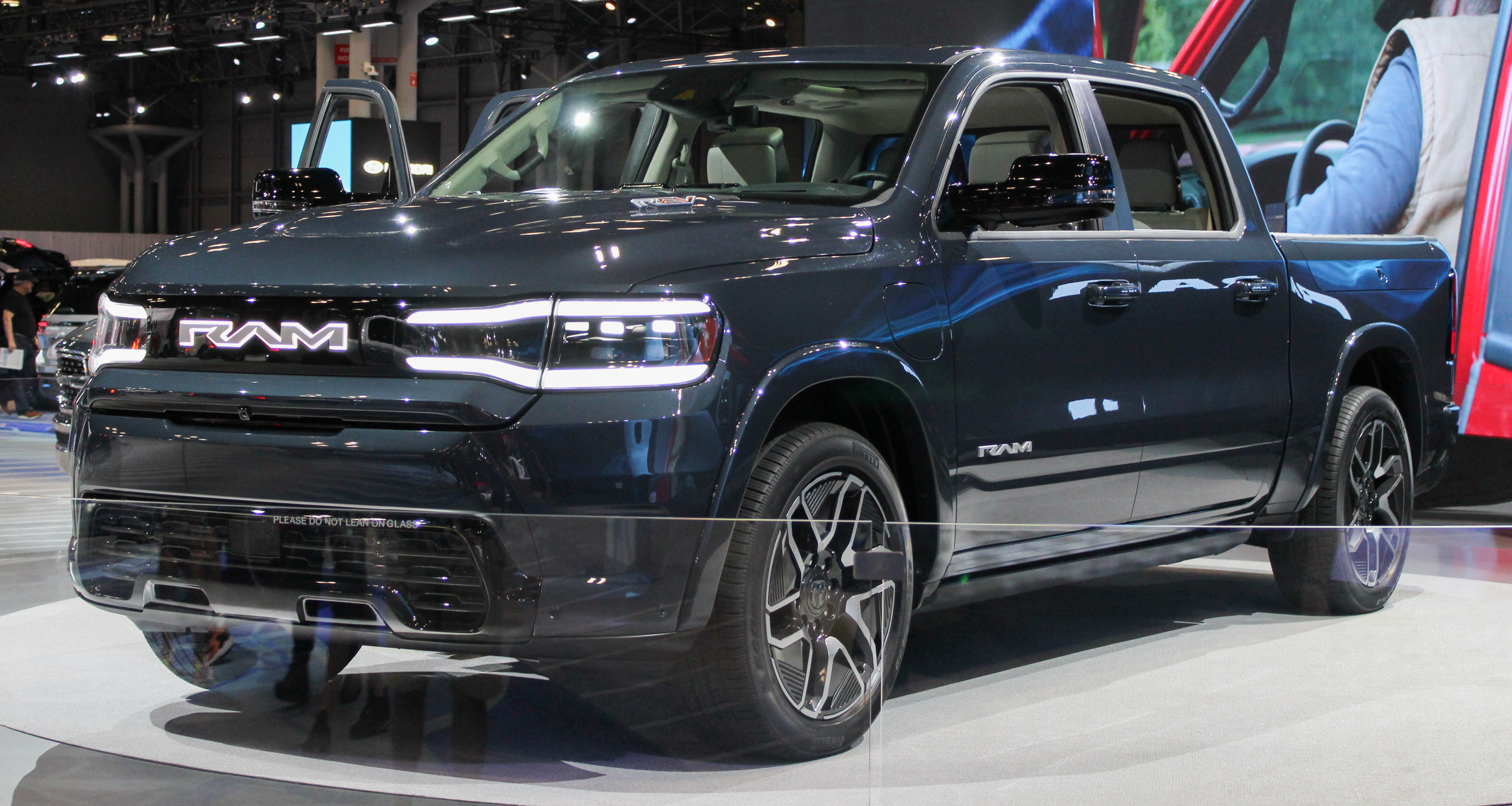
The Ram 3500 is a big, heavy-duty pickup. The key point here is that diesel versions can have a separate tank for AdBlue, so you’ll see more than one tank/nozzle.
A diesel engine is a type of engine that runs on diesel fuel. It uses compression to ignite the fuel, and it’s common in trucks because it can pull strongly and often gets good fuel economy.
This is a chemical added to help clean up diesel exhaust. It turns into ammonia in the exhaust and helps reduce the nasty pollution coming out of the tailpipe.
The system injects the cleaning chemical into the exhaust. That chemical reacts with the exhaust gases so the pollution is reduced before it exits the vehicle.
Term
NO2
NO2 is a type of exhaust pollution made from nitrogen and oxygen. The emissions system helps change the exhaust chemistry so the overall pollution is less harmful.
They’re saying they went to a BMW store/dealer soon after becoming an engineer. A dealership is where you can buy a specific brand’s cars and usually get them serviced too.
A Nissan Sentra is a compact car. Here, the comedian is just saying they drove a 2001 Sentra when they were making plans and dealing with the dealership.
A six-speed manual is a car where you shift gears yourself using a clutch and a stick. The speaker wants this because it feels more engaging than an automatic.
The Lotus Elise is a small two-seat sports car. It’s built to feel quick and handle well on winding roads. The podcast mentions it as a specific model someone was talking about.
This is basically tracking your car’s progress while it’s being built and shipped. The updates tell you what stage it’s in, like painting or being sent out.
Here, “shipment” means the car is being transported after it’s built. They’re describing the waiting period while it travels—like across the ocean—before it reaches them.
“Expedited” just means they pushed things through faster than usual. For a car, that can mean quicker shipping and processing so you get it sooner.
Brand
Storal blue
“Storal blue” is the name of the car’s paint color. The point they’re making is that even if a color looks cool, you might not end up loving it once the car is actually yours.
The Ferrari Testarossa is a classic, super-famous Ferrari from the past. The idea of “blacked out” is changing the look to be darker so it draws a little less attention.
A “trim” is the version of the car with a certain set of features. A “higher trim” usually has more options, but it’s not necessarily the most expensive one.
A “spoon engine” sounds like a performance-tuned Honda setup. The point is that it’s not a stock engine—someone added parts to make it stronger and more exciting to drive.
They’re talking about BMW’s ads from the early 2000s and how they got away with showing things that might be considered against the rules. It’s more about marketing and laws than how the car works.
“Clapped out” means the car is in bad shape—like it’s been used hard and not taken care of. It often ends up costing more to fix than it looks like it’s worth.
Mileage is how many miles the car has been driven. People often prefer lower mileage because it usually means less wear, though service records still matter.
Term
sitting Somewhere
If a car sits unused for a long time, problems can build up even without driving—like the battery going bad or parts corroding. They’re saying they want one that was actually used, not just parked.
A Honda CR-V is a popular SUV that’s built for everyday life—space for people and stuff, and it’s generally easy to drive. Here, the host says they got one for their kid.
This is a Porsche 911 GT3 set up to feel more like a normal, everyday-friendly sports car. Instead of looking super track-race, it usually has less extreme rear spoiler/aero.
They’re talking about the Porsche 911, which is Porsche’s famous sports-car model. The GT3 version is one of the more track-oriented versions of the 911.
Cars have different gears that change how the engine’s power is delivered. If a car gets stuck in fourth gear, it can’t switch to the other gears, so the engine may not be in the right spot for speed and acceleration.
Third gear is just one of the transmission settings that changes how the engine pulls. Using third instead of fourth can help the engine rev where it makes more useful power, which can improve how the car accelerates.
Ayrton Senna was one of the greatest Formula 1 race drivers ever. The point of the reference is that even a driver like him could have a weird situation happen during a race.
Donut Media is a website/YouTube channel that makes car videos. They’re basically a “car content” brand, and they reached out to the comedian to appear on their show.
“0 to 60” means how fast a car can go from standing still to 60 miles per hour. It’s measured in seconds and is often used as a quick way to compare how quick different cars feel.
ADAS pre-tuning means tweaking the car’s driver-assist features before they’re properly set up. It’s usually done so things like lane warnings and safety alerts work the way the system is supposed to.
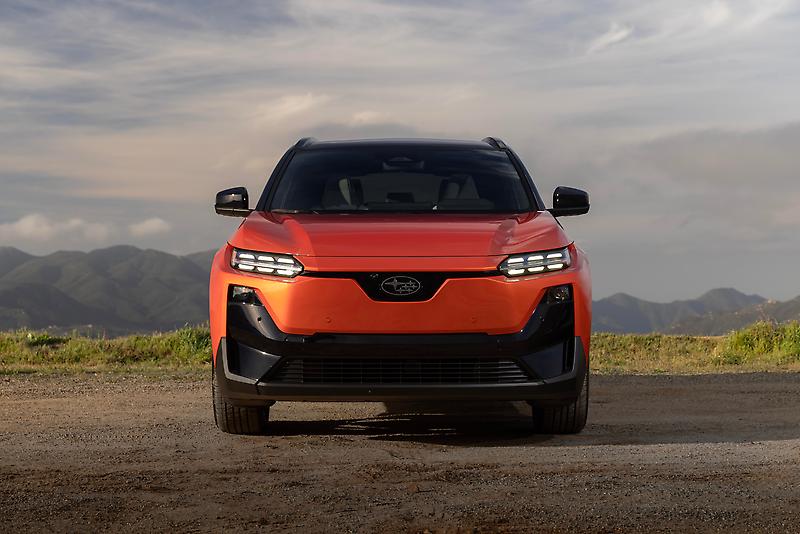
“Subaru Uncharted” doesn’t clearly sound like a specific Subaru car model. In the podcast, it seems more like someone is saying they’re in a “weird, new situation.” If you can share the exact sentence, I can confirm what car they meant.
A 10mm wrench is a hand tool that fits bolts or nuts with a 10mm-wide head. Mechanics and DIYers use it a lot because many car fasteners are that size.
The Hyundai Ioniq 5 is an electric SUV. Instead of using gasoline, it runs on a battery and an electric motor. The podcast mentions it as part of a discussion about Hyundai’s newer electric models.
The New York Auto Show is a big car event where companies show off new cars and new tech. It’s a place for journalists and car fans to see what’s coming next.
Term
L4 platform
“L4” usually means a car can drive itself on its own in certain situations, like specific roads or weather. It’s not necessarily “self-driving in every place and every condition,” and the car may still need a driver outside its allowed area.
The Chrysler New Yorker is a car model name from Chrysler. It’s a type of large sedan that’s known for comfort. In the podcast, it’s mentioned because the name sounds like a place or identity, leading to a joke.
They’re talking about an older Toyota sedan from the early 1970s. They call it a “Camry,” but that might be a loose nickname for the general look of a Toyota from that era.
The Ram 1500 is a big pickup truck. Here, the speaker is saying some of them rust around the wheel area, and that can mean the car has been repaired with filler.
Bondo is a thick filler used to cover dents or damaged metal on a car’s body. If a used car has lots of it, it can be a warning sign that rust or damage is being covered up.
This refers to buying a pre-owned vehicle, where prior repairs and rust history matter a lot. The speaker’s point is that visible filler like Bondo can indicate the car may have been patched rather than properly repaired.
The AC in a car uses special tubes to move refrigerant. If the AC tube (“AC line”) is cut, the refrigerant leaks out, and the air conditioning won’t cool until it’s fixed and refilled.
Brakes rely on fluid pressure to squeeze the brake pads. If the brake tube (“brake line”) is cut, the fluid leaks out and the brakes may not work properly.
“As is” means you’re buying the car in its current condition, and the seller usually isn’t responsible for fixing problems afterward. If something’s broken, you’re the one who has to deal with it.
Motor mounts are the parts that hold the engine in place. They also help keep the engine from shaking too much—so if they’re worn out, the engine can move around and cause problems.
The transmission is the part that helps the car use the engine’s power effectively. It changes gears so the car can move smoothly, and it has to stay properly lined up with the rest of the drivetrain.
The frame is the main structure of the car that everything bolts to. If the engine mounts aren’t holding the engine correctly to the structure, the engine can shift and cause drivetrain issues.
The BMW 3 Series is a luxury car that’s built to drive in a sporty way. The podcast mentions a specific older generation (the E36) and describes it as looking clean and well-styled. It’s being used as an example of a car someone likes.
“Deadstock” means it looks brand-new and hasn’t really been used or changed. It’s a compliment for a car that’s been kept in great, original condition.
The Dodge Challenger is a performance car, often called a muscle car. It’s known for strong acceleration and bold styling. In the podcast, it’s mentioned in connection with where the cars were produced.
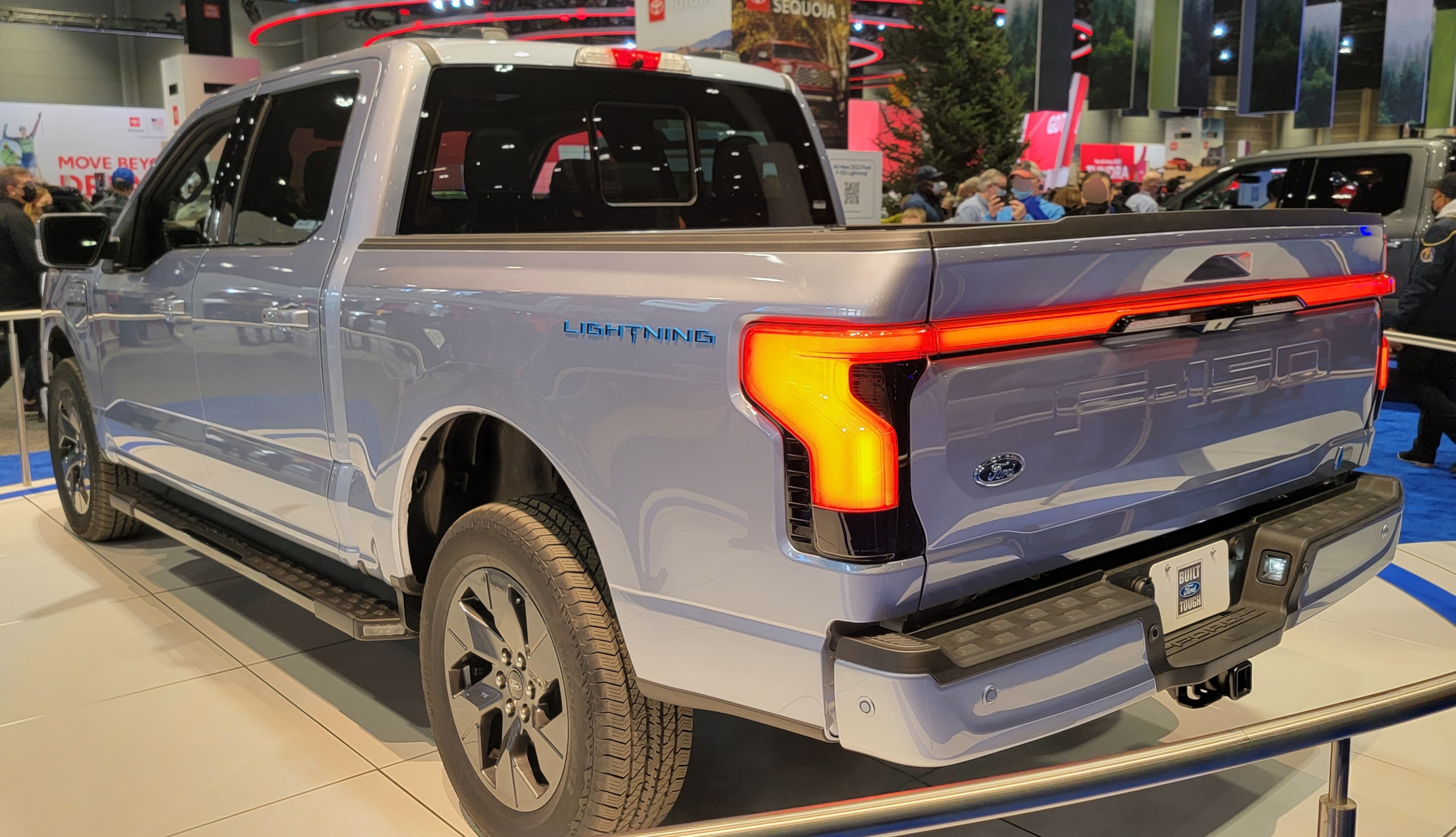
The Ford F-250 is a big, work-focused pickup truck. They’re saying a factory is making more of them because demand for heavy trucks is higher than supply.
A range extender is a backup system that helps an electric car go farther. Instead of relying only on charging, it can generate electricity to keep the battery going.
An “EV market” just means the world of electric cars—how many people buy them and which companies are winning. They’re using it as a comparison to talk about how fast things are changing.
EV means “electric vehicle.” It’s a vehicle that runs on electricity from a battery instead of using gas. The speaker is saying they started using EV tech early.
Forklifts are the machines warehouses use to lift and move heavy boxes or pallets. In this story, they’re using forklifts that run on propane.
LIVE
Chevy Trucks have you covered when the road takes you from smooth sailing to...
Chevy Colorado will eat up some of the toughest terrains with 5 available drive modes
and Silverado and Silverado HD have the muscle to take you out for some serious
with multiple engine options and impressive towing
while Silverado EV is the perfect combo of performance and capability
making it a snap to hitch up this electric truck and hit the road
Wherever the road leads, Chevy Trucks are right there with you
Click to learn more
Chevrolet Together Let's Drive
Welcome back to another episode of Talk Talk Nation
I'm your host Joe Weber and this week I got to sit down with Abbas Wahab
He's a stand-up comedian originally from Sudan
He moved to Ontario, Canada when he was a young kid
And now he lives in New York, he's doing car content now
He actually was like a guide at the New York Auto Show
He's doing a lot of really interesting stuff
He's got a unique perspective and I really enjoyed our chat
And I hope you guys do too, so without further ado, here's my chat with Abbas
Welcome back to Talk Talk Nation
I'm your host Joe Weber and sitting with me is a very special guest this week
Comic and all-around car guy Abbas Wahab
Abbas!
Hello! Thank you for having me brother, I appreciate you
It's always an awkward handshake
Over the mics?
Yeah, over the mics and...
Do not block your camera
You guys were very militant before we had that moment
Dude Abbas, thank you so much for coming to the Donut HQ
You are on a mini tour right now, right?
Yes, yes, yes, I'm out here in SoCal and going up to San Francisco
Amazing to be here man, I love this space, you guys got start-up energy
This is like a toy shop in here
Like a weird Bart Simpson get the key to the city at night
Yeah, what gives it that energy?
Because I've been, this is my office for the last eight years
So I'm like immune to it, but what gives off the energy like that?
It's loft styling, stuff is all over the place
It's very colorful, y'all got like boards on wheels that are writing things
Random things, stacks of tires, slicks, rims
A pile of bikes
And then your kitchen is pure start-up energy
Which is like snacks, fridge full
Toddler, snacks
Yeah, it's that vibe of like where, where, why would you leave here?
We're a start-up, you know, this is the working culture
Why are you leaving? We got Madelo in the fridge
Where are you going? Where are you going?
You were telling me that you worked at a start-up before this, right?
I did, yeah, in San Francisco like almost 10 years ago
Yeah, did it have a slide?
No slide, this was the pre-slide days, I don't know is that what they're doing now?
They're full-on slides over there?
I worked at Funny or Die for just a little bit when they were like a start-up
I directed a few videos there back in the day
And they had a slide that went from I think the cafeteria down to the parking garage
Yeah, no, I worked in a hardware start-up
So it was like more like open-seat concept with couches and you know
There's no cubicles and you could see everyone and they had chocolate covered almonds
Why are you leaving before 9 p.m.? We have chocolate covered almonds
Yeah, we're a family here, let's hang out
Are the almonds not to your liking?
Oh my god, let me go home
That Bay Area start-up culture is freaking, it can be toxic
Yeah, for sure
You're not originally from the Bay Area, you're from Sudan originally
Born in Sudan, yes
And then you moved to what part of Canada?
London, Ontario, that's my hometown, that's where I grew up
Right outside of Toronto, right?
Yeah, that's amazing, how are you familiar with that?
Well, I'm from Milwaukee, Wisconsin, which is pretty close
Yeah
But my best friend went to a pharmacology college
Western?
Yeah, in Ontario
And then one of my other good friends, Tommy, who is a...
Tommy, shout out
Tommy Omelettes is from Ontario as well
That's his actual last name?
Wellet, which is a very French-Canadian name
Yes, Wellet
Yeah, but he had his wedding in Ontario a couple years ago
Cool
Yeah, I'm familiar
Hell yeah, dude, yeah, that's why I grew up
I grew up in London, Ontario, so I moved out there when I was six
I was first to 12th grade, like all my school in there
Then I went to engineering school at some school nearby in a city called Waterloo
Oh cool
Then I worked in the automotive industry in Detroit
Yeah
With a supplier
I was going to say, did you make that leap over, eventually, but...
Right after...
Right after college, you just jumped over to Detroit
One of my good friends, brother-in-law, was a design...
Actually, he was a program manager at this company
We made fuel tanks as a Tier 1 supplier
Tier 1 supplier being like, we shipped directly to assembly plants
Okay, so these were not like aftermarket race tanks
No, these are Tier 1 suppliers making the OEM fuel tanks in Wranglers, VW Atlas
I see a Chrysler
We had a lot of OEM customers
Cool
My specific projects were with Chrysler and Volvo Big Truck
I handled Urea tanks, so I was new, so AdBlue
So when you come into this fuel systems game
The baby projects are the Urea tanks, AdBlue, for diesel applications
Oh, okay
So if you have like, if you get a big like a Ram 1500 Eco diesel
They, to meet EPA regulations
They gotta spray this ammonia fluid called AdBlue
When you buy it, it's called AdBlue, it's really Urea
Yeah
And it pretty much does something called catalytic reduction
And it makes the fumes that come out cleaner for the air so it could pass EPA
Oh, I've never heard any of those words that you just said
Yeah, so if you ever see a Ram like 3500 F350 turbo diesel
And you look at the fuel tank, there's another tank, there's another nozzle in there
You'd be like, well, why is there two?
There's a small one for that Urea, AdBlue
And that one's for your diesel fuel
Well, okay
When you see a big 18 wheel truck, there's a big tank, like look at the passenger side door
Right to the left of it, there's a big tank about this big
Probably what was that, bad boy
Probably six to eight gallons or something like that
But that is the same thing because they're all diesel engines
So that's like an ammonia based additive?
It's an ammonia, yes
And it sprays into the exhaust stream
And the nitrates become less aggressive
Like it goes to NO2 versus like all these aggressive
And you can't, don't quote me on the exact NO, I don't even remember this stuff
But it pretty much takes very harmful fumes and sprays into it
And makes them a lot more benign for the atmosphere
So it can pass EPA
That's something I've never even thought about
So they're little tanks
The little tanks are a lot less complicated because they're not flammable
It's not fuel
So when you go as a 22, 23 year old engineer, they put you on those
So they put me, I was like a project manager for the existing Ram 1500 Equator
It was already an existing program because it's already been in production for years
And you just need a guy to oversee it
So if there's a problem at the plant, you're the liaison for the company
So that's pretty much, that was my foray into actually working in like engineering capacity
So you got your foot in the door at this like diesel tank division
Yeah
How did you make the leap?
Did you stay in the automotive industry or did you, what happened after that?
I was at the company for like two, two and a half years
Then I moved to San Francisco and joined that other startup that is no longer here
Which is, you know, like I said, the same vibes as this place right here
Mine tribe
No, no, not mine tribe, mine tribe was some of the other guys
Dude, my thing was called Frickin' Riverwood Solutions
Oh
Which sounds like a Frickin' mental asylum, right?
He was admitted to Riverwood Solutions
Yeah, we got a solution for him
We haven't heard of him
Yeah, exactly, right?
Prozac
I went out there and
I was already doing comedy at night at this point
And I just wanted to switch jobs
I just, I wasn't really feeling what I was doing
And I liked the automotive stuff
I just didn't like what I was doing as a job
So I was convinced in my mind that it was like Michigan was a problem
So I was like, California will be great, you know
Then I went to the startup space which is way worse than
Way worse than Michigan classic corporate America
Like cubicles, five, six weeks of rap, you know what I mean?
Then it goes to this like, we are a family
Everyone in this room will be laid off in seven minutes
But we are a family, you know what I mean?
That weird energy of all these people that are like transplants
A lot of people in the Bay Area, they're not from the Bay Area
They're just there just to like Frickin' dry, suck some startup dry
Until it pivots and then they jump ship to the next one, right?
So that, I got exposed to that energy while doing comedy at night
And that company was a hardware company
So they made like a fancy, fancy locks for doors and stuff like that
Like a door, you'd go up to your door knob
And your Bluetooth on your phone would unlock it
Or like, or let's say your Comcast guy was coming
And you needed 30 minutes of access for some routers
You send him a link for a QR code
So you don't need, there's no keys, no one has to be
That's an interesting jump from diesel tanks to a kind of a startup lock company
Dude, you know, LinkedIn has a button that says apply in LinkedIn
It's very easy to apply to jobs, I only apply to jobs with that button
I did, I searched jobs that only had that button and applied to 200
Just click that button 200 times and got that interview and nailed it, I guess
And literally I was just looking to go to California, I didn't care what the company was
And that's when I really got into stand-up though
So thank God I wanted to, the Bay Area
What was the moment you realized you wanted to start doing stand-up?
Do you remember it?
I was always obsessed with stand-up my whole life
But you know, when you're like an immigrant kid, you think you have to become an engineer doctor
Yeah, that's what I hear
Like you think you have to, like it's like fully, you know, they sell you on the dream
And I was like, since I was like a kid, you know, if an adult was like
What do you want to be when you grow up?
My mom would be behind me like engineer
So if you know what I mean, answer for me
So eventually I was like, yeah, engineer, right?
But like, I just always loved comedies
I learned like English from Simpsons
I like, dude, I was just obsessed with everything comedy
Stand-up, my mom, I grew up very religious
So my mom would always like be over my back watching like what I'm watching
Like even like I was watching an Arthur episode one time
And like Arthur's parents like were leaving the house
And his Arthur's mom kissed his dad on the cheek
My mom's like, what the hell are you watching?
So like that is a little idea of how it was
How could you watch the Simpsons?
But I could watch, she hated me watching the Simpsons
She's like, you better not be watching the Simpsons
I'm like, no, I'm coming upstairs
I watch like twice a day every day, five and ten
But every day in Canada, shout out CVC and Omni2
Which I don't know if it exists anymore
But stand-up, I could watch Unlimited
Because my mom's English wasn't that good
So it's just someone with a microphone
Right?
So I could watch non-stop stand-up
So who inspired you early on?
Chappelle was the guy
Absolutely Chappelle
A lot of people, but that's the go-to
Like I would just memorize all Chappelle show skits
And redo them at like recess at school
I love that shit
But pretty much, you know, love stand-up, love stand-up
Watching, going to see, live, going to see
Then I became an engineer
And then I just started getting real depressed
In these jobs
It was like a year and a half of like
First of all, I become an engineer
Immediately I go to the BMW dealership
I'm like, okay, I just did five years of school
I don't care about at all
This is what we train for, right?
So I go with my 2001 Nissan Sentra
I park around the corner
Because I'm like, they're going to screw me on the deal
If we know I'm playing the shit car
They're going to know I'm like broke, right?
And I went and I ordered a BMW 435 X-Drive
Six-speed manual
And the guy was like trying to get me to buy a fourth...
It was Elise, it was Elise
And he was trying to get me to lease a 435 from the lot
But they're all automatics
And I'm like, oh, I really want a manual
He's like, but you know, you're going to have to wait three months for this
I'm like, well, I'm not getting it otherwise
He's like, but that was an amazing...
I still remember that, man
Just calling the BMW F and automated 1-800 number
Where you call and you type in the last seven digits of your VIN
And it'll just give you like the status update
In manufacturing of your car
So it'll be like in progress or in shipment or something
In progress, your vehicle is being painted
It's like the Domino's Pizza Tracker
Exactly, exactly
But just all audio
But it'll be like, your vehicle is cued for shipment
Your vehicle is undergoing shipment
Yeah, so you're just like counting down the minutes
Oh, the minutes, dude
And I still remember it was an amazing feeling
And it was the first year the 4 Series came out
So it was supposed to take three months
They had it from the day I ordered it to the day I received it
Is this like late 2010s?
This is 2014
Because they were trying to get as many 4 Series on the road as possible
Yeah
They expedited the whole thing
So I had the car in like 45 days maybe
From the day I ordered it to it
Built, shipped across the ocean into me
In like 45 days or something like that
What color was it?
Storal blue
Oh, I love that
That's the color
That made me learn though that like
Just because a color is sick
Doesn't mean you want the car in that color
I learned that shit
Does it not look good in that color?
It looks incredible
But the problem is it's too much of a
It magnetizes attention to the car
People park near the car
People are looking at the car
You're at the light
You get pulled over easier
It's like
I'm like, oh, I never thought about any of these things
And now I realize a Ferrari in red
Is probably the biggest headache possible
For sure
Yeah, I mean not only is the maintenance cost
For a Ferrari is insane
But you're also just like
Under the spotlight all the time
Constantly
That's why
Blacked out Ferrari Testerosa
That's the next move
Yeah
The older I get
The more I'm just into like sleepers
Because I don't, you know
I don't want to attract attention
And then the cop pulls me over
And sees that I have like two baby seats in the back
Yeah
I mean that's a good look though
It is a good excuse too
I've gone out of tickets
I went in like a turn lane too early
And I guess there's a rule that you can't
You can't get in the turn lane
Before 200 feet
You can't drive more than 200 feet
In like the third lane in the middle
So I pulled over
I pulled over in a very inconvenient spot
For the cop to park behind me too
Where he was like kind of hanging out into
Traffic
Yeah
And then I rolled all the windows down
So you could see my kid in the back
And I was like, I'm sorry
He's just like, he's freaking out
And meanwhile he's just like
He's super quiet
And they were like, okay
I'll let you go with a warning this time
But just to let you know you can't drive
More than 200 feet
And I was like, yeah
I was putting on this like exasperation
And he let me go like right away
Dude, I never got a warning in my life
When I got pulled over
Then I had a freaking family
Yeah
Bro, I need a hologram of my family
In my heart
Someone needs to invent that
A hologram projecting a dog like
And freaking your kid
Yeah, yeah
And like a wife being like, you know what I mean
Like when they're not with me
I feel a lot more exposed
Yeah, for sure
You know what I mean
When they're with the bro
If I see cop lights and the family's in the car
I'm like, we're fine
Yeah, we're fine
It's so photogenic right now
There's no, you know what I mean
It's gonna be fine
They always do that
I don't know how many times
You've been pulled over with your family
But they're like
You shouldn't be driving like this
With kids in the back
Yeah, I don't get pulled over that much
I love how many times you've been pulled over
Only this one time since I've had kids
Yeah
Alright, let's talk about what makes Rula so great.
Rula supports every aspect of your mental health journey
Thousands of people are already using Rula to get affordable
High quality therapy that's actually covered by insurance
Visit Rula.com slash TTN to get started
That's R-U-L-A dot com slash TTN
You deserve mental health care that works with you
Not against your budget
What are you daily?
My daily is my Audi A3 hatchback
Nice
Love the hatchback
But our family car is a RAV4
Which is the NPC car
Is what people say
It is NPC color too
It's just gray
Perfect
That's what you want
I have a black CRV
One of 10,000 that are immediately around me
I'll just be like
You could think
You could go park somewhere
And literally be four black CRVs
Identical
You just have to beep it
Yeah
Which one's mine
And I love that
Now that I've had these experiences in the past
I love a car that's hiding in plain sight
Yeah
And we got whatever the higher trim
It's not the highest trim level
But it's got 300 horsepower
On the RAV?
No, on the RAV
On the RAV
Really?
Yeah
It's got 300 horsepower
Damn
All-wheel drive
And then hybrids
So you get a good jump
And it can overtake people on the highway super easily
There's a lot of people that underestimate you
And they're like
This is a f***ing RAV
This is a NPC car
I'm gonna be a dick to it
And then I'll just like pass them
And go 90
They don't know about the spoon engine
And most of the exhaust that you put in
Hector put a spoon engine in
Hector?
So, okay
Are you a Beamer guy then?
BMW
All the way
Love BMWs
Love my
The car I want the most
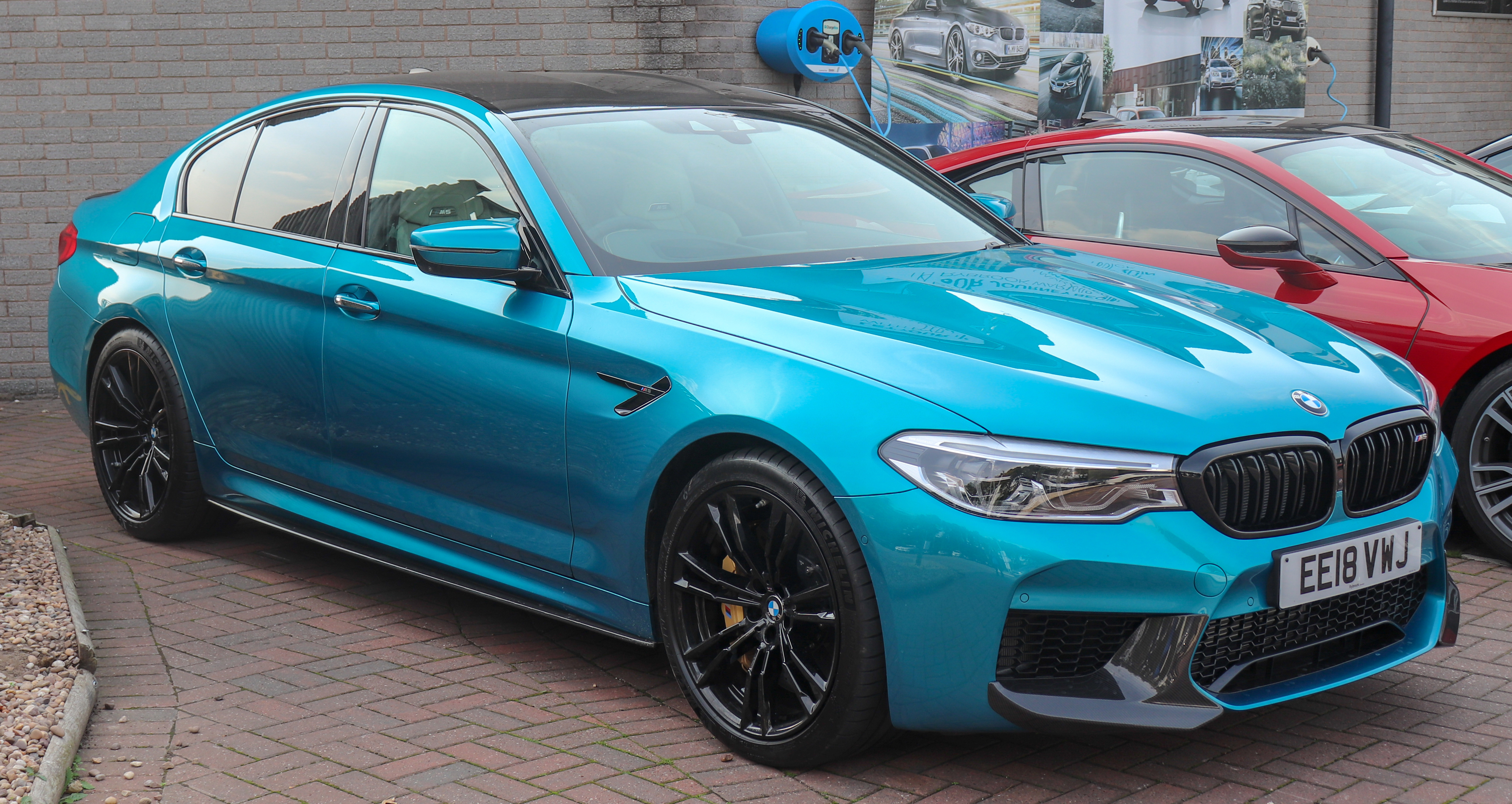
A39M5
That's like
The car, that one
I look at it
I just kind of like
That's six speed, dark blue
Yeah
That is the one that they
That's a peak right there
I don't know what your age is but
34
Oh, okay, so we're similar
I'm 39
But in the early 2000s
BMW got away with advertising
There was some weird like
Law in Germany where you couldn't
Show cars kind of like
Breaking the law in car ads
What BMW did was
They hired Guy Ritchie to direct
This short with
I want to say 5-0 in
Is that the one with the fuel
Sorry, the jet
The jet car
No, that's different
I know what you're talking about
Yeah
This was like a short film
That Guy Ritchie directed
With Clive Owen
Where he's like a getaway driver
Yeah
And through this loophole
They were able to show
Pretty wild illegal driving
Through you know
Cities
They pretty much redid the transporter
Yes, yeah
And it was
All along it was this ad for
The BMW E39M5
Which is like such a fun
Kind of way to bypass these restrictions
Till this day something
I don't know what it is about
The BMW M5
Yeah
Just saying that
Still kind of just gives me a shiver down my spine
Sounds like a jet
That was the
The BMW M5
It's like just like
Whoa, what is that
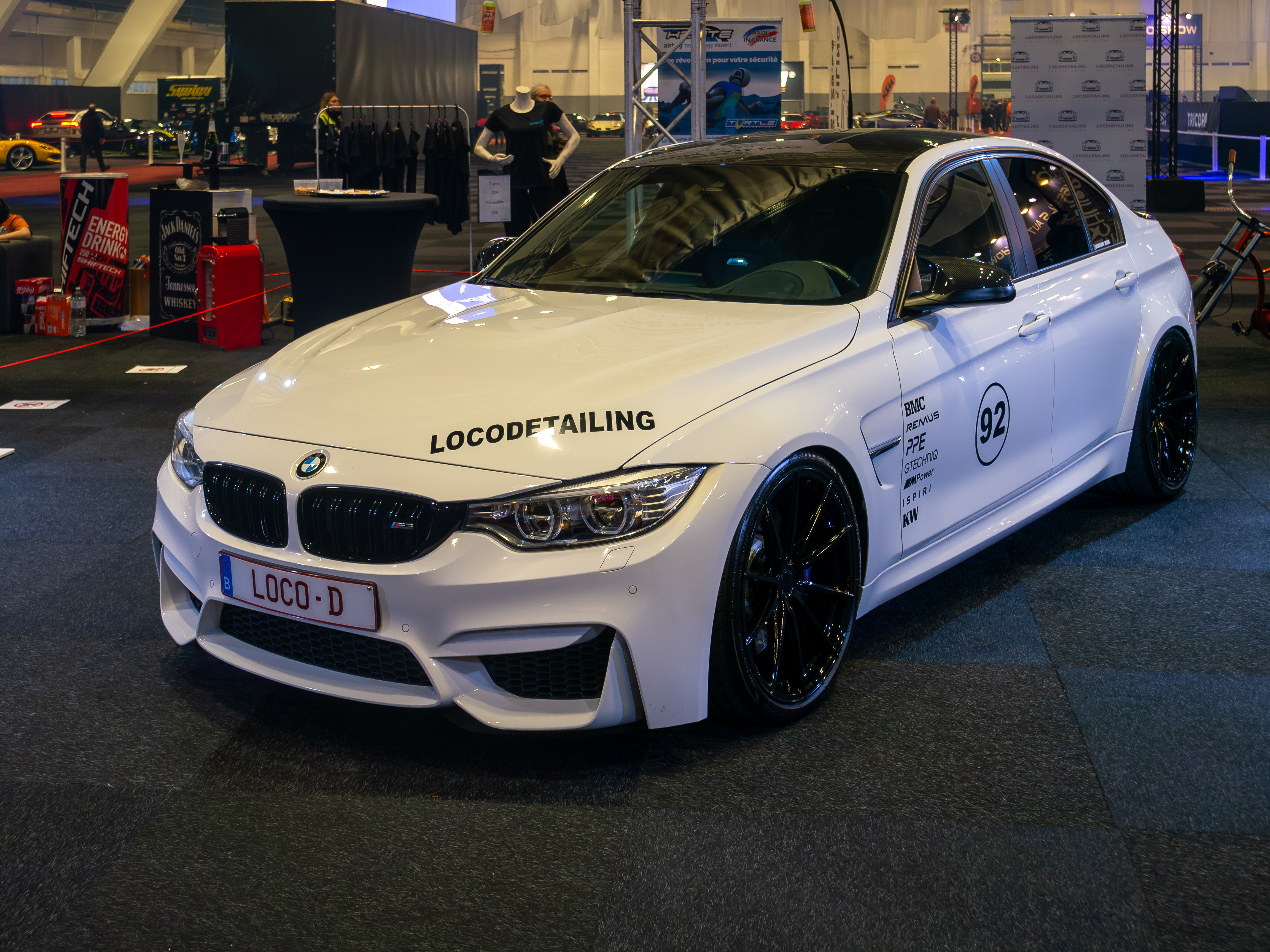
And I love an M3
Yeah
But just something about
When I was young
I was like Koop
Koop all day
But now it's like
For the practicality
It's like I need four doors
And like
You find a clapped out
I don't know what the market is
In New York
But like
You can find a clapped out
M3 of that era
For maybe twenty two thousand dollars
And the M5s
You can find for like
Ten grand all day
Yes, correct
I mean I wouldn't want to
Buy the ten grand M5
No
I'd probably want a cleaner one
With like you know
Fifty K miles
That was like driven
That's not just been sitting
Somewhere
But that's the car that like
That's the next
That's what I'm looking at right now
I think you could
That's very reasonable
I can make it work
I just you know
Had a new bag
Like a twenty month old kid
Yeah
And it's like
Not in a position right
Cause we're just street parking
In New York City
So I was like I can't
We just got the CRV
For the kid and stuff
So I'm like
I'm not gonna have two cars
Right now but
But like it's
Trust me
It's gonna happen
What color are you thinking?
Again
That like midnight blue
Blue?
I love BMW blue colors
Like black
Yeah
I wouldn't go with the
Light blue
BMW does blue the best
Yeah
In my opinion
And Porsche and Range Rover
Do green the best
I do love
Unscrewing
Unscrewing and green
Oh I love that
But I do like
The green of that era
Is amazing too
I can't remember what it's called
The darker kind of
Hunter green
Range Rover has that
Now on their
On their sports
God it's good looking
Green cars
I think just like
Look great
Beautiful
It doesn't
There's not a green
That looks bad in my opinion
Dude that
GT3 touring spec
That's like that green
With like the
Brown seats
That's like
Are you talking about 9-Eleven?
Yeah
Oh my god
It's like the non-wing one
With
Yeah
That to me is like
Possibly again
Being low key
Cause I'm not gonna be on the track
With this thing
You know what I mean
It's more low key
Don't need that giant spoiler
Just something about that build
I love it
That is
Yeah
That's why I like the ST
Yeah
A lot
Or is it SC or ST
The like 9-Eleven
This is the new one
Yeah
This is the new one that they just like
It's
Um
Pretty new
It's like a couple years old
Alex do you know what I'm talking about?
I wanna say
Yeah there's so many variants
I know
And I'm like
And I'm like embarrassed to be like
They're like the ST7
You don't know them
Like I just
I just did
What's it called
Smoking tire yesterday
Oh nice
And their patreon guys
They will
Right
They're watching it live
I guess
So they'll have
Or I don't know if they know in advance
That I'm coming on
But they'll write these questions
And a lot of these car guy questions
You could really tell
It feels like a job interview
You know what I mean
They're like
The one guy wrote
He goes
You know we were
We tracked the car
And the car broke
And it was
Stuck on fourth gear
And yet we all got
Two to three second better lap times
Stuck only in fourth
For the whole lap
What do you think about
It was like this
What do you think about that
What kind of question is that
But a lot of these questions were like
They almost want to see
It's like
It's like I want you to show the work
You know what I mean
I want you to talk
And prove that you're a car guy
Essentially
It's so autistic
It gets autistic
It gets autistic
I know
And it is
There's like this weird
Kind of like smirky energy
Where they're like
Yeah you could tell the guy like
Type that
And crack those knuckles
And step back from the keyboard
Like
Answer that
I'm in front of a computer right now
And I can figure out
Anything I need to
But like
You tell me what you think
And I'm like
The car was stuck in fourth gear
You got a better lap time
How the hell does that happen
Yeah
You know
I'm like third gear
Okay maybe
That happened to Ayrton Senna
But
Yeah
But others are named loafers
You know what I mean
Like that's
Dude that shit is exhausting
I know man
It's like
The only reason I got into engineering
Besides my mom
Like
I wanted to invent a car
When I was a kid
Oh
So that's when I got
So when I was a kid
I was like
I love cars
And they're like
You have to do engineering
So I was like
I'll engineer a car
You know what I mean
Yeah
And
Like that's
Pretty much the road
I went down
I went into engineering
I was like
Okay it's not the thing for me
Blah blah blah
Love cars my whole life
Started
You know
Got into comedy
COVID happened
And then I couldn't get
Stage time
So I started making
Content online
Oh that's cool
Throwing shit against the wall
For years
I'm building a following
I'm talking about my
Immigrant upbringing
I'm talking about
You know
Corporate life
This stuff is hitting
This stuff is hitting
Finally I started talking
About cars
And it starts to really hit
Because you know
My love for cars
Is coming through
And then all of a sudden
I'm like
You know branded
Car
Car guy comedian
Like the internet
Decides what you are
Kind of
So suddenly I come to LA
Donut media
Hits me up to come
Do the thing
And I can come on the
Smoking tire
And stuff like that
And people are like
There's a little bit of an
Energy of like
You get embraced
By a lot of the people
You meet in real life
But the internet's like
Is he a car guy?
You know what I mean
Let's ask these questions
A, B and C
You're like hey I love cars
I can answer all these things
But it's also like
I don't know the 0 to 60
I used to be able to tell you
Like phone numbers
You know what I mean
Like what's
Your friend Michael's number
You know his number
Because there's no cell phones
So it'd be like
What's
What is the 2003
M5 to 0 to 60
You're like 4.9
You know what I mean
Like I used to know
All that stuff
But now it's like
Like quick Google
So I don't need to
Know it like that
I think that is
Something I'm scared about
Because
If you
Can just Google stuff
And especially like chat
GPT now
You can just ask
A detailed question
And it'll give you
You know
Sometimes bullshit answers
But mostly
Good information
But with great confidence though
Yeah
It'll tell you
Like it's your pal too
Like talk to me
Like you're my friend too
But it's pushing
Stuff out of your brain too
I feel like
Where
Or just like
Your brain
Is telling
Itself
It doesn't need to remember this
Because all this information
Is a finger click away
You know
So you don't
But I'm fine with that
For 0 to 60 times
I'm fine with that
I have limited bandwidth
You know what I mean
I don't need to know
What the
The TVR12 speed
All these weird cars
That I followed as a kid
You know what I mean
Oh you don't know
That's the
The 4GT90
You know what I mean
Like all these things
That are like
The Salina 7
All the
I don't need to know
The 0 to 6
We can Google that
Right
Just relax for a second
You got
Yeah
It doesn't need to be
Like surface level information
Like it's fine
If that's something
That you kind of remember
From a while ago
But like the way
That people test you
On that
It's so obnoxious
I'm getting
I feel like
I'm in like
Some weird job interview
Stuff
With a lot of these
Times
You know
One guy asks
He goes
How do you feel about
People doing
ADAS pre-tuning
For something
Something
I'm like
What the f**k do you say
He's like
Oh ADAS is the thing
That like
Does the all the lane departure
And something
I'm like
I didn't even know
Like I know what those are
I didn't know
That's the acronym
That umbrella
Like
Guys
Relax for a second
Do you feel like
That's kind of a challenge
Now in your career
Straddling those two
Industries
Being like a car guy
And a comic
And finding
You know wanting to give
People the time
When you see them
In person
Or online
Or whatever
But also kind of
Disregarding these
Like
People that are trying to
Catch you on the back foot
Yeah
Yeah a little bit
Honestly
I'm shooting from the hip
I don't know
There's no
Playbook
Yeah
I'm in some weird
Uncharted territory
And I'm
Grateful
Because
The car community
Has embraced me
So much
So I'm just like
I want to continue
Championing all the people
That are like
They f*** with me
And they
Followed me
And like my stuff
And like
Are communicating with me
And they're like
Getting cars and DMing me
Like a fricking
New Range Rover
The build
Or they lost their
10mm wrench
Or whatever it is
You know what I mean
I like all that stuff
But it's like
I'm a stand up comedian
That
Happens to love cars
So I'm in this space
Where it's like
Sometimes
I feel like
I'm just going into
Being like
I'm like a car media rep
I'm like
Whoa
What even happened anymore
Like I don't
I don't know
Sometimes I don't
Feel like I don't know
What's happening
To be honest
Yeah
Like you feel like
You have to have a take
On everything
Yes
And I don't have a take
On everything
You may have asked me
A question that I just
Learned about what you
Just said
Immediately
I think it's fine to
Not have a take
On ADAS
Or the brand new
Hyundai IONIQ 9
Or whatever
Like it doesn't matter
Anymore
I know
And
It's funny because
You said
I just got an opportunity
To lead VIP tours
At the New York Auto Show
So
The New York Auto Show
That's cool
Shout out to Scotty
At a girl's guide
To cars
She's a fan of
My social media
Connected me to
All these OEMs
So finally
I got press cars
I used to just
Tour and just
Rent cars off
Tour and just
Rent cars
I mean maybe
I'll do a
I'll screw around
Do a review with a car
I'll do a joke with a car
Whatever
She's like
You shouldn't be paying
For these cars
And she like
Connected me
So now I get
All the media cars
Oh that's awesome
So shout out to her
She's amazing
And
She just
Connected with the
New York Auto Show
To be like
Hey let's get some
Influencers to
Lead some
VIP tours
And
You know
I live in New York
So I'm like
Something to do
During the day
Why not
I'm down for that
One
Two hour VIP tour
A day
And then
There
When you're actually
In front of people
I realized
I didn't even need to
Like
I'm not like
Googling stuff
That much
Yeah
Cause I'm like
This is going to be
More of a vibe thing
I'm not going to come
And be like
This is the
L4 platform
That
You know what I mean
This is not
Going to be
A pure numeric thing
It's going to be
Like
Oh this is
Like
This is where you want to
Hit the club with
You know what I mean
It's more like
Vibes and stuff
That's what people wanted
You know
Well
Yeah
It's funny
People aren't there
Being like
You know
How many sample pieces
Did they do in their
Validation process
Like
You know what I mean
That's what you get
Online
Oh for sure
So online
You're like
You're a relaxed guy
In real life
These are not the questions
Real life
People want to be
Around the cars
Get in
Yeah
What do you know about
I actually don't know
But the Ford rep is right there
Let's grab him
And see if he knows that answer
It's not about you
Knowing everything
It's such a dichotomy
Because online
People are trolling you
In person
Everyone's upbringing
And need to
Kind of be polite
Overtakes any
Sort of like
Want to troll
Yeah
100%
When you're fun to somebody
We default to human decency
For the most part
Right
Yeah
For the most part
I miss that
You know
Being online
As my job
I miss
This kind of stuff
You know
Interfacing with real people
And doing live events
And stuff
I wish we did more live events
Because
People show up
And they're like
Really nice
And they're really stoked to be
There
And you don't get
Any of this like
Yeah
Well
What's the displacement
On that engine
I know dude
I know
Oh my god
Don't get me started
On this
The freaking
The
The nerds
You know
Not even the nerds
But just like
The incel car
Incel vibe
Yeah
You're like
Geez
Get on hinge
Relax a little bit
Actual trolls that are like
Asking you questions
So you can cross the bridge
Yeah
One guy asked me
A specific gear ratio
Question
A gear
Like you wanted me to
Say numbers
About what I
Third verse
Second
Yo
Was this on the smoking tire
No this was not on the smoking tire
This was like in real life
At some point
Where it's like
I'm like
Yo pause
Stop
What are we doing
You know
Like if I can't answer
Your gear ratio question
What are you going to go back to
Your crew
Be like
He's not even a car guy
Bro
He doesn't even
He thought it was a four or five
Like
Yo
It's weird
Yo it gets weird
Let's just say that
Are you a New Yorker
No I'm from
Milwaukee
Milwaukee
I love that
Moment
In the spring
Where everyone's like
Hell yeah that first day
Where everyone gets out of
Their house
And they're wearing shorts and stuff
Yeah you guys don't have that
Out here
Your little divorce from
Reality
No
And when it rains
Which is like two times a year
Everyone's just in their house
No one leaves
People still drive
Like idiots
And there's a ton of crashes
Cause they don't
Every tire is bald out here
And it doesn't matter
Yeah
Yeah
But I will say this
Yeah
These roads
The only salt out here
Is in Mexican cuisine
You know what I mean
Like that's
I love these old cars
That have beautiful bodies man
Oh yeah
No rust
That is
No rust
Something I like
I'm immune to now
Like I don't even clock
How many cars there are
Still from like the 70s
It's like an early 70s
Camry or something
Yeah
And it's like
Looks great
Yeah
Like what the hell
Being a Canadian
That's the stuff that
Really shows me
Yeah
Yeah
I'd grown up in Wisconsin
Yeah
Same thing
So many
Just like
10 year old cars
That are full of rust
And you're like
What
Bro
Ram 1500
The whole wheel well
Is like
They gotta put that
That overlay thing
That I'll put on the
The outside
Well
The
Just because
It starts to eat
It starts to eat that
And then there's just like
You don't trust any
Used car
Cause it's full of Bondo
Oh bro
I used
I sold a F-150
That I had to
At the plastic
Black plastic
I had to man
Maybe I
Hey listen
It ran great
Okay
Had a little
Had a little body rust
But it ran great
What do you want?
I'm not gonna lie and say
I haven't sold a couple cars
Where I immediately blocked
The number
Of the person that
I sold it to
I'm not saying that
It's not a piece of shit
No
You're like
Damn bro
Immediately blocked
The number
I mean
What are you selling
You're selling like
We're talking like
AC line is cut
Brake line is cut
No
It was
For the most part
Safe but like
Alright
I will tell
Cause it's
Dude as long as you sold them
As is
Did you sell them as is
As is
I was like
Very upfront about everything
And I sold them for like
A thousand bucks
Okay so we're talking
About like
Junkers like that
That are still run
Yeah
That's fine
But
I was also taken advantage of
I'll talk about
One car in particular
It's getting dark
It's past the
Statutive limitations
Yeah okay
But it was a 99 accord
The one that looked like
A kind of baby NSX with a
Oh yeah
Boxy
Oh yeah
I
Man
I love that era
And it was black
It looked perfect
I schooled my buddy
Going to get
Pizza at lunch
99 accord
Yeah
I bought it
From
My co-worker
So I was like
Oh this is legit
You know
Come to find out
I drove it for
A couple months maybe
For some reason
I didn't register it
I was just like
Dumb and young
I was just white
Yeah
That's just like the way
I didn't even register it
I'm like
What could happen
Just wait
Because I got pulled over
After three months
Yeah
The cop
Walked up with his
Hand on his gun
And I was like
What's going on
I was a chef at the time
So I was like
So you're white in whites
Yeah
Yeah
Basically
He walks up with his gun
And his
You know
A finger on his gun
Kind of like standoffish
And I'm like
What's going on
This dude's
I'll be as
Blatant as possible
You know
I got my hands on the wheel
He asked
If it was my car
And I was like
Oh that's a weird thing
To ask
And then it comes
Out that
Like
It's got a stolen license plate
Of course
And
Uh
He gave me a warning
And let me go
Dude
With a stolen license plate
Unregistered car
Hey
White privilege
Before you're your first
You're the one saying it
Are you hurting your first
It was pretty much
That though
It felt like I was like
No family in the car
No family
Unbelievable
Yeah
He asked if it was drunk
And didn't breath
You're like a little bit
He's like
Get out of here buddy
I had a shift drink
You know
Like you get a shift drink
At the end of
Dude
That's incredible
So it had the license plate
You saw
When you bought it
With the license plate
Already on it
And you kept driving
With that license plate
I was like
I was like
21
Had just moved out here
I didn't know
Even know what the thing was
Yeah it was
Cause I didn't have a car
In Wisconsin
So this is the first
The first
Got it
And
Just ignorance
Yeah
Super ignorant
And just like
I'm gonna let it
Ride until
I get in trouble
Kind of thing
Like just ignorance's place
And then
Like it also
I was like
I'm gonna get everything
Figured out
I'm gonna register it
But then
Oh man
This is gonna
All the car guys
In the comments
Are gonna be like
This idiot
It only had like
Three of four
Motor mounts
So when I would
Rev it
The engine would go
Oh no
It had two engine mounts
Like
Kitty corner
So it was actually
That kind of thing
And probably like
Moments away from just
Like divorcing itself
From the transmission
From the frame
Yeah
So
Needless to say
Like
I didn't have that car
For very long
I let the guy know
Everything
That was wrong with it
That it had a stolen license plate
He still bought for a thousand bucks
And you deleted the number
Immediately
Well he called me
About an hour later
And was very angry
And I was like
Dude I let
You know
Everything
It was one of those things
Where we like
Did a bill of sale
On like a post-it note
Yeah
It was like
At least he did that though
Um
But I was like
Man this was a thousand bucks
You knew what you were getting into
Like
Where else can you buy
A car for a thousand bucks
Like you could
For a couple hundred
Dollars probably
Register it and get it going again
You get what you're paid for
Yeah
But anyways
That's my car story
This is not about me
Hey listen
Just be thankful
That you got the melanin
On point
Alright cause that
You might still be locked away dude
That's stolen car
Drinking
Yeah
Unregistered
Hey get out of here
I was not drunk
I will go on record
It was one beer
Get out of here buddy
Welcome to Los Angeles kid
Yeah
That's beautiful
That's my car story
But
Let's go back to
Beamers
Cause I also am a
Huge beamer head
Someone has a
Beautifully 36
Where I live in a
Story of Queens
It's like
BMW headquarters
Every tune house is there
And everyone's
Ripping up and down my street
Cause they tune them right
There's a couple of
Places
Just right around me
That tune cars
And so they're always
Constantly
Ripping on my street
Cause they're like
Just seeing what
The mod did
Sure
You know what I mean
That's really fun to be around
So it's a lot
The guy that owns
One of them has
Such a clean
E36
Beautiful spoiler
Red
It's so
It's like
It's like
Deadstock
It's perfect
It's beautiful
You just
Every time you see
Like
Man
It's so small
Like
G80s come near it
Like
And you're like
Bro
Every car is so
Much bigger now
Like
You see an old
M5
Versus the newest
M5
It's like
Double the size
Dude
Like a
Z4
Nowadays
Okay
The Zs
Stayed
They're still
Small compared to
Everything else
They used to be tiny
Like the other tiny
It looks bulky though
Like the way that
The new BMW
Styling with like
You know
Everyone
But it's the SUVs that get
The real buck
The Z4's still kind of like
I mean
Z is what we say in Canada
You also
I was going to say
I think you
Americanized
When you said
All the way to 12th grade
Don't you guys say
Grade 12?
We do say
But if I say 12th grade
Canada knows it
America knows it
Yeah
But if I say
I did grade one
To grade 12
Like that
Now
We got to talk about it
Oh say can
Can you say can
Then we do the whole thing
First I say
First grade to 12th grade
Everyone knows it
Right
But we do say
Grade 12
But it's like
You know
The other thing that I
So I grew up
Pretty close to Canada
So I know
Winnipeg
Near Winnipeg
Ontario's right above us
But like
I've never
Been to Canada still
Even though we were
Four hours away
Which
I love Canadians
A lot of our audience is
Canadian
Oh yeah?
Yeah
Oh shout out
And you know
So many American cars are
Made in Ontario
Right across the border
Absolutely
Wrap four
Your wrap four
Is probably made
In Woodstock
I think that was made in
I want to say
Texas or Texas
It was made in Woodstock
Woodstock
I don't know
We got a plant out there
Okay
Yeah
A lot of Chevy operations
All the challengers
Were made in Brampton
Yeah
Ford Oakville is
Oakville plant is
Ford's second most efficient plant
My foot
My buddy works in there
They're putting the
F-250 volume in there
Okay
Because they can't keep up
With heavy truck volume
So that's like
A spillover volume
Because they were doing
The lightning there
And they stopped
They had a lot of EV stuff
That they just cut
Yeah
Because they're going to focus
On these like
The range extender versions
And get the dev going
But in the meantime
They're going to do their
Surplus F-250
F-350
Production out of there
That big Oakville plant
Yeah
Lot of car stuff happening
You guys get
A couple cars
That the US doesn't
Right
Well we're about to get
49,000 BYDs
BYD
I wanted to talk about this
Because like
China coming in
Yeah
Eventually like
The US is probably going to
Adopt
BYDs as well
Bro
You know Chinese EVs
They're afraid
They're very afraid
And I'm sure there's going to
Be so much lobbying against it
Of course
The way I look at it
Is the North American
The North American
EV market is like
1950s NBA
Yeah
And Chinese EVs are black guys
You know what I mean
Their development is so
Out of pace
Yeah
They have just adopted
EV way before
The side of the world
And they do like
They like
My buddy has a startup for
They take forklifts
That operate off propane
And retrofit
Giant lithium ion batteries
Oh shit
And it's like better in every way
Yeah
And they do with other
It seems like a battery expert
But he's like
Yeah
The chemistries they do
Over there
They develop them
And they validate them
To a great working point
They do everything so fast
And it's all vertically integrated
They make the bot
Like 90% of a lot
Of these BYDs
I think possibly even more
It's all sourced
Like in house
They make all of
The components
Well they're like
These massive company
I know
It's a giant
Of course
I mean it's China
Yeah
It's half Chinese
Government owned
But like
You know if you work with
Automotive suppliers
If you work with the OEM
The assembly plant
Has a thousand suppliers
Shipping to it
You know
A couple
At least a couple hundred
Suppliers
Each of those suppliers
Has a couple hundred suppliers
The supply chain
Is a giant tree
Right
So if you could just
Freaking consolidate that
To just like
Being one owner
It's just
The expedition of that
Is just insane
So you
Yeah
You can't compete with that
We have an Automotive History
Podcast as well
Past Gas
Yeah
And right now
We're doing the history
Of like the golden era
Of JDM
Okay
And it's kind of
The same thing
That's happening in the 70s
Where like
We were caught off guard
Because we were
Making engines
As big as possible
Whereas Japan
Was like making
Super efficient
Four cylinders
And that's why
They were able to
Swoop in
When they did
I feel like it's the same
The Civic
The Civic has shifted
The whole tone
The Civic
The CVCC engine
Which didn't need
A Cadillac converter
Everyone was saying
Like the new EPA
Was like it's impossible
No one can meet
These things
And Japan was like
Try that
We did it
And then it just took over
At that point
Yeah
It was just
Right place
Right time
And I feel like
That's
Kind of what can happen
When the government
Backs all the
Research into this
Kind of stuff
And they're
Leagues ahead of us
Because of it
Whereas we're trying
To just slow down
Progress
Because we have
Such a vested
Interest in oil
Yes
And
You know
Not to say that
Like China doesn't
Have its own problems
But like
We're
Actively
Getting in our own way
About it
Yeah
Yeah
It's like
At least the Ford
CEO acknowledges
Yeah
Jim Farley
Yeah
He acknowledges
How great these
Chinese
Produced cars are
The EV produced
Yeah
And their capabilities
Versus
At least it's not
Like
La la la
La la la
You know what I mean
Yeah
At least the top guys
Are beginning to be like
Okay
I feel like
That's most
On the
Public front
Yeah
The government front
Is like
La la la
You know what I mean
The entry level model
What are the specs?
Looks like a
Yeah
This guy doesn't know
Spell seagull
What?
It's like
It looks like a little
Honda fit
Yeah
And it's like
$8,000
Oh shit
Correct
Yes
So even if you doubled that
$16,000
That's still cheaper than
Any base level car
Like
So even a hundred percent
Tariff doesn't stop
So the only thing
I could think of
Is requiring
BYD
To assemble
In American
Yeah
That seems to be the theme
That's the only way
That you got to employ
My **** here essentially
Yeah
It's the only way
I mean that takes years
It does
I think they make 70%
Of the world's EVs
China
Yeah
They're
You go to Africa
Fully there
Brazil
Fully
South America
Fully there
Yeah
They're about to be
They're gonna go
First year
$49,000
Are allowed to go in
And they're just
Going to
Undercut
And just outperform
Probably a lot
Yeah
And they're gonna be
So in demand
And everyone's
Gonna be like
Increase
You know allotment
And then it just
Begins
Yeah
You mentioned
It's survival of the fittest
You know what I mean
You can't be like
They're the other guys
So we
It's survival of the fittest
In all things
We want an open market
As much as possible
Right
I mean AI
Is gonna disrupt
Jobs and stuff
In America
Way more than
BYD production
And people want to sing
The praises of an open market
Until
It's their market
That's
Threatened
Yes
Then they want to like
You know
Tear down
Exactly
And regulate
Yeah exactly
But I feel like
That's the only kind of thing
That's gonna push
Our car makers to
Get to that level
And to make good cars
Because we're
Force fed
Just kind of the
Worst cars
Yeah
There's gonna be
It's gonna be a
Rough transition period
They're gonna have to come
In sooner or later
Because it's just gonna
Not even make sense
At some point
When you travel outside
Of America
And you go all over the world
There's these cars
That are just not in America
That are like
Kind of better
They're more affordable
They charge immediately
The range is way better
And I'm not even the EV guy
I'm like
I'm just talking
This is just factually
Being objective
EV is gonna win
It's obviously gonna win
You know what I mean
It just is dude
Like the first time
You drive an EV car
You're like
If they get this charging
Down to two or three minutes
And the range is 1,000 miles
Gases, it's over
You know what I mean
It's over, right
And I love
Tacked out
That's why do people
Listen to vinyl
Over an mp3
It's that scratchy
That alive feeling
And the reason I like gas is
The engine is more akin
To the human body
Than the EV drivetrain
You get
The engine is like
Instant feedback
The actual gasoline engine
Is like a heart
Yeah
It's so
The way we've evolved combustion
Is really like the human body
It's very close to nature
You know
It's getting really efficient now
But it's still got a ceiling
Yes, absolutely it has a ceiling
And like you know
The supercar people
Like the conics and all these guys
Will take it
They'll keep pushing it
Look what we can do out of gas
But they're also adding hybrid
Everyone's adding hybrid
But it's also
But it's like
It's so much simpler to make these
Their margins are better
Yeah
Once the battery tech gets to a point
Where we can't be like
Yeah, I just don't want to
Like the charge time
I don't want to wait
Us car guys will be
I don't know who the first person
Is going to be
That does develop something
That makes the EV experience
More akin to
The raw classic
Internal combustion experience
A lot of people have tried
The IONIQ 5N
They tried to give you sound profiles
Car or electric
And then the internet's like
Bullshit man
So it's like what
What do people want
You know what I mean
What's going to be the thing
That helps bridge that
I don't know what it is
I don't know what it is
A rumble
We need some sort of tactile feedback
That's the problem with EV
See that's what Dodge did
Dodge did with that
The EV charger
And their frat zonic exhaust
Which is just a speaker
Run through a muffler
It's just
That solution is bad
But someone is going to do something
Someone is going to do something
And another problem
I personally have with EVs
Is they're too quiet man
There's so many here in LA
Where I just walk to the gas station
And grab something
And this Tesla came up on me so fast
I didn't have headphones on
And it was just like
It was right there so fast
That I'm like man
This car is like
A thousand pounds heavier
Than an Accord too
So it's like
That's
We need like a
Some society is all going to have to integrate
Where if you have headphones
They all integrate
Through like a node network
With all electric cars
We'll be like
To tell you that on electric cars near you
Something is going to have to
Because they're all so quiet
And so fast
And so heavy
It's kind of scary
Yeah
You know
Dude when Cybertrucks first came out
And they're just
Barreling around LA
And they're just
You know like
That's a 9,000 pound
Vehicle
Going 60 miles per hour
On a street
In you know like
A second
Exactly
Exactly
And I'm just waiting for
It to chop someone in half
Dude
It's shaped like a knife
So heavy
So heavy
That's I mean
The wider motorcyclists go like
Ah why do they rev so loud
They're trying to stay alive
Yeah
Right
They're trying to stay alive
Yeah
You know
And some guys are just pure assholes
They're taking it to the next
There's a lot of assholes
But when someone's just going
Yeah yeah
And they're on the highway near you
They're just
That is for you to know
They're next to you
Yeah
Right
That's kind of
How that came to be
But it's like
They got to figure out this audio thing
And the driving aspect of it
I don't like the Tesla's
Auto brake
Auto regen thing
It's a little awkward
I know Porsche
Doesn't have that
I haven't driven a Taycan yet
Yeah
But I know they don't
They let you coast
Well when we got one
I think this was like
Four years ago now
James said it was
The best car he's ever driven
Dude
First of all
The Taycan is the sexiest EV
On the road
The styling of that car
It's so sexy
It's great
The wagon version of it
Is the night
And I love the RS6
But pure styling wise
The wagon Taycan
Is the nicest wagon on the market
Now that you're a dad
Are you looking at more wagons?
I've always loved wagons
Even before I was a dad
I had my freaking
I was like a VW Golf guy
Oh yeah
I had many Golfs
Six speed diesels
That we got them like
Deleted
So you know
You get rid of a bunch of stuff
Modify
Yeah
You know
Kill the world pretty much
For small gains
But dude
It's so fun
It's a sleeper
I will say
So fun
To put all emissions
On our backs
You know
Like the drivers
I think is bullshit
I understand
We should be striving
To be cleaner
And
Breathing
Clean air
Is great
I think that's
Something we should all strive for
I love cleaner
But to put it
You know like
What sound like politicians
I love cleaner
I love cleaner
Clean air is great
Yeah
They say it's great
Yeah
But I think
We need to address the issues
Which are like
Shipping
Shipping accounts for so much emissions
The manufacturing process
So there's
The battery reduction
Etc
Huge fish to fry
Before we start getting into
Like how much my
A3
How much exhaust it makes
You know
Do you have like
A stage one tune on yours
No
No
Actually
That was a bad example
Because
It's my cleanest vehicle
It gets like
43 miles to the gallon
Nice
With the e-tron
Oh it's right outside
Yeah
You see it parked on the sidewalk
So it's electric
It's hybrid
I thought e-tron was electric
It
The e-tron
GT is fully electric
That's their like
That's a badass car
It's a badass car
That's another sexy car
Dude
Those
We did a video a while ago
On like
Hypercars that have
Is it a hypercar?
It's not a hypercar
It's pretty fast
Yeah but it's like
I think it's like
It's their flagship
Hypercar
Sports car
Yeah it's like
R8 specs
Yes
In a sedan looking EV
Would you call an R8
But hypercars like those
Thousand plus
Like ZR1X
Corvette
And
The Batista
Yeah
So okay
Supercar
Yeah
Still
But you
So like new those
Went for like
160 to $200,000
You can find them for like
50 grand
Yeah
With like no miles
You can get tie cans
For like 35, 40 in some places
Yeah
The depreciation is the one thing
That they gotta figure out
And I think it'll get better
Yeah
I think it'll get better
Once we
Understand fully
What the life span
Is of these EVs
And batteries
Cause right now there's so much
Unknown
That they're like
Fuck that I'm not touching that
Yeah
I'm not touching that
I don't want to be
Cause you get like a
You know say
Lexus gas car from 2012
And the tech is horrible
Yeah
So like imagine
That whole tech
Running your car
Yeah
I think that's what scares people
Exactly
Exactly
Like this but
Half these things don't work
The whole drive train
Is like
Zeroes and ones
Like I don't
It's all binary
The navigation looks like
It's from 2001
Dude Subaru's brand new stuff
Still has that vibe
Don't get me started on Subaru
Man the infotainment system
Was like
The bane of my existence
When I got
Impressa
In 2018
Dude
The Impressa
In 2018
Senna Consul
In Impressa
Is like a
It's like
A twenty
Two thousand nine
Kia
Yes
Or Hyundai
Like Korea is like
Ten years ahead
Yeah
Of not just Japanese
But Subaru specific
I don't know what's happening
At Subaru
But their approach to like
Senna
All that
They just
Are a little out of touch
They're focusing too much on
Symmetrical
I will drive
I don't know what it is
Because Lexus
Does it nice
Honda
Does it nice
Mazda
Does it real sleek
Yes
But they're like
The Japanese Audi kind of
Right
As far as their styling
That's a good way to put it
But like
Subaru's always been
They're better now
That I was at the auto show
This year
Looking inside a lot
Their EVs are purely
They've caught up
They all just
One big screen
Not many buttons
Outback or anything
But even the outback
Are like
They look
They got like
Volvo interiors
Yeah
Yeah
They got like Volvo
It's better than what it was
They're going
Really leaning into
Like
The outdoorsy
Like
Oh yeah
All of them roof racks
The fabric that you can
Like wash off
Yeah
The stitching
High pressure hose
You're like
Relax guys
Gold stitching
No one has taken these
Off-road
No
Have you seen a forester on
Have you seen a forester
With dirt on it
In the last six years
I haven't
They're really leaning
Into that like
Jeep
Yeah
Yeah
Lifestyle
Everybody is
Everybody is dude
Honda too
All of them
Forerunner
Big guy
Passport
Big there
You know what I mean
The Bronco RTR
Yeah
The Wrangler
This
They've got the new one
The Recon
Which is their EV
It's like
A lot of people
Are doing the
Off-road
The Land Cruisers
Back
Everyone's
Waiting for the
The Scout
Right
Yeah
The Scout TV
Which has been delayed
But that's another
Like cool
Which is supposed to
I mean it's owned by
Volkswagen
Yeah
Which one was
Owned by Amazon
Slate
Slate
Yeah
Slate is like
The cheap
$20,000
$18,000
Well now it's going up
Because the
The EV credit's gone
Yeah
They advertised initially
Their selling point
Was like under $20,000
But then
They're like under $40,000
Yeah
Basically
I swear under $40,000
I think they're advertising
Like $28,000
For base now
It's just
It all converges
To the same pricing
You know what I mean
Alright
So going back a little bit
You had mentioned
Very briefly
That like
Chinese EVs
Have made their way to
Africa
Being from Sudan
I know that you moved
Pretty early on in your life
Yeah
What can you talk about
As far as like
Car culture in Sudan
I don't know about the culture
I just know
What I saw
When I was there
A lot of Korean cars
Okay
Have you visited recently?
No
There's a war
It's getting much better
Right now
It's doing much better
Right now
And international flights
Actually coming in
So the international
Flight
Activity
Was totally blocked
For like a couple years
And it was just
Kind of like
Domestic slowly started
But now
People actually flying there
So
So things are a lot more
Relaxed equilibrium
Is coming back
But growing up
And going back
Every like five years
For the summers
A lot of Korean cars there
Yeah
So a lot of the
A lot of the
Public transportation
Is like all day
Woos
And a lot of these
Like Korean brands
That I'm not even like
So you know
Familiar with
Yeah
You see a lot of like
They had like
These small
Like smart car size
They have a lot of those
Small like
Smart car
Micro cars
Micro cars
Micro like
Korean and Japanese
It's mostly Korean
Because they actually
They penetrate
Africa more
Because I think that
They're much more affordable
Japan is like
Bougie when it comes to
Worldwide pricing
Because they know like
Japanese cars
Japanese and German
With the cars right
Well the yen level
Is probably higher than
A lot of
But even just for
Like
Making it for those markets
The Koreans went in
A lot more
Koreans just generally speaking
They've been much more aggressive
With their pricing
For market share
I mean
Half the cars on the road
Are a
Kin car as they say
Or a Kia
Right
Have you seen that new logo?
No
Ken
Have you seen the new
Kia logo?
It looks like it says
Kin
K-I-N doesn't it?
Oh it does
That's why everyone calls
Kin cars
They're like
It's not a Kia
It's a Kin
Like just trying to get rid
Of the old stigma
They had about them
But they've been really
They've been a man
Their market share
They're freaking killing it
The Koreans
They'll give you
A nine year finance
That's zero percent
You're like
$18 every two weeks
That was what Alpham
Kind of overcome
The stigma
For years
He was like
Bro don't get a Kia
Don't get a Kia
Because no one else was doing
More than three year
Warranties at that point
They're doing
I mean
Mitsubishi does a 10
But I don't know
If that's recent
This is like
The mid 2000s
I want to say
Is when they started
Doing this 10 year
100,000 mile warranty
And it's the financing
And leasing options
That really get people
Into those cars
Especially like
Immigrants and lower income
Households
They'll freaking get you
Dude they'll give you
A seven year lease
Or finance
That's zero percent
APR
That's just acting
As your interest free bank
Get in our cars
Get in our cars
So you see
A lot of those cars
And then
You see
It's like
A lot of Chinese
Manufacturers out there
Probably way more now
Since I've gone
Last time I was
2010
16 years
So it's
Dude
I probably can't even speak
To what is happening
Right now in this moment
I bet you there's Chinese
EVs all over the place
Yeah
We'll tell you though
The legendary car out there
The Land Cruiser
I was going to say
The Toyota Land Cruiser
And the Prado
The Prado
Which is like
Their more bougie
I guess very end of the Land Cruiser
The Prado is like
The smaller
Less capable Land Cruiser
But still very
It's actually
Not the bougie one
It's less capable
So
It's more like their TJ
What's TJ
You don't like the Jeep TJ
Oh yeah yeah
You know like it's a small
So you have like
The Land Cruiser
Proper
Proper
That is like
Probably the most capable platform
But in Japan
They're offering
A smaller
Less capable one
Called the Prado
Which was aimed more towards like
More accessible
All Jeep people
Gotcha
And I think they
Marketed towards women
Who didn't go off road as much
But
That is what became
The new Land Cruiser
Here
It's actually a Prado
Over in Japan
Got it
So what we have here
The new
Brand new Land Cruiser
And the
Lexus GX550
Yeah
Is actually the Prado
In Japan
No way
When I was there
People just kept saying
Prado as in like
It was the
I was so young too
They're like
Prado
Like it was the bougie one
It's not like Prado
Right
So I didn't know
It was actually
The less capable one
But people
The Land Cruiser
There's like
The car to have
Yeah
Like there's
You know
See you see
G-Wagons
You see S-Classes
And stuff like that
But it's like
The Land Cruiser
It's just
Are the roads there
A lot of gravel
Not a lot of gravel
A lot of like
Dusty dirt roads
And the
Main cities
Have like
A good amount of
Artery paved roads
But it's like
You're not really
Like doing
Like
But it's like
Either dirt
Or
Asphalt
Okay
Yeah
But you need something that can
You didn't see a lot of like
Car culture
Like you know
Car meets or
No I personally did it
But man
The way I was going over there
I was with my family
And I was very sheltered
You're not really like
No
Not at all
I'm not like with
Other young people
That are like
It's not
It's like
We're going to meet them
Over there
And have
Go to a fish restaurant
Over here
It's like
I'm not seeing anything
So I really
I can't even speak to it
Unfortunately
Did your family try to
Shield you from
Car culture
In general
Or did it
Come off as like
Kind of a dangerous thing
No that was not
Anything
That was not on the radar
For them on any level
Yeah
Got bigger problems
They're like
Stay away from those
Dumped civics
Yeah
They're slammed
And the camber is too much
You know what I mean
Like it was
They had bigger fish to fry
Like no one was like
Stay away from
Yeah
Car stuff was like
It's innocuous
Stay away from drugs
You know what I mean
But
And become
Pretty much it wasn't
Stay away from this
It was just become an engineer
And shut the hell up
Don't you know
That's pretty much it
Okay
So
When you moved to Canada
Yes sir
You started paying attention
To BMWs
And then your first lease
Was this four series
Yes sir
How long did that last
Three years
And so after that
You're like
I'm not buying this
No
I made a
It was
I couldn't afford the lease
It's really what it was
It was a great lesson
Early on in my life
That's why I'm not
Such a
In a rush to
Get this or that
Sure
Because that really
Burned me out
For three years
So pretty much
I was living for this car
Like I
All the payments
I was
A third of what I made a month
After tax
Went to this car
Like I
Had my own apartment
Like the car was like
Like when I first moved out
The car was like
A grand a month
Right
And I had my own place
And I had to leave my place
And I had to go
Rent a bedroom
With roommates
A $300 a month
Room
To afford this
$1000 a month lease
I swear to God
That's no way to live
Just dumb as hell
Just like a dumb ass
And not only that
But way over on my miles
My 15,000 a year allotment
I'm
In a year
At month nine
I'm at 17,000
No
So I'm like
I can't
So I'm like
Okay so then
Like I started to like
Sequester myself
No
Like I can't go anywhere this weekend
I gotta start catching up
I have no money to spend
So I just
Was like
Am I fucking stupid?
Like I can't go nowhere
I have no money
Like this was the dumbest decision
You can't even drive the car
I can't really drive it
Because I can just do local errands
No highway
I can't go visit
I can't go to London
I was in Detroit
Two hours away
I kept going to London
For the first seven months
I'm like
I can't do that
For a couple months
Like I gotta like
Sit here in bank miles
And get back on course
Like it was just
It was
I just
Found myself in such a dumb predicament
Yeah
That I was like
I'm never gonna do this again
And I'm gonna make sure
That if I ever get a car
It's maximum 10% of
Like my months
My not
You know I mean maximum
Well it's just a lesson
You learn the hard way
Exactly
Someone would have told you that
And advised you
And you just
You're not gonna learn it from advice
You know you have to experience it
Hey I bought a stolen car
Yeah exactly right
So now you know
You gotta register them
Yeah
And you just
Where you call it
Take your family with you
All the time in the car right
Be ready
Rent a kid
At least
But when I got
When I got out of that lease
Is exactly when
When I went to the bay area
And I got that job
And they pretty much
Tried to hire me
And I said no
When I finished that
My term with them
My parent company
Riverward immediately
Fired me
Cause they had no
Company to offset
My
You know I mean my salary
So they fucking
Immediately let me go
Immediately
So then I was like
Okay so I had to go back
To America right
Or Canada
And my buddy was like
You're the only guy that I know
That was deported to Canada
And I had to go back
And then when I went back
In like 2017
I was like
I'm not even gonna do engineering
I worked out my one buddy's job
Real quick to get enough hours
To qualify for employment insurance
But I was like
It's only comedy from now on
So I just kept my head down
And was like
That's really in 2017
When I got my Jetta
That is when I began
To actually work on cars
That was actually the best thing
That ever happened
Because I used to just be like
Pure cars and numbers
And theory and never
No seat time
No seat
The only thing I ever did
Was my Nissan Sentra in college
I remember the
If you went on the blower
Only one and four worked
Two and three didn't work
Because the little resistor thing
Under the glove box went
Right?
The blower resistor
For the fan
For the climate control
So I remember
I just freaking Googled it
And I ordered like
30 piece off rock auto
And it's like
You just drop your glove box
And it's right there
And you just switch it in
And it worked
And I just remember that feeling
So good
And I was like
Yo, sick
But then I got the 435
And it's all warranty
It's brand new
It's got a shield
That you don't even want to
Yeah, you don't want to do
Do you don't want
People are like
Are you going to tune it?
I'm like
No, man, it's on warranty
I'm afraid of all that
So then when I got the Jetta
I got a Jetta
Then a Golf
Then a Diesel Golf
And on those
It's like so many things went wrong
And it's like
Okay, first
Okay, let me switch the glow pipe
Let me do spark plugs
Okay
Let me do tire rotation myself
Let me get a jack
Let me do a
Let me do a brake job
Let me do a freaking wheel bearing
Right?
Let me do a gear linkage change
Let me do the radiator
Like and then slowly over the years
I started actually getting in there
And it was like the best
And this was just like
Just a function of affordability
Like I couldn't afford to go
Necessity
Exactly
I bought the car for 3, 4 grand
I'm going to fix it myself
So that was the best
That was a great period
And then I had this kid
So I got like a new CRV
So right now I'm like
In this like limbo period
Where it's like
I'm powering up
I'm always going to have the CRV
So my wife that's like
That's like the
Don't think about it
Perfect fine car
You know what I mean?
Like hiding in plain sight type thing
But then I'm going to get my BMW on the side
My old BMW
That's going to happen any day now
That's going to be great
Hell yeah
Well I'm so happy for you
I'm an amp brother
And I'm happy for your success
As a stand up as well
Coming from the comedy world
When does this come out?
Next week
Next week
Okay
You want to plug in anything?
Yeah absolutely
If I'm big in Canada
Catch me in
I'm going to be in British Columbia
Victoria
On April 30th
May 1st
Will be Surrey BC
May 2nd
Vancouver
And then May 3rd
I'll be in Seattle
So come check me out there
And then May 22nd
Boston
May 28th
Detroit
Hell yeah
Where can people find you online?
Just AbbasWahab.com
A-B-B-A-S-W-A-H-A-B
It's like Abba the band with an S at the end
Abba but plural
And then the same thing for Instagram
And TikTok
And that's just like my
You know
Stupid videos
And you know
Just dumb stuff
Hell yeah
Well boss
It was really great having you
Great chatting with you brother
This has been awesome man
It's been a pleasure
To be in this place man
You got to give me a hoodie man
I got to get you a hoodie
I got to get something with that
Next time when you come back
We got to drive some cars
Yes
Yes and we'll get that on video too
Hell yeah
Hell yeah
So thanks for listening
Or watching wherever you get your podcasts
Be sure to like and subscribe
Follow me at jojiweber
And follow Donut Podcast on Instagram
And we'll see you in two weeks
Bye
About this episode
Abbas Wahab talks about his path from Sudan to Ontario, then into engineering, startups, and stand-up comedy, before becoming a car-content creator. He and Joe Weber dig into immigrant expectations, BMW obsession, daily-driving practical cars, and the weird pressure of proving you’re a “real” car guy online. The conversation also gets into EVs, Chinese automakers, Canadian rust-free cars, and how live events feel more human than internet car culture.
Host Joe Weber and Abbas chat about being labeled a "car comedian", making stupid financial decisions with BMW's and dealing with car trolls that try to test him.
Big thanks to Rula for sponsoring this episode. Rula patients typically pay $15 per session when using insurance. Connect with quality therapists and mental health experts who specialize in you at https://www.rula.com/ttn #rulapod