The Cadillac XT4 is a smaller luxury SUV that offers a nice interior and modern technology, making it a good choice for those who want a comfortable ride.
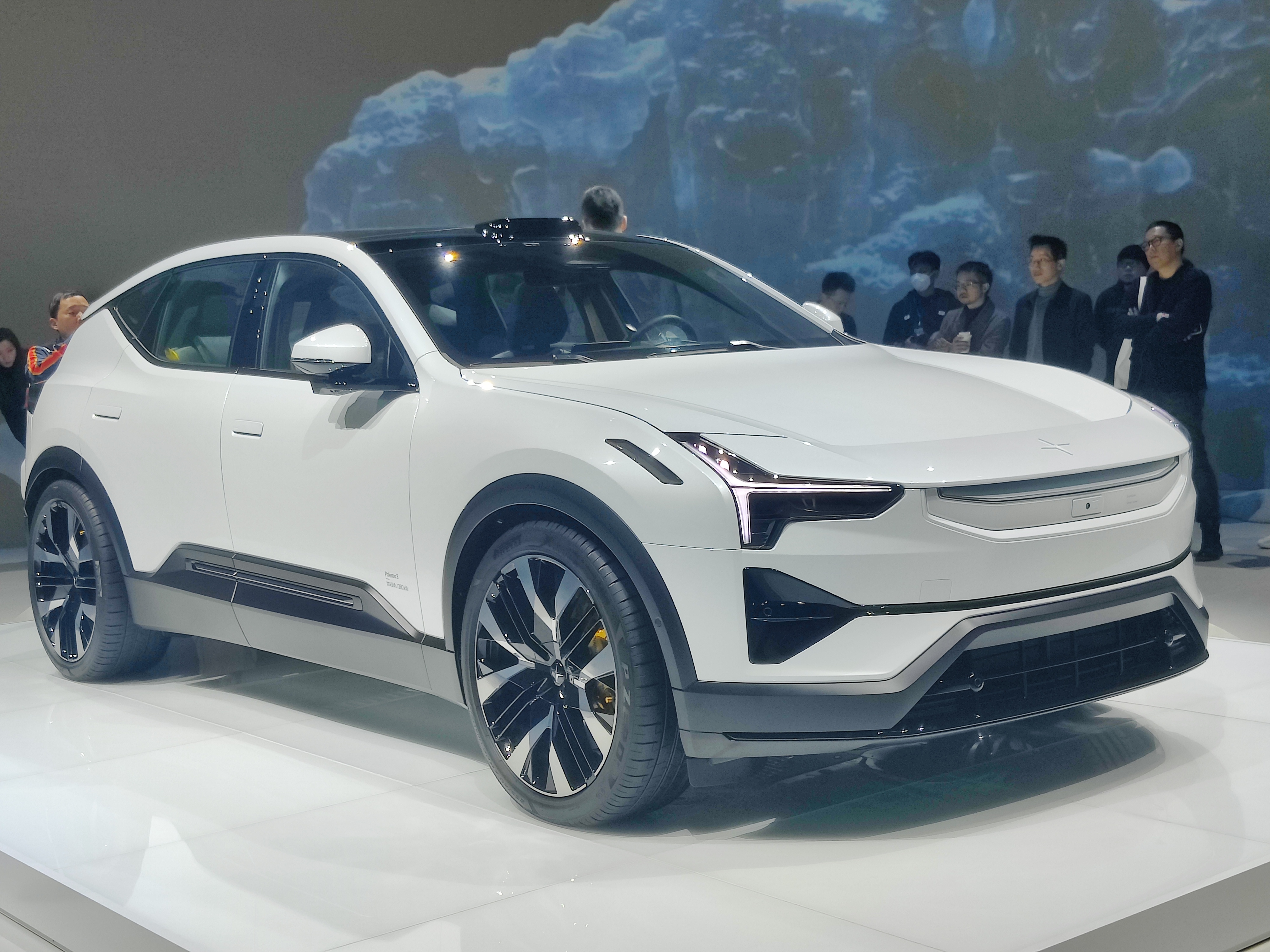
The Polestar 2 is an electric car made by Polestar, a brand that focuses on high-performance electric vehicles. It has stopped being made as the company moves on to newer models.
The Volvo S60 is a car made by Volvo that is known for being safe and stylish. It's not selling as well as it used to, which is why Volvo is reducing its models.
The Tesla Model S is a high-end electric car made by Tesla. It's known for being fast and having a long driving range, but some versions are not selling well.
The Mercedes GLC 63 is a sporty version of the Mercedes GLC SUV. It's known for being powerful and luxurious, but it's also being discontinued as the company moves to electric vehicles.
The Mercedes C63 is a sporty version of the Mercedes C-Class. It's known for being powerful and fun to drive, but it's being phased out in favor of new technologies.
A plug-in hybrid drivetrain is a type of engine that uses both gas and electricity. You can charge it like an electric car, but it also has a regular engine for longer trips.
An inline 6 drivetrain is a type of engine that has six cylinders lined up in a row. It's known for running smoothly and is often used in high-performance cars.
The Ford Escape is a small SUV that many people use for family trips and daily driving. It's being discontinued, which is surprising since many people like this type of vehicle.
The Kia EV6 is a new electric car from Kia. It's designed to be a stylish and modern SUV that runs on electricity instead of gasoline, making it more environmentally friendly.
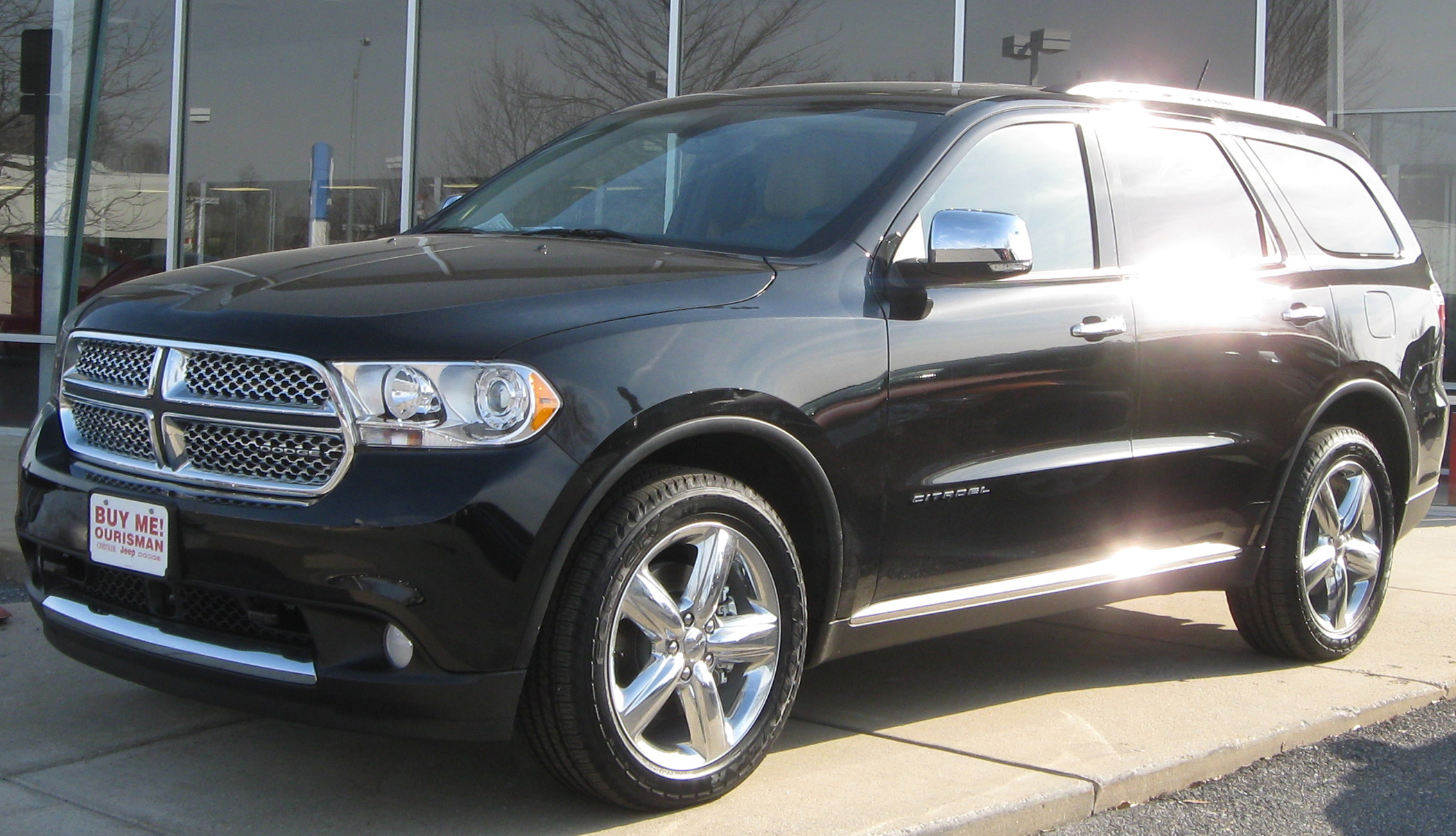
The Dodge Durango is a large SUV that can carry many passengers and has a lot of space for cargo. It's good for towing trailers or boats, making it a practical choice for families and outdoor enthusiasts.
The Jeep Wrangler is a tough, small SUV that can drive off-road. It's popular with people who like outdoor adventures and has a version that can use both gas and electricity.
The RAV4 plug-in hybrid is a version of the Toyota RAV4 that can run on electricity for short trips and also uses gasoline. It's a good choice for people who want to save on gas and reduce emissions.
Hey everybody, welcome to our live show. Today we're going to be recording this and also putting this on the podcast channel.
So for anybody that's wondering, you know, why we're going to be reading a lot of comments out loud today, that's it.
Unfortunately, Travis has a family emergency, so he's not able to make it here today.
So hopefully he'll tune in at some point and maybe toss a comment down there on the video before we dive into questions.
You can always start tossing those questions on screen.
I was shocked today by remembering or realizing just how many vehicle models are being canceled in 2026 or for the 2026 model year as in ending in the 2025 model year.
I'll just rattle off this list because it is scary long here.
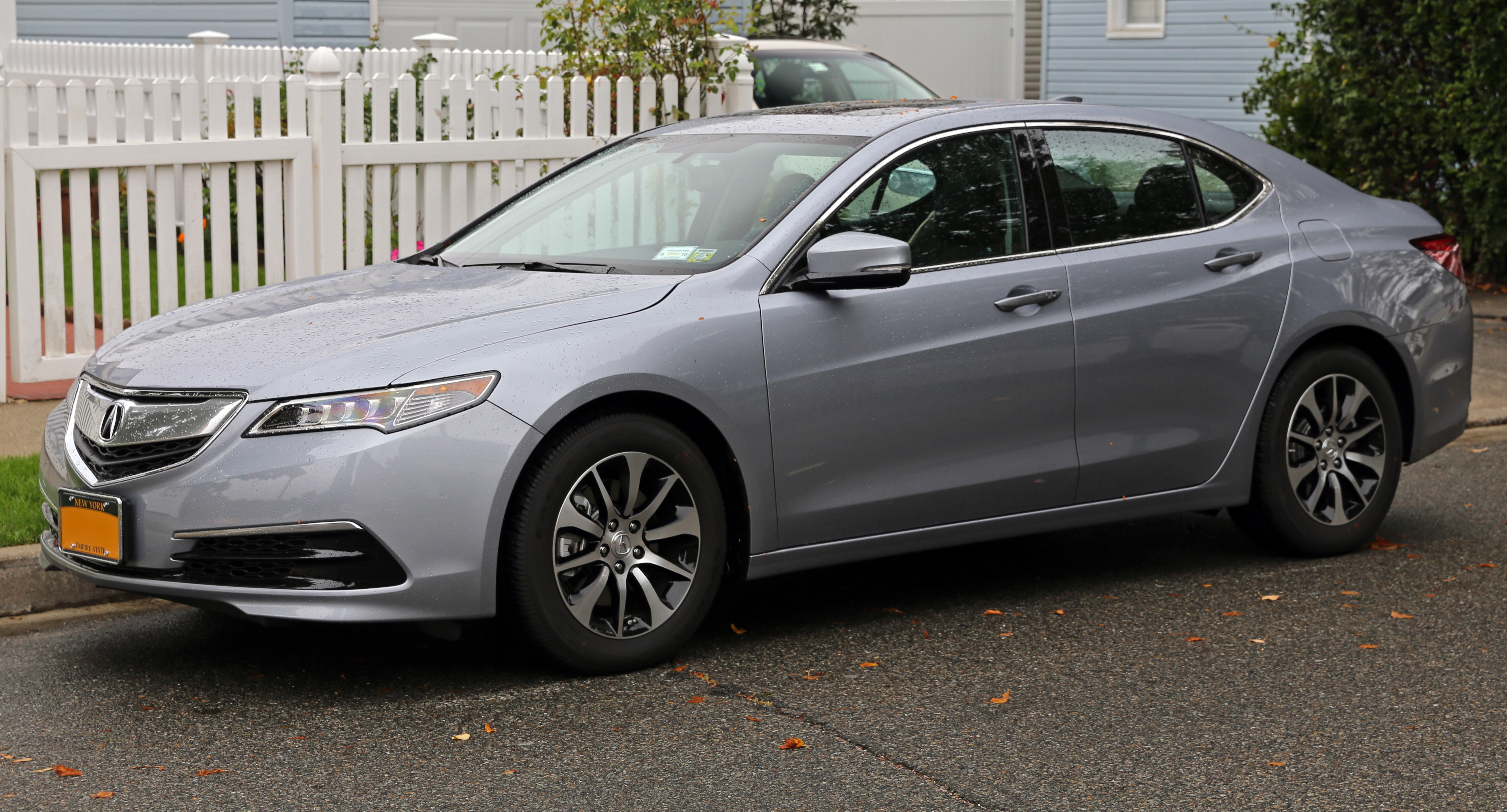
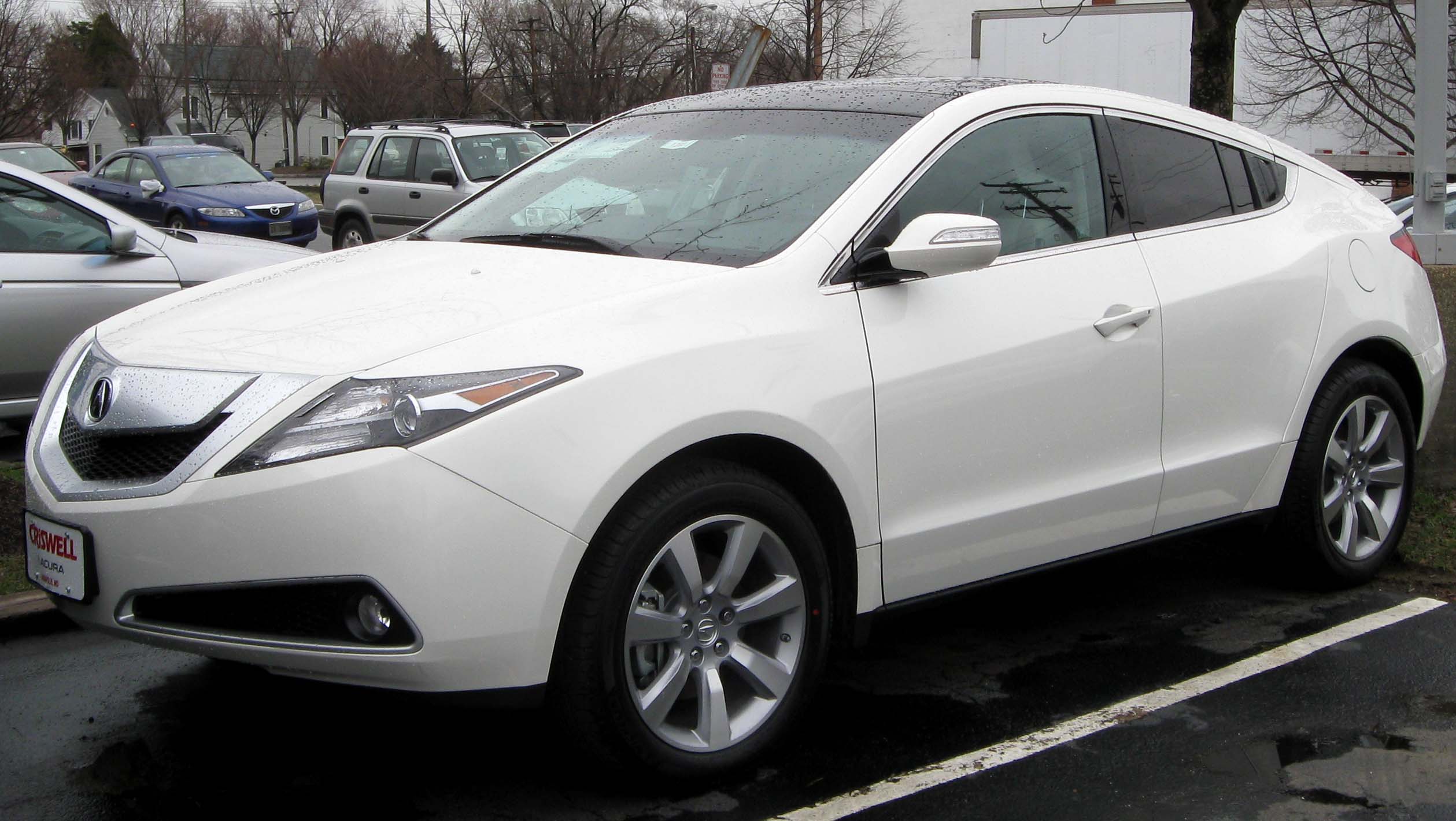
We have Acura TLX, ZDX, RDX, the X4, the eight series, the Z4 that's also dying, the Q8 e-tron, the XT4, XT6, and probably the XT5 as well.
The Chevy Malibu, I actually totally forgot that that one was still being built.
The regular gasoline blazer, that's also sailing off into the sunset.
We have the Dodge Hornet plug-in hybrid. That wasn't too surprising there.
What we don't know is whether the Alpha will be joining it soon.
The Infiniti QX50 and QX55 are also dying.
I have to admit, I'm surprised by that one because that leaves Infiniti with a really, really small lineup.
Let's see here, we have the Kia Soul, we have the Nero plug-in hybrid.
We don't know whether the rest of the Nero lineup is going to die, but I wouldn't be surprised because the Seltos is getting a new version of their entry-level ultra-efficient hybrid system by all indications.
We already have an updated Nero in South Korea, but there has not been any comment about that updated Nero coming to the US.
I'm thinking the whole lineup might actually die.
We have the Lexus RC that's sailing off into the sunset.
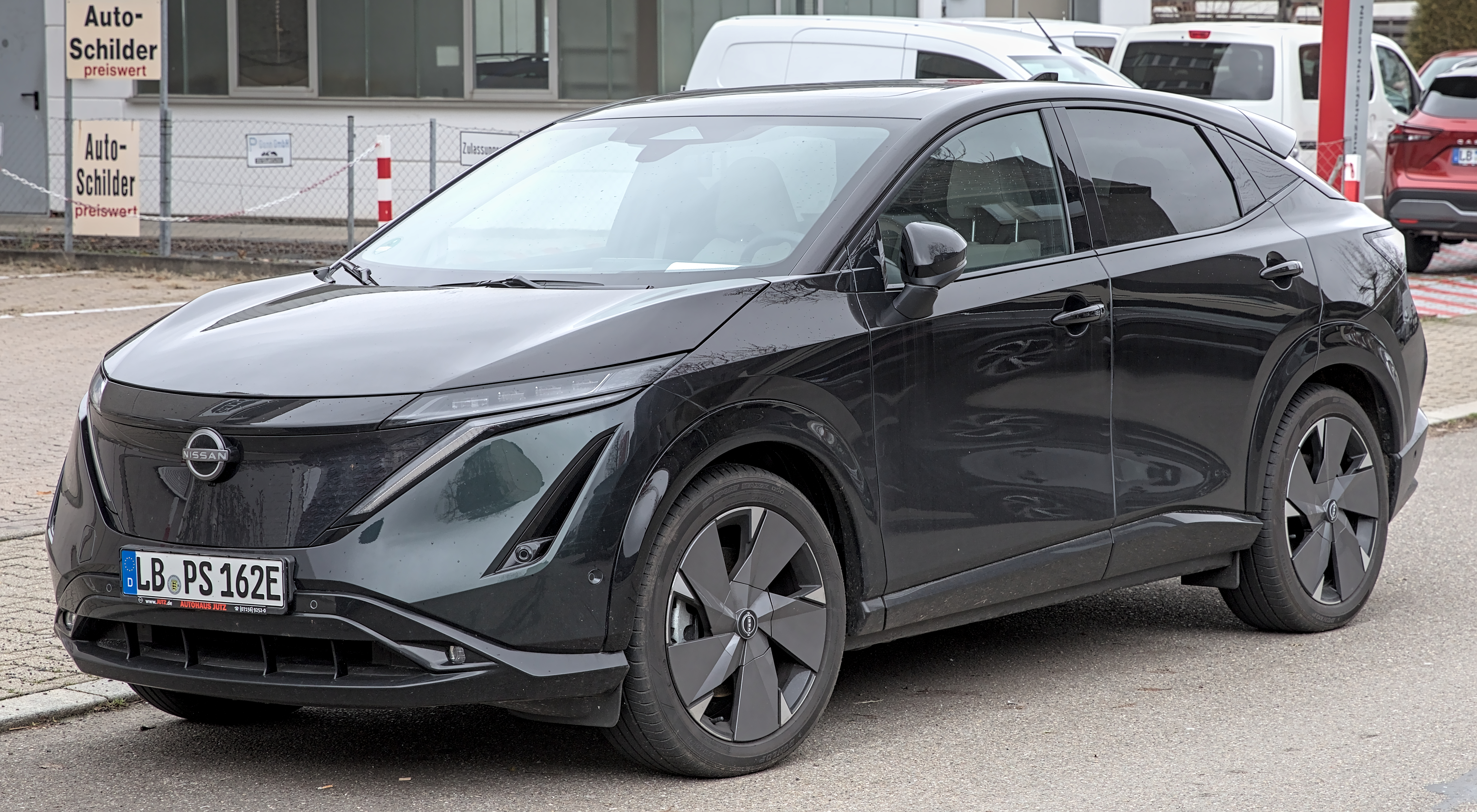
The Nissan Aria and Versa are also dropping out.
Polestar 2, that's ended production already.
Ostensibly, that's been replaced by the Polestar 4, so I don't think that's a huge loss to the lineup, but it definitely is a problem for them.
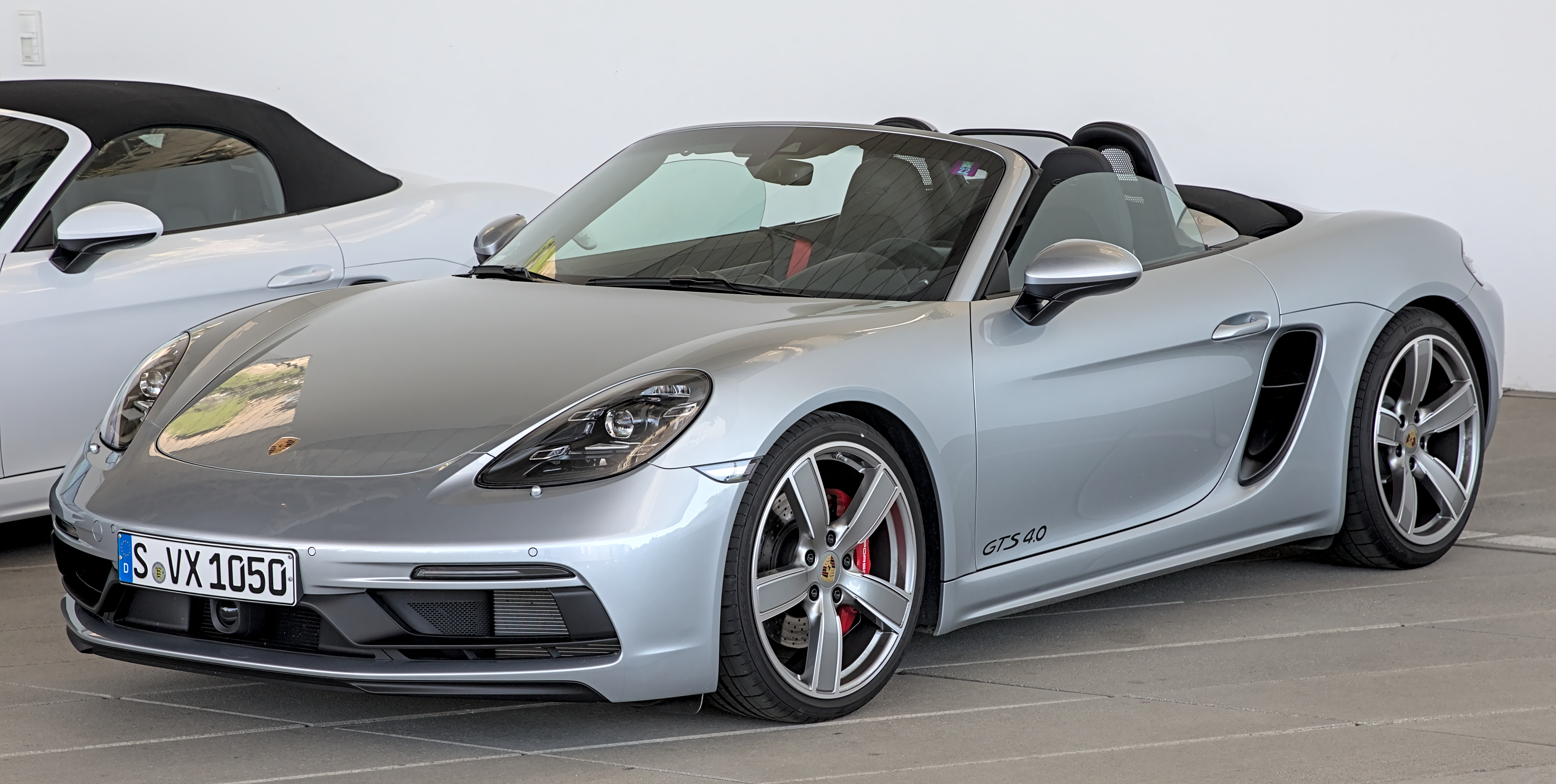
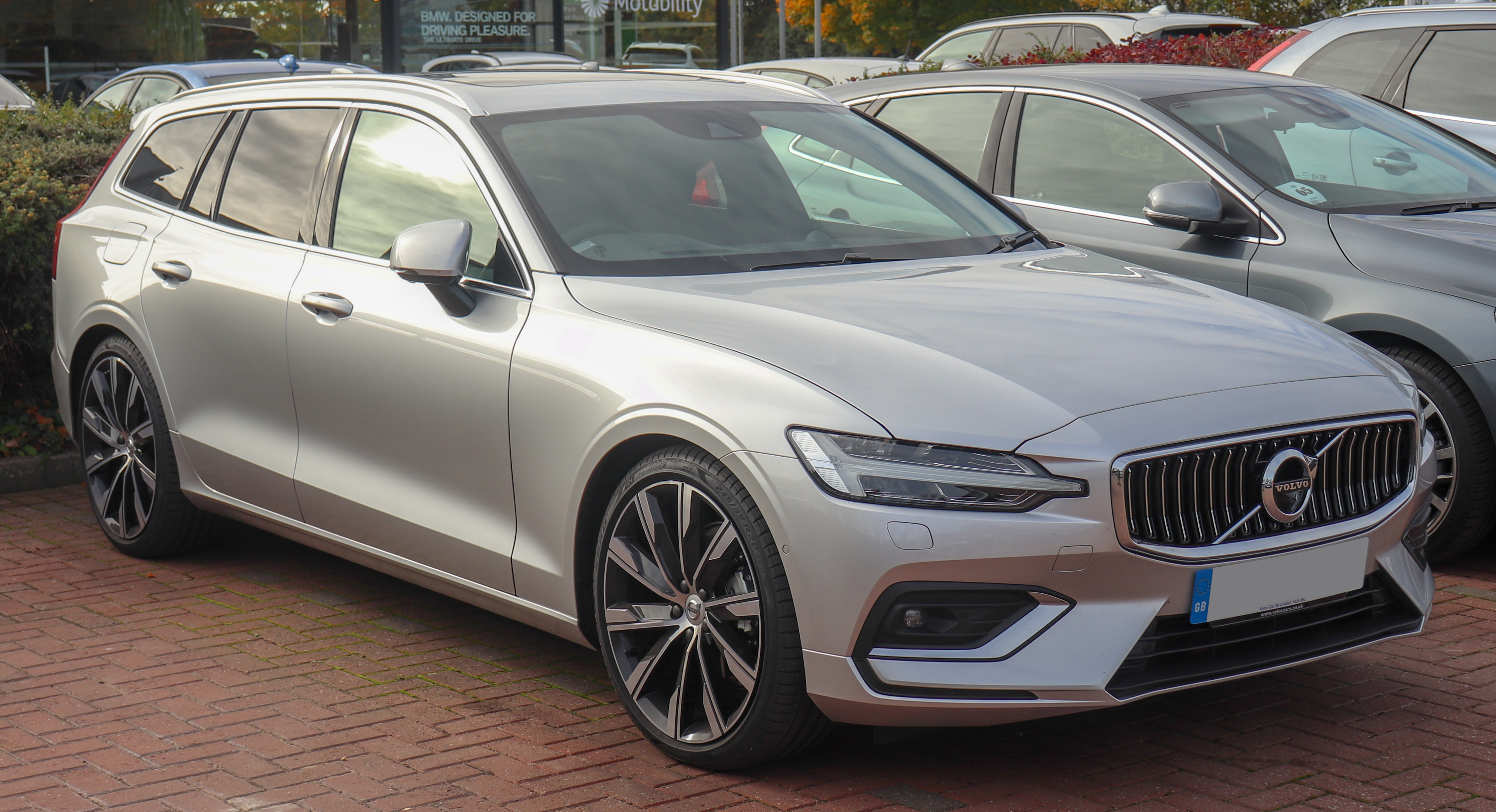
We have the Boxster, the Cayman, the Legacy, the S60, V60 and S90, so Volvo is hemorrhaging a lot of models, although they weren't selling in huge numbers anyway anymore.
We have the Hyundai Santa Cruz, the Tesla Model S and X.
Those are, of course, intriguing in a way, but they apparently represented less than 3% of global Tesla sales, so it's easy to see why they're being abandoned.
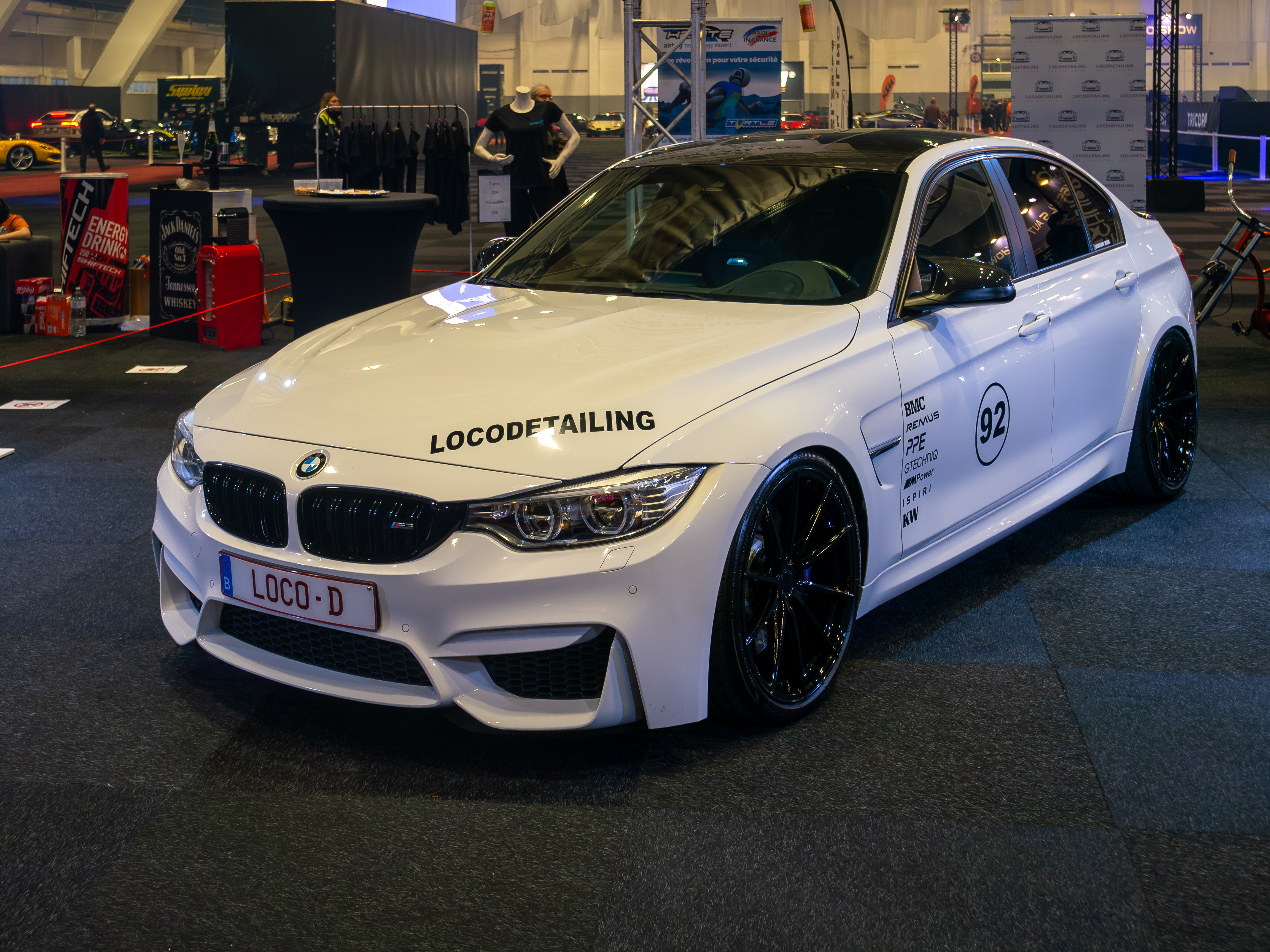
We have the Mercedes C63 and GLC 63.
We heard the news today that they are ending as well.
That probably has more to do with the plug-in hybrid drivetrain that offered just one mile of all-electric range and some shifting realities around that in the US and in Europe.
It's not going to get a V8 in the next generation, so if you thought to yourself, hang on, are they going back to what they did before?
The answer is no, because they seem to be working on a new inline 6 drivetrain there.
The EQB is sailing off into the sunset. Ford's losing the Escape and the Corsair.
I am really shocked that the Escape is leaving, since that segment is so hot right now.
I kind of wonder if that's going to be a repeat of the Ford Ranger debacle, because when Ford used to own the mid-sized truck segment in the US,
when we looked at Tacoma sales, they did not sell very many Tacomas in the US until Ranger kicked out,
and then all of a sudden, all those Ranger shoppers went to Toyota.
For some reason, Ford thought that they would all move to the Fiesta, which sounds totally insane,
but in focus groups, supposedly Ford thought that Ranger shoppers were shopping for a Ranger, not because it was a truck, but because of its price tag, and we all know how that went.
It looks like Genesis is ditching the G80 Electric.
I'm really sad about that, because we saw the updated G80 Electric in Korea, and it got a lot longer for the refresh with a bigger battery, etc.
So I was really kind of hoping to test that one out. I think there'd be a lot of room in the back for a family car.
Mercedes is also ditching the GLC and GLE coupes, just preferring the regular old hatchback version.
So it does appear that we're losing a few of the gasoline coupes there in the luxury segment.
We have the gas macan, the Supra sailing off into the sunset, Honda already whacked the prologue along with the ZDX there.
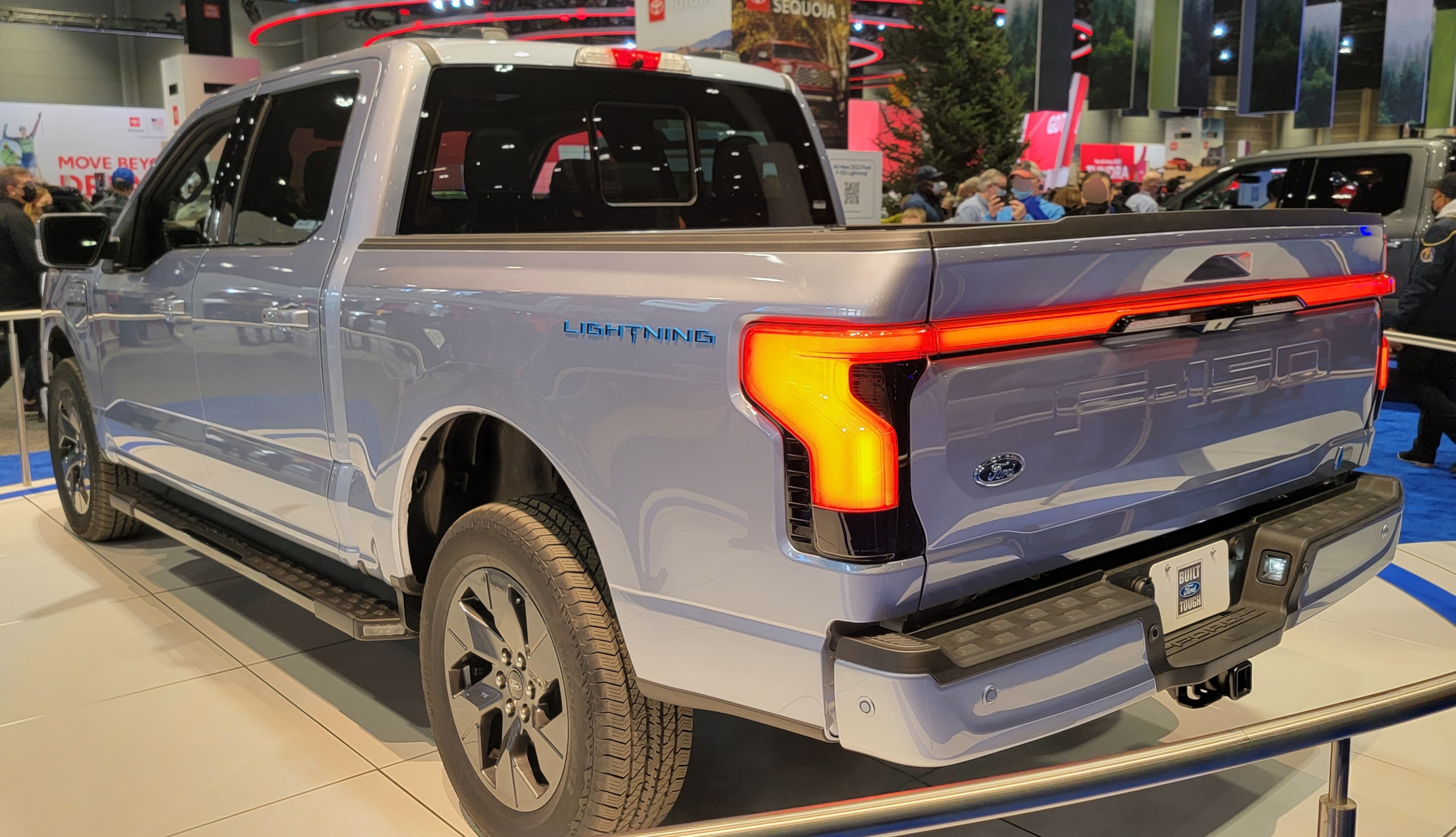
Ford is dropping the lightning. We all knew that one was coming. Jeep also ditched all their plug-in hybrids,
except that oddly enough, there is a new plug-in hybrid coming, which is the Wagoneer Extended Range.
So who knows about that one?
Supposedly the Jeep Wagoneer Extended Range EV thing and the Ram Extended Range EV thing are still coming, although we don't know any details on that one.
So let's move along to the questions here.
Right Lane Hogg is asking what my first new car was.
You know, I would love to tell you, but someone should be paying more attention to videos. That's what I will say there.
Why is there no 2026 Kia EV6 yet?
This is a bit tricky. It probably has to do with the fact that, you know, electrification is not exactly the hottest trend in America right now,
although it does look like Hyundai has actually been continuing to sell their electric lineup at a similar rate to what they were doing in most of 2025.
So it doesn't seem to have affected that lineup as much.
The EV6, though, it's a question, I think, of whether or not they're going to update and refresh some items on the vehicle or just continue it as is.
I think it's a bit tricky. This is kind of tied with the EV4 Thoughts question that someone popped up there, which is, what is Kia's electric future in the US?
Are they going to let Hyundai tackle this? Are they going to try and refresh EV9?
We know that a decent number of their electric models are not going to make it to the US. Canada is going to get some of them, but the US is not.
And I would say that's probably logical, at least for this moment. It seems like we definitely have hit a bump in the road, and it all has to do with the federal tax credits.
You know, we all knew that government incentives were helping to inflate the EV sales numbers. That's no surprise, right?
And now, what does demand look like at the newer price point, and will the manufacturers have to dramatically raise prices to support that reduced volume?
So remember, for manufacturers planning on, I don't know, selling 20,000 of a vehicle, it has to be priced at a certain level to be profitable.
If that sales volume suddenly tumbles by 10,000 units and gets cut in half, does it make sense for that vehicle to stick around?
Maybe if they can charge enough for the new model. And I expect that maybe we'll start seeing some of that in 2026.
I don't know if everybody's heard the news today, but Toyota, one of their vice presidents in an interview about a day ago,
announced that Toyota was expecting at least three pricing increases instead of the typical two pricing increases in calendar year 2026.
So usually there's a new model price increase, so 2026 is a more expensive than 2025, and then maybe there's a mid-year price adjustment.
Instead of that, it looks like we're basically going to be seeing price hikes every four months.
And Toyota directly blamed tariffs for that one. So that is quite unfortunate.
Let's move on to this question here from MavsGuy.
I always wished Volvo would have given us a long wheelbase V90. You and me both.
I always thought that that would have looked fantastic, just that really stretched out wagon shape, I think would have been all kinds of fantastic.
I have to say, I think that the reason that Volvo's wagons, especially in the U.S., didn't work in this last generation is because they became a little bit too style forward.
They lost some of that classic Volvo wagon practicality, and maybe I'm the wrong person to comment on that since I've had a Volvo wagon in the past.
I had the really square-ended V70 once upon a time, and it was just so much more practical than the last V60 that ostensibly replaced it.
And I think that was kind of the problem with wagons in the U.S.
They had to become a little bit sexier, a little bit sleeker to try and compete, and then they lost their practicality.
So why buy one? Let's move on here.
What are our thoughts on automakers making second refreshes instead of a redesign?
Thanks, Josh Bartlett. I am okay with that in some cases.
It really depends on how well the vehicle was selling initially, I guess you'd say, and whether or not there's sales momentum that's worth interrupting.
Anytime you redesign a model, you're going to abandon some customers that maybe were interested in it.
So I think that we are seeing that in some limited segments in the U.S. right now.
For instance, the Dodge Durango is a perennial hit, and it's weird that 2025 was its best sales year ever in this generation, even though it's never been any younger.
And I think that another refresh of the Durango in some weird way might actually make more sense than a complete redesign,
because clearly there's some reason that people are buying this thing.
I have one because of its towing capability. Some people might be buying them because of the selection of 3V8s under the hood.
But whatever reason people are shopping for a Durango, it definitely seems to be hitting the right marks.
There is a reasonable number of fleet activity or percentage of fleet activity with the Durango as well.
It does not appear to be rental car agencies at the moment.
It seems like rental sales are very low for Durango at the moment.
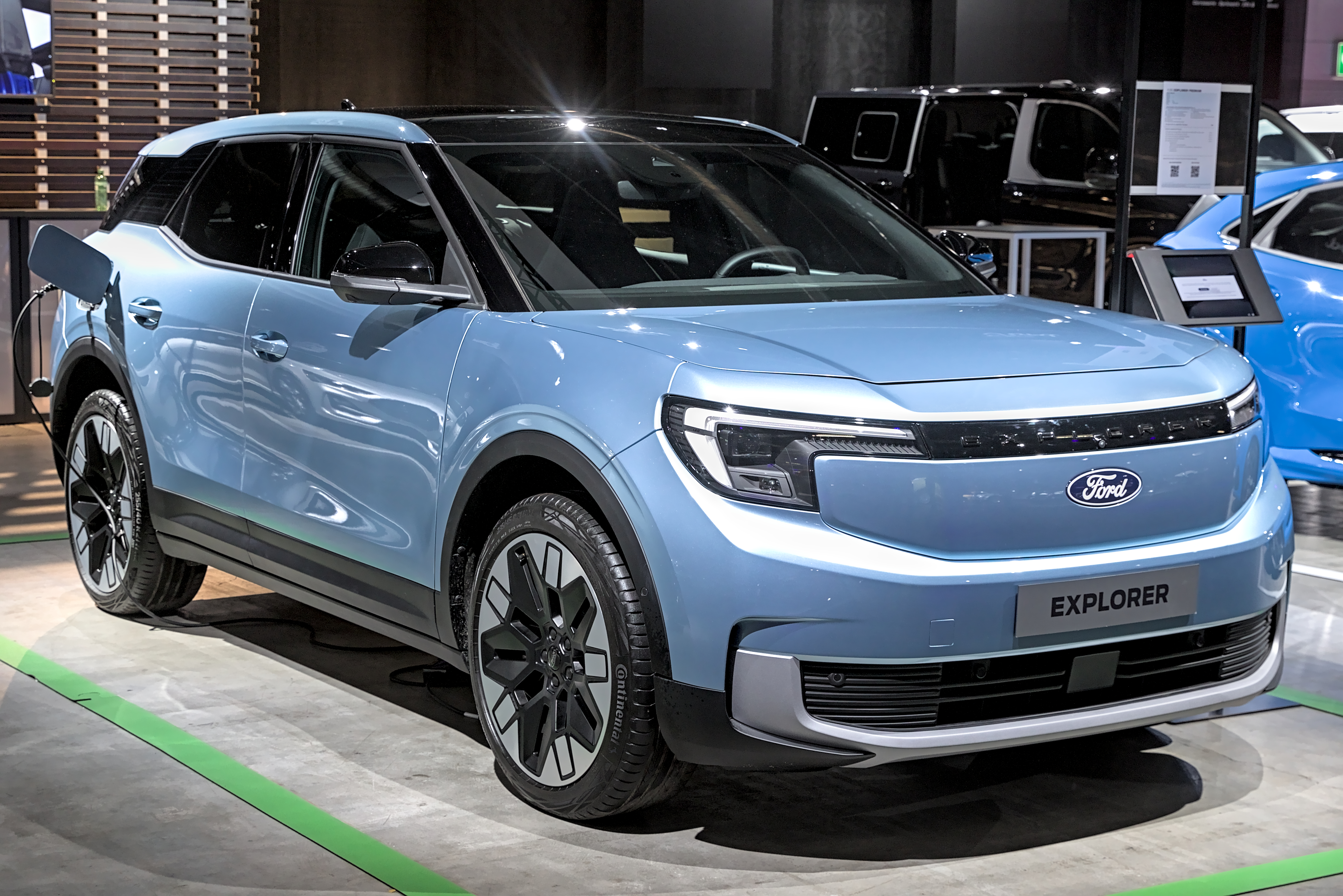
It seems to mostly be police departments because it's closer to what police departments are after than the Explorer apparently.
So that's interesting.
Let's hear, do we think we can expect an Equinox plug-in hybrid anytime soon?
Trenton, that's a really good question.
It's kind of interesting because we are seeing, I think actually technically,
a reduction in plug-in hybrid model availability in the United States for 2026.
Unquestionably, we'll see a reduction in plug-in hybrid sales volume because the two best-selling plug-in hybrids are gone for 2026,
the Grand Cherokee and the Jeep Wrangler plug-in hybrid.
The problem with plug-in hybrids, I would say, is the lack of government incentive spend at the moment in the United States.
The reason that plug-in hybrids exist so broadly in the European product portfolios,
whether or not they come to the US or not, there are a lot of plug-in hybrids in Europe,
has more to do with Europe's company car policies and tax policy in the EU.
Over 60% of new vehicles going out on the road in Europe are actually company cars.
So the company buys or leases the vehicle and provides it to you, the employee, as a benefit of your employment.
It's a shockingly high number, and that number is way over 60% in some countries.
It's a little bit lower in other countries, but this mostly has to do with the way that that benefit is taxed.
So it's more tax advantageous to do that than to have your employer pay you another $500 a month and you to get your own car.
The twist with that is that in Europe, companies get tax incentives and their other incentives around employers choosing electric vehicles or plug-in hybrid vehicles over other vehicles, gasoline, diesel, etc.
So that's why we see a huge number of plug-in hybrids over there.
And I think it's also why we see the fallacy that plug-in hybrids are never plugged in because a lot of the research that we've seen recently in the US,
lots of news articles about this saying, oh, you know, plug-in hybrids are this environmental disaster because they're never plugged in.
Well, all of those studies are done in Europe and you're not choosing a plug-in hybrid by and large in Europe because you wanted one.
Your employer is choosing it for their tax reasons.
You are getting this vehicle and you may or may not have a place to plug it in.
You may or may not care about the plug-in hybrid.
The car situation in the US is vastly different.
Company vehicles here are under 1% of all vehicles.
It's just not a tax advantageous thing for me to lease a car and provide it to my employee as a benefit.
They get taxed on it the same as if they just paid that lease payment themselves.
So in this market, people are choosing plug-in hybrids because they want one for whatever reason that is,
whether they want the extra power in some of these plug-in hybrids like the Mercedes C63
or whether they truly want the electric range like we find in a RAV4 plug-in hybrid, something along those lines.
That choice and that decision to buy one implies that that person is more interested in plugging it in.
The twist here is that you'll notice that our friends over at Inside EVs and a number of other outlets,
and then they are actual friends of mine by the way, so that's not a joke,
but they take the European studies as a corollary for the American market because we have no data in the US.
And Mary Barra, the GM CEO, is not doing herself for anybody any favors by trying this line that's like,
oh well, no one wants plug-in hybrids because they don't get plugged in when the real answer is Mary,
you just missed the plug-in hybrid boat in America and you guys decided to invest in something else
because then they also said, well, they're bringing hybrids and plug-in hybrids to market.
So a lot of doublespeak there.
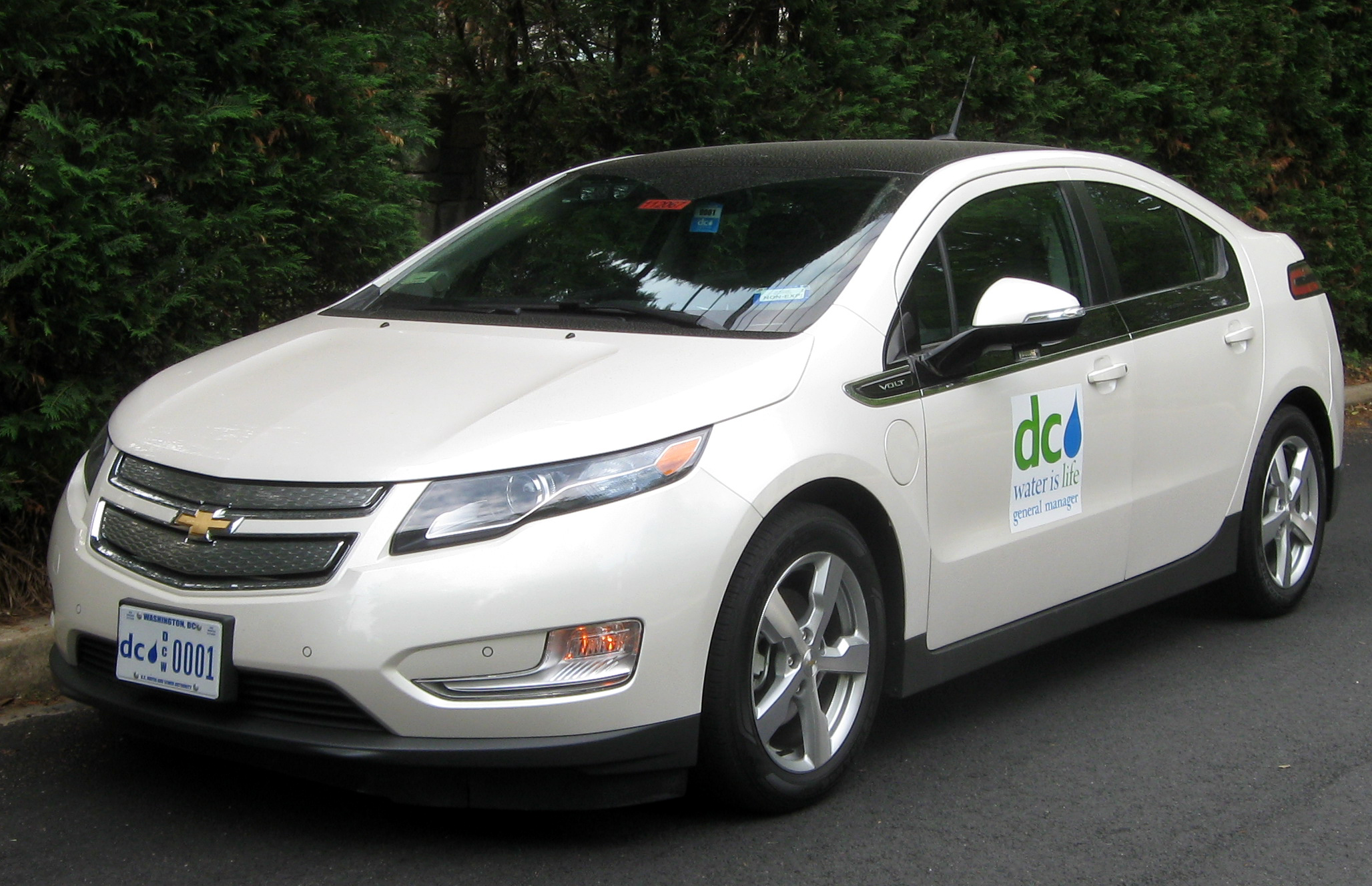
And GM's own data on Chevy Volt owners indicated a high percentage of plug-in hybrid miles.
It was way over 75 to 80% depending on the generation that we're talking about.
Other car companies currently don't want to talk about it,
but a lot of people are assuming that this lack of data is proof that something is wrong,
whereas all the data that we do have, the research studies and surveys of actual owners indicate the opposite.
They indicate that American plug-in hybrid shoppers are by and large plugging them in.
But round about back to your question on Equinox specifically,
I think the problem with the new plug-in hybrid in the U.S. right now is not that emissions profile,
not the question of whether they're going to be plugged in or not.
It's simply a cost question.
If the plug-in hybrid is $5,000 to $7,000 more than a regular hybrid, why would you buy it?
You'd have to really want that plug-in hybrid as a theory because it simply will never pencil out.
You will never save money on driving that plug-in hybrid at that kind of price premium over a regular hybrid.
So you'd just be better off with the regular hybrid.
That's sort of the trouble with the on-off switch on government incentives.
If you turn on the government incentives and the government policy to cause plug-in hybrids to exist,
companies have to spend the resources to make them and maybe that meets a climate goal.
Maybe it meets a fuel stability, pricing stability goal.
Maybe it meets a domestic energy consumption goal, whatever you want to call it.
But if you suddenly turn off the incentives, then you have a product that costs a lot of money to design
and nobody's going to buy.
So I would go with probably not.
Let's move along here and go into a different question category here.
Kevin Buckley is saying that he has a 2021 Taycan 4S.
He's looking to get something different.
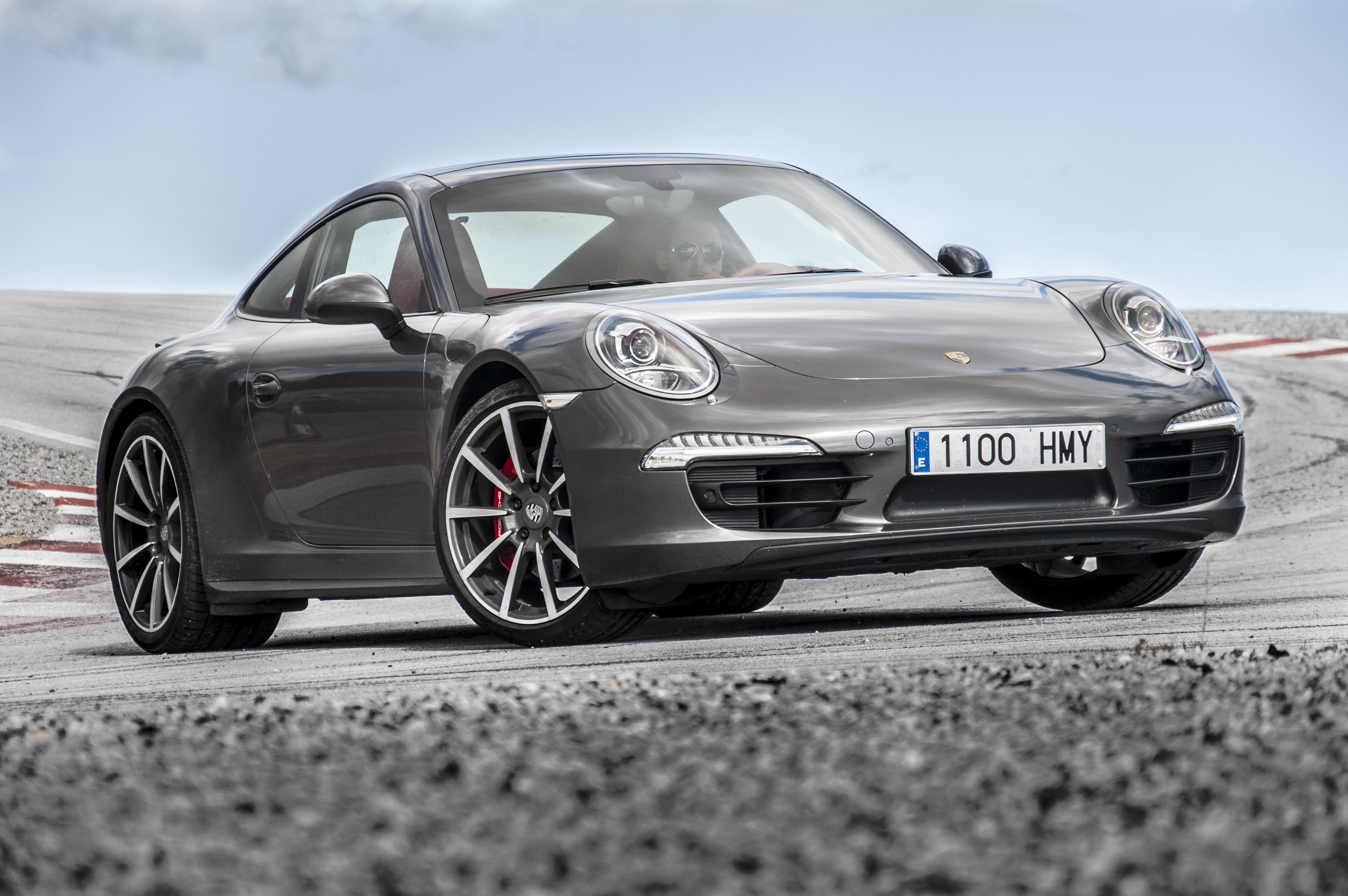
Any thoughts on a 2023-2024 advantage with the AMG motor or the base 911?
I would probably recommend the 911.
Let's put it that way.
I mean, the Aston is going to be all kinds of beautiful.
Is it going to be reliable? Absolutely not.
Is it going to be expensive to keep around? Absolutely.
The 911 is not going to be cheap to ensure or cheap to keep around.
But generally speaking, it's going to be easier to find parts for it.
There's a broad enthusiast community of people that have 911s.
So you'll be able to find assistance and recommendations and help with all of that.
I guess I would say it really depends on your particular ability to withstand those unexpected costs.
Even though it does have an AMG engine in it, remember that it was tuned for the advantage.
And not everything in there is right out of the Mercedes parts bin or immediately serviceable by a Mercedes dealer.
Some might actually help you with the engine.
But if anything specific to the Aston, especially on the software side, starts to go wrong,
that's where things are going to get really tricky.
So move along here.
When can I buy a $25,000 EV?
I would probably say you're going to be close to the 12th of never on that one, Darrell.
But the closest you may be able to get would be a pretty solid discount on a current Equinox EV.
The Chevy Bolt EV will probably have some cash on the hood, whether or not it gets as cheap as an Equinox EV.
We don't know yet.
The upcoming Leaf, the base model, if we actually get it and remember that that Leaf model was designed in an era that was a little bit different where the tax credits were still here,
especially on leases, I should say, then it made more sense.
But I don't know if we're actually going to be getting that base model leaf.
So your best bet might be a lease return Equinox or something else in the high volume category, you know, lease return Hyundai Ioniq 5,
a lease return Equinox, something along those lines.
Obviously a lease return Tesla Model 3 or Model Y would be in that $25,000 range.
But I think brand new EV for $25,000.
It's very unlikely at this point in time because we're seeing such a rapid escalation in new car pricing and it's not slowing down anytime soon.
The average new car in America is around $51,000 currently, and it's expected that it's going to be a more rapid inflation in vehicle pricing in calendar year 2026 because of the tariffs, their impact.
And the fact that companies are going to start really passing those those higher costs on to the consumer.
So let's move along here.
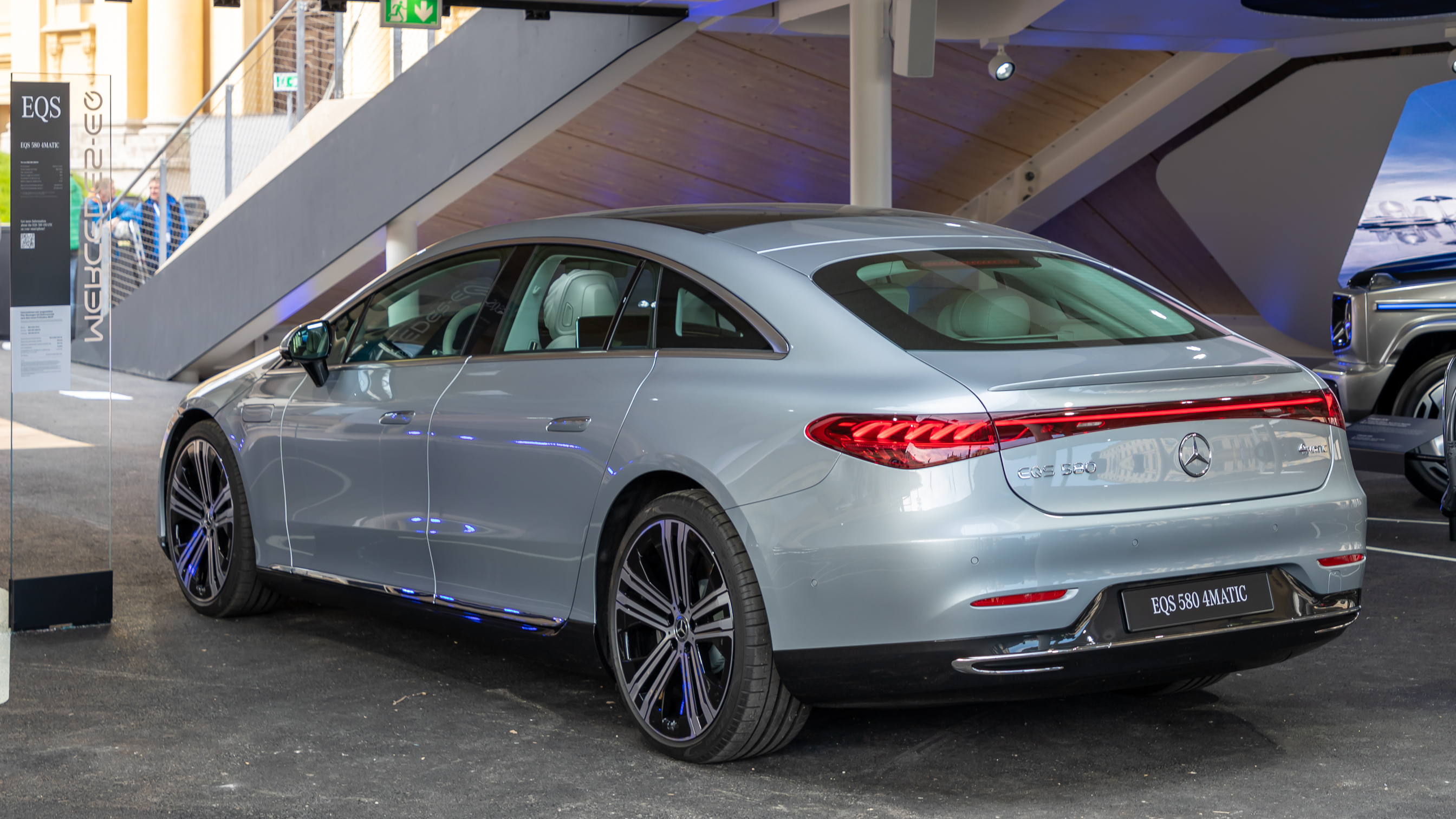
Christopher is asking, do you think a used Mercedes EQS is significantly more expensive to repair versus a used Audi e-tron?
Most likely not.
In fact, I might guess.
This is a this is a deep guess here, though.
But the the EQ line up from Mercedes uses more common parts across their EQ lineup.
And it's selling in larger numbers globally those those common parts than the the Audi e-tron because the e-tron if we're talking the Q8 e-tron the original one.
It was not an extraordinarily high volume EV and a lot of its components were very specific to that e-tron.
So you may actually have a better chance in the future of repairing or getting getting spare parts for an EQS would be my guess there.
Right Lane Hogg is saying every CUV has fold flat second or seats.
Why don't minivans?
That's an interesting question.
Many vans they prefer to remove the seat for some obvious reasons here.
The removal of the seat makes a lot more sense.
It also makes the seat structure possibly a little bit lighter depending on what you're doing.
Remember, though, that every minivan that I can think of the seats do fold forward so you can put stuff on top of the seats when they're folded forward.
And of course, the Chrysler ones fold into the floor.
It's an interesting question.
The minivan market just is different due to its interior dimension requirements and the very flat floor that everybody seems to want.
Also, the fact that people don't want to pull the third row seats out, they want them to fold into the floor.
So there's certainly some design challenges around all of that shape there.
Let's see here.
Any impressions on the newly revised 2026 Outlander and its extended warranty.
So Mike, I think the extended warranty is a good deal.
The future of Mitsubishi is a little uncertain in the US, but of course Nissan is their largest shareholder at the moment.
It was probably not enough of a refresh.
If I'm perfectly honest, I would like to see the Rogue and the Outlander maybe have somewhere between a redesign and a refresh rather than what we did see.
We also are going to be seeing a plug-in hybrid Rogue.
Of course, that's the Mitsubishi plug-in hybrid system in the Rogue for a short while.
But we should then be seeing the sort of next generation styling on the Rogue with the Nissan plug-in hybrid system and the Nissan hybrid system at some point shortly.
So I might wait to see exactly what goes on with Mitsubishi in that meantime.
But the extended warranty is a pretty good deal over there on the Mitsubishi side.
So if you're a betting man and you think that Mitsubishi is going to hang out in the domestic market for another decade, then it might not be a bad deal there.
Let's move on here.
Koopa is asking how the Blazer EV ownership is going, looks like potential steel on the used market, lots of RS models in the mid to $20,000 range.
It's actually been going well.
I like the Blazer a lot as far as the car format goes.
It's enormous on the inside.
We have a comparison video on the Equinox EV coming up soon where we did some thorough measurements of the interior.
The Blazer is significantly larger on the inside versus the Equinox.
The seating position is also a little bit more reclined, which means that depending on the dimensions you're looking at, it may not appear like it's that much longer than the Equinox.
But when you measure from the firewall to the rear seats, it's a significantly longer tube.
The cargo area is a little bit smaller in the Blazer, which is a weird twist versus the Equinox.
The lack of car play obviously is a bummer and that's one that would I think be a deal breaker for me for keeping it.
The other reason that it's definitely not going to get kept and it's definitely going to be turned in at the end of its lease is that the way GM structured that lease deal, they assumed an impossibly high residual value that is absolutely unreal.
There's no way the residual will be that high or the actual value will be that high at the end of the lease.
That's how they got to the really low lease rate.
So it just doesn't make sense to actually keep it.
As far as actual problems go, we've had some minor software gripes, mostly the apps though.
So the native software has been fairly robust.
We had one fun little tweak where it said it was low on fuel and sure enough, there's not a drop of gasoline in it.
But other than that, most of the complaints really just relate to the app.
So the Waze app has been really buggy.
It has to be rewritten, of course, for the GM units.
It's not the same one that's running on your Android smartphone.
And the interface and the functionality of the Waze app is not the same as it is on your personal device.
So I've never really cared for that.
It also is peculiar that it makes you log back into it on a regular basis.
It seems to keep on logging you logging you out kind of thing.
So that's kind of a bummer.
On the actual problem front, we do have a continuing problem with the right side door latch.
So from the inside, you can't open the passenger door, maybe about three quarters of the time, just it will not open.
No matter how many times you pull on the handle, etc.
It opens from the outside, not from the inside, which is probably a more important place for your door to be opening really so you can get out of the vehicle.
And it doesn't seem to matter whether the door is locked or unlocked or the passive unlocking thing is working either.
It's been to the dealer three times on that and the dealer just is resistant to actually replacing parts.
And I think this is really just a dealer thing because if they had simply replaced the latch mechanism, it would probably be fine.
They keep insisting that they've taken it apart and they've lubricated it and cleaned it and realigned it and and all of the re things and it just does not seem to help.
So moving along here, someone's commenting on our mountain garden channel about our solar and battery adventures.
So if you haven't noticed, we're trying to do some posting on the mountain garden channel probably once a month is my hope.
Random things are coming up there soon.
We are replacing our battery bank at home.
We are finally upgrading from lead acid to an LFP pack because subsidies from China are ending basically.
This is actually kind of a vaguely car related thing.
But you know, we all know that the Chinese government definitely puts their thumb on the scales for exports of certain commodities and certain items and batteries are one of those items.
The odd twist here is that the way that the Chinese government has done this is that they have rebated the VAT that is normally charged on items if they are exported out of the country and LFP batteries are among the VAT rebates.
And that rebate scheme is being sunsetted.
I think it's about 13% somewhere around there.
But that rebate scheme is being sunsetted.
The first tier is pretty soon here and it's going to be completely over by the end of 2026.
I believe something like that.
This could mean that battery costs will actually go up effectively because we no longer have that that Chinese government rebate there.
Let's moving out here.
Steven says, just a shout out when the thanks us for our video on digital cameras as we review side view mirrors and the lack of depth in the image since they're not stereoscopic in nature.
That's another thing that I actually cut out of that little clip because it was getting a little bit long.
In addition to the fact that it takes longer for your eyes to focus on things you don't have depth perception in a camera image but you do in a mirror because this somehow strikes me funny that that a lot of people don't think of it this way.
But when you're you're looking at a mirror, you're you're not looking at the surface of the mirror.
That's not where the image is being created.
The image is still behind you.
So the focal distance between you and the image is the distance between your eyes and that object accounting for that extra length of the mirror.
It's kind of why why telescopes work the way they do the reflector telescopes at any rate.
So if you're if you're a farsighted person, that's why you can see things clearly to distance in a mirror, but you need glasses to look up close, etc.
That same sort of problem applies to those review camera setups.
Let's move along here and see is asking why can't the US have competitive bev pricing in comparison with ice vehicles like the EU has, including Korean models like the EV3 and EV4.
That's a multifaceted problem, but a lot of it does have to do with battery sourcing.
So the US has long had restrictions on Chinese content on batteries and electric vehicles and vehicles, etc.
The EU also has slightly different incentives and structures and requirements for car companies to produce and sell certain volumes of vehicles here and there, etc.
So pricing can be seen as as not necessarily the true cost of a vehicle, but the the entire cost of having a vehicle lineup in a market.
And what I mean by that is a manufacturer for compliance reasons, say the Ford Maverick and why its hybrid system was standard.
They needed the hybrid in order to be able to to justify selling some bigger trucks.
So it didn't really matter in a way whether the hybrid was truly profitable on the Maverick at that low base price once upon a time.
All that mattered was they sold enough to justify the higher margin gas guzzling trucks.
So we don't know all of the tea leafs that are there in the European market, but we can say that battery sourcing is not always consistent for vehicles sold in the US versus sold in the EU versus sold in their domestic market.
So for instance, generally speaking, there are a lot more models that are sold in the US and sold in the EU where the battery pack is built in China for the EU model.
And the battery pack is less Chinese dependent, shall we say, than than the other pack in the US.
And part of that was the inflation reduction act where they were trying to care it and stick battery packs.
If you want the incentive, it has to meet these requirements, but also a ratcheting up of restrictions and tariffs, et cetera, on battery content.
Tariffs are not necessarily a bad thing, depending on how they're used.
They will ultimately increase costs, though, is the problem with them.
And that is something that we see in the car market there as well.
In some markets, margins just can be intrinsically different, especially if the vehicle is being sold directly.
Ms. Salora saying, it's glad to throw it off.
$26 billion on their EV investment.
Jim and Ford have done that already. Do you think others will follow?
Most likely, yes.
It's tax advantageous to try and do these write offs, whether some of that will be useful later or not. We don't know.
But it's important to remember that these are write offs because they're not making EVs.
So if they were making EVs, then they wouldn't be writing this money off, which is kind of the weird twist with this.
So stopping the EV plans and stopping the EV production has actually cost them money.
So that's kind of a weird twist there.
Let's see here. Everything in it saying, OK, OK, Grand Highlander, non-hybrid or Honda Pilot.
I would probably go with Grand Highlander.
Grand Highlander is a lot roomier, although it depends on why you're buying a vehicle in this three-row category.
If the third row is an occasional use third row, it's probably not going to make too much difference.
If the third row is going to be more of a regular use third row, then absolutely Grand Highlander.
I would get the hybrid, though, in the Grand Highlander to be perfectly honest, not the hybrid max.
I would get the regular hybrid system.
It's statistically going to be more reliable than the Honda Pilot, and it's also going to be significantly more fuel efficient.
So that's probably the direction that I would go in.
Let's move along here.
Find one of the more recent questions down here.
Moving along, Miss Solar, California's proposed EV credit is only apical to the first time buyers.
Yes, that kind of makes sense to me.
If you follow the logic that your first EV is the Gateway Drug.
Back what Nancy Reagan was telling us what Gateway Drugs were.
So if you follow the logic that most EV buyers or lessies end up buying or leasing another EV at the end,
then why not just apply the tax credit to the first one?
Because then you could have some climate movement.
You can push people towards this thing, and then you let nature take its course.
I would like to see more income caps, honestly, and pricing caps on some of these credits,
because I think that would be useful towards the democratization of electric vehicles.
But that's tricky, bearing in mind that the average middle-class person is just not buying as many new cars as they used to as a share of the market.
US population has been increasing, but new vehicle sales have not really been keeping up with that population increase.
And we're now seeing the average household income and the average MSRP are just skyrocketing out of control here
to the point where there is not a world of difference between the average Porsche buyer and the average Subaru buyer
when it comes to household income, net worth, etc.
Net worth might be a bit higher on the Porsche side, but age and household income, etc. are remarkably similar between those two cohorts,
which is just kind of a sad commentary on the affordability of cars.
So let's move along here.
We have an interesting one.
Nymar says 2026 Jeep Cherokee or Durango originally looking at the Dodge Charger, but it's too expensive.
That is quite a split 26 Cherokee to a 26 Durango.
I'm assuming you're not talking grand Cherokee.
So on the Cherokee front, we should be driving that soon.
So actually, I'll go over the things that we're driving and videos that are coming up here soon.
We have the new Macan EV GTS or equinox video, the new Cherokee, the hybrid one, the CHR, the grand Cherokee four cylinder,
the BZ Woodland CX-5, the trail seeker from Subaru, Audi A6, and the Q3 from Audi as well.
So on that take, it depends on what you want to do with the Durango.
A lot of people assume that I'm just a Durango fan.
I wouldn't describe myself that way.
We have a Durango for one specific reason and that reason is towing.
So if you don't tow, then I don't really see much of a reason to get the Durango.
I would get almost anything else to be perfectly honest.
There's also the V8 engines.
If you really want the fastest three-row gasoline-powered vehicle on the U.S. market, then clearly that's a Durango.
And one of the top five fastest is also a Durango.
That's the one with the 6-4.
But if you're not towing, I would just get the Cherokee.
I am personally intrigued to see how the Cherokee does for Jeep since this is the most...
How would I describe this?
It's the most Honda CR-V trail sport that Jeep has ever produced because the Cherokee does not have a lot of ground clearance.
The hybrid system is the only drivetrain currently offered and it's really not overly focused on off-roading capability.
So I'm intrigued to see what the launch event looks like for this vehicle.
It's focusing instead on being a more efficient option to try and compete with CR-V hybrid and RAV4 hybrid.
Let's move along here to Steven's question, which is thoughts on the EX-60 or Rivian R2 when they're out.
That is an interesting one.
I am arguably more excited about the Volvo than the Rivian.
And I initially thought it would be the other way around because I think the Rivian R2 looks fantastic.
At least what we've seen of it.
I've always been partial to Rivian's design language.
It's not that the EX-60 looks bad.
I just don't think it looks as interesting and modern as the new Rivian R2.
But the EX-60 has all the data and the specs behind it.
Let's put that way, the specs I should say behind it.
It is faithfully an electric XC60 redo in that it's about the same size as the XC60.
Cargo room, legroom, headroom figures are very, very similar to XC60, which is right in that sweet spot of the compact luxury SUV market.
But all the performance specs and the charging specs and the EV specs are if they can be achieved and if they're real in the real world.
Those are really taking things to the next level where we also see the upcoming BMW in this segment.
So, you know, 400 miles of range, but then it takes the AC and DC charging to an all new level.
So 370 kilowatts of DC charging is just mind blowing that 18 minute 10 to 80 percent charge.
That's going to be the real key for EX-60 and its acceptance because it is significantly faster charging for the range gained versus really,
I think any other EV out there other than maybe a lucid error and we'd have to actually do some comparisons there.
But the EX-60 long range model, the one that will get over 600 horsepower and the 400 miles of range, that model will go 10 percent to 80 percent in 18 minutes,
which means in under 20 minutes you'll have about 300 miles of range.
So that will be a game changer for the people that do actually road trip or say that they road trip, etc.
Moving along here, let's find another question out of the pile.
Is the EX-60 going to kill the Polestar 3? They're nearly identical, especially the EX-60 in cross country trim.
That's an interesting question. I don't think so necessarily because the EX-60 is smaller than the Polestar 3.
The Polestar 3 is also getting an 800 volt updo.
We don't know all of the details on this, however, but most likely the refresh drivetrain in the EX-90 and the Polestar 3 is very closely related
to what we see in the sedan in other markets in Volvo's line of electric sedan or the EX-60.
So the battery and motor technology is related. The platform obviously is different on Polestar 3.
It's bigger, larger. So the bigger beneficiary there is the back seats.
It does appear that the back seats are roomier in the Polestar 3 and the cargo area is differently shaped,
but it's not that much bigger because it's less packaging efficient in the Polestar 3.
Since Polestar 3 is built on what Polestar and Volvo like to call a dedicated EV platform,
but it's really not, it's really a heavily modified XC90 platform,
whereas EX-60 is a dramatically different reworking of that.
There probably is some collective part sharing suspension and crash structure,
maybe between some of the original spa products and EX-60, but it's very, very minor,
whereas there's a lot more sharing between Polestar 3, EX-90, and EX-C90, for instance, there.
So let's move along here and go to Diante's asking,
what are your thoughts on Stalantis' current and future product strategy?
Why are we waiting so long for a new Durango Pacifica Dakota, etc.?
Side question, what are your thoughts on the Ram midsize truck being called Ram 1000?
I am scratching my head occasionally at Stalantis.
You know, they used to be the ultimate profit machine,
but then they realized that high margins will only take you so far and they wanted volume again,
so there is this a flip-flopping back and forth between their strategies on volume versus margin,
but why so long on the Durango?
You know, why kill a good thing, I guess, because the Durango again had its best sales year ever in 2025,
so I'm not sure there's much reason or incentive to actually replace the Durango in any quick fashion.
It also appears that the timing within the Stalantis portfolio
was that if Durango wasn't going to be immediately redesigned on Grand Cherokee's platform,
and the Grand Cherokee L did take a while to come out,
the surprise to actually Grand Cherokee and L didn't debut at the same time,
so reworking Durango on that platform would have taken it to the point where that side is already getting redesigned on a new platform,
and then Durango is then yet orphaned again on this old platform,
so it seems to be that Durango may end up, and again, lots of swirling rumors here,
that Durango may be a midsize thing, it may be a full-size thing,
there may be some other full-size thing in the Dodge portfolio.
I think it's distant enough that the waters are muddy, let's put it that way,
but it doesn't matter because it's selling well.
Pacifica also is selling relatively well, so that is trickier.
It looks like it's going to get another refresh on the Pacifica side.
It seems like a lot of refreshing to me.
I think that that is more of a critical thing that they should have thought more clearly about the minivan,
because minivan sales are on the rise.
I think they need a regular hybrid minivan.
They really do need to bring a plug-in hybrid minivan back,
a next-generation Phev, because that was unique in that segment.
Obviously, it's going to need all-wheel drive,
and a combination of hybrid and all-wheel drive I think would be fantastic there.
We'll see how the Cherokee drivetrain goes.
It's very closely related to what was in the Pacifica,
so you know exactly how that pans out for Chrysler.
We'll see.
The Dakota does seem to be coming, whether or not we call that the Ram 1000,
or it ends up being a Dodge or Dodge and Ram go back together and we have a Dodge Ram again.
That all remains to be seen, but the one part that I am a little sad about
is that recently some folks over at the Dodge Jeep Ram conglomerate
basically said that a discount Dakota is not in the cards,
so they're not thinking about a less expensive model.
It seems like they're thinking about a very midline priced model or an upper-end pricing model,
so that's kind of a problem I think in their product strategy right now.
Let's move along here.
Lobo is asking, which truck would you recommend?
A 2022 Rivian R1-T or a 22 F-150 Lightning,
tent camping in the mountains two times a year, 250 miles one way to get to a campsite,
three dogs, two people, minimal towing, occasional dump run, level two charging home, etc.
I would be inclined, I think, to go for a Lightning.
Mainly because of the extra cargo room you get, the bed is larger,
the cabin is a bit bigger and roomier too, so depending on the kind of camping
that you're doing and what you're trying to bring with you,
now it doesn't have the availability of the accessories, the gear tunnel, etc.
But the front trunk I think is a bit more usable in the Lightning
because the opening is much lower, you're not putting things in the trunk,
you can slide them in from the front.
We actually have a comparison video on the channel right now still, I should say,
of actually the 22 Rivian R1-T and the Lightning back when we owned them both for a hot moment.
So I would say check that one out.
I think everything there still applies.
Moving along, my V90, it was actually V70 and it was made in Ghent.
It was made in Belgium back then as my recollection.
The plant in Arlanda was not making the mid-size Volvos at that time.
It was my recollection.
They were making the S80 and a number of other models,
but the V70 and the S60 at that point were made in Belgium.
So moving along here, Mavs is asking,
do we really believe that Tesla will release CarPlay for their vehicles?
If they do, how will that impact the market?
I am casually curious on this one.
I would not be surprised if Tesla did this as some sort of fee-based thing
or maybe an option that you could pay for to download a software update.
I think that would actually not be the worst idea.
And then it would depend on exactly what format it took.
I am pretty sure Tesla is never going to let CarPlay occupy very much screen
and I am actually okay with that because I think CarPlay operating
in maybe a five or six inch diagonal little window lit
would actually be fine in their vehicles.
I am casually curious.
I would say it is a 50-50.
I am not going to bet any money on that, let's put that way.
But I would be interested to see if that does come to fruition.
Do we think Honda's Accord Hybrid will get over 55 miles per gallon
in the close future?
I would go with probably not, Michael.
And the reason for that is the design of Honda's two-motor hybrid system.
Honda's not really focusing on class-beating fuel economy numbers
in any of their hybrids and we don't get any indication
that the next generation of their hybrids are going to be going in that direction either.
Instead, I think Honda's done a logical thing,
may disappoint some people, but they've gone in a logical direction,
which is focusing more on performance than on the ultimate MPG numbers.
So for instance, if we look at Sonata and Camry Hybrid,
they have some fantastically efficient models
and Accord Hybrid is notably less efficient than them.
You can check out our recent Honda Accord Hybrid video on the channel for that.
But I don't think that their direction is changing at any point soon.
The key reason for their lower fuel economy numbers
is the design of their hybrid system
in that it is operating as a serial hybrid for a wide variety of the drive cycle.
So if you're at low speeds, if you're going under 40 miles an hour,
it's going to be in serial hybrid operation.
If you're climbing a hill, it's in serial hybrid operation.
And that's just not as efficient.
The other area where they could improve is having multiple ratios
for the lock-up clutch right now in most of the Hondas.
We see one ratio, so it's highway focused,
but it's really focused more on that 55 to 65 mile an hour range.
It will engage as low as about 42 miles an hour,
but by the time you're going 70, 75 miles an hour,
the engine's really spinning quite quickly
and much faster than the engine would be revving up in other hybrids,
which is why Honda tends to do this thing where they charge the battery
and then they discharge the battery, they operate in EV mode,
and they do this cycling thing.
But that's still not the most efficient operational cycle.
It's more efficient to just have the engine run at a really efficient ratio
and then mechanically send the power to the wheels on a highway.
And that's basically what you get to do in a Toyota or a Hyundai hybrid system.
So I don't think that there's much attention or resource being spent
on trying to be any sort of class leader in that category.
What I would expect out of the Honda hybrid systems in the future
is frankly just more power and more performance,
more of a dedication to drive modes and different different feels, etc.
Maybe having a version that's more extended range EV feeling,
where it feels more like an EV,
and then some versions where it shifts kind of like the Honda Prelude does.
So moving along here, let's go up to John Meadermade saying,
Tesla's announcement about Model S and Model X repositioning to become a RoboTaxi
and a robot company.
Are they really done making cars for people shortly?
I would go with that is just Elon being Elon.
Where's the Roadster? Where's the Simion? Big numbers, etc.
I think RoboTaxi, etc.
There's obviously some market for that.
Waymo has proved that there is some market for a RoboTaxi.
Don't know whether it makes any money and who's going to own the RoboTaxi?
I'm assuming Tesla would.
It will be interesting to see if they do manage to displace an Uber
or a Lyft in the gig economy,
but unless they can really achieve that kind of volume,
which I find doubtful, then I just don't see much hope there.
There also are some regulatory concerns there for operation.
Tesla's vision of a RoboTaxi future honestly does not seem great to me
because Tesla wants to rely on a vision only based system.
And as we've seen, vision can only get you so far.
Cameras can only do so many things.
And LiDAR and radar will definitely give you a much better idea
of what's happening on the road.
Even then, you can still have problems like a Waymo
not realizing that it was dragging someone underneath the vehicle.
But it seems like it's probably less likely with those kinds of vision systems
from most researchers that I've talked to on this topic.
It's good for the shareholders, I think.
And Elon needs the share value to keep going up.
It also, I think, helps if he really wants to try and merge
some of his business units together, etc.
for him to claim that this is somehow the future of everything.
He's not the only one thinking about this either.
We have the RoboTaxi is being made by Hyundai in Singapore.
We have the next generation Waymo vehicles, etc.
I just don't know where this goes,
but if he truly does deep dive into the RoboTaxi world,
there is going to be other competition in that segment
and we'll really start to see whether that was a good idea or not.
Let's put it that way.
This is an interesting question from Jovar.
Will FRUNK still be a major selling point in EVs?
The smaller ones under 15 cubic feet.
You haven't talked about crash safety and those that have one.
Yeah, this is an interesting question.
I would love to see more crash test data on this
because we get very, very limited commentary on this
and it's some sideways talk from Mercedes and Volvo
but not a lot of direct talk.
The bigger, deeper FRUNKs that are down below
where the crash structure is in the vehicle,
there's logically a safety concern there.
That's something that Mercedes engineers have spoken
a little bit more directly about,
which is that crash structure is going to perform differently
if it has something deformable or non-deformable in it.
Think about, for instance, the first generation Model Ss
and Model 3s with that really deep front trunk
where the front trunk was within the crash structure
in the front of the vehicle.
I mean, this sounds stupid, but I have literally seen it.
You put cinder blocks in there at Home Depot.
I was at Home Depot recently and there was literally someone
putting pier blocks, so solid concrete blocks,
not even cinder blocks, but solid concrete blocks
in the front trunk of their Model 3.
I thought it seems an odd place and an odd vehicle choice
for moving cinder blocks, or sorry, pier blocks,
but hey, what do I know?
Clearly, that crash structure is going to behave differently
with those in there versus a gym bag with some dirty clothes.
Until you actually see any sort of government tests
or actual crash problems with that,
it's probably not going to be much of a legislative change.
Then there's the reality that how often are you in an accident?
Very rarely.
The reality is, as a people, as a driving public,
we are very rarely in a serious accident
where the front crash structure is being used to its utmost.
So the likelihood of that going wrong for that one trip
is pretty darn low.
Is it zero? No, but it's pretty low.
So where do people fall in on that as an acceptable risk,
etc.?
I might say that manufacturers that choose to have deep
front trunks maybe should have some sort of warning label
to just let people know, hey, don't stick things that are concrete
in the front trunk that's that big,
but we don't see any movement in that direction.
Let's move along here.
One more question.
Do we think Honda will make the Accord all-wheel drive soon?
This is an interesting one, Michael.
I don't know if there's much push for that
because Accord sales have been OK.
They haven't been fantastic, but they've been OK.
We don't know exactly how many Camrys are being sold as all-wheel drive,
but in the before times with the the Nissan switch to all-wheel drive
in the Altima,
they really did see a pretty big sales up tick in the North States.
So I would assume that it's got to be at least somewhere in Honda's
vision board for the Accord's future,
but I just don't know what the Accord's future is generally speaking in the U.S.
So that's that's another question.
There was some concern at some point that maybe it would drop
fuel economy numbers too low.
That may change, of course, now that we don't have the same fuel economy
regulations and penalties that we had in the past,
but they could be, you know, looking into the future and saying,
well, but in four years are we going to have those rules back again?
And that's a very real possibility.
So in a normal future, things would be more certain and you would say generally
no, but it's difficult to say exactly what they might be doing at this point in time.
Let's move along and we'll do one last question here from the
from the question board here.
Someone's asking, do we think it'll be worth it to pay the expected upcharge
in the RAV4 plug-in hybrid over the standard hybrid?
That is an interesting question because we don't know what the plug-in hybrid
exactly is going to set you back yet.
I think though that it probably will be a hard sale.
The main thing that we saw in the last generation RAV4 plug-in hybrid is that
it leased well because the least loophole applied to EVs and plug-in
hybrids that weren't made in the United States or North America.
So if you leased it, you got it.
If you didn't lease it, then you didn't get it.
And that meant that for most of the RAV4 primes that were being sold,
ditto on the Jeep side and a lot of other plug-in hybrids out there,
they very, very heavily leased.
It meant that you could get the plug-in hybrid for the same or sometimes even less
than the regular hybrid, depending on the vehicle pairing that we're talking about.
And now that's not the case.
So I expect that the result is we actually may see a slightly higher differential
because it's going to be a perhaps a lower volume product, less interest in it
because of its pricing.
So we may see that Toyota has to price it even higher than it was expected to be before.
And the GR Sport is probably going to be a pretty darn pricey model generally.
So it depends, I guess, why you're buying it.
Are you buying it for the EV range and all of that?
It's not going to make any financial sense.
If you're buying it for the 300 plus horsepower, then you know,
it depends on exactly how much you want to pay for that extra horsepower.
So with that out of the way, thanks everybody for the live show.
I'm going to go and rest my voice here.
Hopefully I'll stop coughing soon and we will see all of you next week.
Hopefully the live show and the regular podcast will be returning next week.
So see everybody later.
Bye now.
About this episode
The live show features a Q&A session where Alex discusses the surprising number of vehicle models being discontinued for the 2026 model year, including notable brands like Acura, Infiniti, and Ford. The conversation dives into the implications of these cancellations, the future of electric vehicles, and the challenges automakers face with pricing and demand. Alex also addresses listener questions about specific models, the practicality of wagons, and the trend of automakers opting for refreshes over redesigns. Insights into the automotive market's shifting landscape make this episode engaging for those following industry changes.
It’s a packed Friday live show covering one of the biggest shake-ups in the modern car market: dozens of vehicles disappearing for the 2026 model year. We kick things off with a rapid-fire rundown of discontinued sedans, coupes, EVs, and SUVs—and what those cancellations say about where the industry is heading.
From there, we dive deep into EV demand, plug-in hybrid realities, tariffs, pricing pressure, and federal incentives, plus honest answers to audience questions on everything from Kia and Toyota strategy to Volvo wagons, Stellantis indecision, and the real cost of owning modern EVs.
We also cover:
Why affordable $25,000 EVs are still a long way off
Whether plug-in hybrids actually get plugged in
Tesla’s robotaxi ambitions and CarPlay rumors
Used EV buying advice (Lightning vs Rivian, Audi vs Mercedes)
The future of minivans, wagons, and midsize trucks
As always, this one blends industry analysis with real-world ownership experience and zero PR spin.
00:00 – Welcome & live show setup
00:02 – Massive list of vehicles canceled for 2026
04:45 – Audience Q&A begins
04:55 – Why there’s no 2026 Kia EV6 yet
05:36 – Kia & Hyundai’s electric future in the U.S.
06:21 – EV demand slowdown, tax credits, and pricing math
07:06 – Toyota warns of multiple price hikes due to tariffs
07:27 – Volvo wagons: why they stopped working in the U.S.
08:17 – Refresh vs redesign: when automakers stretch platforms
09:51 – Are plug-in hybrids dying in America?
11:09 – Europe vs U.S. plug-in hybrid reality check
13:20 – GM, Mary Barra, and plug-in hybrid data
15:09 – Aston Vantage vs Porsche 911 ownership advice
16:29 – When (or if) $25,000 EVs will exist
18:09 – Used Mercedes EQ vs Audi e-tron reliability
18:58 – Why minivan seats don’t fold flat
19:43 – 2026 Mitsubishi Outlander refresh & warranty thoughts
20:54 – Blazer EV ownership update (pros, cons, issues)
23:46 – Solar, batteries, and Chinese subsidy changes
26:01 – Why EVs cost more in the U.S. than Europe
28:26 – Automakers writing off billions in EV investments
29:14 – Grand Highlander vs Honda Pilot buying advice
31:39 – 2026 Jeep Cherokee vs Dodge Durango
33:47 – Volvo EX60 vs Rivian R2 expectations
36:10 – Polestar 3 vs Volvo EX lineup overlap
37:37 – Stellantis product delays and strategy confusion
40:31 – Rivian R1T vs Ford Lightning for camping
42:04 – Tesla CarPlay rumors & software strategy
43:06 – Honda Accord Hybrid MPG limits explained
46:00 – Tesla, robotaxis, and the future of carmaking
48:02 – Frunks, crash safety, and real-world risks
50:34 – Will the Accord ever get AWD?
51:52 – RAV4 Plug-In Hybrid: worth the premium?
53:36 – Wrap-up and sign-off