
The episode covers major developments in the automotive industry including the UAW's push for a strike authorization vote amid slow contract negotiations with Detroit's Big Three automakers. Battery technology advancements are highlighted with CATL's fast-charging LFP battery and Our Next Energy's cost-effective LFP pack nearing NMC performance. Mitsubishi plans to exit the US sedan market by 2025 due to poor sales, while GM exits India with Hyundai taking over its plant to boost EV production. Cadillac unveils the Optic EV crossover, and Ford prepares to debut a mid-engine Mustang built by Multi Matic. The episode also reviews global automaker profitability rankings, with Stellantis leading in operating profits.
Topics:uaw strike authorization votelfp battery advancementscatl fast charging batteryour next energy lfp packmitsubishi us market exitgm india plant salehyundai ev expansion indiacadillac optic evford mid engine mustangglobal automaker profits
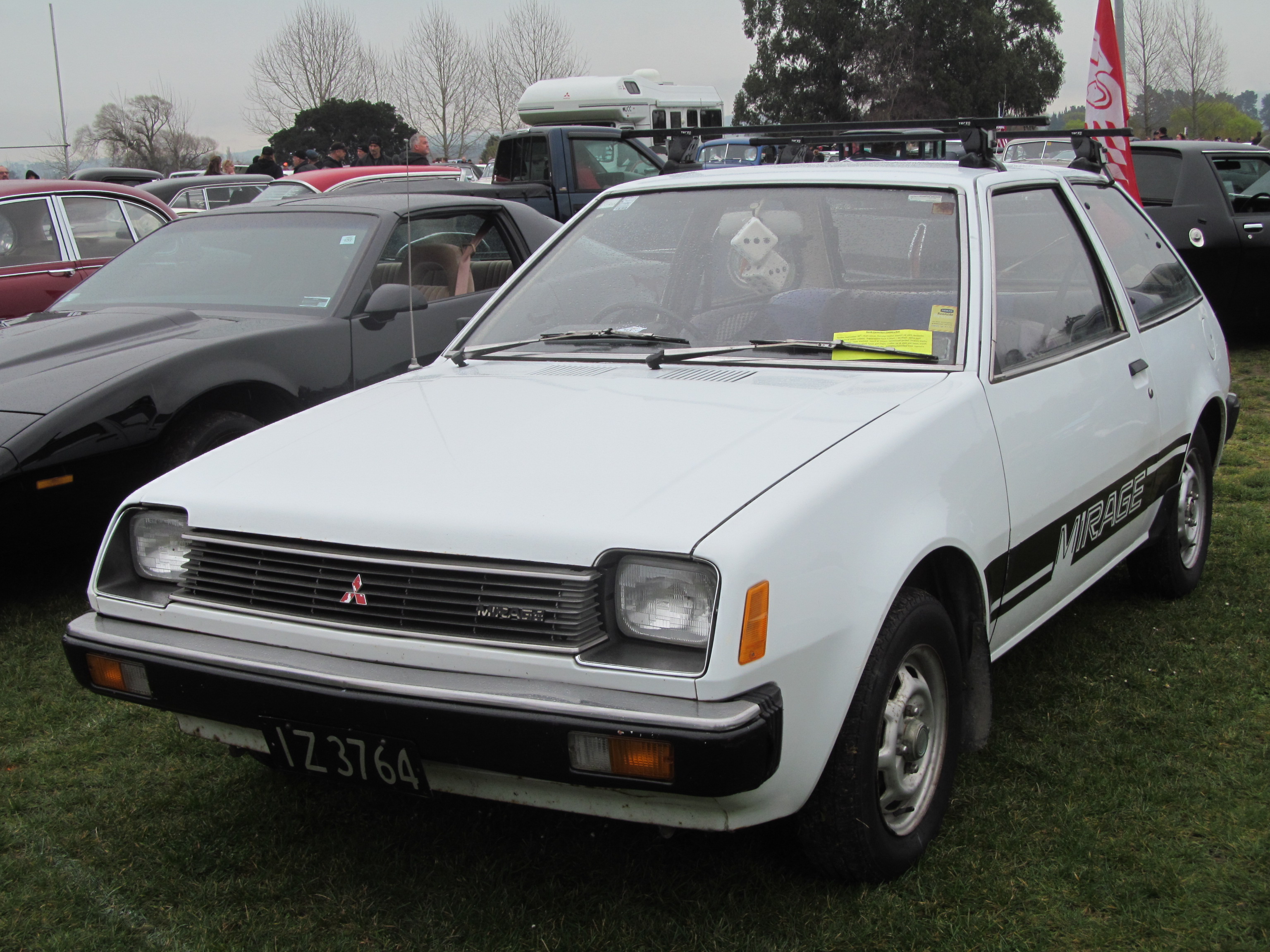
- UAW Pushes for Strike Vote - CATL Develops Fast Charging LFP Battery - ONE LFP Battery Now Has Similar Energy Density to NMC - GM Invests in EV Battery Startup - Mitsubishi Axes the Mirage - Hyundai Buys GM India Plant - India Invests Billions in Electric Buses - New Cadillac EV Revealed in China - Ford to Debut Mid-Engine Mustang - Ranking Automakers by Operating Profit
"... Ford is going to show off a brand new mid engine Mustang this Thursday. According to Ford Authority, it wi..."
Select text to request an explanation
This is out, a lying daily the show dedicated to enthusiasts of the global automotive industry. UAW President Sean Fayne says that bargaining at the Detroit three is
going too slow, so he's now calling on local leaders across the country to issue a strike authorization vote asap. This is basically a way for members to
show their willingness or lack thereof, to strike. There's roughly one hundred and
fifty thousand UAW workers at the Detroit three, and the UAW hopes to have the results of the vote by the end of the day on Thursday, August twenty fourth. Fayne says this will be quote a demonstration of our strength.
It's a sign of our unity, a statement about our resolve, and that he looks forward to getting into a fight with all of you. But Fayne
is going to need a much better response than the UAW got when he was elected president earlier this year. The UAW sent out over a million ballots,
but only about fifteen percent voted, or a little more than one hundred and forty one thousand people. However, it would also be interesting to know how
many of those one hundred and fifty thousand Detroit. Three UAW members were part
of that UAW presidential vote. But anyway, strap in, there's bound to
be some fireworks come in. Battery makers are making progress on improving the efficiency
of LFP or lithium iron phosphate batteries. While NMC or nickel manganese cobalt offer
more range and energy density, LFP batteries are considered more durable, safer, and sustainable, and they're cheaper to make. That's why the industry is so
interested in them. And over in China, the number one EV battery maker
in the world, CATL says it developed a fast charging LFP battery that can run nearly two hundred and fifty miles or four hundred kilometers on a ten minute charge. Coatl will begin mass producing the battery by the end of the year
and it will show up in vehicles starting in the first quarter of twenty twenty four, but it didn't say which vehicles. Meanwhile, back in the States,
EV battery start up our Next Energy, which is based in Novai, Michigan, has developed what it describes as a quote significant milestone in LFP battery technology. It says it's aries two battery pack is now within six percent of
NMC batteries in terms of range and mass. The battery can provide more than
three hundred and fifty miles of range, and it's twenty five percent cheaper than an NMC pack. Our Next Energy will start producing the LFP battery at the
end of next year and it will show up in vehicles starting in twenty twenty five and in other battery news, General Motors invested sixty million dollars into a California based startup called Mitricham. The two companies will develop advanced iron based cathode
active materials for GM's All Team platform. Mitricham has created an aipowered platform to
test cathode designs that helps accelerate development and bring new battery cell formulas to the market faster. GM says the partnership will also support its US based supply chain
At Schiffler, we pioneer Motion Electrifying Mobility, manufacturing smart, reducing CO two emissions, making energy production clean. Scheffler pioneer's Motion to advance how the world
moves. People say they want cheaper cars, but one of the most affordable
vehicles on the market is going away because nobody bought it. Automotive News reports
that Mitsubishi will stop selling the Mirage in the US market once production ends in twenty twenty five, and there won't be a replacement, and Mitsubishi plans to leave the sedan market all together. The Mirage starts at just over seventeen thousand
dollars including destination charges in the US, and Cox Automotive says it was the only model under twenty grand sold in the US market in July, but it was already dropped from its lineup in Japan, and last year in the US just under sixteen thousand were sold, which was down thirty one percent from the year before, and sales are down another forty four percent in the first half of this year. GM is finally getting out of the Indian market. It
stops selling cars there in twenty seventeen, and now Hyundai is buying its remaining manufacturing plant. Hyundai will upgrade the facility and plans to start building models,
which will eventually include Hyundai and Kia EV's by twenty twenty five. GM made
as many as one hundred and thirty thousand vehicles a year at that plant, but Hyundai's upgrades will increase that to roughly two hundred thousand vehicles, which will bring its total manufacturing footprint in India to a million units. Part of the
Hyundai Group's EV expansion plan also includes pbvs, or purpose built vehicles like trucks and buses, and India has just approved a plan that will invest seven billion dollars to deploy more electric buses and build up a charging infrastructure. Ten thousand
electric buses will be put into operations and cities across India over the next ten years, with the possibility to bump that up to fifty thousand buses, and we think Hyundai is eyeing a slice of that market with its pbvs. Despite
a population of over one point four billion people, India's new car market really isn't that big, but it's starting to change, which is why we're seeing more automotive related action in the country. The Cadillac Escalated just made its debut,
but we're getting our first look at another all team based Cadillac EV that I think is even more important to the company. This is the Optic,
or basically Cadillac's version of the Blazer EV, which is a mocke or Model Y size crossover. The Optic is expected to go into production in China before
the end of the year. It will be offered in both front and all
wheel drive, and will feature battery packs supplied by CTL and SAIC. The
all wheel drive version combines for two hundred and eleven kilowatts or two hundred and eighty two horsepower. But that's about all the info we have for now.
Ford is going to show off a brand new mid engine Mustang this Thursday.
According to Ford Authority, it will not be built off the same platform as the new coup and convertible, but instead will be a Mustang branded vehicle that's made by Canadian company Multi Matic, which also makes the four GT from Machi.
To all its new racing efforts, Ford is stretching the Mustang name further than it's ever been before. This week, we've been showing you how the
top automakers in the world stack up against each other based on their financial performance in the first half of the year. We already showed you how they rank
in terms of who sells the most vehicles and by which automaker generates the most revenue per car sold. Now let's look at profits. Net profit is an
important measure, but it can be affected by financial charges in writeoffs, and that doesn't really reveal the financial efficiencies of how well a company ran its operations.
That's why Wall Street analysts pay a lot more attention to the operating profit and on that basis, Stellantis was number one in the world with fifteen and a half billion dollars. Toyota and VW were in second and third place.
Then comes Mercedes and it's surprising to see that the Hondai group outperformed BMW, not by much, but impressive. Nonetheless, GM was in seventh place,
followed by Tesla in eighth and four to ninth, and then Honda and Nissan are at the bottom of the list. That brings us to the end of
today show. Thanks for tuning in. Autoline Daily is brought to you by
Bridgestone Solutions for your journey in trepid control systems. Over the year Engineering Boost
your Game Scheffler, we pioneer motion and by Taging Automotive Technologies the formula for better Mobility. The Taging Automotive Technologies, we combine world class composite materials expertise
with cutting edge designs because frankly, there are better ways to lightweight vehicles.
So lighten up with taging automotive technologies the formula for better mobility. We want
to know what drives your testing. OTA Connected Car Diagnostics, Remote testing in
trepid control systems is here to help you work from anywhere in trepid control systems driven by your data. The Tea t
Request an explanation for:
5 cars
5 cars featured
Request an Explanation
Heard something you'd like explained? We'll add it to this episode.
Sign in to request explanations for terms you heard.
Want to learn more?
Browse our glossary for plain-English explanations of automotive terms, jargon, and concepts.
See something that's not quite right? Our annotations are AI-generated and can sometimes miss the mark.
Click the flag icon on any annotation to suggest a correction.