This is out aligned Daily, the show dedicated to enthusiasts of the global automotive industry. Social media outlets lit up yesterday when Tesla announced it was releasing version
twelve of its full self driving software to a select number of customers. Tesla
did make it available to a number of employees a couple of months ago, but it seems to like to limit early software releases to people who have a clear understanding of what it can do, and who are also less likely to criticize any problems. Tesla fans are excited because V twelve runs on neural nets
that were trained with millions of video clips instead of running on hundreds of thousands of lines of computer code. Elon Musk has been promising full autonomous capability for
years and told customers they would be able to make money with their cars by entering them into a robotaxi fleet. The potential revenue from that is a key
reason why Tesla has such a high market valuation, but it's unlikely that V twelve will deliver on that promise, at least not yet. The value of
neural nets is that they learn over time, and so FSD should only get better. UAW President Sean Fain wants to copy European unions and shut down the
United States on May first of twenty twenty eight. He's calling for a national
strike on International Solidarity Day or May Day, in which all unions across the country stop working for a day, and that just so happens to be the same date when the current UAW contract with the Detroit three expires. Speaking at
a UAW conference in Washington, DC, Fain also said the union would get the Detroit three to reinstate pensions for all its hourly workers, or it would get the federal government to foot the bill. Two years ago, automakers were
screaming that they couldn't get enough inventory because of the chip shortage, but that was then. Now, Nissan is cutting production in the US in the first
quarter due to high inventory. Automotive News reports that it will slash production by
six percent, or about ten thou two hundred vehicles, and that's on top of a cut of about twelve hundred vehicles in December. The Rogue accounts for
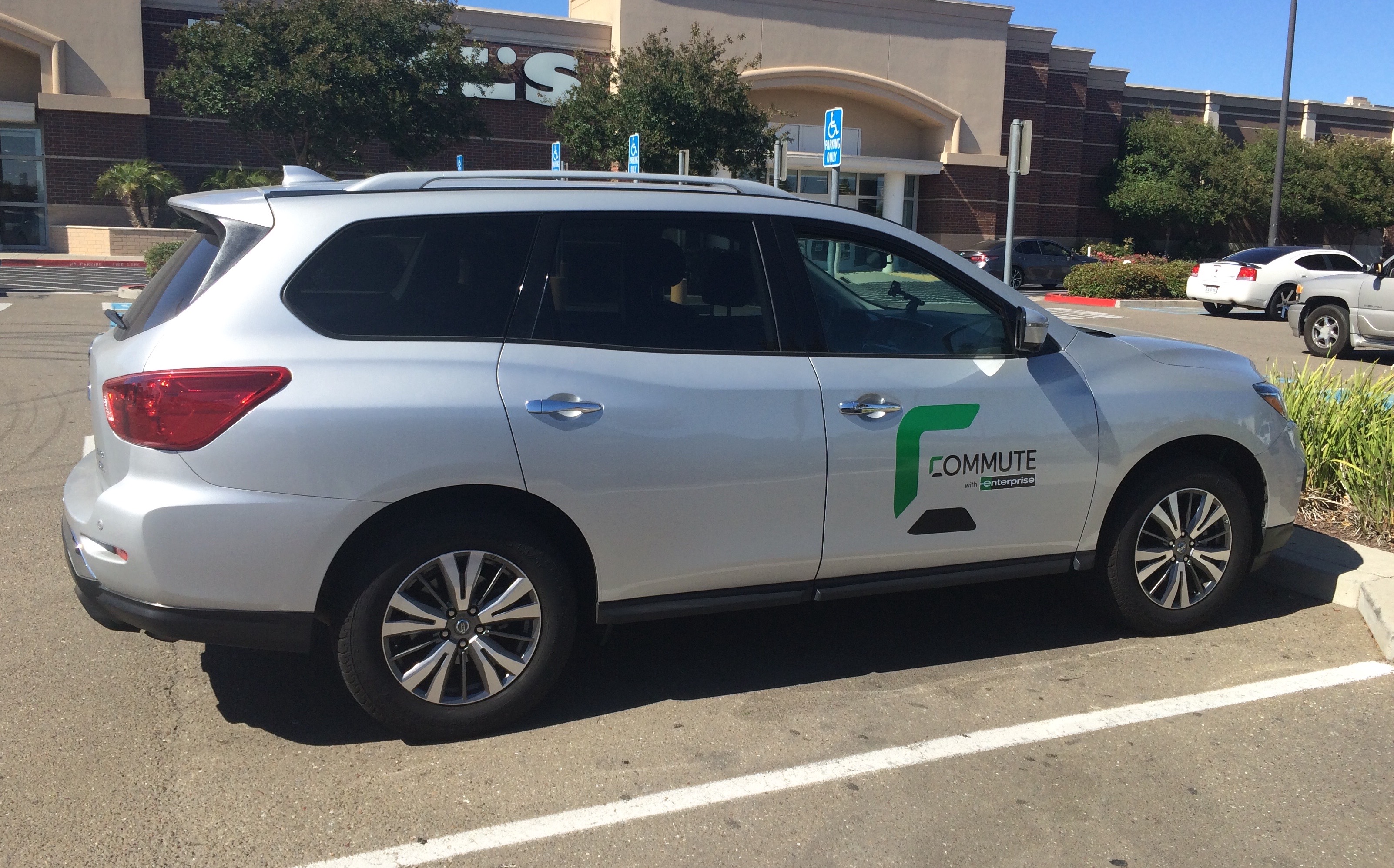
over half of the cuts, and the Pathfinder in Frontier will also be trimmed.
Nissan had one hundred and six days supply of vehicles at the end of last year, which is fifty percent higher than any other full line brand.
But dealers aren't happy with the cuts because nearly a third of Nissan dealers in the US lost money last year, so they say they need to sell more cars, not fewer. Chinese battery maker COTL is going to license its battery
technology to more American and European car companies. It currently has a partnership with
Ford, assisting the automaker and building batteries. The battery maker's chairman says that
collaboration is going well and it wants to offer similar assistance to other companies to help boost battery production. The Tajin Automotive Technologies we combined world class composite materials
expertise with cutting edge designs because frankly, there are better ways to lightweight vehicles, so lighten up with Tajing Automotive Technologies. The formula for Better Mobility.
Four years ago, the US Postal Service said it couldn't justify buying electric delivery vans because they were not cost effective, but as part of its assessment, it assumed that a gallon of gasoline would cost an average of two dollars and eighteen cents over the next thirty years. Last year, it was three dollars
and seventy six cents a gallon. Now, the USPS is kicking off its
EV transition. It opened its first charging station at Assorting and Delivery Center in
Atlanta, Georgia, and revealed new Ford E Transit delivery vehicles. It says
it will install chargers like these at hundreds of sorting in delivery centers this year, and it will have at least fourteen thousand chargers at four hundred locations across the country by the end of the decade. And here's what you can expect
to be delivering your mail. The USPSEV delivery fleet will consist of twenty one
thousand commercial off the shelf electric delivery vehicles like the E Transit, but it's only going to buy a little more than nine thousand from Ford. And it
will also get forty five thousand all electric versions of the next generation delivery vehicle made by Oshkosh. But they're not all going to be electric. There will
be new ic versions as well, and drivers will have a lot more room.
The E Transit has three times the cargo capacity compared to today's grooman mail truck. Toyota chairman Akio Toyota has been very vocal about transitioning to electric vehicles
too fast because he's skeptical they'll catch on in a significant way during a business event. Achio said he thinks electric vehicles at most will only reach thirty percent
market share, with ices, hybrids and fuel cells accounting for the rest.
He said that customers, and not regulators or politics, should make the decision on the transition to evs. Last year, Toyota CEO Cogsato said the automaker
is aiming to sell one and a half million evs a year by twenty twenty six and three and a half million by twenty thirty, which would be about thirty percent of Toyota sales. Yesterday we ran a story about how legacy automakers
are running into software problems because they're going about it all wrong. And here's
another example of that. ETAs, a subsidiary of Bosch, uses a tech
industry method that allows OEMs and their tiers to develop software together called DevOps.
They upload everything to the cloud at the end of every day and evaluate it to eliminate bugs. ETAs works with AWS to handle these cloud services, and
it says, this is the way the tech industry does it, developing software in slices. Traditional OEMs, on the other hand, tend to build the
entire stack and then start testing it, but that's too slow. Besides,
ETAs says, by putting everything in the cloud, you look at a vehicle from a total system standpoint, not just at individual components or systems. Hyundai
and Kia are going to start putting active aero technology on their evs to improve performance and range. They're testing an active air skirt that deploys from the bottom
of the bumper just in front of the front wheels. It comes down at
eighty kilometers an hour or about fifty miles an hour, which is when the aerodynamic resistance becomes greater than the rolling resistance of the tires, and the air skirt helps reduce that drag. A Genesis GV sixty with this tech, sads
drag coefficient go down by nearly three percent, which would equate to about six more kilometers or about four more miles of range. Hyundai kisa the benefits are
even more the bigger the vehicle is, and it can also improve traction in high speed, stability and one thing I find interesting. Active air skirts are
not new, but we've mainly only seen them apply to big pickup trucks.
In Hyundai Kisa, they don't need an air skirt that goes across the entire front bumper because it would actually make the aerodynamics worse since the floor of its EV architecture is entirely flat. It's not a great time to be working in
the Germinado industry. Supplier Zaft, Boushing Continental have all announced thousands of jobs
that will be caught over the next couple of years, and VW said last month it would be making big cuts in Germany as well. Suppliers are being
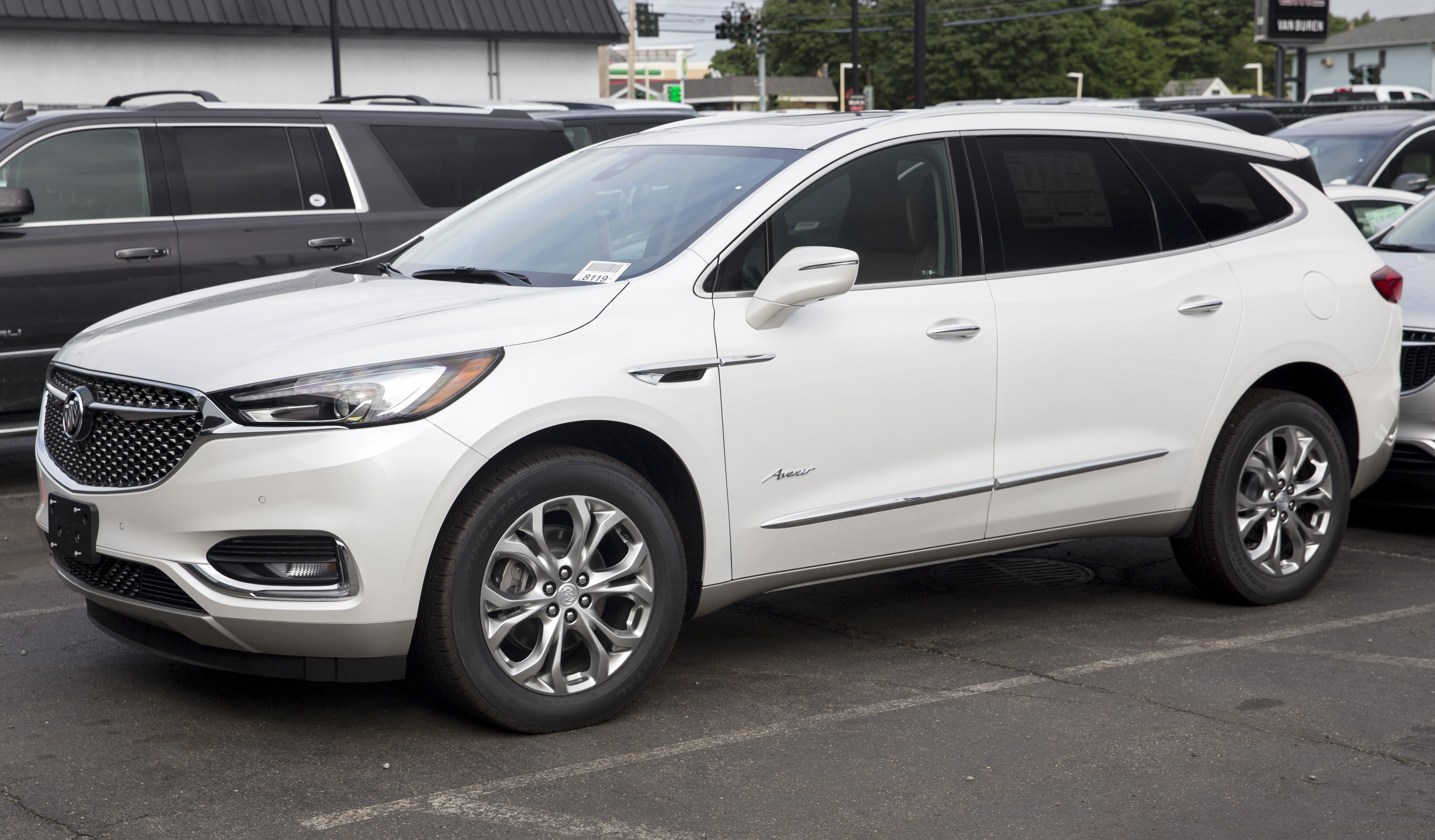
hit the hardest because of high upfront costs for new EV programs as well as weaker than expected EV demand. Buick is going to launch its next generation Enclave
this year, and it's showing off a couple of design sketches in a teaser image of the new model. It looks a little more aggressive than today's Enclave
and takes inspiration from the Wildcat and Electra EV concepts. We don't have any
other details, but Buick thinks the new Enclave will help build on last year's momentum, which saw its sales go up by sixty one percent. Honda recently
announced that it's going to build fuel cell versions of the CRV in the US using the latest fuel cell stack that it's developing with General Motors. But yesterday
the CEO of the truck company m An said that fuel cells will never be viable because green hydrogen is simply too expensive. And if you can't get green
high hydrogen, he said, then a fuel cell is no more sustainable than a diesel engine. That's why on Autoline After Hours on Thursday, we're going
to be talking all about fuel cells. We've got Charlie Freese, the executive
director of Global fuel Cells at General Motors, coming on the show. So
if you've got fuel cell questions, leave them in the comments section or send an email to viewer mail at Autoline dot tv. That's all for today's show.
Thanks for making Autoline a part of your day. Auto Line Daily is
brought to you by Bridgetone Solutions for your Journey, Intrepid Control Systems over the Air Engineering Boost your game, and by Tajin Automotive Technologies the Formula for Better Mobility. We want to know what drives your testing. Ota Connected Car Diagnostics
remote testing. Intrepid Control Systems is here to help you work from anywhere.
Intrepid Control Systems driven by your data
About this episode
Tesla’s release of Full Self-Driving version 12, utilizing neural nets trained on millions of video clips, sparks excitement but falls short of promised robotaxi revenue. UAW plans a national strike on May Day as contract negotiations heat up. Nissan cuts US production due to high inventory, while USPS begins its electric vehicle transition with new charging stations and EV deliveries. Toyota’s chairman expresses skepticism about rapid EV adoption. Hyundai and Kia introduce active aero tech to boost EV range. Industry faces job cuts amid EV challenges, and Buick teases a new Enclave design. Fuel cell viability sparks debate ahead of an upcoming Autoline After Hours discussion.
- Tesla Unleashes v12 of FSD - UAW Wants National Strike Day - Nissan Cutting U.S. Production - CATL Wants to Work with More U.S. and EU OEMs - USPS Finally Starting EV Transition - Akio Toyoda Predicts Only 30% EV Market Share - OEMs Need to Develop Software in Slices - Hyundai/Kia Test Active Aero on EVs - German Suppliers Struggling with EV Transition - Buick Teases Next-Gen Enclave