The episode covers shifts in the automotive industry including a drop in catalytic converter thefts due to falling platinum and palladium prices driven by rising EV production. Hyundai plans a low-cost electric Casper for Europe, while Geely is building a satellite network to rival Starlink for autonomous vehicle navigation. GM is making OnStar features standard, and Ford reports mixed EV sales with hybrids surging. Lincoln aims for higher sales with new models. Toyota advances hydrogen infrastructure with scalable electrolyzers. The episode also discusses automated valet parking challenges and industry consolidation rumors involving Renault and Stellantis.
Topics:catalytic converter theftplatinum and palladium priceslow cost evsgeely starlink competitorgm onstar featuresford ev and hybrid saleslincoln sales strategytoyota hydrogen electrolyzersautomated valet parkingindustry consolidation
- EVs Drive Down Price of Platinum, Palladium - Hyundai To Sell €20,000 EV in EU - Geely Builds Starlink Competitor - GM Makes OnStar Features Standard - Ford EV Sales Drop, Hybrids Soar - Lincoln Aviator Receives Same Upgrades as Ford Explorer - Toyota To Manufacture H2 Electrolyzers - Automated Parking for Loading Ships - Stellantis Denies Renault Merger Rumors
"...ting the same kind of upgrades as its cousin, the Explorer. Ford revealed its refresh version of the SUV las..."
Select text to request an explanation
This is Outline Daily, the show dedicated to enthusiasts of the global automotive industry.
There's a good chance that catalytic converter thefts are gonna go down. Prices
for critical materials like platinum and palladium shot up as car production rose around the world, which is why converters were so enticing to steal. But as EV
sales and production has taken off, prices of those critical materials have been dropping significantly, and it looks like they're gonna keep going down. Last year,
the price of palladium slipped forty percent, while platinum dropped fifteen percent. And
now in South Africa, where a good majority of these metals are mined, producers are looking to close on profitable sites. The country's Minerals Council says that
four to seven thousand jobs are likely to be cut as a result. With
worldwide BEV sales coming in around nine and a half million million units last year, prices for platinum and palladium haven't bottomed out yet. Hyundai's joining the growing
list of low cost Evshundai will launch an all electric version of its Casper compact crossover by the end of this year, which will cost less than twenty thousand euros. The EV will feature a lithium iron phosphate battery and have a range
of two hundred to three hundred kilometers or one hundred and twenty five to one hundred and eighty seven miles. The Casper is currently sold in South Korea with
a one lead three cylinder gasoline engine. The electric version will reportedly be built
alongside the gas variant in South Korea and then shipped to Europe. The Casper
joins a growing list of low cost evs already sold or planned for the EU market, including the Dashia Spring, Renault TwinGo, Citroen EC three, VWID two, and China evs from MG and BID. It looks like Gli wants
to compete directly with SpaceX and its Starlink network of Internet satellites. The Chinese
automaker is building out its own network to provide more accurate navigation information for autonomous vehicles. In twenty twenty two, it launched nine low Earth orbit satellites,
and over the weekend the company launched eleven more. Gil said it plans to
have seventy two in orbit by twenty twenty five and eventually have two hundred and forty in its network. In addition to providing navigation for avs, the satellites
will also provide connectivity for consumer electronic companies. General Motors is making some of
its more popular on Star features standard on all of its vehicles in North America.
Starting with the twenty twenty five model year, every new Chevy, GMC, Cadillac and Buick model will get automatic crash response, remote vehicle commands, and navigation and voice assistant features at no additional cost. However, they won't
be available for the lifetime of the vehicle. They'll be included for eight years
from purchase. The Chevy Trax and Buick and Vista will be among the first
models to get the features, and Cadillac buyers will also get additional premium on Star features for three years at no additional cost. GM will also offer the
standard on Star features for its fleet management business called GM Involve, and GM needs to get customers using on Star more so it can monetize more services to generate more revenue. Ford Motor Company posted its US sales for last month and
there's some interesting details in the numbers. Total sales including Lincoln came to one
hundred and fifty two thousand, six hundred and seventeen vehicles up four point three percent. BEV sales dropped almost eleven percent, while hybrid sales shot up almost
forty three percent. And let's dive a little bit deeper into those BV sales.
The Machi was down fifty one percent, Lightning sales were flat, while the E Transit was up two hundred and fourteen percent. Meanwhile, Lincoln had
a really hot month with sales up twenty percent to nearly seven thousand vehicles.
That puts the brand on a run rate to sell about eighty four thousand cars this year. But Lincoln wants to hit one hundred thousand sales this year in
the US, which means it really needs to put the pedal to the metal.
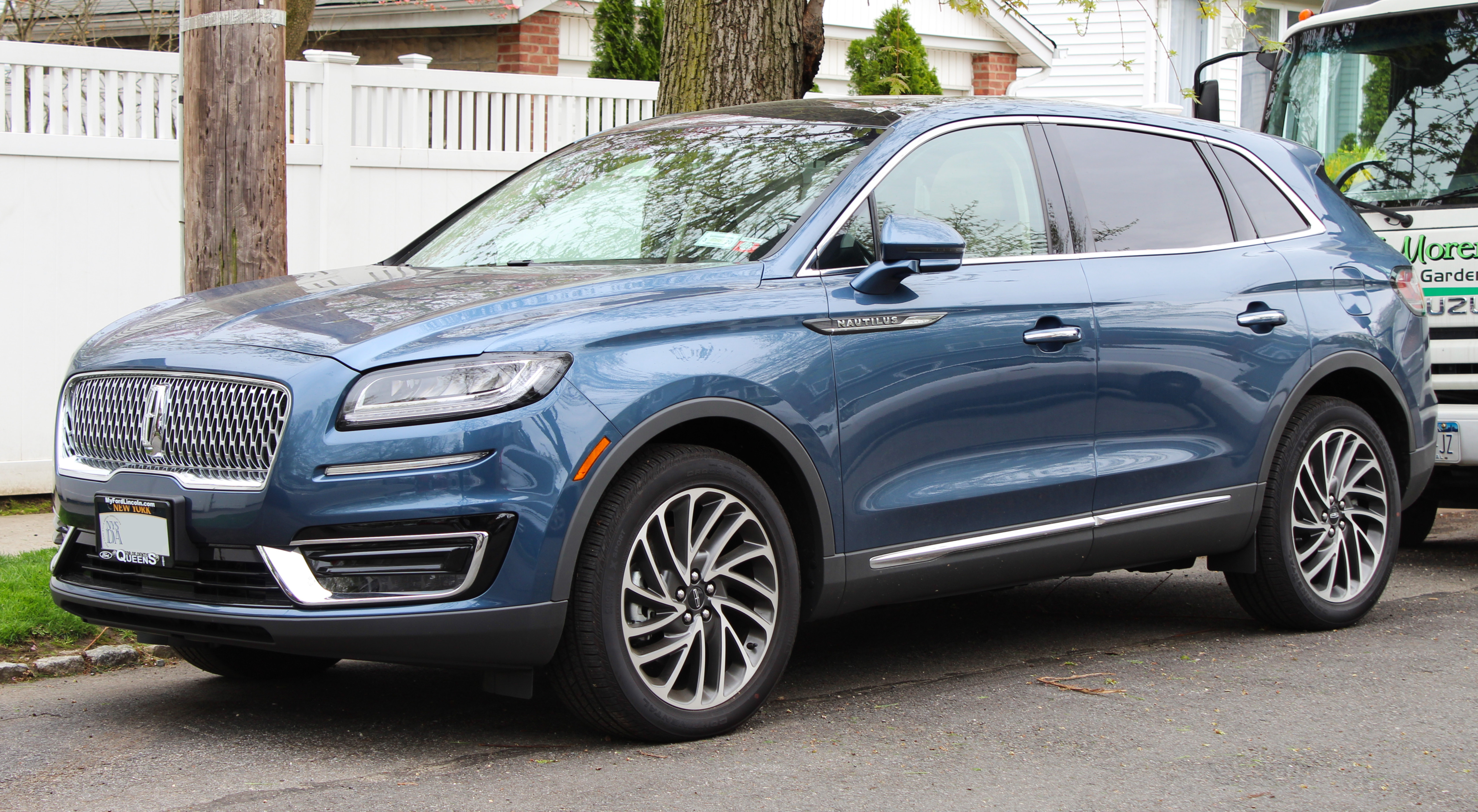
And one thing that will help is a new Aviator that's coming out the summer, a redesign Navigator that comes out later this year, as well as an all new Nautilus that Ford will start importing from China. And speaking of
that new Aviator, it's getting the same kind of upgrades as its cousin, the Explorer. Ford revealed its refresh version of the SUV last week, with
the biggest changes coming to the interior, and the same goes for the Aviator.
Here's Lincoln's take on the interior, which features a similar layered dash with digital display screens. Although the driver's IP is more exposed in the Aviator,
and as you would expect to see, the materials are nicer like the Explorer, The front and rear faces have been massaged, and the Aviator will get Ford's hands free highway driving system called Blue Cruise. Lincoln says orders are open
now and it expects deliveries to kick off the summer. Critics of fuel cells,
or fools as they like to call them, always talk about a lack of infrastructure or in other words, not enough places to fill up. And
it's true that there's not many hydrogen producers or hydrogen stations, but we are seeing growth. Last month, Renault announced a deal to produce hydrogen, build
refueling stations and sell a fleet of fuel cell vans in an area around the French Alps. And now Toyota is working with a company that specializes in building
production plants to make a scalable electrolysis system which is used to produce hydrogen.
The goal is to engineer a five megawatt electrolysis unit that is capable of producing up to one hundred kilograms of hydrogen an hour on its own, or they can be linked together to produce more. Toyota will install one of these electrolysis
units at a factory in Japan at the start of its next fiscal year, with the plan to add a second and one in the future. It also
hopes to sell the system to other customers around the world. The giant German
suppliers like Bosh, Continental and ZF really like the idea of automated valet parking.
They've all developed systems where drivers get out of their cars at a designated spot in a parking structure and the car goes off and finds a parking place.
The only problem is the parking structure needs connectivity and light our sensors for it to work, and it's going to be a long time before the infrastructure gets built, meaning there's not going to be a lot of demand for it.
That's why Continental is looking for other applications for this technology, like loading cars onto ships for export. The cars can automatically drive themselves on board and
park, and since there aren't any people opening the doors, to get out.
The cars can be parked much closer to each other, allowing for more of them. Continental says. Other applications could include car rental agencies that need
to wash fuel and even deliver cars to customers. And if you have other
ideas where automated valley parking makes sense, post it in the comments section and we'll be sure that they get to Continental. There are too many car companies,
with too many brands making too many models. There's a lot of repetition
and redundancy in the industry, which is why the experts have been predicting a lot more consolidation, and we're already seeing it. Stilantis is a consolidation of
Chrysler, Fiat and pougeot GM is cooperating with Honda, Toyota supports Mazda and Subaru. Ford is working with Volkswagen, and no doubt more consolidation is on
the way, but not between Stalantis and Renault. Reuter's reports that after abandoning
Russia, which was Renault's second largest market after France, and after reducing its collaboration with Nissan and canceling its IPO with Ampier, the Italian media said that the French government was looking at plans to have Renault merged with Stilantis, and that prompted Stilantis to deny anything like that was going to happen. Even so,
Renault is in a precarious position. It has a market cap of only
ten billion euros, which makes it very vulnerable to almost any kind of corporate raider. And that brings us to the end of today's show. Thanks for
tuning in. Auto Line Daily is brought to you by Bridgestone Solutions for your journey
Request an explanation for:
7 cars
Scroll for more
7 cars featured
Request an Explanation
Heard something you'd like explained? We'll add it to this episode.
Sign in to request explanations for terms you heard.
Want to learn more?
Browse our glossary for plain-English explanations of automotive terms, jargon, and concepts.
See something that's not quite right? Our annotations are AI-generated and can sometimes miss the mark.
Click the flag icon on any annotation to suggest a correction.