Car buyers are rushing to purchase vehicles before impending tariffs cause price hikes, with strong sales boosts seen in Ford's Maverick and Bronco Sport. Electric vehicle sales in Colorado are growing, notably with the Nissan Ariya outselling Tesla's Model Y. In Europe, BEV market share struggles to meet CO2 targets, while Chinese automakers push plug-in hybrids to avoid tariffs. The episode also covers legal battles over direct EV sales models by Volkswagen and Honda, Canadian parts tariff exemptions, and Aurora's launch of driverless semi trucks in Texas, marking a milestone in autonomous commercial vehicles.
Topics:tariffs impactford sales trendselectric vehicle salesnissan aria vs tesla model yeuropean bevs market shareplug-in hybrids in europedirect sales legal disputescanadian parts tariffsaurora autonomous truckssupplier industry profits
- Car Buyers Rush to Showrooms Before Tariffs Hit - Mexican-Made Fords Sell Like Crazy - EU Falls Short of Needed EV Market Share - Chinese Push PHEVs in EU - Nissan Ariya Outsells Tesla Model Y in Colorado - Autoline Poll: What Do You Think of Slate? - Honda Dealers Target Afeela Direct Sales - Canada Parts Get Tariff Reprieve - Magna Revenue Down, Profits Up - Aurora Launches Driver-Free-Semi Business
"...etting out sold by you ready for this, the Nissan Aria. Speaker 3: There's nothing wrong with heavy meta..."
Select text to request an explanation
Speaker 1: This is outline daily to show dedicated to enthusiasts of the global automotive industry. Not all automakers in the US
report sales on a monthly basis anymore, but for the ones who do, April was a rip roaring month. Toyota
was up ten percent, Lexus up twenty three percent, Honda was up eighteen percent, Accura up thirty three percent, Ford was up fifteen percent, Link and up a whopping forty percent.
Super Route was only up point three percent. But that's
thirty three consecutive months of sales going up, no doubt.
If other automakers were reporting, they'd say that customers were rushing into their showrooms too. But we all know what's
going on here, right. Everybody knows that tariffs are going
to raise prices, and they're in a mad scramble to buy a new car before that happens.
Speaker 2: This could probably go on another month.
Speaker 1: Or so, but once dealers burned through their pre tariff inventory that's sitting on their lots, car sales are going to take a nosedive.
Speaker 2: You watch around July.
Speaker 1: Or so, this industry is going to be in a heap of hurt. Let's bore into Ford sales numbers for
a moment, especially for the vehicles it makes in Mexico.
Sales of the Maverick pickup truck shot up sixty seven percent, the Bronco Sport was up nearly fifty five percent, but the Maki fell forty percent. Clearly, the people shopping for
the Maverick and Bronco Sport were aware that they were about to get hit with twenty five percent tariffs and ran out to get one before the price went up.
But the Maki situation is kind of curious. Maybe it
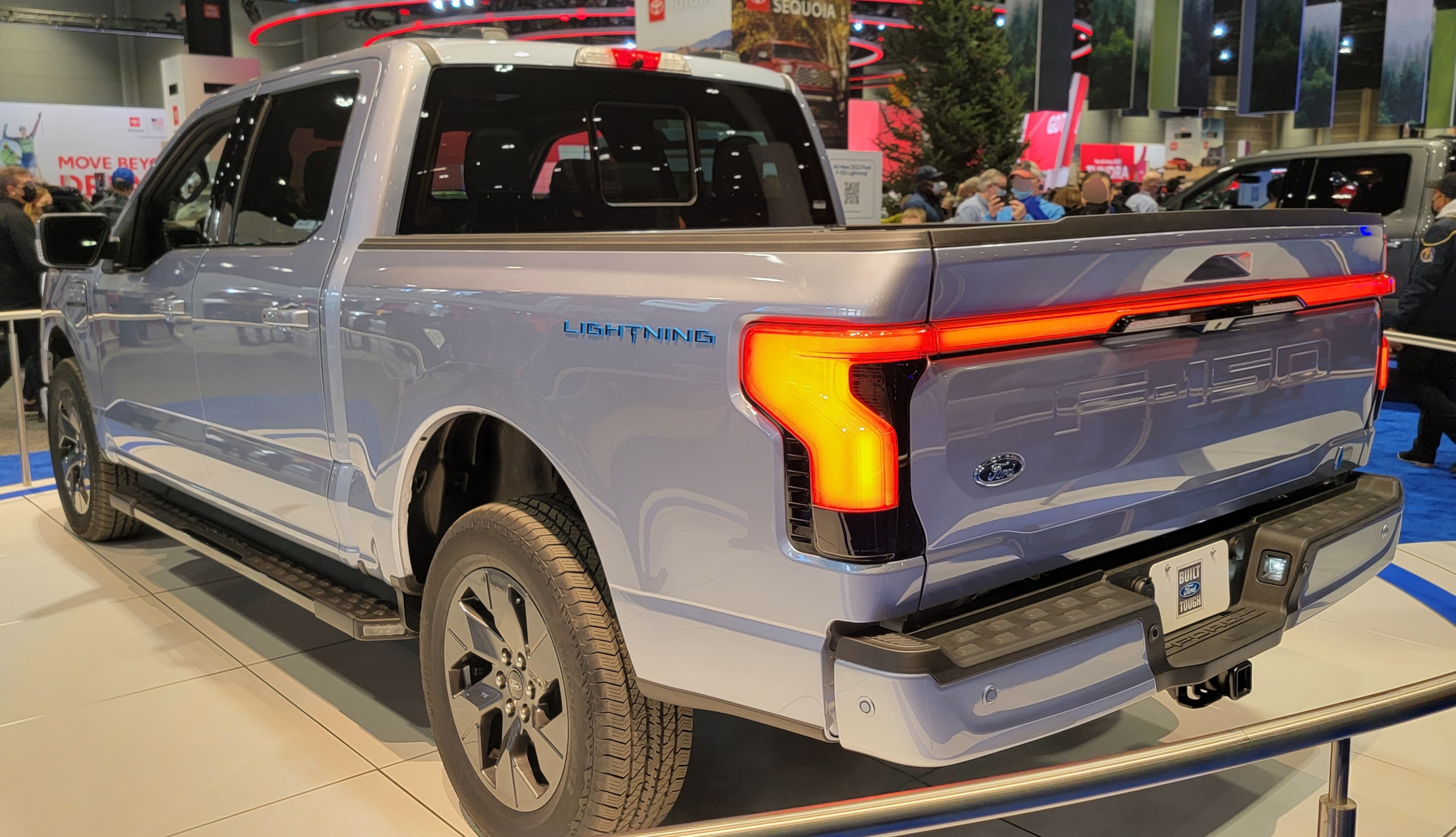
was just a bad month for evs at Ford because the F one to fifty electric lightning, which is made in the US, was down sixteen percent. Okay, Now over
to Europe for a moment. Where As we reported yesterday,
automakers sold nearly four hundred and thirteen thousand BEVs, which was up almost twenty four percent from a year ago.
Speaker 2: Sounds pretty good, right, Well not.
Speaker 1: Really, because that only puts BEV market share in Europe at fifteen point two percent. That's lower than it used
to be, and the ACEA, the group that represents car makers in Europe, says that's nowhere good enough to meet its own CO two targets. The EU needs BEVs to
hit twenty two percent market share this year. Meanwhile, Chinese
automakers are putting the muscles behind selling more PHEVs in Europe because plug in hybrids are not hit with extra tariffs like BEVs are. According to a data company called
row Motion, BYD sold three thousand, two hundred and sixty nine plugins in March, which was up from nearly nothing in July twenty twenty four, which is when the tariffs were first introduced. Bydpays eight twenty seven percent tariff on
BEVs but only ten percent on peahebs. Also, Cherry sold
seven hundred and fifty seven phebs in March, and while that's a small number, it's more than double the number of BEVs that it sold. And here's an interesting tidbit
that was brought to our attention by our viewer Tim Jackson, who used to be the head of the Colorado Automobile Dealers Association. EV sales in Colorado and California continued to
grow by double digits. They were up twenty percent in
Colorado for the first quarter. And here's the real kicker.
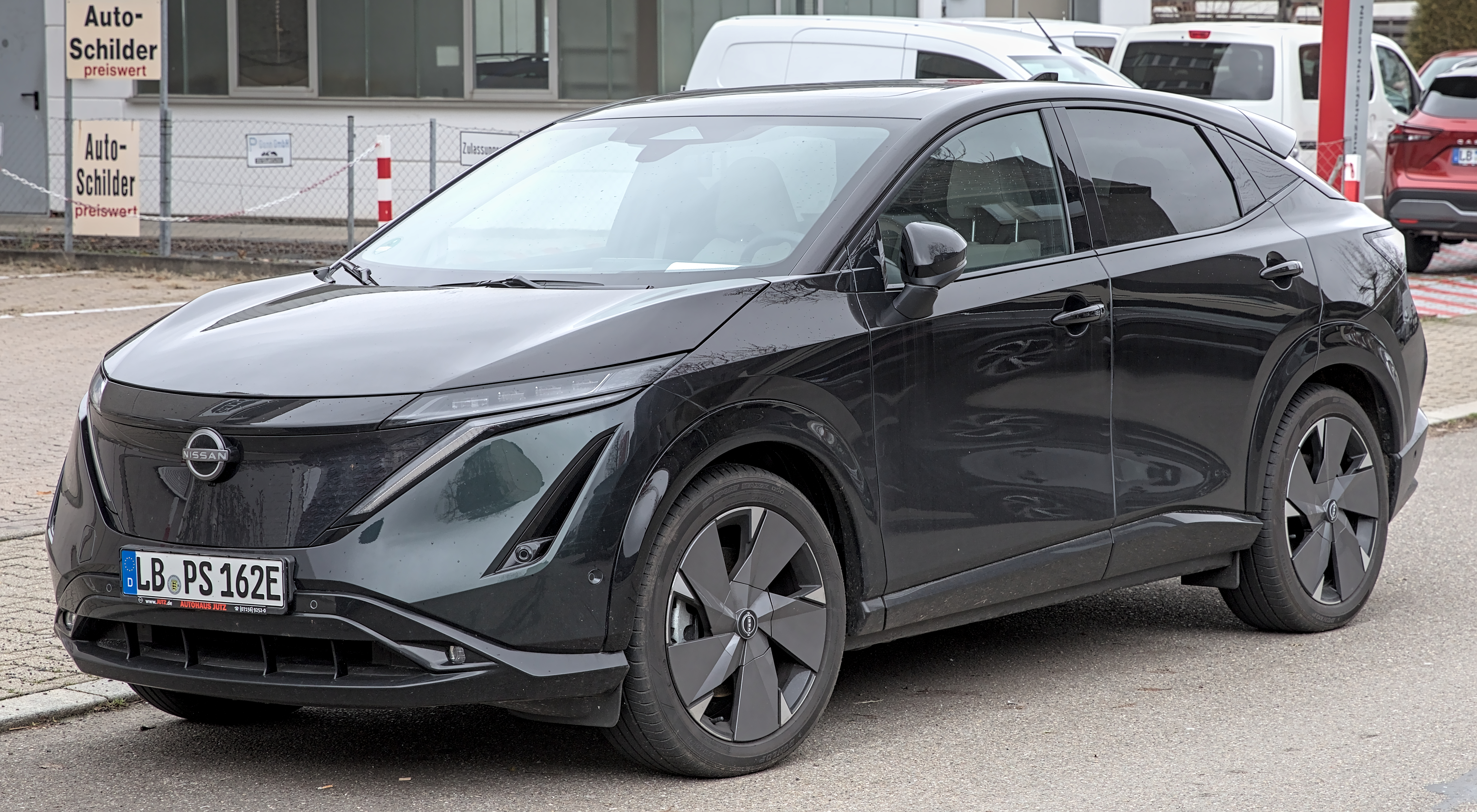
That growth is coming from franchise dealers selling evs because Tesla sales are down nearly twenty four percent in Colorado and the Model Y is now getting out sold by you ready for this, the Nissan Aria.
Speaker 3: There's nothing wrong with heavy metal, Hey light enough, but with world class composit material taging automotive technologies makes vehicles lighter, safer, and more eco friendly.
Speaker 1: We've got a new poll that we're posting to get your insight and your feedback, and it's all about that little twenty seven thousand dollars electric pickup truck from Slate.
What we want to know is what you think will happen with the company in the truck. Will it be
a smash success, Will it be a one hit wonder that goes belly up in a few years, Is it dead on arrival or what? Remember this poll is only
open to our Patreon and YouTube members, so if you haven't signed up to be a member yet, this might be a good time to do so. It only costs
a few dollars a month. Okay, back to the news
they were a decade ago, Tesla kicked off the move to direct sales in the US, and every other EV startup that came after it has done the same thing.
The idea actually appeals to legacy auto makers too, and a couple of them, namely Volkswagon and Honda, want to use the direct sales model as they get ready to launch their own EV startups Scout and Afila. Well, that
has got their existing dealers hopping mad. Last month, the
California New Car Dealers Association filed a lawsuit against the Volkswagon Group and Scout Motors over scouts plans for direct sales.
And now those dealers are going after Honda and Sony and their EV joint venture. The dealers argue that Afila
is really part of Honda, and so by law franchise law, those cars have to be sold through dealers who sell Hondas.
All of this is going to end up in the courts, and who knows, it may even go all the way to the Supreme Court. Okay, now, let's move over to
the Great White North, where Canadian parts suppliers are sort of heaving a sigh of relief. That's because the Trump
administration will not put twenty five percent tariffs on Canadian parts and components that are USMCA compliant. Of course, the
administration really had to exempt them. Some components crossed the
border between the US and Canada several times before ending up in a car. For example, a casting might be
made in Canada, then it gets shipped to the US for heat treating, then back to Canada for machining, then back to the US for partial assembly, then back to Canada for final assembly, then back to the US to be installed in a car.
Speaker 2: That stackup of.
Speaker 1: Teriffs each time across the border would have made it prohibitively expensive, so those parts are exempt, or at least for now they are. Any vehicles made in Canada are
still subject to the full twenty five percent tariff, which is why General Motors just announced that its shifting assembly of fifty thousand full size pickups from Canada to the US.
Speaker 2: The largest North American.
Speaker 1: Supplier auto supplier is Canadian based Magna, and its first quarter earnings are a good indicator of what's happening in the supplier industry. Magne's revenue dropped ten percent to ten
billion dollars because of lower auto production in the US and EU. Yet thanks to our relentless focus on cutting cost,
its operating profit was up sixfold and its net profit of one hundred and fifty three million dollars was up sixteen X. You know, we're going to see a lot
more of this with suppliers, that is to say, the top line stalling out or even falling, and all of that leading to a brutal focus on cutting cost.
Speaker 2: You know, we've said it before and we will say it again.
Speaker 1: Twenty twenty five could be the year of the autonomous vehicle.
Aurora Innovation just announced that it's the first company in the US to operate autonomous heavy duty trucks on public roads as a commercial business, not as a demonstrator project.
The self driving startup says it began driverless deliveries between Dallas and Houston, Texas this week, and the trucks have now driven one two hundred miles without a driver. Aurora
plans to expand its service to El Paso, Texas and Phoenix, Arizona by the end of the year. And that wraps
up this week's coverage of what's going on in the global automotive industry. Thank you for your interest, thank you
for your support, and remember we'll be back at it again here on Monday.
Speaker 3: Autoline Daily is brought to you by Intrepid Control Systems.
Over the year, engineering boost your game tag. In automotive technologies,
the formula for better mobility and by Wards is the industry leader for news, data and analysis. That's why companies
across the globe subscribe to our premium service.
Speaker 2: Maybe even your own log in for subscriber access.
Speaker 3: Now check your company's intranet for details and rely on wardsauto dot com to keep you informed.
Request an explanation for:
4 cars
4 cars featured
Request an Explanation
Heard something you'd like explained? We'll add it to this episode.
Sign in to request explanations for terms you heard.
Want to learn more?
Browse our glossary for plain-English explanations of automotive terms, jargon, and concepts.
See something that's not quite right? Our annotations are AI-generated and can sometimes miss the mark.
Click the flag icon on any annotation to suggest a correction.