EV means electric vehicle. These cars run on electricity instead of gas, making them better for the environment. They're becoming more popular as people look for cleaner transportation options.
An autonomous vehicle is a self-driving car that can operate without a person controlling it. These cars use technology to navigate and make decisions on the road, which could change how we think about driving in the future.
Waymo is a company that works on self-driving cars. They are trying to make cars that can drive themselves without anyone behind the wheel, which is a big step in technology.
Toyota is a well-known car company from Japan that makes many different types of vehicles. They are famous for their reliable cars and have been a leader in making hybrid cars, which use both gas and electricity.
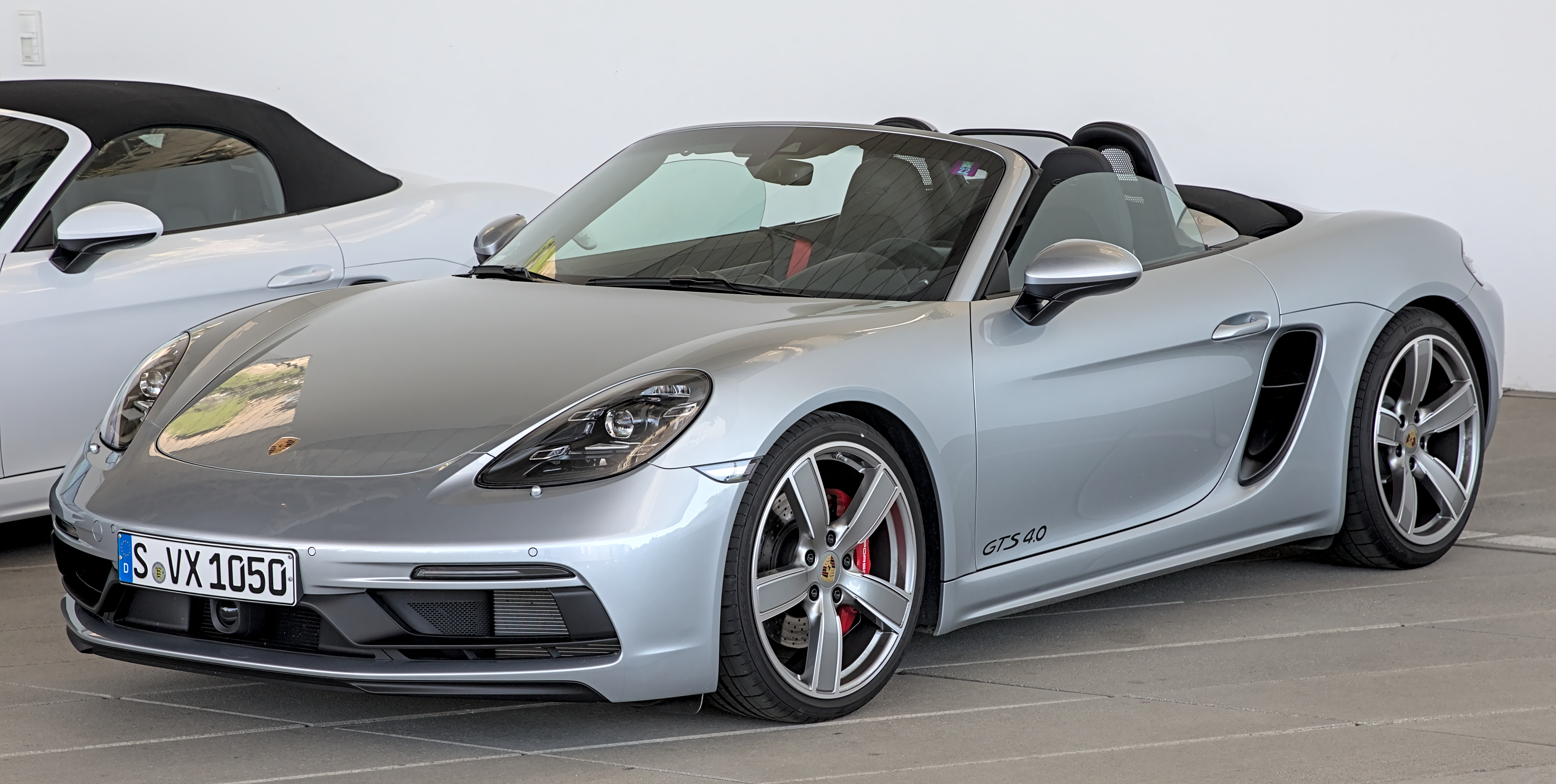
The Porsche 718 is a type of sports car made by Porsche. There were plans to make electric versions of it, but now they might change those plans because of sales issues.
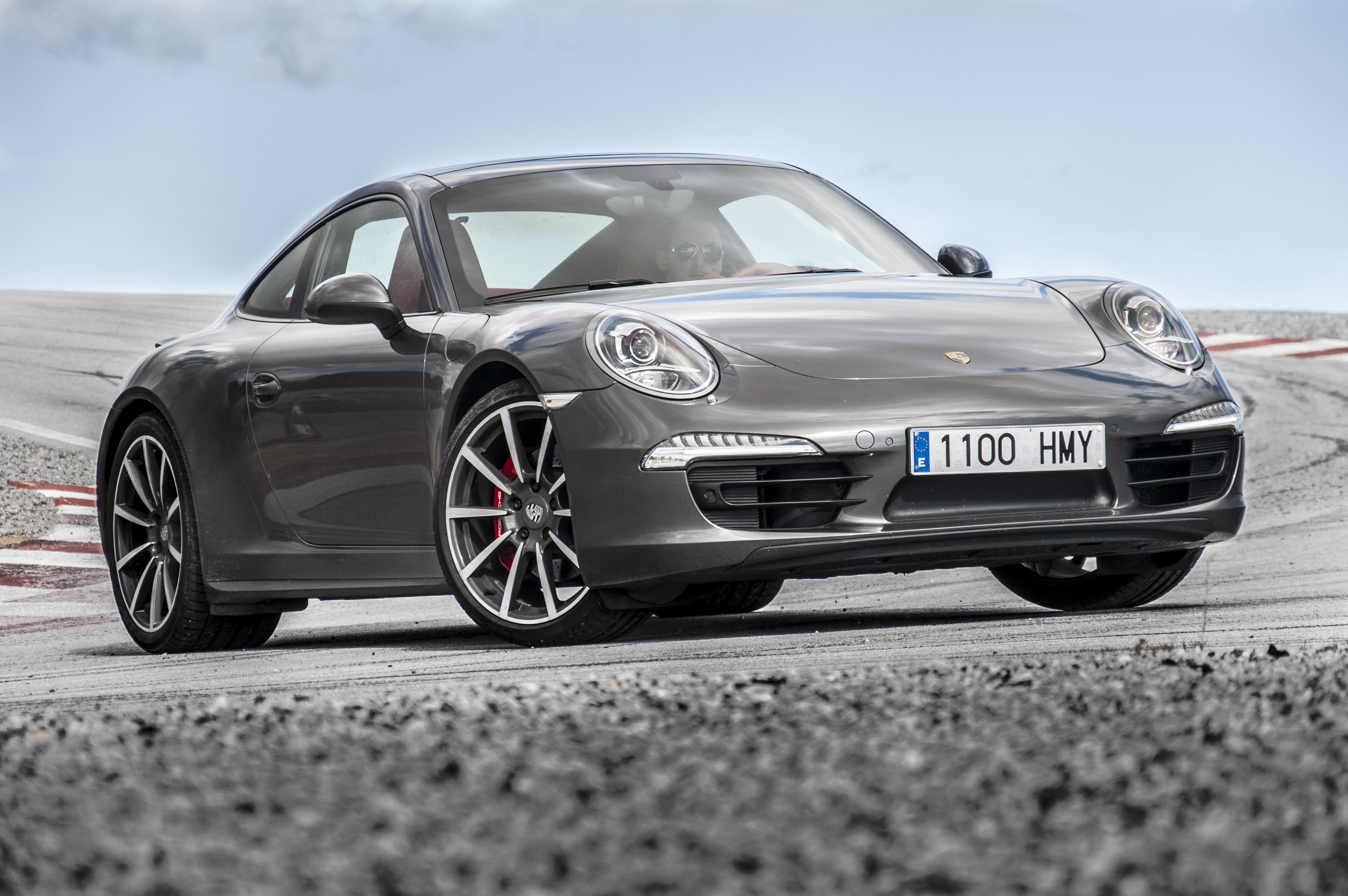
The Porsche Cayman is a sporty car that is fun to drive and has a great design. It's a bit cheaper than the famous Porsche 911 but still offers a lot of excitement for people who love cars.
The Porsche 911 is a famous sports car that many people recognize. It's known for being fast and fun to drive, and it's been around for a long time, which makes it special.
EVs stand for electric vehicles, which are cars that run on electricity instead of gas. They are becoming more popular as people look for cleaner ways to drive.
Solid state batteries are a new kind of battery that use solid materials instead of liquids. They can store more energy and last longer than regular batteries, but making them in large amounts is still hard.
An anode is part of a battery that helps store energy. It's where the battery gets charged up, and it usually uses materials like graphite or silicon to hold the energy.
The Peugeot iOn is a tiny electric car that's great for driving around the city without polluting the air. It's small and easy to park, making it perfect for busy streets.
Lithium ions are tiny charged particles that help batteries store and use energy. They move around inside the battery when it's charging and when it's being used.
Energy density is how much energy a battery can hold in a certain amount of space. Batteries with higher energy density can power things for longer without being too big or heavy.
Skateboard design is a way to build electric cars where the battery is flat and sits on the floor, making the car more stable and giving more room inside.
Kilowatt hours is a way to measure how much energy a battery can store. The higher the number, the more electricity it can hold, which usually means the car can drive further.
The Tesla Model Y is an electric SUV that can drive long distances without needing gas. It's popular because it's roomy and has lots of cool tech features.
Microvision is a company that creates technology for things like displays and sensors, including those used in self-driving cars.
LIVE
Speaker 1: This is out ALIGNE Daily, the show dedicated to enthusiasts of the global automotive industry. GM and Ford are writing
off tens of billions of dollars on their EV investments.
Tier one suppliers are doing the same. In Automotive News
reports that more than half of the US car dealers that it surveyed said they have not recovered the investments they made in evs. Either, fewer than four percent said
they fully recouped it. Dealers had to invest in EV chargers,
tools and training, but sales of evs fell far short of expectations. However, as we've pointed out before, there are
at least three hundred thousand evs coming off lease this year, and with very attractive prices, they could pull in a lot more first time EV buyers, which could help dealers recoup their investments. Waimo has tripled its value in less
than two years. In twenty twenty four, the autonomous vehicle
company was valued at forty five billion dollars, but in its latest funding round, Weimo raised another sixteen billion dollars, which now puts its valuation at one hundred and twenty six billion dollars. That makes it more valuable than every
automaker with the exception of Tesla and Toyota. Part of
the surge is due to Weimo really expanding its business.
Last year, it provided fifteen million rides, or about four hundred thousand rides a week, in the six US cities that it operates in, plus it's expanding into more than twenty more cities this year. The Detroit automakers General Motors,
Ford and Stalantis used to account for the majority of vehicles assembled in Canada, but not anymore. According to a
new report from the Trillium Network for Advanced Manufacturing, Toyota and Honda produced seventy seven percent of the vehicles in Canada in twenty twenty five, up from forty four percent in twenty fifteen. The two Japanese automakers also now account
for sixty percent of assembly plant employment, up from forty percent a decade ago, but that's just for finished vehicle production.
Speaker 2: When you factor in.
Speaker 1: Engine plants in R and D centers, the Detroit three are still the largest employers amongst automakers in Canada. However,
their pullback in production has led to a big decline in vehicle manufacturing in Canada.
Speaker 2: Last year.
Speaker 1: One point two million units were built, down from two point three million. In twenty sixteen, Denso, the second largest
auto supplier in the world, cut its full year operating profit forecast by nearly a fifth to three point four to four billion dollars. The company blames us terrace and
rising material and fixed costs for the lower forecast, but despite the cut, Denso's CFO expects its full year operating profit and revenue to reach record highs. Thanks to the
yen's favorable exchange rate, Denso was able to offer set some of the rising costs, and it also relies heavily on Toyota, as it generates fifty six percent of its revenue from the Toyota Group.
Speaker 3: Performance that shines even in the rain. That's what really matters,
rich don't pretends to tires, improved grip and wet conditions.
Speaker 1: Porsche could kill off plans to make all electric versions of the seven eighteen boxtering Cayman. Bloomberg reports the automaker
is considering making the move as a way to save cash due to overall sales slumping in a slower than expected transition to eves. Porsche first announced in twenty twenty
two that the next gen seven eighteens would go all electric and would come out in twenty twenty five, but the program was pushed back then. Last year a report
dropped that the models would also feature gas engines across their entire lineups, and now it looks like new CEO Michael Lighters is thinking about getting rid of the seven eighteen evs altogether. Porsche seems to be in a unique
situation compared to most other automakers, but not in a good way. Sportscar buyers haven't warmed up the evs as
much as the general consumer. Its sales have fallen significantly
in China, and it doesn't make a single vehicle in the US, so terrace are eating into its profits. A
Chinese research team has come up with an interesting development in solid state batteries. They made a silicon anode that
has a breathable structure. Silicon can hold up to ten
times more lithium ions than graphite anodes, but silicon expands up to three times its size during charging cycles, which can destroy a battery. So the gaps in this breathable
structure allow for that expansion, and it sounds like tests have been encouraging. However, we say take these solid state
breakthroughs with a grain of salt. Trying to scale up
production has been an issue, so we probably won't see the batteries in any significant volume until the end of the decade. But they still offer enhance safety, higher energy density,
and more charging cycles than other types of batteries, so it's still important to keep an eye on their development.
Skateboard designs with a big battery pack forming the floor seem to be the preferred way of designing eves these days, but that also introduces some design compromises. With the battery
and the floor of a car, the seats have to sit higher, and that forces designers to raise the roofline to maintain headroom. So when Jaguar set out to radically
change the look of its evs, it decided not to go with a skateboard design. Instead, it divided the battery
pack into five stacks. One stack, with about nineteen kilowat
hours of capacity, is located at the front of the cabin, while the other four with a combined one hundred KILOWA hours, sit at the rear of the cabin. The gap between
the front and the rear packs forms a foot well for the rear seat passengers, and the front seats are partially mounted in it as well. The result is a
lower seating position, which translates into a roofline that will be lower than a Tesla model. Three. Five years ago,
the stock prices of ev makers were going through the roof, and the same was largely true of light our companies.
One of those companies, Luminar, saw its stock shoot over five hundred dollars a share, giving it an eleven billion dollar market cap and turning its then twenty five year old founder into a multi billionaire. But then Luminar went bankrupt,
and another light our company, Microvision, just bought all its assets and got most of its customers for only thirty three million bucks. In fact, Microvision bought another light our maker,
Scantinel Photonics, after it went bankrupt two and micro Vision CEO Glennavass says, though, buy even more light our companies if the situation is right. And maybe you saw the
interview we did with de Vos at CES last month.
Microvision has developed a two hundred dollars light art and is working on getting the price down to one hundred bucks, and by buying up bankrupt light our companies, it's getting a ton of technology for pennies on the dollar that brings us to the end of today's show. Thanks for
tuning in.
Speaker 2: Auto Line Daily is brought to you by Bridgestone Solutions for your Journey CSP, the Composites solution partner Intrepid Control Systems over the year engineering boost your game and thanks to the following YouTube and Patreon.
Speaker 4: Members, developing today's face issues can happen in an instant.
When's the best time to solve a problem? The minute
you know you have one. Meet Wireless neovi Cloud. You're
secure off the shelf solution empowering real time collaboration for quick resolution. With Wireless neov Cloud, your team can prevent
issues before they can escalate. Driver communication data and remote
diagnostics to analyze and resolve your problems using OTA, allowing your executives oversight throughout the process. Wireless neov Cloud.
Speaker 5: Your vehicle update solution in production and on the road Intrepid Control Systems driven by your data.
Speaker 2: At CSP, we work with OEM engineers across the country on their journeys to lighter, safer, and more eco friendly vehicles.
Learn more at VCSP dot com.
About this episode
The automotive landscape is shifting as GM and Ford face significant losses on EV investments, with most US dealers yet to recoup their costs. Meanwhile, Waymo's valuation skyrockets to $126 billion, surpassing most automakers. Toyota and Honda have overtaken the Detroit Three in Canadian vehicle production, reflecting a broader trend in the industry. Discussions also touch on Porsche's potential retreat from all-electric models, advancements in solid-state battery technology, and the evolving design strategies for EVs, including Jaguar's innovative battery placement.
- Most Dealers Not Recouping EV Investments - Waymo Now More Valuable Than Most Automakers - Toyota and Honda Overtake the Detroit 3 in Canada - Denso Cuts Forecast But Still Expects Record Year - Porsche Could Scrap Next-Gen 718 EV Models - Chinese Researchers Develop Breathable Silicon Anode - Jag Skips Skateboard Chassis for Lower Seating Position - Microvision Gets Lidar Tech for Pennies on the Dollar