AD #4235 - Ford's 48-Volt "Game Changer": Radical Reduction in Parts; EuroNCAP Pushes for Buttons Over Touch Controls; Canadians Open to Chi
Autoline Daily
AD #4235 - Ford's 48-Volt "Game Changer": Radical Reduction in Parts; EuroNCAP Pushes for Buttons Over Touch Controls; Canadians Open to ChiAutoline Daily · Feb 17, 2026
The Ford Maverick is a small truck that you can use for carrying things, like furniture or tools, but it's also easy to drive around town. It comes with a special engine that helps save gas, which is great for people who want to save money on fuel. It's popular because it offers a lot of features without being too big or expensive.
OEM means Original Equipment Manufacturer. It's a term used for companies that make parts or cars that are sold under another brand's name. For example, if a car company uses parts made by another company, that other company is the OEM.
EV means Electric Vehicle. These cars run on electricity instead of gasoline, making them better for the environment because they produce fewer harmful emissions.
Rivian is a company that makes electric trucks and SUVs. They focus on creating vehicles that are good for the environment and great for outdoor adventures.
This is a system that helps all four wheels of a vehicle get power from two motors, making it easier to drive in different weather conditions like rain or snow.
These are updates that can be sent to a car through the internet, similar to how your phone gets updates. It helps improve the car's software without needing to go to a shop.
LIVE
Speaker 1: This is Autoline Daily, the show dedicated to enthusiasts of the global automotive industry. Ford dropped the video about its
upcoming low cost EV platform and it's truly a game changer for the company. That video has a ton of details,
so here's some of the highlights and it's going to forty eight volts. The platform uses a forty eight volt
Zono architecture with only five main computer modules that took out four thousand feet and twenty two pounds of wiring compared to its Gen one evs. Its unicastings are twenty
seven percent lighter than competitors castings and eliminate one hundred and forty two parts compared to a Maverick with twenty five percent fewer fasteners. X Formula one aero dynamicis were
brought in, working on things like shallow bolt holes on the undercarriage and designing it so the weight coming off the front tires goes directly to the rear tires to reduce turbulence, resulting in another four and a half miles of range. Even the mirrors were redesigned for better airflow,
adding another one and a half miles of range and by enhancing the regen braking, the team cut the cost of the battery pack by one hundred bucks. Alan Clark,
who led the development of this platform, says the team took a true system's engineering approach to maximize the efficiency of the platform. Ford says the first model to use
all this will be an electric mid sized pickup truck priced around thirty thousand bucks that will go into production next year, and Auto Forourcast Solutions reports that it will be called the Maverick EV. We've got a link to
Ford's video in today's transcript because we think anyone working on evs or pickup trucks is going to want to watch this and take notes. Despite uncertainty with Terras, General
Motors is planning to boost production in South Korea to full capacity this year to help me demand in the US.
GM operates two plants in Korea which build the Chevrolet Tracks and Trailblazer and the Buick and Vista and Encore GX.
It's now aiming for output at the two plants to hit five hundred thousand units this year, which would be up from about four hundred and sixty one thousand vehicles last year. But tariffs could impact its plans. Last year,
the US raised tariffs on Korea from zero to fifteen percent, and then last month, President Trump threatened to raise tariffs to twenty five percent because the Korean parliament hasn't approved the trade deal the two countries reached last year. But
GM appears willing to deal with any potential tariff headaches since its Korean made models are big sellers in the US thanks to more affordable prices. Dodge was able to
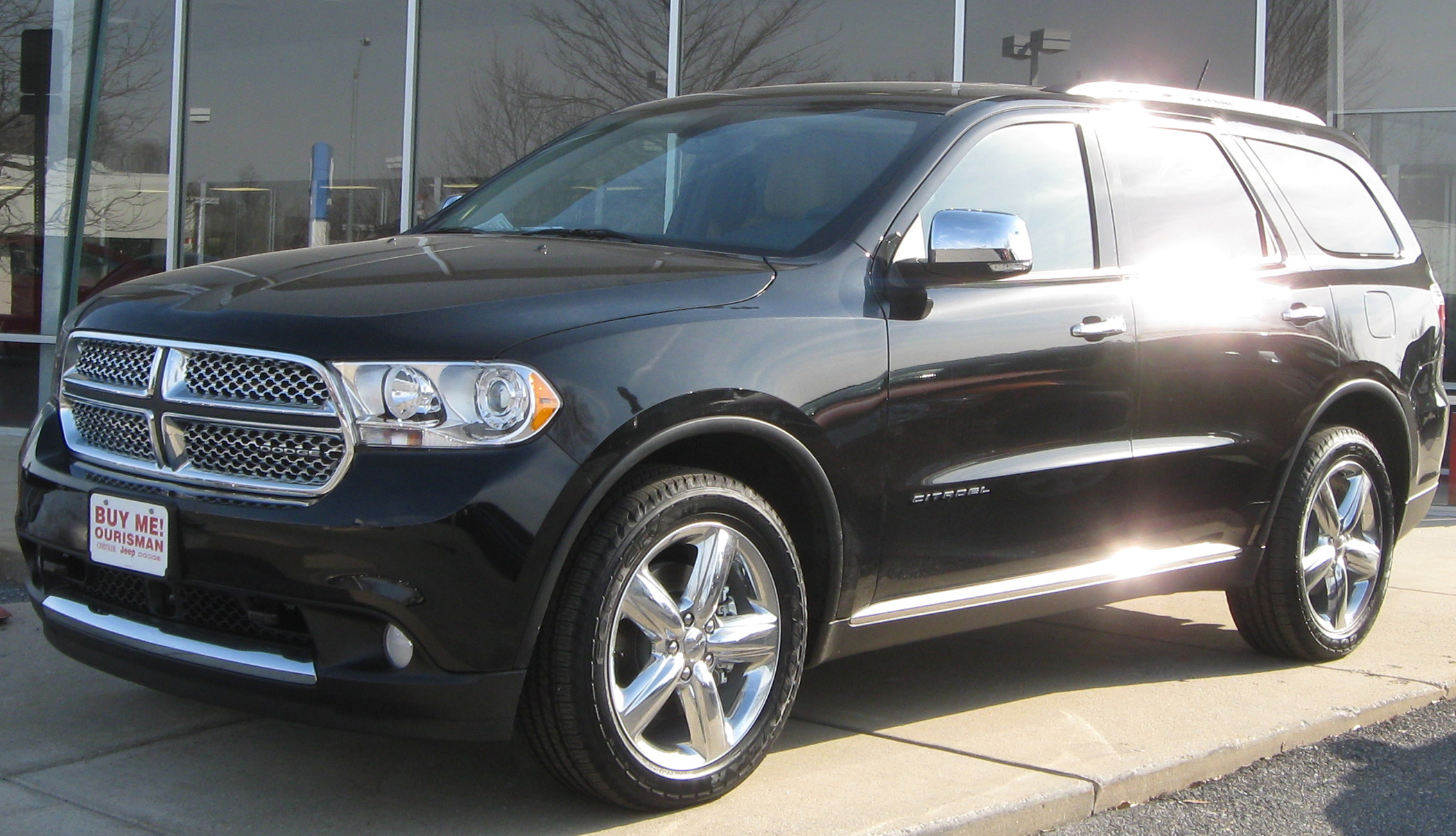
win a lawsuit brought on by customers that felt deceived by the brand. In twenty twenty one, Dodge marketed the
Hellcat Durango as a one year run vehicle that would be limited to just two thousand units, but even with a price tag around one hundred and fifteen thousand bucks, orders blew past that number in only three months. However,
Dodge decided to honor all those orders, which likely makes the real number closer to three thousand units. But that's
not what ticked owners off. It's when the brand brought
the Hellcat Durrango back for the twenty twenty three model year.
Due to the popularity of the first one, Dodge felt like it was leaving money on the table. However, The
move triggered the consumer fraud lawsuit, but a judge in Delaware just ruled in Dodge's favor, saying there's nothing about a limited one year run included in the vehicle's warranty and there's no evidence the brand intended to deceive customers.
The model is still popular enough with customers that Dodge continues to offer the Hellcat Drango today.
Speaker 2: At CSP, we work with OEM engineers across the country on their journeys to lighter, safer, and more eco friendly vehicles.
Learn more at VCSP dot com.
Speaker 1: Car buyers in Canada are warming up to the idea of Chinese EV's. According to a new poll from Nanos
Research Group, fifty three percent of respondents said that knowing a vehicle was made in China would not have an effect on their purchasing decision. That's up from twenty five
percent in twenty twenty four, and fifteen percent of Canadian said they're more likely to buy an EV knowing it was made in China, which is up from nine percent in twenty twenty four. Last year, around one point nine
million vehicles were sold in Canada, so that fifteen percent of buyers has the potential to represent about two hundred and eighty five thousand vehicles, and that significantly more than the forty nine thousand Chinese made ev that Canada will allow imported into the country at a lower tear freight, which is part of a new trade deal that was reached last month. Amazon was able to boost its fleet
of all electric delivery vans from Rivian by fifty percent last year, but even at that pace, the two companies will fall short of their original deal signed in twenty nineteen, which said Rivian would supply one hundred thousand vans to Amazon by twenty thirty. At the end of last year,
Amazon had over thirty thousand Rivian vans in its fleet, up from over twenty thousand and twenty twenty four, but at that rate, the evmaker will only deliver eighty thousand vans by the end of the decade. However, if Rivian
is able to ramp up production, there's a few updates coming that will increase their appeal. According to the company's
Q four shareholder letter, the van will be getting the option for a bigger battery and a dual motor all wheel drive set up. The battery is said to add
thirty percent more range, which would take it from the current one hundred and sixty miles which is provided by a one hundred kilowa hour LFP pack up to about two hundred and eight miles of range, But no word on when the van gets the updates or how it will affect the current seventy nine thousand dollars starting price.
Regulators and safety advocates around the globe are putting pressure on automakers to bring back knobs and buttons. Last week,
China proposed mandating physical controls for things like turn signals, hazard lights, gear selectors and emergency calling and over in Europe, starting this year, cars must have physical controls for turn signals, wipers, hazard lights, horns and SOS calls, and that's in order to earn a five star rating from the euro end CAP.
While this isn't mandated by European law, since the euro end CAP is a voluntary safety rating program, its five star ratings are highly coveted by automakers, which use them for bragging rights and sales and marketing campaigns. Automakers are
facing increased scrutiny over touchscreen controls because of safety concerns over screen failures and driver distraction. Every automaker in the
world is working on sdvs or software to find vehicles, and the benefits can be tremendous, especially with over the air updates that can improve a car over time or fix warranty problems and recalls without having to take it to a dealership. But there are downsides to sdvs. Automotive
News reports that there's a lot of work required to maintain the software over the life of a car. There's
a lot of software engineering, software tools, and the costs of the cloud infrastructure. Also, connectivity technology evolves every decade,
so if your car has a three G modem today, for example, not everything is going to work in the future.
Even more importantly, unless automakers can monetize their investment in sdvs, how long will they keep updating the software and older cars and what happens to the residual value of those cars if they don't have full use of their features.
So while sdvs offer a lot of promise, automakers need to really think out their strategy over the long term.
And that wraps up today's report. Thanks for watching Autoline Daily.
Speaker 3: Auto Line Daily is brought to you by Bridgestone Solutions for your journey, CSP the Composites solution partner, Intrepid control systems, over the air engineering boost your game and thanks to the following YouTube and Patreon members.
Speaker 4: Knowing that a little rain won't slow down your day, That's what really matters. Breachstone to runs a quiet track, tires,
confident control in wet conditions.
Speaker 1: Developing today's vehicles, issues can happen in an instant. When's
the best time to solve a problem?
Speaker 4: The minute you know you have one.
Speaker 3: Meet Wireless Neofi Cloud.
Speaker 4: You're secure off the shelf solution empowering real time collaboration for quick resolution.
Speaker 3: With wireless neov Cloud, your team can prevent issues before they can escalate.
Speaker 4: Driver communication, data and remote diagnostics to analyze and resolve your problems using OTA, allowing your executives oversight throughout the process.
Speaker 3: Wireless Neofi Cloud.
Speaker 1: Your vehicle update solution and production and on the road intrepid control systems driven by your data
About this episode
Ford's new 48-volt EV platform promises significant reductions in weight and complexity, featuring fewer parts and enhanced aerodynamics for better range. The episode also covers GM's production plans in South Korea amid tariff concerns, Dodge's legal victory regarding the Hellcat Durango, and a growing acceptance of Chinese EVs among Canadian buyers. Additionally, there's a discussion on the push for physical controls in vehicles as safety advocates raise concerns about touchscreen interfaces, highlighting the challenges and future of software-defined vehicles.
- Ford's 48-Volt "Game Changer": Radical Reduction in Parts for $30K Maverick EV - GM Gambles on South Korea: Production Scaling to 500K Units Despite Tariffs - Dodge Wins Durango Hellcat Lawsuit: Judge Rules No Deception - Canadians Now Open to Chinese EVs as Import Barriers Weaken - Rivian to Upgrade Vans with AWD and 30% More Range - EuroNCAP Pushes for Buttons Over Touch Controls - The SDV Dilemma: Maintenance Costs and Residual Value Risks