This index shows how people feel about their money and the economy. When people feel good, they buy more things like cars. When they feel bad, they buy less.
Electric vehicles are cars that run on electricity instead of gas. Because they don't use gas, they don't pay gas taxes, which are usually used to fix roads.
More and more people in many countries are buying electric cars. Now, electric cars make up at least 10% of all cars sold in 39 countries, which is a big increase from a few years ago.
Olenia is a new company from Mexico that makes electric cars. The Mexican government supports it, and they are working on small, affordable electric cars.
BYD is a big car company from China that makes electric cars. They want to buy other car companies in different countries to sell more cars without extra taxes.
Heart of Joy is the name BMW gives to the computer system in the car that controls many things. It makes the car smarter and lets it get updates and drive itself in some ways.
The BMW i3 is a small electric car that uses batteries to run instead of gas. The new model has two motors that power all four wheels, making it faster and able to drive farther on a single charge.
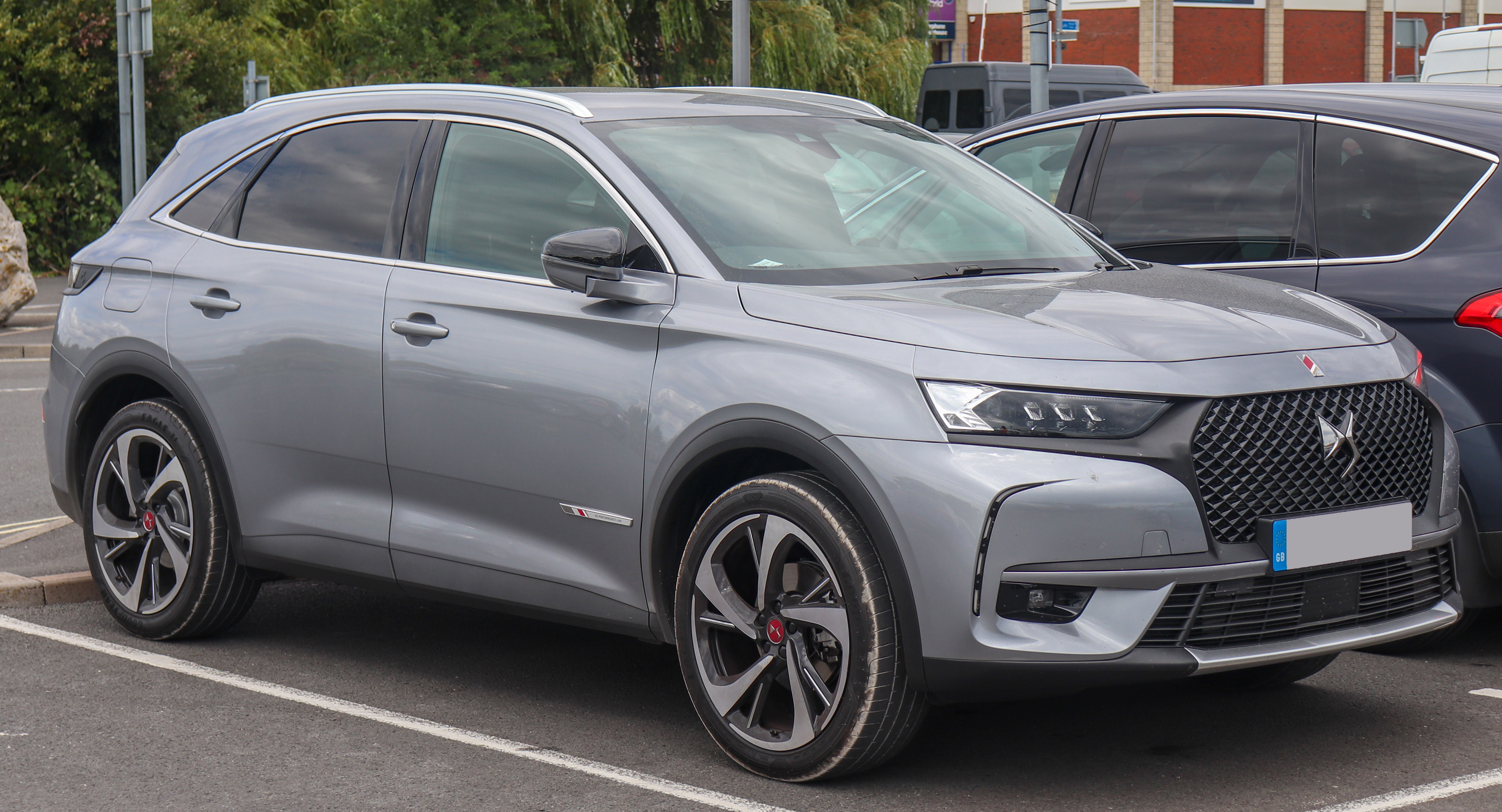
The DS 7 is a fancy small SUV from a French car company. The new model has different battery sizes and can drive either with just front wheels or all four wheels.
This is the basic design and parts that many cars from the Stellantis company use to build medium-sized vehicles, making it easier and cheaper to make different cars.
This is everything that helps the car move, like the motor and the parts that send power to the wheels.
LIVE
Speaker 1: This is underlying Daily the show dedicated to enthusiasts of the global automotive industry. Americans are getting antsy about what
lies ahead economically. The University of Michigan's Index of consumer
Confidence fell nearly two percent in early March, and that survey was conducted before the war and Iran started in gasoline prices shot upward. The survey found that quote, a
broad swath of consumers across incomes, age, and political affiliation all reported declines and expectations for their personal finances down seven point five percent nationally. And there's a reason why
we follow the results of u of M's consumer survey because over the decades it shown itself to be a reliable indicator of future car sales. Republicans in the House
of Representatives are once again looking to collect fees from electric vehicles to pay for highway repairs. Last year, House
Republicans proposed an annual two hundred and fifty dollars fee on evs and a one hundred dollars fee on hybrids.
Speaker 2: To pay for highway repairs.
Speaker 1: The current five year surface transportation law expires in September, and Republicans want to add up to five hundred and fifty million dollars in funding for highways and bridges. Most
revenue for federally funded road repairs is collected through diesel and gasoline taxes, which evs don't pay and hybrids pay less than ICYE vehicles. But the Republican proposal is opposed
by the EV advocacy group Electrification Coalition, which argues it's unfair because gas powered vehicles only pay eighty eight dollars on average in federal gas taxes. While EV adoption has
been slower than expected, sales continue to grow globally, and they're helping to significantly cut oil use. According to a
study from Ember, a London based think tank, EV's helped cut global oil use by one point seven million barrels per day last year.
Speaker 2: Bought.
Speaker 1: A separate study from Bloomberg NEF found that EV's helped avoid the use of two point three million barrels. Amber's
study is lower because of conservative estimates of how often plugin hybrids run on fossil fuels. By the end of
the decade, Bloomberg projects oil use will be cut by five point two five million barrels per day. While passenger
EV supplied most of the savings. Electric two to three
wheelers were next. Thanks to their growing popularity in developing countries.
Speaker 2: Evs now account.
Speaker 1: For at least ten percent of the overall market in thirty nine countries, which is up from just four countries in twenty nineteen. And here's an EV's startup that caught
our attention called Olenia. The startup is based in Mexico,
which is kind of rare and is backed by the Mexican government.
Speaker 2: The company is de developing.
Speaker 1: Small, low cost evs, and it plans to unveil its first two prototypes in June. One model is a passenger
vehicle that can carry a driver in up to five others, while the other is a two passenger cargo vehicle able to carry six hundred kilograms or just over thirteen hundred and twenty pounds. It's also developing a faster model that
will be unveiled later. The first two vehicles will have
a top speed of thirty one miles per hour or fifty kilometers an hour, and will be priced around eighty four hundred dollars. Olenia says its market in Mexico could
potentially reach sales of one hundred thousand units a year.
Speaker 3: At CSP. We work with OEM engineers across the country
on their journeys to lighter, safer, and more eco friendly vehicles.
Learn more at VCSP dot com.
Speaker 1: Geli reported some of its financial results from last year.
The Chinese automaker sold three million vehicles, up thirty nine percent.
Revenue jumped twenty five percent to just over fifty billion dollars, and it posted a net profit of two point four billion, up zero point two percent from the year before. It
also raised its dividend from four cents a share to six cents, or a fifty percent increase, and investors loved the news, and the Auto Line Stock Index shows that GEE stock was up more than seven percent. BYD says
it would like to buy a foreign automaker and believes outright ownership would get it around any tariffs or protectionist measures in North America and Europe. The company's executive vice
president told Bloomberg that BYD is not interested in joint ventures and wants to buy a company outright.
Speaker 2: That touched off a flurry.
Speaker 1: Of speculation as to who could be on the shopping list.
Nissan is clearly in trouble stillants has a handful of brands and assembly plants that are floundering, and Fords European passenger.
Speaker 2: Car business has been sinking for years.
Speaker 1: Gilie already set the stage for a Chinese company buying a foreign automaker. It counts Volvo, Lotus, Proton and Smart
as its brands and owns over nine percent of Mercedes Benz.
Speaker 2: BMW is stepping.
Speaker 1: Into a new era with its first ever electric three series sedan. The all new I three is the second
model to come off the automaker's new class platform, after the recent launch of the IX three crossover.
Speaker 2: It's an eight hundred.
Speaker 1: Volt architecture that features a more centralized computing system which controls most vehicle functions through a computer BMW calls Heart of Joy. The system offers ten times faster processing speeds
and enables things like expanded OTA updates, the newest generation of eye drive, and hands free driving functions. The first
version of the I three to launch will be a dual motor all wheel drive model that makes three hundred and forty five kilowatts or about four hundred and seventy horse power, and will do zero to one hundred kilometers an hour in four and a half seconds thanks to new cylindrical battery cells that have twenty percent more energy density than BMW's previous prismatic cells. The three will have
a WLTP range of up to nine hundred kilometers or roughly five hundred and sixty miles.
Speaker 2: Due to its smaller size and.
Speaker 1: Sleeker body, the I three has about one hundred kilometers more range than the IX three, and it's also a little faster two. BMW says production of the all electric
sedan will kick off in August and deliveries.
Speaker 2: Could start as soon as September.
Speaker 1: For the first time since it was spun off into its own independent brand in twenty fourteen, a vehicle from DS Automobiles is getting a second gen model. It's new
DS number seven replaces the DS seven crossover and will move to parent companies Stella Medium platform. While the model
fits into the compact crossover segment, it actually has the option for a fairly large ninety seven kilowad hour battery pack.
When paired with front wheel drive, it provides a WLTP range of up to seven hundred and forty kilometers or about four hundred and sixty miles.
Speaker 2: There's also the option for all.
Speaker 1: Wheel drive and a smaller nearly seventy four kilowat hour battery that returns up to five hundred and forty three kilometers or roughly three hundred and thirty five miles of range.
The DS number seven has three powertrain choices that range from two hundred and thirty horse power up to three hundred and fifty for all wheel drive, which will move the crossover from zero to one hundred kilometers an hour in five point four seconds. Orders have already opened for
the DS number seven in France, but we were a little shocked to see that the starting price is a little over sixty four thousand euros and that wraps up today's show.
Speaker 2: Thanks for watching.
Speaker 4: Auto Line Daily is brought to you by alex Partners When it Really Matters CSP, the Composites Solution partner in Trepid Control Systems, over the Air Engineering, boost your game and thanks to the following YouTube and Patreon members.
Speaker 5: We act, we grow, we transform, we protect, we rescue in moments that define the future. We are the partner
you can trust. Alex Partners When it Really Matters.
Speaker 3: AD Intrepid we produce network hardware and software solutions enabling vehicle manufacturers to innovate and design the next generation of modern mobility.
Speaker 4: Delivering scalable next generation solutions requires thorough testing and validation of vehicle platforms.
Speaker 3: Intrepid specializes in network interfacing, data logging, simulation, and gateway capabilities.
Intrepid's Neovi Cloud platform provides real time data collection, instant cloud upload, intelligent detection, advance issue analysis, root cause identification, and remote update deployment. All of these steps ensure vehicles
are cleared for production and ready for the road. Taking
your fleet testing into the future of mobility, Intrepid control systems driven by your data
About this episode
The episode covers key automotive industry updates including BMW's launch of the electric i3 sedan with an impressive 560-mile range and advanced computing system. It discusses BYD's ambitions to acquire a foreign automaker outright to bypass tariffs, sparking speculation about potential targets. The show also highlights political moves by House Republicans proposing new fees on EVs to fund infrastructure, and the growing global impact of EVs in reducing oil consumption. Additionally, Mexican startup Olenia's affordable EV prototypes and DS Automobiles' new electric crossover with long-range battery options are featured.
- U.S. Consumer Confidence Drops, Car Sales to Follow? - House Republicans Propose New EV Fees - EVs Slash Oil Demand 2M BBL/Day - Mexico EV Startup and $8,400 Car - Geely Soars on Record Sales - BYD Looks to Buy Foreign Automakers - BMW Unveils 560-Mile Electric i3 Sedan - Electric DS N7 Packs 460-Mile Range