AD #4258 - Ford’s New Unicastings Slash EV Repair Costs; High Oil Prices Drive Asia's Surge in EV Demand; Ford and Stellantis Future Product
Autoline Daily
AD #4258 - Ford’s New Unicastings Slash EV Repair Costs; High Oil Prices Drive Asia's Surge in EV Demand; Ford and Stellantis Future ProductAutoline Daily · Mar 20, 2026
Battery cells are the small parts inside an electric car's battery that store power. If there aren't enough of these, electric cars can't be made or sold easily.
Semiconductors are tiny parts inside cars that help control electronics like the engine and screens. Without enough of these parts, car makers can't build cars properly.
Electric vehicles are cars that run on electricity instead of gas. They use batteries to move and are becoming more popular because gas prices are high and they are better for the environment.
These are fees you pay to register and maintain an electric car. When governments lower these fees, it makes owning an electric car cheaper and more attractive.
Tesla is a company that makes electric cars. They are famous for making cars that can drive themselves a little and for being very popular and advanced.
The Ford C2 platform is the basic design and parts that Ford uses to build several small cars and SUVs. It helps make cars faster and cheaper to build.
The Stellantis EMP2 platform is a basic design used to build medium-sized cars and SUVs for many brands owned by Stellantis. It helps make building cars easier and cheaper.
Solid state batteries are a new kind of battery that use solid materials inside instead of liquid. They can store more energy and are safer, which is good for electric cars.
Silicon graphene anodes are special parts inside batteries that help them hold more energy and last longer than regular batteries.
LIVE
Speaker 1: This is Autoline Daily, the show dedicated to enthusiasts of the global automotive industry. If the War and I ran
drags on beyond two months, Europe's auto in industry could face critical supply shortages. According to a new study from
the Supply Chain Intelligence Institute, austria supplies of semiconductors and battery cells are most at risk. That's because around one
third of helium needed for chip production comes from Qatar.
Other risks for Europe's auto industry include price hikes for energy, transport and raw materials. Meanwhile, over in Asia, with the
price of oil spiking, there's growing interest in electric vehicles.
A BYD dealership in Manila says it's seen a month's worth of orders in just two weeks. A Infast dealer
in Hanoi had to hire more staff and is selling double the amount of evs it sold each week on average last year. A spokesman that represents Thailand's auto industry
says it previously expected EV sales to be soft this year, but if oil prices remain high, it expects quote a significant increase in EV demand and in laos as a reaction to the spike in oil prices. The government has
slashed EV registration and service fees by thirty percent and raised them by the same amount for gas powered vehicles.
Tesla got good and bad news from the National Highway Traffic Safety Administration yesterday. First the good, the agency says
it closed a petition seeking a recall of more than two million Tesla vehicles over pedal misapplication claims. The petition,
which was filed in twenty twenty three, claims Teslas were at risk of pedal misapplication because of its regen braking or one pedal driving. It called for a recall of
all Teslas built since twenty thirteen, or nearly two point three million vehicles, and proposed a safety update that would require drivers to apply the brake pedal before stopping. But
NITSA rejected the petition, citing only a handful of crashes related to the issue, as well as data that showed the vehicle responded properly to the driver's inputs, and it says there isn't any evidence that the petition's safety proposal would prevent any future incidents. But while Tesla got good
news on that front, NITSA also announced it open and engineering analysis and its investigation into three point two million vehicles with FSD, and that's the step the agency usually takes before it seeks to recall. We've got some future
product intel to report on. Autofourcast Solution says there's a
new Ford Maverick and Bronco Sport coming in twenty twenty eight, and they'll remain in production until twenty thirty six. Both
of those vehicles sit on Ford C two platform and are built at its assembly plant in Aramoco, Mexico. Also,
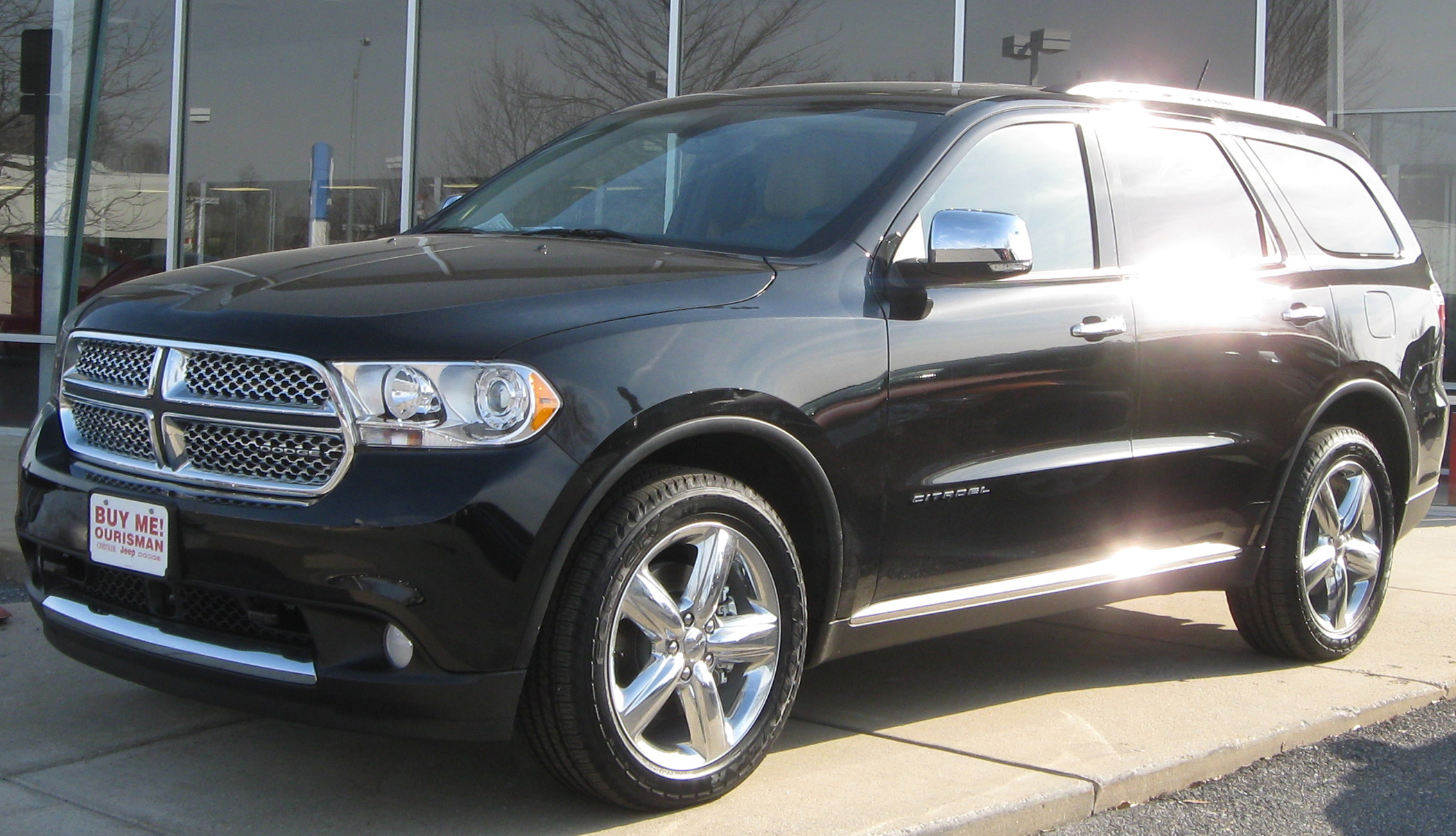
auto Forecast reports that Stilantis will redesign the Dodge Durango onto the Stella large platform.
Speaker 2: At the end of twenty thirty.
Speaker 1: It's scheduled to stay in production at the Jefferson North assembly plant in Detroit until twenty thirty seven. The Jeep
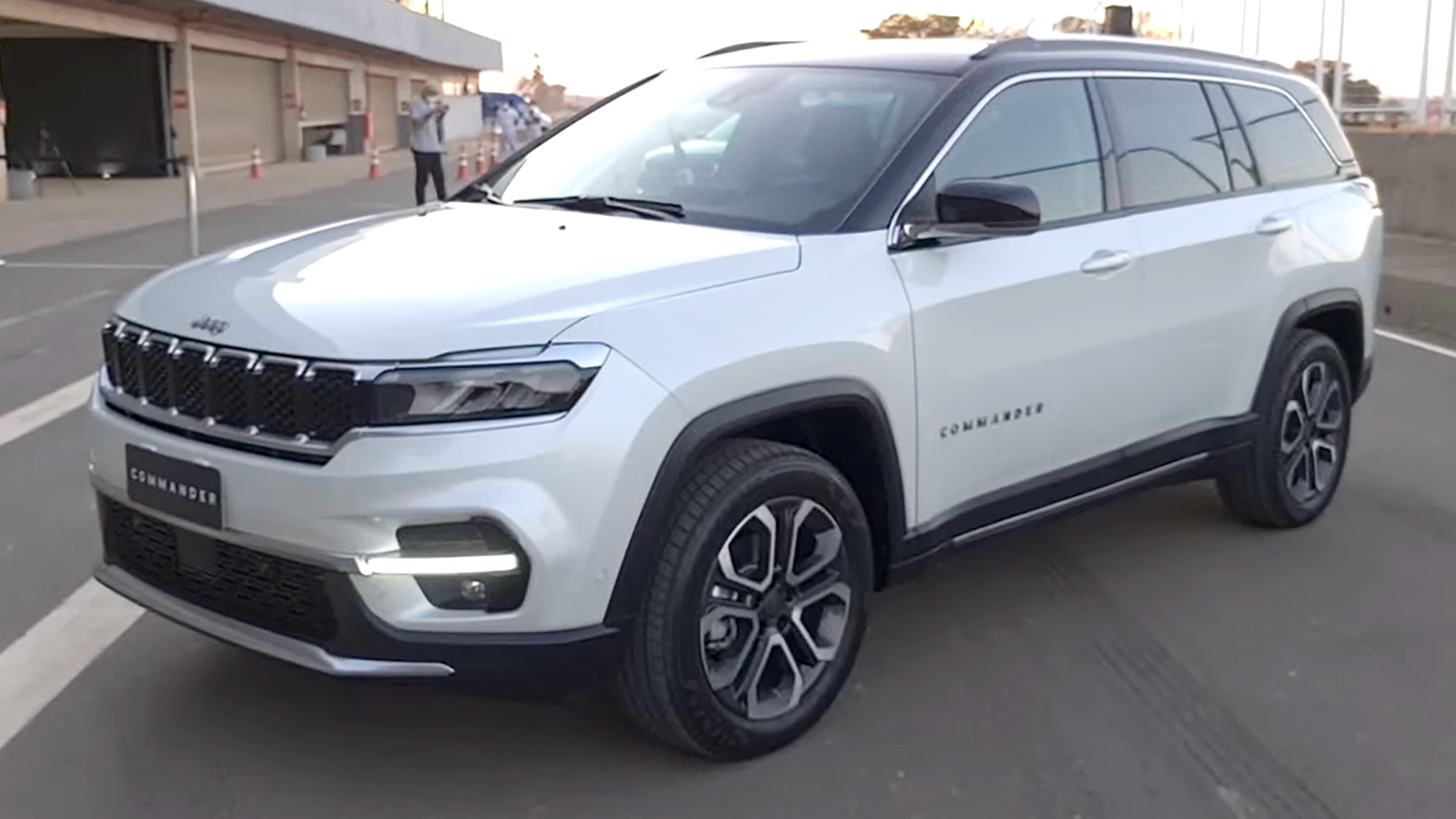
Renegading Commander will also get redesigned and go into production in Pennambuco, Brazil in twenty twenty eight. The Commander will
sit on Stella's EMP two platform or Efficient Modular Platform two, which has been used since twenty thirteen. The Renegade will
move to the stell A small platform, and both models are scheduled to be built there until twenty thirty four.
Speaker 3: We help businesses respond decisively to their most critical challenges, from urgent performance improvement to enterprise wide transformation. We work
across the full value chain in automotive and in industrials, helping clients navigate disruption, drive innovation, and unlock sustainable growth ALEX Partners. When it really matters.
Speaker 1: Ford is developing its new universal EV platforms so the vehicles that come off of it are cheaper to own over time compared to its current lineup. The two large
castings it calls Unicastings, similar to Testleas's gigaecastings, not only replace one hundred and forty four structural parts, will help transform the company's manufacturing process and reduce overall costs, they'll be cheaper to repair when involved in the most common types of accidents. According to Automotive News, the castings were
designed from the very beginning to be modular for repair ability, including pre defined cut zones for sections that are most likely to be damaged in.
Speaker 2: Low and moderate speed collisions.
Speaker 1: Those areas can then be removed and a new part is either glued, riveted, and or bolted in. This does
require special tooling and equipment, and Ford will also have to invest in training but and several Chinese automakers use the same method, and insurance claims show that vehicles with large castings are cheaper to repair when involved in these more common types of accidents compared to vehicles that are built traditionally. The key is to design for repair right
from the start, and it sounds like four did that.
But the battery is still the most expensive part of any ev which is why we've seen so much activity around cheaper alternatives like iron or manganese rich chemistries and especially solid state. However, advancements continue to be made with
more traditional lithium ion batteries that could keep them around even longer instead of more traditional graphite anodes. Scientists in
Israel created a way to make silicon graphine anodes with lasers, which offer more energy capacity, and in early tasks of small cells, they retained over ninety eight percent capacity after more than two thousand charge and discharge cycles.
Speaker 2: Now we'll have to see.
Speaker 1: If the process is easy enough to scale for mass production.
Japong reported its year end earnings, and while the numbers don't look all that great at first glance, the company is showing dramatic improvement. Japong sold four hundred and twenty
nine thousand cars last year, up one hundred and twenty six percent. It brought in over eleven billion dollars of revenue,
up nearly eighty eight percent, but it posted an operating loss of just over four hundred million and a net loss of one hundred and sixty five million dollars. Even so,
the company posted a net profit of nearly fifty five million dollars in the fourth quarter, and it looks like it may have turned the quarter financially. However, analysts and
investors were clearly expecting better news. The Auto Line Stock
Index shows that Chapung shares were down five percent on the Hong Kong Exchange today. Earlier this week, we put
out a poll for our YouTube and Patreon members, and the answers are in true.
Speaker 2: We asked, if you were.
Speaker 1: The CEO of a legacy auto maker today, where would you place your biggest survival bet for.
Speaker 2: The next twenty four months.
Speaker 1: One would you double down on hybrids and pheaves to fund the future? Number two would you forget luxury and
race to build a profitable twenty five thousand dollars ev Three would you focus on sdvs and AI to create new subscription revenue or number four, would you maximize profits from existing trucks and suv lines and delay new tech? Well,
autoline members know what they would do. Seventy two percent
of you said to double down on hybrids and pheves, fourteen percent said to go after twenty five thousand dollars evs, twelve percent said to maximize profits from existing trucks and SUVs, and only two percent would prioritize software to find vehicles in AI. I think our member Dave summed it up
the best. Why make this an either or he and
I'm paraphrasing here, but he said, you have to do all of this and thanks to all of our members.
Speaker 2: We truly value your support.
Speaker 1: And if you're not a member already and would like to participate in these polls, get first crack at Autoline exclusive videos before anyone else, or even tune into Mayan John's live Q and A sessions. All it takes is
a few bucks a month, and that brings us to the end of this week's reports on the auto industry.
Have a great weekend, and we'll see you right back here again on Monday.
Speaker 4: Auto Line Daily is brought to you by Alex partners when it really matters. CSP the composites solution partner Intrepid
Control Systems over the air engineering, boost your game and thanks to the following YouTube and Patreon members.
Speaker 5: Add in trap. We produce network hardware and software solutions
enabling vehicle manufacturers to innovate and design the next generation of modern mobility. Delivering scalable next generation solutions requires thorough
testing and validation of vehicle platforms. Intrepid specializes in network interfacing,
data logging, simulation, and gateway capabilities. Intrepid's Neovi Cloud platform
provides real time data collection, instant cloud upload, intelligent detection, advance issue analysis, root cause identification, and remote update deployment.
All of these steps ensure vehicles are cleared for production and ready for the road, taking your fleet testing into the future of mobility. Intrepid Control Systems driven by your data.
Speaker 4: At CSP work with OEM engineers across the country on their journeys to lighter, safer, and more eco friendly vehicles.
Learn more at VCSP dot com. Wards is the industry
leader for news data and analysis. That's why companies across
the globe subscribe to our premium service. Maybe even your
own log in for subscriber access. Now check your company's
intranet for details, and rely on wardsauto dot com to keep you informed.
About this episode
Ford's innovative use of large unicastings in EVs aims to reduce repair costs and simplify manufacturing by replacing numerous structural parts with modular sections designed for easy replacement. Meanwhile, Asia sees a surge in EV demand driven by high oil prices, with governments incentivizing electric vehicle adoption. Tesla faces mixed news with a dismissed recall petition but ongoing investigations into its Full Self-Driving system. Future product plans include new Ford and Stellantis models built on updated platforms. Advances in battery tech and industry financial updates round out the discussion, alongside a poll on automakers' strategic priorities.
- Iran Conflict Threatens European Auto Supply Chain - High Oil Prices Drive Asia's Surge in EV Demand - NHTSA Closes Tesla Pedal Probe but Eyes FSD - Ford and Stellantis Future Product Production Plans - Ford’s New Unicastings Aim to Slash EV Repair Costs - Laser-Made Anodes Could Boost Lithium-Ion Battery Life - Xpeng Nears Profitability Despite Recent Stock Market Dip