
SAR (seasonally adjusted annual rate)
SAR is a standardized way to estimate how many cars are being sold in a year. It adjusts for seasonal trends so the numbers are easier to compare.
residual values
Residual value is what the car is expected to be worth later—often at the end of a lease. If new cars get cheaper, earlier buyers can see their cars worth less too.
Jili
Jili is a Chinese car company mentioned here as possibly partnering with Ford to build cars in Spain. The idea is to use factories more efficiently and reduce trade friction.
Ford
Ford is the company whose Spain plant is being discussed in a potential partnership. It’s part of a bigger story about where cars get built and how that affects costs.
General Motors
General Motors is trying to solve a shortage of skilled factory workers by funding training programs. They’re placing apprentices into a multi-year program that mixes classroom learning with real work.
Nordschleife
Nordschleife is a specific track section at the Nürburgring in Germany. It’s known for being very challenging, which is why people talk about lap times from it.

Ford Mustang
The Ford Mustang is a sports car made by Ford. People often modify them with performance parts and take them to racetracks to try to go faster. That’s why it’s mentioned in a story about cars showing up for track runs.

Chevrolet Corvette
The Chevrolet Corvette is a sports car made by Chevrolet. It’s designed to be fast and is popular with people who take their cars to racetracks. The podcast mentions it because modified Corvettes are being brought to the track to try to outperform others.
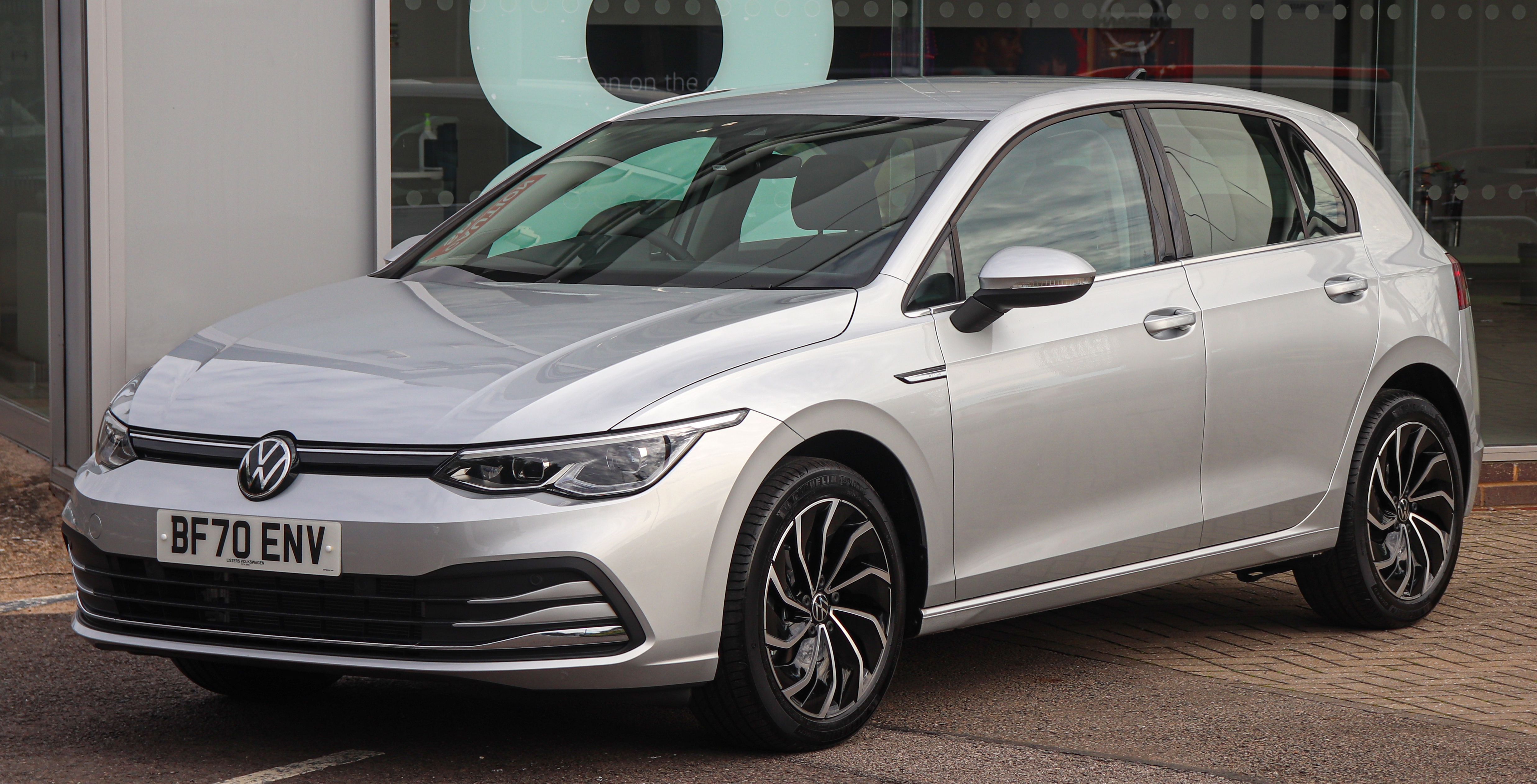
Volkswagen Golf GTI 50th Anniversary Edition
This is a special 50th-anniversary version of the Volkswagen Golf GTI. The hosts are saying it impressed on the Nürburgring, especially for a front-wheel-drive car.
front wheel drive
Front-wheel drive means the front wheels do the work of moving the car. It can affect how the car feels and grips compared with cars where the rear wheels drive.
semi slick tires
Semi-slick tires are performance tires with less tread than normal. They usually grip better for fast laps, but they can be worse in the rain and may wear quicker.
skateboard chassis
A skateboard chassis is an EV “platform” where the battery and key electric parts sit low in the floor. That makes it easier to build different EVs using the same basic underbody design.
battery and electric drive train
In an EV, the battery stores the energy, and the electric drive train turns that energy into movement. Their design and placement matter for how the car drives and how much space it has.
Chinese test cycle
A test cycle is a set of driving conditions used to estimate how far an EV can go. If it’s based on China’s test rules, the range number may not match what you’d see under other countries’ testing.

Lexus TX

Toyota Highlander
The Toyota Highlander is a family SUV that can seat multiple people. It’s built for everyday driving with room for passengers and luggage. The podcast mentions it as the standard version that something else is based on, with additional upgrades.
all wheel drive
All-wheel drive powers all four wheels. It can help with grip, but it may use more energy than a simpler drive setup, which can reduce range.
four wheel steering
Four-wheel steering means the rear wheels can steer too, not just the front wheels. That can make the car easier to turn in tight spaces and feel more stable at speed.
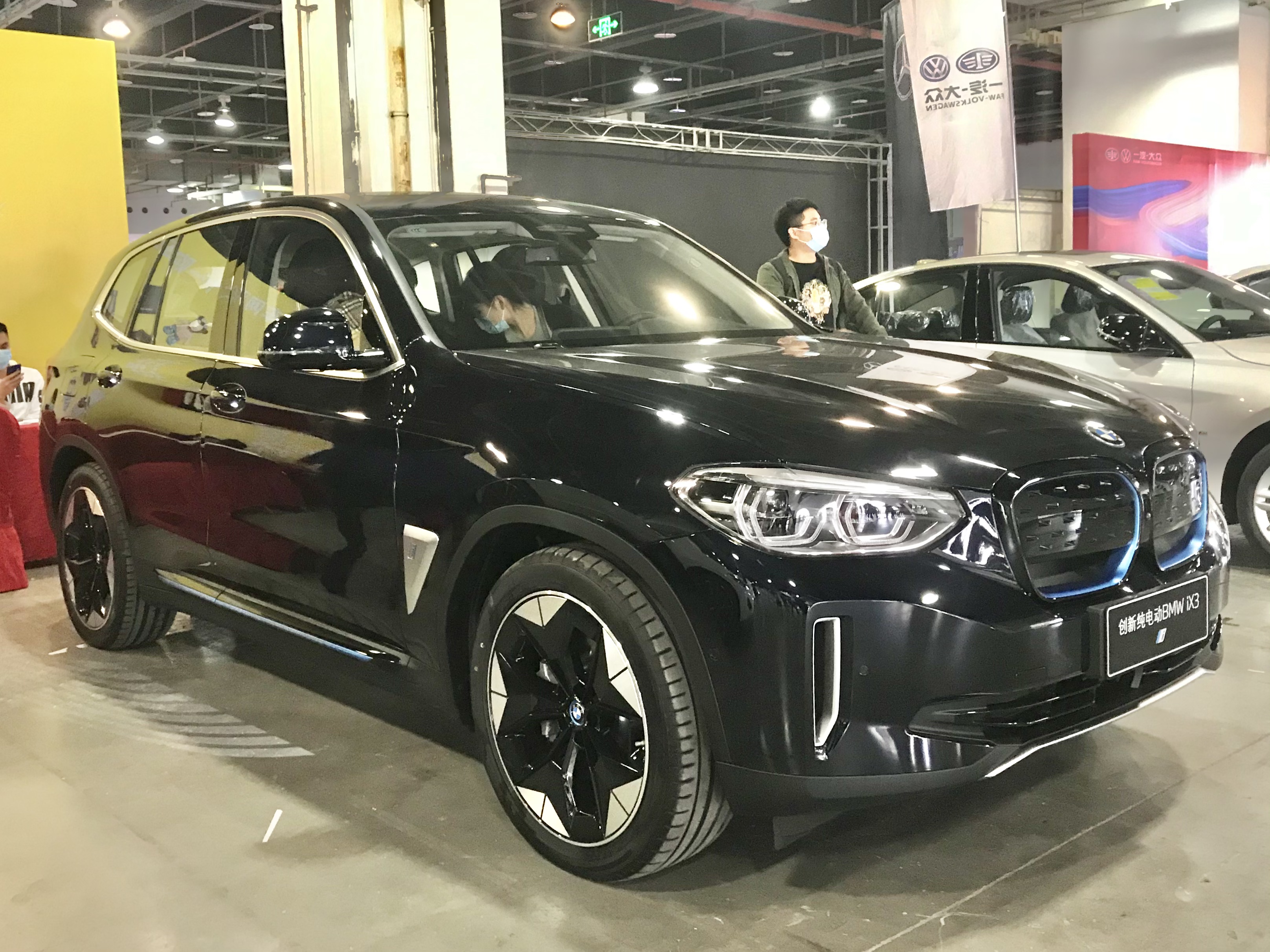
BMW iX3
The BMW iX3 is BMW’s electric SUV. The hosts are talking about its US price and estimated range so shoppers can compare it to other EVs.
EPA range
EPA range is an official estimate of how far an electric car can go on one full charge. It’s used in the US so buyers can compare different EVs more consistently.
hands free driving system
A hands-free driving system is technology that helps the car drive with less manual steering. Even when it’s “hands-free,” the driver typically still has to stay alert and be ready to take over.

BMW iX
The BMW iX is BMW’s fully electric SUV. Here they’re talking about when it goes on sale in the US and how it fits into the EV range/pricing discussion.
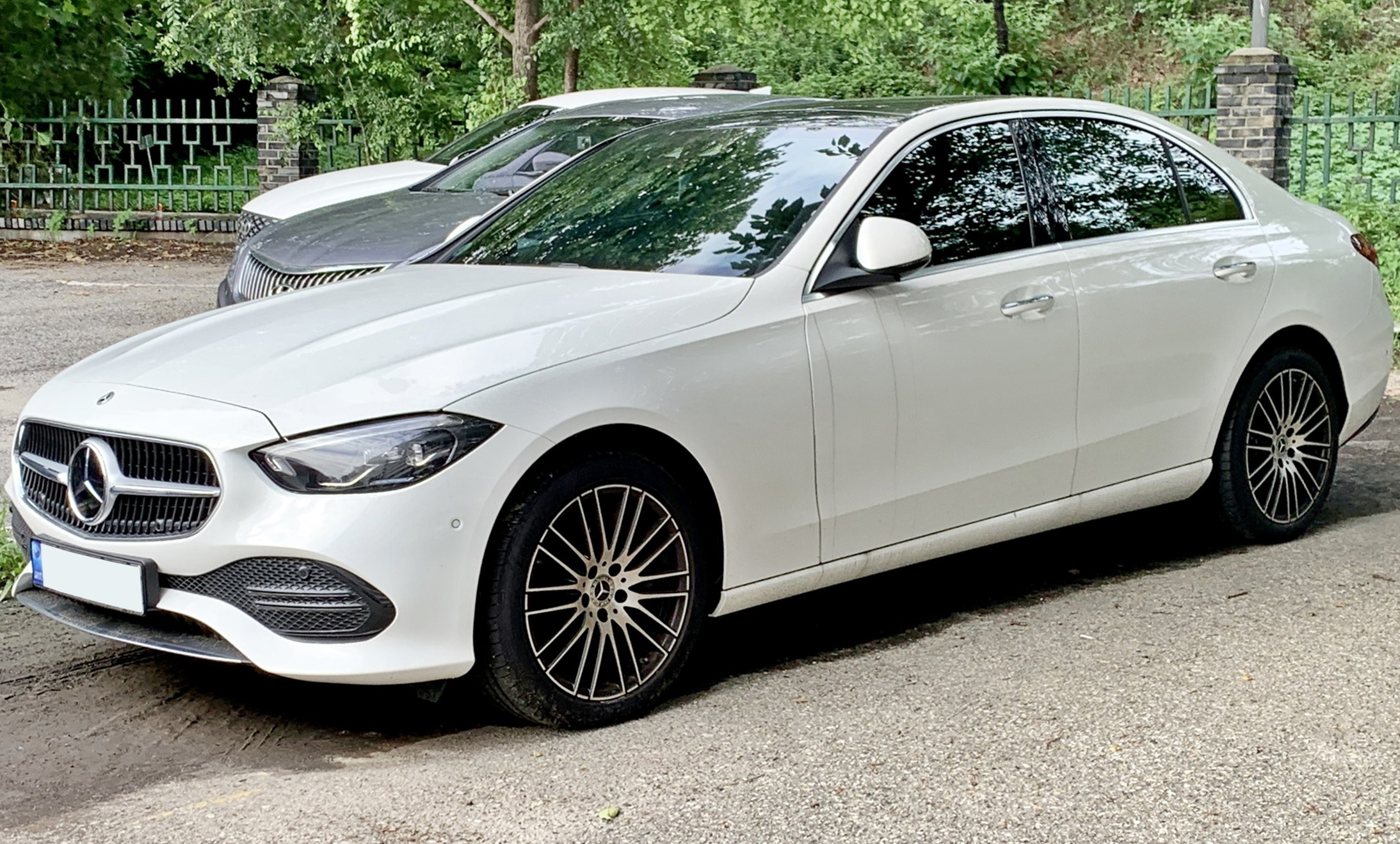
Mercedes-Benz C-Class
The Mercedes-Benz C-Class is a popular luxury car model. They’re mentioning its new availability in Germany and quoting range numbers and pricing for different versions.
EV pricing news
They’re talking about how electric cars are being priced and marketed, and how far they’re claimed to go. The goal is to see whether other automakers can compete with China’s EV momentum.
WLTP rated
WLTP is a European testing standard that estimates how far a car can go on a charge. It’s different from the US EPA test, so the numbers aren’t always directly comparable.
compete with China speed
They’re basically saying Chinese automakers are moving very fast on EVs—new models, lower costs, and big production. The question is what older automakers would need to do to keep up.

Jeep Wrangler
The Jeep Wrangler is a popular off-road SUV. They mention it because the guest previously worked as a chief engineer on it.
JD Power
J.D. Power is a well-known automotive research and consumer insights company. In the segment, the guest’s background at J.D. Power is used to establish expertise in electric-vehicle-related analysis.

Jeep Gladiator
The Jeep Gladiator is a pickup truck that’s related to the Wrangler. They mention it because the guest previously worked as an engineer on it.