Adenoids on show - 18 May 2026
About this episode
Hosts kick off with Euro NCAP pressure over an MG3 front-seat crash-test issue, noting MG’s approved fix but saying many owners still haven’t had it applied. The show then pivots to JLR’s shocks—tariffs, weaker China sales and cyber-attack production pauses—before moving into Jaguar’s “Type 01” naming and Aston Martin/Chinese ownership-and-capacity chatter. Later, the discussion turns to UK EV-van rules, connected-car security around VIN-based access, and a run of Volkswagen ID Polo/ID Buzz EV news and specs.
EuroNCAP has called on customers with MG3s to get the free fix to their seats, following the failure under testing in September 2025. A front crash test exposed the issue with one side of the driver’s seat moving forward 111.5cm, mid impact. MG has an approved solution. For more on this story, click this Carscoops article link here.
JLR FINANCIAL RESULTSJLR posted a loss of £244 million, for the last financial year. The company was impacted by the cyber attack, tariffs, a dwindling Chinese market for Western cars and the transition of Jaguar. The company has also stated that it will be seeking to cut around £1.7 million in costs over the next two years. You can read more by clicking this Autocar article link here.
JAGUAR NAME THEIR FIRST NEW CAR OF REBRANDJaguar has named the electric GT due to be launched this year, the Type 01. Apparently, this ties into their heritage, for example the D-Type and E-Type. If you wish to read more, including the incredibly incisive comment from Hyfrith, click this Autocar article link here.
ASTON MARTIN SOUGHT MORE NEW FINANCINGAston Martin had to seek more emergency funding, just two weeks ago, as it received £50 million from the consortium led by Lawrence Stroll. This is the eighth time they have had to do so, since the company launched it’s IPO in 2018. Click this Carscoops article link here for more.
STELLANTIS AND DONGFENG SIGN CHINA DEALStellantis has signed a deal with Dongfeng to build two new Peugeot and two new Jeep vehicles in China, for the local market as well as export. This is the first step on the company’s new strategy of building partnerships in markets to help expand globally. For more on this, click the Autocar article link here.
XPENG IN TALKS WITH VW OVER BUYING EUROPEAN FACTORYXpeng is the latest Chinese brand to seek to buy a European factory from a local market manufacturer, this time via Volkswagen. The two companies already work with each other, as VW is using Xpeng’s software-defined platform for their Chinese market vehicles. To read more about this story, click this EV Powered article link here.
RULES BENT FOR SOME EV VANSThe Government has changed rules for EV vans plated to 4.25 tonnes, which aligns the requirements for running them to those of a 3.5 tonne vehicle. This removes the need for a yearly MOT, the use of tachographs by drivers and more. You can find out more, by clicking this Professional Van article link here.
AUDI USE UNIQUE IDENTIFIER FOR APP THAT ALL CAN SEEThe myAudi app and service has been found to be using the VIN of cars as the unique identifier for authorisation purposes. This means anyone who can read the VIN, which is displayed for all to see, can gain access to that vehicle via the app and mobile service. There are more issues as well, but CARIAD has addressed some of them. However, they have not acknowledged the work of the researcher or paid them a bounty which is unacceptable behaviour from a company like the Volkswagen Group. You can read more, by clicking Andrea Pierini’s blog post on what he found here.
If you like what we do, on this show, and think it is worth a £1.00, please consider supporting us via Patreon. Here is the link to that CLICK HERE TO SUPPORT THE PODCASTNEW NEW CAR NEWS -Volkswagen ID Polo GTIVW has revealed the ID Polo GTI, including specifications. Recognisable as a Polo this will come with 52kWh battery, giving 223bhp via a single motor, meaning a 0-62mph time of 6.8 seconds and topping out at 109mph. The price is expected to start around £33,500. Click this Autocar article to read more.
Volkswagen ID BuzzVW are updating the ID Buzz in line with the rest of their range in terms of the interior, infotainment and the return of physical buttons. Additionally, one pedal driving is now possible. The battery and drivetrain specifications remain the same. Click this EV Powered article link here to read more.
Renault 4 Plein Sud and JP4x4 conceptYou get an extra bonus this week as there were two announcements from Renault, for their 4. One you will be able to buy, whilst the other is a cool concept. Apologies for Andrew murdering the pronunciation of Plein Sud, but ignoring that it is essentially a full length canvas sunroof harking back to the time when manufacturers made such things. Looks great and will add some fun to the ownership. Click this Motoring Research article link here for more.
The JP4x4 concept is a sort of beach buggy pick-up mashup. Looks fun and cool and it is great to see a brand experimenting like this, especially considering the market conditions at this time. Click this Motoring Research article link for more.
LUNCHTIME READ: RENAISSANCE MANFor a change our recommendation to you is not an adventure or something whimsical but an interview with the new European head of design for Stellantis, Gilles Vidal. He talks at about the challenges that Stellantis have and how he hopes to help shape their future. We have, particularly in the last few weeks, discussed the company and how it can drag itself out of the mire it is in, therefore we thought it would be interesting for you to read what one of the most important people they have think they can. Click this Autocar article link here for more.
LIST OF THE WEEK: 25 CARS THAT ARE 60 IN 2026Once again we bring you a slideshow that might cause you to refuse to believe in the passage of time, as Classic & Sports Car has 25 cars that hit 60 years old this year. Click the link here to see what your options are.
AND FINALLY: CRAZY NEW YORK FIREFIGHTER RACINGIn New York there is a competition for firefighters that includes a sort of drag racing car and tasks by the firefighters clinging onto the side and back of these crazy looking vehicles. It has to be seen to be believed. Click this link here from The Autopian for more.
Euro NCAP
"Okay, moving on to a follow-up, and last year, we talked about how the MG3 failed a Euro NCAP test because the front driver's seat, as opposed to the back driver's seat, but the driver's seat even slid forward in a front crash test."
Euro NCAP is a safety testing program for cars in Europe. It runs crash tests and uses results to judge how well a car protects people. Here, it’s also the organization that checked whether MG’s fix for the MG3 seat problem was good enough.
Euro NCAP is Europe’s independent organization that rates how well cars protect occupants in crash tests. It uses standardized test procedures and injury-risk metrics to score vehicles. In this episode, it’s the body that re-tested MG’s proposed fix for the MG3 seat issue.

MG3
"...follow-up, and last year, we talked about how the MG3 failed a Euro NCAP test because the front driver'..."
The MG3 is a small hatchback car. In the podcast, it’s mentioned because it didn’t do well in a safety test (Euro NCAP), especially for the front driver area. Safety test results like this can affect how safe people think the car is.
The MG3 is a small hatchback from MG, and it has been in the news due to safety testing results. The podcast context mentions that it failed a Euro NCAP test, specifically involving the front driver area. That kind of outcome is significant because it can influence consumer confidence and how the car is evaluated by safety-focused buyers.
front crash test
"Okay, moving on to a follow-up, and last year, we talked about how the MG3 failed a Euro NCAP test because the front driver's seat, as opposed to the back driver's seat, but the driver's seat even slid forward in a front crash test."
A front crash test is a standardized collision used to evaluate how a car’s structure and restraint systems behave in a head-on impact. Seat movement during such tests can affect occupant safety by changing how the seat and occupant are positioned during the crash. This segment specifically discusses the driver’s seat sliding forward in the MG3’s front crash testing.
JLR
"Obviously, tariffs became a challenge in the US, JLR's biggest market. They're also affected by the same falling sales in China as pretty much any manufacturer"
JLR is Jaguar Land Rover, the company that makes Jaguar and Land Rover vehicles. They’re talking about how trade tariffs and weaker sales in China can hurt the company’s finances.
JLR stands for Jaguar Land Rover, a major British automaker whose biggest market is the US. In this segment, the hosts discuss how tariffs and sales weakness in China affect the company’s business.
pause in production
"There was a pause in production, according to the CEO, PB Balaji. I think we would call what happened as a result of these cyber attacks to be a little more"
A pause in production means the factory stops making cars for a while. Here, they say cyber attacks caused problems that forced that kind of stop.
A pause in production means the automaker temporarily stops building vehicles. The segment links it to disruptions from cyber attacks, which can halt manufacturing and create delays across the supply chain.
SAP installation
"serious than a pause in production, what with the knock-on effects across the whole of their SAP installation. The extra bonus as well, there was a fourth issue that caused significant impact on their"
SAP is a computer system companies use to manage day-to-day operations. If hackers disrupt it, it can mess up ordering parts, scheduling work, and financial processes.
SAP is enterprise software used to run business operations like planning, purchasing, inventory, and finance. The hosts say the cyber attacks hit their SAP installation, causing knock-on effects throughout the company.
warranty costs
"The extra bonus as well, there was a fourth issue that caused significant impact on their finances and it's the warranty costs they're having to pay as well. Well, yes, but that's been the same story since the year dot for JLR."
Warranty costs are what the car maker pays when it has to repair cars under the warranty. If warranty claims are high, it can hurt the company’s finances.
Warranty costs are the money an automaker spends to fix problems covered under the factory warranty. The segment frames them as a financial hit for JLR, alongside other issues.
recalls
"It's a bit like hearing Ford say they're going to improve their reliability and quality stuff and you see that they break records for the most number of recalls in America."
A recall is when a car maker has to fix a problem in cars that are already on the road. The hosts mention recalls as a sign of how often problems are being found and addressed.
Recalls are official actions where a manufacturer must fix a safety or compliance problem in vehicles already sold. The hosts contrast JLR’s reputation with Ford’s claims, noting Ford “break records” for recalls in America.
liquidity
"Yeah, to be honest, they've got a cash balance of 2.8 billion pounds, liquidity at 31st of March was at 6.9 billion pounds and including that was 4.2 billion pounds worth of undrawn loans."
Liquidity basically means how much money a company has on hand to pay for things. They’re using it to show JLR could keep going even when problems hit.
Liquidity is how much cash or cash-like resources a company has available to pay bills and keep operating. The segment cites JLR’s liquidity figures to argue they had enough financial flexibility to handle shocks like the cyber attack.
undrawn loans
"March was at 6.9 billion pounds and including that was 4.2 billion pounds worth of undrawn loans. So money that theoretically they have access to, but they've decided they're not using"
Undrawn loans are money a company could borrow, but hasn’t borrowed yet. In this case, the hosts say JLR had that extra financial safety net.
Undrawn loans are credit lines the company has access to but hasn’t actually used yet. The hosts say JLR’s liquidity includes undrawn loans, meaning they had extra financial backup available if needed.
business continuity
"over here, particularly the cyber attack, that was serious that it could have taken them right down. Yeah, absolutely. But there's obviously been a certain amount of business continuity, financial prudence over the last little while that's meant that they could weather that."
Business continuity means having a plan to keep working when something goes wrong. They’re saying JLR had enough planning and financial caution to get through the cyber attack.
Business continuity refers to plans and processes that keep an organization operating during a disruption. Here, the hosts credit business continuity and financial prudence for helping JLR “weather” the cyber attack.
cost-cutting
"Because whenever I hear we're going to save money, that always makes me think, particularly when it's phrased as cost-cutting, that makes me worry about the impact on quality and reliability."
Cost-cutting is when a company tries to spend less money. The worry is that if they cut too much, the cars might be built with lower-quality parts or less thorough testing.
Cost-cutting is when a company reduces spending, often to protect profits or meet financial targets. In automotive contexts, the concern is that aggressive cost-cutting can affect engineering, supplier quality, and ultimately reliability.

Land Rover Range Rover
"...t they're also going to be launching the electric Range Rover apparently as well."
The Range Rover is a large, luxury SUV made by Land Rover. It’s designed to be comfortable for everyday driving and capable on rough roads. The podcast mentions it because an electric version would be a big change for the model.
The Land Rover Range Rover is a luxury SUV known for its high-end comfort, off-road capability, and premium interior. It’s a headline car for the brand, so news about new powertrains—like an electric version—tends to get a lot of attention. In a podcast, it’s often discussed because it represents where the company is heading in the EV era.
pre-production
"We were teased lots of images about that last year and people had first drives and all this sort of stuff while it's still pre-production."
Pre-production means the car is still in an early build stage, before it’s made in large numbers. People may get to see it or drive it briefly to help improve the final version.
Pre-production is the stage where a new vehicle is shown or tested before full-scale manufacturing begins. The hosts mention “first drives” and images while it’s still pre-production, which is common for gauging early feedback and refining the final product.
brake horsepower
"going to be coming out with 1,000 brake horsepower and all other silliness, they're going to"
Brake horsepower is a way to measure how strong an engine is. It’s measured before the power goes through the car’s drivetrain, so it can be higher than what the wheels actually get.
Brake horsepower (bhp) is a measure of engine power measured at the engine output, typically on a test stand. It’s different from wheel horsepower, which is what actually reaches the road after drivetrain losses.
rebranding
"But then again, I don't understand this car yet and the rebranding. There's so much I don't understand."
Rebranding is when a company changes how it presents a product—often including naming, model strategy, and identity—so it feels new or aligned with a new direction. In automotive terms, it commonly affects how future models are labeled and marketed.

Type 00 Type
"...mean, surely you would make it the 01 Type or the 00 Type if you want to refer to Type. Obviously, we under..."
“Type 00” is a name used to identify a particular car model. The podcast is debating the correct numbering—whether it should be called Type 00 or Type 01. This is mainly about getting the model label right.
“Type 00” refers to a specific car model designation discussed by the hosts, where the naming convention (Type 00 vs Type 01) is being questioned. These kinds of “Type” numbers are typically used to identify particular early models or variants in a manufacturer’s history. The podcast is focusing on the correct way to refer to the car by its designation.
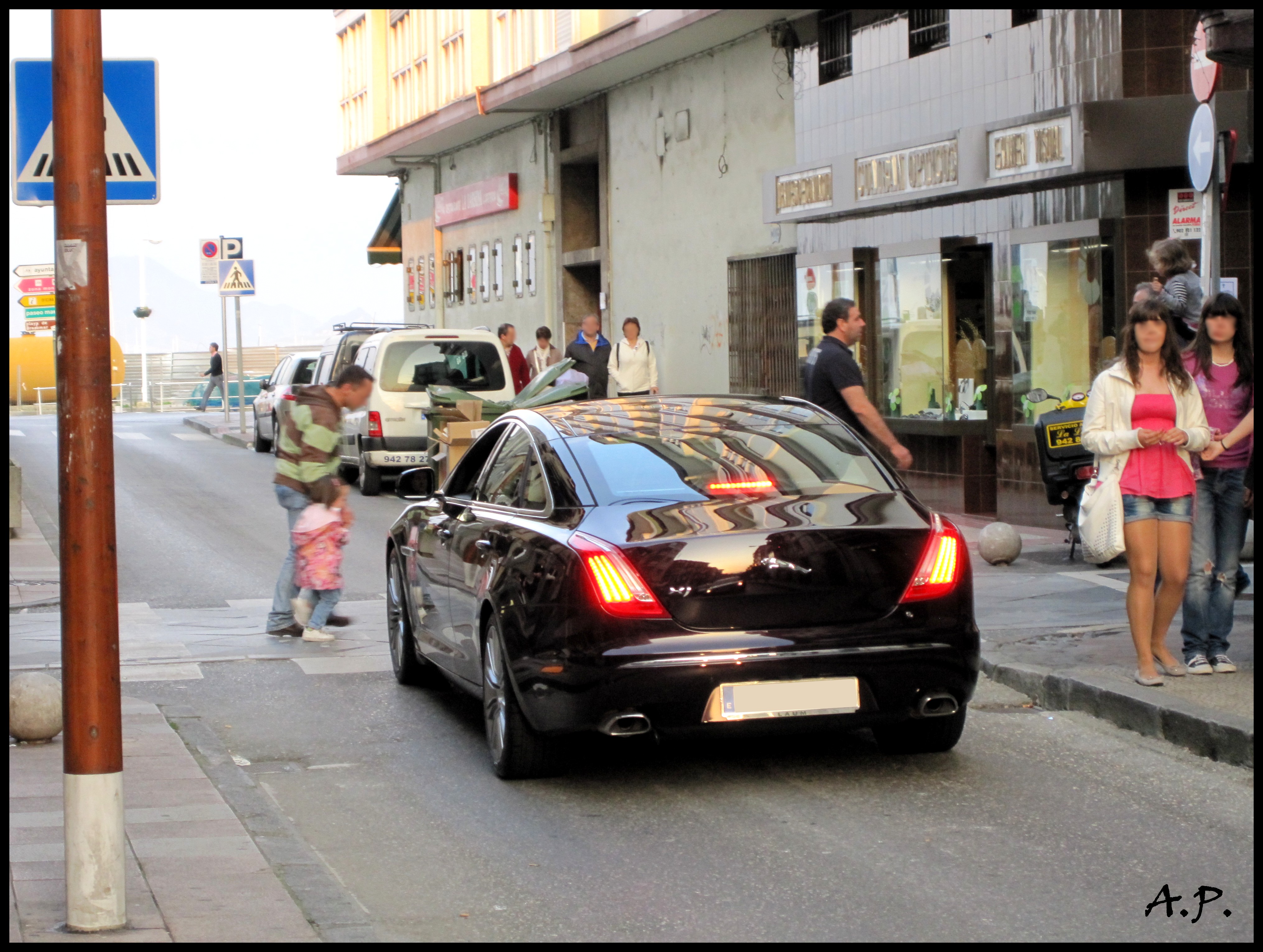
Jaguar XJ
"Obviously, we understand why you don't necessarily want it to be XJ or XK, you know, you've been using those for decades, for many decades."
Jaguar XJ is a well-known Jaguar luxury car model. The hosts are saying Jaguar has used names like this for a long time, and the new naming approach is trying not to reuse them.
Jaguar XJ is a long-running full-size luxury sedan line from Jaguar, known for its role in the brand’s modern history. In this segment, the hosts mention it as an example of an existing Jaguar model name that the rebrand is trying to avoid.

Jaguar XK
"Obviously, we understand why you don't necessarily want it to be XJ or XK, you know, you've been using those for decades, for many decades."
Jaguar XK is a famous Jaguar model name from the brand’s sports-car history. The hosts are comparing it to the new naming scheme and saying Jaguar doesn’t want to reuse old names.
Jaguar XK refers to Jaguar’s classic sports-car and grand-touring model line, especially famous for the XK engine era. Here, it’s mentioned alongside the XJ as a name Jaguar has used for decades, and the hosts are discussing why the new car’s naming avoids those established labels.
Dongfeng
"Solantis has signed a deal with Dongfang who have a plant in Wuhan that from 2027 they"
Dongfeng is a Chinese car company. They’re mentioned here because they have a factory in Wuhan, and the deal is set to start producing something there in 2027.
Dongfeng is a Chinese automaker and industrial group that partners with other brands for local production. The segment references Dongfeng’s plant in Wuhan and a timeline starting in 2027, framing it as a manufacturing partner for Stellantis.
Stellantis
"We are going to talk about Solantis and Dongfang. Solantis has signed a deal with Dongfang who have a plant in Wuhan that from 2027 they"
Stellantis is a big car company that makes lots of different brands. Here, they’re mentioned because they’re signing a deal involving factories and production in China.
Stellantis is a major global automaker formed from the merger of Fiat Chrysler Automobiles and PSA Group. In this segment, it’s discussed as a corporate actor signing a deal tied to manufacturing and market expansion in China.

BYD Seal 5
"Loads of nice comments about the BYD seal thing. I always get it wrong. A Seal 5. Seal 5. DMI."
The BYD Seal 5 is an electric car from BYD. The hosts are talking about it because it’s one of BYD’s newer “Seal” models getting attention.
BYD’s Seal 5 is part of the company’s growing EV lineup, and the hosts are discussing it as a “BYD seal” update. The mention matters because it signals how BYD is expanding its model range and refining naming/positioning across its electric sedans.
DMI
"A Seal 5. Seal 5. DMI. DMI, yeah. Much appreciate it."
DMI is BYD’s internal name for the “base design” its cars are built on. Think of it like the car’s underlying setup that helps the company make different models more efficiently.
DMI is an EV platform/architecture shorthand used by BYD to describe its underlying vehicle design strategy. In practice, it relates to how the car’s components and systems are packaged so the manufacturer can build multiple models more efficiently.

Volkswagen Id
"...ew car news then. And I'm going to start with the Volkswagen ID Polo GTI has now been revealed. And apparently, a..."
The ID. Buzz is an electric van-style vehicle made by Volkswagen. It’s built to carry people comfortably, similar to a minivan, but with an electric powertrain. It’s mentioned because it’s a major new EV model in Volkswagen’s lineup.
The Volkswagen ID. Buzz is an electric version of the classic Buzz/Transporter-style people mover, designed for families and groups who want EV practicality. It’s significant because it brings a retro-inspired shape into a modern electric platform. It’s often discussed in news shows as part of Volkswagen’s expanding ID electric lineup.
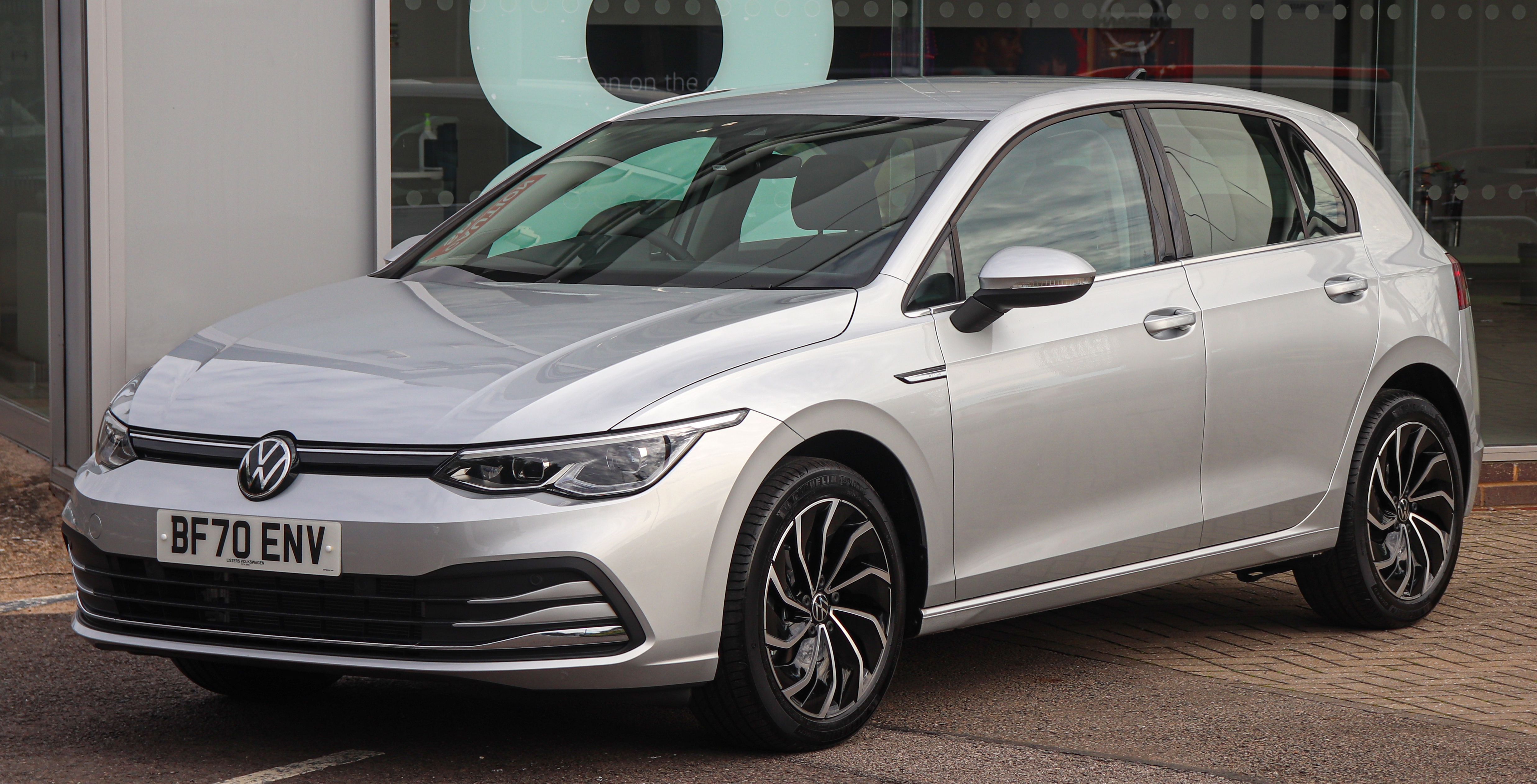
Volkswagen Gti
"...nd I'm going to start with the Volkswagen ID Polo GTI has now been revealed. And apparently, according ..."
The Volkswagen Golf is a common compact car that many people use for everyday driving. It’s been around for a long time, so it’s a familiar reference point. The podcast mentions it while talking about newer Volkswagen models and how they compare.
The Volkswagen Golf is a long-running compact car line known for being practical, easy to live with, and widely available in many versions. In the podcast context, it’s brought up as part of the discussion around Volkswagen’s newer ID models and how they relate visually or conceptually to familiar names. That makes it a natural reference point for listeners comparing what’s new versus what they already know.

Volkswagen ID Polo GTI
"Right. New, new car news then. And I'm going to start with the Volkswagen ID Polo GTI has now been revealed."
This is Volkswagen’s electric version of the Polo GTI idea. The point is to keep the sporty “GTI” vibe, but with an electric powertrain.
The Volkswagen ID Polo GTI is an electric take on the Polo GTI nameplate, using Volkswagen’s ID electric-car platform. It’s notable because it aims to bring “hot hatch” GTI identity into the EV mainstream rather than keeping that feel for combustion cars only.
second generation of EV
"It is a very important car in terms of electric vehicles. And crossing more over into mainstream. This is Volkswagen's second generation of EV."
When they say “second generation of EV,” they mean a newer version of the electric-car design. Usually that brings improvements like better efficiency or a more modern setup.
“Second generation of EV” refers to a newer generation of an electric vehicle platform or model family, typically bringing updated battery, software, and packaging. The idea is that the next-gen EV architecture improves efficiency, performance, or cost compared with the earlier generation.

Volvo XC40 Special Edition
"Yeah, XC40 Special Edition, where somebody maybe gets a little warm under the collar about that."
The Volvo XC40 is a small SUV. A “Special Edition” is a dressed-up version with extra features, and here they’re mainly talking about how far it can go and how fast it charges.
The Volvo XC40 is a compact electric crossover, and the “Special Edition” is a trim/packaging variant that typically bundles styling and equipment. In this segment, it’s brought up mainly in the context of real-world charging and range expectations.
Volkswagen ID Polo
"whilst it is not, it is going to be down on the ID Polo, it is going to be 263 miles with maximum DC charging speed of 105 kilowatt, which will enable 10% to 80% refill in 24 minutes. ... And that's going to go for all the ID Polos as well"
The Volkswagen ID Polo is an upcoming electric version of the Polo idea. They’re talking about how far it can go, how quickly it charges, and whether it still looks like a normal Polo.
The Volkswagen ID Polo is discussed as an upcoming electric Polo-sized model, and the hosts compare its range and charging performance to another EV. They also connect the design to the familiar “Polo” look, saying it will feel like a Polo rather than something that looks like an ID3.
DC charging speed
"it is going to be 263 miles with maximum DC charging speed of 105 kilowatt, which will enable 10% to 80% refill in 24 minutes."
DC charging speed is how fast an EV charges at a fast charger. The higher the number (kW), the quicker you can add energy—though real results can vary.
DC charging speed is how fast an EV can charge when using direct-current fast chargers. Higher kilowatt (kW) ratings generally mean shorter charging sessions, which is why the segment quotes both the maximum DC speed and the time to refill.
10% to 80% refill
"maximum DC charging speed of 105 kilowatt, which will enable 10% to 80% refill in 24 minutes. To like to point out, that's still 80 miles"
“10% to 80% refill” means how long it takes to charge from a low battery level to a fairly high one. It’s used because charging is often quickest in that middle range, so it’s a useful real-world comparison.
“10% to 80% refill” is a standardized way EV makers describe fast-charging time, because charging is usually fastest in the middle of the battery’s state of charge. It’s a practical metric for how long you’ll be stopped at a charger during a typical top-up.
kilowatt
"maximum DC charging speed of 105 kilowatt, which will enable 10% to 80% refill in 24 minutes."
Kilowatt (kW) is a measure of power. For EVs, it tells you how strong the charger is—higher kW usually means faster charging.
Kilowatt (kW) is a unit of power, and in EV charging it indicates the charger’s maximum output. When a host says “105 kilowatt,” they mean the fastest charging power the system is designed to deliver under ideal conditions.

Volkswagen ID3
"Yes, you look at it and you think that's a Polo, not ID3. Super cool."
They mention the Volkswagen ID3 to compare looks. The point is that the ID Polo should feel more like a normal Polo in styling than the ID3 does.
The Volkswagen ID3 is used here as a visual reference point—one host says the new ID Polo will look like a Polo rather than like an ID3. That’s a design/positioning comparison, not a technical one.
CarPlay Ultra
"You know when I went off on one about the CarPlay Ultra and in the Aston Martin, this was exactly the point I was trying to make is look what Volkswagen have done."
CarPlay Ultra is a newer, more advanced version of Apple’s CarPlay. It changes how your phone’s maps, music, and apps show up on the car’s screen.
CarPlay Ultra refers to an upgraded Apple CarPlay experience that adds more advanced interface features and deeper integration than earlier CarPlay versions. In practice, it’s about how the infotainment screen is presented and how seamlessly your phone functions through the car’s system.

BMW E30
"... excellent. I wish BMW let you choose the sort of E30 dashboard or the E36 dashboard."
The BMW 3 Series is a popular car model that’s meant to feel sporty but still work well for daily driving. People often talk about how the dashboard and interior look in different versions. The episode is mentioning it because the speaker wants the option of a specific dashboard style.
The BMW 3 Series is a compact executive car line that’s been a benchmark for balanced driving feel and everyday usability. It comes up in discussions because different generations have different interior designs, including dashboard layouts that enthusiasts notice. The podcast reference to choosing an E30 or E36-style dashboard highlights how styling details can matter to owners.
E36 dashboard
"I wish BMW let you choose the sort of E30 dashboard or the E36 dashboard."
The E36 dashboard is the instrument layout from the BMW 3 Series from the E36 era. The host prefers that older, clearer look over newer instrument graphics.
The E36 dashboard refers to the BMW 3 Series (E36-generation) instrument cluster design, commonly remembered for its readable, classic analog layout. The host is comparing it to modern digital instrument designs and wishing BMW would let drivers choose the older style.
E30 dashboard
"I wish BMW let you choose the sort of E30 dashboard or the E36 dashboard."
The E30 dashboard is the older BMW 3 Series layout from the E30 era. The host is saying they prefer that simple, clear look compared with newer digital-style screens.
The E30 dashboard refers to the classic BMW 3 Series (E30-generation) instrument layout, which enthusiasts often praise for its straightforward, easy-to-read analog design. In this segment, it’s used as a benchmark for clarity versus newer, more digital/angled instrument displays.

Volkswagen ID 4
"And basically, it’s Volkswagen updating the ID Puzz in line with the ID 4, the ID 3 Evo. Have I got it right?"
The Volkswagen ID 4 is Volkswagen’s electric SUV. They’re using it as a reference point for how Volkswagen is updating other electric models in the same lineup.
The Volkswagen ID 4 is Volkswagen’s mainstream electric SUV in the ID family. Here, the hosts say the updated ID Buzz is being aligned with the ID 4 and the ID 3 Evo, implying shared platform/software direction and a similar evolution of the electric lineup.
Volkswagen ID 3 Evo
"And basically, it’s Volkswagen updating the ID Puzz in line with the ID 4, the ID 3 Evo. Have I got it right?"
The Volkswagen ID 3 Evo is an updated electric hatchback from Volkswagen. They’re saying the changes are part of a broader update strategy across the ID range.
The Volkswagen ID 3 Evo is an updated version of Volkswagen’s electric hatchback, with “Evo” indicating a mid-cycle evolution. The hosts connect it to the ID Buzz update, suggesting Volkswagen is standardizing improvements across multiple ID models.
one pedal driving
"Other thing that they've included is one pedal driving. [1827.1s] Instead of the traditional three-mile-noured creep [1830.6s] that they had originally built in, [1838.6s] and have instead let it come to a complete stop"
One-pedal driving means you can slow down and even stop mostly just by lifting your foot off the accelerator. It’s an EV feature that changes how you drive in traffic.
One pedal driving is an EV driving mode where lifting off the accelerator slows the car significantly, often allowing near stop-and-go control without using the brake pedal. The segment also mentions the car can come to a complete stop when you lift off, which is a key behavior difference versus earlier “creep” style settings.
creep
"Instead of the traditional three-mile-noured creep [1830.6s] that they had originally built in, [1832.7s] they have removed the three-mile-noured creep [1835.6s] and have instead let it come to a complete stop"
“Creep” is the slow inch-forward movement some automatic/EV setups do when you take your foot off the pedal. They’re saying this version doesn’t rely on that anymore and can stop fully instead.
In EVs, “creep” refers to the low-speed rolling behavior the car provides when you release the accelerator, similar to how an automatic transmission can inch forward. The hosts say the earlier setup relied on creep, but the updated behavior removes it in favor of full stopping when you lift off the pedal.
torque
"So you can leave people in your dust off the lights. And lots of the torques as well."
Torque is the “push” that helps the car get moving quickly. Electric cars often have strong torque, which can make them feel fast off the line.
Torque is the twisting force that helps a vehicle accelerate, especially from low speeds. The host pairs “lots of the torques” with the higher-power EV setup to suggest stronger real-world pull when leaving lights.
concept car
"And then the second treat is only a concept car, I'm afraid. And this is the JP 4x4 concept car."
A concept car is a show car that’s built to show off ideas. It usually isn’t meant to be sold to the public like a normal car.
A concept car is a vehicle built mainly to showcase new design ideas, technology, or a future direction for a brand. It’s often not intended for mass production, so details can be “best guess” styling rather than production-ready engineering.

Land Rover Freelander
"...cept car. It's basically, they've done a bit of a Freelander 3-door on the back, on this with the, and removed..."
The Freelander is a smaller Land Rover SUV meant for everyday driving with some off-road ability. The podcast is talking about a specific version or layout change, like a three-door style. That’s relevant because it affects how many people can sit comfortably and how the car is used.
The Land Rover Freelander is a compact SUV that’s known for combining practical size with Land Rover’s off-road heritage. It’s discussed in the context of body/variant changes—like a three-door style—because the Freelander has had different configurations over its life. That kind of detail matters to buyers who care about packaging and how the vehicle is laid out.

Renault Twingo
"...the Fiat, and other single design over there. But Twingo was the only new Renault I didn't mention just th..."
The Renault Twingo is a small car made for driving in cities. It’s designed to be easy to park and maneuver. The podcast mentions it because it’s a notable Renault model that was part of the news discussion.
The Renault Twingo is a small city car focused on easy maneuvering and affordability. It’s often mentioned in car news because it’s one of Renault’s key compact models and tends to be updated with new styling and technology. In the podcast context, it’s singled out as the only newer Renault model the speaker didn’t already cover.

FF Jensen Ff
"... a traditional intro slide. The Jensen Fuffa, the Jensen FF. Excellent."
The “FF” here is referring to the Jensen FF, which is a specific older car model. The podcast is confirming the full name “Jensen FF.” It’s brought up because it’s a notable, unusual model from the past.
The “FF” in the podcast context refers to the Jensen FF, a classic car known for its distinctive drivetrain layout. It’s mentioned as part of a historical “Type” or model-number style discussion, where the speaker is confirming the correct name. In a news/podcast setting, older, unusual cars like this often come up to add variety and highlight engineering quirks.
four-wheel drive system
"The first non-altering production car equipped with four-wheel drive system supplied by Ferguson."
Four-wheel drive means power goes to all four wheels, which helps the car grip the road better. The hosts mention it because the Jensen FF was an early example of this in a production car.
A four-wheel drive system (4WD) sends engine power to all four wheels, improving traction—especially on low-grip surfaces like wet roads or snow. In the Jensen FF context, the point is historical: it’s being credited as an early production application of 4WD.
Ferguson
"The first non-altering production car equipped with four-wheel drive system supplied by Ferguson."
Ferguson is mentioned as the company that provided the four-wheel-drive system for the Jensen FF. It’s a way of saying the car’s 4WD tech came from a specialist supplier.
Ferguson is credited here as the supplier of the four-wheel-drive system used in the Jensen FF. That supplier attribution matters because it highlights that early 4WD hardware often came from specialized engineering firms rather than being developed entirely in-house by the car maker.
EBS
"Also, the first production car to use EBS, thanks to Dunlop and his Maxite technology from there."
EBS is a name for a braking-related technology the hosts say was used on the Jensen FF. The key idea is that it was an early, notable production-car braking setup, but the exact meaning of the acronym isn’t fully explained in this clip.
EBS here refers to an early braking system acronym the hosts attribute to the Jensen FF, described as being used in production. Because the transcript doesn’t spell out what EBS stands for, listeners would benefit from a quick clarification of the specific braking technology and how it differed from conventional systems at the time.
Dunlop
"Also, the first production car to use EBS, thanks to Dunlop and his Maxite technology from there."
Dunlop is mentioned as being involved with the Jensen FF’s braking technology. The hosts are connecting Dunlop to the tech behind EBS through something called Maxite.
Dunlop is credited in the segment as the source behind the Jensen FF’s EBS, via “Maxite technology.” This is notable because Dunlop is best known for tires, but the transcript implies it also contributed braking/technology IP through its engineering work.
Maxite technology
"Also, the first production car to use EBS, thanks to Dunlop and his Maxite technology from there."
Maxite technology is the name of a technology Dunlop is credited with in this story. The hosts are using it to explain where the Jensen FF’s braking tech came from.
Maxite technology is mentioned as the enabling tech associated with Dunlop and the Jensen FF’s EBS. In an enthusiast context, it’s a supplier/technology name that points to how early braking or control systems were developed and integrated into production cars.

Honda S800
"...k two slides to slide 13, which is number 12, the Honda S800. Just little cutesy two-door coupé run around."
The Honda S800C is an older Honda car that’s a small two-door coupé. The podcast describes it as a compact “runaround,” meaning it’s meant for short, easy driving. It’s mentioned because it’s a notable classic model in their history segment.
The Honda S800C is a small two-door coupé from Honda’s earlier lineup, highlighted in the podcast as a “cutesy” runaround. It’s discussed as part of a slide-based historical rundown, emphasizing its compact size and classic styling. That makes it a good example of how the hosts are covering interesting past models, not just modern news.
Request an Explanation
Heard something you'd like explained? We'll add it to this episode.
Sign in to request explanations for terms you heard.
Want to learn more?
Browse our glossary for plain-English explanations of automotive terms, jargon, and concepts.
Help improve this episode
See something that's not quite right? Our annotations are AI-generated and can sometimes miss the mark. Click the flag icon on any annotation to suggest a correction.
1 community members have helped improve this episode.