The Dodge Charger is a popular car from the late 1960s, known for its speed and sporty design. The 1968 version is especially well-known and loved by car enthusiasts.
A 'square body truck' is a type of pickup truck made by Chevrolet and GMC that has a boxy shape. They were made in the 1970s and 1980s and are popular with collectors.
Two-wheel drive means that only two of the vehicle's wheels get power from the engine. This is common in many cars and trucks and is usually better for normal driving on roads.
Four-wheel drive means that all four wheels of the vehicle can get power from the engine at the same time. This helps the car drive better on rough or slippery surfaces.
The Ford 300 straight six is an engine type that has six cylinders arranged in a straight line. It's known for being strong and dependable, especially in trucks.
Cherry bombs are special parts added to car exhaust systems to make the engine sound louder and more powerful. They're often used by people who want their cars to sound more exciting.
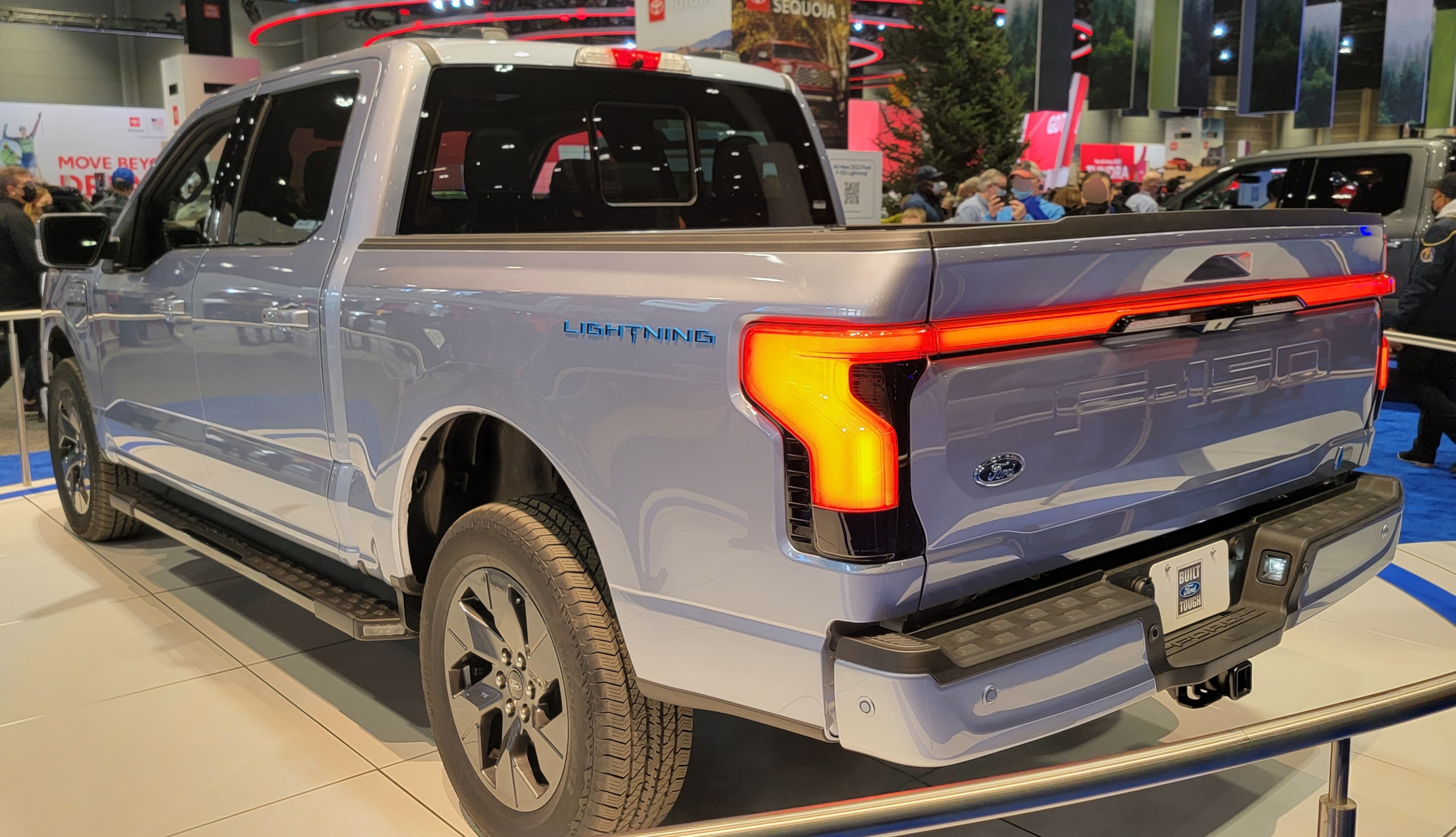
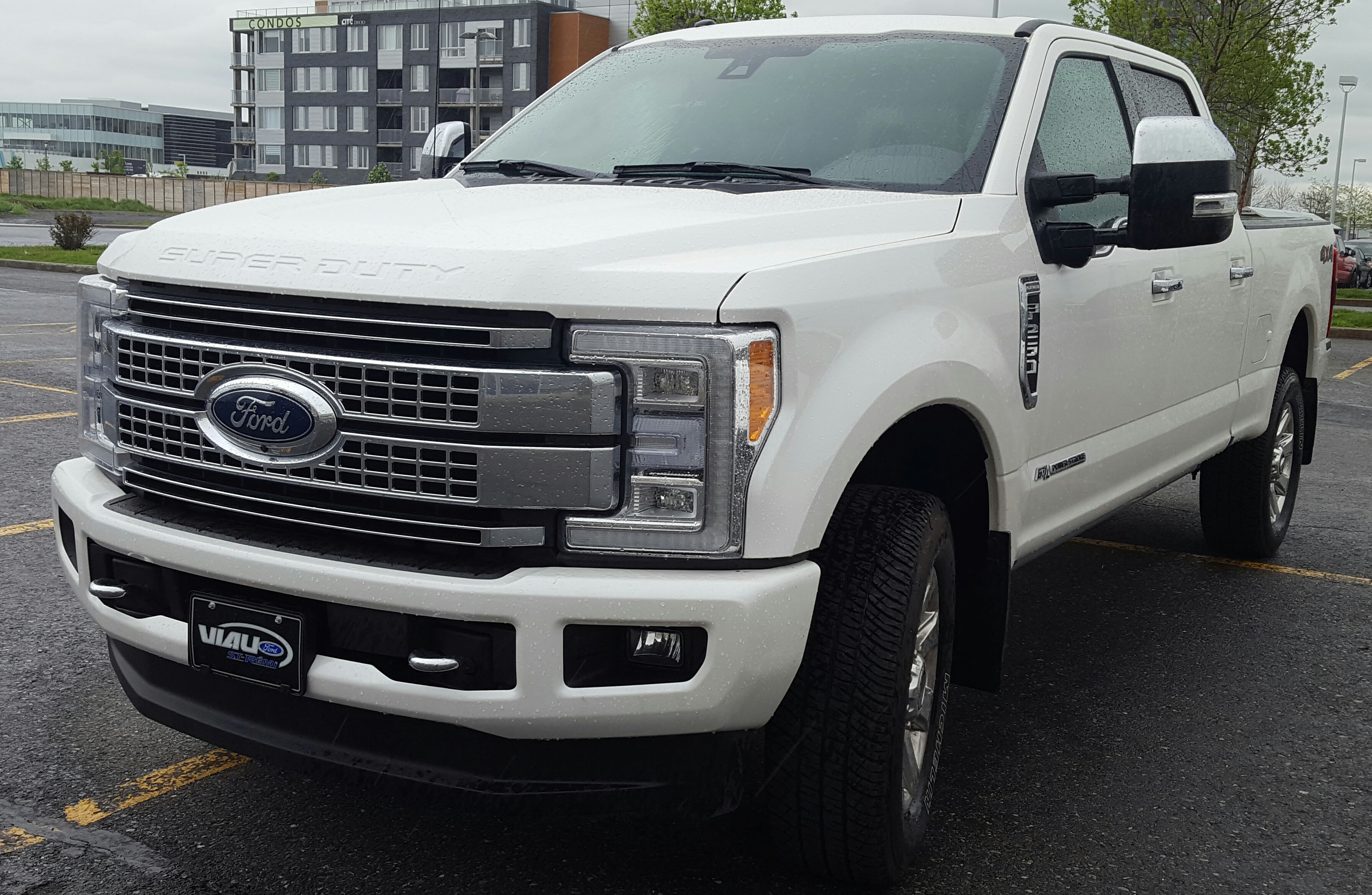
The Ford F-150 is a well-known pickup truck that can be used for work or personal use. The 1979 version is one of the earlier models in its long history.
The Chevrolet Corvette is a famous sports car that many people love. The 1979 version is part of a series that was made for several years and is known for being fast and stylish.
A flathead V8 is a type of engine that has a flat top where the cylinders are. It was commonly used in older cars and trucks, making them easier to build and fix.
The DeLorean is a unique car famous for its shiny metal body and doors that open upwards. It became really popular because it was featured in a famous movie about time travel.
Performance suspension is a type of upgrade for a car's suspension system that makes it handle better and feel sportier when driving. It usually involves stronger parts that help the car stay stable during turns.
'15s' means the wheels on the car are 15 inches in diameter. This size can change how the car drives and looks.
Car
V8 Interceptor
The V8 Interceptor is a type of car that has a strong V8 engine, making it fast and powerful. It's often seen as a classic muscle car and is loved by many car fans.
The clutch is a part of the car that helps change gears. If it breaks, it can be hard to replace because it involves taking out other parts of the car.
The Jensen Interceptor is a fancy sports car made in the 1960s and 70s that has a powerful engine and a stylish look. It's known for being comfortable and fast, but fixing it can be tricky, especially if you need to replace parts like the clutch or the suspension. People talk about it because it's a classic car that stands out.
The exhaust system is the part of the car that takes away the bad gases from the engine and helps make the car quieter. It's important for the car to run well and be safe.
LIVE
Every Lenovo is built to let them move.
Let them put a chicken on a skateboard, please.
Let them scale, copy, and change it up.
Let them make a purple sky with raining soccer balls.
Incoming!
Let them launch their vision to the world.
Let them make.
Powered by Intel Core Ultra processors,
Lenovo gives creatives everything they need.
Lenovo.com, let creatives create.
Lenovo, Lenovo.
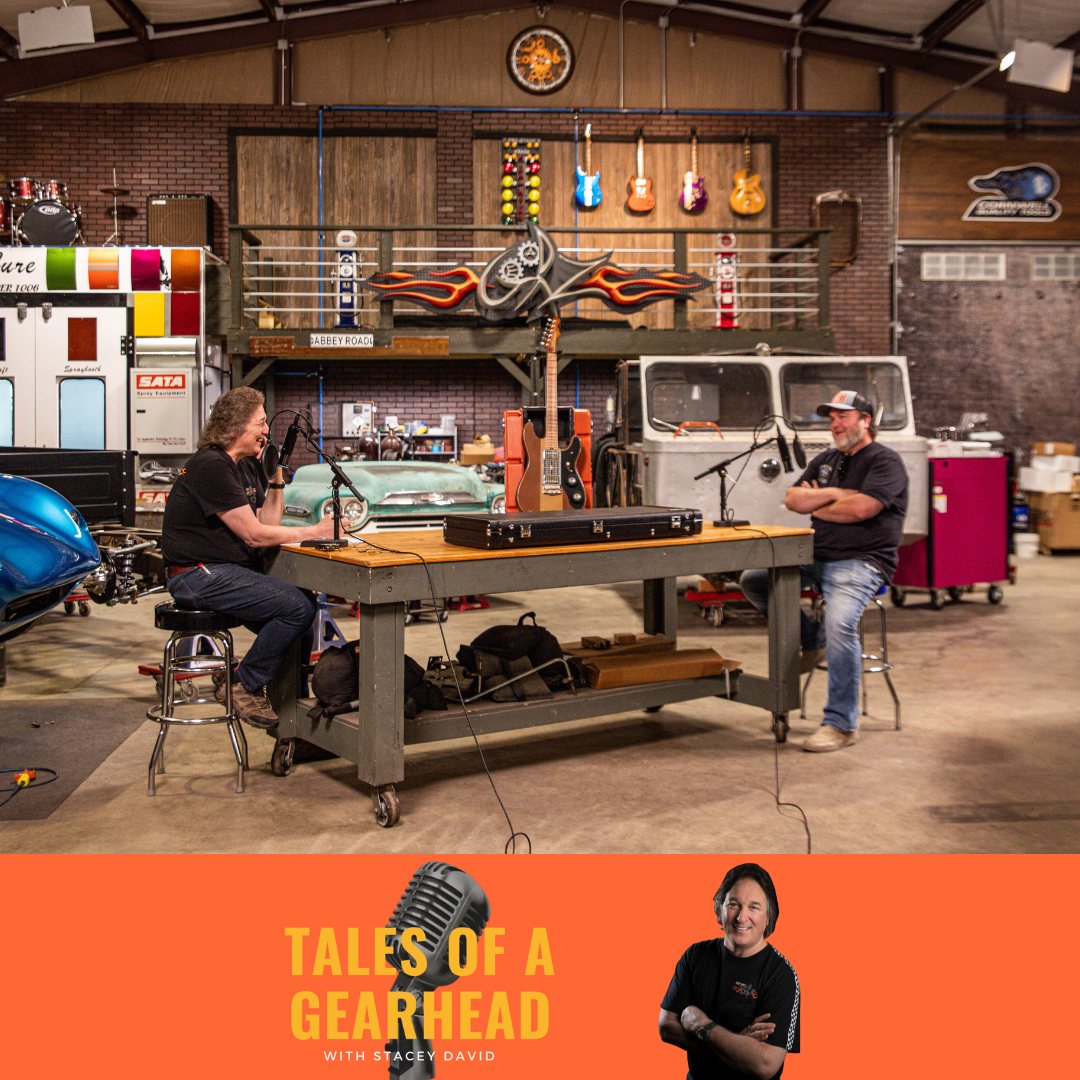
Hey, Stacey David here with the Tales of the Gearhead podcast.
Now what is this?
Well, it's a podcast that covers everything automotive,
everything mechanical, everything that's just cool
about the automotive lifestyle.
And since that's just about everything,
you're gonna love it.
Today's podcast is brought to you by Cornwell Tools.
Let's get rolling.
All right, welcome to the podcast today.
I have got a guest that you guys have just been waiting to hear from.
If you haven't, you will as soon as I introduce him.
His name is Anthony Sims, and he is the owner of Lucky Dog Guitars.
And if you don't know anything about Lucky Dog Guitars,
you need to get on the website and look them up.
They are a boutique guitar builder,
and they build some of the coolest guitars that you'll ever see.
And Anthony also happens to be a car guy, of course.
So Anthony, welcome to the podcast.
Stacey, thanks for having us.
I've been really excited about being here on the show.
I've watched your show for a long time.
I obviously love cars and guitars and cars meshed together.
So, I mean, what better place to be?
Oh yeah.
Because you just picked up a charger.
68 charger?
68, yeah.
That's the year.
I don't know.
I love that year.
Most people like the 69, but those round tail lights on that 68 is awesome.
Well, I have to admit, I've got a 69 grill on it, but I love the 68 rear end.
But you kept the 68 rear end.
That's exactly what I wanted to do.
Yeah, I love the round tail lights.
Yeah, that's very cool.
But okay, let's talk about guitars first.
What is your background?
Because these guitars that you, you're not just some guy hacking in his garage.
These are really high end guitars.
We're sitting here looking at one that you did for the stunt double.
And it's amazing.
And they'll see that on the show.
We'll go to that in depth.
But what is your background?
First of all, as a player, were you a professional musician for a while?
I was semi-professional.
I played for about 26, 27 years.
That means you were supposed to get paid, but you didn't.
I was lucky.
And I was one of the few that actually did make good money playing, but I started playing
live shows when I was about 16 years old.
And now do you sing too?
Yeah, I sing, went around and played at farm parties and barn dances and things.
Did that many times?
I cut my teeth with a bunch of old guys that were, some of them were in the Western
Swing Hall of Fame.
Oh, really?
And so I learned a lot of on stage skills from those guys.
Some of it was kind of difficult because they didn't mind to tell you when you were
doing wrong.
Oh, yeah.
You know, if they were true Western Swing, man, it's like playing bluegrass.
It's like, hey, that doesn't fit here.
Yeah.
So I did have a great time doing that and cut my teeth doing that for three or
four years.
And one thing led to another.
Me and some young guys, including one guy that works in the Lucky Dog
Shop with me right now, we decided to, when we were about 17 or 18 years
old, I decided to open our own dance hall.
Okay.
Wow.
That's a big step.
Yeah.
We went and found a place that was about the same size as your shop here, had an
open top balcony all the way around the top, and we pulled our money together and
rented it out.
And you were 17?
17.
I might have been 18.
I was going to say you're not even legal at that point to sell alcohol.
Yeah.
And we didn't have alcohol.
Okay.
So it was just a dance hall?
Yeah.
But it was a closed down honky tonk.
Okay.
So it was already set up.
Yeah.
So we went up with a PA and started playing and we were real driven to market that and
get it going.
Yeah.
So we were literally going out every Friday night, putting out a thousand
flyers on cars.
Oh my gosh.
And we were open on Saturday nights.
We did that for a month before we opened and we were quickly up at
around 450 or 500 people a weekend.
Wow.
And we stayed there for a pretty long time.
And that was kind of my...
Getting my feet wet.
Yeah.
Did you ever want to get like a deal in Nashville?
I did.
Did you write songs or anything?
Or you just did the...
I was never into that.
But Eric that works at the shop with us, he went on to go on tour and have
multiple record deals with Sony and lived in Nashville and did all that
kind of stuff.
But for me, I just enjoyed cover songs, playing for a crowd and being home
every night.
That was my thing.
When you get involved in the industry, and it can happen in the
car world too, you have to be really careful that it doesn't steal your
joy and doesn't become something that you learn to hate.
And the music industry can definitely do that.
I can truly say that for 25 years, I loved every minute of playing.
And I usually played usually two shows per weekend all that time.
And I had a little girl and things started changing.
I was out at two o'clock in the morning.
Yeah, it's kind of hard to raise a child like that.
Yeah.
And one day I just decided to give it up and shocked everyone around me.
And I got real bored really fast.
And that's what led to building the first guitar.
It was literally just on a whim.
Try something new, fill up my dead space.
And what happened was someone saw that guitar and was interested in me
building them one, which I did.
Someone saw that guitar.
The next thing you know, it started snowballing.
I started getting calls.
I assume your first guitar was a telecaster.
It was.
You specialize in telecasters.
You'll do anything.
Yeah.
So that first guitar, was it pretty much a stock telly or did
you always kind of modify them?
No, it was modified.
I always modified my guitars, just let my cars.
Yeah.
Like they had a heel adjustable spoke wheel, truss rod.
You know, it had a flatter radius, just like these are.
Had a tilt back headstock.
Yeah.
You know, so it had a lot of things that you didn't get on a stock off the
wall guitar.
But my thing was visually, I really liked that old age look.
And it hadn't really taken off at that time.
And I really couldn't afford some of those high end custom shop
guitars.
I was just trying to make something for myself to enjoy.
And it kind of eventually developed into what I would say is a lucky dog look.
Yeah.
Which is that weathered kind of cool thing.
I know that's a big, it's taken off now and a lot of people are doing it now.
But at that time, not many people were doing.
Yeah.
Now, where'd the name come from?
Lucky dog.
After I built the first couple of guitars that had no name, I was sitting in the
living room one day and some orders had started to roll in.
And my wife, Christy, she said, you know, if you're going to keep doing this, you
probably need to come up with a name and I recall it so vividly.
Smart lady.
Yeah, yeah.
And I recall so vividly the conversation and I remember saying, well, I have no
idea what to call it.
And literally in milliseconds, Christy looks down at our dog who is sitting
there staring at us, whose name is Lucky.
And she said, why not Lucky Dog?
Yeah.
It was that fast.
It's a great name, too.
Yeah, I like it.
I love it.
Yeah.
It seems to have resonated with people, you know, and it's easy to remember.
Yeah.
So now your clientele, if a person wants a Lucky Dog guitar, because if you go on
there, you don't have like guitars for sale.
You kind of make them custom for people, correct?
We have two business lanes.
One lane is a public sale, which is a guitar that we build and we do
whatever we want to it, whatever comes in our head, and we put that
guitar up for sale.
Those guitars usually sell in anywhere between seconds, minutes, maybe an hour.
Oh yeah, there's guys waiting on them.
I've seen it on your website.
So that's one lane.
And then we have a custom shop list where we have people that are waiting
in line for their custom spec build, like your build.
So we're always working on those.
The only bad thing I hate to tell you and the audience is if you were to call
a Lucky Dog today and ask for a custom spec build, it would be about seven
years.
That's what I was going to ask you.
I knew you were backed up.
Well, that says a lot about your quality and what you do.
Seven-year backlog.
We have an incredibly loyal customer base that I always say I've got the
best customers in the world and it's amazing they're willing to wait
that long.
Yeah.
So I think that we could hire a bunch of people and...
That was my next question.
It's like, how big is your staff?
I just got three of us.
Three of you.
And of course, if you make it bigger, we could do that and start cranking
it out in a more assembly line type thing.
But it's one of those if it's not broke, don't fix it type things.
And I feel like there's something special going with us three and how we
do things.
Well, your hands are all over it.
Yeah.
I just, I don't want to cheapen it, I guess.
Yeah.
No, I totally get it.
That's some of the best shops stay small.
And there's one or two people that are doing the work because they're
experts at it.
And you start stepping that away.
You do, you can lose quality and lose some stuff that you wouldn't
have let go.
Yeah.
I definitely don't want to do it just for the sake of a dollar.
And I feel like it would be for a dollar.
We're enjoying what we're doing and we're getting by.
Yeah.
My guys get paid well.
I'm able to buy a junkie 68 charger to work on.
Yeah, I guess so.
So I mean, life's okay.
Yeah.
Now, that brings, I'm glad you brought up a dollar.
So the people that are listening, I know they're sitting there
going, what do they cost?
And I know they're variable, but just give me a ballpark.
If a guy wants to build a guitar like this one here, what's
a ballpark of what a person would spend?
Or what, if they got one from you or if they're looking at one
that's used and a guy's trying to sell it, what kind of price?
As far as used ones go, that is one thing I am proud of is a lot
of the used Lucky Dogs sell for as much as they originally
sold for and sometimes in excess of what they originally
sold for.
Yeah.
So they keep their value, but in general, overwhelming majority
of our guitars are in the 3,500 to 4,000 range.
So they're still far under like the big custom socks.
Oh my gosh, yes.
And they're truly handmade by three guys in a barn up in
a holler in Tennessee.
I mean, it's cool, you know?
In a holler in Tennessee.
I love it.
I mean, how much cooler do you use them at?
I almost had you put bullet holes in this one.
I know you would have.
Now one like yours, obviously, it's much more intricate.
I mean, every little piece of that was really thought out
realistically.
If somebody had specced that guitar out and worded that
guitar, that guitar probably would be around, probably
around 6,000 bucks.
And that's still probably $3,000 or $4,000 cheaper
than what it would cost it.
Oh my gosh.
There was, you know, because I've done some stuff.
I'll show you one I did with the Gibson Custom Shop where
I put an exhaust system out of a 335.
And they flat out told me they're like, we can't do that.
We won't do that.
So I had to do it.
Then they were like, oh, this is cool.
But there's just some things they won't do.
And you guys are listening on the radio.
You can't see this guitar.
So I'm going to describe it to you.
Anthony actually made a square body grill, like an 85
grill that goes between the two pickups.
And the pickups kind of act as the square headlights.
It is a brilliant set.
It's got the bow tie and everything.
It looks like a square body truck coming at you.
And then the tone and the volume knob are off-road tires,
like off of an RC car or RC truck.
That's brilliant.
And then the selector switch is two-wheel high,
two-wheel low and four-wheel high or something like that.
It's just brilliant stuff.
And then, of course, the neck, oh my gosh,
is typical Lucky Dog.
So you guys need to check these things out.
I got a question for you out there.
If you're working in your shop, what kind of tools are you
using?
Now, you're probably going to go, well, you know,
whatever I got, cheap, man.
Are you kidding?
Well, and that's the problem.
Because, listen, we all grew up working with cheap tools.
And my first set of tools, my dad got them at Kmart,
got them for Christmas.
And I use those things until there was nothing left.
But that's all we had at the time.
But as soon as I could, I started investing in good tools.
And the reason it's not because you
want to show them off to people, even though that's OK,
it's because they allow you to do quality work.
And there is nothing more frustrating.
I have talked to gearheads all across the nation,
around the world, actually.
And one of the biggest frustrations they have
is either not having the right tool
or breaking the tool they were using
or having something strip or break or something.
And almost every time, it's because they don't have
the right tool or they're not using a quality tool.
So if you are into this, like I hope you are,
you need to get some good tools.
And that's where Cornwell Tools comes in.
They're America's oldest tool manufacturer.
They're still American-made.
I think that if you are going to build some stuff,
if you invest in a good set of tools right off the top,
you don't have to get everything.
But just get yourself a nice set of hand tools
and work from there, you will never regret it.
And you can pass them down to your grandkids or whatever
if you want to.
But most car guys want to hold on to their tools
as long as they can.
Anyway, if you get a chance, check out Cornwell Tools.
You will not be disappointed.
Okay, so we've got your musical background.
I'm always pushing the cars and guitar sing.
They're so heavily wrapped together.
Tell me about your automotive background.
How did you get into the cars?
You're obviously heavily into the cars.
I just love cars.
And my dad used to take me to the local drag strip.
It was called Brandard Optimus Drag Strip,
which is still open today.
Oh, that's cool.
So we used to go down to the drag strip
and that kind of got my blood boiling a little bit.
And my papal grew up right next door to me
and he was a car trader.
He had a new cool little car every week.
Yeah, I mean.
His flipper back before that was cool.
I mean, I remember us sanding down a 65 Galaxy
out in the yard and repainting the whole thing
out in the yard.
And I'm changing motors with a come along
on a tree in the backyard, all that kind of stuff.
So I think what really, really got me amped up though
is when I was 15 years old,
I was sitting in my bedroom playing guitar.
Nobody was home.
And I heard this really loud revving motor
out in the driveway pulling in.
And if you've ever heard a Ford 300 straight six
with a cherry bombs, it's got a distinct sound.
And I reach over and pull my curtain open.
I'm like, what in the world?
There sits my dad in the driveway with 79 F-150,
11 inch lift, 38 inch motors.
He's out there revving it up.
He had literally went and sold his entire
like fishing rod collection and other stuff
and bought this truck for me at 15 years old
and showed up in the driveway.
And I instantly went from everything that was on my mind
was not on my mind.
It was all car.
I'm out doing donuts in the backyard
and all this kind of stuff.
That's the trigger.
And shortly after that, he bought a 79 Corvette.
Yeah.
It was just like bang, bang, bang.
One thing after another that just really
got me interested in cars.
That's one of the cool things about real car people.
You know, we're multi-dimensional.
You know, it's not just we may favor trucks
or sports cars or whatever,
but a real car person likes it all.
And they'll be just as enamored with a Corvette
or a truck or a bulldozer.
Yeah.
You know, just something that's running.
It's just like, what is that?
And I just, I think that's so great
that you are open to that.
Matter of fact, don't you have a DeLorean?
Yeah.
And I actually missed one little part of the story,
the car story that I wanted to tell you,
is before the truck, my grandfather in Virginia
had a 52 Ford F2 truck with a flathead V8.
And he gave me that when I was about 13 years old,
hauled it down to Urwa and dropped it off.
And that's what I started tinkering with
and driving around the yard and stuff.
Still got it.
Yeah.
So fast forward, my grandpa,
he loved cars and things too.
And he knew, he had this DeLorean.
He went and bought two DeLoreans
the same week that John DeLorean got arrested.
Cause he had a light bulb go off in his head.
He was like, oh, those things are gonna go up in value.
So he goes out and buys two brand new ones.
And this one, he puts in the garage
and just left it there for 38 years.
It was brand new.
Yeah.
When he passed away, he knew I truly love that car
from the time I was a child.
I was setting that car in the garage every time I went
and he left the car to me.
And it looked brand new,
but it had everything possible wrong with it.
Yeah.
Had mice gotten into it?
No, luckily not, but it still took about four or five years
to save up enough money and stuff to get it going.
And a guy actually up here in Nashville,
Jay Houston of a Thomas Steel garage
is the one that really helped me get it
on the road through Lucky Dog.
He wanted a Lucky Dog so bad
that he offered to get it running and rolling
for Lucky Dog.
Yeah.
So we made a trade and that's how we got it going.
Yeah.
No, so you're able to drive it and you enjoy it.
Do a little bit of the back to the future thing.
Yeah, that's the quit.
You get the back to the future question
every single time you stop at a gas station.
I kept it pretty stock except I did put
performance suspension on it
and I also put rear wheels on the front.
So it has 15s on the front,
looks a little bit better stance.
Yeah.
It's five speed.
It's got about 6,000 miles on it now.
Wow.
But I drive it, you know, I enjoy it.
Yeah, they're cool.
I remember when those things came out,
you know, the stainless steel thing was okay.
I saw one painted one time.
Yeah.
It completely changes the look of the car
and surprising how good they look.
They're very Ferrari-esque from the era.
Yeah.
You know.
And I was glad to see that they've made a comeback.
You know, there's that place down in Texas
that has all the parts.
Yeah, ton of update parts now too.
There's a lot of different vendors.
So I mean, we've got ours is really much more dependable
than it would have been from the factory.
Yeah.
You know.
Yeah.
So what's the future for Lucky Dog?
What's the next thing you got coming up?
Staying business.
Number one.
Yeah.
You know, that can always be a challenge
in today's climate.
But you know, I really am not planning
on trying to get Lucky Dog bigger.
I love exactly the way it is.
Yeah.
We're having fun.
We're listening to music, jam a little bit.
Yeah.
Watch movies.
I'm with two of my best friends in there
just having a good time.
And I just want to keep doing people right.
I think that's one of the biggest keys,
I think to Lucky Dog is the key.
People, Eric says it a lot of times.
He says, people are buying you.
And I love people and I have a good time with people.
And you know, just yesterday,
someone asked me, what's your warranty?
And we don't have that question come up a lot.
But my answer was do what's right.
Yeah.
And that pretty much sums it all up.
You know, I had a guy recently that bought a guitar
about, it was made four or five years ago.
Something came up on the finish.
It's rare for us to have any trouble.
But he said, let me send it back to you
and let you check it out.
And when I got it, I knew right then,
it was nothing, he did.
Yeah.
It was just some kind of weird failure.
It happened, yeah.
So we took care of it, you know.
No questions asked, no charge.
And I think that's the key is just do the right thing,
treat people good.
And if you come into our shop,
you'll see a big whiteboard
and it says rules of the shop.
And the first rule says,
build a better guitar than the other guys.
Yeah.
And rule number two, read rule number one.
Yeah.
And that's pretty much what we operate.
That's fantastic.
You know, talking about that,
there's, I'm a lot the same way.
Anybody that buys one of my vehicles,
you know, something that I've built on the show
like Copperhead or the V8 Intercept or anything like that.
They have pretty much an open invitation.
I'll work on the vehicle for free.
I would much rather do that.
I mean, they'll have to get it to me.
But then to have somebody hack on it
and try to figure out what to do.
Cause a lot of those vehicles like to get,
if you have to replace the clutch on the V8 Interceptor,
the whole suspension and exhaust system
has to come out in the back.
And can you imagine the...
It's, oh, somebody trying to figure that out.
And there's only one way to do it.
And I can imagine the hackery
and the twisting and bending,
you know, on the high dollar car like that.
There's something similar with a Lucky Dog.
Like our necks, they have inside the neck,
there's two strips of Purple Heart wood
that go all the way up the neck.
And the reason we did that is for stability.
Now, how that affects things.
And I want to tell you this,
in case you ever decide you want to adjust
your truss rod a little bit,
other guitars, you adjust the truss rod
and just kind of look at it.
And you're like, okay, it's there.
Lucky Dog doesn't move as quickly
because it's so much stiffer.
So you make small increment adjustments.
So I can't just twist on it.
Yeah, yeah, just adjust it a little.
Let it sit eight or 10 hours.
Check it again, go from there.
Cause we have a lot of people that tour all over the world.
We want the necks to be pretty stable.
So it goes back to what you're saying.
If you have an issue, it's really,
sometimes it's good for us to get our hands back on it
if we can and, you know, take care of anything
because everyone's not accustomed to necks exactly.
How many of your guitars are out on the road
with artists and stuff?
Anybody that we would know
that their guitar player plays one or?
I don't always know which ones are out on the road,
but I know-
Cause musicians are fickle, they've traded, you know.
Blackstone Cherry, they're a popular
Southern rock band out of Kentucky.
They, I think they have about seven Lucky Dogs.
Oh, to see, we've been talking about country,
but that right there,
that'd be an awesome rock guitar to do that right now.
Another rock guy, Jackal.
Jeff Worley from Jackal, he's got a Lucky Dog.
Yeah.
Garth Brooks has got one.
We built two for Def Leppard for Joe Elliott, Phil Collins.
Yeah.
Bart Walker from right here in Nashville
who plays for Hank Williams Jr. and Jamie Johnson.
He's got a couple Lucky Dogs.
But I would say most of our people
are just regular, good old guys
that just love a quality guitar.
And that's been-
And don't want the regular Fender or Gibson.
Yeah, that's been who's kept us in business.
Just the regular guys, you know?
So I mean, I hold them in high esteem.
Yeah. Oh, that's fantastic.
And don't focus too much on, you know,
trying to get the stars on the roster, you know?
That'll come in if it does, it doesn't matter, you know?
What do you think of the truck, man?
I want to take it home.
That's my kind of truck.
It sounds like it is.
Yeah.
If I would've got that when I was 16 years old,
I would've-
There would be no Lucky Dogs.
I would probably have a hard time.
Yeah, it's amazing.
I can't wait for everyone to see it on the show.
Yeah, it's going to be cool.
It's going to be a nice tie-in with this guitar, too.
Yeah. Hey, Stacey, thanks for having me.
I really enjoy it, and I love shop.
If I lived closer up here,
I would probably be swinging a bottle seat all the time.
Seriously, you need to bring that charger up here.
Thanks again. We'll see you soon.
Thank you.
All right, that's our show for today,
which means you need to get out there
and start working on something.
Spend some time turning wrenches.
You might be surprised how much you like it.
Make sure you check out our website, StaceyDavid.com,
because we've got all kinds of new products
and some other great stuff that you're just going to love.
Also, make sure to check out our social media.
That's Instagram, TikTok, Facebook, YouTube,
all at official Stacey David.
Our social media is where you're going to find
all of the bonus content, the giveaways,
the contests, the trivia.
We even have extra viewer projects
that focus on what you are working on.
Also, the new season of Gears will be on MAF TV,
and YouTube will be the place
that you can view all of your favorite Gears episodes,
as well as the full project builds
that follow the project from beginning to end.
Make sure to check out our new Gears coffee cars.
This is a unique blend of coffee and cool stickers
to collect that will appeal to anyone.
But the most important thing is get out there
and turn some wrenches yourself.
Get a project, start working on it,
and if you don't have tools, check out Cornwell.
They can help you out there.
All right, that's all the announcements.
We're all up to date.
We'll see you next time.
["Money Into the Hands of Millions of Americans"]
Hi, I'm Andrew Yang.
You may remember me as being the guy
you wanted to get money into the hands
of millions of Americans.
Well, I'm still at it,
and I'm now the founder of Noble Mobile,
the first carrier that pays you to use your phone less.
With Noble, you get unlimited talk, text, and 5G data
on the Team Noble network,
and you can earn up to $20 cash back a month
for getting off your phone.
Try it for just $10 a month at noblemobile.com slash yang.
That's noblemobile.com,
and use my code yang10 to get paid to use your phone less.
At George Fox University,
we've been helping working adults and busy parents
earn degrees for over 40 years.
Our decades of experience in flexible education
make our online degrees a perfect fit
for those returning to school
while working or raising kids.
With our accelerated online degree program,
you can take classes online and on your own schedule.
Plus, we offer credit for your valuable work
and life experience,
so you can save time and money on your degree.
Get started today by visiting georgefox.edu slash online.
About this episode
Anthony Sims, owner of Lucky Dog Guitars, shares his journey from a semi-professional musician to a boutique guitar builder with a passion for cars. He discusses the unique features of his custom guitars, including a special design inspired by a classic truck. Sims also reflects on his automotive background, including his love for a 1968 Charger and a DeLorean inherited from his grandfather. The conversation highlights the intersection of music and automotive culture, emphasizing quality craftsmanship and customer relationships in his business.
The STUNT DOUBLE is on the road. Of course, no GEARZ project is truly completed without an accompanying guitar. So, Stacey has Anthony Sims from LUCKY DOG GUITARS in the shop to discuss the custom built six string. Anthony talks about how his love for music and playing live led to him and a group of buddies opening up a dance hall at 18 years old, how that led to building his first custom guitar and opening his small three-man shop in East Tennessee, and of course his two current automotive projects - a '68 Charger and an original DeLorean that he inherited from his grandfather who purchased TWO of them just before John Delorean's arrest.