The Audi S5 is a sportier version of the Audi A5. It has a more powerful engine and is designed for people who enjoy driving fast while still being comfortable.
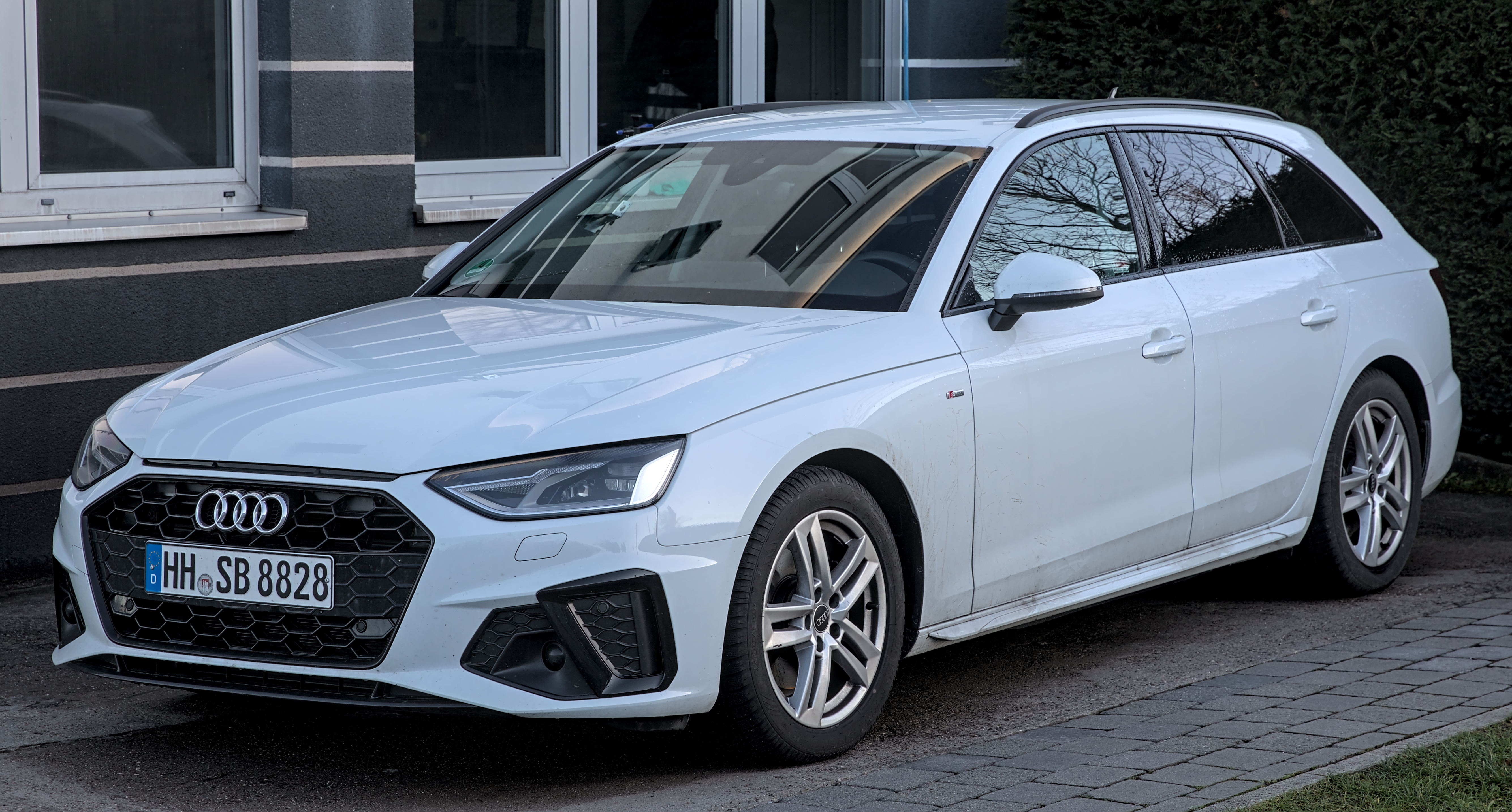
The Audi A4 is a luxury sedan that is known for being comfortable and having a lot of high-tech features. It's a good choice for people who want a nice car for everyday use.
The Audi Q5 is a luxury SUV that is popular for its comfortable ride and high-quality interior. It's designed for people who want a stylish and practical vehicle.
An enthusiast brand is a car company that makes cars for people who really love driving and care about performance. These brands often have fans who appreciate their special features and designs.
The Honda Prelude is a two-door car that was made by Honda for many years, and it's known for being fun to drive and stylish. People often talk about it because it has a loyal fan base and many remember it fondly from when it was popular.
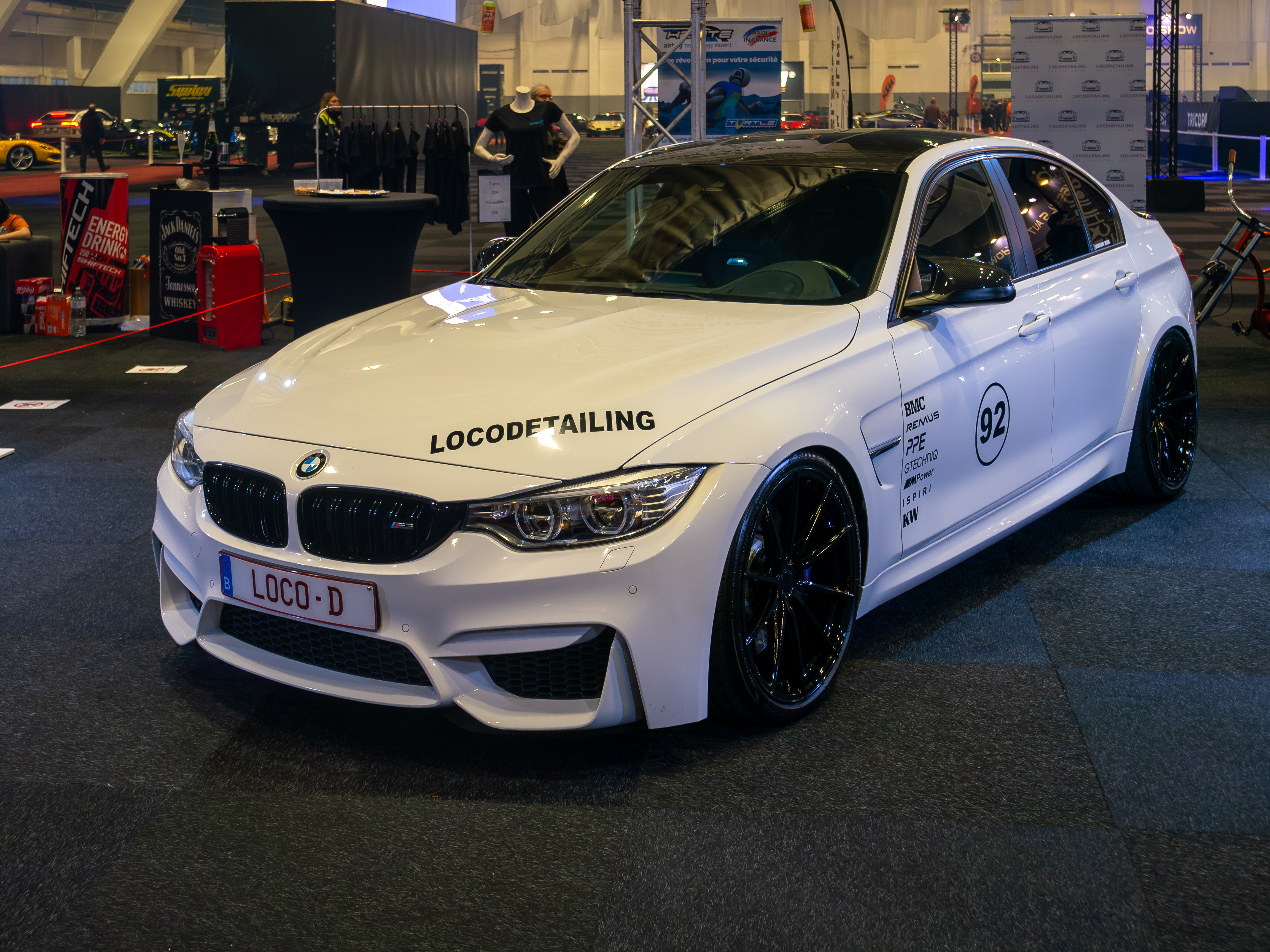
The BMW M4 is a sporty coupe version of the BMW M3. It has a powerful engine and is designed for people who love to drive fast and enjoy a sporty look.
Modifying cars means making changes to a car to improve how it looks or performs. People often add new parts or change the way it runs to make it unique or better.
Cosmetic mods are changes made to a car to make it look better, not to make it go faster or perform better. This can include things like new paint or different wheels.
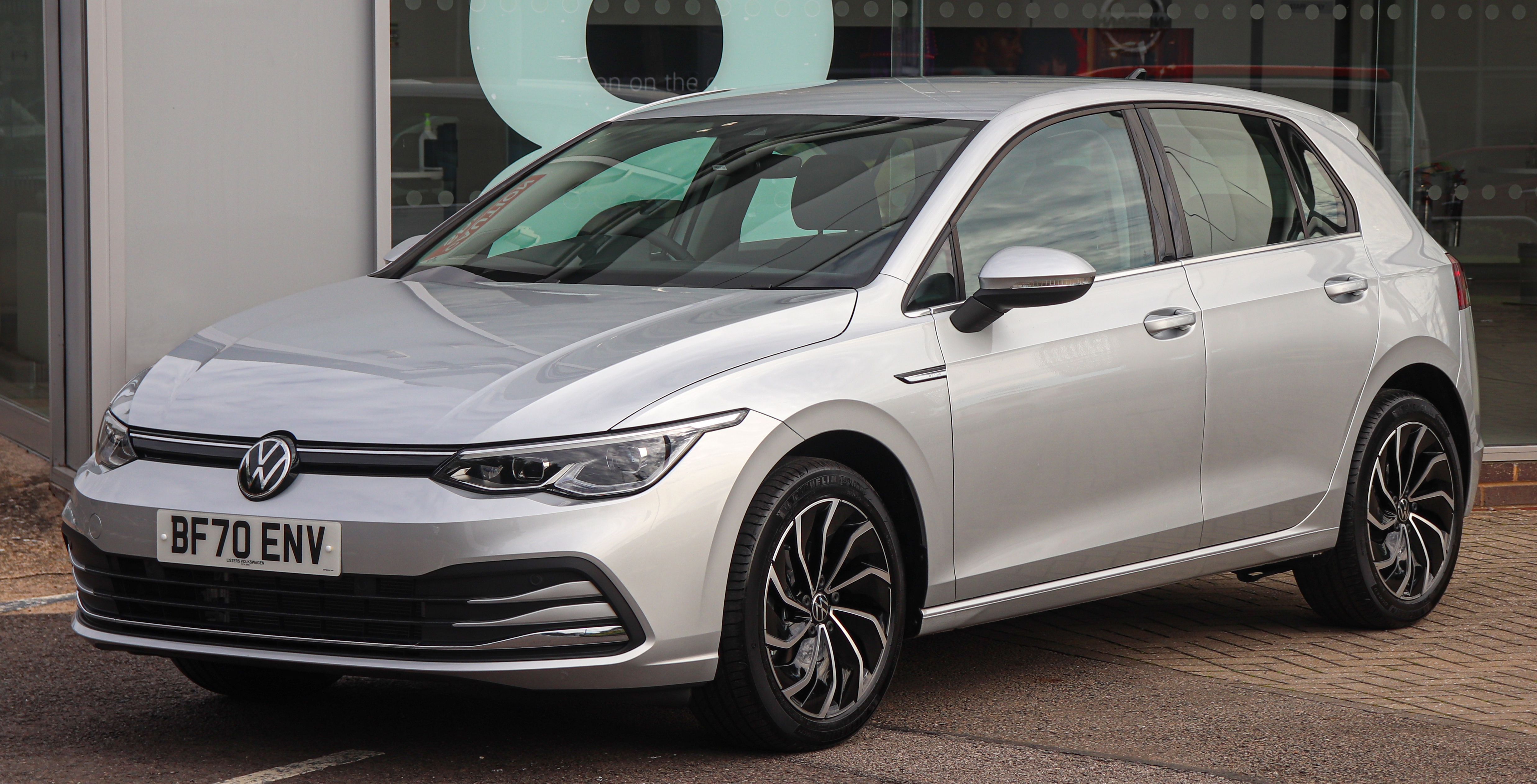
The Volkswagen GTI is a fun and sporty car that many people enjoy driving. The Mk2 version is an older model that fans really like because it's stylish and enjoyable to drive.
The Volkswagen Golf R (Mk4) is a sporty version of the regular Golf car. It has a powerful engine and all-wheel drive, making it fun to drive and great for everyday use.
The Nissan Skyline GT-R (R34) is a powerful sports car that many car fans love. It's known for being fast and having great handling, making it popular in racing.
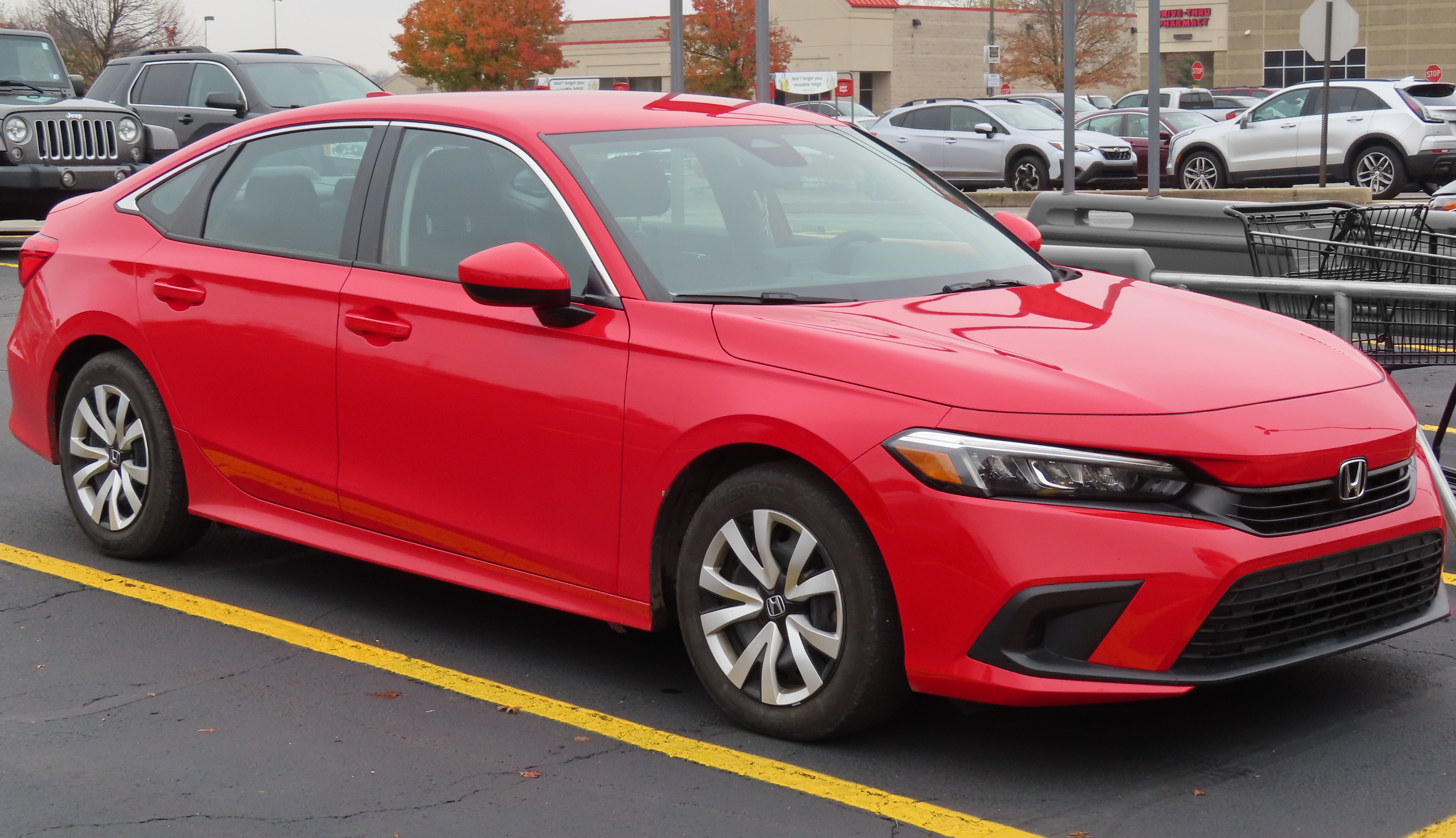
The Honda Civic Type R is a fast and sporty version of the regular Civic. It has a powerful engine and is designed to be fun to drive, making it a favorite among car lovers.
The Ford Mustang is a famous car that people love for its speed and cool looks. It's been around for a long time and is often mentioned because it's a symbol of American cars and has a lot of fans.
The Toyota Celica is a small, sporty car that Toyota made for many years, and it's known for being fun to drive. People talk about it because it was popular and had some really cool versions that appealed to those who like a bit of excitement in their cars.
Inflation means that over time, things get more expensive. When talking about car prices, we need to consider how much money was worth in the past compared to now.
A naturally aspirated engine gets air into it without any extra help from devices like turbochargers. This means it works just by using the air pressure around it, which can make it feel more predictable when you drive.
B5, B6, B7, B8, and B9 are names for different versions of the Audi A4 car. Each number represents a new generation of the model, with improvements and changes made over the years.
A supercharger is a machine that helps the engine get more air, which means it can burn more fuel and go faster. It's often added to cars to make them more powerful.
A tune is when you change the settings on a car's engine to make it run better or faster. It's like fine-tuning a musical instrument to get the best sound.
Fuel injection is a way to get fuel into an engine. It replaced older systems called carburetors and helps the engine run better and use fuel more efficiently.
Chevrolet, or Chevy, is a popular car brand in America that makes many types of vehicles, including trucks and sports cars. They are known for their involvement in racing.
The Infiniti Q50 is a fancy car that offers a comfortable ride and lots of tech features. It's known for looking good and being fun to drive, which is why people often mention it when talking about luxury cars.
The radiator helps keep the engine cool by removing heat. If it gets broken, the engine can get too hot and stop working.
LIVE
So I know that we were discussing, not too long ago, the missed mark, I guess, that Audi
has been having as of late.
Audi has been on a decline down with all of their new models.
I've seen the new Q5, I've seen that new S5, I've seen the new A4, honestly, I just
think they're going far, far away from their, you know, enthusiast brand, if you want to
say.
Is that the right way you want to say that?
You know, I feel like we've been seeing a trend towards that.
Like, I get that we still have the namesakes, like the Prelude, the S5, most things.
Oh, don't get me started on the Prelude.
But I get it, but I feel like that's almost being forced upon us versus, you know, I definitely
see that a lot of the cars that we grew up loving were cars that necessarily were not
built to be the performance car or marketed as the performance car to us.
And we adopted them and fell in love with them, regardless.
I don't see that necessarily happening.
A thing anymore.
But I don't see it currently happening in the marketplace.
I feel like it's very much marketed as these are going to be the enthusiast cars and this
is going to be your everyday car.
And but now they're taking the enthusiast cars and making them everyday cars.
Well, because they're trying to capture the market because they can't sell them.
But you're losing it, though.
No, I get it.
You think you're capturing the market, but you're losing them.
A Prelude is not supposed to be.
What is it, an electric?
Yeah, the hybrid drive.
And it's pretty much disconnects until you're on the highway.
Yeah, that's not the Prelude that we all wanted.
That was something that I don't know what Honda was thinking, but they kind of, you
know, dropped the ball on that.
But that also leaves me to my, I feel like I've been saying this now in every single
podcast I've done, cars after 2020 have just gone downhill rapidly.
None of these cars are built to last.
They're going to last three to five years.
And then it's going to end up in an auction for a fraction of the price for
hopefully someday somebody goes and's like, I want to build that.
But I don't think there's many cars that you'd even want to do.
Like, yeah, that is a hundred percent of COVID conspiracy theory.
But I also think just, you know, things cost a lot more.
Well, I think cars also became a little bit more seen as a tech device because
of the, the adoption of a lot of the EVs and things like that.
A thousand percent.
It became more about what bells and whistles you could get and the problem
with building something into a tech device, it becomes very outdated very quickly.
So they're not worried about it very quickly, but also nobody's going to want to
modify them.
Well, that too, but if you think about it now, right, you get these new performance
cars, I'm just going to go and throw a dig at your M three M four, your G 80 guys.
Don't be wrong, amazing car.
I think performance wise, the thing is awesome.
But what do you really need to build on there?
You're putting a downpipe and a tune and you're calling it a day.
Oh, there's no, there's no real builds anymore.
Like, I don't think there's cars out there.
You know, it's, I'm going to get roasted cause somebody's going to call a car
out that I'm not thinking about right now, but I feel there is so little bit of
cars that you can really modify and like that keeps that true enthusiast, you know,
happy.
Okay.
I can see where you're coming from on that.
I mean, I, there was definitely more of a build hurdle that, that presented itself.
If you go back to like the, the late nineties, early 2000s, and even into the
late 2000s, you had a time period where you had to put in a lot more energy and
more effort to get out the power and to get a thousand percent what you wanted.
And a thousand percent.
I will agree there nowadays, it's just easier to get power and it's, that's awesome.
It's great.
I think it's cool.
However, I think it kills that build.
Agree.
But do you think that's going to kill the, the aspect of like, so let's say my kids
generation, do you think that you're going to see pretty much most of them turn
away from modifying cars or doing anything with cars because of that?
And that's the question.
Or are you going to still see that aspect?
I can see it starting to down, go down great a little bit.
I think it's going to be all cosmetic mods, if that, um, because there's only so
much that you can do with these electric cars and these hybrid cars.
And I don't know.
It's just something that I don't think I'm hoping that I'm wrong.
I'd rather be wrong on this situation here, but like come 10 years down the road.
I, I don't think there's going to be kids that are like, oh, I'm going to go build
a 1980 or mark two GTI or something like that.
I think, I think we're losing that aspect.
And then it comes to the point of, what are they going to build?
Yeah, what still remains, what's going to remain that holy grail?
Like, oh, dude, if you had this car, you know, I just, I don't think there's
going to be cars that are going to hold the value.
Like, for example, your R 34 GTR, your mark four Golf R, like any of those cars,
I don't think you're ever going to see again.
Well, like, yeah, you could see Honda's doing that with the Civic type R.
I do really like the new Civic type R or the, yeah, whatever it is now the FL
five, I'm not good with all that nonsense, but it's, it's a, it's a tough world.
I don't know if the auto manufacturers keep going and putting a car that we knew
back in the day that we're like, oh, that's an enthusiast car.
And then putting some bull, like the Eclipse, like your Eclipse, like your
prelude, like it's not, just use a different name.
That's, but the disease still, the disease still, they just brought, they're
into the nines, like you understand, they're into the nines with it now.
I think, I think these are always slow to get there.
I think the problem with your new Z is the price tag.
Yeah.
It was, I mean, that's, that's everything you go and get a fully loaded GTI.
You're up almost $40,000.
If the car was $10,000 cheaper, it would have done immensely better.
And that's really as simple as it is.
Just the inflation has gone up so high to the point of even to get these cars,
you're going to have to be, you know, it's an arm and a leg right there.
What are you, how much money are you going to have left to mod?
And I think that's also something that we need to consider with going into, you
know, the, the question of is the car culture, you know, kind of ending.
And it might be that a lot of people are also getting priced out.
Like you cannot go as a young person, like in your, you know, early twenties,
let's say 23 years old and go get a reasonable auto loan for a performance
car, let's say, and afford it.
Like if you want to go get a Mustang, you're going to have a thousand
dollar a month payments.
If you want a GT, you know, and that's hard to, now that thousand a month payment.
Like where, where do you have room to build on that?
You don't.
And, and I think that that, that's something if they, if the automakers want
to continue to have a performance oriented or an enthusiast market, they have
to bring the cost of the cars down.
Like they had, and that was the key.
Like if you look at the 240, if you look at the Corolla, if you look at, uh, the
Celica and things like that, that were popular, those cars weren't expensive.
No, that's all under $30,000.
Well, even if you adjust for inflation, it's still not that much money because
a thousand percent, and a regular Ultima is going to run what a 240 would have
ran out of the showroom or, you know, give or take a couple of thousand, whatever
it is, whatever it is, but, but you got something that you, that necessarily
people didn't even know it was going to become culturally significant and
become a performance car, especially in the U S market when it had a 2.4
liter naturally aspirated car.
Yeah, but now hear me out.
What cars are even coming out on the market that you're like, oh, that
could potentially be the new 10, 15 years down the road.
Somebody's going to be like, yo, that's the car that everybody wants.
I think that's really, I don't think the cars would last to that point.
I agree with you.
By the time 15 years comes down the road, all of those cars that you would have
seen 10 years ago would have all been in the junkyard by now because they blew
up, something blew up.
It's gone.
It's too cost too much to fix.
Sayonara versus these older cars.
Yeah, there's no, there's no, it's never going to be any.
And that's, that's where I'm coming from with the, the fact that the automakers
need to realize that that's where their shortfalling is, is that built, trying
to target a performance or enthusiast market, but then only building cars that
you think are going to be successful versus allowing the mark market to
dictate it itself is where we have a problem.
I feel like I think.
I think auto industries have lost the, what's the word I want to
use the plot?
Not, it's not even the plot, but I think the passion behind it, I think
nowadays it's turning a car out just to see how much money it can make, not
turning a car out because they think that's going to be the performance
car that people are going to want.
The passion of like the, the, the game.
Yeah, it's all, it's all part of the game that I think they've lost, you
know, looking into Audi, like, I'm sorry.
Like your B five, B six, B seven, B eight, even some of your B nines.
I've loved them.
I love them all.
I can't say there's one new Audi that I'm like, Oh, that thing is hot.
And I, and I hate to say it's like they even hit a peak where it's a peak.
And then the peak was 2019 and then down.
Yeah.
I think the, exactly right before 2020, I don't think I'll ever own a car
after 2020.
I mean, at that level, even, even listen again, where that's, we're talking
big dollars when you're talking like you're RS for a bump, but I'm talking
about like a car that's under $50,000.
There, there are 30,000 like those cars are, I don't know.
There are exceptions, but then as you, as you get into it, are they the ones
that are going to be the, the ones that capture the enthusiast market?
No, they're going to be back to our performance SUV or F and that's coming
from a guy with a performance SUV.
Yeah.
Like it's, I love it.
Don't get me wrong.
I think it's great with just a little bit of mods.
It goes, it goes, but what, what really else am I building on my SQ five?
I could do a bigger supercharger.
I could, like there's, there's so much I could continue to do, but
does it really need it?
No.
The tune and this thing boogies, man, this thing's out.
I floored.
It's gone.
I love it.
I think it's great.
I think it's supercharger actually makes that sound.
Oh, but it's, uh, but also it's one of those.
Do I really need to put more into it?
Like, I think it's, you know, I think it's more than enough.
I just think that, you know, I would love to make sure that our, you know,
our kids have that same, you know, experience and well, you know,
I want them to have the experience and that might not be what we were just
talking about with your kids.
Now your cars are going to go to them at some point.
Now, if they didn't have that, they're not getting those older cars.
They're not going to be able to obtain them.
There's less and less of them every single day.
So, but again, at least that brings you back to, you know, with your kids,
it's the same thing.
Yeah.
You have your cars that you're going to, you know, pass down to them.
Yeah.
The fact that I don't think if they had that, they wouldn't even be considering
looking at any of the new, okay, but one, one day, little doubt will have a GTI.
I'm still at the point of, I don't know what I want to do with that thing anymore.
Um, I think it's cool because I've had it since brand new, like to keep it going
and to build it more, but I don't know.
It's always good.
It's a, every day I change it up.
It's just, it's a scary thought because I think that throughout culture, we've
always had, you know, the older generations that have always said like,
this is the end of it.
Like you had the guys that did, you know, had points and carburetors saying
that, oh, cars are dead when fuel injection came in.
Now we're, you know, then computers came, you know, whatever it was, as, as
that, that change happened, there was always the people that said it was
going to be the end of it.
And I don't want to be that naysayer and say, okay, this is the end.
Like this is the last decade that we're going to have cars like this because
you still have automakers that are enthusiastically, you still have Toyota
out there who is coming out with cars, working on partnerships with their
drivers, making cars, like the, uh, Ryan Turk just came out with that little
Celica GT four that they did, that they took the Yaris engine, that little
1.6 liter, three cylinder and, you know, built us in nines and threw it in.
So you still see that happening.
Now the question is, is that going to be, you're seeing that happening with.
You have money behind it.
True.
But I'm saying that you still have enthusiasm and the enthusiasm of the
manufacturer.
So you still have Chevy, who's really into going racing.
You have Cadillac, who is just jumping into getting back into racing.
Let's be honest, they're blackwing cars are probably some of the best, you
know, luxury sedans on the market right now.
Um, and I would say they probably took some of those Audi's lunch money,
especially those cars are absolutely stunning.
Um, you, you have Ford out there, you know, still making performance oriented cars.
That's the question is, is there going to be anything cheap enough and affordable
enough for younger generations to enjoy?
Yeah, I will give you that.
It's the affordability when it comes down to that type of stuff.
I think, I think it's just the market has gotten so high to the point where it's
like, you got to wait till you find that thing used.
Cause once you drive off the lot, I'm sorry.
Yeah, depreciating, depreciating value that that's the only thing you're
going to have to hope for is these really expensive cars that they're releasing
these days are going to be able to come onto the market for a very, very low
price that somebody could grab it and build it and go from there.
Now I'm, I hope I really, really am wrong on this, but I just feel like this
goes back to that conversation of, for example, like anytime somebody says,
Oh, remake this wheel, remake this wheel, and then we go and remake it.
And then nobody buys it.
Yeah.
So it's the same thing with auto manufacturers.
They're like, Oh yeah, we're going to go.
We're going to build this car.
Then what happens when nobody buys it?
They're going to steer away from making that production.
I get that.
So that's, that's the downfall there too.
Cause we'll all sit there and say, yeah, we want it, we want it, we want it.
And then when they give it to us, then we see the price tag of it.
And we go, no, I don't, I can't afford that.
So now I'm going to wait until somebody else buys it, beats on it, use, sells it,
use, and you can buy it for half the price that they would have sold it to you for.
I mean, all fairness, a lot of us bought, besides your GTI, a lot of us bought
our cars to be honest, the only way to do it was a real curve ball.
It was when the mark six was first out and I was like, you know, let's just buy
a brand new, and I'm happy I did that every day.
I feel like I'm, I'm, I'm very happy that I bought that car brand new.
Cause still 15 years to this day, I still have it.
If I bought it used it, I don't think I would have had that.
I'm going to keep it, you know, this and that would have probably gotten rid of it already.
So the one thing that I have noticed is that maybe in the U S market, this is the
case, but I'm still seeing in a lot of the foreign markets that they're still
having that car culture phenomenon that we had for decades that is like, you know,
especially in like the Asian markets and things like that, you still see a lot of
like the Nismo productions.
Like you're seeing the Nismo skyline being produced, the Armada, things like that.
But when we get them here in the States, they're called the different car.
It's the same car.
Yeah.
You would be, and you don't get the necessarily get the Nismo trim.
Yeah.
You don't get the Nismo trim level, but essentially they're still the same car.
We're just calling them a different me.
Well, no, cause like the, okay.
So for instance, that Q 50, um, you get a body kit, things like that, which, which,
you know, unique paint, things like that, which if anyone knows Nissan, their Nismo
models are always like, always the best ones.
And, and they're always incredible, but to not get it in this market, I feel
like is also a big mess because those are the ones that where people do have the
money, that's what we should be targeting versus making the lesser model and
expected to be, you know, glommed onto by the marketplace.
So I think that's also a misstep in that regard where if you're going to make
performance cars, stay focused on that and sell that and market that as the goal.
Instead of trying to find a way to make them both, like you were saying, where
you have a blend of, Oh, well, I'm trying to make a production car.
That's for grandma.
That also can be a performance car for doubt who wants to go ripping in the
canyons on the, at least three.
The problem is, is just the cars, I drive it too low and then I just smack it
everywhere and then there goes the radiator right there on the bottom corner.
It's always, always the same spot.
Maybe, you know, a skid plate or something there, you know, just something, something.
I mean, whatever.
So do you guys think that this is the end of the enthusiast car?
Do you think this is the last decade for enthusiasts to enjoy cars?
Let us know in the comments below, like and subscribe to the podcast.
We'll catch you on the next one.
That was a good, good ending.
Peace.
Peace.
About this episode
The discussion centers on the decline of enthusiast cars as automakers shift focus towards mainstream models and technology-driven features. The hosts express concern that brands like Audi are losing their performance edge, with new models failing to resonate with enthusiasts. They debate the impact of rising costs on the car culture, questioning whether future generations will engage in car modification as they did. The conversation highlights a nostalgia for older models and a fear that the passion for building and modifying cars is fading in the face of modern automotive trends.
In this episode of the KONIG Wheels Behind the Wheel Podcast, we ask a question a lot of car enthusiasts are quietly thinking—but few want to say out loud:
Are we witnessing the end of true enthusiast-focused cars?
We talk about:
From icons like the R34 Skyline, FD RX-7, and Nissan 350Z, to modern “revivals” that feel more like marketing exercises than passion projects, we break down how car manufacturers have shifted their priorities—and what that means for enthusiasts.
We dive into:
Why modern cars feel watered down compared to past legends The difference between an enthusiast car and a mass-market car with a legacy badge
Why slapping a classic name like “Prelude” on a hybrid doesn’t resonate with core enthusiasts
How regulations, electrification, and profit margins are reshaping car design. Whether automakers will ever build cars purely for enthusiasts again. Is this just evolution… or is something fundamental being lost?
Whether you grew up idolizing JDM legends, modifying budget cars into something special, or feel disconnected from modern performance cars altogether, this episode digs into the uncomfortable reality of where car culture may be headed.
Is this the end of enthusiast cars—or will they come back in a new form?
Behind the Wheel is KONIG Wheels’ podcast where we talk cars, culture, and the stories that shaped the automotive world.
2025 Behind the Wheel Podcast | All Rights Reserved
Thank you for tuning in, and if you enjoy our podcast, please SUBSCRIBE! We’re on Spotify, Apple Podcast, and iHeartRadio, and we always upload our full video interviews on our YouTube Channel: https://www.youtube.com/konigwheels (we’d love for you to subscribe there as well!) Thank you for listening!