
Are Car Tech And Emissions Rules Making Cars Riskier?
About this episode
The hosts kick off with a recall roundup, starting with a Hyundai front-camera software issue that can trigger forward collision avoidance and unexpected braking—complete with a rainy backing-out story. They then rattle off other safety-related recall-style problems across brands, including seat belt retractor/strap concerns and even moonroof glass detachment. The conversation pivots to how tech and emissions compliance are reshaping vehicles, including a Mercedes AMG V8 update and robo-taxi Level 4 plans, before shifting into classic car auction talk and local meetups.
Your car can be perfectly fine one day and on a recall list the next and some of these aren’t minor. We kick things off with a no-nonsense rundown of fresh automotive recalls, including a Hyundai software issue tied to the front camera that can accidentally trigger forward collision avoidance and cause sudden braking. We also talk through recalls touching control arms, instrument panel displays, and seat belt problems across multiple brands, plus why “it only happens once” is still a safety problem.
Then we switch gears into pure car-nerd fun with the Hemmings sold car price roundup. We put real auction results against our best guesses and let the market do the talking, from a classic Cadillac convertible and a former police Chevy Caprice to a 1969 Camaro convertible, a Pontiac Bonneville, a Buick Grand National, and a surprisingly affordable BMW Z3. If you’ve ever wondered what condition, originality, and hype actually do to prices, this segment makes it real fast.
We wrap with our cruise in and events calendar, then hit the week’s biggest automotive news: U.S. EV registrations stabilizing, Tesla’s continued lead, Mitsubishi teasing a stronger U.S. lineup, Mercedes updating its AMG twin turbo V8 with a flat plane crank to meet stricter emissions rules, and the expanding robotaxi race through partnerships aimed at Level 4 autonomy. We also connect high fuel prices to changing demand for full-size pickups and SUVs, and what that could mean for new vehicle shopping.
Subscribe for weekly car talk, share this with a friend who checks recall notices late, and leave a review so more drivers can find the show.
Be sure to subscribe for more In Wheel Time Car Talk!
The Lupe' Tortilla RestaurantsLupe Tortilla in Katy, Texas
Gulf Coast Auto Shield
Paint protection, tint, and more!
Disclaimer: This post contains affiliate links. If you make a purchase, I may receive a commission at no extra cost to you.
---- -----
Want more In Wheel Time car talk any time?
In Wheel Time is now available on Audacy!
Just go to Audacy.com/InWheelTime where ever you are.
----- -----
Be sure to subscribe on your favorite podcast provider for the next episode of In Wheel Time Podcast and check out our live multiplatform broadcast every Saturday, 10a - 12nCT simulcasting on Audacy, YouTube, Facebook, Twitter, Twitch and InWheelTime.com.
In Wheel Time Podcast can be heard on you mobile device from providers such as:
Apple Podcasts, Amazon Music Podcast, Spotify, SiriusXM Podcast, iHeartRadio podcast, TuneIn + Alexa, Podcast Addict, Castro, Castbox, YouTube Podcast and more on your mobile device.
Follow InWheelTime.com for the latest updates!
Twitter: https://twitter.com/InWheelTime
Instagram: https://www.instagram.com/inwheeltime/
https://www.youtube.com/inwheeltime
https://www.Facebook.com/InWheelTime
For more information about In Wheel Time Podcast, email us at
[email protected]

2025 Santa Cruz
"They've issued a recall for more than 421,000 vehicles, including the 2025 and 26 models of Santa Cruz, Tucson, Tucson Hybrid and Tucson Plugin Hybrid."
The Hyundai Santa Cruz is a small crossover with a truck-like bed. Here, Hyundai says some 2025 models are being recalled because the car’s camera software can cause unexpected braking.
The Hyundai Santa Cruz is a compact crossover/pickup-style vehicle (a “crossover truck” concept) sold in model years like 2025. In this segment, Hyundai is mentioned as issuing a recall affecting 2025 Santa Cruz vehicles due to a camera-related software problem.

Tucson Hybrid
"They've issued a recall for more than 421,000 vehicles, including the 2025 and 26 models of Santa Cruz, Tucson, Tucson Hybrid and Tucson Plugin Hybrid."
The Hyundai Tucson Hybrid is a Tucson SUV that uses a hybrid powertrain. The recall mentioned here is tied to the front-camera software, which can make the car brake unexpectedly.
The Hyundai Tucson Hybrid is the hybrid version of the Tucson compact SUV. This segment says Hyundai’s recall includes Tucson Hybrid models because a software issue in the front cameras can trigger the forward collision avoidance system and cause unexpected braking.
forward collision avoidance system
"The issue arises from a software issue in the front cameras, which may inadvertently trigger the forward collision avoidance system causing the brakes to engage without warning."
This is a safety feature that watches the road ahead. If it thinks you’re about to hit something, it can automatically brake for you.
A forward collision avoidance system is an advanced driver-assistance feature that uses sensors/cameras to detect a potential crash ahead. If it thinks a collision is imminent, it can automatically apply the brakes to reduce impact severity or help avoid the crash.
unexpected braking
"According to the Hyundai recall, this unexpected braking significantly increases the risk of a crash."
Unexpected braking means the car brakes on its own when you didn’t ask it to. The host is saying the recall is about software/sensor confusion that can make the car do that.
Unexpected braking is when a vehicle applies the brakes without the driver intending it. In the context of recalls like this one, it’s typically caused by sensor/camera misinterpretation or software logic that incorrectly decides a collision is imminent.
rear camera sensor
"When I back out of the garage and it's raining, the rear camera sensor, the rear on the bumpers, you're driving out, you're doing maybe a mile an hour, you're backing out of the driveway and it'll lock."
This is the car’s camera system that helps it detect what’s behind you. The host is describing a situation where the car’s sensing/logic can act up and cause sudden braking while backing out.
A rear camera sensor refers to the hardware/software that helps the car “see” behind it using a rear-facing camera (often tied into driver-assist functions). In this segment, the host describes a scenario where the rear camera sensor behavior contributes to unexpected braking/locking while backing out.

Ford Bronco Sport
"So you got one wheel going this way and another wheel going that way. Ford Bronco sport. Oh, no."
The Ford Bronco Sport is a small Ford SUV. Here it’s brought up as one of the specific vehicles being talked about in a safety-related issue.
The Ford Bronco Sport is a compact SUV from Ford, built on a smaller platform than the full-size Bronco. In this segment it’s mentioned in the context of a safety/defect discussion, so it’s being treated as a specific example of a model that can be affected.

Ford Maverick 22 through 20
"Wait. 21 through 26. Ford Maverick 22 through 20. Are they on the same line?"
The Ford Maverick is a small Ford pickup truck. They’re mentioning certain model years, as if those years are relevant to the issue being discussed.
The Ford Maverick is Ford’s compact pickup truck. In this segment, the host is listing model years (“22 through 20”) as part of a discussion about which vehicles might be affected by a problem.
Loss of control from control arm separation
"Well, yeah, it doesn't, but. Loss of control from control arm separation. That's not good."
This means a suspension part called a control arm can separate. If it does, the wheel can stop pointing where it should, and the car may become hard or impossible to control.
“Loss of control from control arm separation” describes a serious suspension failure where a control arm (a key link that locates the wheel) comes apart. If that happens, the wheel can move unpredictably, which can cause the vehicle to steer or handle incorrectly and potentially lead to a crash.

Lexus GX 2024
"We move on instrument panel display failure. Lexus GX 2024 UX hybrid 25 Toyota Land Cruiser hybrid 24 and 25 and Toyota Marai 2024. What's Marai?"
The Lexus GX is a Lexus SUV. In this segment, it’s listed as one of the specific vehicles being discussed for a potential issue.
The Lexus GX is a midsize luxury SUV from Lexus, known for a body-on-frame design and off-road capability. Here, it’s mentioned alongside other 2024 hybrid models as part of the same safety/recall-style discussion.

Toyota Land Cruiser hybrid 24 and 25
"We move on instrument panel display failure. Lexus GX 2024 UX hybrid 25 Toyota Land Cruiser hybrid 24 and 25 and Toyota Marai 2024. What's Marai?"
The Toyota Land Cruiser is Toyota’s long-running, rugged SUV line, and the “hybrid” versions are the electrified variants. In this segment, the host is calling out specific model years (2024 and 2025) as part of the vehicles affected by the issue being discussed.

Ford Ranger
"...e power from engine failure. Ford Bronco Explorer Ranger 25 and 26. I think you go back to 21 on."
The Ford Ranger is a pickup truck that’s meant to carry things and handle daily driving. People talk about it a lot because some years and versions can be easier or harder to own. The podcast mentions it in connection with specific model years.
The Ford Ranger is a midsize pickup truck built for everyday driving and practical hauling. It often comes up in discussions because different model years and configurations can have very different reliability and repair needs, especially when people compare specific generations. In the podcast context, it sounds like the conversation is referencing Ranger-related history or model-year details.

Ford Explorer
"Loss of drive power from engine failure. [199.5s] Ford Bronco Explorer Ranger 25 and 26. [204.7s] I think you go back to 21 on."
They’re talking about Ford vehicles (Bronco, Explorer, Ranger) from the 2025 and 2026 model years. The point is that there are recall/safety problems tied to those specific models.
This segment is discussing Ford Bronco/Explorer/Ranger model years 2025 and 2026 in the context of recalls. The key point is that the host is linking specific Ford nameplates to a safety issue rather than talking about general tech.
Seat belt may fail to retract or extend
"[204.7s] I think you go back to 21 on. [208.3s] Seat belt may fail to retract or extend. [212.6s] Ford Expedition 18 through 22."
Your seat belt is supposed to pull out and then lock in a crash, and it should also retract smoothly afterward. If the retractor doesn’t work right, the belt may not hold you the way it’s designed to.
A seat belt retractor controls how the belt winds back in during normal driving and how it locks during a crash. If it fails to retract or extend correctly, the belt can’t position the occupant properly, which can reduce restraint effectiveness in an accident.

Ford Expedition 18 through 22
"[208.3s] Seat belt may fail to retract or extend. [212.6s] Ford Expedition 18 through 22. [216.4s] What the heck they're getting there?"
They mention the Ford Expedition for model years 2018 to 2022. It’s brought up because there’s a safety/recall concern affecting that timeframe.
The Ford Expedition is being referenced for a recall period spanning model years 2018 through 2022. In this discussion, it’s part of a broader pattern of safety-related issues that the hosts are tying to modern vehicle complexity.

Chevrolet Express and Savannah from GMC the 2026 model year
"[228.3s] the recalls under control. [231.7s] You think incorrect gear may be selected in the Chevrolet Express and Savannah from GMC [241.1s] the 2026 model year."
They’re talking about GM vans—the Chevrolet Express and GMC Savana—for the 2026 model year. The concern mentioned is that the transmission/gear selection may not behave correctly.
This is discussing recall risk for GM commercial vans: the Chevrolet Express and the GMC Savana for the 2026 model year. The host’s point is that incorrect gear selection can happen in these vehicles, which is a drivability and safety concern.
incorrect gear may be selected
"[228.3s] the recalls under control. [231.7s] You think incorrect gear may be selected in the Chevrolet Express and Savannah from GMC [241.1s] the 2026 model year."
This means the van might not go into the gear the driver expects. If it lands in the wrong gear, the car can behave unexpectedly when you try to move or slow down.
Incorrect gear selection means the vehicle ends up in the wrong transmission state for the driver’s input (for example, selecting a low gear when the driver intended drive). That can cause sudden changes in acceleration or engine speed, which is both a drivability and safety risk.

Subaru Forester and Forester Hybrid for 2026
"[244.8s] I didn't either. [247.1s] Moon roof glass made detach in the Subaru Forester and Forester Hybrid for 2026. [253.7s] The Savannah seat van, right?"
They’re talking about the Subaru Forester and Forester Hybrid for 2026. The issue is with the moonroof glass—if it can detach, it’s a safety concern because it could fall or break loose.
The Subaru Forester (including the Forester Hybrid) is mentioned for the 2026 model year with a moonroof glass issue. The host says the moon roof glass can detach, which is a serious safety problem because it can compromise occupant protection and create debris risk.
torque
"[302.6s] Not Calc Calibrated for certain torque. [306.2s] Let's go to a driver seat belt strap may not extend."
Torque is the force that makes the car’s drivetrain twist and move. If a system isn’t calibrated for certain torque, it can behave incorrectly when the car is producing that amount of twisting force.
Torque is the twisting force an engine or motor produces, and it’s a key quantity for how a vehicle accelerates and how driveline systems behave. In this segment, the host says something is “not Calc Calibrated for certain torque,” implying a control calibration mismatch tied to torque levels.
seat belt strap may not extend
"[306.2s] Let's go to a driver seat belt strap may not extend. [309.7s] Martha, I can't get out. [311.7s] Can you tell your ride and hybrid 2027 and for me wheel chair seat belts"
This means the seat belt might not come out far enough when it should. If it doesn’t extend properly, it may not hold you securely in a crash.
A seat belt that “may not extend” suggests a restraint system problem where the belt doesn’t deploy the correct amount during a crash or occupant movement. That can reduce how effectively the belt restrains passengers, which is why it’s typically handled via a recall.
wheel chair seat belts
"[311.7s] Can you tell your ride and hybrid 2027 and for me wheel chair seat belts [321.4s] may not properly restrain the occupants."
These are the belts meant to secure a wheelchair (and the person in it) inside a vehicle. If they don’t restrain properly, the person could move too much during sudden stops or crashes.
Wheelchair seat belts refer to the specific restraint system used to secure a wheelchair and occupant in a vehicle. The host’s wording indicates these restraints “may not properly restrain the occupants,” which is a safety-critical issue that can trigger recall action.

Ram Pro Master Van 2026
"[333.1s] Ram Pro Master Van 2026. [337.0s] Those my friend are the recalls."
This is a Ram commercial van. The host is saying there are recalls for the 2026 model, meaning the manufacturer has identified a safety problem that needs fixing.
Ram ProMaster is a commercial van platform (by Stellantis) that’s often discussed in the context of recalls because fleet and family use both expose safety issues. In this segment, the host ties it to “the recalls,” implying a specific 2026 model-year safety concern.
auction
"And so the goal here is for you to guess what this particular car sold for at auction online. I did pretty good last week."
An auction is when people bid against each other for a car, and the highest bid wins. Online auctions can show what similar cars are selling for right now.
An auction is a sales process where cars are offered to bidders, and the final price is set by the highest bid. Online auction results are often used as a quick reality check for what a specific car is worth in today’s market.
convertible
"This my friends is a 1967 Cadillac Coupe Deville convertible. And it's purple. Kind of purple."
A convertible is a car where the roof can open up so you can drive with the top down. On older convertibles, the roof system is something to check carefully.
A convertible is a car body style with a roof that can be lowered or removed, allowing open-air driving. In classic cars like a 1967 Cadillac convertible, the top mechanism and structural changes can affect weight and maintenance needs compared with a hardtop.

Cadillac DeVille
"You know your passion about cat. This my friends is a 1967 Cadillac Coupe Deville convertible. And it's purple."
This is a 1967 Cadillac DeVille, and in this case it’s the convertible. That means you can take the top down, and it’s a big, classic American luxury car from the late 1960s.
The 1967 Cadillac Coupe Deville is a full-size American luxury car, and the convertible version is especially notable because it trades the fixed roof for open-air driving. Cadillac’s DeVille line is known for big, long-body styling and comfort-focused engineering typical of the late-1960s.
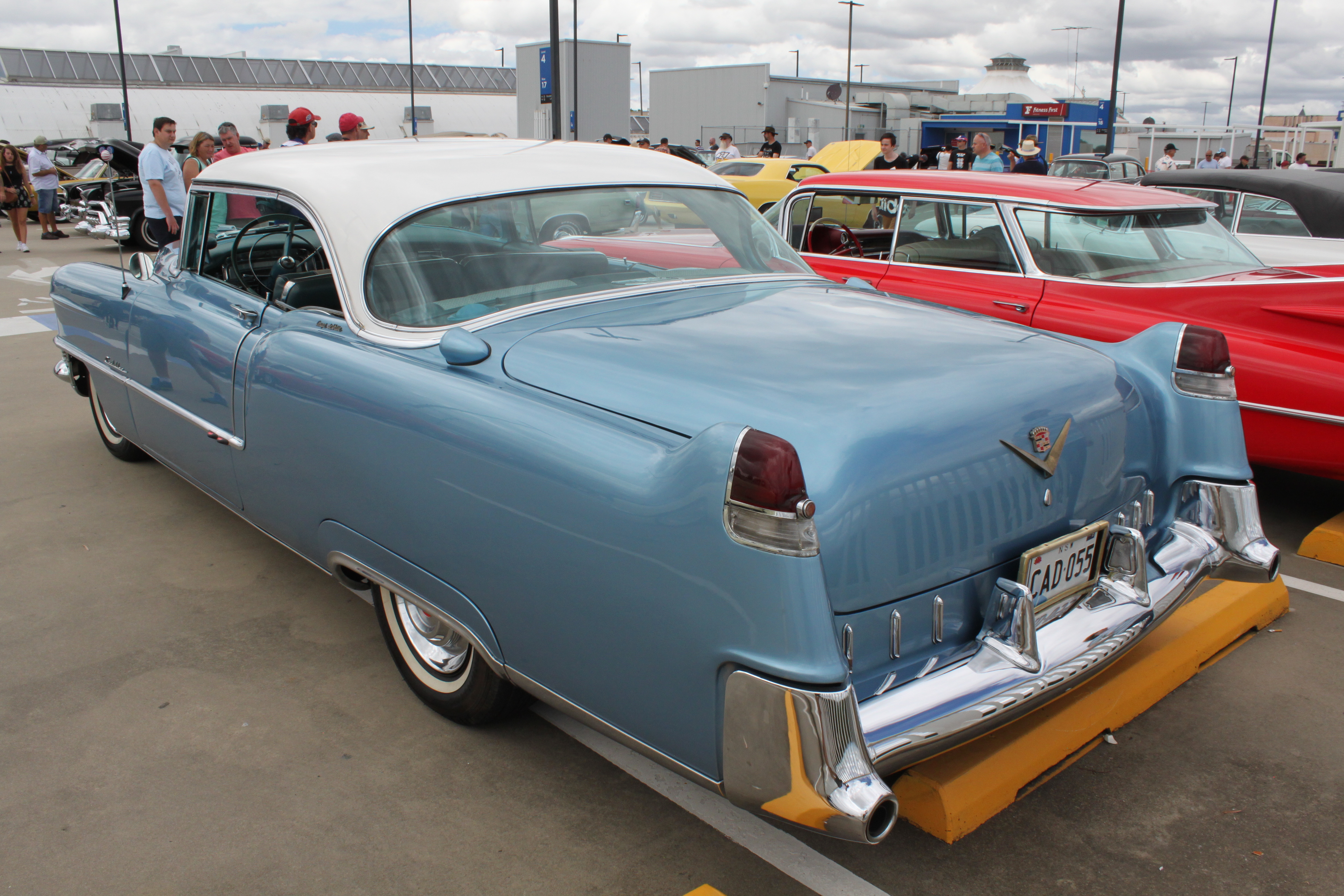
Cadillac Coupe Deville
"...your passion about cat. This my friends is a 1967 Cadillac Coupe Deville convertible. And it's purple."
The Cadillac Coupe De Ville is a large luxury car, and the podcast is talking about a 1967 convertible. A convertible means the roof can open, so there are extra parts involved compared with a normal closed car. The color and year make it a standout classic.
The Cadillac Coupe De Ville is a classic full-size luxury car, and the podcast highlights a 1967 convertible version. That year and body style are significant because they represent a distinctive era of American luxury design, and convertibles add extra complexity with top operation and weather sealing. It’s discussed as a passion-driven, collectible classic—especially since the example is described as purple.
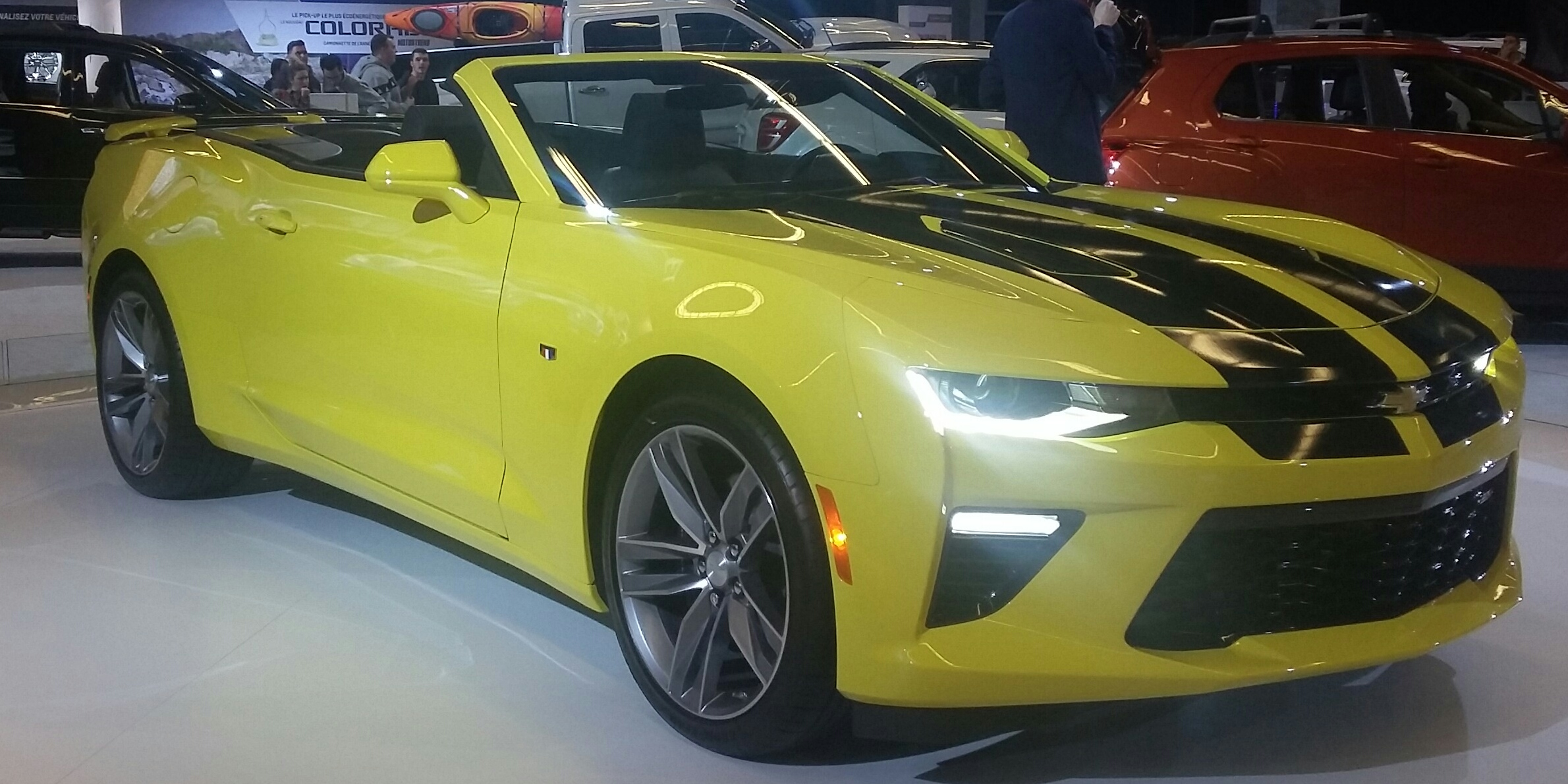
1969 Chevrolet Camaro
"Next up [550.2s] This is for Leslie a [552.8s] 1969 Chevrolet Camaro [556.4s] Now if I'm not mistaken, I would like to say that this is either an SS or an RS. It's a convertible and [563.4s] it's [564.6s] Yellow and it's got a got him a big V8 in there"
This is a 1969 Chevrolet Camaro, a classic muscle car from the late 1960s. The hosts are talking about a yellow convertible version with a big V8 engine, and they’re trying to figure out which trim it is.
The 1969 Chevrolet Camaro is a late-’60s muscle car known for its classic styling and big V8 options. In this segment, the hosts discuss a convertible Camaro in a yellow color they associate with “banana yellow,” and they point out it has a large V8 setup under the hood.
RS
"[556.4s] Now if I'm not mistaken, I would like to say that this is either an SS or an RS. It's a convertible and"
“RS” is a trim level on the 1969 Camaro. It usually points to a particular look and equipment package, not just one specific engine.
“RS” is another Camaro trim designation from the late 1960s. On a 1969 Camaro, RS generally refers to a specific appearance and equipment package (often including styling cues) rather than being a single engine type by itself.
SS
"[556.4s] Now if I'm not mistaken, I would like to say that this is either an SS or an RS. It's a convertible and"
“SS” is a performance trim level on some Chevrolet models. On a 1969 Camaro, it usually means the car is set up to be quicker and more performance-focused than a standard version.
“SS” is a performance trim badge used by Chevrolet. On a 1969 Camaro, an SS typically indicates a higher-performance package than a base model, often tied to stronger engine and equipment choices.
big V8
"[564.6s] Yellow and it's got a got him a big V8 in there [568.3s] They call it banana yellow or something or something to do with the fruit have no"
A “V8” is a type of engine with eight cylinders. When someone says “big V8,” they usually mean a larger, stronger engine that helps the car feel powerful.
A “V8” is an engine with eight cylinders arranged in a V shape, and it’s commonly associated with muscle cars because it can make strong power and torque. The hosts’ mention of a “big V8” suggests this Camaro has a larger-displacement engine than a smaller V6 or four-cylinder setup.
big air cleaner
"[579.4s] This is a 69 Camaro. It's got a V8 in it probably a 327. I see the big air cleaner on that. Yeah [587.2s] That's not a factory air cleaner [589.4s] No, no, so how much?"
The air cleaner is the part that filters the air before it goes into the engine. A “big” one often means the car has been modified to breathe more air, and the hosts say this one isn’t the original factory part.
An “air cleaner” (air filter housing) sits between the intake and the engine, and its size and shape can indicate how the car is set up for airflow. The hosts point out the Camaro has a “big air cleaner,” then note it’s “not a factory air cleaner,” implying the intake system may have been modified.
factory air cleaner
"[587.2s] That's not a factory air cleaner [589.4s] No, no, so how much?"
A “factory air cleaner” is the original air filter part that the car left the factory with. If it’s not factory, it means someone swapped it out, which can change how the engine breathes and also affects how original the car is.
A “factory air cleaner” is the original air filter housing that came on the car when it was built. When the hosts say it’s “not a factory air cleaner,” they’re flagging that the intake/engine bay has been changed from stock, which can affect originality and sometimes performance.

1964 Pontiac Bonneville
"[610.7s] Yeah, do that because that's the only way you'll be able to afford that I wouldn't buy for that next up [616.6s] This is a [619.8s] 1964 [621.6s] Pontiac Bonneville. Yeah, baby a 64 Pontiac eight like that headlights"
This is a 1964 Pontiac Bonneville, a large, classic American car that’s more about comfort and style than modern performance. The hosts are just starting to talk about it and mention its headlights.
The 1964 Pontiac Bonneville is a full-size American luxury car from the early 1960s, known for its big, comfortable body and traditional styling. In this segment, the hosts introduce it as a 1964 model and start describing its front-end details (like the headlights).
hard top
"So that it should have them well, so what do you think that that it's not a convertible? Is it is a hard top? [648.0s] It's a hard. It's a hard top two-door hard top Pontiac Bonneville."
A “hard top” is a car with a fixed roof. It’s not a convertible, even if the side windows and roofline make it look more open.
A “hard top” is a body style where the roof is fixed (not a convertible), but it may still look like it has no traditional pillars. In this segment, they use it to distinguish the Pontiac Bonneville from a convertible.
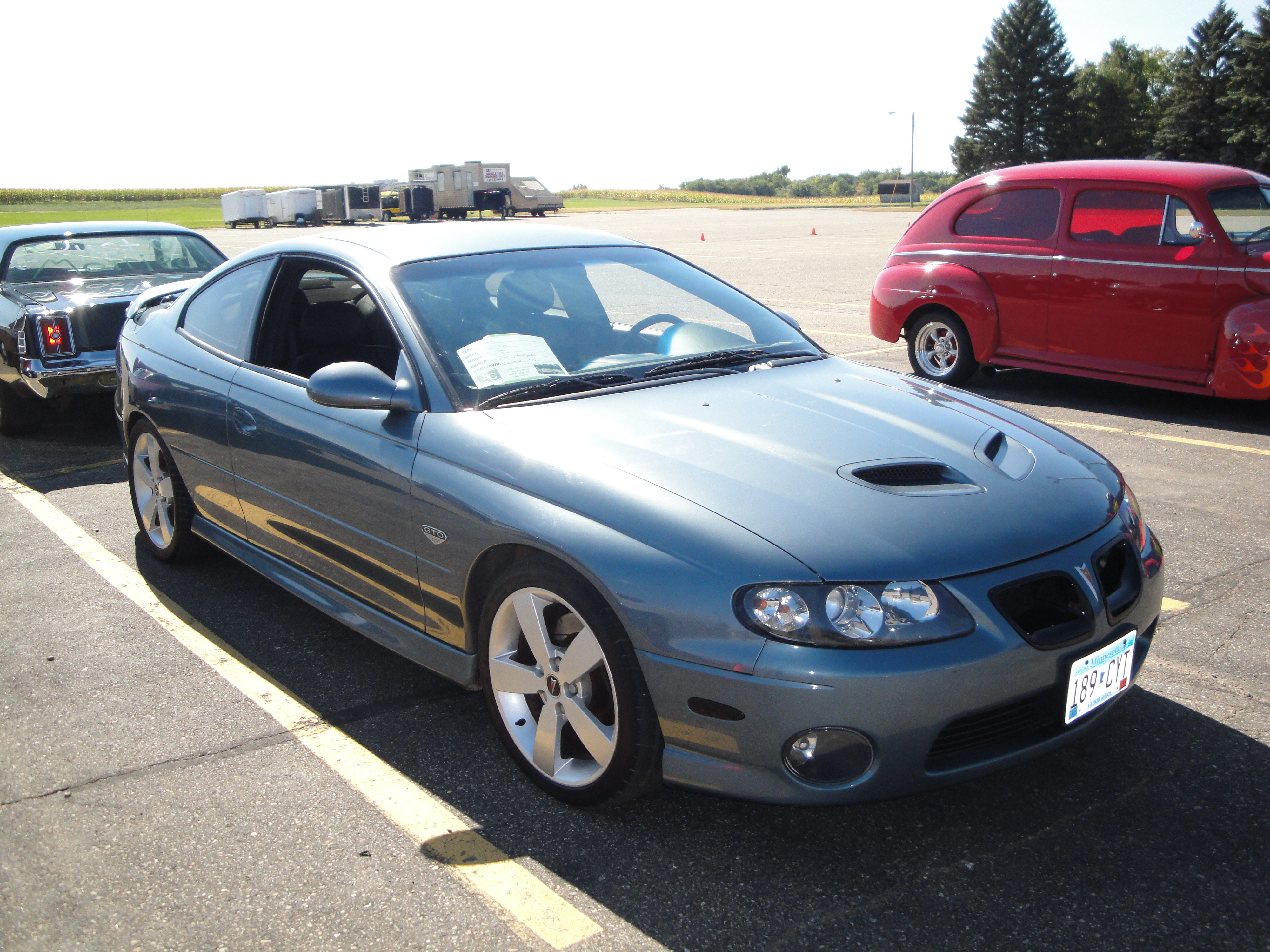
Pontiac Top Pontiac
"...d top? It's a hard. It's a hard top two-door hard top Pontiac Bonneville. What did it sell for? On the huge car..."

Buick Grand National
"Here's one for you Jeff [686.5s] Up to the 1987 [688.8s] Buick Grand National really And boy, it's shiny. Yep. I don't know what it's like under the hood whether it's been ratted out"
The Buick Grand National is a classic American performance car. It’s known for having a turbocharged engine, and they’re talking about what one is worth.
The Buick Grand National is famous for its turbocharged V8 performance in the 1980s. In this segment, they specifically call out the car as “turbocharged” and discuss market pricing for an up-to-1987 example.

Buick Regal
"... ratted out I don't know it looks good. Yeah, big regal 87 model and This is the turbocharged. There's a ..."
The Buick Regal is a mid-size car, and the podcast is talking about an ’87 model. This one is described as turbocharged, which means it uses a forced-induction system to make more power. Turbo cars usually need careful maintenance to keep everything working properly.
The Buick Regal is a mid-size car that has been offered in many generations, including performance-oriented versions. The podcast specifically calls out an ’87 Regal that’s turbocharged, which is notable because turbo models can be more sensitive to maintenance and boost-related components than non-turbo cars. It’s discussed as a recognizable classic example of the Regal lineup.
turbocharged
"And boy, it's shiny. Yep. I don't know what it's like under the hood whether it's been ratted out [697.0s] I don't know it looks good. Yeah, big regal 87 model and [702.1s] This is the turbocharged."
Turbocharged means the engine has a device that pumps extra air in. More air helps the engine make more power, even if the engine isn’t huge.
“Turbocharged” means the engine uses a turbocharger to force more air into the cylinders. That lets a smaller engine make more power, which is why turbocharged cars like the Buick Grand National became performance icons.
sleeper
"But I like that I like the body style sleeper and I like the the bucket seats"
A “sleeper” is a car that doesn’t look very fast, but can actually be quick. People like them because it’s a surprise when you see what it can do.
A "sleeper" is a car that looks relatively plain or unassuming but is set up for strong performance. Enthusiasts like sleepers because the surprise comes when it moves—often with a more serious engine or drivetrain than the appearance suggests.
bucket seats
"But I like that I like the body style sleeper and I like the the bucket seats"
Bucket seats are separate seats with a shaped, supportive design. They help keep you in place, especially when driving hard.
Bucket seats are individual, contoured seats that hold you in place more than a flat bench. They’re common in performance cars because they improve support during spirited driving.
four on the floor
"I like the four on the floor is everything I like about this car"
“Four on the floor” means a manual transmission with four gears, and the shifter is on the floor. It’s a traditional driving feel you often hear about in older cars.
"Four on the floor" refers to a four-speed manual transmission where the gear shifter is mounted on the floor. It’s a classic enthusiast setup associated with older American cars.

1965 Buick special
"Getting close to the end again. This is for you Jeff a 1965 Buick special"
This is a 1965 Buick Special, and the big detail is that it’s a convertible. The speaker also mentions classic wheels, which is part of why it stands out.
The Buick "Special" is a mid-1960s American full-size/near-full-size model line, and this one is specifically a 1965. The key enthusiast detail here is that it’s described as a convertible with wire wheel covers—classic styling cues from that era.
wire wheel covers
"It's green with a black convertible. Yeah. Yeah, it's it's a convertible. It's got a wire wheel covers on it"
Wire wheel covers are fake “wire-spoke” style covers for the wheels. They’re mainly for looks and the classic vibe.
Wire wheel covers are decorative covers designed to mimic the look of traditional wire-spoke wheels. They’re often used to give a classic appearance without the cost/complexity of true wire wheels.
garaged
"It's been garaged a lot. Yeah, it looks like it's in good shape. It's got some nice wheels"
“Garaged” means the car is stored in a garage. That usually helps protect it from weather and can reduce rust and paint damage.
In collector-car talk, "garaged" usually means the car is stored indoors rather than outdoors. That can help reduce sun fading, moisture exposure, and corrosion risk compared with leaving it outside.
heater hoses
"Well, I agree with them actually but who would put red Heater hoses in it and the guy that replaced them. Yeah, I know that's wrong"
Heater hoses are coolant lines that route hot engine coolant through the cabin heater core to warm the interior. If someone uses the wrong color or type of heater hoses, it can be a clue the car has had work done—or that the hoses aren’t original. In this segment, the host is reacting to “red heater hoses” as a detail that makes the car look less stock.
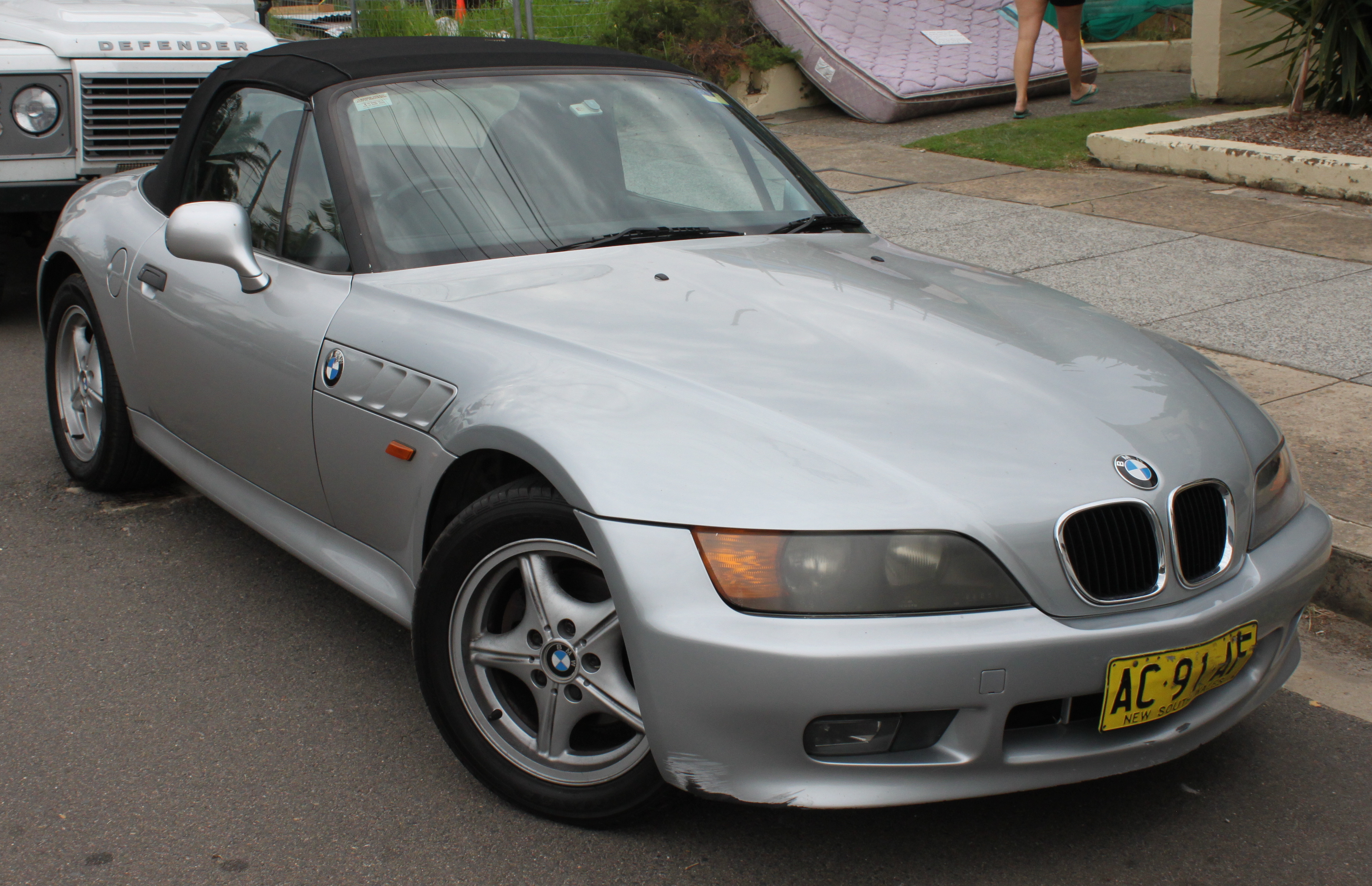
2002 BMW Z3
"Good call Mike. All right. Now. Here's one. They're really kind of surprised me. This is a 2002 BMW Z3 Now if I'm not mistaken, I think this has a straight six in it 3.0 in line."
The BMW Z3 is a small two-seat sports roadster made by BMW. This one is a 2002, and the host says it has a straight-six engine, which is a smooth, punchy setup. They also mention it can come with a removable hard top, so you can run it as a coupe-style car or a convertible.
The BMW Z3 is a two-seat roadster known for its classic proportions and, in many versions, a straight-six engine. In this case, the host points out a 3.0 in-line six, which helps explain why it feels lively (“a little rocket ship”). The Z3 also commonly came with a removable hard top, giving it both coupe-like and open-air configurations.
straight six
"Now if I'm not mistaken, I think this has a straight six in it 3.0 in line. Yeah"
A “straight six” is an engine with six cylinders lined up in a row. It’s often known for running smoothly and pulling well. Here, the host is describing the BMW Z3’s engine setup.
“Straight six” means an engine with six cylinders arranged in a single line (an in-line six). This layout is known for smooth power delivery and strong low-to-midrange torque compared with many multi-cylinder alternatives. In the BMW Z3 example, the host specifically ties it to a 3.0 in-line six.
four-liter twin turbo V8
"[1342.4s] Mercedes-Benz is giving its four-liter twin turbo V8 a major update [1347.0s] That enables the quad cam 32 valve high performance engine to meet strict remission"
This is a V8 engine that uses two turbochargers to make more power. The turbos force extra air into the engine so it can feel strong even as emissions rules get stricter.
A four-liter twin-turbo V8 is a V8 engine with two turbochargers feeding compressed air into the cylinders. Using two turbos helps the engine make strong power and torque across a wider range, which matters when emissions rules push manufacturers to change calibration and hardware.
quad cam 32 valve
"[1347.0s] That enables the quad cam 32 valve high performance engine to meet strict remission [1352.7s] Standards on the books in some global markets move as part of a broader plan"
This describes how the engine is built: “quad cam” means multiple camshafts control the valves, and “32 valve” means there are lots of valves for airflow. More valve control can help the engine make power efficiently.
“Quad cam” means the engine uses four camshafts total (typically two per cylinder bank in a V8). “32 valve” means there are 32 valves in total, which usually allows better airflow and more precise control of how the engine breathes.

2027 AMG GLE 63 s
"Mercedes says the engine in the tune 2027 AMG GLE 63 s and [1374.9s] AMG GLS 63 delivers slightly quicker 0 to 60 mark my miles per hour acceleration times"
This is a Mercedes-AMG performance SUV with a big twin-turbo V8. The hosts are saying Mercedes updated the engine so it can meet emissions rules without losing the same advertised power.
The Mercedes-AMG GLE 63 S is a high-performance SUV built around a four-liter twin-turbo V8. In this segment, Mercedes ties its updated engine hardware to meeting emissions rules while keeping the same quoted power and torque figures.

AMG GLS 63
"AMG GLS 63 delivers slightly quicker 0 to 60 mark my miles per hour acceleration times [1381.4s] With both vehicles reaching it in under four seconds."
This is the AMG performance version of the GLS SUV. The point here is that the updated engine helps it get up to speed faster, even though the advertised power numbers stay the same.
The Mercedes-AMG GLS 63 is a performance version of the GLS full-size SUV, also using the updated four-liter twin-turbo V8 discussed here. The segment compares its acceleration to the GLE 63 S to show the engine update improves real-world response without changing the stated torque/power ratings.
0 to 60
"AMG GLS 63 delivers slightly quicker 0 to 60 mark my miles per hour acceleration times [1381.4s] With both vehicles reaching it in under four seconds."
“0 to 60” means how fast the car gets from a standstill to 60 mph. It’s a simple way to compare acceleration between cars.
“0 to 60” is shorthand for how quickly a car accelerates from 0 mph to 60 mph. It’s a common performance metric because it reflects how well the engine, transmission, and traction work together in real driving conditions.
flat plane crankshaft
"[1387.7s] The biggest change to the engine a flat plane crankshaft [1391.1s] The new crank reduces engine weight revs faster and with the cylinders firing in an alternating pattern between left and right air flow"
A flat-plane crankshaft is a specific internal engine design that affects how the cylinders fire. The host says it helps the engine rev faster and feel more responsive, partly by reducing weight and changing the firing pattern.
A flat-plane crankshaft is a crankshaft design where the crankpins are arranged to create a firing order that can improve engine responsiveness and rev behavior. In this segment, Mercedes says the new crank reduces engine weight and changes how cylinders fire between banks, supporting faster revs and packaging changes in the intake/exhaust.
wave
"joining the global robo taxi race through a partnership with uber and wave [1447.9s] To launch fully autonomous ride hailing vehicles worldwide"
Wave is mentioned as a partner in the self-driving taxi plan. The idea is that multiple companies are working together to deploy the vehicles.
Wave is referenced as a partner brand in the effort to deploy fully autonomous robo-taxi vehicles. The mention matters because it frames the collaboration behind where and how the autonomous service will be rolled out.
uber
"joining the global robo taxi race through a partnership with uber and wave [1447.9s] To launch fully autonomous ride hailing vehicles worldwide"
Uber is the ride-hailing app/brand. The segment says Uber is partnering to help roll out self-driving taxi rides.
Uber is a ride-hailing brand partnering here to launch fully autonomous robo-taxi services. In this context, the brand is relevant because it’s the consumer-facing platform that would deploy and monetize the autonomous rides.
Society of automotive engineers level four
"Robo taxis will be society of automotive engineers level four meaning they can operate autonomously without a human driver in defined conditions [1459.4s] The companies did not give details about where and when they'll be rolled out"
SAE Level 4 is a way to describe how capable a self-driving system is. It means the car can handle driving on its own in certain situations and areas, without needing a human to constantly supervise.
SAE Level 4 is an autonomy classification from the Society of Automotive Engineers. It means the vehicle can drive itself without a human driver in defined conditions (like certain geofenced areas), even if the driver is not expected to take over.
Request an Explanation
Heard something you'd like explained? We'll add it to this episode.
Sign in to request explanations for terms you heard.
Want to learn more?
Browse our glossary for plain-English explanations of automotive terms, jargon, and concepts.
Help improve this episode
See something that's not quite right? Our annotations are AI-generated and can sometimes miss the mark. Click the flag icon on any annotation to suggest a correction.