The Dodge Charger is a big, powerful car that looks really cool. It's known for being fast and has a sporty design, making it popular for people who like muscle cars.
The Infiniti Q50 is a luxury car that is designed to be comfortable and fast. It has a lot of modern technology and is great for people who want a nice driving experience.
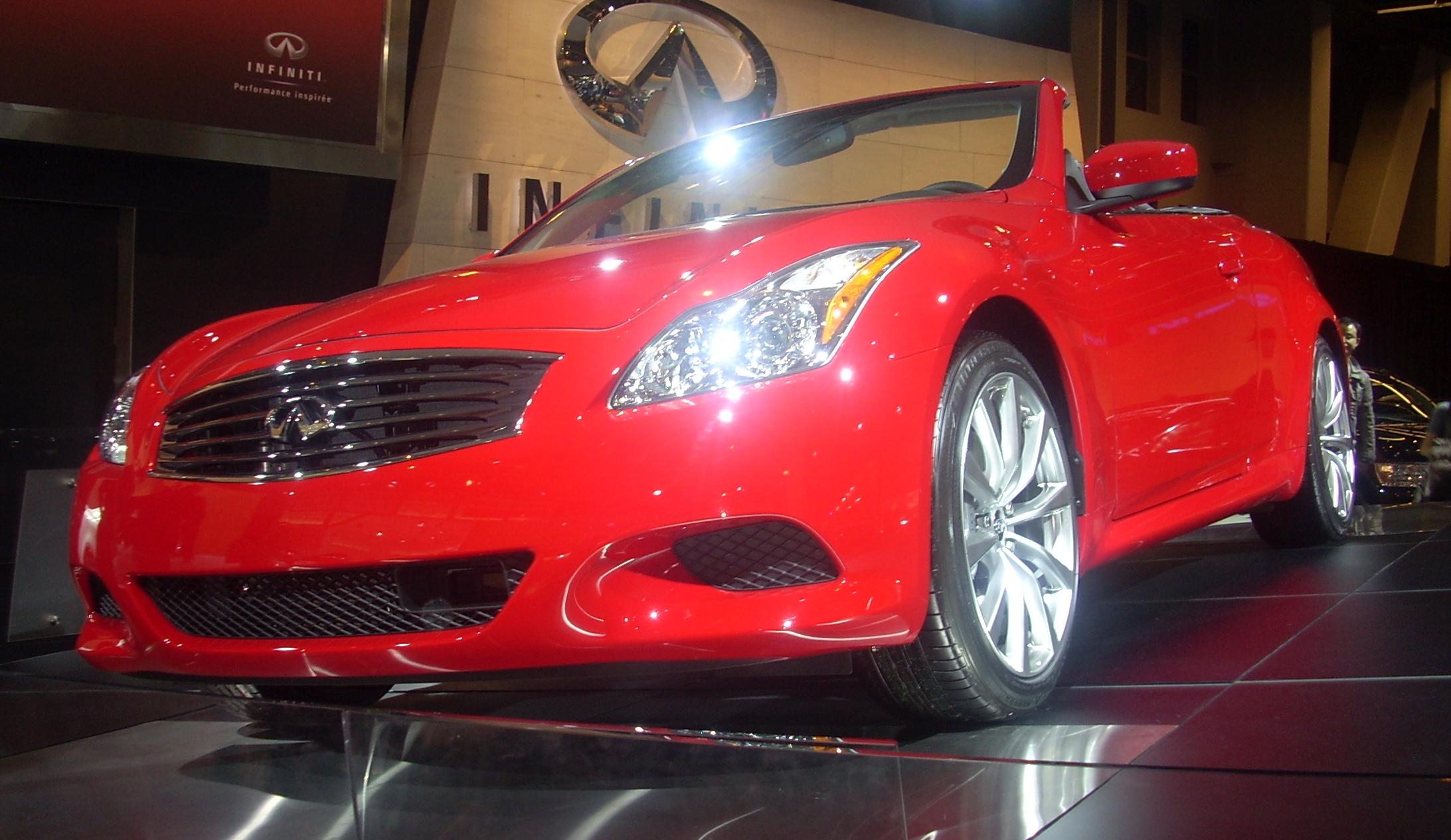
The Infiniti G37 is a newer version of the G35, and it's also a stylish and fast car. It has more modern features and is designed for a comfortable ride.
The Infiniti G35 is a fancy car that many people like because it looks good and drives fast. It's a type of sedan, which means it's a car with four doors that can carry a few passengers comfortably.
A street takeover is when a group of car fans meet on the street to show off their cars and do tricks like racing or spinning tires. Sometimes these events can be risky and not allowed by the police.
AEM is a brand that makes parts for cars to help them run better. They create systems that let you control how your engine works, which can make your car faster.
A standalone engine management system is a special computer that controls how the engine works. It helps improve performance and allows for more adjustments than the original system that comes with the car.
Speed density is a way to measure how much air is going into the engine based on how fast the engine is running and how thick the air is. It helps the engine run better and can make it more powerful.
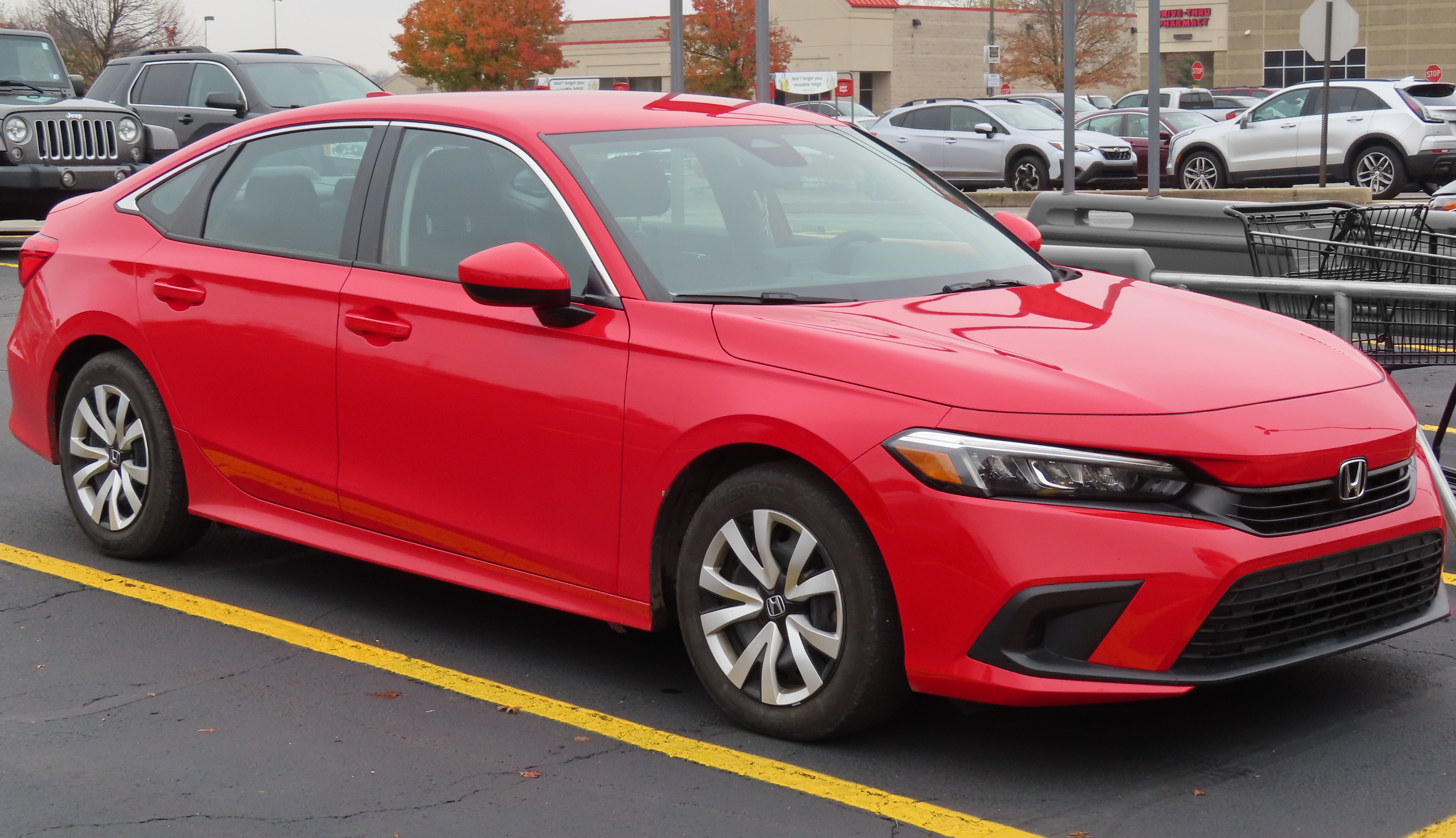
The Honda Civic is a small car that many people like because it runs well and doesn't use a lot of gas. Some people even make their Civics faster for racing, which is why it might come up in conversations about speed.
The Eagle Talon is a small sports car that was made in the 1990s. It's similar to the Mitsubishi Eclipse and is often modified to improve its speed and performance.
DSM stands for Diamond Star Motors, a company that made popular sports cars like the Mitsubishi Eclipse. These cars are often modified for better performance.
A thermostat in a car helps keep the engine at the right temperature. It opens and closes to let coolant flow, which cools the engine down when it gets too hot.
An oil filter is a part of the car that cleans the oil used in the engine, helping it work better and last longer. You need to change it regularly to keep the engine healthy.
Car
Mitsubishi VR4
The Mitsubishi VR4 is a sporty version of a Mitsubishi car that has a powerful engine and can drive all four wheels, making it fast and fun to drive.
A plenum gasket is a seal that helps keep air from leaking in the engine's intake system. If it gets old or damaged, it needs to be replaced to keep the engine running well.
A valve cover gasket is a rubber or silicone seal that keeps oil from leaking out of the engine. If it wears out, it can cause oil leaks, which can be bad for the engine.
LIVE
So before Formula D, Long Beach for the second round, Larry Chen put together a Type S car
meet.
I don't know if you saw that, he put together a nice video right beforehand.
What was really interesting about it is he kind of sat down and like made a plea to the
car community like, hey, you know, a lot of these spots have been having a lot of bad
press lately, and I need you guys to kind of come out and show like what the community
used to be like.
And what?
Yeah, we're not dirtbags.
Yeah, exactly.
Yeah, we're not what's portrayed necessarily on social media.
And it got me thinking, you know, I remember like this golden era of the car meet and we're
a little bit timed apart by a couple of years, but not drastically enough.
I think when I was coming up, we'd kind of look to your age group as the inspiration
for how to.
I don't know that we were the inspiration.
I mean, you guys were, you guys kind of set the example of like how to respect a spot
and how not to get the cops, you know, get the cops called on you and make poor decisions.
I think that honestly, I think that that's for us, that was one of the biggest things
like you just said, like our whole thing was about not getting the cops called on us, right?
Like, I mean, like the truth of the matter is like, we just wanted to, we wanted to have
these, most of the time we met in public, right?
And you were using a shopping center.
You were using, you know, somebody's parking lot, whatever it may be.
So like you wanted to play as low key as possible so that you didn't have to get kicked out,
right?
And so I think there was a lot of that stuff.
And and I also think the difference maybe between, you know, some of the stuff a long
time ago and some of the stuff recently is that we were, I think largely a lot of these
guys were way more protective of it than, than not.
I remember people coming in and where you get like the random person that showed up for
the first time and you'd be doing dumb stuff and you'd have a few guys would walk over
and be like, yo, get out of here or whatever it is.
And like, I don't know that that exists anymore.
I also think like, you know, half these people that are going to these meets, you know, they're
going maybe to, you know, put stuff on social media or do different things.
You know, look, we, we treated meets, you know, it was the social media, right?
Like when we went to those meets, it was those were a lot of them were weekly meetups that
we were doing every week.
And it was because you see the same, you see these dudes talk about car things, do whatever.
It was the country club of our day, let's say.
I don't know about country club, but I mean, it was, it was, it was definitely our place
for interaction.
You know, you looked forward to it.
You definitely had had a group of dudes that, you know, had your back and it, and it was
like, you know, it was, you know, that was your core group, right?
Yeah.
No, and I get that.
Like that was a big part of it.
Like I started out down in Virginia Beach going to car meets and we had like our little
spot, which was freedom wash.
And it was great.
You know, it was only a couple of guys used to come out there and then it got a little
bit more popular.
Wardham Alspread.
We got a pretty good group together.
It wasn't, you know, obviously these weren't, you know, anything fast or crazy, but it
was a good group of guys and the piece was relatively kept.
But as years marched on, the spot got more and more popular.
And the problem was, is that as it got more popular, you wouldn't have that same, I don't
want to say gatekeeping, but you wouldn't have that same control over the spot anymore.
Say anything.
And what ended up happening is it would get shut down.
And then by the time I ended up moving out of Virginia and moving up to New York, that
whole area got shut down.
You weren't allowed to have car meets there anymore.
The minute anyone parked up, there was, you know, Virginia police department was there.
And it still happened to us back then.
It was like, you know, a lot of the stuff, look, there was difference between your weekly
meetups and the ones that would be there.
Like, let's say this in a hypothetical sense.
Let's say hypothetically, there was a lot of street racing going on.
Hypothetically, after those street races or before those street races started, there
would be this general, these general places that would get, like, like, we're going to
meet here, people are going to meet here.
And that crowd was always rougher than your, your steady meets.
And those places were, it wasn't consistent, right?
Yeah.
You know, while a lot of those hypothetical street races happened in, in, in on same
days, similar times, there was no one place that everybody would meet.
Okay.
Right.
So like, it would, it would just kind of be one of those things.
I mean, we're talking about the age of next tells, right?
So, right.
So were you at that's how people congregated so quickly, right?
It was a word of mouth thing, you know, when, when they found out what time or
whatever people were going to meet up for these hypothetical races that could have
happened, then what happened was, you know, you'd hear, you know, are you going,
are you going this doing that?
You know, every, you know, bleep, bleep, bleep, bleep, bleep, right?
And then all of a sudden, it would be like, yo, I think they're going over here.
And next thing you know, you would go and there'd be a few hundred cars, right?
Um, so, and, and those spots were always rougher.
And, and the truth is a lot of those spots, you would be always like, for me anyway,
I would always be kind of close to my car.
Like the first sight of cops, it was just a good idea to slowly start making your
way out of the lot.
Yeah.
Right.
Because if anything, or if anybody tried to, you know, like, I mean, look, think about
some of these dudes, like, you know, if you got to a certain point, they could have
had warrants, they could have had reasons to leave.
I mean, cars were illegal.
I mean, who knows if they were stolen, like, who knows, right?
But like, it generally starts out by something happening.
Next thing you know, it causes an uprise.
And next thing you know, you don't have one cop car, you have seven, right?
So, so, you know, it would kind of be one of those things.
If you felt like something was getting weird, it was, it was good just to low key
getting your car, back it up very quietly.
Try to move yourself to the other side of the parking lot or just leave before
anything got hot, right?
And that would happen.
And then people would be like, yeah, where you're at.
Next thing you know, there'd be 200 cars in a different parking lot.
So, so it's not that there was no, there weren't any, you know, people that really,
you know, caused a lot of uprising, but it's far from what these takeovers are.
And I'm honestly like, I can't throw enough shade at those, these takeover things.
And I hope that they, there recently was, I just saw, I saw it on Facebook.
So, I mean, I don't know if I would say it's the 100% accurate, but there recently
was something that I saw where there was an FD competitor or I don't know if it,
no, that's not right.
It might have been, but it was a drift competitor.
And that drift competitor, I guess, after an event or left an event pro, you know,
who knows, pro-am went to one of these takeover things, something happened, they were,
whatever.
But the point of the matter is, is that it's just a bad look.
And I think, I think, you know, from a community aspect, you know, these people
that are doing these takeovers, I think, some of them, you know,
are damaging car culture.
Oh, yeah.
And sometimes like when I'm driving, you know, because like, look, unfortunately,
stereotypically, the cars that we drive are the ones that law enforcement seem to
hone in on, thinking that we're all about.
Yeah, exactly.
And, you know, the only thing that seems to save me a lot of times when I'm driving
one of those cars, one of my, one of my cars or whatever, is I think a lot of times
they see the age and unless I'm doing something actively, they just kind of cruise
next to me that, oh, no, this, this is not the guy and they pull off, right?
100% agree.
But, but it does, it's, it's damaging.
It's, it's stereotypes.
A lot of these cars that we have, like right now, like, I mean, listen, there's
in my head, there are two cars that when you say takeover, I think about, let me
see if you have the matching cars.
Yeah, I have them.
Oh, you want me to say it?
Three 50 Z and G 37.
I don't think so.
Oh, I'm sorry, I thought you meant it was wrong.
I mean, I think when I think takeover, and I'm not saying this is right.
When I think takeover, the first car I think of is Charger.
And the second car I think of is Q 50.
See, the problem is I think, I mean, I'm partial because I have the G, but I
always thought that the G 35 and G 37 were more of that street takeover car.
And I, and I get it because I get, I get profiled for my car all the time,
but I don't really see, I don't really see them all that much.
Like, I mean, I feel like every time I see any one of those street takeover
videos, it's always a charger plowing into something to stand on the end of the
circle.
If it's a Mustang, then it's at least on a straight line.
And then they just crash into the crowd on the side.
But, you know, yeah.
So I don't know.
I mean, I think it's, I think it's crazy because like for these car
meets were so much, right?
It was the, it was the social media because we didn't have that.
That was where we went up to meet people.
It was the weekly update on what did you do to your car in between?
It was the weekly update of the problems you were going through your car.
People would help out with things.
Oh yeah.
Um, it was a good place to exchange knowledge in general.
Like the, the, the conversations that you had and the knowledge that you
gained from talking, you know, as I said, I was, I was a little bit behind
your, your group.
So we learned a lot.
Like, even when I talked to you and Matt now, there's stuff that I didn't
know about that I've, I've now come to learn.
And it's crazy that that knowledge was even passed down then, you know, and,
and that's, that's something that you can, you know, we've talked about in
the past, like forums and things like that, but the, the word of mouth
knowledge, the, the, the working together are like, Oh, I had this car before,
this little problem, this is what you're experiencing.
Let me come over and show you what you got to do.
That can't be, um, replaced.
Yeah.
And like, you know, I mean, like it's even things like that.
Like I remember being like, you know, in the earlier days of tuning, when like
AEM, uh, had just come out with a plug and play, you know, standalone
engine management system, right?
So, so now a couple of us had started, you know, that had cars that were
for us fast, um, maybe not by today's standards, uh, but we had, you know,
we had gone standalone at that point.
And when I think back, when we had gotten V one and I tried to convert, uh, the
car over to speed density, that was a project, right?
You had to get the car kind of dialed in, uh, first and then you could switch
over to speed density.
It wasn't like you, you didn't just start speed density, at least
not on the, on the DSM.
So, um, but I remember there, you know, even in, in, in that there were some,
we, we called them the OGs, right?
That the first of the club and those guys were generally the faster ones, right?
And when I say faster one, I'm not talking about, most of these guys
were the ones that like, you know, I remember like on the front page of
New York City DSM, the first homepage was the top 10 fastest times, uh,
fastest verified times, quarter mile times.
Yeah.
So it just showed you the amount of, that was your pecking order.
Do you remember the website that was like everyone, it had like the fastest
recorded time records?
Well, do you remember what I'm talking about?
There was a website that used to have the, it would have the car.
It would have whoever had the fastest record and then it would have like, you
know, differing like, uh,
Well, for any brand or all brands,
it was a whole bunch of different brands.
So it was like, you could just look up most of the cars that you could think of.
It was, I can't remember the name of it.
Maybe hopefully somebody online can remember it, but it was, it was a well,
like you could go in and be like, Oh, the fastest, you know, civic in the country
is currently sat at whatever, you know, whatever time and so on.
So, right, right.
It was cool.
I, um, I, yeah, I don't remember that.
There was a lot of different sites like that.
But I, you know, I think at that point I was DSM Evo.
So it was just like exclusive in that, that wheelhouse.
So it probably was more focused on those times.
But, but yeah, like I remember like those, those OGs that were the fastest ones,
like when they would show up, that would be times where it was like cool to go,
like go ask them questions.
You're like, what's up with this?
Well, why is this going like this?
Oh, it's because of this, you know, like, and, and so there was a lot of learning
that happened at those things.
I don't know if it was all whatever.
I mean, there was plenty of times where we were just sitting on the hood eating
burgers and, um, you know, we played around, you know, we, we joked around
plenty and we, and, you know, um, I'm not saying nothing stupid ever happened, right?
But like, you know, um, it just, it just was, it was so much more, we were so
concerned just about making sure that we had a place to go, right?
You know, and, and that place to go, we were protective of it because we didn't
want to lose that place.
So, so this is one thing I got to ask, you guys always cleaned up after yourselves
too mentioning burgers, cause what was really disconcerting lately is that I've
been seeing like places where they'd go to a car meet and they'd all leave and
there'd be stuff on the ground and not clean up and like it takes two seconds
to pick it up.
Like if you want to come back to that spot next time, I guarantee you every
business in that shopping center is immediately going to remember that you
guys destroyed the parking lot.
Yeah.
I mean, the glass bottles, things like that, or, and here's the thing.
I don't even, and this is a pet peeve though.
This is a pet peeve of mine.
So maybe I'm not the perfect person for this, but I have a thing about littering
in period, me too.
Yeah.
No, so like, like if you're going to be that mutt that's going to throw
your stuff on the ground rather than hold it in your car and go to a garbage can
or walk over to the garbage can that's probably somewhere in the next 25 feet of
you, like I just don't understand that because to me, that's disrespectful all
the way around.
Like think about that for a second.
Like just, and this is the part I think that really gets me, like even if it's
just, let's say I'm just at Lowe's, you know, somebody else got to go clean up
your mess for what?
Like clean, you'll pick up your stuff, you know?
So like, I mean, so yeah, no, I mean, look, I don't know that I wouldn't
chalk it up to this conscious effort to be respectful.
I wouldn't chalk it up to this conscious effort to make sure we left the place
clean, like it's not the same as when you rent a hall and you got to clean
everything.
No, no, no, but I feel like it was just you got, we were more responsible is
what I was, what I was getting at.
But I do think that we were concerned with making sure that we didn't give
ourselves a bad image because if we gave ourselves a bad image, there was no
doubt that at some point they were going to let, they were going to say, they
were going to get us taken out of that area.
Yeah, they would hire a security guard, put them in the parking lot in the
minute that anyone showed up, they'd run you out.
And it would be that simple.
I will say too, like, I mean, and probably obviously the rules of engagement
as far as insurance goes, probably have changed quite a bit.
When we used to have a lot of these meets that we would have every week,
there was a fair amount of times I remember us going to speak to the
store manager or something like that.
And we, and we were having it after, after hours, right?
It was, it was when they were closed already.
But we would just say, Hey, look, you know, you know, this is what we do.
We're just going to be parked here.
Nothing will happen.
We're not going to, you know, nothing, you know, whatever.
And we would ask for permission.
And a lot of times we would get that permission.
Now, I don't think that would happen as much today, unless it was a privately
owned business, because I just think there's insurance liabilities.
You're on that area.
And when you're in their area, I can easily see that being there.
But I remember, I do remember that there was, there was a couple of
businesses that we, that we had used, you know, their parking lot and different
things out and they, and they were open when we were there.
And they really actually enjoyed it because it was a slow time of night for them.
And I was actually going to bring that up.
Cause that was my experience that we spent money.
There was this one place that we went to and there was a pizza place in that,
in that same parking lot.
And, and, you know, we didn't ask them or anything.
It wasn't like they, they weren't the only business there.
But, but I remember those, those dudes were like, they, we would go in there
so much that they would know us by name.
Yep.
And when we would get in there, they would always give us deals on, on, on stuff
because it was like, they knew that we would go in there.
Like you, you, you're, let's say you showed up at, you know, seven o'clock
at night, right?
If you, if it was a, it was a Saturday night or whatever, and you were
going to be there till 11 because we were just hanging out.
And they knew that you weren't going to come in one time.
You might come in three times, right?
You're going to get it.
You go in, you get a drink, come back out, go in, you grab, grab, grab a slice
and a drink, go out.
And then afterward, you know, you end up in there.
I mean, I remember, you know, it was just things like that, but
the zeppelis, please.
I mean, there was, and, and, and I think that that was, you know, there was
that shared patronage, right?
Um, so I don't know.
I, you know, I, I think, you know, what's causing all this stuff.
I just think that there's a general lack of respect, uh, that I feel has
become an entitlement, but I don't know that I think that that's just a car thing.
I kind of feel that that's a little generational.
So that, that was kind of one of the things I wanted to touch on was that we
had a generational gap that I feel like occurred between my age group and the
modern culture, whether it be, whether it be, quote unquote, car culture.
Cause I really don't like saying that, but the takeover culture.
Cause the one good thing is separate from car culture.
But even, even within the car culture itself, there has been a disconnect in
modern times, and I don't know if it's because not as many people were into
cars, so it got harder to find those groups or something changed because
every Friday, every Friday night, I remember if it was nice out until it
was too cold to be outside, we were at a car meet.
There was nothing else that we were doing that from the time we got our
license, but then you look now and how many kids didn't get their licenses, how
many, but that's, you know, that's, but again, that's, that's a, that's a society
thing.
I get that.
I get that.
But I'm saying the, the pool's getting smaller and those, the exchange of
knowledge and the, and the virtues of the culture aren't getting passed on
because you're, you're not getting that knowledge to where it needs to be.
Yeah, but, but it's, I think that there's circumstances.
I don't know that I think it's, it's this lack of consciousness.
I think is the circle getting smaller?
Sure.
But you could also make the argument that the circle really was getting
smaller, that it should be getting a higher quality circle because, because the
people now in the circle, if it's circle smaller, they want to be there in the most.
What I will, what I will say though is I think one of the largest things themselves
has to do with the cars.
These cars are not what we had.
I look, and here's the thing.
You know that I'm still pretty well up to date on even modern cars.
I can tune them.
I have a lot of, I have a lot of electronic stuff for different platforms.
Like you're, you're the same way, right?
But, but these cars are not the same thing as, let's say, the more primitive ECUs
that we had without having all the modules and gadgets and electronics and, and bells
and whistles.
I mean, you know, it just doesn't, we, we just didn't, those cars didn't have that.
No.
And it took more to get, you, you kind of got a passion to get the car up to the
level of what these cars would perform at.
You have to put in work and that made you appreciate the cars and respect.
I feel like it made me, I do because think about it.
If you can go swipe a card now and go get a 550, 600 horsepower car off the showroom
floor and go literally do whatever you want with it, it doesn't matter to you.
It's not important if you took a car that had 200 horsepower and you put sweat
equity into it and time and money and energy to build it into something.
You're going to respect that automobile so much more that you're not going to go
take unnecessary risks.
You're not going to be as reckless.
So my take on that is that I, I don't, I don't know that I agree 100%.
I'll, I'll explain though, like what I feel there, that that has more to do with
upbringing, with character, with values.
And what I mean by that is, listen, there are cars that are way faster than we ever
had before from, you know, production costs, but they still cost a lot of money.
And when you go to swipe that money, yeah, some people have that money.
And that was no difference back then from the kids that you rolled up with
Supras, right, when they were a tug grip of money or NSXs or stuff like that.
Understandable, but I guess the point I'm trying to make is that I have friends that
had money and they had those cars and it's still meant the tremendous amount of
them when they got those cars because they love the car.
Okay.
And I guess the point I'm trying to make is that whether you were taking a car that
was 400 horsepower and you were trying to make it do 500 horsepower or you were
trying to take a car that was 200 horsepower and trying to make 225 because
some of those cars, it took a lot to make 25 horsepower.
True.
That I just think it's about.
There was a big difference between the people that really worked on their cars
and they wanted to make nice cars and people that paid other people to build
their cars and I'm not throwing shade of people that build the pay other people
to build their cars.
That's a large part of the car culture and there's nothing wrong with it.
I guess the point I'm trying to make is that within the groups that I remember
90, maybe 80% of them did a tremendous amount of this stuff themselves with
help from other people, those groups, those guys that were going in girls, there
was a few that were so present and so into these cars.
They would help you for nothing.
So, so if you weren't mechanically inclined, you usually had a buddy or these
groups of people and, you know, there was plenty of nights that they would show up
with parts and we would just put, we would spend the next couple of hours
all together just putting them in, hanging out, laughing, whatever it's
going to be.
No, there was, there was nights at my buddy's shop that we were just sitting
there, wrenching together, hanging out.
You know, two of us knew how to work on cars.
Four of us didn't know how, you know, four of them didn't and we just
sat there and wrench and hanging out and chill.
Like that was, that was it.
Can I tell you my favorite part?
If as long as we're reminiscing so much, I think the part that I, and I miss
this the most, I absolutely, when I tell you I miss this the most, like I
miss this the most when I was younger and we were working in cars, you know,
when I was in my, you know, my early 20s or, you know, whatever it was.
And we were, let's say somebody had to do a head gasket or swap a head or they
were going to pull an engine or they were going to change the turbo or they're
going to put cams in or anything like that.
And they, and they said, oh, you know, I'm going to do this.
You'd have the one person's like, oh, come by and give you a hint.
Every single time, let's say it was a Saturday or Sunday, it usually was
because by that time we were just, we were working, you know?
Oh yeah.
But every single time that one person would turn into eight or 10 and they'd
come and you'd have all the cars parked all over the street, but, but they'd get
out, you'd be hanging out in your driveway.
Some people would be helping, other people would be running out to get pizza.
They'd come back, there'd be pizza.
We'd have barbecues.
But this, this happened all the time and it was so impromptu.
And it, it was so nice to know that, like, what was your Saturday?
Your Saturday was hanging out with your friends, working on cars.
You know, they were, some of them were drinking beer.
Uh, we were eating pizza.
We were, we were just hanging out, doing our thing.
No drama, no issues, a lot of fun.
And it was something that you really looked forward to.
And I missed that.
It reminds me of the scene, you know, and it's a great example of the scenes at
the end of like the Fast and Furious movies where they're all sitting down
having, it's the same thing, but it was literally the dramatization of what
you just, sure.
But, but, but I mean, I don't know that we were formally sitting down like as a
family eating dinner.
We were just, we were all sitting, you know, we were sitting on boxes in the,
in the driveway while, while people were, well, you know, they had a nice spread
there.
We were, we were working with what we had, but I get, I get what you're saying.
Like that was what was good.
It was that, that friend group that would just congregate.
Like you, you knew your buddy was working on something and you're like, Hey,
let's all just go chill with that.
And he's working on something.
The next thing, you know, there's two or three other people working on their
stuff, ones in the street, ones over here.
You got a couple of guys that are like, Oh, you just do that and do that.
I missed that.
Yeah.
I miss, I miss having that people just rolling through because you were going
to be outside doing some stuff in your car.
And I think that that probably is the part that, that if I wish I could bring
back, I bring that back.
No, I mean, I fully agree with you.
I think some of my better memories of like working on cars were in those situations.
I mean, I have plenty of nightmares of working on cars by myself, but definitely
when you're in there with somebody and you're just having a good time, it really
changes the whole dynamic.
Even if you're like cursing your name because your hand is stuck behind the
firewall, it doesn't matter.
You know, you're still there with your friends and it made a big difference.
And I like building things.
So I don't think this is, that's why I've always been so attached to actually
the build part of the car.
But I do think that it definitely helps to make working on cars a more memorable
thing for me.
Like, like even like now, like my, my, like if you asked me what I want to do
in a weekend, it's usually to go work on something on one of my cars.
Like that's what I want to do.
And, and I usually do.
And sometimes it's a big project.
And other times it's a tinker project, right?
And it's just, you know, it could be anything, but it's just, just doing these
things.
And I usually always make sure that I keep like, so I buy, I don't know if you do
this, I buy a tremendous amount of car parts for different projects and stuff
like that in advance.
And I stack them.
And I know that my whole garage right now is stacked with all the parts for the
transmission swap that's not happening today.
So yeah, I'm prime example of that.
I just have random stuff piled up.
I have for both cars, just shelves full of parts that have to go in.
So I like to, I like to have that stuff on hand, because if, if, if I get to a
point where I have an open time period that would allow me to do the project,
they all do it.
Yeah.
No, and, and I like to have this stuff on deck.
So, you know, it's kind of one of those things, you know, it's like, it's like
almost like a Christmas shopping that happens all year round so that when
Christmas hits, but like, um, the best thing you have since we're, uh, we're
showing our age, have you gotten to the point where you've forgotten that you've
ordered something for the car and went to order it again and realized luckily
right before or even after you order it, that you already got it.
Cause I did that to myself where I forgot that I had already gotten a thermostat.
Luckily I have multiple, but it's one of those things like you're sitting there,
like you're going through just ordering stuff and you're like, oh, I gotta put
this in the car, put this in the car.
All of a sudden you're like, wait, I already have two of these sitting on
the shelf or whatever.
Yeah, it happens to me.
It happens to me and it's, you know, I get it with the thermostat, but like,
happens to me a lot with maintenance stuff.
Okay.
I, I'm, I'm a glutton for when I order one, I usually order two or three.
Okay.
So like if I order an oil filter, I order three or four, right?
If I order, um, if I order, like I just got, um, like even for the VR four, like I
just, um, I brought in a couple oil pan gaskets, I brought in, you know, um, some
extra throttle body gaskets, a couple of plenum gaskets, because I want to, I want
to, I want to do, uh, I want to do spark plugs, uh, again, and I want to change to
different wires.
Okay.
And so on that car, you got to take the plenum off to be able to get to the other
bank.
Um, so, so I ordered a couple of plenum gaskets.
I ordered, you know, I ordered, you know, some valve cover gaskets that's just in
case if I, you know, if we get it apart, you know, that would chronically happen.
You see a little valve cover Lee, I want to just clean it up.
Yep.
So, so like that's where I get stuck, usually stuck, cause I'll be like, ah,
you know what, I don't have any, and then I'll be like, oh crap, I already had
two sets of this, you know, but, but there's small item things.
I mean, but yeah, I don't know.
Thermostat just stood out because that happened to me recently.
But yeah, no, there's been times where I've ordered full on a part that I already
had.
I mean, it does happen.
I mean, I was just wondering because it's one of those funny things.
And that was what was also cool about the, the buddy showing up was, oh wait, I
think I have something that, you know, might actually work for that car or they
would, you know, a lot of times you had friends that were like, Hey, I'm not using
these parts anymore.
Let's, is this something that you want?
And there was like a, an exchange there also where you were like, you know what,
I never thought to do this, but let's, let's see if it will work.
That's how the thing, which I also missed because there was some really cool
experimentation that took place, um, you know, that you weren't finding like once
again, like now there's the forms and websites and things like that.
But you were doing things that not everyone was doing because you had
different experiences.
Now it's a lot of the same.
So that's where I was kind of going with that.
I wanted to see where, you know, it was a different culture.
It was a different time.
Yeah.
Yeah.
Well, anyhow, as we get out of here, let's, let's, let's see, for the people
here watching, what do you think?
Yeah.
Right.
What do you, what do you, what do you think about this whole idea that, you
know, the car community needs to be more respectful to the point where we can kind
of start to help clear our name.
I don't know if anything will ever declare a name, but, but, but, you know, the,
the takeover thing, you know, are you into it or you're not into it?
I usually don't like bashing people no matter what their preference is, but the
takeover thing to me really has soured me tremendously.
I just don't explain the infatuation.
I just don't, I don't, I don't understand the infatuation.
Even if there's an infatuation, I guess what I'm saying is like, I just don't
think it should be like, like, I think as a, if you're, if you're into cars and
whatever, it's really difficult for you to advocate that that is the same.
I don't think it's the same.
It's not the same.
You know, um, but anyhow, with that said, um, you know, let us know what you think
about the whole cultural things where there's, so, you know, what were your
meets like, what kind of things do you look forward to?
Do you still have those cool barbecues and stuff in your driveway?
Uh, if you do, can I come hang out?
Uh, so that's it.
So take care of yourself.
We'll catch you on the next one.
Peace.
About this episode
The discussion dives into the evolving landscape of car meets and the impact of illegal takeover sideshows on car culture. The hosts reminisce about the camaraderie and respect that defined earlier car meets, contrasting it with the current trend of reckless behavior at takeover events. They highlight the importance of community, knowledge sharing, and maintaining a positive image to preserve the spirit of car culture. The episode also reflects on generational differences in car enthusiasm and the challenges of fostering respectful gatherings in today's environment.
In this episode of the KONIG Behind the Wheel podcast, we dive into a growing problem in the automotive community: illegal “takeover” sideshow events — and the negative impact they’re having on real car culture.
We talk about why these reckless pop-up gatherings have nothing to do with true enthusiast culture, how they’re destroying the reputation of legitimate car meets and shows, and why we’re seeing more of them as we move into 2025. From safety concerns to media portrayal to the ripple effects on event organizers and everyday enthusiasts, we break down what’s actually going on behind the scenes.
What does the future of car meets look like if illegal sideshows continue to stain the scene?
Are we at risk of losing safe, organized meets altogether?
And what can the real car community do to take back its image? Join us for a candid conversation about the past, present, and future of the culture we all care about.
Don’t forget to LIKE, COMMENT, and SUBSCRIBE for more car culture talks, industry insights, and all things wheels!
2025 Behind the Wheel Podcast | All Rights Reserved
Thank you for tuning in, and if you enjoy our podcast, please SUBSCRIBE! We’re on Spotify, Apple Podcast, and iHeartRadio, and we always upload our full video interviews on our YouTube Channel: https://www.youtube.com/konigwheels (we’d love for you to subscribe there as well!) Thank you for listening!