
seatbelt
A seatbelt is a primary safety restraint that reduces injury risk in crashes by keeping occupants secured during sudden deceleration. Proper use matters—seatbelts should be worn low across the hips and snug across the chest.
off-road tires
Off-road tires are made for rough ground like dirt or mud. They grip better there, but they can be louder and wear differently when you drive mostly on pavement.
BF Goodrich
BF Goodrich is a tire company. They make tires designed for off-road driving, and the guest explains what to look for and how to keep those tires in good shape.
test driving
Test driving isn’t only “taking a car for a spin.” It can mean doing planned driving steps, writing down what you notice, and checking specific things the car does.
noise and comfort tests
These tests check how loud the car is and how comfortable it feels when you drive. Think “how annoying is the noise” and “does it ride smoothly.”
mountain balance your own tires
Mounting and balancing means putting the tire on the wheel and making sure it spins evenly. If it’s not balanced, you can feel shaking and the tire can wear out faster.
telematics
Telematics is the car’s “connected” technology—using sensors and a network to share information. In testing, they make sure it sends the right data and works correctly.
slow speed circles
They drive in tight circles at low speed to test things in a controlled setting. It’s a way to check how systems behave without going fast.
VFGoodridge
VFGoodrich (spoken as “VFGoodridge”) is a tire brand discussed in the context of product lines. The guest explains that they handle off-road products while another person handles on-road products, implying different tire designs and performance goals by use case.
on-road products vs off-road products
On-road vs off-road tire categories reflect different priorities: on-road tires typically optimize for quietness, comfort, and wet/dry grip, while off-road tires emphasize traction in loose terrain and durability. The speaker’s split responsibilities highlights that tire design targets change with intended use.
seasonal switchover
Seasonal switchover is when you switch tires for different seasons. Winter tires are built to grip better in cold, snow, and ice, while summer tires work best in warmer weather.
all-terrain tires
All-terrain tires are made to handle both regular roads and rougher surfaces. The important twist here is that some all-terrain tires can also be good in snow.

TrailTerrain TA
TrailTerrain TA is a VFGoodridge tire meant for mixed driving—regular roads plus light off-road. They’re saying it’s also built to work in snow and on ice.
TrailTerrain TA Plus
TrailTerrain TA Plus is a new VFGoodridge all-terrain tire coming out on June 1st. The hosts are treating it as a winter-capable option, not just a “rough-road” tire.
TA KO3
TA KO3 is a VFGoodridge all-terrain tire that’s been around for a couple of years. They’re saying it’s also designed to handle snow and ice, not just dirt roads.
severe snow certified
“Severe snow certified” refers to tires that meet a recognized standard for winter traction, which in this segment is tied to the Three Peak Mountain Snowflake requirement. It indicates the tire has been tested for performance in snow and on ice, not just general cold-weather suitability.
Three Peak Mountain Snowflake Certification
The Three Peak Mountain Snowflake is a label that means the tire has been tested to work well in winter snow. It’s a quick way to know the tire is meant for cold-weather traction, not just “all-season” marketing.
tire designation on the side
The side of the tire has important labels that tell you what it’s designed for. The hosts are saying to check those labels—some tires aren’t truly winter-ready even if they sound like they are.
fuel economy
Fuel economy is how far you can drive on a gallon of gas. Tire design can change it—some tires roll more easily than others, which can help or hurt efficiency.
TrailTerrain TA+
TrailTerrain TA+ is an all-terrain tire that’s designed to feel more comfortable and quiet on regular roads. It’s suggested for drivers who want some off-road ability but mostly care about day-to-day driving.
sidewall durability
Sidewall durability is how well the tire’s “side” holds up to bumps and scrapes. If you hit potholes, curbs, or rough trails, a tougher sidewall can help prevent damage.
over-tire their vehicles
“Over-tiring” means buying a tire that’s tougher and more off-road-ready than you actually need. If you mostly drive on pavement, that can be a waste of money (and sometimes the ride gets worse).
2014 Forrester XT
A Subaru Forrester XT is a sportier version of the Forrester. The host is saying that for a mostly on-road lifestyle, a very aggressive off-road tire can be more than you really need.

Forresters
They mean the Subaru Forester. Even though it’s a capable vehicle, the tires you put on it can be the difference between feeling confident on rough roads versus slipping around.
differentials
Differentials split power between wheels (and in some systems, can limit wheel slip), which helps the vehicle maintain traction when conditions change. The speaker uses it as a comparison point: tires often determine how much grip you actually get in the real world.
transmission
The transmission is what helps the car send power to the wheels. They’re saying that even if the car’s drivetrain is good, the tires still matter a lot for real traction.
rugged everything
“Rugged everything” is the trend of making normal cars look and market themselves like they’re ready for rough roads. It also affects what kinds of tires people want to buy.
OEMs
OEMs are the car companies themselves, not aftermarket brands. The point is that manufacturers are starting to make more rugged-looking cars straight from the factory.

Toyota RAV4
They’re using a Toyota RAV4 as an example of a CUV people like. The main benefits they mention are sitting higher, seeing better, and having room for passengers.
trim levels
Trim levels are the different “packages” you can buy for the same model. Higher trims usually add more features, and that can change what kind of driving experience people expect.
OEM off-road packages
An OEM off-road package is when the carmaker sells an SUV setup meant for dirt roads and trails. Instead of you modifying it yourself, it comes that way from the factory.
CUVs
CUVs means crossover SUVs. They’re kind of in-between a regular car and a full SUV, and many now offer off-road options.
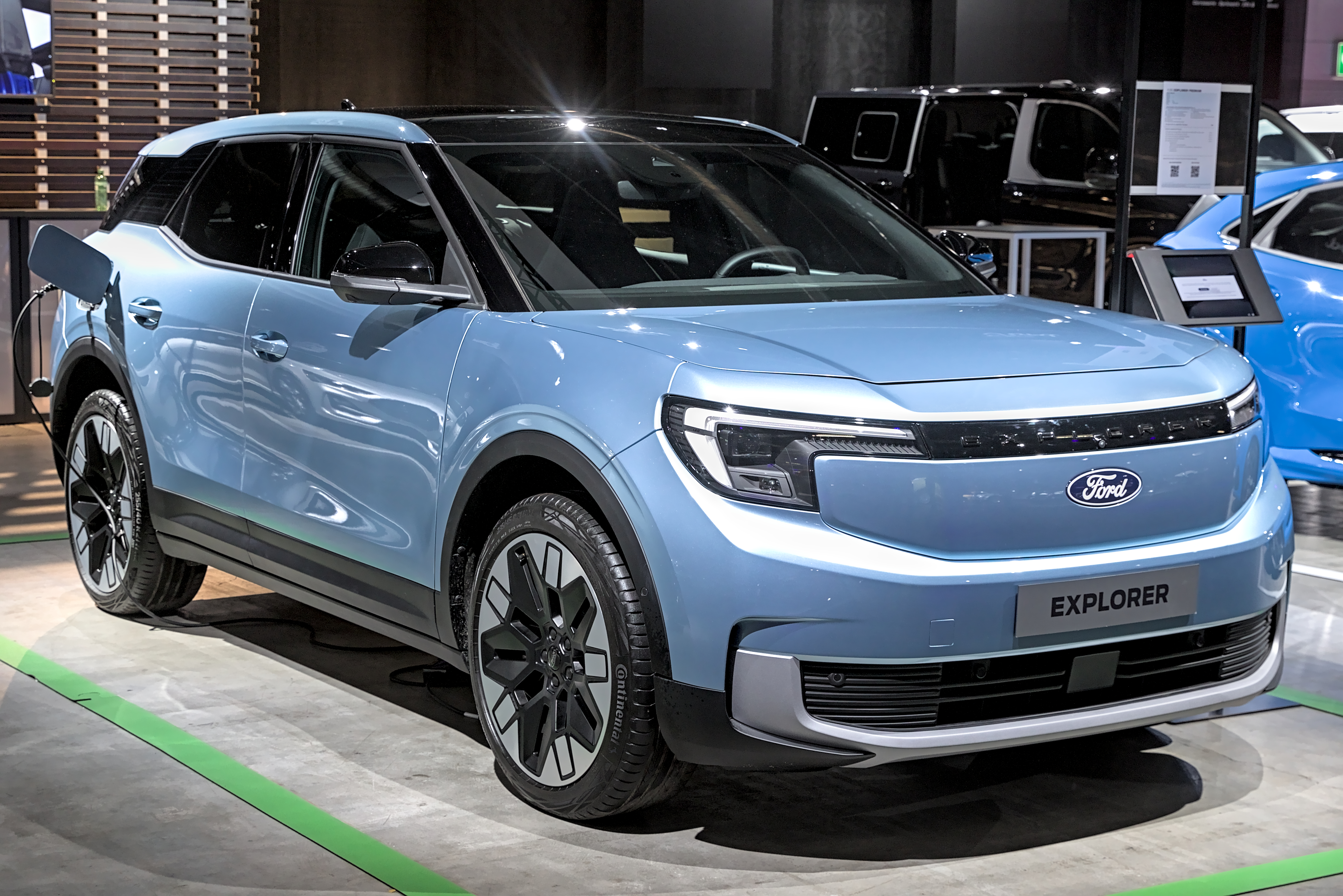
Explorer Tremor
The Ford Explorer Tremor is a more rugged version of the Explorer. It’s meant to handle dirt and rough roads better than a standard trim.

Wilderness Outback
The Subaru Outback Wilderness is a tougher, off-road-ready version of the Outback. It’s designed to be more capable on trails and rough roads without needing aftermarket mods.
aftermarket
The aftermarket is everything you buy to modify a car that isn’t made by the original automaker. In this case, people were adding off-road gear themselves before manufacturers offered it from the factory.
trail terrain plus
“Trail Terrain Plus” sounds like the name of a particular tire product. They’re saying it was designed to balance quiet ride, good efficiency, and real off-road traction.
low noise
Low noise means the tire is designed to make less road noise. That matters because even off-road tires have to be comfortable for everyday driving.
three-peat-mount snowflake
It’s a special winter badge on the tire. If you see it, the tire has been tested to work better in snow than non-winter tires.
wet traction
Wet traction is how well the tire can grip on a wet road. Better wet traction means shorter stopping distances and less slipping in rain.
TrailTrain Plus
TrailTrain Plus sounds like a tire improvement package. In this discussion, it’s mainly about making the tire grip better in rain.

Jeep Wrangler
The Jeep Wrangler is an off-road SUV built for rough terrain. People often choose tough, aggressive tires for it depending on how they drive. That’s why it shows up in conversations about tire choices and traction.
one-tire solution
It means you buy one tire that can handle a bunch of situations. Instead of switching tires for different weather or driving, you can use the same set year-round.
BF Goodridge
BF Goodrich is a well-known tire company. They’re famous for tires that can handle rough terrain, but the discussion here is about how many buyers use their tires mostly for daily driving.
KO2
KO2 is the older, long-popular BF Goodrich all-terrain tire. They’re saying it was the default choice for years, and now KO3 is the newer version.
KO3 tire
The question compares a specific tire model (KO3) to a “regular” tire, implying different construction and intended use. In practice, off-road-oriented tires can have deeper tread and different wear behavior, so rotation and alignment care can matter more.
rotate their tires
Rotating tires means swapping them to different wheel positions. It helps them wear more evenly, so they last longer and stay quieter.
rotation patterns
A rotation pattern is the exact order for moving tires around the car. The right pattern depends on whether your car pulls from the front or the rear.
front-wheel-drive
Front-wheel-drive means the front wheels do the work of moving the car. Since they handle more of the driving and steering, they usually wear differently than the rear tires.
rear-wheel-drive
Rear-wheel-drive means the rear wheels do the work of moving the car. Because the rear tires work harder, they can wear differently than the front.
heel-and-toe wear
Heel-and-toe wear is an uneven tread pattern where the tire wears more at the leading edge (“toe”) or trailing edge (“heel”) of the tread. It’s often linked to alignment issues or driving habits (like frequent city stops/turns) and can reduce ride comfort and increase noise.
alignment
Alignment refers to how the wheels are set relative to each other and the road, including angles like camber and toe. If alignment is off, tires can develop uneven wear patterns (like heel-and-toe wear) and may become louder over time.
front steer axle
The front steer axle is the front part of the car that helps you steer. Because it turns more often, the front tires usually show wear issues first.
all-wheel-drive vehicles
All-wheel-drive (AWD) means power can be sent to all four wheels, but steering and braking loads still often fall heavily on the front tires. That’s why rotation still matters for AWD vehicles even if drivers assume the drivetrain will “balance” wear automatically.
weight distribution is still on the front axle
Even with AWD, the vehicle’s mass and the steering/braking forces can be concentrated more on the front axle. That front-heavy load can drive faster wear on front tires, making correct rotation and maintenance crucial.
center differential
On many AWD cars, the center differential helps send power to the front and rear wheels. If your tires wear unevenly, the wheels roll at slightly different speeds, and the drivetrain has to keep compensating.
tire rotation
Tire rotation means moving your tires to different spots on the car. It helps them wear more evenly so you get better traction and longer tire life.
free rotation
Many tire stores will rotate your tires for free. That makes it easier to keep tires wearing evenly without extra trips or extra cost.
Headlight Restoration and Ceramic Kit
This kit is meant to clean up cloudy, yellow headlights and help protect them afterward. Better clarity can mean brighter, safer night driving.
Chemical Guys
Chemical Guys makes car-care products you can buy to clean and restore things on your vehicle. Here, they’re mentioned for a kit that restores cloudy headlights.
headlights that have gotten very hazy
Headlights get hazy when the clear plastic lens gets worn or oxidized over time. When that happens, the light doesn’t shine as far or as clearly.
no tools
Many headlight kits need tools like sanders or drills. This one is described as being simpler—no tools—so it’s easier for DIYers to use.
swirl motions
They’re describing a simple hand technique: rub the compound in small circles. That helps clean the lens evenly without needing heavy tools.
ceramic sealant
After you clean and polish your headlights, you can add a ceramic coating. It acts like a shield to help keep dirt and water from making the lights look cloudy again.

Chevrolet Camaro
The Chevrolet Camaro is a sporty muscle car. The host is basically saying they’d want a big V8 engine and maybe a manual transmission, because those are part of what many people expect from a Camaro.
V8
A V8 is an engine with eight cylinders. People often want a V8 in muscle cars because it usually delivers strong power and a more classic feel.
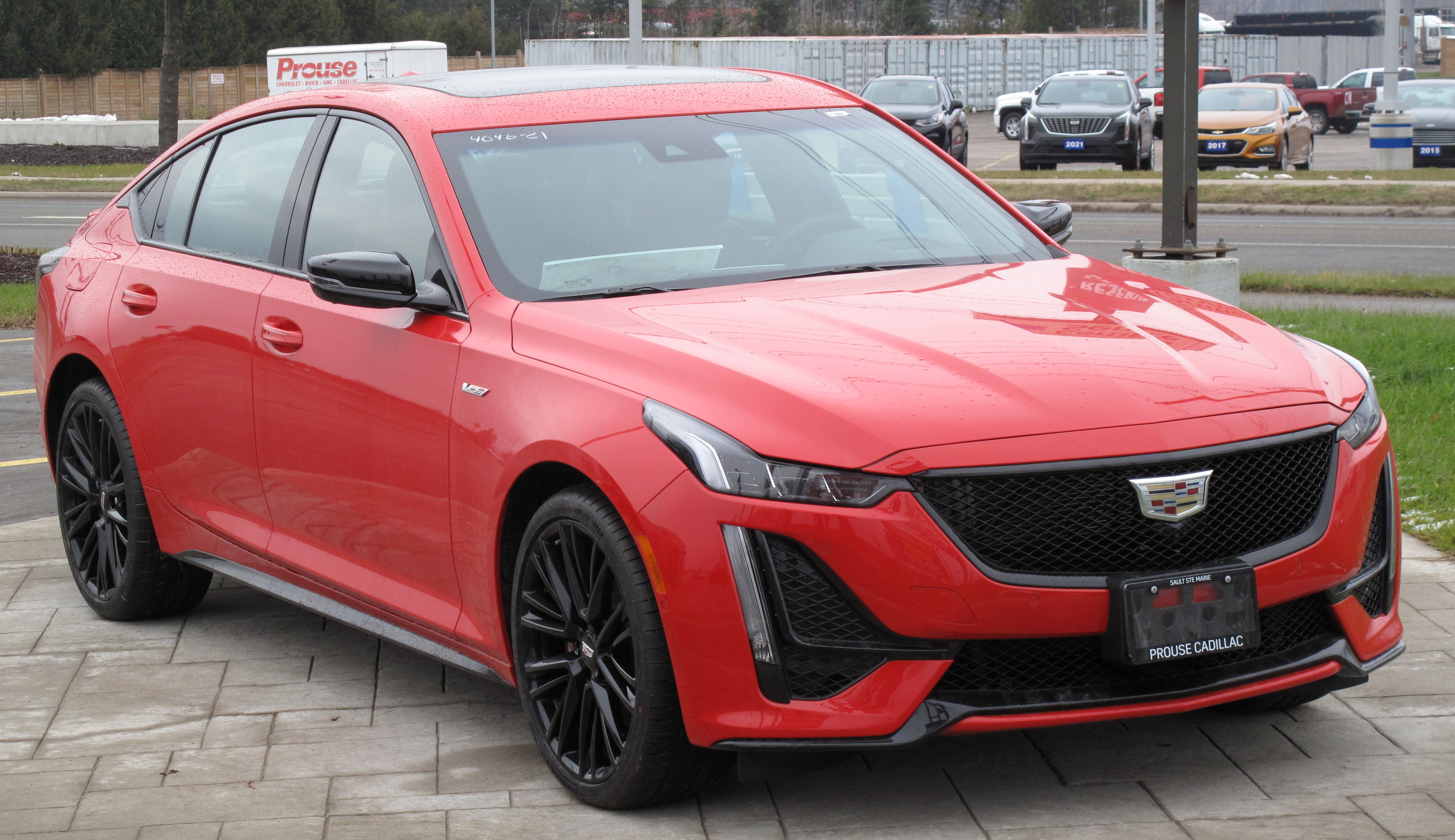
Cadillac CT5
The Cadillac CT5 is a luxury sedan, meaning it’s meant to be comfortable and upscale. The podcast mentions a specific look and a supercharged version, which is a way to boost engine power. That’s why it comes up when talking about sporty trims and options.

Chevrolet Corvette
The Chevrolet Corvette is a sports car designed for fast, exciting driving. The podcast is talking about whether something the Corvette currently has will continue to be available. That kind of change matters because it affects what buyers can expect from the car.
mid-engine design
A mid-engine car puts the engine closer to the middle of the vehicle. That can help the car feel steadier and easier to control when you’re turning.
traditional muscle car
A “traditional muscle car” is the classic American style of car—usually bigger, louder, and built around a powerful V8. The hosts think people want that kind of feel again, not just a sports-car-like experience.

Ford Mustang
The Ford Mustang is a sports car that’s built for driving enjoyment. The podcast mentions it in relation to how sales are changing over time. That matters because it shows how popular it remains and how buyers are responding.
sales slowing down
They’re using sales trends as a clue about what buyers want. If sales slow down, the company may change the car’s style or character to attract more customers.

Dodge Challenger
The Dodge Challenger is a muscle car, meaning it’s designed to feel powerful and fast. The podcast says it kept selling well for a long time while other models changed. That’s why it comes up in a discussion about sales trends.
larger sedan platform
A “platform” is the car’s basic foundation that other parts are built on. If a Camaro were moved to a bigger sedan-based foundation, it could change how the car rides, handles, and fits its engine and drivetrain.
Buick
Buick is another General Motors brand. They’re mentioning it to suggest the Camaro could use shared engineering or parts from other GM cars, not be completely unique.
