
Aston Martin
Aston Martin is a famous British car brand. People usually associate it with sporty, stylish cars and a lot of racing and history.
Steve Waddingham
They mention Steve Waddingham as the person connected to Aston Martin’s history. That matters because it affects how the story is researched and told.
Le Mans
Le Mans is a famous endurance race where cars have to keep going for a full day. Because it’s so hard, it pushes car makers to build cars that last and stay fast for a long time.
Formula One
Formula One (F1) is the top tier of open-wheel racing with strict technical rules and a focus on high-speed performance. In this segment, it’s used to explain Aston Martin’s late and somewhat mismatched attempt to compete as the sport’s design trends shifted.
mid-engined
Mid-engined cars put the engine closer to the middle of the vehicle. That usually helps the car feel more balanced and easier to control when you’re cornering hard.

Aston Martin DB5
The Aston Martin DB5 is a classic Aston Martin from the early 1960s. It’s widely known because it was used in James Bond movies, and it was basically meant to be a better, improved version of an earlier model.

DB4
The Aston Martin DB4 is an earlier Aston Martin model. In this discussion, they’re saying the DB5 was meant to keep the good parts of the DB4 but remove the problems.
James Bond association (brand notoriety)
They’re talking about how the James Bond movies made these Aston Martins famous worldwide. The hosts also suggest the company didn’t immediately realize just how big that movie connection would become.
Overproduction leading to unsold inventory
This is the idea of making too many cars for what buyers will actually purchase. If demand drops, the company ends up stuck with cars it can’t sell.
Credit crunch
A credit crunch means loans and financing get harder to get, and people spend less. Here, it helped explain why Aston Martin couldn’t sell all the cars they had already built.
James Bond effect on car marketing
The “James Bond effect” is when a movie makes a car famous and people suddenly want it. This segment is basically saying Aston Martin benefited a lot from being associated with Bond.
air conditioning
Air conditioning is the system that cools the cabin. Back then, it was often optional, so talking about it is a clue that the car was meant to be more comfortable for long drives.
three-speed automatic
A three-speed automatic transmission uses three forward gear ratios to manage acceleration and cruising. Compared with modern automatics, it typically feels less flexible and can keep the engine at higher RPM, but it was common in that era for smooth, effortless driving.
Borg Warner
BorgWarner (often spelled Borg Warner in older references) is an automotive supplier known for transmissions and other drivetrain components. Here it’s mentioned as the source of a three-speed automatic used as an option on the DB5.
electric windows
Electric windows let you move the window glass with a button or switch instead of turning a hand crank. It’s a comfort feature that was more common on higher-end cars.

Aston Martin DB6
The Aston Martin DB6 is a famous older Aston Martin grand tourer. The hosts are talking about why it lasted so long, how it was updated later, and how its shape and size changes helped it drive better and carry more people/luggage.
cam tail
A “cam tail” refers to a specific rear body shape used on some classic Aston Martins, where the roofline and rear deck flow into a more aerodynamic tail. In this segment, it’s credited with improving high-speed stability compared with earlier DB models that lacked that shape.

Aston Martin DBS
The Aston Martin DBS is another classic Aston Martin model. In this part of the story, the point is that it took a while to get into production, so the DB6 helped carry the brand in the meantime.
aerodynamic research
Aerodynamic research means engineers study how air flows around a car. In this story, that work helped shape the DB6 so it would be more stable and better behaved at speed.
two-seater market challenge
They’re talking about a business problem: it’s harder to sell a strict two-seat sports car to lots of people. As buyers get older and start families, they often want more space for passengers and luggage.
Homegrown styling vs Italian styling
“Homegrown styling” here refers to Aston Martin developing its own design direction rather than relying on external Italian design influence. The discussion contrasts that with “Italian styling,” implying a shift in who shaped the brand’s look and how that affected the car’s identity.
Four-door concept adaptable to two-door
They’re describing a clever design approach: make a car wide enough that you can later cut it down from a four-door to a two-door without it looking awkward. Wider cars at the time helped the proportions stay attractive.
Car width trend (American and British cars getting wider)
They’re saying cars were getting wider around that time, and that changes how designs look and fit. Because the cars were broader, certain styling ideas worked better visually.
Quad headlamp look
“Quad headlamps” means the car has four headlights. They’re saying this style was fashionable then, especially because American cars popularized it and British cars were following the trend.

Chevrolet Camaro
The Chevrolet Camaro is a sporty car made by Chevrolet, usually built as a coupe (and sometimes with different body styles). People talk about it because it’s known for performance and a recognizable look. In the podcast, it’s used as an example of a similar kind of car.

Jensen Interceptor
The Jensen Interceptor is a large grand touring car, meaning it’s built to travel comfortably at higher speeds. The podcast mentions it as a similar type of car to the one they’re discussing. It’s described as more luxury-focused than a small sports car.
DD on rear suspension
They’re saying the car got an important rear-suspension upgrade. That change was big enough that it helped shape the car’s setup for years.
V8
A V8 is an engine with eight cylinders, and it usually means more power potential. In this story, adding the V8 is what made the car much better and more relevant.
Chrysler torque flight automatic transmission
They’re talking about an automatic transmission from Chrysler that was offered as an option. The host says it was very reliable, meaning it was less likely to cause trouble.
stopgap model
A stopgap model is a temporary car made to fill the time until a better plan is ready. In this case, it existed because the intended engine wasn’t available yet.
quad headlamps
Quad headlamps means the car has four headlight bulbs/units instead of two. The hosts are saying some owners felt the extra pair didn’t actually help the lights work better.
facelift
A facelift is when a car gets updated after it’s been on sale—usually to refresh the look. In this case, they changed the front end for better airflow and to highlight the grille design.
Bosch mechanical fuel injection
Bosch mechanical fuel injection is a fuel-delivery system that meters fuel using mechanical components rather than purely electronic control. In this segment, the hosts say it was experimented with on the V8 but proved high-maintenance, implying reliability and tuning complexity.
carburetors
Carburetors are an older way to mix fuel and air for the engine. In the early 1970s, some cars went back to carburetors because it was easier to get them to pass emissions rules at the time.
US emissions standards (early 1970s)
In the early 1970s, the US started requiring cars to be much cleaner. That meant automakers had to change how engines burn fuel so the cars could pass emissions tests.

Aston Martin V8
Aston Martin’s V8 model was made for a very long time, from the late 1960s into the late 1980s. The idea is that it kept getting small improvements instead of being replaced immediately, and that’s part of why it became so desirable.
model run / continual improvements vs totally new model
Sometimes a company can’t afford to build a brand-new car, so it keeps the same basic design and makes smaller upgrades over time. That’s what’s being described here as Aston Martin’s approach.
BBS wheels
BBS is a well-known wheel manufacturer, especially respected in performance and motorsport circles. The segment implies that fitting BBS wheels helped the Aston Martin V8 look more modern and contributed to its “modern classic” appeal.
government loans
Government loans are money the government can lend to a company to help it survive tough times. If the government says no, the company may have to cut production or shut down.
British Leyland
British Leyland was a big British car company. The point is that the government had other urgent problems in the auto industry, so Aston Martin didn’t get the help it wanted.
spares and service
“Spares and service” means selling replacement parts and fixing cars. Even if a company can’t sell many new cars, it can still make money by keeping existing cars running.
receivership
Receivership is when a company gets so financially stuck that someone else takes over to handle the money and debts. When that happens, factories often shut down and workers lose their jobs while the company tries to sort things out.
Rolls-Royce
Rolls-Royce is another car maker that hired some of the workers who lost their jobs. The idea is that their skills were valuable to other companies too.
angel investors
Angel investors are people with money who step in to help a company when it’s running out of cash. They’re often the “lifeline” before a business can get help from banks or larger investors.
company going bust (near-bankruptcy)
“Going bust” means the company is about to run out of money and fail. For car companies, that can quickly affect everyone—dealers, suppliers, and buyers.
National Semiconductor
National Semiconductor was a major electronics company. In this story, it’s mentioned because the Lagonda Wedge’s cabin electronics and futuristic control ideas relied on advanced electronic components.

Lagonda Wedge
The Lagonda Wedge is a very unusual Aston Martin-era car with a sharp, wedge-like shape. It also had futuristic features for its time, including pop-up headlights and a cabin that looked more like a tech prototype than a normal car.
pop-up headlights
Pop-up headlights are headlamps that retract or extend from the body to improve aerodynamics and styling. On cars like the Lagonda Wedge, they also reinforce the “futuristic” look by keeping the front profile clean when the lights are off.
touch sensitive controls
Touch-sensitive controls mean you interact with the car using touch instead of turning knobs or flipping switches. The hosts are pointing out that the Lagonda Wedge’s cabin was trying to feel like a new kind of technology.
concept car → public reaction → production (trial and error)
The hosts describe a modern-ish approach to product development: show a concept car, gauge public reaction, then build a production version. They emphasize that without a manufacturing plan, it can require extensive trial-and-error to make the concept actually feasible at scale.
Lagonda
Lagonda is a luxury car brand associated with Aston Martin. In the episode, the first Lagonda at a big launch event wouldn’t start, so people had to push it so it would roll for photos.
press launch / staged photo moment
The episode highlights how automotive launches are often staged for media coverage—getting the car to roll, look good, and be photographed. When a vehicle fails (like refusing to start), the team may improvise to still capture the “arrival” moment.
electronics gave up
“Electronics gave up” points to a no-start failure likely caused by an electrical system problem (battery/charging, control modules, or wiring). In a launch scenario, that kind of fault is especially embarrassing because the car can’t even demonstrate basic operation.
Bentley
Bentley is referenced as part of Victor Gauntlet’s background (“Bentley boy”), which signals his social and automotive connections. While not a technical detail, it frames the kind of British luxury-car culture that influenced Aston Martin’s leadership and patronage.
Zagato
Zagato is a famous Italian company that makes special, stylish versions of cars. In this episode, they’re credited with helping Aston Martin create limited cars that people wanted immediately.
limited edition cars
A limited edition car is made in small numbers on purpose. The idea is to make it feel rare and special, which can drive demand and resale interest.
pre-sold
Pre-sold means people bought the cars before they were delivered or even started showing up publicly. It’s a sign the demand was already there.
pillarless effect (blacked-out pillars)
This is a styling trick where the door pillars are made less noticeable so the glass looks more continuous. It makes the car look sleeker, like the roof is floating.
greenhouse
In automotive design, “greenhouse” refers to the cabin’s glass area—windshield, side glass, and rear glass—framing the occupants. The segment uses it to describe the distinctive, wraparound look created by the pillarless effect.
French automotive glass manufacturer
They’re crediting a glass supplier for helping create that signature look. In other words, the “cool shape” isn’t only about body panels—it’s also about how the glass is engineered and mounted.
Giuseppe Metino
Giuseppe Metino is the designer credited with the Zagato styling. In special-edition cars, the designer’s choices are a big part of what makes the car look unique.
Ford Motor Company
Ford Motor Company is the company that bought Aston Martin. That kind of ownership change can strongly influence a car brand’s future.
Henry Ford II
Henry Ford II is referenced as the Ford executive who met Peter Levanos and then approved the idea to buy Aston Martin “on a lark.” In this segment, he represents the top-level decision-maker behind Ford’s entry into Aston Martin.
Peter Levanos
Peter Levanos is the person who, according to the hosts, sparked the idea that led to Ford getting involved with Aston Martin. He’s portrayed as the connection between the two sides.
Walter Hayes
Walter Hayes is a person they credit with helping connect Aston Martin to Ford’s leadership. The hosts say he had influence inside Ford and helped steer the relationship.
test bed
A “test bed” is basically a car used to try out new tech. If something doesn’t work perfectly, it’s not as painful because they’re not building millions of them.
32-valve V8 engine
This is a V8 engine where each cylinder has four valves instead of two. More valves can help the engine breathe better, which can improve performance.
emissions in all markets
They’re saying the engine was made to meet pollution rules everywhere they sold cars. That usually means tuning the engine and exhaust so it burns fuel cleaner and produces fewer harmful gases.
Ford stewardship
They’re describing how Ford ran Aston Martin after taking control. In this case, Ford didn’t micromanage right away, and they let Aston keep working on its own.
Jackie Stewart
Jackie Stewart was a famous race driver. Mentioning him is about how the brand used a well-known racing personality to help sell the car and build reputation.
shared parts (switchgear/components)
Smaller car companies sometimes use parts from other brands to save money and time. Here, they’re talking about shared dashboard switches and other interior/electrical components because making everything from scratch would be too costly.
Jaguar
Jaguar is brought up because some Aston Martin cars used shared switchgear components. The point is that these smaller companies sometimes borrowed parts from other British brands to keep costs down.
Ford engine management systems
Engine management systems are the car’s computer controls for how the engine runs. They help the engine use fuel efficiently and meet emissions rules, and the hosts say Aston Martin benefited from Ford’s ready-made technology.
emission compliant
Emission compliant means the car is tuned to meet pollution rules set by the government. That usually requires the engine to run in a controlled way so it burns fuel more cleanly.

the DB7
The Aston Martin DB7 was a turning point for Aston. It was designed by Ian Callum and started as a project that could have been Jaguar, but it became an Aston Martin. Later, a V12 helped it feel like a true step up.
platform engineering
Platform engineering means using the same basic “skeleton” across related cars. It helps manufacturers build faster and cheaper, while still allowing different body styles and engines.
inline six and later a V12 engine
They planned the DB7 with different engine options: first an inline-six, and later a V12. The V12 was a big deal because it helped make the car feel more like a top-tier Aston.
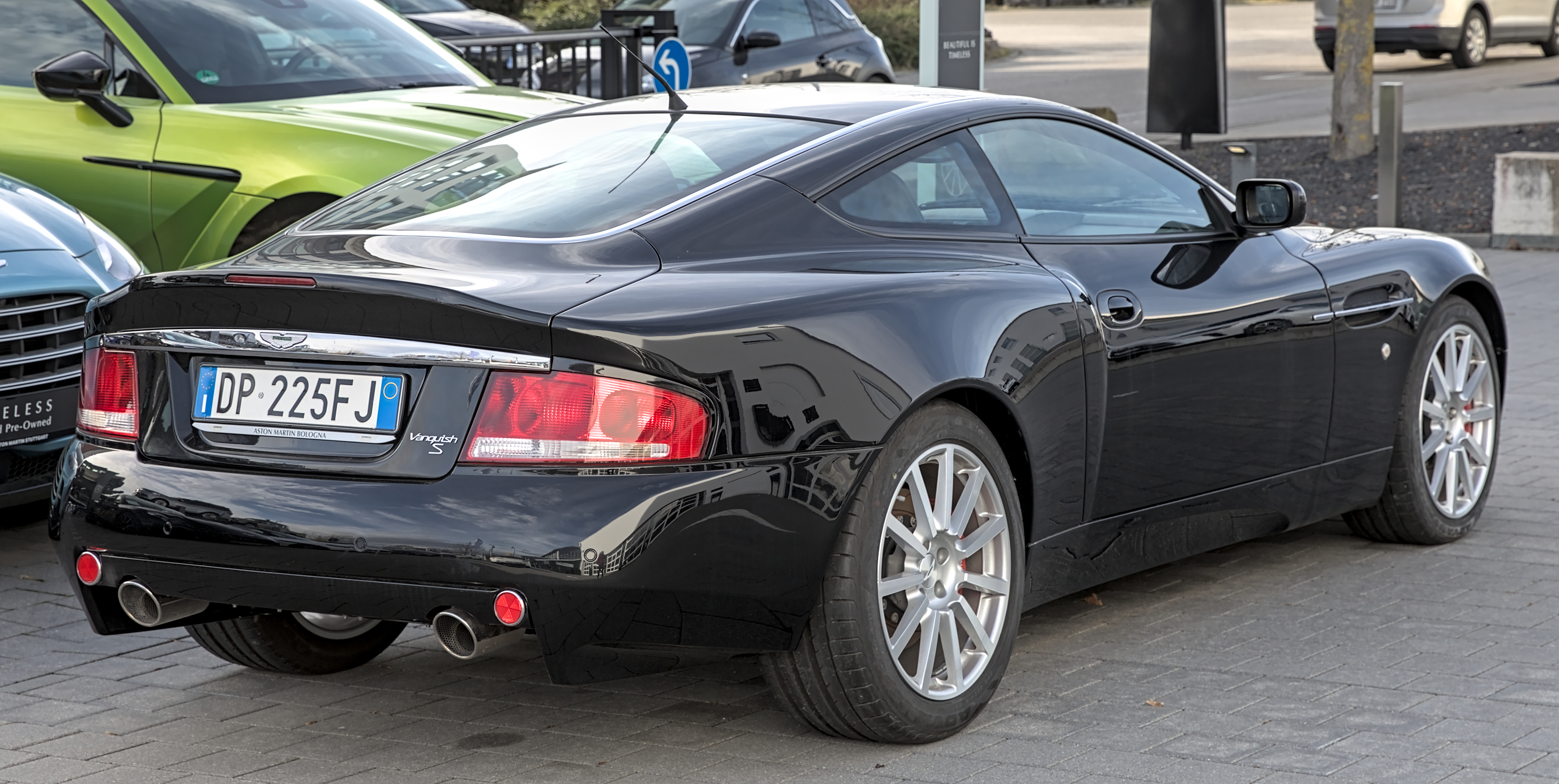
Aston Martin Vanquish
The Aston Martin V12 Vanquish is a 2001 Ian Callum design that shows Aston stepping up its game. It’s associated with newer manufacturing methods, like bonding body panels, to improve the car’s structure and quality.
bonded panels
Bonded panels means the car’s body parts are glued together in a structural way, not just welded. It can make the body stronger and help with long-term durability.

Lotus Elise
The Lotus Elise is a small sports car designed to feel quick and easy to handle. It’s known for being light and for focusing on driving rather than comfort features. The podcast brings it up as a reference for what a similar kind of car might be like, just bigger.
bonded aluminum structure
Instead of only welding metal together, this kind of car structure uses special bonding to join aluminum parts. That can help keep the car light and make it easier to build different versions.
platform that can be lengthened, shortened, widened
They’re saying Aston Martin used a “one base, many sizes” approach. The same design can be stretched or reshaped to make different cars without starting from scratch.
glued and bonded together
Instead of only using metal joints like welding, they can join parts with strong structural glue. That can help the car be lighter, but repairs may require special procedures.

DB8
They’re talking about the Aston Martin DB8 as a model idea that was considered but skipped. The reason wasn’t just engineering—it was also about how people compared Aston Martins to Jaguars.

Jaguar XK8
They mention the Jaguar XK8 because Jaguar was working on it around the same time. Aston Martin worried that a DB8 would be seen as too close to what Jaguar was doing.

Aston Martin DB9
They say Aston Martin decided to skip the DB8 and jump ahead to the DB9. The point is that it was treated like a bigger, newer move rather than just the next small step.
ProDrive
ProDrive is the racing company that helped run Aston Martin’s return to racing. Instead of Aston Martin doing everything themselves, ProDrive handled the racing program and building the cars.
customer races
Customer races are events where regular customers can buy into a racing series and race the cars. The idea is that it funds the program and spreads the racing experience without putting the road cars in danger.
privateer teams
A privateer team is basically a racing team that isn’t the car company’s own factory team. They still race cars in the event, sometimes with help or cars from the manufacturer.
luxury add-ons
“Luxury add-ons” here refers to higher-margin features or premium branding elements that can be cut when a parent company needs to reduce costs. The hosts connect it to Ford selling off brands after losing money, implying Aston Martin’s corporate backing was reshaped by financial pressure.
Ford Premier Automotive Group
This was Ford’s plan to group several luxury car brands under one organization. The idea was to manage them together, but it didn’t work out the way Ford hoped.
Jack Nasser
Jack Nasser was Ford’s top executive at the time. The hosts credit him with helping Aston Martin stay supported inside Ford, even though he was criticized in the press.

Aston Martin DBX
The Aston Martin DBX is the brand’s SUV, and the hosts describe its 2015 launch event in Monterey, California. The DBX is notable because it marked Aston Martin’s move into the high-volume luxury SUV segment while keeping the brand’s performance identity.
blackout reveal event
They’re describing a staged car reveal where the car is hidden until the official moment. It’s meant to make the unveiling feel dramatic and memorable.
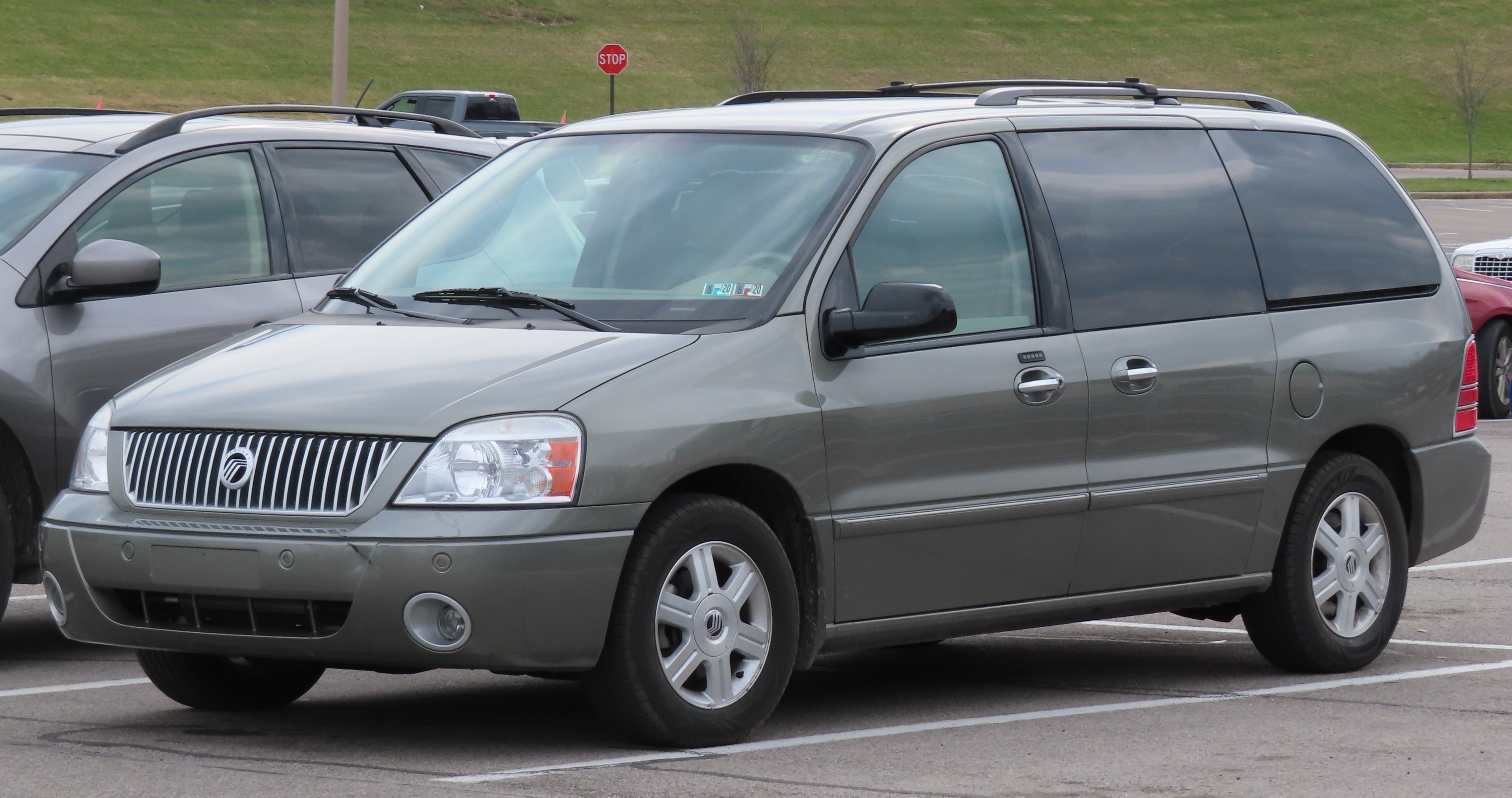
Mercury Monterey
The Mercury Monterey is a classic American car model known for being a comfortable, full-size vehicle. The podcast talks about it in connection with an event in Monterey, California. It’s mentioned as part of the car history and the excitement of that time.
Aston Martin Lagonda SUV concept
Aston Martin tried an SUV idea under the Lagonda name back in 2009. The point is that it was too early—people didn’t embrace it yet, even though it looked good.

Bentley Bentayga
The Bentley Bentayga is one of the SUVs that proved luxury SUV buyers were real. The hosts mention it to explain why Aston Martin’s SUV idea made more sense later.

Rolls-Royce Cullinan
The Rolls-Royce Cullinan is a super-luxury SUV. It’s brought up because it helped convince people that “ultra-luxury SUV” was a thing, not a gimmick.
Mercedes G-Class
The Mercedes G-Class is a well-known, rugged SUV platform. Aston Martin is saying they could have based the DBX on that kind of existing foundation, but they chose to do their own platform instead.

Mercedes-Benz Gclass
The Mercedes-Benz G-Class is a luxury SUV built to be tough and durable. It has a strong, traditional SUV structure and a very recognizable boxy shape. The podcast mentions it because it could have been used as a base for a new luxury SUV platform.
