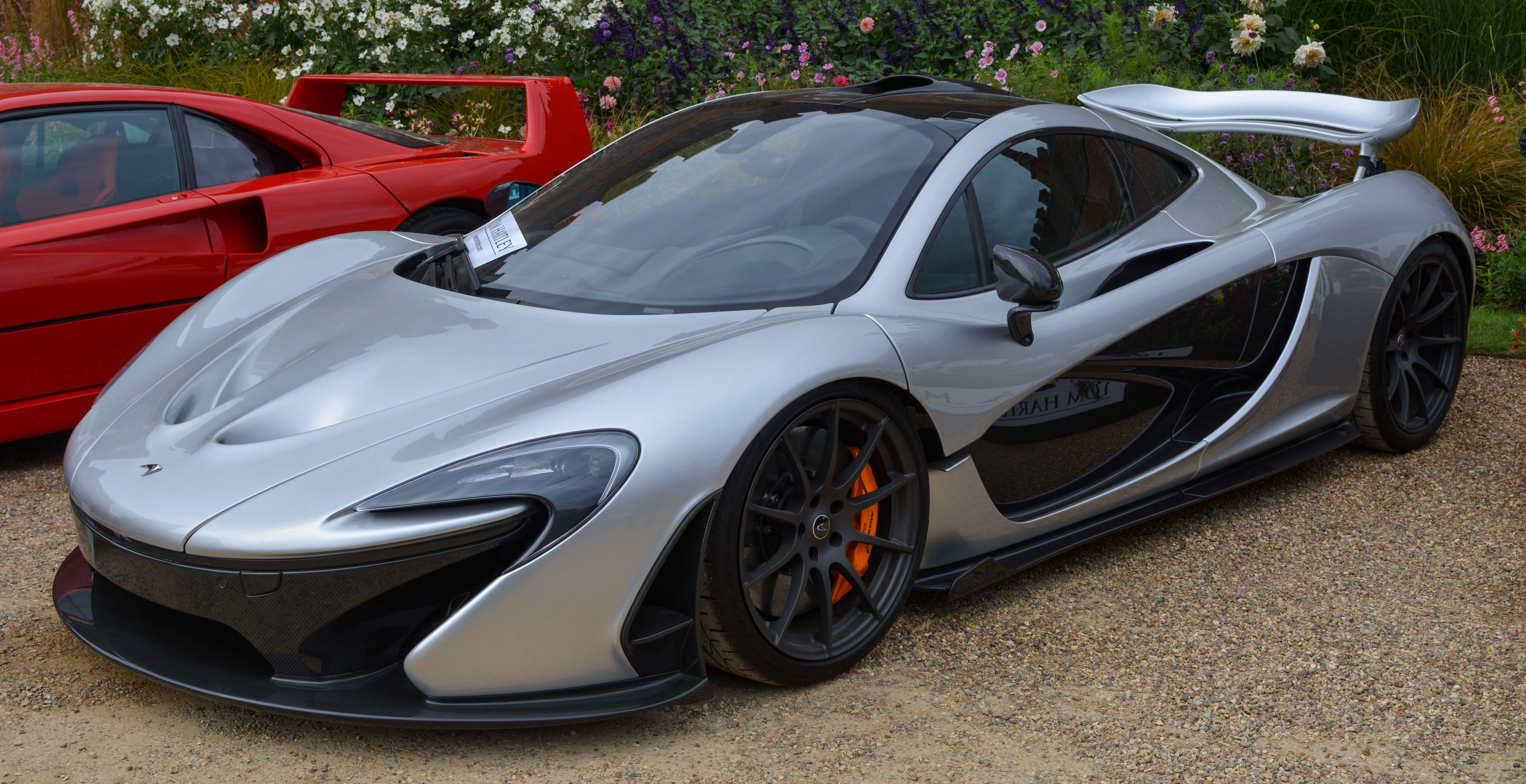
An auction market is where people come together to sell and buy cars by bidding against each other. The car goes to the person who offers the most money.
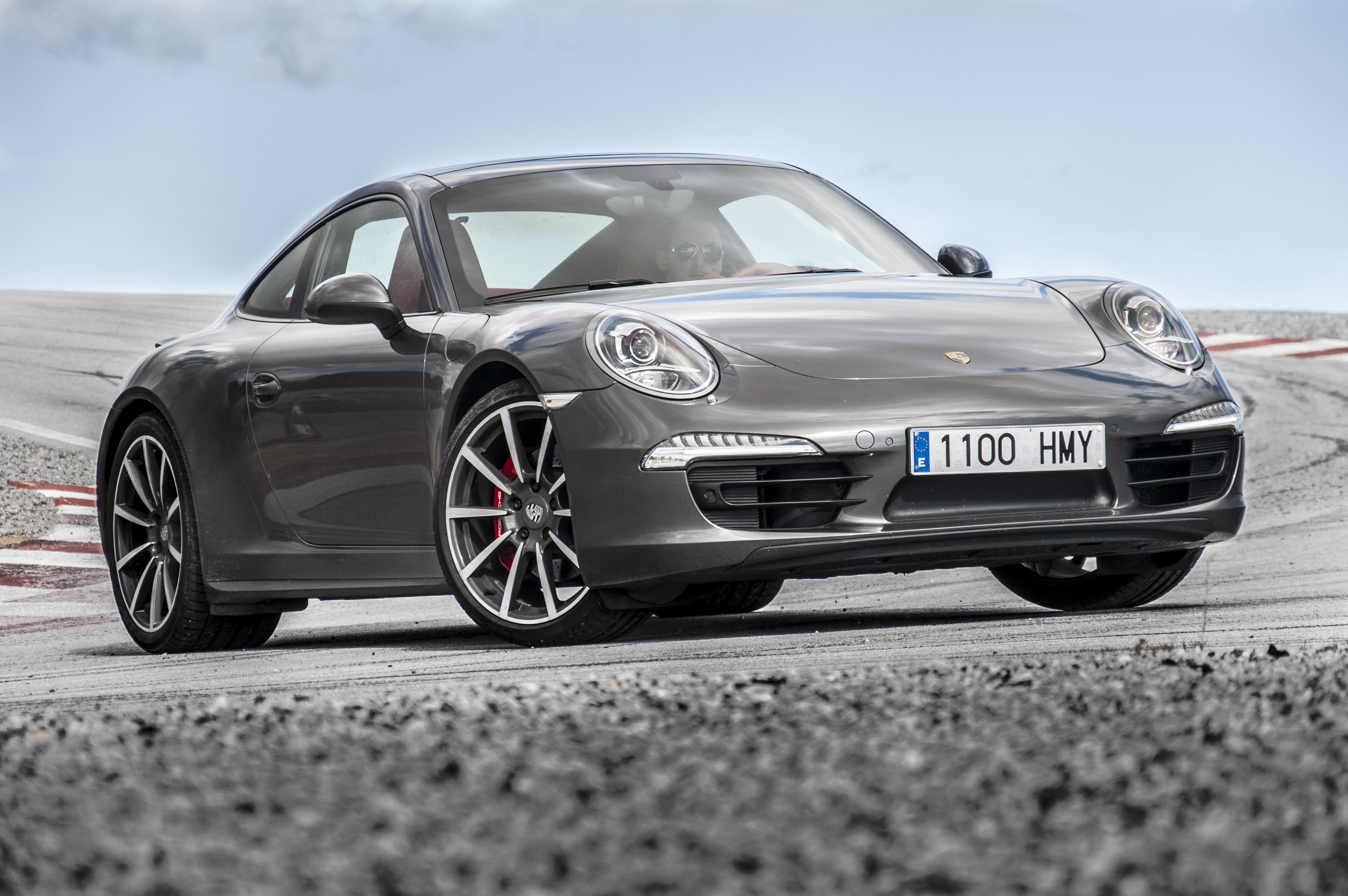
The Porsche 911 is a famous sports car that looks unique and is fun to drive. Many people like to fix up old ones and race them because they are special and fast.
The Ferrari 250 GTO is a very old and special car that people love because it raced a lot and there are very few of them. Because of this, it sells for a lot of money when people buy it at auctions.
Car flipping means buying a car and then selling it quickly to make money. Some people don't like it because it can make special cars harder to buy or more expensive.
An automatic transmission changes gears for you, so you don't have to do it yourself. This makes driving easier but can change how much a car is worth.
A manual transmission means you have to change gears yourself using a clutch pedal and gear stick. These cars are often more fun to drive and can be more expensive when sold.
The Kia Soul is a small car that looks different from others and is good for driving around town. People like the older ones because they are fun and useful.
The Porsche Carrera GT is a very fast and special car made by Porsche. It has a powerful engine and is known for being one of the last supercars that didn’t rely on a lot of computer help.
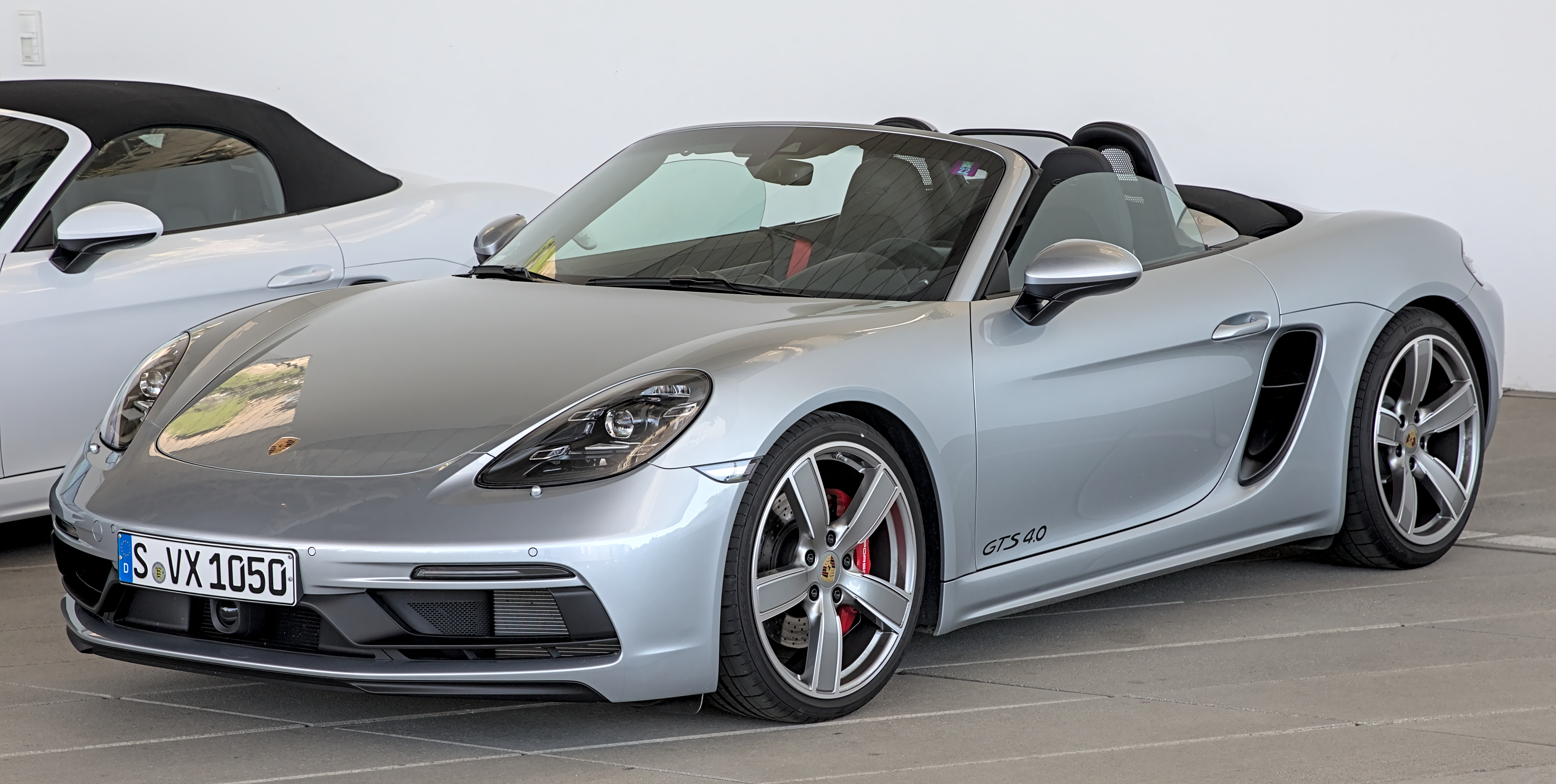
The Porsche Cayman is a small, sporty car that is fun to drive and not too expensive for a Porsche. People are talking about Porsche maybe stopping making this car soon.
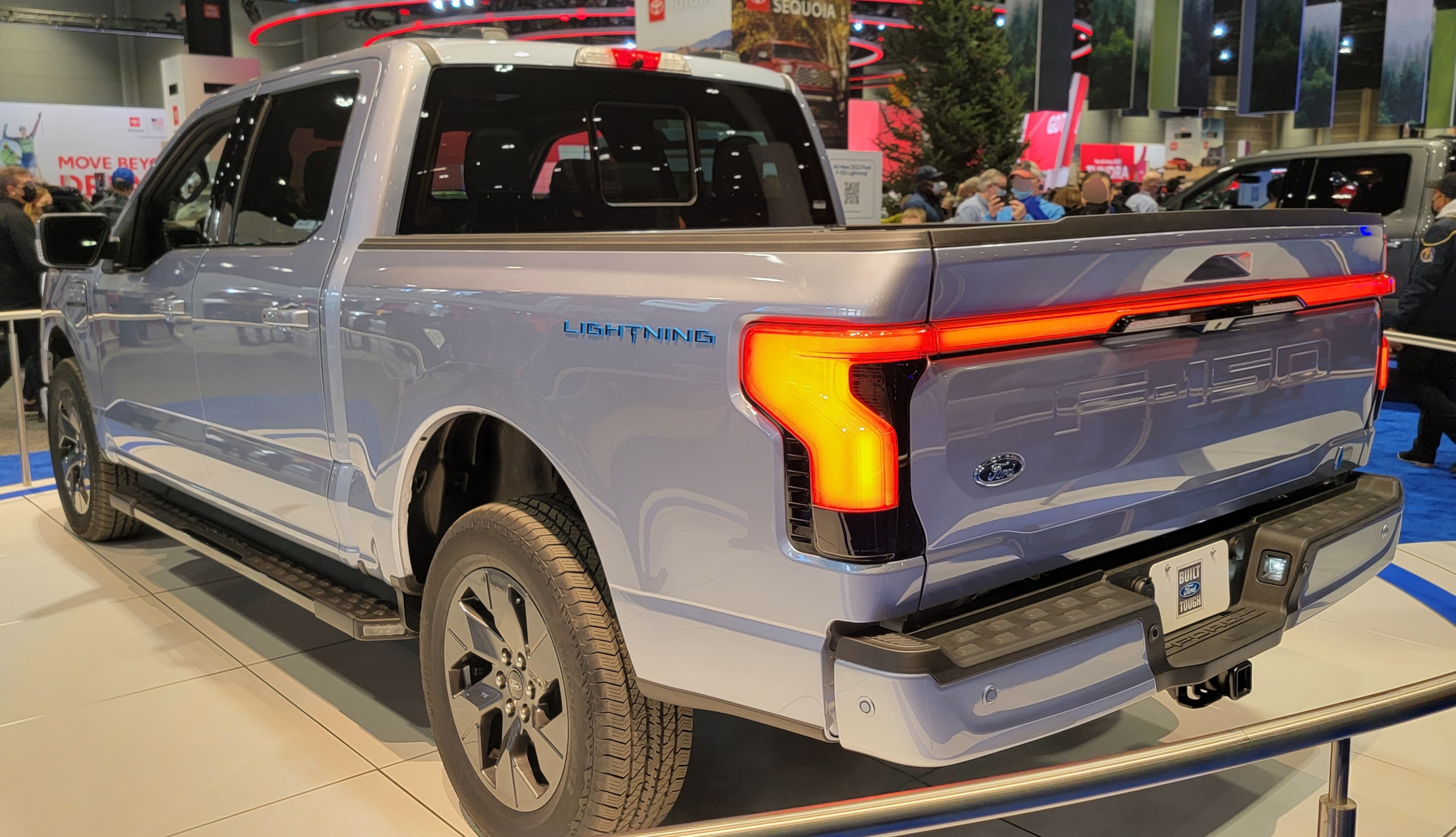
An electric vehicle, or EV, is a car that runs on electricity instead of gas. It uses batteries to power the motor and doesn't need fuel like regular cars.
The BMW X5 is a fancy SUV that is comfortable and fun to drive. It's a popular choice for people who want a car that can carry family and still feel sporty.
The Bentley Bentayga is a very fancy and comfortable SUV that is also very powerful. It was one of the first SUVs made by a luxury car company like Bentley.
The Tesla Model Y is a small electric SUV that can carry more people and stuff than a regular car. It's popular because it's fast and can drive far on one charge.
The Ford Mustang is a famous fast car from America that many people love because it looks cool and goes fast.
LIVE
Soriatic arthritis symptoms can be unpredictable.
I had joint pain, and I couldn't move like I used to.
I needed relief.
I got Cosentix.
It helped me move better.
Cosentix Secu Kenyumab is prescribed for people two years of age and older with active soriatic arthritis.
Don't use if you're allergic to Cosentix before starting get checked for tuberculosis.
An increased risk of infections and lowered ability to fight them may occur,
like tuberculosis or other serious bacterial, fungal or viral infections.
Some are fatal.
Tell your doctor if you have an infection or symptoms like fevers, sweats, chills, muscle aches or cough,
had a vaccine or plan to, or if inflammatory bowel disease symptoms develop or worsen.
Serious allergic reactions and severe eczema-like skin reactions may occur.
Learn more at 1-844-COSENTIX or cosentix.com
Ask your dermatologist about Cosentix.
Bloomberg Audio Studios
Podcasts. Radio. News.
I'm Hannah Elliott.
And I'm Matt Miller. This is Hot Pursuit.
Coming up on today's podcast, multi-million dollar whips.
The market for new cars is sputtering, but there's a feeding frenzy for collectible rides.
We go inside the auction market.
Plus, Art Ellinghorst joins us.
A big deal in automotive research.
I grew up reading his notes out of ISI.
We'll probe him for his thoughts on the industry.
And Porsche specifically as he restores and races Classic 911s.
And we're going to talk about Hannah's upcoming column without spoiling it for you.
What is the most important or impactful car of the century thus far?
It's a big question and we'll discuss.
Exactly. I can't wait to talk about it.
But first, we have to talk about what's going on in the auction market.
And I feel like we have spoken about it in the last week or two.
But the hits just keep coming and it takes a minute to really wrap your head around what is going on.
And to like compare notes with all these other analysts and hear what they're seeing.
And the takeaway seems to be that we are in like this weird growth moment for auctions.
And the stories seem to be like double and triple last year's sales, especially led by Ferraris of course.
Yeah, I mean we've talked about the GTO and as a deep tease, you have booked David Lee,
the buyer of that $38.5 million Bianco Speciale 1962 Ferrari 250 GTO for our podcast next week.
So that's coming up.
To me, even more interesting, or it's evolved into an even more interesting story,
is the Enzo that sold at Kissimmee for almost $18 million.
And it's interesting on a few different levels, Hannah, because first of all,
this is like a new generation of cars bringing in the top dollar.
And you've been reporting on this for a couple of years now.
So that's not the point that I think is most interesting.
But you're seeing the values of the older cars that were the most collectible previously start to come down.
So for a Bugatti Type 37 or whatever, and even for the GTO,
you may see lower prices in the future of those pre-war or 60s and 70s cars
as the wealthy youth of today favors the 80s and 90s cars.
Well, yes. And I want to be very, very careful about how we frame this
because I know Steve Sario and others will correct us if we don't get it right.
But I think it's accurate to say that those older cars from pre-war certainly,
but possibly even from the 50s and 60s and 70s are falling off a little bit in the interest around them.
They are no longer driving the growth in the market.
What's driving the growth are cars from the 80s, 90s,
and later these so-called young timers or modern classic cars.
But we need to make sure that we say that the best of the best always have buyers.
And that goes for whether it's pre-war, that goes for whether it's a 250 GTO,
that goes for anything, that goes for Porsche 930 turbos.
The reason why this particular 250 GTO sold for 38 and not the 50 million plus that it had been asked for
was because of the car itself, not because of the market.
And there are a couple of things that made this particular car less desirable than a GTO that might be worth 50 to 60 million.
Namely, it's not an engine, numbers matching.
The original engine is not in the car, it's not a numbers matching car.
It's never raced outside of Europe.
It's a wrong-hand drive.
Yeah, that's a big thing too.
And it's white, which could be like a positive or negative depending on how you look at it.
To me that's got to be a positive.
It's the only white one.
Yes, but there's another argument that says, but like red is classic.
Like a Ferrari should be red, a Ferrari is supposed to be red.
So just because this Ferrari, yes, it sold for a lot of money.
It didn't sell for as much as a lot of the other 36 GTOs are worth.
But that's because of the car.
The car sold for what it was worth.
So we should say that.
Okay.
But to your bigger point, yes, it's these super cars from the 80s and later.
And I also want to say, and we haven't talked about this, about that yellow Enzo.
A lot of these cars have like crazy low miles on them.
Like this Enzo is 649 miles period.
There was that F 50 that also sold at the same auction for over $12 million that had 252 miles on it.
What a waste.
Yeah, like, and the thing we're seeing is, and we talked about this on TV.
There's a growing contention of people who are using this purely for investment.
And I don't want to say speculation, but it's these ultra low mileage cars that are getting bought.
And I don't think we can expect that they're going to get a lot of miles added to them.
It's so sad.
Actually, somebody just, by the way, on Bring a Trailer right now, there are two 2026 911 GT3 Tourings for sale.
How many miles do they have on like 10?
Like one of them has, I think like 38 miles.
And a commenter said, oh, this is great.
The new owner can easily put two, three, or even 400 miles on this car.
Like it's so pathetic and sad.
I don't know why Porsche allows people to flip cars that way.
I know it's, you know, I'm coming from the investment world.
It should be NBD to me because these are just assets at the end of the day, but it hurts somehow and it feels wrong.
But the Ferrari, I think the Enzo is specifically interesting maybe just to me because, A, I don't typically like yellow cars.
And I think it looks fantastic.
B, I've never really liked an Enzo before.
And now all of a sudden, I desperately want an Enzo.
And C, there are so many conspiracy theories kind of about why it went for this much.
And correct me if I'm wrong, but before this, Enzos were going for single digit millions, like half or less.
And so I heard Spike Ferris and say maybe there were a few billionaires bidding next to each other and they had been drinking.
Well, didn't Dave from Meekum this morning said there were about three very interested parties?
Yes, Dave Majors, the CEO of Meekum also, and they ran the auction, also said that to us this morning.
That's all you need is two, really.
That's true.
So Johnny Lieberman and others have floated this story, but I heard it from him.
The journalist said that he heard the buyer already owned six Enzos and was trying to bring up the value with this bid on his seventh.
Which would make sense because then another one sold for like 12 million right after that.
So it's already working.
These are not mutually exclusive theories.
Then you're correct.
I'm very, very, as a reporter, very uncomfortable just spouting, repeating chatter.
Just for the record, for all our listeners in this conversation, I am not participating in the chatter because we don't know.
Well, I'm never hesitant to share speculation as long as I source where it's coming from.
And these are people who are incredibly active in the automotive industry.
Obviously Spike Ferris didn't buys and sells a lot of very high dollar cars.
Not this level though.
Maybe not, but I think approaching it, and especially if he's buying for Jerry or selling for Jerry, and he definitely advises Seinfeld on those unpurchases and sales.
And Johnny's like sitting at the dinner table.
So I don't know.
I think the speculation is a really fun part.
And as long as I say who it is and we make clear that it's only speculation, I feel like it's fair journalistic practice.
Can I pivot a minute?
Yes.
You know this is an automatic transmission car, right?
I hadn't even thought about that.
Because Matt, this like breaks all your rules.
Well, no.
But you still love it.
There can be, I think it's fair to say there can be double digit million dollar exceptions to the rule.
Okay, all right, all right, that's fair.
But I again, I ran, before I talked to Lauren Stroll, I interviewed Lauren Stroll earlier this week because he owns Aston Martin and Aston Martin F1 and they had their delivery reveal.
I again ran the numbers on Aston's to find out in the second hand market, you know, in auctions and on used car sites, the manual transmission cars go for sometimes only 40 to 80% more, but often double or triple more than the automatic versions go.
And obviously they're much cheaper, but if you're looking for a 2007 V8, you know, you can pick up an auto car for like 30 grand.
And if you want one with a stick, it's going to be like 50 or 60.
The same is true of Ferraris at a higher price point, obviously, and Porsches as well.
Like, think about when you're looking at nine, six, fours that are for sale, you don't even consider the fact that there could be a tiptronic in there, but there are sometimes.
So are you saying the car itself could supersede your desire for a manual?
Not at that, no, not at that in that generation.
Okay, all right, all right.
But I know that happened to you at some point because
Well, are you talking about the Corvette?
No, Magnus got a, isn't the 991 Turbo his first PDK car?
Yeah, it happens. It'll happen.
Yeah, let's talk about what is pushing the collecting market for a minute because I think it's important to say that there's no one thing.
Like everyone's been asking what is what is pushing literally last year, every major auction house, Sotheby's, Gooding, Broad Arrow, even collecting cars and bonnems were all up.
And most of them were up by like double digit percentages, most were made record results last year.
And the growth is coming from interest in late model supercars like Lamborghini Ferrari, McLaren Bugatti, etc, even Porsche.
But I also think the influence of social media and online auctions shouldn't be overlooked because you and I know social media content is at an all time fever pitch and it's so easy to look at cars and it's so easy to learn about cars.
It's so easy to find other people who like the same kind of cars you like. I don't think that should be overlooked as a huge primary factor in pushing the collector car market up.
And then on top of that, the online auctions and bring a trailer in specific.
I think it's, I think you're spot on. And by the way, we should point out to listeners that you wrote a column about that.
Yeah, went out this week and everybody I've talked to, even people who aren't car people are reading that and discussing it.
I mean, you and me and Barry Ritholtz and me and my neighbor Eric and me and my brother Luis, we're like sending BAT auctions to each other all the time.
I know.
Sometimes without comment, I'll just send, you know, no comment needed.
Yeah.
And also, you know what I love about that? Okay, you know, like with music, we all have songs that we know we shouldn't like, but we do.
It's a guilty pleasure. Same with entertainment, like TV, we know we have shows that are, we know aren't cool, but we watch them anyway.
Everybody has a car equivalent of that.
Yes.
And like, what do you, do you, what's your guilty pleasure car that you know is wrong, but you don't care if you don't want to be right?
Well, I don't feel that bad about it, but like I love the older generation Kia Soul, for example.
What? What? We have never spoken about this.
I know, I know, but whenever I see like a 2010s Kia Soul on the street, I like pointed out to my wife. I don't know why.
Where is this coming from?
I don't know. I just, I like them.
What?
And then.
That is so weird.
There is a similarly small Renault. Everybody else likes the version that has like eyes and eyelashes in the front.
But I like a different one. It's the rear engine like compact Renault.
I can't remember it because I don't live in Europe anymore and you don't see it in America.
But yeah, that's, that's about as bad as it gets for me.
Well, that's, I mean, I, the reason why I ask is I feel like going back to bring a trailer when you start texting your friends cars that you're watching,
it kind of slowly comes out what your secret guilty pleasure is because you end up sending those links to those cars.
But you have never sent me a link to a Kia.
No, because I don't, I don't really, I don't really want one.
By the way, the Renault is the Twingo.
And that is a car.
Oh, you've talked about that before.
I actually would, I actually would buy a Twingo if it was the right generation.
Not the current one and not the first one.
I like the second one.
Put on an APB.
Cool. Listen, we have a lot to get to because we have aren't Ellen Horst waiting in the wings.
He is, to me, one of the most important analysts in the auto industry that I've followed, like Ellen Horst, Adam Jonas,
you know, Steve Mann, Michael Dean.
These are the people that I, that I go to.
They're super smart.
Absolutely.
And he races a classic car at Le Mans.
That is very cool.
So that's like, yeah, I want to be him someday.
You know, plus we're going to talk about your column and we won't spoil it,
but we're going to talk about the most important and impactful car of the century so far.
That's all coming up.
This is Hot Pursuit.
Through this special referral offer, when you get a new Apple card, you can earn bonus daily cash.
To qualify, you must apply at apple.co.getdailycash.
Apple card issued by Goldman Sachs Bank USA Salt Lake City branch offer may not be available elsewhere.
Terms and limitations apply.
Welcome back to Hot Pursuit.
We are happy to have aren't Ellen Horst joining us this week.
All right.
So we just, we just interviewed Dave Majors, the CEO of Meekum Auctions and aren't,
I don't know if you saw the Meekum results from last month, but, you know, David Lee,
we're obsessed for 38 million.
Somebody bought a yellow Enzo for $18 million and a signal orange 918 sold for six.
Wow.
Pretty insane, right?
A Porsche 918 sold for $6 million.
That's crazy.
Is that the highest ever?
Yes.
I mean, you follow it more closely than I do, but it sounds like a lot.
Yeah.
I mean, Hannah prefers the Carrera GT, right?
Wait, when have I said, are you joking?
No, you've said, you said, you think the Carrera GT is the last supercar.
And I'm always like the 918 was definitely a supercar.
Okay.
Sure.
If you want to put it like that.
Yeah.
I would, I would not, I would not call a 9, 9, 8.
I'd call it a high end sports car.
Oh my goodness.
What a snob.
I agree with Hannah.
I agree with Hannah.
Thank you.
Yes.
I like you already.
This is going very well.
Dude, let's talk first.
Let's start just by getting your overview of the industry.
Now, I followed everything you wrote when you were at ISI and you were deep in it then.
Now you're running an AI company.
So how deep in it are you when it comes to the automotive industry and results and the business?
Look, I mean, you never leave it, right?
I mean, it's a great industry.
You suffer with the guys.
Obviously, you know, with everything that's been happening the last couple of years.
But, you know, it's, yeah, I mean, it's a product that triggers a huge passion.
So I think, you know, I've never really fully left the space.
And with, you know, with our tech company with Quantco, we engage with some of the OEMs.
You know, I was very close to BMW for four years, helping on a sort of advisory board.
So yeah, I've followed the industry quite closely.
You know, asked me about quarterly numbers.
I know nothing anymore, which I think is great because it's sort of the painful thing as an analyst.
But now I've been following things.
Sure.
But didn't you work at Volkswagen and Audi before you got into banking?
Yeah, I've, you know, I've written my thesis at the end of my, you know, university with Audi.
And that's what got me into the car space.
And they've recommended me to a junior management program at Volkswagen, which I've joined.
Yeah, and I left right after, you know, moving into finance.
And then, you know, I've had a career in finance and research for many, many years, which was great fun.
And yeah, that got me into many boardroom situations and obviously, you know, translating between the industry, the capital market,
engaging with investors during different times of cycles and, you know, crisis moments, whether that's industry, economy or company specific.
I mean, this, this industry has everything in it that you can imagine if you're interested in, you know, analyzing anything in the economy.
You get it all in autos.
Aren't you mean you mentioned crisis moments.
We have to talk about Porsche right now.
And obviously you have so much history and background.
I know you are a deep enthusiast and owner and lover.
Of course, we've seen the news that Porsche may scrap the 718 sort of Cayman Boxster EV line.
Give us your perspective on what's where Porsche is right now in its history and its future.
And what do you make of this announcement that they may scrap that plan?
Yeah, look, Hannah, I think, you know, in any company, there are bumps on the road, you know, every now and then.
And I think Porsche has just experienced such a bump.
You know, it's been a perfect storm from an economy perspective, whether that's, you know, trade, US dollar, China.
I mean, they've headed all these guys, right.
Let's not forget it's a company that's manufacturing in Germany predominantly in Europe and exporting it to the world.
So they can't hedge any of their exposure.
So they're fully exposed and, you know, we've going full steam into EV, hitting all the brakes on EV.
And it's just really tough for a company of that size.
You know, we talk about 300,000 cars roughly.
So you don't have the economies of scale that some of the other OEMs have that can hedge their power trains a bit better.
That can, you know, be a bit more flexible.
Porsche just doesn't have that.
So, you know, I feel for them at the same time, it is, you know, as we all know, it's one of the greatest brands out there.
Full stop, not just automotive, right.
So for Porsche, still at the end of the day, you know, it's a question of who do I expose, you know, which customers do I expose myself to?
Who do I want to be rather than, you know, oh my God, I have to sell all these cars.
I mean, it's really up to management to decide who they want to be.
Do we want to be more a sports car company?
Do we want to be more an SUV company?
How much performance do we want?
You know, that's an adjustment.
I think they're going through currently and they will come out of it.
You know, last year has been very, very tough.
But, you know, and, you know, also, you know, I'd be doing the business and suddenly, you know, being exposed to analysts and investors out there and trying to please everyone.
That's also a new experience, right?
I think you make such a good point.
Sorry.
I don't, I was just going to say, you make such a good point that they are a great brand.
They are a great brand that makes great products.
And I think that's why this is so surprising or shocking because the assumption is that this is truly, this is the king of the hill for many people.
Do you, obviously it's easy to play Monday morning quarterback.
Is there any way this where we are now could have been avoided in your view?
Or is it like you say that this truly was, they were completely exposed on every front.
And they could not have avoided being at this place where we are now.
I think some of the things were probably self-inflicted.
I think the company was probably getting a bit overly self-confident as we came out of COVID and pricing in the industry went north.
And suddenly, you know, oh my God, we're going to be a 15% margin company.
Oh my God, we're going to be a 20% margin company.
Oh my God, we're the greatest.
You know, and they fell in love with themselves probably a bit too much.
And then this, you know, dual CEO structure with with Oliver being CEO of Volkswagen and Porsche,
which I think the Porsche family has really asked him to do.
So they're probably not as focused as they could have been.
They fell in love, as I said, with themselves a little bit.
And I think they definitely drank a bit too much of the EV Kool-Aid, if you ask me.
So there were a couple of things clearly that they could have avoided self-inflicted pain.
Yeah, but it's always easy to say in hindsight.
But yeah, that's...
I will say, you know, I started working at Bloomberg 26 years ago.
I battled out to my desk in Frankfurt, Germany, writing about the stock market.
And so we had, like, we would cover the biggest companies and we had little taglines for each one.
And for Porsche at the time, we would say the world's most profitable car maker.
Because they were, you know, but I, and Vettacan was, you know, the CEO,
and I knew people who knew some people in the Porsche family.
So, and I love the cars, obviously, so I was very interested to follow.
And it just seems to me that the Porsche family as an owner
has made a mistake after dramatic soap opera style mistake.
Like, in fighting with Piesch and trying to buy Volkswagen
and end up getting swallowed themselves.
And now this journey into electric, and they're also not helped by the German,
like, board, supervisory board rules.
And it's just, it could be a movie could be made about it.
But, of course, we all care more about the product than the business side.
And aren't, tell us about your experience with 911s.
I see the poster of, is that your car behind you that you race at Le Mans?
It looks like it.
And I think you have a...
Yeah, that's a picture from 1969.
Okay, so tell us about that specific car, because it's so cool.
And it must be a, you know, a lot of work to keep up with that
as much as it is to cover the company.
Well, that's a lot more fun.
Yeah, look, I mean, we've, we've picked up this car that was driven by
Jackie Dechamel, French driver and Philippe Fargent,
his co-pilot in the 1960, 1970 at Le Mans.
And they've quite successfully raced the car.
And we brought it back to life and restored it properly,
then got it, you know, back into Le Mans for the first time in 2018.
Was it an ST?
Was it the original ST or was it...
Which 911 was it?
No, it's a bit earlier.
Yeah, it's from 1968.
And they basically bought the TR kit from Porsche,
which included the race engine of the 906.
So it has a 225 horsepower engine, revving 8000 to 9000.
So it's great, great fun.
But look at the context of Le Mans.
You obviously the smallest guy out there, right?
And when we raced in grid 5 with all these, you know,
917 Porsche's, GT40's, Lola's, prototypes,
it's, yeah, it's quite interesting.
You feel quite slow and quite fast at the same time,
which is, yeah, it's absolutely fascinating.
I love that race.
I love the car.
I love slightly older 911s.
I'm not, I had a 964 RS once,
which I crashed in Goodwood on a track day, silly me.
But I really enjoy racing these older cars a bit more.
They're lighter, they're more lively.
And, you know, they also give you a bit of a warning
when you overdo it, which, you know,
some of the older Porsche's don't.
And because, you know, you can imagine,
I'm obviously not a great driver.
You know, that helps me a little bit.
Tell us how you really developed your love of cars.
I think I've read actually that you did not grow up
in an automotive family.
You didn't really grow up watching motorsport.
How did this life and this car and all of this develop for you?
Sure, I read you had no TV.
Yeah, exactly.
I was counting steep somewhere in Germany.
So look, I've had an older brother.
He was restoring cars in our garage and I helped him out.
So I was basically...
This is in Germany.
You know, yeah, that was in Germany.
I was the little brother sanding, you know,
endlessly these, these Beatles and Carmen,
G.S. and other cars.
So we've been restoring cars.
And look, my first car was a red Beetle.
So I had a passion for that,
but I wasn't, you know, totally obsessed with it.
And, you know, out of coincidence,
I happened to, you know, start working at Audi
and then Volkswagen.
So that developed obviously interest in the industry
and then I moved into finance,
becoming an analyst following the industry.
So with that, I think, you know,
developed my passion for the industry
and then, you know, also the passion
for the cars came back to me, I think,
at a time when I probably had a, you know,
bit more money to spend to get an old 911.
And then, you know, the fascination
of taking part at Le Mans Classic
is, you know, I think you don't have to
explain too much about that.
That's just a huge, fun event.
So you have this 1968 911 with the TR kit restored
and I've seen another old, like, late 60s Porsche
that I guess you drive around London.
What's the story with that one?
Yeah, that's a recreation of a similar, you know, of a TR.
It's a short wheelbase.
So you're pretty partial to this, like, late 60s TR.
I just love the whole history of guys, you know,
you know, the passion to race 60s, 70s.
Usually they didn't have a lot of money, right?
And they were getting all the tools
and all the toys together.
They were building up these racing engines,
the racing cars, and then take them to race.
And I think that's just fascinating.
They're always running out of money
and then, you know, they crest something
and then they build the car up again.
So for me, I'm not a, you know,
I'm not a matching, you know, engine, gearbox.
Everything has to be matching in these cars.
For me, these are cars that are put together by racing drivers
and then they're, you know, being driven properly.
And in the orange-white, call it TR recreation,
it's actually a 2.7-liter engine in there.
Do I care? No. And it's great fun.
It's great, great fun.
And I love that about the brand, right?
That's what, I mean, the essence of Porsche
is always something, you know, call it rebel
or, you know, how do you want to call it?
And then if I think about the brand,
it's probably become all a bit too much corporate.
Does that make sense?
Yes, it does.
I mean, I think most people would want Porsche
because they are daring and, you know,
a bit more, yeah, I mean,
outdoor rebel rather than, you know,
accountant, you know, controller type brand.
Is it even realistic to think that Porsche
might be able to get back to somewhere
in that universe that you're describing
with its current ownership structure
and its current corporate structure?
Is it even realistic to think it could approach
that mentality again?
Yeah, I think that's a super important point in my view.
I mean, nowadays they're selling, what, 50,911
and then, you know,
a lot of SUVs.
A lot of SUVs, right?
So there's a lot of soccer mom in there.
There's not a lot of race driver in there anymore.
But still, the brand is still a lot,
Steve McQueen, you know,
James Dean, at least in my condition.
And they have an interesting line
in their current investor deck,
which I think is a bit, is wrong.
And I wouldn't agree with that.
They say it's not about what you buy,
it's what you buy in tune, right?
And I do think it is really a lot about what you buy, right?
And what you buy is a Porsche
and there should always be a lot of sports car,
daring, racing, rally, rabble.
That is the essence of the brand still.
And that needs to be really, really looked after.
So I think there should be more.
And not just, you know, pimping up, you know,
the 911 here and there.
It's coming out with like proper performance,
high-end performance cars.
And I think that is something that's missing in the portfolio
and that's missing in the brand.
By the way, what do you think?
It might cost you some margin,
but you know, I think that's more important.
What do you think aren't about other brands?
Because we've been talking a lot about, you know,
they have increasingly become a very corporate
and computerized, at least it looks by their products,
you know, like CarMaker.
There hasn't been a manual gearbox for like a decade
or two decades.
Aston Martin also has gotten rid of it completely
and their stock chart just goes down to the left.
Like I keep thinking it can't get any cheaper
and I want to buy the stock,
but then it gets cheaper and cheaper.
What do you think about other brands?
Like when you look beyond Porsche,
and I know you're probably super busy at work
and you dedicate what little time you have
to racing Le Mans Classic,
but what do you think about, do you have any hope
for other CarMakers?
Or is anything else there interesting to you?
Yeah, I think you have this.
I mean, you're either really super, super high-end
and you're a Bugatti, you're a Koenigsegg,
or you know, parts of Ferrari,
where you sit in this ultra high-end,
ultra exclusive bucket.
Or you're sort of where Porsche is
and Porsche has bits of elements of a BMW, right?
The high-end BMW SUV,
something that priced even above the Porsches.
But I think Porsche is in a quite unique position
to sell that number of cars at that price point.
And that tells you a lot about the brand.
And you can see with Aston Martin how difficult it is
to replicate that.
Look at the DBX.
I mean, it's just so tough to get where Porsche is.
So I'm not an expert really on Ferrari.
It's not a brand or a product that will trigger me personally.
It's amazing.
But I guess I'm just so much more of a Porsche guy.
But when I look at the economics behind these business models,
I think you're either super high-end
and you can charge millions for a car,
which very few can.
Or let's not forget,
Porsche does benefit from being connected to the VW
industrial conglomerate.
That does certainly help.
I was talking to Lauren Stroll earlier this week
and I put it to him that they make really beautiful designs.
They're elegant, right?
And Ferrari is becoming more...
I don't even know what it is.
It's not brutal, but it's just weird.
And I said, dude, why don't you make a car with three pedals
and embrace mechanical intimacy
instead of technological supremacy?
But I think he was not having a great day
and didn't feel like answering.
He didn't take that bait.
No, he didn't.
But like somebody has to come out with something
that's more analog, right?
Yeah, let me...
I mean, I was...
I don't know whether you...
I'm sure you saw that.
There was a Top Gear last year where
they got Mata Remak out.
They got Christian Königsegg out.
And they got rocked from Singer out on the track.
And they all brought a car and raced their cars.
And obviously, I mean, I think Mata brought Remak
and he bought a Bugatti.
And then the Königsegg was there.
And they're all, I mean, lightning fast
and smoking wheels and crazy acceleration.
And I think rock brought a Tobu Singer smile.
I don't know.
But anyhow, I mean, they've been racing these cars.
But the biggest smiles on their face
were with this manual Porsche flipping it around the track,
making great noise.
And I think that quite passed you something.
Couldn't agree more on the comments you've made on the manuals.
I think at some point,
I wouldn't be surprised to see what Mata does in the future.
I mean, because we know from his past, he is such a car guy.
I mean, with his BMW that he built.
And in any conversation we ever have with him,
he too, Matt, supports your like diehard manual obsession.
I don't think it's out of the,
and he's been pretty open about unfortunately,
things like the Navara have not sold.
People don't want him.
So I would, I don't think it's crazy to think
that Mata might come out of the blue at some point
and do something really fun.
Because he is like that on the inside.
It's a question of whether he has
100% financial and corporate freedom to do it.
But to your point,
I mean, I would just be, I think he would agree with you
exactly what you're saying.
Let's see what happens to Bugatti.
Let me finally get your take on electrification
because a lot of people slag off this podcast
saying that we don't like EVs, which isn't true.
I love an electric powertrain in certain vehicles.
And they're obviously quick and very simple.
We've recently seen that car that can hang upside down.
They're going to start making and selling those.
I think it's a British car that has like a vacuum seal under it.
And they're so fast.
But what's your take?
You've seen that one at Goodwood.
Yeah, yeah.
What's your take on the electrification of vehicles?
And surely like in 20 years,
most cars will be electric, right?
Yeah.
Look,
you know, for driving around for, you know,
especially urban mobility,
electric is the technology to, you know, to go to,
you know, is an EV fast around the Nordschleife?
Yeah, you know, maybe.
Can we use EV, you know,
hybridization to increase the performance of combustion engine?
Yeah, yeah, sure, sure.
I get it for the environment.
Look, I've been covering the space for so long.
I've been making all the arguments about the value chain
and where the batteries come from and the minerals
and the energy and all that.
I'm still, you know,
I'm still a big fan of hybrid vehicles, if I'm honest,
because I just don't believe in putting these huge batteries
into vehicles that are being driven, you know, 90% around the block.
You know, you just put so much energy into the car
that's not really being used.
So I think there's a lot of overkill to create that range.
You know, I like range extenders as well.
But I think the industry is, you know, we're learning
and a lot more flexible, interesting platforms coming out
that make more sense.
We've just leaving this, you know, phase where everyone said,
you know, all EVs, only EVs.
And then everyone said, oh, no more EVs.
We hate EVs.
And now people sit down and look at what's, you know,
what really makes sense.
And they're different powertrains.
You need more flexibility on the powertrain
based on where the cars have been driven and so on.
So yeah, look, electrification makes sense.
I do, if I want to have fun,
I can't quite hold 9-11 out.
And whether that's London or no more,
that's just great fun.
Very cool.
Well, I think we both agree with you on that one.
For sure.
Dude, thank you so much for spending some time with us.
Really appreciate it.
It's been a while, so I'm glad to get in touch with you again.
And next time in London, I'll give you a shout.
Thanks for having me, guys.
Our thanks to Arne Ellinghorse.
Great hearing from him.
I learned something from talking to any of these analysts.
Love it.
Coming up, car of the century.
The news doesn't stop on the weekends.
Context changes constantly.
And now Bloomberg is the place to stay on top of it all.
Hi, I'm David Gurrah.
Join us every Saturday and Sunday
for the new Bloomberg This Weekend.
I'm Christina Rafini.
We'll bring you the latest headlines,
in-depth analysis and big interviews.
All the stories that hit home on your days off.
And I'm Lisa Matteo.
Watch and listen to Bloomberg This Weekend
for thoughtful, enlightening conversations
about business, lifestyle, people, and culture.
On Saturday mornings, we put the past week's events
into context, examining what happened
in the markets and the world.
That on Sundays, we speak with journalists,
columnists, and key political figures
to prepare you for the week ahead.
Join us as soon as you wake up
and bring us with you wherever your weekend plans take you.
Watch us on Bloomberg Television.
Listen on Bloomberg Radio.
Stream the show live on the Bloomberg Business App
or listen to the podcast.
That's Bloomberg This Weekend.
Saturdays and Sundays starting at 7 a.m.
Eastern on February 28th.
Make us part of your weekend routine
on Bloomberg Television, radio,
and wherever you get your podcasts.
Welcome back to Hot Pursuit.
Oh, Matt, I wanted to ask you.
Okay, if you had to do, like,
a quick reaction to the car of the century,
what car would you say has had the most
impact of this century?
Of this century?
Yeah.
Um, let me think.
You can think about it and tell me.
I'm asking a bunch of people.
The car of the century...
Introduced since 2000.
Yeah, no, I'm thinking, like...
I...
You'd have...
A lot of people would argue Tesla for sure, right?
Because before...
Which Tesla?
Well, the Model S was the first one
that proved you could have
a viable electric car
and people would buy it
and it would be drivable
and you could make it,
you know?
Mm-hmm.
Um, so...
Yes.
And that kind of changed a lot, right?
I wouldn't say it changed everything
because now we're... there's some backlash,
but it's...
Now every car maker offers an EV
and that wouldn't be the case
if it hadn't been for,
I would say the Model S.
Yep.
Do you think it would be a different one,
like the Roadster? No.
No, so I'm writing a column about this
and I'm asking a bunch of people
I'm not going to reveal
what I think is the car of the century
because I'll save that for the column
if we're taping this out. Good point.
But I hear what you're saying
and
that all makes a lot of sense
and I've already started the column
so for hindsight, time stamping,
this column is already mostly written
so when it comes out
you will know that I had already written it
before you giving your answer, Matt.
Okay.
I'm going to say some other people have said some...
Do you want to go through what other people have said?
Yes, please, because I think it...
it's a big question.
It's a big question.
And you could make arguments
for other vehicles.
Nissan Leaf.
I suppose.
Actually predated the Model S
barely and has sold more.
Somebody said the Nissan Leaf to me
which is a valid suggestion.
Right.
It is valid,
but I think Tesla really changed the way...
Like the Nissan Leaf
probably
definitely didn't
and probably still wouldn't have had
as much of an impact on the way Mary Barra thinks
or the way
Jim Farley thinks
as...
When you talk to CEOs
they all refer
to Elon Musk.
And the Leaf didn't do that
even though it actually beat
the Model S.
No one's quoting Carlos Ghosn.
No.
But you know,
I'm sure you could make arguments for other vehicles
and probably you could make arguments
for ones that aren't even in the American
like Zeitgeist.
Because my mind also sort of went to F-150.
Right?
Because you could say like utilitarian...
That's not from this century.
Okay, that's true.
Okay, here's for another
conversation.
Starter, the Porsche Cayenne.
Because it was the first wave
of premium SUVs
and was a big bucket
of profitability for Porsche.
Generated a ton of cash that actually helped
Porsche attempt to take over
VW.
So, there's
that argument.
Did it
predate the X5?
The Cayenne?
Ooh.
Let me see.
No one knows anything anymore.
We just Google stuff, right?
It did not. The X5
made its debut in 1999.
So I would...
In my
consciousness, the X5
was the first time I
thought of a luxury SUV.
At least
one that I would have wanted and seen on the street
and been like, oh, cool.
An X5.
I mean, the Cayenne...
That is an interesting suggestion.
True. Because I do think it
helped save Porsche
in a very real way.
Which has had big
ramifications.
It's hard for me to ever wrap my head
around the fact that Porsche has had these problems
in the past. I know
when I watch history of 9-11s,
people say
certain
generations
had to save
the car maker.
Or we view certain generations differently
now than we did during... I remember
when I
first wanted to honestly buy
a 9-11 when I had money and I was ready
to go out and get a car
and my buddy was like, dude,
you should get one of these and he was sending me
used 964 classifieds
at the time. And I wanted
to get the
996
because I thought
the headlights looked cooler.
I was like, no, I want the new one because it has that
strange, like, double headlight thing.
You have not admitted this.
That is your true reaction.
This shows truly, before you were
influenced by all these other peanut gallery,
your true reaction was
you did like it. At the time.
Yeah, when I was, you know, I was
a kid. I was in my early
age. I just got a job
and
man, do I regret.
Have you seen the black one
that Magnus is telling?
Yeah, I know.
That is a killer
looking car. I know it's a 996
but literally when I thought I was like, oh,
if Matt thinks he doesn't like 996,
he hasn't seen this. I still think I don't
like the headlights. And by the way,
I got an email from a listener
this morning who was like, dude, just pony
up and buy a new Carrera T.
Save us
all a lot of time and effort,
emotional energy. I did
and I found
one that I wanted and I
put it all together and my wife was like,
what planet do you live on
that's not happening? So
I still have to convince her.
Let's go back to the topic at hand.
Yes, I think
without spending
hours thinking about it, which I now will
do since you asked the question and I now
will ask everybody that I run into this is
my new question. Yes.
But my knee jerk reaction is the Model S
because I think it changed
the car world
completely even though the Roadster was
before it. Obviously the Roadster was
built on a Lotus.
The Roadster was before it, but it was still
like a kit car feeling kind of thing.
I remember the first time I ever
drove in one with Jason Harper. We went up
to Bear Mountain and barely made it back.
That was part of the fun.
That's a good story.
But the Model S was a legitimate
car, like a real OEM
product and
for years, if not
decades before that
people would talk about electric cars
and my friends
in high school would get high
on the porch and say, man, big auto
is just trying to stop us from doing
electric because of the gas industry.
It's the man.
Yeah, exactly.
And Tesla was the first one to really stick it
to the man with that. Yeah.
Well, if we're talking electric, what about
something like the La Ferrari
which was like
you could argue that was
the first model that really used
electrification for
superior performance
not just, oh, it's going to save the
world. What's your thought on that?
Someone else suggested Kyle Stock, actually.
I'll give him credit. Kyle Stock suggested.
My take on that is
before the La Ferrari came the
Porsche 918 Spyder. Sure. Well, Kyle
also did mention that too. He sent me a few ideas.
Yeah. So, and there
was a whole the McLaren P1
the La Ferrari in the 918.
Sure. But
for me, the
918 was the first time that I
really thought about
the fact that you could do
hybrid and not
care at all about the environment. Like it wasn't
yes. It didn't
need to be green at all. It was just
for performance. It could have actual benefits
unrelated to whatever
marketing
campaign. Yeah. Also, I never
loved the look of the La
Ferrari.
Well, you are really
you're feeling a little anti-Ferrari.
No, no. I was just going to say I never
I remember the only time I
have seen one up close really
was I got into Sergio Marchione's
La Ferrari. Well, that's the
mic drop.
And I didn't like the look of it
and I at the time I remember
not liking the look of the Enzo either.
I was just going to say how can
you say and I just heard you say this
you never knew you wanted an Enzo so bad
until you saw that yellow one that sold for
18 million. True, because now I've been
which looks like the La Ferrari. You're right.
You're right. Dude, taste change
over time. Yeah, you're maturing.
I well know or I mean maybe it'll
change again in 10 years like I don't know.
10 minutes. I
I also didn't like the grateful dead
when I first heard them and now they're my
favorite band and you know there's
I think everyone has
ever changing
tastes and
now when I look at the Enzo it just looks
so cool and different
and it looks almost wrong
like they put the accidentally put the wrong
rear end on a different
front end but I love the way
it turned out so yeah.
I don't think
we could have a La Ferrari without an Enzo.
No, I agree with you 100%.
100%. Yeah.
Fun to think about.
It is. What are some of the other answers
that people have given you?
OK, so Nissan Leaf, Tesla Roadster
La Ferrari
918 were a couple
Cayenne.
Do you know Michael Dean? Of course.
Michael suggested
Cayenne actually.
He also wanted to throw in his
vote for the SLS AMG.
Mostly because I think he was in Stuttgart
when he was emailing me.
No, he just loves it. He just loves it.
And then he also wanted to say
the 991
because it took
the 911 to a new level of pricing
but I think that's splitting hairs
and we can't include the 911 in this.
I mean, I don't think La Ferrari
or Porsche 991 can go down
OK, here's one more
that could be polarizing. Also from
Michael, the Cullinan Rolls-Royce
because
it's so ridiculous in how it looks
and how much it weighs
but it turned around the fortunes
of Rolls-Royce
and says Michael, he kind of loves it.
OK, but the Bentley Bentayga came before
that and it's even more ridiculous looking.
It wasn't good though
when it first came out
and that's an actual fact.
Is Cullinan? I've never driven a Cullinan.
Oh, you would love it.
I'm a huge fan of Rolls-Royce.
I'm a huge fan of big cars
and I've never driven one of those.
Not to brag, but
I first drove it in Jackson Hole
up at Black Diamond Ski Run
and then
I drove it in a rally in Death Valley
for like four days in the desert
completely off-road.
It sounds insane
and you know I would say if it wasn't good
the Bentayga was not good
but it is very capable.
By the way, you don't like the Bentayga
in terms of the way it drives
the way it's engineered or just the way it looks
in the name?
Well, I'm talking about when it first came out.
They have greatly improved it
and I just drove the Speed last year
and it was really nice
but when it first, first, first came out
years ago, no
it was not good.
It wasn't ready. It was awkward.
Going back to your column
the only two that makes
sense to me are cars that have changed
the way we, you know, the industry
operates today. And the Tesla Model S
I think is a clear winner
for changing the way every car maker
operates pretty much.
And the Cayenne is like a runner up
because it is
the precursor to the
sovification of all cars.
Sovification?
Yeah, I know what you mean.
Ford doesn't even really sell cars anymore.
They're all SUVs
or trucks. Okay, they sell the Mustang.
Thank God. And please
keep making that.
So those two make sense to me
but none of the others really do.
Okay. Well, stay tuned
my column
with a bit of luck.
And we do have a long weekend coming up
when I will not be riding, but should be out next week.
Maybe we can talk about it.
Very cool. Yeah.
So this week's show remember to follow
and subscribe to Hot Pursuit
on Apple Spotify and anywhere
else you listen. You can also send us
your comments. Email us
at hotpersuitatbloomburg.net
And check out Hannah's columns
and stories on bloomburg.com
and the Bloomburg
business app. Go there for car reviews
events and stories that you won't find
anywhere else. Find it all at
bloomburg.com slash pursuits
slash autos including this week
column on collector cars and next week
her column on car of
the century. I'm Matt Miller.
And I'm Hannah Elliott. We'll be back in your podcast
feed again next week.
We'll be back in your podcast feed again next week.
About this episode
The discussion dives into the booming collectible car auction market, highlighting record sales of Ferraris like the 250 GTO and Enzo, and the shift in collector interest from pre-war classics to 80s and 90s supercars with ultra-low mileage. Speculation around high bids and investment motives adds intrigue. The episode also explores the impact of social media and online auctions in driving market growth, debates manual vs. automatic transmissions in collectible cars, and teases a conversation with automotive analyst Arndt Ellinghorst. Personal car guilty pleasures and market dynamics make for an engaging, multifaceted conversation.
This week Matt and Hannah discuss the auction market for collectible cars, which continues to be in a feeding frenzy. Automotive analyst and Porsche enthusiast Arndt Ellinghorst joins the podcast. Plus, a preview of Hannah’s upcoming column on the “Car of the Century.”