The tire light on your dashboard tells you that one or more of your tires might be low on air or have a problem. It's a reminder to check your tires to keep your car safe.
The TPM light is a warning light on your dashboard that tells you if your tires might be low on air. If it comes on, you should check your tire pressure to make sure they're safe to drive on.
Tread is the rubber part of the tire that touches the ground. It's important because it helps your car grip the road, especially when it's wet or slippery.
Mud tires are special tires made for driving in muddy areas. They have deep grooves to help the car grip the ground better when it's slippery, but they can be bumpy on regular roads.
All terrain tires are made to work well on different types of surfaces, like both roads and dirt paths. They have a tread pattern that helps them grip well no matter where you're driving.
Winterizing your car means getting it ready for winter weather. This includes making sure everything works well in cold temperatures, like the tires and battery.
Snow tires are made for driving in winter conditions like snow and ice. They help your car grip the road better when it's cold outside, making it safer to drive.
Adaptive cruise control helps your car keep a safe distance from the car in front of you by automatically changing your speed. It uses special sensors to see how fast other cars are going, so you don't have to keep pressing the gas or brake pedal.
Radar sensors are like eyes for your car that help it see other cars around it. They use radio waves to figure out how far away other vehicles are and how fast they're going, which helps your car drive safely.
The service engine light is a warning light on your dashboard that tells you something might be wrong with your car's engine. It could be a small issue or something more serious, so it's important to check it out.
This phrase is a technical way of saying there's a problem with one part of your car's emissions system, specifically the catalytic converter. It means that the system isn't working as well as it should, which can affect how clean your car runs.
A catalytic converter is a part of the car that helps clean up the exhaust gases before they leave the car. It makes the car less polluting and helps it pass emissions tests.
A diagnostic trouble code is a special code that tells you if there's a problem with the car. It's like a warning signal that helps mechanics figure out what's wrong.
P0430 is a code that means there's something wrong with the car's catalytic converter on one side of the engine. It usually means the converter isn't working properly and might need to be checked or replaced.
An oxygen sensor helps your car's engine run better by checking how much oxygen is in the exhaust. It helps the engine mix fuel and air correctly to reduce pollution and improve efficiency.
A downstream sensor checks the exhaust gases after they leave the engine to see how well the car is cleaning up its emissions. It helps ensure that the car is running cleanly and efficiently.
Oxidation is when rubber tires react with oxygen in the air, which can make them dry out and crack. It's important to check your tires regularly, especially if they are old or not used often.
Tires usually last about five years before they start to wear out, even if you don't drive much. It's important to check them regularly to make sure they are safe to use.
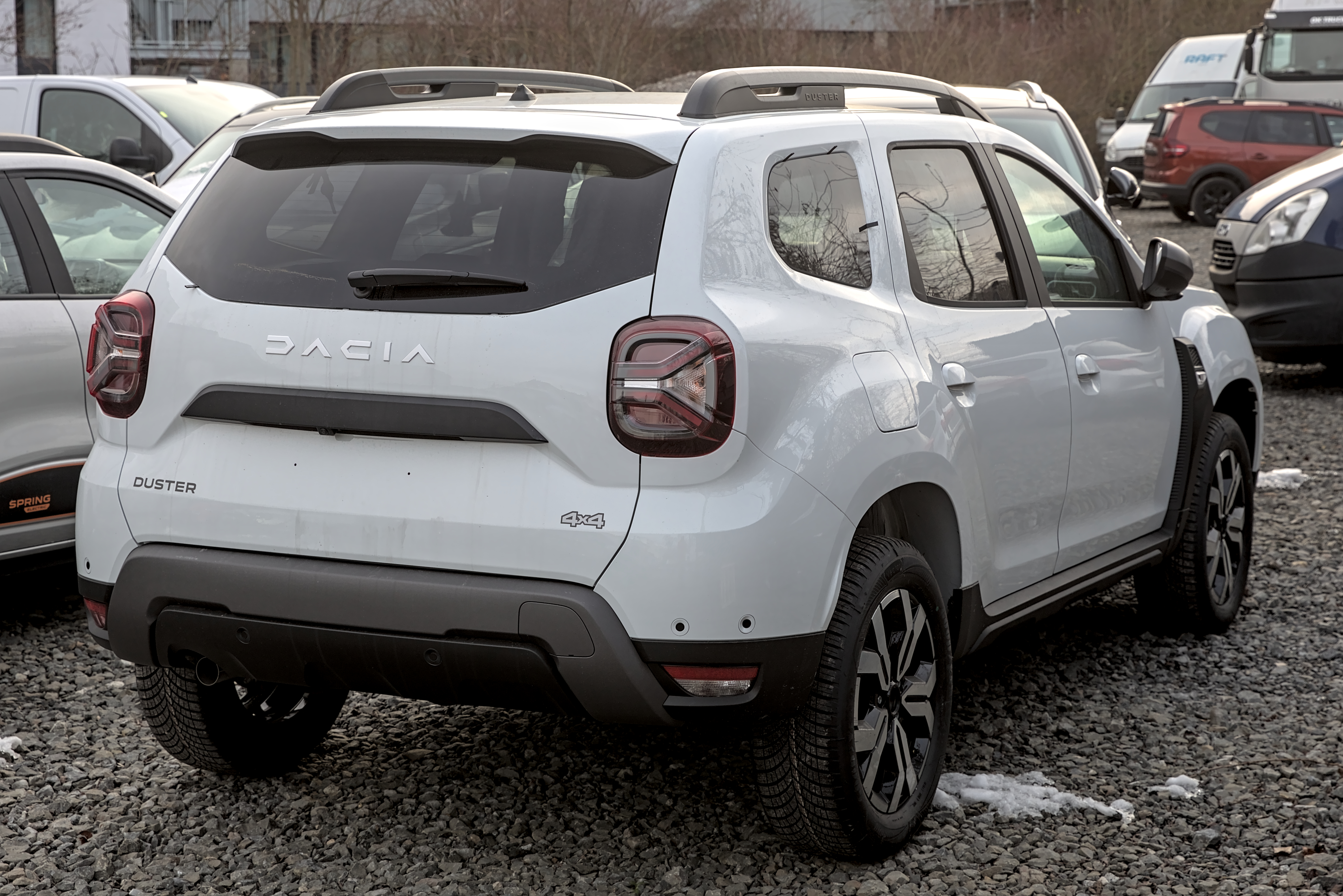
The Dacia Duster is a small SUV that is known for being cheap and tough. It's a good choice for people who want a vehicle that can handle rough roads without spending a lot of money.
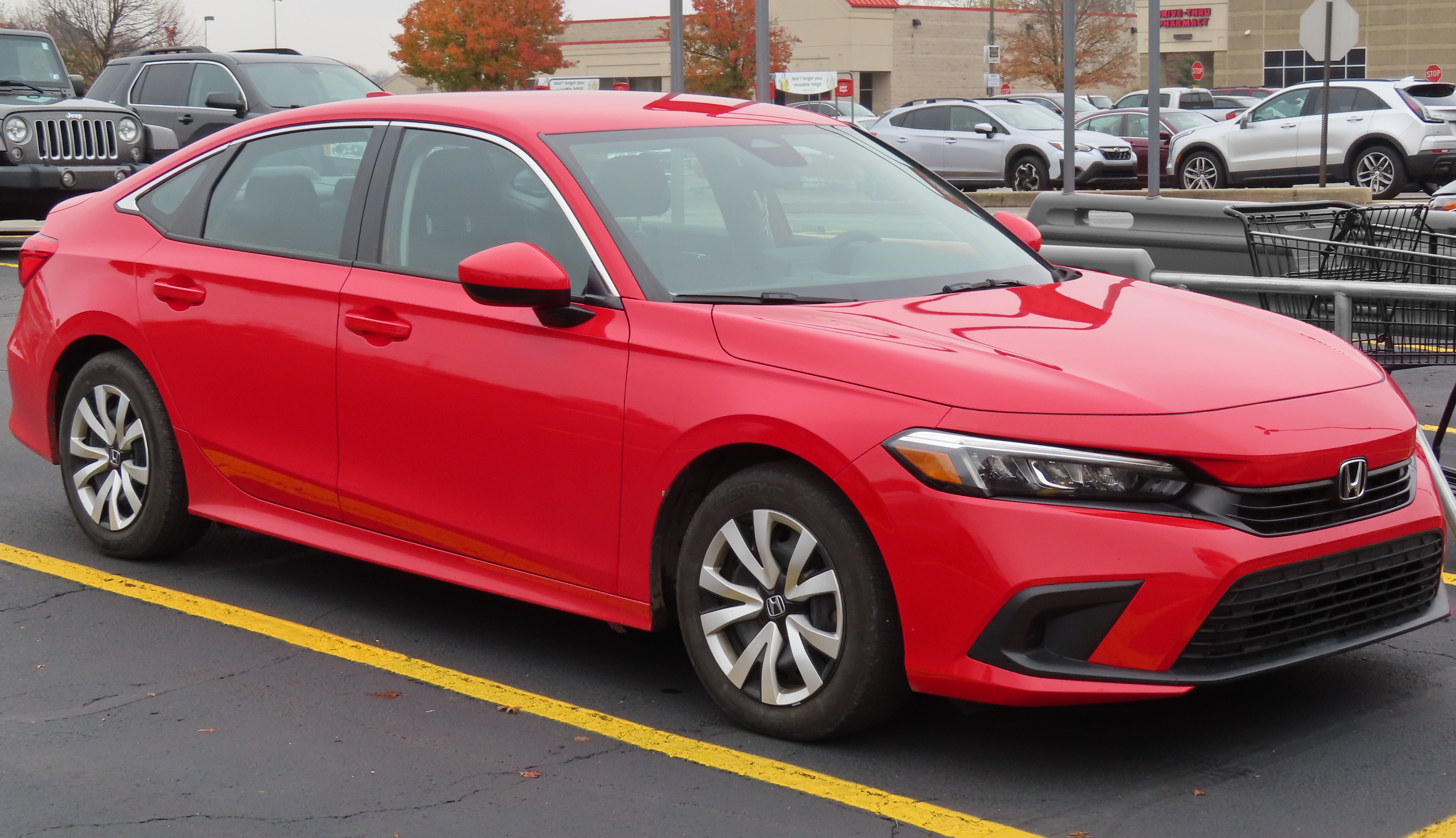
The Honda Civic is a small car that many people like because it's dependable and doesn't use too much gas. It's been around for a long time and is often talked about because it's a good option for everyday driving.
The Nissan Titan Crew Cab is a big truck that can carry a lot of stuff and has plenty of room inside for passengers. It's popular among people who need a strong vehicle for work or outdoor activities.
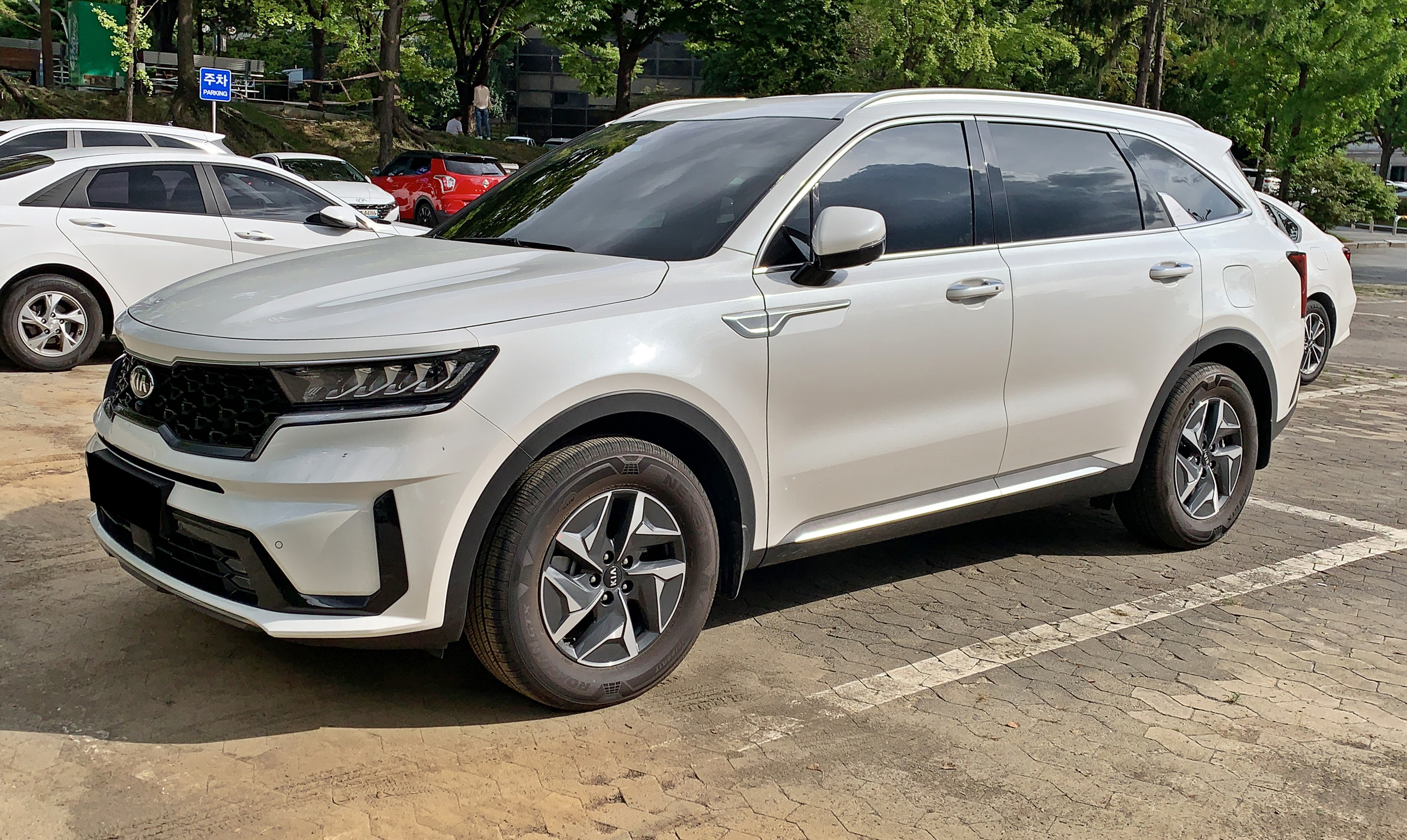
The Kia Sorento is a medium-sized SUV that many people enjoy because it looks nice and has a lot of space inside. It's a great choice for families or anyone who needs a comfortable ride with extra features.
LIVE
We have made it back after some great weather days,
some really, really cold weather days,
and now some normal weather days.
Well, you know what I was thinking.
I said, wow, I'm coming up here.
We're gonna talk about winter rides in your vehicle.
And I said, well, I had people calling me
and saying how cold it was Monday and Tuesday.
Should we already be paired for winter?
Because the next time winter gets here,
it's gonna be much stronger than it was this last week.
You know how it is when people say winter's on the cusp?
Either their joints are achy or something like that?
I know when winter's on the cusp
because my tire light comes on.
Yes, and that's another reason that tire lights,
my wife's tire light came on.
But you know, there's a three PSI fluctuation
in those tires and what happens in cold weather,
we always say, fill your tires up, check your tires
when it's cold because as the tire runs,
it builds up and gets heat and now it expands
and you have more air in there.
So you always wanna check them when they're cold
and then you're gonna be good all the way around.
This is an MPB Think Radio Podcast.
Wanna know what's going on in your neck of the woods
and learn the history and the people behind the events
that you love across the state?
Get to know the real Mississippi.
Check out MPB Think Radios Next Stop Mississippi Podcast
on all platforms or on the MPB Public Media app.
Welcome to AutoCorrect Helping.
You correct your auto problems,
our host is Coach Charlie Melton,
ASC certified master technician.
I'm Jermaine Flood, hey coach,
we have made it back after some great weather days,
some really, really cold weather days
and now some normal weather days.
Well, you know what I was thinking.
I said, wow, I'm coming up here,
we're gonna talk about winter rides in your vehicle.
And I said, well, I had people calling me
and saying how cold it was Monday and Tuesday.
Should we already be paired for winter?
Because the next time winter gets here,
it's gonna be much stronger than it was last week.
That's right, that's right.
And you know how it is when people say
winter's on the cusp, either their joints are achy
or something like that.
I know when winter's on the cusp
because my tire light comes on.
Yes, and that's another reason that tire lights,
my wife's tire light came on.
But you know, there's a three PSI fluctuation
in those tires and what happens in cold weather,
we always say, fill your tires up, check your tires
when it's cold because as the tire runs,
it builds up, it gets heat and now it expands
and you have more air in there.
So you always wanna check them when they're cold
and then you're gonna be good all the way around.
Well, that'll be one of the first things we talk about
as we're talking about winterizing your automobile.
Our email address for questions is auto at mpbonline.org.
The phone number is 1-877-MPB-RING.
That's 1-877-672-7464.
All right, I got a little right up to get everybody going.
Let's get started.
I've got on a jacket, I'm already going.
Hey, you can kind of jacket weather right now.
Yeah, in the morning a jacket in the afternoon, short sleeves.
Yeah, that's the way to winterize your body.
That's right.
Getting it prepared to adapt to all types of weather.
But getting your car ready though for winter
means getting your vehicle winterized
for cold temperatures, snow, ice,
that could all happen here, slush and rain.
Winterizing your car and getting it prepped
for the next polar vortex, aurora borealis
or anything else is where the rubber meets the road
so you can drive safely this winter.
You know, I think so many times we're in the summertime,
we're in the springtime and people just literally forget
about winterizing their vehicle until the weather is here,
until it is too late.
That's right.
Or until that light comes on and now you're scared.
And then you've got to figure out what's wrong.
Yeah, you're driving with anxiety at that point.
So coach, let's get it kicked off, inspecting your tires.
Other than seeing that tire light come on,
what do we need to do?
Well, once again, the TPM light is a idiot light
is for people that just don't get out and check their tires
because we used to be able to go out there
and we'd check the tread level in them,
make sure the tread, we had good tread on them,
make sure there was no bald spots on it,
make sure that the tire was wearing correctly.
Because a lot of times a tire can tell you
a lot of different things about what's going on in your vehicle.
So you want to make sure that you check your air pressure
you want to check and make sure there's no wire
or anything sticking out of those tires.
And make sure, you know, a lot of times people just need to
look at the lug nuts and make sure they're tight, you know,
because a lot of things can happen during the summer.
Right, right.
While you're driving in that heat, yeah,
and now they worn out, now it's the winter
and now you need more tread on there.
So tell me about the penny.
Does that really work?
Well, the penny of the head is 230 seconds
and, you know, they're doing away with the penny.
I've got to figure out how we, you know,
we got a little while to still use that penny, but.
Oh yeah, just that's news for sure.
The penny is out of mint as of 2025.
The right at the top of Lincoln's head is 230 seconds.
Okay.
That is the minimum tread and now when I say minimum,
that is the absolute, the end of the tread
that you'd want to take and go is 230 seconds.
So you could use that penny right above Lincoln's head
in order for that to work.
But that's the last thing.
That's the last.
Now most tires today have wear bars in them
and wear bars is a piece of rubber
they got all over the tire that when you get down
to the wear bar, then it's time to change tires.
Okay.
You know, so, but yeah, you can still use the pennies
and that's another thing you need to look at.
What type of tires you got on in the winter time?
Is it mud tires?
Is it street tires?
Is it all terrain tires?
So, or is it just a highway tires?
So you want to make sure that you got the right type of tire
in the right terrain that you're going to be going.
And using.
So this penny trick, they say to do this
in 10 to 15 areas of the tire.
Now coach, that means especially if I'm parked,
I got to roll it forward and roll it back.
Well, you wouldn't really have to do that.
Just do it around, you know, the front of the car,
the front of the tire, the middle of the tire
and the back of the tire without having to move the car.
But it will work like that.
And what you're looking for is the different tread thickness
on there.
So it's below 230 seconds in some places,
maybe above 230 seconds in other.
But that means that there is a problem with the suspension
or something going on if the tread is not even.
Okay, okay.
All right, now when it comes to fixing tire pressure
in winterizing your car, what all does that entail?
Well, once again, the tire pressure,
if you open your left driver door
and you can look right there on the panel
on the inside of that door
and you'll see the tire pressure
that is recommended for your vehicle.
You know, a lot of people tell me, they say,
I say, what is your tire pressure?
Well, it's right here on the tire, 44 PSI.
That's it?
No, that's not the tire pressure.
And that is the amount that they,
the maximum amount that you can put in the tire.
Right, for a load, the PSI,
the pounds per square inch is inside the door
and it is in your owner's manual.
And once again, you check it while it's cold,
you put the right amount of air pressure in
and then it will stay.
I'm scared, this is the only reason why
is because I drive this Lexus and it's so,
it's got all the tires on there
and shows you all the numbers
and then it'll have the light come on,
one of the tires, all three are at 33,
this one's at 32.
And then I don't know whether I should touch or not
because sometimes the next day,
it'll just come back to normal by itself.
Should we always be worried
when one of the tires is off from the others?
Well, once again, it's the temperature of the tire.
One may get hotter than the other
and the temperature will change
and that means the air pressure will change in it.
Hotter it is, higher the air pressure.
Coater it is, lower the air pressure.
So once again, you have like a three PSI degree
in order to change where the air pressure's gonna change.
So if you're not between,
it'll tell you that TPM light will come on
and say, hey, this tire needs to be checked
because it is below that three PSI threshold.
Even though my other tires are sitting at 33s
and this one is at a 32.
That's not gonna hurt it.
Okay, okay.
My anxiety gets high with that.
I was not gonna hurt it and like I say, that's due to
maybe the temperature of the tire,
maybe one's hotter than the other.
And in our case, do we need special tires here in Mississippi?
You know, there's winter tires.
Well, in Mississippi really, in central Mississippi,
you just need all terrain tires,
regular highway terrain tires
and you can get those, be of Goodridge, Michelin, all them.
Have that all terrain tire
and most vehicles that you get from the dealership
or manufacturer will have all terrain tires on them.
Okay, okay.
Unless you're getting those big mud grips on them
and those, you know, if you've got the vehicle
checked up and all.
Would it hurt us if we went and bought snow tires
or tires that could glide over ice?
Well, I wouldn't want a tire to glide over ice.
Well, not glide, but grip.
I mean, sure, I guess.
Glide in the safest way possible.
Just glide in the safest way.
You know, another thing I was thinking about
when you're talking about tires.
We don't really need snow tires very much in Mississippi
unless you're in northern Mississippi.
Yeah.
You know, sometimes.
Yeah, yeah, yeah.
Okay, well, that's good.
All right, we've got a question that came in
while you and I were talking tires for winter
and this one says when using cruise control
and it slows down, do your brake lights come on?
Oh, that's a good question
because everything is behind you.
Well, only it's not, see, if you're using adapted cruise.
Okay.
Okay, if you're using adapted cruise,
the vehicle slows down on its own.
Okay, and it's going to slow it down.
It's using radars and all to slow it down
and sensors to slow it down.
And so, you know, I've never really went back there
and checked those brake lights to see if they're on.
Get out right now.
You know, I've never really seen it.
I really have never seen a vehicle in front of me
that has adaptive cruise.
You know, I would have to check on that
because I'm not really sure on that.
I mean, that's a good thing to say or need
because somebody needs to know whether or not
they need to, you know, slow down behind you possibly.
And most likely they may come on, like I said,
I haven't really ever thought about that.
But like I said, adapted cruise slows the vehicle down
and then when you get in the left lane away from the vehicle
it automatically picks back up.
Now, if you are using cruise control, okay,
and it's not adapted cruise control
because it's not going to slow down
unless it's adapted cruise control.
Okay, if you're using regular cruise control,
automatically you are already stepping on your brake
if you're running up on some light too quick.
Yeah, right.
So your brake lights will.
Right, right, right, you're gonna come on.
And the cruise control will stop.
Right.
And there's another thing while you're talking
about cruise control is that during ice and snow
do not use your cruise control.
There we go.
That is not a thing to do during the winter.
Because your cruise control is steady going to be going
and you may have your hand on the steering wheel
until you touch that brake,
that cruise control is still going
and it may just take you off the road
and make you hide your plane.
All right, so if you've been listening,
we've told you to inspect your tires,
make sure you fix tire pressure,
and do not use cruise control during the winter.
During winter, ice and snow.
Ice and snow, ice and snow.
So yeah, make sure you take those tips.
We've got some more coming on the way.
Plus we've got some callers on the line.
We've got Lovada and Joe.
We'll get to them in just a second.
The phone number is 1-877-MPB-RING.
That's 1-877-672-7464.
If you've got a question, send those questions
to auto at mpbonline.org.
We're talking about winterizing your automobile.
Is your car under recall?
I'll tell you how you can find out next.
You're listening to AutoCorrect with coach Charlie Melton.
I'm Jermaine Flood.
If you want even more of this show
where coach and I just do our thing.
I just do our thing, that's it.
Coach does this thing, I do my thing.
You can find the podcast on all podcast platforms
for your smart device.
AutoCorrect is heard on MPB Think Radio Thursdays
at 10 a.m. with a replay Saturdays at 11 a.m.
Coach, you've got a follow-up for cruise control right now.
You know, I was thinking about the cruise control.
Yes, I would say that the brake lights do come on
when you're with adaptive cruise as well
because the ones behind you have to know
that you're slowing down.
So I would say that the brake lights would come on.
But like I say, I'm always driving
so I don't really know.
That's happening.
It does happen, but I'm sure that does.
That's a safety feature.
Right, maybe we should do a test.
Take a friend.
And they drive behind me.
Yeah.
That's a good thing to do, there we go.
Take a friend.
Tell them when you're doing it.
Y'all can be talking on the phone or something.
Be like, I'm doing it now, is it doing it?
Sam, I'm running up on somebody.
Is it doing it?
Okay, look, before we get into some recalls,
let's get into the phone lines.
We've got Lovada in Natchez.
Lovada, you're on with coach Charlie.
Good morning.
Good morning.
So I have a car that was given to me.
And about a month after it was given to me,
the light came on.
The service engine light came on.
And it said, it said,
Catalyst system load efficiency bank two.
So I took it down to the shop.
The guy told me, he said,
oh, it sounded like it needed a catalytic converter.
So I went home and thought about it
because that was a money issue.
And then the light went off.
So, hey, for a whole year I rode in the car
and now the light has came back on again.
And so the reading said the diagnostic trouble code
was P0430 indicates that bank two catalytic system
efficiency was the low threshold
for a predetermined period of time.
I don't know what that could be.
Well, what you could have on there
is a lazy auction sensor.
Okay.
It's reading, you got two auction sensors on.
If it's a, someone will have four, but it's upstream.
Upstream auction sensors control,
they read the auction that's coming out of the exhaust
to control the fuel ratio in the engine.
The downstream O2 sensor auction sensor
reads the temperature and the oxygen
that is going out of the catalytic converter.
Okay.
And the reason why it's reading
that it was coming out of the catalytic converter
because it changes, the chemical reaction changes
in the catalytic converter when it goes out into the air.
Okay.
So you got one, the front one controls the engine.
The rear one checks the catalytic converter
to see exactly how it changed.
If you have a lazy auction sensor on that vehicle,
those symptoms can come up because if you drove a year
and the light never came back on
or just decided to come on again,
the auction sensor could be contaminated.
Okay.
And they do get contaminated if it's from fuel,
being maybe the vehicle ran rich,
it would get contaminated or maybe it could have cooling
on it, anything could contaminate that auction sensor.
Well, it will not read correctly.
And it may say that the catalytic converter is bad
and not reading.
So what I would do is
take and drive the vehicle,
get somebody to clear that catalytic converter,
that auction sensor out,
go ahead and clear the codes out of that scan,
out of that computer and drive it and see what happens.
Okay.
Because I do know last year,
I thought maybe the gas cap wasn't on tight,
but I said, no, there's cars of 2003.
I said, there's cars too old ahead,
that kind of technology and it could have been the gas,
but so you said the downstream though,
can you tell me one more time the downstream sensor does what?
So you have a upstream auction sensor,
it controls the engine,
how much the fuel ratio in the engine
and the downstream control,
it tells what the catalytic converter,
how it is performing if it's,
because it changes,
the air coming out of the catalytic converter
should be different than the air
that was going in the catalytic converter.
And so the oxygen sensor reads that.
So the question that I have is,
could it be instead of the catalytic converter,
something that she needs to take care of
with the oxygen sensor?
Is that what we're saying?
It could be the oxygen sensor.
But it's giving catalytic converter vibes on the scan.
Yeah, because it's reading,
the oxygen sensor is reading the catalytic converter.
Okay, okay.
Does that make sense, Lovata?
Yes, it does.
Thank you.
Because last year it said something most likely solution
was somebody's engine repair to wiring harness last year,
but this year that didn't come up.
And that's so crazy because I would expect the same thing
to come up again.
Okay, okay.
Well, if you think about just making sure
that wiring harness on that catalytic,
on that oxygen sensor is not rubbed
against the frame or anything,
because it goes through the frame.
So a big oxygen sensor check would do.
Yeah, that's what I would do.
You're saying that the wiring harness
is on the catalytic converter?
No, it's on the oxygen sensor.
Yeah, get them to, yes, ma'am.
It's on the oxygen sensor.
I was thinking it was the harness in the top of the car,
but the catalytic converter has a wiring harness itself?
Off the oxygen sensor, yes.
The catalytic converter itself ain't got a wiring,
but the oxygen sensor that goes into the catalytic converter
does have wiring going to it.
So you need to get that oxygen sensor looked at,
whether it'd be something wrong with it
or whether it'd be something wrong with the catalytic converter.
Because the guy at the park still was showing me a part
that caused, it was a wire with a tip or something on it.
It was only $65.
That's the oxygen sensor.
Okay, that's it.
Okay, well, I really appreciate you.
Well, and I do want you to know,
I contributed automatically out of my checking account
every month.
Let's go, Lovada!
Thank you so very much.
Let's go, Lovada!
I'm so glad you guys are on.
I listen to the salt gardener, the covenger lady,
the lady that does the carpentry.
Thank you all so much for being online.
Oh, Lovada, and we thank you so much for supporting us.
You just don't know.
Thank you for your support
and for listening to all those shows.
Yes, thank you.
Okay, thank you.
All right, have a good one.
That was good, though.
Well, you know, oxygen sensors and catalytic converters
that all had to do with emission systems
and, you know, they always keep eye on emission systems.
Well, let me tell you,
a catalytic converter is not cheap, though.
Oh, no.
It's not $65.
That's why people go cut the catalytic converter off
and go sell them.
Yeah, it's not $65 like the oxygen sensor.
Yeah, the oxygen sensor's cheap compared to the catalytic converter.
And everybody would change the catalytic
just because of the fact that it's gonna run
a good labor price and they're gonna make
a good bit off of that one.
And that's why you always make sure
you have a reputable technician that you can take it to
and that will shoot you straight.
Yeah, you never know what happens.
Some people are out for the money,
but some people are out to help you.
All right, before we get into this recent recalls,
let's go to Joe and Raleigh.
He's been on for a second.
Joe, you're on with coach Charlie.
Good morning, thank you for taking my call.
I have a car that I don't drive a lot now
and so it does not have a lot of miles on it,
but it's getting some years.
And so is there a minimum number of years
after which I should replace the tires?
Yeah, I was just thinking about that
because tires do dry rot, they do oxidize,
and that's what happens to them.
Manufacturers suggest no more than five years
that you would keep a set of tires on a vehicle
because they start oxidizing and they'll get
little cracks in them.
And especially if it's just been sitting on the ground,
if it's been sitting up in the air on blocks or something,
you'd still want to check them,
but most likely no more than five years
due to the oxidation of that tire
just wearing out from the environment.
Okay, well thank you very much.
All right, thank you, Joe.
Look, quick question too.
I want to get back to a little bit
of winterizing your vehicles as we're talking about tires.
Here in Mississippi, because I always want to take us
for example, because we have weather that could
or could not be, should we think about choosing
an all-wheel drive or a four-wheel drive
as it relates to winterizing your car?
Or buying a new one.
Well, a four-wheel drive, there's a difference
between a four-wheel drive and an all-wheel drive.
A four-wheel drive is a vehicle that you can change
from two to four.
An all-wheel drive is an all-wheel drive all the time.
That means the front and the rear
are working together all the time.
But a four-wheel, you know, most four-wheel drives
you're going to see are going to pick up trucks
and stuff like that that's going to go out in the mud.
Those are for your four-wheel drive.
Most smaller vehicles today and some of your bigger vehicles
are all-wheel drive, automatically from the manufacturer.
Now, I had one all-wheel drive before I got this new vehicle
and I have to say it did feel very much
like it gripped the road and during that winter ice storm
I had the only vehicle that would roll out of the driveway.
Well, if you even think about a two-wheel drive,
front-wheel drive, and a rear-wheel drive,
which one would you think works better?
Two-wheel front or rear.
I don't know, I'm a guess on the front.
Well, the front is pulling.
Yeah.
The back is pushing.
Yeah.
So which one is the better one?
Well, for certain vehicles with smaller cars,
it's going to be the front-wheel drive.
It's going to be front-wheel for smalls.
And the larger ones are going to be the rear-wheel drive.
OK, all right.
Well, that makes sense because you still
have a lot of weight in the back that you don't have in the front
and the little cars have the transaxle and all
and the engine right there in the front.
OK, well, before we get to Carl and Vicksburg,
we've got just two recent recalls.
Toyota's latest starts us off.
It involves the engines in approximately 127,000
Toyota and Lexus vehicles, which may contain debris that
could cause a loss of power.
This includes model year 22 to 24 Tundra pickup trucks.
And effective Lexus vehicles include model year 22
to 24 LX SUVs and model year 24 GX SUVs.
Machining debris from production may not
have been completely removed from the engine.
Somebody didn't take the duster after it.
And may cause engine knocking, rough running, failure
to start, or a loss of motive power.
And that loss increases a risk of a crash.
Toyota, though, doesn't have a remedy to fix this issue,
because that dust and stuff is in there.
But they will notify owners early January of 26.
Well, it's really not dust that we're talking about.
And what we're talking about when they forge the engines.
OK.
You know, if you are casting the engine and they have,
you've seen them where they do lead or something,
they had to cut that off to make it.
It's the same thing as the shavings.
The shavings are in there and they
may be coming off of the engine block itself
and getting caught into the vows or into the fuel, stuff
like that.
OK.
Wow.
They're like, how in the world are we
going to get in there now?
You're going to tear the whole engine down.
That's why there's no remedy.
Yes.
They don't want to put new engines in all these vehicles.
You might as well just give them a new car.
Might even do it.
I'd like that, maybe.
Let's go.
And I don't have any of those Lexuses.
I don't have none of those Toyotas.
All right, y'all.
That's one of them.
Stay tuned for that one.
And finally, Honda is recalling certain accessory wheels
that were available for its civic sedans and hatchbacks
over an issue that may cause the wheels to detach.
Approximately 406,000 vehicles may be affected,
though the company said only 3,276 wheels are faulty.
They know approximately there.
Certain 18-inch aluminum alloy wheels
that were sold as accessories for model year
2016 to 21 civics may not have been manufactured properly.
The steel lug inserts in the wheels
may not have been pressed into the nut seating surface.
And as a result, the wheels may detach from the vehicle,
increasing the risk of loss of control and crashing.
Dealers are inspecting the wheels
and replacing the hubs and wheels,
as necessary for free, speaking of wheels.
So it says that what it's talking about,
you cannot tighten the wheel up on the stud itself
because it starts spinning on the inside.
OK.
And now it's not tightening, it's spinning.
Yeah, I've had this cheap water bottles.
That's the same thing.
Cheap water bottles.
Once you open them up and you try to put that cap on it,
it just keeps spinning.
Just keeps spinning.
So that's what's happening.
That's what they're talking about.
And you know, accessories, I was thinking
about an 18-inch tire rim on a Civic.
That's a pretty big tire on a Civic anyway.
You're riding spinners.
But, you know, that's it, you know.
So everybody likes those big wheels and big tires now.
So hey, just if it's a recall, get it taken care of.
OK, before we go to break, let's get Carl
taken care of in Vicksburg.
Carl, you're on with Coach Charlie Melton.
Yes, sir.
I was going to ask you, I have an older vehicle.
I want to replace her.
What's the best material to dissipate heat for a radiator?
Well, what they do is the shroud's still there.
Yes, sir.
OK, so make sure that the shroud itself, you know,
is made out of plastic, somewhere made out
of metal, according to how old the vehicle is.
Make sure the shroud is still there.
But if you want to, you're trying to dissipate it
off the radiator itself, you know, there's really nothing
that you really put on a radiator to dissipate the heat
because the thing is, a lot of times when you put stuff
on the radiator is holding the heat in and you want
to dissipate the heat.
You want that air to flow through that radiator
so it will cool off, cool it going to that engine.
So there's really nothing that you should put
on the radiator itself.
Usually the shroud itself should be sufficient.
OK, OK, OK, thank you so much.
All right, thank you, Carl.
Listen, if you want to know more about those recalls,
you can visit nhtsa.gov forward slash recalls
and inputting your VIN or find their safer car app.
Today, we're talking about winter rising your automobile.
We're also taking all of your vehicle repair questions.
Our email address is auto at mpbonline.org.
What's in the news?
Are winter wipers worth it?
How they differ from regular blades.
I'll tell you more next.
Thank you for listening to AutoCorrect on MPB.
Coach Charlie Melton, retired instructor
from Clinton High School's automotive tech program
is our expert host.
I'm Jermaine Flood.
I hope you downloaded the app for your smartphone,
the MPB public media app.
In addition to listening to the show on there,
click on the support button and make a contribution
in those contributions.
Help keep our programs on the air for you and others to enjoy.
We thank you for those contributions
to Mississippi Public Broadcasting.
AutoCorrect is heard on MPB Think Radio Thursdays
at 10 a.m. with a replay Saturdays at 11 a.m.
In the news, Coach, are winter wipers worth it?
I'm going to get your take first.
Well, what they're doing, once again,
is making sure that windshield is clean.
I know you there's been a lot of times
that you would cut your windshield wipers on and go,
drink, you hear that little swiping sound?
Okay, well, winter windshield wipers
doesn't supposed to do that.
Ooh, forever and ever, put a pin in it?
I don't know, ever and ever.
Things do wear out.
Sounds like to me, I need a nice set of winter tires
and a nice set of winter blades.
Okay, so you might come across a bevy of winter wipers
in your search, but there are two general types.
Conventional winter wipers feature
a similar frame construction as the all season variety,
but the wiper body has a rubber boot
to protect the hinged areas from freezing.
Winter wipers also come in a frameless beam blade design.
They look cool if you can see them.
If you can see them, they're out there.
Yeah, they'd be like, look at that man, it's cool wipers.
But they look cool and the sleek construction
presses the blades on the windshield evenly
to efficiently wipe away ice and precipitation.
So with this in mind, you're probably wondering
which one to choose or whether winter wipers
are worth it at all.
Well, the thing about the boot,
we already talked about putting the boot on the windshield
because that's the winter wiper as well.
What that does, how many times have you seen
somebody go out there in the winter time,
it's all iced up and you try to move that wiper.
It ain't going nowhere.
It ain't going nowhere.
Well, what you've done, you've already loosened
the nut on the wiper blade now.
And so when you cut it on and you do start moving,
that wiper blade may not move.
And the rubber may just come out of the little socket
that it was in a little corner.
So all it's doing is keeping the ice off of it.
So there are ways to do that.
If you're in the ice, people should do this
at winterizing as well, is that if you know
that you're going to have ice or snow during the night,
go out there before it gets dark
and just pick your wiper blades up off the windshield.
And get them off of there.
Then they don't freeze on the windshield
and then you don't have that problem.
Or you were giving, and that's one of the tips
in here too, a Rainex tip during the break, weren't you?
Well, you know, I've been hearing Rainex
for the last several months today
keep talking about Rainex, you know,
you could treat your windshield with Rainex
and that will take a lot of that excess snow and ice.
It'll help it get off.
Okay, so there's two types of blades, silicone and rubber.
And they're saying though,
because the silicone blades last twice as long
and they're superior in the cold,
they're probably the best to buy,
but they're almost twice or three times the price.
You know, when you go in,
your soul says, give me the cheap ones.
Well, your wiper blades,
you got several different levels of wiper blades
just like you do of any other auto parts.
And it hurts your soul, you pray.
So, how much was that one wiper itself, $50?
Well, what you need to do here is understand
when you go in an auto parts store,
you're gonna get what you pay for, no matter what it is.
You can be cheap.
You know, I always liked the Fran commercial.
The Fran commercial is either you can pay me now
or you'd pay me later.
Yeah, what happens is when that rubber comes out,
I think, hmm, how about the bottom shelf?
Yeah, and then all you guys got is that metal scraping
and you wind up, how many times
you seeing somebody driving down like that?
I know, mine's doing it right now.
Don't talk about me.
So.
They say, don't talk about me.
Right, don't talk about me.
Listen, here's the price difference.
An ordinary set of wipers for your car SUV
costs around $15 to $35.
That's something usually all of us can stomach.
We can stomach that.
Silicone wipers are pricier than old school rubber squeegees,
but the winter wipers are costlier still.
The Raynex, and you go in and want those Raynex wipers,
the Raynex Silicone Advantage is an all-weather wiper,
but it packs a ton of features to survive winter beating.
But the downside about these wipers
is it costs $35 to $37 a blade.
A piece.
Not two.
Remember, you got two while I go for $35.
Now you're going to get $35 for one.
Oh, let me tell you what this article says, though.
They know Raynex.
They said, but Raynex has been in the business long enough
to know what it's doing.
That's right, you know, and you got to pay for the brand.
That's it, pay for what you want here.
Pay for what you want.
So caring for wipers during the winter,
is that something?
Yeah, but just like the gentleman called
and talked about his tires on his vehicle,
same thing with winter wipers.
They oxidize because of the stuff in the air.
They do oxidize, they do get brittle,
and the rubber does come off.
So you want to make sure, especially during the winter time,
that you have a good set of blades on them.
It's always good to change your wiper blades
in the spring and in the winter time,
just to make sure you're ready for both
when we get a lot of rain and when we get ice and snow.
You know, it almost sounds like, too,
that if you maybe treat it with something like a Raynex coat
or something like that.
Yeah, Raynex, yeah, but don't put oil or silicone
or anything because that's going to get all on the windshield.
So, yeah, now you could take and put Raynex on it,
but the best thing is put Raynex on your windshield.
Or put it, like I like it, in the windshield washer fluid.
Wash right, flood this.
Or it just sprays up on there for you every time.
Yeah, where you get up there every time.
So, again, that's what's in the news,
and I'll include a link to this news story
in our show's podcast description.
We're talking about winterizing your automobile.
You can email questions to auto at mpbonline.org,
or give us a call just like Sandra and Wayne'sboro did.
That's at 1-877-MPB-RING.
That's 1-877-672-7464.
All right, Coach, let's get back into some winterizing talk
as it relates to our favorite thing, belts and hoses.
You know, as he was talking, our caller
talked a little bit about the radiator.
We want to insulate the radiator from the code.
Well, we really don't want to insulate the radiator,
but we want to make sure that we have hoses
that are good hoses on them.
Make sure they're not too soft and not too brittle.
Just make sure you got good hoses.
Belts, belts is one of the things
that people really don't pay attention to
until it starts making a squilling noise.
Okay, we want to check that serpentine belt.
If you got more than one belt, some V-belts on there,
check those V-belts, check those tensioners on there
and make sure they spin so you don't hear the bearings going.
But coolant is the same thing with the coolant.
I want to check since we're with the water.
Coolant is very, very important.
To belts.
To belts and hoses.
You got to have the right coolant for those hoses
because what happens, every engine
does not take the same coolant like it used to.
We used to pour the green coolant in there
and we were good to go.
Now we got orange coolant, we got red coolant,
we got yellow coolant, we got purple coolant.
We got all these different kind of coolants.
And the reason why we have different type of coolants
is because of the components that are making up the engine.
Okay.
Okay, so going through the water and the coolant system
so you have different components in there
that need a different type of lubrication
and that's all in the coolant itself.
Okay, so that's important you choose the right one.
Right, and that's everything we're talking about right now
is in your owner's manual.
Okay.
So you can go to your owner's manual
and it will tell you exactly what to get.
Now, I know a lot of you say-
And wind to flush.
Yes, a lot of you say, well,
do I got to go back to the dealership to get it?
No, the aftermarket, they do have all these coolants.
All you got to do is ask them for what is going in,
if it's a Honda, if it's a Toyota or whatever.
It also says when adding coolant,
check the coolant bottle to determine
how many parts of water should be added
to one part of coolant.
Do you want protection from zero degrees Fahrenheit
minus 20 degrees or something lower basically?
Yeah, it usually tells you in your owner's manual
what you want, but a good rule of thumb is a 50-50 solution,
50% antifreeze, 50% water,
and that will give you a good protection way down
to like 23 degrees below.
Okay, okay, make sure you check for leaks
on that coolant too.
Well, that's another thing.
If you suspect that you had a leak,
the guy came to me the other day as a heater wasn't working
and I told him, I said, did you check your coolant?
He goes, well, it says it's full.
I said, well, no, you need to go out there
and physically check the coolant in the bottle
or the radiator and make sure you do not take
the top off the radiator while it's hot.
Make sure the car is completely cold.
Okay, check the radiator, check the coolant,
and all you had to do is he put a little coolant in there
and his heater started working again,
but the problem is, if you have to add coolant,
that means you have a leak and that means
you need to determine where the leak is.
Check for a puddle.
Check for a puddle or if you can't find the leak,
have it pressure tested, the engine pressure tested
so you can find that leak.
That's right.
All right, before we get into some more fluid talk,
because I wanna talk filling other fluids
and also changing your oil
or checking your oil before winter,
let's go to Sandra in Waynesboro.
Sandra, you're on the line with Coach Charlie.
Yes, hi, good morning, and thank you for taking my call.
I have a 2018 Nissan Titan.
For the last month, I've started having a problem
with when I get in,
because it's got this push button start.
You have to have the key in the vehicle, of course,
but when I put my foot on the brake and push the button,
it doesn't always start.
Sometimes it clicks, but if I let it,
if I turn it off and let it sit for a second,
then it'll start.
Now it's starting to have,
it's become more and more of a problem.
I was reading in the manual,
it said something about a starter relay.
Is that just a fuse?
Yeah, but I don't think it'd be the starter relay
off that right there.
What I would do first to make it easy for you,
just check the battery,
make sure that the battery connections are tight
and make sure they're clean.
Because a lot of times-
Well, I just put a brand new battery in it.
Okay, did they clean the connections for you?
Yes.
Okay, so you did that part, so that's clean.
Okay, so make sure that it was clean.
Then I would go and check the relay itself
after I went from the battery.
Check the relay, it's called a starter relay.
You can look in the fuse panel in the owner's manual,
you can look in the fuses
and it'll show you exactly where it's located.
Okay, and those are very easy to replace.
You just pull it out, push another one in.
Okay, well, thank you so much.
I'll try that.
All right, thank you, Sandra.
The number is 1-877-MPB-RING.
That's 1-877-672-7464.
We're discussing winterizing your automobile
and taking repair questions.
Send us an email to auto at mpbonline.org.
We've got a new car review
from Casey Williams coming up in Coach's Tip of the Week.
This is AutoCorrect on MPB Think Radio.
Here's a new car review from Casey Williams.
It's AutoCasey on AutoCorrect.
For over 20 years, the Kia Sorento's offered
a lot of style, performance, and luxury
at a very affordable price.
And the vehicle we have this week continues that.
The 2024 Kia Sorento X-Line.
X-Line meaning it has a little bit
of the off-road look to it.
It means the 20-inch black wheels.
It's the black trim around the windows and on the grille.
All looks very nice.
And it does look very stylish.
It's kind of like an Acura on the outside.
Inside, it's got the twin screen arrangement in it.
It's got heated ventilated front seats, heated steering wheel,
Bose Audio, twin panel sunroof,
and all of the safety and crash avoidance systems.
I think it's very well equipped.
Under the hood, a 2.5-liter turbocharged
four-cylinder engine.
There was 281 horsepower, 311 pound-feet of torque.
So plenty of power to get it out.
It also got all-wheel drive.
Fuel economy, not terrible.
20 miles per gallon of city, 27 on the highway.
Actually pretty good for a three-wheel crossover.
So let's talk about price.
Well, the Sorento starts under $32,000.
This one all in, $48,285.
See the full video on his YouTube channel, AutoCasey,
and listen to AutoCorrect
on the MPB Think Radio YouTube channel.
This is AutoCorrect.
If you've missed any of the program,
listen to the whole show from autocorrect.mpbonline.org.
AutoCorrect is heard on MPB Think Radio Thursdays
at 10 a.m. with a replay Saturdays
and after the show, stay tuned at 11 a.m.
It's Southern Rimny, Kids and Teens with Dr. Morgan McLeod.
I'm Jermaine Flood.
Our expert is Coach Charlie Melton,
ASC-certified master technician and coach.
We got a question from a special person named Jason Klein.
And the question says, in relation to our fluid talk,
as it relates to winterizing your automobile,
should you use leak stop if you have a leak?
And coach has got an awfully good answer.
Well, Jason, we're gonna go back old school here.
If you inhibit the flow of coolant,
that means that the vehicle is not cooling
like it's supposed to.
If you put stop leak, you put any bar stop leak,
you put anything in there,
you're inhibiting the flow of coolant
because now you really contaminated your whole system.
Does it work to stop a leak?
Yes.
Is that the smart thing to do?
No, because you can never find a mechanic in a can.
So you wanna look at that.
You wanna find the leak, fix the leak.
Now, to even go back to a little bit further old school,
just for you, Jason,
is that people used to take,
when you used to see these little bottles of silver stuff,
and it was just silver flakes of metal,
and they'd pour that in there,
and that would stop the leak in the radiator, okay?
People used to use black pepper.
They could put a can of black pepper in there.
They would season it to taste,
and that would stop it because.
Season it to leak taste.
So that would be the same thing.
And I have even heard, and I don't,
none of this, I would suggest you do none of this.
This one's the kicker.
That you could take a egg,
and you know, because the temperature is
two hundred and twelve to two hundred and ten degrees,
and you could take an egg,
and you just put it right in your radiator,
scramble it up.
Okay, so this is what I asked him when he said,
take an egg.
I said, what, a boiled and peeled one?
He said, nah, you cracked that egg in there.
You cracked the egg in there,
and it's gonna cook, and guess what?
It's gonna stop the leak as well,
but it's gonna stop up something else.
This way you can have lunch at the same time, or breakfast.
Eggs, pepper, that's a leak.
That's what I'm saying, you would have your lunch,
your breakfast right there,
but no, Jason, don't put anything in there.
Don't put nothing in there.
Fix the leak.
Okay, fix the leak.
Coach, what's your tip of the week?
You know, when we start talking about winterize,
and you know, as always,
you need to be prepared before winter gets here
to make sure that vehicle is,
because how many times would you like to go out
in the cold weather and put antifreeze in your vehicle,
because you just didn't do it when it was warm?
So make sure you go out while it's still warm,
winterize that vehicle, and be ready for the winter.
That's right.
And then before we go to James,
just to tap on it a little bit,
because we did not touch these two,
testing your battery, and what was the other one?
Monitor your brakes.
Okay, batteries real quick, you know,
batteries show wear in the wintertime,
it doesn't really show wear in the summertime,
because it takes more amperage to turn that starter,
turn that engine.
So check your battery, make sure the battery cables are clean.
You know, if you get a new battery,
make sure they're clean.
Just everything, make sure it's all up to par
on that battery.
Jason said lesson learned.
That's what he just touched me.
Okay, quickly before we head to the phone lines,
also changing oil and filling fluids.
Well, once again, oil is very important.
Most vehicles today have oil being changed
every 10,000 miles, but according to how you drive,
that oil needs to be changed regularly
at a different interval according to how you drive.
Same thing with fluids, top off all your fluids,
make sure they're full, your transmission fluid,
your oil, your windshield washer fluid,
and please don't put just water in your windshield wipers,
make sure you have it, wash your fluid in there.
Thank you, Raynex.
Let's go to James in Louisiana.
James, you're on with Coach Charlie.
James, you still with us?
James might not be with us.
I think we dropped James.
Well.
We wanted to talk to James.
We did want to talk to James.
Call us back, James, next week.
I know it, I was holding it.
I was holding it, I was holding it.
But Coach, as it relates to that,
do you have anything else for winterizing your car?
We basically ran through it and gave Jason a lesson.
Want to make sure you check your brakes on there,
make sure your brakes are ready for winterizing.
And, you know, vehicles today have ABS brakes on,
it really helps you in the snow
so you don't skid into somebody,
they sort of stop on their own a lot.
But just be careful out there,
make sure that you have everything ready for the winter,
and, you know, if you're going on a trip,
make sure you have supplies
to in case something happens,
some flashlights and blankets
and little extra food and water.
Yeah, because you can keep warm in the summer,
but you can't keep warm in the winter
or something happens like that.
So just make sure that you are totally prepared
and go by your owner's manual
and make sure that you go by that
and tell you everything to put in there.
That's right.
And what I'll do,
because I have the 10 steps to winterizing your car list,
I'll put that in our show's podcast description
so that you can just run through that and check that.
So that'll work.
Coach, it was a good show today.
We got everybody ready for their car during the winter.
Do you think it's going to be a bad one?
You know, we got cold like never before.
That's a couple of years ago.
That killed everything.
I fell in the pond that time.
Did you really?
My wife told me to walk across the pond
and, you know, me, I'm crazy.
I love it.
It was about an inch and a half thick.
I told her, I don't know.
I think those eyes are going to crack.
That's the way love should be.
And then it cracked as soon as I stepped in
and I was trying to get back on the pier
and the dog was biting me.
It wouldn't let me back on the pier.
That's the way love should be.
I tell you.
That's good stuff, Coach.
Listen, that'll wrap us up now for today's AutoCorrect.
Our crew engineer, get this, was three people.
Abram Nanny, Liz Gill and Kevin Farrell.
Hey, that's what you're talking about.
Able to do everything in the shop.
I think everybody had a hand in this and I love it.
And call screener were the same people.
Abram Nanny, Liz Gill and Kevin Farrell.
That's the way team works around here,
around MPB Think Radio.
For Coach Charlie Melton Master Technician,
I'm Jermaine Flood.
Next week, Coach, we're talking high mileage,
stop and go driving.
Those Uber drivers are out there and they need our help.
Those Uber drivers and those Lyft drivers and Door Dash.
And Door Dash Uber Eats.
Oh my goodness.
They need our help.
They're stopping and going, man.
Maybe someone's stopping here and bringing us something.
I'm hungry.
You never know.
That's right.
Thanks for listening to AutoCorrect on MPB Think Radio.
This is an MPB Think Radio podcast.
To hear previous shows, visit mpbonline.org
or download the MPB Public Radio app
to listen on your iPhone or Android phone on demand.
About this episode
As winter approaches, it's crucial to prepare your vehicle for colder temperatures. This episode covers essential winterizing tips, including checking tire pressure, inspecting tires for wear, and ensuring proper coolant levels. Coach Charlie Melton emphasizes the importance of maintaining battery health and brake functionality during winter months. Listeners also learn about the differences between all-wheel drive and four-wheel drive vehicles, as well as the benefits of winter wipers. The episode features listener questions and expert advice on common automotive issues, making it a valuable resource for winter readiness.
Getting your car ready for winter means getting your vehicle winterized for cold temperatures, snow, ice, slush, and rain… Winterizing your car and getting it prepared for the next Polar Vortex is where the rubber meets the road, so you can drive safely this winter season. How to Winterize Your Vehicle: A Checklist for Success - Kelley Blue Book