The Hyundai Santa Fe is a roomy SUV that's great for families and has lots of safety features. It's designed to be comfortable and easy to drive, making it a good option for everyday use.
The Hyundai Santa Cruz is a small truck that came out in 2021. It's designed to be useful like a truck but comfortable like an SUV, appealing to people who want both features.
The Subaru Forester Hybrid is a version of the Forester SUV that uses both gasoline and electric power to save on fuel. It's known for being practical and good for driving in various conditions.
'Body on frame' means the main part of the vehicle is built on a strong frame, which helps it carry heavy things. It's often used in trucks and big vehicles.
Tariffs are extra charges that the government puts on products coming from other countries. This can make cars more expensive for buyers because manufacturers have to pay more to get parts or vehicles from abroad.
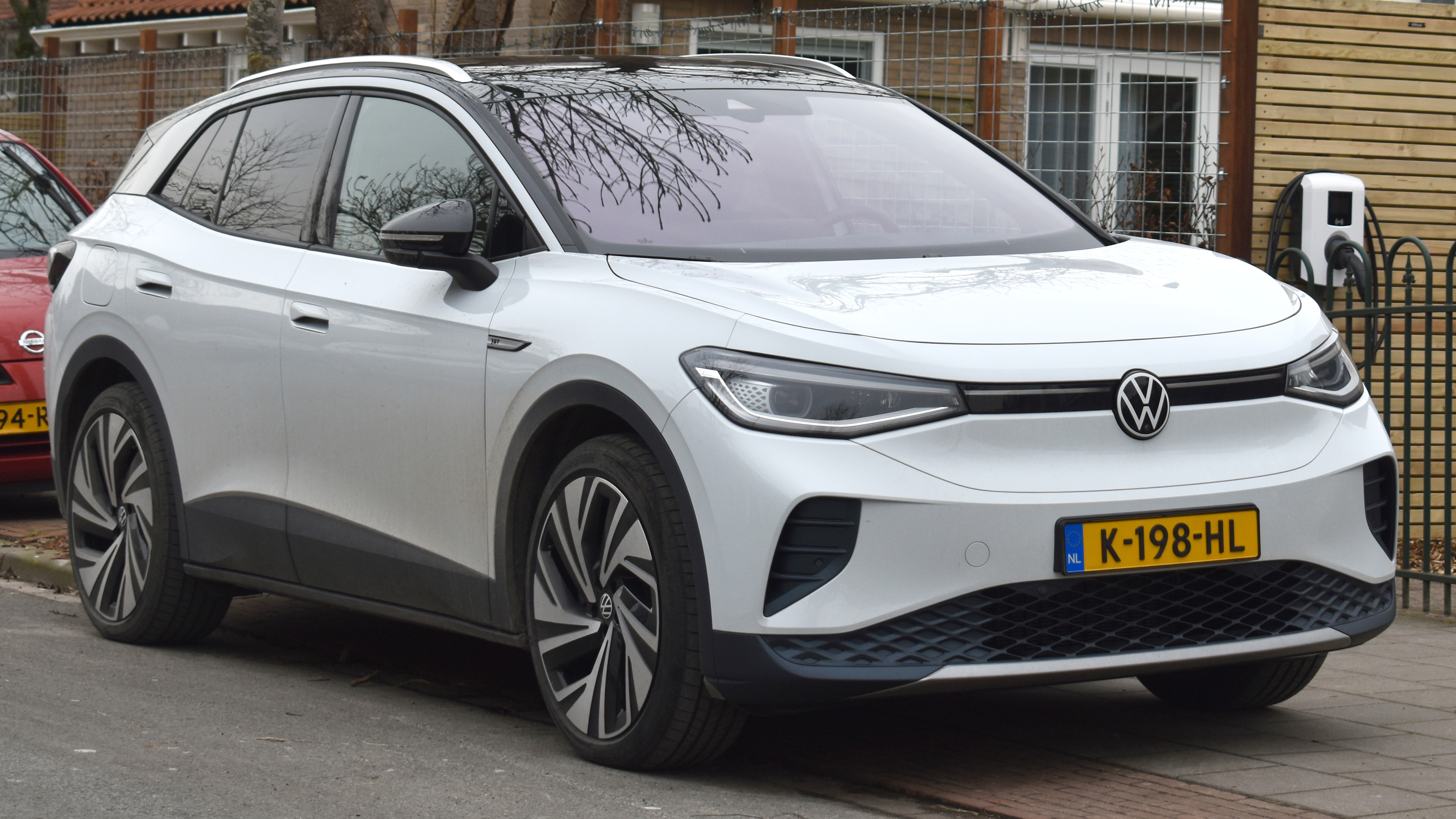
The Volkswagen ID.4 is a new electric SUV made by Volkswagen. It runs on electricity instead of gasoline, which is better for the environment and can save money on fuel.
A battery health inspection is a check-up for the battery in your car to see if it's working well and safely. It's important for electric cars to make sure the battery is in good shape.
The Hyundai Palisade is a family-friendly SUV with three rows of seats. It has been recalled because there might be a problem with the airbags that could make them not work properly in a crash.
A third row side curtain airbag is a safety bag that pops out from the roof of the car to protect people sitting in the back seats during a crash. If it doesn't work right, it could be dangerous.
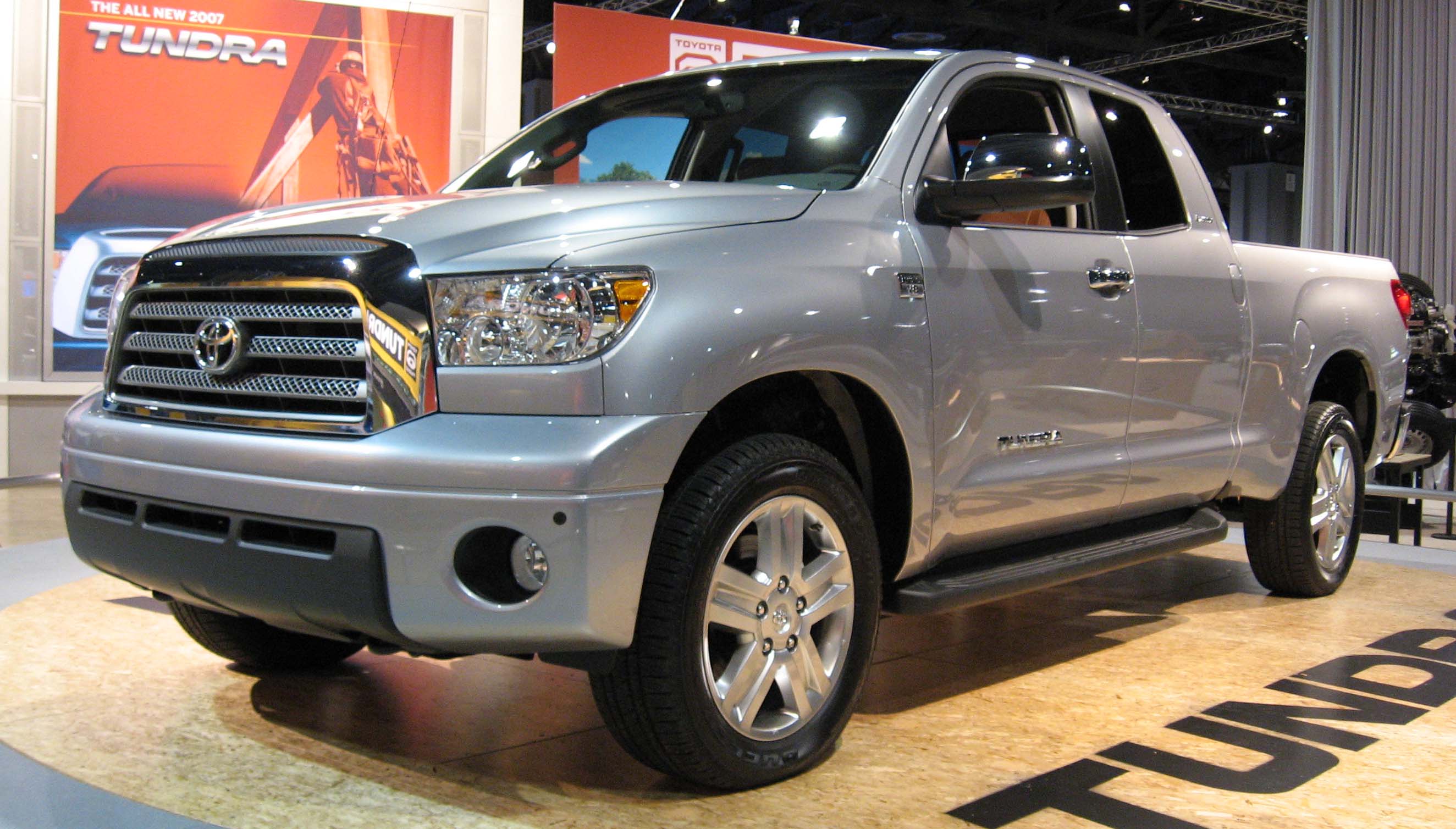
The Toyota Tundra is a large pickup truck that is built for tough jobs and heavy loads. It is being recalled because of safety issues that need to be addressed.
A backup camera is a small camera on the back of a car that shows what is behind the vehicle when you are backing up. It helps you see if there are any obstacles or people behind you.
Rear visibility requirements are rules that make sure drivers can see what is behind them when they are backing up. This helps keep everyone safe and prevents accidents.
The Nissan Altima is a comfortable car that's good for driving around town or on long trips. It's designed to save gas and has modern features that make it easy to use.
The Nissan Frontier is a smaller pickup truck that's tough and can handle rough terrain. It's useful for carrying things and is designed for people who need a reliable vehicle for work or outdoor activities.
The Nissan Sentra is a small car that is easy to drive and saves on gas. It's a good option for people who want a reliable car without spending too much money.
The NHTSA recall database is a website where you can find out if your car has any safety recalls. It's important to check this to keep your vehicle safe and up to date.
Driver assistance systems are features in cars that help drivers drive more safely. They can alert you to dangers or even help you steer or brake automatically to avoid accidents.
Investment decisions are choices companies make about where to spend their money to build cars and improve their technology. These choices can change based on market conditions.
Pricing and availability are about how much cars cost and how easy it is to buy them. These can change based on many factors, like tariffs and production locations.
An electric crossover is a car that looks like an SUV but runs on electricity instead of gas. They are built to be efficient and often have cool tech features.
The 3.8L V6 engine is a type of motor that has six cylinders arranged in a V shape and has a capacity of 3.8 liters. It's built to provide strong power for trucks.
The Audi RS5 is a fancy sports car that goes really fast and looks great. The new version will use both gas and electricity, which helps it be better for the environment.
Brand confusion happens when people mix up different car brands and don't know which one makes what. This can make it hard for a brand to sell its cars because customers might be unsure about what they offer.
The Dodge Ram is a type of truck that's built for heavy-duty work and is known for being strong and reliable. It's popular among people who need a vehicle for both work and personal use.
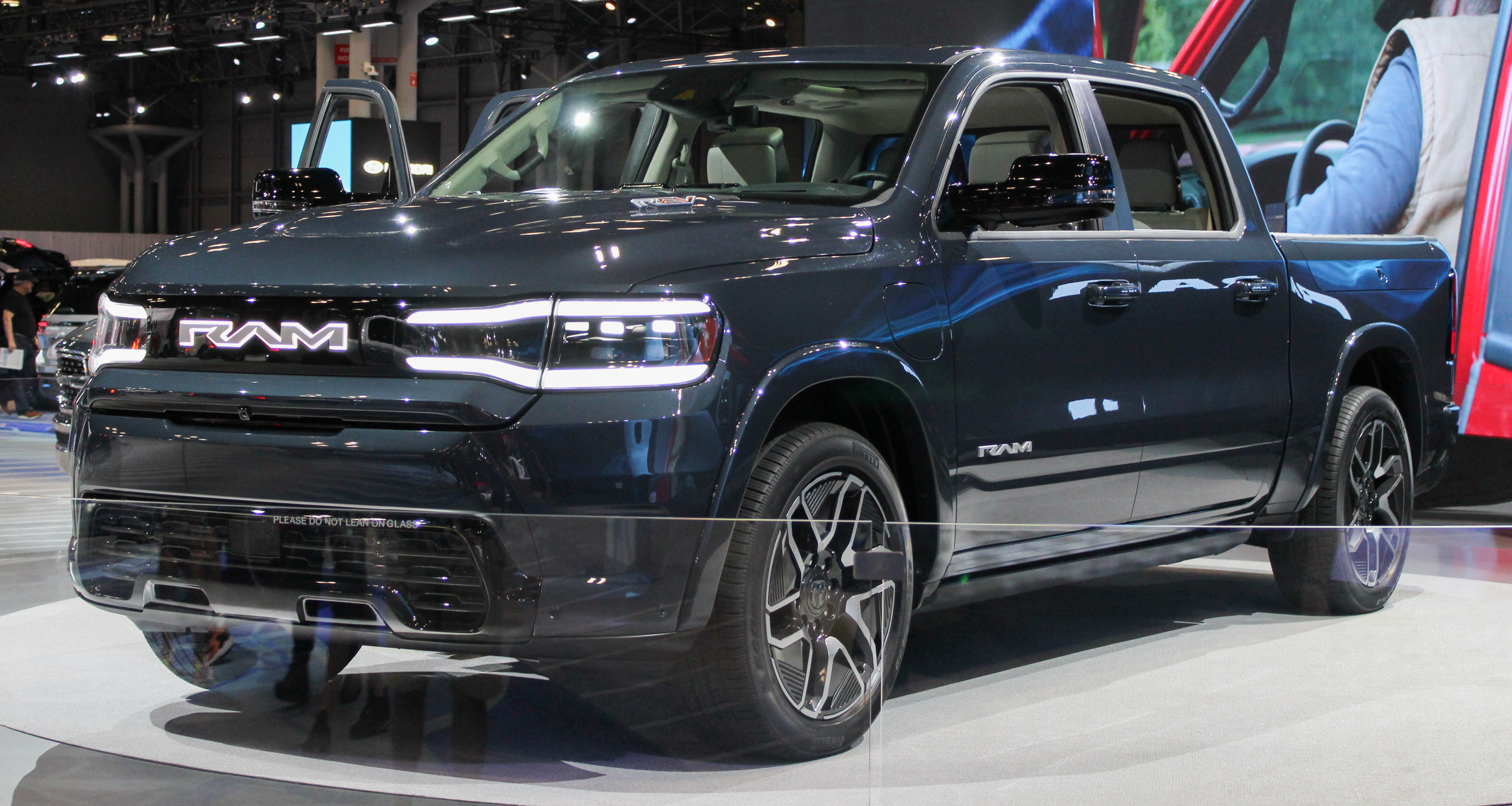
The Ram 1500 is a big pickup truck that can carry heavy loads and is great for both work and family use. The 2026 version has a powerful engine and lots of modern features, making it comfortable and easy to drive.
The 5.7 liter V8 Hemi is a type of engine made by Chrysler that is known for being strong and efficient. The 'Hemi' part means it has a special shape that helps it run better.
The Dodge Charger is a large car that looks sporty and can go really fast. The 2026 model is special because it's an electric version, which means it runs on electricity instead of gas.
LIVE
This week we've got some controversial new information about the Hyundai Santa Cruz,
President Trump threatening Canada over the China EV deal, several major vehicle recalls,
and my week with the Subaru Forester Hybrid. This is Weekly Wheelhouse, let's get into it.
Over the past week, multiple outlets reported that Hyundai was preparing to cancel the Santa Cruz.
This story spread quickly especially because compact trucks have struggled
to gain traction here in the US. Hyundai has now directly pushed back on that narrative.
In a statement provided to media, Hyundai confirmed that the Santa Cruz remains an active part of
its US lineup and the company is not commenting on future product speculation.
More importantly, Hyundai reframed what the Santa Cruz represents internally. Since its
launch in 2021, the Santa Cruz has helped Hyundai reach a new buyer, one that values
open bed utility without stepping into a full midsize pickup. Hyundai also confirmed something
bigger. Experience gained from the Santa Cruz directly contributed to its decision to develop
a new body on frame midsize truck, which Hyundai publicly confirmed at its 2025 investor day and
plans to bring to the US before 2030. This shows how quickly speculation turned into assumed fact,
and how automakers often use smaller experimental vehicles as stepping stones rather than long
plays. For buyers, it means the Santa Cruz isn't disappearing tomorrow, and for the market,
it confirms Hyundai is serious about entering the traditional truck space, but on its own timeline.
What to watch next is whether the Santa Cruz evolves or simply holds position until that
larger truck arrives. Following the Canada-China trade news, Trump publicly threatened increasing
tariffs on Canada if Chinese EVs gained easier access through Canadian trade channels.
The auto industry is caught in the middle because US, Canadian, and Mexican production
are tightly linked. Parts, assemblies, and finished vehicles cross borders multiple times before
reaching buyers. This matters because tariffs don't stay abstract. They show up in vehicle
pricing, trim availability, and sourcing decisions. Even brands that build vehicles in the US
rely heavily on cross-border parts. What happens next depends on political escalation.
Automakers may be forced to further regionalize sourcing, warn consumers about pricing pressure,
or delay product decisions until trade clarity improves.
Volkswagen is recalling 44,551 IDFORs in the US over a high-voltage battery issue
that could increase a risk of a fire in certain situations. Most of the affected vehicles are
model years 2023 through 2025, built between September of 2022 and April of 2025. According
to federal safety filings, certain battery modules can overheat under specific conditions,
which could lead to thermal runaway, the type of failure that regulators treat with zero tolerance.
Volkswagen says incidents are rare, but EV battery safety leaves no room for error.
Here's what owners need to know. Dealers will perform a battery health inspection and install
updated battery monitoring software designed to detect abnormal self-discharge.
If the system flags a problem, Volkswagen will replace the affected battery modules at no cost
to the owner. Owner notification letters are expected to begin mailing March 20th,
but VINs have already been uploaded into the recall databases.
Volkswagen's internal recall code is 93 EA. If you own an IDFOR, check your VIN and follow any
guidance Volkswagen provides about charging and parking until your inspection is complete.
Hyundai has issued a major US recall covering 568,576 Hyundai Palisades, spanning model years 2020
through 2025 due to a problem with the third row side curtain airbag. According to Hyundai and
federal safety regulators, the airbags may deploy improperly in certain crashes, meaning they may
not meet federal ejection mitigation standards. In plain terms, that could increase the risk of
injury for third row passengers. This is not a small recall and it affects one of the most popular
family three row SUVs on the road. At this point, Hyundai says a repair solution is still being
finalized, so owners may not be able to schedule repairs immediately. Notification letters are
expected to begin mailing around March 23rd. Hyundai's recall number for this issue is 292 and
the company says owners can contact customer service directly if they have any concerns.
Toyota is recalling approximately 162,000 Toyota Tundra and Tundra hybrid pickups from the model
years 2024 and 2025 due to a problem with the backup camera display system. Under certain
conditions, the center display could freeze or go black, preventing the rear view image from appearing
while the truck is in reverse. That creates a safety concern and puts the vehicles out of
compliance with federal rear visibility requirements. The fix is straightforward,
dealers will update the parking assist control software free of charge. Toyota expects owner
notification letters to go out by late March. For truck owners, this matters more than it might
sound. Backup cameras are used constantly, backing into driveways, job sites, trailers,
and tight parking. When the screen doesn't work, it's not just annoying, it's a real safety problem.
What to watch for next is whether Toyota expands the recall population if additional
software versions show the same behavior. Nissan is recalling 26,432 vehicles because
they may have door strikers that were improperly welded during production. According to the recall
filing, the metal loop on the door striker can crack or separate, which could prevent the door
from latching correctly. If that happens, the door may not stay closed during driving or during
a crash, increasing the risk of injury. The effective vehicles include certain 2025 Altima,
2025 Sentra, 2025 to 2026 Frontier, and 2026 Kix models, all built during a specific production
windows in late summer and early fall of last year. The repair is simple and fast,
dealers will replace the affected door strikers with updated parts and Nissan estimates the fix
to take less than 30 minutes. Owner notification letters are expected to begin mailing around
March 13th. This is a basic but serious safety issue. Door retention is one of the most
fundamental crash protection elements in any vehicle. Nissan's success here comes down to
quick owner outreach and fast dealer execution so affected vehicles don't stay on the road
unrepaired. If you own any of these vehicles, remember recall repairs are free and the easiest
first step is to check your van through the NHTSA recall database or the manufacturer's website.
Automakers and suppliers are watching a renewed increase in DRAM memory prices,
which impacts infotainment systems, driver assistance modules, and digital displays. While
this isn't a full blown shortage yet, it's a reminder that vehicle electronics remain vulnerable.
If memory pricing tightens further, automakers may face higher costs, delayed production,
or feature adjustments, especially on tech heavy trims. The next signal to watch
is whether manufacturers quietly reduce content again or absorb costs to protect pricing.
Consumer Reports has released its latest ranking of driver assistance systems,
evaluating how well they actually help drivers, not just how many features they advertise.
The top rated systems came from Subaru, Lexus, BMW, Mercedes, and Ford, with scoring based on
factors like driver monitoring, ease of use, clear alerts, and how well the system keeps
drivers engaged instead of overconfident. This matters because advanced driver assistance
systems are now standard or optional on most new vehicles, but not all systems are equally
safe or intuitive. Consumer Reports found that systems with strong driver monitoring and clear
limits performed far better than systems that allowed misuse. For buyers, this reinforces
an important point. More tech doesn't automatically mean better safety. How the system behaves
matters more than how it's marketed. Looking ahead, expect regulators and insurers to increasingly
rely on this kind of independent evaluation, which could influence future safety standards
and how automakers designed their systems. Volkswagen has issued a rare and very direct
warning. Future Audi production in the United States could be at risk if tariff conditions
don't improve. According to reporting from the outlet, the manufacturer, Volkswagen executives
have stated that high tariffs on imported components, particularly those tied to electric
vehicles and batteries, are making US production plans increasingly difficult to justify.
While VW has publicly discussed expanding Audi's US footprint, executives now say those plans
depend heavily on tariff relief and policy clarity. This matters because Audi does not
currently build vehicles in the US at scale, and future investment decisions are being weighed
against alternatives in Europe and other regions. If tariffs remain high and unpredictable, Volkswagen
may shift production elsewhere. For US buyers, this affects long-term pricing and availability.
For US workers, it affects whether premium brand manufacturing jobs ever arrive.
And for policymakers, it highlights how trade policy directly shapes where cars are built,
not just how much they cost. Next, watch for lobbying activity and policy negotiations tied to
EV and battery sourcing rules because those decisions could determine where Audi's next
generation of vehicles are made. Before we move into the press room, go down and hit the subscribe
button if you want to keep up to date with all the automotive news. Now for the OEM press room
roundup. Kia has announced pricing for the 2026 Nero EV, positioning it as one of the
more accessible electric crossovers still on the market. The Nero EV will be offered in two trims.
The wind starts at $39,700 while the wave comes in at $44,700, excluding destination.
Both trims emphasize tech, efficiency, and everyday usability rather than performance.
Affordable EV options are shrinking and Kia is betting that familiar size, usable range,
and standard driver assist features can keep EVs appealing even as incentives fluctuate.
Nissan released new technical detail on how the Frontier's 3.8L V6 is engineered to handle
extreme use. The engine has been tested under sustained high load conditions including towing
cycles, thermal stress, and off-road durability testing. Nissan is reinforcing the Frontier's
position as a simple, proven mid-sized truck rather than a high-tech experiment. Durability
messaging resonates strongly with truck buyers especially as competitors act on complexity
like turbocharged or hybrid engines. Audi has officially confirmed that the next generation
RS5 will move to a plug-in hybrid setup, marking a major shift for one of its most recognizable
performance cars. According to reporting from Motor Illustrated and corroborated by European
regulatory filings and Audi executive comments, the upcoming RS5 will retain a performance-focused
gasoline engine paired with electric assistance rather than moving to a full EV.
Power output is expected to exceed the current RS5's 444 horsepower with significantly higher
torque delivered at low speeds thanks to the electric motor. Audi is drawing a clear line
between electrification for performance and electrification for compliance. Instead of
replacing enthusiast models with EVs, Audi is using plug-in hybrids to preserve speed, sound,
and driving character, all while meeting emissions targets. This signals that high performance gas
engines aren't disappearing overnight, but they are being reshaped. For Audi, it's a way to keep
RS buyers engaged without forcing them into full EV ownership. What to watch next is whether Audi
brings this RS5 plug-in hybrid to the US unchanged, or it tunes it differently to meet American
expectations around range, pricing, and performance feel. The long-running question of whether Dodge
and Ram should reunite under one brand has resurfaced and this time Ram's CEO addressed it directly.
According to Motor Illustrated, Ram leadership acknowledged that consumers still associate
Ram trucks with Dodge even years after the brand split. While no reunion is planned, executives
admitted that the separation continues to create brand confusion especially among casual buyers.
Brand clarity directly affects sales, loyalty, and marketing efficiency. Dodge is now focused on
performance cars and electrified muscle while Ram is pushing trucks and commercial vehicles,
but many buyers still see them as one brand. This confusion can impact resale perception
and long-term brand trust. For Stellanus, it raises a strategic question. Does separation
still help or has the market moved on? The future implication is subtle but important.
If electrification reshapes both brands, Stellanus may eventually revisit how Dodge and Ram are
positioned even if they never formally reunite. Now we'll move into a recently posted review
on our main channel Off the Shelf Rides and that is of the 2025 Subaru Forester Hybrid.
This is Subaru's new Hybrid SUV and the big story is that it finally combines good fuel economy
with standard all-wheel drive. Subaru uses a new hybrid system with the 2.5-liter boxer engine
along with electric motors making 194 horsepower. It's not built to be fast but it feels smooth
and easy to live with. Fuel economy is around 35 miles per gallon but what really makes this stand
out is the range. Subaru kept the full size 16.6 gallon fuel tank which means you can drive close
to 580 miles on a tank. That's fewer fuel stops and easier road trips compared to rivals.
Now it rides comfortably, feels confident in bad weather and comes loaded with safety tech as standard.
With an OSR score of 87, this Forester Hybrid is best for buyers who value safety,
efficiency and long-term ownership confidence more than outright speed.
Before we move on, here's a quick reminder of what we covered in last week's Weekly Wheelhouse in
case you missed it. We talked about how automakers are quietly resetting EV timelines and shifting
more focus back to hybrids as buyers continue to prioritize affordability, convenience and
real-world usability. We also covered Canada's evolving trade position with China and how changes
to EV tariffs north of the border could eventually pressure US pricing and policy decisions. If you
want the full breakdown and deeper context on those stories you can go back and check out last week's
episode right after this one. This week I do have a press vehicle. It's been several weeks without one
and I mentioned this last week but I'll recap it. I'm currently driving the 2026 Ram 1500
Big Horn Crew Cab 4x4 powered with the 5.7 liter V8 Hemi with e-torque and it's paired to an 8-speed
automatic transmission and this one stickers right around $64,975. It's equipped the way
that a lot of real buyers spec their trucks with the Big Horn Level 2 package, the off-road group,
night edition and a 33 gallon fuel tank and it also has a tri-fold tonneau cover.
So far the interior feels large and comfortable. The dash layout is clean and the infotainment
screen is nicely integrated. The Hemi feels strong and sounds great though the fuel economy
is not a strong point. Ride quality however is smooth and relaxed. The Canyon Lake green paint
paired with the night edition blacked out trim looks excellent. As for next week the vehicle I
was scheduled to have the 2026 Dodge Charger Daytona Scat Pack EV was pulled back by the manufacturer
for an event. That happens sometimes and we'll reschedule it when it becomes available hopefully
sometime in March. For now I'll be testing out this Ram and the review will be up on off the shelf
rides in a couple weeks. If you're watching on YouTube make sure that you're subscribed so you
don't miss next week's breakdown and if you're listening on the podcast thanks for spending
part of your day with me. I'll be back next week with more real world auto news, buyer insights
and honest driving impressions. I'm Jim and this has been Weekly Wheelhouse.
About this episode
Controversial news surrounds the Hyundai Santa Cruz, with speculation about its cancellation being refuted by Hyundai, which emphasizes its importance in attracting new buyers. The episode also covers President Trump's tariff threats against Canada regarding Chinese EVs, impacting the auto industry's cross-border production. Major recalls from Volkswagen, Hyundai, and Toyota are discussed, highlighting safety concerns. The episode concludes with insights on driver assistance systems rankings by Consumer Reports and Volkswagen's warning about future Audi production in the US being at risk due to tariffs.
This week on Weekly Wheelhouse, the U.S. auto market is showing clear warning signs.
We break down Hyundai pushing back on Santa Cruz cancellation rumors, new pressure from Canada–China EV trade deals, and President Trump threatening tariffs that could ripple through North American auto pricing. We also cover multiple major recalls from Volkswagen, Hyundai, Toyota, and Nissan — with clear details on what owners need to know.
Plus, I wrap up my week with the 2025 Subaru Forester Hybrid, why hybrids are quietly becoming the safe middle ground again, and what all of this means if you’re shopping or already own a vehicle.
This is real-world automotive news, explained clearly — without hype.