A wheel lock key is a special tool that helps you take off your car's wheels if they have locks on them. It's meant to stop thieves from stealing your wheels, but it can be tricky if you lose it.
Crank up windows are the old-fashioned way to open car windows by turning a handle. Many new cars have automatic windows that you just press a button to open.
The Toyota Corolla is a small car that many people choose because it's affordable and reliable. It's been popular for a long time and is known to last a long time with good care.
Mandatory snow tires are special tires that you must use in winter to drive safely on snow and ice. They help your car grip the road better when it's cold and slippery.
The suspension is what keeps the car's ride smooth and helps it handle bumps in the road. It includes parts that support the car's weight and make sure the tires stay on the ground.
A knock sensor is a part of the engine that listens for unusual sounds that could mean the engine is not running properly. It helps keep the engine safe by adjusting how it works.
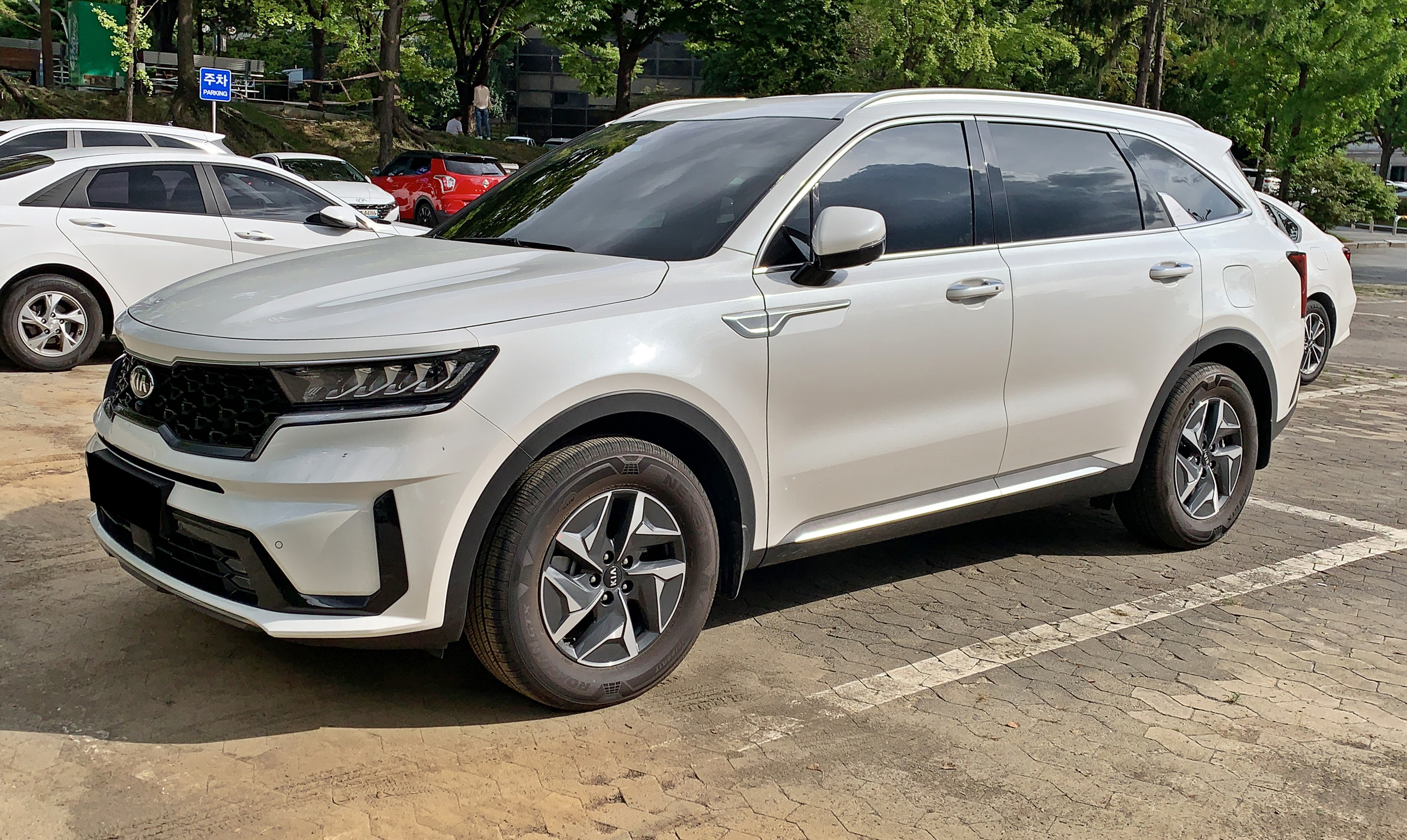
The Kia Telluride is a family-friendly SUV known for being roomy and packed with features. It's a great option if you need space for passengers and cargo.
The Hyundai Palisade is another popular SUV that provides a lot of space and comfort for families. It's known for its stylish design and many useful features.
The Hyundai Santa Fe is a type of SUV, which is a larger vehicle that can carry more people and cargo. It's designed for families and has a lot of space inside.
Car
Land Range Rovers
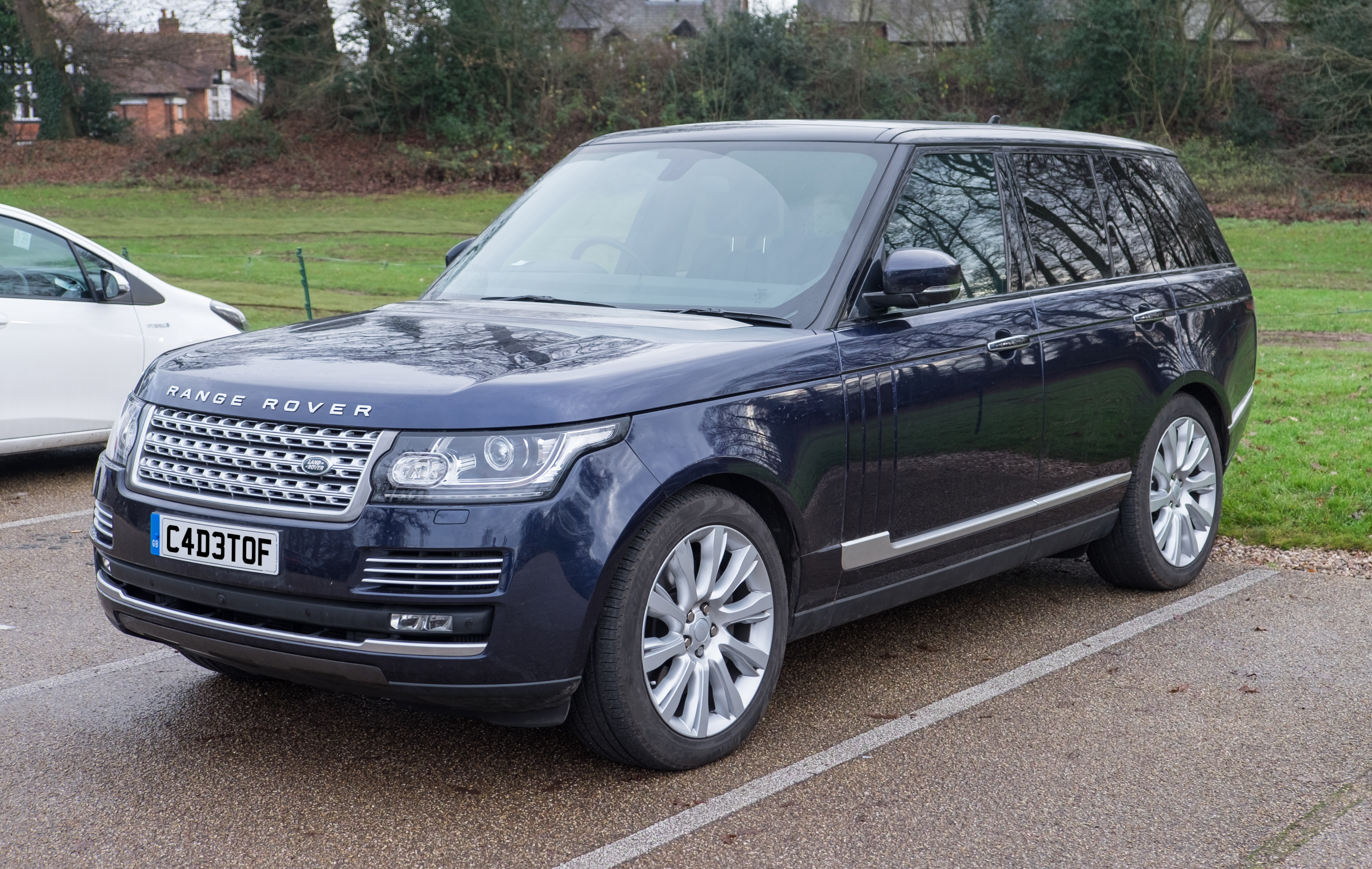
The Range Rover is a fancy SUV that is very comfortable and can drive well on rough roads. Many people like it for its luxury and style.
'Tranny' is a slang term for the transmission in a car. The transmission helps the car move by transferring power from the engine to the wheels, and it's important for it to work well for the car to drive properly.
Undercoding is a process where a protective layer is applied to the bottom of a car to help prevent rust. This is especially useful in places where roads are treated with salt during winter, which can cause damage to cars.
Kilometers are a way to measure distance, like miles. They are used in many countries instead of miles, with one kilometer being a little over half a mile.
The Rolls-Royce Phantom is a very fancy car that is designed to be super comfortable and stylish. It's like the ultimate luxury car that people dream of owning because it looks and feels amazing.
The check engine light is a warning light on your car's dashboard. It means there is something wrong with the engine or another important part of the car that needs to be checked.
The transmission is like the part of the car that helps it change speeds. It connects the engine to the wheels and makes sure the car can go faster or slower as needed.
LIVE
Never run from a job.
Always run to the job.
Hey, it's Jeff.
Every shop says they're the best and sure.
Most have good Google reviews, but Promotive cuts through the marketing fluff and partners
with shops serious about investing in their team.
You need a tool allowance?
More training?
Better paid time off?
Career advancement?
Or let's be real, we want more pay.
Promotives got your back.
Schedule your career consultation with their recruiting team today,
just like so many of the other Jada mechanic listeners have already done.
Whether they have a role for you right away, with a vetted shop, or one was on your horizon,
Promotive will help you find your ideal fit, because your career and your family deserve
nothing less.
Visit gopromotive.com, backslash Jeff.
Or better yet, hit up the link in the podcast show notes below.
And thanks to Promotive for the sponsorship of the Jada mechanic podcast.
Wheel lock keys.
People, if you're listening and you have a wheel lock key on your car, take it off.
Right now for me, please.
No one's stealing rims.
They're taking the whole car if they need it.
I can buy the tool that I need to remove the locking key for under 20 bucks.
Correct.
If I really want your rims that bad, I'll spend the 20 bucks and I'll have it and
I'll still have them on.
No doubt.
You know, because we do it every day long when the customer comes in.
Not going to his shop.
Understood.
It's okay.
You can buy it on T-Move.
You know, we think about, that's always the the weird part for me in this space is
talking to people that are like software people.
And yet they, you know, if I was to take you into the garage and show you what we
do all day long, you would be like completely enamored with, oh my god,
that's so different than what I do all day long.
Right.
But I mean, it's cool.
Nonetheless, but I sometimes want to go, I have to really think about how I'm
communicating something because like what is commonplace for me that when I'm
sitting in a room full of technicians or like the two gentlemen I just had that
are shop owners and techs.
And then I sit down with software people, you know, I might be saying,
how many words am I saying that they don't even understand what I'm talking
about?
You know what I mean?
Like it's.
Well, vice versa.
Right.
I think that's also like, I was talking to somebody the other day, a lot of,
with schools, right?
Yeah.
With university teachers, like they, you go for 30 years, 40 years,
then they get these new students in and they forget, conceptually, it's,
they have to slow down for people to understand what they're talking about
because it is like riding a bike.
Yeah.
So.
Sure.
Welcome back ladies and gentlemen, so they're exciting episode of the Jada
Mechanic podcast.
I'm sitting down here with a couple of people that I'm going to ask
it to introduce themselves because I've just met them for the first time,
but they're from our friends at Tech Metric.
So introduce yourself guys.
Sure.
Go ahead.
All right.
Typically, I would say ladies first, but the lady has deferred.
We have given you the microphone.
I am Aaron Zaffron.
Welcome, Aaron.
Thank you.
Thank you for having us.
My first experience in a podcast.
So, you know, maybe this is my entry into being the next Joe Rogan.
He is in Houston.
So we could make a thing out of this.
Maybe that's next.
I like it.
I've been with Tech Metric a couple of years now as a former user.
So I actually, it's funny you were talking about that.
I come from the automotive side.
Sweet.
So not a traditional software fellow myself.
I was about a decade in automotive repair.
Not a technician, not a mechanic.
Ran shops very well and passionately and frankly,
the last shop that I operated switched over to Tech Metric
for the last couple of years I was there.
And that has brought me to where I am today.
Right.
It was the experience that I had with that transition
that got me to, of course, research Tech Metric more.
And I'm very grateful to be where I am.
It's a great company.
Absolutely fantastic.
Yeah.
Yeah.
Well, I have to, he's in Austin, not Houston.
So you'll have to switch cities.
Yeah, that's right.
That's all you're facing.
I was like, hold on, not there.
Amber Wright, I am VP of business development at Tech Metric.
So I oversee our channel relationships with our partners,
really helping to understand how we can drive mutual value
to companies, but at the end of the day,
how are we driving the best possible outcome
for our shops together?
So whether that be through partnerships like BG
or Advance or Worldpack, those are the relationships
that Aaron and the rest of our team
get to work with on a daily basis to really go out
and in the field with our customers and prospects
that are not using Tech Metric to really understand
how can we continue to meet them where they are,
help them to evolve their shops, streamline their processes.
So those are the things that we on a daily basis
think about and continue to drive the status quo.
And so I have a unique background.
I do not come from the automotive background,
although I have been in the industry for five years.
I, my background is in psychology.
Oh, very cool.
Yeah, so Roll Tide, I went to Alabama,
but I just had to put it there
because they're playing the dogs this weekend.
So my husband and I, no, Roll Tide.
We've got dogs on our team too, so it's fun dynamic.
But at the end of the day,
I've worked in a lot of different industries.
I worked in the financial industry prior to this industry
and a few others.
And I have truly fallen in love with the people in this industry.
It is a family and a community
and everybody is wanting to help shape and grow.
I think that there is a unique thing
that you find at these shops that, you know,
I hope that people are listening to your podcast
and it allows them to say,
Hey, maybe I'm going to come to a show
that I've never come to
because it creates a synergy
and a community of transparency,
like just vulnerability
and running a shop is very difficult, right?
You work hard
and having the community around each other
and being able to share experiences
and how best practices of how they got
through a certain situation
or the tools that they're using
and how it works.
I have truly fallen in love with this industry
and there is so much more that we collectively can do
and it's an honor to be at Techmetric
to be able to be a part of that growth
and transition
and continue to push the status quo
of what we can help shops do.
Yeah, and I talk about how, you know,
the new business that I'm at now
does not use Techmetric
and it's back to, again,
the ways that I remember
how some of the inefficiencies
aren't more rapid or more because
it's just we're using a different software system
that hasn't integrated into so many levels,
you know what I mean?
And you're back to doing old school,
you're picking up the phone
and ordering that
or you're picking up the phone
and having to call them
and ask them to pitch an estimate
because you don't have a video DVI integrated into it.
Like there's so many things.
I just had a class this morning
with Mrs. Becky Witt
and she talked about,
like she showed her numbers and everything
and it's essentially like
the shop costs almost $6 a minute to run, right?
You're loaded cost of into your technicians
and that's assuming at a door rate,
I think she said like $140 an hour, right?
So when you think about all that,
what it's costing,
and then you have all these
relatively easy things to remedy
from an efficiency standpoint,
you know, we don't see so many people
that still want to do paper tickets
and, you know, not utilize the DVI that way.
Like, and then they wonder why
at the end of the month,
end of the week, end of the year,
we didn't, you know,
we didn't hit the goal
that we wanted to in growth
or revenue or whatever you want to call it, right?
And it's just little things like that.
Yeah, it's the 1% more
that you can be doing every single day, right?
And it's also the way
that tech metric has been built
is there's multiple different packages, right?
Because we recognize that
by putting a scale package
where you have all the bells and whistles,
there's shops out there
that are coming from pen and paper.
There's shops that are coming from QuickBooks
and how many times do we hear,
I've done this for so many years,
it's worked, why change it?
But like you just said,
there's things that you can do
to just like 1% better, right?
You can change adding DVIs into your process, right?
We went through a case study
on one of our calls today
that a customer saw 53% higher closed ratio
just by using DVIs, right?
How impactful is that on a shop
to be able to meet a customer
where they are, right?
Because right now, the reality is
the customer is either a Gen Z or Millennial
and they grew up with technology
and they want things in front of their face, right?
They want to consume information differently
and so we have to meet our customers where they are
and so by providing that,
we're driving transparency and trust
and then more work for you and...
Look at how many people you can't even reach
when you try to dial a phone.
Sure.
Like they just won't answer.
They'll answer texts, they'll answer TikToks,
they'll answer, you know,
Snapchat's all day long.
If you try and dial them,
they just can't answer.
Absolutely.
Don't leave me a voicemail
because I'm not going to listen to it.
Sorry.
Well and that's, yeah, truthfully, right?
Like I mean and the AI thing is so cool too
when I see that how more and more people
are integrating that into their processes as well.
Sure.
It's just, but you're right about the Gen Zs
because I'm not a Gen Z
so it's like, it's hard for me to even relate sometimes.
You know, I'm a Gen X so it's like,
what the heck?
Like I, you know, I can't relate
but I, because I can remember when
everything was enormous paper tickets, you know,
and we didn't do a DVI.
You, I mean we did have an inspection
but it wasn't, we didn't take photos of anything.
We grabbed the customer and walked them out
and showed them the broken car.
Or we just called them up and they said,
okay, and they never saw.
They, it's so much more power now, you know,
and that's the big buzz ticket
topic with technicians now is DVI.
And you know, and it's like,
it's a real hated thing from some
and it's an absolutely powerful tool from another.
It just depends on the culture
that you put around it as a tool, right?
If it's, if it's, they begrudgingly take it on
and it, and they're looking at the time
and we're not, you know, converting a 53% better
close rate, that's huge.
That the technicians, but if it's not
because we're not converting, then they look at it
as just something that slows the process down.
So I mean we have to, you can't just make it
a magic fix all and throw it at the wall
and watch it stick.
You have to integrate it with something else
and make it work, right?
It becomes a whole other shift.
It's, it's powerful, but you know,
us mechanics are reluctant to change, you know?
Humans are reluctant to change.
Let's like, but in change, there's so much,
I mean, I say change boxes with its beauty.
Actually, I think that was an Olaf quote from Elsa.
I have not seen the movie.
It's really powerful.
I mean, think about like, changed in failure, right?
Success comes out of failure.
You don't learn things until you fail or,
I mean, you can, but like usually it comes out
of really big failures and we're all scared to fail.
We're scared to change, but that is the only way you grow.
Most automotive conferences, unfortunately,
only focus on one side of the shop.
But Tectonic 2026, presented by Techmetric, is different.
It's built for the whole shop.
Owners, advisors, and technicians all have sessions
designed for the work they actually do day to day.
It's three days in Houston, packed with workshops,
panels, and over a thousand people from the industry
are set to attend.
You don't need to be a Techmetric customer to qualify.
Hit up the link in the show notes below
and check out Tectonic 2026.
Register now while you still can to get the early bird pricing.
And you have to be uncomfortable with the uncomfortable, right?
Being okay with accepting that and being willing
to just have different processes.
And I go to a lot of these events
and I sit in a lot of the classes
and there's such valuable information.
But I think where a lot of shop owners,
even with technology, it can happen is when you take on
more than you should, right?
Just like things don't go well.
You can quickly lose sight of the end goal
and the why you're trying to change these processes, right?
So if it's, you know, we're trying to get more cars in
or we're trying to, yeah, so like more cars,
you can use DVIs, customer reporting.
Like those are the things that you should focus on
and the results that you're trying to achieve
before bringing on all these concepts.
And so the 1% thing is something that we talk about often.
Just like, what's one thing that you can change?
Mechanics going back to reluctant to change,
it's because like a lot of us, we see the constant tech
changing just in the car itself, right?
So it's like, and we remember when I reached a crank up
a window and, you know, I'm dating myself,
but I mean, I've driven.
My first car was crank up.
They're bringing that back out, by the way.
My Toyota Corolla was a crank up window.
And you almost have to go back to some of the basic stuff again
because the people are going,
these cars are getting to be so expensive.
Like the features that I don't really care.
Can I get something a little bit cheaper?
Because like the technology to fix it all, right?
And we talked about it from my standpoint,
where it used to be like I used to just push a button
and it sent power somewhere and something happened.
Now I push a button and it sends a signal and a request
and then that gets talked to on a network
to a couple different modules to decide if something can then happen,
right?
It's taking things away from us.
So the reluctance I see to go from, you know,
the program that they've always used
is because like some of us day to day are just trying
to stay ahead of the tech that's going on in the car.
And then we get like here, go change this software system.
It's tough, right?
Sure.
But you have to show us the benefit
has to outweigh the frustration level.
Technicians and narrative are like our best lessons
that we've ever learned in our career.
We learned the hard way.
And doing it and doing it, we learned it the hard way.
The car that kicked my butt was what shaped my process.
Absolutely.
Right?
And that's the same way, but you want to make it
when you're doing the business side of things,
be a nice, smooth transition whenever possible.
Yeah.
I think that's one thing as a company, right?
We're really transitioning to be customer results driven, right?
And so in any conversation that we have with a customer,
it has to become back to like what is the result
that the customer is trying to drive, right?
In a shop.
I mentioned more cars, but it's, you know, make more money.
There's a few different things.
And so we can so easily get into this feature game
with technology.
But at the end of the day, if we're not driving
the result that the shops need, they're not going to see a value
and the technology that they're using, right?
And so you have to drive that result.
And so we're really over the last, you know, six months
and into the future of tech metric going to be focusing on,
you know, if you are a new customer coming in,
those are questions we're going to be asking you of like,
what are you trying to drive so that we can help you solve that?
Of course, there's things that you're going to have to do
in your shop to like get there.
But the technology should be able to help you get there quicker
and take some of that load off of you.
Yeah.
It's driving trust, I think, is the biggest thing that like,
I see shifting in this industry.
And Lucas reminds me a lot of the time,
like sometimes the number one priority
isn't necessary to be able to fix the hardest cars to fix.
But just have like, everybody trusts you.
You know, your customers 100% trust you.
That's where the things become easy.
You know, that's when the customer, like,
yes, we still have to act, conduct ourselves professionally.
But their main priority then becomes like,
here's the keys, just let me know when I can have it back.
You know, they've entrusted you to take care.
And that's where we sometimes lose as we get wrapped up in like,
I want to be more efficient so I can drive more car count.
I want to be more efficient so I can boost my bottom line.
That's great.
But if we build more trust,
we can almost dial back some of our marketing
because it will handle itself.
They would be like, I 100% trust LNN performance,
as an example, I recommend them to everybody.
All because of trust.
It's not necessarily like we have taken on
the most complex problems to solve,
but we just, they trust us 100%
that what they say they're going to do, they do.
It's huge, man.
It's crucial.
Yes.
I don't know if it was, maybe it was Mike Allen,
but I saw something on Facebook the other day
about what their coach said and it's just like the,
I think we definitely overcomplicate a lot of things.
And if we simplify it, it really comes back to a shop.
How much time are you spending with that customer
to really hear and listen to what they're saying
to build that trust, right?
And to slow down and say like, you know, there's a lot of,
you know, I think it's what was it,
five times cheaper to retain a customer
than it is to get a new acquisition of a customer.
And so what are the things that you are doing
into your shop to make sure that you are retaining
those customers and building that trust?
That's what you should be focusing on.
Yeah, not, yeah, not getting more necessarily.
I mean, more customers is always great,
but like I learned very early on, just as a technician,
like if I only had to work on three cars a day,
but I could hit my eight hours, 10 hours labor sold,
that was way better than having to work on 20 cars
at half an hour a car at 0.5 and I'll change each.
Like I would rather do three cars,
you know, five hours on each car,
walk home with 15 hours at the end of the day.
That was way easier for me, right?
And it's the same process.
We just have to teach the shop owners that it's like,
it's been the buzz phrase for the last two days
is you got to slow down to be smooth
and then smooth as fast, correct, you know?
Slow down to speed up.
Is that the tortoise wins the race?
Yeah, well.
Maybe not that slow.
I want to be a little faster.
I mean, I loved those spables as a child,
but now as I age out, I'm like,
there's no, there's no F in way that tortoise.
It's my favorite F word next to Friday.
Yeah, there's no that the tortoise has beaten the hare.
That's fair.
No matter how far off the hare goes into the woods,
he merely only has to think about coming back
and he'll beat the tortoise.
But I know, I know what the fable is about.
It's a lesson there.
It's not about speed.
Sure.
Yeah, diligence.
Absolutely.
What do you guys, when you walk into a shop,
what's the number one thing and your people
have come to you and say, tech metric,
what's the biggest obstacle that they have?
I will let you.
I have my own thoughts.
Yeah.
Well, we'll share them both, please, but yeah.
Go ahead.
So are you thinking more along the lines of an existing
tech metric shop or just a general shop,
maybe that's frankly probably utilizing a pen and paper
type scenario at this point?
Because in all honesty, it was fun
that you brought that up from the get go.
That is still where we're getting most of our customers,
is from a style, whether it's QuickBooks,
maybe they have some type of a, you know,
we kind of maybe define that.
Brutimentary basic, correct.
Yes.
So I think that that's one of the biggest challenges
in the industry still, even at this point,
with all of the technology that you see happening
in cars and across the industry,
is that there is still a lot of that old school
mentality and approach that they've been doing
it this way for 30 plus years.
And the fear of change is a big challenge
for a lot of these guys.
We're into that moment of, I think,
I heard it being called the silver train here,
where the average shop owner's age is over retirement age.
So, you know, it's what's next for this industry
is it's kind of an interesting time to be involved,
of course, as well.
The average age of the average shop owner right now
and the average age of the average technician
is scary how advanced those ages are.
Correct.
It's scary.
A lot of that technician challenge is, frankly,
from my age group, that 40-year-old group,
it almost doesn't exist.
There's just not a lot of them out there.
That was also because during when we were,
I mean, they were pushing going to school,
going to four-year colleges.
Absolutely.
So that was the shift then.
That's what we're seeing.
I would say the other thing besides change management
and the generational shift is also,
I was going to say time,
but the time comes back to they can't find talent
to be in their shop,
to be able to spend time to implement something
in their shop.
So it's kind of counterintuitive
in a way if you think about it.
They can't work on the business
when they're in the business.
Exactly.
And so that's probably the second biggest thing,
which goes with change management.
I think that's probably it.
And yeah.
I mean, I come from the background of where
when I worked at a dealership
and I could jump brands,
and I would probably go and go,
and you know what?
They were still using Reynolds and Reynolds
at the next dealership,
just as an example of the name, right?
So it was very easy to transition.
Here's, you just have a new login number
and a new tech number,
and everything is the same again.
Whereas when I came out of that kind of background
and went into the independent shops,
where it's still pen and paper,
and then I go to a shop where it's tech metric.
And I was like, this is so cool,
but there was such a learning gap for me of like,
how to, how do I do that again?
How do I do, like I have,
I'm a visual person.
I have to write myself notes to remember.
I had a cheat sheet of how to navigate tech metric.
And that was the hardest obstacle in that shop
of not going in and fixing cars
or turning hours,
but these people that had been using
tech metric for like two years,
it was hard.
I struggled with coming in.
I was like, I still remember commands
from Reynolds and Reynolds,
and then trying to, oh, that's not the same command
and I won't do the same thing.
It was tough for me,
not because there was anything wrong with tech metric,
but I'm like, I'm just old school.
Listen, here's what I wrote down.
That's what the car needs.
It's out in the parking lot.
I bring in the next car and they'll be like,
no, no, like we need, we need the, like did you,
no, I didn't do any of that.
Cause I'm, I'm rushing.
I'm, I'm, I'm looking at
what do I have to get done today.
And it, again, I didn't,
I wasn't effective at slowing down to speed up.
I think too, the other part you brought up,
you said something that kind of like jogged my,
my thoughts a little bit there,
but I think that there's this fear
of going from the desktop to the cloud, right?
Just like also the same concept with AI.
What's going to happen with my data?
And you know, those are things that you hear often.
And I think it goes with just like what we're used to.
But, but the other part of that is what happens
when your computer crashes, when you're on a server, right?
That's actually worse than anything
that can happen in the web.
Yeah.
And you own your data.
And so it, it's just kind of this mentality shift
of we have to step in as the consultants to be able to,
like we are the experts at technology,
just like you are the experts
at putting a car back together.
So we have to be able to meet you where you are
and your understanding of like,
Hey, this isn't actually a big scary thing.
It's meant to help you in your process moving forward.
But I think moving to the web
is a big fear for a lot of people,
just like, you know, the same pendulum of like AI,
people like AI, they don't like AI.
We don't really know what's going to go on.
And I think that there is, you know,
a level with AI that you should be like concerned
and just aware of what's happening
and how it's going to be utilized.
And that's exactly how we're looking at it,
of how is it learning?
What is it learning?
How are we going to utilize that?
If we utilize that, what's that going to look like?
So I found the biggest obstacle too.
What I've seen when Techmetric has hit
some road bumps on the limited experience
I did have with it in the shop
is because shop owners are not utilizing it
until it's full of potential.
So they try to like,
okay, so still write the estimate out on paper for me
and hand it in, but then I'm going to do my side
of the stuff on Techmetric.
And it's like, no, the whole system
is designed to be all done in one platform
by everybody to eliminate the paper trail.
But because it was like they weren't giving enough time
to actually go in and do it in the computer.
And again, it comes back to car count
and the customer showed up 45 minutes late.
So, you know, the point was for this,
all things that are not Techmetric fault
breaking down in the process,
but it's just, you know, skip the process now.
We throw the process away, throw it right in the trash
and go back to what we've always done.
People that are listening that are shop owners,
they're like, don't do that.
Don't try to over complicate it
by keeping some of the old stuff.
And when you decide to make the change,
jump in with both feet.
I think that's probably the most crucial, you know,
advice that you can give to a shop
that's transitioning to, you know, Techmetric,
a modern system.
Whether that's coming from pen and paper
or their old system even more specifically.
Our system isn't designed to operate like the old system.
What, why would we be doing that?
I've heard a shop saying, I'm running two systems.
Like I have my system, the old system for this
because I like that.
I like how it could order parts through this,
but I don't like that.
Oh my God, how to make it even more complicated.
Why?
If you pull the band aid, as we say,
if you rip the band aid off and you commit to that change
and to that new process, it's all about that process.
The statistics are sound.
They're there to support why we're successful
and why we change people's lives all the time,
why I'm with Techmetric.
It changed my life as a service manager.
That's what motivated me to want to be able to go out
and do that and help with other stuff.
So were you a service manager and a dealership?
A little bit of both.
A dealership was very short lived.
In fact, frankly, it was right before I joined with Techmetric.
They just took a while getting me the job.
I hold them for six months as a service manager
for a Ford Lincoln Toyota dealership
in one single building, which was complicated enough.
It would be.
As well as a Kia dealership very shortly, literally well.
I kid you not.
I don't think I've ever publicly spoken about this,
but the day that I started at the Kia dealership
is when Techmetric finally called me back.
And we reopened the conversation
on getting me over to Techmetric.
So it was very short lived at Kia.
It was a good day.
We're glad to have them.
But I was a service manager for a Minakie car care center
in, this is in New Hampshire, where I'm from,
for about five years.
So with the assistance of what Techmetric provided to us,
we were able to grow that Minakie specifically,
a little Concord, New Hampshire,
from when we were a million and a half annual
average revenue value shop upon my arrival
and upon my departure, we were two and a half million
and operating as the number two Minakie in the country.
Wow.
Techmetric had a lot to do with that.
Not exclusively.
No, pretty good at my job.
But Techmetric had a lot to do with that
because I was able to do so much more
in terms of I got time back.
You were talking about being on the phone all the time.
That was probably the biggest change for me was
not having to spend as much time on the phone
with customers, on the phone with parts vendors.
I was known to have two phones going at the same time.
I have that portable phone hooked to my belt
at the same time as well.
It was hours on the phone and the amount of time
just from that experience alone was life changing.
On top of the experience that you could enhance
for the customers along the way,
it really just changed so much
for the way that shop was able to operate,
the way I felt as an operator.
Heck, I could do inventory for the first time in years.
Years, I tell you,
because I didn't have time to get into the shop.
I was stuck on that desk all the time
and that changed so quickly, so quickly.
Yeah, it's been a really cool experience
to watch how shops have changed.
And even just in the 24 hours that we've been here,
how many shops come up and just say,
Technmetric has changed my life and my business.
And that is why we continue to do what we do.
And I think one of the things that
is really neat to see, you mentioned platform.
And so we are making a shift into the all-in-one
shop management platform.
And so you kind of alluded to a lot of fragmentation
in workflows in the shop,
but also just in this industry.
There is a lot of fragmentation that we see in technology
and the continuation of meeting our customers
and listening to them and what they want.
And so the core mission of Technmetric
was built on focusing on the general pair aspects,
the repair aspect of the shop and how to run it
and make sure that what we build
is the most efficient and best process, right?
Technmetric was built by a shop owner for shop owners.
And so there's a lot of folks at Technmetric
that have background in the industry who've worked in shops.
It's a continuation of understanding what's going on.
But it's also, as we continue to build,
making sure that we can help each part
of the customer experience.
So being able to offer online booking right now,
that is the way that the customer wants to be met.
So how are we helping support that?
Are we giving automated appointments reminders, right?
The dental and hair salon industry,
like they do such a good job
and there's a lot to be learned through that.
How many times when you have a dental appointment,
are you gonna get that appointment reminder, right?
And so just being able to continue to bring back business.
And so everything from the online booking,
appointment reminders, campaigns to continue
to have automations to get people back in the shop,
we are transitioning to be a true platform
to offer payments and marketing as well on top of the repair.
I think that's so key, right?
Like I learned a long time ago,
it was a groundbreaking thing
when somebody started talking
and some of the groups we're talking about.
And it's like when you would have their appointment
and you were there doing the royal change on their car,
you probably have seen similar things.
They would be telling you
now to make the appointment for three months out from now
for the next one, right?
That's, I'm dating myself now
because now we don't say three months,
we say six months, but it's the same thing.
It was such a cool concept.
But like you said, I have a little tiny dog,
I have a little white Maltese.
And so she's a dog, you have to take the groomer.
Now I don't have to, yes.
So I don't ever have to remember
that it's time to take her.
I get my, my, I get a phone call
and I get an email and I get a text
all from the groomer saying,
this is your appointment for Lucy.
Yep. Great.
Because I haven't remembered like
when I made it three months ago,
she goes every three months,
what date I made it on.
And I'm not like, I carry a phone around,
but I don't immediately go three months from now
and stick it in my phone.
Like I just make it the priority.
It's the same time every day.
It's always a Saturday morning,
early in the morning, get it in,
get it done.
Right?
The whole thing.
I'm so blessed that people
have been able to embrace that
in my industry.
Because it's, it's,
you know, the reluctance is,
it used to be, oh, while I'm broke down
or I need something addressed,
I'll go in and get that maintenance thing done.
And now when we start to be pre,
preemptive about it and go,
hey, let's get you in here
six months from now for your,
for your next thing.
It, it streams line up and it's,
that's another chance to connect
with my customer and go, okay,
so your appointment's for this.
Is there anything else going on
with your car at the same time?
And they're like, yes, actually.
I've started to hear some things
or I've started to, you know,
notice it seems to want to crank
a little slow and it's cold.
Can you look at this, this and this.
That's been so paramount
for us not just being a reaction-based
business to what they come to us with,
but an advocacy for what they actually
need to be doing for their car.
Yeah.
It's just like going in for your,
your yearly checkup
with the doctor, right?
Yeah, I don't.
And well, I started.
Sunil was in the medical history of the world.
So he's like, have you gotten this checkup?
And I'm like, I don't have time
for all these checkups, Sunil.
So like, you can control my calendar.
No, I'm joking.
But I did.
And I think it's you,
you actually, I was going back
because I just had this
and my PA was like,
is there anything else you want to talk about?
He is not my therapist, right?
By any means, but like,
you almost put yourself in a position
to be a trusted advisor or consultant.
And it's, it's amazing
when you just ask those questions,
what comes out and you find things.
The other part about appointments, right?
With, with cars or even your dog,
I'm the same way we have two doodles
that are just like, so they,
there's so much grooming
that needs to be done with these.
Nobody told me about this.
I know.
They should have just stuck with the labs.
Yes.
They're wonderful.
But we had to go bougie and get doodles.
Uh, no, but like,
it takes the thought process out of it
so that you don't lose that customer
going just like,
Hey, I'm going to go get a quick oil change.
Right?
You're taking the thought out of it
and you're meeting the customer where they are.
And, and you know,
there's a chance that they have to reschedule,
but you've also put them in this like,
I don't want to feel guilty of not showing up.
So I'll just reschedule and come back
or I'll just show up, right?
So there's a psychology behind the appointment reminders
and getting it back in.
And I see that talk once in a while
that people are talking about actually
when people make an appointment
and cancel in the automotive space
that maybe there should be a fee attached,
right?
Because people do it now.
I've heard some shops actually consider that.
I know my, my,
like I know that if I don't make Lucy's appointment
and I don't give them 24 hours notice,
they are going to charge me a certain amount.
And I don't,
I don't get mad at them
or think that I'm getting ripped off
or angry at them
because I understand how it works that like,
if, if they lose that spot,
that's revenue.
They don't generate money, right?
It costs them money.
So it's, it's totally fair.
But when we talk about it in the automotive space,
they're like, I'm not doing that.
I'm like, how are you going to,
I'm going to scare all those people away.
Okay.
If we want to run where it's like,
I need a car count that's X
in order for to be the nut
at the end of the day,
I want it's going to take.
I need people to understand
that it's important that when they make an appointment,
I meet them where they need to be.
I help them give them every other means
that it's like, okay, you can't wait.
Okay, cool.
Here's a loner.
Here's an Uber.
Here's a bus.
Whatever we do, right?
And, and, and we are able to keep that
contracted obligation on both sides
where we're going to deliver to them
and they're going to be,
you know, coming into us
because otherwise I see it all the time
where it's, I've been that guy
at the dealership where there was
40 appointments that day.
20 of them didn't come in.
Guess what?
A lot of Texas didn't make any money that day.
Yeah.
You know?
Yeah.
Sure.
I would also implore you as a shop owner
to like really question,
are those the customers that you want to have?
Yes.
Yes.
Yeah.
So if they're not willing to respect your time,
are they the customers that you want to have
in your shop?
Yeah.
And you have to be okay with that.
It's also like raise your labor, right?
Like that's also the kind of that fear there of
if I do this, I'm going to lose those customers.
Well, you are the expert at what you do
and you should be paid for that expertise.
And it's okay because you're going to get
the right customer in the door
who will respect and pay for that.
Yeah.
And I say it all the time,
raise your rates, you know, RYR
isn't a one fix for all your shop problems,
but damn it, it's the first good fix every time.
First step, excuse me, is always go up.
Don't go down, always go up.
Because you get some immediate money back in.
If you don't change the expenses
you don't raise it and then give them a raise,
your technicians, your workforce, whatever,
you get a little bit of buffer there.
And then you decide, okay, that buffer is going to be
to cover the fact that if I'm not paying my technicians
on a flat rate, if I'm paying them hourly
and all of a sudden now my rate's up $5 more
and two appointments don't come in,
it's not hurting me as much that I didn't get those jobs.
Absolutely.
And that's why I think when we go to this,
if you make the appointment and you cancel or don't show
and I hit you with this fee,
that's to cover even more I think for the texts
that are being paid hourly versus flat rate
and you don't come in, you understand that
they have to get paid somehow.
Of course.
And the margins have always been so thin anyway
in our industry that if we can do every little thing
that's frankly accepted now in every day.
Every other industry.
Yeah.
We should be able to bring it into ours.
That's how I feel anyway.
I agree.
I mean I do think that it's very exciting with us adding
in our marketing solution functionality
and from personal experience, we talk about dentists.
I have never missed a dentist appointment
as a result of having that confirmation
and having their reminders.
And by having those involved into your appointment processes,
the more of those that you have,
the more it's mitigating the potential loss
of those appointments.
So your show rate is going to increase
because people are seeing that.
You're having that complete communication process,
frankly, even with a new customer.
It's the entirety of that journey experience
that we now have access to.
Whether they're before as a new customer coming in
during while they're in the shop,
going through the entirety of what processes
you have in place to keep them informed,
be transparent, have some empathy,
build that loyalty and trust.
And then even after the fact where you're doing
follow-ups for whether it's services
that they didn't choose to do that day,
simple thank yous, follow-up for internal feedback
or Google reviews.
Having those tools in place,
you have that full journey experience,
which it takes it even further than the dentist.
The dentist doesn't ask me if I like to my time.
I think they know better.
I don't like the dentist.
I'm not seeing these.
Like the over your face, in your mouth.
And the flip side of always how we used to do it,
and I've seen shoppers again do this,
is they always intentionally overbook, right?
So then what happens is in the perfect world
where all of a sudden nobody cancels,
then the wheels fall off the bus.
And all of a sudden you have all these people
that you're calling at the end of the day,
or even the two o'clock, one o'clock,
lunchtime going, guess what,
we're not gonna be able to get to you today.
And what do you tell them?
You make up something, you spin a yarn or whatever.
But the reality is, is because we are always
booking a little bit more than what we can probably get through,
because we can always count on one or two or not coming in.
And one or two, if it's just small jobs,
it's not the end of the world.
Somebody might drop in unexpectedly.
That's our industry too, right?
People drop in.
Hey, I got a nail in the tire.
Hey, like it's towed in because it won't run.
But when we start to say, oh my God,
like I've had to really let down some people at day's end,
because everybody showed up,
that's when it's time to rethink our process, right?
Absolutely.
So people that are listening to that,
just think about that.
If you're doing that where it's always,
you're saying yes, yes, yes, yes, yes.
Because you're counting on somebody to not be a no show.
When you start to really get your stuff together,
there's less no shows.
And then you have to really, again, do the same with less.
Less customers for the same amount of money.
That's what we're all chasing at the end of the day.
Technician goes right back to it.
I want to work on as few cars as possible
and make as much money as possible.
Because it's the time in between.
I'm not putting the wrench to the car.
That's costing me the time, right?
Absolutely.
Although many probably don't want to change the engine.
Rather do brakes.
I was always a guy that I just wanted to sit in the seat
and look at this at the computer.
That's where my strength was.
Because then it was like, OK, and not everybody can do that.
But if I had to rack 20 cars entire season in Canada,
it sucks.
Oh, my gosh.
Sucks.
It's terrible.
It's actually quite different up there.
It's absolutely different.
I think it's like 70% do a tire change over or something.
Because we require it by law up there.
Well, there's some provenances.
Yes, mandatory snow tires.
It's fascinating.
Because down here it's very low in comparison.
Although last season, it was pretty far out.
I mean, the seasons are just shifting.
We didn't get a lot of snow last year, but they don't care.
If you're in Quebec and you don't have snow tires on,
you're still pulling it over and you're checking it out.
And it all has to do with, again,
the roads in Quebec versus the roads even in Ontario,
one province over, suck.
So you can't.
And it's not so much just the condition of the road.
They're bad themselves.
They're pot all city as much as all.
But if you look at how the budget that they decide
does snow removal, they don't use it as much in Quebec.
So you have to be.
If you want to get where you're going,
you're doing two things.
Three things, public transit, walking,
or you're putting snow tires in the vehicle.
And it's just, hey, if you didn't get where you need to be
because you didn't use those three things, oh well.
Yeah, that's where the appointment booking
becomes very important.
Because you also are booking out starting in three months
out from season.
And then you also have to change the tires
that you have in inventory or you're holding.
Oh, it's super complex.
Canada is a completely different demographic.
Just before even it was mandatory, the tire thing
was even if we weren't putting snows on,
people tended to come in spring and fall.
And that's when we sold them new tires.
Right?
So like in the Canadian business model of automotive,
we build the whole business model around the tire in Canada
where I see it nowhere else even in the US.
Even in US that gets parts snow more than us,
they don't build their model that way.
And it, as a technician, it frustrates you
because you go home at the end of the tire season,
like every day, sore.
It is a lot of lifting.
It's a lot of, they stink.
They're dirty.
They're always wet.
Your hands are cold.
Like it just sucks.
Yeah.
Well, you know, and it's important
because it drives those other sales
and it drives that relationship.
But I mean like people are starting to figure out
that it's like, I don't care if they buy their tires
somewhere else.
I'm not a tire store.
I am a repair center.
So it's like, I want just the repairs.
But we unfortunately are so trapped with,
if we don't get the tire business,
they may not come into a shop for six months from now
when they come off.
There could be a whole lot of things wrong with their car
that they don't even know about.
So that's where it's always driven us that unfortunately,
like we have to do it.
It's just, it sucks.
I always liked it when it was like,
the car comes in for that,
but we had apprentices that did the tire work
and I was focusing on the brakes,
the suspension, the drivability problems,
all that kind of stuff.
And they did my tires for me
and I just put them on the car and it was done.
Like I wasn't fighting to get them.
And you know, we could do a whole rant just on tires.
Like wheel lock keys.
People, if you're listening
and you have a wheel lock key on your car,
take it off right now for me please.
No one's stealing rims.
They're taking the whole car if they need it.
I can buy the tool that I need
to remove the locking key for under 20 bucks.
If I really want your rims that bad,
I'll spend the 20 bucks and I'll have it
and I'll still have them on.
No doubt.
You know, because we do it every day long
when it comes to the car.
Not going to his shop.
It's okay.
You can buy it on Team Move.
That's where they buy them.
So it's not a situation of like,
we want to frustrate you or anything like that.
It's just people don't understand that,
you know, I want to be out of here by 10 o'clock.
Cool.
All right.
I see you at 8.30.
I'm clocking 90 minutes to do four tires to get your car here.
All of a sudden, where's the wheel-out key?
Oh, the what?
The wheel-out key.
Oh, I got like, I got snow boots and some snowboards
in the back and all this kind of stuff.
It's now a 20 minute adventure
to try and find the wheel-out key.
If you find it.
If you find it.
So what do I do now to still make the appointment time?
Oh yeah.
I think Ed told me I have one.
Yeah, you do.
I'm pretty sure.
Yeah, I just got it.
It's a Tesla?
I bought a Kia.
No, she's a Toyota.
Oh, congratulations.
Nice car.
It's so beautiful.
Yeah.
They're great.
They are nice cars.
And they do, I'm pretty sure, come from the manufacturer
with the wheel-out on.
Yeah.
They do.
You have the option in your glove box.
I'm pretty sure to have those swapped out
for the standard ones.
They are there.
I'm not there yet.
So get there.
It's okay.
I'll get there.
We'll get you there.
This will help.
I'm still enjoying the butt seats that are heated.
Yeah.
Oh, God, it's so nice.
Although I should have known better.
I had a Kia Sorento 2013
and the knock sensor.
I went through all of that.
And Kia basically told me it was negligence on my part.
And here I am with a Telluride.
But they're so beautiful.
So I'll say this.
Hyundai and Kia are the most improved.
We say it all the time.
I work in a used car a lot.
So I see a lot of used cars come in.
From all makes and models, it doesn't matter.
They are, it'd be like the most improved student award.
Sure.
Yeah.
For like in the last 10 years from where they were
to where they've come, unbelievable.
Yeah.
Without a doubt.
You look at a Telluride now, and you're like,
man, that is a really nice vehicle.
Or Palisade, really nice vehicle.
Like, and you're like, that shouldn't be.
It's a what?
Oh, wow.
Do you look at the new Santa Fe?
They're modeling them.
We have one.
They look like Range Rover's, right?
And see, that's it.
My wife wanted a Range Rover.
And I said, uh-uh.
We are not going down that path.
But the Santa Fe came out and I showed it to her.
I was like, look, it is literally,
it is your, it's exactly what you want.
We could buy you two Santa Fe's for the most.
We can afford it.
Because the Range Rover's going to be in the shop just as much.
That's not for me.
That's actually why I bought the Telluride.
So I bought it.
It's like dark gray, the black rims, the beautiful grill.
There's no silver on it.
We actually came from a Telluride too.
Yeah.
Yeah.
They are beautiful with it.
We were, I was part, I was telling you earlier,
we were part of the Founders Club for the Telluride.
I had been watching it for a couple of years at the,
you know, shows out in Colorado, I think.
But yeah.
So I saw, I obviously put my email in somewhere at some point.
And when we purchased Telluride, I got an email saying,
we are sending you $750 for being part of the Founders Club.
I was, I did not get that experience.
That was like, if you really love this one,
buy a second one after, I'm sure they're going to really like.
Probably.
I will get there.
Yeah.
Yeah.
We had great value on our, when we, you know, traded in,
it was a phenomenal value that it maintained,
which was unexpected.
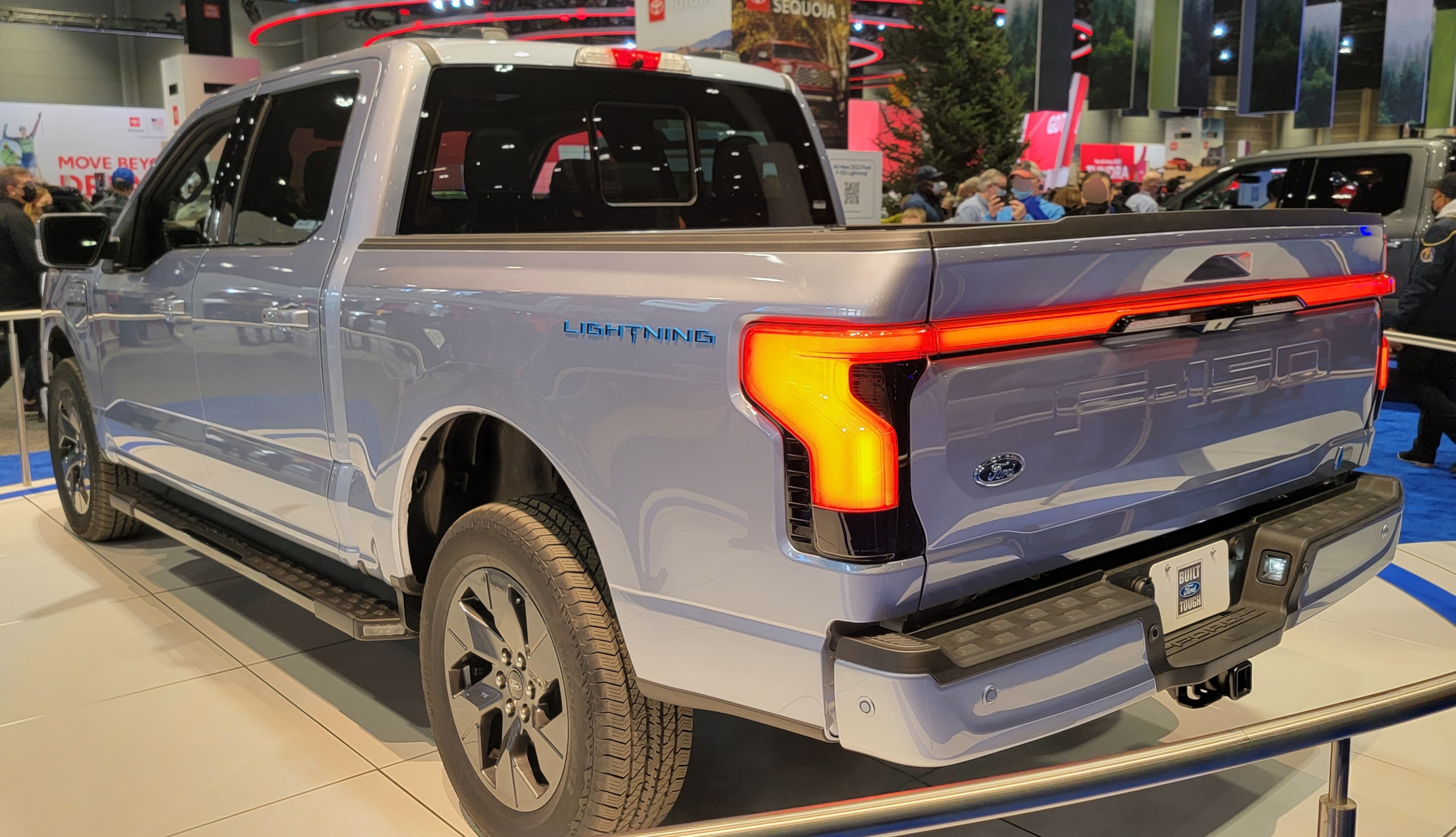
Once I get done paying money on my husband's Ford F-150
Platinum and all the stuff that I've just put into that guy,
we'll, we'll maybe get another Telluride.
Never.
They are.
Two turbos.
Two turbos.
I was just going to ask.
God, it was the worst.
Yeah.
Yeah.
Your shake, because you know, you.
I did look up, I did look up in TechMetric,
if the price that I was being quoted was a fair price.
I bet you did.
That's naturally what I do anytime.
I'm getting my car worked on and make sure, but.
Not that I don't trust.
My shop, but it's actually like a cool experience to be able
to understand and like look, but yeah, I was.
And see that's where some of us, like we,
in some of the channels I run with, we, that word fair,
is a very like, sometimes it's a detested word,
because actually what does it really mean, right?
And we go back to like, I had a great conversation today
where it's like, I'm going to charge you $800 for a break job.
I'm going to charge you $1,000 for a break job at shop A, shop B.
Is either one unfair?
No, what's, what are you comparing again?
Right?
So it's like, when you go back to that as an example,
it's like, we, we get into where a lot of what you're really
looking at is canned jobs from a place where it was like,
this dealer had done it.
So it was this price, this dealer done it,
they average it all out, maybe it's a, or a hundred of them
were all within 10 bucks of each other.
That's cool.
And then you might see the other guy and he's like,
he's using really questionable, like Team Mu Turbos maybe.
Thank God we did not use it.
So it's all of a sudden, you're like,
you're seeing the really low number and you're like, that's fair.
Well, it's not fair because that one is going to be like,
I mean, and I'm not running down Team Mu.
But you know what I mean?
But you could end up in six months,
you could end up with a broken car again.
And then you're like, well, that's not all that fair.
Yeah.
You know what I think that's a really valid point.
And it was a porch horse of words.
No, but I know on my part, but I actually like,
I work, we work in the industry.
We work, you know, we're not in the shop all the time,
but even I as the customer still have that feeling and that belief.
But what it comes down to is I just don't know.
I don't know actually what you are buying it for.
And so that is where my, it's not a distrust.
It's just a lack of knowledge of what are you presenting to me?
Because that is a large cost that I am about to incur.
And so it is, meet me where I can understand
what it is actually that costs for you.
I don't need to know the whole thing,
but I think that there is this,
you have to be able to coach your customer
because they just don't know.
Yeah, I had a great conversation this morning.
I'm sitting in the back of the class and I'm,
because I do this now, right?
A large part of my time, I'm very comfortable interrupting.
So somebody is up front in the classroom
and they're asking the Becky that's putting on the thing
and they're like, well, what do I say to a customer
when they ask me, why am I $200 more than the dealership?
And I don't even put my hand up.
I blurred it from the very back row.
It's okay to tell them that your texts are better than the dealership.
It's a mindset.
I love that.
Without a doubt.
Yeah.
And of course.
Sometimes you have to train people.
But are they going to question that?
In the first place.
Again, like it's just like asking like, just ask.
The worst thing that somebody can say is no.
So like, what is a customer going to say?
Like, oh, they're better than the dealership.
I like that.
I would have so much respect for my counterperson
if that is their go to answer.
Because I know that they really have my back.
Yeah, absolutely.
I may not be all the time as good as the dealer tech,
but like if somebody at least has that faith in me
or that's what they're telling people,
they're bragging me up, right?
Then I feel really good about going to work every day
and really trying to do that one more percent.
And it's the same thing.
It goes back to like meet them where they are.
Well, I want to be able to speed that process up.
And that's what I love.
TechMentor going back to the DVI thing
and it's integrated and all that kind of stuff.
Because I used to be able to bring them out in the bay
and have a 20 minute conversation
that didn't want to be 20 minutes,
but always wound up being 20 minutes about,
this is a water pump that's leaking.
And that's why you're seeing drips on the ground.
And oh, yeah, it's behind the timing belt.
And it's a big ordeal and all this kind of stuff.
Now I can film that in a video and send it to them.
And if they don't understand,
they can play the video back.
And they might, you know, that's so powerful.
Absolutely.
And I mean, your description there
that you put into that DVI,
it's, it can be as powerful as you walking out
to that shop and showing them.
It's as though that you've taken that whole experience
of what you were accustomed to,
putting it into a digital format
and meeting the customer where they are,
whether that's on the phone and an email.
Rarely are they sitting there in the shop
where you're going to walk them out
under that water pump in the first place.
It's providing them the exact information
in a modern, clean format
and just meeting them exactly where they need to be.
Nobody wants to replace a water pump,
but you're giving them the reason and the why behind it.
I think that the same concept about,
you know, when we get shop owners
that we walk into shops all the time
or even hear why tech metric,
what makes you different?
It's the same concept of a shop
or a customer asking like,
why are you more expensive than the shop down the street?
And it's, it comes back to every single decision
that we make starts with the why.
And as much as like I've experienced this industry,
it has been so powerful to witness
how tech metric makes decisions
and what we build and how we build it
and why we build it.
And every decision comes back to
are we driving the best customer experience
and does it make sense in the overall workflow of a shop?
And so everything that we do,
I know is for the betterment
and is better because of the decisions
that every single day we wake up
and have conversations about
and make in the process of building this technology
and continue to evolve.
So give me an example of how,
because I know like when somebody contacts you guys
and say, okay, I want a tech metric in my shop,
what starts, what's the first like,
do people come from the company
and kind of help them do the transition?
It's different on where it comes in.
It's all situational exactly,
depending on where that,
you know, whether the customer reached out
directly to us via our marketing channels
through our website.
If I'm showing up in the shop
and talking to that owner
and they get a level of interest
and decide to ultimately pull that trigger,
frankly, different shops choose different paths as well.
We do offer some onsite training
that can be incredibly hands-on
and super powerful for,
you know, especially for bigger shop operations
that really want to completely change
the entirety of the concept of their business
or frankly, a new shop
that might want to set things up properly
right from the get-go.
Right from the jump, yeah.
So we have a variety of different methods associated,
no matter the scenario
if a shop signs up a tech metric,
they are immediately assigned
a dedicated training and onboarding manager
to make sure that the initial processes
of their shop setup
are structured the same way, no matter what.
And from there, that's where it gets like,
maybe they want that onsite training.
Maybe I should go back up again a week later
because I happen to be in the area again.
And this is where those customer results
come into play and are so important
because it also helps the onboarding,
the dedicated onboarding consultant
really understand the areas that we need to lean in on
and where we need to,
as they go through the customer journey of tech metric
to continue to come back to and say like,
okay, we talked about DVIs being
the way that we're going to drive more car count.
So like, we can see that you're not utilizing the DVIs
and we can help step in and coach
or if we know that you're working with the coach,
how can we work with them together
to utilize the tool?
Like this is where it becomes incredibly powerful
of we're not just a tool.
Like we become an extension of your business
and it becomes powerful.
And I think too, the other part of that
is like Aaron and the team,
while they aren't out there doing onboarding or training,
they have so much knowledge on the tool
that they go to visit shops
that are not using tech metric
but there's a mixture of shops that they do go visit
and they also become this leg of the walk-in
and the customer is like,
hey, I need help doing X, Y, and Z,
setting up my parts matrices and connecting my vendors.
Those are things that happen in onboarding
but there are things that happen where
we do have boots on the ground
and so there's at every level and journey of the shop,
we meet you exactly where you are.
I think that's so powerful
because when you mentioned the coaching thing,
like that is so it's becoming almost the norm now
that a lot of shop owners that I approach and talk to
and I talk to a lot of them
or I talk to technicians that they know
their shop owner has a coach.
That's great.
Now that when you say that they can actually integrate
in terms of like familiarity
with what the coaches are going to be talking about
and the software system that they have in place,
like it can almost work together,
like there's getting to be,
I don't want to say no excuse
but like we're eliminating so much of that waste,
you know what I mean?
It's just, it's so powerful.
Like I'm so excited about what the tech brings,
the technology to this industry.
Like it's because we see all the time,
I need more, I need more hours done.
I need more labor sold.
I need more like, yeah, we all do, we all do.
And we're pulling from a really,
a lot of people are in tough financial situations right now.
It's not great out there, right?
So, but if we continue to show them value,
man, there's no,
they're going to always still choose to do the right thing,
which is keep that vehicle reliable and safe
because it's a lot of people now,
it's their biggest investment
they're making in life.
Absolutely.
They're not buying homes, right?
They're buying vehicles.
Right.
Because they can't afford both.
Keeping the vehicles obviously longer
because of that same problem
and challenge without a doubt.
Yeah.
Like you're going back to your husband's truck there,
just a few short years ago.
They still not over that one.
No, they probably would have just traded that in, right?
And a lot of people still do.
We assessed that, right?
We would have assessed it.
But, but at the same time, you know,
our shop owner was like,
this engine is so good.
And I advise you, because I asked him,
what would you do?
Right.
Just like when I go to my hairdresser,
you're, you do what you want.
Like you are the artist in this.
You know, there's a level of trust
that I have to have to say like,
I don't want to come out with like,
pink hair or blue hair.
Like we're not like,
please, please be kind.
Like a mullet.
Like a mullet.
You know, mullets, blurbs.
I don't know if my husband would love that.
But like there is a level of trust
that I, I expect out of my shop owner of like,
I want you to tell me what you would do
in this situation.
Just like when you go to a restaurant
and you want your waiter to tell you,
what are the best things on the menu?
Yeah.
I want, I want you to tell me
exactly what I should do.
And I want it to be what you would do.
And so his guidance was,
this engine is fantastic.
You are not going to get this.
This is just something that you need to do
because of where the car is
and the miles that it's at.
This is expected.
But I can promise you
that this car will be,
this truck will be humming.
And I trust him.
Right.
And it took a while for me.
He didn't push me.
He didn't push us.
He recognized that it's a really big investment
that we were making.
You know, we have small kids.
We're paying for a lot of things.
Life is just expensive right now.
And the fact that he empathized with me,
empathetically met me where I was,
he empathized with that went a long way.
And you bet I will take my car back every single time.
Yeah.
I think that's actually, you know,
in itself, how I helped grow
some of the customer trust in our building was,
if I saw a scenario that I didn't kind of
personally feel like I would follow,
you need a $7,000 engine on this vehicle.
It's rotting out underneath.
Yeah.
I kind of think it's probably time
to move on from this vehicle.
Just having that direct connection with that customer
can make them a customer for life as well.
Yeah.
It's where the going back to, you know,
it can cost five times as much
to get a new customer is keep the customer that you have.
You know,
I never understood the real value,
real, real meaning of what it was to advocate
until I started to really get in with Lucas
and start to understand it.
And that, that man, I've never seen anybody
live advocacy for his customers and his clientele
and his people and everybody that he meets,
the way that he does, it's, it's,
it's remarkable to see.
And it, and it's so cool because
I have been with some people in the past.
And it's like, it doesn't matter what condition
the car is in, you just table
everything that needs and don't make the decision for them.
And I've always had the point where it's like,
I don't feel good if I'm going to put an engine
into something that I, when I, on the road test,
I felt like the tranny also didn't feel great.
And then when I look underneath and it's,
it's starting to get, they haven't undercoded it
and it's starting to rust pretty heavy.
I want to be at least truthful enough to say them,
okay, here's where we are with this.
You know, I had a really cool scenario.
A customer comes to me and they bought a 2019 Volkswagen Tiguan,
180,000 kilometers.
So in the communist units of kilometers,
say it's got over a hundred thousand miles.
Because it's Canada, right?
They call us Canada.
When I run on a treadmill in Canada,
I am so freaking confused.
I feel like I've run so far and I haven't.
No, you have not.
So if you say 10 kilometers, you've gone six miles.
But anyway, so she says to me, she says,
she's had the car a month and all of a sudden,
and again, the US car market is normally why they were traded
or wound up at auction or whatever in the first place,
finally rears their ugly head, right?
Now sometimes we get in, we drive them right away and we know.
But other times there's, there's phantoms in the machine,
we call it.
And, and, you know, you get these cars.
So anyway, she says to me, she says,
she comes back and she's got a check engine light on.
And so I'm on a road test with her because she's a little,
she's only had the car three weeks
and already it's got a check engine light on.
When we sold it to her,
it did not have a check engine light on.
It had no, no prior anything to give us a thing.
And when we safety a car,
we're making the car safe to pass the government standards
of what it has to be for safety.
We don't actually like,
go and look at everything that hasn't been done.
Or, or, okay, maybe we should be preemptively changing
these parts of it because they're known to failure.
That's not how you would run a US car lot.
It's not, doesn't make sense.
Sure.
So anyway, she says to me, she says,
I still have X amount of weeks
before I could get out of this car.
Should I get out of it now?
And I'm like, first of all,
you can't really ask me that kind of question
because you're putting me in a really awkward spot
because like I'm telling you
that you should have never bought this, right?
That's what you're hoping I say.
I can't say that.
My people that I are employed
and I really appreciate them employing me
and I like them and they treat me well.
I can't say that.
Well, how do I then advocate for them?
And I'm like, I was in a real stuck
and we're kind of driving around
listening to the car and I'm thinking of them
and I go, here's what I can tell you.
When people come to me and ask me
what should I buy?
I don't normally recommend European cars
in the used market.
Sure.
That was the best way that I could think of
to say the same thing that I wanted to say
without putting myself in a tough spot.
And this is where like I'm always going to advocate
but I'm also going to be really truthful.
And that's where in the industry
we have to get back to telling the truth.
Not covering it up under tactics
I guess is the word I want to use, right?
Agreed.
Well in a mistrusted industry that we talk about
like right that is what you have to do
and majority of the time
the things that are right to say
are the things that are hard to say, right?
And it's also, I think about things
that are happening in the world right now
and the messaging that's going on
of just like being vulnerable
with saying things that make people uncomfortable.
You just have to because it's the right thing to do.
Don't lie. Show up for people.
Say hard things because that actually means
you care about people, you know?
Telling them something other than the truth.
Yeah and we have to do it in the shop all the time.
Like I have to be able to look at people
from a standpoint of ability and go
I know that that technician is strong here
and weak there, right?
I don't want to fluff them
and say that they are great everywhere.
You know I'm going to be very truthful.
And then it's not even criticism anymore
it's just a situation of like,
look this is where I know where we need to work
and this is where I know like you're killing it here.
Those are the kind of conversations
we need to be having
and it's the same with the customers, right?
Your employees want that.
And I've seen people like,
well your transmission is blown up
because you didn't do the maintenance.
That's not the way to say that.
The way to say that is,
well you know I understand that
the maintenance manual tells you
that by 100,000 we should have changed the fluid.
You're at 140 and you never changed the fluid.
Here's the reality about this, right?
Is that I'm not saying that
because you didn't cause this,
they're really a known failure point anyway.
Sure.
Right?
But here's what I have also seen
other people advocate for
is we do the service interval at half the interval.
Yeah.
And people are like,
oh okay I just wish somebody had told me that.
Well that's how
when you're really truly advocating
you're not upselling anymore.
And it's a feel thing.
Yes.
Like what's your commitment to this vehicle?
I replace every five years.
Okay that's a completely different customer
for me than it's like
I had to save everything that I had
to be able to buy this.
And in no foreseeable future
do I see myself without this.
That's a very different customer to have.
And we used to think
that one was way better than the other.
It's not.
Because it's a lot of work for either
in this industry right now.
Both require a ton of work,
a ton of advocacy,
a ton of conversation.
But if I'm looking at that 10-year customer
of that vehicle
well I start right from the beginning of
this is what you're going to have to treat this as.
If you want to see it get to that number.
It most certainly can.
It doesn't matter what you buy.
It's nothing that parts and money can't fix.
But we have to think about this from a long
I use the term long ball all the time.
You're either playing long ball
or you're playing just short.
Both work sometimes.
And that's where true advocacy
for me is really coming about
because I have to get to know my customer.
It's tough.
And we have to again slow down to do that.
It's so important.
You guys do it too
when you come into a shop.
Well you can actually
so there's contextual clues.
When you read a shop
you can start having a conversation
and you may walk in
and you think you're going to have a conversation
about one thing
and you want to find out this information
but then you pick up on things
and you have to be willing to go down that rat
that hole with the shop owner
because that's actually where you find the need.
So I think it's just
it comes back to
listening, taking the time to listen
and being present
and doing the right thing.
What's the biggest obstacle
you're seeing right now
with people being able to adjust a tech metric?
The time they invest.
I mean quite frankly I would say
it's the time that they're willing to invest
to like a short-term investment
for a long-term gain of the software.
You can be up and running within
as little as two weeks, less than two weeks.
Yeah I think the average can be
if you wanted to be two weeks
where you are fully ramped up
ready to rock on our program in full
two weeks is like an exact number
but you it's a learning curve.
It's a software that's easy to use
by design on purpose
but it's still a new program
it's still a new direction
if you commit to it
everything about it supports
and shows that there's value in the back end.
I think you also have to have a champion in the shop.
You have to have a champion
who is there saying that
this is what we are doing
whether it's you as the shop owner
or your service advisor
or whoever it is.
It needs to be that owner.
The owner.
The owner really does.
That's the champion.
You have to have somebody champion
that this is what we're doing right?
I mean you can so quickly get off the beaten path
so quickly and nobody's bought in.
So you have to be bought in
that this is what you're doing
and you need to show up.
Now when you approach a shop
and you're saying okay we're going to come in
and bring this in.
Is it commonplace to say
back your appointment schedule down a little bit
so that we have a little more time?
No, frankly we don't want them to lose
any any aspect of their business.
There's it can be a pretty seamless transition overall
where you know the amount of commitment
to getting trained and onboarded appropriately
even in that two week ramp up time
it's just a matter of you know
putting an hour aside on a Monday
putting an hour aside on a Wednesday
to you know get through these basic processes
of getting the back end of that shop built up
so your digital inspection property
you know is all set.
Your parts vendors are integrated
your labor's prepared and ready to go
and then we generally if they're in a program already
are committing to a go live date
with them on purpose.
We get a data team in there on a Friday night
when they close for business.
We pull their data from their potentially 20, 30, 40, 50
years worth of customer history vehicle history
we don't want them to start their business over
want to help them make their business better headed forward.
What do some of the like for instance like
what seems to be the resounding feelings from
like say parts vendors towards tech metric?
Well we have some strong partnerships
in the parts game for sure
so statistically when a shop makes a transition
over to tech metric
as a result of that shop following these processes
they are increasing their revenues
by increasing their revenues they are buying more parts
so the parts vendors generally
find some great value in it
any shop that switched to tech metric
whether that shop is exclusively buying from them or not
it's not about we can't say that
shop A is going to start buying more parts from you
said vendor because they switched to tech metric
but we can say they're going to be buying a lot more parts
and therefore you're going to get a piece of that
additional size.
We ran so it's about 21% increase in parts volume.
That's good. Correct.
I mean that's that's huge right
I mean that's what a
if you're running your matrix properly
and marking up your parts
that's a big chunk of change.
21% is probably easier to make on parts than it is on labor.
Well in your streamlining the process
you talked about it earlier
about how shops were buying parts right
so not only are we helping to minimize the time
that they're taking we're also giving it to them
and a better user experience
so that we're taking the thought out of it
and it's quicker so they're buying more parts
because they're getting more cars through the door
so I think it's just
we have very good relationships with parts vendors.
Before we wrap it up so what's one piece of advice
that you can say to people that are going to
make the switch to Techmetric?
I'll ask each of you that
Well you know I said it already
and I will repeat it again
because I think it is probably the most common
and biggest valued advice I could give.
Techmetric is not going to operate
like your existing setup.
We are going to be different
but that is all done by design and with intent
and if you commit to that process
that we are guiding you through
there's no turning back
and there's you know you're only
the biggest thing that shop owners actually
tell us more often than not years later
is why didn't I do this years ago?
It's amazing and even those that have been using
that same system for 30 years they're like
like what was what was I holding back
that's it so that's definitely is like
don't just don't expect us to operate
the way you had it
embrace the change embrace the new
and I promise you will see those results
we will deliver those results.
Awesome.
Yeah I mean that was kind of a mic drop
that was really good
that was really good
honestly I think that
to summarize that what comes to mind
is just lean in
be willing to lean in
and we are willing to lean in as well.
And I like my and I'm gonna I'm
gonna close with this for
I'm gonna go back to what I said
when rip that Band-Aid off
don't don't try to hold on to doing
some processes in the shop
with paper and pen
and letting you know the other half of the people
use the the software system
you know and then because it's just
bottlenecks don't do it
like make everybody get everybody up to
speed get them on the same page
and just let the thing do what it's
meant to do
and it will work
if you have people
that are string struggling
if you have we know some old
texts are like I'm not doing that
okay well here's the thing I hate to say it
but either that tech might not be
yeah you know
might not be your tech anymore
yeah unfortunately
you know now the other thing with the
shortage the way it is
then maybe you have to adjust your
processes so it's like
you know he writes everything on paper
or she because she refuses
and then somebody has to go and
punch it into tech metric
if that's what it takes to get the car
fixed
then that's what unfortunately what it
takes to get the car fixed
but if you can
don't you as a manager
say I'm gonna have the front counter
on tech metrics but I'm gonna have the
text write everything on paper in the back
because it just I saw
I worked through the bottleneck
I saw it I hated it
it drove us crazy
now again some of that was on me
because I was I had a hard time
getting up to speed on tech metric
but that was because
like I didn't have time to get
familiar with it
I just had a bunch of cars to get
through
and the old me was just like
okay I understand the process is the
process
but here's what I need this part
ordered for this car to get this
car done so I can get to the next three
that day
yeah everybody has to help one another
go back to being that team thing again
I think tech metrics are a very powerful
tool for teamwork
so yeah guys we appreciate it
thank you for coming on
thank you like I said I
I I put a pitch in for you guys
at the at the job that I'm at
and you know
they they went with someone else
but I hope in in the future that I
can get back on the
because I love the product
I love how you guys sponsor me
what it means to be on the podcast
for me and it's just I can't thank
you enough for it it's it's fantastic
so well we appreciate you
thank you for all you do in the
industry I love it
having conversations like this
really helps move it forward
yeah it sounds like we can get you
some training too
yeah just cuz we'll get you some
training it's not just because
they said no now doesn't mean it's
not yeah that's right yeah yeah it
could be I mean he's talking we're
in the long game too
yeah he's talking about a big big
venture outside of what we're
currently on and then
what I think he has that now
wouldn't work in that venture
so I mean I'll be waving your flag
well if that's MSO venture we do do
we'll be ready for you
we have a lot of MSO features
a lot of old shop tools yes indeed
very cool guys awesome
thank you so much
thank you for coming to ASC
yeah awesome thank you
see you
hey if you could do me a favor
real quick and like comment on and
share this episode I'd really
appreciate it
and please most importantly set the
podcast to automatically download
every Tuesday morning
as always I'd like to thank our
amazing guests for their
perspectives and expertise
and I hope that you'll please
join us again next week on this
journey of change
thank you to my partners in the ASA
group and to the change in the
industry podcast
remember what I always say
in this industry you get what you
pay for
Pierce hoping everyone finds their
missing 10 millimeter
and we'll see you all again next time
About this episode
A deep dive into the necessity for modernization in auto repair, featuring insights from Tekmetric representatives. The discussion emphasizes the importance of embracing technology to enhance shop efficiency and customer trust. Key topics include the transition from traditional methods to digital platforms, the impact of digital vehicle inspections (DVIs), and the significance of building relationships with customers. The episode also highlights the challenges of change management in the industry and offers practical advice for shop owners looking to adapt and thrive in a competitive market.
In this episode, Jeff Compton sits down with Amber Wright, VP of Business Development at Tekmetric, and Aaron Szafran, a former shop operator now with Tekmetric. Amber and Aaron share firsthand insights on how shop management software like Tekmetric can transform daily operations—emphasizing the importance of embracing change, streamlining shop processes, and building trust with customers through transparency and modern technology like DVIs (Digital Vehicle Inspections).
Timestamps: 00:00 "Community and Growth in Industry"
06:40 Shop Efficiency and Cost Challenges
14:53 Building Trust Over Efficiency
20:29 Adapting to New Shop Systems
21:59 Cloud Transition and Data Security
31:02 Proactive Customer Care Benefits
36:46 Enhancing Customer Journey Communication
38:03 Overbooking Risks in Auto Shops
46:59 Defining "Fair" in Business Pricing
51:42 "Decisions Driving Customer Experience"
53:59 "Powerful Customer-Focused Tech Support"
01:01:47 Truthful Advocacy Without Tough Spots
01:08:03 Seamless Business Transition Process
Follow/Subscribe to the show on social media! TikTok - https://www.tiktok.com/@jeffcompton7 YouTube - https://www.youtube.com/@TheJadedMechanic Facebook - https://www.facebook.com/profile.php?id=100091347564232