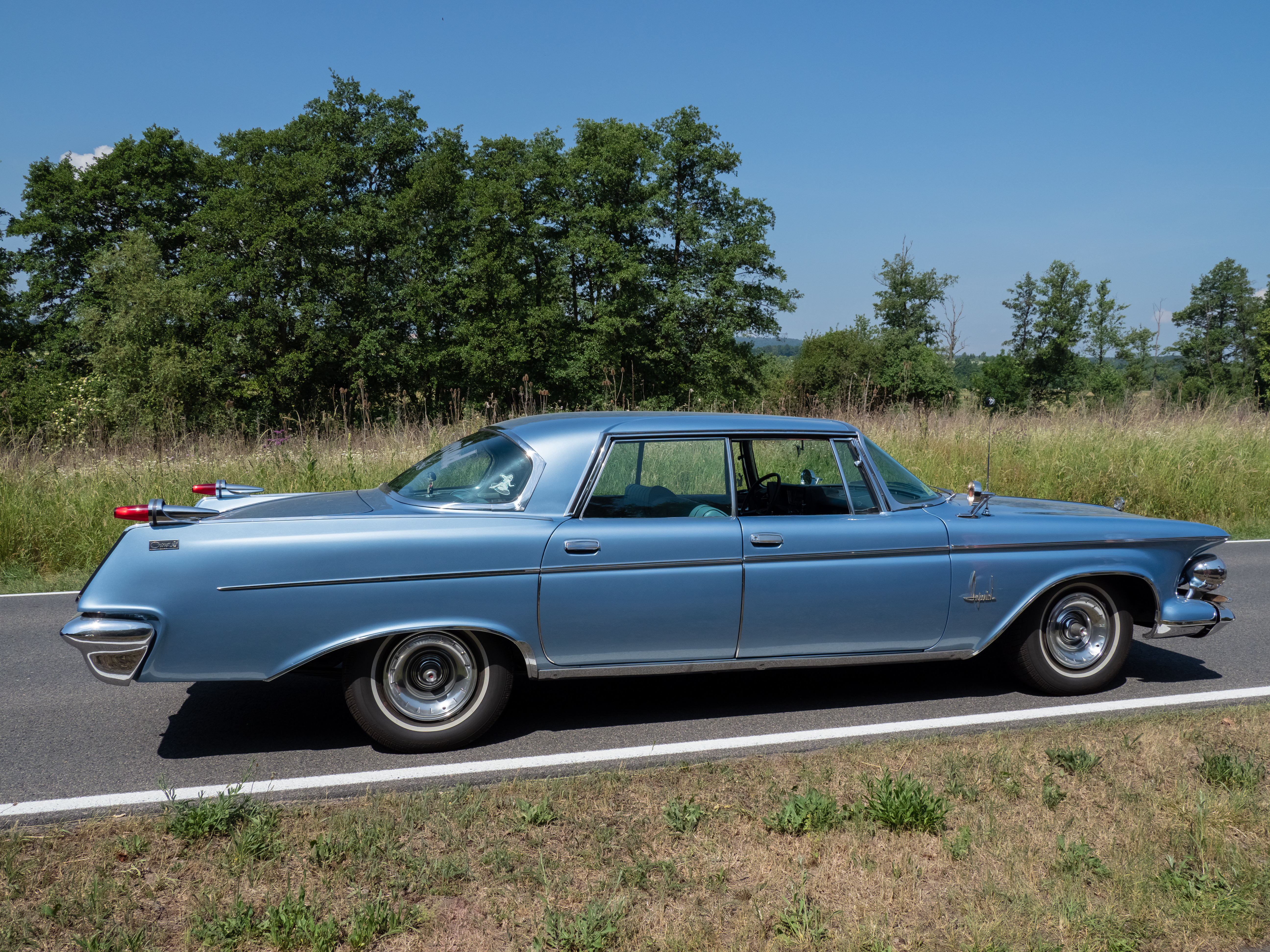
The Chrysler Cordoba is a car that was made in the 1970s and 1980s. It was designed to be a comfortable and stylish car for people who wanted something a bit more luxurious.
An extended warranty is like extra insurance for your car that helps pay for repairs after the regular warranty runs out. It can save you money if something goes wrong later on.
Fluid in cars is the liquids that help them run, like oil and coolant. These fluids need to be checked and changed regularly to keep the car working well.
Carfax is a company that gives you a report about a car's history. It tells you if the car has been in accidents or had other problems, which is helpful when buying a used car.
Engine ticking is a sound that comes from the engine when it's running. It can mean there might be a problem inside the engine that needs to be checked out.
An alignment machine checks if your car's wheels are pointing in the right direction. If they're not, it can fix them so your car drives straight and your tires last longer.
Front wheel drive means the car's front wheels are the ones that move it forward. This design helps with control and stability, especially in bad weather.
Used vehicle value is how much a second-hand car is worth. It can change based on how many miles it has, how well it's been taken care of, and how many people want to buy it.
Market demand is how many people want to buy a certain type of car. If lots of people want it, the price goes up; if not many people want it, the price goes down.
Condition is how good or bad a car is. A car that looks nice and runs well is in good condition, while one that is rusty or broken is in bad condition.
The Ford F-600 is a big truck made by Ford, used for heavy work like hauling materials. It can be customized with different features, like a dump bed for easy unloading.
The rocker panel is the part of a car that runs along the bottom, between the front and back wheels. It helps keep the car strong and protects it from damage.
The Chevrolet Corvette is a famous sports car that started being made in the 1950s. It's known for its speed and unique design, and it has changed how cars are made in America.
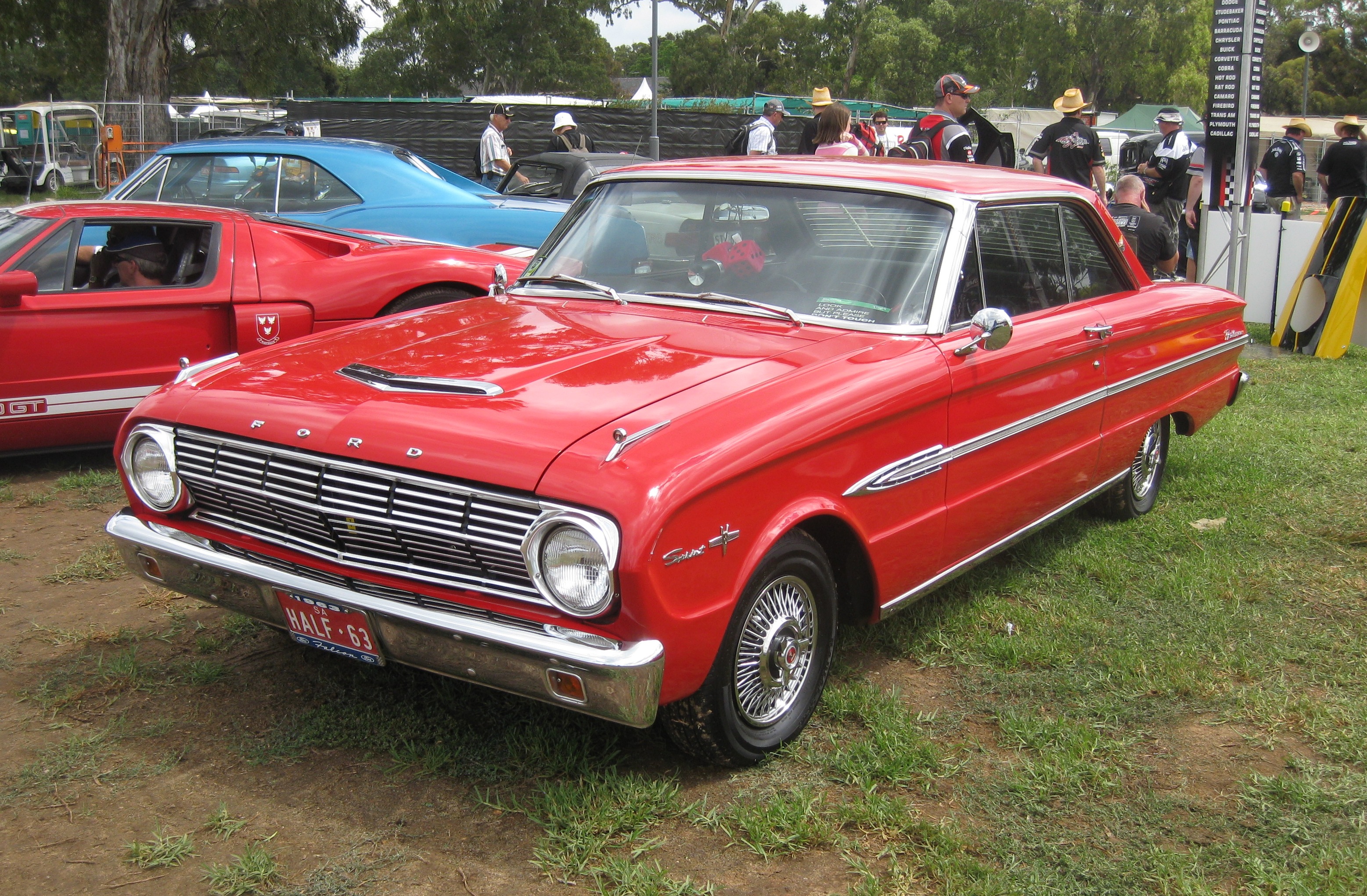
The Ford Falcon is a smaller car that Ford made in the 1960s. It was important because it helped create many other affordable cars that families could buy.
The Honda Accord is a well-known car that many people like because it's reliable and good for families. It's been a favorite in America for a long time.
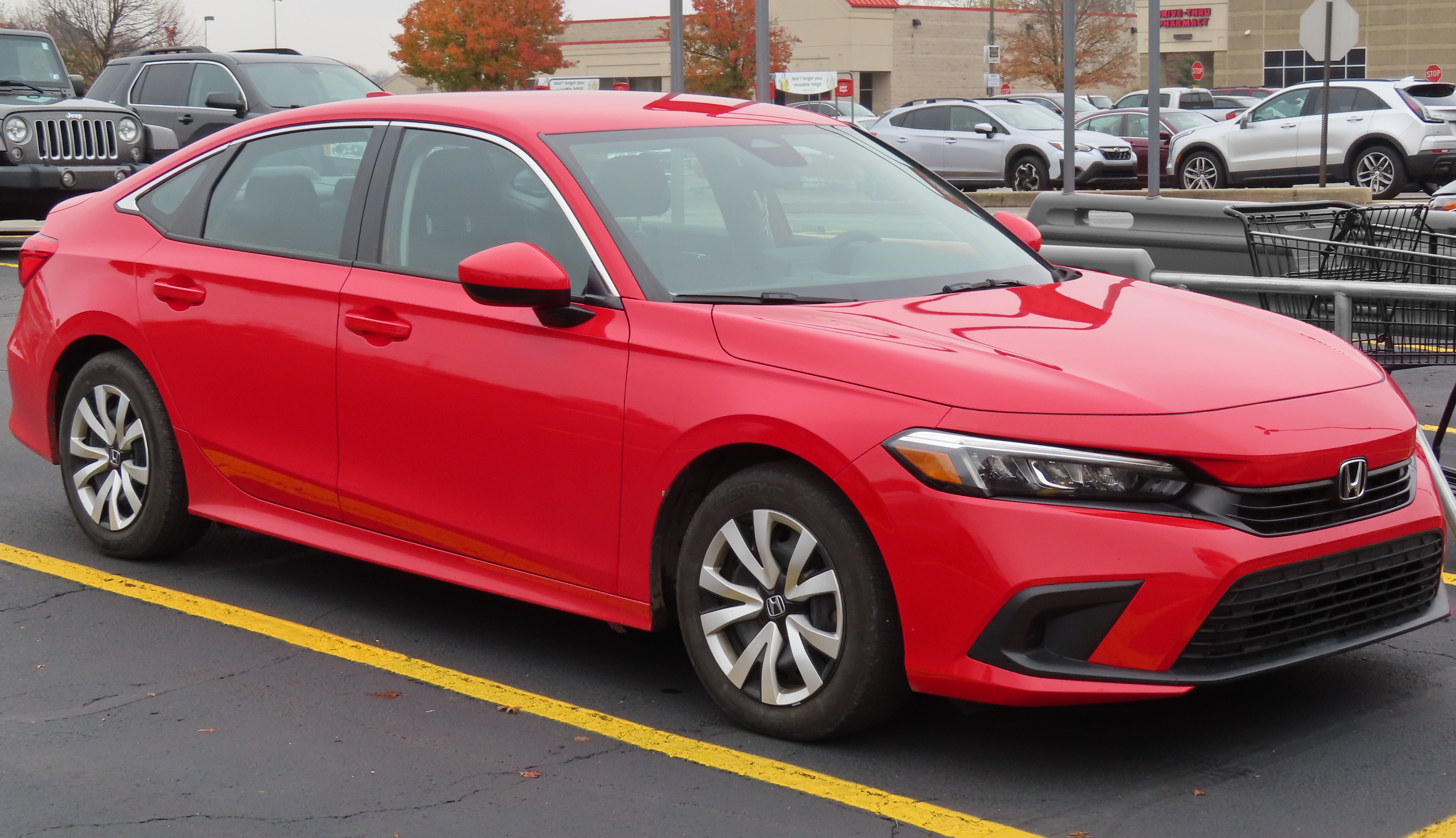
The Honda Civic is a smaller car that many people use because it's good on gas and not too expensive. It's been around since the 1970s and is very popular.
Unibody construction means the car's body and frame are one piece instead of two separate parts. This makes the car lighter and stronger, which was a new idea back in the 1960s.
The 1964 Ford Mustang is a famous car that started a new type of sporty, affordable vehicle called a pony car. It became really popular because it looked good and was fun to drive.
The Chevrolet Camaro is a sporty car that many people love for its speed and cool design. It's been around for a long time and is often compared to another popular car called the Ford Mustang.
The Dodge Viper is a super-fast sports car that looks really cool and has a big engine. It's known for being very powerful and is loved by car enthusiasts.
The Ford Edge is a type of SUV, which means it's a bigger car that can carry more people and stuff. It's known for being comfortable and having lots of tech features, making it a good choice for families.
The Toyota RAV4 is a small SUV that people like because it's reliable and good on gas. It's a great option for those who need a car that can handle everyday tasks and trips.
Mazda is a car company from Japan that makes fun-to-drive cars. One of their most famous models is the Mazda Miata, which is known for being small and sporty.
LIVE
Hey folks, welcome back to another edition of my cargo route.
If you've never been here before, welcome.
I congratulate you for actually finding AM setting on your radio, or if you listen to
the podcast through, I don't know, all the different sources of podcasts like Apple podcast.
That's where most of the listeners to my podcast come from.
It's mostly iPhones.
Why is that?
Is there something different about people who use iPhones versus those who use Android phones,
like from Samsung and so forth?
I mean, I don't want to use any judgments here, but, you know, which would be totally
in character for me, because it's all about my judgment calls on things.
But what is it with what's wrong with the Android users?
Why aren't they listening to more podcasts or at least my podcasts?
Maybe that's part of the problem.
But regardless of that, we're going to give them a reason to listen today.
I'm going to be talking about what were some of the most influential or trend
setting vehicles of the last 70 years.
Why 70 years?
Well, at first I put 50 years and then I realized that doesn't go back far enough
because I wanted to include the mid to late 50s and on up.
Now, what is the source for this information?
Me, that's right.
I didn't need any source because I grew up in this and I know what the most influential
cars were to me.
I don't know what they were to you.
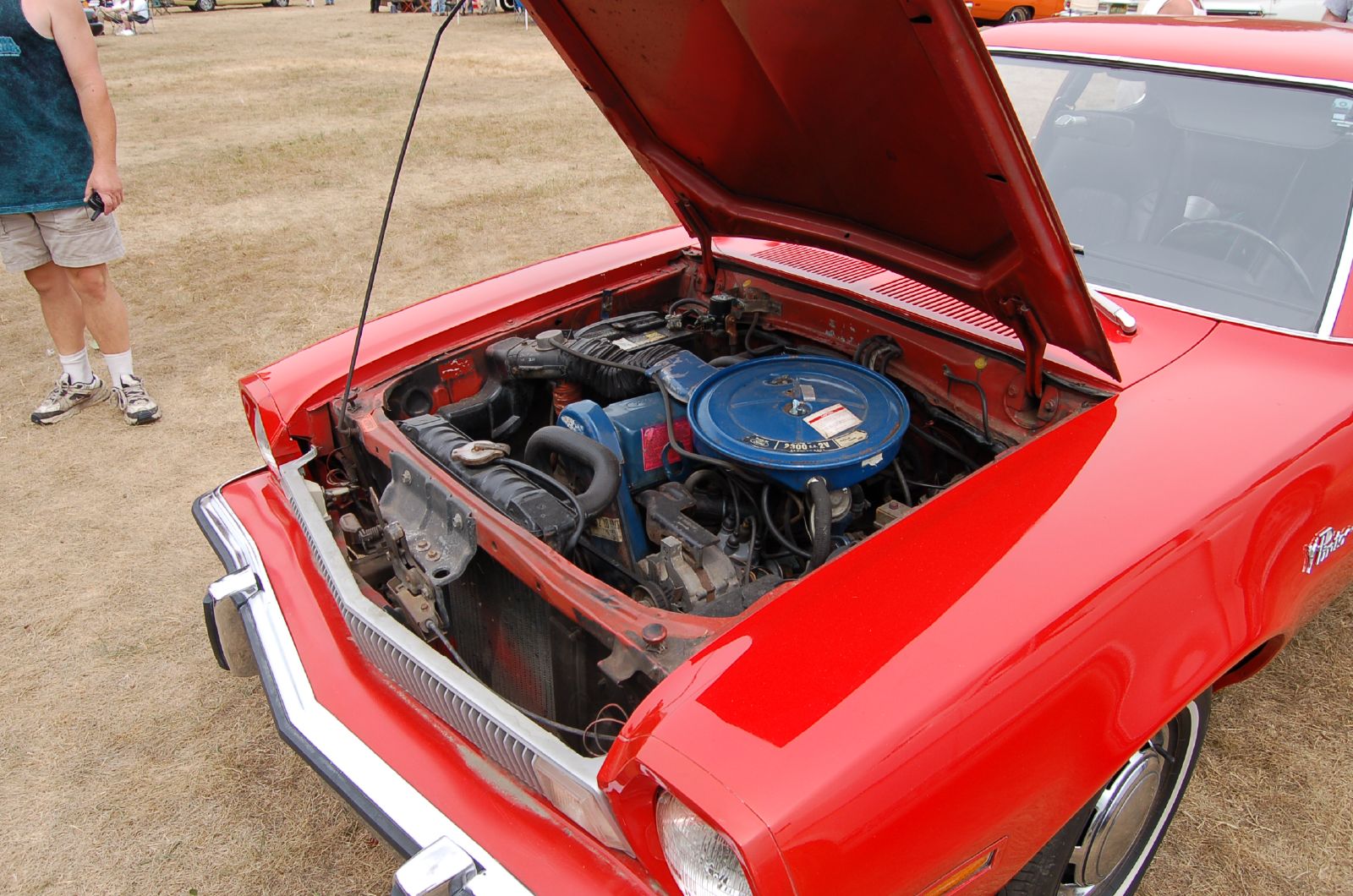
You know, for you, it might have been a Chrysler Cordoba or a Ford Pinto.
Maybe that was your first car, so it was the most influential.
So I'm not judging.
Well, maybe I am a little bit, but I really think these are the most influential
cars of the last 70 years.
And then finally, we're going to go back to the mailbag.
I've got some really good questions, I think, that I answered on a one to one basis.
And now we're going to do it from a one to a many basis.
Let's spread the love.
OK, let's jump on the mailbag first.
So I got this the other day when I was making fun of a new fast lube place that
had just opened in our hometown.
And they said, Lenny, you caution against going to the fast oil change place.
Why?
And for me, it's really simple.
I'm a guy that understands what it's like when a customer has a problem with their vehicle.
It's either under warranty or just out of warranty.
And they really need to get it fixed and paid for by the manufacturer.
And you stand to no chance of going to get taken care of, especially after warranty,
if you go to a fast lube place to have your oil changes done.
The only way to ensure that you're going to be looked at very favorably is to take
it back to the dealership and get it serviced by them.
Does it cost more?
No, it does not.
Matter of fact, these fast lube places have gotten quite expensive.
You know what their main selling point is?
It's not price.
It's speed.
You know, when you're driving down the road and you say, oh, there's a fast lube place.
I need to get my little changed.
That's the convenience factor.
It's accessibility.
It's just right there when you think it's kind of like fast food.
Is fast food good for you?
Nope.
Speed is not always the best thing.
If you're talking about servicing a 50, 60, $70,000 vehicle and you're entrusting that
to some guy that they just hired out of high school or three weeks earlier, he was bagging
groceries.
Is that really who you want servicing your vehicle?
Nuff said, okay, what leverage do I have to get the dealer to discount the car?
Well, we talked a lot about the four targets and how to negotiate, but what leverage do
you have?
Well, you have, if you've done research, you have that leverage.
If you have sent your information to me that you're interested in to my personal cell phone,
423-552-2020, then you've got facts and figures from a car guru.
So you've got that leverage or you've done research yourself.
You've shopped around online, gone to different dealer websites.
You maybe have gotten some price quotes from some other dealerships.
That's leverage.
Not if you just say it.
If you have something in writing, something printed out, they're going to believe that
a whole lot more.
You also have your feet.
Yep.
You can leave.
You can walk out.
How do you do that without being mean?
It's not hard.
Mr. Salesperson, I appreciate that price, but it's just not acceptable.
I'm not paying that much for the car.
You've not discounted it enough.
So we're just going to leave right now.
It's been nice meeting you.
Watch the price drop.
They'll scramble.
See, this is just being confident, not being a smart aleck, as my mom used to call me occasionally.
Lenny, don't be a smart aleck.
You don't have to be a smart aleck.
You just tell them like it is.
You know, tell them what the score is.
I'll tell you another thing you can do.
This always works.
It's always intimidated me back, especially in the old days.
It doesn't anymore.
There's not much that intimidates me.
Pull out a calculator before you start talking.
Just reach into your pocket or turn on the calculator app on your iPhone or Android if
they have one.
Put it down on the desk and just make sure that the salesperson or the sales manager,
if they come in to talk to you, make sure that they see the calculator and that you
got your finger hovering right above it because they don't like people who have calculators
because that means they're checking the numbers.
They're numbers people.
And then another thing, if you don't have a phone or you don't have a calculator, just
say, listen, I'm a numbers person.
That's all that matters to me.
I'm not driven by emotion to buy this car.
I'm driven by the numbers.
And if they're good enough, then we'll leave in a new vehicle today, maybe.
But if they're not, I have my feet.
Maybe they'll appreciate the humor.
I don't know.
I really don't care.
Okay.
Let's see.
What else?
I have a serious mechanical issue with my car.
Can I buy a warranty and then get it fixed after?
Well, would that be ethical?
No.
Do you care?
A lot of people don't.
They're okay about screwing the insurance company or whoever's back in the warranty.
And more than likely, folks, if it's a serious issue and you buy one of these warranties
that they advertise on TV or the radio, they're going to send an adjuster.
And the adjuster is an automotive mechanic.
Somebody has a lot of knowledge about these kind of things.
And they're going to require that the dealership or the repair facility to do a tear down and
they're going to look at the parts and they're going to look at the fluid.
And they're going to know that you are lying to them and they're going to deny coverage.
So no, don't do that.
After you get fixed, maybe you go to the dealership where they sell that brand of car and buy
a warranty from them.
Not too long ago, probably, I don't know, eight, ten years ago, you couldn't buy a warranty
from a new car dealer or a used car dealer after you already bought the car.
You had to buy it when you bought the car.
And then all these other companies came in.
I think some laws changed.
And so you can buy a warranty now.
But don't try to fool the dealer or the adjuster because it's not going to work.
That being said, I'm going to take my first break.
I'll be back in just one minute.
OK, I am back and we are still in the mail bag.
Let's see. Oh, yeah.
I have a OK, the same basic question.
I have a serious mechanical issue with my car.
Is it OK to trade it and hope they don't notice?
I don't know.
Is it?
How does that job with your moral fiber?
I mean, I just I couldn't do that.
I'm sorry. But a lot of people don't care.
There's a lot of salespeople that don't care.
You know, I actually heard a sales manager from another dealership say this.
Selling cars is a game.
And the customer is the competition and I'm in it to win it.
They actually think you should come in with your big boy pants or big girl pants on.
And if they can outmaneuver you, then that's OK.
That's just life. That's the world.
That's the natural order.
I don't look at it that way.
I look at it as being unethical and in many cases illegal, their behaviors.
So more than likely, if a used car manager comes out there
and if he knows anything, he's going to drive your car and he's going to notice the problem.
And he's going to point it out.
If you say the vehicle's never been wrecked, but two years ago, you hit a deer.
Maybe you did forget about it, but you didn't turn it into your insurance company.
So it doesn't show up on a car fax, but he can see it.
He can see the tape lines where the crappy repair was done.
So is it better to come clean?
I don't know if it helps you sleep.
But if you sleep fine by lying, then then maybe you'll get by with it.
More than likely you won't.
But I've had it happen to me.
I've had people trade cars.
Oh, it's fine. Everything's good.
And it doesn't make any noise when we test driving on a short test drive.
And then, you know, the next day, the engine's ticking.
There's a ticking noise when it was cold and it was warmed up and customer didn't disclose it.
There is a book over on that bookshelf right over there.
The title of the book is Buyers Are Liars Too.
You know who gave me that book?
My daddy.
And it really is an interesting book about deception and how it all,
how it started in the car business.
It's more of an indictment of dealers because their deceptions, well,
sells people to their deceptions led to the mentality on the part of customers.
Well, you know, he's going to lie to me, so I'm going to lie to him too.
It's just not a great place to be, is it?
Feeling that you can't trust the person in front of you.
But, you know, I can spot a liar a mile away.
You know, it's body language.
It's the tone of speech.
It's, you know, when they typically, when people aren't telling the truth,
as soon as they say something, they'll look away from you.
I mean, there's all kinds of little clues that people give you
that what they're saying is not exactly true.
I hate to call somebody on a lie, though. Oh, no, we've never wrecked the car.
And then we go out there and we find, well, you know, it's been hit right here.
Oh, yeah. Yeah, I forgot about that.
That's why I recommend that people take pictures.
Put them in your glove box.
If you hit a deer, put a picture of the damage.
And then we know that it wasn't totaled, that the whole front end wasn't knocked off.
It was just Bambi, you know, the hit the side of it and didn't survive.
OK, what? OK, this is the one I got last week.
My steering wheel is way off center.
How can I fix that, Lenny?
Well, you know, my 1957 Chevy that I just bought,
the steering wheel is really off kilter.
I've got to have my steering wheel level.
I don't even like it if it's slightly off. Is your slightly off?
You know how to fix that?
Well, you're going to have to take it to a dealership or a tire store
that has an alignment machine and they're going to have to do it.
It's stuff that has to be done underneath the vehicle.
Now, that's one thing you should check if you get a four wheel alignment
or a two wheel alignment when you're driving home.
Now, hopefully the dealership would have checked it or the tire store.
But if that steering wheel isn't lined up, then just turn around and go back.
Say, listen, my steering wheel is crooked.
They're supposed to use this little apparatus that attaches to the steering wheel.
And it just it keeps the steering wheel straight while they're doing the alignment.
And that will make sure that the steering wheel is straight
when you take it down the road. But that just bugs me.
Don't like that.
So I've got to get my 57 Chevy up on the alignment rack
and get them to straighten up my steering wheel.
OK, let's see.
Lenny, you say that we should replace all four tires when only two are worn out.
You know, it does sound kind of foolish.
I mean, if your rear tires are fine and your front tires are slap worn out,
why not replace just the fronts?
Well, you can.
It's just one of those situations where if it's a front wheel drive car,
you haven't done your job by rotating your tires.
Because if they if you had been rotating your tires every 5,000 miles,
the fronts and the rears would be worn out at the same rate.
So that's on you.
But I just really don't like it when I see mismatched tires.
When I try if I trade for your car,
it's like if you're in the market to trade and you go in and they see that
you got brand new tires on the front, the rears are worn,
then they're going to want to replace the rears and they're going to deduct that
from your appraisal.
You may not feel it or notice it, but they're going to.
And also, I just like for all of my tires to start out the same.
And that's just a personal preference.
Cost a lot more, you know, unless you're able to buy four tires on a special deal
like we had last month through my dealership.
But, you know, and I understand somebody not wanting to do it.
And if you're on a tight budget,
but just don't go out and buy city use tires, folks,
because tires are designed to last anywhere from I don't know,
seven to eight, nine years.
I looked at the age of the tires on that 57 Chevy I just bought and they were
installed in 2002 or no, they were manufactured in 2002.
They were very old.
They had plenty of tread.
What did I do?
I replaced them.
And it was not cheap, $1,200 for a set of wide white walls for that vehicle.
But it looks better and I know it's safe now with me and my wife going around
cruising around Green County in my red 1957 Chevy.
Yeah, it's OK for a Ford dealer to like driving around in a 57 Chevy.
I had several Chevrolet collector cars, so.
Don't judge. OK, let's see.
What factors affect used vehicle value, Lenny? OK.
Well, I mean, it's mileage, condition and market demand.
Those are the three things.
What people have the hardest time understanding is condition.
You know, what does it take a dealer to get a trade in ready to sell?
Like we just traded for an F 600.
That's a Ford truck F 600 with a dump bed on it.
And it looks really good.
The tires are worn out and it's got a dent in the left rocker panel.
So, you know, when we appraise that vehicle, we have to take into account
it needs not four tires, six, because it has dual rear wheels.
It has a dent.
You know, and let's say it had a star in the windshield and a few other issues.
If I put that out there on my lot just like that, you think it's going to sell?
No, people want to buy a pre-owned car.
That's ready to drive.
They don't have to immediately go put tires on it or fix a star in the windshield
or get that dent fixed.
Some people won't care.
We may sell it before we do anything to it because we've had a lot of interest
in that vehicle and, you know, it is a dump truck, so they may not care about that dent.
But on a typical used vehicle, yeah, we need to make sure that everything is ready to go.
And if your vehicle is traded into us and it's not ready to go,
then we have to take that into account and allocate a certain amount of money
and take that off of what we pay you for your trade in.
That's fair, isn't it?
Of course it is.
OK, I'm going to take my last break and I'll be back and we'll talk
about the most influential and transiting vehicles of the last 70 years,
which I'm almost there, so we'll be back in just one minute.
OK, let's do this.
Don't care who I offend because this is just an opinion.
People should be able to have an opinion without offending somebody.
Wouldn't it be better if society worked that way in general?
OK, let's go back.
The first one I picked early, well, really mid 50s Chevy Corvette.
There's just no doubt the impact that the Corvette has had
on the car business in general and on the domestic auto industry.
Second vehicle I picked is kind of a surprise is the Ford Falcon.
Now, that was the predecessor to so many other vehicles that are smaller,
affordable, you know, it's I don't know what you could compare it to.
Like, OK, so let's say the Honda Accord is now a big car.
The smaller version wasn't available back in the late 50s and early 60s.
There was no smaller alternative.
But see, in modern times, you had the Accord and then you have the Civic.
So Ford decided to come out with the Falcon and it was a great seller.
And then Chevrolet followed with with the Chevy to and so forth.
But the Ford Falcon was a trendsetter.
You know, at that same time, Chevrolet came out with the Corvette.
And a lot of people said, well, the Corvette wasn't any good.
Yes, it was.
It just people didn't know how to drive a rear engine car with swing axles.
And they didn't read the owner's manual, which said you had to put
15 pounds of pressure in the front tires and 25 in the rear.
And so it was considered, well, it was written up in Ralph Nader's book
as unsafe at any speed.
But why was a trendsetter?
Because it was a unibody constructed vehicle.
It didn't have a frame.
The body was the frame.
And that was new stuff back in the early 60s, late 50s.
OK, what's next?
Well, I have to say the Mustang 1964 and a half
or 1965 Mustang, what a success.
You can't name a car that's been really that much more successful
than the Ford Mustang.
And it's been around since that time.
They never canceled it like Chevrolet did with the Camaro.
Now, the Mustangs hung in there and it created the whole pony car.
Well, you may not have ever heard of a pony car, but that's what
that class of vehicles is referred to, the pony car.
I guess because the Mustang, you know, was a pony.
And so Chevrolet responded in 1967 with the Camaro.
And of course, Chrysler came out with several different
competing vehicles, but none as successful as the Mustang.
OK, another Ford is the F series truck.
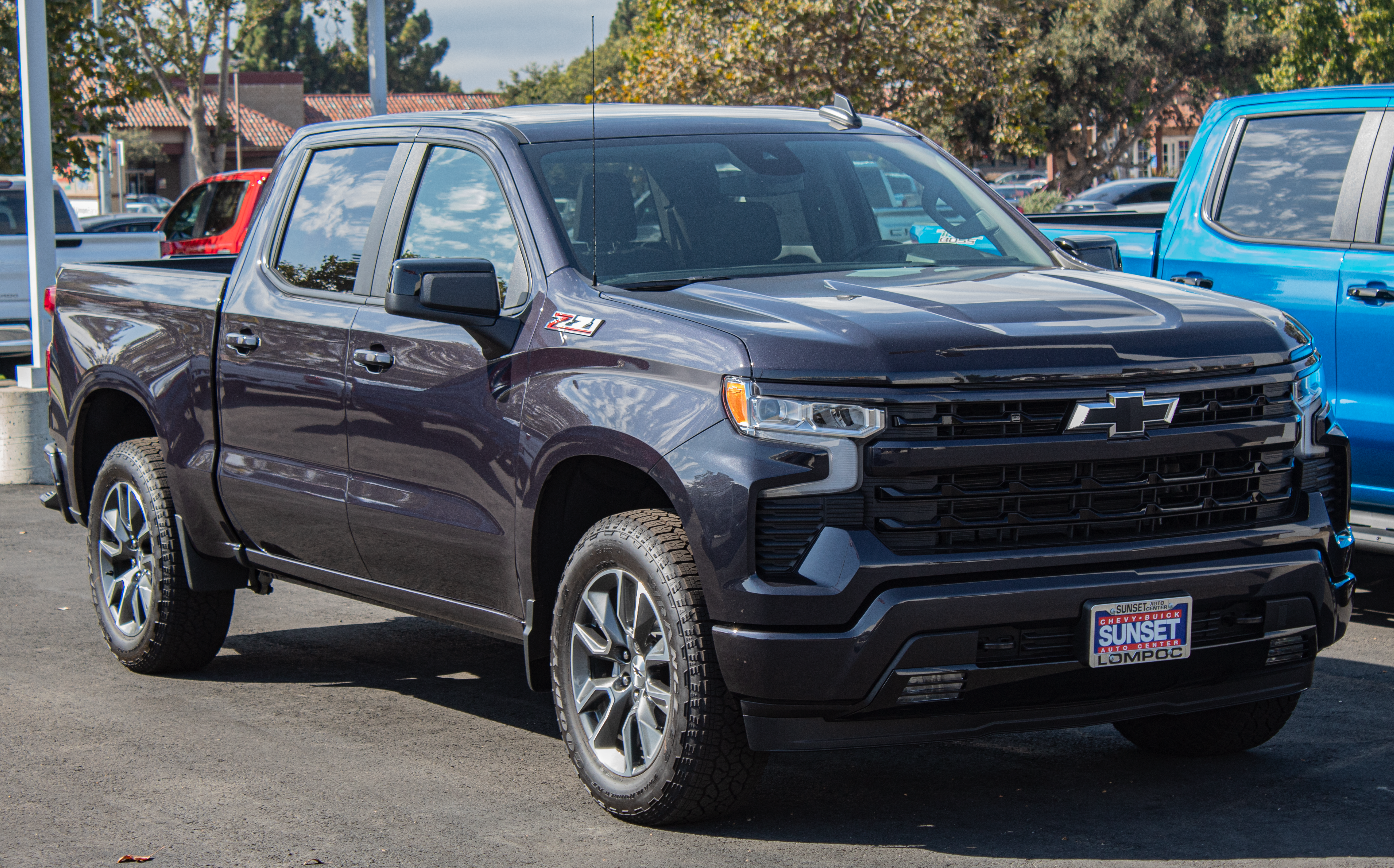
Yeah, I know, Silverado is a great truck and Ram trucks are OK.
And GMC's are fine.
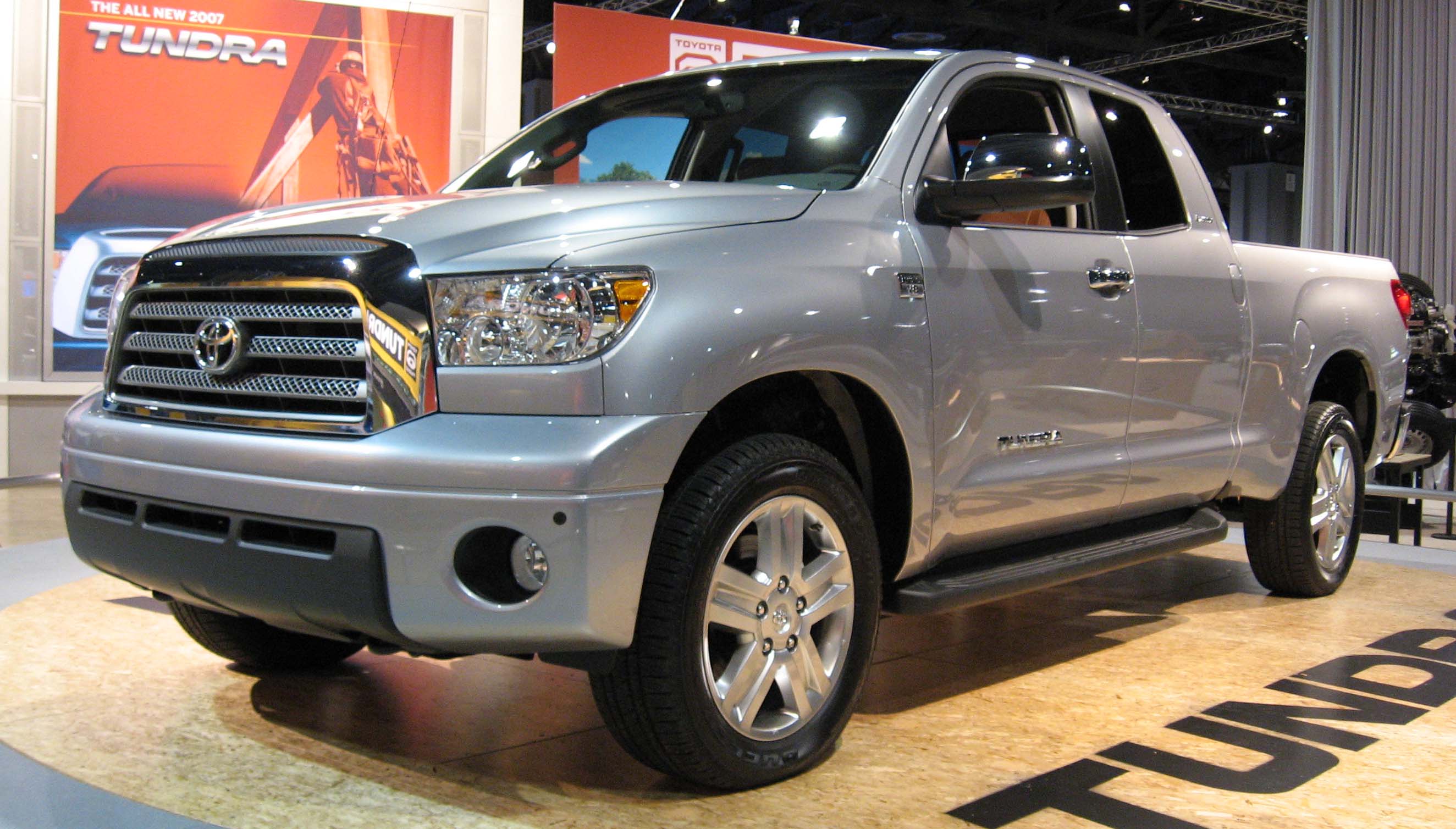
You know, Toyota Tundras are OK.
The engine doesn't blow up.
But yeah, the F series truck, number one selling truck
for the last forty seven or forty eight years.
That's pretty much a trendsetter.
How about the Datsun 240Z?
You know, it was just a beautiful car.
It surprised everybody in America.
And it was it was a great seller.
It had a lot of imitators.
The Mazda RX seven came out and tried to unseat the 240Z.
But, you know, they just really couldn't.
They were fairly successful as well, though, the Honda Accord.
I mean, I remember when the Honda Accord came out, I think it was 1977 or 78.
And we didn't feel threatened by that car.
We should have. Yeah, it was a big threat.
It really hurt domestic car sales and became
eventually the number one selling car in the country.
It's not anymore, but there for a long time, it was.
I've got to mention several real quickly, Chrysler Mini Vans,
Mazda Miata, believe it or not, the Dodge Intrepid,
that whole family of cab forward designed vehicles.
It was very successful for dodging or the Chrysler Corporation,
the Dodge Viper, really the first true competitor for the Chevy Corvette.
Hyundai and Kia hate to admit it, but boy, they were nothing back in the old days.
And here they come into this country and now they're one of the top sellers
and they do a fantastic job in most cases.
The Jeep Wrangler, the Ford Edge, the Mini Cooper, the Chevrolet Suburban,
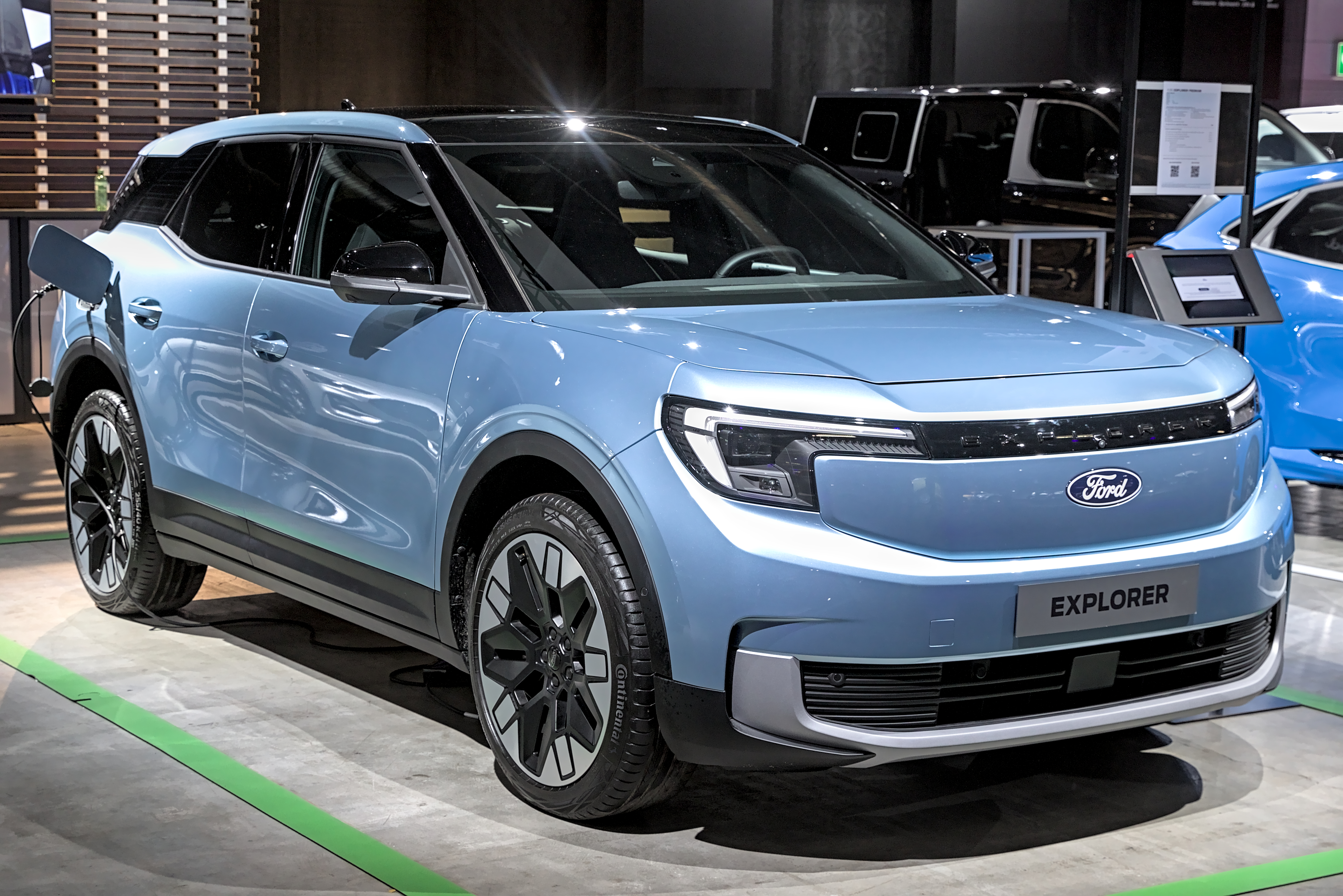
the Ford Explorer, the Toyota RAV4 and most recently, the Ford Maverick.
You know, most of these vehicles were unlike anything that had come before
or they just dominated when they came out
and just opened people's eyes to the possibility of a new type of vehicle,
something that was going to have an impact on other car companies
because they were going to have to respond or it just created a whole new segment
just like the Mazda Miata or the Ford Edge.
You know, the Ford Edge was one of the first personal size SUVs
and it had a huge impact and we sold a bunch of them.
What did Ford do? Eliminated it.
Yeah, two years ago, I think was the last year.
But that's the way it goes. Times change.
And one thing that doesn't change is that I'm here.
I'm here to help you with your car buying, car servicing, car repair decisions.
All you have to do is get in touch with me, 423-552-2020.
Send me a text or send me an email to LennyLawson2020 at gmail.com.
And the guru will be here for you.
I'll see you next time.
About this episode
Dive into a lively discussion about the most influential vehicles of the last 70 years, featuring iconic models like the Chevy Corvette, Ford Mustang, and Honda Accord. The host shares personal insights and anecdotes, highlighting how these cars shaped the automotive landscape. Additionally, the episode tackles listener questions about oil changes, warranties, and negotiating car prices, providing practical advice and a dose of humor. It's a blend of nostalgia and valuable tips for anyone navigating the car world.