The Ford Mustang GT is a fast sports car that many people love. It's known for being powerful and fun to drive, making it a popular choice for new drivers and car fans alike.
Autocross is a fun racing event where drivers take turns driving through a course marked by cones. It's all about how fast and accurately you can drive, usually in a parking lot.
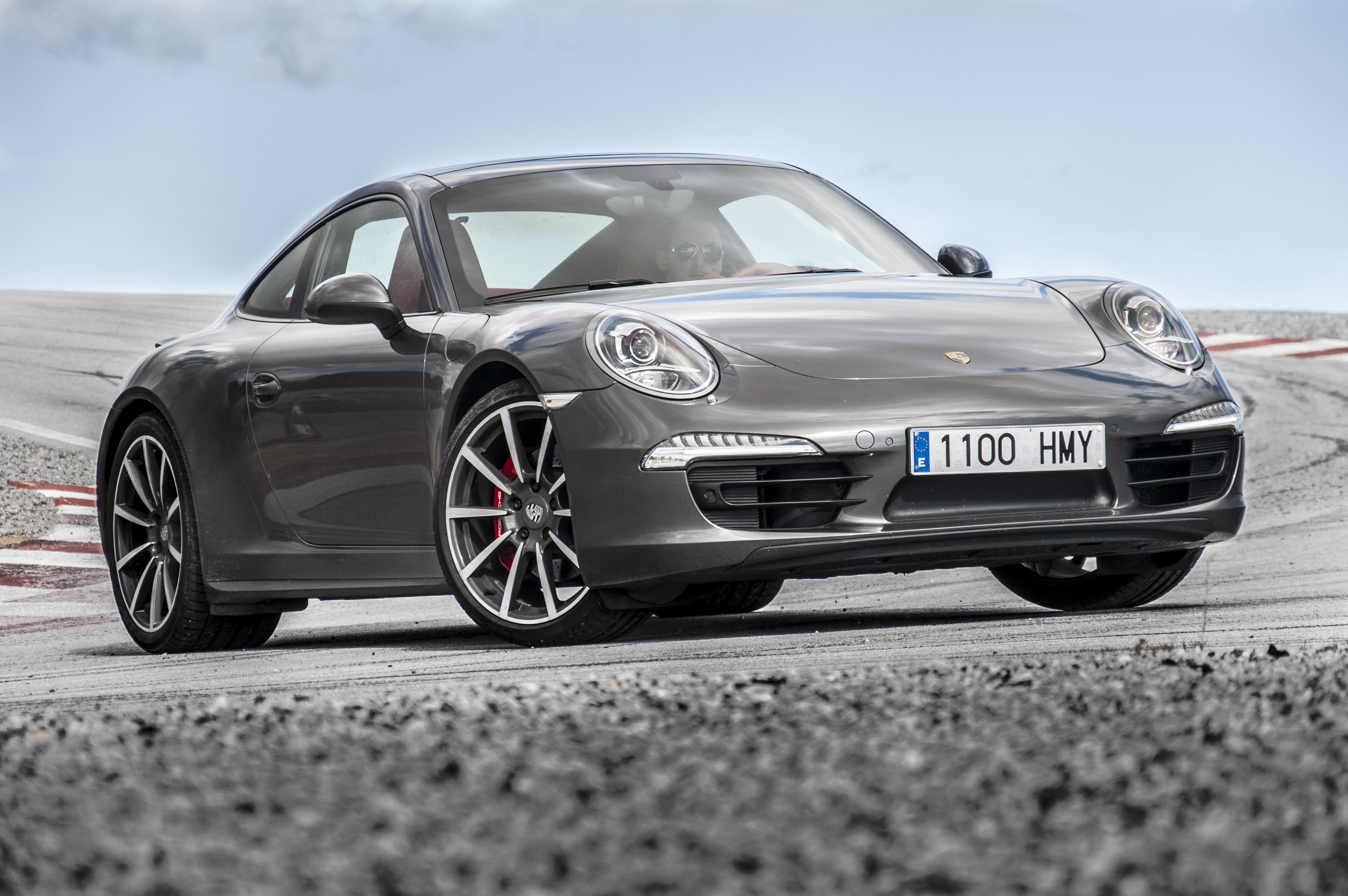
The Porsche 911 Cabriolet is a version of the 911 sports car that has a convertible roof, allowing you to drive with the top down. It's famous for being fast and fun to drive.
The Lotus Elise is a small, lightweight sports car that is famous for being fun to drive. It's designed to be very responsive and enjoyable on the road or track.
The Lotus Exige is a faster, sportier version of the Elise, built for racing and high-performance driving. It has a more powerful engine and better handling.
A bonded aluminum tub is a part of a car's body made from aluminum pieces that are glued together instead of welded. This makes the car lighter and stronger, which helps with performance.
Manual steering means that the driver has to turn the steering wheel without any help from power steering. This can make the car feel more responsive and connected to the road, but it also requires more effort to steer.
An NA engine is one that doesn't use any extra help to get air into it; it just relies on regular air pressure. This means it can feel smooth but might not be as powerful as engines that use turbochargers or superchargers.
Classics are older cars that many people love because they have unique styles and stories. They are different from new cars and often remind us of the past.
Myers Manx makes fun, lightweight cars called dune buggies, which are great for driving on the beach or off-road. They're known for their cool design and enjoyable driving experience.
I called Aston Martin, I called Mercedes-Benz, I called Ferrari and I
called Porsche. And literally, I kid you not, within about two weeks, my
garage had four exotic convertibles in it.
Tonight on That Car Show, it's Bassem Wassef, author, journalist, content
creator and automotive man about town.
Bassem is always driving something amazing or checking in from some exotic
locale, but it might surprise you how we even broke into this car thing.
I'll give you a hint, sometimes you just have to ask.
Also, we've got to say hello to our listeners in Korea who must be the most
loyal on the planet. We've been sitting at number eight on the Korean Automotive
Podcast charts this week and you heard it here, if you can get us to number one,
Korean listeners, we will do an episode just for you.
In the meantime, gamse ya, it's Bassem Wassef, it's That Car Show and it's a good one.
It's That Car Show and Lindsay and I have our friend Bassem Wassef here with us
tonight. Bassem is one of those car people that just seems to be in all the right
places, doing all the coolest stuff all the time. He's the author of several books,
a journalist at all the outlets that seem to matter and an automotive content
creator in the truest sense of the word. His work focuses on the culture, the history,
and the experience of riding and driving, the bikes and the cars that we love, and
there's a certain conviction in his tone and effortless elegance in his writing
that can come only from genuine passion. It's been a long time coming, but welcome to
That Car Show, Bassem. Thank you for having me. It's so cool to be here.
Yeah, it's so good to see you. We're glad to have you.
Where do we start with you? Because you are a man of many motoring pursuits.
Maybe we start with where it all began for you car wise.
Gosh, a long, long time ago, I'm going to start this trip down memory lane that's going to make
me say, how did this happen? How did I become the elder statesman of the car?
Hey, watch out. We're the same age, I think. It's neat. Stop on you. Let me tell you,
I had no intention of making cars a profession or a lifetime of, it was always a passion. I just
always geeked out over cars. I was always reading car magazines as a kid.
I was singing happy birthday to my matchbox toys. I love it.
Yeah, it starts so early. It starts so early. That means we're going to get a really good story.
There's a lot of stories. How much time do you have?
I know. I started early, but I never imagined it would become something. I always just thought,
I just like this thing, but I'll do something else. Everyone else in my family does very different
things. I come from a family of doctors. Generationally, my parents felt that the only
true proper profession was becoming a doctor. I started on that trajectory even though I was
doing all the creative stuff that a kid does in high school. I was a film geek. I was developing
film in the lab. I love photography and creative writing. I was journaling like crazy. I was
doing a lot of drives, but I always did it therapeutically. I was lucky. My parents
got me a Mustang GT convertible as my first car when I was 16.
You could do it a lot worse, right? Yeah. I'm lucky to be alive.
Sure. Yeah, we all are. You're like, I tried.
Yeah. There's a lot of power back then. You look at it now and you're like, really?
But no traction control, no ABS, terrible tires. I really tried to live it as best I could when
I was a kid. I autocrossed and did all these things, but it was pure passion, completely
elective on my own. Went to UCLA, studied film. I was an English major. I loved writing. I loved
literature. I loved all those things. But again, I was on a different path and I decided to go
into film and TV. My first job out of college was at Disney ABC cable networks. I ended up
becoming a creative exec there. I was working on music programming. I'm a big music geek and
music in reality. I loved that, but I was jealous of the people I was hiring because I was hiring
all the creatives that were doing the actual fun stuff, not being told what to do or not telling
people what to do. Went off on my own. I started editing. I edited a couple independent features.
Always had the car bug in latent, like running on the background, like a noisy fan on a laptop.
That's a very specific example. Please continue. One day, I saw a Craigslist ad for a local
upscale lifestyle magazine that was looking for an automotive writer. I thought, oh, that'd be
totally fun to just throw my name in the hat for whatever, just to see what happens. Here goes
nothing. So I packed them and they're like, well, just send samples of your work. I hadn't
written anything professionally ever. I thought, well, I was like, how about if I create something
for you? I'll just write a little essay about something, car related. So I did and it was a
real shot in the dark, but I got a call back and they were like, you seem to know what you're
talking about. Do you want to do our summer convertible issue? I was like, yeah, but I didn't
know what to do. I didn't know anyone in the industry. I didn't know anything about anything
except that I like cars and this was an upscale magazine, so I had to really aim high. I had to
think of the best flashiest cars that I could to let them read the story because
it wasn't quite a done deal and I really had to prove myself. So I literally called called
manufacturers. I called Aston Martin, I called Mercedes-Benz, I called Ferrari and I called Porsche
and literally, I kid you not, within about two weeks, my garage had four exotic convertibles in it.
That's what you didn't say because... I think you maybe missed your calling and you should have
gone into sales because... Oh no, definitely not. Believe me, much better, creating words and images.
Yeah, no, so I like, and it's funny, like maybe it was the time, maybe it was whatever, maybe the
way the stars aligned, but like Aston Martin literally tossed me the keys, didn't ask for a
driver's license. I was like, okay, this is cool. But I failed that loan agreements for the 9-11
Cabriolet and I got a Maserati Spider. Ferrari was trying to rise me through the ranks. I didn't
quite start at Ferrari. They said, start with Maserati. Yeah, that goes. I remember that
Spider too, right? You know, it was the twin of the Coupe, right? And with the F1 Transmission.
Yeah, yeah, absolutely. It's so tempting. They're so cheap.
Buyer beware though. And then the Atsal 55 AMG was super-charged, 5.5. I just loved,
I didn't know I loved that car until I drove it. I was like, wow, this works really well.
So I did that and it was a slippery slope because, you know, I'm not trying to do my horn, but I
was pretty good at the words thing. Like I was thinking, I'd like fed all these car magazines
over the years and sucked in all this information and it was just like to spig it open. Like I was
just like, I could write 10,000 words about a car if I had the roof. You know, I loved it. It was
a trip, but I had no idea how the industry worked still. And so Porsche really liked the article.
They said, would you like to come out and test the 996 GT3 at VIR? And I was like, yeah, but I should
check with my editor to make sure that they can fly me out to do this. And they kind of laughed
and they're like, don't worry about that. I was like, whoa, you'll fly me out.
And you'll put me up and you'll give me a seat time. And you know, next thing I know,
I've got like Hurley Haywood in the right seat telling me to break later. And you know, it was
a trip. Like all of the every step along the way was like, oh, it works like this. Okay.
And then like my first trip to Europe, I was for automotive, it was like
just full immersion. And Mercedes used to have this trip called the, they called it the DNA trip.
And it was basically like young journalists early in their careers, let's indoctrinate them and
just immerse them in everything about the brand. We'll take them on a factory. Oh yeah, I was
complete. I fell for it. I was completely brainwashed. I always liked the brand already, but like,
you know, you see how things are in Stuttgart, like the center of German car culture, one of the
centers of German car culture, you tour their massive sprawling factory. And then they have
four classic cars that your small group drives to the classic center. You see their hidden collection
of F1 cars and all their historical relics that are top secret and, you know, undisclosed location,
nondescript warehouse, like everywhere you turn, you're just like, oh my God, I can't believe I'm
doing this, you know, and then go drive on the Autobahn unrestricted and see what that's like,
you know, I was in love. I was, I love filming TV, but I was like, it's really hard to go back to that
when, when this part of my childhood, this part of my imagination is being really nurtured and
brought to life. Yeah. Right. So yeah, it was like, I just couldn't say no.
And well, and it's like you said, I think it's so interesting when you look back and just consuming
all the car magazines the way you were. Effectively, you were researching and training and learning
without realizing it, which is a lot of times more effective. And then all it took us the one
opportunity and you're like, wait, I've been training for this my whole life. Yeah. In a weird
language too. It's like, there's this sort of way of thinking and communicating.
And this is pre internet. So, you know, before the really personal takes on cars,
they were more like literature. It's almost like your favorite author getting into a car and
waxing poetic about what's great. What were you reading? And I guess, were there any particular
journalists that you really put on a pedestal because it was a different time, you know,
this long format stuff. I mean, there were some, some, there was some brilliant writing
in those magazines back then. Yeah. Peter Egan is one of my heroes.
Yeah. I mean, I read his, his every, everything that came out and all the compilation books.
You know, John Phillips, I love. There's a lot of that, you know, David Davis era
of journalists that really put it out there. You know, set right is one of those like I didn't
grow up reading him. But when I, when I got into him later, I was like, God, this guy's brilliant.
Like he brings it to the next level. Like a lot of it's like, but it's so great, you know.
And he goes really in deep too. I mean, I have, I have thick books on like 1950s F1 cars by him,
you know, like talking like hundreds of pages of, of just like it's dense, but it's great.
You can see the research in the size of the book. Yeah. Absolutely. Yeah. And then like,
you know, one of my, one of my personal mentors was Randy Leffingwell is Randy Leffingwell,
prolific author and great photographer and really helped me with my first book and give me an idea
of how to tackle that because I was completely overwhelmed. My first book assignment from
motor books back then, motor books, legendary motorcycles. And I just looked at the word
count and the page count and all the photos I had to take and acquire and like process.
And I just told him like, how do you do this? And he just stopped and he turned to me and said,
how do you eat an elephant? I was going to say that. One bite at a time. You just start.
Like a first step and then process. Yeah. It's literally one of the questions I had for you
for later. I want to talk about your Myers-Manks, but we'll get to that. You know, it just seems
like such a, such a thing, right? Like, where do you start? But I wanted to ask what makes car
content great, whether it's a book, whether it's a video, like what, what is it? What, what,
what sets something above the rest? I think especially now more than ever, it's so hard to
hold attention. It's so hard to, to grasp onto something that somebody's telling you and want
to hear more and have that appetite of learning something you didn't know. And it's, it's that
oft referred to dopamine hit of like, oh, I didn't know that. Tell me more, you know, because there's
the opposite. There's so much, you know, how many memes can you take in before you just want to like
throw your phone away? Or how many, you know, how many predictable stories can you hear before you
just decide you need to change your channel? And so I think what makes for great, great content
is great people telling those stories. And even if the story is your, is an Instagram short or
YouTube short, just saying something that like, oh, I didn't know that. Look at what this guy's
guy or girl's doing or saying, you know, engagement. I think it really like boils down to engagement.
Well, and I think like you said, there is so much content, I think people gravitate towards
authenticity. And so to your point, like, if you have good people putting the content out,
that colors what they're saying. And I think it holds people's attention.
100%. It has to be the truth. You know, it has to be the unvarnished, what you liked and what you
didn't like. And if in the best possible world, what you like makes you go crazy because it's
what you've always been looking for. Like, oh, steering feeling that Lotus Elise, I just, this
is what I want in every car. And it's yeah. And if it's something that you don't like, it's, it
should be morally repugnant to you. Like, how dare they make the steering wheel white? That's just
awful. Who does, or why does Mercedes put the door controls on the door? Like, I want to reach
down. Whatever a stupid thing triggers you, you know, like, if it's an authentic reaction,
I think there's somebody out there who goes, Oh, yeah, I hate that too. You know,
they're just like me.
I'm so relatable.
Car journalists, they're just like us.
Right.
And how about that Lotus Elise, huh? Really one of the great cars, right?
No, by the way, can we just step aside and say for a second, like, what is wrong with us?
I can talk about cars forever.
Right.
Yeah, the Lotus Elise, I went to a launch at Atlanta.
And I will never forget this because it was my first off in a car, a track.
And it was one of the first time track. It was very memorable. And later found out
that it wasn't my fault. But at the time I felt really bad about it. I'm coming over the crest
and I can't really see where I'm going to come over the crest. And I kind of like come out
on the curbing. And I'm on the curbing, so I'm correcting and I'm trying to drive off the curbing
going down that hill. And you know, the curbing is very rough. It's like a serrated knife edge.
And the Elise is not very compliant. It's pretty tightly wound, especially the driving one of the,
it was the exige, I think, actually. And all of a sudden car starts to spin. I was like,
ah, and I get out of the car and they come to take the car. And it's very shameful.
It's like, yeah, you're that guy. Everybody stop what they're doing.
Jerk has the worst. It's the worst moment. I never wish that on anyone.
But I looked back at the back wheel and the back wheel was like this. And what happened was
the oscillation of the curbing had snapped the trailing arm. So the back wheel does that,
doesn't really help. You're trying to control the car counterproductive. Yeah,
things like to rotate anyway. So no expert, but
ask me how I know. But yeah, I just think those are one of my bucket list cars,
you know, Lindsay and I have talked about them. They're not getting cheaper. I've kept an eye on
them too. And it's like they're going up. It's hard to find low mile ones too. And it's hard to
find them without the clamshell being like damaged or previously damaged. And that'll
total the car out. But the silver lining of really crappy British construction is,
if this is might be apocryphal, but when you get a new bonded aluminum tub, if you need to,
it's way better than what came out of the factory because took them time to get the
tolerances right and figure out how to make it proper. Right. It's kind of amazing that thing
was even built in 2005, right? It was a car out of its time and just so good manual steering with
that tiny little steering wheel. It's just you can't match that anything made sense. And yeah,
it's just it's an amazing thing. Not sure I could fit in one anymore, but damn, they're good.
They're tight. For me, the supercharged really was the sweet spot because I mean,
you can be patient with the 1.9 liter NA engine, but to have that torque just help things along
makes the whole package kind of just feel more complete. Yeah, absolutely. They made them great
colors. Yes, they did. Well, they're so I mean, and when you do see them out and about, they always
catch your attention. You know, maybe that's because as you said, we all have this car sickness
where we're always looking at them. But like even when it was new, like you drive it around and
people would think it was like a $200,000 car. And then when it was new, it was like when it
debuted, it was like $39K or something. I know, I know. Very accessible. Yeah. It's one of those
cars. If we go back in time, I'd buy 10, right? It's just not an air cold 911s, but that's another
store. Yeah, yeah, yeah. Well, speaking of going back in time, you know, one of the things I think
is neat about you, Massim, is that you've written for two different magazines that as a kid growing
up in the Midwest really defined luxury in my eyes. Robert Port and DuPont Registry. I think
you're roughly my age and I assume that you were reading them back in the day as well and pouring
over the same, you know, slant nose conversions and wide body 560 SECs and all this. How was the
definition of automotive luxury changed in your eyes since those Halcyon days of the 80s and 90s?
I think the extremes have expanded. If you look at it as a spectrum, you know, back then,
there were Bugattis, you know, like back when I was growing up, it was the,
it was the, oh, what was it called? Maybe 110 or? Maybe 110. Thank you. You know, that existed.
There was that, yeah. And they were really plush, archaic versions of luxury cars. And on my poster,
there were things like Testarosa's and Coontosh's and the odd 930 Turbo. But you have so many boutiques
that have entered the fray and you've got, you know, the Koenigseggs and the Pagani's and the,
and I think that created an arms race at least in the hypercar world to go wilder. And so Lamborghini
was already wild, but then they started doing all these limited production versions for multimillion
dollars that went just, you know, off the deep end. I think luxury cars benefited from technology,
I mean, to the point where like, when they were developing the Rolls-Royce Phantom 7,
they got it so quiet that you'd get vertigo in it, you know, like you were just like
kissing the edge of all these limits and like, you know, cars like the Rimac,
Nivera just accelerating so hard, like may as well cause internal damage to your organs, you know,
like there's all these exploitations of ideas like the fastest, you know, or the car that could
go anywhere, you know, all the off-road like, you know, the Defender Octa and all these like kind
of like extreme things that you can get that were unthinkable before from a factory. I mean,
you could build it up and try to make it something exotic, but like to have a reliable or relatively
reliable factory offering that can do these crazy things. I think all the niches just slowly got
filled and maybe that's part of the reason why I am, new cars are great and I love experiencing them
and I love driving on race tracks and I love doing all the things that come with my job, but
part of my job that I love also is classics. I mean, I write more about classics now and they
really talk to me like, I love old cars because they tell a totally different story and the
end goal is not having four digit horsepower or rearranging your guts or, you know, all the things
that you can do under controlled circumstances, but in the real world, it's so hard to touch upon
that it becomes more of a perception game than a experiential game, not to overly intellectualize
but, you know, I mean, there's something about getting into a car and smelling the leather and
feeling like history is talking to you or feeling like there's interfaces that you'll never have
now. Like I drive a 1963 Land Rover that has a metal dashboard that lap belts that I barely ever
used because I think it's probably better to be thrown out. Right. You know, like actually you
don't want to be held in. Yeah, but it's an experience like going to the grocery store is
great. You know, it's exhilarating and it's not fast and it's not, you know, it's not sanitized,
but you're interacting with the machine and it's just a special experience. Yeah. Well,
and I think that's so true for car people because we talk a lot about, you know, especially with
social media, engagement is a big buzzword. But when you think about for car people, we talk about
like what's an engaging drive. And I think you and I are similar in that we share a lot of the car
experiences with our family and Ryan, you do too. And the classic cars, I think you don't need to,
you can't go to the track, you know, with your kids. So it lets you enjoy the hobby in a way
that's very unique and engaging. And like you said, the cars have such stories that it's like,
it's kind of going back in time a little bit, but it really is. Can I turn the tables and have you
guys just talk about your favorite classic cars, either personal or, or whatever you do. Ryan,
you go first. Sure. Well, I know you've been on the Colorado Grand, right? What did you drive
on the Grand? Sound like a spoiled brat now.
300 SL Roadster. Thank you Mercedes-Benz classic. It was a dream. And I love those guys. Oh my
God, they're the greatest. And I was lucky enough to do the Milmelia in a 300 SL Coupe,
which bucket list. Check. Incredible. Incredible. Amazing. And I'm with you, Bassen. That is the
car that does it for me. There's just something about that package. And I think for the Grand,
I think the Roadster is probably the better mount for a couple of reasons, right? You just open and
you know, a little more compliant and this and that. That is the car. I get it now. I'd never
been in a car like that, you know, until recently. And I get it now. That is a car that does it for
me. I really have fallen in love with a Porsche 356 as well. Again, something that's new to me,
always been on my radar. I'm going to say it again. I'm going to brag about this till the day I die.
I spent a day with Rod Emery and one of his cars on the Grand this last year.
And they all came together for me. So those are the two that really kind of do it for me. But
I also see the appeal of an old Land Rover or even an old G-wagon or something. Horses for courses.
But there is something you can't replicate that they don't bake that experience into a car anymore,
do they? And it's it's it's the only way to get it, right? Is to go back in time. So
what about you, Lindsay? What what what does it for you? I know I was sitting here,
other than the Broncos or maybe this is right. Well, the Broncos.
Like I think you make a good point to pass them about like a lot of these hypercars,
the only way to truly enjoy them or really experience them at their fullest is the race track.
But that's not most of our daily lives. And so if you have a classic like your Land Rover,
it lets you turn like a trip to the grocery store into an experience, especially if you can take
your family with you. So that plays into a lot of my choices when I think about like what my
favorite classics are. You know, I'm I'm very lucky that my family has a 73 Bronco that I have access
to. So of course, you know, I had to start with the Bronco. But that is one of the few that has
back seats. So the kids can go in the back. And my daughter has really connected to that one,
like she'll go out and ask if we can take the Bronco out for a drive, which I, you know,
of course, I'm going to encourage. And the thing that has struck me about the Bronco is
how much joy it brings just across the board. Like if you take the Bronco for a drive, it
doesn't matter who you pass age, you know, sex, race, whatever, the number of people that point
and smile, or if they're with somebody, they'll tap them on the shoulder to make sure they see the car.
Like I love that element of it. And it's just fun to drive. And it's fun to compare to the more
modern examples of Broncos, which is what I learned to drive in. So it's different, you know,
I love trucks and SUVs. So that's obviously has, you know, a soft spot for that. But I also love
the 289 Cobra because those are just like Ryan, you said, I get it. And literally within like a
second of my first drive in the Cobra, I, in my head, I went, Oh, I get it. And, you know, because
a lot of my driving, what a special car. It's, I mean, it's so special. It's really unique.
Most of my performance driving had been on a track that was kind of the first like classic
on the street in a long time. And I shocked myself because I went, okay, I get it. And I went, I
don't ever have to go to the track again. I just have to do this every Saturday morning.
You know how lucky you are to have that car in your family. I know you know that,
but just as a, as an outsider, right? I mean, that's just like, that doesn't happen, you know?
No. I get just people having a 911. It's special. It's really cool. So that, so I have three favorites.
The other one is the Shelby GT350 because that's what I learned how to drive a manual.
Oh my God. I thought I was spoiled. Geez. I'm just going to leave now.
Right? Yeah.
Amazing.
Godland has been thrown.
Love it. Game on.
Yeah. Yeah, exactly. That just means it's fun for all of us.
That is a good family. I do not come from a car family.
So that's what I was going to ask you. Like was this, you know, because people always,
and I know like your son has been interested in cars and my daughter is too. Ryan, I know your
daughter has been, and we've talked about that because of he's, he's honestly like,
he's, he tolerates cars now at this point because he's, he's into rockets and like,
yeah, he's leapfrog me. He's, he's way over.
But that's what you like to see, right? You want the next generation to leap ahead.
I feel no compunction to make him do anything or like he is his own kid, you know, and he can run
with it. And there's an actual, like a great industry behind it. So like, you know, more power
to him. Right. Literally. Totally. I mean, who knows what's happening to the car business right now?
Like, what a mess. We'll get to that. Yeah. Well, you know, I guess related, you know,
you recently authored a book on a brand that, well, here I'll show it. What a cool thing.
It's a brand that we hear at the car show have been crushing on for a while now,
Myers Manx. They're just such cool things. And I think they speak to a lot of these sort of
elements of joy, right? That we've, we've talked about. It's one of the few new cars you can buy
that does that, I think in my eyes. This book is about the 60th anniversary of the mark that's
been reborn under the leadership of Philip Serafin. It's such a, I say that again, it's such a cool
book. And I know, you know, my background is our direction, graphic design, you know, I know how
much work something like this takes, you know, it's so well researched, it's massive. You talked
a little bit about this before, you know, but where do you start with something like this? Because
this is a brand that really, you know, for all intents and purposes was dormant for many, many
years, right? Yeah, I mean, the beauty of the brand is it's a real, it's a rare example of an
imprint of one man's vision. It's not a committee. It's not people telling him what to do. He had
this vision and he was an artist and an engineer, like he had both sides of the brain, like he could
understand how things fit together and how to make them work. And that was the beauty of being able
to tell the story was it was honestly like the story tells itself because the man lived the
lived the dream. And even though, you know, some of his business decisions were not the greatest,
like the legacy is incredible and the brand survived and the brand is going strong right now,
which is amazing. Thanks to Phillip Sarfam and Trusdale Ventures that took it over.
But, you know, you can dive so deep into the guy's life and the course of the company and
the ups and downs, but the proof is in the pudding, like just sit in the driver's seat of a classic
Manx and just even just take it around the block and you'll get it. You'll just giggle, like
yeah, that's another I get it driving experience. Yeah, they're so pure. I mean, we're talking
about the Elise being pure. This is just like a translation of the idea applied to something
that can drive on sand dunes and go all over the place. You know, fiberglass tub, it's so
functional and it's so lightweight and, you know, you can drive Baja and I mean, it's not
like functional for daily, daily driving, but for a buggy, like for fun, it's just,
it's hard to beat it, you know, it's a great experience. And so it's so specific to California,
too. That's what I love about the story. It's such a Southern California beach culture story.
Right.
And it's so evocative of a place and time, you know, 1964, anything was possible and
moon landings and everything that was coming, you know, it was just like a magical time and like,
I can't imagine a guy right now with an idea of that big doing it without having venture
capital come in and make it something that it's not and, you know, dilute the vision of this
very simple, pure thing. The great thing about taking over a brand like that a couple of years ago
is everybody has a memory of it. Everybody, you know, there's this well-formed idea. There's
this well-formed concept and, you know, they're working on an EV and it actually kind of makes
sense for the format because it is, it enables you to experience your surroundings without
distraction. You know, I mean, imagine if you've ridden an electric dirt bike or you've ridden
anything electric out in nature, like you hear birds chirping, you hear like the leaves crunch
under the tires, like it's just a different experience, you know, and you're not going to
drive it, you know, across the state anyway, so you don't need 300, 400 miles of range.
It's a very interesting paradigm. Yeah, yeah, it's such an iconic shape. I mean,
it's right up there with anything, the shape of the silhouette of a 911 or anything else,
so you know it when you see it. It's just part of the culture, right, especially in Southern
California, you know, related. I can just say I'm obsessed with these icons. I hate to use the
word icon, but really the iconic vehicles whose DNA hasn't really, you know, has a through line
that goes decades, you know, 911, Stang, Land Rover, like there's only Jeep, there's only a
handful of them, but like they kept their soul and know they have to adapt and modernize and
meet safety standards and everything like you look at and you know what it is and that's that's
beautiful. Yeah, yeah, yeah, you can't buy that, right? I mean, that has to be organic and yeah,
it's rare and it's special and I guess related, please tell me that you've flown Myers-Manks
Airways. Oh, I have not flown yet. I've sat in the plane. I know. I need to fly it.
Yeah, I think that is the coolest thing ever. It is so cool and it's like embodies once again,
like it's not the fastest, it's not like, you know, you could have had a jet as a mascot,
but it just wouldn't fit the mission. The ideas go anywhere, you know, land on water, land on
ground and I have a soft spot for amphibs, you know, I consulted for Icon Aircraft back in the
day when they were starting up and they were going to market and it was a really neat airplane that
was just built around the spirit of adventure, you know, carbon fiber airframe and you could fold
the wings and put it on a trailer and you could land on water and then it had wet landing gear
and then you could take off and then go land in an airport and it was a really, really neat thing.
That sounds very fun. Yeah, and the old saying is like when you're a kid, you're either interested
in the fastest thing or the thing that can go anywhere, you know, and that's the thing that
can go anywhere is an amphibious airplane. That's cool. That's cool. You have a thing for old Mercedes
Benz cars too, as do we. Glendon for fun as well, yeah. But you're tight with our friends at the
Classic Center and all this and what is it about, you know, these old Mercedes Benz cars and specifically
what is it about those Bruno Sacco era cars that's so wonderful? They're so good.
My one of my first cars in college was a 67 Fintail and it just felt different from everything
else, you know. It was my uncle's car. I bought it off of him. It needed a lot of work, but I got
it going and I thought I was really hot stuff because I resurrected this car and it was
just derelict to this working machine and I was driving it to a Christmas party and this is before
I got the registration sorted out so it had expired tags and I parked in an alley because I was 19.
And I go, I'm going to Christmas party, I'm going to buy a gift and I look over my shoulders,
I'm walking away from it as you should with any good looking car, except this one was on fire
when I looked back at it. So I called my cars on fire and like, you know, nobody's showing up yet,
so I put out the fire with my sweater and in my youthful naivete, I call 911. Hey,
I reported with that fire, but it's out now, so don't worry about it. And you're like,
well, we're coming anyway. I'm like, well, I won't be here.
I just see this vision of Bassem swatting this, you know, this, I don't know, this beautiful
sweater, you know, at this, at this car and just, you know, it was a cool vision, right? Yeah.
Yeah. I mean, it was, it was exciting. Classic car ownership is so exciting and, but I still fell
in love with the brand. I don't know what it was. I just got sucked in and I've since owned,
you know, many Mercedes-Benz's. I've had a R107 450 SL and CLK430 S, 400 SEL, so another SACCO,
the sedan, and then I had a V12 coupe for a while. Did you? Wow. Because I'm really
a glutton for punishment, but it's a terrifying car to own. I love the car. It's probably one of
the best cars I've ever owned, so overengineered, so revolutionary for its time. If you go on YouTube
and search for a better half drive, why does she hate the W140? It's actually about the sedan,
but same thing. The terrifying, one of the more scary moments was when I thought the engine was
going to grenade itself because it started running really rich and smelled like gas and sounded like
it was going to blow up, but long story short, it was just the air intake into one half of the
cylinder banks and what happened was the air rushing past the mass airflow sensor made it think
that it was getting a lot of air because there's a hole in it, so it dumped a lot of fuel and flooded
the engine. Easy fix, I think. Okay, no problem. We'll just get one of those air intakes.
My mechanic looks around and he finally finds what is literally one of the last ones in the
United States, that specific part. I'm like, okay, that's worrisome. Can you just get the other one
to make it so that they, because I know the other one's probably going to go through it anyway.
He goes no longer available. It's like, well, that's the problem. You just get the one. Okay.
And little things like plastic parts, like if they go out, like I bought a new old stock,
the third brake light housing on eBay, literally new old stock, like in the factory box and I
put it in and it falls apart again. It's just factory plastic. Great. So there is a company
that will 3D print these things for you and I did that, but yeah, I mean, but how many fallbacks
do you have? How many times can you do that? Yeah, exactly. Damn it, if those cars just aren't
wonderful. You know, I drove a 124 wagon for the first time in years recently. And you just
remember, it just all comes back to you and those cars represented to me when I was a kid.
I mean, we drove a Chrysler minivan, we had, you know, a Volkswagen Dasher. We didn't have that kind
of car and the person who drove that kind of car was the kind of person I wanted to be someday,
right? And you get in and there's visibility everywhere and they just, there's a way they drive
in a, just a, I don't know, casual sort of, it's like a, you know, walk softly, but carry a big
stick, you know, in a car, you know. They don't have anything to prove. And I went back and read
old reviews of the W140 and C140 and it was like, you know, it was revered because I mean,
price adjusted to modern inflation. I mean, my car was, modern times would be $275,000 new.
And so, and there weren't that many car, cars that were that expensive back then. So it was a
really big deal to have a V12 Mercedes. It just meant something different.
Yeah. Yeah. What kind of power did that put out? It was
$389,000. Okay, well, that's a lot. It was all about the torque though. Like it just
worked. It started from the beginning and just this huge plateau of torque. It just felt so
effortless. Nino Rolls Royce has the whole wafting thing. Like this is, this is really that.
This is, this is wafting. Is it the original waft? Yeah. Oh, it's so effortless. Yeah.
But speaking of Rolls Royce, I love, I love the, the idea of an iconic car, but on the engine. So
the fact that there's still 6.75 liters, like the old V8s and now the V12 is like, it's a great
archaic solution for the problem. Yeah. Yeah. Yeah. I mean, I remember the days when they
didn't publish those numbers. Oh yeah. They said it was adequate, right? Or what was it? It was,
yeah. That's pretty funny. Well, so you mentioned Better Half Drive, which I wanted to ask you
about because I love that your family, you know, joins you in the car hobby. So how, like tell
us a little bit about what that is and how that came about. The idea was, you don't realize it,
but you have these conversations all the time with your spouse. Like you don't realize that
when you're having it. But then when you have a special car or a press loan that you only have
for a week and those ideas happen, we were just like, why don't we just put together? Like, why
don't we get a cameras in here? Because we're talking about these cars. We have these cars.
Why don't we just do this? And it was amazing to me how many people came back and said,
oh my God, I have the exact same thing with my spouse. Like she thinks I drive too fast. She
doesn't like, I love it. Like these friction points that are really actually pretty comical.
Like the first one we did was a 911 Turbo S and I showed her launch control, which made her so
uncomfortable. Like she hated it. Like she really, no, no, no, no, please. Like even if the camera
wasn't rolling, no, don't do it. Don't do it. I'm begging you. What paint do not touch? What are
you going to do? We're compelled. Yeah. Totally. Totally. So it's you and your wife. It's a YouTube
or you put it on YouTube. Yeah, we put it on YouTube. We should do more of them really. I mean,
there's so much fun to do. But yeah, it's a fish out of water and like usually she comes around.
So like, it's not a formula. This just happens naturally. She doesn't want to drive and she hates
the concern about potentially damaging what is usually a very expensive car.
We're in the driver's seat and she starts to drive. She's like, oh, and then she starts to breathe.
And then she starts to go a little faster and then she feels a little more comfortable. She
Oh, wow. Oh, this realization that it's just a car and it's manageable. I mean,
thank God for technology because all these crazy high horsepower cars are actually
pretty non-intimidating. Unless you get to the outer edges of its limits and that's a whole other
you know, fall away. But what we're doing is it's pretty marvelous. And it kind of just it shows
the joy of discovering something that was intimidating and realizing that it's really doable.
Well, we know that you like old cars and you know that. But what excites you about a car in 2026?
You know, you've driven just about everything. Is there still like a magic to be found in the
more pedestrian stuff? Or is there joy only in something like a 911 Turbo or a Bentley?
It's across the board. It's out there. You don't have to spend a lot of money. And thank God,
they still make the Miata. The MX-5 still lives, you know, the paragon of simple sports cars.
You know, Jerry 86, all those all the lower end, you know, less expensive sports cars have
the benefit of being lighter and not having the scope creep of having weight that you end up having
to put more horsepower into it to move the weight more easily. And then you have to vector the torque
so it handles the corner. And then you have all these layers of complexity that can that can
frankly fall apart at the seams when you're driving really hard because simplicity rules at the end
of the day. For a while, I was a North American car the year juror. And I really loved getting
access to everything across the board because it's really eye-opening. I mean, there's a real
trick and an art and a science to creating a simple reproducible car that doesn't break
the bank and it works really well. And, you know, I kind of missed that. I actually recused myself
from that because I started a production company, Chronoscope Productions that does
automatic marketing videos. And so, yeah, it's a different kind of storytelling and it's for the
manufacturer. So it's kind of the opposite of journalism in a way, but in a way it's not dissimilar
because you're telling stories, you know, and hopefully every car has a story and you're
communicating that whatever it is. But, you know, we've done brand videos. My wife is my producing
partner. I directed she produces and did a video for Bentley called Vineer Hunters about the selection
of veneers, which they don't do very often. So the story of that told the story of the McLaren
Elva and how it was inspired by the Elva race cars of the 60s and the 70s and, you know,
GM talking about their home charging system and how you have a power outage.
The house has got you because it has energy storage that comes from the car or it can come from the
grid. And, you know, it's really just about the way these machines and pieces of technology
fit into our lives in a way that's engaging, you know, like they can be such appliances or
they can be so much fun. Yeah, exactly. I love that because we are sort of like
post performance in a lot of ways, right? So it does become about the story and what
what the differentiators are and all that. So I love that. And I guess that kind of leads me
to my next question, not about your production company, but just about automotive journalism,
I guess, as a whole. Let's talk about gatekeeping and automotive media if we could for a second.
You know, I'll raise my hand right now and say that I've certainly encountered it.
And while I do think that most folks who do what we do are kind of decent in some cases,
you know, extraordinarily generous. It's a thing. Incidentally, you know, I give you a ton of credit
and put you in that ladder camp for sure. But, you know, what do you attribute this gatekeeping
to? Is it a knee jerk reaction to like the shrinking editorial budgets, consolidating
industries or something more going on? I mean, you know, aren't there enough cookies for everyone?
What is it? What is this all about? Human nature? I don't know. Like greed? It's an instinct, you
know. I think people have instinct towards it sometimes. It's protected. It's unfortunate
because at the end of the day, we're all into the same thing. And, you know, enthusiasm knows no
boundaries. And I've seen, I mean, I've watched the industry change so much with, you know, the
rise of YouTube personalities and people just literally grabbing a camera and making a life out
of it. You know, it's amazing actually. It's so great. So in a way, it's democratized. But
in another way, you know, some of the legacy organizations behave like legacy organizations
for better or worse. So it's mixed back.
Yeah. So you've, I mean, you have seen so much change and I always like to ask people, you know,
you've seen social media come into the automotive industry and like, how do you feel like, how do
you feel like it has impacted what you do personally and like how you've seen how it has changed the
industry too? I mean, personally, and this is just my opinion, it's, it's a necessary evil.
We all have to market ourselves. We always all have to be out there. And, you know, it's good
and it's bad. I mean, it's efficient because I don't even think about it. And sometimes I'll post
an Instagram story. And three weeks later, somebody said, Oh, yeah, you did that thing. And I'm like,
how did you know? Oh, yeah, I shared it. That's right. It's become such a reflexive part of our
being, for better or worse, that, you know, it just, it's, it's sort of an extension of us, you
know, and I don't love that because I'm old school, I love being in the moment, you know, I love
experiencing something and not feeling like I have to capture it. And some of my best memories are,
you know, the phone is away. I'm not. Yeah, just being present. Yeah. But, but on the flip side,
there's like an arms race for relevancy and everybody's trying to put themselves into that,
like, Oh, I'm doing this, I'm doing that. I'm on the ball. I'm, you know, I'm at all the right places.
But that's really tiresome. And you, I mean, I think it adds an element because you're a,
you're a writer, but you are also a photographer, which not everyone is. And I think people have
had to become photographers with social media. But like you said, that can make it even more
difficult to be present because your instinct is to be taking pictures anyway. For sure. And there's,
you know, once you hold the phone up or you pick up your camera, it's a, it changes the dynamic,
you know, there's a self consciousness and like, you know, like I had my phone stolen from me once
when I was in Europe and, and living without a phone. Of course it was frustrating and like,
you know, then I took my kid's iPad and had to use it for email and stuff.
You're like, this is a clunkier than I would have chosen.
Yeah, I even took a few pictures with it. Like that was, I was not like, but it was low rating
too. It was like, wow, you know, it's like a different world. A little bummed I was walking
around like Italy and not being able to like take pictures of things I thought were cool,
but you know what, like that sound actually got more out of the experience than, than not.
Interesting. Yeah. Yeah.
Inadvertently going back to the days before cell phones.
Involuntarily, I guess.
I know. So, so wild.
Bringing it back to analog a little bit, you are now writing for Hodenke, if I'm not mistaken.
And this is the wrist watch focused media platform that's really changed the landscape
of the watch world since it came onto the scene. I've been a watch guy for a long time and as
soon as they came along, it just, it changed everything as you, as you know. So my first
question is what's on your wrist right now? And I guess secondly, are you writing about watches
or cars or sort of the natural intersection of the both or what are you doing for them?
Ironically, I was, I feel naked without a watch, but I just took a hot yoga class before I came
and so I love to watch at home. I will say, I love that Sheffield Nicole watch, by the way,
the yellow, yellow watch. Yeah, I love that one. Thank you.
My most prized watch possession is my father's Jaguar La Coache club that he gave me because
I said, Hey, can I have this? And he's the kind of guy that says,
sure, like no attachment, but it was, it holds special significance for the family because
when my parents were leaving Egypt, my dad left a little bit earlier and he went to London,
then my mom caught up with him six months later with me and she was in the duty free in the
airport in Cairo and she said, I need to buy something that's momentous because this is a
watch and gave it to him. So like that to me symbolizes that massive life shift and the
chance that they took to live a better life and a huge change in our destiny. So I love that watch
and it's one of my prized possessions. What about objects having histories and stories? I mean,
that's an incredible story and to be the caretaker of that piece is incredible.
Yeah. And then another one, my late father-in-laws, he had a, we didn't know he had this watch,
but when he passed away in his nightstand, we found a old dressy Girard Paragot that
it was just like, wow, I didn't know, he wasn't really a watch guy, but he grew up in an era
when every man had to have a dress watch. So when you wore a suit, you had that black, you know,
dress watch and for me, it was unusual because it was like, it was sort of a rare intersection of
our tastes because like, you know, he was an amazing guy, but like, we didn't share a lot,
like he wasn't in the cars and I, you know, like, but this watch I loved, I was like, wow,
I got it. I did not see this coming. I know, it was a beautiful surprise. So yeah, they mean a lot
and, and watches, I don't know, it's like, you wear them on your body, they're, they're always,
you know, they're pressed against your wrist and it's so intimate that like, when it's a
family generational heirloom like that, it means all the more because you think, oh, my dad wore
this around his wrist for years, you know, it's just, right. I have the watch that my grandfather
got when he retired from a company that he had been at for I think 25 years and at that point,
you know, people stayed a long time and they were given a watch when they retired
and it doesn't even work and I wear it for the same reason because it's still a connection
to him and it's, you know, a family heirloom and what's interesting about it is that it actually
has pink. I mean, I think they're like rhinestones, but he was not a pink guy. So it's very funny
that his watch has those on it, but I love pink. So it works out. I'm amazing. What kind of watch
is it? An AccuTrop. AccuTrop. Yes. Very cool. Yeah. But yeah, I know what you mean, like the
feeling of wearing a family heirloom like that is really cool. Yeah. I think as you get older too,
just time takes on a completely different sort of relevance, right? And it's just a nice reminder
to get your ass in gear each day, right? I mean, it's just something I never,
ever considered much as a younger person, right? Yeah, absolutely. And you know, anyone who loves
mechanical things gets fascinated by the dials and the portions and the style. But what's interesting
to me is, you know, I mean, it's a bit like cars, I guess, in that sometimes you think a car is
going to fit you to a T and then you get in and you're like, well, it's different. Like the moon
watch, the Omega Seaman, the moon watch. I always thought I've got to have one of those,
like the perfect watch, right? The chronograph. It's just iconic. It's, you know, Apollo missions.
And I put it on my wrist and I was like, I don't know. It's not what I thought it would be. It just
doesn't work with my wrist for some reason. Interesting. What about cars? Like what's the most
basm of cars, right? Like, you know, you know, new car, maybe you could buy.
New car. I mean, the 911 is still so annoyingly good.
But they just, they keep nailing it. And, you know, I'm in and out of a lot of stuff and
just had an Ineos Grenadier, which was fascinating to me because
I don't feel like I need one in my life, but like it really is an interesting car for me because
I had a 92 Defender, 200 TDI. So a diesel one that I bought in Italy. I drove over there and I
imported it here and I drove it for a while over here. And it's, in a way, it's a spiritual
successor to that because, you know, the guy tried to buy the factory and got rid of it.
So he said, I'm just going to do it myself. I'll make my own life.
And so it's an interpretation, you know. It's sort of like one man's version of a Defender and
had a lot of fun with it though. It was really just wickedly good off road.
I loved your video that you posted of going into it. Was it a river that you took it into?
Speaking of terrifying, bad decisions. It came out fine, but I, it was in an off road park at
Hungry Valley and I thought, oh, this is sanitized. You know, it's not going to be too deep. It like
water went over the hood like, and it had no snorkels. So like, I thought, oh, I could get
stuck here. This could be really, I could total this car.
It's between that stand by me where they've got the stick and they're poking ahead, you know,
and they're dropping and they're full leeches, you know, that's, that's, I can see you in an
INEOS though, Grinadier. I think they're so cool, much in the same, you know, way that a 9-11 is
cool, right? There's nothing else that looks like them. They're so cool. They're just, they,
when you roll up in one, it says something about you, right? Or at least what you wanted to say
too. Unlike, unlike 9-11s in LA especially, they're not ubiquitous, which is, which is always
special because I don't know, like some cars are great, but they're, they're everywhere and you
think, eh, you know, I kind of like being my own person. Right. You know, like, like everybody
else is doing the same thing. I kind of want to be a rugged individualist or at least have the,
at least have the, the illusion of it, you know. Right. Well, something we talk about here a lot
are defenders. I know we're all fans and especially the Okta. And we were talking about writing about
cars and watches and you wrote an article for Crown and Caliber about getting to take the Okta on
some roads in England. So I'd love to hear about that. And I thought it was interesting the way
you wove the watches and the cars together in that article. But yeah, I'd love to hear about
that European adventure. Well, thanks for reading. I always appreciate when somebody actually goes in
and reads those pesky words. All the effort that you put in. Yeah. I mean, my family and I have
developed a little kind of tradition that we're trying to keep up every summer of working remotely,
at least a month, somewhere in Europe. Often Italy, speaking of bornly predictable, I've
challenged my wife to break that habit. And she was really good. One summer we did, we started
in Palermo, but then we went down to Sevilla and then Morocco. But last summer was England. And it
was an incredible opportunity to reach out to British car manufacturers and say, you know,
hey, I'm going to be here for a month. Like, can I drive some of your stuff? And so Land Rover
provided Defender Okta. Bentley provided a Bentayga. And I flew to Munich for another trip that I
had to go to Bugatti in Malchim. So flew to Munich and Rolls Royce provided a ghost. So
I had an amazing color, if I do say so myself. Oh, yeah, this blue stunning, incredible blue.
And the Germans, especially outside of the cities are pretty staid. So talk about making waves,
their eyes were thawed. Or just, you know, at least in the pictures, it's like a bright periwinkle.
Oh, exactly. Yeah, it's an incredible color. And so all these all these sensible Germans driving
around in their golfs and they're, you know, they're small German subcompacts. And this
most is doing 155 on the Autobahn like, oh, incredible. And it feels like you're doing
nothing. I mean, that car is so isolated, you really just feel like, you know, every once in a
while, you got the RS6 Avant behind you flashing here. Okay, go ahead. Go do your 175.
But yeah, driving, so driving cars in England is especially interesting because, you know,
the infrastructure is so old and it's built sometimes hundreds of years ago. These, these
lanes are tiny and cars are now really like super sized for the American market, which has kind of
led to a global trend of being bigger than they need to be. And the defender feels really big
there. And the octa is wider and it's got huge tires and everything. So, you know, I find myself
like, okay, I'm that guy, you know, everyone's driving their cute little Vauxhall and Opel.
And I'm here. Yeah, I mean, I love the brand. I just wish the octa was a little more,
like a little more brash, a little more like chain. Like, I think like visually.
Visually, it could stand a little more contrast, I think. Yeah, it is wide. But if there was a way
to accentuate it, you know, like, like, look at the, look at the brafter, like that, that looks
like a mean truck. You know, immediately, weirdly, refrain when you compare it, refrain when you
compare the two. Off-road, it's incredible. I mean, I drove it off-road in South Africa.
And it was... Right, what was the launch like? Remarkable. They threw the best launches, I gotta
say. I drove the OG. My last launch before the pandemic hit was the defender, the new refresh,
the brand new, in Namibia. And it was epic. I mean, you know, I blew out tires, we got stuck,
you know, we did sand, we did river crossings, we did so much cool stuff and saw all this wildlife.
And it was a true adventure. You know, they get, they get these retired camel trophy guys,
and they figure out, like, how, how they're going to really test the cars or show us how
that we can, how the cars hold up. And, you know, there's always the other half of what I do, which
is like, yeah, I get all the fun, like, oh, yeah, like, look, it's a dream job. And then
when you talk to somebody who's owned the car, then you get the true story of what it's actually
like to own it. And sometimes it's not great. Yeah, the jokes are, or the cliches are there
because they're true. I mean, I don't care. Honestly, like the fact that the fact that
over the air, over the air updates exist now has changed the game for reliability and being able
to fix things. Because before take it back to the dealership, have them reprogram the computer
that's trying to talk to the 5,000 other computers. And, you know, that's kind of the
interesting thing about NES jumping back to it is like, their whole philosophy is a reductionist.
So, like, the average car has like 150 ECUs and they have like 38. And really, yeah, so they,
they, they really tried to determine that when they've still been problematic. I mean, they still
have their issues. My buddy Matthew Scott will wax poetic about his grenadier having a lot of
issues because he's finally gotten rid of it or he's getting rid of it. And, you know, he struggled,
he did some things, you know, he lifted it an inch and a half, which, which might have had something
to do with the front driveline, not, and the axle is not, not lasting very long. But, you know,
and he's probably not the average use case scenario. He's, you know, he's a power user. But
every car has its, its teething pains when they're new, like you're filled with some
complex thing from scratch, things bound to need attention and fixing and, and refinement.
We're living in a golden age of options, right? For cars. I mean, we are so fortunate that cars
like that exist, right? Much less Morgan still or, you know, I mean, did all these super cars,
these hyper cars, you know, the Neloo, you know, I mean, it's just like, it's a spoil of riches
if you're into cars. And speaking, I just forgot that I drove a Morgan in the UK too.
Did you? Okay, I wondered. Yeah.
Talk about a perfect car for the location. And I thought everyone would be jaded and like,
you know, it's driving like a Chevy here in the US. No, everyone was like, you know, like it was,
it was neat. That's awesome. That's the ultimate experience.
No, we bumped into you at MotorLux this year. And, you know, it was a little rain that night and
saw Morgan, the new one and hadn't seen it went over and started talking to the guy who was wiping
the rain off. Well, it was the CEO, you know, I mean, that's the kind of company it is. And
yeah, that's everything you can't, again, you can't, you can't, you know, you can't synthesize
that, right? Like that is the real deal. And I just, I love everything about that company.
So yeah, more of that. And they've had years to develop and refine, and yet they're still
gotta innovate because regulations and everything. But and, and, and that's the thing they have in
common with Ineos is that BMW drivetrain, you know, that, that familiar shifter just being
get a different shifter.
It's a hard business, man. It's so hard to just like, it's become easier to stand out, but it's
harder, you know, and like the, you kind of really want a car to go and spend what it costs to buy
a new car down. The average cost is 50k and, you know, always goes up there. And then it's
obsolete in three years and it's half appreciated. And, you know, it doesn't make a whole lot of
logical sense, but we're moss to the flame. And we just keep this, this cycle going.
Because we love it. Unless you have a Cobra 289, which why?
I mean, 73 Bronco on that. That's the two car.
It is. That's the ideal. I can absolutely make that work as my two car garage for sure. Well,
so that is, I love to ask people like, what is, if you could create your ultimate two car garage,
because we all talk about what's the two car solution. So what's Bassam's two car solution?
I had it for a fleeting moment. I mean, my problem is like, I'm trying to cycle through
all the cars that I want to own. So I can't, I'm not like Jay Leno. I can't have everything.
Yeah, you can't just keep adding. I had the 63 Rover, which I still have,
and I'll probably never get rid of, but I had the 993 at the same time. And like,
they were just like, peas in a pod, you know, little sporty car, not blindingly fast, but
really entertaining to drive and, you know, kept you, like kept you insulated if it rained and
did all the things that a car should do. And then the silly always open air truck that leaks
like a sieve, but is so fun to drive and can go off road. That to me was a good two car solution.
Yeah, yeah, you've covered all the bases. Yeah, it's a very good solution.
Oh gosh, well, I think I said, so someone asked me this the other day, maybe it was you, Lindsay,
and I think I went with, I've got one, I've got a GT4 Porsche that I will keep forever because
it's just a wonderful thing. But I have always wanted, I've never had a Glendavagan. I want one,
maybe a vintage one. I really want a two door. If I had those two cars, that would be all I would
ever, ever need. And I remember what you said, what did you say? So it was a Defender Octa.
Okay. And then I know I'm trying to remember because I picked it was either the GT4
or it was a Cobra. It was something smaller, but fun because I could, that covered like all the
bases and then some. Yeah, yeah, yeah. There's something to that like sports car, you know,
SUV, you know, I mean, it does, it covers all the bases, right? Well, and especially if you have
like a G wagon or a Defender, you know, especially an Octa, you can go off roading if you want to too,
and you can take your family, you know, all the things. Well, speaking of the classic G wagon,
I mean, Mercedes made the grave mistake of when they relaunched the G wagon in 2018,
I guess it was. We go to the South of France and they have this massive off-roading development
area that we get to drive. They give you the classic cars to drive and you just fall in love
with the classics. And you know, every time a car maker does that, it's like, oh, I'd like,
can I just drive this? You do it was great. But like, you know, like Volkswagen did this thing
where we took ID4s out into the desert, but they also took Baja Buggies. Oh, really? Baja Buggies,
yeah. I mean, there's no question what's going to be the favorite there. Oh, come on, like,
you want to drive the toaster or do you want to drive the adventure machine? Right, they forgot
they were dealing with car people who are going to be like, this is much more engaging. Yeah,
yeah. You realize the layers of insulation, right, that have been added, you know, cars over the
years between, you know, you and, you know, in the powertrain and all that. And it's just,
there's no question. And the boldness though, also, like the layers that lack, you know,
like you think about like, oh, well, if I eat it, I'm just going to go right through the windshield.
I mean, I did it immediately without seatbelts and trust me a few times, I thought this could end
very, very poorly if the wrong thing happens. Right. It's a whole analog of like, you know,
professional football, right? Like as the helmets got more protective, the brain injuries, you know,
got greater, right? Because you feel protected, you do more, you take more chances, right? It's
that same story. So true, like self preservation, like what a kind of smile. Something to that,
right? Something to that. Rock on wood motorcycle. And you know, we didn't even scratch that surface,
I guess, you know, crack that nut, the whole bike. So tell us about this.
Brough Superior SS100. This is the motorcycle, the type of motorcycle that Lawrence of Arabia
famously met his maker on. Sad story there, but amazing bike. And I just, I love the purity
of motorcycles. It's like, you and your surroundings and the machine and like you're just passing
through space and just the air covers you, bathes you. It's so incredible. They're so great. And
there's no filter, you know, there's like the other electronics, but they're easy to turn off.
And they're not intrusive anyway. And, you know, you just, you cannot be on your phone,
you can't be distracted, you know, you can be distracted, but it's a bad idea.
Right. It would not be recommended. Yeah. And every time you arrive safely,
you feel like you've earned something like you, I made it, especially in LA traffic,
you're like, she did death again. Well, I really admire, I think the last time I saw you
up at Newcombe's, you had ridden a motorcycle up Angelus Crest. And I remember just being sort of
odd by that because that is a, that is an interesting proposition. Cause that is a driving road.
When you think the ice has melted, sometimes it hasn't melted in, in the shadowy corners,
you know, right? So yeah, one time I took a Harley up there and I will never do it in cold
weather again, because I just had a moment and I was fine, but it's, you know, it scares you.
Yeah. It's hard to beat, you know, the cool factor of just riding up to some place and getting off
a bike, right? You know, there's an everything. I mean, that's pretty hard to beat. I think,
you know, in a way every car is kind of chasing that ideal, right? It's, it's, it's the best day.
How old is too old to get into bikes? I'm 50. My experience is very limited, but I've always
loved the idea. Never too old, but take a course. Don't try to learn it yourself. Like go to a
motorcycle safety foundation course or something like that. There's a lot of stuff you don't know,
you don't know. And, um, you know, you grab the front brake too aggressively, you're going to,
you're going to go down the corner, you know, there's little things like that. You grab too much
rear brake, you'll have the same problem. But that's the beauty of it too, is you're so involved
with the dynamics of the vehicle. Like you're thinking of the contact patches, these two small
contact patches, having so much power over what, where it's going and what you're doing and your
lean angle and are you breaking front or rear, you know, throttle becomes really critical because
if you just give it a little too much, you go a little too wide, then that's a totally different
path. You don't have the luxury of sliding around like you do in a car to learn the limits.
It's such a great thing now. Yeah. What's your bike of choice? Like what's your go-to?
My prized possession, I have a 2001 Ducati Mike Halewood. So it's a MH900E, really catchy name,
but it was a tribute bike to the Isle of Man TT comeback bike. Halewood rode the 78,
but it's very modern. It's very wonky looking. It's so good looking. It's a good looking design.
And then my two bike solution is that I have that and then I have a Vespa, a big bore Vespa,
that's three of these. And I can just, it's so fun to hop on that for local trips. And the kid
loves to get dropped off to school in it. He's, it's not going to last forever because he's getting
tall, but like he's the cool kid when he gets, pulls up on a scooter, believe it or not.
Well, yeah, behind the helmet, anyone can look cool. It's great cosplay.
That's why I keep insisting we take the Vespa.
And then like, I think my daughter, I wish I would have a helmet sometimes when I dropped her
off at school, but you know, that's in a car. But I've taken him on, on motorcycles once or
twice. And he was like, like just had this, like, daddy, can I ride a motorcycle? I'm like,
let's, let's just take this one step at a time. Let's not dive too far in like, let's get you
focused first. Right. Like when you are much, much older, do as I say, not as I do. Yeah, exactly.
Bring this back to cars again. So we had, do you know John Wiley from Hagerty? He's the guy that
puts together this annual bull market list. Yes. Yeah. And it's gotten a lot of traction lately.
And I just, I love the concept. And so ever since he's been on the show, we've asked our guests what
your own bull market list, we've been calling it the bullshit market list, right? Because we
don't want any copyright infringement. So these are the cars that you think will go up most in
value over the next year. So if you were to pick two or three cars, what would be on your bullshit
market list? Gosh, that's a really tough one because I feel like it's getting harder and harder to
unearth these hidden gems that, that have yet to be discovered. Like I was really big on the
308 GT4 Ferrari, you know, before it went crazy. And I mean, before everybody else was. Yeah,
didn't go like 308 crazy, but you know, like all of a sudden it became a thing. I was like, oh,
I knew it. I still have hope in the Bentley Turbo R. I think that's just like a
you know, Matt Farah is not helping. Like he gave it a lot of hype. I think that lifted the waters
a little bit, but I think more room to go. Similarly, Continental R, Continental T, they're
pricier, but they're really special cars. Those Bentley's from the 90s are really special.
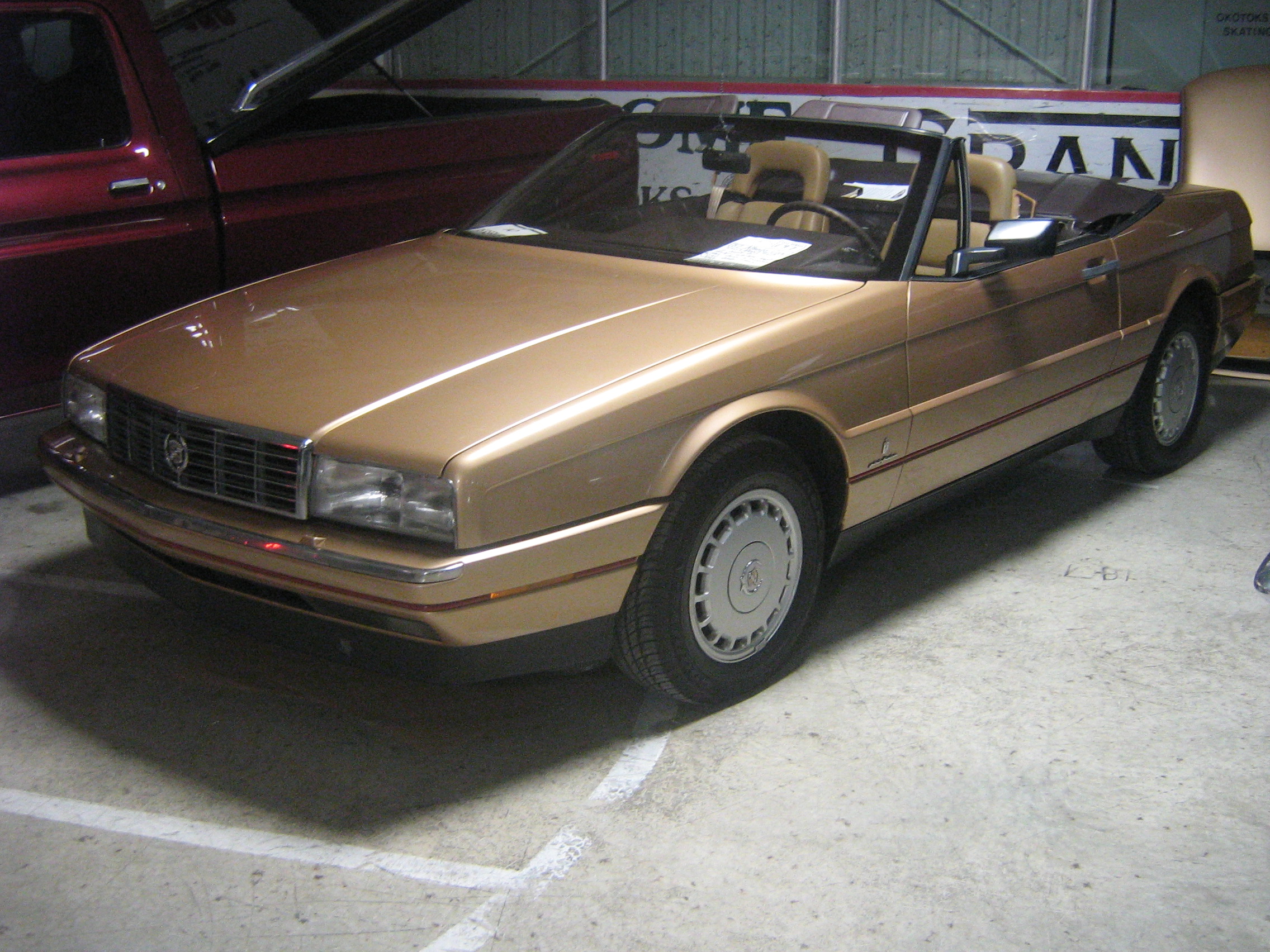
Criminally, it's criminally affordable right now and have been for a long time. And I don't
even know if they'll rise anytime soon, but Cadillac Alantes are like, it's a neat car. Like
Pin and Farina bodies, they commissioned like four or five 747s just to shuttle them back
forth to Detroit. So they went from Turin, they took the bodies, the completed bodies,
stacked them into 747s, flew them to Detroit, and then flew those 747s back with the chassis back to
Turin, like cost no object. Right. Just bizarre. Is this your story, right?
Yeah, at least it's got a neat story. I mean, yeah, it looks a little dated, but it also looks
kind of cool too in the right color. I've always had a soft spot for them. Yeah, they're interesting
cars. Yeah. I think they got lumped in with like the Maserati Chrysler TC, whatever, you know, for
a long time, even though there were a much superior car. The Opra window.
But the Alante, I am so glad to hear you say that that is, you know, all four, I think are
great answers, especially that last one. Alante is, yeah, I think it's, I think it's time has come,
right? Yeah. And then like, and maybe this is on my brain because I'm helping a family friend
sell his, but first gen AMG GT really firmly undervalued. Absolutely. What it's worth, and he
knows what he paid for it, and he's like, that's all it's worth, really? I think it's a much more
interesting car than the one that came after it. I really do. I think it's a much more interesting
car than the one that came after. Oh yeah, engineering-wise. I mean, like, they tried to
broaden the market, so they added rear seats, got rid of the transaxle, and they made it bigger and
heavier, and then they put a battery in, and all of a sudden it's, you know, it's a very different
animal. It's still a great driver. The new FD performance is like, whoa, like, it's surprisingly
good for its weight. I mean, part of that, you know, the trickery of technology, but there's a purity
to the first gen cars that's like, it was really a disciplined approach to try to out, out 9-11
to 9-11. Yes, yes. But yeah, it's a very different car to drive, and you feel different behind the
wheel. You've got the long hood, you drive in a different way, and I love that you're just
the door shut makes it feel completely different. Yeah, you're absolutely right. Like,
it kind of looked like it when it came out, but then when you drive it, you're like, oh yeah,
no, it's, it's different. Yeah, no, that's great answers. You know, your stuff, obviously, you
know, those are, those are the answers of someone who really knows, so. I'm just trying. We're all
just trying. Hell, we all are. We all are. Well, I, I know we're at an hour and 20 minutes. We probably
need to wrap this up. Be respectful of your time, Bassam, but I'm going to try something a little
different tonight if that's okay. Five quick rapid fire questions for you. Just shout out the first
thing that comes to mind for each, okay? Okay. So, Bassam Wassa, if you've done it all, and then
some, which car company puts on the best destination press event? Best destination press events are
a tie between Mercedes-Benz and Land Rover. Land Rover chooses the most amazing off-road destinations
that you could dream of. You know, bucket list like Skelton Coast of Namibia. You can relive your
camel trophy fantasies and, you know, you could be, be that true adventurer who may or may not
be able to bring the car back in one piece. Yeah, yeah, yeah. Mercedes just, their execution is
always flawless. They always just do such, such epic aspirational trips. You know, if you want to
spend the night on a yacht in Ibiza, like they have you covered. You know, if you want to
drive on a racetrack and the drive on the autobahn and then sleep in a castle, you know,
they figured out a way. They have been at this game long enough where that they started when
cost was no object and obviously the industry is contracted and people are spending what they
used to on these kinds of things, but they, they do their best to stick to that lavish form of,
of like blowing your mind. I love it. I love it. Oh, one more. Three-way tie. Yeah, please.
The international Rolls-Royce programs are incredible. I've got to say like... Oh, I bet.
Yeah, I mean, their stateside stuff a little more anonymous, but like when they go international
for the global launches, pretty top notch. Okay. All right. Lindsay, you and I need to get on all
three of those lists. Okay, moving on. Cost no object. What's the one car,
new or old, that you'd buy tomorrow? New or old? Well, for going old, I mean,
the no brainer is McLaren F1. It's... Okay. Yeah. Talk about a car that I wish I could have like
called the values on back in the day. Right. But that had been on your BS market list.
Yeah. I mean, there's a story about, about Wiener, Bruce Wiener, who was the microcar
collector who had... Oh, sure. I met him. Yeah, down in Georgia. Yeah. I stumbled on his museum.
I was driving back when I had a 911 SC and I was driving it while waiting for my wife to finish
working on a movie. And I was literally a man of leisure driving my car that was not valuable back
then. And I pulled over and I introduced myself to him and he gave me a tour and I
ended up writing about it. But he had a McLaren F1 and was disappointed that it cost so much
to keep up even when he didn't drive it. And why am I spending 50K a year on this car,
even if I don't drive it because everything times out on it. And he sold it so early.
Like, you know, you could get them for under a million back in the day.
And now the rest is history. But it's not about the fact that it worked 20, 25 million. It's
about the best car ever made. I mean, I would, I just want to drive one. Like I just want to
drive on a block. I'm not asking much. I'm a simple man.
And it's funny about that microcar museum. We drove down from Chicago, a buddy in me,
to see it on the last day that it was open before it closed. I remember saw the Georgia
Guidestones that day, if you know what those are, neither one exists any longer. So that was a fun
day. But that was an amazing treasure trove of these microcars. And had I known about the F1,
I would have hung out a little longer, I guess. But that's a never driven one.
I asked him, like he was telling me, like one time the featured market at Pebble Beach was
was one of his microcar brands. I can't remember one. So we took it. And it made me ask him,
like, do other collectors ever give you crap about it? Because I didn't see any of his exotic
cars. He's like, did they ever give you crap about your microcars? He goes, Oh, well, I mean,
I've got an Enzo. I've got an F1. I've got a blah, blah, blah. So not really. I stand corrected.
They know not to trifle with me. Good answer. If I recall, he had, it was the double bubble
gum fortune, right? Wasn't that? Yeah, exactly. Which is just you wonder how people make their
money or end up with their money. That was interesting. Okay, moving on, because these are
rapid fire. What's one thing about you that would surprise us? One thing about me that would surprise
you is no pressure. Yeah, that's that's an interesting one. Think about this for a second.
You're going to edit this later? Absolutely. You can also just make something up like,
you know, your professional curler or something. Oh gosh, what was it? Speaking of chewing gum,
I have an amazing collection. Right here under the desk.
We can, we can skip that one. Let me have a moment. Yeah, I might come circle back to that one.
Okay, okay. So you said you are a big music guy. What's your poison? Like what, what are you into?
Is it the stuff from when you were younger? Is there new stuff you like? What's
what have you been listening to? I have super eclectic tastes. It's like, I grew up listening to
staying the police, Peter Gabriel, like the funky 70s, Peter Gabriel, not yeah. Yeah, yeah, yeah.
Yeah, yeah. And, and, and, and, and, and, and, and it's the stuff that came out frontiers and
legit. Oh yeah. Yeah, yeah. I grew up on that. I love a good concert experience. And
for that reason, like, I saw Sting, Peter Gabriel show, and, and they're both great,
but Sting is really just such a great engaging performer.
Didn't get too much into the 90s stuff, but like, you know, I liked Seal back in the day.
And Dave Matthews has been a mainstay, like it's such an experience to see him live,
and he just continues to deliver. He's so good. Their shows are good. Even if you don't, I mean,
who wouldn't like their music, but even if you don't like their music going in, the show is so
good. I think you come out a fan anyway. Yeah. And you know, my it's funny because in college,
one of the first tours, my buddy said, come see Dave Matthews with me. And I said,
oh, I heard him on the radio. I'm not crazy about him, but you know, give it a shot. And when we
went, it was like under the table and dreaming. It was like that, that early. Oh yeah. It was
so good. I was like, damn, I was going to miss this. And that was my experience too. Like,
I knew a few of the songs, but I was certainly not like, wouldn't have gone to the effort to go
to a concert. And I got invited and came out just going, well, I'm a fan for life now.
Yeah. And you know, some bands, it's like happens, happens to me still. Like, you know,
I thought Postal Service and Death Cap and Judy were, were good. I like their music,
whatever they're fine. But when I went to their show, I was like, I was like, this is like,
like life changing. Like it was such a good performance. It was amazing. And I love how
music can come alive for you like that. Like when I was growing, I was in Hollywood in the 90s,
like, you know, we'd go see Amy Mann perform at Largo with John Bryan. And, you know, when I worked
in music, like I got to meet all these people I met Fiona Apple early on. I got really into music.
And, you know, nowadays, like my 14 year old like turns me onto a lot of stuff. And it's like,
okay, Chapel Roan, there's something there. I get it. He's got a crush on Sabrina Carpenter,
who music's pretty, you know, but I like trying to stay open. Like during the pandemic, my wife was
like, I want to listen to different music because she was raised on classical music.
She started listening to Charlie Puth. And we went and saw him and it was like me, her and like
every like 14 year old girl and her mom, but he puts on a great show. And he finally got some
high visibility, you know, exposure with the Super Bowl. Like I never understood bad bunny,
but when I saw him perform, I was like, holy crap, there's really something incredible here.
No, I'm glad you're a music guy. It's kind of like, you know, if you're not into music,
it's kind of like, you know, I don't like dogs, right? I mean, what's wrong with you? You know,
it's sort of that, you know, the, I don't know, the signifier of a well rounded, you know, individual.
Thank you. Yeah. And, you know, I love discovering new things and my kid has been obsessed with
Hans Zimmer after Dune and then, you know, all the other movies that I introduced him to after
that. But so we're going to see a Hans Zimmer concert candlelight concert on Sunday. Yeah. So
stuff like that, like, I love expanding the repertoire and keeping it.
Absolutely. Good music is good music, right? Yeah. Well, like you said, like getting to see them,
you know, like, I believe that I saw Death Cab for Cutie at a K-Rock Weenie roast back in the day.
Love it. I mean, those are just such, you know, if you know, you know, quite a bit. Oh, yeah,
I was a big K-Rock kid growing up, especially in high school. Like I listened to nothing,
but, but Kevin and me in the morning and yes, and we could talk for hours. Yeah,
it's such a moment in time again. I know. Well, so last but not least, if you were not
in the profession that you are in, what would you be doing?
I would be directing movies. I love visual stories. I love writing them and bringing them to life.
And, you know, I've focused on cars and I love it, but moving people through visuals is
something I'm just in love with, you know, that dream. Yeah. Well, and it's cool that you get to
do a version of that with your production company. So you're still keeping a finger in that world.
Absolutely. Yeah. Well, we won't keep you any longer tonight. So tell the people where they
can find you on social media until we can have you back to continue the conversation.
It's all at Bassam Wassef. So do that and you'll find me mostly on Instagram. But yeah,
it's been so great talking to you guys. This is just like, you know, we just need to meet
somewhere and do this again. Like, weren't it even just have a good time? Right? Like put our
phones away? What would that be like? Just say when. Just say when. I'd love to. No, we've loved
having you. Obviously, we could keep talking for much longer. So we will do that at a later date.
But we really appreciate you joining us. And to our audience, thank you so much for joining us.
Please remember to like, subscribe and tell your enthusiast friends. And until next time,
wear that car show and remember, always be driving. And we'll see you next week.
Thank you guys.
Sheffield watches are high quality, reasonably priced in a great value. Sheffield has truly
become the car guy and car gals watch of choice. Order your Sheffield watch at Sheffield watches.com,
give them a follow on the gram at Sheffield underscore all sport underscore watches
and tell them that car show since you
About this episode
Bassem Wasef, an automotive journalist and author, shares his journey from a passion for cars to a successful career in automotive writing. He recounts how a simple Craigslist ad led him to test drive exotic convertibles from brands like Aston Martin and Ferrari, and how his childhood love for cars shaped his professional path. With insights into the culture and history of automotive journalism, Bassem discusses the importance of storytelling in car content and reflects on the influences that have shaped his writing style.
Today, on That Car Show… it’s Basem Wasef. Author, journalist, content creator, and automotive man about town. Basem is always driving something amazing or checking in from some exotic locale. But it might surprise you how he even broke into this car thing. I’ll give you a hint: sometimes, you just have to ask. Also, we’ve got to say hello to our listeners in Korea, who must be the most loyal on the planet. We’ve been sitting at number 8 on the Korean automotive podcast charts this week. And, you heard it here… If you can get us to number one—Korean listeners—we’ll do an episode just for you. In the meantime, gamsahaeyo. It’s Basem Wasef. It’s That Car Show. And it’s a good one.