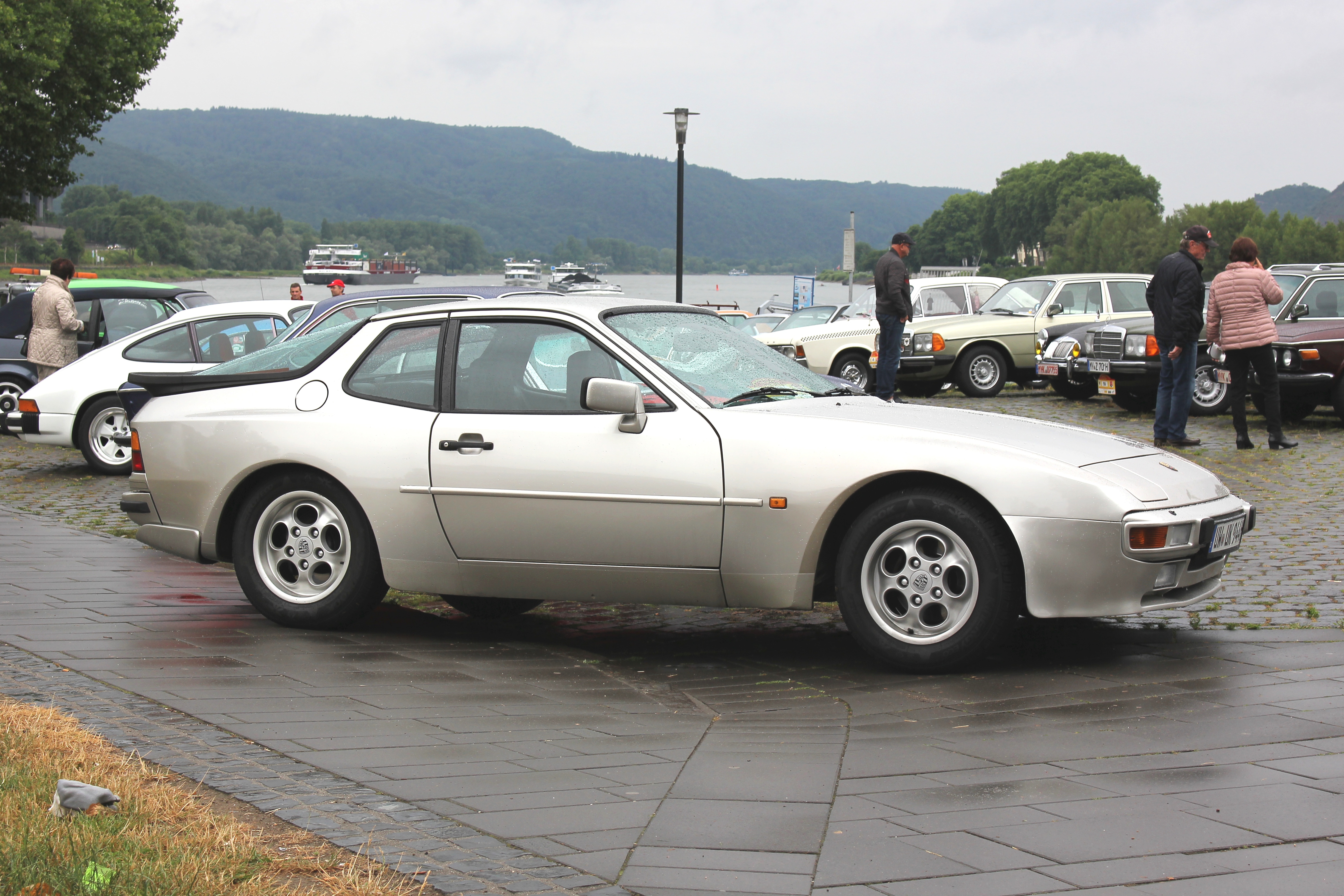
Classic cars are old cars that people like because they look cool or are special. They are usually taken care of carefully and can be worth a lot of money.
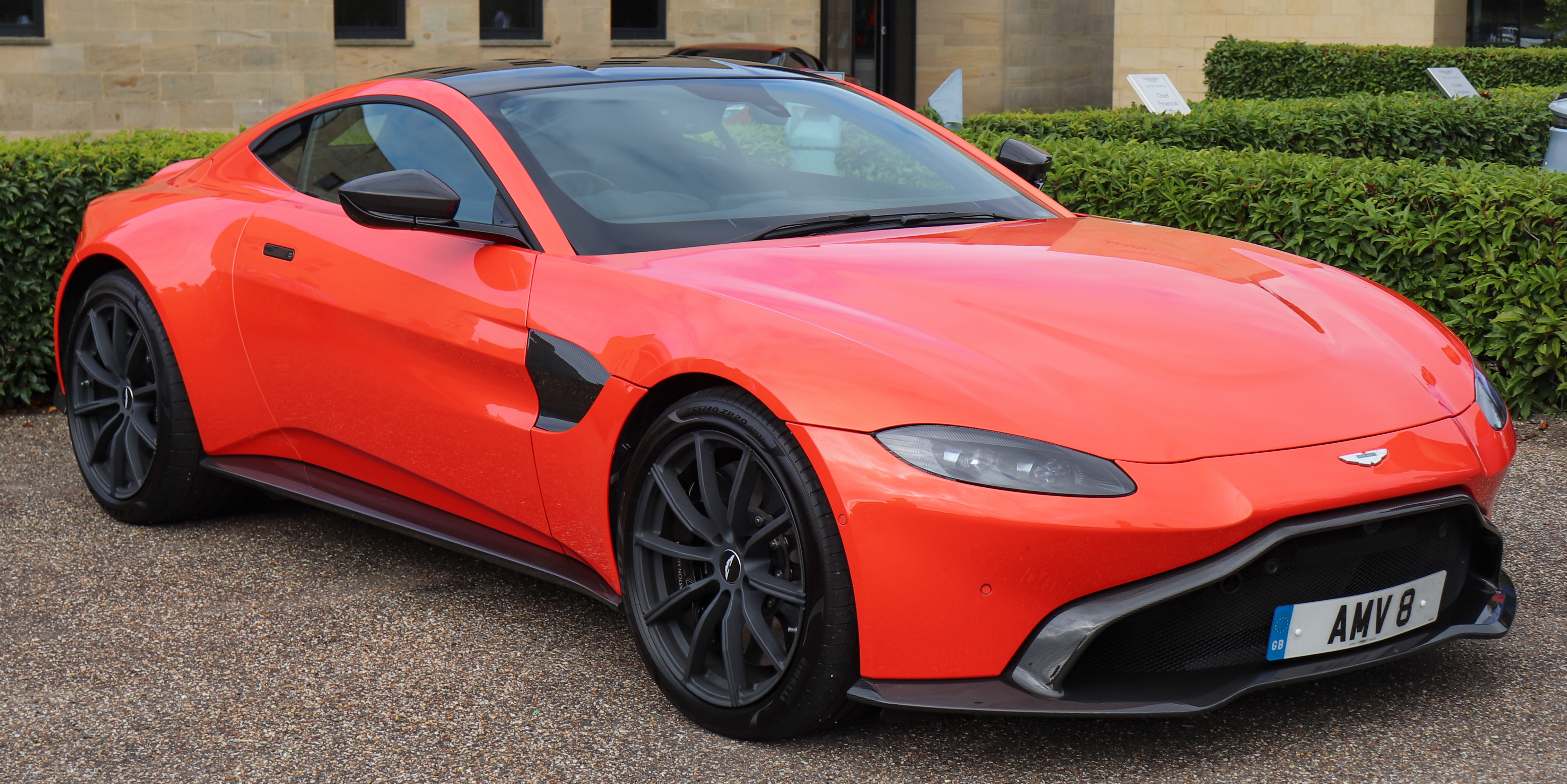
The Aston Martin V8 Vantage is a fancy British car with a strong engine that makes it fast and fun to drive. People like it because it looks great and is made with a lot of care.
The Honda S2000 is a small, sporty car that is fun to drive because it can go very fast and turns well. It has a special engine that likes to spin really fast.
The Audi R8 is a fast and powerful car that has its engine in the middle, which helps it drive really well. It also has special all-wheel drive to keep it stable.
The Lotus Elise is a small and light sports car that is very fun to drive because it turns really well. It doesn't have a big engine but is made to feel fast and exciting.
The Citroën DS is a fancy French car from the 1950s that was really smooth to drive because of special suspension, but its engine wasn’t very strong. It looked very different from other cars at the time.
The Mini Cooper is a tiny car from Britain that was easy to park and fun to drive. Lots of people loved it in the 1960s because it was cool and practical.
SUV means a type of car that can carry people comfortably and also drive on rough roads or off-road. The Range Rover was one of the first cars like this.
The 3.5-litre V8 is the engine in the Range Rover that makes the car go. It has eight cylinders and is a bit big, giving the car good power but the gearbox can be noisy.
I was thinking on the line where I'm saying 50s, 60s, 70s, 80s or 90s,
do you want to alternate on the date? So I say 50s, you say 60s. No.
This is The Tire Kickers, classic car chat with Max and Matt.
Welcome to episode 50, that's 5-0 of The Tire Kickers. And to celebrate the big 5-0,
we're going to ask the biggest question of all time. Yes, what is causing that oiling?
No, bigger than that, what was the best decade for classic cars? Was it the 50s,
60s, 70s, 80s or the 1990s? The Tire Kickers. Yes, we're going to head to head each decade,
pick out the choice cars and have a heated debate, or to find out which era was best.
Well, you don't like the 90s though, do you? And you're always moaning about 50s cars,
so I reckon you'll just say the 60s. Ah, young Max, you may be surprised,
but let's delay no more and get on with picking the best classic car decade ever.
It's episode 50 of The Tire Kickers.
Well, well, well, well, here we are then, Max, episode 50 when some said we wouldn't get past
episode 5. The doubters. Yeah, the doubters. In fact, we've been churning out this rubbish now
for a couple of years, haven't we? And we've done probably a lot more than 50 episodes.
Yeah, because as well as the studio ones, we've done loads of specials, like the classic car
shows at the NEC, that cool classic car pizza place. We've done bonus episodes, you went
racing triumphs around a track, I did the train talks with the dealers like the Motorhub in the
Cotswolds, and also volume one of the classic car soundtracks. Remind me what that one,
oh, was that you revving stuff up? Yeah, that was me sitting in a car revving it up and
stretching it out for 35 minutes. I seem to remember with that one, that was,
you were building this as part of some series, and then there was only ever one. Are you going
to do some more of those? Like all good bands, you know, the second album is quite tricky,
the second album will come, but it just requires me to put some effort in, and you know that's
always a bit of a struggle. Send us some ideas on what cars Max should rev up for the next one,
that'd be quite good. All of those, you can listen to those by the way, you can scroll back,
if you've not heard some of those, you've missed some of the 60 episodes, go back and find them,
lose yourself in some of that. If you do get even backwards to our first episode, you will get a
medal for that, or some sort of special sticker. Or some sympathy, like one of those Mr Men stickers
you used to get if you got a bruise. Yeah, a second winner sticker you'll get. So for this
landmark episode, we thought we'd talk about a topic that we've always touched upon,
but never quite got stuck into, which is, which decade produced the best classic cars?
We're going to have to limit this, aren't we, because it's going to go a bit about control
otherwise. So let's limit it to the years between 1950 and 2000, because in my mind,
cars after 2000 aren't really classic yet. I don't really agree with that, because look at the
Aston Martin V8 Vantage, hand-built British V8, Audi R8, Honda S2000, Subaru and Pretzer, WRX,
STI, Lotus Elise, I mean, there's a lot of good cars after 2000. Exactly. No, that's more scratch
and sniff than us. Let them get on, they can yap about that if you want to listen to that sort
of stuff. We're here for the true classics, Max, and the decades between like the 50s and the 2000
summer, I think, what we're about. And this also gives us something to talk about. And Tim
Ellis, I thought we'd just argue about millennial modern classics. So let's stick to that, 1950
to 2000, which is the best decade? Okay, fair enough. So let's start with curves, big steering
wheels and cars that could catapult you straight to A&E. You're listening to the tyre kickers
with Max and Matt. Yes, we're going back to the 50s. When Britain and Europe were finally getting
back on the road after years of wall rushing and generally making do with rain, potholes and having
no money. Oh, no, that bit's now. That's not a flashback. That's yesterday. Now, in the 50s,
things were starting to look up car wise. Suddenly, there were families heading to the seaside,
dads polishing chrome on a Sunday and engines coughing into life on cold, damp mornings.
Yeah, we look at 50s cars now as having sort of charm. But at the time, you've got to remember
that people needed patience, they needed strong legs for the brakes to stop. And then they also
had to just accept the fact that Rust was probably eating the car away as it was sat on the driveway.
Yeah, cars like the Mini, Rover P4, Morris Minor, Rolls Royce, Silver Cloud and the Ford Anglia
all went on sale in the 1950s. As well as the sporty ones as well, Max. So the Jag XK120,
140, the what, the Triumph TR2, the MGA and the Austin 80100 as well. All those iconic design
sweeping lines. I mean, there were still wow cars to this day and actually kind of looked like planes,
didn't they, a lot of them? Well, I suppose a lot of that aircraft design from the Second World War
was left over, wasn't it? So lots of people took the kind of aerodynamics that they thought worked
because it wasn't properly tested and stuck it out. But I mean, you're right, there's lots to
choose from. My opening shot for a car that is the pick of the 50s from us, it's one of the favorite
Cinderella slippers of our cars, I suppose, because we love it, but we can't get into it.
That makes us the ugly sisters. Have a look at this on your screen. This is a 1954 Jaguar XK120.
Steel wheels, gray spotlights, red leather interior, XK120. Now, I saw one of these a couple of years
ago at the classic Motav, actually, and put it on Instagram because it just looked so perfect.
And it still does. This one's got spats. It's just got that aerodynamic styling. I mean, it wasn't
particularly aerodynamic, but it had the styling as though it was and just looks like the perfect
classic sports car. If you were a child and you had to draw a sports car, I think you'd come up with
that. It's a real torment to this car, isn't it? Because it looks, as you say, beautiful. You know,
if you had the money for it, I would get one. But we tried to sit in that X120, didn't we? And
it was just, I mean, you're a svelte guy. You can normally get yourself into most cars, but even
you struggle with it. I mean, I could barely get into it. I'm six foot. I could barely get into it.
And I certainly couldn't drive it, I don't think. I mean, I'd love to have a go at it because I'm
sure I could break bones in order to get in that car and drive it because I love it so much.
But I'm not sure how much you could live with it. And is it a better car to look at than to own
or drive? Yeah, I think so. And I think we might get into that on the 50s ones. I think a lot of
them are probably better to look at than on drugs because they are beautiful. But I mean, I managed
to sort of get myself in it. And then I could actually move my clutch leg at all. It was completely
wedged. So this is a slight problem in terms of driving it. But as you say, beautiful, beautiful
car. I would have one and put it on a plinth. We mentioned that the 50s were was a decade of
beautiful roadsters. And my first choice on this is a roadster as well. And it's a car that I would
happily have in my garage downstairs. This was launched in 52. It went on sale the next year.
It is of course, a Healy 100. In this case, 106. And have a look at this one. This is the 1958 one.
This is 106. So the sixth one. 35,000 pounds in blue with steel wheels,
blue hood. They are great, these. I mean, there's some flaws in them, which we'll get into. Actually,
and I think this is the problem with 50s cars, living with them is the problem. Let's get straight
into it. The windows. They won't wind up windows. You have to put them in and out.
I think you just take them off and put them behind the seat, don't you?
And the roof was probably an absolute ball egg to get off and put on on this. So, you know,
that they're really, it's not designed on no seat belts as well. I know they race these cars,
but I didn't feel, I didn't gel with one of these straight away, actually, to drive.
I found it very, I think it was on cross-plies and I found it very scuttly and not very settling
to drive, especially that no seat belt and that sort of stuff. But in terms of an aesthetic,
I think they are just stunning cars. You know, I have a look at it now on the screen and even
parked up, it looks like it's going fast. It's got those kind of lines that just indicate speed.
And it looks live and it looks sporty. And then you get in them and they drive like a double-decker
bus. So it's, again, you know, the fifties is this kind of triumph of appearance over what
they're actually like to drive, because I love heelies, but I don't particularly like driving
them. You know, it's a bit like that series Landrovis, you know, I just love them. But every time
I get into behind the wheel, I kind of think, oh, yeah, it's not quite as nice as it looks.
And I think that's the problem with the heelies, isn't it? The later ones are a bit better, but
those are a bit bus-like, to be honest. Yeah, I mean, talking to cars are a little pretty and
a bit difficult to drive. What about that Mercedes with the flappy doors?
Well, exactly. I think this has got to be the most beautiful car of the 1950s,
the Mercedes 300 SL Gullwing, the world's first production car with fuel injection.
The designer had had some previous experience on the model called the Meshesmith Bf109, I think.
But surely the Gullwing doors make this one of the most iconic cars ever. It's up on your screen
now with the Gullwing doors up, and it's in that kind of Mercedes silver chrome wheels. I mean,
that's just absolutely drop dead gorgeous. It's not typical of the fifties, though, is it? I mean,
in terms of design, it sort of streets ahead, isn't it? I mean, it's like a spaceship,
isn't it, this thing? There's not a bad angle or crease or part of this car.
You spend all that money, though, and the steering wheel comes off in your hand. I mean,
it's a bit rubbish, isn't it? Because you took the wheel off to get in, didn't you?
And then put it back. It kind of hinged, isn't it? So it hinged, and then you could squeeze in.
But I mean, I don't care. You know, that's the kind of car that I would drive without seatbelts,
because if you did die behind the wheel of that, that's hell of a way to go. Most stuff in the
50s did look like the Healy. I mean, Honourable mention for the MGA, I think MGA is a great
trick, Carl. Not probably, again, not the easiest to live with, you know, they didn't have overdrive,
a lot of them. You've got to be fairly small to drive those as well as a common theme of the fifties.
But they do look great. I mean, MGA, so Honourable mention for that, I would have put that in,
but it's like a sort of scaled down Healy a little bit, isn't it? So I can't say that.
You've nicked my other car, the XK120, I would have gone for that as a 50. So I'm going to
left field. Over in France, over the channel in 55, they launched a spaceship or a goddess,
the DS. So I want to put this in, the Citroën DS. Have a look at this one. I found a Citroën
DS Palace. You driven one of these Citroën DSs, and they're an experience, aren't they?
Yeah, they're lovely. I mean, I really loved it. I loved everything about this DS. It's kind of
slow and the engine's not great, but just the way you waft along, it's kind of probably equal to a
Silver Shadow and that kind of perfect ride quality, but just needed a better engine in the DS,
and it never really got one. So what we're saying about the 50s in Max, we're saying like the cars
look pretty, didn't they? But just weren't that great to drive? Yeah, better to look at than to
drive, be in or own, I think. Episode 50 of the tyre kickers, and it's the battle of the classic
car decades, and now we're talking the 1960s, the decade when cars stopped being purely sensible
and started getting a little bit exciting. Britain had the MGB, Europe had gorgeous Italian sports
cars, and suddenly performance, style and youth mattered as much as practicality. Now, if you
want a snapshot of the 60s on four wheels, it runs from tiny runabouts to proper design classics.
You've got cars like the Mini Cooper, Renault 4 and Fiat 500, putting ordinary families on the road,
simple, cheap and absolutely everywhere. Not glamorous at all, but they defined everyday life.
Then came the cool stuff, the Jagi type, the Porsche 911, MGB, Alpha Spyder, Lotus Elan,
and Triumph TR4. Now, all made performance feel attainable and fun rather than exotic. Suddenly
driving wasn't just about getting there, it was how you got there and how you arrived.
Then at the top end were the icons that still stop people in their tracks, the Aston Martin Db5,
the Lamborghini Mura, the Ford Mustang and Rolls Royce Silver Shadow. The 60s feel like the decade
the modern car was born. Practical, fast, and mostly for the first time, genuinely cool.
So if you put all that together, the 60s start feeling like the moment the car
world burst into colour. So with that in mind, Max, where the hell do you start?
Well, you've got to start at the top, and I think probably Ferrari, the 250 GTO,
lots of race pedigree, 26 built, now over, what are they, 40 million quid?
Surely that's got to be number one in the 60s. So I think though, none for sale in the UK,
and one of your caveats for this was the cars have to be on sale in the UK.
So that's out, that's not contender. So have you got something a little bit less,
I don't know, lottery win, perhaps? For the 60s, it's quite a tough choice,
because this was the decade of the kind of every man sports car, wasn't it? The TRs,
Spitfires, your Sunbeam Alpine, Alpha Spiders, and of course, the MGB. I mean, look at the MGB.
Well, yeah, I mean, it's easy to just skate over that, but I think the MGB is the gateway drug
for classic cars. It's the one that most non-classic car people could describe.
It's the one that turns heads, and it's the one that gets people into classic cars. And as we've
said, you know, before, you know, you've got to argue that once you realise the choice you've got
of classic cars from the 60s, maybe the MGB isn't the pinnacle. However, I think it is,
they are brilliant at what they do, and they are the entry point for classic cars. And,
you know, it doesn't matter whether you've, it's your first car or your 10th car,
an MGB will do all the things you want it to do. Here's one from 67. This is what people would
sort of imagine as the kind of quintessential MGB. It's the chrome-bumpered roadster in red,
on wire wheels. This one's up for nearly 20 grand, which is quite a lot. But I mean, this is the
red sports car that people, they imagine going down the B roads, avoiding the potholes.
Yeah, exactly. I mean, this is your definitive sports car of Britain of the 1960s, wasn't it?
Because everybody could afford one. They're reasonably good to drive. You know, they're
okay now. There's lots of parts and stuff. But then I think they were quite advanced. And also,
they were cheap. You know, they churned them out, and they were affordable.
And this is the one that you really want. Picture 26 has got, it's got the spoke steering wheel.
This one's been restored. I mean, look at the engine bay in there. Oh my God. I don't
normally get excited about MGBs, but this is so clean. You don't need to spend 20 grand for an
MGB. You can spend anywhere between sort of five and eight and get a really good one that's just
as much fun. You can go for the rubber bumpers one. They're not bad. You know, they're not quite as
nice to drive. They're pretty good. Yeah, MGB, I think, is a good one for the 60s. I think it is
the gateway drug into cars. And I probably would have gone for an Alfa Spider Max as well for the
60s. I mean, both you and I both love the Botel Spider. Yeah, absolutely. And that was launched
in the 60s. The graduate was a defining, defining car, but I mean, very, very similar to that last
one. So you've got to go to talk about probably there's two cars that are very, very 60s, the
Mini Cooper, or also the other one that defined the 60s. You've owned one. They are the ones that
still pull the crowd to car meets. They are probably the most iconic designed classic car.
And that is the i-set. No, it's not. It's the Jaguar E-Type.
It's the Jaguar E-Type. You can't beat an E-Type, can you? I mean, this one's just popped up on the
screen now and you just look at it. This is a Series 1.5. So it still has all the nice Series 1
features, but it's just perfect, isn't it? I mean, what could you improve there on an E-Type,
apart from making it a bit less hot when you're driving it in the summer? Yeah, and I've picked
the Coupe to talk about here, because obviously the Roadster is the one that people aspire to,
but the Coupe, I mean, you've owned a Coupe. And that three-quarter from the back of a Coupe,
it's just such a beautiful, slipper shape, isn't it? There's no drawbacks to an E-Type at the
moment. They look good. They go, well, there's lots of parts. And in period, they were spot on.
You know, they were plentiful. They were cheap. They were a lot cheaper than most other exotic
stuff on the market. I don't see anything in the 60s that was better, apart from... Now,
I've said before on this podcast, but I think the Ferrari Dino 246 is the world's prettiest car,
and I'd probably have to put it in front of an E-Type and put the E-Type in second place, I think.
Controversial. When was it launched to Dino 246? I think of it as a 70s car. It was in 69. 69,
you've just scraped in there. Yeah, I have. Just about. The thing about the 60s is it was such an
explosion in car ownership, and the choice just suddenly exploded as well. I mean, those cars we
talked about in the 50s were unattainable for most people, a lot of them. The Heady was probably
out of the realm. The 120 was probably out of the realms of most people. But you could get into
cheap sports cars. You could get into MGs. There were... The Sunbeam Alpine was... I mean, they were
about 900 pounds in the mid 60s. You know, still not cheap, but affordable if you wanted to go for
it. And there was an explosion in loads of cars. And, you know, we sort of glossing over all the
Hilmer mixes and things like that. I mean, they were, you know, Ford Anglers. There were loads and
loads of runabout cars. And then there were the sort of super snipes and the mid-range executive
cars and the Rover P5. Would that have been 60s? Yeah, it would have been, I suppose. You know,
there's lots and lots of just loads and loads of cars and then all the sports cars. So it's really
difficult to kind of narrow it down, but it does make it a strong contender for the best decade,
I think. The other 60s designs you think about. Lamborghini Miura. Well, that was our price for
most people. Ford Mustang in the States. I mean, that's a good everyman car, a bit like the E-Type,
isn't it? I think 60s cars are pretty usable still, aren't they? I mean, they're not hard
workers are driving a 50s car. They're easier. By modern standards, they're hard work. You know,
driving an MGB by modern standards is hard work. But if you want to drive it's a classic, usable.
Parts are readily available. You know, you can get everything for most 60s cars these days
from eBay or off the internet or people are remanufacturing stuff. So actually living with
the 60s classics not too much hard work and they're usually fairly simple to work on as well.
Yeah, it's, you know, it's heading towards the decade of choice, isn't it? And also we've not
even mentioned the Porsche 911 that came out in the 60s. I mean, that was a defining design that's
still around today, isn't it? So there were some absolute crackers. I mean, Aston Martin DB5,
Mini Cooper you said earlier, you know, all of these, including the MGB, were just cars that
were great at the time and are still pretty good now. I think if you think of classic cars,
you probably think of 60s cars. Now to the 1970s when car design began to take a backseat to things
like safety and passengers or being able to see out and occasionally starting twice in a row.
Yeah, very advanced. Now if you want to understand the 70s through its cars, it's a kind of decade
that swings between sensible survival and full blown swagger. Cars like the Cortina Mark 3,
the Austin Agro, VW Golf, Renault 5, they all became everyday transport across Britain and Europe.
Then you had the fun stuff, often loud, bright and slightly outrageous. So the Ford Capri and its
various models, the Porsche 911 Turbo, the Lancia Stratos or the Citroen SM. Surely you can't get
much more 70s than this. Look at this SM on your screen now. And you can imagine having sideburns
and flares and smoking a cigarette, storming down a French auto route. It's got bits of the future
attached to bits of the past. And so it's got that 60s hint of being glamorous,
but it's got that slightly futuristic 70s sort of spaceship look about it.
Yeah, I mean, if you think of like fashions, the 60s was about, you know, tight lines,
mini skirts, you know, sharp fitting suits. And the 70s obviously sideburns and lots of hair everywhere
and flares. And only in the 70s would they go, let's design a car that looks weird, weird in a good
way. How can we like beef it up? I don't know, let's put a Maserati engine in it because, you
know, that'll make it cool. Let's have six headlights and let's make them swiveling this.
Let's make it complicated. Yeah, let's make it really complicated.
But they're meant to, they probably don't in reality.
They're meant to be done more. Yeah, hydraulic probably don't work. Let's make it really
hydraulic and complicated. It's a very bloke car, isn't it? I mean, it's a very, you know,
medallion man car. It is a kind of medallion man car, isn't it? Because it's slightly showy,
isn't it? There's a there's a whiff of aftershave and cigar smoke around this car.
Yeah, it's a hairy chested south of France car, isn't it? You mentioned about the 60s clothes.
Now about the 70s, you know, flared trousers were ridiculous. They are ridiculous. They look
ridiculous. And every time they've come back, they've been a bit more ridiculous. But the
Citroen SM was ridiculous as well, a bit like flares. But it was just so emblematic of the 70s
because it was cutting edge technology, most of which doesn't still work. But it just was
trying to be something different. And it stuck out. And that for me is why the Citroen SM is such
a good 70s car, because it was very different. It was very ambitious. Some of it didn't work.
But when it did work, it was really cool. Staying on the continent. Let's talk about some
Italian cars. Let's talk about alphas, because I wanted to pick an alpha spider as a 60s car.
Well, coming into the 70s, I think there were there were a lot of these coupes about, you know,
full vias and like the 105 alphas and that sort of stuff. Look at this one. This was launched in
the early 70s. 1971, I think it was, this is 73 version, Alfa Romeo GTB 2000. So it's the
coupé. This one's in sort of a burgundy red, the four headlights, round headlights on the front.
And those coupes were just so 70s cool, they weren't as big and brash as the cars that we
were making in Britain and and also the SM as well. They were a lot more live and sporty and
classy. And look at the interior on this one, Max. I mean, this is this is why I love alpha
interiors. I mean, I love the car. Don't get me wrong. I mean, all of all the car at every angle
of it looks fantastic. But it's just those I mean, tan leather seats. Oh, you know, walnut
steering wheel with this dish. Oh, those pinnacle dials. I would have one of these. I would love
one of these cars. And I think I think after this decade finished, I think a lot of this got
ironed out. We'll get on to 80 shortly. But I think a lot of this style, a lot of these curves
got flattened in the name of progress. And I think this is a real sweet spot for me because
it's Italian 70s. It's just a bit classier. Yeah, I see it's a 70s car. But for me, that
feels like a 60s car. I do love the Alpha GTB, but I'm going to show you a different car here,
a 60s design, but a car that came out in the 70s. And for me, if you ever complained about the
British motor industry in the 1970s, then this is the antidote. This is a 1972 Land Rover Range Rover
Suffix A. So this is the first Range Rover, the first model. And these are just so fantastic.
They embody the 70s for me because the two door ran all the way to 1981. This is the mother and
father of all SUVs. I know the Jeep Wagon Air came first. But I think this is actually what
encapsulated what an SUV should be and is about. Fantastic 3.5-litre V8, pretty crummy gearbox,
which is really whiny, but a great design. You sit in that and you think you're riding
above the rest of the world. This is a great car and a great testament to British 70s design
and manufacturing. But yeah, I mean, I think it's a very, very iconic car. One of the things
70s got maybe in common with all the decade is rust and these things rust for fun, don't they?
Yeah, they do. They rust from the inside out. But if you remember, if you go back to the 70s,
you know, right through to 1981, there was a waiting list for these two door Range Rovers
because they were so popular and they sold so well abroad. I mean, one of the limiting factors was
BL didn't make enough of V8s because they were used in the Rover P6 and then the SD1 and then
the NGB GT V8 and also the Range Rover. So there was a shortage of these engines. But for that,
you know, there'd be probably twice or three times the amount of Range Rovers around
from the 1970s now. So it was a real success story. It's what I'm trying to say. You know,
the 70s were always seen as a dark period for British car manufacturing, but there were
bright spots and this Range Rover Suffix A is one of them.
I see what you mean about the Alfa, actually, the Alfa Coupe thinking about it. I'm going to kick
that into the 60s because as you say, it's more of a 60s delicate car, isn't it? Even though that
particular car was manufactured in the 70s to the mid 70s, you're right. 70s cars are more
more brutalist, aren't they? You know, they're more like the Lotus Esprit. They're more like,
you know, that fat wedge, you know, it's a big butch cars. They're more like the Jaguar XJ6.
Those are 70s cars, aren't they? Did you mention an Esprit by any chance?
I did. Did you say Esprit? Esprit? Esprit? You mean my favorite car from the 1970s.
Here's a 1977 Lotus Esprit S1 in The Spy Who Love Me White with the correct
wolf race alloys and also a green interior. Now, this is another great piece of British
70s design. You know, it's the wedge. I know you don't like wedges and pop-up headlights,
but I do. And I think the Esprit embodies all that's good about the 1970s because it's such
a fantastic design. You know, it's like a piece of paper going through the air. It's so thin and
so wedgy and so different to what came before. You know, we're talking about 60s designs that were
beautiful and like that Alpha GTV was a delicate looking car. This is a thug of a car. It's a
thug of a wedge. And that's why I really like it because it's so 70s. It kind of defined
what car design was about. That aerodynamics was coming in, but cars and sports cars had to look
very different. And this certainly stood out. Yeah, it's wedgy. It's butch. I mean, it's a
bon car. You can't not like it. One of the things that this does point that it does illuminate,
though, is the old parts bin problem of the 70s. Morris Marina door handles,
Sherpa indicators on a cool sports car. Well, you may recognize those from your triumph stag,
to be honest. It's not just the Lotus that offended in those quarters. I've got the same
switch gear. It doesn't, it shouldn't matter, but it's one of the things that, you know,
severed the 70s. We did see cost cutting coming in and, you know, things cheeping out and things
weren't particularly well built. But I agree. This is this is a very, very 70s car, isn't it?
And it is a pin up car. You know, for a lot of people, this has been a pin up car. And, you
know, it's one that they really, you know, always, always wanted, whether you get, you know, it's
easy to live with. I've got a friend who's got one, you know, they're not, they're not the
easiest to live with. No, it's the answer to that really. I mean, not the reputation of catching
fire. But you know, then and then they don't always work very well. But you know, certain
cars you do have to buy with open eyes. And this is one of them. But I mean, it is,
it is an iconic car. So yeah, that is more 70s. I'm going to go for, I mentioned an XJ6,
a Jaguar XJ6. I'm going to throw an XJC in because I think it sort of sums up the 70s
to me. I mean, XJ6 sums up the 70s, but XJC is probably just a bit cooler. We had obviously
the petrol crisis of the early 70s. And cars were then, there was a little rush in the early
70s to send us all these little tiny cars, wasn't there? One, two, sevens and everything had to
be fuel efficient. And then obviously something after the fuel shortages, people forgot about
that, petrol went cheap again. And suddenly cars went thirsty again, didn't they? I mean,
the Jags, the XJ6s had two petrol, famously had two petrol tanks. XJC has got two petrol tanks.
And fuel economy was notoriously very, very bad in the 70s, wasn't it? Because there were a lot
big-engined cars that were very heavy, weren't particularly aerodynamic. I mean, they're
popping their spree. But if you buy a 70s car, one of the things you will be doing is seeing
a lot of petrol stations, isn't it? Yeah, particularly with the V12. I think this XJC
is a really interesting car because they took a saloon and chopped it down. And that was becoming
more and more popular because you could use basically a platform you already had and then
just turn it into a second option of a car. And this is still a pretty looking car, isn't it?
They are very nice looking. Yeah. And again, very, very sort of puffed up. It is puffed up.
The 60s were slender cars. The 70s were these butch cars, as you say. I mean, if you get in
an XJC, everything's a bit wider, fatter, thicker, isn't it? That's mainly just the drivers.
No, but you're right. They're going from those kind of delicate designs of the 60s
into something just a bit more bluff. And I can't quite put my finger on it, but it's
something more butch, I think, isn't it? These cars were looking less feminine and a bit more
aggressive and male. Yeah, it was very blokey, wasn't it? I mean, a triumph stag. Another one
that I thrown for the 70s, you know, a great car. It was sold as a butch car, wasn't it? I mean,
it looks like a little car now, but it was a butch car with a butch engine that was for
blokes. A lot of these cars were just pitched out blokes, weren't they? And then the female cars
were the sort of Austin Allegro's and the little cars and that sort of stuff. It was a very sort of
sexist sort of decade, wasn't it? Yes. Yeah, that's exactly right, yeah. I think if you want
a butch car, they're not subtle cars from the 70s, are they? So if you're going to own a classic
car from the 70s, it is going to be a bit of a thumper, isn't it? I mean, American cars, you
know, they had in the 70s the Pontiac Transam that's smoky in the bandit, the Stardyn smoky in the
bandit. Yeah, and you look at the evolution, you talk about American cars, look at the evolution
of the Corvette by the time it got to the 70s. That was another butch car. We talked about fashion
and I think the cars are like fashion. The fashion in the 60s was, you know, sort of clean lines and
the 70s were just big and brash, wasn't it? And the cars were very, very similar. Don't forget,
you can find us at the TireKickers UK on Instagram and the TireKickers on Facebook.
Episode 50, the TireKickers and we're talking about the best classic car decade of all time.
Coming up shortly, we'll be getting our highlights done and whacking on a Chade cassette to talk
through the 80s. But first, Max, you have some hot news. Yes, not only have we hit 50 episodes,
I've had a visit from the men in white coats, which is actually our team with our team with the
Science-based Audience Lab and they've been crunching the numbers and say with Episode 50,
we have hit 50,000 downloads. Now hang on a sec, I've been down the shops and bought this.
No expense spent. Yeah, thank you for that. I mean, 50,000 downloads for an audio podcast is an
immense amount. And it is your support that keeps us doing this. If no one listens, we'd just be
talking to each other, which was what happened at the start. It was a very good way of having a chat,
wasn't it? You'd be going through auction catalogs folding the corners and I'd be watching stuff,
really, really intense boring stuff about Triumph Stags on YouTube. So thank you for keeping us from
that. Well, no, that's what we're still doing. Oh, yeah, we still do that. We enjoy talking about
this and it's fueled our love of cars and your interaction as well has helped fuel that as well.
So thank you for keeping it going. Most podcast, Max, only last about sort of three to five episodes
and then die of death. And we've done about 60 now, including all the sorts of specialties.
Close on 65, isn't it? I wish we had died to death at three. It would have been so much easier.
We're still here. Now we've got to keep going. Still going.
Just sipping a little tea, hang on.
Tea or gin? Oh, I wish. I probably just had a cup of tea, so I'll need another break in about
five to ten minutes. Go right to me. If we can enter an extended show, I'd have to factor in
Lou Breaks. Episode 50 of the Thai Kickers and we're talking the best classic car decade ever
and we're now into the 80s, the decade that style forgot as I was wearing fleck trousers from Fosters
and a lemon polo top. But it was also the decade that gave us turbo lag, big body kits for base
capris and the Peugeot 205 GTI. Yes, because if 70s cars were butch and chaotic, the 80s felt
like someone had tidied everything up and added a turbo. Everyday cars like the Ford Sierra,
Austin Metro, VW, Golf Mark II and 205 were sharper, more modern and sort of much nicer to live with.
They were improved on reliability. The aerodynamics mattered and shapes became a bit less sexual
and sexy and just a bit more sleek. But then came the heroes, the hot hatches and poster cars
that defined a generation. So the Golf GTI, the 205 GTI from Peugeot, the Ford Escort, RS Turbo,
the BMW M3 and Porsche 911 Carrera made speed accessible and hugely desirable. This is where
performance moved from specialist sports cars to something you could park outside a semi in Slough.
At the top end, XS was back on the menu. Cars like Lamborghini Clintash, they grew wings,
they got louder and shouted success and excess, whether that came from the city or business or
pop music or maybe dodgy imports from Colombia. Put it all together and the 80s felt like a decade of
confidence, sharp suits, big hair and engines that sometimes started every morning.
Yeah, it's true, reliability got better. Cars became more modern. I think we lost the stuff that
hung over into the 70s, the individual dials. I mean, taking those dials apart, my triumph
stag, they were still very similar to 60s dials. By the time the 80s came along, things went into
clusters, didn't they? Cars got modernized. You might have had a digital dashboard, imagine that.
Well, a talking dashboard in the Monty was a maestro. Technology was advancing a lot and cars
obviously reflected the technological advances as well as the fashion. And by the time we got into
80s, the early 80s were still quite lean and still a hangover from the financial problems of
the 70s. But music was sort of two-tone and new wave and the cars were quite basic. So you think
like an escort from the start of the 80s was quite stripped down, minimal. And we didn't see a lot of
stuff on cars until the 80s started moving through. So in the case of like 83, 84, by the time we
get to mid 80s and later, things started having electric windows and talking dashboards and more
stuff on cars. And cars got more reliable and cars got more usable and more dependable.
But maybe a little bit more boring, I don't know. Yeah, I think so. Well, again, this was the era
that you stop making specialist cars that sold, you know, 200, 300, 400 because it didn't make
any money. And you just turned your base saloon car into something special. There were still good
cars around. I mean, on the screen now, this is one of your favorites, is it? This is a 1982 BMW
635 CSI Coupe. Now, these still look fantastic, the kind of sharp nose coupes. And you like these,
don't you? Yeah, I don't think it was completely indicative of cars that you saw around in the
80s. It's still quite a rare thing. But I remember this particular car, because a mate's dad had one
of these. And it was the first time I've ever seen an everyday car look amazing. I was, you know,
seeing this in the flesh, beautifully sort of sharp lines, teutonic lines. When we were surrounded by,
you know, a lot of British cars, basically the 80s, Cortina's and Vauxhall's and stuff like that,
which were a bit boring. And this was like, oh, wow, look at this thing, because it was sporty
and aggressive and sharp. And fast. I mean, these were really fast, these BMWs. Yeah, and very,
very 80s. If you think of it, it's very yuppie 80s, this, isn't it? You know, this car, it would,
you know, it's a bit like your Porsches with the big whale tails on it. It's got that aggression.
So yeah, the 80s, the tech, the tech was there. The style became, it wasn't all, did the cars
reflect the fashion of the 80s? I think it was more about the economics, because, you know,
this was a decade of pimping up existing cars rather than making a new one. Like, for example,
we've already mentioned it, the Peugeot 205 becoming the GTI, the Renault 5 becoming the turbo,
that kind of Audi Coupe, which was the two, which was a good looking car, just the two-wheel
drive, front-wheel drive became the Quattro, the Lancia Delta went to the Intergrale.
Yeah. You know, even the Sierra turned into the Cosworth. Manufacturers had to make more of their
platforms. And sort of that scaling up of cars was quite popular and you got hot hatches. But at
the same time, it was a bit boring. But there was one genuine new design, which I think became the
80s icon. And that was on Miami Vice, the Ferrari Testarossa, 12 cylinders. Now, you're always
going to be having a good day when you've got 12 cylinders behind you. It's mid-engined. I know it
was wide for the 1980s, but now it's considered a modern design. Here's one for sale. I think we
forget with these Testarosses just how shocking they were in the 1980s when they came out, because
they were so big and wide. And, you know, you put that next to your shopping 205 or your shopping
Renault 5 and that is an amazing car. You know, at the time, I don't think they were appreciated,
but they really are coming into their own now. They went through a dip and I think they're quite
popular again the Testarosses. Do you like them? I think that's dated quite well, actually. I think
it's actually dated better now than it looked in the 80s. Yeah, I remember it being ugly at the time.
It was really flash at the time as well, wasn't it? It was like Rod Stewart's car, wasn't it?
It was a pop-style car of this. Do you know this is Rod Stewart's car? Oh, is it? I didn't know
that. I didn't know that. I think it's dated. You said they were really big back in the 80s. I wonder
what that would look like now next to a Kia EV6 or whatever. It's probably about the same size,
isn't it? Well, I know which one I prefer to get into. Well, I know, yeah, yeah. But no,
in terms of cars getting big, I mean, look at the back, the shots of the back of it. So this is
Rod Stewart's car. I mean, are you okay? Perhaps you don't want to talk about it. I don't know,
you know. Is that Rod Stewart reference? I'm not really okay with Rod's music. Sorry. Wake
up, Maggie. Come on. Let's talk about this car. Here we go. Is he selling it or is it just the
one that he had? One song by legendary musician Rod Stewart. I like they have to put in legendary
musician just in case he did this. Oh, I don't mean the other Rod Stewart from Down the Garden
Center. Oh, yeah. Rod, is that your Tester Rosser? So, I mean, this is 140,000 if you fancy a bit
of Rod Stewart's car. I mean, I think they do look good. It is very 80s, isn't it? I mean,
80s was a mixture of, as you say, every man. And I think that's really interesting. Come back to
every man thing, because I think that's why I don't like the 80s as a classic car,
at era too much. But I think also the 80s was flash, wasn't it? It was big whale tailed porches
and big flash sports cars like this. But this one's actually dated really well. So, it's an
interesting one to look at. I think the 80s were every man cars. I mean, I think the reason I can't
get excited about an Escort RS Turbo past my test in it, but I can't get excited about it because
it was just a kind of tricked up version of the every man car. And I think a lot of the cars were
like that. And the hot hatches, as you say, were revered for being great fun to drive, but were
just pimped up versions of the shopper car, weren't they? The problem for me for the 80s is that if
you're a non-car person and you saw a car go by, it could just be a Golf or it could be a Golf GTI.
You know, you don't mistake an E-type, do you? But lots of people can mistake a 205 or a Golf
for a normal shopping current. And that for me is the problem with the 80s because they were just
exploiting their existing platforms with some turbos and some spoilers and some stickers,
but actually they weren't new cars. That's why for me, the Tester Ross is the pick,
because it's a brand on its own. It's a car on its own. It's iconic. It's not just a spin-off of
a different shopping model. You know, that badge snobbery kind of came to the fore in the 80s.
I mean, you had it in the 70s with your HLs and your HLSs, but it was much more about your body
kit. Is it a GTI or is it just the average one? Is it this? Is it that? The 80s was a decade
where it's, but certainly towards the mid to late 80s, it became more about materialism and
flashiness. You know, that loads of money thing and having a big flashy car. Cars got more body
kitted and a bit more ugly actually. But I think for me, I don't think there was that many memorable
cars from the 80s. I mean, we talked about the BMW 635, but nothing really that gets my juices
flowing apart from a couple. I mean, honorable mentions from me. Saab 900, I think, is really
an interesting one. Although that was kind of all, you know, that's kind of a 70s car, isn't it?
Isn't it? Launched in early 80s, 90 Saab. Hold on a minute. Challenging. Hold on.
Yeah, I mean, it was moving on from the 99, wasn't it? So it wasn't really a new car in itself.
Was it? Well, hold on a minute. Tell me, when was it launched? Oh yeah, you're right. 1978. All right.
Okay, I've got that wrong. Anyway, the other car I was going to mention was one that I revered in
the 80s. I would have one of these. Alfa Romeo, Alphasit. In particular, this one, 1983, 1.5
quadrifolia. And this is the spit of the one that my mate Tim had. He had a couple of Alphasits and
this was his best one he had. And ah, they were fun to drive. I remember driving that. I mean,
the pedals were super, super thin like pencils. And for my big Claude Oppers, I couldn't, you know,
a bit too thingy. But it was, it had style. It had real style and flair. But again, it comes
about to your point. It's a tricked up hatchback, isn't it? Yeah, it's a kind of Alphasit with,
again, with a bit of a spoiler and some alloy wheels and some stickers. And that's the problem,
mate. I love Alphasits as well. But this is not a kind of car on its own. It was a hot version of
an existing car. And that for me is the crime of the 1980s. So we're getting to the conclusion that
the 80s, although the cars advanced, maybe they lost a little bit of style, apart from a few
notable exceptions. I just don't think you got those great show stopping designs like the 60s,
like you had the Porsche 911, the Jaguar E-Type, etc. There was a lot of part sharing and then
all the cars started to look a bit samey. And then you don't really get that drop dead looks
that you got on the 60s and some of the kind of Brutus 70s cars. Reliability got better,
the technology got better, but maybe the style got lost. And that's the 80s.
The tyre kickers. It's the quest to find the best classic car decade. And we've come from
the 80s. We're now in the 90s because if the 80s were sharp and confident, the 90s started by
melting everything in the oven. Everyday cars like the Ford Mondeo, the Vauxhall Vectra,
VW Golf Mark III and the Renault Clio, they were all round sensible and as bad as exciting as a
microwave. They were better in every measurable way than what I'd come before. Just not necessarily
to look at. Yeah, performance though was a different story. You've got the Subaru Impreza,
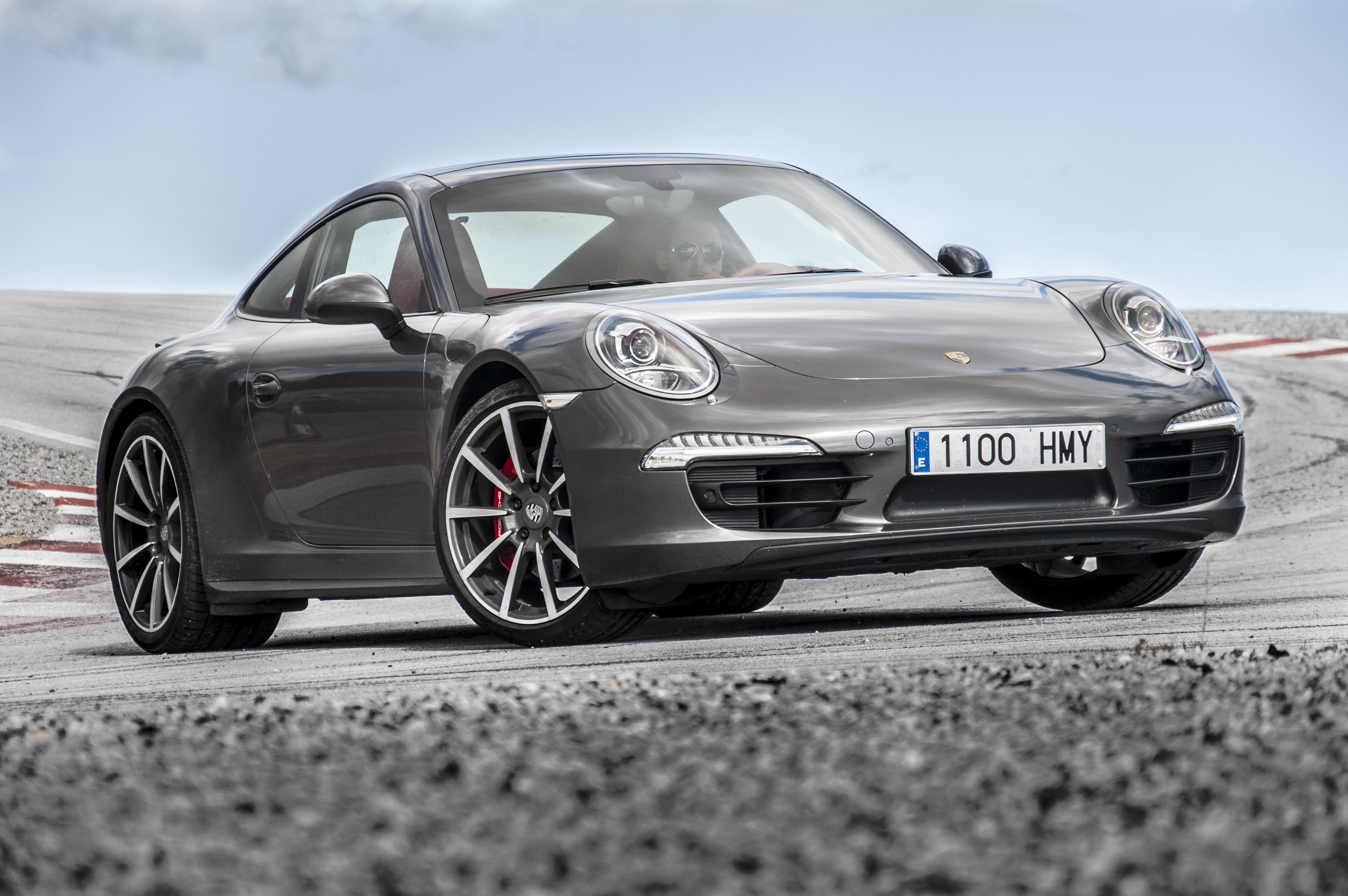
the Mitsubishi Lancer Evo, the BMW M3, the Porsche 911, 964 and then the 993s.
They proved you could still have serious fun, often with a big wing and a soundtrack borrowed
from a rally stage. This is where speed became usable on every single wet roundabout,
not just something for sunny Sunday country lanes. Meanwhile, at the top end, luxury cars,
you had the Mercedes S-Class, BMW 7 Series, the Range Rover P38. They're all aiming for tech and
comfort over glamour with so-so visual results. I mean, some are magnificent, others look like
they've been designed by Focus Group in a hotel conference room. If you put it all together,
the 90s, for me, it feels like a decade of brilliant engineering, but the styling
was pretty boring and it's taken a long time and it will take a long time for that to become
fashionable again, I think. The jelly mold that the Sierra was initially criticised for just got
worse with the Mondeo and that was the way that cars were produced, isn't it? The manufacturers
just churned out boring stuff and occasionally they threw a halo car in to make you think that
that whole range was interesting, but on the whole it wasn't. It was just the halo car was
quite good and the rest of the range was extremely dull. I really struggled on this to pick cars.
I really, really struggled. I mean, this has been hard, actually, I will say. It's actually hard
if you try and try this game at home and get a pencil on a bit of paper and try and write down
like two cars or four cars from the best cars from that decade. It's hard to pick them,
especially when you've got a lot of choice in the 50s, 60s, 70s. I've got the 90s, I've got the same
max already struggling. I only managed to pick one and that was the Mercedes R129, which I know
you love. I don't think it's the best of the SLs, but I think out of the 90s, if I have to pick
something, it does look good. It is becoming a classic. As time is moving on, its looks are
improving. It was a wow car in the 90s. I mean, it's a real wow car. It was a very, very flash car.
It was all their sales worth through the decades, but I remember it being a pretty pin-up car
in the 90s, but other than that, I'm really struggling.
Even the R129, which I love, is a bit blobby, isn't it, compared to the R107 mine.
It's not an arresting design, is it? It doesn't make you stop and go, wow.
And that's the problem with the 90s. Lots of things had to blend in and they were curved and
rounded off and nothing was there to make you go, oh my goodness, look at that car that's driving
past. And this SL, the R129, it was a technological tour de force, as they used to say, an auto car
all the time, because everything that Mercedes were doing in technology was rammed into this car.
And it's a great driving car. It's got a beautiful engine in the V8 and then they put a V12 in it.
Yeah, the looks are the kind of one weak part of this car.
Yeah, so other than that, then, you're looking at these hero cars,
you mentioned like the Imprzza. I mean, that was a hero car, wasn't it?
Always coming sideways around a country lane near you.
Exactly that. But I mean, that was a memorable car from the 90s, but for me, that's then not
becoming, I know it's technically a classic car, but that feels too modern for me.
Well, here's one in your screen now. I'm going to try and make you love the Imprzza.
This is a two door. It's called a Type R, so most of them were four doors.
This is a two door, white with gold wheels. I mean, you know, I like Imprzza,
even I struggle with this one because the exterior is not that different.
And then you look at the interior, you just go, oh, God, Japanese shopping car from the 1990s.
I mean, you know, interiors are my thing, but, you know, they are the bit you interact with
the car. And as you say, this is very, you know, parts bin, and it very molded and 90s.
And there's just no effort. No effort has been involved. There's a leather stitched gear knob
that is about it for that on the interior. And this is the problem with the 90s, isn't it?
The people were just expected to put up with a, with a bare minimum. There was no flare or
flourish or design language to it. It was just a bog standard interior. I don't, there's apart
from a turbo gauge on this Imprzza, which I think might be aftermarket. I can't see anything
that isn't just standard Japanese saloon fare. But you bought it to slide it around,
didn't you? You didn't buy it for the interior. It's just, it's, it's the like the joke that
they used to have with alphas, you know, you buy the engine, get the rest chucked in for nothing.
And, and it's very much on this car. It does look like it's just come out of the,
the same, the same parts bin as the, as the average shopper car. So yeah, they leave me,
they leave me a bit cold. I know that I know they're iconic cars. I know these are iconic cars,
but I just, just do nothing from you whatsoever. I'm going to try and sell you on the 90s
with this. It's on your screen now. It's a 1995 Ferrari F355. Now these came after the
348, which is pretty underwhelming as a Ferrari shouldn't be. The 355 is a brilliant handling,
brilliant driving car, but the looks, I mean, it's still not that an exciting looking car,
is it? You know, I do love the 355. I think it's a wonderful, wonderful car, but I can't
sell you on the looks really, because it's, you know, it's not a Testerosa, is it? It's got hints
of Testerosa design, but it's just a bit boring. Even, even Ferrari were a bit boring in the 1990s.
Yeah, it's not memorable, is it? I mean, I just had to Google what a modern look like,
because I thought it looked very similar to a modern race or a TAS to me.
Yeah. So, you know, and that's, that's what 10, 15, 20 years apart, is it? You know, I mean,
it's just... The 360 followed the three. The modern, the 360, modern followed the 355, but
the 355 was still quite an advanced car, but, you know, you spend a lot of money on it. It didn't
really shout anything apart from midsize Italian sports car. Yeah, I mean, it's not, you're going
to have fun in that. And that is a, it is a wow car, but I'd rather have that one from the 80s,
the Rod Stewart one. I think that's a bit more... Yeah, because you would have fun in it, but it's
just the design. It's not shouting fun, is it? It's shouting kind of like blob.
It's interesting, the demographic is shifting now. I mean, they're saying that 50s and 60s cars
aren't really selling because the demographic's moving on. People are more into modern classics
than more to 80s stuff. But I wonder what, is that shifts to the 90s? What's going to happen?
Because it's really hard to get excited about a Vauxhall Vectra. Cars just didn't stand out.
They were designed to be anonymous and blobby. I'm just looking on car and classic. You can
choose by decade on car and classic and some looking what's, what was kicking around the 90s
If you just found that now at the end of this program, right?
No, I'm explaining to the listener. Just in case the listener doesn't...
That would have been quite useful at the beginning.
I know you've got a PhD in car and classic, but not everybody has. But anyway, the point being is
I'm clicking on what would be, what's seen as a classic because once it sort of starts going
to car and classic, it's kind of generally considered a classic. They've got a Vauxhall
Corsa on there. 1.4 high tall breeze. What? That's not a classic car, but spooning through,
you've got a Rover 100, Porsche 944, super impressed that we talked about, Saab 900,
an E220 Mercedes Cabriolet. They're quite cool.
Quite cool. They're still, you know, the W124 is still a bit of a blam, isn't it?
Yeah, Jaguar XJS is. They're still kicking around in the 90s.
Oh, they were passed their Saab by days ago.
Yeah, they were. Alpha 156 is a bit boring. Minis, Jaguar XK, something just quite boring.
Renault Clio Williams 95 again. Yeah, a shopping car with, you know, stickers.
Yeah, I'm just clicking through and there's nothing that's kind of leaping out going,
oh, wow, I really want that. You know, Golf Mark II, MGR V8. Well, you know,
that's a mashup of a 60s car, isn't it? I'm trying to freshen up the 60s car.
Lamborghini Diablo Roadster, 474,000. Kind of irrelevant for us, isn't it?
And then you've got the sort of the big flashcard, the Bentley is yours.
60 grand, 1997 Bentley is your convertible. Mitsubishi 3000, you know.
Don't know what that looks like. Oh, it's like an MR2.
Oh, right, okay. But I'm clicking through and a Morgan plus eight,
but that's an old design, isn't it? Yeah, that's a 50s design, isn't it?
50s design. Lancia Delta Integrale. Now, this is an interesting thing,
I mean, that's an 80s car, isn't it? Yeah, and it's also a shopping Lancia Delta,
isn't it? I mean, obviously, there's a lot more to the Integrale, but still the body work,
the look of it is a Delta. Yeah, but it's not the bodywork. Again,
you bought the engine and the performance of that. The bodywork is nothing to get excited
about particularly, was it? And then Porsche 968, you know, it's just nothing.
Yeah, but kind of leaping out. That was, you know, the evolution of the 968 from the 944
from the 924. That was a bit dull as well, wasn't it? Yeah, I'm just clicking on page
five now. I still haven't found a BMW Z3. Now, okay, maybe that's, they're becoming
interesting, aren't they? Yeah, pretty, unless you got the 2.8, it was a pretty weedy engine,
it was that 1.9, it was, it was slower. Oh, MX-5, that's a good pick from the 90s,
isn't it? 1996 MX-5, eight and a half. That's a good car. That's a good car to come from the 90s,
but other than that, I've got to say, I'm now on page six, and I haven't found anything that
other than the MX-5 to get excited about. Can you really get excited about an MX-5?
Well, I've just googled MX-5 launch, and the first one came out in 89, and then the second
one came out in 97. So, I mean, yeah, 90s cars still doesn't make me that excited.
No, that is the gateway drug for the younger generation to get into classic cars. I mean,
MX-5, you've seen those turning up at meets now. So, I think it's serving a purpose from that,
but I've got to say, I'm now on page seven, and I'm still not getting excited. Still struggling.
Audi 80, you know, boring. Oh, we didn't talk about Audi Quattro for the 80s,
actually. That would have been a quite good one. You mentioned it. Yeah, I've got to mention it.
Okay, I wasn't listening. Sorry. Thanks. He's just going off on one, I think.
But yeah, the 90s, I've got to say, I've said this before. Design-wise, it's just a bit
to me. I don't think it's a memorable decade. It's not going on the list for me.
Think they're right or think they're wrong? Shoot us the notes on our socials and let us know.
We're at the Tire Kickers UK on Insta and the Tire Kickers on Facebook. Yes, it's episode 50
of the Tire Kickers, a landmark episode and a landmark debate to decide the best classic car.
We've done the 50s. We've done the 60s, the 70s, the 80s, and we've just done the 90s,
but which was the best classic car decade? It's a tough one, Max. What are you thinking?
Well, you see, it's interesting because before I did this, I thought it was going to be the 1970s
because the Citroen SM, the Lotus Esprit, et cetera. But while we've been doing this program,
the problem with that is the SM was designed in the 60s and lots of cars that I like from
the 70s were 60s cars. So the Citroen SM, the Range Rover. Okay, it came out in 1970,
but it's clearly a 60s design. The Rover P6 I really like from the 70s, but that was a 60s car.
That's in 240z. We didn't mention that, but we did a few episodes ago. Again, you know,
1969 car. So it's interesting, isn't it? Because I love 70s cars. I love that kind
of like brutish look to them. But when you look at 60s cars, they just look nicer. And I go back
to that Ferrari Dino 246 and the Jaguar E-Type, which I think are the two greatest looking cars of
all time. And I just think the 60s were it. You had that design. You had the freedom of design
because you weren't trapped by aerodynamics and passenger safety. You can actually pretty much
just draw a car with a pen and that would make production. And for me, I think the 60s wins.
Yeah, it's an interesting one for me because my opinion has changed as we've been talking about
this. And you're right at the top of the show. You said, oh, you're going to pick the 60s, aren't
you? And I said, no, no, I'm not. And I'm sort of, I've changed my mind as things have come about.
Here's what I'm thinking. I'm thinking the 50s are the cars that I drew all over.
You know, in terms of the cars that spin my head around like an hour when I go to car meet.
So generally 50s cars, not because I hanker for the 50s. It's just, I love the curves.
I love the craftsmanship and the engineering. I love that the interiors are like leather,
you know, restored 50s cars just look, you know, the Healy's, the 120s, those, the MGA's,
if they're in pristine condition, they look great. And then you can see the craftsmanship
and the engineering. However, we've talked about 50s cars, one of the things that came up is they're
not very easy to live with. So 50s for me, design wise, if I'm just picking a decade based on the
prettiest cars, I probably would go for the 50s. So, but you know, we've got a factor in what's
the best classic car decade. And I think probably in that is the best ones to own. So then you
fast forward to the 70s. Now the 70s probably a sweet spot of owning a classic car because
the cars did become butch, but they were a bit more advanced. So there'd been a couple of decades
to kind of slightly improve things. And you did get a few more luxuries on them. And they were
built for a bit more comfort. But they were a bit butch and ugly. So you then in the 60s,
now I haven't mentioned the 80s, 90s, 90s, forget it. No, not for me. 80s, we've touched upon,
they were good cars, but they were just a bit utilitarian. And they were they were sort of
butched up. So then I'm back to which is the best classic car decade. And I think which is the decade
that's got the most choice, the most availability, the one that you can get into easy, you can get
any type of car you want, what's the car to easily own, what's the car that you'll,
you'll have something in common with somebody else because they'll also own one. And I think
it is probably the 60s haven't decided yet. I think that's where I'm going.
Well, if you look through the decades, I mean, the 50s for me, it's great if you want to look
at a car, if you want to stick a car on a plinth in a glass box, then you get a car from the 50s.
We've talked about 90s cars, they're just too bland. You know, 80s cars, they were just using
platform sharing and putting stickers on it. 70s, they were just a bit strange. They were quite good,
but just a bit odd. But again, if you want to go back and look at a car, and then drive it,
and then also be seen in it, so people look at you and think, well, that's a nice car.
It's the 60s again, isn't it? Probably the E type or the MGB.
I have this thing, it's like the garage test, you know, if you pull the garage door up,
what car's going to make your heart flutter? And for me, it's probably, it's not an 80s,
not a 90s. 50s, yes, if I pop the garage door up and sat there was an MGA. I thought, wow,
look at that. But what I want to own it, it wouldn't be very comfortable for me to drive,
so it's going to be very difficult. You know, it hasn't got windows, you're going to have to,
oh, you know, it's a lot of fat. Same with the Healy as well. Amazing car. I love the look of
the Healy. I'm always jealous when I see people driving a Healy in the summer, you know, just
ratting it down the dual carriageway. I just think they look great. Having driven one,
again, I kind of didn't gel with it. So you're then onto the 60s, and the 60s has got their
choice. The 70s are very livable. And I think the garage door went up on a, I've had a Jag in
the garage, yeah, that looked great. I've had a Lotus, a Spray in the garage, yeah, that looked
great. You know, I think it would still give me the thing, but I just, by then, even a stag,
I would say, is sort of ugly and beautiful. You know, the stag that I own, I still open the
garage and I get pleasure from it, but I still look at bits of it and go, hmm, it's not quite as
pretty as the dashboard. Well, just the design, you know, I mean, it can look, from some angles,
it looks pretty and from some angles, it doesn't. You know, it's a bit of an, it's a bit of, you
know, like a 70s, a little bit of ungainliness about a stag. You know, I know some stag owners
will go, what is the one of the nicest cars? It kind of beats a bit and look a bit slabby.
Whereas a 60s, 60s cars without sweet spot, you know, you think of the roadsters and you think
of the alphas and you think of the, even the luxury cars just have that sort of style and grace.
And then you've got the classic car design, the classic classic, which is the E-Type in the 60s.
I think there's plenty of choice, whether you have a Mini or you have an MGB or you have a
Sumbi Malpine or you have something else, you know, the 60s has got that choice. I think it is
the perfect sweet spot of classic cars. I've kind of gone through this program with, with a conclusion
about the 60s, but also I've got a secondary conclusion, which is Ferrari. Now, every decade
I've looked at a kind of Ferrari has stuck out as being a really nice car. So the 60s, well,
the 50s was the 250 GTO. Okay, that's just ridiculous, the 40 million. The late 60s was the
246 GT, the Dino. The 70s was a 308 GTB. The 80s was the Testarossa. And the 90s was the 355.
We're going to cross out the 90s and the 355. But in every decade for me, Ferrari has delivered
a really good looking and iconic design for that particular decade. So I wonder here, even though
I like the 60s, is actually I would make a second conclusion that I think a life goal for me now
is at some point to own a Ferrari, because they are keeping the flame alive for car fans.
And while other cars have gone boring and shopping and hot hatch and GTI and turbo, actually Ferrari
have stuck to it and carried on designing really good looking cars that summed up the decade. You
know, the Testarossa is the car of the 80s from Miami Vice. The 308 GTB was the car from the 70s,
and that was in Magnum PI, although I think that might have been an 80s show. But for me,
it's the 60s decade, but also as a manufacturer, Ferrari has, has kept that flame alive.
You might be on your own there. Not for the first time.
And not a very relatable car. And also, I can't say when Ferrari generally turn up
shows and car meet, I don't look at them unless they're a 60s one or they're a Dino.
They're the 60s ones and the Dinos. So the only ones I look at the rest, the wedgie ones,
not for me. I think the thing that will, the one for me that's been the theme in this
is the alphas, actually. I've owned one, but I owned an 80s one. And like we've talked about in
the 80s, by the time the 80s came around, they'd made it quite boring. You know, friends got the
70s one, really, really like that. And we talked about the boat tail, really, really like that.
I love those coupes. The alphas are quite like a barometer of how things change because in the 60s,
they were stylish. In the 70s, they were sort of hanging on to that style. And then they became
a bit more planned, didn't they? As things went on into the 80s and the 90s, they became planned.
So I think classic cars are very, very similar. But I think an alpha, I think now I'm sort of
thinking, oh, what, what, what, I really like, I really like a 105 coupé. I really would like a
105 coupé. And I'd really like probably a 70s spider. That's for me, which will,
which will make my friend Lee laugh because he's, he's got one. Otherwise, I think the 70s,
a Jag XJC, or probably my next car, you know, something like that. But in terms of the, the
best decade, yeah, I think for me, it is the 60s.
So like a school essay to conclude, we quite like the 1960s and we quite like Italian cars.
Yet I drive an 80s German Merc and you drive a 70s British BL.
British Leyland. Yeah, what's gone wrong?
I think we've made a bit of a mistake here.
We have. But the fun of the fun of classic cars, the fun of this hobby is that there's
so much to choose from. We are so, you know, we moan a lot about living in Britain. But one of
the things that we've got is just this abundance of old cars. And I think there's a really
interesting thing happening at the moment. We've noticed this trend, you know, through the last
episodes, you know, stuff at auctions, the old stuff is not, is not going for big money anymore.
If you now is the time, if you want to indulge your classic car fantasies of buying stuff,
you know, Ferrari's aside, you know, you can pick up stuff from the 60s and the 50s quite cheap now,
and you can enjoy it. Even a 70s stuff is not going for a lot. The opportunity now,
if you if you've always lusted over chrome bumper cars, it is a perfect time to get them.
And we are lucky because there's so much choice. And there's so many cars being sold in this country.
So here is the short conclusion. After 50 episodes, we're both thinking the 1960s,
and we're both thinking Italian cars. So is there the glimmer of agreement between us?
Well, hold on a minute. This can't happen. This will upset the force field. We can't agree on
stuff. Yeah, I think we are actually, aren't we? We are agreeing that the 60s and Italian cars are
of the thing. But that's a that's it, which is the best manufacturer of classic cars. That's
another show. But I think we've both agreed that the 60s, the choices there, lots of cars available,
lots of choice, you can have a roadster, and then you could go to a luxury thing,
you know, you can have a design icon, and you can have a mini, which was the iconic car of the
little car of the 60s. There's just so much choice. I think it's the sweet spot, really.
Phew. Well, that is it for the great debate of episode 50. In the next episode, we go back to
normal, yapping about a few different things like guilty pleasures. What are the bland classics that
really get your juices flowing? Also, I want to know what is the best pop up headlight? Which car
has the best wink? Which is the best winker? That and more coming next time. If you've enjoyed
this episode, please spread the word, tell a friend and help grow the show. But until next time,
enjoy your cars and hang on in there. Spring is nearly here. Goodbye. Alleluia. Goodbye.
Excess was back on the menu. Cars like the Lamborghini Countache, they grew wings, they
got loud and shouted success and excess, whether that came from business, pop music,
the city or imports from Colombia. You don't say that. That's quite funny, though.
Thanks. I do try. Was that you for that? Yeah. Okay. Blimey. 50 episodes, he's finally written
something funny. I've written a gag. Put it all together. Let me do it again.
About this episode
Celebrating their 50th episode, Max and Matt dive into a lively debate about the best classic car decade between the 1950s and 1990s. They explore iconic models like the Jaguar XK120, Healey 100, Mercedes 300 SL Gullwing, and Citroën DS, highlighting the charm and challenges of 1950s cars—beautiful yet often difficult to drive. The hosts share personal anecdotes, discuss design influences, and set the stage for comparing subsequent decades, blending humor with deep automotive appreciation.
We’ve got to 50! After two years of arguing, somehow Max and Matt have made it to FIFTY episodes! Blimey. To celebrate, they're finally getting a divorce. Only joking! They're having a super extra special high octane heated debate on what's the BEST decade for classic cars? It's an extended edition of The Tyre Kickers as a special punishment beating for you, our loyal listener, who has stuck with us through lots of torrid nonsense and the occasional laugh. Thanks for listening, we hope you enjoy it. Spoiler alert - we may finally agree on something!