The Ford F-150 Lightning is a pickup truck that runs on electricity instead of gasoline. It’s built for the same kind of everyday tasks as a regular F-150, but with an electric motor and a battery. People talk about it because it’s an EV that’s meant to be used like a normal truck.
“Conserve cars” means keeping old cars in good shape for the long term. Instead of fully rebuilding them, the workshop focuses on protecting them so they don’t keep degrading.
Drifting is when a driver intentionally makes the car slide sideways while still steering and controlling it. It’s a skill-based driving style that’s become really popular in motorsports and videos.
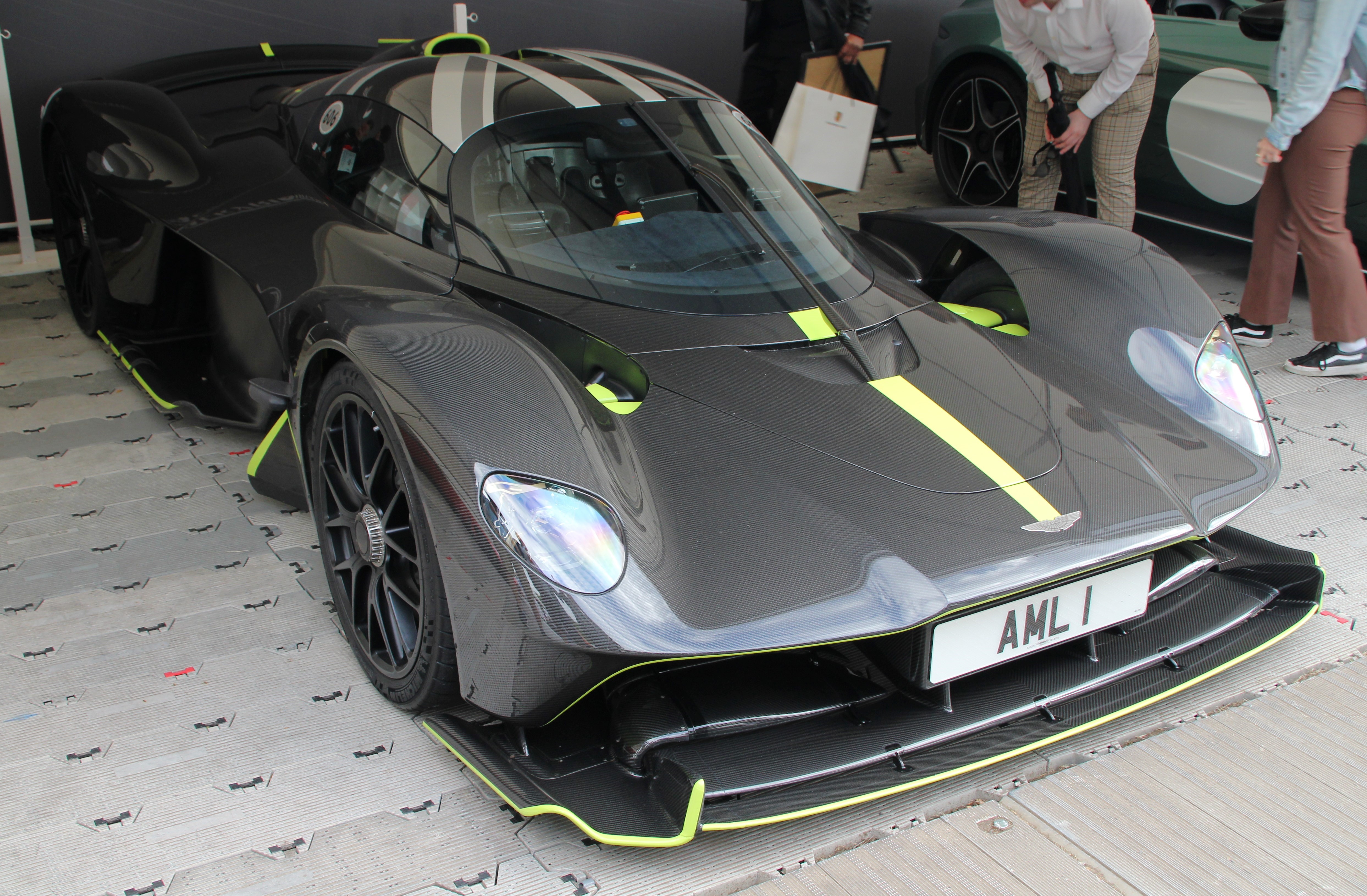
The Aston Martin Valkyrie is a very high-end, extreme-performance supercar from Aston Martin. In this segment, it’s mentioned because it appears as one of the real cars featured in the game at the museum.
Compression ratio is how much an engine squeezes the air-fuel mixture inside the cylinder. Squeezing it more can make the engine more efficient, but it has to be done carefully to avoid damaging knock.
LIVE
Hello, properly here, bonus episode of our AutoCard podcast, My Week in Cars, sponsored
as you know very well by Anderson EV, makers of all British premium home chargers for EVs.
They've been doing it for a year now and we're proud to have them.
It is my pleasure to introduce this week Peter Armstrong, who's a new CEO or newish CEO of
the British Motor Museum, six months in the job. That right, Peter?
It's more like eight months now. Eight months in the job.
Oh, you're still able to smile, I see.
Still able to sell, still wet behind the ears, still not a clue what I'm doing.
I don't believe that for a second. In fact, what we're trying to
discovering this hour power is what you do, what you are going to do.
This is just, I should say, a little bit of a disclosure. I am a trustee in this place.
We've met already quite a few times. 400 car collection, started off full of
Austerns and Rovers and borruses and things like that, but now much broader Ford, Vauxhall,
Rolls Royce, and everything in between.
But the fact that I'm a trustee means that I'm probably not likely to tell the truth very much,
but luckily you will because you're here to improve and criticize and generally fix, aren't you?
I see idea, but I'm not trying to lose my job, so I might make up some stuff as well.
Excellent.
You're a museum specialist rather than a car man, aren't you? And that was
a thing you made very clear from the beginning. What did you make of the place?
Have you been here before, before you came here for real?
Yeah, that's a really interesting question because when I was choosing what I want to apply for,
so the bit of background is that I was working in museums in this country, in England,
for a long time, and then I decided to go and work abroad, and I ended up working in America
for 11 years, and then came back to this country mostly because the grandchildren were born and
wanted to go and see the grandchildren. But I then needed to look at what actual museum I wanted to
work in, and which we would be, because as a museum specialist it's not necessarily down to the
objects that are in it, it's more down to the stories that you can tell and how interesting
the place is and do you want to work there. So I worked at the Royal Armies for a long period of
time, so I think Leeds didn't know this place existed, worked in the museum industry for like
20 years, didn't know this place existed. So it really was a question of not knowing that this
museum had been going for long, so there was some work to be done to erase its profile. But also,
when you look at a museum you have to say what's its product, how deep can its foundations be,
because lots of museums are built, we all know the stories of the museum, the baked beans, the
museum with the sheep and the, it's actually a museum of the Armstrong's as well, my last name
in Scotland. I know what an exciting museum that is. You've been there? I've been there, I was asked
to do some work for them and it's basically a shed in a place in Scotland where the Armstrong's come
from and it's full of stuff to do with the Armstrong's and it's five quid to get in and if
you're not an Armstrong where the hell would you go? So they're not doing too well on the numbers,
so I did some work with them. But you know there are these museums all over that are really formed
by people who are real enthusiasts in their subject and then can't understand why nobody
else is interested. So you have to make sure that their product you've got is really good and so this
is a really good museum from a point of view of the foundations that it's got. It's got a great
product, it's got a great building which is always interesting because a lot of these buildings have
a lot of work on them and this old and it also has a conference centre which drives people too when
the boot comes. There's another income stream. I always say if museums were successful and profitable
then the private sector would run them and they're all run by charities, they're all run by the
government or they're run by local governments because museums are not a great model for making
huge amounts of money paying your shareholders. That's not the reason they're here for. So this
place has got a really good product and a really good foundation and good income streams that are
not necessarily in normal museums. So it was a good solid place to come to work for and then
I'm answering all these questions before you're answering questions. Oh I've got plenty more.
So and then because I'd just come from a maritime museum full of boats it was the same
sort of topic. Boats are large objects that transport people that people love, people are
really enthusiastic about the first one they ever had as well as the most beautiful historical one
that they've got in there now they've made some money. So it's a similar kind of topic and so I
was really interested in that case. So when you walk into any museum but it's the proposition
really that you look for first? Yeah well the thing about museums is that it's fun right? Yeah and
that's one of the things that we sometimes forget we get so precious about the objects
that they stop being fun and you're supposed to whisper you know you're supposed to go and
if you look at the museums particularly in America they all look like Greek temples because
that's the Greeks for the places where the knowledge is. They've all got steps and then
the top of the steps there's going to be some the founder on a horse somewhere and then you go
inside and you're supposed to shush and read these tiny little labels that you can't quite
read because they're tiny and then you get bored they're not fun and and people want to spend
their money particularly in today when we haven't got a lot of money we want to do some fun things
and family things and make memories not necessarily you know go along and worship these particular
objects so well that's really interesting what do you see is do you when you first came here
did you see instantly things you could improve? Well yeah this is my this is the bane of being a
museum director at length of time I've always been a museum director as if you walk into any
museum and you immediately start looking at what the lightning is like where the toilets are and
where the way finding is any good and what they're doing and so and about that time that's
usually when your wife says I'm off to the cafe you're on your own so it's a it tends to be
so yes you're always looking to see what you think so you could improve what seems you could
be. Give us a give us a flavor of this place it's a massive roundhouse
auditorium or sort of exhibition space which is right next to Jaguar factory with the Aston Martin
factory on the other side of it yes so it's in this sort of interesting area but what did you
give us give us your first thoughts give us your well I thought when I first arrived
that it's a really modern looking building and I wasn't expecting that because it's been here for
30 odd years so it's a cool looking modern building which has to be because it's about something that
is cool the cars and the shapes and the design is important so you don't want to have just some
warehouse of cars so it's a cool looking building when you get there there's a huge parking lots
outside car parks they change it now car parks not parking lots back to America car park outside
which we use for shows so there are a lot of shows here so you know this week there's a motorbike
there's actually a motorbike one on sunday the bamboo run which is historic motorbikes
but three weeks ago there was the BMW show 5000 people last week we launched an exhibition based
around the Forza Horizon 6 game we got like 5000 people came for that so big shows happened because
we can use these parking lots in the outside area and then the building itself is a large
round building which allows you to wander around it rather than have to follow a route and that's
got and then outside and that's the cars you would expect to see yeah you know the first mini the
first Land Rover the things you would expect to see for British built cars and then outside there's
another huge building which is our collection center which is really just where we put everything
else that we couldn't fit in this building in a warehouse but because if you're a real petrol
head it's a place you can wander through and see the collection it's not just locked away somewhere
that you can't see it yeah there's a lot of extraordinary stuff there isn't there you know
experimental cars that people didn't even know existed yeah there's a lot of that interesting
it's also a Jaguar Daimler how it's just Truster based so there's a big exhibition from them and
it's also where we have a little workshop so we got five people that work in the workshop that
conserve cars rather than rebuild cars that's right there's a deck you can watch them you can
watch them do it yeah yeah and it's very similar to when I was in America the seaport where I'd
worked before because they had a large a shipyard where the big ships would come in and they would
be worked on as well so where was that in Mystic in Connecticut so if you're going halfway between
Boston and New York there's a place called Mystic for those who are old enough you'll remember Mystic
Pizza with Julia Roberts it's that little town it's a little village fishing we used to be a fishing
village but now it's full of sailors in New England elite and there's a huge huge
museum there the living history museum really which has old little ships in it as well is it
is the job for somebody like you when you go into a job like that or this one
do you do you attempt to sort of join the community or do you sort of stay as a
as a and a kind of a critic or a manager you know what's the
it's vitally important that you become part of that community yeah because people especially
with Mystic is a small village most people have worked there at some point or their father'd work
there so this museum's the same so in the auto industry in this area where we are in the heart
of the automobile industry right you know the commentary round is in Birmingham etc everybody
has either worked in the industry or had some brother who worked in the industry or a father or
a mother or some relation or grandfather who worked in the automobile industry and it's really
important for me who's never worked well actually I have worked in the automobile industry let's come
that and understand how much people are passionate about the car industry and I don't mean passionate
as in I'm passionate about that particular car although you might be but I'm just passionate
about the automobile industry in this country yeah it's one of the things that I was going to
sort of tackle you on was that about being a museum specialist is that I'm a I'm a car specialist
I love cars and one of the things that Jesus you offer about use people who know about museums
is that they tend to say to you well of course it's not just about you car geeks it's about
other people they're more important than you are and I'm sick of being told I'm not very important
than a car museum right that car geek is important surely so that you're always looking for your
aura how many people you can get in the building right because you need to make the money so they
always look at how we can expand that audience and introduce we have a massive
core audience of car geeks and that's that's an audience in its own right it's like if you had a
if I had a museum that was all about I don't know the national portrait museum and I was looking at
all the paintings and there might be simply a real fascinating by the painters or painters
themselves that's a very small niche but a car is just it's democracy everybody's had a car or
known a car it doesn't matter whether you've had an old jalopy that cost you a thousand pounds
and that you still love or whether you've got the latest Ferrari it's just that kind of I am a car
I have a car connection in some way so by saying it's not just for the car geeks that's ridiculous
because everybody's a car geek yeah because I mean I'm buying a car for my wife now who isn't
particularly a car geek but God she's looked at some cars before we came to the right one
so have you come to the right we've come to the right one I'm going on Saturday well I hope so
let's try it out but it's you know everybody has got a passion for them and an involvement with
them or something it might not be really that interested what's under the hood it might not
be that interested in you know all the kind of history of it but they are interested in the car
and they have some relationship with it yeah I think that's very true so you've been here six
eight months you said you must have drawn some conclusions by now what what what's going to change
well the big change for there will be some big changes coming down the line I mean changes that
will cost us a lot of money and but we'll go to various different funds to do so as we go down the
line but but in the small areas that change I want to see a lot more movement so we have all
these cars that you can come and see but we don't drive many of them and cars are not there to just
look out for there to be driven so they look like most of them run don't they yeah so we try to keep
all in running which is fascinating but if I remember the public can I come I want to see them
going I want to see them moving around so over the summer we're going to have a lot more cars
going out with our volunteers to take people on even even it's just like a five minute trip around
the museum but a lot more to see the visually cars moving backwards and forwards and just being
static to look at because we do pride ourselves in trying to keep them all running as possible
you know I went to the London to Brighton and that's the site to be seen when they kind of
leave that in the morning to head from London to Brighton run that's fascinating so we want to
so that's one of the things we're going to be changing pretty quickly and we're also trying
to link as much to do with how people perceive with cars now so the Forza Horizon exhibition
that we've currently got on looks at how the digital world perceives cars so the Forza game
for those that don't know it is 42 million players around the world it's the biggest car game in the
world and people sit in their bedrooms and actually the average age is 41 apparently so it's not a
kids game wow and didn't they that yeah no they play those games and they drive those cars and that
might be the only time they ever see those cars is on the screen so what we're trying to do is say
you can actually come and see the actual cars yourself here in real life but people are engaging
with cars now through the screens as much as they are through your podcast but also you
we know how many of these things on Instagram and different kind of programs socials I mean
there's somebody they've got 21 million followers and all of that that's how they're engaging with
it they've seen the success of Top Gear and the TV programs now the Formula One TV program
the real popularity of these is that people are seeing them through the screens so our
job really is to help them make the connection between looking into the screens and then seeing
the real thing as well this was Forza Six wasn't it yeah Horizon Six so that there's been loads
of iterations of this before I believe five of them yeah yes why do you reckon they chose
to launch that here well that the company who makes it is a company called Playground Games
and Playground Games are based in Leamington Spa and Leamington Spa is down the road
okay and the people who worked in Playground Games brought their kids here and loved it
wow so they just came to visit us and said hey this we really like this place we're going to be
launching this new Horizon Six I mean they launched it in Los Angeles and so you know
where it's like lost it's like you know it's like only fools and horses it's just sort of Los
Angeles Dubai indeed but we've did it here as well so it was a big
oh yeah 5,000 people we had drifting we had a guy Sonny Kang who's the who's placed hang
in the Fast and Furious series of films he was here so we had thousands of people
no that's great big success yeah huge yeah and it's still on it's on until November
so people can still come and try I mean I I've played the game it's upstairs in our mezzanine
level so it's upstairs in mezzanine level they have these huge screens and they're actually
sitting in what seems like a car and trying to play the game I end up in the paddy field
going round and round in circles no matter what I do but some people are very good at it and then
the actual cars that are in that game or some of the cars that are in that game are highlighted on
that on the mezzanine level and within the museum we've got about 25 of the cars that appear within
the game and we've bought some in as well about it with Polaris which is a really weird thing we've
got you know Aston Martin's in here the Valkyries here those kind of things that's great you know
it presumably does a lot of good for the museum too it does yeah and I hope you're impressed by
the name I'm named a few cars no I'm very impressed after eight months I may have got them completely
wrong but do you find that do you think you're going to finish up knowing something about cars in
the end so what happens is all the stuff about boats goes out one year and I think about cars
comes in the other year but what is what is interesting about being your museum director
rather than a car or a boat or whatever expert is that I find the stories that are fascinating
the ones that most people find fascinating so if I took you on a tour my tours would be about the
people and the cars and the interesting facts and the fun bits of that it wouldn't be about telling
you about the mechanics and the engineering of those things and a lot of people just want that
they just want that kind of well I do even though even though I care about the compression ratio and
crankshaft and all the rest of it I think I'm still interested in there's a couple of tales that
that we discussed just before we started talking one of them concerns a jagger which is over there
over the way tell me that story oh yes that was when I came for my interview when he gave me a hard
time I was just looking you asked me which car I thought was the most interesting one and there
was a there was a car in the collection that center that was and forgive me I'm
seven cars made in Coventry of this particular type of car and then it was made during the
Second World War and they're all in this warehouse and a bomb hit it from the blitz during the
German attack and six of the cars were destroyed and the seventh one just got a bit of damage to it
and we have that seventh one in the collection and so it's labeled the car that Hitler couldn't
destroy and it's still a great because it's got a great story behind it and you can see where the
shrapnel of the bomb hits the back of the car and you can see but it gives but because six were
hit it gives you it immediately takes you to the Coventry and how Coventry was devastated during
the Second World War and starts to think about that and it adds to the storyline not just about
let me just look at this car yeah so I found that really interesting yeah yeah you've also got a
story about uh how you dealt with being the director of the Armory's Museum didn't you which
which I think you you started off like describing as a as a museum full of guns and knives which
yeah it's an interesting so the the Armory's which is a national museum it's based in Leeds the
head officer in Leeds but it also looks after the White Tower and the Towerland and then the place
called Fort Nelson in Portsmouth is a national collection of arms and armor and most people
think it's about knights in armor jousting and a lot of it is but it's also every other weapon
that ever has been in this British army right up to modern day and everything and everything
but what of course it is is a museum full of things that put holes in people or holes in
things if you're hunting yeah so that's a really difficult story to tell especially if you're
trying to invite bus loads of school kids in exactly it's supposed to be primary school kids who mostly
have people who are teachers who just don't want to engage with that particular storyline with those
kids and that's that is the key number of children that normally go into museums is that
Canada age range you know and you open the museum two days after Dunblane not a good time is that
what happens that's what happened oh so uh so you've got a museum full of guns
that are bound and a full of knives which are more or less bound in this country for the right
reasons I lived in America it's the right reason but uh but uh you're trying to encourage people to
come to that museum and say and so you've really got a really really niche market of people who
want to go and look at those things but we looked at it and said well what happens if it's not about
that what happens about it's about protection what about all these objects these guns and knives
were developed to protect a nation or an individual or a lord or somebody's house or whatever it
happened to be they were designed and built to give form protection if we start looking at protection
can we look at things like well let's take a look at a knight's helmet
knight's helmet's put on when he's jousting to protect him from being hit in the head by a bit
of stick it's not the same kind of helmet that a kid might wear on a skateboard so let's look at
the helmets and do they what kind of materials they're made out of uh and talk to go into that
kind of stem work that we're doing with that let's look at night crime uh kids are stabbing
into the for why why why are kids taking knives well they're taking a knife because it's cool
they perceive it as cool and they're fighting they're going to get attacked that's the same
reason why a 17th century guy used to walk around with a sword because he's thought it looked cool
and he was fighting he's going to get attacked he's Romeo and Juliet so we can once you start
opening that kind of storyline it opens it too much why no audience and you found that that played
well even with the the the officialdom didn't it yeah because yeah yeah we start work a lot with the
home office and with the police and all those things because museums are very neutral places
they can look at things from a neutral perspective they don't have a agenda and people believe museums
so and a world where people are not believing anybody anymore so nobody believes a politician
nobody leaves anything on the website forgive me but nobody leaves a journalist nobody believes
nobody believes these people very much anymore because there's so much false stuff going on
museums still have a level of belief you come in here and see a car and it says this car was built
in 1974 you'll believe it's 1974 because it's a museum they've done their research they know
what they're talking about yeah so you have to be very conscious of that when you're telling
those stories that you're really giving the factual side of it out and that you're ensuring that you're
telling the right kind of stories presumably that's quite an it's a significant investment just to
make sure that everything you say is accurate yeah well that's why I was saying why museums
don't make any profits because you know you need a curatorial stuff and you need an academic stuff
and you need an archive stuff who are doing all this research or they're doing all this research
but they're not necessarily generating revenue so you have to you know balancing all those things
off is that is that the nub of your your own interest in this the the desire to just put
things on the record better truthful partially I mean I think my my main desire is a phrase I use
if we're not having fun they're so the main thing is that we really enjoy what we're
doing and make it a joyful thing so that when the visitor comes to do it they get joyful and they
pick up biosmosis all this factual stuff the Americans have a horrible name for it it's called
edutainment oh dear so exactly it's about educating but also entertaining yeah and so
that's what we're trying to do have so you have a good time you enjoy it you have
memories you have a it's a nice place to go to but by the way you're also learning all this stuff
yeah I reckon I've been here hundreds of times I reckon I'll learn something over the same time
yeah it's a funny place like that yeah I was just you're gonna have to remember
remind me of the name as well so I was just this thing yesterday where we're opening a blue plaque
to oh Eleanor Thornton Eleanor Thornton okay so the lady who was used as the model for the spirit
that goes in the front of every rose voice yeah she was a proper fast woman I gather yeah she was
but she was like it's 1920s you know 1910 1920 and she and she had a fascinating tale a fascinating
story and then it opened had a blue plaque went on the wall of where she used to live in
Levington Spa yesterday and I went to it and I just went to it because I wanted to represent the
museum because we're quite connected the rose voice and societies the rose
voice owners club but when I got there this is when I learned all about this woman you know
but killed on a by a torpedo in the first world war while traveling with Lord Buley to uh
you know illegitimate child to Lord Buley who uh and shared child then you know is giving away
and but at the actual blue plaque were the great great grandchildren so you know fascinating story
and tale all about this yeah one thing to do with a car that you could open up so many stories
personal stories as well as the biggest story as well yeah yeah that sounds great I wish I'd been
there yeah it's good um what what people always people always in another generalization that's
what we do in journalism um it's often said that museums are hard to finance what what holds this
place up why why is how can it open its doors all of every day you know where does the dog come from
well it's different streams and there's one of the reasons you know when I looked at the museum
that I was interested in coming to so there's a conferences that we have so we have a huge conference
space now because the museum is built on a bit of a slope you can take cars and push the cars
into the conference spaces so car launches things so we can hold 600 people in some of the rooms we've
20 on rooms so you can put a couple of cars on the stage can't you on the stage yeah so that makes
about two and a half million quid or something out of that and then there's the visitors who've
come to the doors who've paid for the ticket to come here and then the shows so the shows are
really big so even on a Saturday that's raining uh we'll have to do more because of that show that
we do on a Saturday without that show so we do a considerable number of shows all the way through
the year the big ones are the BMW show and the Landrover so
and then we do even do things like some train shows as well but they're the ones that
you know we've got I think it's 34 this year we're doing 34 shows wow so that's a whole you can camp
here too can't you if you ask not yeah you can stay overnight yeah stay overnight we're building a
hotel so we're in the middle of just starting to think about putting a shovel in the ground to
build a hotel which we should open in spring of next year uh which will have about 130 rooms in it
gosh and then next door to that we're building which we just signed a couple of weeks ago
a uh at least to put an EV uh station in there working a big one isn't it yeah it's about 12 EVs
it's the Dutch company that we're working with and they're putting it into that space there because
we're only two minutes off the m40 yeah so cars if we're only people can come and charge their cars
so presumably those two things could make a big difference here couldn't they
I hope so I mean it's it becomes much more a destination yeah then just to kind of come
to see the museum it's much more a destination passing through yeah so you know you've got
bring your car charge it up while you're charging up you can go around the museum
yeah really interesting of course yeah so all so that that's that was all happening and pretend
that's something to do with me but that was all before I got here but I'm making it happen at least
but but uh the big thing for this museum I think is that it hides its light under the
bush a little bit it's a fantastic museum it's got some incredible objects within it it's got
a great story to tell it's in the heart of the British automotive which is still a massive industry
for this country even though people think you know we're not building cars anymore the the work that
we're doing in uh in technology and the various changes that the British engineers are making
and small organizations all over this country is it's still the world leaders yeah I need to tell
that story as well yeah I think so the the people that you're right next door to
are building particularly distinguished cars don't they we're going to see this electric
jaguar which controversial but it's going to be extraordinary having just been shown the car
without disguising on it I can say it looks fantastic yeah and of course Aston Martin right
next door yeah um and we are of course in the middle of the the old oxford corridor where the
place is full of formula one teams and God knows what yeah it's it we are and that's how
serenity is connected to me in some particular way and we're having in about two weeks time we're
having a four day STEM session for school children so four days of bringing in people from Aston Martin
people from JLR people from playground games and digital people who will come and talk to the young
potential new engineers so the kids will be in these big auditoriums yeah yeah yeah we go and they
and they'll actually stand up and talk yes so they've got like 400 kids they'll do some activities
as well because otherwise it's boring yeah but they do some activities but it's all about you could
be an engineer you could work in this area wow or you could do anything in this area because
it's not just about engineering there's marketing and finance and all those other areas that you
could be working in if you really work really hard you could be a journalist in this area
nobody wants that no that's okay fair enough what museum director so you uh you know we're just talking
about what the future could look like based around the automotive industry is that sort of
the last question is that the the the reason places like this will survive you know in 20
years 30 years time you still see a role for yeah I think so I think that we kind of there's
various different types of museums isn't there's museums you can go and just look at things on
the walls and look at beautiful objects there's nothing wrong with that to see those two objects
and there's those ones that actually have a sort of egalitarian work that's gone on with the people
who build the stuff and get their hands dirty we're one of the hands dirty ones I think and so
we will have a role going forward what that's going to be I think there's going to be much
more to do with the technology that is going to be necessarily telling us about the history I
the phrase I use is is that we are not just keepers of history we are active participants
in it we're going to be doing things that make a difference to the future not just show you
stuff that was in the past yeah that's exciting well thanks for talking to us Peter Armstrong and
I look forward to a a long and happy tenure in this place let's do it again in eight months
I'm still here that would be up to you cheers thank you
About this episode
Paul Armstrong, CEO of the British Motor Museum, talks through what makes a car museum work: compelling stories, a fun visitor experience, and practical details like wayfinding. He explains how the collection has broadened over time, how the workshop “conserve cars rather than rebuild cars,” and how events and themed shows keep the museum financially afloat. Armstrong also connects digital car culture to real vehicles via a Forza Horizon exhibition, and outlines plans for more driving experiences, a hotel, and EV charging.
For this week's bonus pod, Cropley chats with the new CEO of the British Motor Museum, Peter Armstrong, about his first impressions of the 400-strong collection of British-built cars situated right next to the Jaguar factory at Gaydon.
Armstrong explains what it means to be a museum specialist rather than a car nut though he reckons he's learning more if British auto history all the time. He also lays out some of his plans to make the place bigger, better, more fun and more financially stable as time goes by.
For details of a special offer which gives you SIX issues of Autocar for just £6 if you click here.