The Jaguar XJ is a fancy car that is known for being stylish and high-tech. The last version was made with a special lightweight metal to help it go faster and handle better.
Car
Jaguar CX-75
The Jaguar CX-75 is a high-performance sports car that was designed to be both fast and environmentally friendly. It uses a mix of traditional fuel and electric power to achieve its speed while being more efficient than regular cars.
A Cosworth engine is a type of engine made by a company that specializes in building fast and powerful engines for racing cars. They are known for making cars go really fast.
The Range Rover Sport SVR is a faster and sportier version of the regular Range Rover Sport. It has a powerful engine and is designed for both luxury and off-road driving.
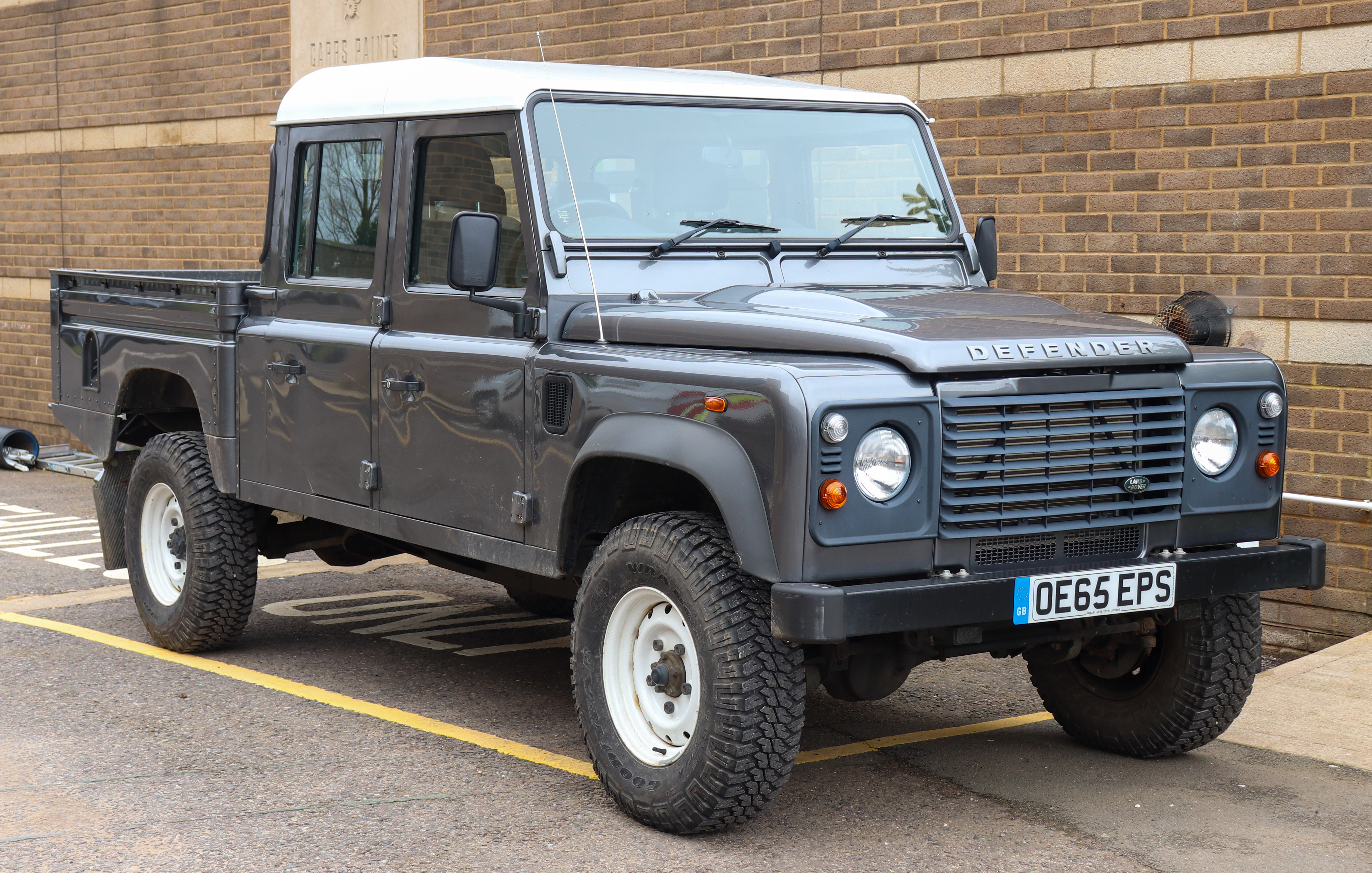
The Defender is a tough vehicle made by Land Rover that can handle rough roads and off-road adventures. It's known for being very strong and reliable.
Car
Land Defenders
The Defender is a tough vehicle made for driving on rough roads and in wild places. It's been around for a long time and is loved by people who like adventures.
The Trevi is a lesser-known car from Lancia that was made in the 1980s. It had some interesting features and a unique look, but it's not as popular as other cars.
A manual gearbox is a type of car transmission where you have to change gears yourself using a stick and a pedal. Many people enjoy driving this way because it gives them more control over the car.
A sequential gearbox is a type of transmission that lets you change gears in a straight line, making it faster to shift compared to regular manual gearboxes. It's often found in race cars.
PDK is a type of car transmission made by Porsche that helps the car change gears very quickly. It combines the benefits of manual and automatic transmissions.
The Ranger is a pickup truck that can carry heavy loads and is good for both work and everyday driving. It's a popular choice for people who need a reliable vehicle.
The E-Type is a classic car from Jaguar that many people think is one of the prettiest cars ever. It was fast and stylish when it came out in the 1960s.
The Jaguar D-Type is another classic sports car from Jaguar, known for its racing success in the 1950s. It was designed for speed and performance on the racetrack.
The Jaguar XE is a small luxury car that is fun to drive and looks good. It's meant to compete with other popular luxury cars like the BMW 3 Series and Audi A4.
The Mercedes-Benz C-Class is a small luxury car that is comfortable and packed with features. It's a competitor to other luxury cars like the BMW 3 Series and Audi A4.
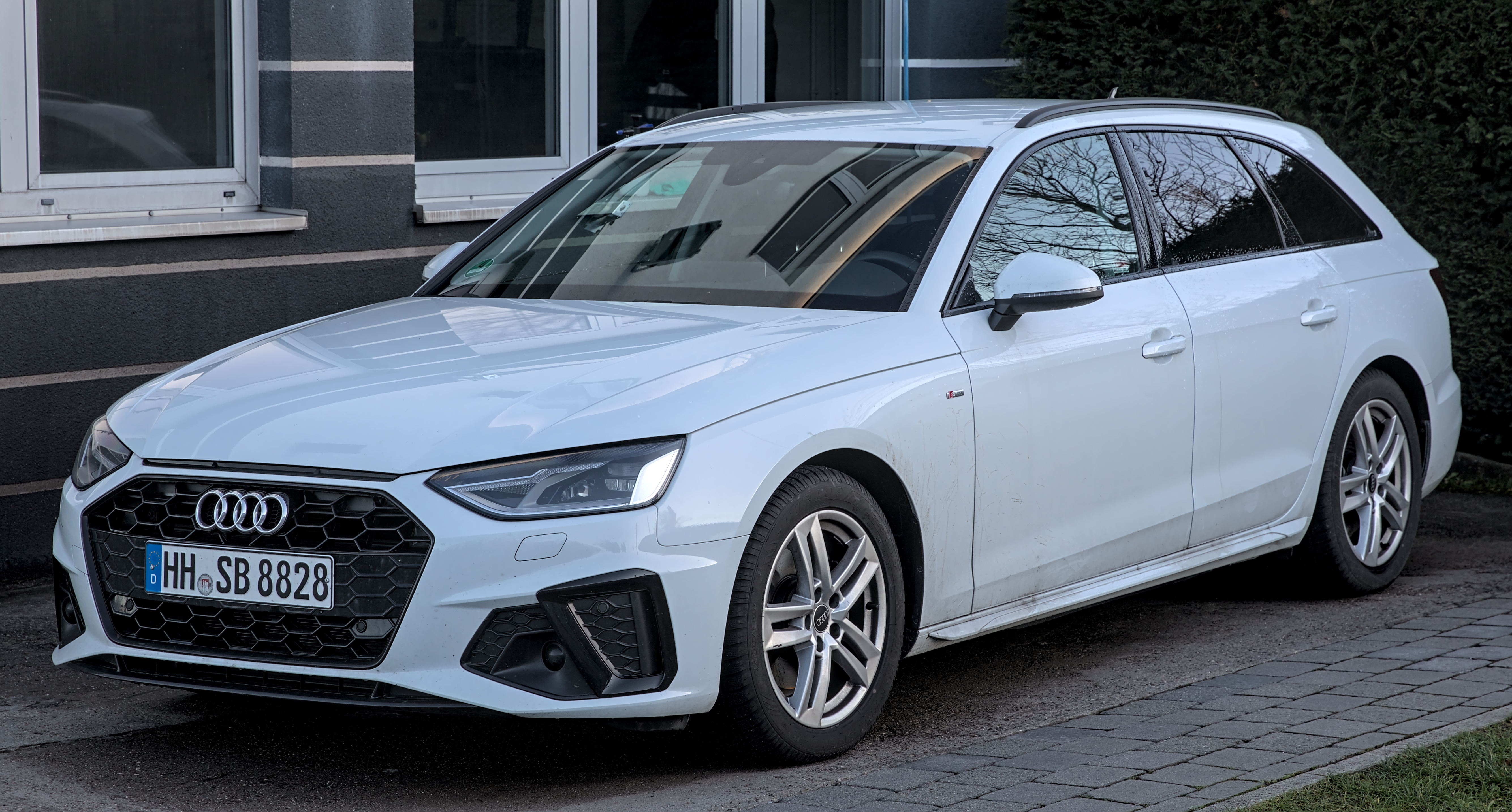
The Audi A4 is a small luxury car that offers a comfortable ride and high-quality interior. It's often compared to other luxury cars like the BMW 3 Series.
The BMW 3 Series is a small luxury car that is known for being sporty and fun to drive. It's one of the most popular cars in its category and is often compared to other luxury brands.
The 356 is an old sports car made by Porsche that many people love for its style and performance. It's considered one of the first cars that put Porsche on the map.
Air conditioning in a car helps keep the inside cool and comfortable, especially when it's hot outside. It's a feature that many people expect in their vehicles today.
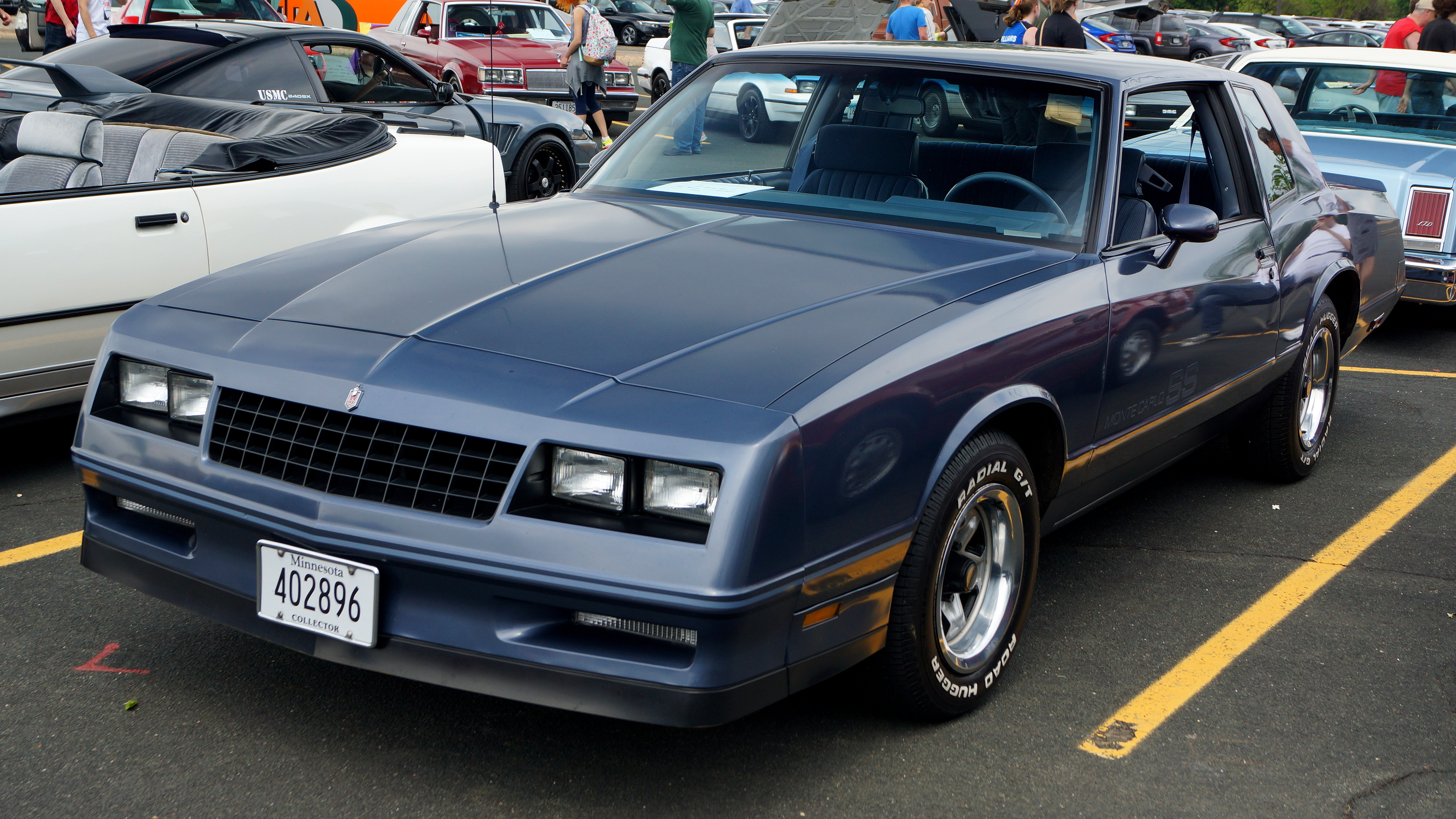
The Monte Carlo is a classic car from Chevrolet that looks sporty and was popular for many years. It's known for being stylish and having good performance.
Car
Mini
The Mini is a small, stylish car known for its fun driving experience. It's famous for being used in movies and has a classic design that many people love.
A crossover SUV is a type of vehicle that mixes features of cars and SUVs, giving you more space and a higher ride. They're good for driving in the city and can handle some off-road adventures too.
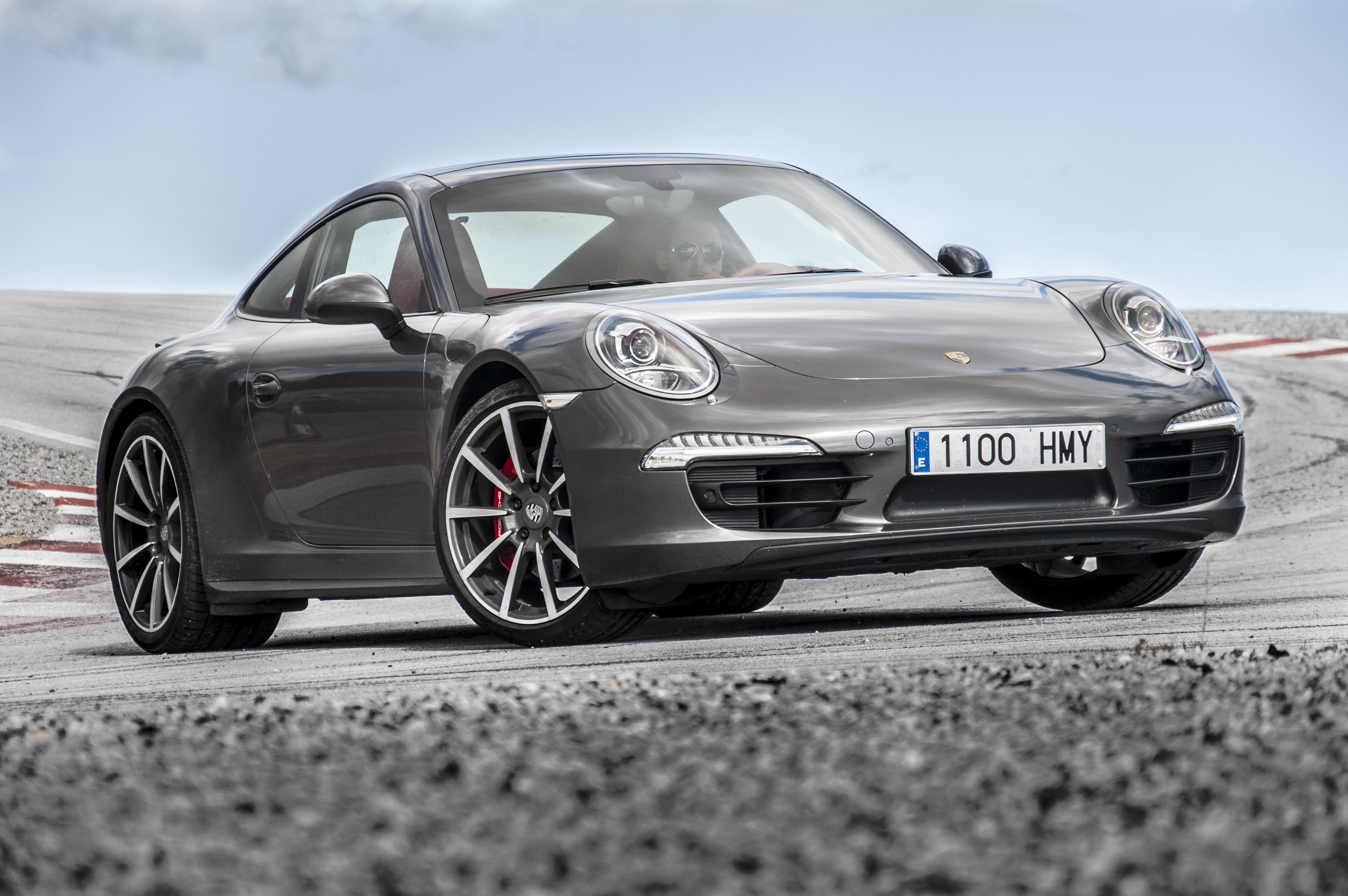
The 911 is a famous sports car from Porsche that looks unique and drives really well. It's been around for a long time and is loved by car enthusiasts.
The A3 is a small, fancy car from Audi that is known for being well-made and fun to drive. It's a good option for people who want a luxury car without it being too big.
LIVE
Welcome to Auto Car Meets, the bonus podcast from Auto Car. This podcast was recorded live
at the Royal Automobile Club with Ian Callum and David Fairbairn from Callum Designs.
As over this pod is brought to you in association with Anderson, the designer EV charging brand.
Coincidentally, last year Anderson partnered with Callum Designs to create a bespoke wooden
fascia for the launch of the Anderson A3 charger. It's one of a number of premium fascias available
across the Anderson range. It includes carbon fibre and signature wooden panels. Beyond design,
though, the Anderson collection is packed with smart tech from solar compatibility in a state
of the art app to a market leading 7 year warranty and with a dedicated installation and concierge
service they take care of everything from start to finish. Anderson chargers work seamlessly with
smart charging tariffs like Intelligent Octopus Go offering rates from as low as 7p per kilowatt
hour. The Anderson range starts from £1,120 fully installed. For listeners of My Week in Cars,
Anderson is extending its exclusive £50 discount throughout November. Just give them a call,
mention My Week in Cars and their team will take care of the rest. And now to the podcast.
Evening everybody. Welcome to the Royal Automobile Club for an evening with Auto Car and some very
special guests. I'm delighted to say that Steve Cropley. Hello, Steven. Hello, mate. And I joined
from Callum Designs. We have David Fairburn, who's the managing director. Hello, David. Hello,
everyone. And Ian Callum, who's the director of design. Hello, Ian. Hello. Thank you both very
much for joining us. Steve, lead us in. Well, this is a pretty special occasion for us, as you can
imagine. These gentlemen are extremely distinguished people. One slightly better known than the other,
but we're going to get them to explain themselves very thoroughly in the next 45 minutes or so.
But the thing that I suppose I'd like to start with is you guys, we had a little rehearsal earlier,
and it was quite obvious that you've known one another and worked with one another for a very
long time. Tell us where and under what circumstances it all started.
Well, I was running Jagger Design, and in part of that was Jagger Advanced Design Studio with Julian
Thompson. And this young rookie came in who was working for a guy called Chucky. And he said,
what was his name? Mark White. Mark White. He was a brilliant body. Chucky.
You can't call your name. It's Mark White, lovely guy. And you were working for... I was embodying
White. You were embodying White with Mark White. And he came over to design because he wanted a
little bit more excitement in his life. And he never left, actually. And he said he wanted to stay
and Mark found me out. He said, you're pinching my guys. And I said, yep. And we got on well,
and I could see a lot of potential in David. So, I don't see a lot of potential in them.
Do you train as a designer? No, no. So I was an engineer. That's okay. Yeah, I know. And basically,
when Ian joined Jagger, one of the disconnects he could see was the design and engineering
weren't collaborating. And so you had these things called studio engineers who are there to
try and be the mediator between the engineers and the designers. And thankfully, I was chosen
to be one of those. So I could sort of talk the talk to the engineers and then slide the
engineers off to the designers and sort of like, you know, sort of make some peace between the two
parties. Did it work well? Yeah, it did. Yeah, it seemed all right. What was the project? What was
happening when you arrived? For me, it was XJ, it was the last XJ, the aluminum 350. Yeah. Which
was still in its point of maturing. Oh, the one with the flash rivets in it? Yes. Yeah, yeah. We
had these super complex. Well, I don't know if they're complex, but they were very effective
rivets. It was filled together by roofers. Yeah, absolutely. So my job was to, we launched a concept
car called Concept It. And it was a one off car at a glass roof at a, you know, big 21 inch wheels.
Where is that? Where is it? Yeah. I have no idea. All I do know was Halle Berry was in it during
the premiere, which I was very thrilled to be there to see that. But yeah, so then after that,
after that, it was ALC, which was the first concept car before XK. XK, yeah. Yeah. Did she live up to
the billing in real life? Was she a nice person? Yeah, really nice. Yeah, I was a bit starstruck
Yeah, exactly. Yeah. No, I was, I had a privileged upbringing with Ian and what we did there.
And then I moved on to the advanced design studio, which, so you have a main design studio,
which looks after sort of like the first couple of years ahead. And then you have the advanced
design, which is like 10 and 20 years ahead. And that's where we came up with. And Julian was
in the advanced, wasn't he? Yeah, yeah. And you worked with both of them, did you?
Yes. Yeah, yeah. Yes. And that was very interesting. I was used to enjoy the relationship between you
and Julian because he, he's quite outspoken. Contextious? Yeah. Well, yeah. And he had no
trouble telling you what he thought, did he? Oh, constantly. I mean, we kind of agree to
disagree really. We're like an old married couple. Pretty matey now, aren't you? Oh,
we've always been matey. Always been matey. That was a good thing about it. I know, and Julian,
I mean, he told me the other day, just recently, he said, I always contradict you just for the sake
of it. Just to wind me up a little bit. Julian is in charge of GM design these days.
He's done very well. Yeah. There's demise from JG, turned into a big positive for him. So I'm very,
very pleased, very proud of him. Yeah, I think he's, he's, he's well set up, isn't he?
He's very well set up. I should say that we would like to do two things. We talk a bit about
the Jaguar relationship that these gentlemen had, but also talk about their, the company that they
set up six years ago, which is called Callum. It's a much smaller thing, but they both are
partners or share, you might know partners in it anyway. And it sets out to do a very
different thing from JLR. So, and it's, it's quite a modern outlook, you know, on, on the
current motor industry. So we got into that in a bit. But the car that we, I had a certain amount
of coaching or Matt and I both had a fair bit of coaching from readers who weren't going to be able
to be here tonight. And they said the, the, the big question was, are they going to build the CX-75?
The CX-75, for those who may not remember, was a fantastic supercar that started out being
proposed with a couple of gas turbine engines. And then it had various other things, like a sort
of mad 1.6 four cylinder engine. Yeah. I had a Cosworth engine in it with about 500 plus horsepower.
Yeah. And then, and then it went off to be a property in the spectre of the Bond movie.
That was his fault? Yes. Well, and, and then everybody got excited about it again. Tell us
why it's your fault, David. So, um, after, so we did the concept car, then we did the production
with, with Williams and we, there was, yeah, there was five of them. And then I moved to go to a
department called SVO, which was special vehicles operations for a guy called John Edwards,
who was the manager director there. And he sent me down to Pinewood because there was a
new James Bond movie and we were doing, I think the SVR Range Rover Sport just come out
and they wanted to have some like baddie cars to go on to the movie.
And they, they, they, they won't fleet of them, don't they?
Yeah. So they, they, uh, so, uh, they wanted seven Range Rover Sports and then they wanted
seven defenders, which were then called Bigfoot. So I went down and to be really honest, I, I, um,
I sort of got a little bit starstruck by the whole thing, you know, you're down to Pinewood
studios. And then I asked, uh, this guy called Gary Powell, who was the, uh, stunt coordinator.
And I said, look, what's, what's, what's chasing the Aston? And he went, oh, well, how do you
know it's an Aston? Oh, come on, it's an Aston. And, uh, he said, well, you know, we're looking at
some Lamborghinis and Ferraris and obviously Jaguar doesn't do a super car. And I stupidly
said, well, that's not entirely true. Um, and so unbeknown to me in the, in the, in the movie
industry, you have, they asked for seven cars. They asked for two hero cars and five stunt cars.
And the two hero cars are the ones that you put the actors in and they pretend to look like they're
driving. And then the five stunt cars, the ones actually do all of the, and they get crashed
every day. And they get crashed every day. So, so I stupidly said, yeah, yeah, yeah, we can do that.
And I went back and told John Edwards. How many were there at the time too? There's only two. Yeah.
Now you remember these two. You were going to have to build another five. Yeah. And so I had to
then phone. So I went back to John Edwards and he said, I'm going to fire you for the sixth time.
And then, uh, and then he said, well, let's go talk to the CEO. Ralph got really excited by it.
There's a Ralph Speth. Yeah. And then he said, well, we'll only, you'll only do it if you can sell
the products after. So then we had to go back to Eon and get that a contract agreed. But then
that, I thought that was going to be the hardest bit. And actually the hardest bit was then they
said, right, we want seven parts of every part on that car. So not only did I have to build five
brand new cars, um, uh, we had to then get seven parts of every part that came to 27 shipping
containers that we had to send out to Rome. Uh, and then a, and then a full, uh, service team
that worked through the day because it was a nighttime scene and literally were crashing the
cars into walls, bringing them down the Trevi fight and down the various amazing staircase.
That's right. Must have mangled them instantly. Yeah. No, absolutely. And then, and then we, um,
and so that was, that was a bit of a lesson learned. Did anybody at any stage say,
is this worthwhile? Is there a, is there a return? Oh, well, well, right. So, yeah,
there, there was, so I, I fully viced in this because I had to say this to anyone who asked
that question. So if you think about the advertising in, you know, in a billboard or
magazines or TV adverts, anyone who knows that there are millions of pounds versus building
five cars that then you could possibly sell and get somebody back. It's free advertising.
And so that was the, that was the reason the CEO signed it off. Yeah. Um, even though you
even, well, no, cause after I had, I had to gift one to Eon as part of the, the tour. And then we
sold four and then, and then to our delight, a client who bought two of those stunt cars
knocked on our door and said, I want to put them all, because they were up, we weren't
rude legal. They had no interior. They were like a go cart. They're like a go car inside.
And so they had a V at engine, the F type SVR engine. And, and then that's when we,
right. Yeah, they sounded pretty meaty. I remember. Yeah. Yeah. No, absolutely. They were,
they were good fun. They were built. Yeah. They were a pretty bad state really. We had
literally rebuilt the whole car. We took half the strut, not half the structure. We took quite a
bit of the structure out of them because they were overkill. They were meant to land in their
roofs and bounce back. And that never actually happened. But thanks to what hurts the level
they're built to, to, to stand up to the impacts. I heard some story, I think during a visit to
Williams one time, there was some story about how one of the stunt drivers didn't like the fact that
it wasn't a manual gearbox. So the gearbox was changed overnight from an automatic of some kind
to a manual. Do you know about that? Don't know about that, but I wouldn't surprise me. I wouldn't
surprise. It was a, it was a bit of a crash campaign, I believe. Yeah. It probably was. The
test and the went through that car. It was a manual. No, it was a manual, but the ones we had
were manual boxes. Yeah. They were, they were transaxle duck boxes. They were horrible to try
back then. They didn't have a clutch or anything. They were sequential boxes. Okay. Maybe he liked
an H-pen. We changed all that. I see. And part of the story is we revamped these cars.
And I think it's fairly public knowledge now. We put an Audi box on the back. Right. Had the PDK
type change on it. Is that what it's called? Yeah. And it, it worked well, except the algorithms
didn't quite match to say the least. So Adam, our chief, our partner in the business and chief
engineer, my goodness, his team had the challenge. It took, it took forever to get a British Jaguar
engine to speak to a German eight speed box. But eventually they got the speed. It was like, you
know, it was like a, a war of diplomats, really. But we got there in the end. The guys had to rewrite
the whole lot to get the software because complicated. So what about this blog? I mean,
let's, we're jumping about a bit here, but where, where was Jaguar up to when you gentlemen
departed to do your new, for your new enterprise? That was that, that the XJ was finished, but
not launched. Was that right? Yeah. I left a year after David. David set gone off already to preempt
this. And we'd been talking about doing this. So you knew that you were going to do it, did you?
Yeah, yeah. Yeah. I mean, I left Jaguar on a Friday and arrived at the office on the Monday.
So that was my retirement package one weekend. That was it. But yeah, I'd left June 19. Now,
at that point, we'd been working on the new XJ. It was pretty well complete. We're working on new
F pace, which is also doubled up as a new I pace. And we were working on a new Jaguar sports car.
And also the J pace as well. I think it's common knowledge, which is going to be a Jaguar SUV of
sorts. Big. Yeah. I mean, Ranger were big. Yeah. So quite handsome cars. I was quite pleased with
them. But and that's how I left it. Yeah. And that was about, and then Julian took over and then
there was all sorts of stuff with new and Ralph was there for a while. And then Ralph left and
there was new management brought in at that point. And all these lovely cars were stopped.
Was the last I really heard from anybody. Yeah. The thing that I, the impression I always got
from people who worked with you guys was the car they regretted not seeing was the XJ,
the electric XJ that was that really something special? It was pretty nice. Yeah. I mean,
it was pretty nice. A lot of people said it was fantastic. Well, yeah, I mean, yeah, it was
all right. You don't want to boast, I suppose. It was good. Good cars. I think big. I can,
it was, it was the length of it sat between the, the previous XJ short and long wheel bases. We
didn't want to get into this ramble about two wheel bases, which seemed quite traditional. So
we created something in the middle and terms of size. So it was a big, big car. It was taller
because we wanted to get, we wanted the car to be more stately, which, which is something I was
fought against because I always felt Jaguar's more racy than stately, but we produced something
which was really very elegant and worked well. And it was an all electric car, although it was
packaged to take a six cylinder engine, if need be. Wow. That's prophetic, isn't it? When you think
a little bit, but he stopped that one. So you'd like the torch paper area. So you, David, you'd
already, I see the story slightly different. Yeah. Cause that's why I left and I handed my
notice in in January of 2018. I left in March and Ian obviously did say he was coming, but
you know, with these things, he did say he wanted to finish off the I-Pace. Remember,
he said, I want to do, I want to do an electric car. So I said, that's fine. So he had another
one finished the X2, then you went off to finish it. Whereas I had a year in between. And so,
so you were finding the premises and all that kind of thing. Yeah, I went back. I went find the
premises form at the time for myself because we hadn't formed Callum then. And I got a call
from a guy called Rob Dickinson because we were doing, my last job at JLR was the director,
interim director of the classic. And we were possibly going to do a singer Range Rover. It didn't
come, didn't come to fruition. Sorry to divert, but while you were there, you did some of those
lovely recreated Jags. Did you? Yeah, so our claim, the fame, apart from obviously all the cars
you've done, like with E-Type, so the six, the six, the six VIN numbers. This is probably the
moment where Ian and I thought we would do a business together at some point in the future.
Because that was very much your project, was it? Yeah, well, we dreamt up in the pub and we've,
and we've found, we've, we've, we were, Ian was part of Jagger Heritage Trust and we find those
six VIN numbers that were meant to be. So there was a lightweight E-Type and there was meant to do,
in 1962, they were meant to do 18 and they only built 12. And so there was six VIN numbers. How
they used to do it in the past is they write down all the VIN numbers before and in the,
but we noticed that there was a gap. And so we put the business case together and,
and we were going to pitch it to Jagger Heritage Trust. And, and then time went on a little bit.
Ian went off to do his thing and then I decided to pitch that to John Edwards,
who was going to be in charge of the Classic Division. Did they get built, a half dozen?
Yeah, yeah, yeah. And then they went up, then we went on to do the nine D-Types that
burnt in the Brownsley and Fire. Oh, yes, yes. And then, then I left and that was the point,
the point I left. Right. And so then I worked, there was a guy called Rob Dickinson from Singer
and he phoned me and said, like, is there any chance you could help me? Yeah, we've had him on
the phone once or twice, haven't we? Yeah. So, so I'm indebted to Rob and the Singer team because
he more or less gave me my first job after leaving JLR.
So, I mean, I can remember interviewing you when your departure had been announced.
Was quite a thing to do, wasn't it? Leave a job like that because you 20 years of it and you had
found a new direction for, for the design of the, you know, the, all that stuff with the XF came
a leap of two generations and so on. Yeah, I mean, I was quite happy with what we'd done
with in the 20 years and I kind of got to a point where I felt I'd done what I set out to do with
the team with Julian and everybody else and, and it was time to move on. I mean, I became 65,
sort of told me I needed to retire anyway, but it don't retire, designers don't retire, do they?
So, yeah, so I moved on to the next, the next business, but over the weekend,
over the weekend. Yeah, it was planned along the way. But anyway, yeah, I think we, you know,
it slightly frustrates me when I hear the words ringing around at the moment, occasionally not
the moment, but just I heard them saying that Jagger was a little stuffy in old fashioned and,
and retrospective. But I don't think what we did, including my team in this was retrospective. I
thought it was bang up to date. It was on the front foot surely. Yeah. Yeah. And I think we
weren't broken. That's the point. And, and after 20 years, I felt it was time to, to move on and get
on to the next level for both me and for Jagger. And of course, Julian was planning to take over.
So I felt this sense of consistency would occur and happen. Unfortunately,
didn't turn out that way. But no, it wasn't broken. And Jagger's got its problems and its faults,
but I don't think it was a styling or the shape of the cars that were a problem.
I see XGs now. I mean, they're kind of 10 years old now. Yeah. They're still holding
their own quite well. One of the, I must say, I like to look of is that the, you know, really
nicely colored and an XE on the right wheels, such a, such a compact, shrunk, wrapped car that.
It's a tight car. And I'm quite proud of the XE because it is just that. It's a tight car.
Also drives like a sports car. And it drives very well. Yeah.
The frustration with the XE was that we were from, from above, we were asked to produce a car that
was a competitor to the three series and A4 and whatever the C class. And that was perhaps part
of the problem of Jagger. We were racing the German brands racing against them too, too, obviously.
Yeah. And the XE was a better car in the three series, or indeed the Audi by far.
I'm sure something might disagree, but it's a fact. And the reality was the suspension and
the drive train and everything else was superior. It was superior, but also more expensive.
Yeah. So there was money spent on the rear suspension, particularly, wasn't it?
There was. There was expensive system. Yeah. Because Jagger engineering still had a strong
say in the whole process. And so what happened with the XE was it costed itself out of the market.
It was a better car than the competitors. But when, when tough times came and BMW slashed
huge amounts of money off their car, especially in the UK, Jagger could not compete with that.
And that was Jagger's biggest failing. You know, it frustrated me. It wasn't anything other than,
it wasn't necessarily the quality. It wasn't the power output. It wasn't the handling.
I don't think it was the styling. It was the fact they cost too much to build.
That was the biggest failing. Yeah. And we couldn't compete with the Germans in that front.
There's no economy of scale. You know, 40,000 cars versus. Yeah. You know, half a million.
Yeah, 400. Yeah. Yeah. So anyway, yes, to get back to you, I was pleased to have done what I
done. Time to go. Right. Absolutely. So when he showed up after the weekend,
were you glad to see him? Oh, absolutely. Well, we, we, we didn't know what to call ourselves.
I would say, of course, no. And, you know, it's, you know, it was three of us, by the way,
as myself, David and Adam, Don Francesco. Right. So it wasn't going to be Don Francesco
design. Yeah. And, you know, we were very privileged that Ian, you know, wanted to be called Callum.
No, I didn't. I'll be honest. Adam suggested that you agreed with him and I said, I'm not sure
about that. But that's Ian all over because he's so unassuming. And, and so we were like, come on,
well, it has to be called Callum. Just to make it quite clear, it's our business, not mine. So
we're all slightly wrong. I point to him. Yeah. But, you know, we didn't, to be fair,
we didn't call Ian Callum. We call the Callum and Ian, and Ian wanted to create,
you know, to create great products. And what we've achieved and what we've achieved in Callum,
this is something that Ian, I want to say for the record, Ian is, is a, in the business,
you call it styling. Ian is not a stylist. Ian is a designer. Ian loves engineering. And so in our,
in our department, in our business, we have everybody open plan sits together. We don't care
if it's finance sitting next to designers, designers sitting next to market marketing people,
we all have a job to fill. And Ian loves that about it. And that whole design and engineering
working together is really important. And I think that's a credit to Ian, you know,
thrive on the challenge. I didn't make something so beautiful, but also function so well.
Yes, it's going to work. At the end of the day, I mean, I trained as an industrial designer.
So, you know, for me, it's, it's no point in designing and shaping something that's not going
to work, which in some ways is a bit of a hindrance because it turns you into a more
conservative designer, but it's better to do something good that works and something that
looks brilliant. It doesn't work because it's pointless. So I love to get involved in that
side of the business. And, you know, I challenge the guys because I do understand it most of it.
I don't understand the algorithms though, they're too complicated.
Yeah, yeah. Give us a sense of what goes on inside Callum designs today. If we were to walk
through the front door tomorrow morning, what do we find?
Well, we've got an upstairs mezzanine area, which is where the kind of creative and engineering
side of it happens and very open plan as David said, and we've got a group of designers, a group
of engineers, then the kind of the management side of it, including program managers, which is
very important because some of the projects we get involved with are very complicated,
especially when you start rebuilding 675s or building
motability products as we do. And then downstairs, we've got two industrial units side by side,
we only started off one. That was courtesy of David finding that. Now we have two, and downstairs
we have a surface plate we can build clay models on if need be. And we have been and we will be
fluctuates business, the type of business we get involved with is fairly eclectic and
it's cyclical as well. And then the other workshop is we've got Bayes, almost like a Formula One
department workshop where we build the cars and put them together, whatever they might be and
so it's quite different. But the thing is we're a group of people who historically have been
through the business and businesses over a number of years and we understand the process
and we haven't deviated from the process because it's 100 years in the making. And I think a lot
of new people come into the business think they can shortcut it and you can't shortcut it. And so we
put cars together, we create them, we design them and we build them very much in the same processes
and OEM might build them. They're just smaller numbers in shorter time that the processes are
saying. It's very rigorous and it's very regimented, it has to be. And one of the few businesses really
in the UK that can do that, we can take it from sketch right through to reality. So we have sketches
in the wall as you'd expect in the design studio and we have CAD terminals.
How does business arrive? Is that your job, David? Do people just know you and ring up?
He's got the hardest job, trust me. We were talking earlier about the mini,
but you'll be aware that these guys who have produced a wooden picket, branded mini wouldn't
pick it. And we were wondering how many being sold and you've got names against them and it's
something like 28, am I right? Yeah, that's right. So there's three strands to our business. We have
the white label stand where people come to us and we do work for them and we're not allowed to talk
about it. That's part of the contract. We have collaborations. We might tell you. We have collaborations
where they see the like-minded brands together and then the reason we all left the big OEMs is to
do our own thing and things like the sky and various other projects. Yeah, the sky is
visible on this rolling. But the mini, just to be absolutely candid with you,
Ian wanted to do a mini about four years ago. Because he likes them, right? Yeah, we just kept
saying, right, Ian, what cards do you want to do? He would meet. Yeah, whatever. And then we were at
Savile Rule at that concourse event and we knew David Gandhi's good friend of ours. He said,
I'd love to do a mini. I'm thinking, right, well, that's two people said they want to do a mini.
And then the following year, we met a guy called John Waitley who owns a company called Motor Clan
that does all of the parts for minis. And he said, I've got this brand called Wooden Picket.
He used to be famous for minis and Range Ropers. He said, who? I did, yeah. I didn't know what
he was. He's a young man. Exactly. And so that was the third, that was the two mini stars aligned.
And so David funded the first mini, Ian designed and we engineered it and we built it and we
announced it at the end of June. We thought we'd do what? Five. Five max. They're not cheap.
And we are on 20 orders. So we're already two and a half years of production ahead of us.
Wow. And it's sort of taken us by surprise. And you said international sales.
Yeah, so half UK, Europe and the rest of America. So we do the right hand drives first and then we'll
we'll then do the Americans. But we literally haven't really publicized it in the sense of
we've been to one show and the joy that people love for that many is astounding, really.
Most of the clients have said what I used to look, I was high, I learned how to drive
and so I want a brand new mini. I want to go back to that era.
Yeah, David Gandhi, I guess you're aware, David Gandhi is the fashion model that is on hoardings
around London. Six foot four. He's a proper guy, loves cars, has another Jag, doesn't he?
Yeah, he's got 120. He drives an I-Pace, an F-Pace or an F-Pace SVR so far.
Another 356. He's really keen for that to become his daily driver, isn't he?
He is. So we're trying to make it as easy for him as possible, including power steering and
the air conditioning and all that good stuff. I mean, I mentioned it's expensive and the reason
being... Reassuringly expensive. It's reassuringly expensive because, yeah, thank you. We should use
that phrase. Yeah, exactly. And the reason being, if any of you are involved in rebuilding renovating
cars, you'll know you can't do it cheap. You know, you have to literally rebuild a whole car from
scratch and he's basically what these cars are. We take a car and we rebuild it completely.
So there's a lot of labour involved and it's expensive but we've got 28 people who feel it's
still good value. I'm genuinely surprised but, you know, if it works, it works. I mean, for me,
it's a project and it's done and of course these guys get frustrated because I want to move on to
the next project. I'm done with that. Go and build them, go on, get on with it.
Yeah. Well, I suppose being knowing what you're going to be doing for the next couple of years
is frustrating for you, is it? Well, yeah, some of the things surely. We're talking about doing updates
and stuff on it, which will be quite fun. I was going to say, surely you can do 10 years worth
if you do some new versions of it along the way. We possibly could, yeah. We're thinking about it.
This is where you pried the information out of us. Yeah. You remember the one that they wouldn't
pick you had the Mercedes headlamp at the front. This is very Marmite. I know a lot of people don't
like it. I thought it was because I was growing up as a teenager. I thought it was quite cool
at the time. So, I don't know, something in my mind says we should try and do one that looks a bit
like that. And then you've got the Monte Carlo version. Oh, yeah. And then you've got the
Steve McQueen version. Steve McQueen drove a Mini, by the way. Did he? Yeah. Where to?
Where to? All over LA. Did he? Yeah, he was a kind of cool driver, drove a Mini. So, you know,
he's got some legs yet, I think. Well, for sure. Yeah. Tell us about the sky that this car, in fact,
it's just up there now. I like just gone, in fact, but I like the, particularly like the concept of
that because I can just see people who are, who just don't want a sports car liking something
that's a bit taller, a bit better packaged, very modern. Yeah. Well, again. Where'd the idea come
from? Adam and I being, you know, petrol heads or whatever said, we wanted to do a sports car.
It's a fairly obvious conclusion if you're going to do your own car. And David said,
you've got to do something completely different. If we're going to break out into the world
with a name and a brand and a mark, then do something different. So we came up with the
idea of some sort of crossover SUV off-road thing, which culminated in the sky buggy.
Buggy is probably not a good enough word for it. It's better than a buggy. It's not a beach buggy.
Funnily enough, I was writing a little bit about it today for some magazine reasons,
and I tripped over this word buggy and it isn't right for that car.
It's not. No, it's a bit more than a buggy, but I'd love to invent a name for it.
But basically, you know, we saw, we saw market space where there is, you've got these
products like Polaris and Cannam, and they are great products. And then you've got like
sort of Fender 90 and the 110, another great product. But with the Cannam, you've got to
have all the fuss to get the fun. You've got to put overalls on, you've got to put the helmet on,
and if it rains, you get wet. And then you get the rain, the defender, great product.
I'm not sure how many actually see a blade of grass. And so, yeah, it's a great product,
but we thought, is there something where you can have all the fun and none of the fuss?
So you can take the doors off, you can go off and go off-roading if you want.
There's two different setups. You can have a dynamic setup, which is more sort of sports car
setup, and then you can have the capable setup. What we're finding now with all the clients,
because we've got over 15 deposits, is that people want the chunkier wheels with the sports car
setup. It's just typical. Because most of them probably never see a blade of grass.
Fine for me. Turned around Chelsea, I'm happy with that. Well, it's going to look great.
But there are potholes these days that are probably quite appropriate. And it's a fun thing.
Yeah, it's a big moment for us this week, because we go testing on Sunday.
Where will you do that? I promise we won't ask Max to go alone.
We can't really tell you. We can't say. But somewhere off-road.
On a field. Yeah, absolutely. Somewhere off-road.
A few fields. Oh, that narrows it down.
Yeah, so we'll do some testing. The blade of grass on them.
And then we get that obvious question about the electric versus ice.
And we chose electric at the start, because as a company, as a consultant,
you've got to be at the cutting edge of stuff. You want to know that we can do the low voltage
and the high voltage. And so we did the sky and the electric first. But an electric is not for
everybody. So you might do an ice version. We might do an ice version. Maybe with a V6 or
something in the back. Maybe. We might. That sounds pretty good. I've said too much ever.
Yeah. We had a discussion before everybody about Ian's got this tendency to like conversations.
So he tells you things that in the light of events, he shouldn't have told you.
Not everything. No, well, that's like that's a good thing to tell people.
But you know, this is our company. So I can see what I like.
You can. Yeah, of course.
You get me right. But that's all right. Yeah.
But no, we look at it, but we've got to get through the first phase first and,
you know, building a car and putting it into even low volume production.
It's not easy, is it? You would build it yourselves.
Yeah, to begin with, absolutely. Yeah, we have to. Because you have to remain in control of it.
You know, I won't be high volume. And we've funded this car ourselves
out of the profits of the consultancy over the last few years. That's why we've got no money.
But, you know, we have funded it ourselves. But we've got to a point now that we need
investment for it. It's a serious product. You know, you've seen it. Sure.
It's a proper serious product. It's been properly engineered. We properly developed.
And, you know, we need a bit of help. Yeah. It does look great, I must say.
What's a volume? What's a sort of nice volume for a car like that?
I'd say a few hundred. And then we'll probably do...
Not 50,000, then. No. And then we'll probably do sub-assemblies in various countries.
So, like, America is going to be one of our biggest markets for that.
Oh, sure. And so we look at sub-assemblies right there.
We... Matt and I have... We talk about the... You're always in our record writing stories
about people with new... Setting up new car companies. And when the people say to you,
we think we'll do 1,500 in the first year. That's when we tune out, isn't it, mate?
Yeah. We're more realistic than that. 15, maybe.
Yeah, to be fair, like, we hear the term vapor company a lot. I'm not sure you've heard that
word before. You know, where companies come and go. And so for the first four years,
well, when we launched the company in 2019, the next year was COVID. It was a great timing.
But we had a few projects, our consultancy projects, and we built up the team. And we're
very blessed, you know, because we're based in Warwickshire, you know, within 50 mile radius.
There's nothing you can't get. You've got all the Formula One teams down in Oxford.
You've got Jagger, Land Rover, Anastinol... Talent, I suppose.
The talents amazem. And so... And it's the team that have got us to where we are.
And for those first four years, we built up the talent base. And then we started
to open up our doors. So really, we're starting to come out of the shadows in that sense.
Matthew, I've been listening to the sound of my own voice too much.
No, that's okay. I'm listening to your voice and I like it very much. I was going to say,
you've been doing this since it seems a younger company than it is to us. Is that because, as you
say, you've only just coming out of the shadows to talk about stuff with the first few years,
it's not shouting to the public, but shouting to the industry?
No, because you've got to be sensible. I mean, as I say, you know, we kind of, dare I say,
we know what we're doing. We've got enough experience to know how cars are put together.
And it's time consuming and it's effort. It requires a lot of effort and knowledge.
And to go shouting too early is, I think, a mistake. I mean, we went early enough with the sky
because we were starting to look for deposits. We're starting to look for investments. We had to.
And but these things take time and you have to run with it, with respect. I mean, a car company,
no matter what you hear, except perhaps it's some of the Chinese stories,
but a car company takes four years to develop a car and half a billion pounds, at least.
So that's a lot of money in it, half a billion. We're going to get up from...
Anyway, we won't be in that realm of investment. We'll be in hundreds of thousands or other,
half a billion.
Are you able to say when a customer would get their first sky?
Yeah, I'd like to think. So we go testing on this Sunday. Then a year later, we've got another
prototype in probably six months after that. So I'd probably say somewhere, somewhere,
somewhere 27 is when is when we'll start handover keys to people.
And so we've got to get the product right. And then we have to look at the,
you know, that sort of electric versus, versus ice. It's a big thing. And so we're,
we're, we're package-protecting for both.
Does the demand, does the, does the, does the, the, the demand so far
tell you much about that? You know, you say...
All those deposits are all electric.
Oh, okay. Well, that's encouraging.
It is, it is definitely. I think the people say to us is that,
because I always ask them what, you know, what are you going to do with this? And they say,
well, you know, I use it for the weekend. It's my fun vehicle. That's what I want. I want to,
you know, whether it's a Malibu and they're driving in the range over down to Malibu and then
they drive around, you know, you know, we, we have to see. I think people are definitely getting
used to electric cars. You know, I love, I love petrol and engines like, like the rest,
but there is something nice. There's something to be said for them. And it's,
it's horses for courses, right? You know, so we'll see what happens. You know,
when you start putting the engine in, if we put that V6 in, well,
might have to lose the back two seats. Remember that this sky, when you see it,
it's the length of the 911, the width of a defender and the height of a golf. You know,
it's not very odd. It's not a, it's not a, it's not, people, people see it in the images and
they go, that's a huge car. It's not, it's not. It looks petite, I think. I saw it at your place
and it's just, it's the right size, I think. Really. Yeah. Yeah. Can I ask a sort of classic,
I started to ask this before we started talking, but it's a pop up fan boy question.
CX-75, one of the best, one of the most beautiful supercars I've ever seen. I was saying to you,
to me, supercars are all the same. They've got a, they've got haunches. They're that high. They've
got a canted windscreen. They've covered in air scoops and, you know, just like CX-75.
You can keep them. But the CX-75 to me has got a persona and I don't know why it is.
And what I was wondering is when you, when you create something like that, do you know
it's going to be good? Do you know it's going to be exceptional or do you just think
we'll see what the market thinks? No, I usually get a good feeling about, I mean,
CX-75 in particular, I knew when we'd finished it. It was a beautiful looking car and it was,
I think, and now it's now showing you, it was a timeless car. And it's all about,
and I've said this before, but and this was always my job. It's all about the editing of the design
and what you don't put in it matters as much as what you put in. I look at these supercars. Now,
you mentioned scoops and apertures and, oh my goodness, what a mess. And I look at some of these
cars. I think, you know, the editor obviously didn't turn up that day. They let 15 kids loose in them
and off they went. And that's, that's my, well, I look at a lot of cars. They look like that,
actually. But, you know, it's all about the editing. And the thing about that car that struck me was
we'll get the elements that are correct, that the Jaguar honches perfect opportunity to get the best
line possible because you've got the length. We've already got a fantastic profile because it's just
a given type of car it is, you know, and we got a little bit of the Jaguar grill at the front and
all that stuff. And, and the cutback back was that sense of speed. There's something I was obsessed
with. It reached the F type and, and the, I paced to some extent, the way it cutting the back and
it just gives that car a sense of tension. And the rest, leave it alone, you know, you know, we need
an air scoop. In fact, when we went from the show car to the production one, we ended up with four
more apertures and exits on the top of the car. But the team designed them in a way where they
were hardly seen. They were discreet. They weren't gaping holes that you had to look at. I look at
some super cars and it looks like it's a whole joined together by a few parts, which is wrong.
And so, you know, the car is highly disciplined and edited. And, and when we'd finished it, I thought,
yeah, the world's gonna, and it was only designed as a concept. It was never ever meant to be a
production car. And I said to Julian, yep, this is going to happen. And of course, we're meant to
Paris and the rest is sort of history, which keeps repeating itself. I'm glad to say. But no, I was
confident it was going to be okay. We spoke to a designer not long ago who said design needs to be
challenging because otherwise you get bored with it over time. Is that no, I don't agree with that.
I think, I think challenging is fine. I think the thing with challenging design, if it's done well
and beautiful, then it will last a period of time and he won't get bored with it. If challenging is
there for the sake of it, what will happen is you'll get bored with the challenging because
somebody spoke to me about a certain car recently, I said, give it four or five years and then
let's make some judgment on it. And will time be happy? Will time be good to it or will it be cruel
to it? And I can usually tell where that's going to end up. Not mentioning any cars in particular,
but you know, no, I don't agree with that. And I always say that if I load that term,
because beauty is more difficult than challenging. And this arrogance, you think that I know better
than you, therefore, I'm going to produce something which you don't understand is arrogance.
Well, you've never done that, have you? You like things that people appreciate.
Yeah, I mean, talk to you about warmth. I don't know how you do it, but you do it.
It's got to be right. I mean, you want to sit, it's very flat about this. You want to sit to me
when you look to the XF grill. There's something absolutely right about it. And I appreciate that
because we worked a long time to get that right. You know, and it doesn't happen, you know, it
doesn't happen by putting four rulers together and straight edges. It happens out of a sense of
understanding. And if people don't get it, then sorry, but time will be kind to it, I think.
So, you know, to challenge... That's a bit of a jaguar value, isn't it?
It's a jaguar value. The very best jaguars are...
To challenge the punters is if you can challenge them, as long as you're confident in five years
time, it will still be beautiful. The XG was a bit like that. It was challenging to a lot of people,
considering it came from 350. It was challenging. But, I mean, I could talk for ages on that subject.
But I don't like designers who feel themselves intellectually superior to the recipients,
to the observers. You've got to take people with you. It's like a lovely song. You know, whether it
be Bowie or... I'll mention it. Or, you know, I mean, the other thing is, I know, it's his music,
I get the same thing, because I'm a great big Bobby fan in my age, he would be. But the thing
that Bowie did was he created new stuff. It was always melodic, but he was very challenging in a
way, but he left about 20% of his music that you could hold on to and go with. He didn't isolate
people completely. That was very, very important. I think that what you said earlier about
not doing something that leaves people behind is a really important factor. You know, that
being inclusive with, you know, we try and do that with the nonsense we write.
You know, you don't want to, you know... You don't want to alienate people.
I had this... Oh, no. You might want to alienate your father or something. I remember when the
XJ came out, 68, and as a teenager, I thought, this is wild. You know, these big wheels,
maybe the big wheels were, they were that size, well, actually, they were only that size. But
in my head, they were massive and they slim. You know, it was a radical car, but it was still
a beautiful car. We never had a Jag, but my father's clients had Jaguars. They said,
oh, that's not a proper Jag. They drove Mark II's and Mark X's. And they said,
that's not a proper Jag, which is their middle-aged, middle-class of the response.
And as a teenager, I thought, yes, it is. I love it. And I love that. And Lions could do that
beautifully. It could be rebellious, but create a masterpiece, which 30 years later still looks
beautiful. Can you name the Jag, both of you, the Jaguar that you like best from the Calamira?
The proudest of or whatever, you know. And can you just name one car of somebody else's that you like?
You know, I don't mean a Jag. I mean, a car from anywhere. Just a design that you appreciate.
Modern era. Yeah. Yeah. Oh, my goodness. Well, I still love the F-Type. It's a classically beautiful
thing. I think in 10 years time, it'll still be classic and it'll still be beautiful. And it won't
upset anybody. And people, I think, the time will come. Well, it's come, isn't it? I think it's
happening now. Yeah. You know, but I think the F-Type is forever going to be one of those cars,
which people will always love. So that's probably one of my favourites. I mean, I've got great
fondness for the I-Pace because it was a bit of a poke in the eye to traditionalists. I'm not saying,
and yeah, I think it was still beautiful, but it was different. Yes, sure. Lots of
parameters. And that was the most challenging car for me, really, was to create the I-Pace. I
look at all these new electric cars. They look like they were designed 20 years ago. And I don't
understand why they got long bonnets on them. Why would you build an electric car with a long
bonnet on it? It's not got a V12 in there. No, no, no. I can't think of any in particular, mind you.
Cars I've always admired. I mean, the Audi TT was always, to me, a beautiful piece of design.
The original. The original one. Yeah, that was super. And I've always been a great lover
of Porsches, you know. I think what Michael Maher's done with the 992 is an excellent piece of work,
with total respect. Yeah. Not trying to shock anybody, just on a beautiful car.
And I admire that. That's about editing. Come on, David.
The jaguar era of Ian Callum, I would say it was a constant car. It's called RD6.
Oh, I know the one. Is that the one with the beautiful opening rear door? Yeah, it looked
like a similar to the... Shield grille. Yeah, but you got to remember, if any of the audience
want to look at that car, like that was before even the A3, the Audi A3. Yeah, it was groundbreaking.
I don't know why the board didn't take that forward. I think that would have transformed
jaguar, because it would have got the car into the hands of people who could obtain a jaguar,
and then come along with a journey. That would have been a fairly affordable car, would it?
Yeah, it was going to be like... The intention was it would have been, the concept was rather
extravagant, because it was all milled metal. Yeah. But the idea is, I'd love smaller cars,
I love obtainable cars, obtainable cars, and I think that could have done it, but I just got the
business case guys and marketing's in that. We can't do it. There's no market for it. Yeah,
correct. And then... I think there was. I've fallen in love recently with a car that Ian and Adam love,
and it's called the BMW Balmobile. Oh, right. Yeah. And I can't stop getting out of my head.
It's just the coolest thing I've ever seen. Yeah. So you'd have one? Oh, yeah. I'd have one. Yeah.
That's Paul Brack, wasn't it? I don't know. I think it was, was it? No, I don't know.
Just the coolest thing, you know. No, the later one was Paul Brack. I don't know who did that.
Yeah, that's what I'd have in my garage. Okay.
That takes us to the end of tonight's... Oh, what a pity. Thank you so much. Yeah,
exactly. Yeah, go on, all right. Thank the Royal Ultimate Book Club. Thanks very much for having
us. Thank you all for coming. Thank you to David Fairbent and Ian Callum for your company this
evening. Thank you, Steve. Great pleasure. Yeah. And some of us will be around for a while for a
chat afterwards. Thanks very much for joining us. See you next time.
Thank you for joining us to see more of Ian Callum's designs. You can find AutoCart at the
magazineshop.com, where we have early bird Christmas offers on new magazines and access to the entire
130-year AutoCart archive. And as ever, thanks to Anderson, our sponsor, the EV charging brand.
For more from them, visit Anderson-EV.com. And if you mentioned this podcast,
they will give you a £50 discount on your order.
About this episode
Ian Callum and David Fairbairn from Callum Designs share insights into their careers and the evolution of their design philosophy. Recorded live at the Royal Automobile Club, the discussion covers their time at Jaguar, the creation of the iconic CX-75 supercar, and their transition to founding Callum Designs. They delve into the challenges of modern automotive design, the importance of collaboration between engineering and styling, and their latest projects, including the innovative sky vehicle. The episode offers a fascinating glimpse into the minds behind some of the most admired designs in the automotive world.
Recorded live at the Royal Automobile Club, this week Autocar’s Steve Cropley and Matt Prior meet Ian Callum, director of design, and David Fairbairn, managing director, from Callum Designs.
The pair’s working relationship – and friendship – stretches back to their time at Jaguar together. On leaving JLR, they established Callum Designs as an industrial design studio, which has released all-new models like the Callum Skye, restores and modifies classics like the Mini and Aston Martin Vanquish, made a one-off roadgoing Jaguar C-X75, and – shhh – does top secret work for clients.
Callum and Fairbairn spill the beans on all things Callum plus their previous lives in this lively debate recorded during London Motor Week.
Cropley and Prior are back with their regular My Week In Cars podcast every Wednesday.