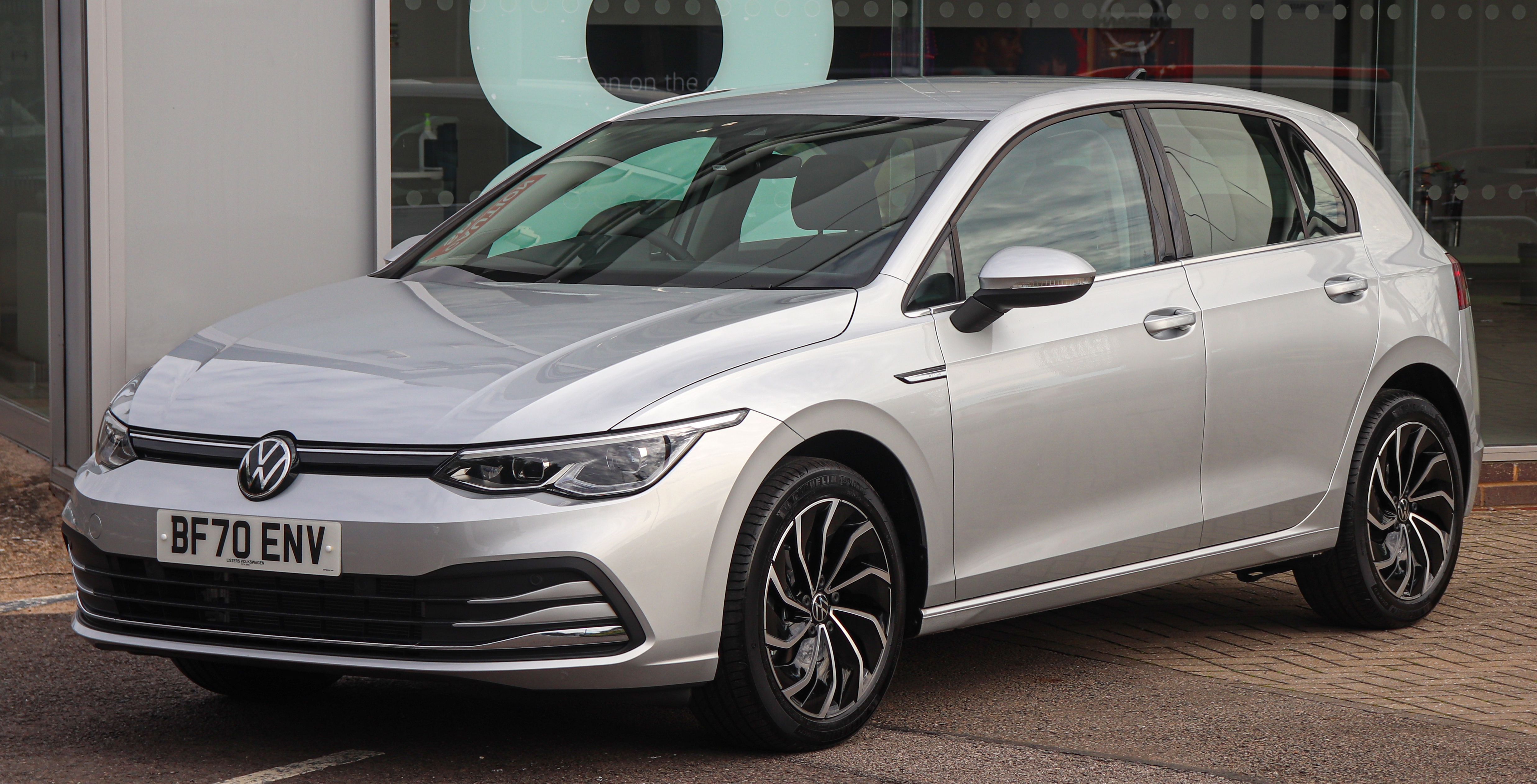
The Volkswagen Golf Electric is an early version of an electric car made by Volkswagen. It was one of the first cars to use electricity instead of gas, but it didn't go very far on a single charge.
The e-Golf is a version of the regular Golf car that runs on electricity instead of gas. It was one of the first electric cars that many people could buy, helping to show how cars can be more environmentally friendly.
Lead acid batteries are a kind of battery that has been used for many years. They are heavy and not as good as newer types of batteries, but they are still found in some older cars.
The BMW i3 is a small car that runs on electricity and is made with special lightweight materials. It was designed to be eco-friendly and stands out because of its unusual look and modern technology.
This is a type of car frame made from aluminum that is strong but light. It helps cars use less energy, which is especially important for electric cars.
Regenerative braking helps cars save energy by using the energy created when you slow down to recharge the battery, making the car more efficient.
Car
Skoda Ultra
The Skoda Ultra is an early electric car from Skoda, a Czech car manufacturer. It was part of an effort to create modern electric vehicles in Eastern Europe.
DC motors are a type of electric motor that uses direct current to operate. They are often found in electric cars because they are easy to use and efficient.
The Skoda Favorit is a small car made by Skoda, a Czech company. It was popular in the late 1980s and early 1990s and was one of the first cars made after the country changed its political system.
Car
Skoda ELMO
The Skoda ELMO is a car made by the Skoda company, designed for specific uses like postal services. It wasn't produced in large numbers, which makes it somewhat rare.
Car
Citroën AX
The Citroën AX is a small car that was made by the French company Citroën. The electric version was built for city driving and was quite small and lightweight.
The Peugeot 106 is a small car that's easy to park and drive around town. It's known for being practical and comes in different types, including one that runs on electricity.
Car
Citroën Saxo Electric
The Citroën Saxo Electric is a small electric car that was made in 1997. It was created by Citroën and Peugeot and was similar in design to their gasoline-powered cars.
Liquid cooling is a way to keep electric car parts from getting too hot. It uses a special liquid to help cool down the car's systems so they work better.
The Fiat Panda is a tiny car that's easy to drive around in the city. It's designed to be simple and useful, making it a good choice for people who need a small, affordable vehicle.
The Ford Ranger EV is an electric pickup truck made by Ford that was available from 1998 to 2022. It came with different types of batteries to power it.
Car
Volkswagen Electro Transporter
The Volkswagen Electro Transporter is an early electric version of the famous Volkswagen van, known for its unique shape and history. It was made in 1972 and was one of the first electric vehicles.
The ID. Buzz is a new electric version of the old Volkswagen bus that many people loved. It's designed to be roomy and fun, perfect for families or anyone who wants a cool, eco-friendly ride.
The Peugeot VLV is a small electric car made during World War II when fuel was hard to get. It was built to help people like doctors get around when they couldn't use regular cars.
The Ford Escape is a small SUV that can carry more people and stuff than a regular car. It's designed to be comfortable and can handle different types of driving, like going up hills.
Car
Renault Celtiquatra
The Renault Celtiquatra is a car that was modified to run on electricity in the late 1930s. It started as a regular car before being converted to an electric model, making it an early example of electric vehicle technology.
The Toyota RAV4 is a small SUV that can hold more people and gear than a regular car. It's popular because it's dependable and good for both city driving and outdoor adventures.
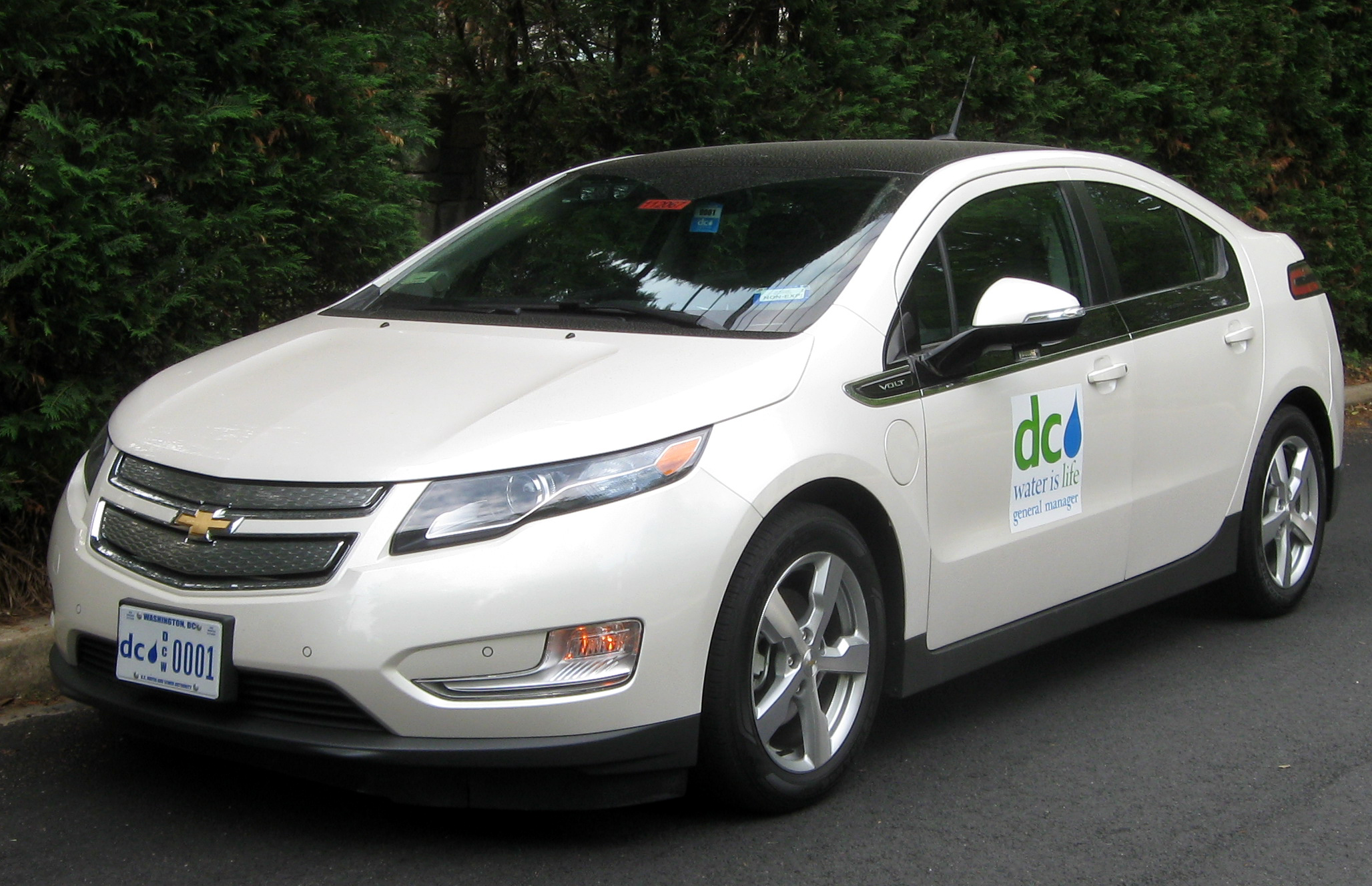
The Chevrolet Volt is a car that can run on electricity and gas. You can plug it in to charge the battery, and it helps save on gas while still being able to drive long distances.
A single speed transmission means the car only has one gear. This is common in electric cars because they don't need multiple gears like gasoline cars do.
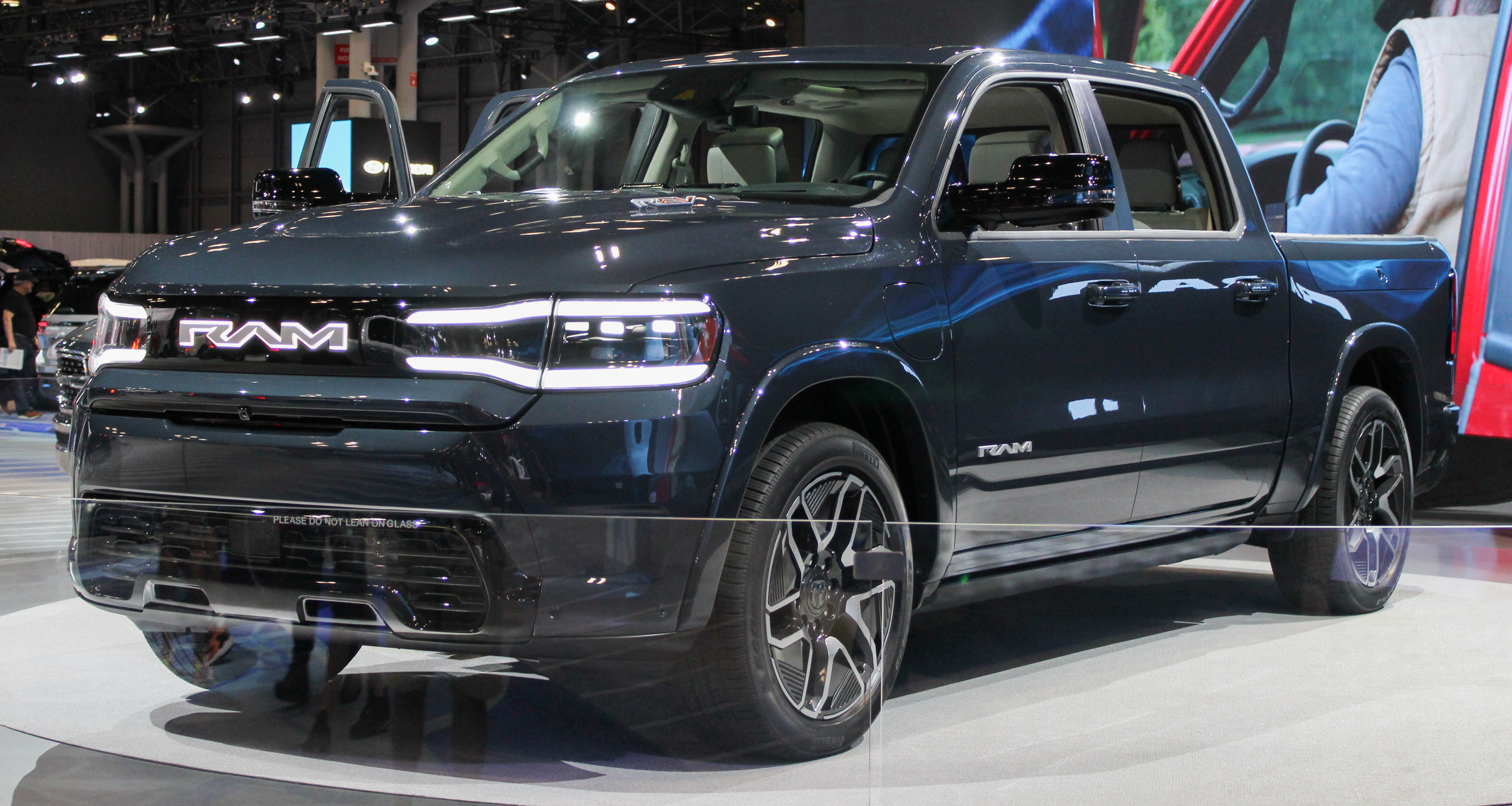
The Ram 1500 is a big truck that can carry heavy loads and tow trailers. It's known for being comfortable to drive, almost like a regular car, but with the strength to do tough jobs.
The GM EV1 was an early electric car made in the 1990s that didn't use gas at all. It was important because it showed that cars could run on electricity, but not many were made, and it didn't last long.
LIVE
This holiday season reached for the one butter that never disappoints,
Kerrygold. Made with milk from grass-fed cows on Irish family farms,
it's rich, creamy, and perfect for baking. Whether browning butter for cookies
or crafting the flakiest pie crust, Kerrygold's high butterfat content
makes all the difference in flavor and texture.
Holiday treats will taste extraordinary. As the holidays approach, it's time to
return to the classics. Flaky pie crusts, perfectly browned butter,
and cookies with just the right texture. And one ingredient you cannot compromise
on is Kerrygold butter. Kerrygold butter is crafted with milk
from grass-fed cows that graze on lush green pastures
across family farms in Ireland. The result?
A rich, creamy butter with a high butterfat content
that elevates every recipe. Whether you're making signature shortbread
or browning butter for a nutty depth in your pecan pie,
Kerrygold makes all the difference. The flavor is unmatched,
and the texture it brings to baked goods is simply
divine. So this holiday season, if you're baking for loved ones
or just for yourself, reach for Kerrygold. It's the butter of choice,
and your pies, your cookies, and your cakes. Well, thank you.
So, let's dive deep into automotive history.
Let's start our countdown.
German word Strom, meaning electricity. A nod to the powertrain.
The first generation emerged in 1981, developed in collaboration
with the German utility company RWE. It featured a 27 horsepower electric
motor, 16 gel batteries at 96 volts, some way off the
thousand volt architectures we see these days, and an 18.5 kilowatts
output on the motor. Range was modest at 80 kilometers
and a top speed of 100 kilometers per hour. Interestingly, unlike
modern EVs with a single-speed transmission, the original
Volkswagen Golf Electric had a four-speed manual box. The second
generation arrived in 1985 on the Golf 2 platform, bringing
improvements, a 31 horsepower motor, and 11.4 kilowatt-hour battery pack.
Range remained disappointing 50 kilometers. The third and final
generation based on the Golf 3 and made from 1993 to 1996.
Did you even know there was an E-Golf back in the 90s?
Was an advancement. Had a 17.3 kilowatt-hour pack and it weighed
300 kilograms, not the end of the world. They split it between the
trunk and under the bonnet, 27 horsepower motor, and up to 90 kilometers
of range. They used lead acid battery technology.
While the city stroma emerged from the early 1970s research into
electric mobility at Volkswagen, accelerated by things like oil
crises and growing environmental awareness, VW built 120
electric golfs for fleet customers and German utilities who used
them for customer visits. The program ultimately ended in 1996.
Lead acid battery technology was too heavy and too inefficient for
widespread adoption, and consumer interest remained minimal
without any government incentives.
Right, number nine. At number nine, we have the BMW E1.
This was a purpose-built electric city car, unlike taking the Golf 1 we
just looked at and putting batteries in it. This was showing
remarkable foresight in design philosophy. It predated the BMW i3 by
over two decades. Developed by BMW Technic in 1990, the E1 was
created in response to California's zero-emission vehicle mandate,
requiring 2% of new cars by the end of the 90s to be zero emission.
The first generation E1 was revealed at the 1991 Frankfurt Motor Show,
featuring groundbreaking construction, an aluminium space frame
chassis, and recycled body parts made out of plastic, keeping weight
remarkably low, despite the 1990s limitations of battery technology.
The body featured extruded aluminium sections and an outer skin
made from recycled plastic, a sustainability-focused approach that
would define the i3 20 years later.
Powertrain specs were very impressive for the era. The E1 had a permanently
excited rotating-filled AC motor, 32 kW of power on the rear axle,
19.2 kWh sodium sulphur battery, just 200kg, 160km of city driving,
top speed 120kmh, and you'd get to 50kmh in less than 6 seconds.
And when you came to recharge the battery, that would take just 6 hours
from a standard outlet. The second generation E1, unveiled at the 1993 Frankfurt
Motor Show, switched to sodium nickel chloride batteries, a Zebra battery,
fascinating technology, we'll do a bonus about those one day, with 19kWh.
The new battery technology improved service life range and performance,
and enabled regen braking that covered up to 20% of energy
recuperation during deceleration. Tragically, the only first generation
prototype was destroyed in a fire, ironically whilst charging. Despite the
second generation's improvements and successful programs, including field
trials in Germany, BMW never came to put the E1 into series production.
The project ended in the mid-1990s as, ultimately again, battery technology
wasn't felt to be ready. Number 8, the Skoda Ultra. Coming in at number 8
is the Skoda Ultra, a fascinating collaboration between Czech engineering
prowess and Swiss business ambition that produced one of Eastern Europe's
first modern electric vehicles. The Ultra story begins in 1989, when a Czech
constructor competed in electric vehicle races in Switzerland, which is
interesting because it was a home-built electric vehicle with two 25kW DC motors
and eight lead acid batteries. Now, this racer unexpectedly won and so caught the
attention of a Swiss businessman called Bruno Friedes, who requested
delivery of a thousand battery electric vehicles based on the old Skoda
Favoret. However, Skoda, based in Mladow-Bolosev,
initially refused because of problems during the kind of post-communist
transition. Eventually, an engineering division took up the project, developing
a comprehensive conversion using Czechoslovakian components. The
Skoda, the powertrain, used 14 6V 180Ah lead acid batteries with a top
speed of 80kmh and a range of 80kmh. Power output was 85kW at its peak.
Official collaboration between the Skoda companies began in 1991, but this was a
delay to the original plan. It proved costly. By the time production started,
the Swiss market had changed and had become more saturated by other products.
Instead of the initial plan of 1000 units, only several dozen reached Switzerland,
and the person that ordered them, the businessman Bruno Friedes,
I didn't want the rest. Additional vehicles were sold to Germany, the UK,
where they were called the Skoda ELMO, Norway, Sweden, Finland and Canada.
Around 40 units remained in Czechoslovakia at the time, and the Czech Postal Service
used them. Total production was about 200 units. I could find there was some discrepancy in the
research in the numbers between 1991 and 1994, when production ceased alongside the
favourite. The Altra represents an intriguing what-if scenario. What if the project had been
on schedule? What if the original 1000 cars had been delivered and wanted? Maybe Skoda would have
been much more of an early EV pioneer. These days, they make incredible vehicles under the
guidance of the Volkswagen Group. 7. Citroën AX and Saxo Electric
Of lucky number seven, we have the Citroën Electric City Car Duo, the AX and the success
of the Saxo. Practical urban EVs that served French cities in the 1990s. The AX electric
was 1994 based on the AX Supermini, a DC electric motor at 20kW peak output, 27hp,
and the motor drew power from a 16kWh battery pack, so 46 miles of range, 75km in combined
driving. Top speed was 57mph, 91kmh, the AX weighed 995kg, a variable light weight
amongst modern electric vehicle standards. The Saxo Electric would what would follow in 1997,
and that was Citroën and Peugeot's joint effort based on the 106 platform.
The Saxo featured similar specs, an electric motor with 11kW power, up to 20kW boost mode,
like it, and 20 nickel cadmium batteries from SAFT, each one weighing 13.7kg,
for a total of almost 300kg for the battery. Also, liquid cooling for optimal thermal
management back in the 1990s. It would do 91kmh and a range of 56 miles on 90kW.
From the outside, both vehicles were identical to their petrol, supercar, mini car looks.
Only a charging flap on the front wing and badging revealed their electric nature.
And both cars came with the petrol powered heater to keep you warm, so you would still
need to go and fill up a little jerry can or tank of petrol at the petrol station.
They didn't want to use the electric power to heat the cabin, that would have devastated the
low range already. It cost about 84,000 French francs at the time, and then you had to rent
the battery as well for about $100, equivalent now monthly. Both models addressed urban pollution
concerns and provided practical zero emission transport for postal workers, doctors, local
government officials as well, and they made about six and a half thousand of them.
Alright, before we take a break at number six, the Fiat Panda Eletra. Sliding into number six
is the Fiat Panda Eletra, a groundbreaking vehicle mass produced by a major world manufacturer.
Unveiled in the early part of 1990 in partnership with an Austrian firm Steyer Pusch, the Panda
Eletra replaced the beloved 750 petrol engine with electric propulsion. The initial version had a
9.2 kilowatt DC series electric motor with 13 horsepower. The motor was complemented by 12
six volt lead acid batteries, two in the engine compartment and 10 in a robust steel container
occupying the trunk. Total battery weight 450 kilograms of batteries. They had to
beef up the suspension and upgrade the brakes and oversize the tyres just to cope with the battery.
Performance was modest but looked fine for city use. The Fiat Panda Eletra achieved a 100 kilometers
range and 50 kilometers per hour average speed would give you the 100 kilometers of range.
Top speed 65 kilometers an hour. This was for the city though. In cold climates, once again,
it had a petrol tank for a small petrol burner to heat up the cabin. Not sure I would have fancied
that. The Eletra also retained the standard four speed gearbox and clutch. In 1992 they introduced
the new Panda Eletra 2. This version boosted motor outputs 24 horsepower or 17.7 kilowatts
and replaced the heavy lead gel batteries with new efficient light nickel cadmium units. However,
it was still much much heavier than the Fiat Panda. Fiat aimed to demonstrate leadership in
environmental sustainability and prove that electric urban mobility was feasible in the early 1990s.
It served government fleets, postal services and utility companies as well. The price at the time,
25 million lira, was three times the cost of a Fiat Panda 750, prohibitively expensive for a
private retail buyer. Production continued until 1998 and several thousand units were eventually
built. The Panda Eletra proved the concept worked but not yet without energy dense battery technology.
We'll take a break, we'll come back, we'll do the top five, stick around.
As the holidays approach, it's time to return to the classics. Flaky pie crusts, perfectly browned
butter and cookies with just the right texture. And one ingredient you cannot compromise on
is Kerrygold butter. Kerrygold butter is crafted with milk from grass-fed cows that graze on lush
green pastures across family farms in Ireland. The result? A rich creamy butter with a high
butterfat content that elevates every recipe. Whether you're making signature shortbread or
browning butter for a nutty depth in your pecan pie, Kerrygold makes all the difference. The flavor
is unmatched and the texture it brings to baked goods is simply divine. So this holiday season,
if you're baking for loved ones or just for yourself, reach for Kerrygold. It's the butter of choice
and your pies, your cookies and your cakes will thank you.
As the holidays approach, it's time to return to the classics. Flaky pie crusts, perfectly browned
butter and cookies with just the right texture. And one ingredient you cannot compromise on
is Kerrygold butter. Kerrygold butter is crafted with milk from grass-fed cows that graze on lush
green pastures across family farms in Ireland. The result? A rich creamy butter with a high
butterfat content that elevates every recipe. Whether you're making signature shortbread
or browning butter for a nutty depth in your pecan pie, Kerrygold makes all the difference.
The flavor is unmatched and the texture it brings to baked goods is simply divine.
So this holiday season, if you're baking for loved ones or just for yourself,
reach for Kerrygold. It's the butter of choice and your pies, your cookies and your cakes will thank you.
I earn a living, so apologies for plugging that every so often.
Right, number five. In our top 10 list of forgotten EVs from current EV makers,
number five, the Ford Ranger EV. Halfway through the countdown, and number five,
we have the Ford Ranger EV, a full-size electric pickup truck that demonstrated American automakers
could build EVs when the law wanted them to, because California's zero-emission vehicle rules,
the Ford Ranger EV was made to accommodate those, or to accommodate itself to those rules.
Lot in 1998, the Ford Ranger Electric ran through to 2022, a lead acid version,
and a nickel metal hydride variant. The lead acid setup was 39, 8-volt batteries on two layers,
850 kilograms, whereas the more superior nickel metal hydride variant, originally available
exclusively for lease in California, used 12-volt batteries, 25 12-volt batteries from Panasonic
in a single layer. These batteries offered a far superior performance, 95 amp-power modules,
delivering 63 watt-hours per kilogram energy, and the pack weighing 950 pounds running at
about a nominal voltage of 300 volts, which is not far below some of the more low-voltage
modern EVs all these years later. And 27.4 kilowatt-hours is actually quite respectable.
They had a Siemens AC induction motor at 90 horsepower, or 67 kilowatts, single-speed
transactional driving the wheels. Real-world performance was really capable, actually,
65 miles real-world range. And that was done in the research I found on highway range testing,
on a flat highway at 65 miles per hour would do 65 miles, EPA at 95 miles.
Top speed was 75 miles an hour, but that was limited, and the 0-60 time, okay, that was 18
seconds, and it was heavy as well. The Ranger EV faced early teething problems because the
batteries wouldn't always charge well in hot conditions, but Ford successfully addressed
these issues. But then they saw the battery dega around 25,000 miles was quite extreme.
California's 1990 emissions rules required, as I say, 2% of vehicles sold by the big car makers
to be zero emission by the end of the decade. And that was 10% by 2003. The cost before any kind
of subsidies that might have been available was $50,000 at the time for the Ranger EV.
Number four, the Volkswagen Electro Transporter. Coming in at number four
is based on the iconic T2 van. This was Volkswagen's first electric vehicle in 1972.
They made it with Bosch, Vata, and the German utility company. The Electro Transporter was
effectively the ID buzz of its day. Powertrain DC motor in the rear of the vehicle,
developing continuous rating of 16 kilowatts, 22 horsepower. That would improve with later models.
The most significant engineering challenge was energy storage, lead acid batteries,
were the only thing around in 1972. The pack was 850 kilograms. That was more than the
beetle weighed in total at the time. They put them in the floor of the vehicle, between the axles,
loads of reinforcement, as you can imagine. It was 2.2 tons. That vehicle. Performance reflected
the limitations of the technology. 47 miles an hour, 75 kilometers an hour. So you couldn't really
take it on the auto bar. Range varied as well, depending on payload. And the Electro Transporter
had a really innovative control system. Changing direction required flipping a switch
forwards or backwards, like a modern electric vehicle. Despite these limitations, the Electro
Transporter actually found its niche. The low top speed and limited range suits urban delivery
applications, postal services, municipal fleets in city centers. Volkswagen built the Electro
Transporter as a production model. Over several years in various body styles, many buses, vans,
and pickups as well. They made about 120 of them in total. The early 1970s, with the oil crisis
and growing awareness of petroleum, reserve scarcity, spurred research into electric mobility.
There's groundwork being laid for VW's modern EVs. The e-craft of the e-transporter and like I
say the ID bars. And so, yeah, lead acid technology was a massive weight penalty and it wasn't ready.
But they were trying. Number three, the Peugeot VLV. The bronze medal in our countdown goes
to Peugeot's Vehicle Leger de Ville, light city vehicle, the VLV. A wartime electric vehicle that
emerged from desperate circumstances. Peugeot were making EVs back in 1941 during Germany's
occupation of France. The VLV represented Peugeot's response to petrol rationing,
imposed by the occupying forces, and built at the La Garen factory near Paris.
The VLV targeted doctors and postal workers who needed mobility but couldn't get around
because of fuel shortages. It was minimalist. It was a tiny two-seat convertible. It was 2.6 meters
long and 1.21 meters wide. The body made from aluminium to minimize weight. A single central
headlight, a manual windshield wiper, and no rear bumper. Total weight, 350 kilograms in total.
And half of that was the batteries. The rear track was no particularly narrower than the front track,
eliminating the need for a differential for the rear wheel drive system. Propulsion came from
an electric motor producing up to 2.6 kilowatts massive, depending on conditions. There were four
batteries. There were 12-volt batteries mounted in the front of the passenger compartment for
four kilowatt hours of capacity. Maximum speed, about 22 miles an hour. But this is okay. This
is wartime. We'll take it. Recharging speed required, well, firstly a special device operating
at 110 volts and took about 10 hours overnight. The VLV's control system had three pedals. One
for the four-wheel drum brakes, another pedal to accelerate, and a special contactor that could
boost speed when needed. Not to escape the enemy, but to climb hills. The convertible fabric roof
would be opened in good weather and folded into the rear. 377 units were made. The VLV
served postal workers and doctors built in 1942. The government banned sales of electric vehicles
to private individuals. More devastatingly to the vehicle, German authorities banned the vehicle
entirely in 1943. And production would cease with 377 made between 1941 and 1945. And some survive
their museum pieces now or in private collections. And they sell for huge prices. They're representing
France's wartime ingenuity and early efforts by a big car maker to go electric. Number two,
the Renault Celtiquatra. The silver medal position goes at number two to the unusual entry of the
Renault Celtiquatra, which I'm not sure I'm saying that right, but not originally designed as an EV.
It became one through special conversion programs in 1937. Renault, back in the 1930s,
were making the standard version of the car in April 1934. Renault's response to Citroën's
revolutionary traction avant. While Citroën gambled on a front wheel drive technology,
Renault stuck with rear wheel drive, positioning the Celtiquatra as a car with experience. They
said a subtle dig at the early reliability issues from their French competition. So where does
electricity enter the picture? Well, in 1937, Renault decided to make 35 electric taxis for the
Paris World Fair, the Exposition Universal Internationale, using the Celtiquatra chassis.
These taxis transported visitors within the exhibition grounds. Specific technical details
of these conversions were pretty scarce, actually, when I was looking this up. But this was Renault's,
almost 100 years ago, first serious move into electric propulsion. Well, why make them for
the World Fair? The 1937 Exposition emphasised tech progress of the 1930s, and modernity,
EVs, were seen as cutting edge. But they were. I mean, the contained environment of the exhibition
grounds were perfectly suited to limited range electric vehicles. Visitors needed to be shuttled
around a lot using short distance transport, and electric was the perfect solution. The
Celtiquatra's conventional gasoline production ran all the way through to 1939, 44,000 units
of them were made. But the handful, the 35 special vehicles that were electric at the time,
a complete experiment, represents an intriguing footnote in Renault's electric vehicle history.
A glimpse into what might have been. And number one, the Toyota RAV4 EV. Taking the top spot at
number one is the first generation Toyota RAV4. That's a vehicle that proved electric SUVs could
do everything that could be practical, desirable, and, heartbreakingly, subject to political whims.
These were produced from 1997 to 2003. The RAV4 emerged from California's 1990 regulations on
zero emissions. Toyota built the electric SUV on the RAV4 platform, a capable five passenger vehicle.
Both three door and five door variants were produced. The powertrain centered on a more
advanced nickel metal hydride battery technology. 24 12 volt batteries from Panasonic were used,
so 27 kilowatt hours. The pack was 450 kilograms and mounted below the floor. These batteries
powered a front mounted AC induction motor, 68 horsepower, and the motor drove the front wheel
through a single speed transmission. Performance exceeded expectations for a 1500 kilogram electric
SUV. Top speed, they limited it to 77 miles an hour. 0 to 60. Okay, that was 18 seconds.
The APA rated it at 95 miles. 95 miles, EPA rated. In the 1990s, 20 years,
latest and compliance EVs weren't getting much better than that. Toyota were early with electric
vehicles. A real world capability was 120 miles in some cases. The RAV4 EV came with a 60,000
battery warranty demonstrating Toyota's confidence in early EV technology. They were durable.
And a decade after they stopped making them, there was still about 500 on the road in California.
So why does the RAV4 top our list? And if you're wondering, long term listeners know that I've
been very frustrated with Toyota's anti EV marketing. Why would I give Toyota the top spot
on a countdown? Because its discontinuation perfectly encapsulates the frustrating history
of electric vehicles in the 1990s and early 2000s created only to comply with the mandate,
not because a car maker wanted to. And big car companies like Toyota were the loudest voices
lobbying aggressively against electric vehicles. When California weakened their mandate in 2003,
Toyota immediately cancelled the RAV4 program the minute they could alongside GM's EV1.
And unlike the EV1, Toyota did sell EVs during a brief seven month window in 2002,
so those that weren't leasing got to buy it and keep it. The cancellation was controversial.
Leases loved their RAV4s. They wanted to buy them, but Toyota, like everybody else, refused
and repossessed them and crushed them. Automakers just treated them like compliance exercises,
rather than a genuine product. And the minute they could take them back and stick them in the
crusher, because the political pressure that was exerted by big car companies that removed the
regulations, they did it the second they could. There are some first generation RAV4s surviving,
they're cherished by their owners, many still go later 25 years on, they're still working.
There's so much promise of what could have been in the 1990s and early 2000s. Now,
Toyota would return to the RAV4 concept with a Tesla powered second generation around 2012-2014,
but that's not a story for today. The first gen RAV4 is our number one forgotten EV,
not because it was some crazy space age technology or groundbreaking design,
but because it was a Toyota that everybody loved, but electric. And isn't that what we
want from the big car companies? How do you make great cars? And Toyota could make great EVs these
days if they wanted to, but you can make more money from selling combustion, where all the car
companies want hybrids or plug-ins or E-Revs. They don't want to go electric, even though
for decades they have been when forced and when they do, the vehicles are really good.
The RAV4 is the road not taken. The RAV4 is the lost decades. We could have been so far
further ahead if money and politics and power and influence hadn't got involved.
How much further along would we have been in cleaning up the air had it not been
for those pioneering vehicles being cancelled? And there you have it. That's our top 10 forgotten
EVs from car makers making electric cars today. From wartime necessity to California in mandates,
from heavy battery packs to some pretty interesting innovation. All faced a fundamental
challenge and that was battery tech isn't ready and battery technology is moving at a crazy fast
speed. And the other recurring theme is regulations. From wartime fuel rationing to California set
mandate, you see that when the regulations change the EVs stop being made. These days though,
the EV genie is out of the bottle. It can't go back again. We only go forward with clean green
great electric vehicles. And that's your podcast for today. See you on the next one.
As the holidays approach, it's time to return to the classics.
Flaky pie crusts, perfectly browned butter and cookies with just the right texture.
And one ingredient you cannot compromise on is carry gold butter. Carry gold butter is crafted
with milk from grass fed cows that graze on lush green pastures across family farms in Ireland.
The result? A rich creamy butter with a high butter fat content that elevates every recipe.
Whether you're making signature shortbread or browning butter for a nutty depth in your
pecan pie, carry gold makes all the difference. The flavor is unmatched and the texture it brings
to baked goods is simply divine. So this holiday season, if you're baking for loved ones or just
for yourself, reach for carry gold. It's the butter of choice and your pies, your cookies,
and your cakes will thank you. This holiday season reached for the one butter that never
disappoints carry gold made with milk from grass fed cows on Irish family farms. It's rich, creamy,
and perfect for baking. Whether browning butter for cookies or crafting the flakiest pie crust,
carry gold's high butter fat content makes all the difference in flavor and texture.
Holiday treats will taste extraordinary.
About this episode
A deep dive into the top 10 forgotten electric vehicles from current EV makers, this episode highlights unique models like the early Volkswagen Golf Electric and the BMW E1, showcasing their innovative designs and the challenges they faced. Each vehicle tells a story of ambition, regulatory pressures, and the evolution of battery technology. The discussion culminates with the Toyota RAV4 EV, illustrating the lost potential of early electric vehicles and the impact of corporate decisions on the EV landscape. Listeners will gain insight into how history shapes today's electric vehicle market.
Welcome back to EV News Daily. And welcome to a special bonus edition of the podcast.
Today, we're going into automotive history with a countdown of ten forgotten electric vehicles—all from manufacturers making the some of the best current generation of new EVs. These pioneering EVs pushed boundaries, tested technologies, and taught valuable lessons decades before the current electric revolution. From wartime ingenuity to California mandates, these vehicles tell fascinating stories of ambition, innovation, and sometimes heartbreaking discontinuation.