00:52
I'm not sure we've seen the bottom yet for Stellanus or Nissan.
00:55
We're seeing lots of encouraging signs from those companies.
00:58
But the sales are still declining.
01:01
And profits per store are still far from where they used to be.
01:06
And I think that for those brands, and we talked about that before,
01:09
for newer dealers, for independent dealers who want to become a franchise dealer,
01:12
those are good brands for them to acquire.
01:14
Because those folks that are independent are already good at the used business.
01:18
Today, I'm joined once again by Alan Haig, president of Haig Partners,
01:22
for one of our most requested segments covering the state of dealership mergers and acquisitions.
01:28
In this episode, we tackle a turbulent buy-sell market from dealerships
01:32
commanding record-breaking prices to brands struggling to hold their ground.
01:36
Alan breaks down the key trends, the biggest moves, and what's next for dealership M&A.
01:41
A big thank you to our sponsors for making today's episode possible.
01:44
Lotlinks, Busy Car, and of course, Haig Partners.
01:48
And now let's get into the show.
01:54
Alan Haig back on the CDG podcast. Alan, welcome back.
01:58
Thanks very much, Yossi. It's great to be with you again.
02:01
Great to have you back on. I had to do something a little fun.
02:04
I said, this has to be like your quadrillionth appearance on the podcast.
02:08
So I actually, I wanted to run some stats because I'm a nerd and I do these kind of things.
02:12
So I did run some stats and I wanted to share them with you.
02:15
First of all, fun fact, this is actually two years to the day or roughly to the day,
02:20
to the week of our first podcast together. So pretty incredible.
02:25
You first came on to share your insights into, you know,
02:28
dealership mergers and acquisitions just to the buy-sell environment August 4th, 2023.
02:34
Pretty crazy, right? I have more though.
02:37
Other cool things that I learned.
02:40
Literally on this podcast, we've gone through several cycles, OEM cycles as I like to call them.
02:45
When you first came on, we were talking about Ford's decline and then subsequent rise back up.
02:51
From there, we went to Stellantis, right? I viewed this as like, you know,
02:55
like market cycles were like, I know not everyone's watching right now, but
02:59
it's like they like overlap slightly. And so it's like Ford rose, then decline,
03:03
declined the rose, then Stellantis declined. And then you'll tell us a little
03:08
about how they're doing today. They have been rising, but we'll get more detail from you.
03:11
And we'll also talk about who's right now declining and where the opportunity lies ahead.
03:17
I think that's interesting. But get this, this is really cool.
03:20
I ran, we ran some specific stats about the episodes.
03:23
Total of seven hours of airtime together. It's a record.
03:27
Most used words, valuations, profits and Toyota.
03:32
They're all closely related.
03:34
I know, right? Literally. It's great.
03:37
Brand mentions. You've mentioned Toyota 47 times, Ford 39.
03:41
There's other brands as well, but these are the most significant.
03:44
And it makes sense, right? Given all the change there.
03:47
Blue sky multiple has been said 93 times and you average 11 times per episode.
03:53
And final two, deal value discussed, at least where numbers were mentioned,
03:58
$20 billion in transactions. That's pretty cool.
04:01
Although we, you know, obviously not everything has a number attached to it,
04:03
but that's pretty cool. And the longest tangent, this one you have to guess, right?
04:08
You went on, you had a monologue about something over the last two years.
04:12
Now, I know we discussed a lot, but just take like, I just try to take a guess.
04:16
What did you just talk about for six minutes and 42 seconds without any interruption for me?
04:21
Was that electric vehicles?
04:23
It's actually pretty close. Hybrid strategy.
04:27
Anyways, that's all I wanted for you.
04:29
That was, that were just some of the stats we ran.
04:31
So I found it pretty cool.
04:33
Six minutes, that means I have a voice for FM radio.
04:36
That's a long time that you're talking about one.
04:37
Six minutes and 42 seconds, mind you.
04:40
And you still have an audience that's listening.
04:42
I know it's pretty incredible.
04:43
And it's grown. That's the most amazing part, right?
04:47
So, Alan Haig, welcome back to the pod.
04:50
Again, it's great to be with you.
04:51
It's interesting to hear all those stats.
04:52
I wonder if my family hears me say the same things over and over again as well.
04:58
Hey, people, people literally text me and they're listening right now and they say,
05:01
you know, well, when's Alan back on?
05:03
Give us, give us the goods on the M&A market.
05:05
So, so we'll definitely do that today.
05:07
One thing we haven't done before we get into the,
05:10
I like to start with the pulse of dealership M&A.
05:12
You know, I say like the vibe heading into Q4.
05:15
What is, how is Haig partners doing your firm?
05:18
I haven't really asked you this question since maybe episode one or three.
05:22
I don't remember if I repeated in episode three,
05:24
but you know, we mostly only spoken about the industry.
05:27
Meanwhile, you've been really focused on growing your firm.
05:30
Of course, you know, working with more dealers and a lot has happened in the last two years.
05:35
How's, how's your company doing?
05:38
Well, the M&A space has been a hot space.
05:40
I would say since really even before COVID hit,
05:43
but COVID really accelerated the pace of M&A.
05:45
We saw dealership values double and we saw M&A volumes double as well.
05:52
And we've been trying to get our fair share and maybe a little bit more
05:55
than our fair share of that, of that volume.
05:58
And we focus on representing mostly sellers and we work coast to coast.
06:02
We just added a teammate about a year and a half ago in Southern California, Jason Crouch.
06:07
We added another teammate in Texas about a year and a half ago, Dave Rowe.
06:12
Both of those gentlemen have long history of working with finance company serving dealers
06:17
and also working on Dave Rowe with CFO, the Sewell organization for years.
06:22
So we have a national presence and we also want to have some local support.
06:29
California and Texas are two of the biggest markets in M&A in our industry,
06:35
Florida being the third, which is where our firm is headquartered.
06:38
So we want to have a national presence, but we also believe having a little bit of local touch
06:43
will help the dealers and those markets to maximize the value of their businesses
06:47
when they choose to exit.
06:48
So it's been a good run for our firm.
06:50
We started with one person, you know, and now we're 15 or so.
06:54
So it's not, we're not a big shop.
06:56
Steel volume wise last year, I think we sold a little over 55 rooftops advised on the sales.
07:03
And this year, it looks like it's going to be higher probably in the mid 60s.
07:08
Deal value has gone down this year, just as a function of dealership profits come down
07:14
so to blue sky values.
07:16
So we're busier running faster, but we'll probably make a little bit less money this year.
07:21
Just like a lot of auto dealers are experiencing, our business closely tracks
07:25
the health of their retail business.
07:28
Yeah, it makes sense.
07:29
You mentioned Florida, California and Texas being the most prominent states for buy sales.
07:35
Is that driven by legislation or like, you know, governance where maybe in Texas and
07:42
Florida, it's so great and in California, it's so not great.
07:45
So they change hands, you know, very frequently or is it just simply volume of dealerships?
07:50
They're large states, lots of, you know, large populations, lots of dealerships.
07:54
It's, it's a lot of the latter.
07:55
You'll see that California, Texas and Florida have three of the biggest populations in the
07:59
U.S. So it's natural that they'd have more dealerships and that there'd be more volume
08:04
I would say value wise, the value of stores in Florida and Texas
08:10
has just, I would say skyrocketed in the last 10 years due to population growth,
08:14
also due to business friendly legislation and good franchise laws in those states.
08:20
So we've had a lot of fun selling dealerships, particularly in Florida in the last couple
08:25
We were able to set record high values for BMW and Honda and Toyota and Kia,
08:33
So that's a function of how high the profits have gotten in those, in those
08:37
dealerships located in Florida where you can have a high dock fee.
08:41
The real estate's not too expensive.
08:43
The labor costs are not too expensive.
08:45
And there are relatively low rooftops per capita, which means you have high volume,
08:50
which means you have high profits.
08:52
So it's a good, it's a good mix in Florida.
08:54
Texas has the same, a lot of population growth, no income taxes, very favorable
09:00
franchise laws, high profits per location, a lot of demand from buyers.
09:05
So that's a positive mix.
09:07
And I would say California has an improving situation also in terms of loose guy values,
09:13
largely due to the changes the new administration has made to EV requirements,
09:19
where they've kind of blocked California's ability to mandate that EVs have to be a
09:25
certain percentage of sales.
09:26
And also rolling back related to that, the CARB rules, California Air Resource
09:32
Board rules that were creating some kind of scary requirements for, for dealers to sell
09:38
a high percentage of their vehicles being EVs.
09:40
And so that's been rolled back.
09:43
And now whole brands are going to be able to make it.
09:46
I mean, it wasn't clear how Mazda would have survived in California, for instance,
09:50
because it didn't have any EVs in the time that had very few hybrids coming.
09:55
So I don't know how they would have competed at all.
09:57
So California now, I think has come back on the shopping list of some people
10:01
who were perhaps avoiding it or concerned about it.
10:03
And so we're quite active in California now.
10:05
I think we have clients that own around 15 to 18 rooftops that we're representing
10:12
in that market now and the valuations we're getting are attractive.
10:15
Other than California, or, you know what, before we get more detailed here,
10:19
let's, I want to start high level, like what's the general,
10:22
as they call it, the vibe of dealers right now when it comes to
10:26
buy, sell the industry.
10:28
As we're heading into Q4, anecdotally, what are you seeing out there?
10:32
Well, I think almost all dealers are relatively pleased with their performance
10:36
year to date in terms of profits.
10:38
I mean, we have been enjoying very high profits since COVID hit us in 2020.
10:44
And the new vehicle gross profits have been coming down kind of quarter by quarter.
10:49
But now they've basically leveled off.
10:52
And the total profits that dealers have been making peaked in 2023,
10:58
it's been coming down quarter by quarter, but it's kind of leveled off.
11:00
And the good news is it's leveled off at a value that's about 75% higher
11:05
than the profits we were making in 2019 before COVID hit.
11:09
So overall, industry is in a really good spot in terms of profitability.
11:13
And I think a lot of dealers were hoping that this year we'd see higher sales,
11:20
We're down in the high 15s.
11:21
We used to be in the low 17s in terms of millions of new units sold per year.
11:28
So we were hoping this year we'd have an uptick towards 16, 16 and a half maybe.
11:34
And I think that dealers are finding that's probably not going to happen due to a number
11:37
of functions, largely due to affordability.
11:40
The value of our vehicle is still high.
11:42
The interest rates are still high.
11:45
There's now concern by some consumers, I'm hearing from my friends in South Florida,
11:48
their traffic is down and it's down partly due to ICE.
11:53
The immigration rates that are happening, there are a lot of consumers in South Florida that
11:58
probably aren't fully documented or their parents aren't or their kids aren't or something.
12:03
And so our friends in Florida have been saying that their traffic is down
12:06
because people are staying home or they're concerned about putting out a lot of money
12:11
to purchase a vehicle if they might get deported.
12:14
So we see little pockets like that where there's some concerns.
12:17
On the other hand, most people I'm talking to so far this year are flat or a little bit above
12:23
in terms of their profits compared to last year.
12:26
So we're in a good spot.
12:28
The tariffs haven't fully impacted us yet.
12:30
So I think dealers are wondering how are the factories going to move around their
12:34
production, the assembly, the parts, what brands are they going to promote,
12:39
what brands are they going to just kind of take out?
12:41
What's that going to mean in terms of pricing for vehicles for consumers?
12:45
Who's going to eat this tariff?
12:46
How much is it going to be?
12:48
So the second half of the year, I think a lot of dealers are showing up and wondering
12:53
what's going to happen.
12:54
It's impossible to project, I think right now, the next five months of our industry.
13:01
This episode is brought to you by Lotlinks.
13:03
You work hard to move your inventory from price adjustments to paid promotion,
13:07
but many cars still sit too long eating away profit and resulting in markdowns.
13:12
Lotlinks helps you win with every VIN with the industry's first VIN performance platform powered
13:18
by AI to help dealers predict inventory risk early and act on it.
13:22
Lotlinks puts your vehicle in front of the right customers on the right channels
13:25
with the right budget at the right time.
13:28
Cars that sell 37% faster than the market with less markdowns and holding costs.
13:34
So visit lotlinks.com, that's L-O-T-L-I-N-X.com and win with every VIN or click the link in the
13:42
You know, the first manufacturer that was significantly impacted by tariffs was
13:50
JLR, or I should say British manufacturers, right?
13:52
There was the 10% tariff that went into effect.
13:54
It was the earliest one.
13:55
And I'm curious to know if you've seen any significant impact to M&A evaluations,
14:01
right? The actual dealership evaluations driven by tariffs at this point.
14:06
But can you pinpoint like, hey, these brands this much due to tariffs specifically?
14:11
Are you seeing that yet reflecting the numbers as you're doing deals and transactions?
14:16
We have one transaction, which I think I might mention on the last podcast with you,
14:21
where our buyer includes two really good brands, A plus brands, and an Audi store.
14:28
And this buyer has been concerned about what was going to happen with Audi,
14:32
because Audi has zero US production.
14:34
So Audi may be more impacted by tariffs than just about any brand that I can think of right now.
14:39
And the profits of this store as a percentage of the total profits is relatively low
14:46
of the group that we're selling.
14:48
But nevertheless, the buyer did assign Buschkei to it.
14:52
So we're supposed to learn this week if they want to move forward with the transaction or not.
14:57
So I think Audi has been hurt by this tariff situation, maybe more than other brands I can think of,
15:05
because they just don't have any US production.
15:08
And it could take two years for them to maybe Volkswagen will convert a plan in Tennessee,
15:13
for instance, to produce Audi's.
15:16
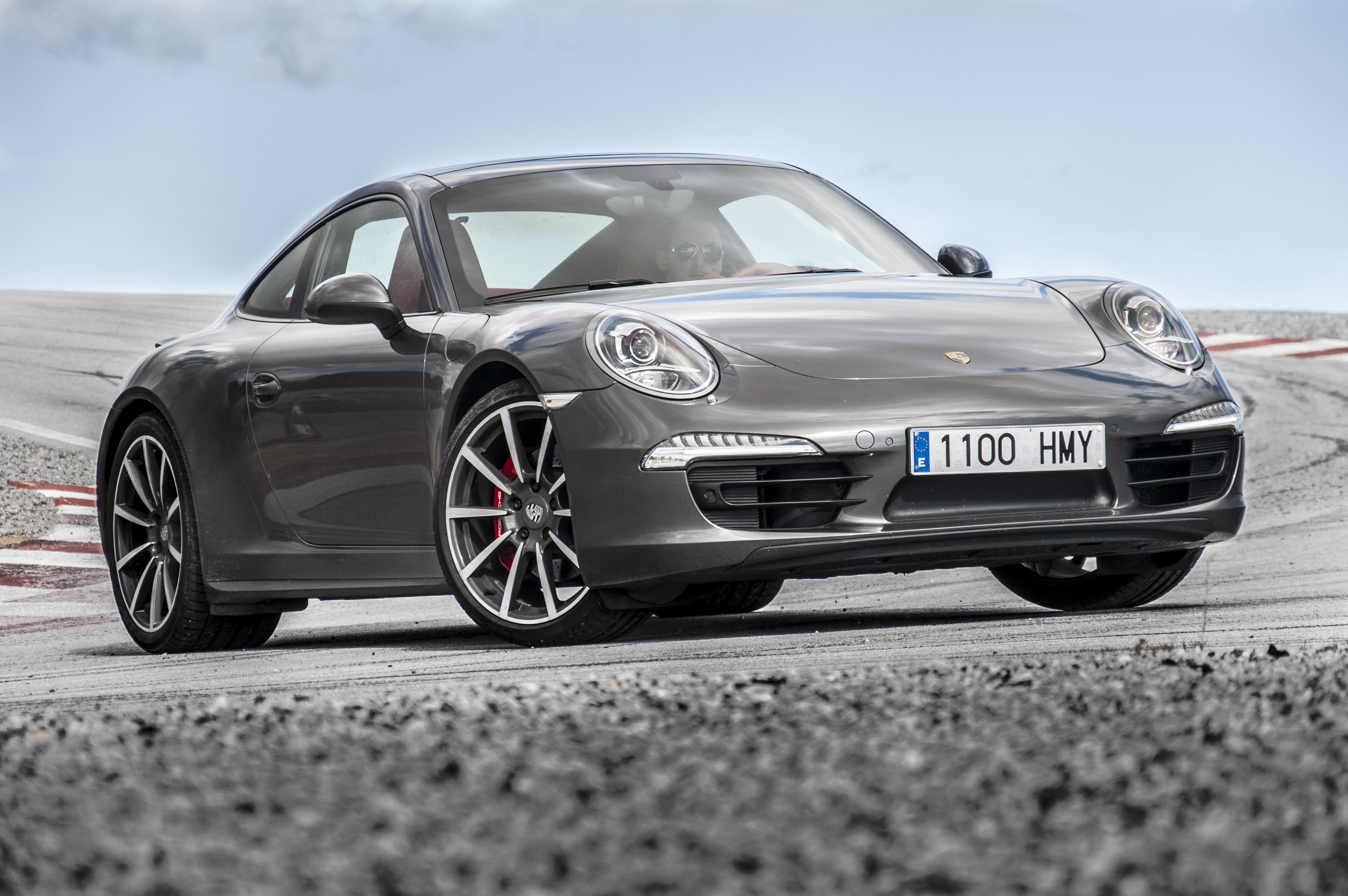
Porsche has no US production.
15:18
Porsche is going to get hit by a much bigger tariff.
15:21
They're likely going to shift their production mix.
15:23
Maybe they make fewer Taycans and more 911s.
15:28
And the market for 911 has been drastically undersupplied in the past four or five years
15:34
as Porsche was trying to move towards an EME strategy.
15:38
So I think some people are just saying, well, okay, if we don't have to sell Taycans
15:42
and we lose money on those and our customers are unhappy because they depreciate so fast
15:46
and we can sell some more 911s, that's okay.
15:49
The customers are going to pay a higher price for 911s because there's a waiting list for them.
15:53
So I think right now Audi's been hit the most, but in terms of other dealership values,
15:59
when I think all of us have to assume that the price of the vehicle is going to rise
16:03
by some percentage, two, three, four, five percent, we don't know.
16:07
But that's also about what they've been rising in terms of inflation the last few years.
16:13
It doesn't sound very, it doesn't sound out of market.
16:17
And we ran an A major like a poll where we pretty much shared a chart
16:23
where we shared the prices.
16:24
There hasn't been much change.
16:26
If anything, prices have declined since tariffs.
16:29
Yeah. So it's a good point, Josie.
16:32
No one really knows.
16:32
I mean, the factors, of course, are screaming about this,
16:35
particularly the ones that have factories in Canada or Mexico that right now,
16:40
they don't know what their future is going to be.
16:42
How can you manufacture vehicles there and try to import them
16:45
if there's going to be a 25 or 35 percent tariff?
16:47
But in terms of what consumers are paying right now, there's not been a big lift.
16:51
And I mentioned that South Florida traffic is down,
16:54
but nationwide spending in the month of July on all goods and services was up pretty nicely.
17:01
So it's like the customers, the consumers were waiting
17:04
to see what the impact of tariffs are going to be.
17:05
And that's been several months.
17:06
It's been April, April 2nd was, I forget, liberation day.
17:10
I forget what Trump called it.
17:12
May and June, there was a little bit of what's going to happen.
17:15
And then in July, people just brought their, their wallets out
17:18
and started spending again.
17:19
The same thing happened to dealerships.
17:21
So right now, we've not seen a big negative impact,
17:24
but we've also not seen the full impact of these tariffs.
17:27
Based on what you just said, is, is Audi a good deal right now, relatively speaking?
17:32
Like, is there some, a little fear there, given the impact from tariffs?
17:36
Or are there any brands that dealers are leaning into disproportionately
17:41
at a disproportionate rate due to tariffs?
17:43
Anything like that?
17:45
Well, aside from tariffs, Audi had been struggling in the US.
17:50
Their products had aged, you know, the, their major sellers of the Q5,
17:56
And those products were pretty old compared to their competitors.
17:59
So they have been steadily losing market share.
18:02
And I think the, the dealers were increasingly frustrating with,
18:06
frustrated with Audi.
18:07
So in this, our latest Hague report in Q2,
18:10
we lowered our blue sky multiple on Audi on the top and the bottom
18:14
of the range by one and a half turns.
18:17
That's the biggest move that I can remember as a library making for any brand.
18:21
And it's a reflection where some people just kind of said, you know what,
18:24
I'm kind of done hoping that the future would be better.
18:27
So I'll, I'll, I'll stick around this.
18:30
And I'm going to assume that Audi is just not as desirable as even close to BMW, Mercedes,
18:37
Porsche, Lexus, some of the, or JLR, some of its other competitors.
18:41
They haven't made the moves that the other brands did such as producing in this country,
18:46
you know, producing SUVs here.
18:48
So we were already, you know, looking at Audi with a lower valuation based upon what
18:53
our clients and buyers and other folks that we talked to were telling us,
18:59
the tariff situation isn't going to help.
19:02
But I also believe that the tariff story is not over.
19:05
It seems like it's just, you know, everything's open to negotiation.
19:10
I think the Audi people are in there trying to say,
19:12
Hey, if we build a plant in the future, if we commit to that,
19:15
we lower the tariffs today.
19:17
So I think the talks are still going on.
19:19
But that's the one brand we've probably seen the biggest impact on.
19:23
And, and even before that, it was starting to suffer.
19:26
More broadly speaking though, what's driving dealers nowadays to pursue acquisitions?
19:32
And I'm not referring to internal reasons, right?
19:36
Having, you know, excess cash, but I'm talking about more of like
19:39
exogenous factors, right?
19:41
Are there things out there that are, you know, giving dealers more of a push or kind of
19:47
forcing functions that are leaning them towards certain brands versus others nowadays specifically?
19:52
I think it's confidence.
19:54
You see, I think that dealers today, they've been hit by so many shocks over the last
20:00
10 years, whether it's the risk of electric vehicles, the risk of autonomous vehicles,
20:05
the direct to sales model, subscription, Carvana, tariffs, you go through all these risks that
20:14
dealers have seen and faced and they can't control any of those things.
20:19
They can't control the technology that's coming down the path, right?
20:21
What they can control is the people whom they hire, the inventory that they order,
20:26
the process they run at their stores, the service they provide to their customers.
20:31
And when they focus on their businesses and take care of those things,
20:34
the results are excellent, you know, the profits per store are really good.
20:39
And they look around and you mentioned aside from having a lot of profits,
20:42
but that's a big part of it because they look around and they figure out,
20:44
where else can I invest the $5 million I made last year after tax and get a desirable return
20:52
that's even close to what I could get from a car dealership?
20:55
You know, if you put it in the estimate, $500 is still there.
20:57
Yeah, and I think also every dealership that someone buys, a group buys,
21:03
it in a small way should strengthen all of the rest of their stores.
21:07
They're going to have greater capabilities.
21:09
They can leverage their scale a little bit.
21:11
They're bringing in more people to their organization.
21:14
So the folks who are getting a little bit bigger,
21:17
I think are also getting a little bit better.
21:19
And so that's a virtuous circle.
21:21
And for those dealers that are young and hungry, they have lots of capital,
21:26
they're able to buy these dealerships and get a good return.
21:30
And they don't see all these risks that haven't disappeared.
21:33
I mean, risk is always going to be out there,
21:35
but it seems like the auto retail business model just manages to juke and jive its way
21:40
to a healthy return on investment.
21:43
That's a great point.
21:44
And you mentioned Carvana.
21:46
So get this, right?
21:47
Yesterday, I posed about a tip we received.
21:50
And specifically, the post goes,
21:53
overheard Carvana's Chrysler Dodge G brand store went from dead last
21:57
to number three in its district.
21:59
Phoenix dealerships are nervous.
22:00
Note that Carvana is also selling with no dock fees or dealer add-ons.
22:04
That doesn't mean back end.
22:05
It doesn't mean all back end or warranties or vehicle service contracts,
22:09
but certain add-ons.
22:10
Anyway, so some people were posting comments.
22:13
One follower mentioned, he said,
22:14
hey, this is available for all CDJR deals to see,
22:16
but note that they are selling G-Puel, but not other brands.
22:21
And also that they only sold 101 vehicles out of 618,
22:26
meaning extremely high.
22:27
They supply inefficient turn.
22:29
Okay. Anyway, I got a DM at night from a,
22:33
well, I'm not going to say who,
22:34
but someone that has internal data and they specifically told me
22:37
they said, hey, that's wrong information.
22:39
Carvana is crushing at the first franchise store.
22:41
We know Carmax ran this experiment,
22:43
ended up divesting, but Carvana has kind of leaned in here.
22:46
And I'm getting to the punch line.
22:47
There's a punch line here.
22:49
So Carvana, they only had 180 on the ground to start July.
22:55
And by end of this month,
22:57
they'll like August,
22:58
they'll likely have the biggest new car inventory in Arizona
23:03
It's a really big deal.
23:04
By the way, this is all, this is all just in my DMs.
23:07
Like this is not even public, right?
23:10
And the reason they sold mostly Jeep last month
23:12
and not Rams because the Rams are taking longer to get there.
23:16
So they're not even there.
23:17
So I think the bottom line here,
23:18
as you mentioned, Carvana is,
23:20
Carvana has done something very interesting at the store
23:23
by deploying their, again, it's still not,
23:26
it's not called Carvana auto sales,
23:27
but the point is they are deploying certain things
23:30
that Carvana asks such as no dock fees and whatnot.
23:34
And the store is crushing it.
23:36
By every measure, I mean,
23:37
it seems like the store is doing extremely well.
23:40
And here is the crazy part.
23:41
Our large Carvana investor, and I mean large,
23:44
we're not talking millions here.
23:46
We're talking big money, hundreds of millions,
23:49
if not billions actually, frankly.
23:51
He sent me a text and he wrote fun data point
23:57
on Carvana's new business.
23:58
And then he wrote all the cars.
24:01
So what that signals to me, again,
24:03
I'm speculating, totally speculating,
24:06
but I think this signals potential.
24:10
And again, this is just an investor
24:11
and I'm not going to name them.
24:12
This isn't any public information.
24:14
This is just banter.
24:16
But the point is this signals to me that,
24:19
you know, Carvana, it seems like there may be
24:22
long-term interest here to continue pursuing this experiment.
24:24
It's not rocket science.
24:25
I mean, you've clearly bought one,
24:27
but do they want to continue buying more?
24:30
Has anything about Carvana, has any of these,
24:33
have you had any conversations with dealers
24:34
about this kind of stuff?
24:36
Is this even being,
24:37
are dealers even discussing it with you in your circles?
24:40
I don't think it's very well known that they own that store.
24:43
You know, I remember years ago,
24:44
this is probably 10 years ago,
24:47
when I first heard of Carvana
24:48
and I was looking at buying a Jeep Wrangler
24:51
for this vacation house we have here in Massachusetts
24:54
and my wife and daughter wanted a two-door model
24:57
and there were very, very few of those around.
25:00
One of my friends had a store.
25:01
They had a couple in stock.
25:03
So I, you know, went and looked at it or at them
25:07
and then a friend of mine says,
25:09
check out the Carvana website.
25:10
I went to the Carvana website
25:11
and had 37 in stock in my area
25:13
and the photographs they had were amazing
25:16
and fully described.
25:17
They had the original menroni sticker
25:20
and they would bring the vehicle
25:21
to my driveway the next day.
25:23
And I remember thinking,
25:24
this is unbelievable from a consumer standpoint.
25:27
I didn't know if price-wise it was competitive or not
25:30
but the convenience and the description
25:33
of the vehicle was a lot better
25:35
than franchise dealers were doing at the time.
25:38
So I could see Carvana wanting to play in the new car space
25:43
and of course, Carvana makes a lot of their money
25:46
on the finance side.
25:48
So I don't know if that's what they're doing now too.
25:51
If they're just pursuing a volume model,
25:54
there are other dealers that have done that over the years
25:56
where, you know, there's the Dave Smith store out in Idaho,
26:00
you know, where they were selling
26:01
and they still are selling tons and tons
26:03
of domestic domestic vehicles.
26:05
So it's an experiment for them.
26:07
I read an analyst report,
26:09
Adam Jonas recently covered them.
26:11
They're very bullish on the future of Carvana.
26:13
I think they view that the stock could almost double
26:18
in the next year based upon their progress.
26:21
And so I don't know anybody who's betting against Carvana.
26:24
If you did bet against Carvana,
26:26
you lost your shirt recently
26:29
because the stock price has gone up so much.
26:32
So this is yet another threat, if you will,
26:36
to franchise dealers.
26:38
Maybe it's also, you know, competition steel, sharp and steel.
26:42
So maybe this will be a lesson, if you will.
26:46
If you're watching Carvana,
26:48
take a small store and make it into a big store.
26:51
You wonder, could a franchise dealer do that as well?
26:54
Does it require the might of Carvana?
26:56
How are they doing it?
26:57
How are they getting the new car customers?
26:59
There's another factor that too, though,
27:00
is that, you know, they're choosing to do so right now
27:03
with Stilanus, which has got a surplus
27:06
of new vehicle inventory.
27:07
I don't know if they bought a Toyota store in today's world.
27:12
They'd be able to get the inventory to do what they're doing.
27:14
So, you know, I think it's smart what they did
27:18
to buy a Stilanus business
27:20
because they can get all the inventory they want
27:22
and experiment with this and see what works.
27:25
It's impressive to see that they've grown so quickly.
27:28
It doesn't surprise me.
27:29
They have probably the best website and auto retail
27:34
that I've seen, including with the public companies,
27:36
in terms of the ease of interacting with it as a consumer.
27:40
And they do something really clever,
27:42
which is when they show you all the vehicles available,
27:45
many of them are kind of grayed out.
27:47
You can see it, but you can't actually click on that vehicle.
27:49
And it says that another customer is in the process
27:52
of purchasing this vehicle.
27:54
If they don't do so, we'll let you know and you can buy it.
27:56
But that gives you the impression
27:57
that this inventory is going fast.
27:59
I got to get in there and buy this.
28:01
I've seen customers on the lot looking at the vehicle
28:03
you're interested in.
28:04
It kind of reminds me of that.
28:05
I mean, listen, the best websites, the best experiences online
28:09
are simply mimic the nature, the human nature
28:12
of an in-store physical experience.
28:15
So you started a business
28:16
where you were selling these vehicles online, right?
28:18
And you know that creating that sense of urgency,
28:22
transparency, et cetera, it's not easy to do,
28:25
but I think they've done a really good job with it.
28:27
And again, I'm hoping that other retailers
28:30
will adopt some of the strengths of Carbonate
28:32
in order to compete with them.
28:34
This episode is brought to you by Busycar,
28:36
powering CDG's Recall Tracker.
28:38
Fixed ops leaders with new car sales under pressure,
28:41
your service drive matters more than ever,
28:43
and the hidden retention goldmine is Recalls.
28:46
That's why we partnered with Busycar.
28:48
They've already helped dealers
28:49
generate over $225 million in recall revenue effortlessly.
28:54
CDG's Recall Tracker monitors 70 million plus vehicles
28:57
with open recalls packed with insights,
28:59
timelines, fixed status, campaign numbers,
29:02
everything you need to bring lost customers back.
29:04
So transform your recall management today
29:06
and get more customers in the door using Recalls.
29:08
Go to cdgrecalls.com.
29:11
That's cdgrecalls.com,
29:13
or hit the link in the show notes below.
29:15
Yeah, I mean, for a long time,
29:16
there have been lots of e-commerce websites
29:20
that simply put these like fake,
29:22
oh, we don't X amount of people are viewing these,
29:25
In Carvana's case, it's real.
29:26
As far as I know, it's 100% real.
29:29
We actually tried to replicate it,
29:30
and at the time, it was challenging
29:32
because you had to have these APIs ping something
29:36
at a certain, whatever,
29:37
someone was viewing it for X amount of minutes,
29:38
and so it's this whole process.
29:41
But the point is it's real,
29:42
and it replicates the physical experience
29:44
of a consumer seeing another person
29:46
looking at a car that they maybe want,
29:48
creates that FOMO feeling,
29:50
and then I go, hey, I want to buy it.
29:51
I'll take it before someone else takes it.
29:53
So speaking of Carvana
29:55
leaning into a franchise in this case,
29:57
which we've known about for months already,
29:59
and it seems like this experiment is playing out pretty well
30:02
by traditional dealership standards at least,
30:05
it seems like the public groups
30:07
have sort of leaned out of acquisitions this year,
30:09
or are not leaning in as far, I should say,
30:11
whereas private groups are continuing to accelerate
30:16
and gobble up as many stores as they can.
30:19
What's up with that?
30:20
Why are we seeing this shift
30:22
where privates are growing significantly more
30:25
into far as acquisitions versus publics?
30:31
The number of dealerships acquired by public companies
30:35
Your date, they bought 13 last year
30:38
through the second quarter, they bought 22.
30:40
Overall M&A is down too.
30:42
Total stores sales are down about 39%
30:45
You know, I think the public companies are active.
30:48
We're showing them opportunities.
30:50
And the public companies have got a couple of different ways
30:52
they can spend their capital.
30:54
One is through acquisitions,
30:55
one is through investing in their stores,
30:57
expanding their existing stores,
30:58
and the third is through stock buybacks.
31:01
And I think that they've been spending more money
31:04
buying back the shares than they have been
31:05
buying the dealerships.
31:07
There's been a little bit,
31:08
there can be sometimes a disconnect
31:10
between what a seller wants for his business
31:12
and what a buyer wants.
31:14
And if I'm a public company CEO,
31:16
and I'm not sure about what impact tariffs
31:19
are going to have on the future profit
31:21
and parity of dealership,
31:23
maybe I just wait a little bit.
31:25
Maybe I don't aggressively buy stores
31:28
in this environment until I see
31:30
how my stores are going to perform.
31:32
So I don't know that,
31:34
I mean, if you listen to the earnings calls,
31:36
you can hear some of that.
31:37
But everybody is saying we're interested in acquisitions
31:40
if we find ones that meet our ROI,
31:42
our return on investment requirements.
31:45
But I think that the tariffs have caused a slowdown.
31:48
Last year, there was the election cycle.
31:52
People weren't sure who the president was going to be.
31:55
Interest rates are still elevated.
31:57
So I think there are a number of small factors
31:59
that add up to buyers moving more slowly
32:02
in this environment.
32:03
Deals taking longer to close,
32:06
making it a little bit harder for there to be an overlap
32:08
between the bid ask spread.
32:11
You know, my first job,
32:13
I went very green to the first meeting
32:17
that I had in this investment bank firm I was with.
32:20
And the CEO, the chairman of the firm said,
32:22
okay, for everyone's new out there,
32:23
and there were, I don't know,
32:25
50 analysts and 50 associates that were new.
32:28
They said, the job in the investment bank
32:30
was to get the bid to exceed the ask.
32:32
Then your job was done.
32:34
And I think the ask right now
32:35
has been higher than the bid so far this year.
32:38
But as we see the year progress
32:40
and as profits are strong,
32:43
I think the bids are going to start to come up again.
32:47
And I think also if you're a seller,
32:50
there's also some caution for sellers.
32:53
You know, is this the right time
32:54
to sell your business and maximize the value of it?
32:57
Because profits are really strong,
33:00
but if buyers are waiting a little bit
33:04
for the impactful tariffs to happen,
33:06
maybe they're going to wait too.
33:09
The reality is the values we're seeing
33:10
for buyers and sellers that are in the market,
33:13
the values are strong.
33:14
I mean, we estimate, you know,
33:17
before we go to market,
33:19
often before we're hired,
33:19
we'll give a potential seller a range of blue sky
33:23
that we think their value will be in the marketplace,
33:25
what a buyer would pay for their business.
33:28
And we track the results compared to the estimates.
33:31
And this year, I think the actual results
33:33
people who have accepted blue sky offers
33:35
is more than 20% higher than the midpoint
33:37
of the range that we estimated them
33:39
before they went to market.
33:41
So we're pleased with the numbers we're seeing.
33:43
And I think our clients are,
33:45
if you have expectations that you're going to get paid today,
33:48
which your business has worked two years ago,
33:50
you're going to be disappointed.
33:51
That was a window that was open
33:53
and now it's still open,
33:54
but not at the same value.
33:56
So I think what we're seeing is a little bit
33:59
of return to the normal volume of M&A transactions.
34:03
You know, before the pandemic,
34:05
we were seeing 350, 400 stores trade per year.
34:09
We may get back to that level.
34:11
This year, so far, we've seen 190 stores trade hands.
34:16
So if you double that, you'd be at 380.
34:19
That's a little bit above what we were before the pandemic hit.
34:22
So some of this is a normalization in terms of deal volume.
34:26
Off the record, I have some dealers that are telling me about,
34:30
you know, more, they're seeing more distress deals.
34:32
Are you seeing that from your end as well?
34:35
You know, we had the pleasure of selling some dealerships
34:37
to record high prices over the last couple of years.
34:40
And that's really fun.
34:41
The clients are thrilled, we're thrilled.
34:43
The buyers are excited to buy these stores
34:44
and we're making so much money.
34:46
But as the effects of the pandemic wore off,
34:50
a lot of stores began to tip over
34:52
from making money to losing money.
34:55
And certain brands in particular
34:56
have been suffering more than others.
34:58
So Nissan, Infinity, Stellanus,
35:04
those are brands where people have said,
35:06
well, I made some money during the pandemic,
35:08
but I don't see a path to profitability right now.
35:10
So I want to sell them.
35:11
So those have been some brands that I would say
35:13
have declined and valued quite a lot.
35:15
I'm not sure we've seen the bottom yet
35:17
for Stellanus or Nissan.
35:18
We're seeing lots of encouraging signs from those companies.
35:22
But the sales are still declining and,
35:26
you know, profits per store are still far
35:29
from where they used to be.
35:31
And I think that for those brands,
35:33
and we talked about that before,
35:34
for newer dealers, for independent dealers
35:36
who want to become a franchise dealer,
35:38
those are good brands for them to acquire
35:40
because those folks that are independent
35:42
are already good at the used business.
35:44
They're good at acquiring used vehicles
35:46
from consumers, from other sources,
35:49
where they can make a healthy margin.
35:51
And if they can bolt that used car business
35:53
into a new car business
35:54
and get the fixed operations and more F&I,
35:57
lower floor plan costs,
35:58
that's a really good opportunity for franchise buyers now
36:01
to come into the franchise system.
36:03
During the pandemic,
36:04
when every franchise is worth a lot of money,
36:06
it was very difficult for independence to enter.
36:08
And now we're also seeing, you know, the factories,
36:13
they, some of them want to see new ownership
36:15
of their dealerships
36:16
because they've seen the new car sales decline.
36:19
They want some young energetic owner in there
36:22
who's going to be working 24-7
36:25
to build their business into a success.
36:27
So we're seeing turnover on some of those brands
36:32
Nobody's rushing to sell LexaStore.
36:34
Nobody's rushing to sell a Porsche dealership
36:37
even though they're more challenged today than they have been.
36:41
Nobody's rushing to sell Mercedes or BMW dealership,
36:46
A lot of those brands are just as good
36:48
or better than they have been for quite some time.
36:51
So that's, let's say,
36:53
you mentioned Stalantis, Nissan Infinity specifically.
36:57
They're still struggling.
36:58
I know Nissan, they just announced their revamped QX80,
37:02
which seems to be an exciting move for them.
37:05
We'll see when that actually makes it to market
37:08
and what impact it has on the stores.
37:10
In terms of brands where you're seeing the most interest,
37:13
has there been any movement there?
37:14
You just mentioned where people are not, let's say,
37:16
rushing to sell, but anything where you're particularly
37:20
seeing a rising interest other than Toyota?
37:24
Well, in our latest report, we made four moves.
37:27
I mentioned we lowered Audi by one and a half turns
37:29
at the high and low end of our range.
37:31
And that's the biggest move we made.
37:33
We did increase Toyota a little bit
37:35
on the bottom end of the range.
37:36
I think we increased it a half a turn.
37:39
So it's just seven to eight times now,
37:41
I think is our multiple.
37:42
We increased the bottom end of the range for,
37:47
or I think it's both ranges for Hyundai and for Kia.
37:53
Those brands continue to perform well.
37:55
They've got the mixed powertrain and EV, hybrid, etc.
38:00
So we increased both of those a half a turn
38:02
at the low end on the high end,
38:04
or just on the high end, excuse me.
38:06
So it's every quarter you see a little bit of movement
38:10
and the Asian imports are doing really well.
38:12
And so we see increased demand for them.
38:14
Last quarter, we highlighted General Motors, Chevrolet in particular.
38:18
Well, really all the brands were doing really well.
38:20
And dealers were telling us that they'd never seen a better product mix,
38:24
better product lineup for those brands,
38:26
even though they're really only have one car
38:30
or two cars left at Chevrolet.
38:31
They have a Corvette and a Malibu, I think that might be it.
38:34
So they're so heavy on trucks and SUVs.
38:37
But the quality, the margins that dealers are getting,
38:40
the fixed ops are amazing on the domestic side.
38:43
So we still see good demand for those brands.
38:46
I think that Mary Bear has done a great job slowly
38:50
making her business really profitable.
38:52
Jim Farley announced in the news recently,
38:56
they're going to be coming in with a new line of low cost EVs,
39:00
which I applaud because eventually this country
39:04
will need to be competitive with EVs,
39:06
with other global manufacturers.
39:09
And there is a need for low cost trucks for people to use.
39:13
So that could also increase sales.
39:16
I don't know if that would just be cannibalizing Ford sales.
39:18
I think it could increase their sales.
39:20
So there's some good news out there that we're seeing.
39:23
I was going to ask you about that Ford.
39:24
I mean, Ford had their big announcement with their low cost EVs,
39:27
this revised or updated EV infrastructure in general,
39:31
which could in theory cut their loss on producing EVs from like $44,000 to $22,000.
39:36
A lot of very positive signals as they claim, still a big loss of course.
39:41
I think it's too early to ask you if that's impacting the Ford M&A market
39:44
because this was literally just announced.
39:47
You can tell me if you think differently.
39:50
How do you just reconcile this?
39:52
Ford is at this point quadrupling down on EVs.
39:55
Toyota is still very hybrid heavy.
39:58
Is Toyota being too myopic at this point?
40:00
Will this hurt dealership values long term?
40:04
Obviously it's going to follow profits.
40:05
But I mean, listen, I got to tell you, I've tested a bunch of EVs recently.
40:11
I mean, you know, strong torque, quiet, they're becoming a little bit nicer.
40:16
If you have charging infrastructure near you, which I mean,
40:19
I do in the area we live, there's plenty.
40:21
I don't realize many don't.
40:23
But I would say from our first conversation two years ago to today,
40:27
And I'm curious if other consumers out there feel that way as well.
40:31
But yeah, I mean, at what point is Toyota being too myopic?
40:35
Or are they leaning in just the right amount?
40:36
Because they are producing some EVs now, right?
40:39
So are they doing it at the right pace?
40:41
Well, we're about to get a very clear view of what the demand is for EVs in this country
40:45
because the incentives are disappearing.
40:48
There was a 75-hour tax credit for purchase of a new unit and a 500 or something for a used unit.
40:56
So when that disappears, we'll see how consumers respond.
41:00
What is the true value or demand for that?
41:03
I think with the incentives, it was around 9%.
41:06
I think of new vehicle sales without it.
41:09
What's it going to look like?
41:10
And unfortunately, the vehicle category that's done worst with EVs
41:15
has been on the full-size truck side.
41:19
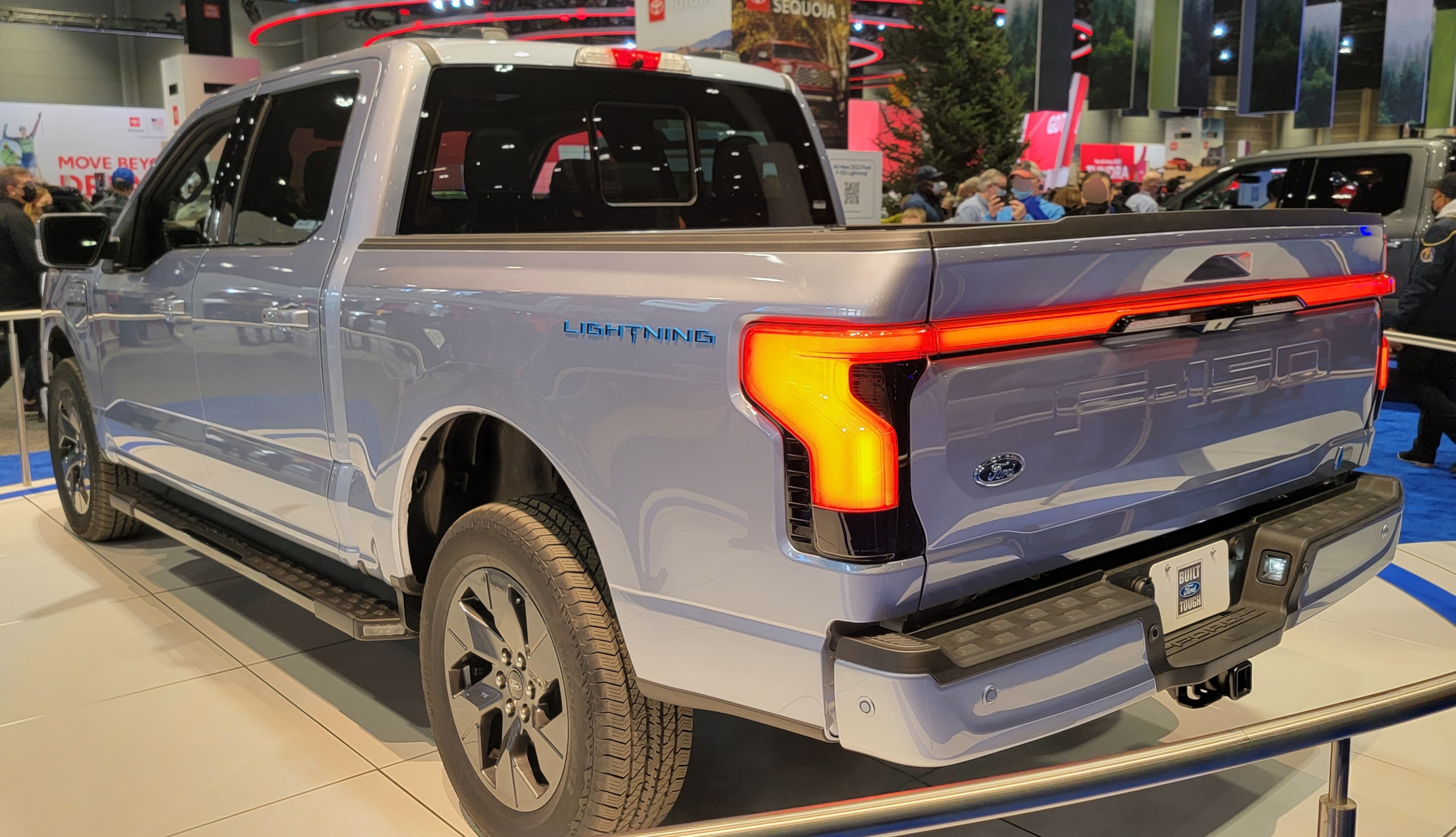
The Silverado EVs and the Ford Lightnings,
41:23
the actual sales of those units have been far less than what their factories were expecting.
41:29
And they've lost billions of dollars selling those units,
41:32
and dealers have lost billions of dollars selling those units too.
41:35
So will we see demand rise if the vehicles are less expensive?
41:41
Yeah, I could see that because I could see a lot of these vehicles being used by
41:44
local fleets, the Terminex truck, the grass guy, the pool guy,
41:49
all those people that are driving 40, 60 miles a day just kind of on a local circuit
41:54
go back home, plug in, not have any fueling charges, not having fuel maintenance charges.
41:59
I could see that being a whole category that people would want those vehicles.
42:06
But it's to be determined, you see, I don't think that anybody's looking at
42:10
this announcement saying, okay, now I'm going to go buy a Ford store.
42:13
I think that the dealers, the half Ford stores felt burned by Ford by how much money they had to
42:20
invest to create this charging infrastructure in their stores, and then the sales were never
42:24
there to support the investment. I think there's also some concern about the Ford quality.
42:31
There have been way too many recalls. And while that feeds your service department,
42:35
in the short term it's good. But if your customers get turned off by their constant
42:40
recalls and they defect to Toyota, it's been challenging. Ford recalls are breaking records
42:46
here. I mean, we cover them. And myself, as a consumer in the morning when we're covering
42:52
industry news, I'll go on our website, I'll read our news, I'll read our newsletter.
42:56
And I see Ford recall, Ford recall, Ford recall. It's definitely a pain point in a big way.
43:04
They got to work on this. I remember, I don't know how many years it was,
43:07
it was decades ago, but quality is job one. That was a Ford advertising mantra back in
43:13
the 80s maybe, I think it was the 80s or 90s. And rather than new products, I think
43:19
some dealers would say, hey, how about we fix ones we have so that, I mean, they enjoy
43:25
their recalls, don't get me wrong. But I think that when they hear the customer saying,
43:29
I can't believe I have to come in here again, is that going to hurt retention,
43:33
which is huge and harder than ever for factories and dealers to keep those customers
43:38
than it was before the loyalty is just less than it used to be. And if you have all these recalls,
43:42
that just arose loyalty. This episode is brought to you by CDG recruiting. Here's the truth.
43:47
Top dealers don't leave talent to chance. That's why I built CDG recruiting, the go-to
43:52
talent partner for dealers who want the best. We're placing general managers, FNI talent,
43:57
service directors, controllers, you name it. From the showroom to the C-suite,
44:01
we work with dozens of the largest groups in the country. So if you're working with us,
44:05
you're in good company. And because we've built the largest audience and automotive,
44:09
backed by over 180,000 industry professionals across our media platforms,
44:14
we know exactly where to find the people who can move the needle for your store.
44:18
If you're ready to stop hiring like everyone else, go to CDGrecruiting.com to book a free
44:23
call. Again, that's CDGrecruiting.com or click the link in the show notes below.
44:28
I want to circle back to underperforming stores because we spoke about, if you're seeing a higher
44:34
volume and you said you are, my follow-up to that is what's driving underperformance? Or is this
44:41
segmented to specific brands? Can you share more details there?
44:45
A lot of the health of a dealership has to do with its throughput. How many new units are
44:50
they selling? How many used units are they're selling? If you have high throughput, you
44:54
can have high profits. And if you have high profits, you can afford high quality people.
44:59
And if you have high quality people, it's easier to maintain and build profits. It's a virtuous
45:04
circle. And if you own a brand, let's call an Nissan, and they used to be, I don't know, 1200
45:13
units per year sold out of an Nissan store, and they lose enough market share. So now it's
45:19
maybe 900 units at that location. Your general managers may have left you. Your sales manager,
45:25
your FNI, your used car guy, your service department might have left because they're
45:29
making less money at that store as the volume declines. So as the desirability of the new unit
45:38
declines, so does the throughput location, so does the profitability per location. It all
45:44
connects. You're going to get fewer trades. You're going to have fewer shops or fewer
45:49
reconditioning because you have lower used car sales. You're going to have lower warranty
45:53
repairs because you have a lower new car sale. So it all circles down based upon your new car
46:00
volume. Now for volume brands like Nissan, they have far too many locations now given
46:07
the number of units they're selling in this country. And the same thing happened with Ford
46:12
and with General Motors and with Salinas. Their dealer networks are all built probably
46:16
from the 50s to the 70s when they were selling more cars than they are today.
46:20
And we're actually, we have a conference coming up in Las Vegas in September. One of our topics
46:26
is going to be how to create value in the Ford network through dealer consolidation,
46:30
where if they're six dealers in a metro, there's probably one guy who's in his 80s
46:36
and he has a piece of real estate downtown that might be better used as an apartment
46:39
building than a car dealership, work to buy that store and close it and share the,
46:45
share the customer list. And the surrounding stores will have an instant lift in profitability
46:52
without having to spend any more money on service stalls or advertisers or anything
46:55
else. They're just going to get more volume. So unfortunately, you know, when you get these
46:59
brands that decline in market share, it's very hard to sustain the profitability at the retail
47:04
level. And the former chairman at AutoNation had a phrase which I recall vividly, which is
47:10
there's a battle for talent and capital at auto retail. And that talent can bleed away
47:17
across the street. You know, the use car manager at Nissan becomes the use car manager at Honda
47:23
or Toyota or Mazda or Subaru or Kia or Hyundai. And he's taking with him knowledge and probably
47:29
some of his people, he's going to take some service riders too. And you can replace him,
47:34
but it's a little bit hard to hire somebody in a Nissan store today than it is a Subaru store,
47:38
just because the perception of one brand is doing well and the other one's suffering.
47:43
So unfortunately, when the new car volume starts to drop, it becomes a tough, tough
47:48
situation to turn around. And I know the team at Nissan is working very hard
47:52
to increase sales. And I know that Nissan's dealers are working hard to increase sales.
47:56
And a lot of that comes from product. And I am encouraged that the product I see coming
48:00
from Nissan, it does seem to be nicely styled. It seems to be nicely priced. They have a lot
48:04
of products below 30,000, which is what customers want today. So we're hopeful that Nissan will
48:11
recover. But in the meantime, a lot of dealers have said, I'm out. I don't have the talent
48:16
to run this business in a way that's going to make me a nice profit. So I'm going to sell it.
48:21
Yeah. That's also what I'm hearing. I mean, from dealers I speak with,
48:24
it's simply I'm really the number one thing I hear from Nissan is say too many dealers,
48:29
right? Like consolidate the dealer network, do you have too many dealers, too many points,
48:33
and it's just adversely impacting their sales. And it makes you wonder,
48:39
what is the best way to fix that? Because I think there's a bit of a conflict of interest,
48:44
you know, or not a conflict of interest, but it's expensive for Nissan to, you know,
48:49
reduce dealer count. Is there a better way to solve that dilemma?
48:55
I don't know that. I mean, General Motors spent a lot of money closing Cadillac stores and closing
49:02
Buick stores. And the results have been positive for the remaining Buick and Cadillac stores.
49:06
They're doing a lot better. And I think the goal there is when you walk into a Cadillac store,
49:11
it feels like a real luxury experience. It can compete with BMW or Mercedes or Lexus, etc.
49:15
Because they have a professional staff, they have a nice facility, they're in a good location.
49:20
And so it's been positive with General Motors have done. Ford has also been active in closing
49:24
points. And I don't know the direct impact I'm trying to get that data on, you know,
49:29
when you close one store, what happens to the other five, if you will. But I know from my days
49:34
at AutoNation, when we had a dealership, let's call it a Honda store in a metro, let's just
49:40
call it Atlanta. And if Honda decided to add another dealership near ours, contiguous point,
49:48
we would lose about 30% of the profit over the next three years.
49:52
So if the inverse is true, you know, if you have a competitor that goes away,
49:57
that you could pick up 30% profit over three years, that's very powerful way to
50:03
create value in the franchise system. If the franchise or the factory has the money to
50:09
support, or if it's, you know, actively supporting in other ways. I don't think Nissan has the money
50:14
today. I think that they're fighting to invest in product and incentives to benefit consumers.
50:20
So I think the dealers that have Nissan stores today that, you know, for them to make a good
50:24
return on investment, they've got to be very good at used and fixed ops and FNI. And
50:32
unfortunately, I've heard the charge backs at Nissan stores have jumped considerably in recent
50:38
months, as some of their former customers are refinancing or selling out into different brands.
50:44
So it's just, they're facing a number of headwinds, product will fix it, the better business model
50:49
will fix it. And I'm hopeful that's what's going to happen here in the next 18 months.
50:53
Likewise, Alan, as we're, as we're about to wrap up here, what are you excited for for the next
50:58
three, four, five months? I wouldn't say Q4 just yet because we have
51:02
another month here, but what do you look personally excited for?
51:05
Well, on the business side, we want to close a lot of the transactions that we have under
51:11
definitive agreement. We've got 34 stores that we've sold year to date, and we've got 25 stores
51:17
that are under definitive agreement. I just checked, we've got eight more stores under letterman 10.
51:21
And we've got 36 other stores are representing where we're about to go to market or we're in
51:25
market. So professionally, I'd like to get those transactions closed on healthy terms.
51:31
We're also organizing a couple of conferences that we're going to be having in
51:36
September and then an NADA, which I believe maybe you'll be sharing some news about that,
51:40
Yossi. But on a personal side, I would like to raise a plug if I can, which is on November 3rd,
51:47
I'll be running in the New York City Marathon. And I'm going to be raising money for Memorial
51:52
Sloan Kettering Cancer Center. And for those of you who have had family or friends or
51:59
yourselves impacted by cancer and you want to donate to try to cure cancer or solve cancer
52:04
or treat it better, please go to fredsteam.org. And you can make a donation there. I promise you,
52:12
I won't be running quickly in that marathon, but I will finish it and be a great joy for me if
52:18
you would join in supporting Fred's team and raising money for Memorial Sloan Kettering.
52:25
That's awesome. We'll put this in the show notes as well. It's a good gesture and appreciate that.
52:30
Very cool. And I didn't know you were a runner, so that's cool as well.
52:33
So, Alan, close us up. I mean, give us your prediction. Three to six months. I don't want
52:38
to go a year out. Give us the next couple quarters. What are you sensing here is happening
52:44
next in our market? More stability and increase and decrease in M&A. What are you seeing?
52:49
I can't predict any increase in stability on the political front because there just seems
52:54
to be so much drama there. I think that we can assume that the invisible hand of the market,
53:02
Adam Smith's term, that the OEMs are going to figure out a way to change their model lineup,
53:09
change their inputs, where their manufacturing or the parts are coming from,
53:12
to minimize the impact of these tariffs on everyone's business.
53:16
I think that new dealer profits will remain high. I think that the demand for M&A will remain
53:25
strong. I think the public companies will continue to buy stores. The private consolidators are
53:31
going to keep going. I think that the challenges that we've had in the past on the technology
53:37
side for dealers are going to have to continue to adopt. You mentioned Carvana. They have,
53:41
in my opinion, the best website and maybe one of the best captive finance companies.
53:47
Dealers are going to have to find a way in Phoenix and any other place that
53:50
Carvana might buy stores to respond. I'm hopeful that the brands out there that are
53:57
struggling will adopt some of the strategies and tactics that the leading brands use to help
54:03
their dealers, Toyota, Honda, et cetera, where they have a good partnership between the retailer
54:09
and the factory, that others can adopt those methods so that the weaker brands can get stronger.
54:16
We're all about trying to pull those folks up because we feel bad for our friends that own
54:20
some of these dealerships where they spend millions and millions of dollars on them.
54:23
They spend dozens of hours every week struggling. They deserve to get a good return on their
54:28
investment on their time. I'm hoping the weaker guys get stronger and the strong guys stay
54:34
and this market that we've enjoyed that's been so strong the last five years continues.
54:39
Well said, Alan Haig, Haig partners. Alan, thanks for joining me again. This is great.
54:44
Thanks for having me, Yossi.
54:47
All right. Hope you enjoyed that episode. Please give the podcast a rating. Consider
54:51
subscribing to the show and check the show notes for links to what we talked about.
54:55
Thanks for tuning in. I'll see you guys next time.