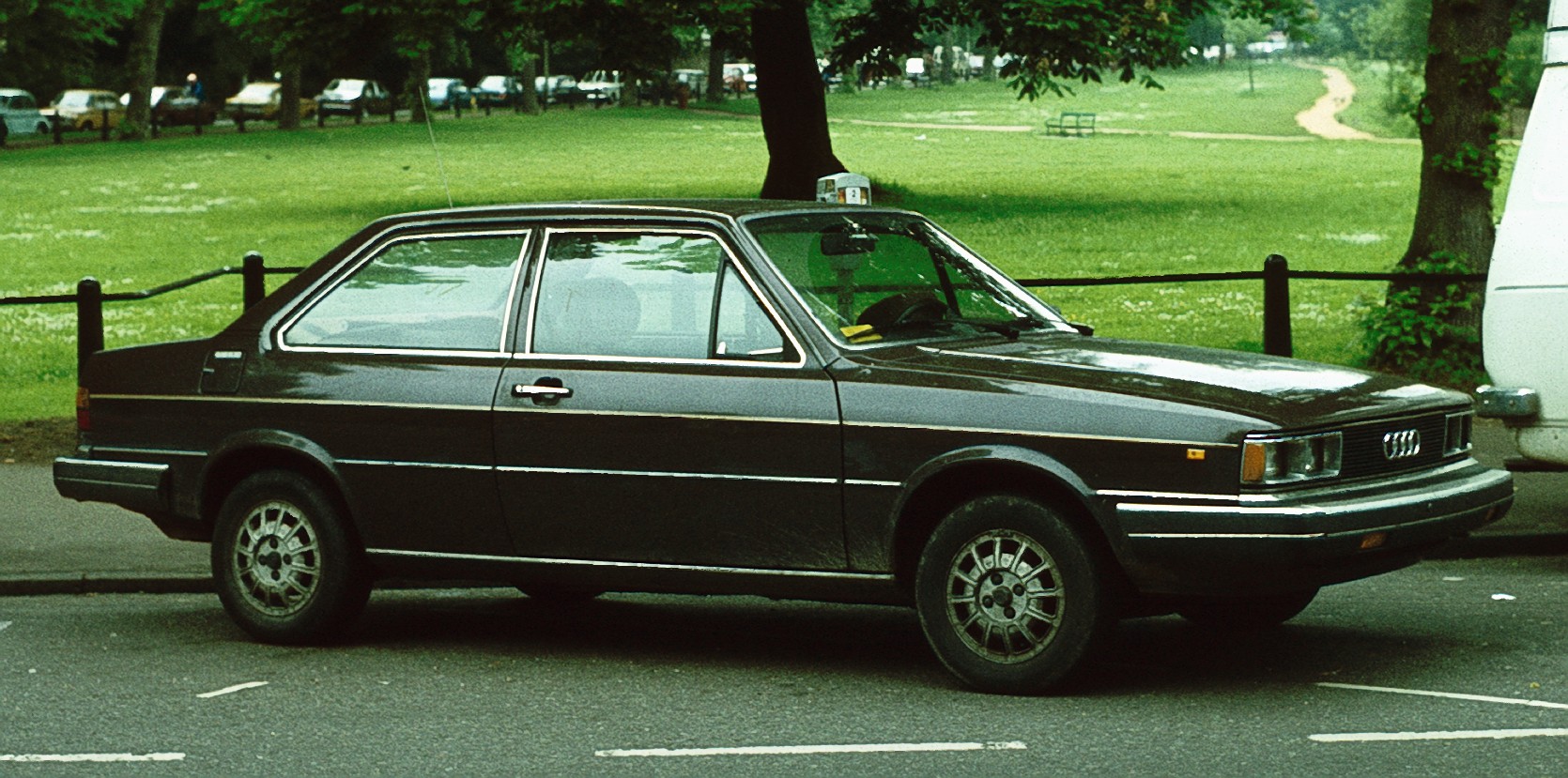
The Audi Quattro is a famous car known for its four-wheel drive system, which makes it great for handling on different types of roads. It was very successful in rally racing and has a unique, classic look.
The Ford F-600 is a strong truck from the 1970s, often used for heavy work. People sometimes change them to do special tasks, like carrying heavy loads.
A project car is a car that someone buys to work on and make better. People enjoy fixing them up and customizing them to their liking, which can take a lot of time and money.
Chevrolet, or Chevy, is a well-known car brand in the United States. They make many types of vehicles, including popular classic cars from the 1970s and 1980s.
The Chevrolet Nova is an older American car that many people liked for its speed and cool looks. It was especially popular during the time when muscle cars were really popular.
Provenance is like a car's history report. It tells you where the car has been, who owned it, and what work has been done on it, which helps you understand its value.
Nokia and Tires is a brand that makes tires for cars. They have just introduced a new tire that is designed for specific types of driving, which is exciting for car enthusiasts.
Surpass is a brand that makes tires for cars. The Surpass AS01 is one of their models designed for better performance, especially in different weather conditions.
An all season tire is a type of tire that works well in different weather conditions, like rain and light snow, so you don't have to change them with the seasons.
Nokian Tires makes tires that are designed to handle tough weather and road conditions. They have a special program that helps replace tires if they get damaged by potholes.
Hoonigan is a brand that celebrates car culture, especially things like racing and drifting. They have a popular YouTube channel where they share videos about cars and events.
Sport compact cars are small cars that are made for speed and fun driving. Many young people liked to customize them in the late 90s to make them faster and cooler.
VR6 is a type of engine made by Volkswagen that has six cylinders. It's designed to be smaller and lighter while still providing good power and smooth driving.
The Volkswagen community is made up of people who love Volkswagen cars. They often come together for events and discussions about their favorite models and modifications.
The Beetle is a famous car made by Volkswagen that has a unique round shape. It became very popular in the 1960s and is loved by many people around the world.
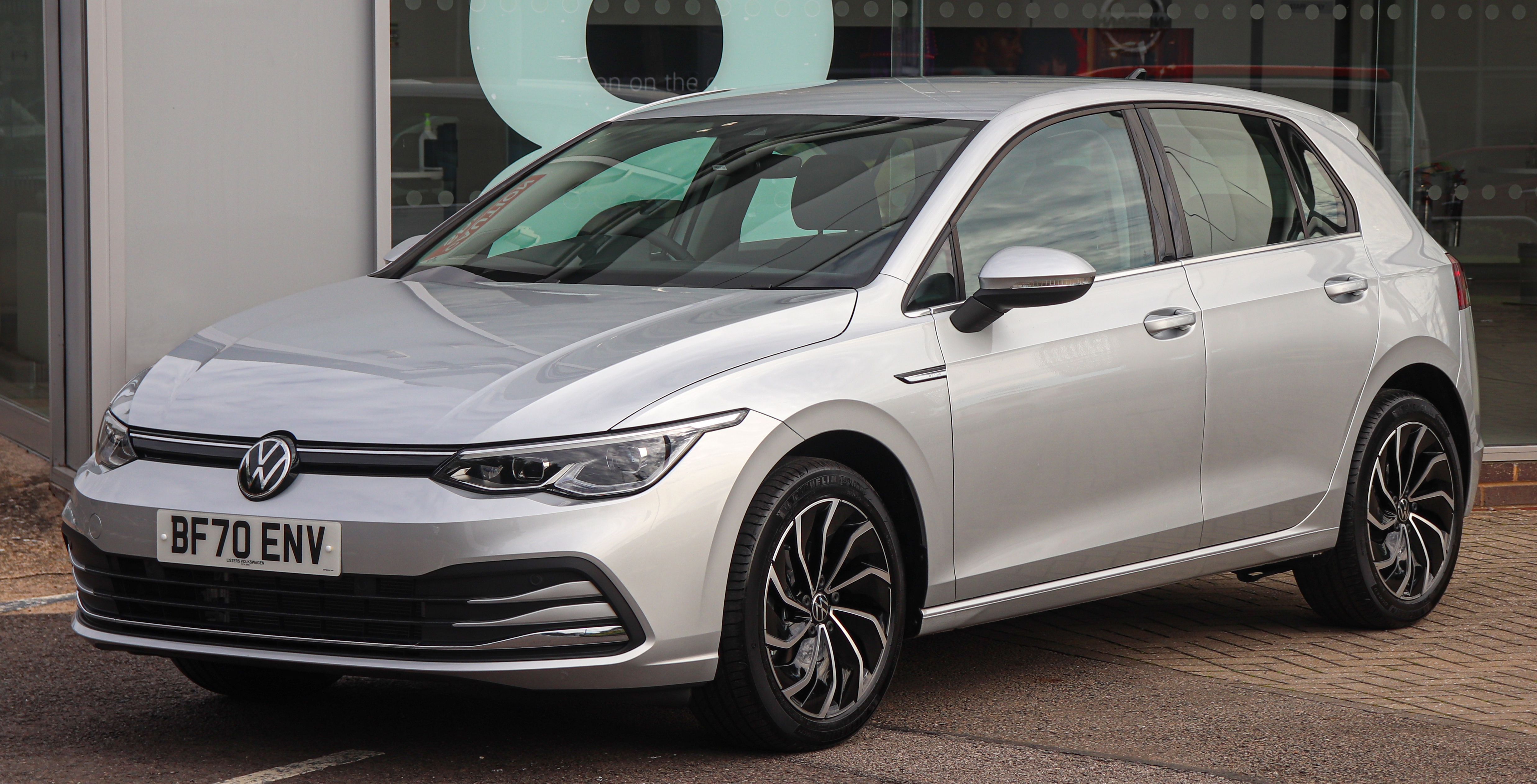
The Volkswagen GTI is a sportier version of the regular Golf car. It's known for being fun to drive and has a powerful engine, making it a favorite among car lovers.
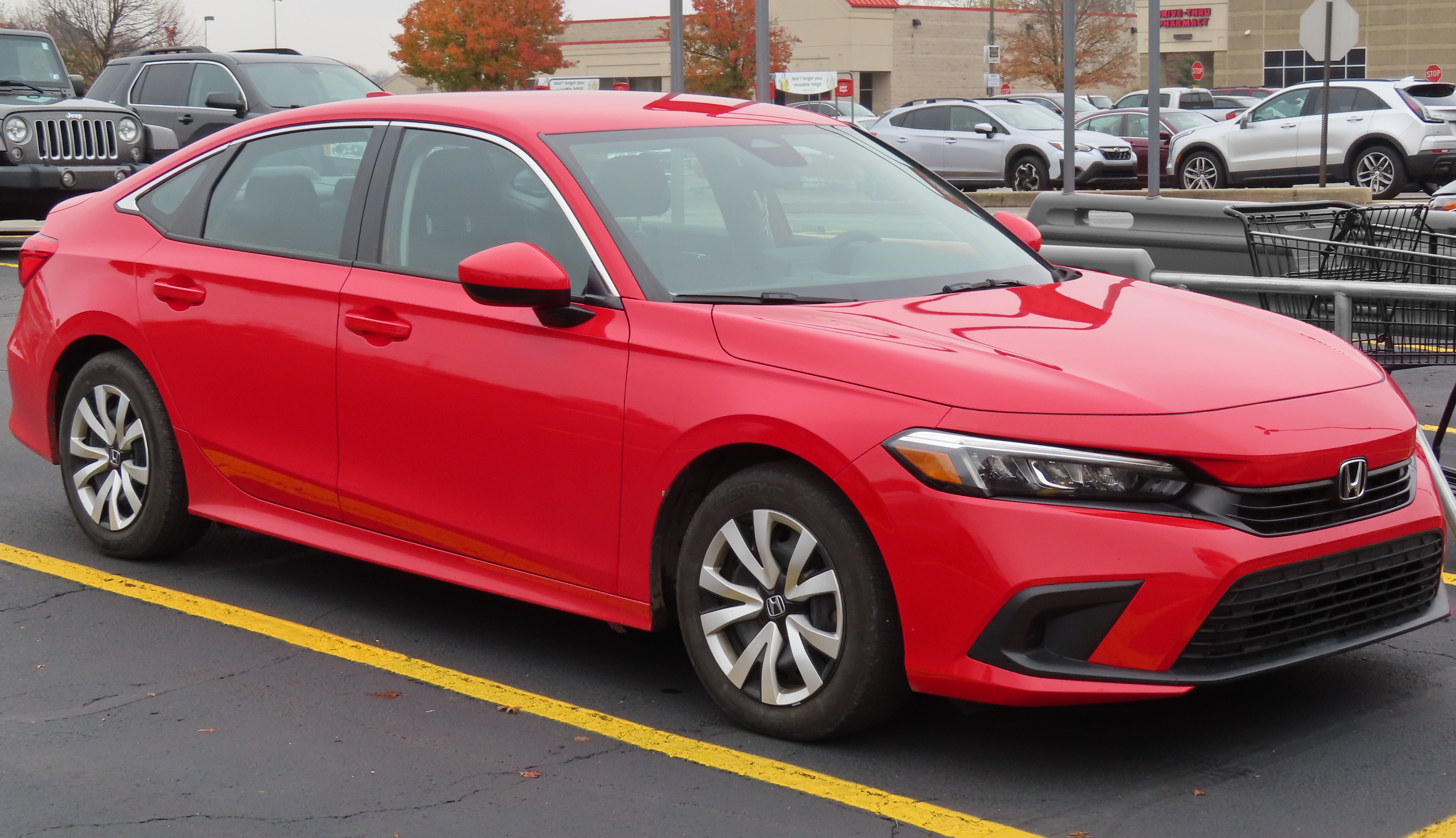
The Volkswagen GLI is a sportier version of the Jetta, which is a compact car. It has a more powerful engine and better handling, making it more fun to drive than the regular model.
The Hyundai Elantra N is a sportier version of the regular Elantra, with a more powerful engine and features that make it more exciting to drive. It's aimed at people who enjoy a sporty driving experience.
Because in this quest, to have more and more and more and more followers, right?
Like we wanted, you know, at some point, Hoonigan was in the 20 million audience range across platforms.
That you're just thinking about how do you get to 21?
How do you get to 22 million?
You kind of stopped thinking about how you service the original 500 who are like the rider die for you.
Mr. Brian Scott, Oman, it is a pleasure to have you on the podcast.
Sorry, it's taken so long.
I feel like we've been threatening to do this for months now.
Threatening?
Dude, how's your podcast going, man?
I've seen you've been doing it.
I've been checking it out.
Do you like it?
Do you enjoy this format?
I've always enjoyed podcasting.
It's actually the best podcast I've ever seen.
The medium I most consume myself.
So I think it's because I just don't have time in my life between being a dad and running
companies, all that kind of stuff.
So like sit down and absorb video content.
And when I do, I tend to watch like serial programming or movies because I still have
like a massive love for film.
So for me, a podcast is something I can like stick in the ear and like go run my tractor
on my farm or work on my car or, you know, drive back and forth to, you know, the farm
or things like that or go to a meeting.
So I've always loved podcasts and I have forever.
Like I'm actually, I don't want to say forever.
I am one of those people who got caught into podcasts during the serial like trend.
When serial was booming, it was like 2015 or 16 or whatever it was.
And everybody was listening to serial and like it got me hooked.
I don't think I was ever like a talk radio person or really saw, I mean, I, I enjoyed
like Obi and Anthony, I was a kid working in New York City and it was something fun
to do on, you know, in the morning commute.
But that I think really got me hooked.
I listened to more and more and all different types like from, you know, I don't really
actually listen to how to mode a podcast by listening to a bunch of other stuff and a
lot of stuff in film industry, so on and so on.
And when, when I was at Hooten again, I really wanted to do a podcast, but the reality is
it's like, it just wasn't, the juice wasn't worth the squeeze to the company.
Because relative to the rest of the revenue and everything else and the time and everything else.
Yeah. Well, one podcast weren't, I think on the level they are now, like there's a bigger
audience looking for them, but it would take a lot of effort to put it together.
And then when you're just looking at YouTube numbers, it's like a smaller percentage.
So it's like, you know, my podcast now it's like the best episodes done, like 70,000 views,
which is really good for an automotive podcast.
Whatever else is doing, that's there. It's doing well.
But when you compare it to an average of half a million views a day, which is what Hooten
was doing with all the other content, it didn't make as much sense.
So we, we did one with Spotify that like was short-lived, but I'm still.
Do you think the audience is different though?
Like, I mean, if you look at like your demographics and your metrics and everything,
you know, for what the, it's like almost like a, I feel like podcasts are this really like
filed down distilled version of an audience.
Yeah, which is going to be different than like a fully YouTube algorithm driven audience, right?
But I think podcasts is just a different type of audience.
Like they're, they want to listen for longer.
They want the deep like talk.
They want the nuance.
Like they don't want you to cut.
They want like the whole story and that isn't the full audience, right?
So if there's like a hundred people who want to consume content,
like only maybe 15 or 20% of that want to consume it in a podcast format.
Like it's, it's a different kind of person.
It's like the difference between, you know, I'm a magazine guy.
It's the person who reads the feature articles versus just reads the sidebars.
Right.
Like I'm a feature article guy.
Like I would buy Vanity Fair and read a 21 page feature article because I enjoyed it.
A lot of people bought Maxim and just read the sidebars.
So for me, like most YouTube content.
They read Maxim.
Yes.
They, they read.
I've always been thinking about like in the last probably two years podcasting has gone from,
you know, just when, when we started doing Overcrash for like 500 and something episodes in,
and it was purely audio, right?
I would sit in front of Jake or I'd sit on the phone and I would just talk to somebody.
And there's this different dynamic and I'm not sure which I like better of what we're doing,
where I get to see you versus just like holding the phone in your hand and just
listening.
It's like, if you take one sense out of it completely, is it better?
What's the difference in the format?
And what is the video format doing to what was largely in a lot?
Dude, we get a lot of a consumption just on Apple podcasts and Spotify still of people just listening.
And I'm wondering what that has done to the medium as well.
It's interesting.
I think for the actual making of a podcast, I really enjoy the connectivity of being able to see each other
because I think one, you're, you can read each other a little better.
You're less likely to step on each other because you're not just like,
it's not just like waiting for the other person to talk.
But I still consume my podcast 99% audio only.
Like I still just like the audio only thing because it allows me to do something else.
And I don't know.
I just, I also was like one of the kids you grew up reading.
So I, I enjoy the imagination that can be created from a podcast.
I think when someone's telling a story, I can picture my head where if I are telling the story
and then they're like feeding me photos or whatever, like that's driving my imagination,
which like, I don't know, like it's, it's valuable for some people, but I prefer it the other way,
but I'm fucking old, you know, so.
And it does feel that way sometimes.
All right, I want to kind of get going with a, a very philosophical question.
And I'm sure you get asked this question a lot because it's your kind of your MO
is what is the difference between a project and a fantasy?
You know, like if you, when you look at like,
okay, you know what I mean?
Like we all like, I bought cars with like what I think I can do
and what I think I'm going to do.
And sometimes it's a fantasy, right?
And then you also buy a car or a project that you're actually going to get done and drive.
For you, what is the difference?
Like how do you define, you know, what you're going to take on for project and which becomes which?
I think I actually really suffer with what the difference is.
I think I buy a lot of projects that are really fantasies.
And then I realize that they're not actually ever going to come to fruition.
But I don't know, I'm okay with that.
I think it's, I think it's good to, to dream a little bit, you know?
And then sometimes they do come together.
Like I have cars that were supposed to be really simple projects
and then kind of became fantasy cars.
My Audi Q Quattro is a good example of that.
I never planned for it to scope creep to where it is, but it just kind of happens.
And it was kind of fun along the way.
But then I have other vehicles.
Like I have this F 600, like an old 70s Ford that I have this ridiculous plan
to build it into this ramp truck that's like Dormax powered.
And like it's got all these hydraulics on it to make like,
make it do all these things that you want it to do.
It's kind of insane.
And it's probably way more expensive than I think it is.
Because in my head, I'm like, I'll do it this way.
I'll be fertile.
I'll get it all done.
But I think to rewind a bit, I really enjoy the paper build.
I enjoy the fantasy of project car building.
Like that's a big part of it for me.
Like it fills a lot of time for me.
Like the search for the car, the research, like really understanding what you want to do,
building out a really good plan of what you want to do,
and then starting to hunt and track down parts you might want
and all the different pieces that you need.
And then trying to figure out how that's all going to work together.
Like that's really exciting for me.
And that all sort of happens in a notebook, right?
Like that's before you even get to it.
So I don't know.
I think I'm probably the wrong person to answer that
because I've got a bunch of projects that they haven't even started yet.
Because they're still sort of just living in my fantasy league of project lineup.
It's funny you mentioned that because I just actually did this.
I think it was an ad spot or whatever for my next episode.
And I referred to it as fantasy league for people who kind of play football.
Like I have like paper build projects for people who can't finish their own projects.
But you can still just pretend.
You can fill up a few things.
Like you can have a bunch of tabs open on your computer
of all these things you plan to put in the car.
I don't know.
I enjoy it all.
It's also one of the ways that I've learned so much about cars.
Because I'll just find like,
ooh, I think I want a Mitsubishi 3000 GT.
After like 27 hours of research,
I realized I don't actually want that car, but I know a lot more about it now.
Yeah.
It's interesting how you go from like this.
I don't know.
I'm just kind of presuming this just based on,
you know, what I've heard about you and stuff like this.
But your Volkswagen kit at heart, right?
That's kind of where it started.
How did that journey start for you?
And then when did that diverge into this diverse spider web of all the other things?
Yeah, sure.
So I grew up riding BMX.
One of the guys I rode BMX with had a Mark II Golf, this guy, Tom.
And I just thought it was super cool.
He then got a Mark III Golf like way when they first came out like early 90s.
It was probably like a 93 or a 94.
And like as someone who rode bikes, especially in New York City,
like cars like hatchback Volkswagen's were super cool.
Because we could throw our cars in the back,
or we could throw our bikes on the roof rack.
And like four of us could go leave New York City
and find like cool trails to ride or skate park or something like that.
And then obviously snowboarding came about and it was even more,
you know, it was another reason to kind of attract to cars.
That was what got me into Volkswagen.
My grandfather was into cars when I was younger.
He passed away when I was eight.
But I think he gave me that like initial love for cars.
But I was a very pragmatic kid.
Like I didn't read Hot Rod Magazine in high school because I couldn't buy a car.
So like I was into bikes because I could bike at the moment.
And I was into RC cars when I was younger.
Like I didn't really care about real cars until I was able to actually go buy one.
And for me, Tom's Volkswagen was the reason that I started to get into VWs.
And then there was this other guy, Craig Olstein,
who's like still pre-active in the Volkswagen community.
And he lived up in Montpelier, Vermont when I went to University of Vermont.
And he had like a bunch of cool Volkswagen's.
I ended up buying my first golf from his mechanic at a shop called ProWorx.
I was 18 or 17 when I bought it.
And that was it.
I just got hooked on it.
And then like from there, I really sort of, I definitely drank the Volkswagen Kool-Aid.
Like I could argue why a Volkswagen was the ultimate car.
And like it would beat everything and so on and so on.
If not a Volkswagen, an Audi, and if not an Audi or Porsche,
like I really bought into the whole brand thing.
And I was really like a loyalist.
I didn't, still this day I don't really like BMWs,
but that was really all I cared about.
And I then got a job in the magazine world.
And I started working at a magazine called Rides,
which was hip-hop car culture.
That couldn't have been further from what I was doing.
Now could you just say, man, how like, how does that Venn diagram work?
Well, when you live in New York City,
there's not like a ton of options for car magazines, right?
Like it wasn't like, oh, I'm deciding between Road and Track,
or Super Street, or Sport Car by Car.
It's like that just wasn't, like there was one company
that was doing car magazines in New York.
And it was this hip-hop, you know, music publishing company
that decided to make a car magazine because they had so many car,
they had so many wheel ads in their music mags
and in their men's magazines that they just saw this as a money grab.
Like, hey, let's spin out this magazine.
Dub was obviously already out there.
And they were like, let's go do this.
And I got an opportunity to work there because I was,
I wasn't, I had never planned to be an automotive journalist.
That like wasn't really the plan.
The plan for me was that, the plan for me was that I wanted to be like,
I actually really want to be a war journalist.
So kind of went completely different way.
But I was working in the culture space,
I'm working for a bunch of culture mags.
And because I was into cars, because I could drive stick,
I used to start, I started getting invited by all the other magazines
to go drive stuff for them.
Because they'd be like, oh, you know, Porsche invited us this thing,
but like no one even knows how to drive a stick, let alone drive a car on track.
So I started doing that.
And then eventually met people at rides.
They gave me a senior editor position.
Eventually I ended up taking over as editor-in-chief there.
That publishing company trust me to do zero to 60 magazine.
I launched that.
And like in that span, I think it was this weird moment
where I had to sort of take the blinders off and realize like,
okay, Volkswagen's one aren't the only cars that exist.
Two, they're not the best cars that exist.
And then three, you start to like look at things that you don't,
you never thought you was like, for example, dunks.
Like that was not something that was in my repertoire
of what I thought was cool.
But you start to spend time with those people.
And you realize that they are just like Volkswagen nerds.
Like guys who are into box Chevy's,
and they have the nuances over all the different types of trim
or the way the paint is done, or how the lifts are done.
Like they, they are as nuanced on how to lift a car upon wheels
as we are in dropping car on wheels.
Do you know what I'm saying?
Like it's the same thing.
And you may see a whole bunch of different stuff
and you don't notice it because you don't live in it.
And I don't know, that made me sort of like have a real appreciation for that.
And then that's just sort of opened it up.
And next thing I knew I was sort of like getting more and more
into all different stuff.
So whether, you know, as an automotive journalist,
I was driving all this new stuff.
On the ride side, we were dealing a lot with old classics,
especially like American, you know, Chevy's sort of 70s and 80s
kind of era stuff.
And then when we started Hoonigan,
I quickly realized that if it was,
if I didn't actually care about it,
I wouldn't like know it and I wouldn't be able to speak to it.
And that sort of opened this world for me to like really want to get into stuff.
So like when we started getting,
we moved to California, I had no interest in muscle cars.
So much so that zero to 60 had a strict rule,
which was like no muscle cars.
Because to me, muscle cars was like boomer shit.
And like that wasn't the magazine I was making.
Like I was making.
Were you right or were you wrong?
Were you right in that assumption or were you wrong in that assumption?
I still think muscle cars are kind of boomer,
but I think that there's a group of people that have adopted that
and there's like a new audience for it.
But when I was looking at muscle cars in the mid 2000s,
like it was like Jackson Peak, everyone's building 69 cameras
and it was real fucking boomer shit, right?
So like it just what,
and I also felt like it was well over served.
Like there was tons of magazines talking about hot rotting.
There was every TV show on, you know,
on discovery was talking about mostly 69 cameras.
It was all the same shit and I was just sick of it.
So at zero to 60, we had this rule that like,
we only talked about cars that were post fuel crisis.
That was like the cut off for us.
So, you know, mid 70s, right?
It was sort of where we picked up on it.
And the thing for me was that, you know,
I just wasn't a thing for me.
I moved to California.
I saw a Nova drive by me in Venice and I was like,
I fucking need that.
Like I don't know what it was.
I think it was just the change of climate of environment.
Like a muscle car never made sense to me in New York City,
but man in LA it made sense and eventually I bought and built,
you know, my Nova.
And I started to realize like those were ways that like,
I was able to sort of understand the space more like authentically
was to go like get into it and like build it and be a part of it
and like really live in it.
And that was like, I think really important for the early Hoonigan days
because as you're trying to speak to more than just rally car guys
and drift guys, it was really important that like,
you know, you kind of lean into those spaces.
So like, you know, I've gone down muscle car, traditional hot rotting,
you know, overland, you know, you know, big truck cultures,
medium truck culture, like all the off-road stuff, like all that stuff
I just really kind of got into.
And I just have a general real love.
Like I like the weirdest stuff.
Like it doesn't even have to be performance related.
I just like cars.
Does that answer your question?
I feel like a rancher.
Yeah, yeah.
I was going to say, you mentioned the Kool-Aid of,
of you drank the Kool-Aid, right?
And I think we all have drank some sort of Kool-Aid of some sort
in our life.
You're drinking Kool-Aid literally right now or tea, one of the two.
What makes the Kool-Aid?
You know, when you think about what Volkswagen gave us, and
I don't know if it's a unique to that time period thing or not,
but what makes that Kool-Aid that really just hits with, with car guys?
Or maybe even non-car guys, like just as a brand in general.
Now the story of your car matters just as much as the machine itself.
Every seat, every late night fix, rally mile, that's your car's identity.
But most of us have that history scattered everywhere.
You know, it's in your glove box, it's on social media,
it's in a repair bill that who knows where it went.
The common gear fixes that.
It's a platform built by real car people, for car people.
It allows you to digitize everything, maintenance receipts,
build photos, you know, records, provenance, where it's coming from,
where it came from, every mile that you log, every oil change.
And it's all organized, all searchable, all in one single place.
And if you've got decades of paperwork perhaps that you bought with a vehicle,
guess what? They have a white glove service.
They'll digitize everything for you remotely or on site.
You'll hand them chaos and they hand you back a complete car history.
It adds credibility, it adds value.
Think about if you're going to sell your car,
everything now you can show is in one place, has records, is ready to go.
Go to thecommongear.com, make your free account,
and start building your car's digital legacy today.
Nokia and Tires has officially launched their newest tire.
And it's one we're especially excited about,
as it's tailor made for the type of driving we like to do here at Overcrest.
It's called the Surpass AS01.
And what sets it apart is it's a high performance, all season tire.
It's made specifically for drivers who want the most out of their cars,
without sacrificing capability when the roads get slick.
We know all too well how unpredictable the roads can be,
whether you're out on one of our rallies,
one of your own adventures, or just running to the grocery store.
And let's face it, a car can only perform as well as the tires it's on.
That's why the new Surpass AS01 is so great.
It offers the grip of a dedicated performance tire,
but won't we be stranded if the road or weather gets rough?
Not only does it come with a 55,000 mile warranty,
it also offers Nokia and Tires pothole protection.
If you happen to damage your tire beyond repair,
Nokia will replace it for free.
Check it out at nokiantires.com slash Surpass.
Yeah, look, for me, Volkswagen was this community element, right?
I mean, still to this day, there's guys I met in Volkswagen
who are a big part of my life, right?
So Tony Harmer was one of my best friends.
I met him through cars and then AutoCreek, which is my car club.
Dude was my best friend, or still is my best friend.
My roommate was there when I got married, was there with me at 0-60,
was there with me through different moments at Hoonigan, stuff with Ken.
That's someone who I met through the Volkswagen community.
There's other people like Jason Whipple, who even though we never met,
like we didn't meet until recently, the last 10 years or whatever,
but he's someone that I knew from that space.
I think that there was something really unique about the Volkswagen community,
and I have a little bit of a different perspective on this,
and I think some of the younger kids do, because the way I saw it,
and the reason I started my own car club,
was that in the late 90s, civics or Hondas were it.
Like sport compact cars were the movement,
and Volkswagen's felt really small and really niche, right?
There were so many Honda kids out.
I would go to Francis Lewis Boulevard, and I would say there was maybe
for every hundred, you know, Hondas or Nissan's, there was six Volkswagen's, right?
I mean, there just wasn't a community there for it.
And when I actually, I mean, the story of starting my car club is,
I came home one day, I was like 19, and I was like saying to my mom,
I'm like, yeah, just a bummer.
They're like, there's not really that many like Volkswagen guys down here,
because I knew a bunch in Vermont because of Craig.
And my mom said, well, why don't you start a car club?
I was like, oh, I never thought about that.
She's like, come on, let's just start a car club.
And like, as you know, I posted something on like an email list
for like the VR6 drivers list or whatever, and started a car club.
And I met this guy, Jason Slack,
who was the vice president of the car club,
vice president of AutoGrig.
Me and him, still friends, you know, as kids and my kids play,
you know, my kid plays with his kid.
And we started this thing called AutoGrig,
and the tagline was the family your parents never gave you.
And like, that was like such the vibe for us was like,
we felt like outcasts because everybody else was into Hondas.
I think four or five years later, that's that changed.
And the Volkswagen community was actually massive.
But for me, when I got into it,
it did feel like you had to sort each other out.
And if you saw like another VW cruising on the LIE,
you would wave to each other and get off of the next exit
and like exchange phone numbers and hang out.
Like, what are you doing? What do you got?
What do you got? Yeah.
Yeah. And it was like, that was like such a cool thing.
Like I grew up skateboarding.
I grew up riding BMX, snowboarding,
and also listening to like punk rock.
And all of those communities were like that.
Like if you walked in, you know, my first day of college,
I always talk about this and like how I think of brands.
My first day of college, I very much thought like,
what was I going to wear? Right?
And it's like, I was going to wear a hat that said I was into snowboarding,
you know, because I went to University of Vermont.
Well, I was a lot of people snowboarder there.
And I was going to wear a t-shirt that was a punk band.
And I think I wore like an op IV t-shirt, you know,
and like a 5150 hat or something.
And you know, it's because I was waving that flag to be like,
I'm into this.
And like, that's how you make friends.
You know, and that was cool.
So was the Kool-Aid a sense of belonging?
Is that what the Kool-Aid is?
Yeah. And I think so.
And I think once you belong, you kind of,
it's a little bit of a cult where like,
you can't say anything bad about the thing.
Because like you're, I mean, look,
we could turn this into current politics today.
But I think this is the problem with left and right is like,
you get into something and all of a sudden,
like everybody follows the rules.
Because that's human beings are very tribal in that way.
Yeah. You don't speak badly about it.
You kind of like, you know,
everybody believes their thing is best because that's this sort of truth
that you all have to have, right?
To belong to this cult.
And I definitely like,
I still kind of belong to the Volkswagen, you know, Audi cult.
But being a journalist made me change that.
Like if I had to, a good example of this is like,
I would do comparison drives and I'm not a BMW guy,
but I would go drive the new BMW and drive the new Audi.
And the new BMW was a better car.
And I had enough journalistic integrity to say that,
even though I liked the Audi more.
And I liked the Audi not because it was a better car.
I liked the Audi for my own personal biases.
And I think that starts to kind of make you see,
like, you know, kind of see through it a little bit and go,
okay, yeah, I was drinking a bit of the Kool-Aid.
But for me, like I still love the community.
I went to Roots not last year, but the year before,
which if you're not familiar with is like the big, you know,
sort of classic Volkswagen pre-1999 event
while in New Jersey.
And it was like high school reunion.
Like I had such a good time there.
And it made me realize how old I am.
Because it's the same thing as old dudes listen to the beach boys
and go into like, you know, whatever.
Well, that's where I was going to go with this next is like,
is it, is that Kool-Aid even exist anymore?
Like if you look at Volkswagen,
just as an example, because it's easy pickings,
if you look at Volkswagen now, does that Kool-Aid exist?
Do they even make it?
Is it something that can be extrapolated out anymore?
Does any manufacturer cultivate community?
I think that there's two things here.
I think, and like it's easy to sort of, you know,
kind of confuse them, but like you have Volkswagen the scene
and then you have Volkswagen the automaker.
And I think Volkswagen the automaker was got like,
kind of understood what was going on with the scene in 2001.
And then yeah, with a little fast and then smashing the car
with the German hit the button.
Fast was probably the last thing they did where you're like,
they, they understand the community.
Like they're at H2O, they get this.
And I feel like from there, they've completely lost the plot.
How? Why? What?
It seemed like it was just like this cash cow,
this great community and this great grassroots thing where
everybody is a preacher for you telling you to buy a Volkswagen
or telling your mom to buy a Volkswagen.
You're telling your cousin, your brother-in-law,
your sister, strangers on the train.
You know, it was like something that was like in our blood.
Right?
You know, I grew up a Volkswagen kid too.
My first car was a rabbit.
You know, it was Volkswagen forever.
And then they just, they just lost how, how do you
think about how many people you know with Volkswagen tattoos?
Seriously, everybody's gone on their calf, on their calf right here.
Oh yeah, that was like the classic one.
I don't have one, but I don't have any.
But think of, I mean, that is crazy brand affinity, right?
And if you think about it, like that's existed for Volkswagen forever
because they had that in the air-cooled gen.
I mean, we're not the first generation of Volkswagen guys, right?
Like the Beetle, the bus, I mean, that had its own audience.
And then obviously, you know, the Mark I, the Mark II, the Mark III, the Mark IV,
I think it starts to fall apart once you get to the Mark V.
I don't think they're supporting in the same level.
And it just sort of all kind of goes away.
I don't know.
I look, this is, this is something that is really weird to me.
I was telling James Pumphrey this that, you know, I've been like having a war
with Volkswagen in the comments because anytime they post anything,
I just like troll them because they talk about, you know, the GTI and,
you know, in their history.
And it's like, guys, like stop living off laurels.
You don't care.
Every manufacturer is doing that though, right?
Like everyone's doing that in the new like Porsche ads or whatever.
There's all, I looked at one.
It was like, there was like a Targa that changed into a Macan EV.
It's like, what is the vector of that?
Heritage is almost just all that's left.
It's a tough one because I think one, you know, you look at the,
we were this group of people that I think became, as you said, you know,
we were the apostles for Volkswagen.
We were out there telling people, you should buy a Volkswagen.
Like I'm telling, my grandma bought a Volkswagen Passat.
They owned nothing but American cars until I convinced them to buy a Passat.
After that, they only owned Passats until they died.
Both my grandmother and my grandfather, right?
Like my aunt bought one.
Like all these other people bought Volkswagen's because I was like,
these are really good cars.
And it's almost as if the people who were out there being the VW evangelists,
like they did the work so well that Volkswagen, I think,
kind of forgot that there was this core that was really helping them push forward on that
and would defend them and had drank the Kool-Aid and thought their stuff was great.
Well, they certainly like it for granted, that's for sure.
I wouldn't, I would not buy a new Volkswagen today.
I tell people all the time, because people will be like,
oh, I want to buy a new car.
You know, what do you think of the new GLI?
I'm like, I think you should buy an Elantra N.
It's less money, it is way more fun to drive, and probably will have better support for it.
Like, and it doesn't feel like a bloated Camry.
It feels like a young company trying to do something.
Yeah, yeah.
Yeah, I know.
It's sad, like I, this was the joke, I mean,
the conversation James and I were having was like,
I'm going to troll Volkswagen and I think he's doing a better job at it
because he made a whole video about it.
But I want to troll Volkswagen until they hire me to fix the problem.
Like, I'm going to be that person because I just don't,
I think that they could do a lot better.
And, you know, I'm probably more of an Audi guy now than I am a Volkswagen guy.
And I think Audi sort of, Audi's like ping-ponging back and forth.
You know, you're like, I think they lost the plot for a little bit,
and then they brought the RS6 here, right?
And then they absolutely lost the plot and being like,
we're going to be EV only.
And I was a part of that because we did a deal with them.
And then while we were doing the deal, they're like,
oh yeah, we're not making gas engines anymore.
We're like, what?
Yeah.
And then they, you know, they reneged on that and they're back.
And I think, I think I just saw.
I think everybody's got whiplash.
All the manufacturers have EV whiplash right now.
Yeah, yeah.
And I think Volkswagen suffers from that too.
I mean, the ID buzz is a different example of that.
Like that, the return of the original bus should have been a crusher,
but it was like overpriced and only speaking to people who want an EV.
And like, if you think about this.
I called it out as nostalgia finance.
The thing was 60 grand.
60 base.
I mean, like, you like to really get into something you want,
you're talking 75 plus.
And it's an EV, which means it's your second car.
Yeah.
It means it's your second car.
Because you can't just own an EV if you want to travel more than an hour from your house.
Like if you live here in California and you need to drive to Las Vegas,
it's just nothing.
Imagine being here when it's negative 10 and the thing's got 40% reduced range.
I mean, I think that's the thing you think about.
It's like, that's your second car.
So like it's already a luxury because you need another vehicle
or maybe it's your primary car, but you need a second car that can go further
and deal with all that.
It was a big ask.
And I don't know.
It just seems like it landed wrong.
Like the weird thing for me on the bus is that the audience is boomer.
Like I didn't grow up loving buses.
I have a Vanagon now, which I think is pretty sick.
Yeah.
But the Beetle did so good when they brought the Beetle back.
The new Beetle did great, but that was because it was like 15 grand.
But they brought the new Beetle back 26 years ago.
Yeah.
Time flies doesn't that boomer is now a lot more dead.
But I mean, you know, I'm saying like a Gen X.
So, I mean, to think about that, actually, it's a really good edition.
Gen X is now at the age that the boomer was when the new Beetle came out.
They should have brought back the Shirako.
Yeah.
That would have been a smarter move to speak to the Gen X audience.
Shirako, Karado, something.
Yeah.
Yeah.
Yeah.
A new Karado, a new Shirako.
I only say that because they keep bringing back the GTI
and just making it more and more bloated.
But like, you know, I think maybe the bus just wasn't the right move.
Like they're still, they're chasing a nostalgia that the people who have that
nostalgia are like in their late 60s, 70s.
Yeah.
I don't think most manufacturers fail at bringing back name plates.
I think Nissan did pretty good with the Z.
I think that thing is solid comeback.
But I don't, I don't trust Volkswagen to do it at all.
I really don't.
The new Beetle is a good example.
I was never a big new Beetle fan, but like, I definitely remember, you know,
being excited about it when it came out because it was cool for the brand.
Yeah, they crushed it.
It was awesome for them.
I mean, I didn't want one.
I don't want anything that comes with a flower.
No, it definitely, it definitely made water cool Volkswagen shows kind of whack
because all of a sudden you go to a Volkswagen show and the new Beetle category was like 100 cars.
And it was like what vase you had in the dash for your flowers.
And like everybody just had like some gross flower wheels.
And like eyelashes on the headlights and eyelashes on like just like the worst mods
and like none of it had any style.
And then one of them would take best of show and you're like, you got to be fucking kidding me.
There's like a car here that has like 90 grand dropped into it.
But you guys like the new Beetle.
But yeah, anyway, all right.
In 2023, you walked away from 13 years of your life to do something new.
Was there a time that you knew that that was going to happen?
Or did it kind of gradually happen over time?
Did you see it coming?
And how did you deal with that change?
I always knew it would come one day, right?
Realize when I met Ken, he had just sold DC shoe company.
So Ken was on the backside of like no longer running a company,
you know, having some having a decent amount of money that he walked away from that with
and decided that he was going to go race cars.
So when we started Hoonigan, you know, he already had a business model that was
comparative to what we did at DC, right?
Which was like, we're going to build this thing and we're either going to license it
or we're going to sell it.
So like from the beginning, I always knew that there would eventually be some sort of exit.
I actually thought the exit would happen a lot faster.
Like in Ken's mind, it was five years, right?
But realize five years after we launched Hoonigan, we hadn't even launched on YouTube yet.
When I say launched, we were doing YouTube, but we weren't doing daily transmission.
So like Hoonigan was operating as sort of like an ambassador brand,
like where we were, you know, where like our athletes were the marketing.
So like athlete, you know, athlete marketing is the technical term.
So like, you know, Ryan Turk, right?
Chris Forsberg, you know, obviously Ken Block, you know, B.J. Baldwin, right?
All these drivers were the stars and we were building all this content and supporting that
and backing all of them.
And it wasn't until 2017 that, I think it was 2016, I forgot, I think it was 2017,
where we started uploading content from Hoonigan, like from the people who worked at Hoonigan.
And we didn't do it because we thought it was going to crush.
We did it because we had invested all this money in, you know, camera equipment.
And it was sitting for a month or so at a time and we're like,
hey, let's just make our own videos and like just throw them off.
What's the worst that could happen?
And we committed that we were going to make 20 episodes.
And at 20 episodes, we were going to take a break and decide whether or not it was worth it.
We released 20 episodes.
We never took a break.
We went on to release 300 some odd episodes of daily transmission
before we stopped that show and then went on to make thousands of pieces of content,
you know, afterwards.
And I say that because to me, there was just so many different chapters of Hoonigan,
like there was like the pre-YouTube era, which, you know, like I said, was 20,
really 2010, we say we launched in 2011, but I was already working on the project in 2010.
So it's like 2010 to 2016 was before we ever did that.
And we were doing all this other stuff and we were building the brand in other ways.
We were already at Zoomies, like all these things were already happening.
So that was like one chapter of it.
And I thought that that would be the end of it.
And actually when the brand, we were sort of in this position of like,
hey, we should license the company out.
And like, you know, we didn't really know what the next steps were.
And the YouTube thing is what showed us that there was this whole other direction.
And then that was like a whole other chapter of what we were doing with, you know, with Hoonigan.
And then from there, you know, we brought in events, we did all this stuff.
So while I always knew to kind of get back to your initial question,
while I always knew that there was going to be an end in sight,
we just kept kind of reimagining what the brand was.
And in doing that, it's kept stoking new life in it for me.
And it kept making me like want to continue.
But you know, I once said to my wife, I said,
at some point I'm going to get fired from my own company.
And she like laughed.
And I was like, no, it's like the founder's dilemma, right?
Is that you eventually get to a point where, you know,
whether you bring in other investors or you get sold or whatever it is,
that like your want to continuing to expand and continuing to grow is not financially feasible.
And eventually a brand wants to get to a point where they become more strategic and they
optimize and they become efficient.
And that's where you make money.
We never made money at Hoonigan.
Like Ken and I, I got paid under market.
Ken, most of the time, we're getting paid at all.
And we were, every time we made money, we put it back into growing the company.
But like at a certain point, that's just not a business model anymore.
So like for me, I always knew that there would be this moment where
we would have to rationalize the business and actually make it something that worked.
And I knew that I would probably be the end for me, right?
So, you know, I was joking, I'd get fired from my own company.
In the end, I didn't get fired, but I definitely got put in a position
where I just wasn't enjoying working at my own company anymore.
And that was the reason for me to leave, right?
Like, I think they would have been happy for me to stay,
but they weren't going to be happy for me to stay and keep doing what I was doing, right?
It was more like, hey, how can we do more with less?
And I was just not the more with less kind of person.
At that point, we'd done so much.
I'm like, I just want to do more and more and more.
Like, I want to, I want to do all these other ideas that we never got to.
And we want to take up.
But instead it's like, you know, can we make this versus that cheaper to make?
And I'm like, I don't want to make this versus that anymore.
Like, I want to do something else, right?
So, yeah, I don't know, it was a weird one.
I always knew it would be coming some point.
I think when it came, I wasn't really ready for it in the way that I thought,
but like realized that, you know, Ken's death put a really weird shadow and twist on all of that.
So, I've kind of mentioned this before, but I was already,
I already knew I was leaving before Ken died.
Like it was already in my head.
Like this is, I don't want to do this anymore.
And then actually Ken's passing made me stay because I was afraid then if I left the whole
thing would crumble and this thing we built together would fall apart.
And I think some people think that I take enjoyment in like the whole thing fell apart
when I left, but I don't because like I built this thing.
It's a huge part of my identity behind my camera right now is my 9-11 and still has
Hoonigan stickers on it because like that's the car to me, right?
Like my kid who's now 6 loves Hoonigan because he watches all the old content and he sees
this whole thing and he's always like, daddy, I want you to buy back Hoonigan.
Like, I know, I get it, you know, but at the same time, you know, I don't know,
brands like Hoonigan don't live for long, right?
And they, it becomes a weird, what?
It's a hot burn, man.
It's a hot burn.
And like, you know, look, I compare ourselves to Jackass a lot.
Like there's this window in your life where you get to do really fucking crazy shit.
And then at some point you're like, I don't really want to do that crazy shit anymore.
And you back off a little bit or other things become priorities or you're just doing different
stuff and the chemistry shifts.
And I think that was already happening at Hoonigan.
And we just kept trying.
What kept us alive was that there was always something new to go do, right?
Like when content may have been starting to slack for us, we're like, we're going to go
do burn yard.
And that was a ton of fun, right?
And then we got a new location and we're like, oh, we're going to do different stuff here.
We were always like reinventing, which was a really fun part.
It wasn't just about content for us.
And that may have been able to keep going for a while, but you know, you move into a big
corporate situation, corporate companies don't understand like people who are massive risk takers.
And not just actual taking risks and like things that are dangerous, but also risk taking like,
we may spend a bunch of money here and it might not work, but like that's okay for us, you know.
So yeah.
Looking for the best app for navigating your next adventure?
Look no further than Onyx Offroad.
With over 750,000 miles of trails and comprehensive offline maps, you can explore without worrying
about sales service.
The app features trail ratings, detailed information and a discover tool to help you find
trails near you.
Onyx Offroad also includes public and private land boundaries, so you'll always know where
you can legally off-road, camp and explore.
Want to stay connected?
The app features a cell service layer.
So you can plan your route with service in mind, which is great for emergencies or just staying
in touch.
And for added peace of mind, there's a wildfire layer that helps you avoid active fires and
smoky areas, keep you safe and aware of current conditions.
With tools like route builder, waypoint marking, real-time updates and route sharing,
you're fully equipped for any adventure.
Try it for free for seven days and hit the trails with confidence.
Download Onyx Offroad today.
I left.
I felt that the door hadn't closed.
Like, we had a conversation around, hey, you're going to come back.
We'll help you do Jim Khanna.
Like, both, you know, like all of the head, you know, people at the company were all saying
to me like, hey, don't you disappear?
Like you said, you'd help us with this, this and this.
And I thought like, oh, this is great.
Like, let's still be friends?
Is that like-
Yeah, no, it totally was like, let's still be friends thing.
And, you know, and realized like I'm the one that quit and they were like, hey, you know,
and I was like, yeah, I'll help out with whatever.
Like, I just don't want to do this full-time anymore.
And I just didn't want to sit in Zoom meetings anymore.
And, but then that didn't really come to fruition, right?
Like, I would, like things would start happening and I would send them notes and be like,
hey, you guys need to deal with this.
And like, no replies, right?
And it was very, it was very obvious to me early on that, like, I just didn't have a say anymore
in like how things were operating.
And while they might be happy to bring me back for Jim Connell, which they, you know,
they eventually did years later at the time, I was like, yeah, this just isn't that.
And I don't think, and like, you know, I've heard multiple people be like,
oh, like you guys like planned this walkout.
It didn't work like that.
It was like, Hurt had already left.
He had taken a job with the Hot Wheels show.
He forgot to tell people that he had left because classic Hurt,
Hurt ends up uploading the video that he's left to him again,
right before I announced that I'm leaving.
And then after I left, I think everybody was trying to figure out what to do.
Vinny decided to leave.
I don't remember the order.
I think then Ron left and then Zach left.
And it just made it look like it was this like mass exodus.
And I think part of it was like, they just didn't really know where they were going with the brand
and like what to do and how to manage it.
And it's, you know, it's unfortunate.
And I was like, you know, there was this mixed emotions there because I was,
I was bummed to watch this thing that I fucking, you know,
sleepless nights over trying to make this brand work.
I mean, shit, COVID and the lockdowns are so difficult on us.
I'm like, I was for sure the company, we were going to lose the company through that, right?
And it's, it's one of the reasons we sold, right?
Was we just, we got to the end of, you know, how much more money can we borrow from this or that
and to keep things running and, you know, and, you know, stealing from Peter to pay Paul.
Um, the early days of the sale were really good because it got us out of a lot of our trouble
and it made everything kind of run smoother.
But then I left and I was like, man, I'm just kind of bummed in the way that,
you know, some of this has been handled, but I don't have any say in it.
So like, I don't know, it would like, that was sort of like a bummer, um, for me.
But then to the fear part of it, I had an NDA.
So like an NDA, a non-compete.
So I left the, I left automotive and at first I was fucking stoked.
I worked in automotive since 2004, you know?
So for me, it had been almost two decades or I guess, you know, right around two decades.
I was happy to walk away.
I was happy to go do something else.
Um, as a creative, it was kind of fun to be able to say, I can leave automotive,
go work at a top tier company with like in a top tier position, I was chief creative.
It's super plastic and go do this other really cool stuff and have that be successful.
Like that was really fun.
But within six months, I felt like I was sitting on the sidelines watching all my friends
play in a sport that I used to play in, right?
And I think that's when I'd started to kind of be like,
shit, can I come back and do this?
Like I really want to come back and do this.
And, um, you know, eventually the bankruptcy kind of put me in a position where, you know,
it had a really negative side to my pocketbook,
but it meant that it kind of freed me from the fear of this non-compete or whatever.
And I was like, okay, I'll come back and kind of do my own thing.
And it ended up eventually, you know, working things with him again,
where I ended up coming and doing the Jim Connoff film with-
That's got to have its own level of fear though.
Having to come back and not, it's got to have its own level of fear of being like,
okay, I was doing this other thing.
I'm going to come back.
All right.
I've got to create automotive content again.
Did you feel like, like any kind of pressure, like I have to perform?
Like I've definitely, I don't have this human again thing that I'm working with anymore.
I have to do it on my own.
Was there, were you intimidated by that or was it refreshing and invigorating?
Yes and no.
So I've told this story a lot and I hate being sort of repetitive,
but it was this major shift in my life.
Right before Ken passed, I was really just bummed with the current situation for like what I was
doing and to get into that, I was, it made sense, like I'm not knocking anyone who was
at wheel pros.
From the wheel pros perspective, they were like, you're a good creative.
You would be more valuable to the company if you were creative over all of the other brands.
So like American racing, all these other things.
And at first it was really exciting, but those companies weren't willing to be as nimble or
as dangerous as Hoonigan was, right?
Like they weren't willing to take the risks, which meant that every idea I had got sort of
watered down and diluted into something that I wasn't proud to call my idea, where like at
Hoonigan, most of those ideas were, they were mine.
I was able to make them and, you know, they'd be diluted because we, we didn't have maybe
the money to make it happen, but like the rawness of the idea is still there.
And that was sort of this moment where I started to be like, man, I'm not like,
I'm removed from my own brand.
I'm not doing a lot of stuff from my own brand.
I'm sort of just unhappy on, just in general, like I always told myself,
if I ever wake up in the morning and I don't want to go to work anymore,
I need to question that because I've always really enjoyed going to work,
especially when you work like a 14 hour day or 16 hour day every day,
because like I would get up in the morning, I would work and then I would go to work
and I would get home from work and I would hang out for like an hour or two with my wife
and then I would go back to work and I was like sleeping on five hours a day every day
and that was my life, right?
And you get to that and you're like, if you're not enjoying that, you can't do that.
Like that work like balance falls apart real fast.
So when that was, when I had this moment of like, I don't know what the fuck I'm doing.
That was actually the scared moment.
Like it was November of 22 and I was like, what am I doing and what am I going to do next?
And where do I go from here?
And I had bought this Audi 4000 that was sitting in Vancouver during the lockdowns.
I never went to go pick up and the owner, I, you know, I text the guy and I said,
hey, I'm thinking about taking a little trip to come get that car.
You think it'll make it back to California?
He's like, no, I don't think, well, it's like, okay, cool.
I'm going to come get it anyway.
So I flew to Vancouver.
I made a whole piece of content about this on Hoonigan.
I flew to Vancouver and I drove it home.
But I was by myself and I got like a full week to just be like in my head.
I have ADHD.
So the only time that I can meditate is while I'm driving.
Like driving is one of those moments where I just get like hyper focused and I very aware
the road, but I like my brain just sort of disconnects.
I could be in the car with no music, no podcasts and just sort of think.
I got to think a lot and along that trip, I went to a then only Instagram friend,
which is a guy named Foster Hunting, Foster Huntington, but Foster Hunting on Instagram.
And he was like a van life.
He actually coined the term van life.
His back story is he was a designer.
Ralph Lauren hated his job, bought a vanagon, decided to travel the world or travel the country.
He did this just as Instagram was launching.
He exploded because of it, got a million followers, had all these brand deals and all this stuff.
And he was a big fan of Hoonigan.
So he had this cool spot up in Washington.
I went and stayed in one of the tree houses on his property and we were chatting that night.
He's 10 years my younger and he's talking to me like he's 10 years older.
Like he's my like creative shaman and he's telling me like his, his route.
And he said to me, you know, you need to decide whether or not you want to mean,
you know, a little to a lot or a lot to a little.
And like, I had never really thought about that before, because in this quest
to have more and more and more and more followers, right?
Like we wanted, you know, at some point, Hoonigan was in the 20 million audience range across platforms.
That you're just thinking about how do you get to 21?
How do you get to 22?
You kind of stopped thinking about how you service the original 500 who are like the rider die for
you, you know, and I've repeated this and I've said this on my own podcast as well.
But this was just this moment, like it was this epiphany.
I remember driving home and thinking, I want to mean a lot to a little.
Like that's more important to me than meaning a little to a lot.
I've meant a little to a lot.
I did that, right?
Like zero to 60, I meant a lot to a little.
We didn't have a massive readership about 100,000 people read the mag,
which is still great for print mags.
But, but then Hoonigan became, especially Jim Conn, I became this huge one of the largest things
in the space.
And look, it was great.
It, I think there were days where we meant a lot to a lot, but it's easier to like really
be nuanced and I like nuance and like really speak to a particular group.
I mean, you take the event that, you know, Whipple and I did, um, Tref punks, it's like
the whole goal of that.
Like we were, we meant, we wanted to mean a lot to 25 people, 25 people, you know, like,
like it was like, let's just make this one thing really, really good.
I know you guys do that with overcrest, right?
It's like, I just want this to be really good to the people who are there instead of making
this thing that tries to impress a million other people.
Cause like that was my old mentality.
The old mentality was like, how do we do something in real life that, that speaks to a digital
million people, right?
And that just sort of changed everything in my perspective on things.
So take, bring that back to your question.
I think when I sat there thinking about like, Oh, are people going to expect Hoonigan level
stuff for me again?
I knew they would, but I just had to really put it out there that like, that's not what
I want to do.
And it's one of the reasons I went to go do podcasting.
Like I'm not looking to go make more build content and then be like, Oh yeah, my build
content needs to do 300 to 500,000 views per episode because that's what I was doing at
Hoonigan and anything, but that's going to feel like a failure.
It's like, I don't want to make something I've made before.
I kind of want to go try something new and shift it a little bit.
I've been enjoying the podcast medium.
I'm kind of purposefully starting at a baseline and then I want to kind of grow it from there
and try to do other things with the medium and push it.
I enjoy, I enjoy that part of it.
But I think, I think, you know, for me, not trying to be as ambitious as I was has been
like really good for my soul because at Hoonigan, I was like too ambitious.
I wanted too much.
I wanted to be too big.
I wanted to rule the world.
Like the word juggernaut got thrown around a lot.
Like that's what we want it to be.
And the problem is, is you get too big like that.
It becomes hard to change the steering on the ship and all of that.
And you start to kind of like lose the focus of why you got there to begin with, you know?
So does that answer enough for you?
Yeah, yeah, you build cars alone at all lately.
You ever just like, you know, there's like, you get so caught up and I used to do this
and I don't want to tell stories about me, but I would have to film everything I was doing.
And you'd look at the Instagram stories and be like tick, tick, tick, tick, tick, tick,
it'd be like 50 stories about whatever it was I was doing with the car.
And I got performative and you're building and then I decided I didn't want to do that anymore.
And most of the building I do now is alone.
Have you have you been finding yourself like falling back in that and enjoying that process more?
Yeah, I do struggle not filming stuff.
It's hard, isn't it?
Being such a part of the way that I thought about doing things.
And it's weird because you add a like, you add a lot of levels to it.
Like if you're going to be filming, well, like my workspace needs to be clean.
Like I need to fix the backdrop over there.
And if you have an ADHD, man, it's a really good way to just distract the share of yourself
and get nothing done.
Because you're like, oh, if I got to do this, I got to do this first.
Or like, oh, I need to sort that out before I show that on camera or whatever.
The other day, I just put this like panel.
It's like a MOLI panel, like MOLI.
I don't even know if it's MOL or MOLI, like the technical panel.
Like, you know, like you like strap like bags.
Oh, yeah, yeah.
MOLI, yeah.
Is it MOLI?
MOLI?
MOLI, I don't know.
I know it's not MOLI.
It's that delicious chocolate sauce from Mexico.
But like the MOLI panels, I had this one, this company, agency six makes.
I put it on to my van and it took me like an hour.
I didn't film it.
I just put it on and I was done.
I just like stood there looking at it.
And it was the simplest mod.
Like I have done way crazier things with cars.
And it gave me like cameras wearing on.
I was by myself and kind of reminded me how much fun it would be to like get a new part
in the mail when I was like 20 or 21.
And then Saturday came and like I wasn't working and I went and I installed it.
And it was like one of those moments where I was like, I think it's like the first time
I haven't filmed something.
The only thing I otherwise I don't film is like maintenance.
Like cars broken.
I have to fix it and like it's just not a good story.
But it anything else like lives on film, which kind of it ruins it.
But I will say this.
I really also enjoy filmmaking.
So it's a weird one for me because I know guys like Vinny don't really enjoy the filmmaking
side of it.
So for him, it really bums them out to have to do that.
Like he'd rather just work on the car where for me, sometimes the filmmaking part of it's
more fun than the working on the car part.
And it actually motivates me to work on the car.
Does that make sense?
I feel like I'm kind of in that boat.
Like I've, I have not worked on much since this car, driven to death car was finished.
I put S 50 in it and I haven't, and that was before the rally last year or maybe it was
before Arkansas, which yeah, that was, oh my God, it's getting long now.
I haven't worked on a car since I built that.
Yeah.
And I haven't done it.
And I think if I had a reason to film or create content, it would almost force me to
come out here and do it.
And then once you get going, you get into the momentum of working on something, of course,
then you're going and then it's like, you've, you've pushed the boulder down the hill and
it starts rolling.
But I need that thing to get me going.
I just don't have it right now.
You have, you have a, and by the way, I, you know, it's funny because you said you don't
want to talk about yourself.
I run a podcast where sometimes I talk more than like, yes.
Because I'm trying to get better.
I got a little piece of paper here that says, do that less that I let leave the note for
myself.
Yeah.
But I think a good podcast is a good conversation, right?
So I'm going to ask you a question.
You're a dad.
How much did that change?
How old, how old is your child?
10 and 12.
10 and 12.
Well, you have two kids.
Okay.
So, you know, minus six and that has really, I don't want to use the word hamper because
it sounds negative, but it's become something I'd rather spend time with my kid on the weekends
than working with my kids.
I'd rather build Legos with him.
Right?
Yeah.
So that has really slowed down my working on cars because it's, it's just not there right
now.
I think in a few years from now when he's more interested in helping the other actually
just this morning, I was taking the license plate off my Ferrari because I was going to
do some filming with Vinny and I was taking the plate off and he was like, daddy, I can
hold your nuts and bolts for you.
And I was like, so, I can't tell you how excited I got because I remember doing that
for my dad.
Yeah.
You know, like he's starting to like want to do that.
It's that age, man.
Yeah.
And I think I might get more into it.
I do dream about, you know, like, oh, really, like I have this golf synchro, Mark 3 book golf
synchro that I bought and I want to, I want to try to get it running the next two months
or so.
But it's like, I have to be realistic with myself of like, what that time looks like
because it's at my farm.
My family and I live mostly in our house in Long Beach, which means that if they're not
coming out there with me, it means that like not only am I away from them for the day,
I also don't see them at night or the next morning because I'll go spend the night out
there to work on stuff.
And I'm a nighttime worker.
Like when I was at Hoonigan, I would work on cars from 11 o'clock at night till four in
the morning.
Yeah.
I'm not that person anymore.
Not that I can't work there anymore, but like, I just can't not sleep.
And like, I want to be around the family and all of that.
So like, that's been, that's been a tough one, but I, I still find car, I still find
working a car is like super therapeutic.
Like, I, you know, right around that age, like six, seven years old, you know, the girls
would come out into the garage.
Irene at this point now has, and Veronica too.
Veronica's changes has changed spark plugs with me.
Irene has pulled an engine with me.
And a lot of times it's, and I think the important thing to do in my opinion is you
bring them out and it cannot possibly be worker choice.
Like, Hey, do you want to help me?
And when they're like, feel done, you just let them go.
It's not like, we're going to finish the job.
What's the right thing to do?
We finished what we're working on.
I think that's the mistake that some people make.
It's just fun.
Or like, there's a couch over there.
A lot of times when I would be out in the garage working, they would just have a coloring
book and sit there and just be around.
Yeah.
That's girls.
Have you ever met boys?
I've got it easy right now.
My kid is attracted to the most dangerous tools in the workshop.
Like the other day, he like put an impact on one of the wheels and I was like, no, no, no,
no, like it was like the big snap on.
Like, I'm like, that is going to spin that battery into your wrist in a horrible fashion.
Like that is mine.
Mine is like, they grab the impact and they put it on and they're like,
they touch the trigger ever so like tick, tick, tick, tick.
I'm like, no, no, no.
You can do it.
It's the opposite problem is what I have.
So, but no, I have this dream.
So, you know, I have a farm in North County of San Diego and I have this dream of like one day
I'll have a pole barn there and all of my projects will be like really well organized
and there'll be boxes with all the parts on them and I will just meticulously
and systematically finish them all.
I don't think that's going to happen, but it makes me feel good.
I think eventually what's going to happen is I start to realize that I've collected
way too many cars.
I need to cut down on them, but I also need, you know, for me, I need a good deadline.
So, for example, last year when you guys were doing overcast,
it was two years ago, I can't remember now.
I really wanted to build that cub van and bring it out.
And like I actually got a ton of work done because I was just working on it to get to it.
What stopped me was, I realized one, I think I was, I think it just wasn't a possibility,
but I also talked to a few guys who had cub vans and they were like, oh dude,
they drive like garden chats.
It's like, you will die on a wine.
It's not good.
It's a bad idea because in my head, I'm like, it's a Mark one.
Like it'll handle pretty decent.
I can make it handle people like, no, no, you don't understand.
Like the full aluminum body, it's a fucking, it's a piece of spaghetti.
It's miserable.
Like you will be terrified.
The seats are bolted into the chassis.
It's not yet.
Yeah, like I lost all interest in doing that, but I need more.
This is like a weird thing to say, but Vinny point that's out to me.
I need work deadlines to finish my cars.
Like I need there to be, because I think I get a little too guilty of like just working
on my own car and like spending my time on it and not doing other things in life.
But if there's like a work reason for me to get the car finished, I'll get it done.
Right. So like when I built my Nova, like we were going to power tour.
We were committed for it.
We're making content.
I didn't have a choice.
I stripped the car down, changed out the frame, put the holding back together,
painted new motor, new everything in 60 days because there was a deadline.
So I need to start creating these fake deadlines.
So I don't know.
It's probably an overcast rally.
I'll get my quantum done for or something this year.
Well, there's, there's two rallies this year.
We have not released where they are yet, but we have a rally in June
and then we have a rally in the fall.
So there's two opportunities for you to set deadlines for yourself.
And your son is getting to that age where I think I took Veronica on a road trip
across the country.
She flew out to San Francisco by herself.
So it was after Lyft in, was Oakland.
And we drove my 9-11 all the way across the country with her.
And one of the best memories of my entire life is her sitting on my lap,
driving my 9-11 at 60 miles an hour across Nevada in the middle of nowhere.
She's just, she's just doing it.
My hands are off.
I remember this post on Instagram because I think some people gave you some shit about it.
Yeah, I got all kinds of hater DMs.
I was like, this is top level dad right here.
Like this was, it was, it was the best, man.
It was absolute best.
But, and that, I think she was probably seven, seven, eight years old.
So you're right there.
Dude, it gets so fun, man.
He drives the tractor like on my lap and he drives the Cannams and the
Kubotas and stuff like that on the property.
But I just let him drive the rabbit the other day.
And he was, it's funny because in his head, the rabbit was going to be his first car
when he gets older, but the rabbit doesn't have power steering.
He didn't realize how hard that was going to be to drive.
So now he's like over the rabbit.
Okay, he wants to drive something else.
So, but yeah, it's, it's, it's fun.
I mean, it's, it's great that he enjoys it.
It makes, I actually think it might bring my wife, Ashley, back into the sport.
Because, you know, she was, she worked in motor sports.
She, you know, worked for a bunch of race teams.
Obviously she was a producer on Top Gear.
Worked at Hoonigan.
And then when he was born, she kind of just like let all of the car stuff just like
fall by the wayside because life, what happened to my wife?
She's like, yeah.
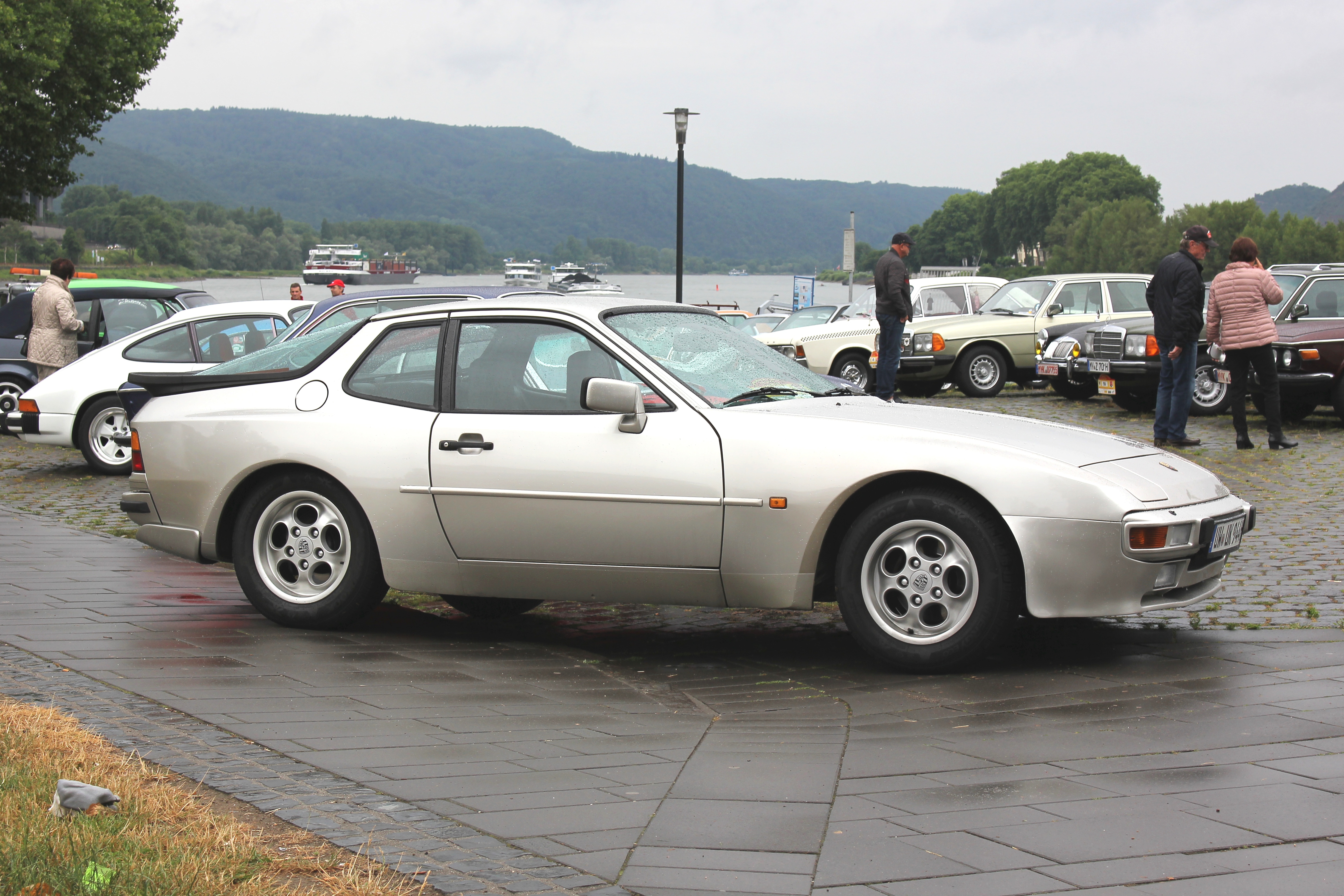
And I kept saying to her, do you want, you know, she has a 944 and I kept telling her,
you know, do you want to sell it?
She's like, no, because I don't want our son to think I don't work on cars.
She's like, eventually the day will come where he's going to want to work on stuff and
we'll put the motor back in the 944 together.
I'm like, all right, that's cool.
I respect that.
Like, we'll hold on to it for that.
I had a revelation the other day when, you know, I always start the 9-11.
It's winter.
We can't do shit here.
And so I have to run it every once in a while.
Start it up once a week, let it run.
And she's like, I let her start it.
You know, so I let her pump the gas and everything and get it started.
It's carburetor, it's a bitch to start.
So she got it running.
And then I realized that she can reach all the pedals.
Now she's 12, she's tall.
She can reach all the pedals of the 9-11, push the clutch all the way down,
gas pedal all the way down.
And I go, she could technically drive this car right now.
And I got this kind of fear of, okay, I got to put some sort of lock on the throttle,
but we've got to take her out so she can drive it.
It was kind of a reality check that she could, because I always wondered,
hey, she's on my lap.
She can't reach the pedals.
She can now reach the pedals.
It was like a milestone of being able to drive.
I got my son a quad.
This company, Kaio, makes like electric quads.
And it's kind of great because it teaches him counter steer,
it teaches him like loose, like, you know, like that translates back to four wheels.
And like, he's gotten so good on that thing.
I mean, like he, you know, he can do donuts, but he can also slide corners on it.
I mean, he's six and he's ripping.
So now I've got an old, I've got an old, I forgot the name of them,
but it's like this old cart that Honda used to make.
That's an electric cart.
It was actually Leah Blocks cart, mini moto or something like that.
I forget, but it doesn't matter.
But it's like this micro cart that's like smaller than a cadet cart.
So I'm going to get that set up for him, for him next.
So it's fun.
I built him like some jumps the other day and like little like pump track.
And it's interesting to be in an age where like,
I enjoy like building and prepping stuff for him more than I do myself now.
It's like, I know that's going to be sort of a bit of a next generation kind of thing.
So and, and I, all I think about is like, I won't be able to do this forever.
I won't be able to do this forever.
Almost to the point of anxiety and paralyzing, paralyzation of like,
I need to spend as much time as possible.
And you get kind of paralyzed and there's never enough time.
I bet I could sit with my kid for 24 hours in a single day
and I would somehow find a way to go.
I should have done more.
Yeah, no, it is.
And that's why, you know, that's why I like for me,
it's like the cars will wait.
I'll get the other stuff.
I mean, man, I still get people just DMing me being like,
why isn't this car done?
And I'm like, because I have a family.
Like it's just not that important.
And I also, people give me shit.
Like I have 26 cars and like 15 of them run.
Like that's a pretty good, that's pretty good odds right now.
So yeah, it's been the morning.
I'm a hundred percent, man.
Everything runs.
This runs 9-11 runs, my TDI trooper I built
that I never even updated the channel with.
That nobody even knows that it's done.
It runs, it's done.
Yeah, it's pretty good.
Okay, I want to talk about, um,
Aussie shred just a little bit.
Because I have, I'm curious about a few things after,
after watching it.
I'm going to show you a picture here.
And then I have a question.
All right, share.
Come on.
This is producer is usually here to help me with this,
but she's not here.
All right.
So this is the most zen kangaroo I have ever seen.
This thing just sits there.
At first I was like stuffed.
I was like a stuffed kangaroo.
It's at like two minutes or something like that.
This little buddy, how, how did you get this kangaroo to sit still?
Because this thing goes blind by it,
like a million miles an hour.
It just sits there and watches it go by.
How is this like the best screen?
Okay.
So the initial ask was I wanted an animatronic kangaroo.
All right.
I wanted an animatronic kangaroo.
And my, my art director, uh, Matthew Holt,
who's been with us since Jim Conifore, he's great.
He's a little eccentric, but he's like, uh, uh, he's British.
He's like, oh, I got you a wallaby mate.
I'm like a wallaby.
Like that's not like the same as a kangaroo.
It's like, it's like much smaller kangaroo light.
And he's like, no, I got your wallaby.
And then like the rental on the wallaby was crazy.
It was like $1,500 a day.
And I'm like, wait, you spent $1,500 for this stupid thing.
I'm like, okay, now we have to put it in the film.
But it was just a stuffed wallaby.
So it's just taxidermy wallaby.
This thing is?
Yeah.
So in post we turned its head.
Oh, I wanted to do it.
I wanted to do it and we wanted an animatronic.
And it's like, it's funny because it's like,
I'm always about like, everything's practical.
We don't fake anything.
Yeah, we faked its head turn.
So it was just a, it was just a fake, uh, I mean, not a fake.
It was once a real wallaby that had been, that had been stopped.
But yeah, we, we did a little head turn in post.
So I think about like the risks that it takes to do these things.
And do you feel like a, like a gravity or a responsibility?
I mean, you've been doing all these films.
It's high risk, man.
It's super high risk.
How do you deal with that?
And how does the crew deal with that from like a,
from like a mental standpoint?
I feel like I would just be on edge all the time
waiting for something bad to happen.
Cause it's so, it's wild, man.
Yeah.
I mean, you take that opening jump,
which is over the big canyon with the road trailer underneath.
I think leading up to it, you know,
Travis was like walking the jump and making like last minute corrections
and taking additional measurements.
And I think just kind of getting psyched up
and we're sort of waiting for light to just be perfect.
And almost no one on the crew spoke to each other.
Like there's just this really uncomfortable silence
that comes over us all as you're sitting there
and you're saying, I know that we've tested this.
It's not really that far.
Like, you know, it's 120 or 130 foot gap.
You know, we know we can do this,
but if something goes wrong, it goes wrong real bad, right?
And like something as simple as a misshift, you know,
like a misshift in the system could like all of a sudden
you just can't, you're not carrying enough speed or, you know,
all these just different things that could go wrong
that are mechanical issues or whatever.
And it turned out that Travis actually didn't have enough speed
while he was going up for the lip for that.
And he just stayed on the throttle all the way off.
Like he was, like when he looked at the speedo
at like the bailout moment,
he wasn't going fast enough and he just decided to commit to it.
So he actually overshoots it because he stays on the throttle.
Like he stopped looking at the speedo and just ran all the way.
And you can see the front nose of the car start to dip a little bit.
Yeah. So he just stayed on it all the way up.
And yeah, I don't know.
You think about like, you try not to think about it.
You don't think about it much, at least for me.
I don't think about it till right before it's about to happen.
Like when we're getting ready for it, you're just like,
Oh, this is going to be sick. This is going to be sick.
This is going to be sick.
And then right before you call action, you're like, oh, shit.
The one for me of all the ones we've ever done
in Jim Conner 2020, which was the one we shot in Annapolis,
there was a scene where he does like a flat out hundred and whatever,
20, 30 miles an hour on a back country road.
And he's just jumping basically like a natural jump that like we slightly augmented.
And the crew, his team, like the Subaru team Vermont sports car was terrified
right before we were about to do the first test hit.
And I just like play the scenario through my head, which is like he crashes,
like lands, right?
And the worry is you land and you bottom out or something like that,
or you break a damper and now you're, you know,
you're basically a sled cruising at 120 miles an hour.
And there was just this massive oak tree off the road, right?
Like one of those oak trees that you would hit and you wouldn't leave a debt, right?
And the, you know, the car would wrap around itself.
And I just ran through this thing through my head.
Like it happens, it's bad.
And like I'm the only person who here who really knows his wife.
She's 10 minutes from us right now.
I'm going to be the one last to deliver that news.
Like, you know, you're running your head through all the things that could go.
And you're trying not to, because you want to just like be there and be present
of what needs to happen.
It's hard not to.
And you, you start and I was like, I was almost about to have a panic attack.
Like I'm kind of starting to like breathe heavy, breathe heavy.
And finally I came over to the comms.
I said, Hey Travis, we want you to do like a half speed check on this.
And he's like, no, no, I was just going to hit it full speed.
I was like, no, Travis, half speed.
He's like, no, no, no, I was like, the team is asking you.
They didn't ask, but I knew how scared the team was.
I was like, team's asking you to run this at half.
And he was like, all right, fine, fine, fine.
And he hit it at half and like once he landed and I realized like, okay, that,
like it felt it, what I was building up in my head wasn't there.
I was like, all right, fine, hit it full speed and we hit it multiple times.
And you know, it was, it was sketchy, but I, I think I worked myself up a bit more than it was.
But I remember having this thought and the thought I had was like,
if something bad happens to him, I would never do this again in my life.
So it's like, not only is it the, not only is it like the absolute horror and tragedy of
something would happen to Travis, but it's also like, this is a, this is a massive pivot moment.
Because I don't think I could ever call action on something dangerous again.
So you kind of always sit there with that.
And then obviously there's, you know, he fell out of a building and broke his pelvis and ruptured,
you know, his, his bladder and torus urethra and all these horrible things.
And that was something that was very weird for me because one,
I wasn't running the stunt for that.
Obviously we had a, I've never base jumped before.
So that's not my space, but I still called action.
Like I'm still the one who was like, we should go do this.
Right. And yeah, it definitely weighs heavy on you.
I think with someone like Travis, he sort of takes the responsibility.
And this is what he wants to do.
And he does all of that.
There's definitely moments where like, man, if this goes wrong though, yeah, it weighs on you.
I try not to think about it, but we all do.
There's always that thing that you're like, this is really sketchy.
Especially as you like continue to like push the envelope, right?
You, I mean, it started out, if you look at like original Jim Conestuff,
you're in kind of a by street standards, a pretty crazy STI by street standards.
Looking at this, this Subaru, this brat, by the way, I have on the map in Oregon,
from when I scouted, there's a brat behind a shed in Oregon,
that if I ever go back there, I'm going to try and buy it.
I hope it's still there.
Mark from Michael Matt.
Today, Vinny asked, so my son has a Ferrari F40 model.
And Vinny asked him, what's your favorite car?
Is it a Ferrari F40?
And he said, no, it's a Subaru brat.
I was like, that's the magic of the Jim Conestuff film.
He wants to grow up one day and own a brat.
I'm like, I don't think you know what stock brats look like, but that's okay.
Still pretty cool.
No, but yeah, there's, so one, I'm actually kind of happy that the Travis films are over,
because we pushed them into a world of danger they never lived in before.
Like Ken had some dangerous moments, right?
Obviously the water's edge would have sucked if he fell in the water,
but like we would have plucked him out.
The train one in Buffalo was pretty sketchy,
but like I don't think it would have been fatal.
Do you know what I'm saying?
You start getting into some of the jumps that have dead stop landings.
I mean, it's just simple physics, right?
Object in motion comes to a complete stop.
Your brain ends up in the front of your skull, right?
And like these are things that are just very dangerous.
But then at the same time, which is always just crazy to think about,
that first Jim Conest film, pretty low risk.
It wasn't a lot of things in the first film.
In hindsight.
In hindsight, but the one thing is, is that car had no roll cage, no safety,
pretty much nothing in it.
So like the car that Travis competes in has an FIA rally like tub cage.
Like it's the one that's spec for like a WRC car.
So it's like, it's built to roll down a hill.
It's built to do all of that.
He has all like the safety is all on the top level.
So it's weird because even though the earlier films weren't as dangerous,
the cars are way, way, I mean 10 X safer.
That first car had was just a street car.
Like it was absolutely a street car.
So it was no cage.
It had harnesses, maybe, but they were like connected to like,
I don't know, the rear belts or something.
Steep belts in the back seat.
Yeah, like it was definitely.
It's the stuff, the way we built stuff though.
You had a harness, but it just went to the rear seat belt.
And probably at the wrong angle.
So, but yeah, I think like that error is cool.
I don't know what's next for the Jim Conest franchise.
It's not my business anymore.
It would be really cool if Leah took it over because,
you know, Leah's 19 years old and she has the ability to say,
I'm bringing this back down to ground zero and care and building it back up
because she isn't her father or Travis when it comes to driving.
She hasn't been doing this for 25 years.
That's not where her skill sets at.
Like she could go back and make her version of Jim Conest practice.
And I think the audience would be stoked to see her go do it
because like we're resetting, we're lowering the bar.
The Travis and I took the bar to a pretty sketchy place.
So I was like, when we were finished, I'm like,
okay, we got through all three.
And other than a ruptured bladder and broken pelvis,
like kind of got out unscathed, which was crazy to say.
But at a certain point with the Travis film,
it's like, I just don't know how much sketchy or shit you can do.
Is there something that, you know, obviously you're doing a podcast now,
but you know, just kind of cap things off.
Is there something that you want to do?
Is there like a dream Scottle thing?
Like what's the dream Scottle thing without giving away the idea?
But what do you want to do?
The dream Scottle thing for me right now is to go do
car action for movies or TV shows.
Like I love film and I love cars.
And I have a hard time watching films about cars
because they don't live in a reality that fits for me.
My barber, he had been going on for 15 years or whatever.
He was a cop, right?
Like worked like, you know, crazy.
He worked in like Rampart.
He like was part of the crash.
Like, so he saw it.
Like he was, he was in the heavy stuff undercover,
all this different stuff.
And he said he does not, he loves movies.
Me and him talking about movies all the time.
He will not watch cop movies because he just can't suspend belief
to watch them because they're so ridiculous compared.
Doctors won't watch doctor shows either.
You know, it's funny though.
But like, so my mom, my, my mom was a scientist.
Her friends say the pit is the closest thing they've ever seen
to like real life, what it is.
What they said is it's like three months condensed into a day.
But it's still not outside of what happens, right?
And I just would love to be able to affect movies in a way
where we could at least make the action feel a little bit more
like what happens in Jim Conner than what's happening
in the current day, Fast and Furious or whatever.
You know, I did.
Yeah, that's kind of where my brain goes first is like
the over explaining that they did in that movie
to try to make it palatable for a regular person drove me nuts.
So I actually might disagree with you there because
I understand what you're saying, but they were shooting
to make a blockbuster and I think that they succeeded.
Like, I think that that worked for them.
And I think we all have to say, if you're going out there
to make a blockbuster level movie, like,
you got to kind of play the Hollywood narrative
to make this stuff like work in a certain way.
I found it entertaining. I enjoyed it.
I didn't think anything was like beyond the pale for me,
especially in like the driving sequence stuff.
Like I thought all that felt either broadcast
or like just a slightly plus up from broadcast.
That's that 180 camera that everyone got really excited about.
I don't think really served as well as people thought it did.
I actually think some drift kids have done better jobs
with making their own DIY versions since then.
But I think in general, it was it was okay.
I'm no longer a big Formula One fan.
So like I maybe I'm a little more disconnected from it,
but I know people who like watch F1 every weekend,
like they had a ton of problems with it.
I just think that whenever I find it tough to follow,
I think whenever anyone makes a film about a sport,
you're in, you're not going to like it.
I don't think boxers like Rocky, you know, like,
like I just think it's really difficult to do that.
I actually don't want to go make car movies.
I want to make car action and other movies better.
Do you know what I'm saying?
Like, like when I watch like James Bond,
like there's sometimes we're like, why like, like there's some scenes,
like that Land Rover scene that they did,
like whatever, however many years ago that was,
like going down the hill was sick.
But a lot of times I just watch it.
I'm like, why isn't this practical?
Why is this CG?
Like why did you cut here?
Like you could do this for real.
Why are you faking this?
Like, have you talked to anybody about potentially being able to do this?
What's like the roadblock?
It seems like you're the guy.
So yeah, I mean, now it's a lot of focus.
So, you know, over the summer,
I worked on the film with Sun Kang called Drifter.
Yeah, I'm going to serve you're familiar with that.
Obviously it's a super, super low budget, you know, feature film,
got to do some of the, I got to do all of the action stuff.
You know, which was in the world of drifting.
So I think we, I think some of it stayed very true to just what drifting is,
and just tried to make sure that that felt authentic.
And that was fun.
But again, what I really would love to do is like a heist movie, right?
Ronin is the reason I love car filmmaking.
But there hasn't been a film like Ronin since 1990, whatever.
Did you see, you see Death Proof?
I did. I think Death Proof is good.
I think Baby Driver is probably the best there has ever been.
My friend, Jeremy Fry, did the driving for that.
And that's not, I didn't know him until after he did it.
But I think that the opening scene for Baby Driver is fantastic.
There's a bit of a Jim Connell, one homage there, I think, definitely.
I think there's parts of Death Proof.
I think Death Proof works in the Death Proof space because it's very Tarantino,
it's very Grindhouse.
Like there's things about it that are super fantastical in the driving that I don't like.
I wouldn't do, but it makes sense for the type of movie that is
and what a B film is supposed to kind of feel like.
But I've watched, I don't even know if I can name all of them,
but I've watched so many chasings recently where they're either shot on a volume,
which is basically just like a CG studio and the car doesn't even move.
Or they're shot in a way that everything's kind of faked.
Or it's just not good, right?
Or they just do the like, let's just shake the car
and it makes it feel like there's a lot of energy here.
It's like, man, we could go do this for real.
So that's where I'm at right now.
Like if someone's listening to this and they want me to help go produce a,
help, you know, do the action stuff, that's where it's at.
I really like movie making.
So I think for me, like if I could do some more second unit directing
in the action space, sick.
But in a couple of years from now, I'd really like to just direct films.
I just, I enjoy, I enjoy making, I enjoy storytelling.
The stunt stuff is hard.
We've had a, we've had a bunch of stunt drivers.
I'm always fascinated with that stuff, man.
Like the guy that drove the Batmobile in the new Batman.
We had him on and we've had, have you ever seen The Wraith?
Yes.
He's a stunt driver.
That movie changed stunt driving.
I'll send you the episode.
We interviewed the guy that did all the stunts for Charlie Sheen and drove that,
which was actually I think a Ford probe, if I recall correctly.
Yeah, yeah, yeah.
Yeah, I don't remember.
But there's definitely, and I think that's, that still lives in the practical era.
Right.
I think the issue I have right now is 1970s.
Fantastic car chase stuff.
And yeah, that's because there was dudes in the back of a Dooley with a camera.
And they all died driving off a cliff.
Bullet, you know, Gumball rally, like all these things that, you know,
there's so many of them, right?
Like rendezvous, like, you know, Friends Connection.
I mean, there's just so much that's out there.
And every time I mention them, people are like, why didn't you mention this?
It's like, there's tons of them, tons of them.
You know, Dirty Mary, Crazy Larry, Vanishing Point.
Like there was an error where they were doing this all practically.
What's the Steven Spielberg formula?
The dude's in the red car getting chased by the semi.
He's in a Plymouth.
He's in a Plymouth Valley and he's running from the semi.
I can't remember that.
That's yeah.
But again, there was a, they were fantastic through the 80s.
And I really think Ronin is sort of one of the last ones that really was like,
we want this to feel real and, you know, we want you to be in the car.
We want this really cool energy.
And then, you know, new technology was like, we could do it differently.
We can do CG.
We can do all this other stuff.
Yeah.
But it was also safety too, because these dudes would, I mean,
it was almost like this race car mentality.
Like these guys were ready to be hurt.
They were ready to maybe die doing this stuff.
And I think there's also, I think an element.
I also blame a lot of it on things like gimbals,
because I think all of a sudden everything needs to be slick and like slick.
Like everything's got a camera car.
Everything's a gimbal.
Like everything has to be this like super overly produced slick piece.
And you watch the Jim Conner films that they're not like that.
Like we want the rawness.
We don't want the camera to be more of a hero than the car.
Right.
And I think that that's where like for me as a filmmaker is so different
than for a lot of other people is that I do,
I respect the car more than I respect the camera.
I want the car to fucking own the scene.
And I want the camera to capture it where like a lot of cinematographers
want the people to talk about how good the camera work was.
That's like, well, they're talking about that.
Then they're, you've lost the plot already.
Because if you're talking about the shot,
you're not paying attention to the moment you've been taken out.
Yeah.
So I mean, back in the day when Hoonigan was doing a lot more like white label work,
our tagline was we capture action.
We don't manufacture moments.
Right.
And the idea being was like the way we shoot this is like,
we are capturing, we are capturing that action.
We're not out there trying to manufacture something that doesn't exist.
Right.
So like, because you would watch the way that other guys would do,
you know, car commercial stuff and you're like,
yeah, but anyone knows that like, that's not how that car moves.
Like, why is it that every Acura commercial has to have drifting in it?
Like, y'all motherfuckers sell front wheel drive cars.
That's not how those cars drive.
Like, we all know that the minute the car started to loop out,
you cut and went to another shot.
Like, I don't understand why everyone has to sell it that way.
You know, so.
But anyway, back to it.
That's what I want to do.
I really would love to make my own movie, direct the whole thing.
I don't actually want to make car movies.
I want to make movies that have a lot of good car action.
So I'm actually writing a screen.
Cars are awesome for movies because it lets you,
when you have a car and a movie,
it's a transit point.
It allows you to like move from one thing to another.
There's, there's such a great tool.
Cars are good, cell phones are bad.
Cell phones are the worst thing to ever have in movies.
And cars are still awesome.
Cell phones are the worst thing that,
so cell phones may be the worst thing that ever happened in humanity,
but we can get into that conversation later.
The car movie is the modern Western.
The man and his horse, like it brings you from town to town.
You can escape with it.
You can, you know, use it for battle.
You can.
It's a status symbol.
It's a status symbol.
You can feel a connection to it.
You can go to war with it.
Go to war with it.
Yeah. I mean, it's, and I also love the road trip movie.
I think the road trip movie, like, you know,
just going from one place to another is, is always,
and whether you use a car or any kind of vehicle,
like those are, those are interesting storylines for me.
So yeah, I don't know.
That's the goal.
The goal would be to go do that.
Um, I've been taking some meetings.
It's a tough world to get into though, man.
Like the Sun Kang project was super valuable for me
because now I have an IMDb credit that says I'm a second unit director.
Before that, I was just a guy who made internet videos
and Hollywood looked at me as that.
So I think it took that one person to take the risk on me.
And now literally after having that IMDb credit,
now I get meetings.
Now people are like, oh, you worked on a feature.
You know what you're doing.
Like, all right.
That sounds like a really tall fence, man.
What's up?
It sounds like a really tall fence.
Yeah, it is.
It is, but I think I will try my best to go after it
the way that you're supposed to.
But in the background, I'm just gonna, you know,
build my own thing if I have to do what you got to do.
Yeah.
I mean, that's, you know, that was the zero to 60 model was,
you know, road and track wasn't going to hire me.
So I made my own magazine and then, you know, 15 years later,
Larry Webster redesigned road and track to look more like zero to 60.
One of my first features, I don't know if he knew this was in zero to 60.
Really?
Yeah.
It was an orange Caterham seven that was,
there was a guy that had a Red Bull race suit
and he drove it in Chicago at a track.
I don't remember if it's like a Lotus super seven or something like that.
It was like some, it was a, it has SR20DT in it with a big turbo.
It was tangerine orange and the driver had a Red Bull suit.
That's all I can remember.
That's the maximum my brain is able to retrieve from the archive.
So you wrote that article for us?
I shot it.
I did not write it.
You shot it.
I shot that article.
I wasn't writing back then.
Right.
So I remember that because that was for the Lotus feature we did, right?
We did a load.
It was Christian Edstrom who was what?
Travis Pastrana's co-driver before he quit rally.
That's right.
And he lived in New York.
He was a, it was weird.
English was his second language.
He's one of the best copy editors I've ever had
because he understood English as a study, not as something he learned.
Like we all speak with vernacular because we learned English as children.
He learned English as an adult because he was Swedish.
And so he learned English as an adult, but he learned it the way we learned math.
So he was just really good at grammar, like better grammar than any of us were.
And then he started writing for us as well.
And he was, yeah, he was our copy editor and then he wrote that.
He wrote the Lotus story.
Yeah, I'm pretty sure there's a couple other things too, but I,
they've sent.
I ran a 13 page Lotus story.
Do you have any idea how obscene that is in the magazine world to run 13 pages on a Lotus?
Yeah.
Hey, anytime you get 13 pages in on anything, that's a big deal.
Dude, Brian, thank you for hanging out with me, man.
I'm looking forward to seeing you on a rally.
Maybe I'll see, I'm coming out for a row to air water with the squad.
We're going to do a rally out there for row to air water.
Maybe we'll see you then.
Again, like I said, we just need to make a deadline.
I have to commit it to someone and then somebody has to give me like a minuscule
amount of money so that I feel like I'm on the hook.
So like, hey, FCT euros, like you have to get this finished and then I'll do it.
Like that's what it is.
Well, because I have a car you want to bring and then I'll pressure you.
Well, I'll tell you what I want to bring because so we'll end on this.
So I have a quantum synchro wagon because I love Audi 4,000s.
I think they're one of my favorite driving cars of the Vag world.
Like I just, I love how they handle all wheel drive, like the steering is really light,
but you can't sleep them.
So the quantum, the quantum synchro wagon is basically an Audi 4,000 Avant, right?
It runs the same drivetrain.
A lot of the parts are similar.
I think you can even like no swap it.
It takes a little bit.
It's not that easy, but it's similar car.
So when I sold my 4,000 recently, but I bought a quantum and now I'm just trying to
decide what engine should go in it.
And my whole concept for this car is that I've realized that one of the,
like for me, my therapy is driving cross country, like getting in a car and going
somewhere.
And I actually really enjoyed doing it by myself.
And I've realized that even though I've got, you know, a Land Rover Discovery,
I've got my crazy Euconoline van, I got my van, I got all this stuff.
I don't enjoy driving trucks long distances.
Like at the end of the day, like a truck is great to go do truck things,
but I really enjoy driving something that can handle,
but also something that I could leave in a sketchy parking lot in a random,
you know, hotel, you know, somewhere, you know, and I don't worry about it.
And the quantum synchro wagon, I think kind of checks all those boxes.
Like I can sleep in it.
I can, like it looks kind of rough on the outside.
I can run suspension, you know, with cups on it.
So I can like give myself a little bit more room for dirt road.
It's all a little drive, turbo engine, like a 10 valve turbo or something.
Or what's the engine choice?
Like a 10 valve turbo or what?
I think I would do a 1.8 turbo because 1.8 T's never lose,
but also because they're pretty plentiful still in junkyards.
So like easy thing to repair while you're on the road.
They get decent gas mileage.
There actually is like a massive aftermarket for them.
They were originally longitudinal, you know, in the A4.
So it's pretty easy to get that sorted.
They mount up to the transmissions.
And I've actually never owned a 1.8 T.
Really?
No, yeah.
Because as much as I'd love to do a five cylinder turbo,
the problem is is like five cylinder turbos aren't easy to find spare parts for.
Like if my ship breaks down in Wisconsin,
I'd have to have like Dave Pecoraro from Utah ship me parts.
Where like, I'm pretty sure an Instagram post will get some 1.8 T parts delivered to me.
I had a tough time.
I bought, for a moment, Overcrest bought Matt Crooks Audi 4000.
Because I do, in Minnesota, they're legendary.
And the winter and stuff, dude, ice racing,
there's like Glacier Lakes Quattro Club just rips ice racing still.
I'm like, this is going to be great.
And it was like so hard to find parts for.
Monumentally, I've never experienced that with,
I've owned like a hundred cars, never in my life.
Something parts for that car, hard, crazy.
What is Audi doing?
Just make some freaking parts.
You lazy.
You talking about your years at your own time.
What do you do?
They make all the parts.
They just don't sell them in the United States.
Because of some weird legal agreement between Audi of America and Audi AG.
Audi tradition.
You could buy all those parts in Germany.
They're just not available here.
So what a whole other, whole other beef.
Dude, fix it.
Come on, man.
I was literally working with Audi and I couldn't fix it.
I tried.
Every time we'd be in Germany, they'd be like,
okay, what do you want to do next?
I'm like, uh, Audi tradition, they're like, oh, God, stop.
They, we just wonder what Jim Connoff film you want to do with 10.
I was like, I just want to be able to buy clips for Mike Koopquatcher.
Like, I just want to be able to get windshields.
You can't get windshields.
You break a windshield on the old cars and you're like, you're just out of luck.
Oh, I just ran into that with a Schiraco windshield.
I ended up finding two of them in like Tennessee and I bought both.
And now I don't even want to drive the car.
But this is what is going to probably make me switch over to Mercedes Benz as a car.
I don't like BMWs, but I do.
I love, I know, but I live here in Long Beach.
You can get these things for like two grand.
I live here in Long Beach.
The Mercedes classic building is five minutes from my house.
They sell all of the parts.
I can get all the original stuff.
Same thing with BMW.
Like at a certain point, I have an D2S8.
Every time something breaks on it, it takes me a month to find the part
just to get the car back on the road because I have to like go on eBay.de
or like track something down.
It's not cheap though.
It's not cheap.
The Mercedes classic is not cheap, but at least it exists.
At least it exists.
So you can try to track it down cheaper, but at least if you can buy it,
like they don't make window regulators for my SA anymore.
So if a window break, so I bought a parts card just to get a window regulator.
Just thing that I can never own.
I've always wanted, I want to own that.
I would love to own a Fayton.
I am not buying a Fayton.
Fayton is, yeah, Fayton is like the escape room of automotive projects.
Like it is just an absolute-
But I want a W12 so bad, dude.
No, I want it so bad.
Me too.
Me too.
Me too.
I want it so bad.
Double paying glass.
I remember back in the day, you'd be like,
Oh dude, that thing's got double paying glass.
Oh really?
Yeah.
Check it out.
Quiet.
Just shut the door.
Oh, those things were dope.
When it first came out, I was a journalist, got a loaner from Volkswagen.
We took it to a Volkswagen car show up in New Hampshire.
It was like a camp out kind of thing.
And I remember we nicknamed it Barbara
because it just sounded like the right name for the car.
It was like blue on peanut butter.
And I still don't know if I'd been in more of a lap of luxury than I was in that car.
And I have driven Rolls Royces.
I've driven Bentley's.
I've driven my box.
I've driven them all.
And that car just felt so good.
Like fresh from the factory.
I've heard they're absolute nightmares.
The worst.
The worst.
It's like impossible.
It's like absolutely.
Well, it's funny.
Like, do you think of the build quality of a Fayton or the Audi A8L from W12, whatever it is?
Really like high-end things.
You get into an S-Class now and you're like,
Yep.
Everything's like plastic.
The door cards are plastic and not everything's.
I think if you get like an S65 AMG or something,
it's going to have an Apple 11 wrapped all over it.
That used to be just the baseline.
It used to be really high-end.
I've had a D11, which is like the original, you know, A8.
I had a D2, A8.
I had it.
I was, I still have now.
I had a D3 and I had a D4.
I think the D3 was the nicest.
Like the D...
What year's the D3?
That was like 2004 to 2010 or something like that or 2012 or whatever.
And then the, I think 2012 starts the D3.
I had a 14.
Fantastic engine.
4-liter twin-turbo, like with a chip and pipes,
makes 600 horsepower, which is absolutely,
it's basically the RS6 engine,
which is absolutely insane in that vehicle.
Great in the D4.
But the D3 was the most luxurious feeling car.
I love big-body sedans.
Like I either like really small cars like rabbits
or I like A8Ls, like just big, like, you know, that's the hip hop in me.
I've never done it.
I've only owned, well, I guess I've owned two, okay, never mind.
I've owned three S-classes from various 70s, 80s and 90s.
The 90s S-classes are terrible, but I've never owned like big-body Audi ever.
And it's on my list.
I'd like to find, they made a D3, they have a TDI, right?
Yep, they did the TDI.
That's what I want.
I mean, the cool one in that space, like the one project I'd want to do,
is a D3 A8L with the S8 V10 in it.
Because the L one, I think looks better, like the longer body looks better.
But for me, because I'm so big, it's six foot eight.
It's still, I got my seat all the way back and an adult can still sit behind me in it,
which is like one of the things I always loved about it.
That to me is like an ultimate build, but I don't know.
I'm on like an anti-new car thing right now, because I'm just so sick and tired
of Canbus problems with my D2 S8.
And I'm saying new, that car's a 2002.
That's new to me.
New is OBD1, or OBD2 and newer feels new to me.
Anything like 97, 98 and newer is all new.
Anything pre-OBD, like my buddy Jason Larson's screen name is pre-93 only.
So that's like pre-93 only.
I think I'm struggling with what project I want to do next.
You can tell me if this sounds crazy or not.
R107, I got served an algorithm of like a guy that has a 289 Mustang.
And it is like the, and I've heard one at Road America too at like the vintage racing,
like a built high revving 289 is like one of the best sounding things of all time.
Why is this in all of our collective dreams right now?
Because it must have been something that went viral on Instagram,
where I was like, this is one of the best sounding engines because I saw a clip.
I was like, what is that?
I saw one at Road America and I found the car in the paddock.
I'm like, dude, what is going on with this thing?
It had like IDAs on it or whatever.
He's like, yeah, just like cams, IDAs, headers.
I'm like, what?
He's like, yeah, really not much.
Like, dude, I'm like, I gotta do this.
I don't know.
I think he was sandbagging.
He didn't really want to tell me.
I don't think what he had.
De-strokeings where it's at.
De-strokeing makes everything sound cooler.
The, are you familiar with the guy, Joel Francisco?
He had like a V10 purple S6 Avant, like a 90s.
The name sounds familiar, but I don't know the car.
So he's like well-known in the Audi community,
but he just built a B7 RS4 with a V10 in it.
And I think that's like the next, like to me,
that I think might be like the next newer car project for me.
Like that's kind of a perfect car to me.
Like V10 in the body of a, I love the B7 RS4.
I think it's a fantastic.
This man talks about how he wants to finally move
into the Mercedes world.
And now he's talking about a V10 and an Audi.
Come on, man, come over to the dark side.
Yeah.
I don't know even what Mercedes, I mean, I love 190Es.
I really love the, what's the, is it W123 is the?
Yeah, the 123, yeah.
That's like the car that he's like considered too good, right?
Like they built too good of a car.
Yeah. Well, that and the 124, it's just almost bankrupted them
because nobody would ever bring them in for service.
Yeah, because they just didn't break.
Like you go look at those cars today,
the interior still looks nice.
Yeah, it's because there's like radiation in the vinyl.
There's got to be.
All right.
For a while, I was really into like 1968 to 1972,
like trying to do what those would be like 280s or whatever.
Yeah, like a W108 that.
Yeah, I forget now.
And like, you know, so there's the headlights that are over under in the front, right?
Yeah.
And I was really into those.
I thought they just looked really cool slammed and I wanted one as a cruiser in California
and I started looking at them.
And every single one I looked at, the interior was perfected.
That's like, this is crazy because I look at the equivalent American car
from 60s and 70s and the interior, especially on the West Coast,
because of the sun is roached.
These cars all have the perfect carriers.
It's probably, I mean, there would be a prop warning on it for California if
MBtex existed and was sold new today.
I can guarantee you that.
I don't know what is in that stuff.
Whatever it is that they put in those.
I cannot recommend this Chasina.
You should drive one if you haven't.
It's a 114.
It has independent rear suspension.
It has a subframe double wishbone in the front.
It's got a drag link.
That's kind of like a bummer about it.
That's late 70s.
That's like late 60s, early 70s, like 68 to 73, 74, kind of in that period of time.
The problem with the Mercedes stuff is all of the engines back in the day kind of suck.
You have to do an engine swap.
You have to do an engine swap.
I got so frustrated.
I built a, I don't know, M110 or something.
It's like a twin cam engine.
It looks beautiful.
And my buddy, Alex, 3D printed intake manifolds for it so I could put Webbers on it.
So it had side direct triple Webbers on this twin overhead cam engine.
I got AMG valve cover for it.
I was so excited, drove it all the way down to Road America and it spun a rod.
And I'm like, mother fuck, there's like the second one of these engines that I've been through.
And it had like a four speed transmission because the five speeds like $4,000 and only belongs in an SL.
And I called up Mike Burroughs and I was like, dude, this fucking car.
He's like, dude, just swap an S50 into it.
Or maybe it was Byron.
Byron and Mike, I think we're both like, just swap an S50 into it.
And like a week later, I was driving down to Chicago to pick up an S50.
All the engines suck.
Unless you get like a, dude, this is a big thing.
You start swapping engines in these Mercedes.
These dudes are like Ferrari guys with you.
There's like some Napoleon complex, something going on with guys.
Maybe it's because the BMW engines are so much better.
But until you get into the twin cam stuff in the 90s, everything before that sucks.
It all sucks.
The transmission sucks.
I mean, the dog leg in a 190 is pretty good.
Everything else is just all bad.
It's all bad.
So, you know, I've got a Toyota Corolla A86.
I have a VR6 swap, four.
Four?
Or it like, that sounds predictive.
It's been in the car, but it hasn't ran.
It's back out of the car now.
And I got a, I don't really have a place to finish it, but my plan is to finish that.
But then just like the engine build is really nice.
Integrated did like the integrated and tectonics built like a really dope engine for me.
I've got a, I forget the, it's like a TKO.
I forget TKX or whatever trans behind it.
And I've decided that like, I'm going to finish that car, drive it.
And as soon as I'm bored of it, I'm going to sell it, but without the engine.
And then I'm just going to start taking that engine and start putting it into a bunch of
rear wheel drive cars that I just would like to drive, but I don't want to deal with their engine.
So it's just like, so I might have a VR6 Mercedes.
I might have a Maserati bi-turbo that's VR6 powered.
Like all the cars I've ever looked at on marketplace have been like,
yeah, I'm just going to build like, this is just my mule engine that I move from things to things.
You know, I just got a weld engine for it.
Sound watch.
I think the only issue is, is the oil pan on some of this stuff is like,
you have to move the oil pan around.
It's a dry, it's a dry sump engine.
Oh, well, there you go.
That's the whole point.
Yeah, I've looked at that on this because I've got like some,
I've shaved down the oil pan.
I'm going to have somebody make because it's, it's all wrong dude in this car.
The normal Mercedes engine is like this vertical and the BMW engine is obviously at an angle
and it pushed the oil pan up into the subframe.
So I had to pull the subframe out, cut it in half, re-weld it, do all this shit.
And it still is just like this micro hair away from the subframe.
So I either need a dry sump, which is $3,000, $4,000 to dry sump this engine.
Can you space the subframe like a quarter inch?
This is no longer a podcast, by the way.
This is just a phone call.
The minute we start being like,
you should do quarter inch shims for your subframe.
I think, I think you probably could.
I mean, if you're going to lower it anyway,
you're already changing the geometry a bit.
So, you know, I might as well throw the whole geometry out the window.
I honestly just rebuilt the whole subframe.
It's close now.
I think, I think I could just have the
oil pan like have a custom made oil because it's too low too,
because it's, you know, BMW engine oil pans are so low.
This thing is probably that high off the ground.
I've already shaved all the cooling fins off the bottom of the oil pan.
So I'm thinking I'm going to either,
I thought I would try to get wise and I bought a 3D scanner and stuff.
I was going to scan in this oil pan and design one and CAD and then have somebody 3D print me.
But there's a guy that makes pans for E30s.
I'm like, dude, just move this sump to the other side for me.
And then I'll just have like a raised pan with a sump.
That's where I need it.
I think that's going to be the answer.
That's how I did it.
A buddy of mine designed a pan.
We 3D printed it, put it on to make sure we're clear.
And now I'm going to get it CNC.
Now that's like actually like, okay, that looks good.
My buddy is Sam.
Do you know Sam from Canada?
Not, no, no.
He's like the quiet Volkswagen Audi engineer whisperer.
He's the guy that designs all the stuff that when you're like,
oh, I need a plate to be able to run a dry sump.
He's like, yeah, I already have one.
I already made one.
He made all this stuff no one ever asked for.
So he looked at those cars like they were going to be Formula 1 race cars and over designed
everything and then no one bought it.
So he's got it all.
Yeah.
The Volkswagen stuff is cool because everybody was designing things for people like us
with the BMW like M stuff and like it was designed for people that want to race their cars.
So then it's like, it's this presumption that you have a race car money
and I don't have a race car money, you know?
So it's like, it's harder.
Race car money and you've got the ability to drive a car around with like delrin and Heim joints.
Yeah.
So like everything just rides super hard.
This thing drives over that phase moment.
Yeah.
This thing is awesome.
It will, I'll probably have it out in California sometime.
You can drive it.
Maybe I'll drive it out there just, I want to show it to Mike because it was his fault
that it ever happened in the first place, him and Byron.
And then maybe we can tool around it a little bit.
I'm down for it.
I'm always, always down for, for a day of ripping around.
You can actually just come out by the farm because I've got really good roads by the farm,
both paved and unpaved.
So it'll probably be out on a rally too.
So if you come on a rally, you can drive it then.
Oh yeah.
I don't, there's your, there's your shortcut.
Tell me when that is and I'll try to see if I can get,
I get my quantum done, at least like a version one of the quantum done for that would be good.
So for, for fall, you've got, you've got some time, but I would, I'll tell you what,
it's in the fall, get started right now.
That's my advice.
On top of the three other cars I plan to build this year.
Exactly, exactly.
I built zero last year.
So we'll, we'll see what's happening.
Same here.
I think it's the 289 R107 SL.
I think that's what I keep coming back to.
So that's...
Dinner's ready.
Oh, there it is.
Dinner's, my dinner's probably ready too.
That's it, that's a wrap.
We, we have a, we have an old 1950s home and that's the original intercom from the 15th.
That was intercom?
That my wife, that my wife like meticulously, like it's like, it's an intercom that runs on tubes.
Like a tube amp runs that intercom.
Dude, I love...
I think she, I may be wrong here, but I think she found,
it was either this or the jukebox in the house.
Like she found an old man who used to work at the company
and like who had retired and found him to fix it.
I love tube amps, dude.
I've built a bunch of, my kids just built Nixie clocks.
I love this stuff.
Oh, nice.
Okay.
All right.
Go eat, dude.
Thank you.
And we'll see you around, man.
We'll see you, hopefully see you on a rally.
I feel like I've told you too many times I'm coming.
I gotta come now.
I'll start holding you to it.
All right.
Thanks, Chris.
All right, man.
Yep.
See ya.
About this episode
Brian Scotto shares insights on the evolution of content creation in the automotive space, contrasting the deep engagement of podcast audiences with the broader reach of platforms like YouTube. He reflects on his journey from a Volkswagen enthusiast to a multifaceted automotive content creator, discussing the allure of project cars versus fantasy builds. The conversation dives into the nuances of audience demographics, the creative process behind podcasting, and the joy of researching and planning automotive projects, revealing the passion that drives enthusiasts.
Brian Scotto is the co-founder of Hoonigan, the creative force behind the 400 million view Gymkhana films with Ken Block, and one of the most influential voices in automotive media over the last 15 years. Before Hoonigan, he was the editor-in-chief of Zero to 60 and Rides magazines, shaping car culture through print well before YouTube existed.
He's a filmmaker, a Volkswagen kid who grew up in the scene before it was a scene, a dad with 26 project cars, and someone who walked away from the empire he built to figure out what actually matters. Now he produces films as 321 ACTION ACTION and hosts the VERY VEHICULAR podcast. You can check it out on youtube here: