The Ford Mustang is a sporty car made by Ford. People talk about it a lot because it’s popular and can be either a normal daily driver or a more performance-focused car. In the episode, it’s mentioned because someone had one.
An open book fracture is a serious break in the pelvis where the pelvic bones shift apart, like a book opening. It usually happens from a big crash and can affect stability and nerves.
A trauma unit is a specialized hospital unit designed for patients with serious injuries, often with rapid diagnostics and coordinated surgical care. It’s typically used after initial stabilization in the ICU for complex trauma cases.
A prosthetic exoskeleton is a wearable brace-like device that helps your body move. If nerves are damaged and you can’t move normally, it can help you stand and walk while you recover.
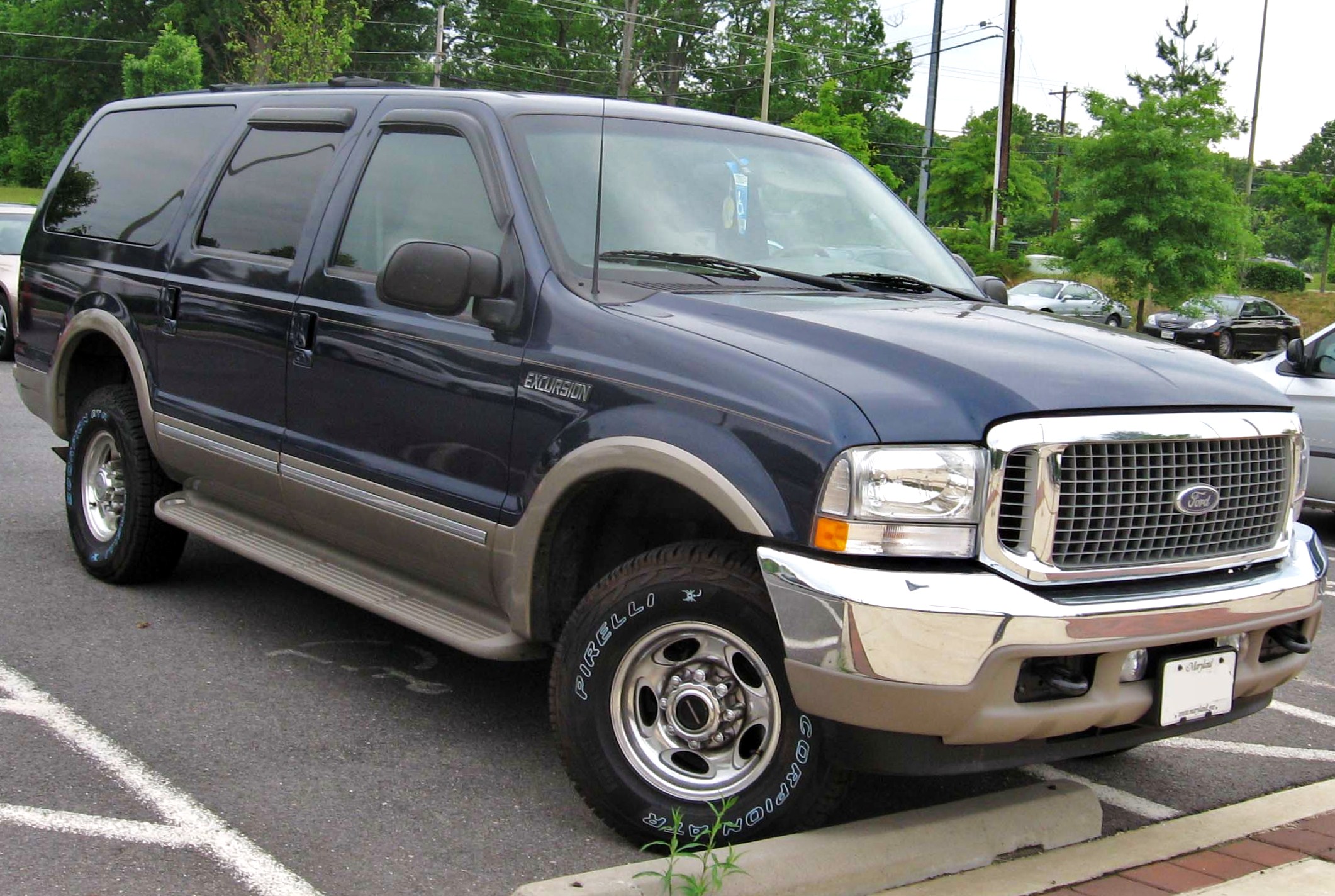
The Ford Excursion is a very large SUV made by Ford. It’s built to carry a lot of people or cargo and can be used for towing. The episode mentions it as a reference to “excursions,” likely as a joke or quick personal mention.
“Tesla” is an electric car brand. They mention selling their Tesla, but they don’t say which model.
Car
Ducati 959 Panigale
The Ducati 959 Panigale is a sport motorcycle made by Ducati. It’s known for being a track-style bike, and the speaker says theirs was kept extremely clean and detailed.
“Split in half” describes catastrophic structural damage where the motorcycle’s bodywork and frame integrity are severely compromised. In crashes, this usually means the bike is beyond normal repair and becomes a total-loss scenario.
The “rear wheel” is the back wheel of the motorcycle. The speaker is using it to show that almost everything else was destroyed.
Concept
insurance took it
“Insurance took it” usually means the insurance company decided the vehicle was too damaged to repair and took it away. After that, there’s often nothing left that can be saved.
“De-badge it” means taking off the stickers/badges that show the model or brand. People do it to change how the vehicle looks or to sell it differently.
Concept
rolling cigar
“Rolling cigar” is slang for a cool-looking project vehicle. The idea is that people turn something into a fun, style-focused build rather than keeping it as-is.
The Jeep Liberty is an SUV made by Jeep. It’s meant for everyday driving, and some versions can handle rougher roads better than a typical car. In the episode, it’s brought up because someone is talking about a vehicle they had or knew as “Liberty.”
A hatchback is a car body style where the rear door lifts upward and the cargo area is accessed through that same rear opening. The hosts use hatchbacks to describe the small European cars they saw in Ireland and Norway.
A crossover is a vehicle type that blends features of SUVs and passenger cars, typically using a car-like platform with higher ride height. The hosts mention crossovers as part of the mix of small European vehicles they saw.
Right-hand drive means the steering wheel is on the right side of the vehicle, which is common in countries that drive on the left. The hosts mention it because the cars they saw in Ireland and Norway were all right-hand-drive.
A wagon (estate) is a car body style with an extended roofline and a larger cargo area than a sedan. The hosts highlight that wagons are especially popular in Ireland and Norway, including both smaller wagons and premium-brand examples.
The Honda Fit EV is a small electric hatchback. It’s meant to be easy to drive and park, while using electricity instead of gas. The episode brings it up as an example of how small some cars are.
The Rolls-Royce Phantom is a very expensive luxury car. It’s designed to feel extremely comfortable and quiet, especially for long rides. The episode mentions it mainly because the name sounds like a character reference.
LIVE
I remember getting onto my bike, putting my helmet on, putting my music on to my helmet,
and then I remember waking up three days later in the ICU.
This is Art Park and brought to you by Right Hundred and Right Toyota out of Scottsdale,
Arizona.
I'm your host Jay Fending, recording for my home studio here in Gilbert, Arizona.
Coming up on today's show, Bryce Chavez is in studio. Aside from being one of my fishing
partners, Bryce is a dear friend of mine who was involved in a terrible motorcycle accident
about 10, almost 11 months ago now. Well, we're fortunate to still have him with us. We'll put
it that way. But this is his first time being on the podcast. And he tells some great stories about
his time in the military, how that motorcycle accident has completely changed his life and
what he plans on doing moving forward. Truly a life-changing experience. And you're not going
to want to miss that. But first, a woman has died in New York City. I don't know if you've seen
this story, but she was driving an SUV and she pulled up, got out of the vehicle, and she stepped
right into an open manhole cover. According to the story, Con Ed, I don't know what that means,
said it has reviewed footage and determined, as police suspected, a truck. A truck at some
point dislodged the cover of the manhole, which says she fell down about 10 feet and the steam
caused her to go into cardiac arrest. She was rushed to New York Presbyterian Hospital where
she was pronounced dead. So that is one of the most bizarre things I think I've read in a long time.
On another note, if you have not checked out the new revised version of hardparking.com,
make sure you go out and check out hardparking.com. You can see all the episodes, all the former
guests, and there's even a search function with completion matching. So if you wonder how many
times your favorite person has been on the show, just type it in. It'll show you all the listings,
whether they're audio or video, and you can check those out. Coming up, Bryce Chavez.
Bryce Chavez. Yeah, it's your name, right? Right. Yeah, you did. Welcome to hardparking.
Thanks for having me. We've known each other for a long time.
God, there's so much stuff we could talk about, you know, because, you know, I talked about you.
How long has it been since the accident? Roughly around, coming up on 10 months.
So about 10 months ago was the accident, and I've talked about you on here before that.
But you're your original one auto G2. I am. Yeah. And that was this is this is the 10 year.
Actually, dude, I want to say April's 15th or 16th was the 10 year anniversary of one auto,
which is fucking nuts. I never thought about that until I'm sitting there looking at you
right in front of me. And then the other day I was at a car meet and I'm talking to a guy
who goes, Oh yeah, you know, my woman, her name is Rachel. And I'm like, I don't know Rachel.
But it was just, it was a Rachel who hung out with us years ago. She had a Mustang, you know,
and just when she walked up with her kid, I was like, Oh shit, that's Rachel. It's almost like
not seeing you since before you went to the Marines, right? Like you just forget because
you see so many people. But yeah, but you brought some on Delo today? Of course, always.
The joke is anyone's allowed on the podcast as long as they bring something to drink.
How you doing, man? Doing good. Yeah, working through a lot of the injuries still and,
you know, I'm taking it day by day, but I'm vertical now and I wasn't for a long time. So
just honestly, you count my blessings kind of puts, you know, life into perspective and
obviously it's not ideal in any, in any sort, but just thankful that I'm where I'm at and,
you know, seeing slow progress month to month. So that event changed everything, you know,
and shit, you're sitting here right in front of me. You're one of my fishing buddies. I talk
about going fishing every once in a while. You know, we're the very small group of people
that keep Long Island Sovers in business. And yeah, I've said that before and people are like,
Oh, you're going fishing? What time are you going? I'm going to go with you guys. I'm like,
Yeah, do you like Long Island Sovers? And they're like, No, fuck that. Well, you know,
that's what it is. So how's PT going? Good. So I think it was probably about,
I think last month was my last of it. No kidding. Yeah. So I spent
about two months in the rehab hospital doing, you know, four sessions of PT and OT every single day.
And then finally, when I was able to actually walk on a walker and take a couple of steps,
you know, I got sent home and got outpatient therapy. And right around the nine month marks
when the VA stopped like approving it through insurance. Oh, fun. So I mean, they gave me
a lot, which it's obviously needed and I need more, but still happy with the amount they gave me,
you know, so just kind of doing my own stuff at home now, you know, trying to get out and about
and move my body and stuff. So you want to kind of take us through that event? Yeah,
because I feel like how many weeks, it was just less than like a month before that when we went
to, I want to say AZ track stars, right? Yeah, because I was in June, I believe, wasn't it?
Was it? I don't know. I know it was hot as shit. May or June. Yeah, it was hot.
Yeah, it was really hot. Yeah. And it just happened like weeks prior than it happened.
What do you remember from that? So actually the day of, so it was a, it was a Saturday.
And so morning wake up, one of my riding buddies calls me and said, Hey, there's a
bikes and breakfast out on the west side, if you want to meet up and ride. So sweet, you know.
Sure. So get up, meet up with him. We ride, you know, it's probably an hour ride. We're on the,
we're on the east side, you know, riding all the way to the west side for bikes and breakfast.
I go easy out there and I think it's a Peoria. Great bikes and breakfast, everything. From there,
I left, rode about an hour back to Mesa, figured, you know, stop and get some food. So I stopped at
Petal House and downtown Mesa. It's kind of right by my house, you know, got some food. Oh yeah,
really liked that place. Got there, you know, one of my homegirls texts me, you know, told her to
come hang out. So we hung out like most of that day, went back to my place around probably four
or five, you know, ordered some boroughs. So far a really good day. I've told people this. And if,
if that was like legit, like my last day, like I would have no regrets. Like it, like I lived it
exactly how I was. Sounds like a good day. I rode for hours. I, you know,
hung out with a close friend. I, you know, went, we went back to my house, went swimming, listening
to music, just picture perfect Saturday. It was great. Yeah. And then we had planned to go hit
the clubs later that night. She's like, okay, well, I'm gonna, we got done swimming and she's
like, okay, I'm gonna go get home, get ready. I was like, cool, I'm gonna go to Jackson's at
marketplace because I think they shut it down. Now it is huge, huge bike meet by two,
300 bikes, you know, no kidding. Yeah, it was a big thing. It was basically like the paths for
bikes essentially. It's crazy because it's not like it's a big area, but a lot of bikes can fit
in there. Yeah, because it's connected to the car wash. So like the whole car wash area. So
always a good time. So it's like, okay, cool. I'm going to go go to Jackson's hit the bike
meet really quick and then I'll come back home, shower, get ready, grab my car and I'll come
pick you up. Went to Jackson's, you know, it's probably only 20 minutes away from me, hung out
there for a little bit. And then I was like, okay, you know, I should probably get going. I think
it's around like 828 30 around that time. I remember getting onto my bike, you know, putting my helmet
on, putting my music on to my helmet, starting up my bike, you know, saying bye to everybody
and slowly like pulling out of the parking lot. And then I remember waking up three days later
in the ICU. So I have zero memory of it. Wow. And that was probably about 1520 minutes before
the accident. Yeah, it's just black. There's nothing. Because you were, yeah, yeah, wow.
Because you were kind of by yourself at that point, you're broken apart from everyone and
you're just kind of on your way home and wow, tell everyone what all happened to your body.
So essentially, as I was coming home, I was about an eighth mile from my house was the last
intersection right before my house. And I only know because of the, you know, police
support and intersection video, all that stuff. That a car, when it's failure to yield,
turned left in front of me when I had the right of way. And I was going straight,
ended up being a head on collision. I was probably, you know, 3540 feet from the bike,
hit the car head on first and then kind of flipped over it and flew through the intersection.
Through the car, essentially. Yeah, so from what
everybody said, the witnesses and everything, my head went through the windshield and then
my legs kept going. And that's what pulled me out. And then I kind of cartwheeled through the air
and landed about like 40 feet away. And then
So you kind of scorpioned? Yeah. Yeah. It was pretty gnarly. I don't remember,
but obviously from the intersection video and the police report, you know, I got to see it and
it's something you see on like live leak or something like unreal. So kind of like
out of body like experienced. But anyway, little that I know, but I remember waking up
kind of just like, it's kind of foggy. And I couldn't move. I tried, you know, leaning up,
I tried moving my arms, my legs. And I just physically couldn't move. And it kind of felt
like sleep paralysis almost. And, you know, I was in this, I just remember seeing like a big yellow
room. And I just didn't understand. I was like, Oh, it's, this is a dream. I'm just going to
go back to sleep. That happened about two more times over the course of three days. So I was in a
medically induced coma. So that's when I started kind of waking up out of it.
When I tell you that's the most like confused I've ever been
in my life, like when I had finally woken up, and I think it was one of my parents were like,
do you know where you are? And I was like, no, like, Oh, you're in the hospital, like you're in a
motorcycle accident. I'm like, to fuck out of here. Right. When I just saw that they were like,
joking or something, because I like I said, zero memory.
And I couldn't move. And I was just like, so confused, because I was like, how like,
it was like a 15 minute ride home, a road I've taken a million times, like,
like, how does that happen? And like, I just have like, it was a weird feeling. It's like,
I had like no saying it, you know what I mean? Like it just, it happened. And then they kind of
explained to me. At that point, I still couldn't move either. I'll wrap around to that. But so I
had broken my right wrist, and it dislocated. I broke my right arm, broke my left wrist,
it dislocated, broke my left arm, my left elbow shattered into four pieces. And then they had
to break it into five pieces to fix it. And then my left humorous actually snapped in half and
popped out of my body. My pelvis was broken clean in half, they called an open book fracture,
like not connected at all. Yeah, the binder is gone. Yeah, in half, you know,
Jesus. And then my right leg was broken. And so both, I mean, and I had tissue damage my left
and whatever the complications, you know, but all four limbs are casted up fully. I can't see them.
I don't because at this point when I woke up and came to kind of all this, they had done seven
surgeries. And they were already done. And I was already, you know, cast it up and everything. And
I was just couldn't move anything because my arms were obviously snapped in half still like bolted
together. Everything was reconstructed with metal, my pelvis, my arms, everything. And they were just
so weak and obviously broken. And I couldn't understand why couldn't move. And then a couple
days later, I spent I think a week in the ICU. A couple days later, they moved me to the trauma
unit after they stabilized me and everything. And remember one of the nurses coming in going, oh,
by the way, your CT scans just came back. Your back is broken in three places too.
Do you want some oxy? Oh, thanks. Just so that there's a cherry on top. And that's why I realized,
you know, like why couldn't Lena, I couldn't sit up like physically impossible to my back was broken
in three places. And then on top of that, because of the pelvic break, I've nerve damage my leg.
So even today, you know, nine, 10 months later, below my right knee still paralyzed. So I have to
wear the kind of this prosthetic exoskeleton thing enabled in order to walk. My left arm lost
about 50% mobility, so won't really bend past 90 degrees. Still doing with that and you know,
building all the pelvic strength back and arms and everything else, but that's kind of
everything for the injuries. Geez. So what's the best case with mobility and coverage? As far as
not coverage, but mobility and recovery for your body? What's the best case?
Best case scenario, the nerve damage in my leg begins to heal, which they said it'd be a year
minimum before it even starts to anything, then probably another year or two after that to really
get, but it's supposed to start to hopefully statistically, right? Yeah. Okay. They don't
know for sure, but they said hopefully, because right now, like, like I said below the knee, so
my foot doesn't move, my ankle doesn't move. I can't, you know, all the leg movement comes from
like my quad. So best case scenario, you know, eventually over time, all that comes back and I
get back to, you know, running and jumping and squatting and stuff like that. So, but I mean,
right now, I'm content with walking, you know, I didn't do with the pelvic break. I didn't walk
for two months. So they had to get this huge like crane to lift me into a motorized wheelchair
for two months and stuff. That's the, uh, the Hoyer lift. The Hoyer. Yep. Yep. It's the mechanical
lift. Yeah. Um, I remember when you got transferred, that's when we were most of us were able to come
and get you and shout out to Chris for updating everybody continuously. But so I got the notification
like, Hey, what's up with Bryce? I'm like, what do you mean? And then that's when I started kind of
calling around and trying to figure out what's going on and started telling people, but man,
it's like, we're, you're so fortunate to be here and we're fortunate to have you still with us
because holy shit, that list of injuries, there had to have been some time, especially early on,
we're like F this, right? Cause I don't know. I mean, the, the, the mental strength it takes to
kind of get through that. And they say, yeah, you're going to be able to walk and X amount of
time. And if I'm laying there, I'm like, yeah, whatever you're telling me, whatever you think
I need to hear. So then I don't fucking lose it. I mean, you're sitting in front of me now. Did
you think that was realistic nine months ago? So because it was so severe and, you know, the
paramedics who saved my life in the intersection, the doctors who got called in at, you know, two
in the morning to do seven emergency surgeries, all of them told me after the fact that they,
that I shouldn't have made it, right? Like there's no way this kid zero way. No way. I had internal
bleeding at some point too. Like they said there was I like it's such like a small percentile of
like anybody who comes kind of comes out of that accident how severe it was. You would have been
black flagged on the field, like a field medic, right? You know, they go around and they color
code people. Yeah. Yeah. So I think even when I got transferred over to the trauma unit, you know,
I remember I had to use the restroom and the nurse wasn't coming in in time, you know, and I was
like, oh, my cousin was there. And I was like, Hey, you're just going to have to help me like
help me sit up and I'm going to put my arms around you and I'm going to use my leg that I can feel
to like limp over to use the restroom. At that point, I didn't realize like how far out I was
from doing all those things. Oh, wow. I didn't sit up on my own out of bed for I think probably
a month and a half. Like my just physically couldn't didn't have the strength of my arms,
my back, my core. Obviously didn't walk for for two months. Like I early on, like I didn't realize
like how long it was going to be. And then once I got to the rehab hospital, you know, they're
kind of just focused on the small things. They're like, Okay, let's, you know, first time I sat up
was like two weeks after the accident. And it was by two or three physical therapists holding me up.
And at that point, my back was still broken in three places. And it hurt so bad that I had to
go back down after like 10 seconds, you know, yeah. But then that was progress. And the next day,
try to do, you know, 15 seconds or whatever it is. They did tell me with the nerve damage,
it would take a long time. But I was so focused on just like the small things that I couldn't
do that I was trying to do and the therapy was trying to get me to do. But yeah, there was
points where I was like, you know, like I wish I why can't I just like rewind like
rewind, I'll take the car, I won't go to the bike meet, you know, and I just like, and then
obviously not remembering anything. It was like so frustrating when I was like,
I don't know, basic things you take for like sitting out of bed, you know, the little things.
And I'm like, like I used to be so active, sports, you know, this that whatever.
Pineapple. Yeah. Yeah. And now I can't even sit up out of bed on my own. Like, it was such like
a trip, you know what I mean? So there was points where I was like this, but at that point it was
sink or swim, you know, I can, I can sit there and feel bad for myself and be stuck in the situation
or I can, you know, work through the pain, push myself on therapy to hopefully get better faster.
And so I knew I wanted, I mean, still now want to get back to where I was. So it was kind of like
a sink or swim, you can lie down and accept defeat or you can push through the pain and
which I'm glad I did because obviously I'm, they told me I was, I wouldn't walk for six months
with that pelvic break. I remember that. I remember you're telling us that. Yeah. So
you think a lot of that, and we're going to get, we're definitely going to shift to this
in a little bit, but I wonder was some of that just instilled in you from going through the marines?
I think so. I think the, I think the resilience out of everything.
And also I was just really pissed off that I couldn't do all these things. So a lot of the
things that, you know, the therapist like, okay, we can take a break before we do the next set or
before we do this. And I'm like, no, like, let's, let's, let's go now. Like, sure. I'm like, yeah,
it was kind of just like out of spite because I was so mad at nobody in particular. But just
the situation I was in, just so mad that I wanted to get out of it. And I think, I think the
Marine Corps probably has a big part of that definitely, you know, resilience and determination.
But also I was just really mad at the situation I was in. So you, you probably don't remember
everybody who stopped by maybe you did, but how many times do you think you were asked if you
did? Yeah, I still get, you know, a couple of TikToks and Instagrams, you know, a couple million
views about my writing stuff or I made one about the accident that hit a lot of views and all the
comments are filled with that. And then people I know, you know, I have to get asked all the time.
So probably, you know, hundreds, you know, so, but I think your answer has been pretty definitive.
You know, it's like, holy smokes, man. Like I said, we're so lucky that you're still with us.
And I said, I've known you for a long time. Tell me about the Marines. I've never asked
you any Marine stuff. I know that my mission for you and the Marines was for you to stick a
one auto sticker on like a tank or chopper or something, you know, and you would send pictures,
you'd post pictures online and we'd be like, yeah, Bryce, Bryce is growing up. He's a man now.
Right. But yeah, tell us, tell all of us some stuff about the Marines. Yeah.
Your experiences. You met me when I was probably what, 16, 17? Yeah, it's crazy, right? All the OG
one auto members. You were one of the one auto kids. I refer to you guys as one of our kids,
like Andrew and Rachel that I was talking about earlier, you know, there's a few of them. Right.
Yeah. So at 18 graduated high school, enlisted into the Marine Corps.
Uh, chose a combat support MOS, uh, got put with amphibious assault vehicles.
So called AVs, and they're essentially a big tank that is also amphibious so they can
drive off the back of a Navy ship, land in the water, float most of the time,
and then kind of assault assault a beach, but also do land operations because it's how far out
they have to, can they drop those because the shelf is, it varies. You know what I mean? Yeah.
Man, I'm forgetting all the numbers, but there's like a certain,
I think the farthest I landed out was probably 15 clicks, which holy shit. Yeah. So a click is
about a kilometer, right? Oh, I was thinking maybe a hundred yards, but no, that's way out. We would,
we would, uh, we'd splash off ship and you could not see any land around you. Oh, that is cool.
You know, you'd be pushing sometimes 34 hours. Never being nervous is nervous.
Yes. Yeah. Yeah. Those, uh, those AVs, they say they don't float, they just sink slowly
because it's a 56,000 pound tank armored tank. I mean, at 56,000 pounds and you're,
you're telling me you're going to drop it into the ocean, you know,
drive it off the back of a ship into the ocean. Um, so very nervous, but I think
I worked very hard at my MOS and becoming knowledgeable and working my way up through
leadership. What's MOS? Uh, military occupational skill. Okay. So essentially your job.
Um, that's way of your MOS. So, uh, amphibious assault vehicles was 1833.
Um, so it's just essentially your job, you know. Um,
so I kind of just really minded my P's and Q's and really put effort into really learning the
MOS and the ins and outs and the mechanics side of things and became really good at it.
Um, to the point where if something did go wrong and things went wrong all the time
that I was prepared and I knew, you know, evasive actions and stuff like that to where I could,
you know, lead the Marines under me because I know they were, I was scared when I first
did all that stuff, you know what I mean? And then I knew they were scared. So I had to be that,
you know, get really good at my knowledge and everything and experience so,
so I could lead them through that. So,
were you always the cool Bryce or were you kind of, did you experience all the movie
shit where you had to be like an asshole for a while, but even though that's not really you?
Uh, so I think within the Marine Corps, it's very obviously probably the strictest branched.
Um, for a reason, you know, we train the hardest and I think with a sense of that,
because a lot of the times when you're in Garrison, Garrison mean, you know, you just
stationed kind of on base, you know, Camp Lejeune, North Carolina, Camp Pendleton,
you're doing training events. Um, you know, things can go wrong. You know, there's happened
so many injuries and deaths that happened in, you know, uh, Garrison training, you know what I
mean? Yeah. Um, so I think you kind of have to instill that, that seriousness and like,
just how serious it is because stuff in Garrison can happen. So it means being hard on, you know,
the lower troops might. So yeah, you're an asshole. Yeah. Yeah. But, uh, I think, you know,
I still talked to a lot of the Marines that were under me today and, um, still keeping contact with
all of them and they were just so thankful for like how much I taught them. So I made sure there
was that, that level of, you know, seriousness and, and, you know, because it can be life and
death in Garrison or when we went overseas and stuff like that. Like, but I also taught them
very well and guided them. And, and I think they respected me a lot for that. And I think,
you know, they all keep in contact with me still today. Some of them are still in,
some of them are out. So I think that's, that's cool. Are there more accidents that,
because we never hear about them in the gen pub, you know, are there, are there more
training accidents than, than one would believe? Yes. Yeah. It's crazy, you know. Yeah. Well,
that's crazy. Is it just, do you think it's just people just lose focus,
get tired or just not pay attention? I mean, not paying attention and losing focus,
one could say are the same thing, but I don't know if they're technically the same thing, but
you know, what do you think causes that? So I think it could be kind of a mixture of things.
One can be, you know, miscommunication. I remember we were doing, we were doing training
ops where we'd have, you know, infantry in the back of our tanks. It's a, you know,
infantry carrier and we're, you know, fighting a notional enemy for a training exercise.
And so we couldn't, so before you drop the, the big ramp in the back to let everybody out,
usually honk three times, let everybody know, and there's somebody back there watching the ramp,
make sure nobody walks behind it. Sure. You know, when we're doing that, it's no horn,
no really communication, no one standing back there. And it's pitch black at two in the morning,
you know, and you have to get that done for the exercise. So thankfully, you know, for every time
I was kind of in a situation like that, everybody was safe. I remember when I was overseas, this one
girl got her legs got ran over by a seven ton truck. And that was just kind of a mix of the
the front ground guide not seeing because it was pitch black and then maybe her not, you know,
seeing where she was at, or, you know, so I think miscommunication also complacency.
Sometimes if you're, you know, in garrison, you're, you get comfortable with it every day,
day to day thing, you know, and even though we're driving a rinse of repeat and you just know,
exactly, you know, we're driving around these big amphibious tanks, you know, but it's like normal
for us. We do it every single day. It's, it's, you know, an R nine to five. So there is a level
like where you can get complacent that can lead to injuries. Other stuff, I think it's just maybe
experience. So, you know, lack of experience with, with younger Marines, you know, you're
throwing 19 year olds in the driver's seat, you know what I mean, but they have to learn. So
a lot of mix of things, I think, but
what was your most, I wouldn't say fun, but maybe interesting task
when deployed. Are you always doing the same thing? Or it's like, okay, we have downtime,
or you're doing, you're doing the garrison and I'm coming from a civilian that watches a lot of
TV and has no idea, you know, sir, you're on garrison duty nine to five or you're garrison
duty in the amphibious tank, but on every Tuesday, you have to do this other thing or
you have free time to kind of either mess around or find something to learn
as well. Like what, what are some of the things that you would do, I guess?
So a lot of it, you know, our most daily stuff, we call it the ramp, especially the motor pool,
where, you know, all the AVs are parked, you know, and it's maintenance, it's doing, you know,
pre pre op checks, water testing them, log books, you know, all that because you log every mile,
every hour, all that stuff. But also, you know, we had a training schedule. So sometimes, you
know, this platoon, oh, has a one week field up going out to the, you know, LZ Blue J or whatever
you're on base, you know, do a, do a training op. I got sent to 29 Palms, California. I know what
that is four times. It's cool as shit. shit to drive through. Yeah, we have
different experiences because it looks like it's a bomb test site from the 50s,
you know, and it could be, I don't know, but I know I've gone through that 29 Palms highway
and I've looked around like holy shit, where am I tattooing? Yeah, I think it's the largest
training area in all the United States or something like that. But just, I couldn't even
tell you how big it is, but you have all everybody coming in like we train there one time the
British came in, the Canadians, who was it the Dutch. And you know, we're doing a big war fighting
exercise. So there's it's it's huge. It's unreal. But I'd go out there and I think that probably
the one of coolest things I did was I was specialized in a thing called a Miclick
MCLC. It's called a mind clearing line charge. So it was kind of like a modification that they put
on top of our so AVs become Amtrak's just come or tracks or whatever. So it's a modification
put on top of our track. And essentially, it would open up hydraulically, a rocket would lift,
and then it would shoot this rocket out. Loudest thing ever, by the way, like, and because you're
inside the Amtrak. Oh, it's unreal, like it pounds your chest. So it's like mandatory,
you have to have shit in your ears and on your ears. Yeah, yeah, definitely. So then it shoots,
and there's a there's three tubs. So there's three rockets, three tubs of 2000 pounds of C4
attached on a rope to that rocket. So that rocket shoots out. It's 75. And I might be wrong, it's
been years, but I think it's 75 yards of C4 that does that 2000 pounds, and then 100 yards of just
rope. So you're about 100 yards away from the blast. I can show you a video it is the biggest
explosion that I've ever witnessed in my life. And we were sealed up, you know, closed hatches in the
Amtrak and everything. And it blows you back. And it was it's unreal, like it's, I can't even,
like I can pictures and videos of it, but it's, it's like, are we sure this is safe? Right, yeah.
And then you're, you're driving around on a tank trail somewhere and the Amtrak's going
everywhere and want C4s in the back, just, you know, it's like putting a firecracker in a toilet
type. It sounds a little unnerving. Yeah, I don't know, is your microphone like slowly going down,
you're getting closer to it? I don't know, I can't tell. There we go. You're starting to get kind
of like that. But on your deployments, or even when you have other countries come in, do you guys
ever trade stuff? You ever get a chance to hang out? Like, do they do challenge coins everywhere?
Is it just like an American thing with the challenge coins? Or what do you guys swap out
patches or what? So when the German playboys versus American playboys, when the, when the
British and the Canadians came in to 29 palms for that, that warfighting exercise,
I, I got, what did I get from them? I got a couple of patches, I think, from the Canadians.
And I think I got a British beret, one of their berets. And it was funny because, you know,
a lot of the times those ones, people that are coming all the way over here, they're, you know,
higher enlisted or officer. So they've been doing it, you know, 10, 15 years already,
very experienced compared to, you know, little, you know, 20 year old Lance Corporal Chavez,
you know, and I remember walking into like one of their higher up, we call them a hooch,
it was like this basically like half soda can that you sleep in just this metal, whatever.
Hooch. Yeah, hooch. Yeah, they used to be called quants and huts, but they changed them.
And I remember walking in and I realized it was like a, they were older, they were higher ups,
and I don't know, they're not my chain of command. So I was, Hey, do you guys want to trade? Like,
and I think I traded a blouse, one of my cammy jackets for some of this stuff. And then
when I was in Norway, I got, I think like three different patches,
couple berets, stuff like that. So yeah, we, we trade. So I still have all that stuff. I think
it's the coolest thing ever. You have like a display case for them, or you're going to make
something, the glass and the felt or something. I should, I haven't yet, but that's a good idea.
Yeah, it's a damn good idea. You should do that. What about your off base excursions? I mean,
there's nights where you go off base and you go into town, you know, any, any fun stories you can
share? Oh, there was this one time. So we, I was stationed for the most time, I was,
lived in California, you know, did other exercises all over the country and stuff like that. But
I think for the majority, I was in Camp Lejeune, North Carolina.
And so they have Jacksonville out there, but it's basically just a marine base town,
really small kind of ghetto. And then about an hour away, they have a town called Wilmington,
North Carolina. Oh yeah. All basketball people know where Wilmington is. Yeah. Michael Jordan's
house. Yeah. But it's essentially just a college town on the beach. You know,
you know, five to eight of us, I think, you know, 21, 20, 21 year old marines, you know,
young and dumb. We'd always go down there and they have a downtown, I think it's called Front
Street, all the clubs and bars and everything. It was a great time. You could go daytime,
you could go nighttime. It was Wilmington was just like a nice break from base, you know,
you're like an hour away too. So a little break feels like you're off the leash a little bit.
One of the times we all met up at this one bar called Bar Club is like Russian themed. So they
had like fake AKs on the wall. I think it's called Pravda. And we've been there a bunch of times
before and stuff like that. Did it have like the Russian writing words and stuff on there? Yeah.
Yeah. Writing had like the vodka you can't buy here. Yeah. Yeah. Okay. Yeah. But it was a cool
place is on the smaller side, but it was it was a fun spot to hit for sure. And of course,
we're all drinking and young and dumb. And one of my buddies got into it with some random person at
the bar. That other guys, like three or four buddies pulled up to my buddy's face. But at the
time, like I said, there was there was probably around eight of us in there. Scuffle happened.
We see it. We show because we have eyes on each other. We'll kind of go out on the side
quests and stuff, but we keep eyes on each other. So there was like eight of us. So then
that half that breaks out. They all end up on the floor. Security comes. I can't remember who it was.
A few probably wouldn't even want me to say his name anyway, but
it starts fighting security because security is trying to kick us out. Sure. Then the other
security guards come. Every group has that one. Yeah. Well, it turned into all of us because
he starts getting hit by so. Well, because you're a unit, you know what I mean? You guys are there
together. Yeah. But yeah. I would have been fine with security just kicking, but then it, you know,
we're drinking it had turned into that. Little do we know, whole bar clears out. Everybody in
there clears out these, this guy and his buddies are on the ground. Security's And
we're all just kind of looking at each other like this isn't good because I don't know if you know,
but if you get in trouble with the law, even, you know, off base, you get double punished on base.
So like if you get, you know, a speeding ticket, they can take away your driving privileges on base.
You know, DUI or get arrested or assault charge, you know, you get punished again on base. Sure.
Yeah. Not a good time to get punished on base. So we're kind of looking around and we're like,
oh, this is not good. So we start clearing out. We run out to the street and the whole front
street is like just a two lane, one wage way for cars and they're all only going, you know,
23 miles an hour. It's really like walkable area. All of a sudden we see the cops on horses
coming. We all split and we had to split up. I think it was like three cars between the,
all of us. We all parked different areas. So we just like split and we all ran different
directions. Somehow all of us made it back to a car, drove back to base, met up like right
outside the gate at this gas station that was right out the back gate in Sneets Ferry.
And got accountability of all our guys, you know, kind of looked around like,
okay, nobody's arrested, nobody's stabbed. Everybody's good. We, you know, we got this.
Made our way onto base and yeah, so I think we stayed out of Wilmington probably that we
could too after that, but nice back to it. But that was, that was one that got out of hand for sure.
That's fun, man. That's a shit ton of fun. So what are you doing now? Like you see,
you come back and you have, you open up pineapple detailing and then you're doing that and then
you have the accident and now you're on your road to recovery. It seems like you're doing well on
your road to recovery. Are you looking at, do you moonlight on the scene at all? Do you have any,
do you go out to meets or anything? Or do you just kind of do your own thing?
You know, lately? Because I don't know how involved you were anyway before that.
Anyway, you know, because I, my biggest excuse was I used to travel all the time. I think you
remember that. I don't travel for work anymore. I still don't leave the house. I go to a very
few things, but for you, because you have, what do you have right now? You have the alpha alpha?
What else? So the work, man.
Um, Mercedes and then I sold the Tesla last November, October. So just the two, and then I
have another Ducati that I still need to sell. Do you have any pieces of your other car, other
Ducati? I have the key. And I think that's it. That was a, it was a red Ducati. What?
I was a 959 Panigale. Yeah. That was a beautiful bike. It was, I had everything like down to every
screw on that thing, like polished reply, everything just, I mean, I, you know, with the
easy track stars, it was entered as a show bike, you know, I had that thing looking so good.
Um, yeah. So the bike was actually split in half. So there was no front end left.
There was half the motor was gone. All that was left was the rear wheel,
the back seat and like half the motor. Everything else was like in, you know,
tiny little pieces. Like it wasn't even there. So remember, I was still in the rehab hospital and
they got it, uh, Paul, Paul and Mikey, easily towing, came in super clutch for me,
got it from, picked it up from the toe yard, brought it back to my house.
And then I think it was, that was right before insurance took it.
And I remember I faced facetiming somebody that was there looking at it. And I was like,
is that the key? They're like, yeah. And the key was still in the ignition. I was like,
grab it. My little Ducati tag on it. Um,
grab the key and then, you know, a couple of days later, insurance came, toted out and
there was nothing salvageable. It was literally severed in half. So
I think I remember you posting pictures of the scene and as expected, there was just
shit everywhere, but I didn't know if it was like, uh, but you got the key. Yeah. You know,
the key is cool. Right. So what are you going to do? Do you just look at the, like when you
still have your, your detailing van, is that maybe one day are you going to have the mobility to
even do that? Or probably not. And then what are you going to do? De-badge it and sell it or
de-badge it and turn it into something else, the rolling cigar line, just a big thing.
People are doing that now. Yeah. Um, no, I don't think, uh,
you know, even once a year, a year comes from the accident and hopefully by my
leg becomes like the paralysis starts going away. Um, you know, I won't be running or jumping for
another, another year or two. Um, so I don't think I'm going to be in any type of position to have a,
uh, a job that requires a lot of mobility. Right. Um, we're definitely going to sell it.
Um,
get into something else. Like I said, less laborious and less mobility. Um,
but I don't know new beginnings. I kind of see it as so good for you.
Yeah. I'd be kind of doom and gloom myself. That's why I'm glad that didn't, you know,
nothing like that's happened to me because then you don't know until you're faced with that. Right.
Uh, but there's, there's obviously stuff out there, especially in today's world.
And like I said earlier, it's, it's, it's great to see you as always, you know, and, and, and,
we're just so, I guess gifted that you were able to make it through that
because I got, you know, going and seeing you, it's like, man, you know, there's,
there's Bryce, there's Bryce, you're going to get through this. And then just kind of the look in
your eye, I just didn't know at the time it was like, do you feel you're going to get through it?
Or do you like, fuck this? You know, and at the time you were probably like,
fuck this. Cause that was pretty soon afterwards and in communications with you. I mean,
you're laughing today and having fun. Like we were at when we went fishing a few months ago,
which by the way, we got to go fishing again before that place closes. I mean, there's,
I think, I think that's the only place. I don't know if there's one in Queen Creek,
but I know in Mesa, Gilbert, Chandler, maybe even Tim B, that's the only one.
It's the only long jump servers and it's, and it's a full long jump servers,
not one of those half breeds. Right. Like half Taco Bell.
Yeah. Because that was the one over there by Costco. And that was easy.
That one always sucked, but it was conveniently close. So you just kind of ate it like once a
year and you took it in. Yeah.
I think it's, what did you ask her before that?
You kind of made it into a two part, I think. Yeah, that's what I do.
Think about going fishing. Yeah, we got to go, go keep that place in business again.
Yeah. Yeah. I think it was, I was still on a walker, I think, or a cane.
You were, yep, you had a cane. You rolled up in the alpha.
Yep. I remember I was like, who was that? You know, so that's B.
Handicap placard and all. You have that now, right?
You can always rock that thing. Yes.
God, I was going to ask you something. I'll let you open that beer.
What do you do with your spare time?
Lord knows you have plenty of it. Right. Yeah.
You Netflix, you do any of that crazy shit? Oh, I try not to bed rod. I feel so
unproductive and I feel like I'm, you know, not getting my body better.
So a lot of it is, is at home therapy, you know, even if I,
which I don't watch too much TV, I'll watch a series here or there, but, you know,
I'll throw in some music and just do some at home therapy, you know,
a lot of stuff that they showed me at outpatient work, different muscle groups,
work my back, my core, my legs, my arms, all that stuff.
So a lot of it's therapy. I've been trying to get back into throwing darts.
Oh, yeah. So what you were doing in the core?
No, actually, I picked that up after I came home just by coincidence and
got really into it. And now I think, you know,
like, I'll be honest, I didn't know people like,
when I think of throwing darts, it's always some movie, some dive bar,
dart shark scene. Yep. People are throwing darts and then there's always a fight.
Every one of those movies, there's always a fight, but I didn't think of someone actually
picking it up and becoming, you know, really good. Yeah, I play with Paul a lot.
Okay. So we go to these, you know, a couple,
there's a couple leagues and stuff and no shit. No, it makes sense. That makes sense.
Last Friday, actually, I won a blind draw tournament and got like a hundred bucks cash.
So what's a blind draw? What does that mean?
So you play basically duos, right? But you enter and then you get,
uh, your partner is random randomized and then you basically just play the blind draw 2v2.
So I won 11 other time there a couple weeks ago, then I won this last Friday.
So that was cool. So I'm trying to get back into darts, you know, it's a little hard with,
you know, having zero feeling in my leg and zero strength to kind of get there. And obviously,
you know, my arms and all that stuff, all the metal, it's reconstructed, but
then getting back into it. So trying to stay occupied with that therapy,
try to get out and kind of have experiences, you know, like I was trying to go to a lot of
spring training games, you know, going out to dinner with friends. I think like even last
October, I was still on a walker last December or two, um, going like Schnepf farms, you know,
you know, Halloween and Christmas themed things. I just like, you know, I think getting out and
walking and moving around and pushing myself a little bit, even if it hurts, just to go out and
do things. Um, I don't know, just being kind of thankful for my life, you know, enjoying the little
things. So I would imagine things are just different now, like your whole outlook, because
I'm sitting here listening to you and I'm thinking to myself, wow, yeah, you got to just keep pushing
and doing stuff because like, I don't, despite what some people think, I don't just, I'm not
watching TV, but I am sitting on my ass all day between my day job and my side hobbies.
And I should really get out more because it's almost like you're, I'm taking advantage of the
opportunities that I have, you know, where I could have it almost all taken away and having
to work myself, you know, back into it like you, you know, it's just, it's kind of different to
think about and reflect on, you know, um, what about the friend groups? How are people,
how have people been? Everyone's like, Hey, Bryce, what's up? Or do you feel like people
like slowly forgotten about you just because you're no longer on the scene?
Um, no, I think, you know,
Any animosity towards people?
Honestly, no, I mean, with those first three days that I was in the hospital,
I have zero memory of who came to saw me and people said I was cracking jokes while I was
rolling out for surgery and whatever, zero memory, nothing. But they were saying there was, you know,
20, 25 people in the ICU room at all times. And then even after like now, even now, you know,
I mean, you see somebody, you know, getting to say, you know, a car accident or they get injured
or they, you know, break their arm, you know, two months later, I mean, everybody has their
own lives and they still move on, right? And then they have their own lives to think about
and focus about. Like I said, it's been almost 10 months and like the amount of support that I have
from everybody in every aspect of my life is just like, it's unreal. Like it's just like
the people that I've like surrounded myself with, you know, and like so many one auto people
still reach out even today and check how I'm doing. And I'm like, wow, like you like,
still like I'm still going through all this, but not everybody knows that, you know what it means.
And I'm not going to go around, Oh, I'm still like this, you know, I'm trying to
get better and move past it. So the fact that everybody still checks in, sees how I'm doing,
sees if I need anything is just like unreal, like the quality of people that I have in my life
and then like show up for me, like it's just so thankful for it. So yeah, I mean, if anything,
you know, I'm kind of closer with a lot, a lot more people because even people that we're,
you know, friends with that seem at, you know, events or whatever, and wouldn't talk too much.
But then, you know, now they showed the hospital, they're checking in, we're hanging out,
just kind of stuff like that, like it's just like I said, the quality of people has just been
the amount of support is like genuine support, not just a, you know, a check in this far down
the road as well. Because they some of them, you know, I'm still going through a lot of stuff.
You know, because you can see my Instagram stories. I was in, went and saw my best friend
out in San Diego last weekend. You know, we're out having mimosas and doing whatever. I'm still
limping to my mimosas, but you know, I'm not going to highlight that, right? So people see me out
doing things. But the fact that they're still checking in and supporting, including yourself,
you're a great example. You know what I mean? Like when we were, what was it the food drive?
Oh yeah, one less. Yeah, one less. Yeah. Like you there, everybody else there still checking in,
me, me being so like supportive and considerate and what's the word accommodating for me to get
me involved, even though I was, you know, this far down the road, like I said, it's just unreal. Like
the quality of people I have in my life, just I couldn't ask for more. So it's, it's kind of like
an inner wealthiness. I don't, I don't know if I said this on an episode, but I know I've thought
about this before, you know, sometimes we don't have everything that we wish we had. But some of
us can look up and be like, wow, I, you know, when it comes to the friend groups and the people who
care about you and people you care about, we're lucky, man. You know, we have people because
there's a lot of people who wouldn't have anyone come and visit them or they'd have the people
from work, maybe check in on them. And just like anytime you leave a job, everyone says, hey,
let's keep in contact and no one ever does. You know, it's, I think it's easy for that to happen
to a lot of people, but you know, not people like us, we're fortunate. And that's like that,
that heartfelt internal wealth, you know, that, you know, people measure it by money, but I measure
by relationships because at the end of the day, that's, that's all there is, right? Definitely.
Yeah. Cause I mean, you know, money couldn't have, like, I can tell you when I, when I,
when it all happened, I was like, I didn't care about, I cared about my health and that was it.
And that's what put it in perspective. I didn't care about, you know, at the time I still had the,
the Tesla along with everything. I had both bikes. I had, you know,
this, that, whatever. I didn't care one bit about it. I didn't care one bit about, I just,
I realized like how minuscule a lot of the things that I was like kind of complaining about day to
day were and how in reality in the grand scheme of things, nothing matters except your health.
Yeah. And the people that were there for me, like, like if money can't buy that,
you know what I mean? So I was super appreciative, you know,
if, if someone watches this or listens to this that may have recently gone through
something similar, what would you say to them to keep them going?
It's a really good question.
That's probably the only good one I've asked this entire interview.
No, I, uh, man, I,
there's like so many thoughts that could run through my head.
I'm 100% sure you've had some dark thoughts in some dark times, but,
you know, not today and you've made it 10 months later.
Right. I think if somebody is kind of, you know, going through it,
you got to, you got to find that thing and it almost sounds cliche, but I can kind of
find that thing that motivates you. So my thing was how active I was before I was playing sports.
I was running around. I was, you know, jumping off the roof into my pool.
Like, you know what I mean? Like all those, everything I was doing,
like my motivation was, and it wasn't even something I had to think about.
It was just something like internally, like I wanted, I wanted to get back to that.
And I still do. And that's still what pushes me today.
Um, but like I said, I could have sat around feeling bad for myself,
trying to get, you know, people to feel bad for me, or I can get up and push myself and,
and get better. Um, so I think it's, you know, sink or swim for sure.
You got to find that thing that motivates you and run with it. Something that,
you know, not something that you think about, that you try to make motivate you,
but something that like internally like really pushes you.
And for me, it was how active I was before and how I wanted to get back to it.
So someone can't give it to you. You have to find it.
Exactly. Yeah.
A good deal, man.
You got anything for me?
We can leave, we can just leave the mics on and, and bullshit or?
Yeah, sure. Thanks for having me. Appreciate it.
Absolutely. You're on your second beer. I haven't finished my first.
There's a lot of stairs coming up here.
There are. That's why I asked you. I go, Hey, uh, how are you with stairs?
Yeah.
Studios on the second floor.
Yeah.
But, you know, it's crazy. So we have these Mondellos and stuff.
And, uh, what's, is that your beer of choice?
It is. Yes.
How about the Modelo Negroes? I just recently bought those just to try them
because we usually have Mondellos in the house.
We have Pacifico's. I'm a big Pacifico guy.
Um, but Modelo for sure. Why is Modelo your drink?
It just is. Is it like a family thing or?
No, actually, I feel like, I mean, I feel like not a lot of people I know.
I mean, some of my cousins and stuff, but, you know, I start,
I think when I started on beer, I think I started on Corona.
I was like, Oh, this tastes like gross water.
Thank you. Corona has an excellent marketing team.
Yeah.
It is shit beer.
And then I say, if you have to add, if you have to add a lime and salt or anything to something,
right, it probably wasn't that good to begin with.
You're not really enhancing the flavor.
You're covering it up.
You're covering it up.
Yeah.
I've had that conversation with Yvette.
She goes, I like Corona. I can know you don't.
You just think you like Corona.
Yeah. You just like the commercials.
Yep.
Um, let's start with Corona.
It was, I think, you know, I didn't know better.
And then kind of went to like some ciders and stuff.
And I just couldn't find what I really wanted.
And any American beer just tasted like piss to me.
I mean, it was, you know, you had a party and you're drinking,
they could make it happen.
But, um, then one time I tried a Midello and it's, it's, you know,
more of a darker or logger rather than like a light beer.
I was like, Oh, this kind of has some like substance to it.
You know, and then it's pretty good.
Um, and it should become the go-to.
Like I'll drink Pacifico or, you know,
I think I like Pacifico because it's a little sweet,
right?
But it doesn't make me tired.
Like a Dos Equis does because we have Dos Equis too.
We, we, we pretty much will drink anything in this house.
You know, I pretty much drink anything in this house.
But yeah, I think that's probably why.
But Midello, it's, it's a nice flavor.
But I'll be honest with you.
I mean, I don't think I've, I've had it, I had it years ago
in my younger twenties when you just drink anything.
So one hands you, but we started buying it here
because a guy, my daughter used to date,
would always bring more Delos over a little, um, Spanish dude.
Where is he from?
Just another one while we're on it.
Yeah, sure.
Why can't I think of the country?
I can't think of it right now.
It starts with an H. It's a very common Southern Honduras.
Thank you God.
Jesus Christ.
Yeah. A Honduran, a Honduran guy, um, would drink Midello all the time.
And I think we stopped drinking it here for a long time
when they weren't doing their thing anymore.
But then at some point I'm like, Hey, I'm gonna buy some Midello.
Now we, now it's in our regular rotation.
Yeah.
When you're doing all your marine stuff and you're traveling around,
do you, do you try like the local beers?
Oh yeah.
Especially when you're in other countries, you try what they have.
I think the, the trippiest thing regarding that, I was, uh,
I was in Norway and we were, uh, they brought us on base on one of the Norwegian bases.
Um, and so we got, we got libo.
It was called Liberty, which is essentially, you know,
you can leave base and you have, you know, free time.
Oh, I thought you were naming a beer.
No.
I'm like libo beer.
Liberty beer.
Is it like American?
So, uh, we just call it libo.
Like it's Liberty, you know, it's your, your, your free time.
So, uh, me and two buddies, um, Moldo and Nunez, it was so funny
because they were both brown as well.
Right.
And so we're keeping in mind, we're so far.
Are you Mexican brown?
Like where do you?
Yeah.
Mexican.
Mexican brown.
Yeah.
And mind you, we're so far north in Norway, we're in the Arctic Circle
that the sun doesn't even come up.
You get about four hours of ambient light from the sun behind the mountains.
And then the other 20 hours of the day are pitch black.
So they have to take like vitamin D pills with their breakfast and everything.
So they're all, you know, blonde hair, blue-eyed, super white, right?
And then they, the, they teach English as a second language over there.
Um, so a lot of the younger people know, you know, pretty decent English.
Um, so we go out into town, get off base, we go out into town.
And they had this big store, big grocery store.
Um, and so we go in there and we're looking at all the beer.
And I, it's all in Norwegian.
Yeah.
I don't read in the region.
Yeah.
And this is, I did deploy 2020.
So I wasn't 21 yet, but Trinket Angel over there's 18.
So most places outside of the United States is like 18, 19.
Yeah.
So I was like, let's go get drinks.
You know, so we go out, we're like looking at all this stuff.
And they're in like weird colored cans and everything.
And we're like, we're going to, I'm going to try some of the local stuff.
You know, I'm while I'm here.
When are you going to get to try it?
Norwegian beer in Norway in the Arctic Circle.
Right.
Right.
Right.
So never.
Even if I don't like it, I'm going to drink it for the experience.
So I'm looking, I'm looking.
All of a sudden this Norwegian guy comes up, opens it,
tears open the six pack because they were wrapped in kind of like that, that plastic.
Yeah.
Right.
It was like six pack of cans.
That's what they do in other countries.
It's like shrink wrapped almost in this, in this beautiful color package
that you can't get through.
And they're like six packs.
And he goes through, rips it open, grabs one can and then walks away.
And I was like, like looking at my buddies, like people do that.
People do that.
It's weird.
So I guess there, and I had to ask somebody because I saw the next group of people came
and did the same thing.
I'm like, you don't like, because, you know, this six pack, you buy the six pack, you know,
you can go get, you know, afford like a tall can or something.
Right.
Yeah.
You can't go up or like a mix and match, but two beers out of the six pack and then go.
Right.
And he's like, oh yeah, you can just grab like, if you only want one, you just grab one.
And I was like, but they're wrapped in six packs like this.
So I was like, okay, that's kind of cool.
So grab a bunch of beer, head out to the checkout and I was like, oh, self checkouts open.
Sweet, you know, go to self checkout.
Scan, scan, scan, scan.
I look up at the screen.
It's like a page of gibberish, like the whole, because it's in Norwegian.
And I didn't think that far.
And it's nothing but Norwegian different color buttons, you know, like our, our self checkout,
right?
Right.
Yeah.
Target or something, right?
Numbers and Norwegian and buttons.
And I look up and I'm just like, I never felt like so helpless in my life.
And then at that point, I don't think we had like, you know, that stuff on your phone where
you can like, well, like a translator show it, you know, and it'll read like your camera,
like whatever translated on there.
And I just like looking at my buddies and they're like, I'm like, crap.
They're all great people in the regions.
Like one of the guy, workers comes up, sees me struggling.
Like I wouldn't even say anything.
I was just kind of like looking confused.
He comes up, boom, boom.
He's like, okay, you can tap your card and speaks in English.
I mean, mind you, we were the only three brown people in that entire
probably city or that store, right?
And he came up and spoke English and helped without, you know, me even saying anything.
So, but I thought that was kind of a funny moment.
How was the beer?
Don't even remember.
Yeah.
I don't remember having like real Heineken because that is a thing.
Our Heineken is completely different.
So when you travel on the other side of the world, if they have Heineken on the draft,
if you ever travel, if you don't remember doing it, if you're ever traveling again,
which you probably will be, you're young, you have your whole life ahead of you.
If you're ever in a country like Portugal or Spain or somewhere that has Heineken on the draft,
get one.
Okay.
It will blow your mind.
I think I missed that opportunity because I was in Ireland and this was right before we went up to
Norway and we went into this pub.
What was it?
I think it's called the Harp.
It's an Irish beer.
Yeah, there's a harp.
Yeah.
The harp.
So we went to this pub and we're all in full camis and everything and it was kind of cool experience.
Were people like, oh, soldiers?
Well, yeah, we weren't supposed to be there.
So our plane caught some birds over the Atlantic from Cherry Point, North Carolina.
We were stopping in Shandon, Ireland to just refuel and then go up north to Norway
and they were doing the checks and then they realized, oh, some birds flew in the engine.
The engine's not working.
Loaded us into the airport.
They're like, it's probably going to be a couple hours.
They're going to fix the plane and we'll be back on our way.
That night comes, we're all sleeping in the airport.
They're like, all right, get up.
Let's go.
They load us out on these right hand drive buses.
I thought that was kind of cool.
Yeah, of course.
And they shuttle us like 45 minutes away to, what was it, Galway and Ennis, Ireland.
And we stayed at the inn at Drummerland.
It's called, there's a pub right next to it.
And we weren't expecting to be there.
Fast forward, it took two weeks to get that plane fixed.
So we were in full camis, gear, everything in this civilian hotel in Ireland
with all the civilian workers that kind of, they looked, what's going on?
Because we're not trying to startle anybody.
Every time you're walking through the lobby, all eyes on you.
But there was a pub next door and all our bags were on the plane.
So we just had our camis and a backpack, a salt pack.
I'm going to go to the pub, you know what I mean?
So you're wearing the same shit every day for like two weeks?
No, so they had us pack, it's called an assault pack.
It's just a backpack, essentially, a tactical backpack.
But we loaded our skivvies into there, you know, skivvy shirts, skivvy shorts,
socks, hygiene gear, stuff like that in this backpack amount.
Because they're like, oh, we'll probably spend the night there.
And then tomorrow morning, we'll come back.
It was like a week or two, something like that, that we stayed there.
And yeah, I was going over to the pub and I was like, and I'm 20.
Like I won't need you.
Right.
You're not even advanced in your drinking.
Like I couldn't have done, I wouldn't have known what to drink
when I was fucking 20, 21, 20, till I was fucking 30.
I only know it now because I'm fucking 50.
Right.
Up to this point, I've only had clear liquor in the barracks.
So that's kind of what I, you know, walked into it.
You're the crowd that says I hate tequila, you know?
You've never had real tequila, right?
And I think it was the harp I had.
Yeah, the harp, Irish harp.
And they had it on draft and the pub was like a picture perfect pub.
Like it was like dim-litted, full wooden bar, wooden tape.
Like it was like, you think of Irish pub in your head?
That's what it was.
I think it was called, oh, it was something.
A bunch of drunk Irish people in there singing,
because that's the part of my head.
Now they were in like bow ties and stuff, serving beers there.
So that was kind of cool.
It was super like Irish.
O'Shanigans or O'Flanigans or something like that.
I got a picture of it somewhere, but really cool experience.
And then, yeah, so our superior sold us.
I don't care if it's 18 over here, you're still under, you know,
the UCMJ Universal Code of Military Justice.
So if you're not 21, you can't drink.
I'm on deployment.
Okay, right.
Yeah, we're stuck here while our plane's getting fixed.
I got you.
And luckily, I was new to the platoon,
because I got selected for that deployment,
because they took all kind of selected everybody who they wanted to go.
And so, lucky enough, I was, they wanted me there.
So I got selected, so I got moved to this new platoon.
So the higher-ups really didn't know me or staff and stuff like that.
So when I'm in the pub, you know, they don't recognize the face.
So I was able to do that.
It was kind of cool.
So you're a car guy, maybe not hardcore,
but enough to be like one auto and stuff.
I know when I travel, this drives are crazy,
but I do it all the time.
Everywhere you were deployed,
were you always kind of looking around at the vehicles?
Yes, yeah, yeah.
Oh, shit, that's a four car.
That's a this or that's a that.
Do you like loading up your phone with pictures for a while
until you stop taking pics?
Yeah, I think the coolest thing was seen,
like you said, the cars that they,
the, you know, we have brands here that make certain models that are here,
but the same brands make models, you know, over in Europe that they don't see here.
Some of them are cool as shit.
Yeah.
Much cooler.
Yeah.
Which in Ireland and Norway, it was mostly like, you know, small hatchbacks,
you know, four-door hatchbacks or crossovers,
maybe not even cross, car would cross over size, but
and in Ireland, it was cool.
We'd be, we'd be out there smoking cigarettes in the parking lot,
looking at this freaking rainbow in the distance.
It was all green and all the cars there on right hand drive.
And I was just like, you know,
and a lot of them were regular kind of commuter cars,
but I was like, that is so cool.
Like all of them, like, you know,
and then models you don't see.
So it was pretty cool.
Yeah.
With the Peugeot's and all those, the Citroens,
and then all the wagons, right?
They love wagons there,
whether they're little or they're Audi wagons or Mercedes wagons.
And the average size car is like a Honda Fit, you know,
or it's like, wow, this is a tiny in America,
but over here, it's like the average car.
Do you remember, like, what was the most stunning thing?
Do you, there has been some point where you're like, wow,
I feel like I just stepped out and just looked out at, like,
God's creation of land or this or that.
There had to have been something.
Do you remember anything like that?
I have such a good answer.
That's just like such a great question to ask.
So we were out operating in Norway up in the Arctic Circle,
and it's nothing but snow.
It was, you know, negative, whatever, snowing, freezing rain.
Like I said, only four hours of ambient light from the sun a day.
It was pitch black the rest of the time.
Remember, we were on our Amtrak's and we were doing a push
with some of the reconnaissance Norwegians in their armored vehicles.
We're out in the middle of nowhere.
And at that point, I'm driving.
I hadn't made it to Crew Chief yet.
All right, I did, but I moved platoon, so they put me as driver.
So I was driving the whole time.
We get to a stopping point.
We're waiting on some clearance for something to move forward
into a different area or something like that, right?
And it's probably 3.30 in the morning, roughly,
in the Arctic Circle, and it's snowing.
It was freezing cold.
Like it was, it was bad.
So we're sitting there and they're like, yeah,
we're probably going to be here for a while.
So the Norwegians were telling us, and I think it was just Arvik
and theirs.
So it was like just our two Vicks pushing together.
And I remember the amount of stars you could see.
It was unreal.
Like you're in a planetarium.
Yeah.
And so we saw the northern lights up there, mostly every night,
but a lot of times it was just kind of looked like a green fog
through the sky.
And it was gorgeous.
Don't get me wrong, it was gorgeous, but most of the time it was a green fog.
And remember sitting there, just laying on top of the Amtrak.
You know, those things are tall.
It's like 12 feet, 13, 14 feet, whatever,
but it's mostly flat on the top.
So remember, we're just like sitting there and just like looking up at the stars,
waiting to have the calm helmets on so we can hear
the comms and, you know, know when to go.
All of a sudden I see like this like white light kind of like start to form in the sky.
And I was like, yo, look at that.
And I was like, it's more northern lights, you know,
I mean, we're there for however many months, but it was a fucking lizard people,
wasn't it?
So the guy in the turret, he's like, he grabs the rear crew.
And he's like, yo, come up top.
I start looking, it starts turning purple.
When I tell you, it literally looked like a fence, like this,
that started to form out of nowhere and go like this in the sky.
Like a big wave, like a fence waving or something standing straight up or ribbon or something.
And it was purple.
It was green.
It was blue.
It was white.
It was like, and flashing color changing while it's doing like this stand up wave thing
throughout the sky, right above us, like huge.
I was just like, that was one moment where I was in such awe,
like, cause we had seen the green northern lights all the time,
but it looked like the northern lights and using the polar express.
And they're on the back of the train and it starts to form and they start dancing
and it's flashing purple and white and green and blue.
And, you know, like northern lights from a movie, that's what it was.
And that was the one time we saw them like that.
And I was lucky enough to be sitting on top of the Amtrak, you know, waiting to push
to see that.
Cause that was the only time I saw them like that.
The rest of the time it was just, you know, green.
And that was like, I don't even know how to explain.
Like, I was like, no way that's like, like natural.
Like how was that like, what I just saw was real.
It wasn't somebody with like a lighting show and it was still like amazes me to this day.
Like the, it was just unreal.
It was, I couldn't comprehend that it was, you know, that's crazy.
So it was gorgeous.
Those are those things, man.
Those are those parts of nature that when you see them at that moment, nothing else matters.
Yeah.
You know, it's like when you're, when you're in an airplane, you're flying 30,000 feet up
and you're looking around at the ground and it looks like a literally a computer chip board.
It's like nothing, nothing matters down there right now.
It only matters once you're back down there, but when you're in the sky, it's just
your brain goes to a different, different place.
And when you see stuff like that, these modern marbles, you know,
ever seen anything so sus you question it.
Like, is that, are those Northern lights or is this like this whole UAP thing?
Yeah.
At first times, I think I had a lot of people kind of did, but when we were doing that
big warfighting exercise with the other countries and 20 palms,
you know, you're getting two hours of sleep at night because you got to do
fire watch and, you know, a gun watch and you're sitting there in a three man team.
One's laying down on the, you know, M240 posting watch.
The guy next to him is a spotter and then you got one guy sleeping for two hours.
And then you rotate.
So then the one sleeping goes with the gun, the one on the gun goes with the spotter spotter
sleeps. So you're up for four hours sleeping for two between like 10pm and 6am.
So you probably get, you know, one, maybe two hours of sleep if you're lucky, split up.
So we'd be so sleep deprived.
And I remember just like hallucinating and the 20 palms is huge and it was so
dark, like no natural light that like the moon was bright, like really, really bright.
So like the moon lit the ground and everything, but there were shadows and
other units were moving around. We were looking for the enemy stuff like that.
And I swear, I like, I would like hallucinate people out there, like,
like just kind of like, you know, dude, I get it. I've been so tired driving, especially.
Okay. So when I first bought my NSX, my first NSX, I took a red eye fight from Portland
to Minneapolis. My cousin lives there, which is great. So I was able to fly there, pick up the car,
go to her house, freshen up and then get back in the car.
Freshen up wasn't taking a nap or anything. It was taking a shower, freshening up,
driving to Milwaukee because my wife had taken the ferry across from Muskegon, Michigan.
I was so tired outside of Milwaukee. You start seeing shit that's not there. It's almost like
one eye is asleep and one eye is awake. And I swear to God, I saw coworkers and I was,
I was talking to coworkers that weren't even there. And I was so, at some point I pulled off
into a McDonald's and got out of the car, bought a coffee and kind of walked around
to get my bearings because that's a, that's a dangerous spot when you're so asleep to
probably just start seeing shit, man. I can't even imagine some of the shit you probably had to go
through in the Marines. This is an experience, but I mean, that's like, like you said,
same thing. You think you're talking to somebody or not, or you're seeing,
you're seeing somebody clear his day and you're not. And it's like, I mean, I mean,
definitely worth the NSX, but, you know, I'll tell you why, man. Those, uh,
those road things were just like on the shoulder. I was like,
it's, oh shit. Whoa. But yeah, Bryce, man, I appreciate you coming by hard parking. It's
been great. Thank you for sharing your stories, all of them, you know, from the bikes to,
to the services to everything we've talked about. We're going to have to go fishing again.
Thanks for bringing the beer by. Of course. Appreciate you having me. Of course. I mean,
are you active enough? Do you want people following you on social media?
Sure. Yeah. Yeah. Tell them your media. Uh, so you use Instagram and TikTok mostly,
mostly Instagram. Uh, Instagram is going to be Bytes, B, H, A, I, D, E, Z.
Yeah. And I'll link it too. Yeah. That's the same thing for, same thing.
Who's the little character you use on there? So that's a, uh,
that looks like a very odd parents. One of those things. Yeah. So it's, uh,
it's me as a Danny Phantom character. Oh, Danny Phantom. That's the, okay.
Danny Phantom animation style. Jesus. But it's got, you know,
the guy with the, um, purple background. I use purple lights everywhere in my cars and
at the house, whatever. So I use, use purple, like back ambient lighting, whatever.
And then, um, he's got the buzz cut. He's got the fade. Um,
That's funny. Like that. It's just me as a Danny Phantom character.
Somebody, one of my friends made it for me probably like,
I don't know, like seven years ago or something.
So he had some app where he could do that and like, he made one for my other buddy.
Oh, and I think he put a chain on there too. And ever since then, it's just been my,
yeah, my profile picture. So that's cool. That's funny. All right, man. You're the best.
You as well. I appreciate it.
Wow. I hope you guys enjoyed that with Bryce Chavez. Man, like I said, I've known them since
he was a teenager and the car culture is weird because, you know, I can't really think of any
other situation in a hobby sense where, you know, I remember when I first met him and
still in high school, I'm a grown man and it's car stuff. And I remember he, myself,
Eddie Ramos and a few other guys, we went and celebrated one of these kids' birthdays at
Daven Busters and it's, and it's crazy being around people like that that are actually younger
than your own children. And now he's a, you know, you see, he's grown into a man and experienced
life and good Lord, you know, with the, the, the, the motorcycle accident, man. What a scary time.
So I hope you really enjoyed that and go ahead and reach out to him on social media
and tell him what you thought about our conversation and his incredible survival story.
And his story is not over. It's still being written. So with that being said,
one of the right hon and right Toyota, AutoCannon officially licensed Haunted Acura Gear,
Arkers Foundry Spark Forge, Patreon business supporters, Kui Automotive out of Wintergarden
Florida, Automotive Specialty Tools out of Owings Mills, Maryland, the Lucky Break Sportsbreakers
out of Caledonia, Michigan, Big House, my home design out of Ashburg, Virginia and Caledonia,
Michigan, shaping success with West Hankersley out of Boise, Idaho, technically shaping success
at Treasure Valley. If you're in a position to help the podcast upgrade, you can join the Patreon,
I ask you every week. It's just part of my standard thing. Patreon.com, Heart Parking Podcast.
Make sure you're subscribed, especially on YouTube. If you watch this on your device,
on YouTube, down in the comment section, if you swipe to the left, you have an opportunity to
hype the video. And if you're watching it, period, go ahead and make a comment, especially if it's
on YouTube, because that helps drive the algorithm. If you just watch it, great. If you watch it and
leave a comment, it helps the algorithm. One of the Mark Stoneman, Catherine Cox, Eddie Ramos,
Richard Graves, Byron Jones, Beau Jung, Al Scamina, Drew Bunkley, and of course, D. Dre Mullins.
If you have questions, comments, or concerns, info at heartparking.com, go ahead and go over
to heartparking.com and check out the new website by Arcus Foundry Sparkforge. And make sure you're
following on Instagram, Heart Parking Pod, and I will talk to you next week.
About this episode
A brutal motorcycle crash recovery story takes center stage with guest Brice Chaidez, including the intersection moment, a medically induced coma, and injuries like an “open book fracture” and paralysis below the right knee. He walks through rehab—PT/OT, then outpatient—and the long timeline of nerve damage. Between recovery updates, the conversation pivots to his Marine Corps work with amphibious assault vehicles and training routines, plus the resilience and community support that kept him moving.
In this powerful and deeply personal episode of Hard Parking, host Jhae Pfenning welcomes longtime friend and fishing partner Brice Chaidez for his first time on the show. Nearly 11 months after a severe motorcycle accident in Mesa, Arizona that left him in the ICU, Brice opens up about waking up with no memory, his military service, the long recovery road, and how the crash transformed his life and perspective.
Raw, honest, and full of resilience — this conversation highlights the power of friendship and community in the face of life-altering challenges.
Referenced: NYC woman falls into open manhole tragedy • ABC7 NY Support Brice’s recovery: GoFundMe
Timestamps:
00:00 - Welcome & Episode Intro
03:10 - Brice Chaidez joins the studio
08:45 - The day of the motorcycle accident
15:20 - Waking up in the ICU
24:30 - Military service & life before
37:15 - Recovery journey and life changes
52:40 - Friendship, fishing stories & memories
1:08:50 - Moving forward with new perspective
1:35:45 - Closing thoughts
Enjoy the episode and don’t forget to subscribe for more real conversations from the Hard Parking crew.