price cutting strategy
A price cutting strategy means the company lowers EV prices to sell more cars. It’s a way to compete when other brands are offering lower prices.
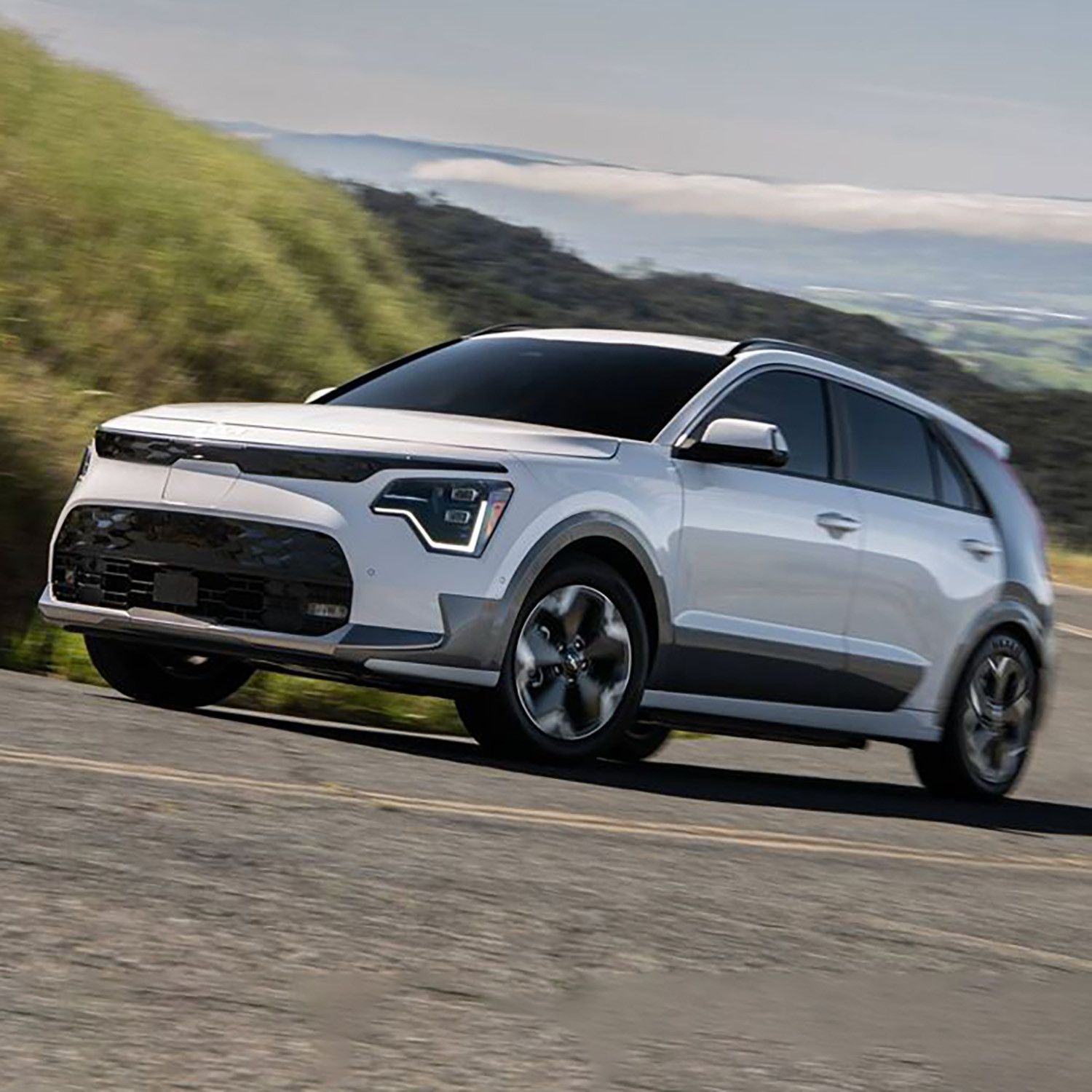
Kia
Kia is trying to sell EVs for less so they can compete with cheaper Chinese EVs in Europe. They’re balancing lower prices with still making enough profit to keep investing.
BYD
BYD is one of the biggest Chinese EV companies. In this segment, they’re not just making budget EVs—they’re also pushing into high-performance territory.

D9 Denzer
The D9 is an all-electric car that’s being positioned as a cheaper EV. It’s connected to a vehicle shown at the Beijing Auto Show, and the podcast is likely talking about whether the final car will be affordable and ready for real customers.
Beijing Auto Show
The Beijing Auto Show is a big car event in China where companies show off new cars. Here, it’s where BYD revealed this EV.
0 to 60 time
“0 to 60” measures how fast a car can go from standing still to 60 mph. Faster numbers usually mean stronger acceleration and a more exciting launch.
Goodwood's Festival of Speed
Goodwood’s Festival of Speed is a famous car event in the UK. Mentioning it suggests the EV is being marketed to car fans, not just sold as a tech product.
oil shocks
An “oil shock” is a sudden disruption that drives up oil prices, often from geopolitical events or supply interruptions. Higher oil prices can make EVs more attractive economically by increasing the relative cost of gasoline and diesel.
economies of scale
Economies of scale means the average cost per unit drops as production volume increases. The hosts suggest that as EV adoption grows, EV manufacturing can become cheaper and more competitive, reinforcing the shift away from oil-dependent transport.
consumer demand tipping points
A demand “tipping point” is when consumer behavior shifts rapidly—often once enough people believe the product is good enough and the value is clear. In EVs, the segment links tipping points to battery improvements and longer range that reduce buyer hesitation.
better batteries and longer range
Battery improvements and longer range are key EV adoption drivers because they reduce range anxiety and improve day-to-day usability. Better batteries can also support faster charging and more consistent performance as technology matures.
grid storage
Grid storage refers to ways the power grid can store electricity for later use, smoothing out supply and demand. EVs can contribute indirectly by acting as flexible loads (and potentially via vehicle-to-grid in some systems), increasing the value of storage as renewable generation grows.
grid-connected
“Grid-connected” just means the electricity comes from the power grid. Instead of being a standalone system, it plugs into the same network that powers homes and businesses.
plug-in hybrids
A plug-in hybrid is a car that can run on electricity, but it also has a gasoline engine. The episode is saying that, in many cases, the hybrid costs more to buy than a similar fully electric car.
ECIU
ECIU is referenced as the source of data about UK plug-in hybrid pricing versus EV pricing. For listeners, it’s a reminder to look at the specific research organization behind “best-selling” and pricing claims.
Estalantis
This sounds like the hosts are talking about Stellantis, a big car company. They’re saying that investment and a partnership can help smaller brands sell more cars in Europe.

BYD Dolphin
The BYD Dolphin is an affordable electric car. The hosts are saying the new B05 is even cheaper than the Dolphin.

MG4
MG4 is an electric hatchback. The hosts are using it as another example of an EV that the B05 is trying to beat on price.

Volkswagen Id3
The Volkswagen ID.3 is a popular electric hatchback. The hosts are using it as a benchmark to show that the new B05 is cheaper.
Tesla
Tesla is mentioned as an EV company that wants to sell in a way that doesn’t rely on traditional car dealers. The episode connects this to how new-car sales are controlled.
Lucid
Lucid is an EV company mentioned in the context of selling cars differently than traditional dealerships. The episode is focusing on the legal/business side of that change.
Rivian
Rivian is another EV brand trying to sell cars without the traditional dealer system. The hosts are talking about the business rules and lawsuits around that.
dealer franchise model
The dealer franchise model is the traditional system where car brands sell through local dealerships with special agreements. The episode says EV companies are trying to change that system using new legal approaches.
Chinese tariffs
Tariffs are extra taxes on imported products. If tariffs make imported cars more expensive, companies may build cars locally in Europe instead.
MG Motor
MG Motor is a car brand that’s trying to sell more cars in Europe. They’re looking at building cars in Spain so the cars aren’t hit as hard by import taxes.