

Volkswagen transporter plug-in hybrid
This is a Volkswagen van that can run on electricity for a limited distance, but it also has a regular engine for longer trips. The host points out it’s a plug-in hybrid and gives the battery size and electric range.
shuttle body styles
A shuttle is a van setup aimed more at carrying passengers. It’s usually configured like a people-mover rather than a cargo-only vehicle.
panel van
A panel van is a work-focused van with a mostly enclosed cargo area. It’s usually meant for carrying tools or goods rather than passengers.
combi
A combi is a van layout that can carry both people and cargo. It’s meant to be flexible depending on what you’re doing that day.
kilowatts hours
Kilowatt-hours (kWh) tell you how big the battery is. Bigger battery capacity usually means you can drive farther on electricity, but it depends on how efficiently the car uses energy.
electric range
Electric range is how far the car can go using electricity alone. For plug-in hybrids, it’s usually limited compared with fully electric cars.
VAT
VAT is a tax added to the price of many goods, including cars in the UK. The host is saying the listed price doesn’t include that tax, so the final cost can be higher.
plug-in hybrid system
A plug-in hybrid system is the whole setup that lets the car run on electricity and also use a gas engine when needed. Sharing the same system usually means the cars have similar core parts.

Ford Transit custom plug-in hybrid system
Ford’s Transit Custom is a work van, and the host says Volkswagen is using Ford’s plug-in hybrid setup for this new van. That means the two vans share the core hybrid technology.
battery electric vehicles
Battery electric vehicles are fully electric cars that run on a battery instead of gasoline. Their price can change based on battery costs and production.
real terms
“Real terms” means they adjusted for inflation, so it’s a fair comparison of prices over time. It tells you what the price change really means for what you can buy.
GenLink transfer switch
This is a safety device that lets your EV act like a backup power source for your house. It connects the truck’s power to your home’s electrical panel without you running messy extension cords.

Ford F-150 Lightning
The Ford F-150 Lightning is a pickup truck that runs on electricity instead of gasoline. Some versions can also provide power to other things, like tools or even parts of a home, using built-in power outlets. That’s why it comes up when people talk about EVs being useful beyond driving.
Pro Power Onboard
Pro Power Onboard is the feature that lets the Lightning power devices like a generator. In this case, it can even feed power into your home setup with the right connection.
automatic wall charger based backup system
They’re comparing two ways to use your EV to help during a power outage. One uses a special setup with a wall charger, and the other uses the transfer switch method.
Nismo
Nismo is Nissan’s performance label. It usually means the car gets sportier tuning—like changes to how it accelerates and how it handles.
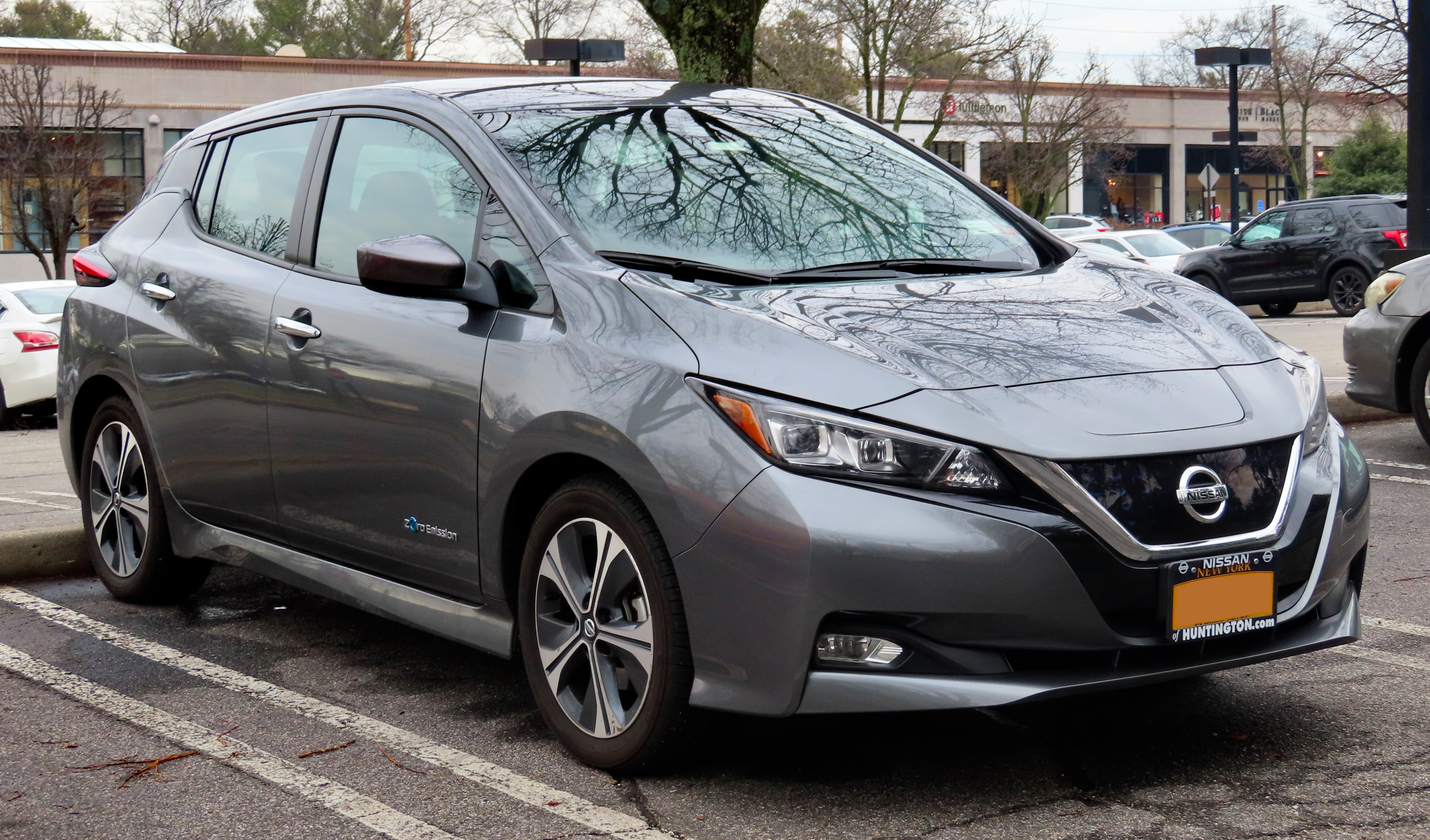
Nissan Leaf
The Nissan Leaf is a mainstream electric car. Here, the news is that Nissan plans a Nismo version of the newer Leaf, aiming for a sportier feel.
silicon carbon anodes
This is a battery material inside the EV. Mixing silicon with carbon can help the battery store more energy, which can mean more range and quicker charging.
sealer
Sealer is a company working on EV battery materials. They’re raising money to make their silicon-carbon battery technology at larger scale.
energy density
Energy density is basically how “full” the battery is for its size. A higher number usually means you can drive farther with the same battery weight.
Mylands
Mylands is a company that runs charging locations. They opened a new heavy-duty charging hub in the Netherlands and emphasized low-emissions construction.
A1
The A1 is a major road where the new charging hub is located. Putting chargers on busy highways helps travelers and trucks find charging easily.
zero emission construction machinery
This means the construction equipment used to build the site didn’t produce exhaust while it was working. It’s a way to reduce pollution during construction.
CCS bays
CCS is the standard plug most EVs use for fast charging. A “CCS bay” just means a charging spot/stall set up for that plug.
400 kilowatts
400 kilowatts is how powerful the charger is. Even with a very powerful charger, the car may not charge at the full rate the entire time.
megawatt charging
Megawatt charging means charging at extremely high power—around 1,000 kilowatts or more. It’s the next step beyond today’s fast chargers, but it’s harder to supply and manage.

Rolls-Royce's Spectre
The Rolls-Royce Spectre is Rolls-Royce’s electric car. The episode says it sold really well, even ranking near the top of the brand’s models.
GridServe
GridServe is a company that sets up EV charging stations. In this segment, they’re expanding their fast-charging locations in the UK.
the M1
The M1 is a big highway in the UK. Building chargers there helps drivers on long trips find charging more easily.
ultra-rapid charger
Ultra-rapid chargers are designed to charge an EV quickly. ABB is the company that makes the charging equipment used at this location.
solar panel
Solar panels make electricity from sunlight. Putting them at a charging site can help make the charging operation greener.
rainwater harvesting
Rainwater harvesting means collecting rainwater for later use. It helps reduce how much water the site needs from other sources.
charge at home
“Charge at home” means plugging your EV in where you live, usually overnight. The point here is that many drivers prefer it because public fast charging can cost more.
expensive fast charging
Fast charging at public stations can cost a lot more than charging at home. The episode says some people avoid it because of the price.
Australia Post
Australia Post is the postal service company. The segment says it’s getting government money to buy EV vans for deliveries.
EV battery warranty
An EV battery warranty is protection for the car’s battery. If something goes wrong (or the battery degrades too much), the warranty helps cover the cost.
Avalo
Avalo is a company offering EV battery warranty coverage. Here, it’s expanding that warranty to more countries in Europe.
flash test technology
Flash test technology is a way to quickly check how healthy an EV battery is. It uses fast tests to estimate the battery’s condition.