
Annotations will appear as you listen
0:00
33:58

Car
Chevrolet C7

Car
Ford Mustang

Car
BMW E36
Car
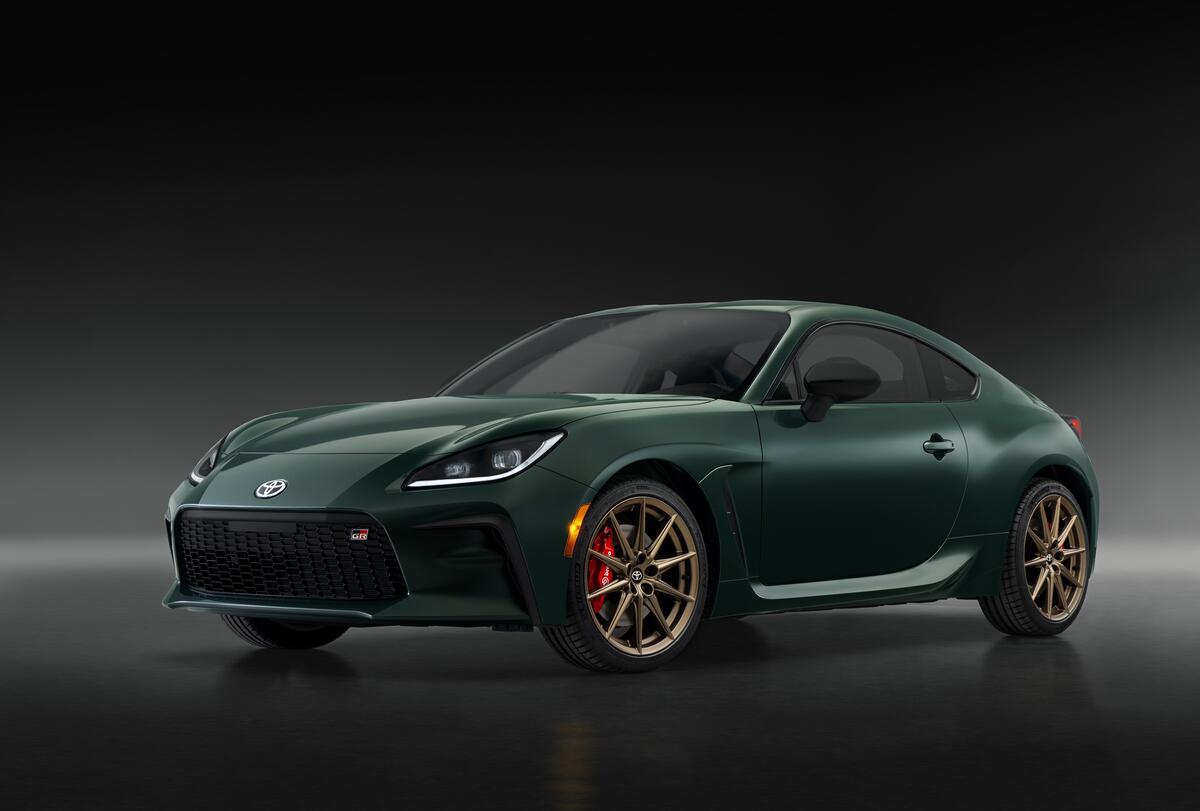
Toyota Gr86
Car
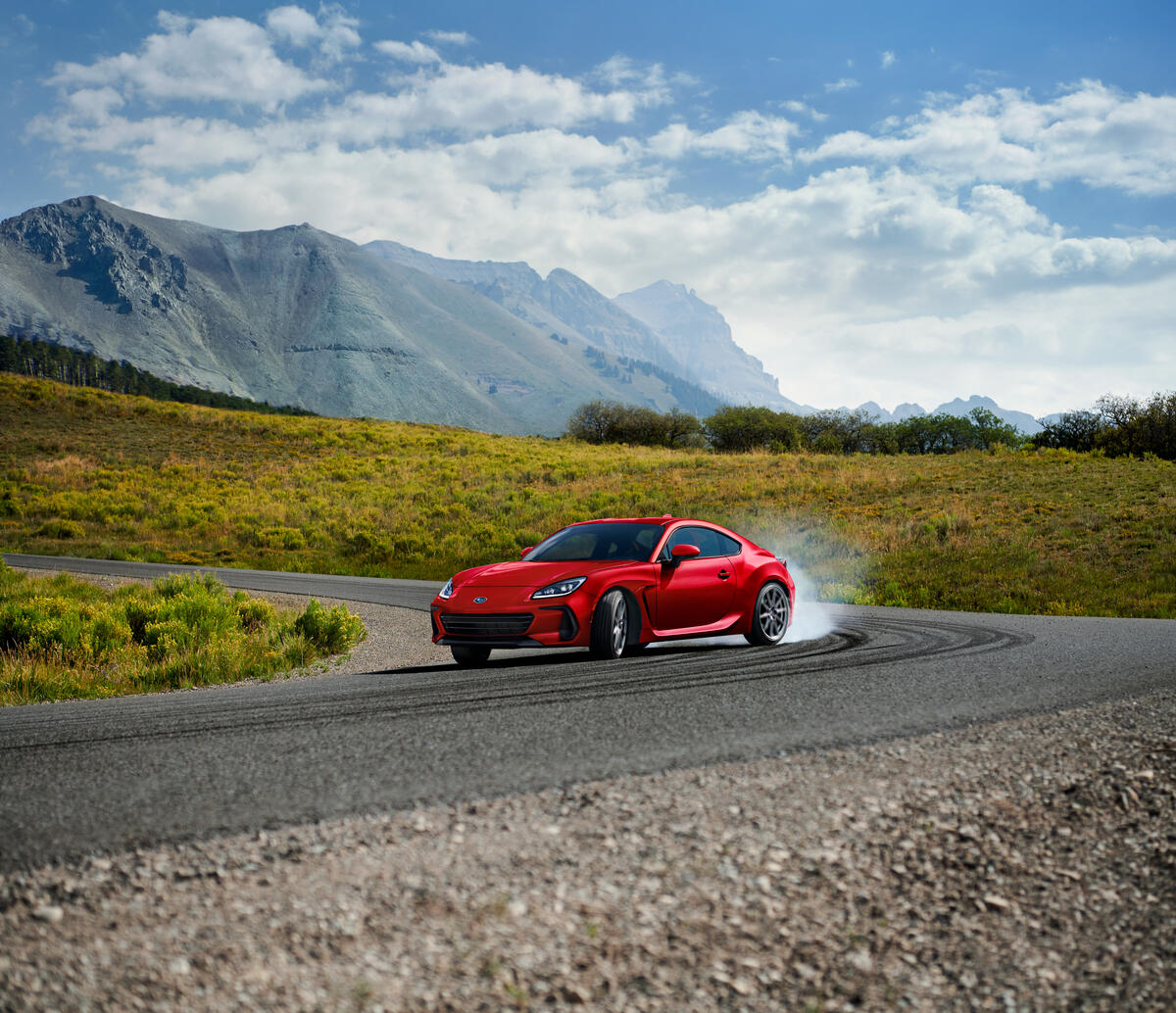
Subaru BRZ

Car
Dodge Charger

Car
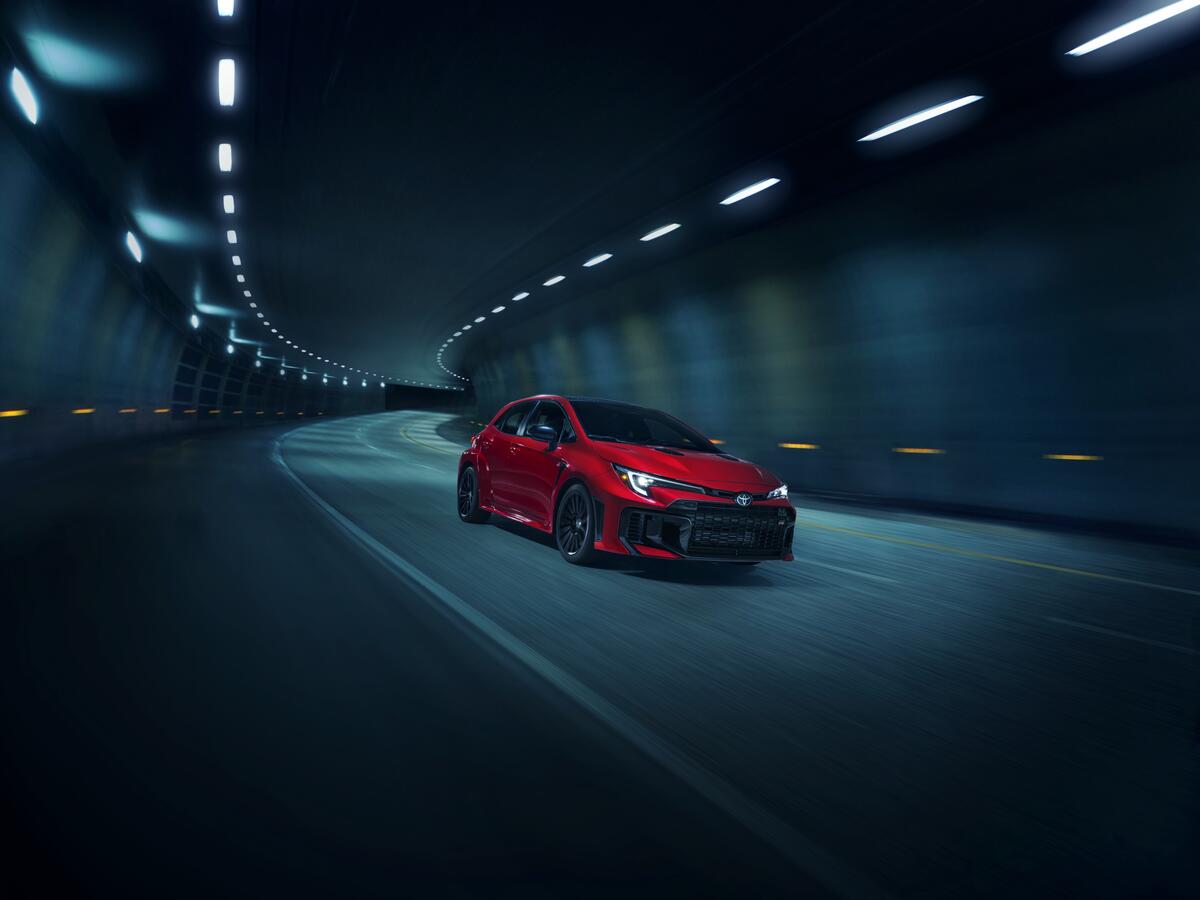
Honda Civic

Car
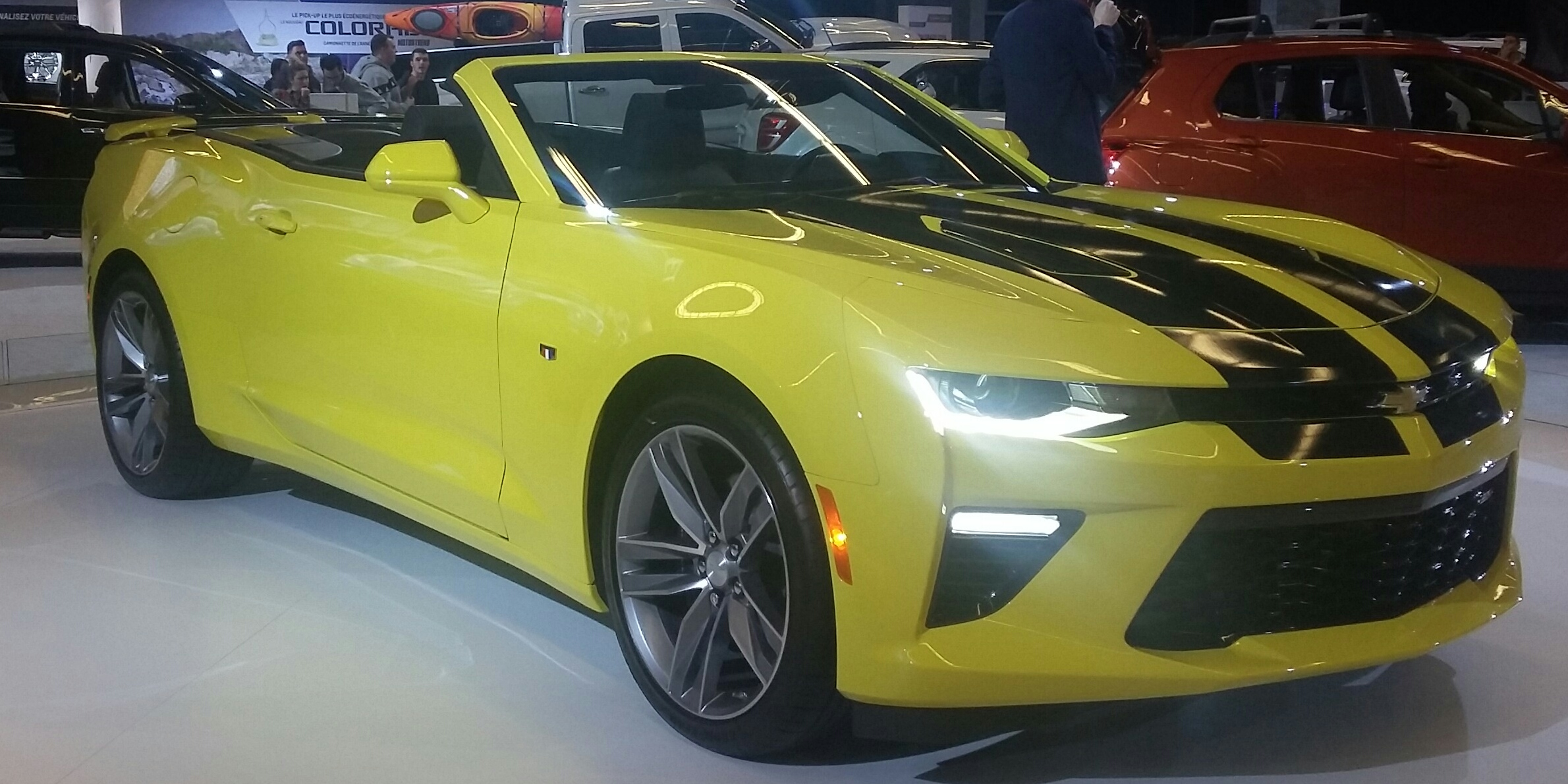
Chevrolet Camaro

Car
Honda CRX

Car
Tesla Si Model

Car
Acura Integra

Car
BMW i3
LIVE
So going back to Formula D up in Connecticut, I got to tell you the one thing that I found
to be awesome was the amount of American cars that are still participating in Formula D.
I know going back there's like the lineage of like Justin Pollock and obviously the RTR
guys are all running it Vaughn and all them.
There's obviously been muscle cars, but to see, you know, C5s through C7 Corvette's
out there, you know, Madfield really brought that chassis into Formula D.
I feel like made it really popular and now seeing these other guys come up and doing
a lot with them.
It's really cool.
I'm excited to see that happening more because I feel like there was this point in time where
only boomers drove Corvette's like that was the mentality.
Yeah.
You know, only guys with the new balances and the white socks and I feel like with the
drift guys picking up, we're getting kind of cool again, like the Corvette's becoming
acceptable that it's not just the guy in the ankle high socks.
I am an old man.
That's the problem.
That's cool.
You see, you see more of that now.
I mean, if you ask Corvette owners, I'm sure they'll tell you that they were always cool,
right?
They never, never went out of style or anything like that.
But I think what you're getting at is for sort of the younger drift generation, they're
really lashing onto those vehicles now.
I'm probably more than ever.
What I'm seeing too is it seems like the younger generation now is really in tune with the
muscle car stuff.
You can argue like, you know, Mustang, it's not really a muscle car.
There's all the little fine lines and stuff.
But in general, bigger engine, American vehicles is what I'm referring to.
And it seems like there's such a big push for that now with the younger generation.
I wonder if, if you're like a 17, 18 year old and you're starting to think about, you
know, getting into cars, maybe you got some friends that have a couple of fixed up cars,
lowered wheels, whatever, there's definitely a draw to those vehicles that already have
a ton of torque and a ton of horsepower right out of the box as compared to when you were
younger, right?
And you had friends that might have had like a, like an SR20 something, you know, maybe
they had a swap sensor or 240 or whatever it is.
And it was making, let's say, you know, 250 ish horsepower.
That was a big deal at that time.
I mean, to be fair, the S to be fair, the SN 95 barely made 250 horsepower.
So that's the funny part is I grew up in a Mustang household.
So I did.
Okay.
Yeah.
My adopted brother had a SN 95, 4.6 liter, you know, the whole nine and it was a cool
car.
But by today's standards, I mean, they were slow, you know, and, and, and these new cars
that are coming out, as you said, are making 400, you know, 450 horsepower.
Yeah.
Yeah. I mean, if you compare, because if you're getting into, let's say you're starting
to really notice the drift stuff, you see like S chassis, you see, you know, 350Z stuff
like that out of the box, compared to the most of cars, they're not very impressive
because people are looking just at the power numbers like, well, this one makes, you know,
almost double the horsepower.
There's definitely a draw there, I think.
And that could be why we're seeing such an uptick now with the younger guys kind of
getting into it.
And maybe that's why we're seeing all the stuff with the takeovers and stuff as well,
because you have all that torque.
You can do your burnouts.
You can do your donuts and hit people and, you know, all the stuff you like doing.
Yeah. I mean, the thing is, is like, as I said, with growing up down in Virginia,
we had a very big domestic car scene, obviously.
Sure.
And so, yeah, you're right.
The Corvettes for the Corvette guys never went out of style as far as, you know, they
were still into them, but as far as like, could this be the next car that people are
looking at as the go-to drift, Jesse?
Kind of like how the 240 had its time, how the 350Z had its time, and then E36.
Like, there's a lot of potential in both the older Mustangs, the, you know, like the
197s, and then getting into the S550s, both of those have a ton of potential.
It's just the cost that's the one limiting factor right now.
So if the cost starts to come down when you're getting your second and third owners,
the potential to get one, you know, either salvage title and build a race car out of it
or even get one that has a blown engine, put something else in it, it's becoming a lot
more accessible for people.
I think that's also why we're seeing an uptick in it.
Yeah, if you're, if you're putting together a drift specific vehicle, chances are you're
going to be using a V8, right?
These days, that's the majority of vehicles out there have those engines.
So, you know, I could see a lot more, even like older Mustangs, getting like an older,
like what do you call them, like Notchbacks or Foxbodies, and then putting, yeah, and then
putting the, you know, the, the current, you know, whatever, you know, LS or whatever
engine you think is, is going to, is going to do the right thing.
So, so funny enough, Max put this in.
Chelsea Dinofa has a awesome Mustang that's actually running an EcoBoost 4-cylinder.
And that thing is incredible, incredible drift car.
It's absolutely a killer platform.
So that, that one's definitely wanted to check out.
But, and that's, that's also the funny thing.
So you're, you're seeing some of these guys that are starting out with the 4-cylinder
EcoBoost Mustang, throwing it around at their local small drift events and all that, and
then graduating into the V8 cars or going, you know, going with a different chassis,
eventually down the road.
But it's a good jumping off point because they still have something that's
rear wheel drive that can get the RPM up to get the wheel speed up and be able to, to
make some, you know, make some smoke and, and it's working out for them, you know.
And I think it's hard to find a car besides a BRZ and even the BRZ or, you know, GR86,
so on and so forth, to find something that out the box will be able to provide that at
that level, you know, for that cost, let's say, because I feel like if you go out there
and start drifting a stock BRZ, it's great, but you're not going to have that same amount
of power that you could get out of the EcoBoost by just turning up the boost.
Yeah, there's, I don't know, maybe it's a change in the guard.
It does feel like previously, if you were going to be getting into the drifting world,
you were going to get an S chassis or maybe a 86, like, like an old school one, and then,
you know, start from there, you'll start gradually building power.
And that was kind of the starting point.
But now you could, you can get, you know, into something pretty affordable, some American
muscle, and then you're kind of in the mix already, right?
In terms of power levels, what you need, I would imagine it'd be a steep learning curve.
If you're just getting into it and you're starting with this huge motor and a ton of torque,
you got to sort of like figure out how to team that.
But that's probably part of the challenge and that's part of the fun of it, I would imagine.
I've never done, I've never been into drift, like, you know, I've never done it myself,
so I couldn't tell you.
But just from the outside looking at it, it seems like that would be a fun part of the
progression is like figuring out how to, how to not overcook it and put it into a wall.
The part of the fun is figuring out, like, that's the challenge of it.
And we know Mustangs like to find curbs and walls.
So that's, that's definitely, listen, listen, I'm a Mustang fan.
So if I'm the one saying it's true, anyway, moving on.
But I just, I do notice, like, like you mentioned earlier,
there are a lot of, a lot more out there now.
And, you know, when I go to like, even just if I have a little bit of time,
I'll stop by a car as in coffee or something.
And there are a lot more, a lot of young people that are, you know,
in the Corvettes and in the Mustangs and even like the, you know,
like the chargers and stuff.
And there's the kids that have, you know, been doing it for a little bit,
but the Hellcatch and stuff like that.
So I've seen a lot more of that now than I did, say, like, I don't know,
five years ago when it was all 240s and, and, and Zs.
So question for you.
Have you seen the new six pack charger, the one that has the,
what do you think about it?
I mean, I've never driven anything like that.
So I can't really comment on how, on how that is.
I, I do like overall, the fact that American companies are like really
pushing hard for just the muscle thing.
Like, because without that, I feel like there's a huge chunk of
Americana that's sort of missing.
And I think for years, like it was, it was frowned upon, right?
Because everyone's talking about gas mileage and the whole world seemed
like they were all pushing toward EV and now that sort of slowed up a little bit.
But there's still companies like Dodge out there willing to like put it out,
put it all out there, put it on the line and, and put some really,
really powerful stuff.
Sometimes I think it's too much, but then when I look at like the,
the plaid Tesla's, I'm like, that's kind of too much also, you know,
I would hate to put that type of a vehicle into a new driver's hands and
then hope that nothing happens.
You know what I mean?
That, that part doesn't worry me a little bit because man, like,
you know, those things are monsters.
And it's like, it's definitely not a new driver car.
No, definitely, definitely driving on a harder level.
Yeah.
But, you know, there's a lot of kids out there that have parents that will
purchase like a, like a plaid, for example, and they borrow the car to go,
you know, McDonald's or something, or Starbucks or whatever.
And it's like, it's so much power.
You know what I mean?
It's so much responsibility.
I just, it worries me a little bit.
Yeah.
No, I mean, I can agree with you as the, the power level has kind of come up
for the, the daily driver, let's say.
Crazy.
It's, it's a, it's kind of unprecedented.
You know, look, it's the trade off of the, also the cars have gotten safer.
You know, the cars have gotten faster, they've gotten safer.
And it's kind of that false sense of security where it's like, oh, the car
is safer so they can go a little faster and it won't be as dangerous.
But yet we're sitting here in a tin can from the 90s, hoping for the best.
You know, I'm telling you, when, when I'm in, when I'm in one of my project cars
and I'm driving, I, I head on a slow bowl.
I, I, I get a little nervous just because if that thing gets hit, the safety
equipment and, and, you know, from a 1992 Hondas, it's not great, right?
Compared to, you know, what you have now.
So it's definitely, yeah, it's a little worrisome.
Yeah.
I was going to say, I have my head on a swivel here constantly.
I mean, driving in New York is, is a challenge in itself.
So even in my, my little O9G, I'm sitting there like this, constantly looking around.
It's, it gets a little dicey out here sometimes.
And I, it's the same thing.
Like I don't have the same amount of like, like the sensors and all that.
You know, oh, you got somebody coming into your lane.
Let me, you know, my, my wife's truck will avoid, avoid the accident or by the break.
My little car is not doing that.
I'm done.
Like if somebody's in my lane, it's over.
Like, yeah, it's the same.
We have a, we have like a Kia family car or a little van thing and like it's got sensors everywhere.
You know, so even if I'm just driving in and like maybe I take one of my hands off the wheel,
it'll kind of give you a warning like both hands on the wheel.
I'm like, whoa, take it easy.
You know, I think that I was, I was parallel parked.
I was trying to pull out as a vehicle was passing.
It wouldn't let me go because it's since there was a vehicle there, but there was room.
It wouldn't let me go though.
And I was like, I can't even pull.
I can't go right now.
The car's completely, you know, well, let me do anything.
That's the downside.
But I mean, I guess, I guess there's a good thing about being able to at least have some
power when you do want it then.
But the one thing that I did kind of want to also touch on it's, it's not just drift,
though, I'm seeing it.
So we've been getting a lot more clients that are drivers that are coming out of,
you know, grid life and they're going, they're getting into the NASA level
events and, and so on and so forth.
And they're all starting to gravitate to these platforms.
Like it's, I'm seeing more and more of it, more, you know, more work with the,
a lot of the, as I said, a lot of the second owner, third owner mustangs are
becoming very popular.
And I think that there's a ton of potential with that car.
You know, it has really good brake potential.
There's a lot of guys that those cars came with like a whole Brembo brake package on
them, you know, you had Bilstein suspension on a lot of them and 500 horsepower.
I mean, can you really, what else do you need to get out there and start to enjoy
a car, whether it be on the back roads, whether it be a little bit of drag
racing, whatever it is, like it's a great starting point.
Yeah, it's funny, you mentioned like with the fact that it has great brakes and
this upgrade suspension, it's almost like they intended that car to actually take
turns and not just go in a straight line like everyone assumes, right?
It's funny because whenever I see, you know, having come from the media world,
whenever I see comparisons of vehicles, like let's say the Civic Type R,
GR Corolla, you mentioned the BRZ vehicles like that, they're always
testing 0-60, it's always quarter-mile time or eight-mile time, either one.
Rarely is it, how does it handle on, you know, road racing or, you know,
in a time attack scenario?
It's always straight line performance, how fast you get from A to B.
And then those numbers get put out online or in print or whatever it is.
And then people on social media are constantly like, well, you know,
the Civic Type R, it's going to get smoked by the GR Corolla because it has a
better, you know, quarter-mile time or whatever, whatever comparison you want to
make. And it's silly because, you know, those vehicles weren't even meant to
go in a straight line quickly. That wasn't their intended purpose, right?
So I wonder how many of those vehicles that you mentioned before, like some of
the Corvettes and the Mustangs really had a lot of potential to do really,
really well in a competitive, let's say, time attack environment with just a few
mods, but everyone gets those things and they just want to drag race them or
they want to street race them. There's so much more out there.
And, you know, I think with some of the modern stuff like the Hellcats and stuff,
those are a little more intended for a straight line performance.
You're not going to get a whole lot of handling out of those.
They're not meant to do that, but it's always interesting how in America,
everyone's so obsessed with the power number and the quarter-mile time,
you kind of lose sight of some of those other benefits you can get from a vehicle
like that that's got great suspension, great brakes.
It's very balanced, you know, whether it be Japanese or American.
I feel like people forget that the Mustang and the Corvette competed in like auto racing for,
you know, literally 50 years.
You know, they, they, these cars were not designed just to go in a straight line.
And the engine, we just talked about the the Mark IV Super.
We just talked about that recently. That's a grand touring car.
Like, yeah, exactly.
They put the bead locks in the back and the huge turbo and, you know,
it's headed down the strip, but, but they also are supposed to be excellent handling vehicles
that you can throw around a little bit.
You know, even though I feel that car is rather large for, for its era,
still that's, that's, you know, that was the intention, but that just kind of skipped, you know.
Yeah, but that was, that was that whole, you know, what was it?
It was SCCA back in the day when they were, when they were hosting the events and you had,
you had these like door-to-door racing between the Camaro, the Mustang,
you know, they were out there actually doing it and it was great.
And I mean, let's be honest, if you looked at like back then, it was an IROC versus a,
you know, a Notchback Mustang and it was crazy because that IROC, the street car,
you would never think that thing could take turns.
Yeah, it was ripping, all right.
Yeah, no, it was great. I mean, it was, it was meant to be a car that could get out there
and do track work if it had to, but people never thought of it that way.
It was always just a stoplight car or something like that.
And I think, I think people, people didn't realize that these cars had potential to do
different motorsports than just, you know, drag racing.
Yeah, look, I mean, it's been this way for, for decades, the hot rod mentality
is a very American thing. And so proving what your vehicle can do from,
you know, from a dead stop to that next stoplighter or there's something, you know,
in that realm seems to just, it's always been the biggest draw.
So if you have a company like, let's say like Dodge and they have, you know,
some new muscle part coming out and they state these crazy, these wild,
the 060 numbers, the way that, the way the Mustang's what,
with the Teslas and stuff like that, it's, it draws in more attention and it gets,
I think, way more viral than if you just talk about, oh man, that trust me,
this thing handles incredibly well.
Oh no, don't worry, I mean, the Demon 170 is the proud, yeah.
There's a very small group of people that are like, how well does it handle?
I want to see. It's much larger audiences going, well, that'll outrun this vehicle.
That's faster than that vehicle.
The Demon 170 is a prime example. That whole marketing campaign was all based around drag
times, how fast it could go. And then, you know, you could get the Demon where they,
you know, you got it without the passenger seat and you got it with, you know, whatever, you know.
So, so there was a whole bunch of that.
That was smart though. That was very smart marketing because they knew exactly who
their audience was and I don't know who ran that marketing, you know, campaign or who the guy or
girl was, but they were smart. They zero in on exactly the right type of buyer and people love
those vehicles, you know, and they, a lot of people do drag race those vehicles and that's
what they got them for, you know, and that's completely understandable.
But I think like when you look at, you know, the Civic Type R, for example, people are always
looking at how much power does it make? What makes 300 and whatever horsepower?
Is that enough to compare it to this vehicle or that vehicle? But you're missing the point,
that vehicle handles incredibly well. It breaks incredibly well, but they could skip over a lot
though. Everyone's just looking at what's the zero to 60 on that one, you know, and what's the
quarter mile time. Which is crazy because you don't see as many of the FL5 and FK8 generations
competing at a drag race level like you see the, well, they're heavy. Well, I'm just saying in
general, but like, but I'm saying like to look at the quarter mile time and to look at, at drag
times for a car that is going to be massively underutilized in that discipline is pointless.
And that, I think that's what you're alluding to. I just was kind of saying, like now that I'm
thinking about it, you know, back, you know, between the older Civics, the whole thing was
the power to weight ratio. You could get 600 horsepower and a, you know, 1,500 pound chassis
and yeah, you're going to sail down the, you know, sail down the track. And I think
there's been a big limiting factor where Honda doesn't have that to fall back on anymore. So now
it's, it has to be that type of handling. It has to be able to outperform everything in its class
because then what's the selling point? Yeah, I think you have to also remember, you know, when
Honda designed like the CRX, the Civic and also all those vehicles, you know, they were making
peppy computer cars and, you know, they would have an SI model that would be even pepier,
right? And then of course the Type R and stuff. It came along later, you know, overseas. But the
surprise thing about that was the, I don't think they ever expected these kids at home to start
hopping them up and like, you know, pulling off the air box and, you know, and then wait,
this Integra engine will fit inside the Civic, you know, chest cavity. This is insane. So
they were, it sort of took on a life of its own. And I think there was something within that of
like buying a low dollar, low buck vehicle and then putting, you know, some time and some money
into it. And then it turns into something that can be the Mustang perhaps on a racetrack or,
you know, on the street. So that's a little bit different. I think nowadays everything comes with
a decent amount of power from the Civic Type R to the Dodge, you know, all the Hellcats and stuff
like that. You definitely have a target on your back if you've got a Hellcat or something because
people know that it's supposed to be the fastest one, right? And you certainly have all the attention
you could ever want if that's your thing. You're not fighting the radar with that vehicle, you know.
It's certainly a very specific type of individual that would want that type of vehicle. Or, you know,
we're talking about vehicles being used for specifically for drag or road race or whatever.
When it comes to some people, they just want the best of what they can get. They can afford
the top model, right? It has the most power. It has the best suspension, the best brakes,
the best everything, and they just get it. And they just, maybe they just daily drive it. Maybe
they just drive it on the weekends. They don't do any type of motorsport at all. They just want it
because it's the best. They work to a point where they can afford it. They're going to buy the best.
And maybe they do that with everything, right? So there's definitely that group as well.
But it is interesting though to see now so many young people sort of lashing on to the V8 stuff.
Whereas, I'm not used to that because when I was younger, everyone wanted Japanese cars,
at least where I lived. That was, you know, whatever it was after. They were affordable.
You know, they were affordable. You could sort of like tinker with them, you know,
paycheck by paycheck and build them up. Not to say you can't do that with a Corvette too,
but getting into a Corvette at that time was really, really difficult. I think for most people.
I mean, that's the big difference is that like now you can get into a Corvette for, you know,
$10,000. You couldn't do that. You know, you couldn't do that before. Like, and I'm not saying
just like an automatic Corvette. I'm saying you can find a decent, I was looking before just
because I knew we were going to talk about this. I was like, let me just, let me just go poke around.
You can find stuff out there. Like it might not be exactly what you want, but if you're using it
for a track build or whatever, does it really have to be everything you want? No. You know,
and that's the good thing. So I was like, this is doable. You know, and that's what's really,
I think, is going to be the one determining factor on how much this catches on is really
what it's going to come down to is cost. If you're able to get the cars down to that sub $10,000
mark and people are able to get what they want out of them, that's all we're going to need.
And everyone's going to start picking, you know, I'm not saying everyone. There's going to be a
more adoption of that platform in the not just drag racing world, not just the straight line
world. You're going to see more, I feel like we're going to see more and more of it in drift
and we're definitely going to see more of it in auto racing.
And is it interesting how the parallels run, whether you're thinking about getting a Mustang
and or whatever car, maybe it's a Mustang Corvette or whatever, you can get a decent chassis,
maybe something without an engine or transmission and then go to a gencar and get an LS for
very, very cheap, right? Put it together, throw it in, you're good to go.
On the other side, you can also find an old Civic or Integra for pretty cheap nowadays.
And you can go to the junkyard and get a K24 for very, very cheap, put everything together
and throw it in there. Either way, you can build a decent car for, I don't know, under 25 grand,
right? Something competitive, not with all the bells and whistles, but enough to get you going.
It just depends on what you're into. You kind of have options. I think before,
if you want to take the cheap route, you want with Japanese cars because they were so much cheaper.
But now, here we are, 2026, you can find just about anything if you look hard enough.
There's plenty of like 90s and 2000s passies from the American side and from the Japanese side,
you can get into, you can put something together if you can use a wrench and you have the know-how.
So, it's definitely a different time and it's very interesting because I want to see,
I'm curious to see which one will sort of prosper and which one will kind of slow down.
Right now, it seems like they're pretty even, though, on both sides.
I don't think we're going to see either one beat out the other one. I truly think that we're just
going to kind of get to this point where instead of, I know coming up for us, it was always the
import versus domestic versus Euro. It was always that segregated kind of battle of the bands type
thing going on. But I feel like now it's becoming more of, if it works for you, let's do it. Let's
see, you know, it's become a lot more homogenous where, you know, even though I'm a big forehead,
as I've said, there's one Corvette that I always take and I want to see 606 before I die. I love
that car. I've driven a couple of them. There's just something about them that's so intoxicating.
And but I also will always have my Nissan's, always have that side and my Ford side of it,
but I will pick that one car up. So I don't think it's really as much as it used to be where it
was like, oh no, I only mess with Honda's. I will never own a Ford or I'll never have a Mustang
where you can have the guy who's got a S550 Mustang and a Civic Type R both sitting in the
driveway. And that's completely acceptable now. So yeah, it seems like it. I mean, I think Drift
has a big part to do with that, with people putting, you know, LS engines into Japanese chassis. And
I think on the street, people that were at the time brave enough to put Japanese wheels on American
cars, which, you know, was kind of unheard of for forever, right? And then all of a sudden started
you know, Mustang, everything really BMWs, all that stuff. So it's become acceptable.
We've, we've had the chance to see things go from a very cut and dry, either you're
imported domestic, there's no in between, right, to sort of a blend of cultures, right?
All the way over the last, I don't know, 20, 30 years. I don't know how old are you, 21?
Right. So we've seen that, right? So now I wonder what's going to happen from
from now, looking ahead 10, 15, 20 years, because now you have, I mean, you have an okay amount
of enthusiast vehicles that are available right now, you know, from the Corvettes and, and I guess
some of the Mustangs, G.I. Corolla, we mentioned that before, 86 BRZ, semi-type R, all those vehicles
that are currently available right now. How are they going to look in 15 to 20 years? Are people
going to want to pick those up, maybe swap them with something, whatever is available at that time,
hop them up and build them? Is there going to be that there, or is it going to be,
the people are still going to be looking for 90s chassis and trying to find them, which they're
probably going to be worth a hundred by then. I would imagine, you know, you're going to find
a 95 Civic that, you know, it's beat the crap and they're selling for 15 grand or something,
because, you know, it's so much later, you know. It's going to be like when you buy a,
it's going to be like when you're buying a late 60s, early 70s car today.
That's what it's going to, oh yeah, 100%. I think it's going to be, we're just going to see that
same thing, because it started, you know, you can go back to pre-war brass cars, and there's a
collect, you know, there was collectors of that, and it, and it just continued to grow, went through
the muscle car era, went through, you know, hot red era, muscle car era, 80s, you know, hot, you
know, 80s muscle cars, which aren't really muscle cars. But I'm saying, it's always,
it's always been this continuous march, and it's really cool, because I think that the fact that
I can appreciate cars going back to the hot rods and the brass cars and things like that, and then
going forward, appreciate those cars. It will be really cool to see, like, what my grandkids,
if cars are still a thing at that point, do they have an, how far does that appreciation for
the art form of the automobile go back? Like, so there is that, I do have that little bit of hope
that, like, I'll be having a conversation with my grandkid about my 90s car, and they're like,
wow, that's old, which is fine, but it's still cool, like, when you get to sit there and you're,
you're talking to the guy who's got the 69, you know, Boss 302 sitting in his garage, you know?
Yeah, yeah, yeah, yeah. I mentioned to a friend just recently, where we're talking about,
you know, future generations and people that are going to be building cars in the future,
and hopefully there's going to be a lot of people to pick up on it, and it doesn't just completely
fall by the wayside. But one thing I mentioned, like, I go, what if, in, you know, 15, 20 years,
you know, something like a Tesla is still going strong, and there's much more powerful,
capable motors in those vehicles, and people start buying, or start wanting the Tesla from this
era in order to, you know, to swap in motor, you know what I mean? What, is there going to be that
too? Because you have to think, you know, right now, the EV stuff is still down a bit, but it's
still there. It's still going to be a thing. Yeah. What if it takes over, right? And in 15,
20 years, that's the thing, you know, EV is all you can get. There could be people actually doing,
you know, buying a cheap Tesla that's got a dead battery or a dead motor now, or from this era,
and then swap it in, you know, something newer, something even more modern. That'd be crazy,
because it'd be completely, you know, kind of against what we see now, but at the same time,
maybe that's all that's going to be available at that time. Yeah. I mean, we did have Travis Reader,
I don't know if you remember, he had that Mustang with the, I'm sorry, wow, whoa, take that back,
the Camaro with the, with the electric drive motors in it. So, so it's interesting to see,
and then you got the guy with the Tesla that has the LS motor in it, and then you got the guys with
the BMW i3 that are putting gas engines in it. So, I don't think, I don't think it's going to
matter. I think if there's a power plant and a chassis, somebody is going to find a way to
make them work together, whether, you know, it doesn't matter. It's just one of those things
that I think that is just, we're gear heads, and you know, I've said it before that this is just
modern hot rotting. I know that it's, it's whether you're into imports,
domestics, whether you're into Euro cars, it's still, it's still hot rotting. It's that, it's
that quintessential, I want to take what's there, make it cool, make it better, put my own spin on
it, whatever it is, it's that cultural thing. And I don't think that even if in 20 years they're
doing it to a Tesla, if it makes any difference, because I think they're still going to find a
way to do their own spin on it, their own, you know, twist. And, you know, let's hope that they're
pulling out gas engines and throwing them in them. And we're still having that fun, you know,
maybe we won't be running on gasoline, maybe it'd be an alcohol based fuel or something like that.
But, but who knows? But let's see where that goes. Or maybe, maybe they'll, the way that we look at
old carburetor engines, like man, that's, that's so ancient, you should really be fuel injected.
They'll be looking at like, do you know those guys used to use gas? I mean, fuel in their cars?
You guys guys looking at us strangely, because we're still talking about port injection when
they're getting power out of the eyes. So it's, it's there, like the technology is just marching,
and it's going to get to a point where we got the next, you know, ideation, ideation,
ideation, whatever, we have the next ideation of what's going on, and then we'll, we'll adapt,
you know, I don't think, I don't think we've ever stopped. I think that's what's really cool about
the car, car game, you know, whatever you want to say, is that as technology's improved, we've
kind of just rolled with it and continue to, to make better parts or make better products or, or
do something, you know, make cars faster, make them handle better, whatever it is.
We've always just continued to, to march that on and, and going back to the whole muscle car thing,
having muscle cars that are now, as you said, they're handling like they're, like the European
cars are like the imports used to. So it's, it's really cool to see that, that progression across
the board with them. Yeah, I think even when, when things slowed down, you know, we were getting hit
hard by, well, at least in California, you know, by carb and things like that, we're slowing,
slowing down really everything because, you know, everything's illegal here. You can't really
modify anything. Even in the face of that, I mean, it's still, things still went on, right?
We're still, we're probably more advanced now than we have been in any other era, any other point,
whether it be import or domestic. I don't know how that looks in the future. I mean,
if it gets tighter, you know, it's, like I said, very, very tough to modify stuff out here and,
and still be okay to drive it or, you know, sneak around a bit. But, you know, like you said,
there's going to be people that are building stuff and tinkering, no matter what, there's going to
also just sort of at least try to pass that down a little bit. I don't try to force anything on my,
I don't try to force anything on my kids. I do, you know, explain stuff in the car world. They
do have questions and, you know, I explain it to the best I can. You know, they have questions
about my cars sometimes. They don't really seem to be all that into it, but they're still very
young. You know, maybe when they turn 16, 17, it'll be a different story.
My son's probably watching this podcast. So that's usually what happens is I'll get home. He'll be
like, Oh, I like that one. That was a good one. So yeah, usually he's, he's fact checking us on,
on his end. So there you go. Let us know below, you know, if, if what your thoughts are in terms of
the whole important domestic thing, have you also noticed sort of this uptick in the, in the number
of muscle cars, of American cars and the drift world and your cars and coffee, your car shows,
things like that. It seems like they really are increasing quite a bit and that sort of that
melding of the mixing of both the important domestic, it's, it's the lines are completely blurred
now. So I don't know, sky's the limit, it seems like, wouldn't you say? Yeah, no. And it's great
because as I said, coming up down south, I, I got to live that blended, you know, that blended
lifestyle, let's say, you know, so it's cool to see that it's kind of become the norm.
Yeah, that's really cool. So that's all I got, man. I just wanted to chit chat a little bit.
That's it. We'll catch you on the next one.
Original notes
We're talking about the state of American muscle cars in 2026. Despite changing regulations and the industry's shift toward electrification, manufacturers like Dodge and Ford are still delivering high-horsepower performance cars that keep the muscle car spirit alive.
Konig - Behind The Wheel Podcast
Konig - Behind The Wheel Podcast
0:00
33:58