Can One Metric Define a Driving Experience? — Carmudgeon w/ Jason Cammisa & Derek Tam-Scott — Ep 217
The Carmudgeon Show
Can One Metric Define a Driving Experience? — Carmudgeon w/ Jason Cammisa & Derek Tam-Scott — Ep 217The Carmudgeon Show · Dec 15, 2025
Annotations will appear as you listen
0:00
55:15
Car
Volkswagen Cabriolet
The Volkswagen Cabriolet is a type of car that has a roof that can be opened to let in the sun and air. It's a fun car to drive, especially in nice weather, and is often seen as a classic.
Torque measures how much twisting force an engine can produce. It's important for how quickly a car can speed up, especially when starting from a stop.
Driving experience is how much fun or enjoyable a car is to drive. It includes how the car feels on the road, how comfortable it is, and how it performs.
The Peugeot 205 GTI is a sporty version of a small car known for being fun to drive. It's lightweight and has a powerful engine, which makes it popular among car lovers.
The McLaren F1 is a very fast and expensive sports car that is famous for its unique design and performance. It's often considered one of the best cars in the world.
The BMW 850 CSI is a luxury sports car from the early '90s with a powerful V12 engine. It's known for being fast and comfortable, making it a special car for driving enthusiasts.
The Honda Accord is a popular car that many people use for everyday driving. It's known for being dependable and comfortable, making it a good option for families.
Twin cam means the engine has two camshafts that help control the opening and closing of the valves. This can make the engine run better and more efficiently.
CC stands for cubic centimeters, which is a way to measure the size of an engine. A 1300 cc engine is relatively small and is often found in compact or sports cars.
The camshaft is a part of the engine that helps control how air and fuel enter and exit the engine. A more aggressive camshaft can help the engine produce more power, especially at higher RPMs.
Peak power is the highest amount of power an engine can produce at a certain speed. It's important because it helps you know how strong the engine is when you push the gas pedal.
The GMC Cyclone is a fast pickup truck made in the early 90s. It had a powerful engine that made it quicker than most trucks, and it's popular among car fans today.
VTEC is a technology in Honda engines that helps them perform better at different speeds. It changes how the engine's valves work to give more power when needed.
The Mazda Miata is a small sports car that people love to drive because it's fun and easy to handle. It's also not too expensive, which makes it a popular choice.
Carbureted means the car uses a device called a carburetor to mix fuel and air for the engine. This was how many older cars got their fuel before newer technology took over.
Synchromesh helps make it easier to change gears in a manual car. It stops the gears from grinding together when you shift, making the process smoother.
The Audi Quattro is a special car that can drive well in all kinds of weather because it has all-wheel drive. It's famous for being fast and was important in car racing.
The Toyota Corolla is a very popular car that many people use because it's reliable and saves on gas. It's a great choice for anyone looking for a simple and trustworthy vehicle.
The Toyota GR Corolla is a sportier version of the regular Corolla, designed to be more fun to drive. It has a powerful engine and better handling for a more exciting experience.
The Honda Fit EV is an electric car that is small and easy to drive around the city. It's made for people who want to save on gas and reduce pollution.
The Mitsubishi Mirage is a small, budget-friendly car that is good on gas. It's simple and easy to drive, but some people think it could be better in terms of quality.
The Ferrari 550 Maranello is a high-end sports car known for being very fast and luxurious. It's a dream car for many people because of its beautiful design and powerful engine.
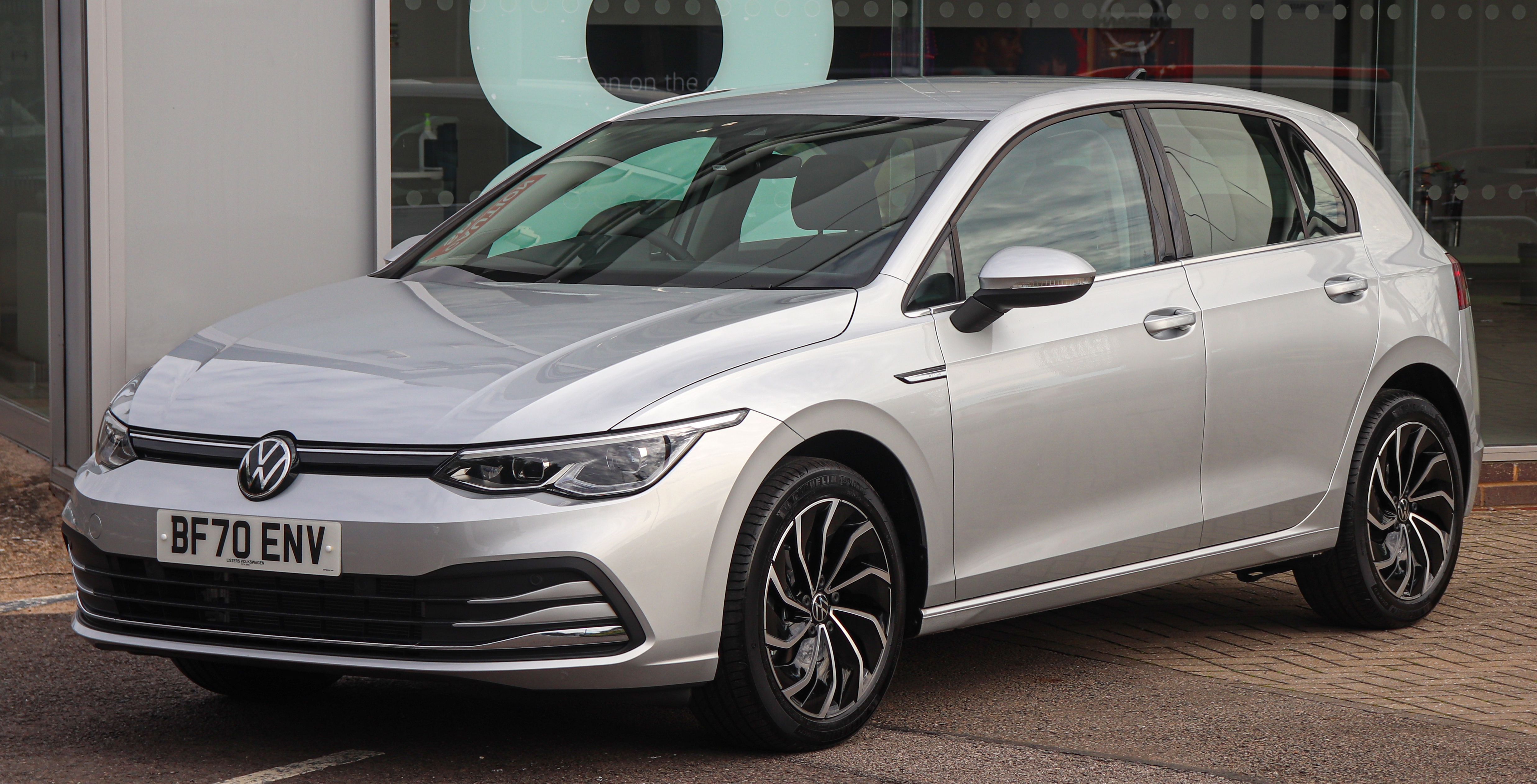
The Volkswagen Golf is a small car that many people enjoy driving because it's fun and practical. It has a good reputation for being well-made and reliable.
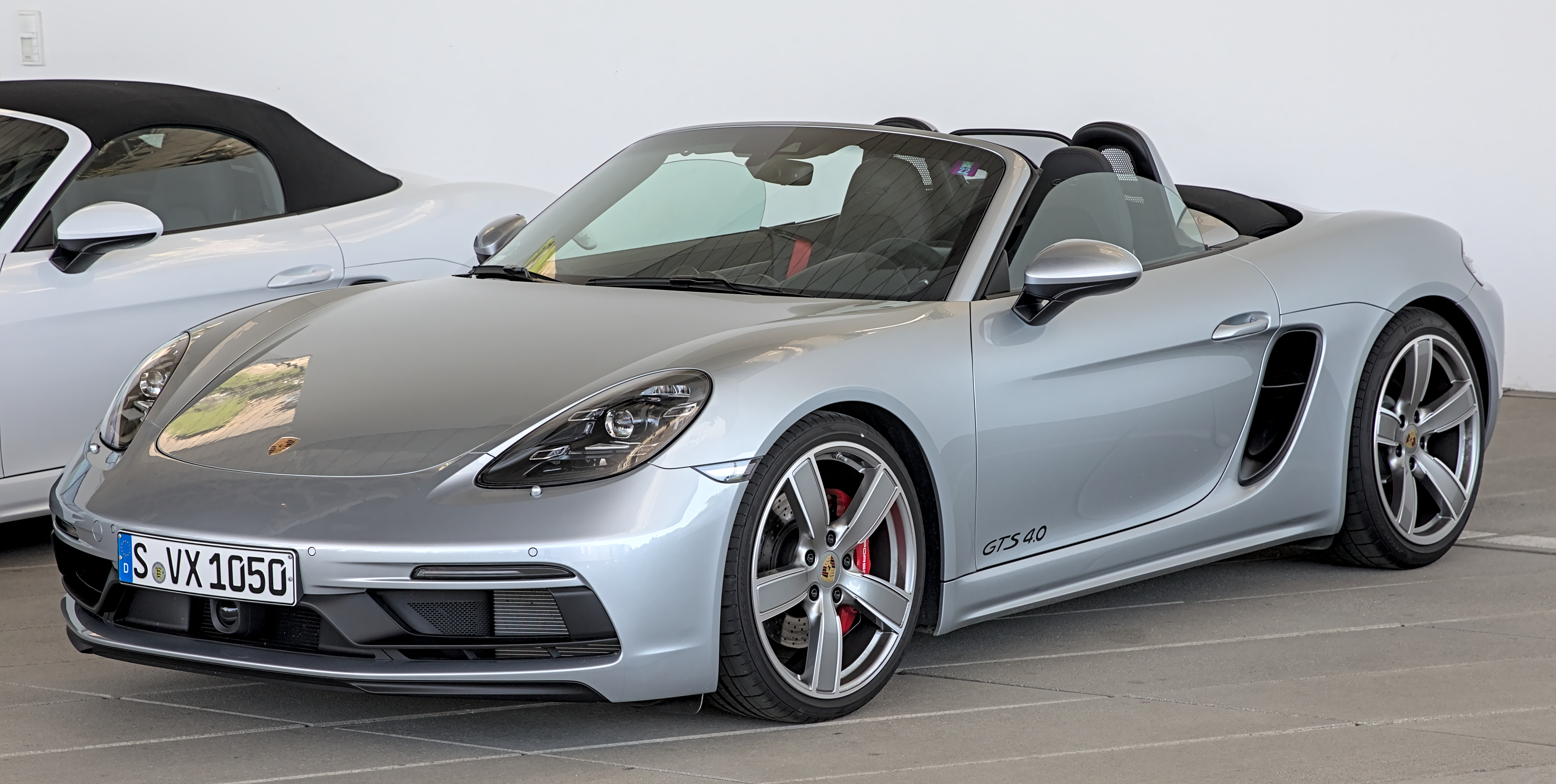
The Porsche Boxster is a sporty convertible car that many people love because it handles really well and is fun to drive. It's a great option for those who want a stylish car.
The Chrysler Crossfire is a sporty car that looks different from most cars. It's known for being fun to drive and has some parts that come from a fancy Mercedes.
The Renault Wind is a small car that you can drive with the top down, making it fun for sunny days. It's designed to be sporty and different from other small cars.
The BMW Z3 is a small sports car that many people enjoy driving because it's fun and stylish. It's known for being a great car for those who love to drive.
The Volkswagen e-Golf is an electric car that looks like the regular Golf but runs on electricity instead of gas. It's a good choice for people who want to drive without polluting.
LIVE
Hello, and welcome to this episode of The Carmaging Show. My name is Jason Space Camisa. That is Derek Tam, Space, Hyphen, Scott, Derek Hot, whatever. Space, Tam, Hyphen, Space, Derek Space, Scott, that should be actually how you introduce yourself. Hello, my name is Derek, Derek Space, Tam, Hyphen, Scott. I'm never going to do that. Please do it. This episode of The Carmaging Show is about
AMA question, and ask me anything question, which someone posed, which is in essence, what one characteristic of a car will tell you the most about the experience that you're about to have. We have a variety of suggestions that we put forth and discuss the merits and de-marits of the respective options and conclude that we concluded something. Yeah, we concluded several things probably, probably. But anyway, if you want to know what all of those things are,
and also if you have topics or answers to this question that we forgot, please add them in the comments on YouTube. We're just dealing with what's going to ask.
I'll read them. I will actually repose the stories if they're offensive enough. I'm kidding, I can't do that. I'm going to clap now.
I'm going to open my shirt and show us the contents of your shirt, Jason. I'm revealing my URL. Well, that's, I feel very, I'm just gay. I'm back to the shit claps.
By all means, spend the entire podcast drinking. Derek has a drinking problem. No, I did a great job of drinking just now. There's water exclusively inside me and not anywhere else.
If I were that guy, I would have just thrown this glass of water at you. But I'm not that guy. So instead, I'll throw this glass of water at you.
Anyway, hello, we're back. We are here to talk about things that are data. Okay. If you would have told me, there's a car in the background and it is my BW cabriolay,
which has a number of properties, properties. If you would have told 12-year-old Broadway and Baltic Avenue.
We're not allowed to be in an awfully terms. When you're a young car enthusiast, there are numbers mean more than anything else to you because you don't have a frame of reference for experience.
I think we've talked about this many, many hundreds of episodes ago. But, you know, young Jason was very much obsessed with numbers, which is why to this day, I can tell you that my mom's 1987 Pujo 505 STX had a V6 of 2,849 cubic centimeters and a 145 horsepower and a 173 pound feet of torque.
And all of these other weird statistics like stopped from 70 miles an hour and 181 feet.
It's because when you cannot drive, you engage with cars in the only way that you can at that point, which is, you know, numbers.
Part of the reason why I wouldn't read automobile magazine as a kid because I was like, they're not testing these cars. They're just eating, you know, eating wine and drinking cheese.
And I believe if anyone could, David E. Davis probably could have figured that out. Plus I was in summer camp at the time when I started reading car magazines and I did drink cheese because it was cans of easy cheese.
If you've ever eaten that sort of like the same serving treatment as whipped cream.
Yes, without the side effects of whippets or whatever they're called when you snort the gas. Anyway, I never did that. But I've seen people do.
You really know what that is, right? No, no. The propellant. Yeah, you do how I have to teach how on the air have to teach Derek had to do drugs.
Whippets I think is what they were called back in the day where you take like a can of ready whip and you don't turn it upside down.
You turn it right side up and sniff the propellant. Really high. I don't know if it works. But all I know is I did it the opposite way around to get cheese.
Now I want to get to get cream with whipped cream. Anyway, how the numbers summer camp summer camp. Yes, anyway, I was reading magazine summer camp and I would I memorized all these numbers.
I'm a little bit embarrassed to say to the tender age of 30 something 20 whatever whatever I actually am. I no longer remember numbers the way that I used to.
And part of it I think is getting older and you know, your memory just changes and part of it is I just don't really care so much.
And I mean, I do remember the weights of all my cars and VIN numbers and stuff like that when it's I guess it's important. But I think numbers rarely define the experience.
But we were at lunch and you found a request from a right so in the past we have done ask me anything episodes and periodically our way of kicking the can.
Usually and definitely on a question that is too complex to answer in the space of few minutes is to say we'll do a full episode about this topic and we have actually returned to a number of
episode topics that we promise to do that with this one was one that we stumbled across as a potential topic for today, which is what single metric tells you the most about a cars likely driving experience before you drive it.
That's such a great question.
Especially in light of the fact that we are not numbers people right so that car behind us that you know the mark one Volkswagen Carrelay shouldn't be fun right by most metrics.
I would though argue that if you were in the showroom you were if you were buying a new car in nineteen eighty nine right eighty eight.
And you said you know if you could have the consumer rank cars for most to least fun like where would that car be I would imagine it would be closer to the fun and the spectrum than the like.
Yeah price there many van I just actually came across a road test of this car when I was looking at for other stuff and it was actually I think one of the it made one like one like a ten best list on car drivers and he was like the best value and they just gushed about how much fun it was maybe.
Maybe I should give more perspective when I say that in twenty twenty five.
A journalist who drives the fastest cars in the world and some of the most expensive cars in the world in my career I shouldn't be declaring that car as the single most fun car that I've ever driven in my life.
I did I did in a couple of episodes ago in fact our producer Mike just drove it and would you agree that it's basically the most fun car yeah he's shaking his head yes and you can't see him to prove it.
Right could you can you please confirm.
He's nodding yeah he's not it right shaking it is this is shaking I'm sorry not nothing yes he's doing this and you would
agree that this is yeah it's really fun.
Like against judged against.
I'm interested I think I don't know I'm curious to see what you think if you have a chance to drive a Pujo 205 GTI or rally that car is quite fun.
I've driven one but let's get another one how about next week we'll try.
Do you have a two or five that you can bring me we can do that be nice we can do that back to I mean that's kind of unfair to this car because it's
convertible in the two or five isn't and this is also severely modified in the two or five isn't but I have driven a two or five and I
did like it but I pronounced it in my notes better than a better car than a mark one rabbit which I was driving.
Yeah remember it was it's 15 years newer 10 years newer.
So it's a 10 year newer car but I better car but less fun did you drive a GTI or rally it was a GTI but it was the little
motor I don't have to go through my it doesn't matter point is we're sitting here as people have experienced you know you've
driven a McLaren F1 this is at the top of your list of the most fun cars you've ever driven.
It shouldn't be that way so I think when you start to look at the numbers of cars they really do fade away and
there are a lot of things that really are irrelevant zero to 60 kind of a relevant we just had a VIN fast experience that's a
five second car to 60 it's faster than anything I own including my V12 powered 850 CSI is it more fun.
I laughed a lot push a dumpster down the down the driveway we did laugh at it but not with it that's true.
So I think it's a really interesting question to force us to look back into numbers and say what metric doesn't even need to be a
number just needs to be a characteristic point but your one data point right now something that's not the sort of
finger spits in the food as the Germans would call it like a finger fingertip feel of the you know the intricacies in the
yes yes it's reductionist yeah right that question is fundamentally a reductionist question which we normally react
against which is a word we don't usually yes well it's to say like you're could you're you're condensing the
entire essence of something into one characteristic that I can call you life in and then everyone knows who you are I'm
kid I kid that's contextual though I can just call you without content that would be more illustrative I
guess Christmas is the word see where I'm talking about it's it's that Merry Christmas to you as well and your
generous warm spirited heart which you have just amply demonstrated okay so what was in that soup I had for lunch
socks not for socks I'd laughing gas room yeah we didn't back this card in a while ago is probably still
emitting that's that's carbon you're trying to knock carbon ice idea there is a CO2 CO sensor and it's not
going off yes you're right it's reductionist and it's it's often I think I would say it's not possible to
describe a car with even one or two bits of information characteristics or numbers but I thought of
something immediately that is a really interesting way to define your experience here about having a car
and two others that are less so but you threw out something that I mean I think this is fairly obvious but
mass it that's that is the most obvious answer but I think you really could go a number of different ways right so
2399 pounds what does that tell you it's much lighter than a modern car so it tells you it's probably old
right or at least with you know and a cow or your calf sitting in the cabin but yeah the problem with that
mass is that that probably is one of the single most defining characteristics because when you say
7,000 pounds you're not expecting a life light on its feet and you just not going to have that
that didn't exist back when cars weighed that little and I don't know if it would be possible to make
I shouldn't say that a Rivian a quad motor Rivian R1 will throw itself around a racetrack quite
sideways and slippery and slithery and you know in ways it yeah but 2399 pounds could be a sports car or
it could be a Honda Accord yeah from the late 70s or the 80s right there will be presumably a
directness I guess to the to the car it also is likely to be an old car or a very
pared down new car and so what you're likely to get is probably texture guarantees you some
texture and I think probably proximity to like the mechanicalness of the cars doing
things either because it's an old car or because it's a very carefully thoughtfully designed
modern car to be that light to be that light you're right I mean my mind goes to try to
buckle in that argument and I'd go to for example like a BMW i3 or a Chevy spark
which were 20 little bit heavier 26 2700 pounds spark doesn't exactly put you
close to the mechanicals and make it laugh but it there is one thing you you can
engineer around the weight of something by increasing the weight of the size of
other things right in in modern cars I think that's true in old cars I find that
to be less true there's not a lot of life old cars that weigh 4,000 pounds and
yet 4,000 pounds is the new 2,000 pounds in terms of you know modern stuff there's
plenty of stuff that weighs 4,000 you'd never know it but you you can you can make
them pull g's so you know you can make weight do all of the different
differentials of of vectors right so speed and then acceleration
but where they fall apart is jerk yes right which is rate of change of
acceleration the second derivative the second derivative of speed first derivative
of acceleration right god I sucked it calculus but that's where you really
really that's that reason reluctance to turning reluctance to changing direction
yes reluctance to start this is why motorcycles are difficult to
I mean the the performance of a motorcycle is so especially low speeds is so
remarkable tell me I don't I mean I know like it's very easy to launch off the
line in a not a very aggressive way and just absolutely rip in a motorcycle assuming
you have the traction problem solved like just because they don't weigh
anything and you can feel even among motorcycles there's a really market
difference between 200 or 250 pounds and 350 or 400 pounds I mean I've weighed
both of those numbers in my life and I can tell you this resistance to getting
out of bed I'm kidding I haven't but no I mean you know go lose 20 pounds
and you would be dead but you know somebody else or go get 20 pounds for it yeah
it is pretty amazing no but it is pretty amazing the difference put a 20 pound
backpack on and you'll see you can probably still accelerate and you could work
out to the point where you could still accelerate and attain the same speed
but you're never going to be able to change direction as quickly as you
were without that backpack on and so that really fundamentally changes your jerk
right and so heavier cars feel syrupy because of that and so
you can't and you really can't engineer around that or I don't think it's
possible you can get you know quicker steering Ferrari is probably the best of
this right you drive a Roma and it feels weightless or a 296 lot of modern
Porsche's to they're the closest I would say Ferrari and Ferrari saw
as a Porsche saw as steering that weights up and so you don't
they do a good job of it but there's this characteristic of masslessness
that really permeates all modern for us and I think they're the only ones
of really engineered mass out of the equation of feeling but I so
my mind immediately went to powertrain right so I think different chassis
tuning different sizes different whatever definitely tailor or
determine what the experience is but to me the single most important part
of a car is its engine in terms of determining what kind of experience
you're about to have.
Uh oh why are you what?
The first example that came to my mind is alpha male because alpha
male built a whole bunch of sports cars but they also built a bunch of
like trucks and vans and shit and they use the same engine in all of them
and it's the twin cam busso in line four and so there was like a 1300 cc
alpha male ambulance which you know of course the Italians are like well
we have this engine we're going to put it in everything and so it's a very
sporting heart but it's in an ambulance that weighs a lot.
No no change in tuning like no milder cam.
I imagine it has milder cams and a single carb.
Okay okay okay okay.
But also what you're doing is you're choosing a variable that
encompasses so much within it.
I didn't tell you what my variable was yet.
Okay.
It's so I went to power train but I didn't specify what.
Okay.
My answer to that question is the RPM at peak horsepower.
Okay.
Are we done? Can we go home?
Yep sounds good.
Bye.
No you don't because when you take that 1300 cc engine and you have it in a
little sports car it's probably cammy and it probably reaches its power
peak at six six six six thousand right that's high.
And then you you put a less aggressive cam shaft in it because it's
twin cam less aggressive cams less less aggressive state of tune that
peak RPM number is going to peak power number is going to come down in the
in the rev range and I think the single biggest determinant of an
engine's personality is where in the rev range it makes peak power.
So for example you take American V8s from the seventies and eighties
thirty six hundred RPM four thousand RPM forty two hundred even a
GMC cyclone I think was forty two going into the two thousands
you had the Mercedes natural turbocharged V12 the six six hundred
engine that was forty eight hundred or fifty two hundred RPM.
These are engines that never come alive and they're just big torque
monsters yeah and then you have an engine like a V tech Honda which is
a little bit it's got two sets of cams in it but you tell me you have an
engine with an eighty one hundred RPM power peak it's a monster and
there is no two ways about it that is not going to be an engine that
doesn't want to rev doesn't come alive at top.
Now and the reason I bring this up the reason that car is here perfect
I'm backing into this logic just bear with me is the original Volkswagen
one point sixteen valve that went into production at a seventy two hundred
RPM red line so initially I wanted to say oh red line is what determines
but its power peak was at fifty six or fifty eight hundred it was way
lower than that and actually the car was seconds slower to sixty if you
revved it all the way out to seventy two hundred now in European tune its
port power peak was at sixty two or sixty four hundred way higher and so
that was a reasonable red line was seventy seventy two hundred they just
didn't change the Revloner for the U.S. and they just kept it they detuned
the order even go up there it would it's I think I mentioned years
episodes ago that I did a G tech pro runs on my Shirako and I think we even
had a screen grab of this and it was something like eight something eight
and change seconds to sixty if I shifted where my butt told me to do so
and where my little spreadsheet that I wrote told me to do show so
and it was like eleven if I revved it to seventy two hundred so not even
close so yeah it's not red line it's where on the rev range that is
and that occurs that really determines the character of the engine
and then that's the car and the car right because I think the biggest
determinant of the character of the car is the engine so that's my theory
what say you I would point to a variety of pretty fun sporting cars
with the low red lines that exist such as Porsche 356 Speedster
it's an eighteen hundred pound car with you know seventy five horsepower
if you get the super and it has this sort of like direct sporty character
and the it's not from the powertrain but the overall experience that you get
because the car is so light it doesn't feel like the like a strangled
American engine that is really you know and the only rev to forty nine hundred
thousand for the normal engine which is sixty horsepower I think it's five
thousand is where the way it starts to go orange it's not orange it's just
lighter stripes of red and then I think at fifty five hundred is where it goes
red and then in the supers it's maybe five hundred rpm higher than that so
fifty five okay so you get that does I don't know where power peak is but
the point is they're telling you to be thinking about shifting at five thousand
rpm yeah in the pushrod and or you go to any of the long stroke British cars
which are really quite fun despite the engine not being very high revving
a cyclone's fun sure but does it if we're not talking about fun we're
talking about character would the for example if you had a three fifty six
and I've not I've experienced one replica so I don't I've really driven these cars
if you had one variant that had like the four cam motor that rev to eight
thousand rpm would it fundamentally change the character of the car not
rev to made power peak at seventy seven hundred rpm versus forty seven hundred
rpm would the character of the car fundamentally change yeah I think so
but if we're trying to use peak power rpm as a proxy for fun this I think you
lose some certainly for fun for character just describing the experience
okay if I you know line up a bunch of cars and say that one makes peak
power at forty nine hundred that one makes peak power peak power at fifty six
hundred and that one makes power at seventy six hundred which one are you
going to well okay let's let's let's say that's another way like would you
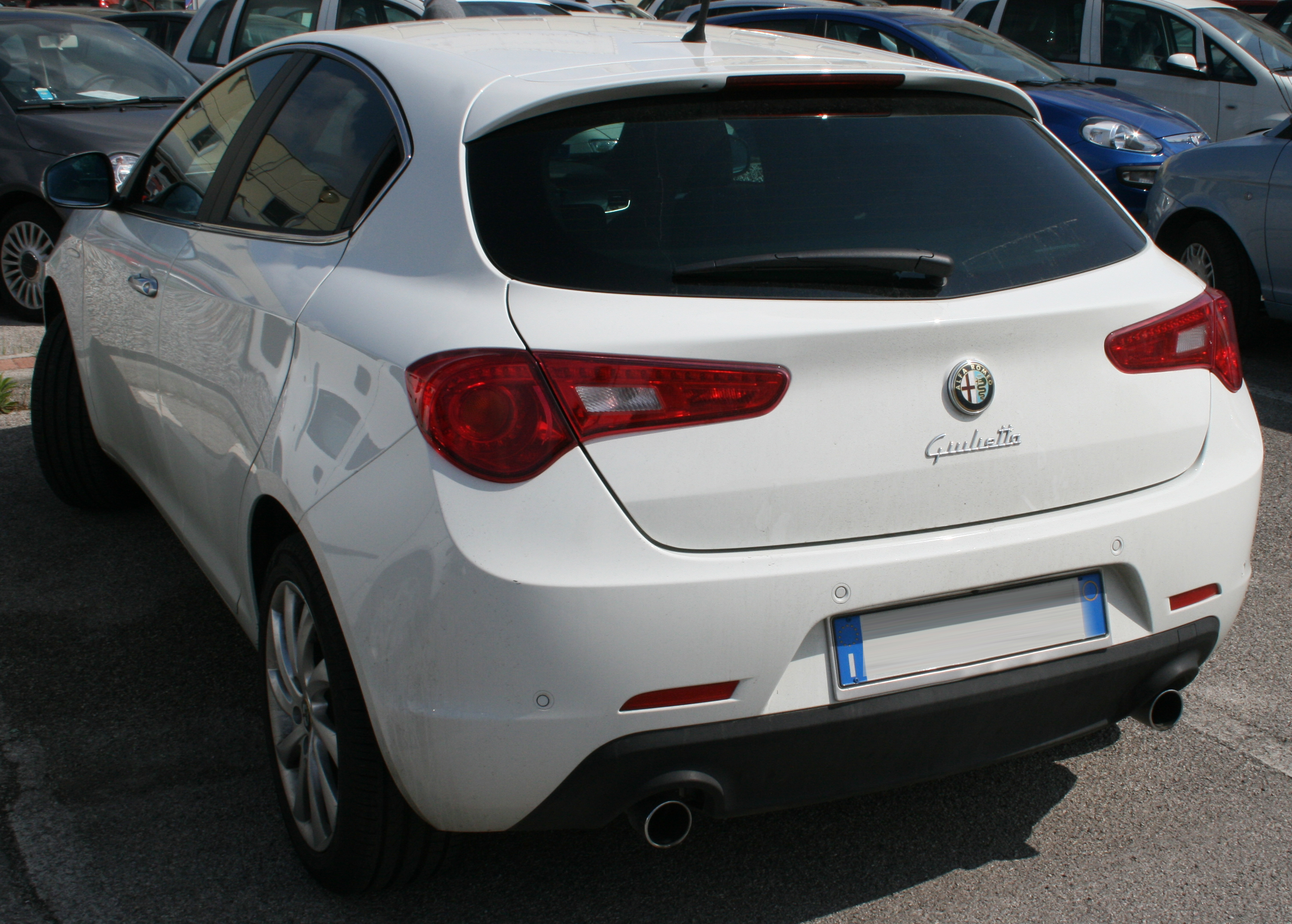
would you say that a Alfa Romeo Julietta Veloce which has a high
revving naturally aspirated engine and three fifty six are closer in
character to each other than a Lexus LFA which also makes power very high in
the rev range or a E90 M3 oh God I mean there we go to your mass right but
we can't we can't discuss mass yes we're choosing one metric only but so
oh but I'm you know like a three fifty six and a beetle way the same so
mass doesn't work either this I mean we know the answer is we can't
it's reductionist and that we shouldn't be doing this exercise in the first but
it is interesting I mean I think really you can you can definitely say that the
I mean I've I've spent very little time in like British sports cars right I've
driven like an MGB GT for example adorable I think it's super cool the engine
was the weakest part of the car yeah in terms of Fizz yeah and all I can
think was it's great looking it's amazingly like impossibly small super
cool if only it had a motor like even a one six from an NA Miata that made
peak power probably at sixty two sixty three versus five thousand it would
change the character of the car and I'd enjoy it more because I want something
spicy at high RPM well if you're using if you want something spicy at high
RPM then to the man with a hammer every problem looks like a nail I guess is
what I'm saying if that's the one most important thing to you then I
I'm a determined of character determined of the experience now that was
a question right was what one what's the language so that we're
determines the character of the tells you the most about the cars likely driving
experience before you drive it and so the dry the likely driving experience
and this is a question is to return to my three fifty six speedster versus an
Alfa Romeo Giulietta is that more those more alike to each other than a you
know choose a modern direct injected high revving engine car that has a
power peak that's at seven thousand RPM like the automatic can always
drive sure I got well that's why it's it's a good I think it's good metric it's
maybe one of the better metrics but you know it's a somewhat difficult
exercise answer so I was thinking about what other potential things you could
look to this whether a car I started thinking about just lumping
all old cars together and what are the ways that you could do that and so I started
thinking about just carbureted make a good example or does whether it has
four wheel drum brakes or the absence of synchromesh to sort of convey to
you that you're going to have a particular type of driving experience that well
okay yeah I love all these three so let's talk about absence of synchromesh that
would mean that the that the experience of so absence of synchromesh means we know
it's old and we know it's you're going to have to really be driving this car to
drive it and then you say everything with synchromesh and could you compare
for example a Ford Pinto with a 911 GT3 yes and with a Dodge Ram diesels
manual 6p that that one falls apart pretty quickly was another one four-wheel
drum brakes four-wheel drum brakes same kind of thing right trying to think if I've
driven anything spicy with four-wheel drum brakes like an Alfa Romeo sprints
a gato right something like that or a three-stop yeah like you know they're
great yeah so once warm carbureted that's it but that could be a 1920s
Cadillac or it could be a 1960s Alfa Romeo and I have nothing to do with each other
so that one falls apart quickly I similarly I thought of other stuff one was
for example rear-wheel drive yes or no
because then you have like trucks yeah but at the end of the day there's
what you are saying is am I able to steer this car with with the rear
rear wheels and the answer is fundamentally yes
it will be if you have a low enough friction coefficient of friction
because I'm just imagining that's like these videos of buses sliding around
but you can't do them if they're front-wheel drive
I mean okay idiot idiot it's an idiotic exercise but yeah I think that
does is one of the are the rear wheels it's not whether they're driven
because then you can have like an understeering Audi Quattro
it's is this car fun really drive and I think that is one that actually
will give you a better indication like now it's on
you've unlocked this but that's only one particular aspect of the car's
behavior it's limit handling exactly and so you know
then you're like Lexus LS versus a
fiat topolino
which for the record you are not sliding around I don't care even in the
snow you're probably not that you could if it low enough friction
for sure ice okay maybe not snow but definitely ice
it's an interesting one but I mean that we you could use that question
to describe over the limit handling behavior but I'm not sure that is
the best predictor and what percentage of the time you're spending past the
limit when and if you're saying driving experience you are
spending 40 oh I'm 60 or so
okay another one was just the presence of a manual transmission
yeah but this to me is like whether the car has synchromesh or not
I mean you can also say okay here's a great loophole for the synchromesh example
is that if the car doesn't have synchromesh because it's an automatic
or because that's no gearbox you say that okay this pre-war Bentley is
very similar to this Tesla because neither has synchromesh
oh god yeah okay that doesn't work that well
that doesn't work that well no it doesn't yeah I think
to me it's mass and strangely not horsepower
not you know horsepower is meaningless for no power in that
power weight ratio is a weight is normalized for that to some extent that's
actually not a bad one if you think about if you're trying to figure out what
the experience is well is it faster slow you answer that question with
part of it period yeah but you just finished talking about how the
been fast and this you're answering a question is it
is it able to accelerate quickly yes no that's that's answered
directly by yeah but it doesn't tell you much about the driving experience
no specific power from an engine yeah
which is just a proxy for revs kind of exactly
you need the relationship between specific power and
peak RPM is linear so yeah I was thinking like a compression
ratio no does everything right now is 15 to 1 not really you know 12
13 to 1 yeah and most of those engines are
kind of soulless anyway okay you could also do engine
configuration like there's definitely a character difference between
a three a four in line four a flat four a V6 a straight
six a flat six a the way we debunked this always is you find two cars that
have a common configuration that are very different from each other
personality wise I don't think you really can separate that from
engine configuration sure I mean imagine like an E90 M3 versus a
1978 Chevrolet Caprice Classic they're both cross-defined V8s
but under 5,000 RPM they both do I mean
driving experience similarity nice try sound
sound that's not driving experience it is a part of the
difference but it's ultimately immaterial okay this is
maybe a foolish exercise no I think it's actually really interesting one I mean
there's something we're not something on I think we agree there is no one metric
question is which is the least bad one yeah and I don't know if it's
mass or like mass is the obvious one but I actually
think peak RPM and peak power is a better determinant
of the engines characteristic and that's the
the biggest part single component of a car striving experience
and I wish you had a better argument against it
because otherwise I win let me see here
so the question that we're now asking is is there a car
with a very high power peak that is just lame as shit
or sedate or underwhelming in some sense
the closest example I could come up with is one of those alpha twin cams
weird application but they were in a later lower state if you would be in lower state
you know this is one of those perfect things for Chan GBT
because it has the database and it's probably not going to get this wrong
give me a list of five cars that have their
horsepower peaks at very high RPMs but are not sporting
or fun to drive you think it's going to be able to do this now it doesn't know what fun to drive is
how to oh no it does this it knows everything because it asks
actually oh my god
well come on okay so number one Toyota Corolla
the 2-ZR FE so the Corolla's engine this is the
horsepower peak between 6,000 and 6,400
now for the record before you got to variable valve timing which kind of can
really change stuff a lot like a lot
6,000 was really high so you have the sort of highest
states of tune were engines that were
revving to 7,000 RPM and had power peaks 6 or 6,200
that'd be the 190 Cosworth the 2,5,16
the EVO 2 was a 7,800 RPM engine and I think it had its power peak at 68
it was really high the regular 2,3,16 the euro car was 62 the US cars 56
in the 1960s Ferrari offered
two 300 horsepower engines
one of which had its power peak at 7,000
and the other had its power peak at 8,000 in 1967
I just ovulated but what the hell revved
8 grand the 275 GTB4
8 I don't believe them so here's the thing about Ferrari
Ferrari often
pulled your ear and gave me a dirty look I think that was like
I was rolling my eyes
when the 308 came out the first V8 came out they listed in their specs
the P-Core's power at 7,700 RPM that was bullshit
they changed it later it was 62 or 6,300 there was a
sort of lost in translation moment I think giving them the benefit of the doubt
of saying they were like oh this is just how we translated but
Ferrari always quoted P-Core's power at redline and that was just non-happening
so if that thing revved to 8 if it made its peak power at 8,000 RPM
then where would it what was its redline
I don't know
not of the day right I mean I don't know I've never even
seen it before cam so I don't know but I do know that later
Ferrari's mistakenly quoted their peak power at redline
so an 8,000 RPM power
power peak even the 8,000 RPM
Rev limit or you know safe rev limit because you're no rev limiters at that point
was theoretically possible and of course racing cars could do that
I don't think I don't think that carbon idle
you know especially when you're carbonated you only have a certain amount of bandwidth
of fueling and I don't think you'd be able to fuel that car
under you know under 2,000 RPM no motorcycles
that rev to 8,000 can idle at 1,500 and you know at the time so
that's interesting but here's a question
there were two Ferrari V12's right
well there was a Colombo and I'm ready
that coexisted effectively or yes
were there were there
variants of that car that had
similar horsepower but it vastly different
RPMs and would they do the have very different characters because I know the
Lempredi is violent and the Colombo is sweet
yeah I mean that would be the 250
Europa engine is a Lempredi with three litres
and you could
some years later buy a three-liter variant of the Colombo engine, the three-liter
variant of the Colombo engine
came out a couple years later in the 250
Europe GT, similar horsepower
different revs or I don't know
probably I don't know these engines well enough to answer those questions
in terms of numbers in character yes
in character yes yeah so I mean the problem with variable
valve timing is if you have VTEC or
VVT which was Toyota's system
where you have two different cam lobes
you can very easily have one cam lobe
be for normal and you can go
fucking crazy with the second one
and so right away
you know there are a bunch of Honda and Toyota engines on
on this list that have really high power peaks
but the question is what is the character of those cars
is chat GPT assuming that those cars are lame
because they are Toyota Corolla's
or is the the high revving you know
that engine was used in some variant maybe
of the Pontiac vibe also or something like that
well okay that's the matrix EZ
so that is the 88,000 RPM
load us a lease engine basically
but this is the 2ZR
and the 2ZR is a 1.8 liter
but its horsepower is 6,000 between
6,400 according to chat GPT was probably wrong
and say why qualifies the Corolla's engine
is rev happy on paper
but the car is tuned for efficiency and calm
comm commuting CVT versions keep it droning
not enthusiastic
if I'm not mistaken this is
this recent generation of Corolla engines
and it is kind of a rev monster
like it does have it gets a second wind
over 5.5 grand and you're like wow
this thing pulls like a mother fucking red line
and actually a Corolla stick shift
hatch is not bad to drive
this is not the GR Corolla
you sort of the engine is a bit spicy
and you're like wow this does have some high rev poll
so there's some validity to it
but they just chose really aggressive cams
for that very top end
that doesn't really change it
Honda Fit 1.5 liter the L15B
6600 RPM horsepower peak
a very high revving VTX small engine
but the chassis tires gearing in CVT
make it practical rather than fun
unless you're an enthusiast forcing it
for normal driving it feels like compliance
see chat GPT knows this stuff
it's just parading what a people have said
who are subject matter
Nissan Versa with the 1.6 liter HR16DE
6300
this is CVT is it's just an exercise
and things that have CVT's get on
Toyota Yaris non-GR versions
1.5 liter which is the 2NRFE
6000 RPM peak horsepower
lightweight and buzzy engine
that doesn't make power into high revs
but the chassis and drivetrain
are driven for economy
and then last but not least is
which is how we know they're wrong
they it chat GPT is wrong
Mitsubishi Mirage
peak horsepower is at 6000 RPM
I don't understand that
I've never driven one
oh my god
rental car Olympics
it's the most hellarious thing
and you'll ever drive best e-break
of any car in the business
it will rotate in its own lane
e-break does that like thing
where it just stops the wheels
and it's like one of these e-breaks
that are just like light effort
and just instantly stop the rear wheels
not that I would have ever done
something like that
you're told
cue the video
okay give me some hand break up
I'm gonna shoot down the back
you know we definitely got air
we definitely got air
good evening
Yikes
I'm in Mitsubishi Mirage
you know the only guy
ever remember ever
in a Mitsubishi Mirage
there's a wall over there
It's the most, that is the most I've ever made any woman scream was in the passenger seat
or produced in the passenger seat, seat screaming and laughing, well, Randy Popes is encouraging
me to do bad shit in a rental mirage on Willis Springs.
Yeah, so I think once you get to VVT, that's a problem, then, you know, you get all these
engines that are 6,000 RPM.
It's cheating, yeah, in some sense.
Except then, you know, in the VTEC era now, it's 7 and 8,000 RPM power peaks that really
define, you know, K20 was like, not 8,000 RPM power peak, but you can't bring it down
to it.
So for your own cars, what does that mean?
The characteristics that you obviously subscribe to, the need for naturally aspirated
high revving engines, although you will have straight from that in recent years, which
one, the Rover, what about the A50 CSI, what does A50 CSI go for, red line, limiter, power
peak, 50, eight, I want to say, hold on, that's the hot, rotted one.
Now maybe it's 6,000, no, I don't think it's, I don't think it's 6,000.
So here's the other thing, you know, as we said before, you can basically figure out an
engine's power peak by its specific output.
To get to a 100 horsepower liter, for 100 horsepower per liter, you're going to need
that power peak to be nearest makes no difference, 7,000, that's my, so 100 horsepower
liter, 7,000 RPM.
And so at, you know, this engine's 5.6 liter that made 380, it's going to be in the 5's
horsepower peak, 850 CSI was, how embarrassing, really embarrassing, 5300, hold on, I'm verifying
that by pulling up the crime to everything, but yeah, it is not.
So all this to say that the character of your fleet is evolving with your age, not,
it's still a, gearing, red line in set, miles per hour at V max in red in second gear on
a manual.
That's actually an interesting one, none of my cars will make it to other than the rover,
will make it over.
I resent that you bring up the rover, that poor thing, it had a hard year, yeah, 372 horsepower
5300 RPM.
Christ, that actually might be lower than the rover's peak, which is the 1960s V8.
But again, you know, push rods and everything, push rods and everything, that's before it,
you know, before we hot-rotted it, but I'm already hot-rotted this V12, but it's not the
most spicy V12 in the world, then again, actually counterpoint to my whole thing, tell me
what the peak RPM is for horsepower peak at, you know, Ferrari 550.
And I bet it's way higher than 5300 RPM, but that engine is actually less characterful
in the BMW V12.
I think that's probably true.
Similarly, it's characterful.
Oops, sorry about the microphone, Ferrari 550 horsepower, what does it say?
485 horsepower at 7000.
Although, do we believe that?
Although, yeah, with torque peak at 5000, I can see that happening.
How big was that in 5.4?
So they're saying 5474 CC, so 5.5 liter with only 485, so that's what 80 something 90
horsepower per liter at 7000 RPM, that's unusual.
It should make more power.
Typically, at 7000 RPM, we'll give you about 100 and that's pretty far off, but okay.
So what did we learn today?
You can't boil down cars down to just numbers.
I think we are sort of writing you that.
Well, yeah, because we said you're driven to McLaren F1 and you think that's more fun.
Did I say that?
You said, hey, listen, I asked you the question, is this not one of the most fun cars
you've ever driven?
You said, yes, and I've been asked you this is previous episode, so we have the receipts.
I said, think of something that's more fun than this car and you're like, maybe a
Carrera 2.7 RS, but it's in that league.
You did not say.
It's not a McLaren F1.
It deserves to be in there, but my point is that you're mentioning that fucking old
Volkswagen in the same sentence as a McLaren F1.
I think a 205 rally potentially is up there, also.
Really?
Yeah.
There's all these little old Italian buzz bum things, you know, alphas and stuff like that.
I think, you know, with the high revving old school carburetid cars, I think there's
definitely some potential there.
There's always a convertible, yes or no, right?
That's another one.
Like, is it a convertible?
Yes, therefore it will be a...
I don't find it convertible to be even more fun than a closed car.
I don't...
I think fun is a subjective term.
I think I would say it's a different experience.
Yes.
It is a different experience.
I will granted that, but it's not...
I don't think it's a better experience, no.
I think it is.
I think you can take a really shitty car, make it a convertible and it will be a less
shitty experience.
Like Nissan Marano Cross Cabriolet.
Put the top down in that.
No, but then I'm embarrassed.
You should be embarrassed.
It's a different experience.
It's a different experience because there's more embarrassing in your head.
You'd be embarrassed in a fucking regular Marano, too, wouldn't you?
No, because then I could feel invisible and feeling invisible is the best antidote
to embarrassment.
Because then you're conspicuous.
We should all have grum and elevate.
Yes.
Then no one could be embarrassed.
Because no one will be...
No one will see you.
Yeah.
Interesting.
Yeah.
We've stunned Derek into silence.
Yeah, I mean, I'm just trying to think about comparable experiences that are particularly...
I don't know.
I tolerate it.
I bought my first 911 and my only 911 was a convertible.
I wanted a convertible.
That's...
Yeah.
That I could all track.
I know.
I mean, and it was a 9.6.
So, you know, let me have it.
But, you know, I needed a car that I really wanted a convertible.
I had never owned one.
And I wanted a convertible.
And I was beating the shit out of my poor golf VR6 on track.
And I was just sort of bored of the front-wheel drive inherent limitations of that on track.
So, I wanted something that was fun and trackable and committed by a boxster.
I don't know.
It didn't occur to me.
So, my choices wound up actually being at the end of the day, Corvette or 911.
And I just couldn't drive a Corvette.
And when I did, I thought, okay, this is actually nice.
But I didn't like the lazy engine response and the long gears.
And I drove a 9.9.6, which I went to a dealership and drove a new 9.9.6, which obviously couldn't
afford.
And I thought, oh my God, this thing is kind of everything that people say about it.
And bought one that was three years old for less than a half the price of a new one.
And it wasn't until years later that I bought a boxster, a 9.8.6 boxster, which I think
made a better convertible, because it had a smaller opening, and therefore it was a little
bit more structurally rigid.
That's always what I struggle with about open 911s and open 4-seat cars generally is that
the size of the missing panel is so large that it starts to become an issue.
And the initial 911 was engineered to be a coupe, and they cut the roof off after 20
years.
Anything that started life as a coupe and then got turned into convertible is always compromised.
And then you have the opposite effects when the car starts as a convertible and then
they put a roof on it and it ends up as being super rigid.
So like-
But also too heavy.
Yeah.
How heavy is a clown shoe?
Are those heavy cars?
That's an example that comes to my mind.
The other one that comes to my mind is gasp the Mercedes SLK slash Chrysler Crossfire.
That was a car where they're like, wow, it's more rigid than the magazine articles are
all like they all they gleefully told us it was more rigid than a 911 because it started
as a convertible and then they put a roof on it.
Okay.
I mean, yeah, I think the boxster made a better convertible, but the bigger issue for me was
that the 9-11 is the bigger sin because the defining characteristic of a 9-11 is its
roof line.
And when you cut that off, the 9-6 wasn't beautiful and by 9-11's tenders.
But cutting the roof off made it even less-
Yes.
That's always how I feel about 9-11.
And the boxer was so fucking ugly anyway from that it did not-
I kind of find the shape to be less offensive as a convertible.
It's less awkwardly executed and there's feels less like there's something missing.
Right.
And the 9-11 does, you were cutting off the-
I mean, and the reality of it is exactly what it looks like, which is that the car was designed
as a coupe and had the roof cut off versus being designed as a convertible.
And you're talking the air-cooled stuff.
Boxster versus 9-6 also.
The 9-6.
Well, not a boxer.
I thought they did a really nice job at keeping some of the shape of the-
Well, yes, especially compared to the way that air-cooled 9-11s had been all of that time,
which was just a sort of less offensive version of what they did with the beetle when they cut
the roof off, where it had that big pile of convertible top sitting with a big boot.
But I think the beetle looked okay with the top up and I think an air-cooled 9-11.
Oh, that's more.
Up or down.
I'm talking about how large the convertible top is when it's sitting on the back.
But like a beetle, I could see a beetle convertible because it looks great with the roof down and
it looks fine with the roof up.
I wouldn't choose one.
But when I bought that 9-9-6, I was looking also at cheaper 9-11s, which were the air-cooled
ones.
I thought I could never do, I know, in that funny.
I could never do an air-cooled 9-11 cap because to me, all the beauty was gone.
I'm with you.
100% with you.
And then you get the experience of the loss of rigidity and it's doubly and the introduction
of wind noise and leaks.
It's just-
There's the reason now that in the market for 9-11s, a cabriolet is half as much as a
coupe.
Well, it's reduction in value is proportional to its torsional rigidity because they are
half as much.
Well, yes, that's actually 100% true because the people who drive the values of those cars
now are enthusiast and the loss of rigidity and the looks, I suppose, is what it makes
the car in there.
The torque is in between.
Yeah.
Exactly.
That's how it is structural rigidity.
I remember when 9-9-7 came out.
I think it was a 33% reduction in structural rigidity to go from coupe to target and 50% to go
from coupe to convertible.
And I'm like, oh, that's right, with values historically.
Hey, that's an interesting metric, you can look at the torsional rigidity.
No, absolutely not.
Because you go to all these old, in terms of defining experience, no torsional rigidity,
it's a shitbox.
We just know that.
It's going to be rattling, you're going to feel all kinds of things you probably don't
want to.
Okay, what about pick up trucks with no torsional rigidity and shitboxes?
But are they experienced?
We're asking the rigidity to stand in as a metric for experience.
You have to separate out box frames from non-box frames because they're the way they're measured
isn't directly comparable, especially in a picture.
So we're talking about monococ construction, unitary construction vehicles.
I think torsional rigidity is n defining characteristic of the experience you're about
to have, right?
Starting with enormous structural rigidity will probably be very quiet and isolating.
Something with very little torsional experience will be raw.
A torsional rigidity will be raw.
What about a Z3M coupe?
High torsional rigidity, pretty unhinged.
You think so?
I think they're too refined for a sports car.
That's my problem.
I guess I'm talking about limit behavior.
It's not very refined limit behavior between the short wheelbase and the rear suspension.
Design?
Yeah, but I think that's limit behavior is one thing.
I'm talking about the overall experience.
I think it's high torsional rigidity and all that.
But that also tells you that the convertible and coupe version of the same car are going
to be very different in experience.
Yeah, you're going to experience with that.
I think you're going to experience more on the open car.
So do you prefer less torsional rigidity?
Depends on the car.
I enjoy the torsional rigidity of my e-golf because it imparts a sense of safety, which
hopefully is real.
It stops rattles, it stops potholes, it stops everything, and the experience is much
more refined.
But then I very much enjoy the complete and total lack of structure in my old cars because
it slower speeds, it's way more colorful, colorful, spicy.
That could be a better metric than even mass.
I think we've solved this.
An old car with everything old has poor structural rigidity.
So you get like an E30 versus a W201 Mercedes.
There's probably a 2X difference in structural rigidity if I had to guess.
The Mercedes is probably twice as rigid as the BMW is.
There's a market difference in those cars in terms of ride quality, NVH, overall
isolation levels, overall refinement levels.
To the point where you could get into a modern Corolla, and I think the Mercedes has better
NVH control, 40 years old than a modern torsional rigidity that probably not that far off.
You think so?
I think the Corolla is probably better, but not that, it's not going to be double with
the Mercedes.
Maybe I'm wrong.
Maybe I'm overstating the Mercedes's.
I don't know.
That's a really good one, though.
OK, in the comments, let us know what we've forgotten, because we will have forgotten
something really obvious and cool, like color or something.
It's going to be something stupid, like a pull street type.
Torsional rigidity is pretty out there.
It's an obscure metric, I think.
Yeah, but I think it's the single biggest determinant of refinement.
Kind of, because you could get like a 1960s Rolls Royce or 1970s Rolls Royce.
Yeah, and that's quite refined, and it's probably not very rigid.
It's not rigid at all, I'm sure.
Refined-ish, but I get, you know, you're still going to get stuck into everything sort
of rattles.
Yeah, no, that's true.
But if you're not hitting stuff, then it's pretty nice.
Well, like they're cushy and refined and quiet, and you know, they always say about
these old cars that the loudest thing in the car is the ticking of the clock, which,
you know, I have experienced old Rolls Royce's and Bentley's, where that's kind of
true, as long as you're not on a bumpy road.
I mean, OK, it's incredibly quiet so long as it's turned off and you're in your garage.
I mean, it's, oh, I mean, it's speed there, remarkably refined, long-legged and civilized
and it comes out a lot of stuff, yeah.
Yeah, despite not being very rigid.
Right.
But the problem is what they're doing is making up for the lecture of structural rigidity
with each suspension move, right?
And the second you hit the end of that, travel whole my god, does the whole system sort
of fall apart?
Interesting.
Interesting thought.
I think it was a great question.
Yeah.
And it was a really, really interesting.
It's an interesting exercise.
I don't know that it teaches us a whole lot about what to buy.
No, just buy a Mark one Volkswagen.
Oh, obviously.
Yeah.
I really want to buy one.
Just in case.
Or kidnolos, those.
Yes.
Exactly.
OK.
Do you want us to next work where maybe we'll have a projop?
Maybe we will have...
Who knows what?
We'll be in the background.
The road certainly will be back for all we know.
Sure.
I'm praying to Santa Claus.
Is that what you do?
You ask Santa?
I ask Santa.
You write him a letter.
No, we don't do that anymore.
Well, I said one of the kids do now.
What do they ask for?
How do they submit their request to Santa?
TikTok.
Really?
No, I don't know.
What do kids do?
You must have an incredible staff of people to review all that.
No, anyway.
Santa is AI.
Oh, we shouldn't tell the kids that.
No kids are watching this.
Is there any more kids that they've been watching?
I watched by Chachi BT, which decided that a Honda Fit was a great day.
Which is not fun.
OK.
Join us next week.
Yep.
Thank you.
Thank you.
About this episode
Exploring the essence of driving experiences, Jason Cammisa and Derek Tam-Scott dive into the question of what single metric best defines a car's driving experience. They discuss various characteristics, from weight to engine RPM, and debate how these factors influence fun and engagement behind the wheel. The conversation is filled with humor and personal anecdotes, making it both informative and entertaining. Listeners are encouraged to contribute their thoughts on the topic, adding to the dynamic discussion.
This week’s episode topic comes from a listener-submitted AMA request - one worthy of its own episode. They ask - what single metric about a car’s driving experience tells you the most before you drive it?
===
Visit http://JasonSentMe.com to get a Hagerty Guaranteed Value (TM) collector-car insurance quote!
===
At first, you may think there’s one straightforward answer. But you’d be wrong.
Discussion begins with Jason’s MK1 Volkswagen Cabriolet - a car he claims is the most fun he’s ever driven. Derek roughly agrees - but counters with the Peugeot 205 Rallye, and much more substantially - the McLaren F1. But how can a nearly 40 year old subcompact convertible be as rewarding to drive as a hypercar?
Mass seems like the obvious answer - but a 4000 lb car from today can often out-dance a 2000 lb car from 35 years ago. Take a Lotus Elise (perhaps, with a small cow in it) and a Rivian R1T - both will dance around a race track in a much more similarly than differently vs. any car and truck combination from even 10 years ago.
Having covered that base, Jason and Derek explore other possibilities - including peak horsepower per RPM and engine configuration. Derek recalls a time when Alfa Romeo stuffed their Twin Cam four cylinder in everything from GTVs to large Ambulances - simply because it was a such a good engine despite whatever weight it was tasked to pull around. Jason decides to ask AI what it thinks, answering (oddly) with the Toyota Matrix, Honda Fit, and Nissan Versa.
On theme with the MK1 Cabriolet, the boys discuss structural rigidity - which leads to another exploration of convertibles ranging from 996 Porsche 911 Cabriolet, to BMW Z3M, Mercedes-Benz SLK, and of course- the Nissan Murano Cross-Cabriolet.
There’s an answer for everyone out there - and more on this episode of The Carmudgeon Show.
Learn more about your ad choices. Visit megaphone.fm/adchoices