
Can't unsee it - 5 April 2026
About this episode
The hosts cover a wide sweep of industry news, from car finance compensation appeals and Toyota’s production hit from Middle East disruption to a Black Hat Asia demo showing how EV charger backends can be vulnerable. They also look at Chinese brands building in Europe to sidestep tariffs, an Audi brake-related recall, and the unveiling of the JLR Freelander 8 and BMW 7 Series facelift. The episode closes with a British Motor Museum Horizon Experience announcement and a June listener Q&A.
Following the deadline passing for appealing against the Financial Conduct Authority’s (FCA) plans for compensation following the car finance industry breaking the law, there are now three lenders fighting back. Mercedes-Benz Financial Services join VW Financial Servcices and CA Auto Finance. The companies have declined to clarify to the public why they have made the move. To find out more, click this link from MoneySavingExpert.
TOYOTA SUPPLIERS HIT BY IRAN CRISISToyota has announced that their suppliers have already begun to state they are feeling the effect of the Iran crisis with warnings that parts will not be delivered at the time expected. Toyota and their suppliers have already downgraded their expectations on 2026 production numbers. Click this CBT News article link here for more.
LAMBORGHINI GETS A NEW CTOFermín Soneira is leaving heading up of AUDI, the Chinese only off-shoot of Audi, to take up the role as Chief Technology Officer for Lamborghini. Fred Schulze will replace Soneira. For more on this story, click the electrive article link here.
EV CHARGING GRID VULNERABILITY DEMONSTRATEDAt BlackHat Asia, a large cybersecurity and research conference, the vulnerable nature of EV charging networks and shared e-bikes was demonstrated. Companies are being accused of putting customer convenience ahead of security. One possible scenario is the ability to remotely disable an entire city’s EV charging network. You can learn more by clicking this link, from The Register, here.
MG TO BUILD CARS IN SPAINMG has chosen Spain as the location for their European car factory, over Hungary. By doing this they should avoid any tariffs or agreed minimum price requirements that are to apply with cars coming to Europe from China. Click this EVPowered article link here, to read more.
HONGQI IN TALKS WITH STELLANTIS ABOUT SPANISH FACTORYThe Chinese car maker, Hongqi, is in discussions with Stellantis about using capacity at their Spanish factory to build their cars in Europe, also taking advantage of avoiding extra financial penalties. Both parties are tight lipped on the matter. If you wish to find out more, click this Carscoops article link here.
AUDI RECALLING 96,000 CARS WORLDWIDEAudi is recalling 96,180 e-tron quattros and Q8 e-trons, due to a potential brake issue. The fault is a lose screw that may prevent full braking ability in cars built from the 2 February 2018 until 11 June 2024. To read more, click this electrive article link here.
If you like what we do, on this show, and think it is worth a £1.00, please consider supporting us via Patreon. Here is the link to that CLICK HERE TO SUPPORT THE PODCASTNEW NEW CAR NEWS -Freelander 8JRL and Chery have revealed their first concept from their joint-venture for the Freelander brand. Unsurprisingly, this is an electric SUV with a hint or two of the original Freelander and some of the JLR back catalogue. Initially this will be launched in China but then to other international markets, including the UK. We don’t really know much about the specs or what the final look will be. Click this Autocar article link to learn more.
For information on timings of the Freelander hitting markets outside of China, click this EV Powered article link here.
BMW 7 SeriesBMW have given the 7 Series a facelift. Specs have improved with a longer range possible. The interior has also had a spruce up. For more on this, click this Autocar link here.
Old Car Dead News: GWM Ora 03The car formally known as the GWM Ora Funky Cat is no longer going to be sold in the UK. Never a big seller, whether it was the looks or name that put people off. GWM is reviewing their strategy in the UK and are looking to bring more offerings here. Click this electrive article link here for more.
LUNCHTIME READ: COMPETING CARS FROM THE SAME DESIGNERNot big enough to be a List of the Week it is still a fab article to have a read through and check out some designer’s work where they competed against their own designs. Click here to read the Hagerty article.
LIST OF THE WEEK: 23 SPACE INSPIRED CAR NAMESClassic & Sports Car provide the slideshow this week, all around the theme of space related car names. Click this link here to see if you agree with the choices made on the show. Thank you to listener, Damien Scully for sending the link our way, very much appreciated.
AND FINALLY: HOW TO DRIVE IN JAPAN FROM THE MIDLANDSThe racing game Forza Horizon 6 is about to launch on the Xbox and PC, with Playstation following later in the year. This iteration is set on the roads of Japan and include a lot of JDM cars. In a collaboration with the British Motor Museum there will be a Horizon Festival on 23 May 2026 on site, where there will be live music, food trucks, gaming vans (to try out the game) and drifting demonstrations. Click this Motoring Research article to find out more, including how to book your tickets.
Financial Conduct Authority
"Last week, I started the show with follow-up that the consumer group was challenging the Financial Conduct Authority's ruling on how it is decided it will give out money to those who have been affected by the car finance misselling that was found in the... Just to remind everyone, [51.9s] the courts... By give out money, you mean recompense."
The Financial Conduct Authority is a UK organization that regulates financial companies. Here, it’s involved in deciding how people should be compensated after car finance was sold unfairly.
The Financial Conduct Authority (FCA) is the UK regulator that oversees financial services. In this episode, it’s mentioned because it made a ruling about how compensation should be handled for people affected by car finance misselling.
car finance misselling
"Last week, I started the show with follow-up that the consumer group was challenging the Financial Conduct Authority's ruling on how it is decided it will give out money to those who have been affected by the car finance misselling that was found in the... Just to remind everyone, [128.4s] why compensation is due to people."
Car finance misselling means car loans or finance deals were sold in a misleading or unfair way. Because of that, some customers are entitled to compensation.
Car finance misselling refers to unfair or misleading sales practices when arranging vehicle finance agreements. The hosts discuss a UK legal finding that such practices occurred, leading to compensation for affected customers.
Mercedes-Benz financial services
"On that day, though, Mercedes joined two other car finance companies to appeal as well against the ruling. So you have someone appealing from the finance. These are CA auto finance, Mercedes-Benz financial services, and Volkswagen financial services."
Mercedes-Benz Financial Services is the company that arranges car finance for Mercedes customers. In this segment, it’s mentioned because it’s appealing a decision about compensation for unfair car finance sales.
Mercedes-Benz Financial Services is the finance arm associated with Mercedes-Benz, offering car loans and related products. The hosts say it joined other finance companies in appealing a ruling connected to car finance misselling compensation.
Volkswagen financial services
"These are CA auto finance, Mercedes-Benz financial services, and Volkswagen financial services. And the really annoying thing is that those of us who have claims in and will probably receive something but not related to any of these companies, we also have to wait. [104.6s] Two of them have declined to comment at all. And Volkswagen is said... Volkswagen had told us it had identified issues that require independent clarification from the court..."
Volkswagen Financial Services is the part of Volkswagen that provides car finance. The hosts say it’s appealing and also claimed there are issues the court needs to clarify.
Volkswagen Financial Services is the finance provider tied to the Volkswagen brand, handling car loans and finance agreements. The episode notes that Volkswagen said it had identified issues needing independent court clarification, but wouldn’t provide details.
supply chain strain
"Toyota's supply chain strain has intensified as Iran conflict disrupts materials flow. This is Toyota going back and pointing out that, obviously, a restriction the amount of oil and oil-based products getting out of the Arabian Gulf is starting to have a knock-on effect."
It means the “parts and materials pipeline” is under pressure. If key materials can’t get where they need to go on time, car building can get delayed.
Supply chain strain is when the flow of parts and materials becomes stressed—through shortages, delays, or higher costs—so production can’t keep to plan. In this segment, the disruption is tied to oil and oil-based products affecting multiple industries that feed into car manufacturing.
Toyota
"Toyota's supply chain strain has intensified as Iran conflict disrupts materials flow. This is Toyota going back and pointing out that, obviously, a restriction the amount of oil and oil-based products getting out of the Arabian Gulf is starting to have a knock-on effect."
They’re talking about Toyota and how global events can affect how many cars it can build. When supplies get delayed or more expensive, car production can slow down.
Toyota is the automaker whose production is being discussed in relation to a disrupted supply chain. The episode links the Iran-related materials flow disruption to downstream effects on vehicle manufacturing.
knock-on effect
"This is Toyota going back and pointing out that, obviously, a restriction the amount of oil and oil-based products getting out of the Arabian Gulf is starting to have a knock-on effect. And it's having knock-on effect from a couple of sites."
A knock-on effect is “one problem causes more problems.” If one supply gets disrupted, it can ripple through and slow down other parts of car production.
A knock-on effect is a secondary consequence: one disruption causes other problems further down the chain. Here, restricted oil and oil-based products lead to shortages of plastics, solvents, and other inputs that are needed to make complex automotive components.
injection molding
"there's the chance that suppliers might not be able to deliver things on time just because there are no raw materials of plastics to make injection molding parts and all of that kind of stuff."
Injection molding is how many plastic car parts are made. Plastic is melted and pushed into a mold to form the shape, so if plastic supplies are disrupted, those parts can’t be made as easily.
Injection molding is a manufacturing process where molten material is forced into a mold to create plastic parts. The episode ties shortages of plastics and related inputs to delays in producing injection-molded components used across vehicles.
printed circuit boards
"And there might not be enough other solvents, gases, all of these kind of things to enable the manufacture of more complex parts, things like printed circuit boards."
Printed circuit boards are the “wiring boards” inside electronics. Cars use them for things like control modules, so if the materials needed to make them are in short supply, electronics production can slow down.
Printed circuit boards (PCBs) are the boards that hold and connect electronic components in devices, including many automotive control systems. The segment suggests that shortages of solvents, gases, and other inputs can disrupt PCB manufacturing, which can then limit vehicle electronics production.
Totobushoku
"Although analysts do tend to use a proctologist with a torch whenever they're finding their expectations. Totobushoku, again, they make seats and stuff. They need resin based materials, glues, all these kinds of things. And again, they're going to have a knock on effect"
Totobushoku is mentioned as a company that supplies car seats. If the materials it needs (like resins and adhesives) become scarce or delayed, seat production can be affected too.
Totobushoku is described as a supplier that makes seats and therefore depends on resin-based materials, glues, and other inputs. The segment uses it to illustrate how material shortages can affect specific vehicle subsystems like interior seating.
resin
"Totobushoku, again, they make seats and stuff. They need resin based materials, glues, all these kinds of things. And again, they're going to have a knock on effect"
Resin is a type of material used to make plastics and other manufactured parts. If resin supplies are tight, companies that build parts like seats may struggle to keep making them.
Resin is a synthetic material used as a base for plastics and composites, often in manufacturing and bonding processes. The episode notes that seat suppliers need resin-based materials, meaning resin shortages can translate into seat production constraints.
supply shortages
"It's going to be things like switches and switches and seats that cause some of these shortages in the near to medium term anyway."
Supply shortages mean some parts or materials are hard to get right now. When that happens, car makers may have to slow down or pause production.
The hosts are talking about supply shortages—when key parts or materials aren’t available in enough quantity. In automotive, this often means production delays because factories can’t get the components they need on time.
Chinese-only market
"And we're going to talk about Audi, which is the Chinese only wing of Audi... But we'll never see it because it's only for China."
“Chinese-only” means those cars or that version of the brand is meant for China and won’t be sold elsewhere. That can change what models you’ll ever be able to buy.
The hosts describe a “Chinese-only” product strategy—meaning certain vehicles or brand operations are intended only for the Chinese market. This affects availability, supply chains, and even design choices, since the cars are developed for local demand and regulations.
Lamborghini
"...Furman Scenaria has left to become the Chief Technical Officer for Lamborghini. Quite what the Chief Technical Officer does..."
Lamborghini is another big car company. The host mentions an executive moving there to a top engineering role, which is basically in charge of technical direction.
Lamborghini is mentioned as the company where the departing executive becomes Chief Technical Officer. That role typically sits at the center of engineering direction—setting technical strategy across product development.
SAIC joint venture
"The Audi in China is an Audi SAIC joint venture project."
A joint venture with SAIC means Audi partners with a Chinese company to make cars in China. It’s a common way foreign brands operate in that market.
An SAIC joint venture refers to a partnership structure where SAIC (a major Chinese automaker group) teams up with another automaker to build and sell vehicles locally. For Audi in China, this kind of setup is often how brands comply with local production and market requirements.
concept rendering
"[482.7s] Sorry, that was the estate car one, which is already out. Not this concept rendering of an Audi E7X."
A concept rendering is basically a computer picture of a car idea. It shows what the car might look like, but it isn’t the final, real version you’d drive.
A concept rendering is an artist’s or designer’s visual of a proposed vehicle, not a production car you can buy. It’s often used to show styling ideas before any final engineering decisions are locked in.

Audi E7X
"[488.1s] No, no, sorry, that was the estate car one, which is already out. Not this concept rendering of an Audi E7X. The E7X is kind of, it looks like a lumpy generic Chinese SUV with a big grille put on it."
They’re talking about a proposed Audi design called the E7X. They don’t like how it looks, saying it resembles a generic Chinese SUV, especially because of the big front grille and bland overall shape.
The Audi E7X is being discussed here as a concept rendering. The hosts are critiquing its design cues—especially the large grille and the overall “SUV-like” proportions—suggesting it resembles a generic, mass-market Chinese SUV styling direction.
Black Hat conferences
"[536.4s] The Black Hat Asia conference has taken place recently. If you don't know what the Black Hat conferences are about, they are about hacking things and testing security of electronic things and exposing vulnerabilities."
Black Hat is a security conference where experts try to break into systems in order to find weaknesses. They then share what they found so companies can protect themselves better.
Black Hat conferences are security events focused on hacking and testing systems to find vulnerabilities. Researchers present findings and methods so organizations can improve defenses, often including live demonstrations and competitive challenges.
IoT security researcher
"[581.8s] The work delivered by a guy called He Tianxi. He is a hardware and IoT security researcher at China's Tsinghua University."
An IoT security researcher works on protecting connected devices (like smart electronics) from hackers. They look for security problems that could let someone take control or steal information.
An IoT security researcher studies security for Internet of Things devices—connected gadgets that communicate over networks. The goal is to identify weaknesses that could let attackers access devices, data, or the backend services they rely on.
hardware and IoT security
"[581.8s] The work delivered by a guy called He Tianxi. He is a hardware and IoT security researcher at China's Tsinghua University."
This phrase means security for both the device itself and the way it connects to the internet. If either side is weak, hackers may be able to exploit the device.
“Hardware and IoT security” refers to protecting both the physical device components and the connected software/network side of IoT products. Weaknesses can exist in device firmware, communication protocols, or how devices connect to backend services.
cybersecurity risk to EV charging networks
"As a result, she has described that basically he can hack into or easily access [629.3s] the backend of these systems and shut off. ... It wasn't just that network. It was [652.9s] all the other ones that shared that backend."
They’re describing a hacking risk where someone could interfere with EV charging. If many chargers rely on the same computer system, one hack could disrupt charging for lots of people.
This segment describes a cybersecurity scenario where attackers can access EV charging network systems and change charging status. The key point is that if chargers share the same backend, one compromise can cascade and affect many charging points, creating real-world service disruption.
backend of these systems
"As a result, she has described that basically he can hack into or easily access [629.3s] the backend of these systems and shut off. We need supposedly demonstrated at the conference [634.8s] that he could shut off a single charger."
The “backend” is the server-side software and infrastructure that runs behind the scenes. For EV charging networks, compromising the backend can allow an attacker to change charging behavior or shut down service across multiple chargers.
EV charger
"We need supposedly demonstrated at the conference [629.3s] that he could shut off a single charger. Yeah, it's an EV charger. He's been EV charger on one network."
An EV charger is what you plug into to charge an electric car. This episode is talking about the online system that controls charging, not just the plug itself.
An EV charger is the equipment that supplies electricity to recharge an electric vehicle. In the context of this segment, the concern is not just charging hardware, but the networked systems that manage charging and status updates.
MG
"Yeah. More Chinese news. [709.4s] Yeah. Chinese news mixed in with some Europe. And MG has picked Spain over Hungary for [716.8s] New European EV Factory is the title of this EV-powered article."
MG is a car brand from China. They’re talking about MG choosing a factory location in Europe for making electric vehicles.
MG is a Chinese automotive brand that’s expanding its presence in Europe. In this segment, MG is discussed in relation to choosing Spain over Hungary for a new European EV factory, which ties into how Chinese brands position production to meet local requirements.
tariffs
"Obviously, [722.7s] the Chinese car brands are looking to try and circumvent any tariffs or [730.3s] minimum price agreements for their cars..."
Tariffs are taxes imposed on imported goods. The segment suggests Chinese car brands may adjust production or sourcing to reduce the impact of tariffs (or related pricing agreements) when selling into European markets.
minimum price agreements
"...circumvent any tariffs or [730.3s] minimum price agreements for their cars..."
Minimum price agreements are arrangements that set a floor price for products in a market, limiting how low sellers can go. The segment frames these as another trade barrier Chinese brands may try to navigate to maintain access to European sales.
Cupra SEAT
"Obviously, they've kept VW there with the Cupra SEAT making electric cars there. This is another manufacturer coming to do that."
Cupra SEAT is part of the Volkswagen Group. The hosts are saying Spain already has that company building electric cars there, which helps attract more investment.
Cupra SEAT refers to the SEAT brand’s performance-focused offshoot, Cupra. In this segment, the hosts mention that Spain has kept Volkswagen Group’s presence there, including Cupra SEAT building electric cars.
logistics
"As Alan was saying before we pressed record, their logistics is amazing. They're in a great position logistically. They've got the ports, they've got the railroad, they've got the space,"
In automotive manufacturing and shipping, logistics means how efficiently parts and finished cars move through ports, rail, roads, and storage. The hosts argue Spain’s logistics—ports, rail connections, and space—make it a strong location for new vehicle assembly.
SEIC
"So loads and loads of reasons really to choose Spain. It's easy to see why SEIC and MG have decided to do that."
SEIC is the name the host uses for another company investing in Spain. The segment doesn’t explain what SEIC stands for, so it’s hard to pin down exactly which automaker it is from this excerpt alone.
SEIC is mentioned as a company deciding to invest in Spain alongside MG. In the context of Chinese automakers expanding into Europe, this likely refers to a specific corporate entity behind a brand’s European manufacturing plans, but the transcript doesn’t provide enough detail to confirm the exact full name.
Hongqi
"Hongqi, and I've got to be careful how to pronounce that. Hongxi, sorry, one of China's luxury brands."
Hongqi is a luxury car brand from China. The hosts say it’s known for big, official limousines, and they’re now considering assembling cars in Europe.
Hongqi (also spelled Hongqi/Hongxi in the transcript) is a Chinese luxury car brand. The hosts describe its long history of building large limousines used by Chinese presidents and premiers, and they discuss the possibility of assembling vehicles in Europe.
LeapMotor
"Hongxi are looking to assemble again vehicles in Europe, probably at a start, probably in Spain again. And supposedly it's all being run by the LeapMotor joint venture as well."
LeapMotor is a Chinese car company. The hosts say it’s involved in a joint venture that’s supposed to help manage the plan to build cars in Europe.
LeapMotor is a Chinese automaker mentioned as running a joint venture connected to Hongqi’s plan to assemble vehicles in Europe. The segment frames it as part of how Chinese brands are organizing partnerships to expand production abroad.
luxury brand
"But I think that also that them coming over as clearly saying they're a luxury brand, that is really going to test all the claims that China is wiping the floor with Western or"
A “luxury brand” is a car maker that sells higher-priced cars and is expected to feel more premium. The hosts are saying Chinese brands will be judged by those higher expectations.
“Luxury brand” is a positioning term meaning the manufacturer targets higher-end buyers with premium pricing and expectations around design, materials, technology, and customer experience. The hosts connect this to how Chinese brands will be judged against Western “traditional” premium makers.
screen turning around 90 degrees
"doesn't necessarily involve who does my screen turn around 90 degrees or not. Hey, you can't diss the screen turning around 90 degrees, that's kind of fun."
This means the car’s screen can rotate so it faces the driver differently—about a quarter turn. It’s a flashy interior feature meant to make the cabin feel more high-tech.
A screen that “turns around 90 degrees” refers to a dashboard display mounted on a swivel or rotating mechanism. It’s a design feature that can change the driver’s viewing angle and is often used to signal a more modern, tech-forward interior.
BMW
"I'm curious whether or not the European market there. I think you're sort of BMW Mercedes-Borscht, a higher end Audi SUV customers."
BMW is a well-known European luxury car brand. The point here is that it’s going to be tough for newer Chinese luxury brands to steal BMW customers.
BMW is a German premium car brand used here as a benchmark for what “luxury” buyers expect. The hosts are arguing that Chinese luxury brands will have a harder time pulling customers away from established European premium names like BMW.
Vauxhall
"cash guy into a JQ or something or in a Moda. Vauxhall Groundland buyers are going to be to pull them in, as you say, a JQ or a Moda or Tiri or any of these brands."
Vauxhall is a car brand that’s more common in the mainstream market. The hosts are saying it’s easier to attract those buyers than to pull premium customers away from top luxury brands.
Vauxhall is a UK car brand referenced as an example of buyers in a more mainstream market segment. The hosts contrast these customers with higher-end European premium buyers, arguing the premium group is harder to win over.

Audi Quattro
"...Audi is recalling 96,180 cars that are the e-tron Quattro and the QA e-tron worldwide because there is a p..."
The podcast is referring to an Audi electric model with “Quattro” in its name. Audi is recalling many of these cars because there may be a problem related to braking. The recall is meant to make sure the brakes work correctly.
In the podcast context, “Audi Quattro” appears as part of the recall description for the e-tron Quattro and QA e-tron. The key point is that Audi is recalling a large number of these electric vehicles worldwide due to a potential braking-related issue. It’s discussed because it affects vehicle safety and requires dealer inspection or repair.

Audi Etron
"No. Audi is recalling 96,180 cars that are the e-tron Quattro and the QA e-tron worldwide because there is a potential issue with the braking which may or the brake pedal which may"
The Audi e-tron is an electric SUV. The podcast says Audi is recalling many of these cars because there may be a problem related to braking—either how the brake pedal feels or how the brakes work. A recall like this is meant to fix a safety concern.
The Audi e-tron is an all-electric SUV from Audi, offered in different variants including e-tron Quattro. The podcast references a recall of 96,180 cars worldwide due to a potential braking issue involving the brake pedal or braking performance. That kind of safety recall is significant because it affects how reliably the vehicle can slow down.
brake pedal
"...because there is a potential issue with the braking which may or the brake pedal which may result in... limited functionality..."
The brake pedal is what you press to slow the car down. The hosts are saying the recall is about a possible problem that could affect braking response.
The brake pedal is the driver’s input that actuates the vehicle’s braking system, typically through a hydraulic or electro-hydraulic mechanism. The recall discussion centers on a potential issue that could lead to reduced braking effectiveness or limited functionality.
limited functionality
"...which may result in, and I'm quoting... in limited functionality..."
Limited functionality means the car may not work exactly as intended in certain situations. Here, it’s tied to the braking/brake-pedal concern and suggests the car could restrict braking behavior.
Limited functionality means the vehicle’s systems may not operate normally, often because a safety or protective mode is triggered. In a recall context, it suggests the braking system (or related control) may be restricted until the fix is applied.
torque
"...if the screw connection does not meet the required specifications, presumably due to insufficient torque, it will be corrected, and the screw will be tightened to the correct torque."
Torque here means how tightly a bolt or screw is tightened. The recall fix is basically to re-tighten a screw to the correct tightness so it won’t loosen.
Torque is the twisting force used to tighten fasteners to a specified level during assembly. The segment says a screw connection may not meet required specifications due to insufficient torque, and the fix is to tighten the screw to the correct torque.
recall
"Yeah. It could be recall corn sponsored by Ford, probably pushing it a bit. Did you see there was an article out that said, the entirety recalls that Mitsubishi have ever made in the U.S. was still below Ford's 2025 number of recalls."
A recall is when a car maker says, “We found a problem—bring your car in and we’ll fix it.” It’s usually about safety, and the fix is typically free for owners.
A vehicle recall is when a manufacturer (or regulator) identifies a safety-related problem and notifies owners to have the car inspected and repaired, usually at no cost. Recalls are tracked and reported as counts of recall campaigns, not necessarily the number of vehicles affected.
Ford
"Yeah. It could be recall corn sponsored by Ford, probably pushing it a bit. Did you see there was an article out that said, the entirety recalls that Mitsubishi have ever made in the U.S. was still below Ford's 2025 number of recalls."
Ford is the car company being mentioned here, and the hosts are talking about how many recalls Ford has had compared with another brand.
Ford is the automaker mentioned in the context of recall counts, specifically compared against Mitsubishi’s recall history in the U.S. The discussion treats Ford as a corporate actor whose recall activity is being measured and reported.
Mitsubishi
"Did you see there was an article out that said, the entirety recalls that Mitsubishi have ever made in the U.S. was still below Ford's 2025 number of recalls. I can believe that, though. Their entire history of recalls."
Mitsubishi is the other car company in the comparison. The hosts are discussing how many recalls it has had in the U.S., and what kinds of problems those recalls might involve.
Mitsubishi is the automaker whose recall history in the U.S. is being compared to Ford’s 2025 recall count. The hosts also speculate that some recalls can be triggered by seemingly minor issues.
misposition sticker
"I can also believe that the Mitsubishi ones would be for all sorts of strange things, like a misposition sticker. The sticker is there. It's just on upside down or something silly."
The hosts mention a “misposition sticker” as an example of the kind of issue that can trigger a recall. In practice, recalls can be caused by labeling/fitment errors where a sticker is installed incorrectly, even if the underlying mechanical risk is low.
Chinese-built joint venture
"JLR and Cheery Joint have unveiled the first fruits of their Chinese-built joint venture with the new Freelander brand..."
A joint venture means two companies team up to make a product together. The hosts are saying this new Freelander model is being developed and built in China as part of that partnership.
A joint venture is when two companies form a partnership to develop and build something together. Here, the hosts say the Freelander brand’s first products are being developed through a Chinese-built joint venture, which can affect supply chain, manufacturing location, and timing.

Land Rover Freelander
"...f their Chinese-built joint venture with the new Freelander brand, and the Freelander 8. I don't really know ..."
The Land Rover Freelander is a type of SUV made by Land Rover. The podcast is talking about a new or related version and how it’s connected to production and branding. It’s mentioned because the name and lineup are being discussed in the news.
The Land Rover Freelander is a compact SUV that has been produced in multiple generations and markets. The podcast mentions a “Freelander 8” and references a Chinese-built joint venture, which suggests discussion around branding, production, or a specific new model name. It’s brought up as part of automotive news about how the model line is being developed or marketed.
production intent design
"In the meantime, actually, what's been unveiled isn't the final version. That's hopefully a relief, but it's a production intent design. It does have door handles, and it does have reasonable sized mirrors..."
“Production intent” means the design is basically aiming to match the real car that will be built. It’s not the final version yet, but it’s close enough to preview the look.
A production intent design is a near-final styling and packaging look meant to reflect what the car will actually be like when it goes into production. The hosts note that the unveiled version isn’t final, but it’s close enough to show key exterior features like handles, mirrors, and lighting details.
quarter light
"They've taken a couple of elements from the original Freelander, like the triangular last quarter light in the boot space, which is recognizable. Which came from the three-door, not the five-door."
A quarter light is a small window on the side of the car near the back. The hosts are saying the new Freelander keeps a distinctive triangular version of that window from the older model.
A quarter light is the small window section at the rear side of a car, typically between the front door and the rear pillar. The hosts say the Freelander 8 takes a triangular quarter light shape from the original Freelander, making it a recognizable design signature.
LiDAR
"I love how they've got the LiDAR on the top above the window, so you're all going to look at it and go, why doesn't it say taxi?"
LiDAR is a sensor that uses lasers to “see” the road and surroundings in 3D. It helps the car understand what’s around it, and in this case it’s mounted where you can easily spot it.
LiDAR (Light Detection and Ranging) is a laser-based sensor system used for mapping the environment and improving driver-assistance perception. Here, the hosts point out the LiDAR unit mounted on top of the vehicle, which is visually distinctive and signals a tech-focused design.

Volvo EX90
"...o, why doesn't it say taxi? Taxi? Yeah. Like the EX90s did. Yeah, I've seen at least one EX90 with the ..."
The Volvo EX90 is an electric SUV, meaning it uses a battery and is built for families or everyday trips. The podcast notes seeing one used like a taxi, which suggests it can handle frequent driving. It’s being mentioned because of how it’s used in the real world.
The Volvo EX90 is Volvo’s electric SUV, positioned as a premium family vehicle with advanced driver-assistance and modern tech. The podcast mentions EX90s being seen with “taxi” markings, which points to its use in commercial fleets or high-mileage service. That kind of real-world visibility often comes up in news discussions about practicality and ownership.
twin chamber air suspension
"It does have twin chamber air suspension, a limited slip electronic differential, and an all-terrain function..."
Twin chamber air suspension uses air bags to adjust the ride height. It can make the ride smoother and more stable, but it’s more complicated than basic suspension parts.
Twin chamber air suspension uses air springs with two chambers to help control ride height and damping more precisely than a simpler setup. The “twin chamber” design is intended to improve stability and comfort, but it also adds complexity that can create more potential failure points.
limited slip electronic differential
"It does have twin chamber air suspension, a limited slip electronic differential, and an all-terrain function..."
This is a traction system inside the drivetrain that helps the wheels work together. When one wheel loses grip, it helps send power to the wheel that still has traction.
A limited-slip electronic differential limits how much the wheels can spin relative to each other, improving traction when grip is uneven. The “electronic” part means it’s controlled by sensors and actuators, allowing it to manage torque distribution more actively than a purely mechanical system.
all-terrain function
"...and an all-terrain function that can read changes in the road surface and automatically engage the appropriate drive mode."
The all-terrain function is a driving mode that helps the car handle different road surfaces. It tries to automatically adjust how the car drives when the grip changes.
An all-terrain function is a drivetrain/traction mode that adapts the vehicle’s behavior for different surfaces. In this segment, it’s described as reading changes in road surface and automatically engaging the appropriate drive mode, which is meant to improve off-road or mixed-surface traction.

Bmw 7
"...m sorry everyone, it doesn't get any better. The BMW 7 Series has had an facelift. It's not enough of a..."
The BMW 7 Series is a large luxury car designed for maximum comfort. A facelift usually means BMW updates the look and some features without changing the whole car. The podcast is talking about how the updates may or may not be enough.
The BMW 7 Series is BMW’s full-size luxury sedan, aimed at buyers who want comfort, technology, and a high-end driving experience. The podcast notes it has had a facelift, which typically means updates to styling and features. It’s discussed because it’s a flagship model and often becomes a benchmark for what “top-tier” BMW should feel like.
range
"They have decided that they want a massive amount of range of 452 miles... They are not equivalent because they are constrained by range."
Here, “range” means how many miles the EV can go before the battery runs out. Bigger batteries and better efficiency usually help, but driving style and conditions matter too.
In EV discussions, “range” means how far the car can drive on a single battery charge. Range is heavily influenced by battery capacity, vehicle size/weight, aerodynamics, and real-world driving conditions.
EV
"We've got car companies still trying to pretend that an EV is equivalent to an internal combustion engine vehicle. And as the technology stands, they are not."
EV means “electric vehicle.” It’s a car that runs on electricity from a battery instead of a gasoline or diesel engine.
EV stands for electric vehicle. It refers to cars that use electric motors powered by a battery pack rather than an internal combustion engine.
kilowatt hour battery
"112 and a half kilowatt hour battery. Went down long I could run my house for..."
kWh is how much energy the EV battery can store. A “112.5 kWh battery” is a big battery, which usually helps the car go farther on a charge.
A kilowatt-hour (kWh) is a unit of energy storage, used to describe EV battery capacity. A “112 and a half kilowatt hour battery” means the pack can store a large amount of electrical energy, which generally supports longer driving range.
plug-in hybrid
"...which is a plug-in hybrid and again the M760E 600 combined..."
A plug-in hybrid is a car that can run on electricity, but it also has a gas engine. You charge it by plugging it in.
A plug-in hybrid (PHEV) is a car that combines a conventional engine with an electric motor and a battery you can recharge from an external power source. In this segment, the host uses it to describe the BMW 750e xDrive and M760e as electrified options rather than fully electric EVs.

BMW E30
"...ust what your chauffeur needs. I still prefer the E30. Ooh, I'm going to get my numbers wrong now, are..."
The BMW 3 Series is a regular-size car made by BMW, usually as a sedan. People talk about it a lot because it’s designed to feel fun to drive while still being practical. The podcast mentions the older E30 version as a favorite.
The BMW 3 Series is a compact executive sedan (and wagon in some markets) known for balancing everyday comfort with sporty driving. It often comes up in discussions because different generations have become reference points for BMW’s driving character, including the older E30 era mentioned in the podcast. That’s why it’s a common subject in car news and enthusiast talk.

Saturn Aura
"...ews. All card dead news. GWM is discontinuing the Aura 3 electric hatchback in the UK. The Aura 3 is th..."
The Saturn Aura is a car model that was made for everyday driving. The podcast mentions an electric hatchback called the Aura 3 and says it’s being discontinued in the UK. It’s being discussed because the company is stopping that version.
The Saturn Aura is a mid-size car that was offered as a practical, family-oriented sedan. The podcast mentions GWM discontinuing the Aura 3 electric hatchback in the UK, which indicates a model name being used in different contexts or markets. It’s brought up as part of news about discontinuation and how certain nameplates are handled.
GWM
"...GWM is discontinuing the Aura 3 electric hatchback in the UK... Anyway, GWM is sort of restructuring their approach"
GWM is the company that makes the Aura 3. In this segment, they’re changing their strategy in the UK.
GWM (Great Wall Motor) is the Chinese automaker behind the Aura 3 mentioned in this segment. The host attributes the Aura 3 discontinuation to GWM restructuring its approach in the UK.
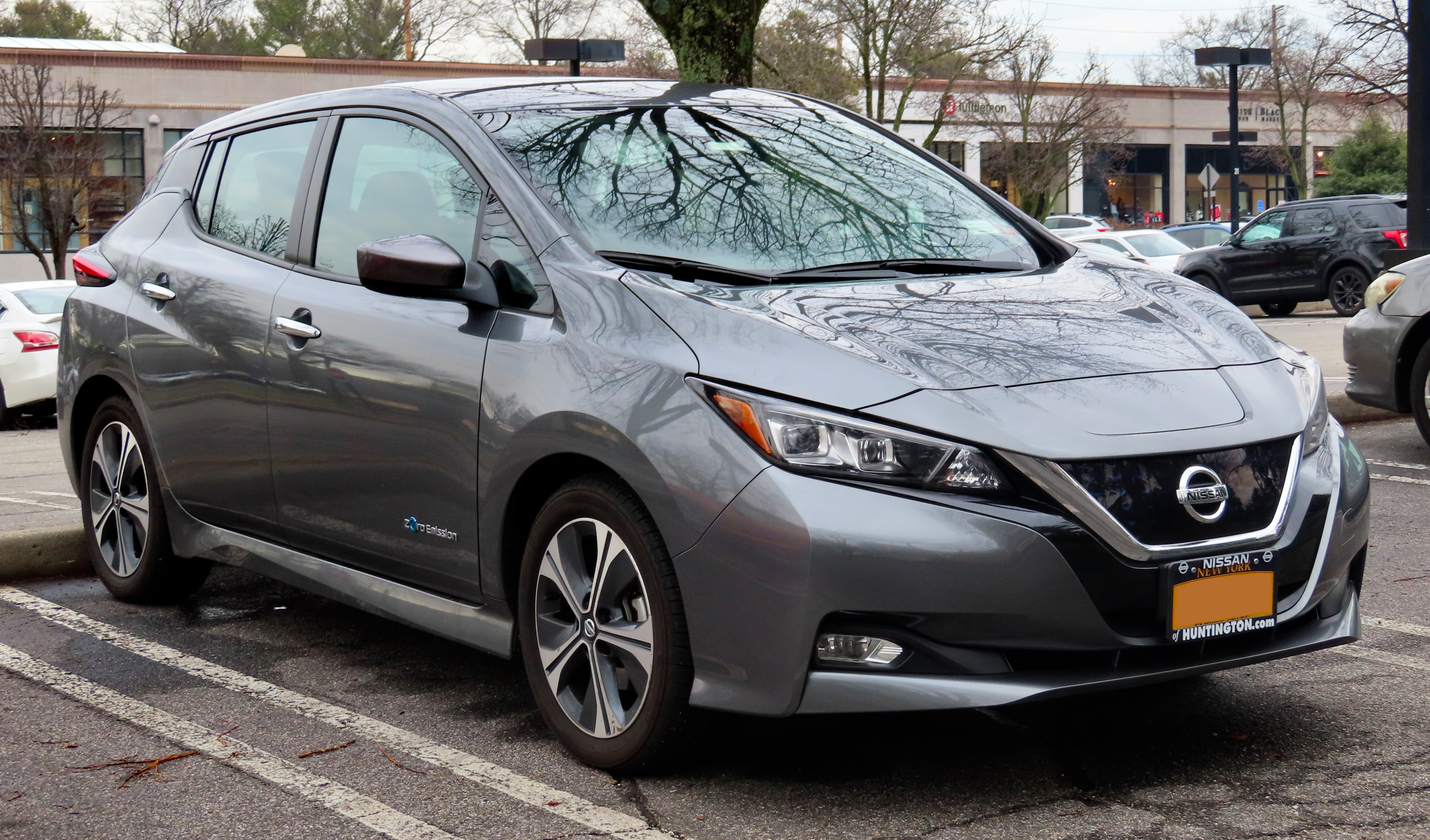
Nissan Leaf
"...everything of mini Beetle and Fiat 500 and Nissan Leaf, the best of kind of combination that it was a b..."
The Nissan Leaf is an electric hatchback, meaning it runs on a battery instead of gasoline. It’s designed for everyday driving in a small, easy-to-handle size. The podcast brings it up alongside other small cars to compare what makes them work well.
The Nissan Leaf is a fully electric compact hatchback that helped popularize mainstream EV ownership. In the podcast, it’s grouped with small cars like the Mini and Fiat 500 to describe a “best of kind of combination” idea—suggesting a focus on small size and everyday usability. It’s frequently discussed because it’s one of the more established EV models.

Fiat 500
"...ch a fusion of everything of mini Beetle and Fiat 500 and Nissan Leaf, the best of kind of combination..."
The Fiat 500 is a small car made for city driving. It’s designed to be easy to park and maneuver. The podcast groups it with other small cars to talk about what makes that kind of car appealing.
The Fiat 500 is a small city car known for its compact size and distinctive styling. In the podcast, it’s mentioned alongside other small cars and the Nissan Leaf as part of a “best of” combination—likely referring to the appeal of small, easy-to-drive vehicles. It’s frequently discussed because it represents a popular, accessible approach to motoring.
ADAS
"...Remember, there's such a fusion of everything of mini Beetle and Fiat 500 and Nissan Leaf, the best of kind of combination that it was a bit weird. I know it's ADAS was particularly special."
ADAS are driver-assistance features that help you drive, like alerts and automatic safety actions. The host is saying the Aura 3’s system was especially noticeable.
ADAS (Advanced Driver-Assistance Systems) are features that help with driving tasks like warning you about hazards or assisting with steering/braking. The host says the Aura 3’s ADAS was “particularly special,” implying it had notable driver-assist behavior.

Lotus Europa
"...slide seven, which is in fact number six, the Lotus Europa from 1966 to 1975. I nearly picked the next one... Just great. It's not an Elise. It's not the typical usual Lotus..."
The Lotus Europa is an older Lotus sports car. It’s known for being light and fun to drive, and it’s a bit of a “hidden gem” compared with the more famous modern Lotuses like the Elise.
The Lotus Europa is a classic Lotus sports car known for its lightweight, driver-focused design and distinctive mid-engine layout. In this segment, the hosts highlight it as a less-obvious Lotus choice compared with the more commonly discussed Elise-era cars.
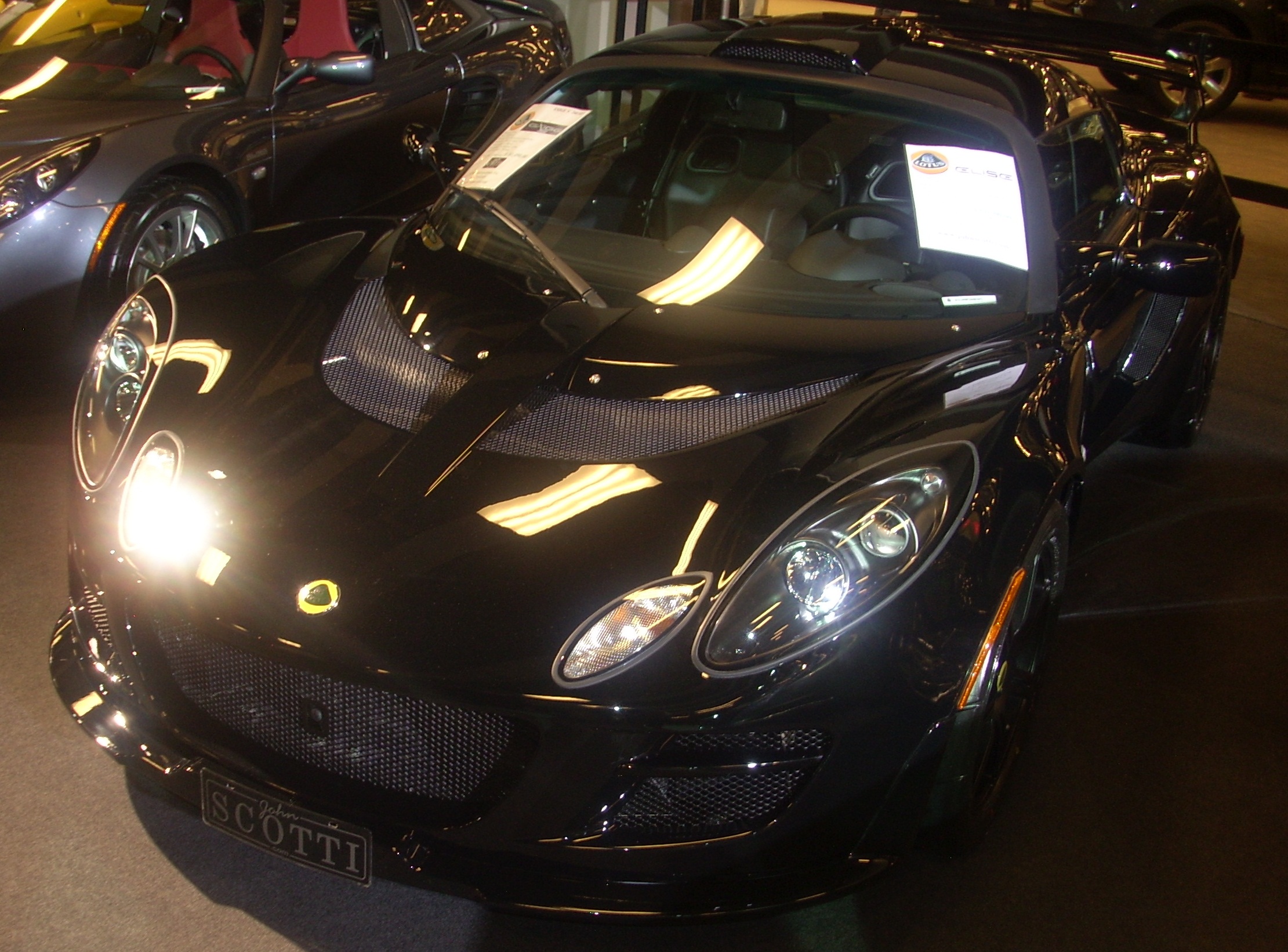
Lotus Elise
"...n in the region for this. Just great. It's not an Elise. It's not the typical usual Lotus or Lotai that ..."
The Lotus Elise is a small two-seat sports car. It’s built to be light and fun to drive, especially around corners. The podcast is clarifying that the car being discussed is an Elise, not a different Lotus model.
The Lotus Elise is a lightweight, two-seat sports car known for sharp handling and a driver-focused feel. It’s often discussed because it’s one of the brand’s most recognizable models and represents Lotus’s “small and light” philosophy. The podcast specifically corrects a mix-up, emphasizing that it’s not the “typical” Lotus model people might expect.

Space Wagon
"...nd a few of that. I have gone for the Mitsubishi space wagon. I think they could actually have got one differe..."
The Mitsubishi Space Wagon is a family vehicle designed to carry people and cargo. The podcast speaker is saying they bought one and thinks it could have been set up differently. It’s mentioned because it’s a practical choice for everyday use.
The “Space Wagon” mentioned in the podcast appears to refer to the Mitsubishi Space Wagon, a family-oriented vehicle known for practicality and interior space. The speaker says they chose it and suggests it could have a “different” setup, implying discussion about packaging or configuration. It’s brought up as a personal ownership choice and a practical alternative in the family-vehicle category.
MPV
"But now there's the Mitsubishi space wagon in here, 1993 to 1991, one of the earliest MPVs, some of that was sold here in the UK, one of those ones that you just do not see them anymore. The picture here is truly appalling."
MPV means “multi-purpose vehicle.” It’s basically a people-and-stuff family car, usually with more room inside than a normal car.
MPV stands for “multi-purpose vehicle,” a vehicle type designed to be flexible for carrying passengers and luggage. Compared with a typical sedan or hatchback, MPVs usually prioritize interior space and easy access.
Forza Horizon
"There is going to be the UK's first Horizon Experience exhibition. Now this is Forza Horizon, the latest edition is coming out,"
Forza Horizon is a popular racing video game series. In this episode, they’re talking about an exhibition tied to the game.
Forza Horizon is a racing video game franchise, and the segment connects it to a real-world “Horizon Experience” exhibition. The hosts are using the game as the bridge between virtual driving and an in-person event.
hoon
"And you get to basically hoon around in lots of mad, mad stuff that you would never normally get anywhere near. And Japan is the location for this edition."
“Hoon” is slang for driving aggressively or recklessly for fun—often involving fast acceleration, loud throttle use, and sometimes drifting. In the segment, it’s used to describe the game’s “mad” driving activities.
British Motor Museum
"there will be a link in the show notes to a Motoring Research article that links to how to get to the British Motor Museum website. You can get tickets to this. And there's going to be a lot of things going on during that day."
The British Motor Museum is the venue being discussed, where an exhibition day tied to Forza Horizon 6 is planned. The hosts mention booking tickets, live music, gaming setups, food trucks, and a drift demonstration, positioning the museum as an interactive event space.
drift demonstration
"Food trucks, so they're trying to make it really make it a festival experience. There's going to be some drift demonstration by a precision stunt driver, Tessa Wittock. And it just sounds like it's going to be a hoot."
A drift demonstration is when a skilled driver makes the car slide sideways on purpose while turning. It’s a way to show off driving skill and how the car handles.
A drift demonstration is a show where a driver intentionally oversteers and keeps the car sliding through corners. It’s typically done to showcase car control, tires, and suspension behavior under high lateral load.
Request an Explanation
Heard something you'd like explained? We'll add it to this episode.
Sign in to request explanations for terms you heard.
Want to learn more?
Browse our glossary for plain-English explanations of automotive terms, jargon, and concepts.
Help improve this episode
See something that's not quite right? Our annotations are AI-generated and can sometimes miss the mark. Click the flag icon on any annotation to suggest a correction.