
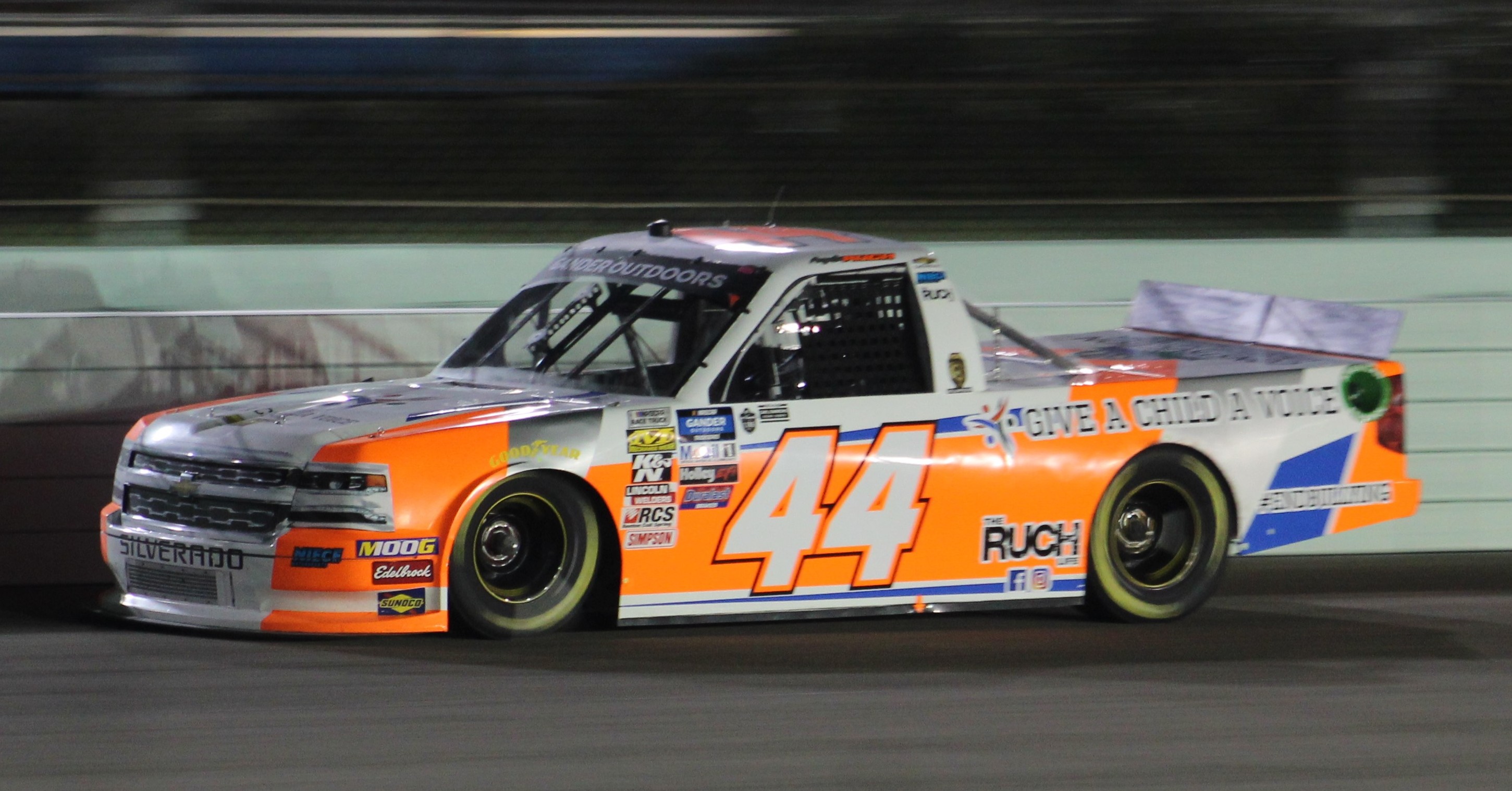
Chevrolet Silverado
The Chevrolet Silverado is a big pickup truck. The hosts are talking about the 2027 model year and how Chevrolet may be putting V8 engines back in some versions, instead of smaller engines.
V8 engines
A V8 engine is a type of engine with eight cylinders. In trucks, it’s often picked because it can feel stronger for pulling and carrying heavy loads.
turbo four cylinders
“Turbo four cylinders” means a smaller engine with four cylinders that uses a turbo to make more power. The hosts are debating whether that kind of engine is right for a pickup truck.
Ram pickups
Ram is a truck brand. Here they’re talking about Ram trucks using smaller engines (like turbocharged ones) instead of big V8s, mainly to save fuel while still having strong power.
V8
A V8 is a type of engine with eight cylinders. People like it because it can feel strong and powerful, especially in trucks.
straight inline six
An inline-six is an engine with six cylinders in a single row. It can run smoothly, and with a turbo it can still make plenty of power while using less fuel than a bigger engine.
turbo charge
A turbocharger is a device that helps an engine make more power. It compresses air so the engine can burn more fuel and produce stronger acceleration without needing a huge engine.
four cylinder turbo engine
This means a smaller four-cylinder engine with a turbo. The turbo helps it feel strong, but it can still use less fuel than a bigger V8.
nine or ten speed transmissions
This is an automatic transmission with lots of gears. More gears help the engine stay in the “sweet spot” so the truck can be both responsive and efficient.
RPMs
RPMs tell you how fast the engine is spinning. The idea here is that the transmission can shift so the engine runs where it works best.

Dodge Ram
The Dodge Ram is a large pickup truck. Some versions come with different engines, including a V8, and the podcast is talking about how many people prefer the V8. Engine choice can change how the truck drives and what it’s best at.
electric pickup trucks
These are pickup trucks powered by electricity instead of gasoline. The speaker is questioning whether the hype matches what you actually get in real use.
range
For an electric vehicle, “range” is how far it can go before the battery runs low. Carrying a lot of weight or towing can make the battery drain faster, so the real range can be much shorter than the advertised number.
run out of juice
“Run out of juice” is a casual way to describe an EV reaching near-zero usable battery charge. When that happens, the vehicle can’t continue until it’s recharged, which is why loaded-range tests matter so much for EV pickups.
15 miles a gallon
“15 miles a gallon” refers to fuel economy for a gasoline vehicle—how many miles you can drive per gallon of fuel. The host contrasts this with EVs by arguing that, with a gas truck, you can still keep going until the tank is empty, while an EV’s usable distance is tied to the battery’s remaining energy.
25 gallon tank
A “25 gallon tank” means the gas tank holds about 25 gallons of fuel. More fuel usually means you can drive farther before you have to stop for gas.
400 mile battery
This means the EV is rated to go about 400 miles on a full charge. But when you load or work the truck hard, it may not actually reach that number.
fully loaded
“Fully loaded” means the vehicle is carrying its maximum practical cargo or load. For EVs, extra weight increases energy use, so the battery drains faster and range can fall well below the advertised figure.
turbos
“Turbos” are turbochargers. They use the car’s exhaust to spin a device that forces extra air into the engine so it can make more power, but they’re also extra components that can wear out if the car isn’t maintained.

Audi Allroad
The Audi Allroad is a station-wagon style car made for people who want more versatility than a normal sedan. It’s usually set up to handle rougher roads a bit better. The podcast says it’s coming back to the U.S., which matters because it changes what’s available to buy.

RS6
Audi’s RS6 is a sporty, high-performance version of the A6 wagon. The host is saying another wagon will look similar to the RS6 with wider, more aggressive styling.

A6 wagon
Audi’s A6 is a mid-size car, and “wagon” means it has a longer roof for more cargo space. The host is using the A6 wagon as the base idea behind the RS6’s sporty look.

Q6
The Audi Q6 is an electric SUV. The host is saying it looks like it has the right size and proportions, and that could help it do well in the US.
blending their electric vehicle lineups
The host is talking about how European car companies are mixing different kinds of electric cars in their lineup. Instead of only one type, they’re spreading EVs across multiple styles and price levels.

Mercedes EQS
The Mercedes EQS is an all-electric Mercedes sedan. “EQS” is part of Mercedes’ lineup of battery-electric cars.

Mercedes EQE
The Mercedes EQE is an all-electric Mercedes sedan. It’s one of Mercedes’ EQ battery-electric models.
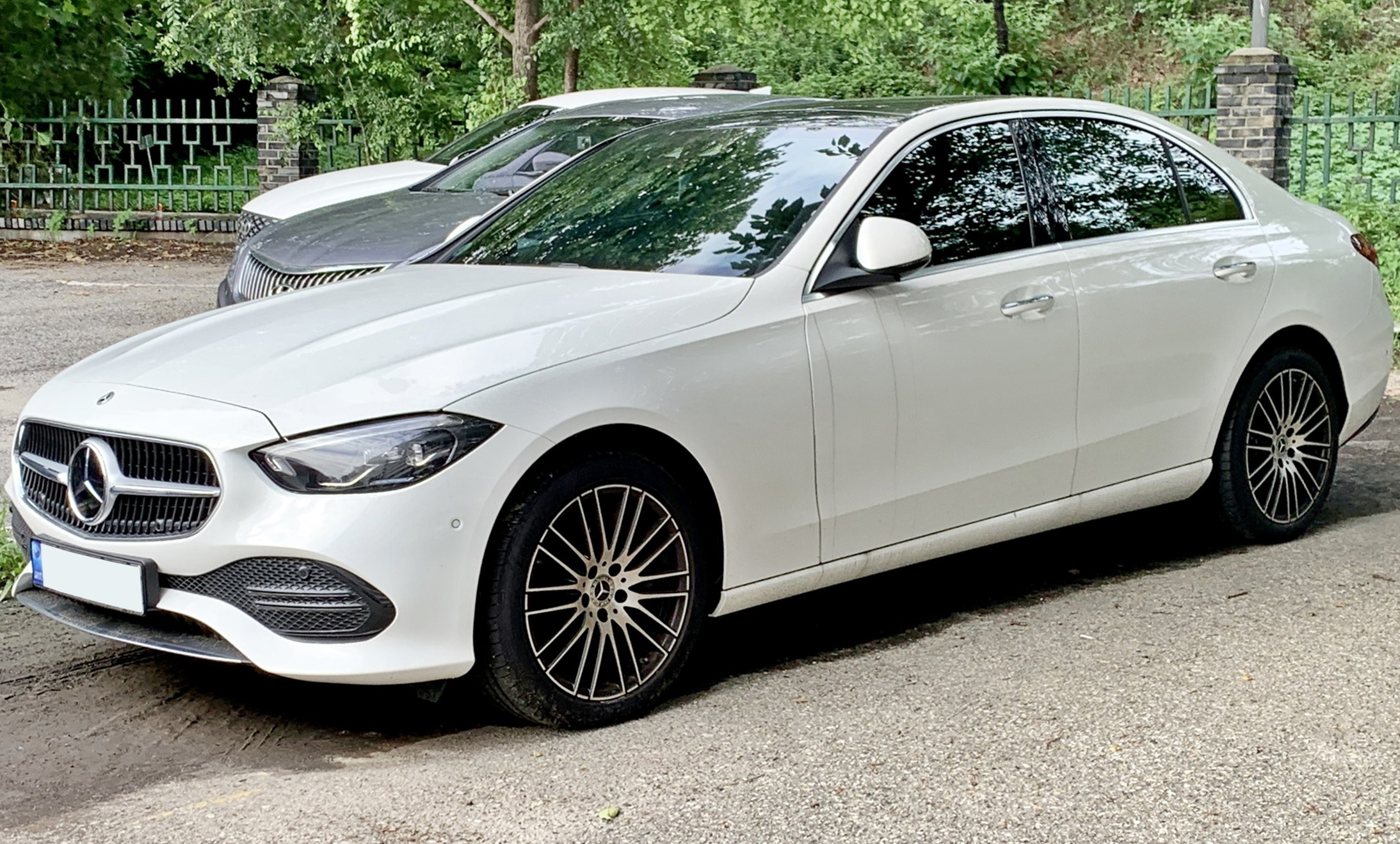
Mercedes Class C
The Mercedes C-Class is one of Mercedes’ common, everyday model lines. Here it’s mentioned as an example of Mercedes bringing electrification into models people already recognize.
ICE power train
ICE powertrain means the car uses a traditional gas or diesel engine to move. The host is comparing that to battery-electric setups.
full ICE hybrid
A “full ICE hybrid” is a car that uses both a gas engine and an electric motor. It can drive using either system depending on conditions.

Mercedes CLA class
The Mercedes CLA is a smaller Mercedes car line. Here it’s mentioned because Mercedes wants to offer the same model in different versions—gas/hybrid or fully electric.
common platform
A “common platform” means different cars are built on the same basic skeleton. That lets a company make both gas and electric versions without designing everything from scratch.

Ford F150
The Ford F-150 is a large pickup truck made for things like hauling and towing, but many people also use it for daily driving. It’s a major model because lots of other trucks are compared to it. The discussion is about whether an electric smaller pickup could become as popular as the F-150.

Ford Maverick hybrid
The Ford Maverick hybrid is a small pickup truck that uses a gas-electric hybrid system. It’s meant to be more efficient than many trucks, and the hosts are talking about whether it’s worth the money.
all-wheel-drive
All-wheel-drive means the car can send power to all four wheels. That usually helps it grip better on slippery roads like rain or snow.
pre-orders
Pre-orders are customer deposits placed before a product is fully available, often used by automakers for vehicles that aren’t in production yet. In this segment, the hosts discuss taking pre-orders with a down payment while the vehicle is still not manufacturing.
aerodynamically designed
It means the car’s shape is made to move through air more easily. A smoother, more sloped design can help reduce drag.
square box in
They’re imagining trying to load a boxy item. Even if the car looks like it has room, the sloped rear and door opening can make it harder to fit bulky shapes.
liftgate
A liftgate is the rear door on many wagons and hatchbacks that swings upward to open the cargo area. The host mentions the liftgate’s attachment point and how it clips into the lower section, which affects the usable cargo opening and how easily you can load “square” items.
tailgate
A tailgate is the rear door on a truck bed that you open to load and unload items. Its size and shape affect how easy it is to move cargo in and out.
Aerodynamics
Aerodynamics is about how smoothly air moves over a car. If the shape is better, the car can waste less energy and go farther—especially important for electric cars.
mileage
Here, “mileage” means how far the car can go before it needs more energy. The hosts are saying the car’s shape can affect that.
Volvo wagons
Volvo makes station wagons—cars with extra cargo space behind the rear seats. The hosts are talking about the older Volvo wagon look that many people still recognize.

electric Porsche Macan
The Porsche Macan is a small, sporty SUV from Porsche. The hosts are talking about the electric version and comparing it to other electric SUVs.
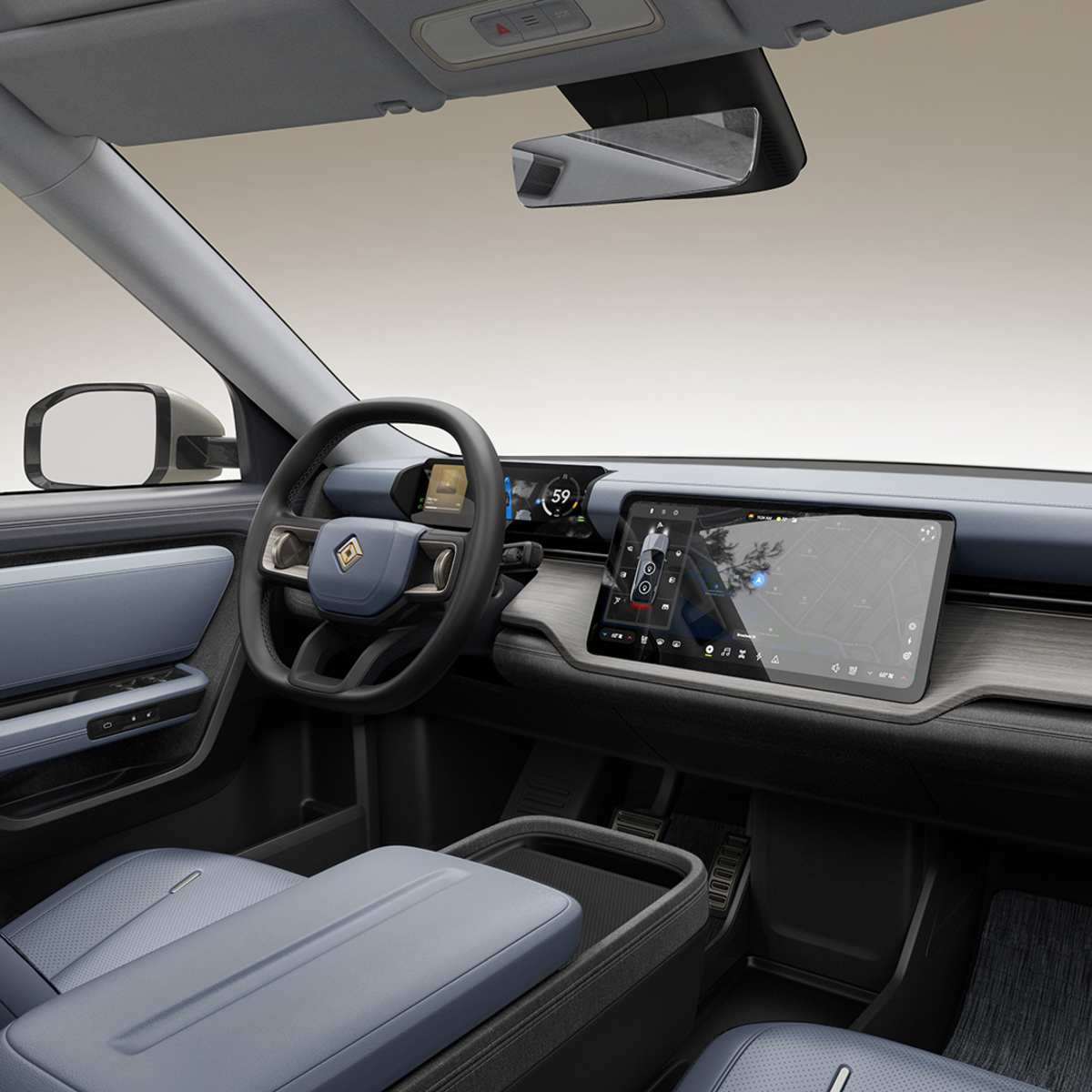
Rivian R2
The Rivian R2 is an electric SUV from Rivian. The hosts are comparing it to other EV SUVs of similar size, especially focusing on how the prices differ.
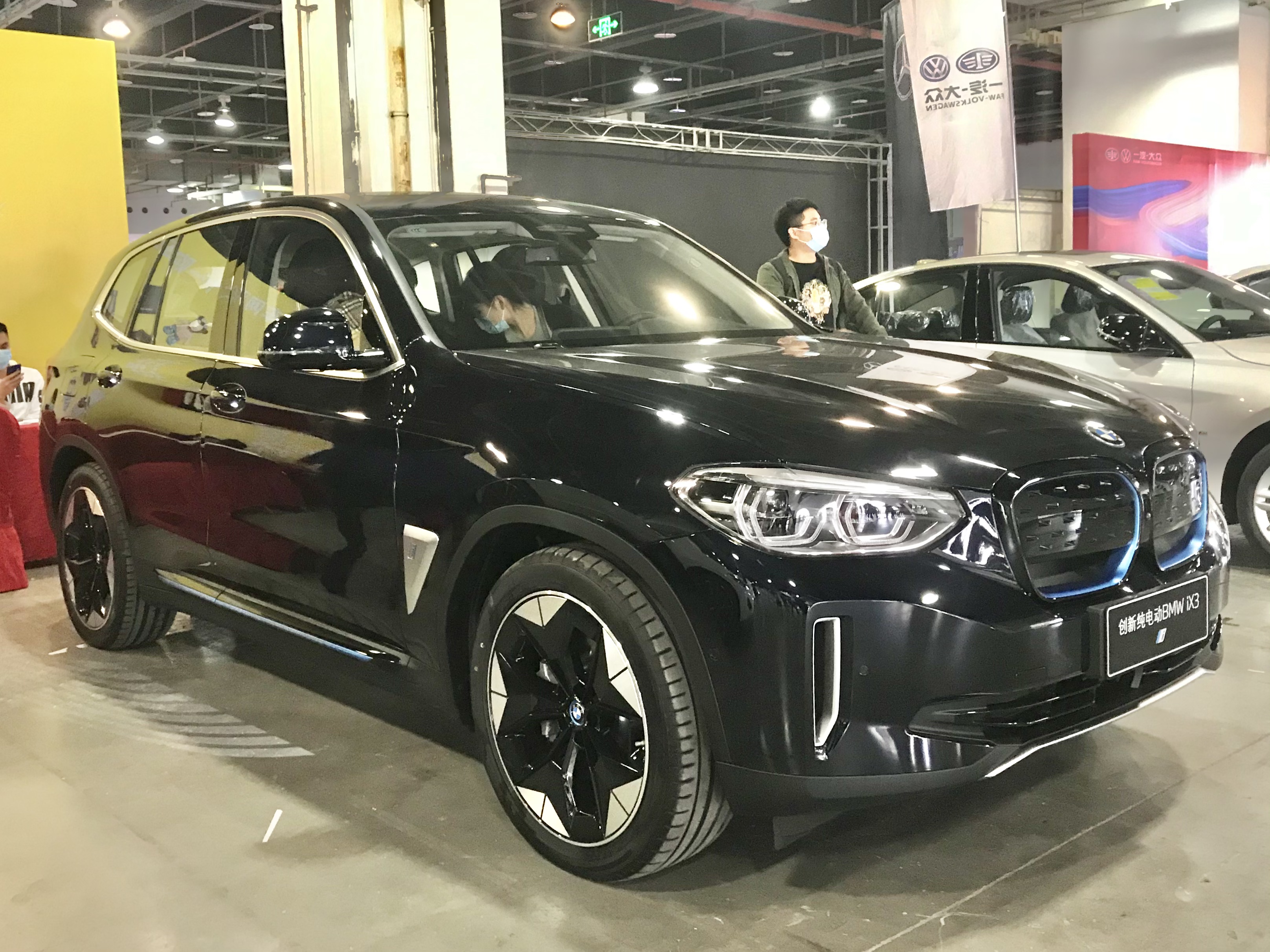
BMW ix3
The BMW ix3 is BMW’s electric version of its X3 SUV. The hosts mention it as one of the EV SUVs they want to compare.
Audi Q6
The Audi Q6 e-tron is an electric SUV that uses battery power instead of gasoline. The podcast is talking about it as a new model that could be added to Audi’s lineup. That matters because it means more options for people shopping for electric SUVs.
body on frame
Body-on-frame means the car has a sturdy base “frame” underneath, and the rest of the body mounts to it. The host is using this to explain why two vehicles can look alike but drive and feel different.

Rivian R1S
The Rivian R1S is an electric SUV, meaning it runs on electricity instead of gasoline. The podcast mentions it because another Rivian model (the R2) is said to look similar to the R1S. That helps explain how the brand’s design is consistent across different electric vehicles.
license plates
A license plate is the tag on a car that identifies it. The discussion here is about cameras reading those plates to help figure out what car is where.
Print of the Car
They’re describing a system that uses cameras to create a kind of visual “fingerprint” of a car. It uses what the car looks like—like color and shape—to figure out what it is.
roof rack
A roof rack is the bars on top of a car used to carry luggage or equipment. The point here is that cameras can spot that feature too.
convoy
A convoy is a group of vehicles traveling together. The speaker says the camera system can identify which cars you’re driving with in convoy, suggesting coordinated tracking of multiple vehicles.
utilitarian modes of transport
They mean using cars mainly for practical commuting. The point is that on normal public roads, you don’t really need a super powerful car to enjoy driving.
Alfa Romeo's
Alfa Romeo is an Italian car brand. Here it’s mentioned as a European option for fun sports cars—cars people enjoy driving, not just commuting in.
byd
BYD is a car company from China. The hosts are saying you see a lot of BYD cars around, and they look like a Tesla-style electric vehicle but with a more solid presence.
tesla
Tesla is a company that makes electric cars. In this part of the conversation, they’re using Tesla as a comparison for how the cars look and what kind of size they are.
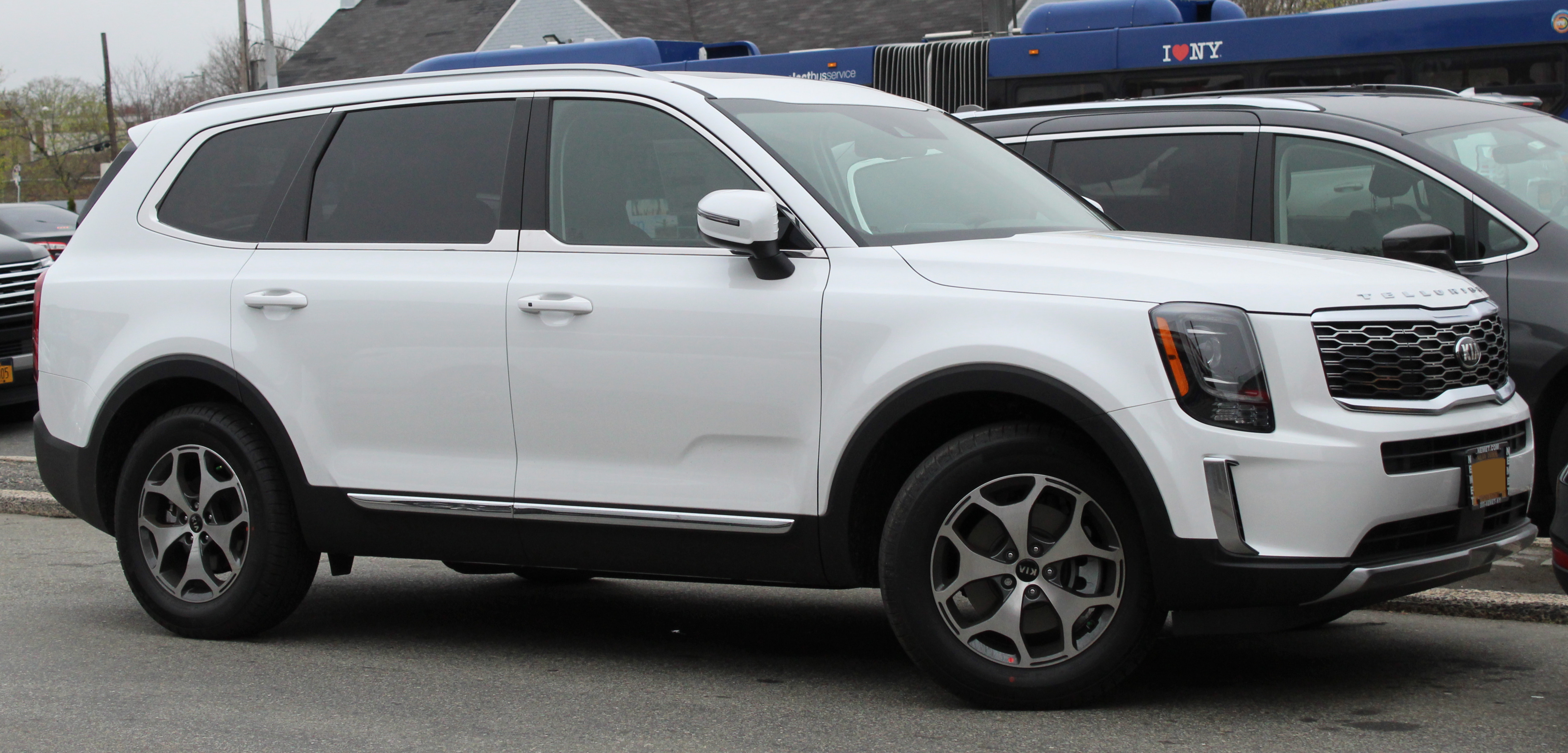
Kia Telluride
The Kia Telluride is a family-sized SUV with three rows of seats. The host is saying it can look similar to a Range Rover depending on the angle, even though it’s a different brand.
Motor Trend
Motor Trend is a car-focused magazine/website that covers new vehicles and automotive news. The host is saying they saw the Telluride mentioned there.

Land Rover Range Rover
The Range Rover is a luxury SUV made by Land Rover. It’s designed to be comfortable on regular roads and capable on rough terrain. The podcast mentions it because some other vehicles can look similar to it from certain angles.
market trends
“Market trends” refers to the shifting preferences and demand patterns in the car market—what buyers are gravitating toward at a given time. The host argues that some manufacturers respond creatively to these trends, while others may stick to older design directions.

Hyundai Santa Fe
The Hyundai Santa Fe is a popular SUV model from Hyundai. The host is using it as an example of Hyundai changing its look more dramatically than some competitors.
C-class
Mercedes uses names like C-Class, E-Class, and S-Class to mean different sizes/levels of cars. The host is saying the styling can be so similar that you can’t easily tell which one it is just by looking.
E-class
E-Class is Mercedes’ name for a mid-range car in their lineup. The hosts are using it to make the point that Mercedes cars can look similar across different “levels.”

Mercedes-Benz Eclass
The Mercedes-Benz E-Class is a luxury car that sits in the middle of Mercedes’ sedan lineup. It’s meant to be comfortable and refined for everyday driving. The podcast notes that the styling can be similar across different Mercedes models, so they may be hard to tell apart from far away.

Mercedes-Benz Sclass
The Mercedes-Benz S-Class is Mercedes’ top luxury sedan. It’s built to feel very smooth and high-end, with lots of features. The podcast says that Mercedes’ design can look similar across different models, so the S-Class can be hard to identify from far away.

Kia EV9
The Kia EV9 is Kia’s big electric SUV. The hosts are using it as an example of a newer Kia that looks very bold and different in shape compared with what people might expect.

Ford Bronco
The Ford Bronco is an off-road SUV that’s known for a rugged, outdoorsy look. The host is saying the Kia they’re talking about resembles that kind of tough SUV design.

Toyota Land Cruiser
The Toyota Land Cruiser is a tough off-road SUV. The host is comparing the Kia’s upcoming off-road look to the Land Cruiser’s rugged style.