Aquaplaning is when your tires can’t grip the road because there’s too much water. The car can start to slide or pull suddenly, and steering may feel less responsive.
“Soft hands on the wheels” is a driving-coaching cue to avoid over-gripping and jerky steering inputs. In low-traction conditions, small, smooth corrections are more effective than stiff, reactive steering. It helps prevent the car from getting yanked around when grip is inconsistent.
“Lift off the throttle” means taking your foot off the gas pedal. Doing that reduces how hard the engine is pushing the car, which can help the tires regain grip. It’s a common wet-weather tip to stay in control.
“Coast through it” means don’t brake hard—just ease off the gas and pass the puddle smoothly. Sudden braking can make a slippery situation worse. Smooth driving helps the tires keep whatever grip they still have.
“Self-driving” means the car can do some driving tasks by itself, like steering or slowing down. But it’s not always perfect—if the weather or road conditions are tricky, the system may not work as well or may ask the driver to take over.
For an electric car, “range” is how far it thinks it can go on a full charge. The number can change depending on things like driving style and weather.
They’re talking about the self-driving features turning off when the car isn’t confident it can handle the situation safely. If that happens, the driver has to take over again.
“Level” is a way to describe how automated the car is. Higher levels usually mean the car can do more of the driving, but you may still need to watch and be ready to take over.
Bad weather can make it harder for the car’s sensors to see clearly. Rain, snow, or fog can blur the view, so the self-driving features may not work as well.
The steering system is what actually turns the wheels. If a car is doing self-driving, it has to control steering accurately so the car stays in its lane.
A self-driving system is the car’s automation that tries to drive for you using sensors and software. Even when it’s doing the driving, the driver often still has to watch and be ready to take over.
A response signal is basically the car asking, “Are you paying attention?” If you don’t respond quickly enough, the car may start slowing down or stop to stay safe.
If the car thinks you’re not taking over, it can automatically slow down and stop by itself. That stop can happen quickly, so it may feel sudden even though it’s meant to be safer.
In highly automated driving, “monitoring” becomes the driver’s primary job: watching the road and system behavior rather than actively steering and controlling the car at every moment. This shifts the skill set from continuous control to supervision and readiness to intervene.
Tesla is a car brand known for electric cars and advanced driver-assistance features. Here, it’s mentioned in the context of people trying autonomous driving without understanding the risks.
Robo taxis are self-driving cars you can call like an Uber, but there’s usually no human driver in the seat. The car is supposed to handle the driving and get you to your stop on its own.
Waymo is a company that runs self-driving taxi services. The host is talking about a reported situation where Waymo cars drove around without a human inside, which raises questions about how the system behaves in real traffic.
The electrical grid is the big power network that delivers electricity to cities. The question here is whether losing grid power would cause self-driving vehicles to stop safely or whether they can keep operating using their own onboard systems.
An automatically stopped position is a safety behavior where the vehicle brings itself to a stop without a human controlling it. For autonomous systems, this is typically part of a fail-safe strategy when the system can’t guarantee safe driving.
Trans Am is a type of racing series in the U.S. The hosts explain that it started with American muscle cars and has rules that influence what the cars look like and how they’re built.
American muscle cars are classic U.S. performance cars known for big engines and strong acceleration. The hosts are saying Trans Am originally raced cars like that, modified for the track.
A tube frame is the car’s skeleton, built from metal tubes. It’s the main structure underneath, and in this racing context it’s paired with a body that looks like a classic muscle car.
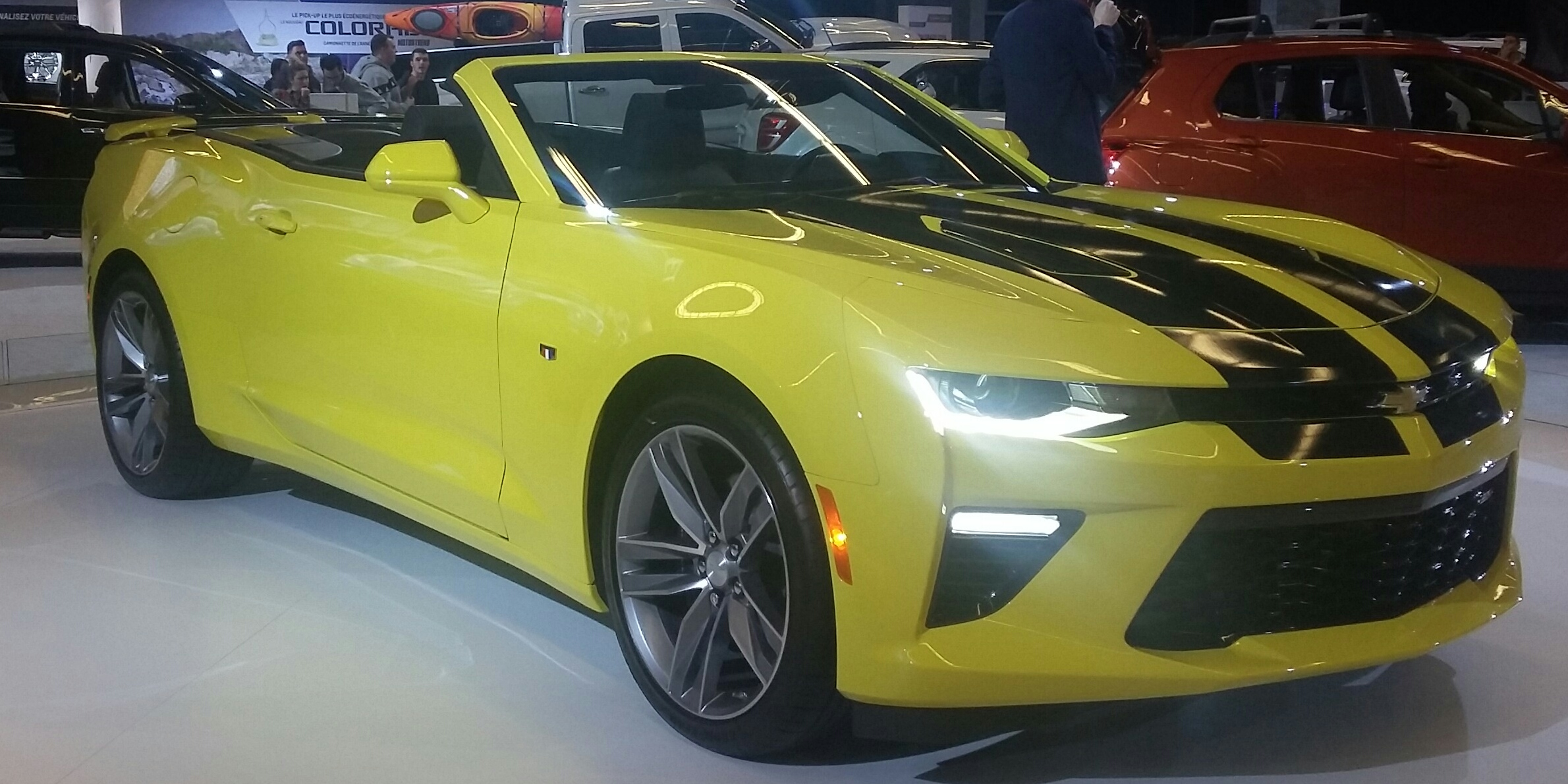
The Chevy Camaro is a famous American muscle car. Here it’s mentioned because the race cars are designed to look like classic muscle cars such as the Camaro.
The Ford Mustang is a famous American muscle car. In this segment, they’re saying the race cars are made to look like cars such as a Mustang, even if the inside structure is different.
RPM (revolutions per minute) measures how fast an engine spins. Higher RPM usually means the engine is producing power at a faster rate, but it also tends to increase noise and stress on components.
The Canada Grand Prix is a big Formula 1 race in Canada. The hosts mention it because the schedule changed and made it hard to watch multiple races at once.
The Indy 500 is a major American race for open-wheel cars. In this segment, it matters because it ended right after the Formula 1 race started, so viewers had trouble following both.
F1 is Formula 1, the highest level of open-wheel racing. They’re talking about it because the timing overlapped with another big race, and because weather can strongly affect how cars handle.
GT racing is sports-car racing, and endurance means the cars race for a set time. They say the first short endurance race was mostly dry, and then rain came in later.
When it rains, it’s not just the slippery track that’s hard—it’s also seeing where you’re going. Poor visibility can make it tough to drive safely and consistently at speed.
The hosts discuss how the Chinese car industry’s rapid progress is influencing what consumers expect and how prices move, including in the used-car market. The key idea is that increased awareness and competition can shift buyer expectations toward “more for less.”
“EV” means electric vehicle. It’s a car that runs on electricity from a battery. The point here is that when newer EV tech comes out, older used EVs can feel less worth the money.
They’re talking about how EVs improve quickly. If a used EV is from a few years ago, it may have older battery/charging/software features, so people may not want to pay as much for it.
Electric cars run on electricity from a battery instead of gasoline. They’re discussing how the U.S. is doing compared to other countries in selling these cars.
A pursuit vehicle is a police car chosen for fast driving and chase situations. It’s meant to handle aggressive driving better than a typical patrol car.
A Mustang GT is a sporty Ford Mustang version. It’s the kind of Mustang that’s meant to feel quicker and more exciting to drive. Here, the point is that the police are using regular Mustang GTs with added police gear, not a special Mustang built only for police.
A “police interceptor” is a car that’s built or modified specifically for police work. It’s meant to handle lots of hard driving and long shifts. In this story, they’re saying the Mustang GT isn’t made as a special police-only model—it's basically a normal Mustang GT with police add-ons.
The Jensen Interceptor is an older, performance-focused car made for comfortable highway driving. It’s the kind of car that could be discussed when people talk about turning a regular sports car into a police-style vehicle. The idea is that a car built to drive well at speed and on long trips can be adapted for patrol work.
The Explorer is a Ford SUV that many police departments use. In this segment, they mention it as the usual police vehicle that costs more than the Mustang GT they’re talking about.
Light bars are the big flashing light units you often see on top of police cars. They make the vehicle easy to spot from far away. The hosts are checking if these cars have that style, and then describing that the lights are spread around the car instead.
A “hot pursuit” is when police chase someone at high speed. The hosts say it’s often too dangerous because it can lead to serious crashes, even if the goal is to catch the suspect.
They’re talking about how chasing someone at speed can make it much more likely that people get badly hurt in a crash. Their point is that the chase can be more dangerous than helpful.
The Chevrolet Tahoe is a large SUV. Here it’s mentioned because police agencies sometimes use special “interceptor” versions, and the hosts debate whether that makes it meaningfully better than a normal Tahoe.
The Dodge Charger is a car model that’s often used by police departments. They mention it to show what kinds of vehicles police have available when they’re dealing with dangerous driving.
They mean the car is darting between lanes like it’s doing a slalom. That kind of driving is hard to predict and makes any response—especially a chase—more dangerous.
Place
root 95 in Connecticut
They’re talking about a big highway in Connecticut (Interstate 95). It’s relevant because they’ve seen fast, risky driving there and it connects to why police pursuits can be dangerous.
LIVE
He is Robin Leach. He is Jada Markin. This is Car Keys.
Gentlemen, start your engines.
We shall. It's Car Keys with Robin Leach and Jada Markin and
the week of this show had a fairly big race with J. Will report on going on in Lime Rock.
I understand because I was not in town for it personally that with the cloud cover
that was hegging over the Northwest Connecticut corner and well beyond that the noise factor was
amplified quite a bit and we'll get a little discussion about that later on.
So the people may be quite far away from the track that aren't used to hearing it might have heard it and
aside from that we've had rainy weather for over the past few days before this show is being done, which has given me an extensive
experience in driving in fairly wet weather and I want to discuss
aquaplaning and from a different viewpoint and Jay is welcome to comment on what he has felt in aquaplaning situations
but my talk about aquaplaning that doesn't have to do with the tire situation, which I have said many times is a cause for
probably
very scary aquaplaning capability of vehicles, but rather
what is going on when you hit a puddle at 70 to 80 miles an hour
that may be pulled on the side of a highway and
enough out into the driving lane that even if you wanted to avoid it
you might not be able to so your left side of your car goes through this puddle and
starts an aquaplaning feel
but what really happens also because my wife was quite scared what had happened to her I see she had her
face in her iPhone to not look at what I was doing on the driving side
the car suddenly lurched to the left and my hands were on the wheel and
she jumped or jumped didn't really jump but shuttered because
She felt the car going towards going off the road and indeed it was in a very instant sort of way
The left tire front tire which is hit the puddle first and it was quite deep. Apparently pulled the car sharply to the left
And I grabbed the wheel tighter. I had my hands on the wheel
But that's what happens when you hit a puddle at high speeds even if you've got tires with brand new treads on them
Jay you have any comment about that? Yeah, I have a few actually
So I know exactly what you're talking about and you
You know, we always as driving coaches. We preach
soft hands on the wheels and not gripping the wheel and
so forth and so on but I think that in these conditions if if
You do not have if you're not holding that wheel tight that car is going to be yanked to the left or to the right depending on
What side of the road this is happening?
I
Think aqua planning planning in general you you it's a little like driving on snow if you if you hit water and you lose
Contact with the asphalt and you're kind of floating on the water the best
Overall situation or things things to do are to keep the car going as straight as possible and to lift off the
Throttle and also not necessarily not get on the brakes and just coast through it kind of glide through the puddle
But in the case that you're mentioning where the water reel on the side of the road really grabs you to one side or the other
I think it it it just warrants being extremely careful
Our roads are not always very well maintained and you find these puddles on the left and the right side of the roads
especially on the tighter parkways like
like the hatch like the
sawmill like the tachonic all the roads that are not very wide where
The water has nowhere to go on the side of the road
Especially on the if there is a retaining wall in the middle of the roadway of the you know the two directions
You often find on the left-hand side of the road these big puddles
You know the solution to that really is to be driving in the right lane where there usually is a little more
runoff and
Also, and if you are in the left lane, just try to stay closer to the center line and not drift all the way to the left
Again preventive action
Is is usually the best
Way to approach this. Okay, let me segue into self-driving cars
As connected to this topic that we're sort of brewing over I
Also ran in this to a weekend this this friend of mine where I was who has just purchased the latest version
That means a 2026 version of a fairly large BMW electric SUV
And I do not know the model of her but it doesn't really matter
But what he was a spouse he was he now he has he charged his
BMW first he charged it up to where it read
426 miles of range
Which that will leave it at that but then he says I said well
How's the self-driving feature and he says it's excellent
And I can go for miles without having my hands on the wheel and I said to him
What do you what so so the first thing that comes to mind having just talked about
Accompanied and running into puddles on sides of roads not that you I don't know whether
Self-driving features are computerized enough to know that the weather might
Cause them to disarm themselves and not be available to the drivers
but let's say the storms have stopped but the roads are still wet and
Somebody is on a highway with a car that can be
Self-driving to the degree that this gentleman was telling me he can do with his newest BMW
What would happen if that car hit one of these puddles and the guy was actually
Self-letting it self-drive
Now the question Jake could come up as well
You should never you know you should be well learned enough so that that doesn't happen
You're not letting it self-drive in such situations, but
Jay has talked very positively about the capabilities of self-driving and how they are reaching eventually a far more reliable
Level than maybe they are right now
But to the point that you could actually take your hands off the wheel and the wheel would not vibrate as long as you're looking ahead
I got they have eyes looking at you in the form of cameras and if you
Stray with your eyes from the wheel
They will let you know that you should be getting back on form of watching it
But I don't know what happens in bad weather if self-driving cars are self-driving
Yeah, you got a comment
No, because I don't just like you. I don't know. I don't have to answer to that
I've never been in the car and and testing the capabilities
Yeah of
Stop driving
Vehicles in in bad weather, but I am fairly confident that in the foreseeable feature future they will
Become quite capable. I don't know. I honestly don't know what the situation
Well, don't we think the Chinese cars are already capable far more than our cars are of
Maybe well, that's a whole different story
But that's a broader statement, which is probably true
But but I don't think you can extrapolate to to this situation, you know as far as self-driving
Really, I don't know
It's interesting and at some point we will know because we'll be driving more and more of these cars that have these features
So eventually we'll find out and I'll be happy to talk about it
My next question, which I did not answer the gentleman which I've thought about as we are taping the show today for our listeners is
What do you do if you are happy to rely on the car self-driving itself?
or driving itself and to the point of the steering system as well and you do take your hands off and I mean
You can't read a book as I suggested to him
You can't you can't and that's what he said. Well, if your eyes aren't on the road the self-driving system is going to he says his
Self-driving system if you don't respond to a
Response signal sent from the car to you to get your hands back on the wheel
It will stop the car automatically within certain number of seconds and he says
Because he I think he totally tested it or it happened. This car star stopped very abruptly
So here's my take on this whole self-driving cars. Yes
I look at it more as
You know being similar to what's happened in aviation, right?
Airliners today can quote-unquote fly by themselves. You get on the plane the pilots
very seldom have the
hands on the controls
During the flight and and sometimes not even at landing
But you still have to so that the skill set has become very different
It's all about monitoring and programming first and then monitoring the different systems, right?
So, you know
Airplanes have been flying quote-unquote themselves for for many years now. It doesn't mean that the piles have become
useless in the cockpit now there is some conversation about
Going to single pilot flying and this is
It's a real conversation. I don't think it's happening anytime soon
But but it's real, you know the work in cockpits have in of airplanes has gone from four to three to two
Pilots you used to have flight engineers that used to monitor all the systems of the aircraft
Way before that you used to have a navigator all they were doing is is is, you know
Quote-unquote steering the airplane or telling you where to go
And then you had the pilots themselves now two pilots in the front of the cockpit
Conduct all of these functions
And arguably one pilot could do that. So I
Think cars, it's a bit the same thing and this is why I don't think we should let anybody and everybody
Necessarily drive self-driving cars. I think there's a new skill set and I think there should be some kind of
education and some kind of
normalization in the systems and
And some kind of testing
Before you play around and sit in the backseat of a Tesla like these kids did a few years ago
And then end up crashing a car
So that's my overall view of things and I know that in the meantime
You can get in in in Robo taxis in certain cities of the country where there's not a single driver and there's and in
In the car in the vehicle and and the vehicle gets to your destination. So I
Don't know exactly where we're going with this. I think that you know
We we will still be in control of our cars somehow or it was quite some time to come, right? Yes
My question about the self-driving cars the Robo taxis are that so far what governs their capability to be behaving properly?
Recently there was a news blip about Waymo cabs all showing up at a
Roundabout in some residential neighborhood going around around the circles and or going places and coming back with nobody aboard
And I think also if the electrical grid goes out for some reason does that just does that turn every every
Robo driving capable car into put them into an automatically stopped position or condition
Is the electricals grid the key?
reliable factor in
Reliable operation of Robo cars other than the computer and the programming and the assortment of stuff you just mentioned I
Don't know Robin, but if you tell you ask this question in chat GPT or Google AI
Yes, we're gonna get some very very educated answers
Better than mine, okay
Yeah
So, you know Memorial weekend, unfortunately the weather's been pretty
Not cooperative
to say the least
But
Historically it's always been a very big weekend in motorsports and we don't talk a whole heck of a lot of about motorsports and on this show
but it is part of the automotive industry and
So I'd like to talk about a little bit
Right now. So yes, you mentioned lime rock. It is the the kickoff of the
spectator events at lime rock park and this weekend was
What we call the weekend and trans am is a
sanctioning body that has been coming to lime rock for ever since a
Their inception back in the 70s. So I think this was a 35th or 36th year that
Transam was at lime rock and I could be wrong on these numbers
But I'm it's been a while anyway, and there have been years where there haven't been any trans am races
But trans am is a big thing again. And what is trans am?
Historically, it's been, you know high powered a lot of American muscle cars that have been
modified for track use and
Lately the rules of trans am
Dictate that the car really looks like a sports car
But basically the chassis of the car is a tube frame
With a body that looks like, you know, either a Ford Mustang or Chevy Camaro
one of the
iconic
Muscle cars that we still have and with big V8 engines
That are derived from what NASCAR uses in their main series
So these engines
Run at very high RPM. We're talking 910,000 RPM put out eight or 900 horsepower very powerful and yes very loud
So these are probably the loudest things you will hear at lime rock
Other than the NASCAR trucks in a few weeks. So yes, the cloud cover may have amplified the noise
But right from the get go these were very very noisy cars
They make for great racing and
Conditions, Jay, let's get to the actual plenty for a moment. There was it raining during some of the races and so they had wet
Yes, there were a lot of yellow caution flags and a lot of laps around the pace car because
There were these cars are very very difficult to control
In the rain, you have very wide tires. Yes, they have rain tires. So they have groove tires in the rain
But still it's a lot of power to try to put onto the asphalt and these very wide tires make it very hard
You know these cars are very hard to drive in the rain. So very tricky conditions
But always, you know great racing
Unfortunately again, the weather was bad the car show was cancelled on Sunday
So it is what it is, but the the Memorial weekend is always also very big
both because it is the weekend of the Indy 500 which to this day remains the biggest motor sports event on the planet and
There are about a half a million people who watch the Indy 500 live
and
This year was an absolutely great race
I
Was there once I think in 1999
And I spend the whole month of May in Indy and it is a fantastic experience
And it's great racing
The other couple major events Formula 1
was in Montreal this weekend for the Canada
Grand Prix Canadian Grand Prix they usually on this weekend are in Monaco, but this year
There was a schedule change they were in Montreal, so there was a bit of a conflict
For people who wanted to view on TV
both the Indy 500 and the F1 race in Montreal and the Indy race ended just minutes after
the
F1 race started so kind of hard to watch both at the same time and then last night last but not least
Was the Coca Cola 600 NASCAR race at Charlotte Motor Speedway
And I spent all afternoon watching
racing on TV
But did not watch the Coca Cola 600. I'm not a huge NASCAR fan, so
So that was that in motorsports
Jay
Let's talk about racing at Lime Rock during I presume that the rain was falling
During some if not all the races on Saturday at Lime Rock
Yeah, it was it started drizzling in the morning. I think the first race
Which was an international GT race endurance one-hour endurance was in
Relatively dry conditions and after that it started raining
Were you in the position visually to see what the rain did to the cars that come down that long straight away at Lime Rock?
And this is for people who know what Lime Rock is about and have to make it very sharp you go into a very sharp
Bend of S turns that's where I would think that
If it were raining very hard in the track were actually almost liquid wet on top
It would be very tough to to go around those turns at any speed
Above what?
The hardest point part about racing in those conditions is visibility. It's just like driving on the road
You you just can't see anything you're going except your following cars like you know
a
couple feet apart and and all you see is a as a cloud of
Rain
Spraying in front of you so yeah, it's very hard to find your references and and and know when to start start start breaking
So I think I only saw it from a distance. I knew it was happening
Where there are a number of accidents
There were there were wipeouts. I don't think it were any serious crashes, but I'm sure there were wipeouts
Yeah, again, I saw that from a distance. So all right move on to your list. It has other interesting topics
Well, I read a whole lot an interesting article on
You know the Chinese
Car industry car industry and how it's going to affect us and how it really is affecting us already and what this
Journalists was talking about was the fact that we have more and more knowledge, you know, just because news travels fast these days
We know more and more
About the Chinese cars and their capabilities even though our market the US market is pretty
I wouldn't say airtight, but closed to Chinese vehicles right now
They're all around us. Okay. We we we know about them in China. We know they're coming to Canada
We know they're in Mexico and we know they're in Europe and everywhere. They're going. They're making inroads. So
that it's not
the fact that we are aware of this is just
having a psychological effect that
In the sense that we are expecting more for less and this particular journalist was was even going
saying that
It was affecting the price of used EV cars like to the fact that well
Why would we want to pay $30,000 for a used EV that has three-year-old technology?
When other people in other parts of the world can get a new car a new EV for that price
I'm not sure exactly where he was going with that but other than the fact that you know sooner or later
I agree that we will be driving Chinese cars even here in the US might take a while
But I think they're coming well the threat the threat in my opinion is is really to the American
manufacturers is the cost differential that it takes to produce electric vehicles in our in our production world as
opposed to the Chinese production world and we all know what the real reason is it's the pay
The hourly pay rates are far less and the part components are far less costs and
And the Americans will never be able to I think compete in a production manner at the price cost price level
That that the Chinese are already showing the world they can do it and are doing well
What's happening was what what the Chinese are going to do is what all the other manufacturers from other countries have done over time is they're going to try to
Positions them themselves by building factories
In the particular markets they're serving. I mean Tesla's builds their cars for the Chinese market in China
Tesla builds their European cars in Europe
The Chinese are looking at joint ventures with
Stellantis in Europe to build
Cars for the European market in Europe. So
Yes, there's a there's a price and a cost issue
But but if you look at the way we've subsidized electric cars right in this country with
And every country has subsidized electric cars China has done it the Europeans have done it
We did it with the last and now gone
$7,500 tax credit
Yes, it has helped
Manufacturers get the cars on the market and bring the overall cost down
But now the tax credits are gone for instance you still see
Tesla pulling ahead of the other manufacturers like Elon Musk was the first one to say I don't care if we take the tax credits away
We're still going to sell more cars and I guess he was right
I hate to give him too much credit for anything, but
They still are Tesla is still the number one karma electric car
manufacturer in this country, but if you look at electric cars in
This country versus the rest of the world
our share is is dwindling and I do think we're falling behind and
Yeah, I think the Chinese will eventually make it here and I do think we will buy their product
I think you know the arguments that you know Chinese make poor quality product is just so outdated as a
Viewpoint and we can play yeah
Yeah, if if you're that ignorant that you think they cannot make a good product all it takes is looking at their new
luxury car
call the Mike's throw
ma ex
TRO s 800. It's an ultra luxury luxury car. That's directly targeted at
Mercedes with the my buck and Rolls Royce
And you know where they're gonna sell them in parts of the world where we can't sell their product like
like Russia for instance and and obviously China so
Yeah, I can go on on a different on the tangent here, but I think we've said enough of this about this for now
So what I want to talk about to
at Lime Rock on the Midway
Connecticut State Police was there with a team of
Troopers that were there primarily to recruit people into the force, but they came there with
Three cars no two cars. They had two Mustang GTs and those are two of the three
Only new pursuit vehicles that the Connecticut State Police has
One was silver one was gray and the third one we can guess and I was told what is black
So these are three cars that you are likely to encounter on
Connecticut highways and
Highways only they are highway patrol vehicles
So I had the opportunity to talk with a a couple of the troopers and one of them was assigned to one of the cars and
Had a big smile on his face and
He's like, can you believe they're paying us to drive these things which they only just got last Thursday. So this is brand new
We better hope they can drive them
Well, yeah, I didn't want to insult anybody but that was my question
I invited them to come and drive a simulator a few times, but I they never came but they were busy. I get that
These are real Mustang GTs. They are not I did a little bit of reading in the meantime. Ford does not
produce a
police interceptor version of the Mustang GT. So these are
purely stock Mustang GTs that are
Slightly, you know that have special equipment to the police forces need
But interestingly these Mustang GTs actually cost less than the
typical police
Interceptor Explorer
But also, you know, there's not a whole lot of performance difference, so I mean the vehicles look very really cool, right?
They're they're they're great-looking. They have tinted windows
The when the lights go on they're gonna scare a few people
It was it cool looking for sure
Did they have light bars on the top or
But they have lights on the top of the windshield everywhere in the grill in the
blinkers, you know in the inside mirrors, I
Mean they light up and when one lights up in back of you, you will know for sure
Having said this I have I think police pursuits are
Not a good thing and even most police forces will will not
Engage in hot pursuits
It's just not worth it. It is too risky. You're causing more
The risk of major crashes that and and the the risk
Reward ratio is just it's just not good
Well, he said that the other day I was coming back from New York late at night and I encountered a half a dozen
BMW and Mercedes
Performance car just driving weaving through traffic at ungodly speeds and it's just on call for
It's a solution to pursue them
With with with police cars. I don't think so
Again, I think it's too dangerous. Yeah, Jay
First of all with only three of these mustaches and the freighters very highly unlikely that any of us are going to see one behind
Us anytime soon, but the fact the matter is I see the New York State police are driving Tahoe's
Chevrolet Tahoe's
As part of their force of the cars vehicles along with the Dodge Chargers
I think they are and the light and I don't know
I do not know what a police interceptor Tahoe can do that a regular Tahoe with a v8 engine couldn't do as well
but to your point, I agree that the pursuit is
potentially causing a
Cause for more dangerous results than non
Pursuit situations are but I'm not sure how they're going to deal with those
weaving slalom driving
BMWs that you see on 684
Yeah, root 95 in Connecticut and the like a root 8
Because there's without numerical numbers of police on our roads
We're not going to have the ability to even control that kind of driving
So with that in mind, we will be back next week for another show of car keys with Jay DeMarken and Robin Leach
Car keys with Robin Leach and Jay DeMarken is produced at the facilities of
WHDD 91.9 FM Robin Hood radio comm sharing Connecticut
About this episode
Aquaplaning takes center stage: the hosts describe what happens when tires lose contact after hitting a deep puddle at highway speed, and share practical advice—keep the car straight, lift off the throttle, and coast through without hard braking. They then pivot to self-driving, debating how systems monitor drivers, what happens in bad weather, and whether they’ll disengage or stop automatically. The conversation also covers wet motorsports at Lime Rock, plus police pursuit and fleet vehicle details, including stock Mustang GTs.