The 2026 Jeep Cherokee is a new version of a popular SUV made by Jeep. It's known for being good at off-roading and has been updated with new features for comfort and technology.
Turbocharging helps an engine produce more power by forcing more air into it. This means you can get more speed and power without needing a bigger engine.
A CVT transmission is a special kind of automatic transmission that can change gears smoothly without any noticeable shifts. This helps the car accelerate more smoothly and can save fuel.
All-wheel drive means that all four wheels of the car get power from the engine at the same time. This helps the car grip the road better, especially in slippery or rough conditions.
The Subaru Outback is a car that can handle different types of roads and weather, making it great for adventures. It's also spacious and safe, which is why many families like it.
The Jeep Grand Cherokee is a type of SUV that can handle rough roads and off-road driving, but many people use it just for regular city driving. It's popular because it offers a lot of space and comfort for passengers.
The Ford Bronco is a tough-looking SUV that can go off-road, meaning it can drive on rough terrain like dirt and rocks. It's popular among people who love outdoor adventures.
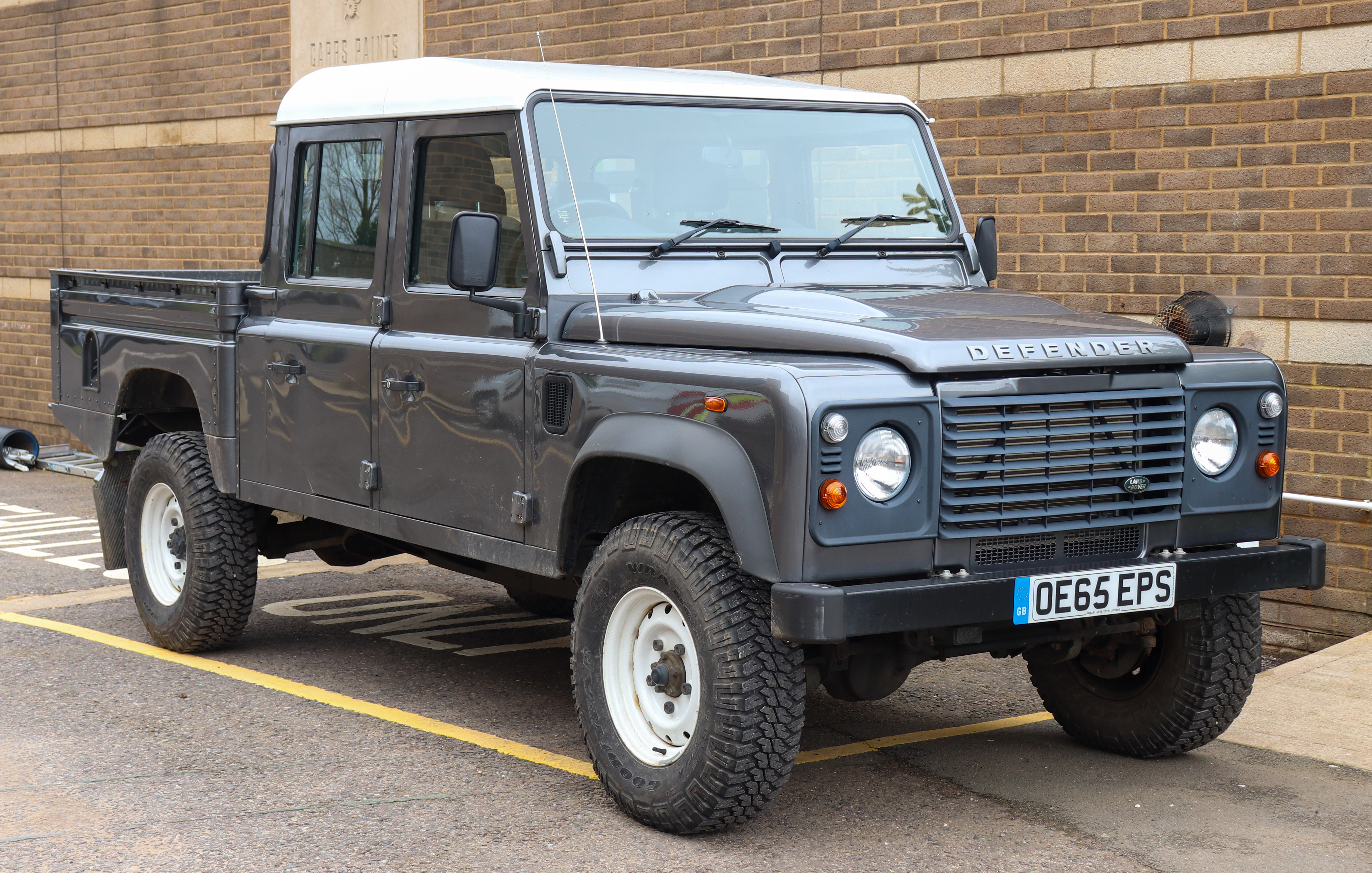
The Land Rover Defender is a strong SUV that can handle very rough roads and tough weather. It's known for being able to go anywhere, which makes it popular with people who love exploring.
The Range Rover is a fancy SUV that can drive on rough paths but is also very comfortable inside. It's popular among people who want a stylish vehicle that can handle different terrains.
A four-cylinder turbo engine is a type of engine that has four small cylinders and uses a turbo to make it more powerful. It's often more efficient than bigger engines.
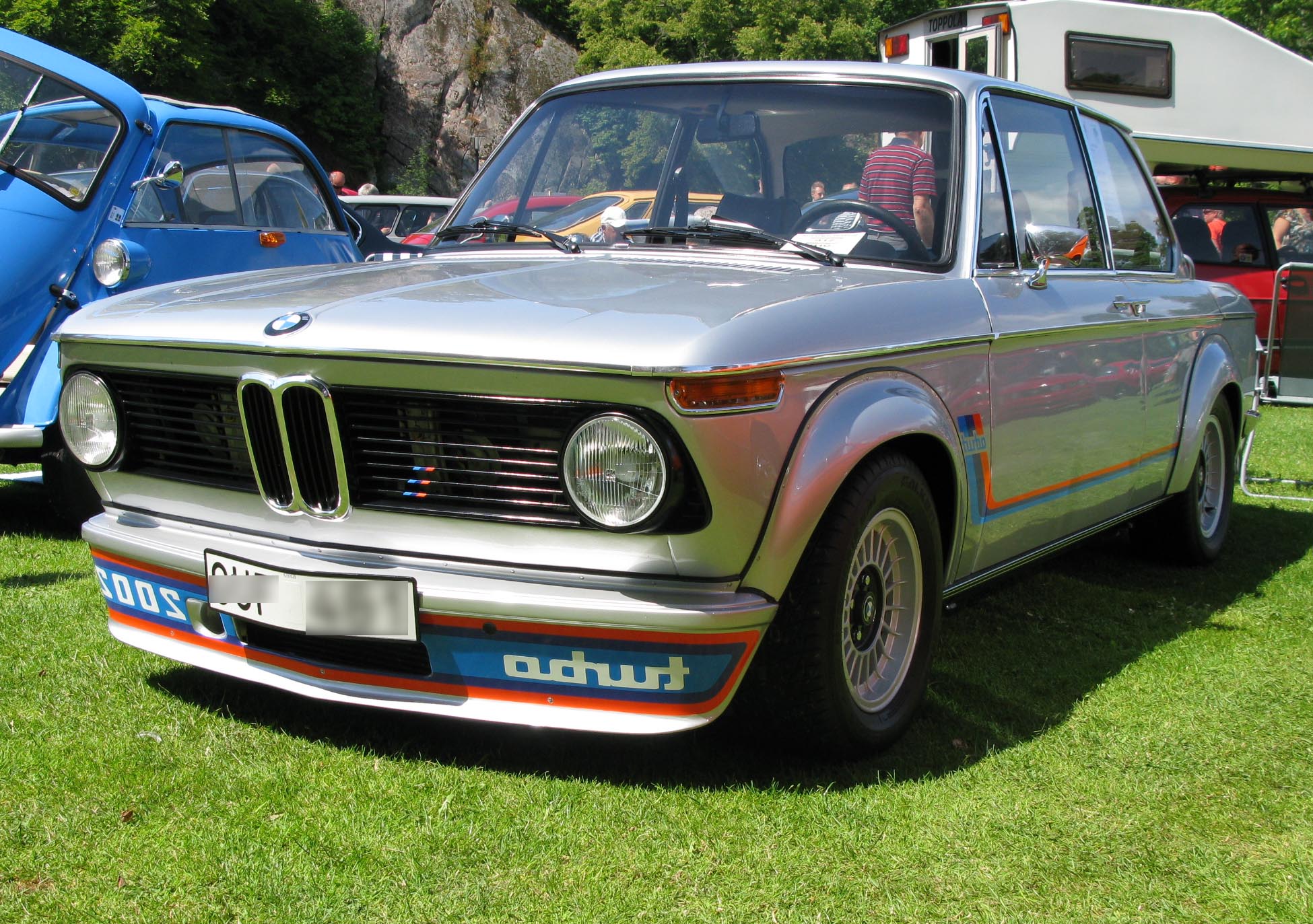
The BMW 2002 is an older car that was popular in the late 1960s and 1970s. It's known for being fun to drive and was one of the first cars to use a turbocharged engine.
A turbocharger is a part of the engine that helps it produce more power by pushing more air into it. It uses the gases that come out of the engine to work, making the car faster and more efficient.
Engine noise is the sound that comes from the engine when a car is running. In luxury cars, people usually expect it to be very quiet, so if it's loud, it can be disappointing.
A V6 is an engine with six cylinders that are arranged in a V shape. It usually gives more power than a four-cylinder engine but is smaller and lighter than a V8 engine.
Rivian is a company that makes electric trucks and SUVs. They are designed for outdoor activities and adventures.
LIVE
He is Robin Leach. He is Jada Markin. This is Car Keys.
Good day to our audience on this week's version of Car Keys with Jada Markin, Robin Leach.
There seems to be a lot of things going on as we move into
the fall winter season
and other things going on in amongst the world automobile industry and Jay when I will try to cover all those
effectively for you. I have been talking
too much about windshield wipers according to my partner Jay, but I do want to go.
I've had a couple of people ask me questions about them and I want to just give a couple of hints in a brief
period right now. If your windshield wipers are chattering across your windshield,
it is a clear signal that the blades have dried out and should be replaced.
Clear and simple. The colder the weather, the more they chatter and they've been chattering around some people's who
there's some people's vehicle windshields who have talked to me about this and I said go get new wipers.
That's it for this week's version on wiper maintenance.
Other things that are going on,
they excite me and Jay may be up on it or may not, but we'll find out when he talks,
is that the new
2026 Jeep Cherokee is apparently on the road and has been
at least looked at initially by one of the motor magazines Motor Trend and I read it and I am not happy with what
I am reading about about my favorite vehicle in the Jeep lineup,
which I think I mentioned on this show is my version of the Jeep Cherokee of which I happen to
be responsible for four in my family.
I'd like to, at a later point, I'd like to come back to those Cherokees for different, for a different reason.
Just talking about engines. Okay, well, let me get through the article about the new Cherokee too.
So I do. Yeah, okay. Well, that's fine, Jay. We look for that part of that because
while it's not in your inventory, you are very knowledgeable about vehicles. The new Cherokee,
unfortunately, and that's my
expert opinion. Expert opinion only. It may felt like
pancakes, but I'm not sure. It's going to be eight inches longer than the vehicles that
it is now replacing. The last generation of the Jeep Cherokee vehicles ended in
2023 with a very few versions with a
2024 sticker
also making it to the market as they were running out of inventory.
It has got a lower powered motor,
although there is a hybrid version which will boost that a little bit. It does not have the
apparent horsepower rating of two versions of the last generation's engines, which was a V6, and a turbocharged V4,
turbocharged 4. And
one is sort of a slug, and the turbo 4 is quite sprightly and very interesting to have in
my Jeep inventory.
The new one, according to Motor Trend, the new Jeep Cherokee is underpowered in their pros and cons list,
which they do at the top of their articles, and it's also going to be
struggling apparently in
sand, deep sand conditions with the new CVT transmission that is coming through
with at least in the initial production range of the vehicles that Motor Trend was able to talk about.
I've been thinking a lot about a CVT transmission in an all-wheel drive
Jeep, as opposed to where they exist in other passenger cars, and Jay, you may have more to say.
I would kind of figure out how a CVT transmission could possibly get
four wheels
much less, well, one or two wheels or four wheels churning. If you were on a beach
where you can be in Daytona, Florida, for example, and you were happened to park your Jeep
along the beach, and maybe the tide was coming in, and maybe the Jeep sank a little bit into it, and you were trying to get out
of that sand park condition.
Okay, let me barge in. First of all, there are four-wheeled, no, there are all-wheel-drive
CVT power vehicles out there.
Subaru's been making all-wheel-drive vehicles since the longest of times, and they've had CVTs in their cars since
in their cars in the outback. I understand that, Jay, but the point is if you're using a vehicle off-road,
they, while the CVTs work wonderfully on highways and firm ground, as you have been known to experience,
they may or may not be effective in
mud and or sand conditions. Okay, we won't know until somebody prides it.
The CVT has nothing to do with the way that the power is being
directed to the ground. I mean, if it's an all-wheel-drive vehicle all the time like the Subaru's are,
it will do just fine in the sand. By the way, there's not a whole heck of a lot of sand around here to drive around.
That's right. I'm not... I'm not sure that... I'm not sure that the Jeep, but there's no low-care cow.
I'm just talking about to our listeners, listeners, listen to this, because we're arguing that
the new Jeep is about to arrive, and I am right now not interested in upgrading my
versions of the Jeep Cherokee from the last generation.
Clear and simple until I drive one. I'm waiting to drive one anxiously, but
other things that Motor Trent came up with, they said there was some kind of felt-like
underbody covering, which snagged
thorny
branches and or other things as they were going maybe slightly off-road somewhere.
And why would anyone want a Jeep with a soft belly, underbelly?
Say, you can talk about that too. I can. I think that...
I think Jeep is figuring out that 99% of the people who will buy these vehicles and have been buying
whether Cherokees, Grand Cherokees, or even Wranglers, 99% of the people never go off-road to begin with. So...
As is the case with the Subaru, the Toyota RAV4s, the Honda CR-Vs, and the like.
So do we need a Jeep-like vehicle like the Wrangler and the Bronco?
Or just do we need those two and not anything else that the Ford have to imitate to their
workings if that
1 to 10% that want to go off-road in those vehicles instead of the true-blooded
Broncos and Wranglers
can do any time they want.
Well, it's image. It's basically part of this is image and
Jeep is softening the image, in my opinion, of the 26th
I totally agree with you. I think Jeep has been softening the image. They have.
It's your expression for a long time, and I think that in the end it is going to,
if not kill the Jeep brand, it's going to just make it a
lot less meaningful and
people will not think of
rugged vehicles necessarily when they think of
Jeep. Same thing can be said of the Land Rover Defender, for that matter, which
the original Defender, which was built since just after
World War II,
and was built for, I don't know, 40, 50 years, was the
the
you know, the
example of the all-terrain vehicle that it was used throughout the world. The new Defender is just a
street vehicle that, from what I hear from local car shops, is not necessarily very
effectively assembled, and is a nightmare in maintenance. Long story short,
I don't think the image of Land Rover, Range Rover, today is
necessarily one of an all-terrain rugged vehicle,
and it doesn't necessarily need to be. And I think the same thing will be
the future of Jeep, but that's just, well, that's possibly true, but it's happened with a lot of the
softening of these vehicles, which is what you've been talking about across the board, and versus the other new
newer makes, such as the Honda CR-V and the Toyota R4, trying to go slightly in this, and the Honda
Pilot are all trying to go in the reverse direction in people's minds, trying to convince them that their vehicles could do what the
Jeep's, only the Jeep's, and the Defender's used to be able to do
back in the days of World War II or whatever. To that point,
Jeep has just come out with the Moab version of the Wrangler
with a super high-performance V8 and a super low,
well, super affordable for those who can afford 80,000-dollar vehicles, price tag on it. And so,
as Motor Trend says on that, the 2026 Jeep Wrangler Moab 392 packs a Hemi, big tires, and a surprising price tag.
And that would counter any of my comments about the softening of the new coming
2026 Jeep Cherokee, which I will try to drive and give another report on later on.
But I did not like the specs that they're, that's let me get finished, like the specs
that the Motor Trend was commenting on about being eight inches bigger, which is what usually happens
to vehicles that come out. And for whatever reason, they seem to be a perfectly sized for some people,
but the designers have to change things like wheelbase
and length of this particular model of the Jeep lineup, whereas you could simply buy a Grand Cherokee
if you wanted one with longer wheelbase and more rear compartment capacity. So in short,
it will be untapped for people to buy, probably it said in the fourth quarter of 25,
which is what we're in right now. And I will stop there, Jay, because I don't think we need to
communicate anymore about the Jeep Cherokee in the way I wanted to do it. But there we go.
The Jeep Cherokee is, like you say, the newer versions get bigger,
blander, and all vehicles tend to look and drive
the same and have less personality and just take it to a larger audience.
And I think it's too bad that all the manufacturers are generally doing this. The Range Rovers or
the Defenders are included. I think you've probably seen in the Range Rover, Land Rover,
lineup, and I guess we got to define this decipher what the Land Rover line is versus
the Range Rover. The Range Rovers are those, you know, the super expensive high-end,
and I don't think anybody would ever take one of those off the road. But the Defenders, as you said
in the beginning, used to be the landmark go-to rough road, our off-road vehicle, besides,
let's say, the Jeep Wranglers back in those days when they were used by the army to go
over all the rocks and terrain. So today, if you really do want an off-terrain vehicle like an
old Land Rover, you can buy them. There are plenty for sale and used market that have been refurbished,
both with V8 engines or diesel engines, short-wheelbase, long-wheelbase. There are plenty of them out
there, or you can go out and buy a new Enius Grenadier. Enius Grenadier, as we talked about before.
I can't wait to see you trade in a few of your Jeeps and buy a Jeep Wrangler Moab.
I am not going to. The mileage rating on that, I believe, is below 20 miles per gallon average.
The city's probably 15, and I don't want to drive any vehicle. We can't get
at least 25 to 30 miles per gallon over an average tank full for the rest of my existence on the planet.
So, I can't believe I'm going to say this, but I'm going to ask you to talk a little bit
more about your Jeeps, because I wanted to talk about these four-cylinder engines that I have been
populating all of the new cars of late. Okay, I'm happy to do that.
I have the Wranglers. I will give a minute or two up to this topic, Jay.
I have Jeep Cherquise with all the engines available to them from the time they first brought this out in 2014.
I want to put this in perspective, meaning the history of the four-cylinder turbo engine,
first of all. Those engines came out in the 1970s. I think the first production car that had a four-cylinder
two-liter turbo engine was the BMW 2002. I don't know if you must remember that, Rod.
Well, I think you're probably right. I never driven BMWs, except the Kip Arbor Racing School.
And, well, before that, in the mid-70s, when we still had 2002s,
and now a few of them in town, by the way, there's a green one and there's a red one, for sure.
Same owner, I believe. If he's out there, we'd love to hear from him.
But the turbo engine was initially a very hard-to-drive engine. The turbo is
known for lag. The turbo lag. What is turbo lag? Due to the fact that the turbo charger is powered
by the exhaust gases, and then that spins the turbo, which in turn
rams in more air into the intake, and thus you can have more power. And this is a very bad
short explanation. Over the years, turbocharged engines have become a lot
easier to drive and have actually become a high torque at low RPM engines,
and also get better fuel mileage than other V6 engines. And so manufacturers have been putting
them in their cars, and Audi has them. The Audi Porsche VW Group has a two-liter four-cylinder
engine that works extremely well, and I believe you can talk about one of them, because you have
an Audi turbo four, I believe, or two of them, actually. And the BMW sounds a little bit like
a diesel, but works very efficient as well. The Volvo engine, for some reason, seems to not get
very good gas mileage. And I've been driving all these mid-sized SUVs with these engines,
and mostly they're pretty good. And I have one exception, and I hate to say this, but the new
Lexus RX350 now has a turbo four. Toyota has replaced the V6 engine with the turbo four,
for all the same reasons as everybody else. More torque, more economy, and better fuel economy.
But in the Lexus, it just sounds like a tractor. It's just, it's not quiet,
and it's not a pleasant noise. Well, being that it's a Lexus, it means it's a Toyota,
and surprisingly enough, you do not find the same noise in the Toyota four-cylinder
turbos, I believe. So why would the Lexus have this engine noise problem as you are?
Well, the Lexus is an upscale Toyota, and Lexus with the V6 or V8 were always very, very quiet.
This new RX350 is, you can definitely hear the engine. Now, granted, when everything else is
quiet, you tend to hear what, you know, the one source of noise that is, that cannot be quieted.
Quieted, yeah. Like in electric cars, you will hear, you'll hear, you will hear a
road noise, right? You'll hear the tire noise, because there's no engine, and the electric
motors are a lot more quiet, quieter than gas engines. But again, I was disappointed in the
Lexus four-cylinder turbo engine, and I honestly did not notice any real fuel mileage improvement.
Right. Well, you started out this topic asking me to comment on my knowledge of four-cylinder
engines, because I happened to have them in the Jeep Cherokee, and so maybe I could give the
listeners... The turbo versus the V6, which is what I wanted to... Well, the turbo, the most economical,
driven, not like you're trying to go from 0 to 60 in five seconds or so, the turbo engine in the
Jeep lineup is the most economical engine, gas mileage-wise, of the three engines.
The regular four, which came on my 2014 and was then only partnered with an alternative engine,
which was the V6, was always deemed as fluggish, which it is, but it was also slated to get 29
miles on the sticker highway, and somewhere between 22 and 23 on the city range, and something in
between, as an average, and come to be... Come to find out that my 2019, my 2014 Jeep with that
engine, the original engine, was indeed able to get 29 miles to gown, or 30, let's say 30,
very new into its possession by me in a trip I took to Florida, and that was going at speeds of
70 miles an hour, but on very flat roads, as you know, them to be at that level. You didn't have
mountains to go over, and Hillendales, and that kind of thing, where obviously when you're going
uphill, any engine is going to have a significant reduction in the instant miles per gown, the
rating that will show up at any computer back then. But the turbo four, and my Cherokee's
driven, I can get an average of over 30 miles a gallon, which is above the sticker rating,
I think it's 29 for that, and 21 city for the turbo, but I can get an average driven appropriately
without being complaining about it, a 30-mile gallon for a tank full, and the V6, I drove a
Cherokee out to Denver, Colorado, and on flat terrain, the V6 was doing between 28 and 29
miles per gallon, and it was an unloaded vehicle at that point, much to my surprise it was that good,
but it never got over 30 miles per gallon, and several tank fulls I was able to measure it on,
and it was not as sprightly in acceleration either that the turbo four was. So the turbo four, as
you've noted, did provide a lot of accelerated feel and efficiency over non-turbo four engines,
and even over some V6 engines, which may have had a higher horsepower rating.
So how would you compare the engine in the Jeep, the four-cylinder turbo in the Jeep,
to the Audi engine? Same market, same power output, give or take, a few more.
I think the Audi turbo four that I have driven of recent vintage are also very effectively
effective engines. The acceleration seems to be similar to the Jeep. I'm sure the drivetrain
ratio of the axles are much higher in the Audi, that is, the lower revs at the same miles per
hour that the Jeeps would alternatively give you or show you on the Tacominers, which are also
correct in that assessment, but they are pretty good engines, and they were used in Volkswagen's
also. The GTIs, for example. Yeah, I find that turbo four to be really a sweet...
Yes, and I think the mileage was also pretty good in them.
It is. Something to do with something else, and Tesla always seems to come up in the
conversation in one way or another. And before we talk maybe about tanking sales, but I read a
couple articles where Tesla and Apple, the two big brands, two big names, the names have come
together. I went over an article very quickly that mentioned that Tesla was considering
installing CarPlay in their cars, and there's no assurance that that will actually happen,
but they were at least considering it, which is a reverse trend of most manufacturers to try to
weed out both Android and CarPlay. I know, I saw that recently, Jay. Why is that? I don't know.
Well, everybody wants to have their own system. We talked about it, I think,
a few weeks ago, about Rivian weeding out Apple, CarPlay, other manufacturers, GM, Ford. Everybody
wants to have their own infotainment system and try to keep Apple and Android out of the equation.
I think it's a mistake. I do, too. I think they have to pay royalty to those companies when they
use their equipment. Everybody, they're always trying to figure out how to make the next generation
of their vehicles less expensive to construct and put out on the streets. That was the only
thing I could think that they were, what they're trying to avoid in the future, if they can
delete the Android and Apple CarPlay options, or that now are standard on pretty much all
the existing vehicles, right, from their future systems, because they will be able to produce
systems differently. I thought maybe that Tesla was doing that, because on the other hand, there's
also a, I just read a blip about the next Apple iPhone, like the 18 Pro would have Starlink
incorporated in the phone itself, and I thought, huh, that would be interesting. Then I saw the
article on Tesla and Apple, and I thought, okay, well, maybe those two stories are not
totally unrelated, but we'll see. I know you mentioned in your free show notes the Chinese
market is struggling, and we know Tesla is struggling in China, but it's not just Tesla
struggling in China. Chinese manufacturers are struggling, and Tesla is struggling here too,
but I think the auto industry in general is struggling.
Yeah, but I agree with all of that. What I heard on Business News edition of a news
program this morning was that there's such a glut of, there's so many makers of Chinese cars,
and they're so cheap. It sounded to me like they were implying maybe that the Chinese market of
purchases was being saturated with electric vehicles, but they're still producing them as if
they were selling everyone off the truck. That was not mentioned in this radio show,
but they're piling up on lots, and where can they go? I figured they could go to Europe,
but they're not going to come to the US, but there's what's going to be consolidation.
There's probably bankruptcy. They'll show alleged that they were being produced below,
that they felt sold at below the cost of building them, even though they can do much
cheap, less expensively than we can and Tesla can for models that you have already reported on
on this show that are more advanced than anything that we are producing in the US,
and maybe that are being produced by the manufacturers in Europe.
Well, I was reading an editorial by Peter Di Lorenzo from the auto extremist who is a doom
and gloom sarcastic journalist, a former PR executive in Detroit, and who's been writing
for the last 20, 25 years. Although I disagree with him on a lot of topics, I was in agreement
with his doom and gloom view that the problems the Chinese manufacturers are having in China
are not necessarily good for other manufacturers, and the US manufacturers
are struggling, and the European manufacturers too, and most likely all the investment in the
electric car business has been funded by sales of ICE cars, right? The gas engine have still
been the bread and butter of auto manufacturers, and a lot of that, those profits have been
reinvested in developing EVs, and now the EV market is kind of up in the air because
subsidies are being retracted left and right, and who knows where we're going from here.
Well, the Chinese are manufacturing all the components of their cars in-house,
unlike the US, which is manufacturing some of the stuff here, but then they go out and get engines
from Mexico or engines from Europe or other transmissions from Europe, et cetera, et cetera,
all of which cost a lot more money to bring into their manufacturing plant from costs of
transportation to the cost of the products, whereas the Chinese just build everything right there,
and they do it with such a, what's their labor cost? About 10% of what any of our labor costs are
per hour, for an hour of work, a chip of building whatever there is they're building as they go
along, and they're also being subsidized by the Chinese government. I'm not sure this is
what our list is one, listen to, but anyways, so be it, but as what the Americans have done,
what? Did you tell me, did you tell us last week that Ford is stopping production of the
Lightning? I heard that was going to happen. They've already...
They're momentarily stopping. I mean, I don't think they're...
Momentarily, you're correct, because they're not selling anywhere near enough to make an hourly
rate of production, probably profitable to them.
Well, that may be happening to Chevrolet too, I don't know,
but hybrid is the game that seems to be going forward in the news circles on our
version, the American version of transition from ICE cars to, if not all electric,
a hybrid version of vehicles, yet also excellent mileage compared to the ICE alone,
and yet don't have some of the operational problems of full electric, which mainly means
you have to have chargers around, starting from your own garage to wherever along any route you're
going to take, and while there's increasing numbers of the chargers as you make out,
you point out to us, a weekly what I say there aren't enough chargers.
It's still... Chargers are not very expensive to put in, I've found out.
I know somebody that says the components cost roughly $600 to $700 for a level two charger,
I'm not sure that's accurate, but this is what this person said, and then the insulation was,
I don't know what the insulation cost, it depends on what you have to do to upgrade your
electric panel if you don't have enough to have at least a 40 amp circuit available in your panel,
but I've heard that manufacturers were putting in chargers for customers of their cars, I think
Hyundai was one and one marketing employee of several years back, if you bought a Hyundai
electric, they would pay for the charger insulation, and I don't think it's probably much more than
$2,500, do you have any idea what it cost to put a charger in? Well, we'll have to do some research
on that and come back next week, okay? Okay, so until next week's show, we are J. DeMarken and
Robin Leach for this week, and thank you for listening. Car keys with Robin Leach and J. DeMarken
is produced at the facilities of WHDD91.9 FM, RobinhoodRadio.com, Sharon Connecticut.
About this episode
Robin Leach and Jay de Marcken dive into the latest automotive news, focusing on the new 2026 Jeep Cherokee. They discuss its underwhelming specs, including a lower-powered engine and the controversial CVT transmission. The duo debates the softening image of Jeep and other brands, comparing them to older rugged models. They also touch on the evolution of turbocharged four-cylinder engines, sharing personal experiences with their Jeep Cherokees. The episode wraps up with insights on the current struggles of the automotive industry, particularly in the electric vehicle market.