A tire pressure monitoring feature is a system in cars that checks how much air is in the tires. If the air is too low, it lets you know so you can fill them up and stay safe.
When it gets cold outside, the air in your tires can shrink, making the tires less inflated. This can make your car harder to control and use more gas.
PSI means pounds per square inch, which is how we measure the air pressure in tires. It's important to know this number to keep your tires safe and working well.
Tire pressure is how much air is inside your car's tires. It's important to keep the right amount of air in them for safety and to help your car drive better.
The Volkswagen Touareg is a big, fancy SUV that can handle rough roads and also feels nice to drive on regular streets. It's a good choice for families or anyone who needs more space and comfort in their vehicle.
The Volkswagen Phaeton is a really nice, high-end car that offers a lot of luxury features and a smooth ride. It's not as well-known as other luxury cars, but it's built very well and has a lot of cool technology inside.
The Porsche Cayenne is a high-end SUV made by Porsche. It's designed to be both sporty and comfortable, making it a favorite for those who want a luxury vehicle that can handle different driving conditions.
Wear indicators are marks on tires that show how much tread is left. When the tread is worn down to these marks, it means the tires are too worn out and should be replaced for safety.
Aftermarket parts are car parts made by different companies, not the ones that built the car. People use them to fix or change their cars in ways that the original parts might not allow.
Rocker panels are the parts of a car that run along the bottom of the sides, just below the doors. They help support the car's structure and can rust over time, especially if not maintained.
Restoration is when you fix up an old car to make it look and work like it did when it was new. This can involve a lot of work, like repairing parts and painting it.
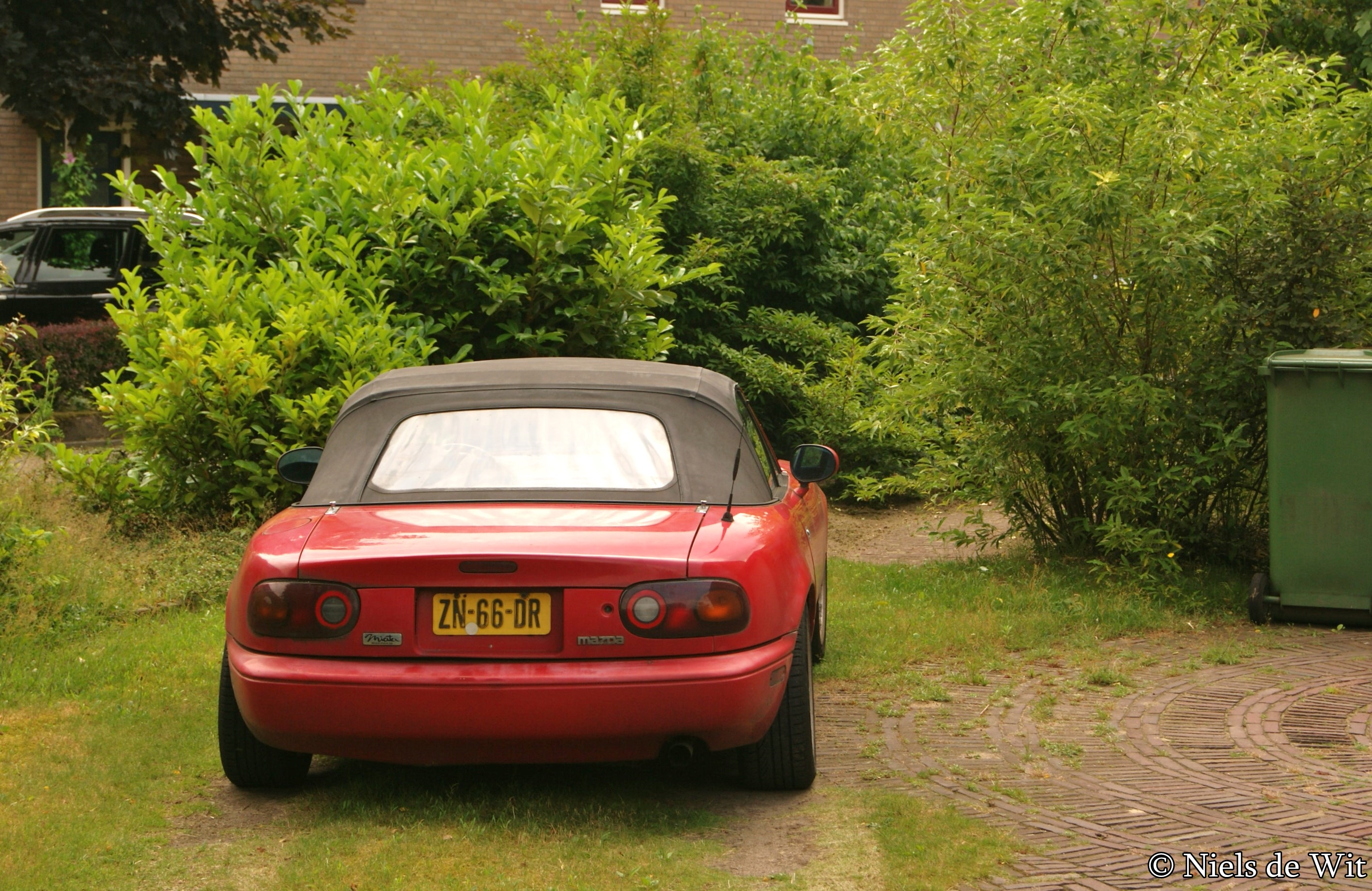
The fourth generation ND is the latest version of the Mazda MX-5 Miata, which started being made in 2016. It has some new features but still keeps the fun driving style of the older models.
The Ford Mustang is a famous American car that has been around since the 1960s. It's known for being powerful and sporty, making it a popular choice for car lovers.
A V8 engine is a type of engine that has eight cylinders arranged in a V shape. It's known for producing a lot of power, which is why it's often used in fast cars like the Mustang.
The Mazda RX-7 is a sporty car that uses a special type of engine called a rotary engine, which is different from most cars. It's known for being very light and quick, which makes it a lot of fun to drive.
Electric vehicles are cars that run on electricity instead of gasoline. They can be faster and are often better for the environment because they produce less pollution.
The center of gravity is where a car's weight is balanced. If it's low, the car is less likely to tip over when turning or in an accident.
Car
Tesla
Tesla is a brand that makes electric cars. They are known for being very safe and having a low center of gravity, which helps them not tip over easily.
Airbags are cushions that pop out in a car during a crash to help protect people inside. Older cars didn't have them, which made them less safe in accidents.
Bring a Trailer is a website where people can buy and sell classic cars through online auctions. It’s popular among car lovers for finding unique vehicles.
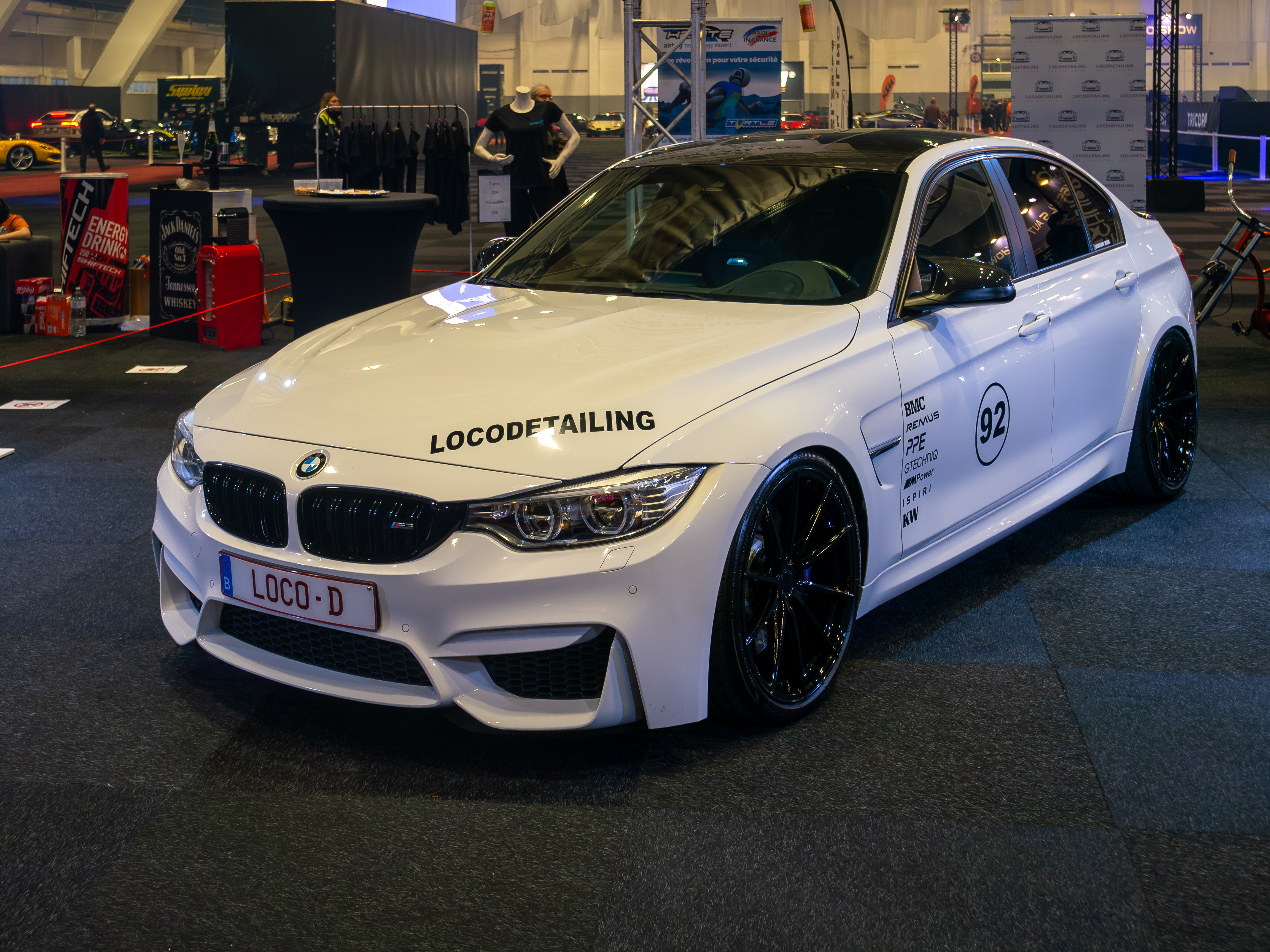
The BMW M3 is a special version of the BMW 3 Series that is designed for performance. The 1989-1990 model is famous for being fun to drive and is loved by car fans.
LIVE
He is Robin Leach. He is Jada Markin. This is CarKeys.
Good morning for this week's show of CarKeys with mostly Robin Leach and Jada Markin.
We are in the middle of maybe the early part or middle of fall and the weather's getting colder.
And I want to start with a couple of topics about cold weather and your vehicles.
First thing I want to tell the listeners today is that I have been conducting a study of air pressure
in tires on the basis of the outside temperature. And I did this by setting all the tires on
one of my Jeeps at 35 pounds at an approximate temperature on the day that I did this of
38 degrees outside. I have an inflator that you can set the pressure you want it to go on
and off at or off at when it gets to the tires. So they were all fairly equally set and the
Jeeps of current production have a wonderful tire pressure monitoring feature on their
vehicles and if you find it in your menu of adjustments you can do on your dash, you can
see what the temperature is in each tire, whether the car has stopped or moving as
you're driving down the road. It can be distracting, which is not a good thing to do as we talk
in this show about distracted driving. But for this particular topic I wanted to
cover, you know, produce a knowledge base it would be informative for us to figure out
what to do with your tires because when the weather gets cold the tire pressures go down
and when the weather gets hot they go up and when you drive a vehicle from start they
start at one pressure and as the tires warm up the pressure in the tires will go up
as well. So this is what I have can transmit to this week's show listeners. I started out
this morning on this morning show temperature work was in the very low 30s and even high
20s. When I got in my car in the Jeep that I set the tire pressure at 35 at 38 degrees
and they were all showed 32 pounds, well between 31 and 32 pounds on the four tires
in this morning's temperature. By the time I reached and drove approximately seven miles
to our broadcasting area, they had risen to 35 pounds more or less, 35 in one or two, 36
another, 34 in a third and so on and that's another thing that you will notice if you
want to follow this kind of manuscript and do the same thing with your vehicle if you
can see what the tire pressures are as you're driving. They will vary as you drive and not
necessarily stay exactly all the same pressure all the time when you're moving or even when
you're standing still and the sun is on one side of the car and the shade is on the
other. But the other day after I had first done this setting at 35 it went up to
34 degrees and the tire pressures went up as high as 39 pounds in one of them and 38 and
37 in the others and they sat there for the most of that day. So if you have set your
tire pressures or anybody that does this regularly the general tire pressures I find
in most of the vehicles not SUVs with special tires on them necessarily or trucks is somewhere
between 32 and 34 pounds as noted on stickers which can be found in most vehicles either
on the door jam most of the time the driver's door jam or on the gas flap if you have a gas
flap or cover on your gas tank filler deck. And therefore most of the time as temperatures
vary they're going to be going up and down from this setting that you may have set at whatever
temperature you remember to set it up. If you had set your tires at 34 or 35 pounds
when the temperatures were 75 degrees or 70 degrees and up you're going to find that
33 degrees they're going to be down 4 to 5 pounds a tire and if they get down into
the 20s it is really time to probably add air to your tires before it gets even colder.
Not that they won't roll at 22 degrees or 15 degrees but the pressures will go down they
won't necessarily go flat but it is not good to run tires underneath either very low below
the recommended pressure or very high above the recommended pressure.
So the moral of the story is it's time to check your tires.
That's the moral of this lecture is it's time to check your tires guys but I would wait until
it's below 30 pounds 30 degrees or more because if you do it at 40 you'll want to do it again
when the temperatures are regularly in the 20s maybe later on beyond this shows addition.
This is where I have a little beef with my beloved Volkswagen Tour Reg.
The vehicle is rated to toast 7,700 pounds I think which is a lot for an SUV.
The recommended rear tire pressure is 39 pounds.
The problem with that when you put that tire pressure at 39 pounds day in day out is that
the tires wear unevenly in the center and you go through rear tires like you go through
rear tires like a knife goes through butter J.
Something like that.
So anyway so I tend to put you know less pressure I try to equalize the pressures and usually
go somewhere around 35 all around.
The problem with that is as soon as winter comes around the warning will go on if there
is a delta of 6 pounds so as soon as my tire pressures are below 33 pounds in the
rear you know the system goes on and the warning goes on until you put back the...
Enough air.
Yes.
Yeah.
Anyway that's just a little beef other than that.
Well there's another beef I have with another car that's German based and that's the Audi's.
The tire pressure monitors on the Audi's are not anywhere near as effectively efficient
and interesting to watch as they do not give you the tire pressures in the tires anywhere
I can find in the menu.
And when a tire goes down below a spec let's say 29 pounds as you said you had a delta
of 6 pounds more or less in your Touareg I guess that's the way it is in maybe some
of the German cars as well.
You can find out which tire it doesn't tell you which tire is low except very briefly when
you turn the ignition to the start mode and these are push button start mode modes that
you have on your dashboards of the newest vehicles.
And if you are not looking at the dash as the computer sets up the dashboard on a German
car and many actually many cars you will miss it that it says the left rear tire the left
front tire needs checking because the tire is below the recommended pressure.
It flashes as far as I could see less than two seconds if you're not watching it and
then all it says is that the yellow light or caution light on the dash it says low
pressure that indicates a tire figure green and it's yellow so it means there's some tire
but you don't know which one that needs to be checked.
And then you put the...
Is German engineering why make it simple when you can make it very complex?
That is right.
German engineering why make it simple when you can make it complex and annoying because
then when you put the you find that you first of all you have to find out which
tire it is by using a pressure gauge before you put air in because you don't want to over
inflate any of the tires.
I just don't think you should be driving out.
You should just stick to your jeeps.
I do.
Somebody else stick to the outings.
But in any event I have to maintain the tires in that car properly for this other
person and then when you fill the tires up you've got to go into a very
complex menu find where the tire pressure settings are under a settings.
I think settings index and then you have to push a button and hold and it
automatically sets the new tire pressures presumably to the specs but you
don't know whether they're all at that say 33 pounds around or what they are
if you filled up one tire that was at 29 and you set it at 33.
You don't even know what to set it at actually to fill it up because you
can't find what the other tire to set out without using a pressure gauge outside
the car what a nuisance but back to checking your tires right now as the
weather gets colder is this week's safety recommendation on this show.
There we go moving on I was talking about my Torek for two seconds there
and for the dozen of us who have Torek in the hole that's about the
population you're right in the northeast seaboard although the Torek has not been
sold in the US since 2017 it had been sold in the rest of the world and but
Volkswagen finally pulled the plug on it very sadly it was a great vehicle this
year the third the third generation of it which we never got here in the US was
a fantastic car it just was an 80 to a hundred thousand dollar vehicle that
Volkswagen could not sell in the US and I did a little research and and looked at
the history of the car and it came about in in the late 90s early 2000 is
when the Torek was planned and then you know designed and executed under
Dr. Pete Pieck who was I think the nephew of Dr. Porsche and at the time the head
of the Volkswagen group and he had grandiose ideas of moving Volkswagen's
the line of cars upscale and then you know with the Torek and the Volkswagen
Phaeton those were great vehicles but but it just just never got any traction
and having luxury brands within the group whether it be Porsche or Audi Volkswagen
was left to keep making econoboxes and I'm being a little facetious here because
obviously they make well what was the Porsche a match to the Torek in the
Porsche lineup the Cayenne Cayenne yes okay which by the way and this has
nothing to do with anything Porsche is coming out with an electric Cayenne in
the weeks if not months to come okay well can we go on sure we can I'd like to
just finish with a some cold weather tips besides the tire lecture I just gave
everybody check your windshield washer bottles and make sure that you have
you refill them with washing fluid that will withstand I would recommend 25
below degrees minimum for our weather which last year as we know was filled with
ice filled streets and driveways because the weather was so cold that any any
liquid material that fell from the sky didn't disappear for long periods and
while it was great for snow making which doesn't have anything to do with this
car show it was cold enough to freeze the windshield washer fluid in a
couple of my vehicles and I don't know why they will freeze let's say in between
the lines between the reservoir and the windshield wash wipers dispensing area or
the nozzles that flow it on but it seems to happen and I found that I was
putting in 20 I fluid that was rated for man is 20 but the temperatures were
right around zero and when my windshield washers would not work and I don't know
where they would have worked better with 25 below zero rating on the windshield
washer fluid but I the fluid bottle was not frozen but the windshield washer
hoses seemed to freeze and I didn't think windshield would create that kind
of effect on the windshield washer fluid if they were if it was designed to
withstand up to minus 20 or minus 25 degrees before freezing but besides
having your windshield washer reservoir full you should be sure that you've got
fluid that is they don't I think standard standard rating in most areas at
garages is minus 20 but they also have some that is good to minus 35 and those
are for states like Minnesota and countries like Canada up in the north
where the temperatures can go down well below 20 degrees below zero when at
nighttime temperatures and even daytime temperatures then I can get the tires I've
checked the tire depth on the tread to sell my tires and there are a couple of
vehicles which I will definitely not use in snowstorms unless I replace the
tires before snowstorms occur because they have worn down to probably
where the wear indicators are parallel to the rest of the depth of the tread and
that is telling me that they are not going to be of much effect in snow snowy
conditions on the roads therefore being very dangerous to drive the vehicles
anything besides creeping speeds yeah you can jump in now well now we were
lucky to get to almost three lectures for the price of one yes we did we I
just wanted to talk a little bit about fall driving and the fact that we are
getting to the end of the what would I call it entertainment fun driving
season and at the track this weekend we had a the third annual Miata con and
this was a gathering of all Miata's the Mazda Miata has been a sports car
since you know that's been sold by Mazda here in around the world actually since
1989 and it's really become a cult car like like few others and there was at the
track there was a car show on Friday and Saturday and also several groups of
racing on track it was kind of interesting is this two different worlds the
car show world and the racers world and kind of what I find a little sad is
there's really no connection between the two groups of people and and you know
both are obviously auto enthusiasts and but everybody was doing their thing at
the track and so there were I don't know there must have been several
hundred Miata's at the track some were purely stock some are totally goofy one
had burned in a I think in a garage fire and had been restored only to the
extent that it was made street legal but it was basically had a melted hood
melted everything that was plastic was melted the lights were melted so it's
kind of a carnival or you know a Halloween presentation of cars but it was
fun and it's great to see the enthusiasm that people have for these
cars and I saw one car and it was a red original Miata and I walked up to the
owner who was an older gentleman and asked him how long ago on the car and he
said well I ordered it new in 1989 110,000 miles all original and it was a serial
number 801 this person is listening to us and I just think it's it's very cool
to kind of know the story behind cars and and that's where you know a lot of
people find the value in cars you know the story the pedigree the whether
it be a famous car having belonged to somebody famous or or having some kind
of history I think that car that stay in the same family for decades it's a
pretty cool thing also there were a bunch of aftermarket parts manufacturers
and sellers you know the original Miata aftermarket parts suppliers company
called Moss but since then they have been you know gazillion others and it was it
was pretty cool to see people just go up to vendors and and buy new parts and
some people were taking some parts off their old cars and throwing them in
trash cans and I didn't actually know somebody was going around the trash
cans trying to rescue Miata parts well Jay I'd like to jump in I have a
VW van as you know it is original to me back in 2000 and it has a hundred and
thirty five thousand miles on it and their rough spots around the gas cap is
rusting away and the rocker panels got some severe rust on it and I hope it
doesn't rust out from under me as I'm driving down the road sometime but I
like would have it or jealousy would like would have it in my summer
vacation area Westport Mass a neighbor to where I am drove up in a in a what
looked like a showroom condition new black Euro van like mine and it made me
think about how that was maintained versus how I have not maintained my van
and so that goes to your comment about the masses you saw over there at the
track it was showroom condition this van it has only sixty thousand miles on it
and I told the guy and when he wants to sell it let me know why you know you
need to restore yours get to know it might not restoreable anyways we don't
need to discuss that on the show okay but this is it is fun to see how
how people keep their cars and when you go to a event like you went to
where there were but would you say a hundred by hours around or were that
many or how many would you think they are at least yeah there were more than that I
believe yeah yeah and all colors and and all as you said goofy goofy
restorations or adjustments and some are very goofy some are really cool
some are really track oriented you know suspension parts roll bars others
had supercharges on them some had turbos yeah people have put you know gmls
Corvette engines in in really oh yeah they fit just they just did perfectly in
the Benjabay of a Miata perfectly and what do you think it does to the 5050
weight ratio front to rear I think it disappears it changes the balance of
the car but you know I've never talked to anybody who had done the the conversion
but I've read about them we've seen them they've been tested magazines yes they
actually drive pretty well it you know it shies away from the whole concept of
the the Miata the idea of the Miata was that it was meant to be a light not
very powerful but light simple fun car and the current generation that's been
around since 2016 which is the fourth generation the ND so there's been an A
B and C and now we're on the ND I did drive one a couple years ago and it they
drive exactly like the original ones do they feel tinny they shake and they
rattle their light their fun they're not significantly faster than they were
originally and that's why you you see so many so many older ones and I just
missed buying one locally a second gen that was for sale for under five thousand
dollars and I should have just bought it I just hesitated and it was gone it was
gone it was a nice car but but there are plenty around I I read an article
recently about comparing the the evolution of the Mustang and the Miata and
when the Miata came out in 89 or 90 the price of the two cars was about the
same you could get a Mustang with a V8 for I think the price was around
fourteen thousand dollars and for about the following ten years the base the
base price of the Miata and the base price of a Mustang were about the same
and then the difference just went you know skyrocketed as the Mustang
became bigger heavier more powerful the price went up and the price of the
Miata stayed you know where where you know more yeah more or less stable yes
and and today you can buy a new Miata for around thirty thousand dollars great
cars I read up on the story about him and and you know the who who the
bio with biological father this automotive journalist died recently I
believe no no that's Tomatano who was the original designer who died recently and
anyway great story and yeah very well as we all know cars have gotten a lot
heavier during our lifetimes from the days of old when the Miata's were the
sports car to have and and the RX-7s which I own one of four nights alone and how
much lighter they all were because they weren't airbags they weren't heavier
doors with side impact protection and sizes kept creeping up as well and as
and now they've gotten to the days where we have the electric vehicles which
are faster than anything a non electric full drive in most cases except maybe for
a Corvette and some other high performance European and and American cars
but they're so heavy the electric cars are so heavy but you don't feel it
except it does help them I think stay on the road very effectively because of
their weight well you know that when you're driving your electric cars in
your experience as against what a Touareg is or are any fossil fuel car similar in
size well we know electric cars are heavier but and I'll get but I'll get
back to the weight and why cars are heavier in a second but the center of
gravity of an electric car is is fairly low I've seen rollover test you know
there when they do the safety test and and and they hit a car from the side and
they just send it rolling they can do that with an electric car they send a
hit car rolling right they don't roll yeah correct and and most cars will just
roll a number of times and then they I remember seeing that with I think it
was a Tesla and the car just rolls like once and then falls back and
then rolls back on its lands inevitably lands on its on its on its on its
right side you know on on on its four wheels but back to why cars are heavier
I think it's pretty pretty simple I mean the cars are all also a lot safer than
they were 30 40 years ago I remember riding the first time I rode with you
in your Mazda RX7 I saw that first turn coming and I you know I tried to
remember I tried not to remember that we were on 14 inch tires that were the width
of a bicycle tire and and you driving the car and thinking what happens if we go
off the road cars are much safer now you know we know tires everything is
bigger but but also much safer yes much safer indeed but annoyingly complex
electronically as we have talked about it as well the simplicity of the old days
with the knobs and everything and no computers running the dashboards and
just seat belts no airbags as long gone and you don't want to get hit one of
those by anything that is constructed today the way it's constructed because
you probably won't stand a chance of having the car come out being
repairable of his old cars right correct so anything else on that limerock
besides the Mazda sort of event there was that were they able to drive their
cars around the track or no matter what they did the car show cars owners
were allowed to take their car for a couple laps what they call parade
laps right you know but that's at low speed and no passing and it's literally a
parade lap or no I don't know how many laps they did but yes yesterday was also
the last car show of the year for that FCP your organizers and these are car
shows that had that happened at track on Sundays a handful of time a year I
think there's no no no charge to go anybody can go and and this company
has the ability to to snap their fingers and bring in a hundreds of cars and
yesterday was a BMW and mini gathering and again some very very nice cars I
was there in the pit lane there was also bring a trailer was also present
and had a few cars there they had a racing BMW from 1988 they had a an
original 1989 or 1990 BMW M3 in pristine original condition and again just a
lot of history unfolding in front of your eyes and and and some people just
there with their series five and seven just regular sedans but you know just
a very you know different different people with different cars some purely
stock some very modified some quite original you know and people try to
gather together like the guys with wagons will will stick together and so
that was the last last of their shows well let's let's let's just talk about
leaves on roads wet roads or they are falling like snowflakes in a lot of
cases around our listening area still the trees have not totally
delete themselves although they are getting very thin Lee well it's certainly
close to it every time the wind blows another 90% of whatever is left on a
tree seems to descend to the ground and if they end up on roads and in shady
roads and it's wet and it's cold the leaves don't necessarily blow away just
because the wind is blowing and they can be on curves on roads can be as
dangerous as snow is and in the in the winter time when the snow's falling so
you just need to drive everybody to drive a little bit slower if the roads are
not totally clear and if your tires are not totally got deep treads and if
there's nothing else that would distract you from driving too fast on the
road that's another safety tip we're getting a lot of safety tips from Robin
this week well it's that time to think about it and and it's about time to wrap
it up too okay well with that in mind let's go rake leaves let's go rake
leaves off the roads and let's check the tire pressures going forward if you've
got more than one car check them all because they're all going to have gone
down about the same amount if you're driving more than one car at any given
time in the season until next time we are car keys with J. DeMarken and Robin
leech all right car keys with Robin leech and J. DeMarken is produced at the
facilities of WHDD 91.9 FM Robin Hood radio.com sharing Connecticut
About this episode
Cold weather vehicle maintenance takes center stage as Robin Leach and Jay de Marcken discuss the importance of monitoring tire pressure during the fall season. Robin shares insights from his tire pressure study, highlighting how temperatures affect tire inflation. The duo also shares personal anecdotes about their vehicles, including the quirks of tire pressure monitoring systems in German cars. Additionally, they touch on the Miata con event, showcasing the passion of Miata enthusiasts and the diversity of modifications. Safety tips for fall driving, including checking windshield washer fluid and tread depth, round out the episode.