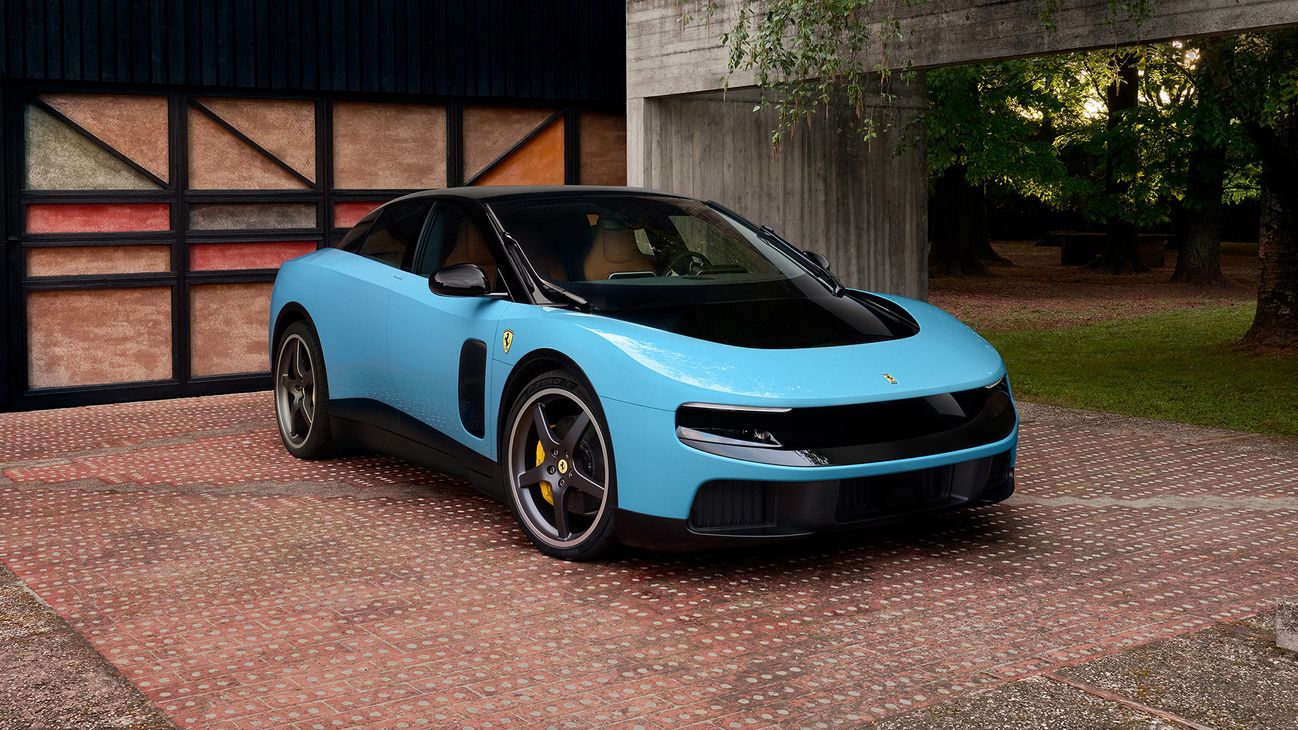
The podcast mentions a Ferrari EV called the “Luce.” It’s an electric car made by Ferrari. They’re discussing it as part of Ferrari’s move into electric vehicles.
The Model Y is an electric SUV made by Tesla. It uses an electric motor, which can make it accelerate very quickly. People talk about it a lot because it’s fast for a regular road car.
This is the fast, high-performance version of the Tesla Model 3. The point here is that EVs like this are already very quick, so bragging about big power numbers isn’t as exciting.
This is Hyundai’s performance EV version of the Ioniq 5. It’s tuned to be much quicker and more exciting than a normal Ioniq 5, especially in a straight line.
“Zero to 60” means how fast a car accelerates from a stop to 60 miles per hour. It’s a simple stopwatch-style measure people use to compare quick cars.
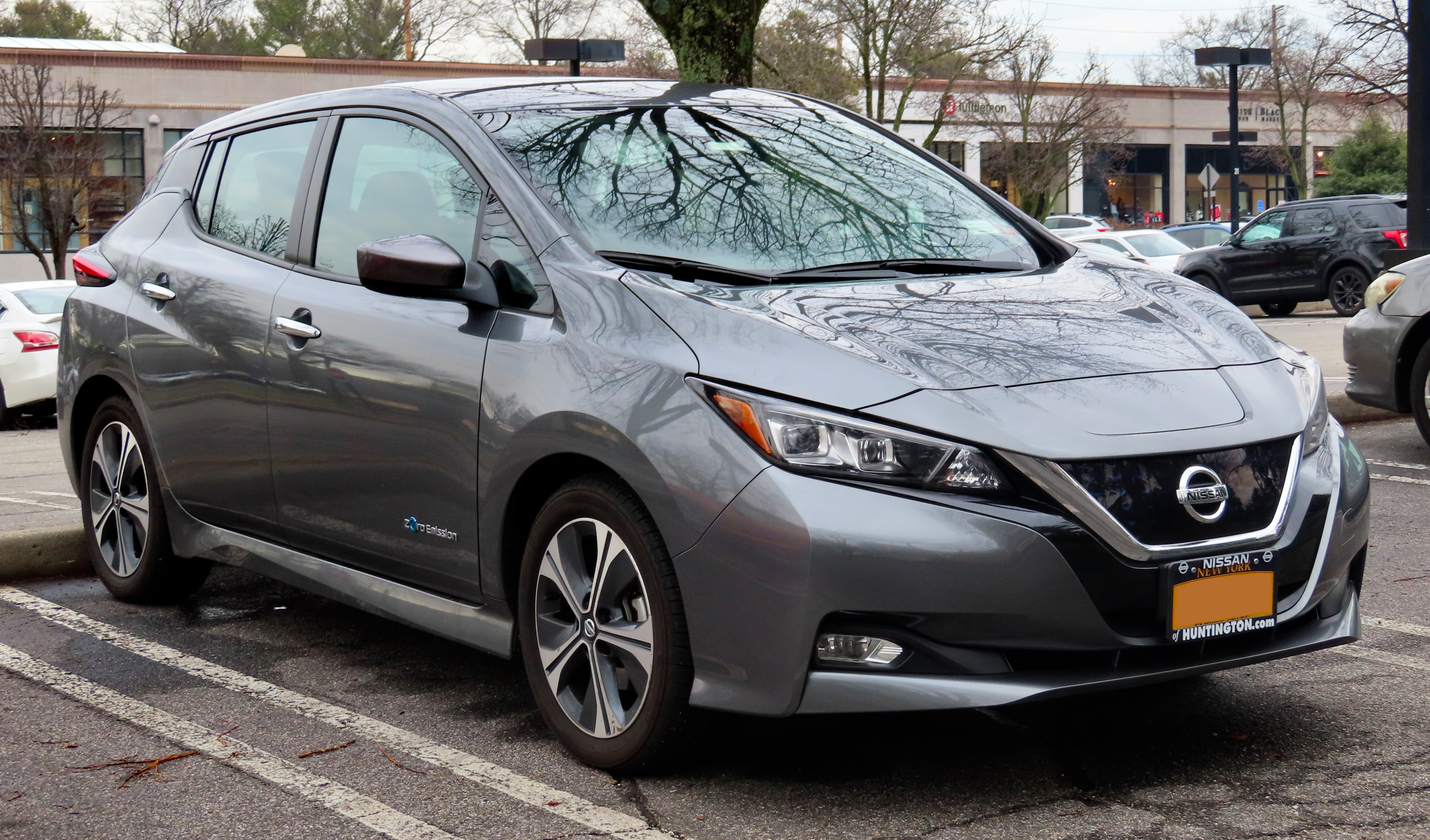
The Nissan Leaf is a popular everyday electric car. In this story, it’s used as the “normal” EV next to a Ferrari to make a point about how people react to the comparison.
Car
Land Rover
Land Rover is a car brand known for rugged SUVs. Here it’s mentioned as part of someone’s past work, not a specific vehicle being reviewed.
Jerry McGovern is a car designer. In this segment, the host says he was the top design person, and another designer was his right-hand person before moving to Audi.
Masimo is a designer. The host says he moved from Land Rover to Audi to lead Audi’s design team, which is why the show is talking about a design “reset.”
The Range Rover is a large, luxury SUV. It’s built to be comfortable and to look distinctive, both inside and out. That’s why it often shows up in conversations about premium SUVs.
A “limited edition run” means only a small number of cars will be made. The host is saying that’s why this new Audi isn’t a normal, full replacement for the R8.
The Audi R8 is a high-performance supercar. It’s designed to be very fast and exciting to drive. The podcast is talking about it in the context of what comes after it or how it fits into a lineup change.
An “image leader” is a car that’s meant to show what the brand wants to be known for. The host is saying the Velary is more about setting Audi’s future look than replacing the R8 in a normal way.
A twin-turbo V8 is a V8 engine that uses two turbochargers to push extra air into the engine. That usually helps the car make more power, especially when you rev it hard.
Electric motors are the parts that use electricity to spin the wheels (or drive the drivetrain). Having multiple motors can help the car control power more precisely.
The Lamborghini Gallardo is a well-known Lamborghini supercar. The hosts are saying it shared technology with the Audi R8, which helped keep costs down for Lamborghini.
Car
Lamborghini
Lamborghini is a well-known Italian supercar brand. In this discussion, they’re talking about how Lamborghini’s cars fit into the lineup compared with Audi’s newer “top” strategy.
A halo car is the flashy, headline-grabbing car a brand uses to make people think of the brand as exciting and premium. It’s meant to boost the whole lineup’s image, not just sell one model.
A platform is the shared “base” that multiple cars can use. If companies reuse the same base, they can build different cars faster and cheaper.
Car
Ferrari
Ferrari is a famous Italian car brand known for fast, high-end cars and racing. The host is talking about Ferrari’s past and how that history connects to the idea of brand moves and model naming.
“Design language” just means a brand’s recognizable look. The host is wondering if Audi’s new supercar look will show up later on cheaper or more mainstream models too.
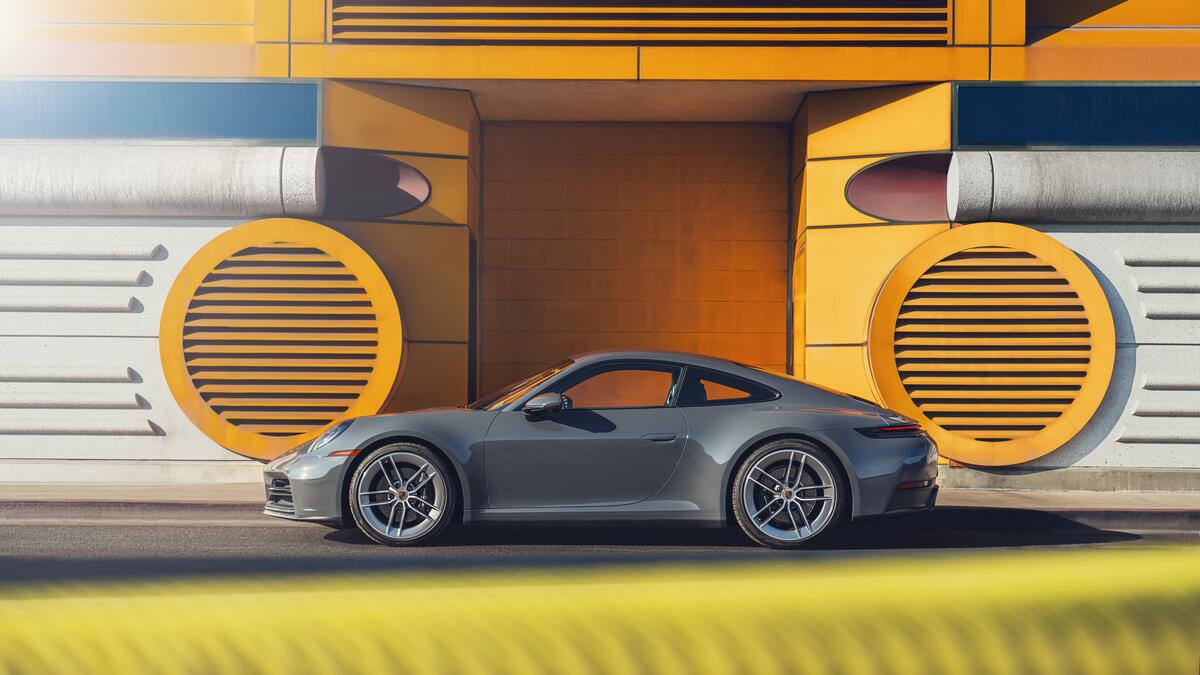
The 911 is a sports car made by Porsche. It’s known for being quick and for its classic design that has stayed recognizable over many generations. People bring it up because it’s a standard against which other sports cars are compared.
The Audi Q5 is Audi’s smaller luxury SUV. The host is basically saying: if Audi’s new look is changing the brand, you’ll see that same style idea show up on cars like the Q5.
The Audi TT RS is the stronger, faster version of the Audi TT. In this segment, the host points out it uses a 2.5-liter five-cylinder engine and makes a lot of power.
Stability control is a computer-controlled safety feature that helps prevent skids. If the car starts to slide or rotate the wrong way, it can intervene to help you stay on track.
A ducktail spoiler is a rear wing/spoiler shape that sticks up slightly. It helps the car stay more stable at speed, and the host says it was added to early cars after problems.
This means a relatively small 1.8-liter engine that’s boosted with a turbocharger. The turbo helps it make more power than you’d expect from the small engine size.
A five-cylinder engine has five combustion chambers in a single row. The host is pointing out that the TT RS uses a five-cylinder design, which helps give it a distinctive feel.
The Audi TT is a small sporty Audi that people buy for looks and fun driving. Here, they’re just using a 2002 example to talk about what used ones can cost.
On a manual car, the shifter moves into specific gear positions. A “gated” shifter means it feels like it’s guided into the right spots, which can make shifting feel more precise.
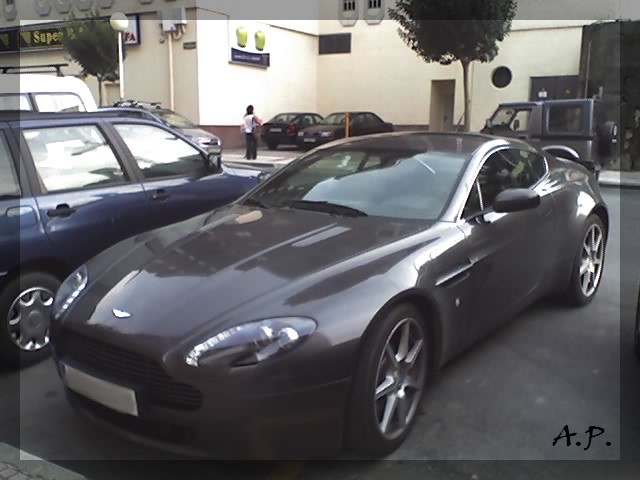
The Aston Martin V8 Vantage is a luxury sports car with a V8 engine. They’re comparing it to more expensive V12 versions and saying the V8 is usually the cheaper way to get the Vantage experience.
The Dodge Charger is a famous American performance car. Here they’re talking about an electric Charger version that isn’t selling well, and the host thinks Dodge’s response is to raise the price to discourage buyers.
An adapter is a small accessory that lets your car use a charger plug type it doesn’t normally fit. The host is saying the newer setup avoids needing that extra purchase.
The Buick Model 27 is a specific Buick vehicle. The podcast is talking about extra add-ons that can cost a lot of money, like an adapter. The main point is that the final price can be higher than the base cost.
“Price parity with gas” just means the EV costs about the same as a similar gas car. If it’s much more expensive to buy, fewer people will switch even if the EV is cheaper to run.
The Dodge Durango is a big SUV from Dodge. The host is talking about a more performance-focused version (SRT) that would lean into the brand’s muscle-car style.
The Challenger is a muscle car built for strong acceleration and big-engine performance. The podcast mentions it alongside other high-power versions and engine types. It’s brought up because it’s one of the well-known cars in that performance category.
“Hellcat” is Dodge’s name for a very powerful supercharged V8. When they say “Hellcat engines,” they mean the kind of engine that’s built for big horsepower and fast acceleration.
Car
Jeep Trackhawk
The Jeep Trackhawk is a super-fast version of a Jeep SUV. The hosts are talking about bringing it back and possibly using a very big, very powerful V8 (the kind people associate with Hellcat).
They’re talking about a return to the “muscle” vibe—cars and trucks that feel built around big power and big engines. The point is that some brands are betting that buyers still want that kind of performance identity.
Car
Ford TRX
The Ford TRX is the extreme, performance off-road version of the F-150. The host is saying it sold well because it was genuinely built to be a capable, fast truck.
The Ford Lobo is a version of a Ford truck that the podcast says started out well. Then they describe a later version where the changes—like lowering the truck—didn’t turn out as expected. The point is that the modification approach mattered.
They’re talking about a specific electric car model called the Dodge Charger. The hosts compare how well it sells versus another EV, which affects how the market responds to price changes.
Term
GPV
“GPV” is a short name for another electric vehicle the hosts are comparing against the Charger. In this segment, they don’t explain what the letters mean, but they’re using it to talk about which EV sells better.
This is a special version of the Ford Bronco made in partnership with Filson. The idea is to make the Bronco feel more “upscale” and comfortable for everyday driving, not just hardcore off-roading.
The Land Cruiser is a Toyota SUV famous for being tough and capable off-road. Here it’s mentioned as a rival that feels more comfortable and upscale on regular roads.
The F-150 is a full-size pickup truck made by Ford. It can come with different engines, including a V6. The podcast is talking about how some versions can feel more performance-focused through tuning.
The Lexus GX is a luxury SUV that’s built to handle dirt roads and trails, but still feels comfortable. The hosts mention it as a “why pay more?” comparison to the Bronco’s high price.
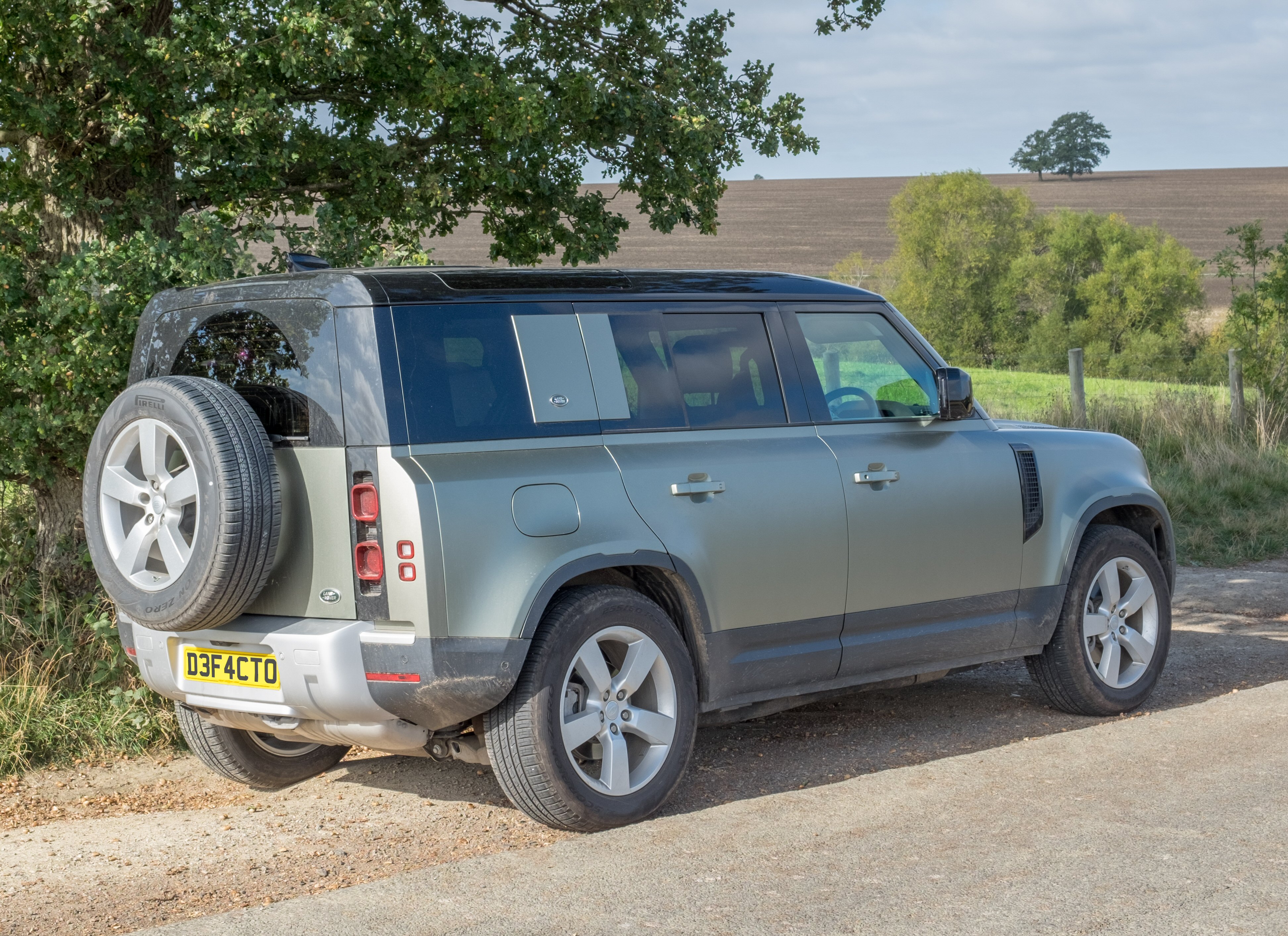
The Defender is Land Rover’s tough, off-road SUV. They mention it because it’s another premium 4x4 option that can make the $70k Bronco feel like a hard sell.
Sound deadener is material added to vehicle panels to reduce cabin noise by damping vibrations and blocking sound transmission. The host credits more sound deadener in the doors and fenders for a quieter ride.
Fox shocks are upgraded shock absorbers made by Fox. Better shocks help the vehicle stay composed over rough roads by controlling how the wheels move up and down.
NVH means noise, vibration, and harshness. It’s basically how loud and bumpy a car feels inside, and how rough it seems over road imperfections. Engineers work hard to reduce it so the cabin feels more refined.
The Mustang is a sports car made by Ford. The Mach 1 is a more performance-oriented version of it. In the podcast, it’s mentioned because someone worked on a special Mustang build with upgraded audio equipment.
A hard top is the rigid, solid roof on a convertible-style vehicle. It usually helps keep wind noise down compared with a soft fabric roof. The segment connects roof type to how well the cabin can be quieted for audio.
A soft top is the fabric roof on some open-roof vehicles. It often lets in more wind noise than a solid hard roof. That matters when you’re trying to make the cabin quiet for a premium audio system.
Foam core means there’s foam inside the roof panel. Foam can help absorb vibration and reduce noise. That’s why this kind of roof can be better for keeping the cabin quiet.
Anderson Composites is a company that makes a roof option for the Bronco. The idea is that the roof uses foam inside to help block noise. That helps the cabin feel quieter, which makes the audio system sound better.
“Prep” here means the careful work done first before the final finish. The host’s point is that if the prep isn’t right, the final result won’t be as good.
Sound deadening is extra material added to the car to reduce noise. It helps stop vibrations and makes the cabin feel quieter, especially for road and wind noise.
A compliant suspension is a suspension setup that rides more smoothly over bumps. Smoother motion can mean less shaking and less noise getting into the cabin.
Soft touch materials are the nicer-feeling surfaces inside a car. They can also help reduce harshness and sometimes make the cabin sound less “echo-y.”
Reverb is the echo that hangs around after a sound. In a car, too much reverb can make things sound less clear, so insulation and materials help reduce it.
Mark Levinson is a high-end car audio brand. The host is basically saying that luxury cars often combine great sound systems with a quieter cabin so the audio experience is better.
Harmon Becker is a company that makes and supplies car sound systems. It also owns several famous audio brand names you see in cars, so they’re not as independent as they sound.
Harman Kardon is a car audio brand you’ll see in higher-end models. In this discussion, it’s mentioned to show that the brand name doesn’t always mean a totally separate company.
Genesis is Hyundai’s luxury car brand. In the podcast, they’re talking about the sound system in a Genesis, like which premium speaker setup it has. The idea is that different cars can offer different high-end audio brands.
RTA is a device/software that measures what frequencies a sound system is producing. Instead of just listening and guessing, you can measure the audio output in a repeatable way.
Term
microphone
In this context, the microphone is used as part of the measurement setup to capture the car audio system’s frequency response. It’s not just any mic—it’s the sensing element that feeds the RTA so the tuner can adjust the system based on data.
A dyno is a machine used to test a car or component under controlled conditions. The host is comparing audio testing to that idea—making it more repeatable and measurable.
B&O here refers to Bang & Olufsen, a premium audio brand that supplies branded sound systems for some luxury cars. The host is describing how the automaker may handle the integration, while the audio brand provides the tuning and speaker/amp setup.
Brand
Blaupont
Blaupont/Blaupunkt is a car-audio brand. The host is saying that even if you see a luxury audio name on the outside, some of the hardware inside can come from a different audio company.
The F-150 Lightning is an electric pickup truck. Instead of using gasoline, it runs on electricity. In the podcast, they’re talking about the truck’s premium sound system.
Dolby Atmos is a surround-sound style that tries to make audio feel more like it’s coming from different directions. The host is saying you only get the full effect if your music source supports Atmos.
Car
Ford Raptor
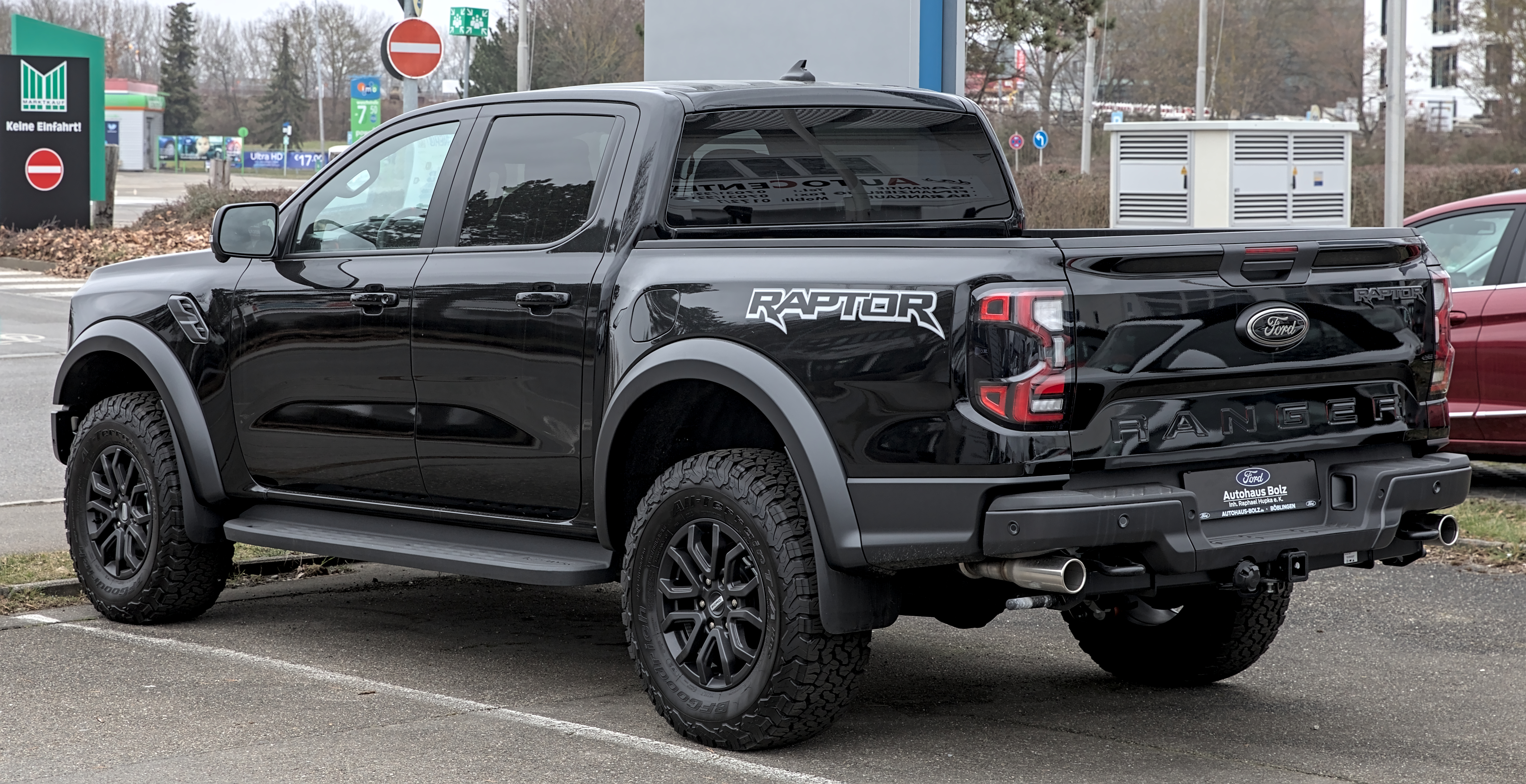
The Ford Raptor is a rugged off-road version of Ford’s pickup trucks. It’s meant to handle rough roads and trails, and the hosts mention it to compare different ways Ford could “upgrade” the Bronco lineup.
Car
Lincoln
Lincoln is Ford’s luxury brand. The hosts are saying Ford could make a more upscale Bronco-like SUV under Lincoln, with a different style and more premium vibe.
The Supra is a sports car made by Toyota. It’s designed to be fast and fun to drive. In the podcast, it’s brought up as an example of a performance car when discussing budgets and power.
A hybrid system uses both a gas engine and an electric motor. The electric part can help the car save fuel and sometimes feel quicker, and the hosts are saying Ford might add that to a more premium Bronco.
The Ford F-150 Hybrid is a hybrid version of Ford’s popular pickup truck. The hosts are using it as an example of hybrid tech Ford could bring to a Bronco-style SUV.
The 4Runner is an SUV made to handle rough roads and off-road trips. It’s built to be tough and dependable for everyday use too. The podcast brings it up while comparing different capable SUVs.
Residual value is the portion of a vehicle’s price that remains after depreciation—often discussed in leasing and resale terms. The hosts say the Lexus GX has a “ridiculous” residual value, meaning it holds its value unusually well.
A markup is when a dealer charges more than the normal price for a car. The hosts are saying dealers have been able to do that on the Lexus GX because people want it.
The aftermarket is the set of extra parts and upgrades sold by companies other than the car’s maker. The hosts are saying it doesn’t look good if buyers need aftermarket fixes just to get the car to feel right.
Term
quieter roofs
“Quieter roofs” means making the cabin less noisy, like reducing wind noise. The hosts are implying that if the Bronco wasn’t built for luxury refinement, you might end up needing upgrades to make it quieter.
LIVE
Hello, welcome to the EdmundsCarCast podcast. I'm Matt, the moderator, D'Andrea, here with
Alistair Weaver. All right, before we get into it, a word from Fanduil and right now, new Fanduil
customers can bet $5 and get 150 and bonus bets if your first bet wins. That's right,
turn $5 and a 150 and bonus bets just for getting started. And when every possession
matters in the playoffs, Fanduil makes it easy to get closer to the action from player props and
your favorite stars to all the tools you need to back them up. Fanduil puts player research at
your fingertips so you can check the stats, trends, and matchups all in one place and make your picks
with confidence. It's everything you need all in one app, so don't miss your shot. Head to
Fanduil.com slash B-L-E-A-V to get started. It's Fanduil, play your game. It must be 21 and over
and present in select states. Gambling problem, call 1-800-Gambler. How are you doing today?
I'm all right, thanks. thanks, Matt. Not on our fancy YouTube studio this week,
so if you are joining us, having watched that and subscribed, thank you very much.
We're going to do some in the studio. We're still working out exactly how that works. We're
doing little pilots, but this is our regular beat once a week. Matt and I get together and
talk about all the latest stuff. Yeah, so to add to that, the past couple of episodes that you
and I have done, we did them in the Edmunds studio. So if you guys haven't seen them and we've been
just experimenting a little bit with trying to share that content, so we published those two
videos on the Edmunds YouTube channel. So if you missed those episodes, they're not on the
CarCast channel, they're on the Edmunds channel. Now we'll figure a way to maybe tie those in
together in the future if we do future episodes, but the past two YouTube episodes that we did,
they're on the Edmunds channel. We shot them in the Edmunds studio, which was very nice.
And we're just trying to see if we can change things up a little bit and keep things fresh
and keep things going, but also a really good interview. If you guys missed it on the YouTube
channel, you're just hearing the podcast, a great interview with the head of Ford's EV
development program, Alan Clark. So if you guys missed that, there is the YouTube version and
the podcast version that you guys can check out. It's actually been quite... Well, firstly,
thank you for the compliment, but also it's been quite... It's been kind of interesting how much
interest that has generated. I think that the way that Ford is going about that project is
really interesting in terms of just reinventing how they do it. And I was actually not entirely
surprised, but still pleasantly pleased with how many people interacted with that interview.
So yeah, it's on the YouTube channel, check it out, or you can listen to it on Spotify,
Apple Podcast, or all your usual channels. That was last week's episode.
Yes. And we've got some interesting stuff to talk about now, stuff that's popped up in the news.
But before we move on, and I'm just going to do this on the air, double check your microphone,
Alistair, because I... We've been super slick, is it? I feel like it might be...
Was that better? Was I am a little bit more deep bass now?
There you go. It sounded like a little bit in the chamber, a little echoey, but now it's good,
it's cleaned up. You know what it is? I don't know whether people who work on Zoom a lot like I do.
Every time somebody rings you on Google Meets or Slack or Teams or anything,
is it completely screws up all my system, and suddenly I'm on the wrong microphone,
I can't hear the sound, it drives me nuts. It does for me too. So I use this microphone that you
only works with Zoom, and if I switch to a Google meeting or Teams or something,
it doesn't use this stuff. I don't know why, at least not natively.
Most of my life now is like this, and I don't know. I spent most of my early career freelance
and working out of a bedroom and my 20s, and if I didn't get out of the house for two or three
days, I used to go mad, and now I'm kind of back in that world a little bit. I don't know,
it's a mixed feeling. I don't go into the office five days a week, and many people would say that's
a blessing. I don't sit in commutes for two hours a day, but I'm a bit of a people person,
so sometimes it's a little bit difficult just to stare at a screen.
Yeah, I'm with you. We used to do the studio stuff all the time, and then pandemic hit and became
remote, and that just sort of became the norm. It became the norm with guests as well on almost
every podcast. It's really kind of nice to get people in the studio. Now that Edmunds has their
studio, maybe we'll take advantage of that a little bit more and get some people to come in there.
Come to sunny Santa Monica. Come to Santa Monica.
Throw in lunch.
So the past couple of weeks, the news, not just automotive news, but the news in general has
just been obsessed with Ferrari Luce. So this EV that Ferrari put out, and I'm not going to spend
any more time on that. What I'm saying is, is interesting timing that as Ferrari, I don't know,
for lack of better terms sort of fumbled this thing, Audi has come out with something that
Ferrari should have come out, and it is super impressive. Let's take a look at that.
It is the end to say one final thing about the Ferrari. Actually, I've been really,
on my Instagram feed, it's full of AI interpretations where proper designers have
either used their own tools or AI whatever to reimagine it. And I've read some really interesting
sort of high level analysis of that car from really senior designers talking about why the
reaction has been like it is and how the proportions of that car, how tall, how high it is relative to
and how the windshield, as I should say, sits relative to the nose of the car and the axle line.
Quite a lot of what some would say geeky stuff about it, but it's really interesting.
And there's always been this thing about the difference between product design and car design
and how the two worlds is a lot of crossover, but they don't necessarily meet. And I think,
you know, when people are studying car design in 20 years time, they're going to look back at this
and analyze it intellectually. And it's going to be a really interesting case study.
It's interesting how all of the reactions are, you know, and funny memes on that car are all
based off of the looks. Nobody's talking about the performance of it and what it's supposed to do.
I mean, obviously, very few people have driven it. So, but we don't care how fast it is. It
doesn't really matter. It just doesn't look like a Ferrari. To be honest, like I say with the EVs
generally, that's kind of part of the problem because, you know, every EV, every EV that's
vaguely performance is incredibly fast. Hyundai Ioniq 5N, Tesla Model 3 performance are as
fast as any road car needs to be. So saying, oh, it's got 1100 horsepower, well, so as a Tesla
plan, you can pick one of those up now for 60, 70 grand. And is that that exciting? And so there's
not, you know, there's not a lot to play with that. The straight line performance taken for
granted. Yes, I'm sure that some of the dynamic stuff looking at the specification is going to be
really interesting once you drive it. But it's not like, oh, it's the first car with 1000 horsepower,
or it's the first car that's, you know, zero to 60 in two seconds, it's ever well,
you know, we did that in the plan and that's 100 grand. So I'm not very excited about that.
So EVs become about the other stuff, which means talking about design and everything
else. And obviously that's where the reception has not been very good.
I saw a great post. It wasn't, it was Nissan, but it wasn't Nissan USA. It was like Nissan Europe.
It was Nissan Island. I know the one you talked to where they had the leaf
in the blue color and the Ferrari side by side and basically said, thanks a lot, this is really
flattering. Yeah, right? Yes. I thought that was the best post. It was. And I wonder how it went
down because obviously like Nissan Island, I'm pretty sure it's Nissan Island is not that big.
And I wonder whether the global CMO saw that and was like, I'm not sure about that. I don't know.
Or maybe they loved it, but it was a pretty, I thought it was a pretty gutsy move.
I thought it was great because it was, was done, you're right, in a flattering way.
God, I forgot what the comment was, but it was something like, you know, thanks, you know,
like we approve, you know, we love it. You know, we love it. Thanks. We're very flattered or something.
Yeah. Yeah, it was great. Okay. So let's talk about Audi. Let's talk about it. Yeah. Sorry,
I didn't really answer your actual question. So the new Volari, this, so we talked on a show
months ago about Masimo Foskeller, I think his pronounces surname correctly, who was,
who I actually worked with years ago, my production company did some work with Land Rover
and Jerry McGovern, who was the chief designer at the time. And Masimo was kind of number two
and a guy that Jerry obviously had a lot of respect for. And he was plucked from Land Rover
design to go into Audi as their head of design, which felt like a big move, big, big jump at the
time. But if you think about a Jaguar Land Rover design, particularly Land Rovers, has really
been focused on beautiful minimalism and elegance. I think the current Range Rover looks fantastic.
And he looks very distinctive relative to everything else on the road and he's aging
really, really well. And he was brought in, I think, to reimagine Audi design, because like
Audi design in the last 10 years has got really, really complicated. You look at something like
the current Q5 or the A5, there's just so much going on and they look a bit plasticky and it's just a
bit, it's just a bit much. And so they did a original concept car. And now they've launched
this limited edition run based on a Lamborghini Temurario called the new Velary and everybody's
calling it the R8 replacement, which it kind of is, but it's, they're only going to build 500.
Is it 500 or 499? I forget how many they mean. I believe it was 499? 499, yeah. So
they're only building 499. So it's not really an R8 replacement. It's a
image leader for Audi and to set the tone for their future direction.
But I think it looks, if it's cost half a million bucks, which it probably will, it's going to cost
more than that. Because the Temurari, if it costs half a million bucks, then it looks a million
bucks to me. I just think it looks fabulous. Do you agree? I do. Interesting that the shape of the
front end has a little bit of that new Jaguar kind of look to it, right? Which is kind of
flat in the front and it kind of tears back a little bit behind the lights. But I like the
sharp edges. It definitely has some Lamborghini styling to it. I know we're seeing just mostly
a bunch of renderings and stuff, but it's cool. And it should be interesting.
Yeah, I think it looks, I mean, yes, the interesting thing with the Jag, of course,
is Massimo worked for Jaguar Land Rover and probably worked on the Jaguar before he came to Audi.
So maybe the similarity is a little bit more skin deep, shall we say, than it might seem on the
surface. But again, getting rid of this kind of massive complexity, this kind of over styling
and going back to something that's much simpler and purer. I mean, it reminds me a little bit of
the Gandini cars. I had a day off yesterday and I took my dad to the Peterson Automotive Museum,
so it wasn't that much of a day off. Yeah, that's a good place. It's an amazing place. My dad's had
Mercedes since the 1970s, started with sort of second hand cars and then was looking to buy
some new ones and now has gone back to a second hand sea glass. And it, yeah, we had a really
nice day out, but it was it was really interesting going around, not just the Mercedes bit, but
also some of the other exhibits. They had a big thing on the Gandini wedge. And that view, you
know, the incredible sort of 1970s original Lamborghini Kuntac and this kind of very pure
wedge design. And you look at this new Velary and it's almost going back to that sort of thinking.
Very, very simple, sharp edges, looks amazing. And a little Audi grille, which harks back to the
auto unions, which of course became Audi, their race cars of the 1930s, which new Velary, I could
geek out on new Velary as well, new Velary raced, I think at the end just before the Second World War.
The the tech specs on this thing are twin turbo V8, 10,000 RPM, just like in the Temarario.
Yeah, it's a hybrid system, all wheel drives, three electric motors, all wheel drive, I believe it's
one motor, two electric motors in the front. Yeah, is it two? Is it two and two and one? Yes.
Yeah, 33 electric motors. So it's there's two in the front and I'm probably one,
probably it's not the rear because of the engine. So it's probably on a transmission or something,
right? I don't remember what the Temarario setup was. I mean, this is mid end. I think the Temarario
has got 22 at the front driving the front wheels and then one, probably cut off the gearbox,
isn't it? Yeah, that's what I'm thinking. This is exactly the same 987 horsepower. Yeah, which
with a subtle retune. But remember, mind this, there's nothing new in that either in that the
R8, both the original and later versions also shared. I mean, the original R8 shared a lot of
stuff with the with the Gallardo, Lamborghini Gallardo at the time. And this was a deliberate
policy allowed Lamborghini to create a new car at a sensible price or sensible ish,
and it allowed Audi to have a super car as an image leader. So, you know, there's nothing,
there's nothing new in this thinking. You've got the Temarario, which is part of the
Volkswagen group. Let's take that. Let's reclothe it as an Audi like we did with the R8 and sell
it as a limited edition. So from a business perspective, it makes a lot of sense. It's proven
technology. They're not having to develop too much from scratch. And you know, the and it'll be
interesting to see exactly how much it comes in. We're sort of estimating half a million.
If it's half a million and there's only building 499, then this is going to be a
fantastic collector's car for the future. So people are going to be falling over themselves to buy it.
Interesting because, you know, the Lamborghini used to be the flagship and then the R8 was kind of
the little brother, right? Going less expensive, less power, more affordable, higher volume. But
in this particular case, because of the 499 units, they're actually doing a bit more horsepower,
I think 987 versus 907 in the Lamborghini and a bit more money and more limited. So
Audi is using this as the halo car for, you know, for the group, not just for Audi
and compared to the Temarario. That's true. But I think that we haven't seen the Temarario
performante and all the variations. So there's more. The Temarario is brand new. There's more to
come from that car. So I don't think Lamborghini cares. You know, I don't think I think the people
who buy this are probably going to have potentially have a Lamborghini as well. You know, this is a
Well, look at it from a Lamborghini's point of view, right? They're all in the same family,
but they also just said how much money did we invest in the Temarario? And now we just sold 499
engines, right? And platforms, like they just increased their revenue by sharing that platform,
you know, essentially selling it to Audi. But you know, I think also it's kind of,
kind of, I'm sure this, you know, I don't know whether this was delivered or not, but
I once read a book on Enzo Ferrari and he talked a lot about new Ferrari as well, because new
Ferrari was really Enzo Ferrari's first superstar driver. So new Ferrari, I think was born in
late 19th century, died not motor racing, given how dangerous he was back then. We actually survived
and his career was cut short by the Second World War. And I think he died of a stroke in the 1950s.
But he was the first Max Verstappen of his day, if you like, raced on two wheels, raced on four
wheels, raced for Ferrari when Ferrari was still a sort of a startup, basically competing with
Alfa Romeo's. And if you read a lot of stuff about Enzo Ferrari, it wasn't until Gilles Villeneuve
came along in the 1970s that he had another driver that he respected as much as new Ferrari. And I
think Ferdinand Porsche is quoted as saying as well that he was, you know,
an all-time great. He is the sort of the Hamilton, the Verstappen of the 1930s. But it's interesting
that his name really was made as a Ferrari driver. Right, as the Italian company. Yeah,
as Italian company. And then at the end of the 30s, he seems to have had a fault fallen out with
Enzo Ferrari and gone off to race an auto union, which was, of course, at that time part of, you
question my regime in Germany, 38, and then of course war starts and that's kind of the,
that's the end of it because he was getting on a bit by then. So yeah, I don't know whether there's
a deliberate little dig at Ferrari. I'm sure it's not lost on everybody within the company.
But he was, there is some heritage there with the auto unions. If this thing was going to be like
an R8 supercar and they literally changed the name like a week and a half ago when Ferrari
released the Luce, then I think that would be genius. I think that would be such a good dig
going, oh yeah, we were going to do the R8 super plus, whatever. But instead, we just used this
name instead. This is a cool car. It's unobtainable basically and it's going to trade for a fortune
at auction at some day. But it's interesting to see if this becomes sort of a design language for
a potential new R8. Think of cars that are launching the supercars and that becomes
the predecessor for sort of the junior versions. Does Audi come up with a $150,000 to $180,000
version that's competitive with 911 like they were doing with R8?
And even more than that, are we going to see a new TT? It's easy to see this design language
translated into a TT. But also, they're mainstream cars. If you go back a decade or more,
I think particularly before I moved to America, Audi was, I remember growing up, my mom used to
say, oh, it's the poor man's Mercedes. Aldi, the poor man's Mercedes. And then largely,
when the R8 came out, when the TT, this is the original TT, which I just started my career,
this is 98 when it came out. That was a kind of, I hate the word game changing,
was kind of game changing for Audi. It suddenly put them right at the forefront of design and
technology and then the R8 as well, those two cars together transformed the brand.
And then suddenly, they were right up there with Mercedes and BMW both from a kind of product
perspective and from a sales, even in the US. And then recently, I think the last few years,
they've sort of lost their way. The cabin quality is not nearly as good as it used to be. The designs
have become really complicated and fussy. And they've just lost that desirability.
Some of them are still decent cars, but they don't have that kind of premium want one feel
about it. This looks very different. So if you imagine this translated down to a Q5 or an A5,
I'm excited to see what that looks like. Speaking of the TT, toward the end of that line,
that TT RS, what a hot little car. Yeah, but if I was buying a TT, I would buy
the very early one, the very first one, that pure sort of bar house. And if you could get one,
if you remember what happened, there was all those crashes, and they ended up having to
reverse engineer it, put on stability control, add a little, that little sort of ducktail spoiler
at the rear. But there were some people who bought it before they added that spoiler, who didn't
then take it back in to be re-engineered, who just sort of live with it. And I drove the car
without it. It was a handful. I think that was 21 at the time. It was a real handful. But if you
looking for like an everyday classic car, and they are a classic car now, I mean, they're 25 years
old, a first generation Audi TT would be great. 1.8 turbo engine, what do you do, 180,
180, 225 horsepower, then you could have the 3.2 V6 with more. But even just like that little 1.8
T, the 225 horsepower one, that would be a lovely car today. Really good quality.
At the end, the TT RS, I don't know if it came with a manual at all, but it was the
five cylinder, the 2.5 liter five cylinder with like 394 horsepower.
Yeah. It was getting up there. I get you, but I think that is it going on, it kind of got more
expensive design, got a little bit more complicated. I'm just looking here like yeah, 2002 Audi TT,
$24,000, one here at $8,500, $8,000, $3,000 miles on it, $15,000, $11,000. This is just quick Google
while we're talking. Yeah, I mean, that's, yeah, I think the very first one, the really pure one,
it would be, yeah, would be the one I'd have. I agree. I think on the Audi R8 as well, I drove
the V10 with the manual gated shifter and that thing was a blast. That is so much fun to drive.
And I know they made faster, more complex versions, but I don't know, when that V10 came out with the
manual transmission, that gated shifter and a great little sound to it. And I just remember just
like trying to wake up in the middle of the night just so I can go out in LA when there's no one out
on the road. But like, it's 1230, it's time to take the R8 out. I even, even the very first,
because I think the very first R8, which is, which you remember was the one from the Will Smith
movie, wasn't it? And it had a much, wasn't a sharp edge. It was more organic and I think more
distinctive. Yeah. Even just a V8 manual version, one of those, and they did the V10 of the first
gen, if I remember correctly, but the V8 manual version, one of those, again, just an amazing,
lovely, lovely collector's car. Yeah. And it's plenty fast enough. The V10 sounded better
because it had that Lamborghini feel about it as well. But that original V8 would just be a really
nice car to own. And because it's, I mean, yes, there's a lot of Lamborghini, but it's an Audi,
it's not, you know, it's not going to be cheap to run, but it's not disastrous.
Yeah. And more affordable when you start looking at the V8 cars, a little like the
Aston Martin, the V8, the V8 Vantage. That one, you know, nowhere near as expensive as the
12-cylinder versions. Not really that fast, but nice car to have. The V8 Vantage, the Aston.
All right, so I'm going to turn the page a little bit and let's talk about,
let's talk about Dodge for a second. So Dodge, Charger, EV version, not selling well. Dodge's fix
for the problem is to make sure you don't buy it by increasing the price. I don't get this.
They really don't want anybody to have this car. I think that's right. I think they basically
just looked at it and said, we're losing a ton of money on this thing. You know, can we just make
sure that nobody, you know, can we just make sure that nobody, nobody buys it?
It's what it seems like. I mean, this is, yeah, whether it is a 12 and a half grand increase
over the 26 Coupe, but without, I think it's now got the Tesla style, Nax Charger,
Charger rather than the old one, which frankly makes no, you know, it means you can shoot,
you can plug into a Tesla Charger without having to put an adapter on, but you know,
it's kind of a first world problem. So if you have a 2026 model, you can buy a $200
adapter. And if you buy the 27 model, it's $12,500 extra. Yeah, that's a pretty pricey
dot. I'm pretty sure they're about 40 bucks on Amazon. Yeah, so it's 49. So it's 80. So it's
they've cut the upcharge for the four door models from two grand to just 500.
The two door and the four door are essentially the same price. There's only 500 bucks between them.
But the other thing, so yeah, I don't get this. I mean, we own one for a year. We lost 50 grand on
it. We talked about this enough on the show. And the big thing is like everybody else is talking
about price parity with gas. The only way you sell EVs is at least get them to price parity.
Then you can talk about you're saving money on gas, you're saving money on this, you've got this
and this and this. That's the whole point of Ford's endeavor. Let's build it so it's price parity.
The gas power charger starts at 52K. And the 550 horsepower Charger Scat Pack starts at 57K.
So you're talking 20 grand cheaper? I'm doing the massive 20 grand cheaper. Yes,
$20,000 cheaper for the gas car. So I don't, I don't.
It's a little confusing. I don't, I don't get it. I mean, I think that
yeah, I, and especially what the few used cars that are in the market are going to be in the
mid 30s. You know, like we, I think ours is on the market or was on the market for like
mid 30s or something. So
it's, it's hard to believe anybody's going to go in and drop 75 grand on one side of it.
Especially when the gas car's there and not only is it 20 grand cheaper new,
in the used market, the gas car's going to hold up because it'll still be desirable and the EV's
going to drop like a stone. Stalantis had their big investor day like a week or so ago and they
had talked about, you know, something along the lines of 60 new models and 55 or 50 refresh models
between now and 2030 across all the brands, by the way, Fiat, everything, everything that they
out, Alfa, Mayo, everything. It's a lot, but a number of like Halo cars and V8s and SRTs and
Hellcat engines and, you know, we talked about all the trucks, the Rumblebee trucks, but now a
Durango and probably an SRT Durango and maybe bringing back the Jeep Trackhawk with, you know,
with either the big V8 or maybe the Hellcat engine in it and leaning back into having their,
you know, they're all built around this, you know, this muscle car thing that Goldberg and the
commercials, Mayor of Musseltown and all that stuff. And now they're going, they're going back
into, into that heavily sort of muscle truck, muscle car era of things. I think it's super
smart, the Rumblebee, by the way, because everyone's doing off-road. Ford had that for so long,
it continues to have it, but as we, you know, TRX came out, that was a hit, and then Ford
flubbed the F-150 Lobo with just a lowering kit. So they came out and they're like,
we're going to do a V8, we're going to do supercharged, we're going to do versions of this
thing and we're just going to, you're just going to get the fastest street truck out there.
I think that was, I think it's smart. I think they'll sell them. I think they'll do well with it.
Not a lot of talk about EV in that, in that presentation, if I recall.
No, no, but also what's kind of as you look to the sales figures, the sales figures for the
charger are actually better than the GPV and in some ways the GPV even makes more sense.
So, you know, it's a mess. We should probably shouldn't labor it because all we're, you know,
we do, but a bit of an extraordinary development. So the Bronco, because I think
that's much more interesting and makes a lot more sense, although it's also north of 70 grand.
That's also it's expensive. Let's do this. Let's take a quick break and we'll be right back.
I wanted to tell you about BioPro Plus, a liquid formula packed with naturally occurring growth
factors and peptides that support your body's energy, metabolism and lean muscle. Fast and 100%
drug free. There's no pills, no injections, no prescriptions. Just one quick daily step that
works directly at the cellular level. BioPro Plus is clinically backed and trusted by pro athletes,
physicians and everyday men. I've been taking it because I'm over 40 and I want to feel like I did
10 years ago. Go to bioproteintech.com slash car cast for $100 off your first order. There's no
commitment and you can cancel at any time. That's bioproteintech.com slash car cast.
Just a quick reminder, if you're looking to make the game even more exciting, Fandall makes it easy,
whether you're betting on the big game, building same game parlays or just backing your favorite
team. Fandall has tons of ways to get in on the action. Download the Fandall app and place your
first bet today. Okay, we're back. Let's talk about the Bronco. This is a new special edition
Bronco meant to be the luxury version, right? Yeah, interesting car this, isn't it? It's the Ford
Bronco Filson. Duncan from the team went up to have a look at it. So Filson, I had to google it,
I hadn't heard of them, but Filson's kind of a sort of outdoor leisure brand. They do some nice
bags and some nice clothing. So I think they used to do, it was Eddie Bauer Ford used to have a
relationship with Eddie Bauer. Yeah, three bankruptcies or something. So this is kind of,
I think the equivalent, but it's an attempt to effectively take the Bronco upmarket and to make
it more lean towards SUVs. So maybe it can compete with more things like the Defender and the Land
Cruiser, which are meant to be a little bit more comfortable and luxurious on the road. And
it's not a terrible, terrible idea because, you know, speaking as a family, my wife
and I discussed getting a Bronco and swapping out of a Genesis EV into a Bronco. And in the end,
we just thought this is just going to be, it's just a bit much, you know, it's just a little bit
noisy. It's just a little bit, it's just too much hard work. For something that we weren't going to
off-road particularly, we wanted it because it was cool and the kids loved it. Yeah. And so this
appeals on that level, a Bronco that's quieter, you know, a bit more comfortable inside,
so high quality materials. It makes sense. It's got the V6, it's got the Raptor,
effectively a retune version, the Raptor engine, so it's going to be nice and fast. But my biggest
headache with it is just the cost. You know, if this is going to be, if this is going to be like
north of 70 grand, it just feels like a hell of a lot of money when you can get something like a
Lexus GX or, you know, we talked about the Land Cruiser, a Defender or, you know, a really nice
SUV. You've really got to want one of these to spend that much money.
Yes. And but partnering with a company like Filson makes it a bit of a special addition.
Hopefully that creates some value for it in the long run. So when you do look to, you know,
maybe you keep it, maybe you sell look to trade it in, maybe you get a little sum of
that back. But I'll tell you, it's nice. It looks like they did a pretty nice job. And some of the
things you talked about like the noisiness and stuff, but they've improved the aerodynamics,
there's increased sound deadener in the doors and the fenders, all of the nicer interior materials,
a little less plastic, more fabrics and leathers to absorb sound. So overall, I think it's just
probably a nicer driving experience. And correct me if I'm wrong, but they also
did not quite a full Raptor suspension, but it's got the Fox shocks and some things like that as
well. Yeah, they're trying to do, it's quite clear that they're trying to not just do a badging and
a bit of, you know, a bit of tape. It's trying to be, it is trying to test the market. I think
it's an attempt to test the market. There's been a lot of rumors about a Lincoln version of the
Bronco, more geared to what, you know, like there's a Lexus version of the Land Cruiser. It sounds
like an inherently sensible thing to do. And I suspect this is a bit of a toe in the water.
And also it kind of gives a bit more attention to the Bronco, which is now a few years old,
so it helps kind of refresh interest. But I do think it's probably a toe in the water,
like what is the appetite for a $70,000 Bronco that's that bit more luxurious? I mean,
I really like the idea of it. I just think it's a lot of money.
Yeah. So, you know, is this appealing enough to get you out of like a Defender or a Land Cruiser?
You know, is it special enough for you to make that move? I mean, you can spend more money on
those, but you know. And it's hard to go in this direction, isn't it? It's hard to take what is
quite a utilitarian vehicle and make it more refined. You know, when you think about they're
trying to redo the aerodynamics, they're trying to redo a lot of the kind of NVH,
the noise vibration harshness. That's actually quite a challenge from an engineering perspective
to start here and move there. You know, in some ways it's easier to go the other way. So
we'll see. I mean, we haven't driven it yet. It'd be interesting to drive it. I'm sure it's
going to be a nice thing. And yeah, it does appeal to me. It's just has it gone far enough
for the money. And the kind of brand partnership is sort of cool. But again, it's not, you know,
it's not unusual. Yeah. It's interesting. So a few years ago when I was doing my Mustang Mach 1
for SEMA, I had teamed up with Focal Audio and built an audio system for that car. But during
that process, meeting with their distributor, meeting with Focal as well and talking with some
of the guys in France about making the speakers, they sent a demo vehicle over and it was a Bronco.
And it was obviously built out, you know, as one of the nicest audio systems you get because it was
an audio demo vehicle, right? Right. Really, really nice stuff, high-end stuff. The back was
basically useless. They built a big box and displayed amplifiers and stuff. And I said,
what was the biggest challenge of doing this build? And they said the noise of the vehicle.
They said, we took this brand new Bronco. They sent it out to the installer and they said the
first thing they did was strip everything down on the inside, down to the bare metal.
And they did new layers of sound deadening, in some cases, double doors, floors, everything,
you know, all of that. And then I think they were trying to do things on the top. And if you
remember, there was issues with the top. They had the hard top, but then there was like,
not enough hard tops, they were selling soft tops. And I think Anderson Composites does
their version of a hard top, which is like foam core in the middle. So it's not, I don't know,
hollow or whatever. So it's supposed to have better sound deadening, you know,
properties to it. So they did all this stuff to the vehicle. And listen, it turned out great.
And the auto system was amazing. But the most noticeable difference was the amount of prep
work they had to do. It's like painting a car, right? Like the paint is as only as good as the
prep. They did so much prep and sound deadening and everything on this thing to get it. So
seeing this new Philson version and they're going, we addressed things like sound, maybe not to
Lincoln standards, right? Yeah. They didn't like replace the glass and all that stuff. But they
added some sound deadening to it. They had more soft touch materials, maybe, you know, a more
compliant suspension or something to make it, you know, overall quieter, hopefully no loud tires,
like that kind of thing. But it's a lot. I mean, it's amazing that an audio company would start
with a, that sounds like a terrible idea to start with a Bronco, you know, it's, I mean, that was
always the thing about, you know, the high end stuff with, you know, the, the, the Bentley's and
stuff is that they're so, you know, I remember sometimes when we're filming and you do voiceover,
you need a quiet environment. And I remember going to auto, she's sitting in Bentley or something,
or when we've had one on test, they're amazing sound booths, because if you click your fingers
like that, although there's a lot of glass and glass tends to reflect sound, yeah,
their noise insulation is incredible. There's so much sound,
deadening material and everything in it that if you kind of go like this, you know, it's, it's,
you don't get that reverb, whereas Bronco is terrible for that.
I'm a, I'm a car audio file and I'm still into that stuff and build systems and cars and,
and continue to do that. And yes, like everyone has their opinion of like, where's the best place
to start? But for the longest time, it's been like Lexus to go, Oh, how much am I going to spend in
the prep for a car? If you start with Lexus, you're usually heading in the right direction,
because you don't have to do as much. And if you think about it, even the older ones,
like even the older big cars, LS and stuff, pretty, pretty nice, pretty quiet, pretty good.
And those Mark Levinson high fives, we were actually looking at doing a story,
we're getting slightly off the Bronco topic here. That's not, not a great deal more to say about it.
But for a while, I don't want to give away our state secrets, but I am looking at doing a story,
which maybe you will help with this map, but it analyzes how good in car audio was years and
years ago, I went to a place of Harmon Becker in Wales. And Harmon Becker is one of these companies
that you realize they own all the brands, you know, so they, they were all the way to Lexicon,
which is on the Rolls Royce, Harmon Kardon, whole bunch of stuff that you would be household names,
but you'd like, Oh, I thought that was independent. Well, no, Harmon Becker own it.
And, and it was a big story on how they engineer it. And this is probably going back 15, 15 years
or so and times moved on since, but now every car has a named audio system, some description.
And I love my audio systems, but I wouldn't regard myself as kind of a massive expert.
But you drive so many cars, you get to hear an appreciable difference. Like I like the
Bowmeisters and the Mercedes, I think, so really tend to be really, really good. But
listening to all like the details, I guess, but I was trying to get an independent measure of what's
good and what's not. Yeah, because you get into a Ford with like, they had a B&O system or even a,
you know, a Kia with a meridian system and, you know, Hyundai's got Bose, whereas Genesis has
got Bang and all of a sudden, and you say, okay, all Bowers and Wilkins in other cars. And it's
like, okay, is this, how can we objectively measure what's good and what's not? Yeah,
you would do it with an RTA. So you'd get somebody that's familiar with tuning those systems. Yeah,
that was the thinking. And then you get the microphone, you get an RTA, and you measure
the systems and then you give the tuner an opportunity to fuss with whatever controls
are available in that car. It would be more than just an objective, like to do the science on it
and stuff like, it'd be like putting five or six cars on the dyno and tuning it a little bit and,
you know, like doing a little bit of that. So it's a little bit more involved test.
But it's interesting because all of these big brands, you know, Bowers and Wilkins and Mark
Levinson and, you know, Bose and all of them, most of the car companies use very similar
hardware, the speakers, amplifiers, a lot of that are the same, especially things like speakers,
because they have to do with weight and size and the depth and all that stuff that's in there.
And then that brand name comes in and does the final tuning on it. So they do some sort of like a
DSP, like a digital signal processor or something on the tuning. And then that brand is associated
with that. But honestly, they don't necessarily design those things like you go, I got a Lincoln
with 18 speakers, you know, B&O is like, I had, we had nothing to do with that. Now we got to tune
18 speakers, you know, we had to figure out what that. Yeah. My car, the Cadillac's got 18 speakers
and it's like, but yeah, yeah, yeah. Somebody else just recently, a car that was announced and
it's a $35,000 audio system upgrade. Maybe, I don't know, Bentley Rolls Royce or obviously
something high end. It's like, it's $35,000. I remember back, back when I was racing in
Patreon, one of the guys who was mechanicing the cars was, was a, in his real life was a
Bentley and Lamborghini service technician. And he was telling me I had a Bentley on test and
there was all this name and AIM audio. And it's just really interesting because like,
when you actually rip these things apart, the amp is Blaupont. And he actually says Blaupont on it.
I mean, look, you can, like, I think my Ford Lightning, it's a B&O system, but I think the
amp that's in it's made by Sony, you know, something along the lines of that leg. Oh,
it's Bentley. So Bentley, Bentley's new audio system, Dolby Atmos, whatever,
it, it's got a $35,000 audio system upgrade. But that's okay. But if you've got Spotify,
Spotify doesn't do Atmos. So. All right. So there's a lot of that. So. Yeah.
Okay. So just going back briefly on the. Sorry. Yeah, we completely talked about.
On the Bronco, what we were talking about was is Lincoln had indicated saying we're interested
in doing a Lincoln version of an off-road or maybe we start with the Bronco platform.
And I know this partnership with Filsom is interesting because it could be sort of a
peek behind the curtain of what Lincoln's doing. I don't think Lincoln is going to get to it until
the next version of the Broncos come out. Probably going to be a hybrid version, right? We start
looking at what Ford's plans are on having a hybrid version of almost everything out there,
even a Ford Raptor and a Bronco. So yes, this would be kind of a preview. Would somebody
want to spend $75,000 on a luxury Bronco? What does that do for Lincoln?
Yeah, that makes it a 90 grand Lincoln probably. Right. But probably with more power and a hybrid
system, maybe something like the F-150 Hybrid, right? I think if they're going, I think what's
probably happened is they looked at the success of the Lexus GX, which is phenomenal, and said,
hang on a minute, we should have a piece of that. But a Bronco isn't a Land Cruiser. A Bronco is a
forerunner. And actually, it's a slightly more utilitarian version of a forerunner. So
watch your starting point. But yeah, you look at the GX. I mean, I think it's very interesting. We
had the GX for a year and it polarized the office. Like Jody, who runs our written team,
really couldn't get on with it. She's like, this is a bit rough. It always feels a bit off-road.
And I was like, yeah, because A, we've got the off-road version. But that's the point. You know,
you go to Whole Foods and you feel like you're going on an adventure. And I loved it for that.
And so does everybody else. It looks fantastic. The residual value is ridiculous in that it
barely depreciates at all. It's been a huge success. Dealers have been charging markups on it.
So Ford's looking at that and going, right, next Bronco, maybe we need to move it a little bit
upmarket, make it more, still make it go off-road, but lean a bit more towards SUV. And then we'll
do a Lincoln version that looks different and is a lot posture. And we'll go up against the GX
and everything's a winner. So I definitely think there's a market for it. I just wonder whether
this current Bronco, I get it as a Raptor because a Raptor is all about sport and let's not worry
about refinement. Trying to bolt this much refinement onto a car that's fundamentally flawed in that
regard or was never designed to be that kind of car, I think is a tough ass. But they also had
to do it because they're kind of dragging out this Bronco platform a little longer than I think we
all thought. Yeah. I mean, it's never a good look if the aftermarket starts trying to fix your product.
Yeah. It's never a good look if the aftermarket starts doing slightly quieter roofs. It's a
bit like when that company started doing slightly prettier front ends for a V8 Vantage Aston. It's
Aston ended up doing one. They're like, you could buy this car and then for extra $2,900,
we'll put the correct front end on it, the one everybody wants. All right. So I think that's
going to be enough for today. It probably is. I think it's enough for today. It's a Friday afternoon.
The kids need picking up. This episode of CarCast will be on the CarCast YouTube channel. And
moving forward, we will figure out a plan and let you know what it is. So the plan is no plan.
Figure it out a plan. We got to look at data. Got to look at data and test results.
Yeah. Big data. Big data. Then we'll get AI to look at data.
Yeah. All right, guys. Thanks so much for listening. We'll see you guys again soon.
And until then, keep the air and the spare and the bag and the wheel.
About this episode
Hosts bounce back to the regular podcast flow and revisit a prior interview with Alan Clark on Ford’s EV development. The conversation then zooms in on Audi’s new limited-edition halo supercar, its Lamborghini-derived hybrid tech, and why it’s more image leader than true R8 replacement. EV talk continues with Dodge’s EV Charger pricing push and the need for “price parity.” The episode closes with Ford Bronco Filson: a luxury-leaning Bronco focused on NVH reduction, sound deadening, and Fox shocks.