Edmunds is a car website that helps people understand cars—through reviews and pricing info. When it’s part of the podcast name, it usually means the discussion is grounded in real-world car testing and research.
The Toyota Highlander is a family SUV that can fit more people than a typical two-row vehicle. It’s designed to be comfortable and practical for everyday trips. The podcast mentions it in the context of having a third row so more passengers can ride together.
All-wheel drive means the car can send power to more wheels for better traction. It helps when the road is slippery, like in rain or snow.
Topic
HRA drag racing
Drag racing is when cars race in a straight line to see who’s quickest. The host is saying it started with some rain, but the cars still got runs in later.
The hosts are asking when gas prices would be high enough that people would choose an electric car instead. In real life, it’s usually more than just gas price—it’s also charging and the overall cost of owning the car.
The hosts describe a correlation: when gas prices rise, people search more for EVs and other fuel-efficient options. They also note that this doesn’t automatically translate into immediate sales, since buying decisions depend on more than fuel costs.
Even when people get curious about electric cars, that doesn’t always mean they buy one. The episode points out that EVs can still be a small part of total car sales.
A lease deal is a promotion that can make a car cheaper to drive month-to-month. The episode suggests companies are using these offers to encourage EV sales.
They’re saying gas money often isn’t the biggest part of what you spend on a car. Insurance, maintenance, and your payment usually matter more over time.
“Sunk cost” is the idea that money already spent (like insurance and the negotiated monthly payment) shouldn’t influence future decisions. The hosts use it to explain why fuel costs may not drive behavior as much after you’ve already committed to a lease or purchase.
A variable cost is something that goes up and down depending on how much you use it. Gas is a good example because you pay it every time you drive enough to fill up.
Gas prices affect more than your wallet. Because you see the price every time you fill up, it can make people change their habits and even their car-buying decisions faster than you’d expect.
The Range Rover is a large, luxury SUV made by Land Rover. It’s designed to be comfortable on regular roads and capable on rougher terrain. The podcast mentions a supercharged V8 version, which means it has a strong engine for faster driving.
A supercharger is an engine add-on that squeezes more air into the engine so it makes more power. The tradeoff is that it often uses more fuel, especially if you drive it hard.
MPG tells you how efficiently a car uses gas. If a car gets low MPG, you’ll spend more at the pump, so it matters a lot when estimating total cost over time.
Car
Humvee
A Humvee is a military vehicle. It can handle rough terrain, but it usually uses a lot of fuel, especially compared with today’s cars.
The Mercedes E-Class is a common luxury car used for chauffeur service. Here it’s mentioned to compare how fuel-efficient the “SUV” is versus a typical luxury car used to drive people around.
Concept
climate change is real
They’re saying climate change is real. The point is that the conversation isn’t just about arguing for or against SUVs—it’s about being honest about the bigger issue.
Formula E is a race series where the cars are electric. People argue about whether it’s truly “clean,” because the electricity used to charge the cars depends on where that power comes from.
Concept
EV development vs clean racing
The hosts distinguish between “clean racing” as a marketing claim and EV development as the real goal. Even if charging infrastructure isn’t perfect, racing can still accelerate battery, thermal management, power electronics, and energy-efficiency improvements.
They’re talking about making fuel from renewable energy instead of pumping it from the ground. The challenge is that it takes a lot of clean energy to make enough of it.
The Porsche Taycan Turbo GT is a very fast, performance-focused electric Porsche. The hosts are talking about going to the launch event for it.
Topic
Taycan launch trip to Spain (Moversirk)
This segment is about the hosts’ personal experience attending the Taycan Turbo GT launch event in Spain. It’s more of a storytelling beat than a technical explanation, but it provides context for why they’re discussing EV performance and public demonstrations.
A super charging bank is basically a big temporary charging system. Instead of relying on a normal power supply, they bring in a lot of charging equipment to charge cars quickly.
A diesel generator is a big machine that makes electricity using diesel fuel. They used one because the location didn’t have enough power from the regular electrical grid.
Fast charging is when an EV can recharge at a high power level, so it takes less time. If a track doesn’t have it, charging becomes slower and can limit how you run the cars.
The Hyundai Ioniq 5 is an electric SUV, so it uses a battery instead of gasoline. The podcast mentions the Ioniq 5N, which is the more performance-focused version. It’s brought up because it’s meant to be fun to drive, not just efficient.
Some electric cars add artificial sounds so the driving experience feels more exciting. It’s not the engine making noise—it’s a speaker system that creates performance-style audio.
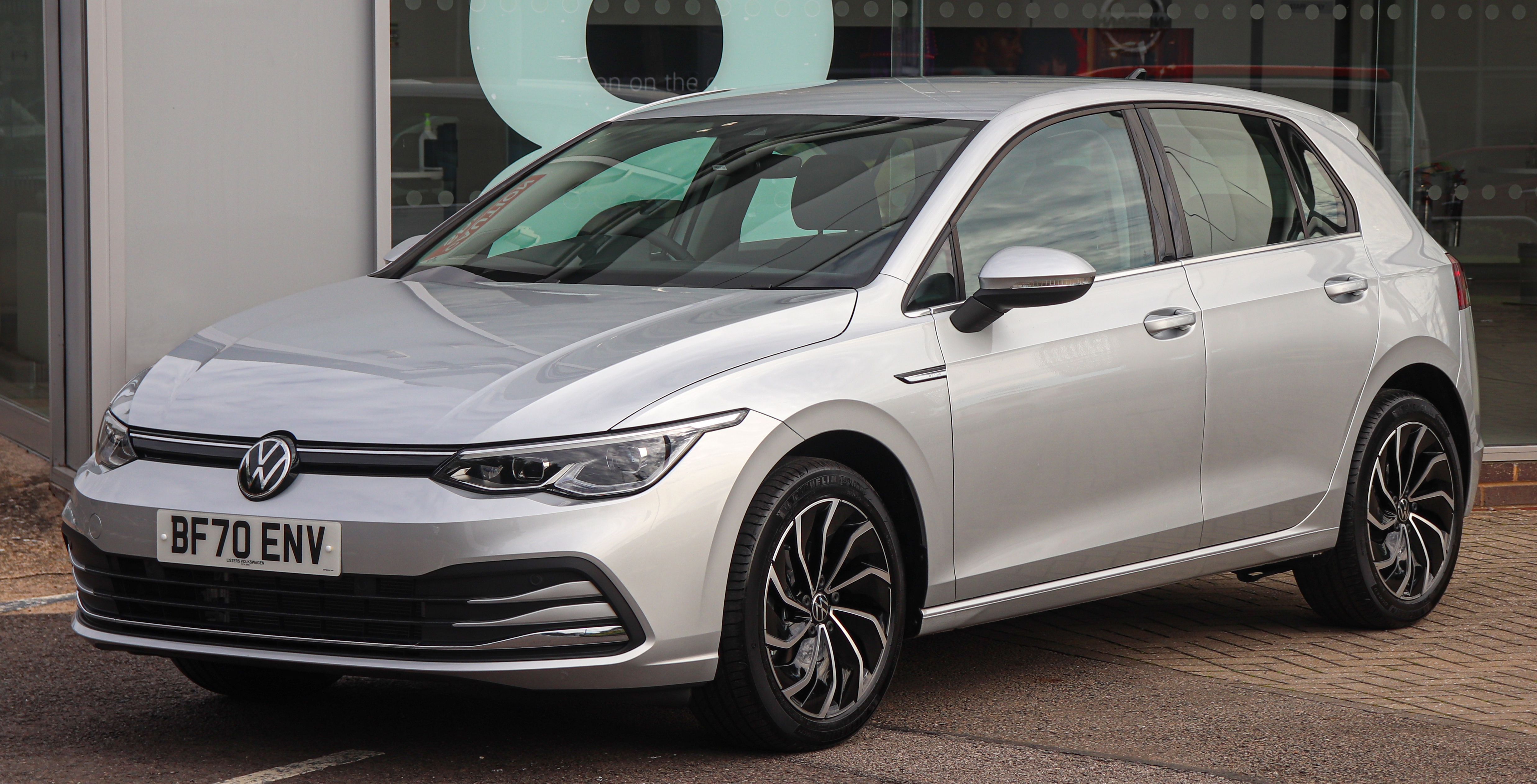
The Volkswagen Golf is a small car meant for everyday driving. The podcast mentions an older “Mark 1” version, which is the early generation of the Golf. People bring it up because it’s a classic design that many drivers recognize.
Sports seats are shaped to keep you in place better when you drive hard. They also tend to make you feel more “in” the car, which can make the driving feel more sporty.
Term
high belt line
The belt line is basically where the windows end and the body starts. If it’s higher, the car can look and feel more sporty and lower, even if the vehicle is still fairly large.
Term
fender vents
Fender vents are little openings in the car’s body near the wheel. They can be functional for airflow, but they also often exist mainly to make the car look more aggressive.
The Honda CR-V is being used as a reference point for overall size, since the hosts compare the IONIQ 5’s length to the CR-V. This matters because EV crossovers can feel bigger or smaller than their specs suggest, affecting parking, visibility, and cabin packaging. It’s a practical way to translate dimensions into real-world usability.
The Hyundai IONIC 5 N is the “sporty” version of Hyundai’s electric IONIQ 5. It’s designed to be more fun to drive, not just fast in a straight line. It also uses settings that can add fake engine/drive sounds and feel more like a performance car.
They mention the Porsche Taycan Turbo as an example of a really fun, fast electric car. The point is that the Hyundai IONIQ 5 N can be just as enjoyable in the right driving context. It’s a “performance EV” comparison, not a direct tech deep-dive.
The Tesla Model S Performance is cited as another EV that’s “really fun,” alongside the Model 3 Performance. This is used to support the idea that the IONIQ 5 N’s track-focused tuning and driving feel can compete with top-tier EV performance. It’s a comparison of driving character rather than a spec-by-spec argument.
Stealth mode is a setting that makes an EV quieter by turning down or removing the fake sounds. It’s meant for situations where you don’t want the car to be “loud” or dramatic. You can switch it depending on whether you want calm driving or a more exciting feel.
Flappy paddle mode is when you use paddles on the steering wheel to control how the car responds, instead of just driving normally. On some EVs, it can also change how the car slows down and can add effects like sound. The idea is to make the EV feel more like a traditional performance car.
Simulating a throttle cut-out is an effect where the car reduces torque briefly (or changes how torque is delivered) to mimic the “lift-off” behavior you’d feel in a gasoline performance car. On EVs, this is software-driven because there’s no engine rev drop in the same way. The hosts describe it as creating a small momentum shift and a physical “nudge” when you use the paddle controls.
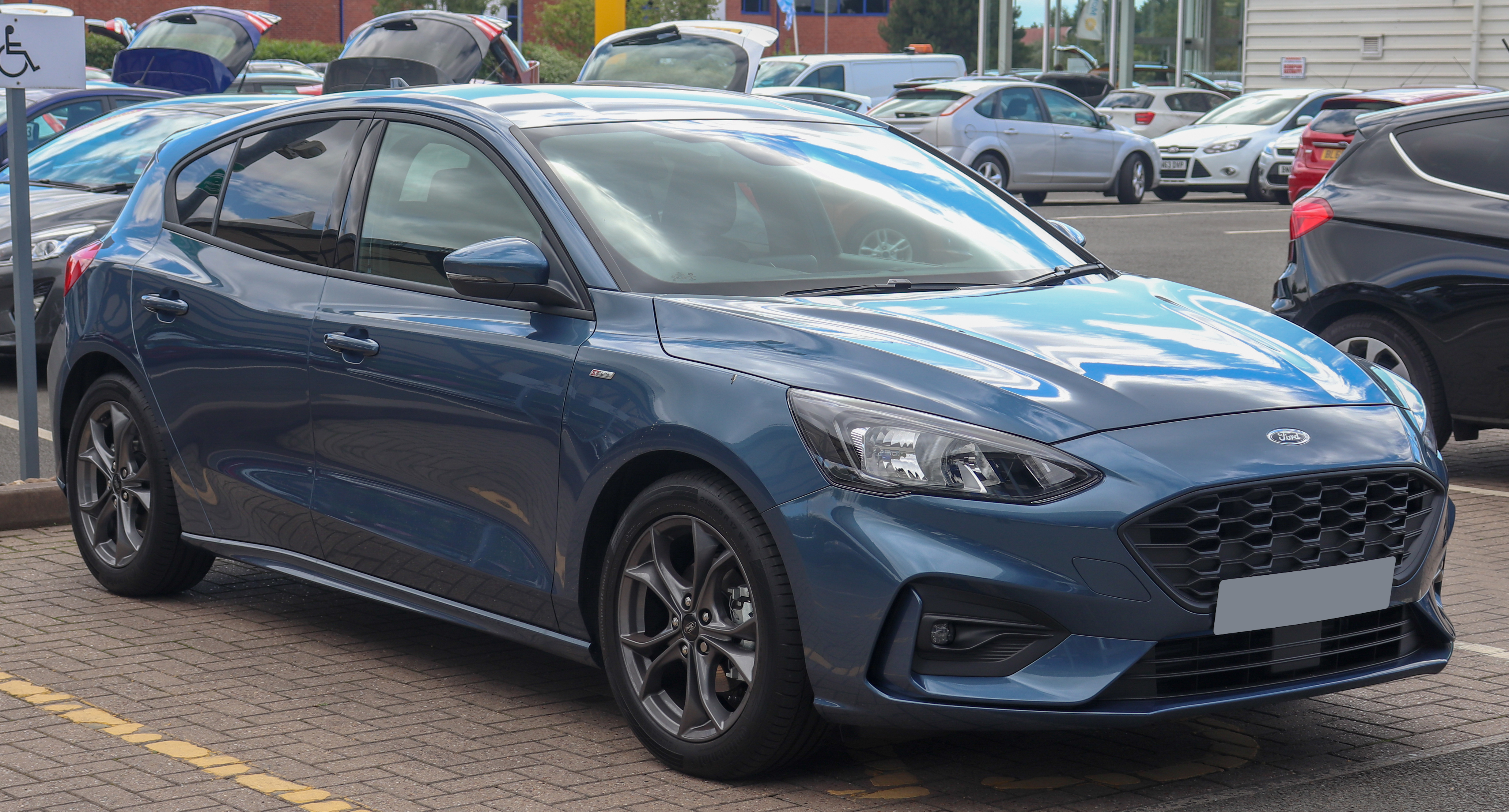
The Ford Focus RS is referenced as a prior track/rally-inspired performance car the host drove and documented. The key point is engineering continuity: the IONIQ 5 N’s chief engineer is described as having worked on the Focus RS. That connection is used to explain why the IONIQ 5 N’s software and driving character aim for rally-style excitement rather than generic EV quietness.
Group B rallying refers to a famous (and dangerous) era of rally motorsport known for highly aggressive, high-performance cars. The host says the IONIQ 5 N’s engineer loved Group B and 1980s rallying, and that the project tries to capture that spirit. In context, it explains the “build another Group B car” idea—translated into an electric SUV/crossover.
Because EVs don’t shift gears the same way as gas cars, some performance EVs add fake “shift” behavior. It’s meant to make the car feel more like a traditional sporty car.
Some EVs can keep the car’s sound/feel at a higher “rev” level to match what you’d expect from a fast gas engine. It’s a driving-mode trick to make acceleration feel more intense.
It’s basically the car playing a sporty sound that tries to feel like a rally car. Instead of sounding like a generic EV, it’s tuned to feel more exciting and believable.
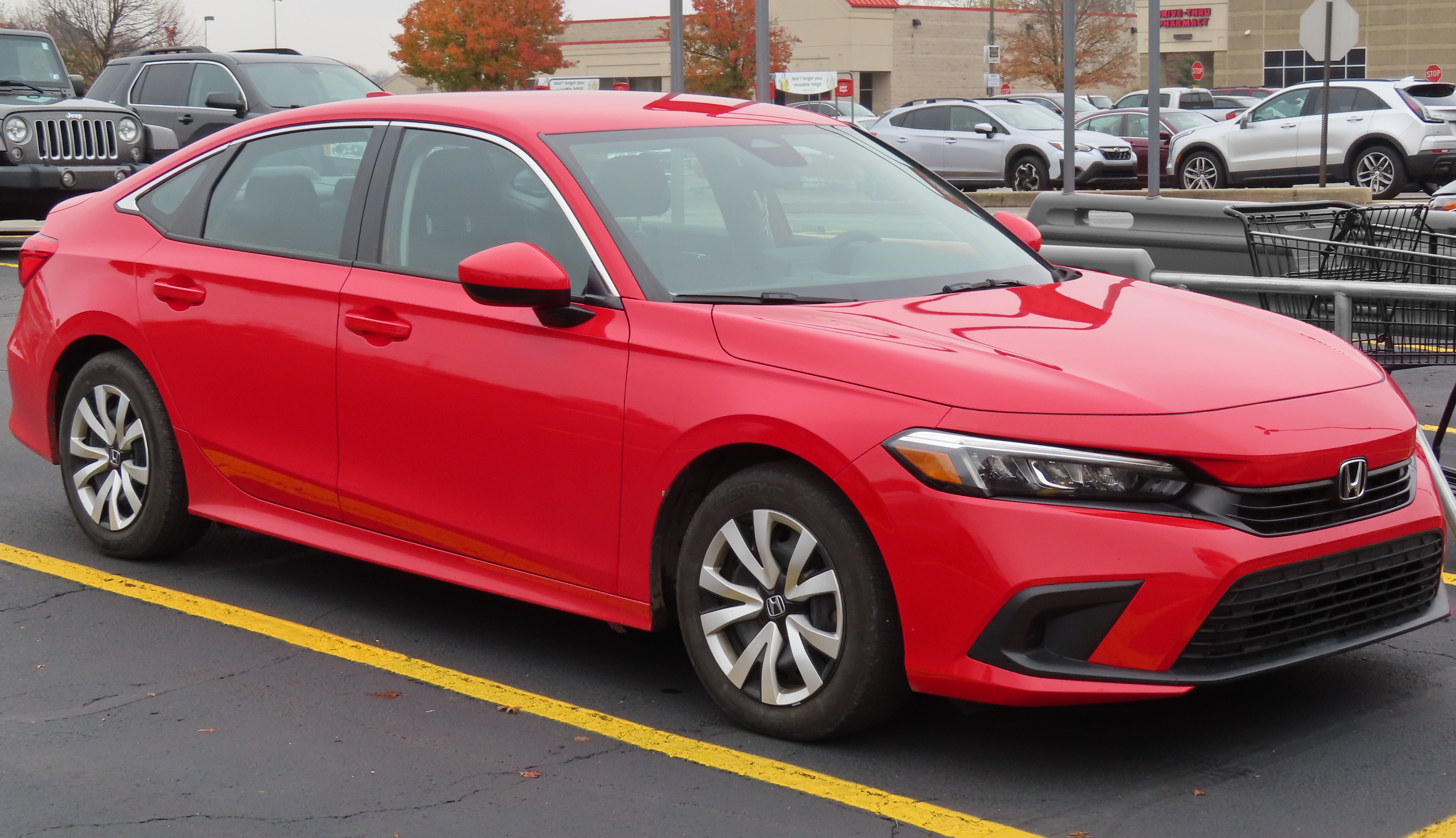
The Honda Civic Type R is a sporty hot hatch with a loud, punchy character. The host is saying the Hyundai’s sound design feels similar—like a fun performance hatch—rather than a quiet EV.
The host calls out brakes as the IONIQ 5 N’s limiting factor, meaning repeated hard stops or high-speed track use may cause fade or reduced confidence. For performance EVs, brake sizing, pad compound, and cooling matter a lot because instant torque can stress the braking system quickly.
The Porsche 911 GT3 is a serious track-oriented sports car. The comparison is basically saying the Hyundai feels extremely quick—fast enough to remind you of a top performance Porsche.
Drift modes are settings that make it easier to slide the car on purpose. They loosen the car’s grip and change how power is delivered so you can control a slide more easily.
The Hyundai Ioniq 6 is an electric car model. In the podcast, Hyundai is said to have cancelled it, meaning it won’t continue as planned. The discussion is about what that means for future electric models.
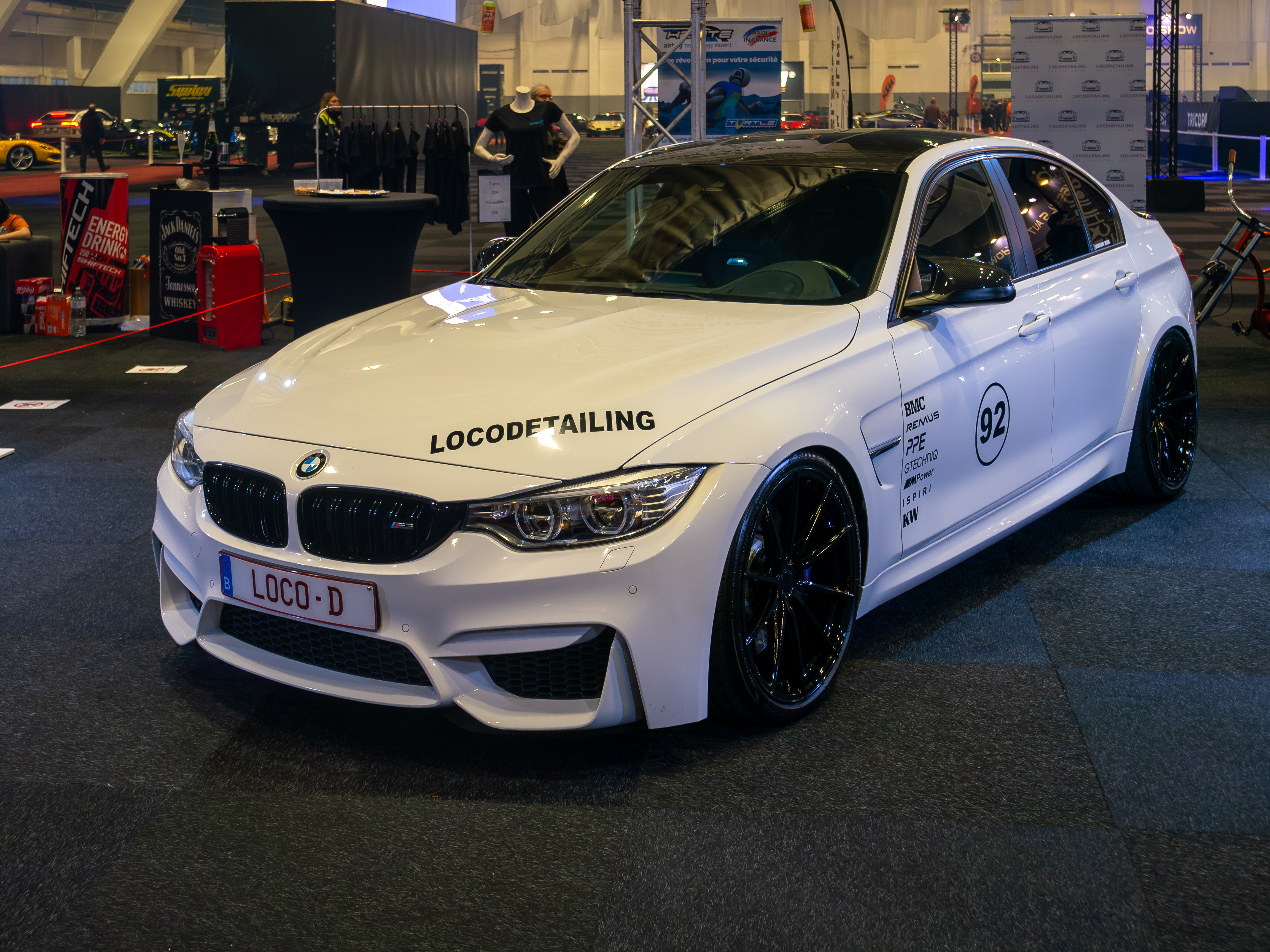
The BMW M3 is a well-known performance car that’s built to be fast and handle well. Saying the Hyundai is an M3 rival means it’s trying to compete for the same kind of “sport sedan” buyer.
Lower center of gravity means the car’s “heaviest point” sits closer to the ground. That usually helps it feel more stable in corners and less likely to feel tippy.
The Hyundai Ioniq 6 N is the sporty version of the Ioniq 6 electric car. The hosts are interested because they didn’t love the original Ioniq 6’s look, but they think the N version will fix some of that. They mention design changes that make the rear look better in profile.
The Tesla Model Y is another popular electric SUV the hosts use for comparison. They’re saying it can be quick and drive well, but it may not feel as fun or playful as the Hyundai Ioniq 5 N. It’s more about the driving experience than raw performance.
The Tesla Model 3 Performance is Tesla’s quicker version of the Model 3. The hosts say it’s very capable—fast and good to drive—but it doesn’t feel as playful as the Hyundai Ioniq 5 N. So they’re comparing how it feels to drive, not just how fast it is.
Topic
Goodwood for the Good of Festival Speed
Goodwood Festival of Speed is a big car event in the UK. The hosts say they saw the Ioniq 6 N there and that’s where it was announced. It helps explain why they’re talking about it as “new” and already seen in person.
“Mid-cycle” means the car gets updated halfway through its life. Automakers do this to improve styling or add changes without redesigning the whole car. The hosts are saying the Ioniq 6’s update looks better than the first version.
A plug-in hybrid is a car that uses both gas and electricity, and you can charge the battery at home or at a charger. The electric part can make it feel extra quick, but it can also add weight.
This is the name of the AMG’s plug-in hybrid setup they’re talking about. It adds extra electric power for quick acceleration, but it also makes the car heavier.
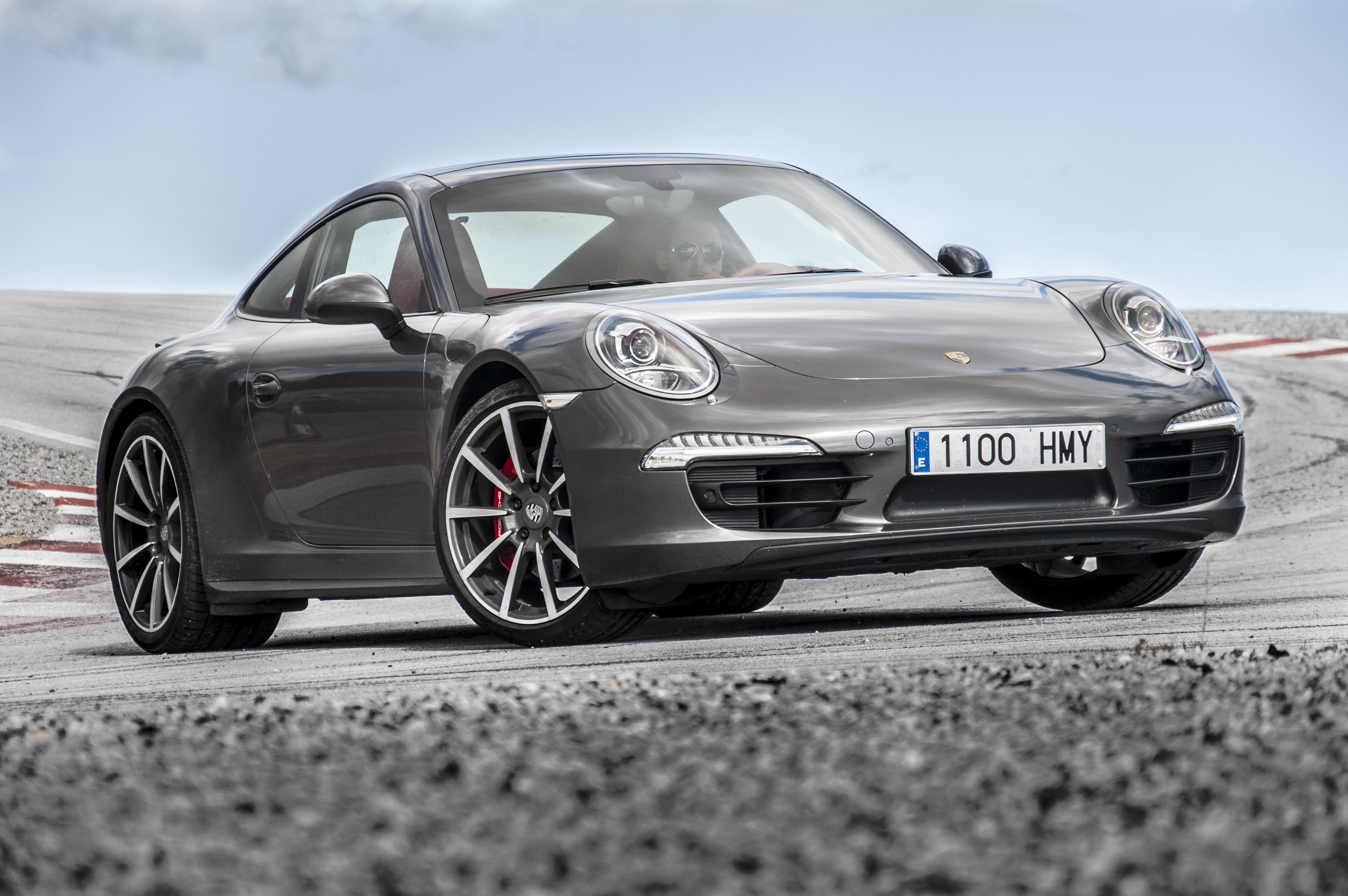
The Porsche 911 is Porsche’s iconic sports car, and it comes in lots of different versions. In this segment, they’re using it as the yardstick for how other cars—like Mercedes’ AMG GT—compare.
The Mercedes SLS is a previous Mercedes sports car that the speaker says Mercedes moved on from. They’re basically saying Mercedes changed its game plan and started targeting the Porsche 911 crowd instead.
The AMG GT is Mercedes-AMG’s sports car line that’s meant to compete with the Porsche 911. In this segment, they’re mainly talking about whether it’s a good buy used—especially how much value it keeps.
Residual value is the value the lease company predicts the car will be worth at the end of the lease. It matters because it affects the buyout price—if the buyout is lower than what the car is actually worth, you can potentially profit.
The lease buyout fee is the pre-set price to purchase the leased car at the end of the lease term. The speaker describes a rare scenario where the buyout fee was significantly less than the car’s worth, enabling the owner to either keep it or sell it for a profit.
Tariffs are taxes on imported goods. If they make new cars more expensive, used cars can sometimes hold value better because buyers have fewer cheaper options.
Concept
front-engine vs rear-engine sports-car layout
Engine placement strongly influences how a car feels and handles. A rear-engine layout (like the Porsche 911) tends to shift weight rearward, affecting traction and steering balance, while a front-engine layout (like the Mercedes-AMG GT discussed here) changes the balance and can feel different in cornering. The hosts are saying the AMG GT can still deliver a “911-like” sports-car experience despite the layout difference.
A V8 is an engine with eight cylinders. It usually means strong power and smooth acceleration, but it can use more fuel than smaller engines.
Concept
cusp of the weather
They’re talking about doing something right when the weather is about to change. That can make the conditions harder and more dangerous, especially for hiking.
Volvo’s EX60 is an all-electric SUV with seating for two rows. The hosts are saying Volvo is trying to make it more efficient—so it goes farther—by shaping the body to cut wind and by reducing noise. They also mention different versions (single-motor and dual-motor) that change how it drives and how far it can go.
On EVs, how the car moves through the air matters a lot for range. If the shape is more slippery, it takes less energy to keep going. Reducing road noise is also part of making the car feel more comfortable and refined.
This means the car has one electric motor, and it powers the rear wheels. It’s a simpler setup than having two motors, and that can help with efficiency. How it feels to drive can be different from dual-motor versions.
In an EV, the battery size matters because it determines how much energy the car can store. More energy usually means more range. It can also affect how strongly the car can accelerate, depending on the car’s overall design.
“0 to 60” means how fast the car goes from stopped to 60 miles per hour. It’s a quick way to compare performance between cars. Lower time usually means the car feels quicker when you punch the accelerator.
They’re talking about how fast the battery charges when it goes from about 10% up to 80%. That range is usually where EVs can charge the quickest. It’s a practical measure because most people don’t usually charge all the way from empty to full.
“350 kilowatt” is how powerful the fast charger is. More power can mean faster charging, but the car still has to accept that power. They’re using it to show how quickly you can add driving range during a stop.
Over-the-air updates mean the car can get software improvements wirelessly, like a phone update. That can help the car run better over time, including how efficiently it charges. It’s useful because you don’t have to bring the car in for every change.
Wireless CarPlay lets you use your iPhone in the car without plugging it in. It usually makes setup faster and reduces cable clutter. They’re saying the newer car fixes the earlier “needs a cable” experience.
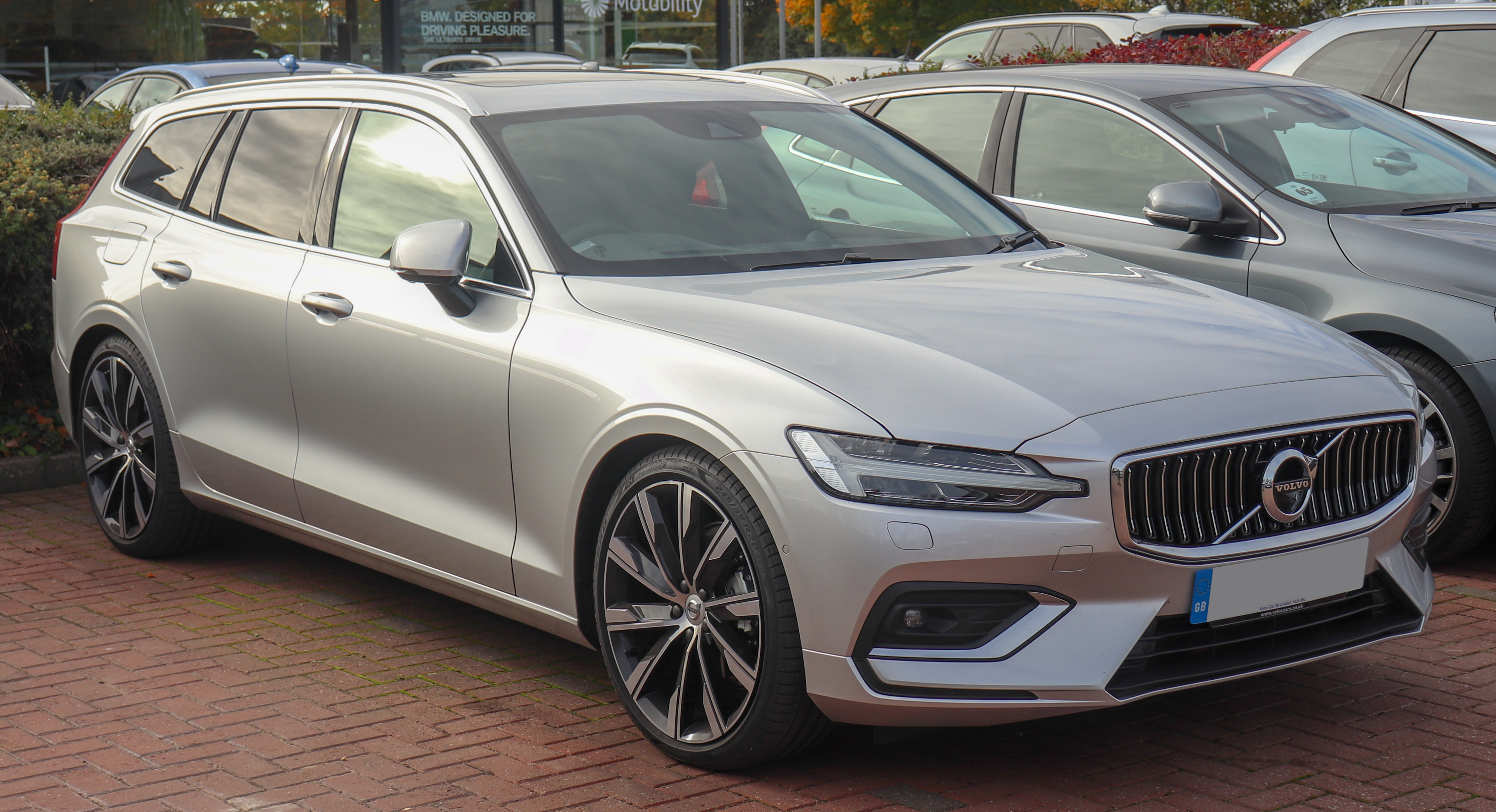
The Volvo V60 Cross Country is a wagon variant positioned for more rugged, outdoorsy use compared with a standard V60. In this segment, it’s mentioned as a recent drive where the speaker disliked that it lacked wireless CarPlay. That makes it relevant as a “what they fixed” comparison point.
Using “NVIDIA chips” implies the vehicle’s infotainment and/or driver-assistance compute platform is built on NVIDIA’s automotive-focused processing hardware. This can translate to faster graphics, smoother interfaces, and more capable real-time features. The segment frames it as making the system “very fast.”
The Volvo EX-90 is an all-electric SUV Volvo planned for the future. The discussion says it had some early launch issues, and Volvo is making changes to fix them.
A facelift is like a refresh for a car—usually updated looks and features—without making it a brand-new model. The point here is Volvo kept updating the EVs to stay competitive while EV demand changed.
Concept
EV pullback against EVs
They’re saying EV sales and excitement didn’t grow as fast as some automakers expected. Because of that, Volvo had to keep working on current EV models instead of moving on immediately.
“Mid-spec” is the middle trim level—usually more features than the cheapest version, but not the most expensive one. They’re using it to guess what the car might cost depending on how you configure it.
The Kia Telluride is being used as a comparison point for what you’d normally pay for a big, family-friendly SUV. The hosts are saying the Volvo might cost more than you’d expect compared with this kind of rival.
Market share means how much of the market a car model sells compared to all the other cars in its category. Higher market share usually means the model is more popular or more dominant right now.
“Anti-EV” refers to political, cultural, or consumer resistance to electric vehicles. The hosts worry that this sentiment could cause interesting new cars to get overlooked or delayed in adoption.
Wheelbase is the length of the car between the front and back wheels. A longer wheelbase usually means more room inside, especially for passengers in the back.
Customer clinics are meetings where car companies ask customers what they want. The host’s point is that if you only build to what people ask for, the car can end up feeling generic instead of special.
LIVE
Dear Crew, it's Toyota. With an adult-sized third row, everyone's welcome in the Grand
Highlander. From sports fans to eco-buffs and movie fans, sync back in the Sienna with
an available rear seat entertainment system. Slip into the RAV4 with available all-wheel
drive and let's go. Toyota, find yours at Toyota.com. Toyota, let's go places.
Find a rate that works for you with the Name Your Price tool. Progressive casualty
insurance company and affiliates price and coverage match limited by state law.
Finding great candidates to hire can be like, well, trying to find a needle in a haystack. Sure,
you can post your job to some job board, but then all you can do is hope the right person comes along,
which is why you should try Zip Recruiter for free at ziprecruiter.com slash zip. Zip Recruiter
doesn't depend on candidates finding you. It finds them for you. Its powerful technology
identifies people with the right experience and actively invites them to apply to your job.
You get qualified candidates fast, so while other companies might deliver a lot of, hey,
Zip Recruiter finds you what you're looking for, the needle in the haystack.
See why four out of five employers who post a job on Zip Recruiter get a quality candidate within the
first day. Zip Recruiter, the smartest way to hire, and right now you can try Zip Recruiter for
Okay, so I got invited to a presentation over here in the Culver City area where Volvo was
unveiling one of their new cars that it's not a secret that's been on their website and stuff for
a while, the EV60. This is an all electric. EX. I'm sorry. EX60. I keep thinking EV and then
we've had so many of like V, VC, VG. It's just getting so confusing to understand all these
cars. But this is a new EV from Volvo. It is a two row SUV and it's very nice. It's very sharp
looking. They definitely spent time on trying to make this thing as kind of sleek and aerodynamic and
every little thing that they could have done to make this thing more efficient as far as
aerodynamics design and road noise and all that stuff. And this is one of the things we've been
talking about before. You'd mentioned that. I think it was Ford was talking about going,
oh, you know, Ford grabbed a Model Y Tesla and they said, we've over engineered our Mach E.
Like it's got, you know, way more wiring and cables and cooling and all this stuff that it
never needed. So how do we make these cars more efficient, more aerodynamic, lighter weight?
And for Volvo, this is the evolution of that. The EX60 is very, very nice looking.
What I understood is there's going to be three trim options. There is a single motor rear wheel
drive and there will be two dual motor all wheel drive options and the battery size will also
contribute to the range and the performance. So I think on the low end, it's about 325 or so miles
of range and on the high end up to 400 miles of range. Again, I don't know if this is the European
testing or their US spec. Definitely something you guys want to put on the Edmunds range test.
But they're saying, you know, 670 horsepower, you can see some of the specs, 3.8 seconds, 0 to 60.
And one of the things they were very, very proud about is how quickly it can charge from roughly
10 to 80 percent. They were saying, hey, on average, this says 19 minutes here, but they were doing a
thing. One of the engineers was saying, listen, on average, you pull up to a gas station, you spend
about seven minutes like adding some fuel to your car, maybe not going from empty tank to full tank,
but like if you were driving from here to Vegas and you stop and you needed to, you know, you had
half a tank or three quarters of a tank and you weren't quite or sorry, a quarter of a tank
and you needed to top it off. This was the thing saying if you pulled up to a significant charger,
one of the 350 kilowatt chargers, you can add something like 170 miles of range in
seven minutes or nine minutes or whatever it was. They wanted to make it almost comparable to
filling up with gas. And even before this car is released, they've already figured out optimizing
the software, which they were able to do just over the air updates and to make it even more
efficient. So yeah, it looks good. Some of the issues that I had in driving recently like the
V60 cross country was, you know, it didn't have wireless car play. You had it still use a cable.
All of that stuff has been revised. It's got the latest newest gear. It has this big touch screen
in the middle and a nice little screen in front of the driver. This has the latest NVIDIA chips,
so it's supposed to be very fast. We got a little bit of a demo on the interface, but
we're very limited on time because it was sort of in a studio with a bunch of pressed people around,
but overall looks good. Have you guys driven this yet? Have you looked at this yet?
Yeah, we went to Sweden, not me personally. I think Clint on the team went to Sweden to
have a look at it a while back. I mean, it looks great. I think the design looks, it's very Volvo,
isn't it? It's very minimalist. It's very Swedish. It's very kind of simple, elegant.
This is the vehicle that was supposed to be the brave new dawn for Volvo, that they were
getting rid of all the gas cars. They were going to do the EX-90, which came out. The EX-90 was
launched with a few problems, which I believe are being overcome, but the EX-60 was going to be,
these two cars were going to be the future of Volvo, both electric, all in. This is what Volvo
is now, and they've hit the Porsche problem, which is, oh God, some of the world is going electric.
The Scandinavian countries are, and China is, but not the US and not large swathes of Europe.
That's why they ended up having to re-engineer the EX-90 and the EX-60 to facelift them yet
again to try and keep them going. In the meantime, launched the car that actually was the plan all
along. It's no surprise that everything that you're saying, this was supposed to be the brave
new dawn where all the new technology was, where all the new design was. This is where Volvo wants
to be, but because of the market and the pullback against EVs, they've had to keep going with the
EX-60 and the EX-90 as well, which are now as old as the Hills. EX-C90, how old is that? That's like
12, 13, 14 years old now. I remember driving it years ago. That's like, I remember going to the
tech presentation. I think I was about 12. It's a very old car, and it still was just about okay,
but it was never the intention to keep going with it. The EX-60 is all in on,
this was the car that they were hoping to build and they're hoping to be issue success.
And it certainly looks good. We'll just have to see how many people are starts at 60. So let's say
it's 70 grand for mid-spec or something. It's quite a lot of money.
Yeah, that's going to be the issue. That's one of the things we talked about
in the recent Volvo's that I was driving going, oh, this is a nice little SUV,
or the wagon's kind of cool, but it's 60 grand and works its way up to 68 grand with a few options
when something like a Kia Telluride or even the nice Palisade calligraphy 60-ish grand,
and it just feels like a little bit more than the Volvo. But we'll see with this EX-60,
maybe this thing will be a home run for them because if it does come in with the performance
and the range, that could be a significant factor because when we start looking at close to 400
miles of range. I hope so. I hope so. It's a big opportunity. Somebody's got to come along
and do the Tesla thing. I was looking at the data the other day. It's like 49%
market share or something like 48, 49% market share still for the Model Y.
So you've got to hope that somebody's got to catch it. I think the Rivian R2,
which we talked about the other week, is a great opportunity. This Volvo is not trying to do the
off-roadery things that the Rivian is, but it's a great looking car. I hope there is a kind of
reset now and we can go forward again because I think there's some really interesting good cars
coming out and I hope they just don't get lost in the whole anti-EV thing. Yeah, I agree with that.
And then one other thing I wanted to talk about real quick before we wrap up is again,
non-EV looking at more affordable SUVs. The Mazda CX-5, this has come up a couple of times in
conversation with us because it's always ranked pretty well with you guys. It's always been sort
of a top three, top five SUV in its category. But now there's the new version of the CX-5
that's out there. You drove it, right? Yeah, I spent last weekend in it. I think we're running it
through the full testing process this week. I don't want to prejudge it because we haven't
running through all the testing. The only thing for me that slightly disappointed me, the old CX-5
had a real character about it. It was sporty to drive. It had an interior quality that was a kind
of match for, you know, much more luxurious cars. There was a real reason to buy one. The Achilles
heel was that the interior space wasn't as good as everything else. The rear space in particular
was really tight. So if you're a family person and you're trying to put kid seats in or you were
tall or something, it didn't, you know, it didn't stack up. So it didn't tend to win our group test.
What we tended to say is, if you're not looking for ultimate space, go for a CX-5. If you need the
space, then we can get something like a CR-V. So I think what Mazda has done with this car is say,
right, why are we being criticized because we're not going to have enough space? So let's extend
the wheelbase. Let's make it bigger. And they've done all that. So it is a lot bigger, particularly
in the rear than the old one. But the interior quality doesn't feel quite as good. It feels a
little bit bland. They've gone for that big screen in the middle of the dash routine that
everybody does now. And it just feels a little bit stuck on. And some of the character of the old
car has been diminished. And it's okay to drive, but it doesn't feel quite as sporting as the old
one. So I suspect it's going to be one of those vehicles where when we run it through the test
and kind of run all the objective analysis, it actually does well. But some of those kind of
little surprise and delight thing, which was always the success of the old CX-5, it feels
like they've just lost a little bit of a little bit of that. But let's see when we run it through
all the testing stuff. But I, you know, I did come away thinking, you kind of lost a bit of
like who you were here. You just, you know, a lot of these cars, they do all the customer clinics,
and they write down everything that a customer wants, and they build a car to that specification.
And then you end up with a RAV4 and a CR-V. The hard thing for a brand-like master is to say,
right, how can we get people out of a CR-V, out of a RAV4, and to consider a master,
because it's not the default choice. It's what Volkswagen's trying to do with the Tiguan as well.
And but just by doing another identikit CR-V, I don't really see the point.
Right. So it lost a little bit of its uniqueness, right? Like to be a little bit different than the
RAV4 and the CR-V. And so a little bit of its charm. That's your initial reaction.
At first, I spent the weekend, I just thought it just, it just, you could take the master
bash of it. And frankly, it could have been, it could have been anything. Whereas the old CR-V,
you know, you did think if I could live with the lack of rear space, this is it. So almost like
take the old one, add six inches of wheelbase and job done. But anyway, they haven't quite done that.
We'll see how it, we'll see how it stacks up when we run it through the test. But
just a bit boring. It's interesting because we've talked about this before, where we've seen so
many car companies going, this is the future. This is what people, we got to get them to, you know,
get used to these changes, right? Except in the truck world. The truck world is every press event
and was always like, we listened to the customer. We asked everybody in the world that owns a truck.
This is what they want, which makes the truck space competitive. Like, do you get into that
market with something new and can you compete? Cybertruck try to do it, right? Cybertruck's going,
we looked at F-150 and we're going to come up with Cybertruck or we even look at Lightning or
the electric Silverado. We're going to come up with Cybertruck. But and it's fine, but there's just
so many little things that they figured out over years and years and years that truck owners want.
It was a little tough to turn the Cybertruck into the new work truck for everybody that's out there,
right? Excuse me. But I'm hearing that Hyundai, Hyundai and Kia, or is it just Hyundai?
No, Hyundai and Kia are going to do a body on frame.
They want to do a body on frame truck. They want to do a pickup truck. And this one is interesting
to me because they've been hitting home runs. They've been doing well with a lot of their vehicles.
And now it'd be interesting to see if they can pull it off with a truck.
Yes. I think basically that I'm actually going to career in a couple of weeks with Kia.
I haven't been out to sell for a long time. So I said, I would go and spend some time with them.
They, that company, you know, Hyundai, Kia, Genesis, they just want to win everywhere.
And they've got the resource to do it. So on the one hand, they're building Ioniq five ends.
And on the other hand, they're going to build a body on frame truck to try and dominate the US
market. So, yeah, they are, they are super, super aggressive, super ambitious. And frankly,
they're doing a great job. So we will see. They're doing a good job because they're building cars
like the five end that gets attention and they're building good cars like the Telluride and Palisades
that earn them money. One of the things that has come up recently with Nissan is Nissan with new
Nissan and Infinity with new bosses in charge and car guys in charge. They are saying we do need to
get back to, you know, some halo cars. We need high performance SUVs. We'd love to see a high
performance coupes in sports cars. And, and they said, we understand that we won't sell a lot of
those, but those are part of the DNA of the brand that performance. So we need halo cars to sell
the rest of our cars. And they're like, we don't expect to sell a lot, but we'd love to have a
high performance manual transmission sports car, you know, bring back the skyline.
Yeah, I mean, it's, it's an age and old trusted thing, isn't it? That's what they,
you know, that's this race on a Sunday sell on a Monday or, you know, have some halo product
product. That's why Jaguar came back with the F type, which is, you know, I still think is a
beautiful looking car and it's going to be a good car in the, in the US market. But yeah,
there it's, it's interesting times, but Hyundai, of all the brands out there, Hyundai, Kia, you
know, they're the guys on the move right now. Yeah. All right. So a lot to look forward to.
I'm getting ready to head out to the races and enjoy, enjoy your concert series, music, music
fest. I'm a little concerned about the kids doing ax throwing, but you know, cowboy fest.
Tammy went out to this event in Austin and she found a baseball cat that just said cowboy hat
on the front. She's like, this is my cowboy hat. I thought it was very charming. It was very funny.
So she's, she's out there wearing her cowboy hat, if you will. All right, guys. We appreciate
you listening. A lot more to look forward to next week. So we'll see you guys then until then.
Keep the air in the spare and the bag in the wheel.
And yours at Toyota.com. Toyota, let's go places.
About this episode
Gas prices spark EV interest, but Edmunds data suggests the shift won’t translate to sales unless fuel costs stay high for a long time—psychology matters more than the math. The hosts then dig into performance EVs and hybrids: Hyundai Ioniq 5 N impresses with track-ready speed and believable fake noises, while Mercedes AMG GT 63 Pro Coupe is praised as a lighter, more engaging alternative to its heavier plug-in sibling. Volvo’s EX60 aims for near-gas-station charging, and Mazda’s refreshed CX-5 grows in space but risks losing some of its character.