Hello. Welcome to the Edmunds Podcast podcast. I'm Matt, the moderator, D'Andrea. I'm here with
Alistair Weaver and Brian Wong back on the show from Edmunds. How are you?
Let's go first. Brian, you go first. How are you?
Doing great. Excited to be back. Always excited to talk cars with you guys. So
thanks for having me again. I know you've been busy, so we've got some
interesting things to get into. Alistair, where we left off last week was we teased the Honda
Prelude. We ran out of time, and I wanted to give it a fair look instead of just trying to
rush it last week. But Honda Prelude announced from Honda bringing back that nameplate as a
sporty coupe. I think it looks good. I think you had a chance to see it in person, right?
Yeah, I had a look at it at Goodwood Festival Speed. They had a couple going up the hill there,
so it was parked in the paddock and had a little poke around it. But yeah, the return of the famous
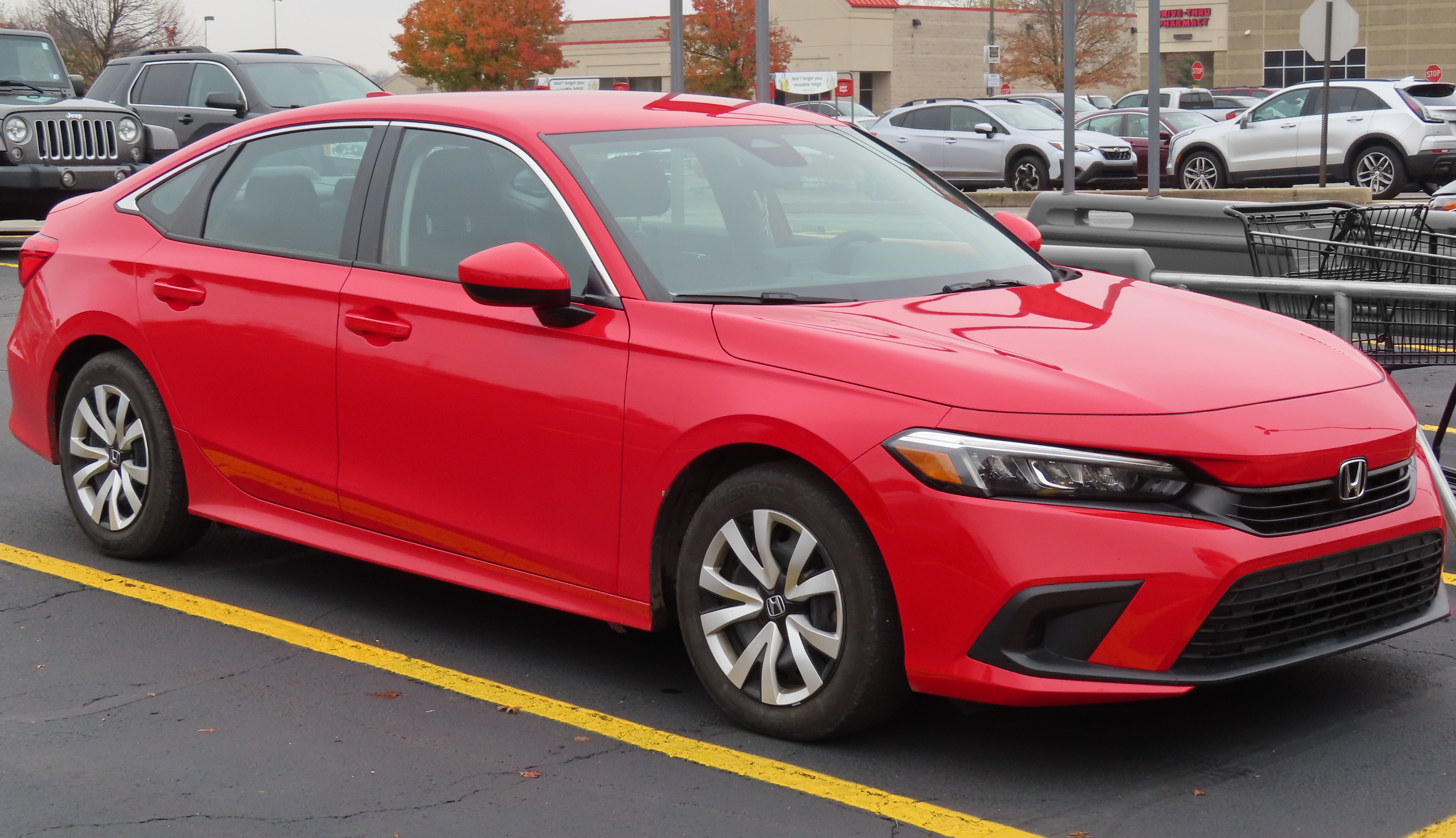
name, I think it's the sixth generation, if I remember that right. Based on the Civic, of
course. It's a kind of weird mishmash of the sort of Civic underneath, a Civic hybrid system,
which we're big fans of in the Civic, but then with bits from the Civic Type R.
So I think the braking and suspension system is more derived from the Type R than the standard Civic.
So there's quite an interesting combination of bits from the Honda partspin.
You guys have on the Edmunds YouTube channel, by the way. You have sort of a preview walk around.
It's about nine minutes long. I watched that as well. It's a good overview of the vehicle
without having to, before getting into driving it and bringing it out to the test track. But
seeing it from the different angles, seeing the interior, it looks sharp. I, you know, I'm not
expecting it to be a race car, but I'm expecting it to be fun and kind of dynamic and interesting
to drive. The Civic Type R, cool car, little younger, little boy racer-ish, especially with
the big wing and stuff on it. This just looks sharp. It just looks more refined.
Brian, have you seen it yet? I saw it too when I was over at Goodwood.
Everybody went to Goodwood but me. We didn't see each other though. We arrived on different
days. So we were kind of ships in the night. But I think when I first saw it, I was like,
I really miss one of my favorite things about the old Prelude was the way like the flattened out
kind of front end. So I kind of missed that aspect of it, like the longer hood. But I think
when you see it in person, you are sort of taken aback first by the size of it. Like,
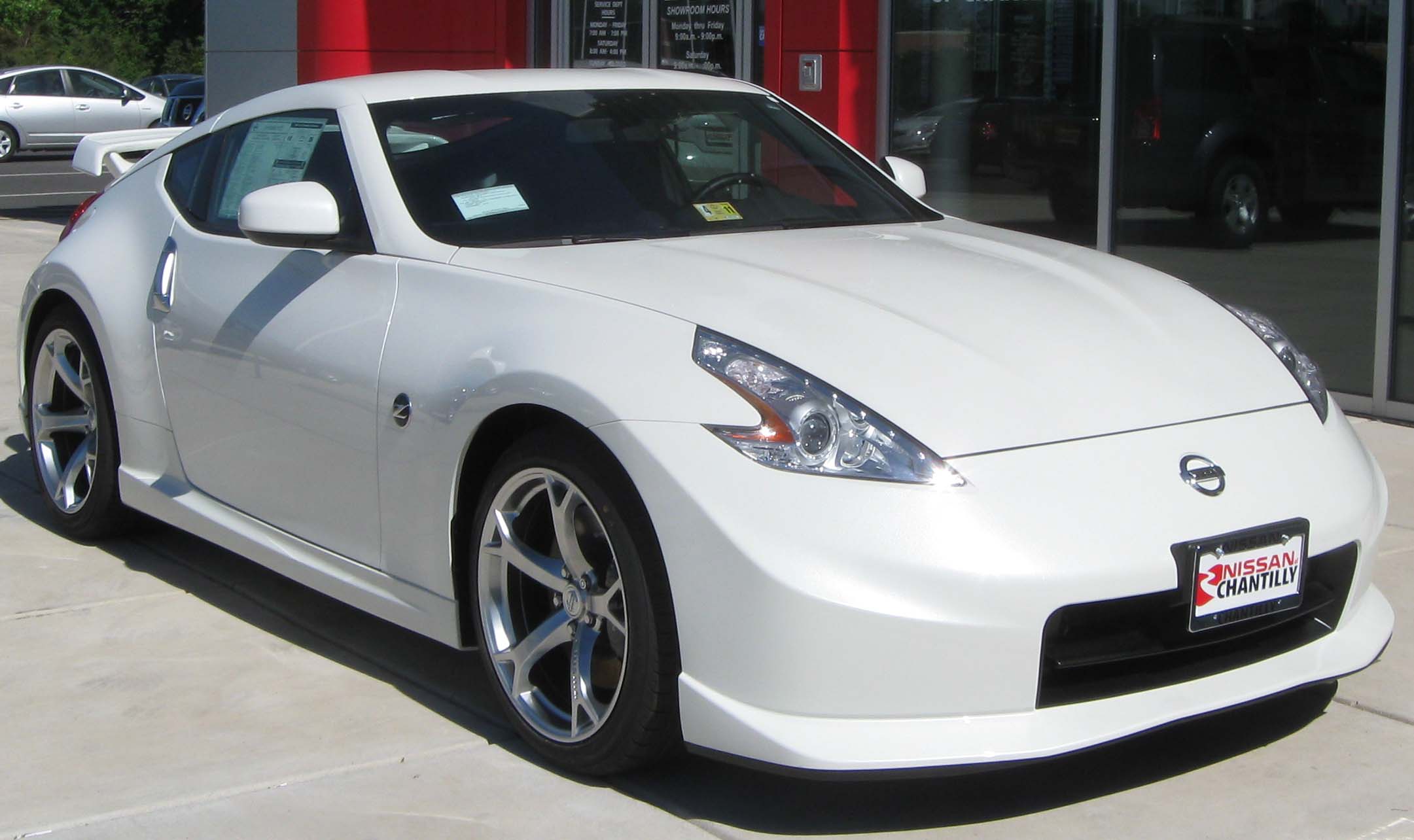
it kind of looks like it might be smallish, almost like a 370Z, but it's barely sizable
when you're standing next to it. And it'll be interesting to see how Honda sort of fuses
together the Civic Hybrid powertrain with the Type R components. And I think because we enjoy
our Civic Hybrid so much, that probably makes us a bit more excited for the Prelude.
The only thing is, and Clint touches on this in the video that he produced, it's
curious to see who is going to buy this because it's not, if you think about the
Subaru BRZ or the Toyota equivalent, their kind of rear wheel drive manual, it's very much kind of
like a purist car, you know, kind of a niche enthusiast market. This is a sort of slightly
more spacious, but not really, there's not a lot of room in the back, more kind of conservative
with a little C coupe with a hybrid powertrain that's not going to be particularly fast,
obviously it doesn't have a manual, it's kind of like who's actually buying in a front wheel
drive rather than rear wheel drive, who's the market? Is it people who are maybe empty nesters,
but you know, working and it doesn't work for me because the kids, is this, you know,
it's not going to be like a diehard enthusiast because it's not that kind of car. So is it
a slightly older audience, maybe the kids have left home and you know, you can now have
a coupe again? I don't know, it's just, it's about 40,000 bucks. Who's going to buy this?
So I was thinking about that too when I was going through this and
there was, my initial thought was probably people around our age that have a little bit
of nostalgia for the Prelude. I don't know if this is going to be bringing in a lot of new
younger customers. I mean, I guess it could, but I just, but using the Prelude name,
I just kind of feel like they're going after a little bit of our age audience,
maybe not Brian, but my age audience. As a tried and true millennial myself who,
one of our things is nostalgia. So I think it's actually directly sort of targeted at
my age group who have fond memories and are old enough to still remember the name.
I do think that- But you're not, Brian, with the best
with you, you're not, that millennial audience generally is a lot of buying SUVs because they've
got kids or they're going, you know, they're not typically buying coupes unless they're buying
it as a toy. That's what I mean. It's like- But in a world where cars are on average more than
$40,000 and you do start to think about at this age going, can I get something more fun?
Can I get a weekend car? Can I not spend $150,000 on a 911? What's the reality?
It's like I can get a Mustang. There's obviously the audience for that.
But if you grew up with the Honda Prelude and cars like that, the import cars in that scene,
I think this is a cool car. My issue with it is being a hybrid and the way
their dual motor system works and how sophisticated it is, I think you're kind of taking away
the enthusiast's ability to modify this car and hop this car up. In years down the line,
is there going to be a whole bunch of these at the Japanese classic car show and they're all
modified and personalized in some way? I think you take a little bit of that out of it
without really talking to Honda and going, hey, how do you modify this thing?
The powertrain is a little bit of an issue for me. I mean, great gas mileage, I'm sure it works,
but how do you modify it? How many of these are you going to see on the C-Michel floor next year?
Yeah, it reminds me a little bit. I think it was sold in the US because I did a lot of work
with it in Europe. Was the Honda CRZ that was sold here, right? Yeah, it was. Yeah. Actually,
this in many ways, that was the kind of the very similar car in ethos. I think that was
based on the Civic at the time. It was hybrid. It wasn't a stick shift. It was kind of cute-looking,
probably similar interior space. So it feels like more of a successor to that, but of course,
the prelude badges got a bit more Q-DOS and longevity. Yeah, we've been a little bit negative
here. I think it's great that Honda is trying to do something a little bit more interesting.
It was Nick who did the video. Nick was talking in the video about could they do one with the
Type R engine and a manual gearbox, and that would be great. Who knows, but it'll be interesting to
see who is buying it. I mean, Honda obviously worked it out. They obviously think there's
a market for this thing. Also, why build it? But it's fun to see them doing something a bit
more interesting again. I like it. One of the things that stood out to me, by the way, just to
is this on the interior that let me bring it up before you guys real quick is
we talk about all the time about white interior. It doesn't make sense. It stains easily. Your
jeans rub off on them, but why does everything have to be just a black interior? This one where
they flip the blue and the white. They do the blue inserts on the white. I like this. I like the
idea of the white trim with the blue inserts where you get most of your jeans, your traction.
I think I probably would have went with the blue center console cover where you're going to rest
your arm. But this, I think, is sharp looking. It's good. Again, it has a black steering wheel,
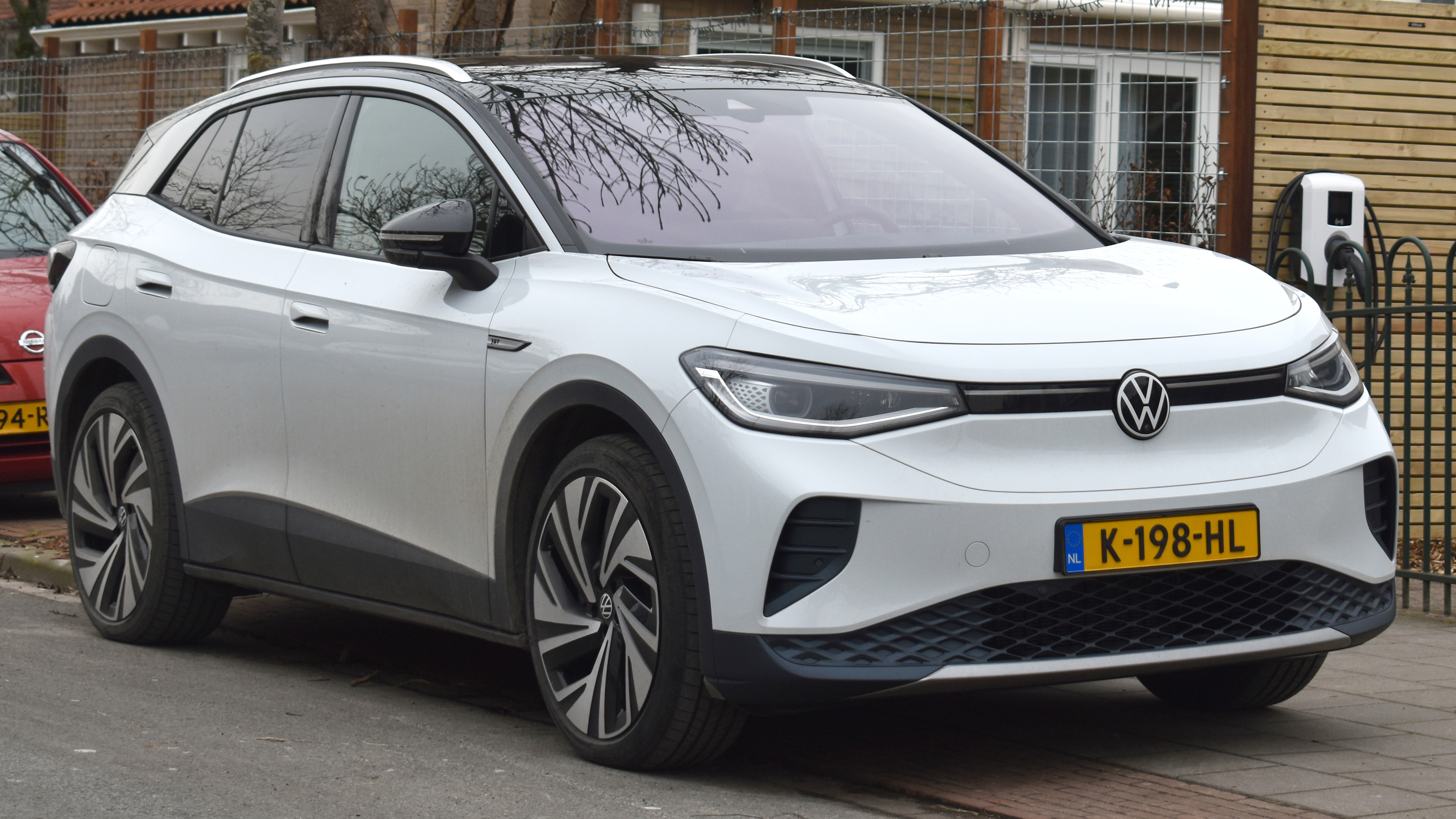
not a white steering wheel. It's not an ID4 with the whole thing that looks like a white,
like old school iPad or iPhone in there. I like the blue inserts on this with
some of the white trim. I think it stands out. I think it looks good.
Anyway, that's one of the things that I liked about it. It looks more like an Acura actually
when you look at that interior. It's just interesting. Yeah. Can there be a high-performance variant
down the line? I wonder if that would be all-wheel drive with possibly a manual transmission?
I don't think the Civic would take it. There isn't an all-wheel drive Civic.
They could do that, but we'll see. What were they doing with the Integra Type R?
Was that? Well, the Acura. Yeah, the Acura. The Type S, isn't it?
Oh, the Type S. Acura has Honda has Type R, Acura's Type S.
That's the nice thing. You never see them. Have you seen one, Brian? I've never seen one on the
road. I just saw one the other day, but it was the first one I'd seen for a while.
I mean, we've talked at some length about whether we prefer the Civic Type R or the Integra
Type S. And surprisingly, a lot of people prefer the Type S because they said
it's more day-to-day liveable with the suspension. And you have the dual settings,
you can crank it up or crank it down. And that's sort of where the prelude is also going to live.
Yeah. I remember in Europe with the Type R, they did like a touring package,
you know, like the GT3 Touring, where they took all the wings off and that looked quite
cool. But I think in the US, that's not the, you know, they got Acura,
so they have a different, different vibe. But an Acura Type S flies a little bit more
under the radar. I still feel a little bit silly in a Type R.
Yeah. That's what I was saying before. It's like a little, it's a little much.
It's like a GT3 RS. Yeah. It's incredible on a race track, but you know, if you're just going
to Whole Foods or something, you feel a little bit silly. Okay. So before you get it under
the test track, before you drive it, the verdict is, you like it? I like it.
What do you guys think? I think I like how it looks. I think I like that they're making
it. I think the price point is tough because the other cars that we mentioned along with it
costs a significant amount less like a BRZ or a GR86. And I think it's also going to run to the
problem that it's going to be five, six grand more than a Civic hybrid with the same powertrain
and more practicality and still pretty fun to drive. So it's going to be tough if you're
buying one of these to like skip over the Civic hybrid, especially the hatchback,
to get to the prelude. I mean, you've got to want the coupe though, right? You've got to
sort of commit to the sportier version of it. I think it's going to play with
sort of empty Nesta types, a little bit older. Don't want anything too overtly sporty.
You know, don't need a hatchback anymore. It's something that feels a little bit,
makes them feel a little bit good, a little bit more of a kind of exciting. So,
you know, that's probably where Honda's found its niche. I'm glad they're doing it. It
looks good. Looking forward to driving it. Yeah. Okay. All right. Turning the page from
little car to big truck announcements from Ram. Let's, let's talk about this for a second. Ram
is saying what they're dropping the EV truck, the full EV, the full electric truck from lineup.
I don't, I don't think anybody's surprised by this. I mean, I'm not surprised by it. I think
when the, the, the shake-up happened and Tim Koniscus was back in and initially started with
Ram and, you know, had his commercial where he was like, we made a mistake. We're going to come back
with some bigger engines, louder stuff. I wasn't too surprised that they were going to drop the
full EV. What, Alistair, what's your thoughts on this? We talked about this. I'm only surprised
a little bit in as much that they're so far down the pipe with this thing that, you know, we, we've
seen the car at shows what two years ago, we've seen prototypes running. So they're already hundreds,
if not billions of dollars into this vehicle. And, you know, to reverse out of at this stage
is not unprecedented, but it's highly unusual because you've spent, you know, a big chunk
of the money. So they've obviously looked at the market, maybe they've looked at what they're doing
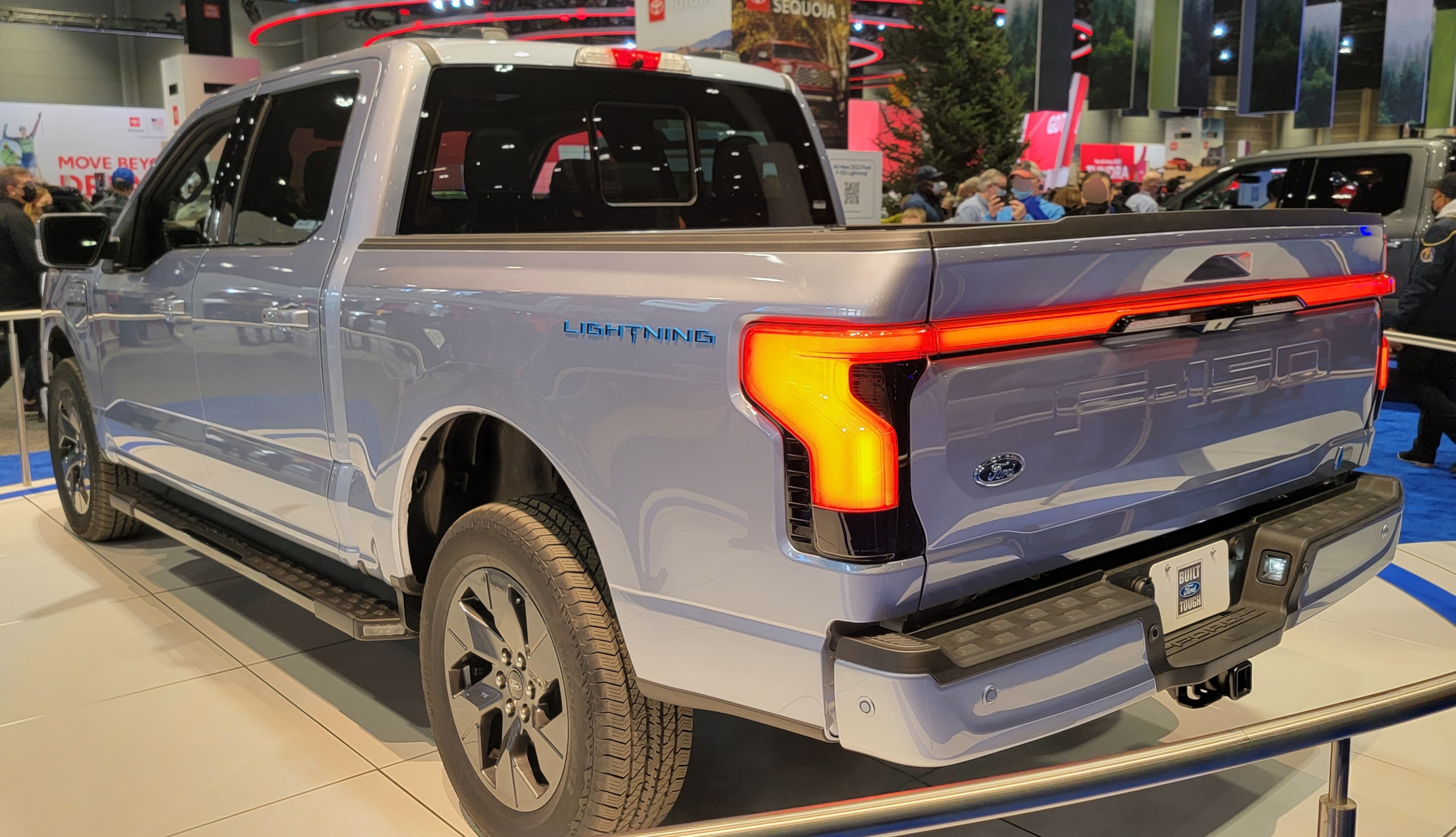
like the Dodge, Dodge Charger EV and just said, yeah, we, we're forward selling 30,000 F-150
lightnings. What's the Silverado selling? Our customers a bit more conservative. Who
the hell is going to buy this? Let's just write off the billion dollars now instead of going
any further. So it's not a surprise when you think about where the electric truck market is
right now. It's the only thing to me is like, it's a, it's a lot of money to write off.
It is, but if they continued with it, what are we looking at? A hundred million dollar ad campaign
and dealer support and warranty and just like just everything to get that vehicle out there
is going to take hundreds millions more. But the idea of electrification isn't
dead completely. We talked about the Ram Charger, which is the EV truck with the six cylinder
range extender under the hood. And I think when we were initially talking about that months ago,
I think we both agree that we kind of like that idea better. So why have the full EV
and the Ram Charger? Yeah, I knew the battery is going to be smaller. You're not going to have
the cost associated with you. You have the full versatility of an EV truck. You'll lose the
front and things like that. So they're obviously persisting with that. They're going to rename it.
What's it going to be called? What's it now? What's called the Ram Charger? What's it going to be called?
Rev, R-E-V? Rev? So it's the Ram Rev. Yeah. So the Rev was supposed to be...
Ram Charger was a really cool name. I don't know why they got rid of that. That seemed like
great names to me. I thought so too. I was like, they took that the full EV was going to be the
Rev. And then the Ram Charger was going to be the hybrid. And then they said, let's drop Ram Charger
and keep Rev and apply that to the hybrid. I was like, I don't think I would have done that.
Now we would have done the opposite, I think. Unless they're going to use Ram Charger for
something else. But also, that would just sound like a geek from a search engine,
web optimization thing. Changing the names of cars halfway through, especially when it's the
name of another car is sort of optimal. So we'll see. I mean, that of all the trucks,
I'm kind of actually quite excited by. I think the concept of a range extender truck makes
a lot more sense than a fully V truck. And it's rare that Stalantis has something different
in the market. This does give them something which GM and Ford doesn't have. But again,
the next question is, why would you buy that versus a V8 or the Huracan 6, which is a great
engine? Why would you buy that over the gas truck? Maybe if you're working in a city and you want
to have EV most of the time, maybe it's got some cost advantages probably if you're charging it at
home. But again, it's still going to be pretty nichey. But we'll see. Maybe they can sell
100,000 of those rather than the 20,000. Maybe they'd sell at the full EV.
Brian, what's your thoughts on this? I mean, the timing is funny. I think we just published our
first drive of the V8 coming back to the Ram 1500 last week. So, you know, V8 comes back, EV
truck gone. Cool. I do wonder if if you look at sort of like, you know, Ram's place in the
overall sort of like, Stellantis environment. I do wonder if the sort of problems that they've had
with the charger Daytona and with the Wagoneer S also not really moving, had any kind of influence
on it. It'll be interesting to see what those two companies do with their EVs going forward as
well. So, you know, whether this is simply a shift in philosophy for Ram or it signals a shift
in philosophy also for Dodge and Jeep, we'll just have to see. It's very kind of, I mean, they are
America first brands in a way that GM and Ford are a bit more global. And it is all in on,
it's kind of all in on this administration. Because if you think about it, if in three years
time there's a big vault fast, the Democrats come in, it's all about EVs again, you know,
I suppose they could reignite it. But they are kind of all in on, you know, America's
going to stick to gas and EV take ups going to ramp up very, very slowly. So, you know, we'll
we'll see. It's make money now rather than, you know, rather and, you know, and gamble on the
future. But frankly, that's where Stellantis is because that's they need money now.
They do. Do you think also part of this is, is they kind of had to kill the full EV truck
because a little bit of egg on their face. And with what they've done previously in the last
couple of years and the charger being very unsuccessful, that taking the gas engine away,
taking the V8 away for them to go and we made a mistake, we're going to bring back a Hemi,
we're going to bring you, you know, a muscle car. But if they said, hey, but we're going to
bring you an EV truck, maybe it just doesn't fit the narrative of what they're how they're
trying to reboot the Stellantis brands out here, things like Ram and Dodge.
So I think that's a bit like Coke, isn't it? It's like bring back the real
yeah, it's just kind of recipe, you know, I mean, I don't know, maybe think more like
back in the day with like crystal Pepsi and they're like, we should just stick to regular
Pepsi. We tried it. It's weird. It's clear. Didn't make sense. It just got mocked.
You know, and they're like, yeah, let's go back to it.
I think the one concern though is and because I understand like if you sort of sit back and
think about it like why they would kill the EV truck and why they would bring back the V8s.
But I think that if you're trying to be a bit more forward thinking about it,
building EVs is a fairly high learning curve. And we saw that the first EVs from a lot of
these companies, they really struggled in terms of like, you know, drivability, how they felt,
how they were built. So I think that the hope would be that this wouldn't set them back too far
because I think eventually they're going to have to offer some sort of EV. You know,
even if the ramp up is slower than everyone might have anticipated two or three years ago,
it's still a ramp up. So this could have been a good platform that would then get some
learnings and sort of iron out the kinks. Because I think that, you know, that forthcoming
forward smaller EV truck, it's going to be better because they made the lightning and they were
able to learn from it. So I think the hope is that, you know, RAM is making probably a
better decision for themselves in the short term. You just hope that it doesn't have sort
of the carry on effects of sort of like a drain and engineering thought and resources and
learnings that they would have had from this truck. I mean, I think that's possibly part of
their problem. They have a lot of talented people in Stalantis, but not necessarily in the EV world.
And if you took at the RAM and the charge, the charge, the Dodge Charger EV that we own,
and I spent last week in it, you know, it feels like a car done by a traditional car company
rather than a car done by a tech company. And, you know, it's whether they can, they can
attract and retain the EV talent and expertise that they need to develop this kind of next
generation of EVs. And I suspect that's where they're struggling, particularly as the company
overall is struggling. So maybe it is a short term is decision, but maybe they didn't have
a lot of choice. And it was just even the Charger EV, there's a lot of things in that vehicle
that aren't quite as polished as we, as we might hope. And so yeah, interesting times,
but I'm excited by the RAM, not, I call it RAM Charger, the RAM Rev that is a RAM Rev.
The RAM Rev that isn't a Rev. I think so too. I think it's interesting if you can drive that
thing around like an EV every day around town and plug it in at home and not really go to the gas
station, that's fine. But then if you need to take that trip out of state or to Vegas, and by the
way, and want to tow while doing it, not just try to make it from here to Vegas 300 miles, but
tow with it, you have that six cylinder on board to make that happen. And what the
estimate when they were talking about it was an estimated to combine range of 600 miles. So
that's significant as well going, Hey, you know, we've got EV and then the gas engine could kick
in probably a small fuel tank and overall 600 miles, not necessarily well telling, but
you can always pull into a gas station and top it off. But I think it's interesting.
It's the psychology. You're not setting off guys, the charge is going to be broken,
is it going to work? And I'm going to have to be delayed. It's going to add an hour to
my journey. All of that goes away. So it's like the best of both wheels. I'll charge it at home.
I've got a nice truck full of electricity. It's cheap. I don't have to go to the gas station.
But if I'm towing or I'm going up to the mountains to go skiing, I don't have to worry
about anything. So that appeals to me. Me too. All right, enough about the formally known as
Ram Charger. Let's take a quick break. We'll be right back. Hey guys, it's Matt again.
I just wanted to give a big shout out to everyone who's been coming out to our Bravago
hard seltzer tasting events and ordering online. If you haven't tried it yet, here's what you're
missing. Bravago is lightly carbonated, stevia free and bursting with flavor. And guess what?
It's not just great on its own. It's a perfect mixer too. Throw in a splash of gin or vodka
and you've got yourself a next level cocktail. Find it online at drinkbravago.com
or at our next event. That's drinkbravago.com. Okay. So next up, I want to talk about the,
we have a three way comparison here of three row SUVs. Brian, you took the lead on this. Do
you want to set this up? Yeah. So this was functionally sort of a way for us to get
a pretty deep dive into the new Hyundai Palisade. And we brought along two competitors that I think
were able to sort of highlight different things that you might be looking for when you're shopping
for a bit size three row SUV because needs are actually pretty varied in a segment this wide.
So we brought along the Toyota Grand Highlander and we also brought the CX90. And the funny thing
is that all three of these offer hybrids or they're going to offer hybrids. But this
comparison, we did the gas versions. The Grand Highlander hybrid is one of our
overall favorite three row SUVs. The gas version is not quite as potent. One, because
you're not getting the same efficiency gains and two, that hybrid power chain is just so
good in the Toyotas. They're really good at making those smooth and just really easy to
live with. But inside the Grand Highlander is just big. So it offers a lot of practicality.
The CX90 was there to provide like sort of a sporty alternative. But the Palisade was really
sort of the focus and I think it acquitted itself quite well in this comparison.
Okay. What's your thoughts on this, Alistair? This heads up these three?
Yeah, kind of a great point. The Grand Highlander is like a classic Toyota that it's not like
the coolest thing in the world. It doesn't have the highest quality cabin, but it just
is a great American family car. I went and did the original launch of it in Hawaii.
Got the plum job on that one. Then we drove it back in LA and it doesn't do a lot wrong.
It's big. It's spacious. There's luggage space. The interior, it's well built.
It's not fancy. The material choice isn't like high end. Obviously, they've got the
Lexus version if you really want that. But it just does a really good family job. It's
really kind of utilitarian appeal. But I'm with Brian. The CX90, we had one for a year and
it feels a bit more plusher in the way that Mazda's do. But there's other things that kind of
compromise it. But the Hyundai, I drove it home. Brian, I don't know, but I spent a bit of time
in it. Actually, we talked about this on the show, Matt, that I had a BMW X3 the day before.
Then I got into the Palisade and the Palisade felt like a better quality product just in terms of the
look and feel and the sort of a tactile nature of the controls. I mean, it's extraordinary. It
didn't feel like a mainstream product. It felt like a luxury car and in many ways better than the
BMW. It's a good thing. All right, so let's get into the rundown. I agree with you guys.
Toyota is always a good benchmark. It's like everything is done well and it's always a good
sort of baseline going, you're never going to go wrong with this. If you want a luxury version
of whatever it is, you can look at Lexus, but you can never really go wrong for the most part with
something in the Toyota range and kudos to them for that. But it's been a theme here for a
while going, you know, Hyundai stepping up their game and the Kia is looking really good and the
Genesis is top notch and it's just like they just keep nailing it, I think for the most part. I don't
know about that Ionic 6, you know, that for me is. I love the Ionic 6. I know you do and I'm
always like it just looks like a sad face from the profile. It's just the face of the one,
the new one that's about to come out with a different front lights. I think it's a
Streamlight. No, it's a 1930 Streamlight. Anyway, moving on. All right, so I'm going to bring this
back up again. Brian, why don't you tell us what's going on here with you guys got the
CX of the three, you got the CX90 here in third place. So same thing we do with all
our comparisons, we cover interior, tech, cargo spaces, how they drive, driving aids,
all that good stuff. And here in the article, we basically kind of highlight
one good thing, one bad thing, and the reason that you might want to buy one because even though
the CX90 comes in third, there is a customer for it. I think that the way reason that the Mazda
really struggled though is that on size, it was just not comparable to the other two. If
you're going to use the third row at all, you really shouldn't buy the CX90. It's really
hard to get into. It's really small when you get back there. I'm like 511 and I basically
just don't fit. The only way I fit is if you really move that second row seat up and but that also
means that the second row would then be compromised for car seats. It's just, it's funny too because
overall it was the longest vehicle there. It just wasn't packaged as well as the other two.
And that sort of lack of room sort of just really takes it out of consideration for a lot
of people, especially if you have a family, before you even get behind the wheel. And
that's where you'd enjoy it the most. Okay. The car seat conundrum is an interesting one and some
of these struggles with this are a lot modern cars because everybody says, oh, you put the kids in the
third row, no problem. But actually if you put kids in a car seat in a third row, they actually
need quite a lot of space. Like I have a six-year-old who's pretty tall and you put the car seat
in so that naturally moves them forward, you know, two or three inches, then actually they
need space. So then you compromise the adult in the middle row. So it's a bit, you know,
everything's, I'll put the kids in the back. Well, yeah, maybe when they're like 10,
but by the time they get to like 13, they're going to be whining again because they're going to be tall.
So there's like a tiny window in which kids really work in the third row for me.
And just give me a little background of the three. We're talking about the Palisade being
new. That's the freshest one here. How long is the Toyota and how long is the CX-90?
Most have been out. Like, how many years do we have under our belt with those platforms?
If you're best guess, I mean, I'm putting you on the spot here.
Now, the platforms have been around for a while. I think the last redesign for the CX-90 was
four or five years ago. So it's a bit long in the tooth. I think, to be honest,
if you got into a 25 CX-90 and you got into a 21 CX-90, you're not going to
feel or see a whole ton of difference. Grant Highlander is a bit newer because that was
Toyota saying, are bad, the regular Highlander is too small. So here have a bigger one.
That one's a bit more recent, but neither of them are brand new in the way that the Palisade was.
But I mean, the interesting thing is, you know, the Palisade was a touch more expensive than the
other two. We didn't actually didn't have top trims of the other ones. But if you had cranked
the dial all the way up on the price for the Mazen Toyota, they would have been comparable
to where the Hyundai sat. And after being in all three for the better part of a week to
film this test, like just cabin wise, there's absolutely no comparison.
Okay. All right. Let's take it. You want to take a look at number two on the list or you got something
else you want to say about it, Alistair? No, I guess we're going to get to it anyway.
The only observation that is slightly left field is Hyundai doesn't really do like design
language. You know, like you look at the Toyota and it looks like a Toyota and you look
like a Mazda. It looks like a Mazda. Hyundai just says, ah, well, what kind of looks nice
if you're making a big three row SUV? And this thing looks like the kind of previous generation
Range Rover a little bit to my eyes, particularly from the rear. So they just designed something
that they think looks nice. It's quite funny. You put all the Hyundai's together and there's
absolutely no resemblance between most of them. Like the Santa Fe to this. The Santa
Fe all kind of boxy and looks a bit kind of Land Rover Discovery. And then you get into this,
which looks maybe a bit Range Rover, but there's almost nothing that says Hyundai. And they've
really detuned. Everybody else is going like we talked about last week, massive grills.
Let's have an LED BMW kidney. Hyundai is like, nah, nobody really wants, you know,
we're Hyundai. We're going to like detune the badging Morse code for the badge on the steering
wheel. It's interesting where they're going. They're basically saying, here's a palisade,
not here's a Hyundai. And I think the evolution of their vehicles has been even a better
improvement year every year. A tell your ride comes out, you're like, oh, that's a sharp
looking vehicle. That's really winning people over and it happens to be great and comfortable.
It works. And then they do a little bit of a refresh on it. Like, oh, that's even better.
Right. And it just keeps happening with all of the brands under that company with Kia,
Hyundai and Genesis, I would say, right? They have a, like I think that Hyundai and Kia,
they cost cut on their interiors to be sure, just like the other brands do. But I just
think that they do a really good job of hiding it. Like they're not cutting costs in the places
where you're going to see it easily and especially on the things that you're going to touch. And we
saw this in the Ionic 9 as well. We saw this in the Santa Fe. Like, yeah, you can find plastic
that's not grain real nicely. And yeah, you can find maybe like some rubber that's sticking
out somewhere, but you got to dig for it. And all the stuff that like you're seeing,
it presents so well. I think that's super important. Alistair and I were talking about this before.
I forgot where you were driving Alistair, but you were like, it's got a rubber steering wheel
or something. You're like, why can't you just? Chevy Equinox is like why it's like a $15 probably
more to have it wrapped in fake leather or something at the scale they do most. It's
like, and they could have swapped that out for something less noticeable, right? Like the
backs of the seats or something in the trunk or just, you know, just like your steering wheel,
your knobs, your AC vents, your window switches, like those are the things that you're on all the
time. Like, why not try to give them a little bit of a solid feeling, a comfortable feeling.
So weird statement because you're making a very overt statement that this is cheap.
So are you like supposed to sit in there and grab the steering wheel and go, I've got a
cheap car. I don't think anybody like, you sit out with higher cars, you know, in higher cars,
because you used to do higher car specials, didn't they, back in the day? And you'd come
over and go like, oh, it's the higher car version. And now a higher cars have got a bit
posh, but it's, yeah, I don't get it. But the Hyundai is completely the opposite. You get in,
you sit in it, and if you did like a blind taste test, you would probably think it's a BMW
or a Genesis or something. I don't think you would think it's a Hyundai.
Okay, let's, I agree. Let's move on to number two, although I think it's pretty obvious from
just from the conversation that number two. I've just had an idea for a feature, Brian. Maybe we
should do that. The steering wheel test? No, the blind taste test. Like, can you tell, like,
you know? Yeah. Oh, right. Can you tell, is this a rental car? Is this an expensive car?
Is this a BMW? Is this a Hyundai? Is this a Rolls-Royce? I enjoy the, I enjoy the pricing blind
taste test personally, where you put someone in there and say, how much do you think this costs?
And then you see what they say. I do that with my wife, because obviously I drive all the
different cars. I do it with my wife every time. And because she works in product marketing,
she's actually got really, really good at it. And it's only interesting when she gets it
massively wrong. Because then it's almost like a bit of a telltale. Yeah. Okay, so we were already
talking about the Toyota saying Toyota does everything well. What else do you want to tell
us about this? We're looking at a few pictures of it. No, the Grand Highlander, it's a vehicle with
few faults, but it's also a vehicle that I would say lacks a bit of excitement.
There's no real panache to it. And that's fine. That's what some people are looking for,
like just an absurd level of practicality. But I think that other vehicles can show,
have shown that you can have a lot of practicality, but it doesn't have to necessarily be as
reserved as this. In particular, the space is good. The thing though that gets me about
the Grand Highlander, and it kind of gets me about all Toyotas. So this isn't a unique
thing for the Grand Highlander is the infotainment system. If you're not paying for a data subscription,
it feels very incomplete as a vehicle. So you actually need to pay two separate data
subscriptions to use all the stuff that's in the infotainment system. I believe it's like $15
a month, a month each, and then 26 of you combine them. But if you don't pay for it,
you don't get native nav, you don't get voice commands, you don't get music streaming.
Now, you do get Android Auto and Apple CarPlay wirelessly, but it also feels kind of bad when
you get in the car and it fires up and it goes to that main screen. And the main screen just says,
explore drive connect, subscribe here. Yeah, I don't want to be sold something every time
I get in my vehicle to start it up. Already it drives me nuts that I have to get in most
vehicles and turn off the Auto Start, Stop feature every time I get into it.
The other thing I don't like about Toyota is it also feels cheap. What about
some of the Chevy feeling cheap? Toyota's key is terrible.
Yeah. And it has been for years. And I know keys are expensive to do, way more expensive than
anybody imagines. But like, why do you have to have such a crap plastic key? Because that's
the bit that goes in your pocket. That's the bit that you interact with more than anything
else. It's in your drawer, you open your drawer, you pull it out, you want to feel
like vaguely good about it. Yeah. And like every other Genesis key, and it's not the Porsche key,
this is something a little bit about it. And Toyota just like, well, this is just utilitarian,
it's a key. And that kind of infuses. Toyota either does interesting cars, not massively well. So
like the forerunner and the Land Cruiser are not our favorite vehicles in the class,
but look quite cool and are interesting. Yeah. Or they do
really well executed cars that are just a bit boring, like the Grand Highlander, which is a really
great vehicle, not with a lot of flair. All they do flair, that's not great.
It's like two different companies. Right. Yeah. And the key issue, I'm sick of keys.
Keys are like passwords now. Like, I don't even want a key anymore. And I know like
you could use your phone. I use my Ford, whatever, phone is a key thing.
And I, even for me, that's kind of an interesting thing because every time I get into my truck,
it works. Every time somebody comes with me, it doesn't work. And I'm opening and trying to
open the door and I got to restart, turn off Bluetooth and turn it back on. And then
someone goes, how come you can never get into your truck? And I go, every time it's
with somebody else is here, it's the only time it does that I get into my truck
six times a day and it works. And then when there's somebody's there, I was like,
maybe you're throwing it off. Do you have a metal plate in your head? Like what's happening?
It just, it just, it's embarrassing each time and you're sitting there and you're doing it.
And then when you forget to bring the key and you have to valet park and you got to tell the
valet, I was like, here's my phone, go park the car, bring me back my phone.
And we'll, we'll figure that out on the way I put back, you know, like here's my phone,
go get my key and then, you know, there's a bit of that, but I don't like having a key for the most
part. I don't like having a wallet. I don't sell like carrying stuff. I don't even have a door key
anymore. Yeah, seriously, like I don't either. I didn't have a door key. When I had the
warehouse, we just used a code. We just didn't, you know, like no key. I'm fine with it, no
keys. But I don't know, Brian looks like he might be a key person. I'm a key person. He's a key person.
He's a key person with an answer. But the, the hot days do the thing now where you can
log in with your fingerprint. So load up all your settings, seat settings, mirrors,
all that stuff too. So they're getting there. Yeah, my, my Genesis has the retina thing going
on, which, you know, you look at the side of the car, which when it first got it was a bit
if it hit and miss, but now I think they've nailed it. So they've obviously tweaked it a
little bit. So it's, it's, it actually works well. And then the fingerprint and so you do
you write retina to get in and then your fingerprint to start the car. The fingerprint
starting your cars. I don't like because sometimes if you've got like, if you've been sweating a
little bit or you've got a little bit of grease on your fingers or something like that, then
if you don't get it right, it locks you out. So I've had moments where you're like
sat in the car and it's like locked out for a minute. And then if you get it wrong
again, you're locked out for five minutes and you know, then you're starting to panic
a little bit. So yeah, that would drive me nuts. Already like when my phone as a key
doesn't work. It drives me nuts, but
shall we, shall we conclude on the hunt date before we get off on complete tangent?
Yes. All right. So you're not going to be surprised to hear
the Hyundai Palisade number one.
Yeah. I think Matt, if you could actually click the image carousel, one more over to the right.
And we just want to get to that shot of the dashboard. So we've mentioned that there's
the Lexus TX, which is the nicer version of the Grand Highlander. And we actually did
a comparison with the Lexus TX against the older version of the Hyundai Palisade.
And our conclusion was don't buy a TX, buy a Palisade, because it's just as nice.
And now the Palisade is even nicer. I mean, if you look at this thing, there's nothing else
really that kind of looks like it, especially on the inside. They say that they designed it to
look like a piece of mid-century modern furniture. And I agree. It looks like a TV stand that
would fit in to any living room in Palm Springs. But materials quality is impeccable. It's super
quiet. If you can kind of see that center console area right there, you can actually grab that.
There's a little handle on the front of it, and it slides forward and back. So you can actually
reach it from the second row. And the bin goes from the top all the way down to the floor.
Okay. There's 100 watt charging in it now. So you can actually charge a MacBook Pro
straight off of the USB ports. The only thing that some people didn't really love was that the
shifter is on the steering column. But those are usually the taller folks. For me, I was
totally fine with it. I was good with it, Brian. My knee was not in the way. But that little thing
that I watched the video and you called it out about like charging a MacBook Pro,
it's that attention to detail. I think Hyundai and Kia are getting really good at
because it feels like nothing at all. But like actually being able to charge
a laptop or an iPad or something just straight from your car, from a gas car without having to
plug it in or whatever, just having a little USB-C cable, that sort of thing is really useful.
My God, I've actually used that. If you would have flashed this image of the interior in front
of me very quickly and said, this is a new vehicle, what is it? I would look at that
steering wheel and say, this is a Range Rover. Right. But that's not a bad thing.
It's also no accident. Yeah. Yeah. All right. So you like it? What's,
go through this real quick. They're good and the bad before we wrap up.
Well, I think the other thing too is that we should note that Hyundai and Kia as well,
they just offer features that a lot of competitors don't. So you can get ventilated
second row seats. You can get those relaxation seats with footrests that fold out and
both of the front rows. Even the headrests are super comfortable. And also the armrests,
they have, and this is something that's true in the Santa Fe and the Ionic 9 as well,
they have something like 15 different adjustment settings. In the armrest.
In the armrest. So you put it down and then it clicks on the way up and you can put it
exactly where you want to within a three or five degree kind of angle. And it's just
stuff like that that is really, you know, you notice it when you're going to use it and you go,
huh, that makes this car nice. Now, if it has a problem, it's, it's slow. It was 8.8 seconds to
60 at our test track around the street. I would say it doesn't feel quite that slow.
But if you're getting on the highway, especially if the car is full, you're
definitely going to, you know, feel like you want a bit more power. It got heavier in the
redesign and the engine got a little bit less powerful. So both things kind of went in
the opposite direction. But the good news is that there is a hybrid version coming, which we've
sort of been, you know, screaming for for the past four or five years. And that actually looks quite
promising for a few reasons. But I'll let you guys jump in before I go too far down the hybrid road.
The hybrid version. Is this like a year out or this is coming soon? We're going to see like
at the LA auto show or something like that. It's coming. It's coming next month. Oh next
month. All right. So hybrids like really around the corner. It's imminent and it's going to be a
brand new hybrid powertrain for HMG or Hyundai Motor Group. So it's going to eventually be used
around the world. But this is the very first application of it. So the hybrid system that's
in the Santa Fe that we had in our one year road test fleet, we liked it, but it also had
really disappointing fuel economy. So it was 34 EPA and we ended up getting about 27 over
a year and 20,000 miles with the vehicle. But this is a completely different system.
Instead of the 1.5 liter turbocharged four cylinder, it's got a two five. And it's also got two electric
motors instead of the one that's in the other one. So you can our initial thought was like,
you know, the Hyundai's are generally not making their EPA numbers, but it's a completely brand
new system. It's got more electric motors. And I actually went on the Korean website
because they have some specs published there that we don't have in the U.S. yet. And they're
saying it's going to have about 630 odd miles of range, which is massive. So once again,
we're going to have to test these things to see. But the fact that it's a new hybrid system that
seems to have been upgraded materially gives us a bit more hope. There's also generally speaking
in the Hyundai life, you look at the Tucson line of the smaller compact two row that
we prefer the hybrid. The hybrid makes sense. And in these kind of SUVs, hybrid powertrains,
you know, with all that low down torque and everything else, just a great, you know, just
a great means of propelling these big heavy cars. And it just means that you're not
stressing the gas engine as much. You're not using as much fuel. So as long as it's not
a big price leap, and I don't think it can be because they're going to have to price it
alongside the Grand Highlander anyway, I think this is going to be the one to watch out for
show. You know, we're looking for we're looking for it to be a little quicker with the addition
of electric motors. We're looking for a little bit better overall fuel economy.
But possibly with the two motors, you know, you're adding quite a bit more weight, you know,
I guess we'll find that out once it's out there. But what you said about range about
600 miles of range, this is one of the things Alistair and I talked about a couple of weeks
ago when I came back from Monterey's, I took the Land Cruiser to Monterey. And for a vehicle
like that, we're going, oh, this is meant to be like off the grid. Let's take it out of town.
Let's go off the grid. I was getting and that was the hybrid. And I was like,
I got 280 miles of range out of that thing. And I was like, I don't know, just seem like
yeah, tank is not that big on that thing. Weird. Yeah. And because the the battery in
the back for the hybrid system, so in the in the cargo area, the floor was raised up higher
because of the battery there. And smaller fuel tank, I guess, and just didn't just combine it,
didn't have quite the range, which was surprising to me because I don't know for Toyota, which
seems to be doing hybrid systems well for so long that they would have thought about that a little
bit more. I'm not saying it needed to hit that 600 range mark, but under 300 just didn't really
do it for me. I think you've got a problem with just it's all a compromise. I mean, that's already
a big vehicle, but then you've got a bigger fuel tank, then you come and you've got the batteries
and then you've got to compromise on the trunk space. You've got to compromise on the rear leg
room or something. So they're all playing this game. Whereas I mean, the Palisades are big.
I mean, that's the only other thing that I'd say is, you know, it's a big unit.
I mean, all these cars are, you know, you're driving at home from Santa Monica
back to where I live in the South Bay. And it's a big unit, you know, even in
somewhere like, you know, even in America, like parking it, you know, you are conscious,
it's a big vehicle. It's not, you know, yeah. Well, and I drive an F 150 regularly. So
yeah, everything's, everything's relative, right? But compared to like a RAV, it's a big,
if you're coming out of something like a RAV4 Honda CR-V and they've got bigger in themselves,
just the width and the like, you know, it's, it's a, it's a big unit.
I think it's aided by the fact that, so I think the price difference is going to be around 2000.
Would need to double check that was going to be around that. The thing is though,
that the V6 gives you such poor fuel economy as a baseline in the Palisades. So it's down
at 20. And I think we got a little bit under that in our week with it. Even if it only improves
things to 30, you're talking about a huge reduction in fuel prices or fuel costs for you
because you jump from 20 to 30 is 50% increase. So yeah, because it's starting us to poor figure to
begin with, it's really just going to make a lot more economic sense too for people.
You know, I, what I meant to ground back and you've got a nicer vehicle,
what I meant to ask was, is it going to be plug-in hybrid?
No, just a regular hybrid, just a regular hybrid like the Toyota. But isn't the Mazda
plug-in hybrid? Yeah, but that thing we had it for a year. And how do I put this
delicately? It sucked. It was really unrefined. People didn't like to drive it. It sat at the
office a fair amount. I would actually prefer the cast version of the CX-90 just for an overall,
because you know, you buy that car because you want to drive it. And the plug-in hybrid,
just the transition between gas and electric power was really poorly handled. So that's
the one hybrid we sort of don't recommend. Yeah, okay.
We will be back, I think, with Grand Highlander Hybrid versus Palisade Hybrid. I think, you
know, I don't think we're giving away our state secrets to say that we'll probably end up doing that.
Right, right. All right, guys, we're going to wrap things up. What else can we look forward to?
What's on the docket? Well, that you can, you can tease us with.
Toyota, we just launched today and maybe this is a subject for next week,
GLC versus Q5 versus X3, sorry, getting there, the big three German,
gone by Steve. Steve, to be honest, he's just spent the week in Germany at the Munich Auto Show.
So, you know, we talked about the TT and everything else last week, the Audi concept,
but actually that looked like the biggest auto show that I can remember. I kind of regret it
not going. So I think maybe we'll get Steve on next week and he can tell us all about
life in Germany, because that looked like a proper auto show. So, yeah, there's a lot of
Edmunds.com slash news, a lot of stuff going on. Yeah, Chevy Equinox against
Brian, what was that? Did you do that one? Yeah, that was the Equinox versus the Bronco Sport,
the All-American small SUV showdown that went live this week. And then I don't know if I'm
allowed to mention this. So, Alastair, you can fleet this out if you need to, but
we maybe took one of our cars to the Dino. We did. Dino, not Dino. Dino.
No, he said Dino. Also, I think you guys got published the Ford Expedition Test,
which I thought was kind of interesting because I went to the launch of that and
having just driven the Lincoln Navigator, I think they're getting there. I think
they're doing some interesting things. Talk about a big SUV. That'll do it for you.
Yeah, it's a unit. All right, guys, we're going to wrap things up. And of course,
like you said, Edmunds.com is the website. Check out the Edmunds YouTube channel as well.
You can see Brian and the rest of the team up there. Guys, thanks so much for listening.
And until next time, keep the air and the spare and the bag and the wheel.
About this episode
The latest episode dives into the return of the Honda Prelude, discussing its sporty design and hybrid powertrain that combines elements from the Civic and Civic Type R. The hosts debate its target market, questioning whether it appeals to younger enthusiasts or nostalgic buyers. The episode also covers Ram's decision to drop their full EV truck, analyzing the implications for the brand's future in electrification. Finally, a comparison of three-row SUVs features the Hyundai Palisade, Toyota Grand Highlander, and Mazda CX-90, highlighting the Palisade's superior interior quality and features.