The Ford Explorer is a larger SUV meant to carry people and gear, often with three rows of seats. When people talk about it at around $45,000 to $50,000, they usually mean the more fully equipped versions. It’s a popular choice for families who want comfort and space.
Resale value is what something is worth when you sell it later. The host is saying some luxury items can keep value, but they don’t always have the same auction culture as art and watches.
“Cars and coffees” are casual car meetups where people show up, hang out, and talk about cars. The host is using it to describe the vibe of modern car events.
Place
Roneo Drive
This sounds like Rodeo Drive in Beverly Hills, California—an area known for luxury shopping. People sometimes connect it with car events because expensive cars and celebrities show up there.
Car
Gordon Murray T50
The Gordon Murray T50 is a very rare, high-end supercar made to be fun to drive, not just look expensive. It’s known for a special high-revving engine and a lightweight design.
The Gordon Murray Automotive T.50 is a very high-end sports car. The podcast brings it up because it’s a special, notable car that people pay attention to. It’s the kind of vehicle discussed for its engineering and performance focus.
The Lamborghini Countach is a famous high-performance sports car. People mention it because it’s well known for its unique look and its place in automotive history. In the podcast, it’s used as a reference point for what counts as an iconic supercar.
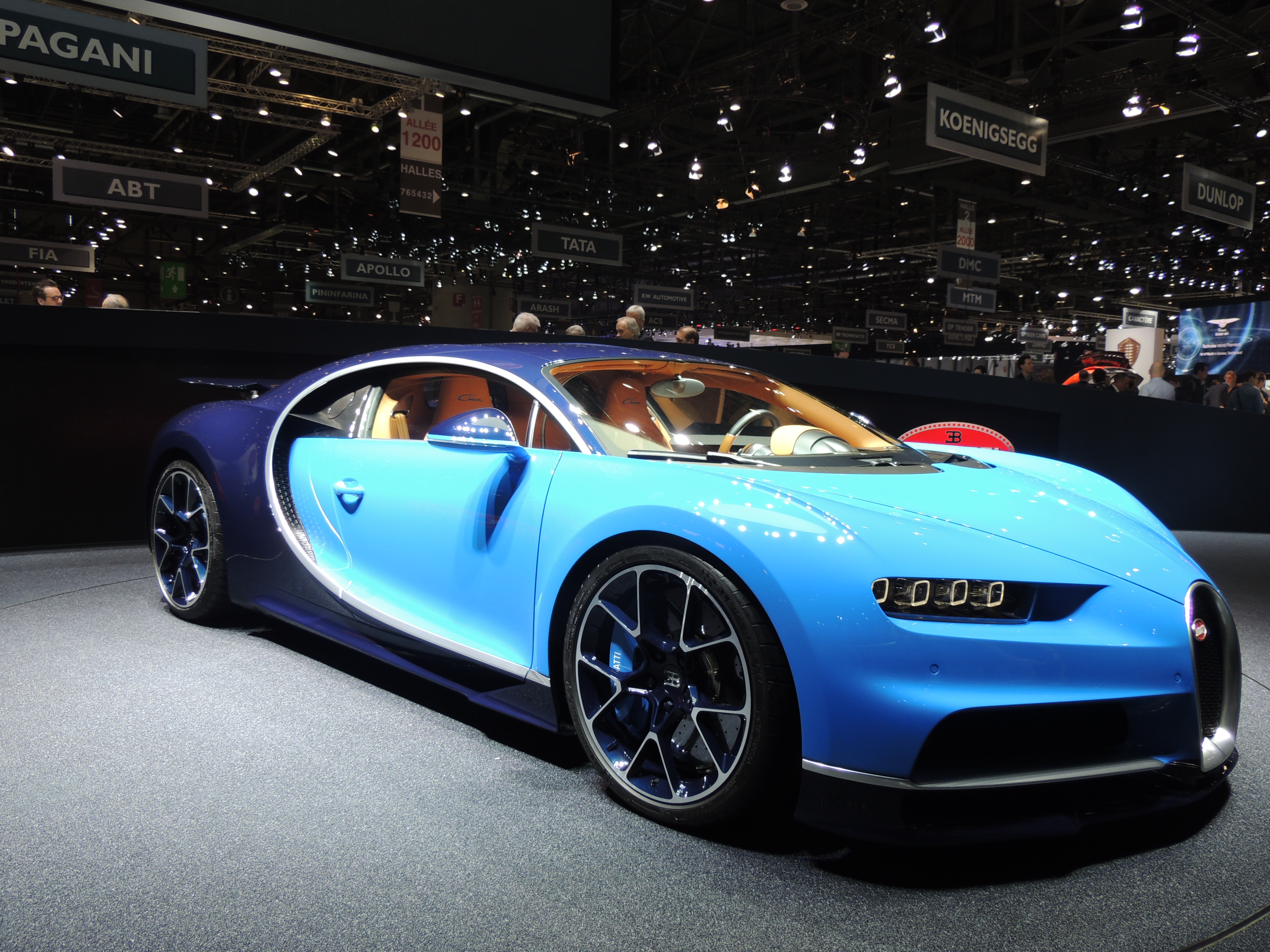
The Bugatti Chiron is one of the most extreme supercars ever made. It’s famous for being incredibly fast and expensive, and it’s the kind of car people talk about when comparing top-tier luxury and performance vehicles.
The Toyota 4Runner is a tough, off-road-capable SUV. The host is basically saying Toyota has multiple rugged SUVs that overlap in price and purpose, so buyers can cross-shop them depending on the trim.
A hybrid uses a gas engine and an electric motor together. The host is using it to explain why the Lexus GX and Toyota Land Cruiser feel different in how they’re sold in the US.
The “load lip” is the raised edge you have to lift items over when loading the trunk. If it’s high, it’s more annoying—especially for heavy luggage.
Term
squat and thrust
This is a description of how the car’s body moves when forces change—like when you load it up or move around. The hosts are using it to say the loading experience feels awkward rather than effortless.
Double-glazed windows use two layers of glass instead of one. That usually helps block road noise and keeps the cabin more comfortable, so the hosts are surprised it’s missing at that price.
“Dive under braking” means the car’s nose dips downward when you hit the brakes. The hosts are saying this makes the ride feel less smooth and more like an off-road setup.
The Mercedes GLE is a luxury SUV that’s known for a smoother, more comfortable ride. The hosts are saying the Land Cruiser Hybrid feels less refined and more like an off-road vehicle when you brake.
Car
Jeep Rubicon
The Jeep Rubicon is an off-road version of the Jeep Wrangler. The host is saying it can be a lot of work to use day to day compared with the vehicle they’re discussing.
The Wrangler is an off-road SUV from Jeep. The podcast mentions it as “hard work,” meaning it can take more effort to use than a typical SUV. It’s a common choice for people who want serious trail capability.
The Ford Bronco is an SUV designed for off-road driving. It’s meant to be capable on rough terrain, but that can mean it’s not as effortless as a more comfort-focused SUV. People mention it when talking about vehicles that prioritize trail performance.
Headlights aren’t just for seeing—they also help identify which version of a car you’re looking at. The host is saying the Land Cruiser most people buy uses rectangular headlights, not the simpler round ones.
A premium package is a bundle of extra features you can add to a car. In this case, it includes things like electric seats, which is part of why the vehicle costs more.
“Entry level” means the base version of the car. The host is saying the cheapest trim tends to have round headlights, while higher trims use a different shape.
The host is saying the Land Cruiser uses a lot of the same basic engineering as the Toyota 4Runner. That can make it easier and cheaper to build, and it often means familiar parts and systems.
Here, “range” means how many miles you can drive before you have to stop for fuel (or charging). The host is pointing out a big advertised number for a hybrid’s total distance.
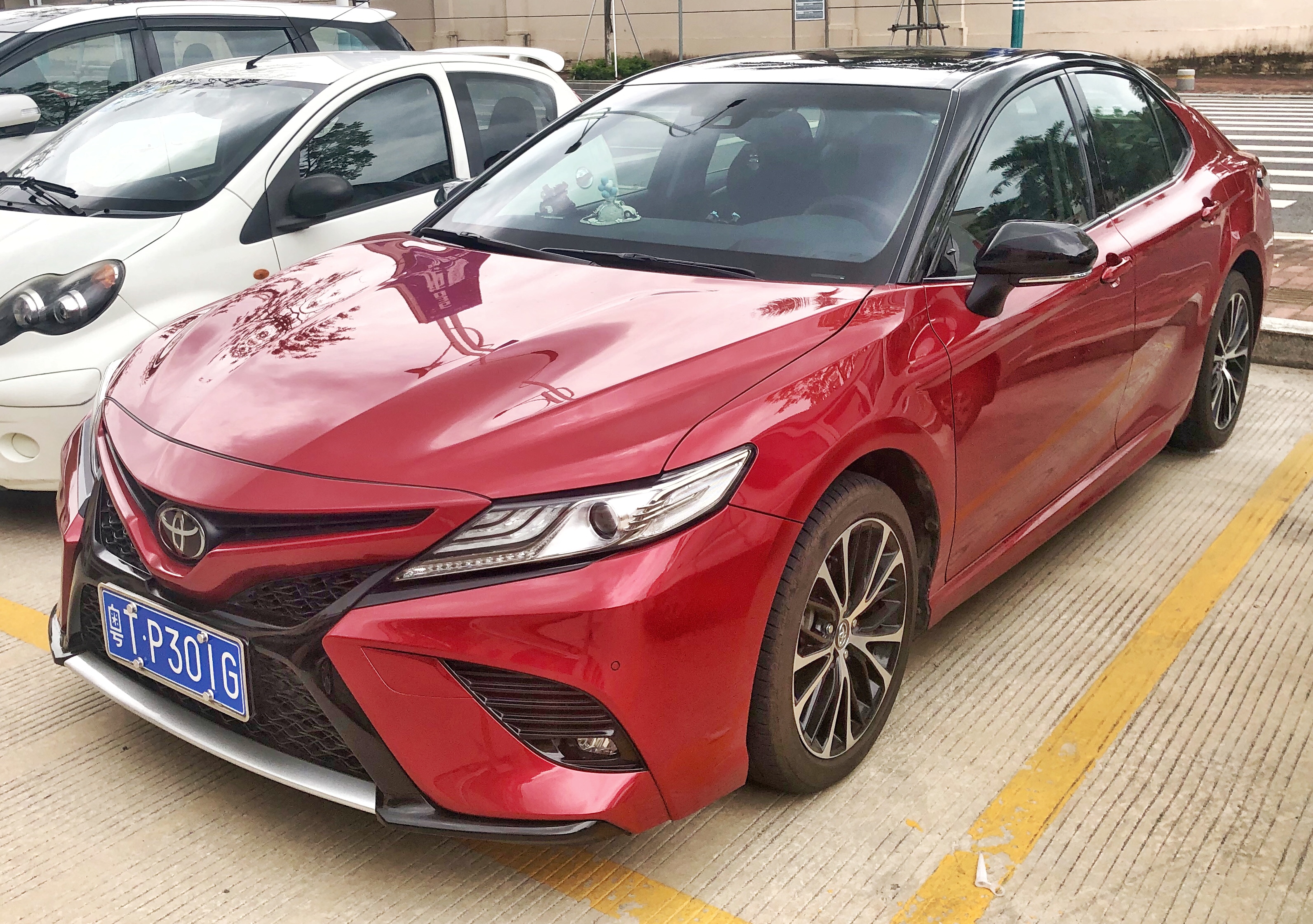
The Toyota Camry hybrid is a regular Camry that also uses electricity to help it use less gas. The host is talking about a big “range” number shown on a billboard for how far it can go before you need to stop for fuel.
The Lexus ES is a comfortable, everyday luxury sedan. The hosts mention it as a car that feels well-built and easy to live with over the long run.
Concept
filling up
“Filling up” is used as shorthand for the real-world inconvenience of refueling stops, especially when a family’s schedule and trip length don’t align with charging/refueling needs. The host contrasts the hassle of EV charging with the familiarity of gas refueling, while still calling out how frequent stops can be annoying.
The Lexus GX is a luxury SUV that’s built to handle rough roads better than most. The host is saying it also holds its value really well, so it can be a smart buy if you want something that feels special and capable.
Residual value is what the car is expected to be worth a few years from now. If a model has high residual value, it usually means you lose less money when you sell or trade it later.
The host is talking about a trend where car brands market SUVs as outdoorsy and capable, even if most buyers don’t really go off-road. It’s more about the lifestyle and the look than constant trail driving.
The Nissan X-Trail is an SUV meant for everyday driving but also for light adventure use. The podcast mentions it because people want SUVs that can handle more than just city streets. It’s part of the broader trend toward “adventure” style vehicles.
X-Pro is a name Kia uses for a more rugged, outdoorsy version of a vehicle. The host is pointing out that lots of brands use similar naming to sell the same “adventure” vibe.
The Honda Passport is a midsize SUV meant for everyday driving with room for passengers and cargo. In the podcast, it’s mentioned as one of the popular choices people are considering. It’s generally aimed at buyers who want a capable, straightforward SUV.
An investor call is a meeting where a company talks to investors about what it’s planning. The hosts are saying these calls sometimes don’t give all the details people want right away.
Jaguar Land Rover USA is the part of the company that handles the Jaguar and Land Rover brands in the United States. The hosts bring up its CEO because he’s connected to the Defender announcement.
Joe Abelhardt is the person the hosts say was CEO of Jaguar Land Rover USA. They mention his background to explain why his comments matter for the Defender news.
A platform is the basic “skeleton” and engineering foundation a car is built on. The hosts are wondering if the Defender could be made by reusing an existing Jeep-based foundation and then upgrading it to feel like a Land Rover.
The Jeep Grand Cherokee is a family SUV that can also be equipped for tougher driving. People talk about it because it can be set up for more adventurous use, not just commuting. In the podcast, it’s referenced as a possible starting point for a more off-road-focused version.
The Jeep Wrangler is Jeep’s famous off-road SUV. The hosts are imagining a scenario where a Wrangler could be turned into something Defender-like, which would mean reworking the underlying design.
Range Rover is Land Rover’s luxury SUV line. The host is saying it’s more about comfort and status, and it costs a lot more than the “adventure” image of the Defender.
This refers to manufacturing cost reduction—moving production to a location where labor, supply chains, and overhead are cheaper. The host ties it to the Defender being made in Slovakia as an attempt to lower costs versus building in the UK.
Tariffs are taxes on imported goods, and they can change where automakers choose to build vehicles and components. The host suggests tariffs make it more attractive to produce in the US rather than exporting from abroad.
“Under license” means one company builds something using another company’s permission and technology. The host is saying this kind of arrangement has happened before.
The G-Class is a luxury SUV designed to handle off-road driving. The podcast mentions it because its design and concept have been copied or licensed by other companies. It’s known for being a very recognizable, rugged-looking SUV.
“Reliability reputation” is basically how dependable people think a brand’s cars are. The host is saying that if two brands are already seen as unreliable, the partnership may not feel like an improvement.
The Land Rover Defender is a tough, off-road SUV with a long history. Here, the discussion is about whether it could be built using shared parts or factories tied to Stellantis, which could affect how “Defender” it feels to buyers.
An infotainment system is the car’s screen and electronics for things like music, maps, and phone features. If two brands share the same system, it can make the cars feel less unique.
The “Hurricane” is the name being used for a turbocharged inline-six engine. “Turbo” means it uses a forced-air system to help the engine make more power than it otherwise would.
In car terms, “authenticity” is whether the car feels like it really belongs to its brand and history. The host thinks buyers will care if the car starts to feel like a copy or a compromise.
“Optics” here means how something appears to other people—like whether it seems confident or desperate. The hosts think the way this deal is being perceived could hurt sales or reputation.
JLR is Jaguar Land Rover, the company that makes Land Rover vehicles. They’re talking about JLR having problems recently and trying to partner to improve costs and production.
Range Rover Sport is the sportier version of the Range Rover lineup. They’re saying sales or demand for it has been slipping compared with the regular Range Rover.
Stellantis is a big car company that owns multiple brands. The hosts are talking about Stellantis potentially building Land Rover–style vehicles for JLR, but at a smaller number than some other large-scale projects.
Discovery is a Land Rover SUV that can seat up to seven people. The host is talking about how many they sell and whether it’s worth spending a lot of money to keep making it.
The BMW X5 is a luxury SUV meant for comfortable everyday driving. It’s often compared with other premium SUVs because it aims to feel upscale while still being practical. In the podcast, it’s brought up as one of the vehicles people cross-shop.
The Toyota Land Cruiser is a tough, long-lasting SUV. The hosts are saying that if Land Rover wants people to switch from a Land Cruiser to a Defender, it has to deliver the same kind of reliability.
They mention Slovakia as a possible place to build a smaller Defender. The point is that where you build the car can change the cost, which affects whether the price makes sense.
They’re talking about an electric version of the Defender. “EV” means fully electric, so it would use batteries and an electric motor instead of a gasoline engine.
The Dodge Charger is a sporty sedan that’s known for strong performance. The podcast mentions it because there’s talk about how technology could be shared across the company’s vehicles, including EV-related ideas. That’s relevant when discussing what the Charger might become in the future.
Rivian is a company that makes electric vehicles. In this segment, it’s mentioned because it has experience with EV tech partnerships and could be a rival or partner in the EV market.
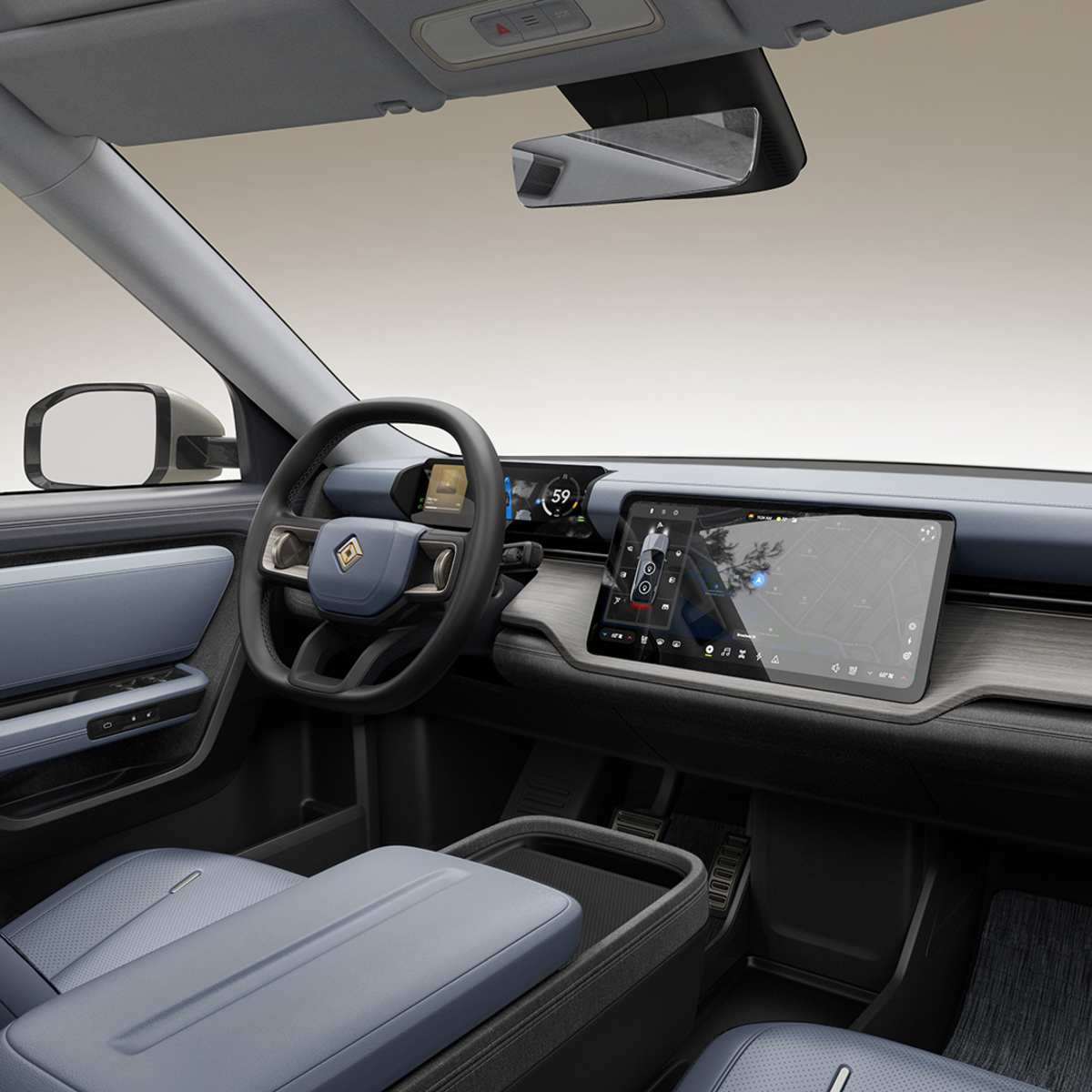
The Rivian R2 is Rivian’s smaller upcoming electric vehicle. The point here is that it’s expected to compete with other EVs priced around $50,000 to $60,000.
Amazon is being mentioned because it’s part of a partnership story involving Rivian. The takeaway is that Rivian has looked at non-traditional partners for EV-related efforts.
Volkswagen is a large car company. The host is saying Volkswagen put money into Rivian, and that the agreement is more about getting technology than sharing the same vehicle platform right away.
The Ford Taurus is a car model that Ford has made for many years. The podcast mentions it in the context of how well it was expected to do in the market. That’s about business and sales performance, not just driving feel.
The Chevy Bolt is an electric car made by Chevrolet. It’s often talked about as a “budget” EV—cheaper to buy and (in theory) cheaper to live with than bigger electric cars.
A “one-year test” means they keep the car for a long time and use it like a normal person would. That helps show what it’s like to own day-to-day, not just how it looks on a quick drive.
A comfort package is an add-on option that bundles nicer features. Here it means heated seats, a heated steering wheel, and a rear-view mirror that automatically dims.
A dimming rear-view mirror helps stop the bright headlights behind you from blinding you. It makes night driving easier.
Term
0-67.1 seconds
That’s a measure of how quickly the car speeds up from a stop to about 67 mph. They’re basically saying it’s not the quickest EV, but it’s still quick enough for normal driving.
The Chevrolet Blazer is a midsize SUV. In the podcast, it’s brought up because some owners have reported problems, especially with electronics. That matters because electronic issues can affect things like infotainment and other vehicle functions.
They’re talking about Google’s software inside the car’s screen system. The point is that even with big-name tech, the infotainment can still fail or act up.
Term
control out delete
They tried a fix that was supposed to reset or bypass the car’s control/screen system after it failed. It didn’t solve the problem, so they had to return it to the dealer.
A hard reset is like restarting the car’s screen/computer from scratch. It can clear software glitches, but in this story it didn’t permanently fix the issue.
CarPlay is a way to connect your iPhone to the car so you can use navigation and music on the car’s screen. If a car doesn’t have it, you can’t fall back to your phone when the built-in system glitches.
Android Auto lets you connect an Android phone to the car so apps like navigation and music show up on the car screen. If the car doesn’t support it, you lose an easy backup when the car’s own system fails.
The Chevrolet Blazer EV is an electric SUV. The podcast says they had problems with it, which suggests some owners may run into issues during ownership. That’s important because EVs still need to be dependable for charging, electronics, and driving.
The host suggests some automakers want to control user data and related services so they can monetize features through subscriptions. In practice, that can mean navigation, connectivity, or other infotainment functions tied to paid plans rather than being fully included.
This means the car has Google software built in, instead of using your phone’s interface. If that built-in system has problems, you can’t just switch to using your phone through CarPlay/Android Auto.
They’re saying a lot of car screens are built on Android technology. And even if the car uses Android, you can still sometimes run CarPlay as an app on that same system.
Voice recognition is the car’s ability to understand what you say. Here they’re complaining that it’s not as good at understanding commands as they expected.
A one-box design is when the car’s shape is basically one continuous “box” for passengers and cargo. The host is saying that this packaging tends to make the vehicle look and feel like a van.
The Renault Espace is an older minivan model that was considered innovative for its time. The host brings it up to show that minivans can be designed in a more exciting way.
NVH is how loud and bumpy a car feels inside. It’s about unwanted noise, shaking/vibration, and how rough the ride feels. Luxury cars work hard to keep NVH low so passengers feel relaxed.
The Cadillac Escalade is a large luxury SUV that’s often used like a “chauffeur” vehicle. It’s famous for feeling upscale and making a big impression when it arrives. The host is comparing the new van’s intended role to that kind of luxury transport.
The Mercedes GLS is a large luxury SUV meant for families and comfort. The host brings it up to say this van will likely cost in the same ballpark. They also imply the van is even bigger than the GLS.
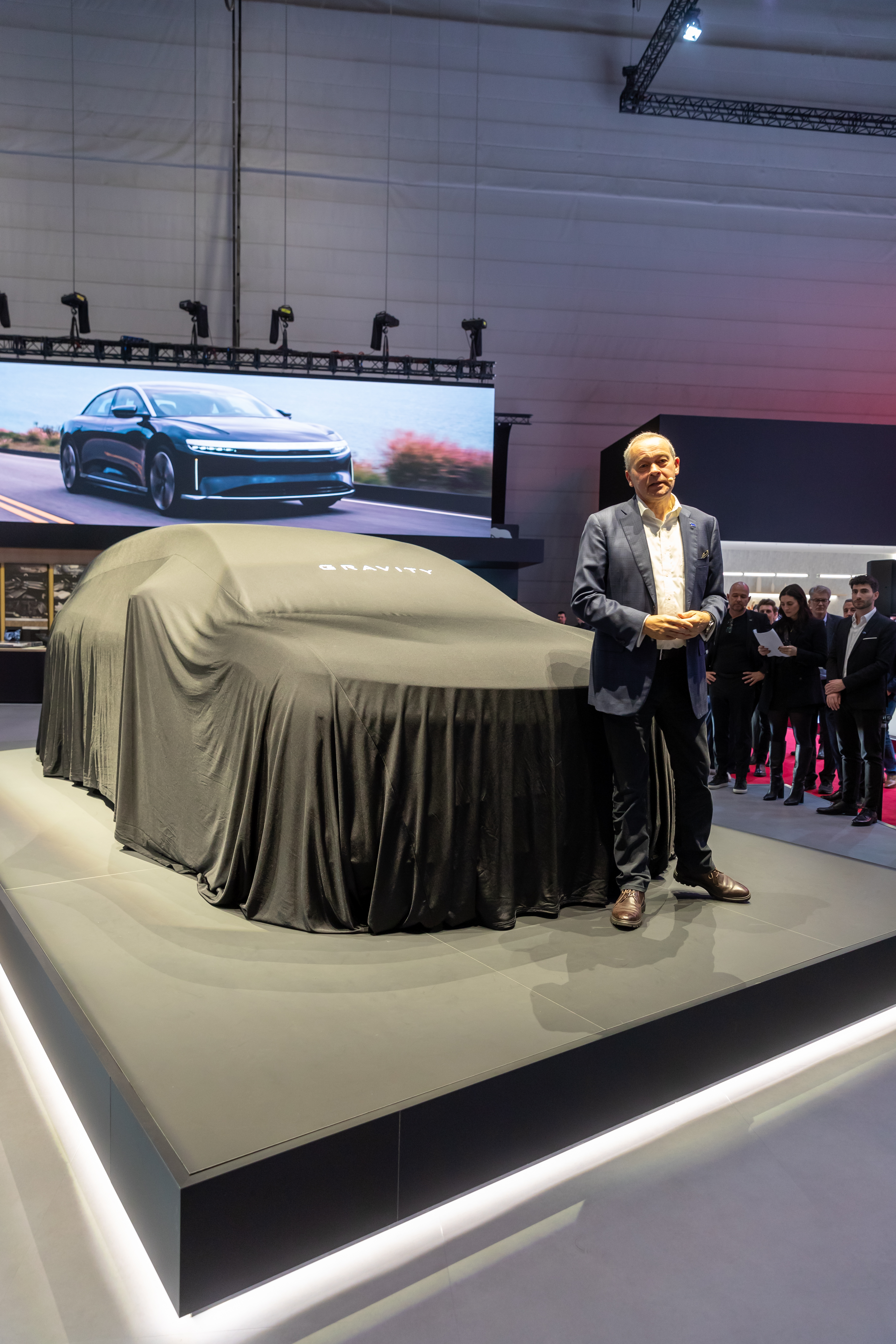
The Lucid Gravity is an electric SUV. The podcast talks about it having a low center of gravity, which generally helps the vehicle feel more stable when driving. It’s mentioned because it’s designed from the start as an EV SUV, not just converted from another type of car.
B2B means selling to businesses, not just regular people. The host thinks Mercedes could sell these first to companies that need vehicles, like fleets.
The Mercedes-Benz G-Wagon (G-Class) is a boxy, body-on-frame-style SUV known for its rugged styling and long-running popularity. Here it’s used as a reference point because the AMG Hammer wheel look is said to appear on a G-Wagon, and the discussion compares how that visual vibe translates to other vehicles.
This means the seats can be moved or rearranged. That lets you switch between carrying more people (like 7) and carrying more stuff (luggage) when you need it.
Everything was very attainable. That was nice. All available on Edmunds. Very, very attainable.
All right. So I headed out to that and you opted out this year. I opted out. I went to,
I was kind of a bit more, a bit more real world. I went up to Big Bear, which is about two and a
half hours drive from LA up in the mountains with, took a new Toyota Land Cruiser because I hadn't
actually driven one. You know, it was occasionally these cars that come through the office that you
just sort of, you know, you don't actually manage to just get seat time in for whatever reason. So
spent a lot of time in the Lexus GX, which is the sister car, which we, we own for a year and
sadly, sadly got rid of. Spent a lot of time in the forerunner, which is also kind of a sister car.
It's a weird, because Toyota is now peppering the market with sort of 50 to 80 grand off-roadish SUVs.
You have the, you've got the forerunner Land Cruiser, which is pitched just above the forerunner,
but there is some crossover depending on the trim. Then the Lexus GX, which is really close on price
to the, to the Land Cruiser. But so it's, they're really, you know, they think they've got a ready
audience and the sales figures prove that. I mean, the Land Cruiser shifting the GX,
you know, whether dealers are still charging a markup, you're certainly not getting discounts,
supplies, still an issue on that vehicle. And it was interesting because the way they pitched,
they've got the GX, which is not a hybrid. Right. And although I think a hybrid is going to come at
some point, but for now the Lexus GX isn't a hybrid, three and a half feet, six, I think, top my head.
Then you've got the Land Cruiser, which is only available as a hybrid in the US.
Rest of the world, you can get a seven-seater version and blah, blah, blah, but on the US,
only a hybrid. So they've obviously said, right, Land Cruiser hybrid, Lexus need to differentiate
the two. The Lexus is non-hybrid, but they're so close on price and underneath are largely the same
car. But, you know, we've had, we've tested quite a few Land Cruisers now. We've had reservations
about some things, rear leg room, isn't that great relative to the size of the vehicle? You've got a
very high load lip across the hybrid system. So, you know, you have to kind of... I have a couple
crepes about it. That was one of them, but continue it. Squat and thrust your bag into the back. You
know, it's like a clean and jerk or whatever it is to get your luggage in the back. Fuel economy,
even though it's a hybrid, isn't that great. I think I was seeing about 20-ish. Not terrible for
a vehicle like that, better than the GX, but... My biggest gripe with it, we talked about, if you
remember, we talked about this last, almost a year ago, we drove one to Monterey Car Week.
And the hybrid, because of the battery size, small fuel tank, and we couldn't even make it from
LA to Monterey on one tank, we had to stop because, I don't know, it has like 10 or 11 gallons,
whatever it is, it's just at 20 miles per gallon for a hybrid. And that small fuel tank, we were
like, why can't we go anywhere? Do you know what that's right? I'd forgotten about that conversation,
because I drove it to Big Bear, which is all over 100 miles away, and I'd done a couple of days
knock around LA, and I stopped for fuel. It had like 100 miles left, and I was like, yeah, I don't,
you know, let's just fill up. I'd forgotten about that. That's a good point. Yeah, it's a heavy
vehicle, relatively small fuel tank, hybrid batteries take up some space, so you do feel
like it's compromised a little bit. And although it's kind of nice inside, it doesn't feel quite as
plush as the Lexus as you'd expect. But having said all of that, I did think it was actually pretty
charming as a vehicle. Not, there's a few other little, you know, it's not the most refined,
it was odd that you don't have double glazed windows in the vehicle of that price.
The braking, it still feels a little bit off-roadery that, you know, you get kind of a
bit of dive under braking, things like that. So it's not as comfortable as something like a GLE,
Mercedes GLE, which you could get for the same price, but it is charming. And, you know, my wife
said to me, for what we use a vehicle for now, we like to go skiing, we like to go hiking and stuff,
this is actually really good. Easier to live with than something like a Jeep. Friend of mine
who went with us, he took his Jeep Rubicon and, you know, it was hard work. So it's much easier
than that or a Bronco and it's got character. But, you know, it's not, it does fall between like
off-road or like a Wrangler or a Bronco and, you know, luxury SUV, like a GLE. And I think a lot
of people are looking at the Land Cruiser saying it's nice, quite fancy one, but I'm going to buy
the Lexus because it's barely any more money and it looks like something out the future.
I agree. I think the Land Cruiser is cool looking and it definitely
stands out. You know, like it doesn't look like the cookie cutter SUV. And what's the version,
like with the round headlights, the 1957? The 1958 is the, yeah, I think is the entry level one. But
then, yeah, the one I was in, which I think is probably the trim that most people are buying,
is actually, it's got the rectangular headlights. And then when you add the premium package, which
is stuff like, you know, electric seats and blah, you know, that takes it up into
the 70s. So I think the vehicle I had was just over 70 grand. Yeah. So what we're looking at,
this was the more conventional one. You had this headlight. Yes, with the rectangular headlights
at the front, which pretty much every Land Cruiser I've seen on the road is that trim rather than
the entry level circular headlights. It's an interesting thing that they've done.
But I think most people buying a Land Cruiser will be in the 60s or the 70s. So it's very close in
price and the Lexus starts in the high 60s. So it's an expensive vehicle. There's no getting away
from it. I know we're going to talk about some Land Rover changes in a moment and, you know,
it lines up with a Land Rover Defender. It lines up with the Lexus. It's not as expensive as the
old Land Cruisers, but they were a very different vehicle. You know, this is based on the forerunner
hardware. I like it, but I also came away thinking it's a lot of money. It's a lot of money. I was
impressed overall with just like the feel, the build quality, still great. Toyota, Lexus,
they still do that really well. Not a big departure. We're looking at the interior,
not much different than the Lexus. It feels like a quality product, no question.
But with a sort of utilitarian edge, I like things like the rubber mats. They also sort of make
sense to me. And it's charming. It's different. It does feel, you know, it feels like a kind of
vehicle. I know this is the best Toyota cliche, isn't it? But it feels like a kind of vehicle
that you'd buy and keep for 10 years. Yeah. It was just when we took it on that road trip,
and I was like, man, this just doesn't have a lot of total range in it. And every day I get out,
when I drive around, there's a giant billboard not far from my house that has like a
Camry hybrid on it. And it says 663 miles of range, you know, for the hybrid, the whole thing,
the fuel and the electric, the whole thing. And I'm like 663 people. Obviously, even with
someone the other day, they drove by, they go 663 miles. That's huge. I was like, yeah.
They're like, what's it doing? It's like nothing. It's just a really efficient hybrid system.
It's a car. It's also not a giant SUV, massive off-road tires. And we talked about the Lexus ES
and how good that is. You know, I don't know whether it's going to catch on in the market,
but I feel like we could be seeing the kind of the rebirth of the car in a way. I'm not sure,
you know, the war, well, is the war ended? In theory, it's ended. Let's see.
Yeah, I guess on paper.
But oil prices are coming down. So maybe everybody will forget about cars again and keep buying,
you know, keep buying massive SUVs. But it does feel like the world of the car could be
coming back to us. I hope it is. I think there's some cool cars out there and they're grossly
overlooked. But it's not just, yes, it's cost, but also just, you're right, the hassle of saying
every 250 miles I'm going to fill up. And we all kind of berate EVs. And of course, it's much easier
to fill up a gas car. But still a faff when you've got the family and, you know, you've only driven
for two and a half hours and you've got to go and fill it up again. It's a bit much.
Now, looking at the price difference between the GX, the Lexus GX and the Land Cruiser for
similarly equipped versions and the hybrid not really being that much more fuel efficient versus
the V6, which, you know, I don't know what it gets like 17, 18 miles a gallon versus the hybrid that's
20. Do you seriously look at the GX or and skip over the Land Cruiser or do you still look at the
Land Cruiser? I think the other thing to think about is like, what's the residual, you know,
the values at three years down the line and everything, if you're going to buy a nice
suspect, most of these are bought. Our Lexus GX we bought for, I think it was the MSRP, I think
was, if top of my head was 81, I think we lost like two grand in a year. I mean, the residual
values on these things are extraordinary. They're just very desirable. People believe in the reliability,
people like the style of them, you know, they're hard to come by new. So they're holding their
value exceptionally well. And I think the Land Cruiser will as well, but that Lexus has got this
kind of real distinctive styling that people seem to love. It looks a bit like it's been pulled from
just dread. The values of it hold up, the reliability holds up. It's just a really desirable
thing. And, you know, we talked a lot about like what else is in the market. And there is this real
sense and we're doing a lot of work on this at Edmunds at the moment. Everybody is trying to get
into this off-road space. And I had lunch with one of Toyota's executives last Thursday and,
you know, he was talking about it. And it's not about, it's not about that you would,
it's about that you could. So I think everybody's very open to the idea that it's, you know, it's
the Gore-Tex jacket that you wear once when it rains in LA. It's the Nike Air trainers, you know,
it's the, you're not going running, but you could. And it's the same philosophy. And this, I was up
in Big Bear and everybody's trundling around on these things. Yes, some people are taking to the
trails, but most people aren't. And I think Toyota is looking at it and saying, we recognize everybody
likes this kind of adventure vehicle. Kia's doing the same thing with its, is it X-Trail? X-Trail,
is it? Oh, XRT with Hyundai. Honda, Honda has its, no, Honda's the X-Trail. See, this is the
problem, right? What's an X-Pro? X-Pro. What's Kia? Kia's the X-Pro, X-Line. Yeah. You can tell why
I'm struggling. Everybody's into it. XRT's Hyundai, Passport, X-Trail. It's amazing we do this for
a living. Well, today's when we do it for a living. Yeah, X-Pro. X-Pro is the Kia one. X-Pro. I
remember now, you can get a tell your eye to X-Pro, the one with all the plastic on it. I don't
know. Defender, the other thing I suppose this week, Defender Land Rover has announced in a sort
of investor call, which is never always a tricky way to announce these things because it raises
more questions than you actually want to answer. So it looks like Land Rover is going to partner
with Stellantis to produce a US Defender. And it seemed the CEO of Jaguar Land Rover USA,
who I think he'd been in position for about 13 years, a guy called Joe Abelhardt, who I've known
for 25 years because he started running Daimler Chrysler in the UK as a very, very young man.
Fantastic. I always had a huge amount of time. I think he's an extremely able man.
He's left. Whether the two are related is a mute point. But Land Rover is going to partner with
Stellantis or particularly with Jeep to develop a Defender for the US. And what's not clear,
at least not yet, is this just production capacity that because of Taris, Land Rover needs to build
some vehicles in the US? Are they just borrowing a factory, which is far more common than most
people realize in the automotive world? Or are they actually talking about building a Land Rover
version of a Jeep? Which is quite something to conjure with, isn't it? Right. So the question is,
is Stellantis saying we will, JLR going, build the vehicle we have, we've designed,
we've engineered? Or are they saying, let's sit down with your engineers, let's look at one of
your existing platforms, and how do we upmarket that or whatever into a Defender? So that's
interesting. Yeah. Do you take the Grand Cherokee and build a version of a Defender? Can you imagine
the Wrangler as a Defender with, I don't know, I mean, historically, because Jeep and Land Rover
would both claim to be the original. I mean, you go back to World War II and say, well, Jeep
was the original, Land Rover came along in 1948, but then they fight over who had the first luxury
off-roader, was it the Range Rover, was it Jeep? So they've been these kind of rivals,
and both would claim to be the real deal in a world where you've got Lexus GXs. Everybody would
say, well, a Jeep or a Land Rover is still, you know, it's still the real thing. So, but then
even just go into the website and looking at the videos that they're promoting, like everything
is just so sort of intense exploration. Alpha. It's like Defender is supposed to be really,
really alpha. And then, and if you think about the brands now, it's Defender, which is this alpha
brand, which is all about, you know, exploration, doing the Dakar, blah, blah, blah. And then you
have Range Rover. And predominantly these days, it's big Range Rover, which is, you know, $150,000
or $130,000 to $200,000, something like that by the time you get in the spec you want, you know,
which is ultimate luxury and has retained this iconic status. You see them every day in LA and
I think they look fabulous. So it's like, who are they now? And they tried to split the brand off,
they don't sell this, they sell discoveries, but they don't really sell discoveries. So it's either
Defender, which is Action, Adventure, Alpha, look at me, I'm going to, you know, do something
impressive or it's Range Rover, I've made my money and I'm going to enjoy some luxury.
So where does Stellantis fit into all of that? Right. If it is just let's borrow a factory,
that makes a lot more sense to me. The Defender's made in Slovakia, which was in itself an attempt
to build it cheaper, you build it cheaper than you could build it in the UK. Now, because of
Trump's tariffs, you can't, you want to build it in the US. Stellantis, as we know, is, you know,
in a lot of financial pain. So Stellantis is saying, hey, we've got this car plant over here,
we've got this workforce ready to go, build, you know, we'll build it for you. There's nothing
particularly unusual about that. There's companies in Europe, Magnus Stair, for example,
that make the G-Wagon under license, they make BMWs under license, they made the I-PACE,
I think, and the Jaguar I-PACE under license. So there's nothing and the, what do you call it,
the INEOS. So there's nothing new about that concept. I think what's got people talking is,
well, Jeep has got a pretty terrible relationship. Jeep has got terrible reputation for reliability
right now. Land Rover has not got a good reputation for reliability right now. If you're putting the
two together, you know. Yeah, right. What are you going to get? It just feels like a lateral move.
There's not a lot of progression going on. There's no... But it depends, right? It depends how you're
approaching that. Is it, is it, Stellantis building a car and if so, you're going to give them all of
the data and then they've got to screw it together. Is it, is it the bit that I struggle with? And I
hope that I'm proved wrong. The bit that I struggle with is if this is a passport to let's develop
cars together. Jeep and Land Rover have been rivals for so long. A Land Rover based on the Jeep,
I don't know, I struggle with that. That feels like the, that feels like a slippery slope to me.
Well, maybe not the shared platform. Maybe there are some shared components. Are they going to share
electronics, infotainment system stuff? Are they going to share engines? Are we going to have a
Defender with the Hurricane six cylinder turbo? Maybe something along the line to that, which...
I worry less about that. I mean, they've been using BMW annual sorts of things. Right. So
some of that might make sense going, let's build a Defender in your factory, but let's also look at
some of your, you know, let's look at something that makes sense to buy from Stellantis as well,
like power plants, for example. Yeah, the, I mean, that Hurricane engine, that engine,
our engine is good. Jeep's electronics, a bit less so. Land Rover's electronics not got the best
reputation. So, so let's see. But the key thing is about those brands, particularly Land Rover,
well, and Jeep actually, they're both, they're all about authenticity. And consumers are smart
these days. It doesn't matter how fancy the advert is or whatever it may be, if people don't
feel like it's authentic anymore, then I think that's a big challenge for both those brands.
Yeah. And I think, I think in conversations like this, this is a little bit more deep diving than,
you know, and the listeners here are more enthusiasts, more interested than
the average consumer. The average consumer is still going to go to the Land Rover Defender
dealer. They're going to look at their Defender. They're going to test drive it. They're going to
hear the spiel about legacy and history and off-road capability. And the idea of it going,
was this built in Detroit or was this built by some factory that Stellantis owns? Probably
not even going to come up in conversation. If you're building it, I get that. If you are
building it, nobody cares because nobody knows that a G-Wagon is built under license by, you know,
a company in Austria. Yeah. But if word gets around, particularly in this at market, because
eighth luxury buyer, be it's off-road buyers tend to be a little bit more, you know, if you're buying
something like a Defender, you're perhaps a little bit more engaged because it's not the
default choice. If word gets around that this is just a Jeep Wrangler in a, you know, in a luxury
suit, then I think you've got a problem. Yeah. And the optics of it, even this deal at the moment,
the optics of it do not look good. The optics of it look a little bit desperate.
And I think that's a concern and time will tell. Well, hopefully, you know, I understand the need
to build in America, but yeah, I don't know. Like, we'll see.
I mean, I agree and I disagree. I saw it as a way for, JLR as a whole, that company,
definitely has had not just financial issues, but just a string of bad luck events. You know,
their cyber attack, you know, stop production, just like lots of things and Jaguar's big rebranding
to this EV, which could be an interesting car, but the whole execution of that just didn't seem to
go over well with pretty much anybody. So they, for them to go, we need to save money. Also,
all of Land Rover sells what, 60,000 vehicles total in the United States a year? Like, it's a
significant number, but not if you're, you know, Toyota or Tesla or you're, you know,
you're selling that for 78,500. Yeah. And Defender is the biggest seller. Defender
just ahead of Range Rover. I mean, it's interesting, Defender is like a 70-80 grand vehicle,
Range Rover, I think it starts at 110 minutes around, let's say 130 is the average price,
maybe even slightly more than that. You know, the Range Rover is a big cash cow. Range Rover Sport
is sort of declining a little bit, but these are old vehicles. Yeah. The Range Rover hangs on,
I think, just because it still looks amazing and it's different in the market and it's still got
this incredible reputation. So what are you doing? JLR is going to Stalantis and going,
we want you to maybe build something like the Defender. And if we're only going to do the Defender,
now you're going to them and going, we're asking you to build 25,000 cars, 25,000 vehicles. We're
not asking you to build, you know, 100,000 or even 300,000. Well, that doesn't make sense to me. So
what are they actually trying to, yeah, because Defender is the same 23,000 in the US. So let's
just build them for sale. That's not enough for them to do their own factory and we're like,
hey, let's invest $10 billion and hire a bunch of people and have three years of construction.
And maybe you add Mexico, North of Canada into these figures, but they're pretty,
it's pretty, pretty small beer. So like it makes more sense that those volumes to take an existing
model and Landro over it, then it does to start, you know, does to sort of build your own tooling
and, you know, go from there and then Discovery, which, you know, I love the old Discovery,
the original sort of boxy one. Yeah. I think there's 2000 that came out, you know, Discovery.
How many discoveries do you think they sold last year? Big discovery, which is a seven-seater.
You know, I like, I still quite like it. I mean, judging by how many I see on the road,
they build 11, 11 vehicles a year. They sold, it's not far off actually, probably 11 vehicles.
They sold 3,100 of the examples of Discovery, which is probably like all the dealers being
forced to sell 10 or something. So listen, that's a tough argument to make to go,
do we keep doing this? Because how much time development and marketing and, you know,
everything surrounding, you know, getting it to the dealers, everything from distribution to, you
you know, from pen to paper to getting it into a customer's hands to sell a few
thousand vehicles, there's no, there's no business. There's no, there's
there's no business in that. How many of those are you going to lose money on
and try to offset it by like a full price Range Rover for 130 grand?
So the Range Rover is built in the UK, which is not a cheap place to build cars,
shipped out to the US with about 10% tariff on it and, and sold here at high margin. And that
vehicle makes total sense. It's starting to age, but it's generally, I think they still think
competitive and has a really very loyal niche appeal. Range Rover Sport, maybe a little bit
less so, you're much more up against things like Mercedes GLE, B under UX5, you know,
really good luxury vehicles, which are, I mean, there's a new X5 on the way, there's a new GLE
in, in, in short time as well. So much fresher in the market, that car's more of a struggle.
Discovery, you're basically not selling here, even if technically you are.
Range Rover Valar, again, 6,000 units, that's the midsize one, nobody's interested. Range
Rover Vogue, 5,000 units, nobody's buying that. So basically, all you're selling is
very posh Range Rovers to super affluent coastal types. And then you're trying to sell defenders
to people who would otherwise buy a, I can't speak, you're trying to sell defenders to people
who would otherwise buy a Lexus GX or a Toyota Land Cruiser. And if you're selling up against
Lexus and Toyota, you've got to get the reliability right, because that's their big strength.
And you've got to get, have a product where people go in and go,
shall I buy that, that defender? And you've got to, they've got to really give
them a reason to buy it, because otherwise they're going to go, oh, I'm just going to buy the Toyota.
Yeah. Or the X5, like you mentioned, the X5, super competitive, is built here.
Yes, that's right. Right. So they're competing and trying to make it off.
As is the GLE, Mercedes GLE is built here. You know, Land Rover is trying to
make a profitable way of, of absorbing some of those tariffs where BMW out here,
I'm not saying the entire X5 has no tariffs, there might be some component to it, but they're
saying it is built here. So we're, we have less of a hit when it comes to that, comes to the tariffs.
So yeah, it's a, it's an interesting one, I guess we'll see. Do they use a Stellantis platform or
do they, like you said, are we just, Stellantis is just going, we've got a factory, it's not full
capacity, we can make 25,000 vehicles a year for you. Let's do it.
Yeah, but that doesn't, economics, that don't make sense to me. So I think that what they're
trying to do is say about Defender, they're going to bring a small Defender out in a smaller one
out in Europe, which I guess is coming to the US. And so maybe that's part of the answer that
70,000, maybe you can build them in Slovakia and send them over. If you're trying to sell them at
50,000, then you probably can't, you probably, economics don't start to make sense. So
we know there's a smaller Defender on the way. There's been talk about any EV Defender on the way
as well, which I was going to say, maybe some, maybe there's some EV, some shared EV technology
that they want to tap into some shared. Well, I can't imagine they want to share EV technology
from Stellantis with the charger and the cheat. That's like, no, actually not. I mean, a shared
partnership with Rivian, maybe, you know, that would, but if you're bringing out an electric
Defender at 50, 60 grand, then that's a Rivian R2 rival. Yeah. So you've got to get your tech right.
And I don't, I, I think Rivian kind of dabbled a little bit in this partnership thing,
initially with Lincoln, I think, and then with Amazon and they're like,
They still make Amazon, but Volkswagen still got 5 billion invested in them. But the Volkswagen
deal is actually about access to technology, not about platform sharing, at least not yet.
Yeah. So it's, it's, it's fascinating. We're going to see this. Everybody I speak to in the
industry says the same thing that not everybody is going to survive. Stellantis is a business,
is under threat company like Nissan has got challenges across the industry. We're going to
see more consolidation. So how is this, you know, how is this all going to shape out and a company
like JLR, you know, Jaguar Land Rover, what does the future look like? Will they get taken over?
Will they get, you know, will they, I mean, look, you think about a Chinese brand, you'd look at,
you know, their own by Indians, the Indian, Indian conglomerate at the moment. Yeah. But,
you know, would they be appealing, say to a Chinese brand to come in and buy them? They've
still got fantastic heritage and, you know, and brand, particularly in the luxury market. So I
think there's going to be a lot of changes coming up and, you know, Toyota and Lexus and others,
you know, they are, are sitting pretty at the moment. I think everybody's floundering
around them. I say they're sitting pretty. I don't think they're making the money that they
expected to make. It's the Taurus, but they're in a strong position. I don't know who is these
days. Maybe Ferrari's still making money of all the car companies. They probably are by far the
most profitable, but yeah. Okay, let's let's take a quick break and then we got a couple of other
things to get into. We'll be right back. I wanted to tell you about Bio Pro Plus, a liquid formula
packed with naturally occurring growth factors and peptides that support your body's energy,
metabolism, and lean muscle. Fast and 100% drug free. There's no pills, no injections, no prescriptions.
Just one quick daily step that works directly at the cellular level. Bio Pro Plus is clinically
backed and trusted by pro athletes, physicians, and everyday men. I've been taking it because I'm
over 40 and I want to feel like I did 10 years ago. Go to bioproteintech.com slash car cast for
$100 off your first order. There's no commitment and you can cancel at any time. That's bioproteintech.com
slash car cast. Just a quick reminder, if you're looking to make the game even more exciting,
Fandall makes it easy. Whether you're betting on the big game, building same game parlays,
or just backing your favorite team, Fandall has tons of ways to get in on the action.
Download the Fandall app and place your first bet today.
I wanted to talk a little bit about shifting gears here quite a bit. Chevy Bolt, you guys had
your long-term test. Is it a one-year test, long-term test? Because you jam a lot of miles into...
We call it the one-year test and we call it the one-year test because whenever you said long-term
test, all our research and there were no idea what you're talking about. Beyond the real niche
of people who used to read car magazines in the 80s. Basically, what we're saying is we buy these
things, we live with them for a year like everybody else does. It's a proper consumer test.
Lots of people, lots of different drivers and stuff are going through the car.
Chevy Bolt is our latest acquisition. We had an old Bolt back in the day, which we actually
enjoyed. What appealed was just it's cheap, right? That's the big draw of this thing.
This is a genuine $30,000 EV. Yes. The idea is to get in it fairly inexpensively,
maintain it inexpensively, charge it inexpensively, not a massive battery.
You don't need to haul around all that weight of some of the bigger EVs,
something efficient and affordable, but it only works if it works.
Yes. That's right. We paid $29,990 for hours.
Which is amazing. I didn't even know you can get a car for under $30,000.
It starts at $28,995. You can sort of spec them up to say $40,000, which at which point
it doesn't make sense. You're much better off probably leasing something else at that price.
We were really deliberate in the way that we went about it.
You can see on here we added the comfort package, which is basically
powered driver's heated front seats, heated steering wheel, and also dimming rear view mirror.
We wanted to pay under $30,000 and we made it by $10,000, $29,990.
It's a charming little thing. You get a lot of car for that money, good range,
enough performance, like 0-67.1 seconds. You can say, well, that's slow by
modern EV standards. Yes, it's perfectly fast enough. We took it on our Edmunds range test.
It did 290 miles, which is pretty impressive. A lot of people are saying they fancy an EV as a
second car or in some cases even a third car. Well, $30,000 books, $20,000 less than the average
price of a new car. I think the bolt makes a ton of sense. There's a fairly chunky,
but it has not been faultless, which is really frustrating.
You guys had issues with Chevy Blazer and a lot of electronic issues. Again,
from a big company that felt a little like maybe it was released too early, which a lot of EV
car companies have suffered that tragedy. Unfortunately, from what you guys are saying,
this is feeling like the same thing happening here.
Sort of, but it's tech problems where you wouldn't necessarily expect it because it's
basically the infotainment that's letting us down. That's not an EV related thing,
or at least on the face of it isn't, whether Google technology is basically an every GM
product now. This is not something that you say, oh, it's not the battery letting us down,
it's not anything to do with the EV-ness. This has been issues with the,
basically, we pretty much drove it away from the dealership,
and then suddenly the screen went blank. We tried to do the classic control out delete,
didn't work, ended up going back to the dealer with literally less than 20 miles on it.
He did a hard reset with some USB stick. That seemed to solve the problem. To be fair to Chevy,
okay, this has happened. It's brand new. Whatever it's reset now, jobs are good and we'll be fine.
And then it's happened again, where the Google map just suddenly went blank.
And of course there's no car play, there's no Android Auto on GM's EV car, so you are heavily
reliant on this technology. So now it's been back to the dealer twice in a brand new car less than
1,000 miles on the clock. So hopefully we can get over this, things will settle down and we can
enjoy what we think is fundamentally a nice little car, but it's frustrating. We had all
sorts of problems with the Chevy Blazer EV, but as you say, that was more related to it being
a brand new EV. It's harder to understand why the infotainment or the Google map keeps breaking
down. That seems like proven, that should surely be proven technology by now.
I'm still questioning this direction that some of the car companies are going,
saying no car play, no Android Auto. Use your phone for everything. Why can't we use our phone?
They're saying, they're not saying they can do it better, because so far nobody's actually
done it better. But yes, there is a sort of behind the scenes motivation of they want to control the
data and other information. And sell subscriptions. Yeah, sell subscriptions.
Rivian is probably doing it a little bit better than other people, but GM's stance on this,
I don't know if it's a permanent stance that they're taking, because at one point they were
seeing hard nose about it, but maybe they've lightened up a little bit. Not quite sure,
but this vehicle does not have car play, does not have Android Auto. It uses some sort of
native Google system, but even Android, it's still, I think this is what people don't necessarily
recognize that almost all these systems are Google Android based and car play is basically an app
that sits on that system. So car play itself is not a system, it's kind of an app. So a lot of
times you'll have and you'll have Android based cars running car play, which is takes a bit of
getting your head around. What GM's saying is, well, you've got Google Maps. What's your problem?
You've got Spotify. You've got these things because we build those into the cars. My Cadillac has
Spotify and it has Google Maps and the maps is fine. But the Spotify is not as good as the Spotify
you get with Apple CarPlay, which is annoying. And the voice recognition doesn't work as well,
which is annoying. Yeah. And then connectivity, that's been an issue with the bolt, right? It's
to be subpar compared to your phone. So why is that going wrong? I hope, you know, this is early
days. You know, you kind of hope that, all right, it's a new car off the line that they've only built.
They haven't built so many yet, but it's still, you shouldn't be having these problems. Let's see.
Hopefully we can get over this. They can do a proper fix and we'll enjoy what is a nice
you know, $30,000 car. So frustrating. Okay. All right. So moving on off of Chevy Bolt,
let's talk about Mini Vans. So we talked a couple weeks ago. I love the key. I spent time in our
Kia Carnival. Kids loved it. I enjoyed it. And we talked briefly about Mercedes having something
called the VLE. We talked about this a little while ago going, is this the right move because
they want to do sort of a luxury adult people hauler and not the typical like kid hauler with
the built in vacuum and the, you know, the rear seats that are easy to clean. If you write on them
with crayons and stuff, like they're going for almost a limo type vehicle. I think it looks
kind of cool and it looks amazing to me. And I'd love to be, you know, going for a ride in this
thing. But is this going to make sense here as a U.S. market vehicle? It's still like most modern
Mercedes, it still looks like a kind of dog's nose. Do you know this new grille? It still
feels like it's got eyes and like a dog's snout on it. And it looks like a van. You
can't, this is the problem. Like you've got a, what do you call a one box design. So you put the
aerodynamics in, you put the crash safety and you put the passengers in, you end up with something
that looks like a van and you're not going to get past that. It's a van with slidey doors.
But you can have within that, I think a cool, you know, you can make something cool. We've seen
this in, you know, Japan is full of them. Renault has something really cool in the 80s called the
Renault Espace, which was quite revolutionary at the time. Mercedes is trying to bring in and their
argument is quite interesting. They basically said, look, all the van, you know, the commercial van
based things don't really work because you've got a lot of problems with
NVH noise, vibration, harshness. So the van is never built to be a luxury car from the outset.
It's just, it's just not designed that way. It's not the priority. This is different. This is trying
to say we're going to create like a luxury people mover. They're targeting, I think posh hotels,
they're targeting chauffeur market for celebrities or, you know, VIP airport pickup.
Yeah. It's electric. There's rumors of gas versions coming as well. But at the moment,
it's electric. So it's because I think they are seeing it as being like the Cadillac Escalade
market, you know, where you that that kind of pulling up as a, as a, yeah, like a Uber Black.
Five or seven seats, big telly in the back so you can use it for work. I think 32 inches or
something massive telly in the back. Use it for watching movies or doing your work.
I really like this. I think it's going to cost probably somewhere like 80 to 100 grand. So
it's going to be around the same money as a Mercedes GLE or GLS. It's a bit bigger than GLS.
So this is a big vehicle. But I kind of look at, I think this is going to be like a really nice way
for, you know, like a family to travel. You got room for your luggage, got big comfortable chairs
in the backs. You don't feel like you're, you know, you're flying coach if you're in the rear
quarters. It's, I don't know whether anybody's going to buy it because people like me sit and
say, this could make a lot of sense. It's been really nice as a family car and nobody buys it.
Everybody buys a GLE. But we'll see. Well, I do think it makes sense as that kind of niche
chauffeur posh hotel type market. 100%. I can see that, you know, you're, you're, you're a list ride
to, to the airport or see like up like a wind hotel buying, you know, 10 of these things and
having them in their fleet, especially the EV model, because all they're doing is going around
Vegas into the, into the airport and convention center and stuff. Plug them in. They're quieter.
That's EV. That totally makes sense. The issue here is, is do you buy it as an owner and haul
your kids around in this nice environment? I mean, obviously not with the white interior
that we're looking at, but the question is, is how does it drive? Like if you're spending
you as an example, if you're spending most of your time or you and your wife are spending most
of your time driving the kids around, it has to be interesting to drive.
It does, but most EVs are not that interesting. And the advantage of it being an EV is all the
weight is going to be down the bottom. So you haven't, you know, you can have a low center
gravity. If it's been designed from the outset to be, and we have driven it instead of driven,
we're driven in Europe and actually quite, quite impressed by it. There's no reason why
this should drive any worse than a, in fact, it should drive many ways better than an SUV.
You've got a lower center of gravity. You know, you don't have big off road tires.
You know, you've got to, I think what Mercedes is saying is at our test, ball this out, don't think
of this as a commercial vehicle that we've kind of tarted up a bit. Think of this as a genuinely
new type of vehicle. It's the people who would buy a Toyota Sienna, would buy a Kier Carnival,
something like that for say 50 grand. Why buy one of those when you can now have a very kind of
shiny posh Mercedes, which is, you know, which is also an EV and you can have it for not a lot
more money. So I think that's kind of, because really if you're a, if you're a minivan buyer and
you know, you've got nowhere upmarket to go, you've got no luxury alternative. So you end up buying
something like a Mercedes GLS, BMW X7. This gives the minivan customer somewhere, somewhere to go.
So I think it's interesting. Mercedes does do eccentricities now and again. They did the R
class. They're doing this. I think they will have a strong B2B niche. Let's see how many people buy
as a consumer. But I look at it and think, actually, you know, if I was in, if I had the
money to spend as a family car for knocking around, you know, most of my commuting's around LA,
this would be, this would work. I kind of dig it. Like I like it. I like, I like the,
I kind of like the look. How good does it need to drive, right? How good does it need to drive?
Because the reality is you've got the kids and take the Land Cruiser out of the weekend. The
Land Cruiser doesn't drive that well. You're not, you know, it's not a sports car. You know,
you're just knocking around and you want something that's quite comfortable, fast enough,
decent range, you know, super quiet would be good. And all the photos that are out there, excuse me,
of it, I like the, like the AMG Hammer wheels, you know, you get them on G-Wagon as well, don't
you there? Yeah. You know, I'm thinking about, you know, that car from, from kind of back in the
day, I think that was kind of a cool looking car to the 80s. You can get those wheels on a G-Wagon
now where they're like, they look like dish, look like kind of dinner plates mounted vertically.
Yeah. But with some history, if you know it, then right? Yeah. You know, you'll go to a
Radwood event and you'll see, you know, the AMG, Hammer, something with the wheels on
it and have it on the minivan. I think it looks, it looks pretty cool. What I think with the test
case is, will people feel cool turning up in one of these? Like, you know, if you pick it up at school
and there's, you know, your partner next to the Rivian and, you know, in certain neighborhoods
and there's somebody's got a Range Rover, somebody's got a Rivian, each enemy, one of these,
I think it's cool. like the thinking person's choice. Yeah.
And looking at it, you're right. It's a little deceptive in the photos, but overall, it's bigger
than what I think it is. I think it's bigger than GLS. So it's a big chunk of car. I mean,
most minivans are big. You know, like, they don't tend to look as big because you don't have that
kind of physical bulk of an SUV. But the American minivan is a big vehicle now. And this is, this
is no exception. I'm kind of interested. Well, I think you can shuffle the seats around so you
go five seats, seven seats, and then you can trade luggage versus, versus passenger space,
which I think is interesting as well. So yeah, I'm looking for it. I think it's a year away in the
U.S. We only driven it in Europe. So I'm looking forward to it. I think it's going to be a cool
thing. If you get one, you should come pick me up and drive me around. I would enjoy that.
Yeah, I just don't like, I hope you can turn that. I know you'll be able to turn the telly off, but
my kids would be obsessed. They'll just want to put the telly on the whole time and that driving
nuts. So yeah, they got to use the headphones or something now, right? So you don't have to
listen to Blue Year, whatever's going on. And then you just, yeah, I'm a bit old school,
my parenting, you know, look out the window, talk to me. Yeah, sometimes it's painful,
but most of the time it's quite cute. Okay, I think, yeah, it's a good show.
Was it a good show? Are we the judge of that? Maybe it's terrible. Maybe we sit nice and it
wasn't good shows, terrible. Content quantity. Okay. Yeah. When I went into this thinking,
this was going to be a 41 minute show and ended up being an hour show. And I've missed the whole
second half of the Argentina game. Sorry, bro. You're going to have to, maybe that's on YouTube,
you just rewind. Yeah. Do not go on X or whatever where they tell you everything that happened.
Yeah. Sometimes that problem, we're watching Formula One as well.
Yeah. All right, guys. So thanks so much and back soon. Until then,
keep the air in the spare and the bag in the wheel.
About this episode
Hosts kick off with a Father’s Day car show recap on Rodeo Drive, then pivot into how luxury shopping and car events differ—especially when crowds and kids get involved. From there, the conversation turns to Edmunds-style SUV cross-shopping: Land Cruiser hybrid-only availability in the U.S. versus the non-hybrid GX, plus real-world range and comfort tradeoffs. Later, they dig into Land Rover’s Stellantis partnership talk, weighing reliability perceptions, tariffs, and whether Defender identity could be diluted. The segment also covers Chevy Bolt infotainment failures and a luxury EV minivan concept.