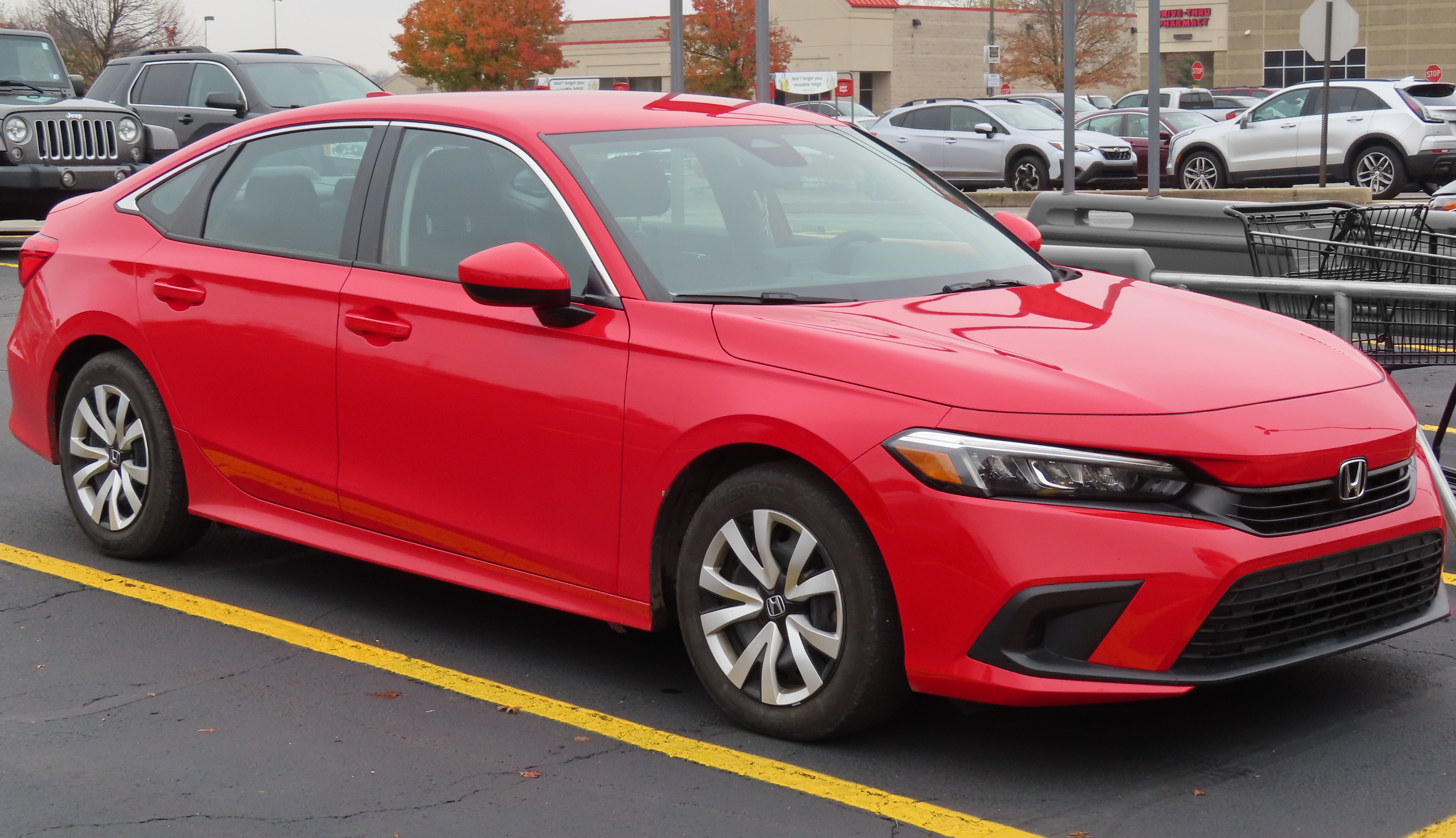
The Honda Civic Type R is a fast and sporty version of the regular Honda Civic. It's designed for people who love to drive and want a car that performs well on the track.
The Honda NSX is a high-performance sports car made by Honda. It's known for being fast and having a unique design, but it's also quite expensive and not very common.
The Acura NSX is a fast and fancy sports car that was first made a long time ago. It's special because it uses both a regular engine and electric power to go really fast and handle well.
The Honda S2000 is a small sports car that seats two people. It was made to celebrate Honda's 50th birthday and is loved for how well it drives and its powerful engine.
Front engine rear-wheel drive means the engine is in the front of the car and it sends power to the back wheels. This setup can help the car handle better, especially when driving fast.
The Mazda MX-5, or Miata, is a small and fun convertible sports car that people love to drive. It's known for being light and easy to handle, making it a great choice for anyone who wants to enjoy driving.
A turbo is a part that helps engines produce more power by pushing extra air into them. This allows the engine to burn more fuel and run faster without using more gas.
A facelift is when a car gets a small update to its look and features, making it feel newer without completely changing it. It's like giving the car a fresh coat of paint and some new gadgets.
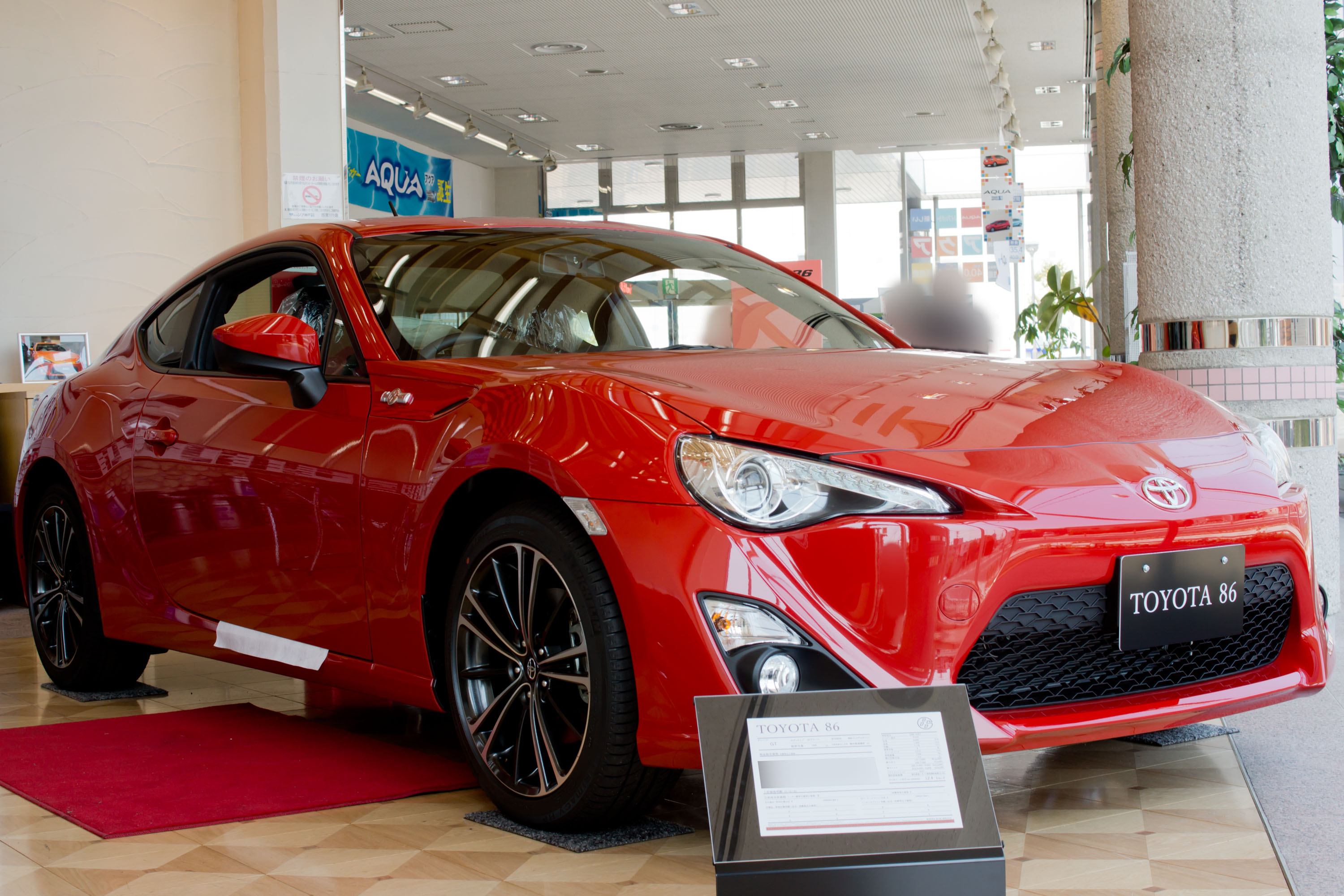
The Toyota 86 is a fun sports car that drives really well and is designed for people who enjoy driving. It's known for being light and easy to handle, making it a popular choice among car enthusiasts.
The Subaru BRZ is a sporty car that's similar to the Toyota 86. It's designed for people who love to drive and enjoy a car that feels light and responsive on the road.
The Honda Civic is a small car that many people use for everyday driving. It's popular because it's reliable, gets good gas mileage, and comes in different styles like sedans and hatchbacks.
Car
Nissan IDX
The Nissan IDX was a proposed sports car that never made it to production. It was meant to be fun to drive and reminiscent of older Nissan models.
The Nissan Sentra is a small car that's easy to drive and good for getting around town. It's a popular choice because it's affordable and gets good gas mileage.
The Nissan GT-R is a fast sports car known for its impressive performance. The R35 is the specific version that came out in 2007 and is famous for its speed and technology.
DCT means Dual-Clutch Transmission, which is a special kind of automatic transmission that helps cars shift gears faster. It uses two clutches to make the process smoother and quicker.
The Chevrolet Corvette is a famous American sports car that's known for being fast and stylish. Newer models even use a mix of gas and electric power to improve performance and efficiency.
The Shelby GT500 is a super-fast version of the Ford Mustang that has a really powerful engine. It's built for people who want a thrilling driving experience.
A performance sedan is a car that looks like a regular sedan but is built to go faster and handle better. It's made for people who want a fun driving experience while still having room for passengers.
The Ford Explorer is a family-friendly SUV that can carry a lot of people and stuff. It's popular because it's roomy and can handle different types of roads.
The Ford Mustang is a classic American sports car that people love for its speed and cool looks. It's been around for a long time and is famous for being fun to drive.
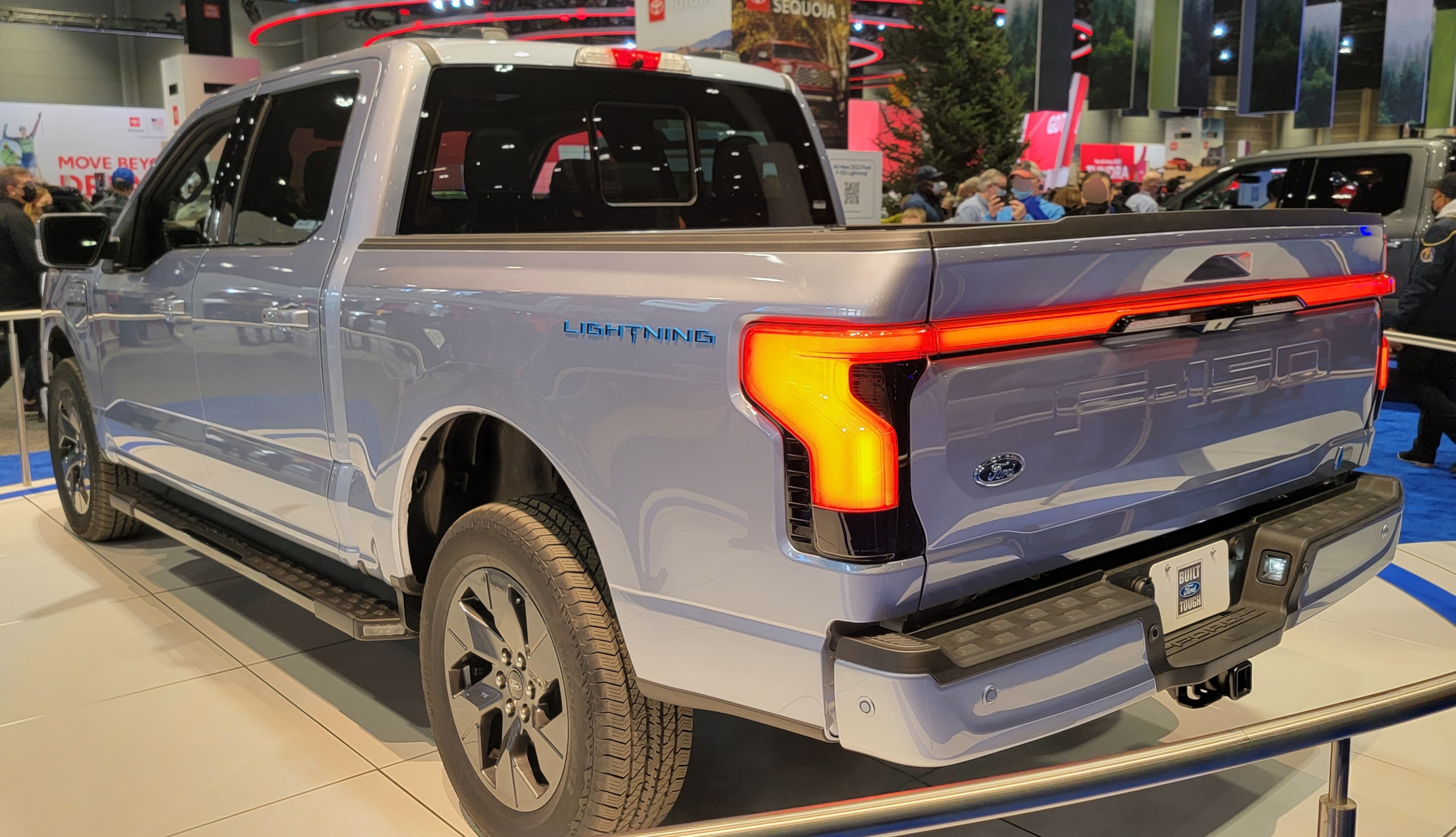
The Ford F-150 Lightning is an electric truck that can do everything a regular truck can do but without using gas. It's part of a new wave of trucks that are better for the environment.
Car
Nissan 250SX
The Nissan 250SX is a version of the Silvia that was available in the U.S. It's known for being fun to drive and is often modified by fans to make it faster or look cooler.
The Nissan Skyline is a famous sports car that many people admire for its speed and technology. The GT-R version is especially well-known for racing and has a lot of fans around the world.
The Acura Integra is a small car that people loved for its sporty feel and reliability. It's making a comeback because many drivers want fun and dependable cars.
Car
Nissan LFA
The Nissan LFA is a super-fast sports car that was made in limited numbers. It's famous for its great performance and unique engine sound.
The Nissan Silvia is a sporty car that people loved for its fun driving experience. It's popular among fans who like to customize their cars for racing or drifting.
The Tesla Model Y is an electric SUV that doesn't use gas and can go a long way on a single charge. It's known for being high-tech and having features that help with driving.
The Toyota GR Corolla is a sportier version of the regular Corolla, made for people who want a fun and fast car. It has a powerful engine and better handling for a more exciting drive.
The Subaru WRX is a sporty car that can handle tough roads and weather because it has all-wheel drive. It's popular with people who love fast cars and racing.
LIVE
Hey guys, welcome to behind the wheel podcast. We're back at it again. We're doing it a little bit
different. We're actually going to dive into the vehicles that we wish manufacturers were still
making or making new versions of or concept cars that we wish they would have finished.
We've had this one bounce around. We can't get it out of our heads.
You know, it's funny because I see there's some YouTubers and some Instagram guys that are like
getting rid of their type Rs and then going over to the prelude probably because it's some sort of a
program or a deal. I get it, but it is a weird thing to go from like an alpha five to a prelude
like to an EV. Very strange. I would not sign up for that. I'll be honest with you. I mean,
I'm not saying I'm going to take the type R to the track every day, but I don't know if I would
sign up for trading that in for something. Like I feel like that's a downgrade.
Yeah, I think, you know, we talk about the prelude a lot or we have talked about a lot,
you and I, and then also Scott and myself. And it's like, I try to see the bright side
and what they're doing with this car. And I just, I can't see it. I did see one that was
lowered on Mugen MF10. So I had good wheels on it and lowered just didn't do it for me.
So do you think that they kind of missed the mark? So if you did have to pick something out of
Honda stable that they could have, they could have developed into the, the modern car, let's say,
or something that they wanted to kind of market to that YouTube audience. What do you think would
have been the right car? Do you think NSX, are you thinking like continuing of the S chassis?
No, no, I think no, not, not the NSX because it's so far out of reach for everyone.
You know, the last generation they did was so, it was so expensive, you know,
no one can really afford it. Maybe in like, I don't know, six or seven years,
you'll see more from pumping up because they'll be, you know, they'll be cheaper probably.
They were a bit ahead of the time on that one. It was like, it was just price so high.
I think if you were going to bring back a vehicle that has like a good, a solid name and something
that they could build off of, I think a S2000 would be good. That'd be a good one.
So now correct me if I'm wrong. The original one was the S600. That was the old one way back
in the day. And then the S2000 was kind of the recapturing of that spirit.
So kind of the S2000 was basically, it came about to celebrate the 50th anniversary for Honda.
And so that was brought out like what, like 1999 or late 99. I think it was just supposed to be
for a year or two, but then they decided to keep it on. I think it's interesting because
that model in particular, it brought in a lot of like non-Honda guys because the car was so good,
right? It had the high revving four cylinder. It was good on gas, relatively lightweight,
obviously convertible, incredible shifter, and then front engine rear wheel drive,
kind of the classic setup, six-speed setup. So I think it was like a kind of a no-brainer.
It was very affordable at the time of the thing too. But then the problem was, is it kind of
had like the EP2 come out by like what, 2008, 2009? We had like this huge financial crisis
that kind of hit and sales just plummeted. It went from like, I don't know, like 10,000 models a
year to like, I think under a thousand. It was really bad. So it was bad timing in terms of
stretching that one out further. I think early on, it was considered like this Miata fighter,
but it kind of like made its own way, its own segment, so to speak. You know, I think
if you were going to produce something like that today or like a modern version of that,
you'd have to do, you'd have to expect that it would be turbo. It wouldn't be an all-motor
high-revving set. I would assume that they would probably do the same engine, the K20,
what is the A3, the current car. The K20 C1? Yeah, from the Type 4.
That one, yeah. So I figured that's kind of going to be their go-to for something like
that. If they were going to, I mean, I would hate to see them do the L-series because it would
be a step back in my opinion, but I feel like a lot of the YouTube guys are already doing K-swaps
to the S2000s, so maybe that would be like that natural progression. Yeah, I think so. I think,
you know, people don't like to hear that because they would want to hear that it would be a high
revenue 4-seller like before, but you got to remember in order to get it through modern emissions,
and then also it's not going to be 2,700 pounds. It's going to be like 3,300, 3,400 probably because
of all the state equipment. There's no way you can do it, you know, make it effective. So turbo
would make the most sense, you know. And you can bump up the power a little bit easier that way.
I mean, it could be the same power numbers as like the Type R and stuff like that. And because of
that, I think it's definitely a more tangible option. Now, so being that we're talking about
the Miata owners in the crowd, I feel like the Miata is very overdue for a new platform. I mean,
usually you think it's like, you know, less than 10 years. We're over 11 years right now. The
NA was only around for what, eight years, seven years. And then, you know, I feel like the ND
has been out for so long. It would be really nice to see a revision of that car. I mean,
even if they kept the same chassis and kind of did just an updated power plant and a better
transmission or something, just something to kind of just bring it a little bit more forward. I know
they did the facelift back in what, 2019? I would say it was somewhere around there. But
I still think that they need like a bigger step than just the facelift. You know, I feel like
we need a bigger step than just the mid-cycle refresh and actually a whole new version of it.
And I know it's hard to pitch that to like Mazda and say, hey, you know, you really need this
already successful car and you need to completely redesign it again and bring it back out again.
But I feel like the FRS and the BRZ and the GT86 have kind of taken a large chunk from what
Mazda used to claim as their market. Yeah, I could see that. But I mean, at this point,
it would depend on sales, right? If it's making money, you know, it's not broke, don't fix it,
that type of thing. I think there might just need to be a reason. Maybe it's like they feel
it needs more power. They got to rework the engine. Maybe they feel like there's some new chassis
they're working on that they need to unveil. I think sometimes manufacturers just need a reason
to do something to make a big change. You know, we get kind of used to like these sort of cycles.
Like you mentioned, the NA was this many years and the NV was this many years. The same thing
with the Honda world, like the Civic was always like four year spans and then they would change it
up. But that's not always the case. Sometimes it goes a little bit further other than the mid-cycle
refreshes and things like that. You know, like getting back to the S2000, for example,
right now, you look back at it, it was brought about because of the 50th anniversary.
Like 2029 will be 30 years since it was introduced. That could be like a reason
to do something over again, right? Like it's a big enough reason. If the market's right and the
money's right, you know, a 30 year celebration of just that chassis in particular, you know,
it makes sense. So maybe Mazda's waiting for something. I don't know. Maybe there's something
coming up. Yeah, I mean, then to get into the problem that we kind of had when Nissan, where
they had that moment when they were able to capitalize on their market share and they missed
it completely. Like the coming to mind about these cars that we wish would have happened,
the IDX, I don't know if you remember that little nizzle. They missed the ball so much.
I feel like if that car would have came out, yeah, they would have dumbed it down a little bit for
like the street model. But even then, I think that they could have done something really,
really creative. And you would have had that same spark that you had with the old Sentras and the
Pulsars and those cars where it had that. But at the end of the day, it was RWD. It was supposed
to be like almost like the 510, I guess you could say. But that same, you know, that same
enthusiast would be looking at that as a car that they could actually use, you know, to get out there
with. And around that same time, you had the Titan Warrior concept, which was the big truck that had
like the integrated light bars and all that, that was supposed to be the high end Titan. Those
things were so cool. And Nissan just was like, man, we'll make a concept car, but then we're not
going to, we're not going to do anything with it. And I feel like they lost momentum. And that's kind
of what they're dealing with now is that they had the opportunity at the time to just keep pushing.
The GTR was so successful. And I know everyone's going to be like, oh, we should do another GTR.
But the problem that I that I run into with doing another GTR is that
the R35 was such a icon. Like you can love it, you can hate it, it changed the automotive landscape
with that car. For sure. And if you're not able to have that kind of impact, everyone's going to go,
oh, look, it's Nissan doing the same crap that they've been doing, they can't do anything.
And it's going to be a really big hit to the company. So I don't think that going after
the R36 is the way to go. I know a lot of guys want that and a lot of enthusiasts want it. I just
don't see it being the right move for Nissan. I genuinely don't. I just wonder what they want,
though, like what do you want from from a newer version? Because the 35 was so powerful. It had,
you know, all the electronics and all the everything you could possibly want and need.
Yeah, it was heavy, but, you know, it did it did the job. Like, what would you want from it?
Like, are people thinking even more horsepower, even more? I mean, I think that's always is the
more and more and more. But then then, you know, you're going to end up with a hybrid. We know
that we're going to end up with electric motors in the front. It's going to have the drive, you
know, a gas drive in the back, you know, transfer, you know, DCT probably the same way that it had,
but there's going to be an electronic assist somewhere in there. So that means I don't hate
that idea just because I think the NSX, it was a little bit ahead of its time trying to
try to give that a shot. I think that'll come come about eventually. And maybe that'll be looked on,
you know, later on, I was like, oh, that was pretty groundbreaking at the time. But
I think that the thing with that too, with the R35 is like, it's so expensive. Like, who can afford
it? Yeah, you got crazy. The price is not crazy. It definitely balloon and the sad part is when
there wasn't anything majorly changed about the vehicle and the price kept climbing. The value
for the vehicle started to drop. When that car came out, it was the best bang for the buck you
could get. Like, it was the best performing like dollars to cents, it was the best. Now,
the problem that you ran into is by the end of its life cycle, you were not getting the value
for that dollar for the vehicle. And I love the cars. I mean, I've worked on them. I enjoy them.
I've driven them. They're great cars, for the most part. They have their problems and they're
very harsh to drive. You know, you get a little beat up. They're tough. But that being said, I
don't think that Nissan and the position they're in could ever do, well, couldn't do that again
with the current company that they are. Yeah, I agree. And that kind of, you know, and talking
about the hybrid drive, you know, you have the Corvette ZR1X, you know, that thing is a hybrid
drive and it's making what 1200 horsepower. Nissan's not going to be able to come out and make
something that competes with that. The only ones that I can see, and this is a big push would be
if they did a GT40 again and Ford came out with something where they took the the Predator engine
that 5.2 liter engine out of the Shelby GT500s and maybe did a twin turbo or supercharged version
of that. You might see something that can compete on that ZR1 level, but right now they're kind of
Chevy's kind of ruling the roost. The only downside that I kind of see for Chevy is the
price point when it comes to a worthy sedan, though. I don't know, do you remember
a lot of the Chevy SS that came out a couple years ago is essentially the Holden?
Yeah, they're very familiar. Yeah, so I liked that car a lot. They were hard to kind of get
your hands on. They didn't sell a lot of them from what I understand. So they were a little hard to
get your hands on, but I liked the thought of having a four door LS powered naturally aspirated
car that could go and get groceries and then you could have a nasty cam. It was a fun platform.
Now, you have that with the black wing and you have that with the Cadillacs, but they're so
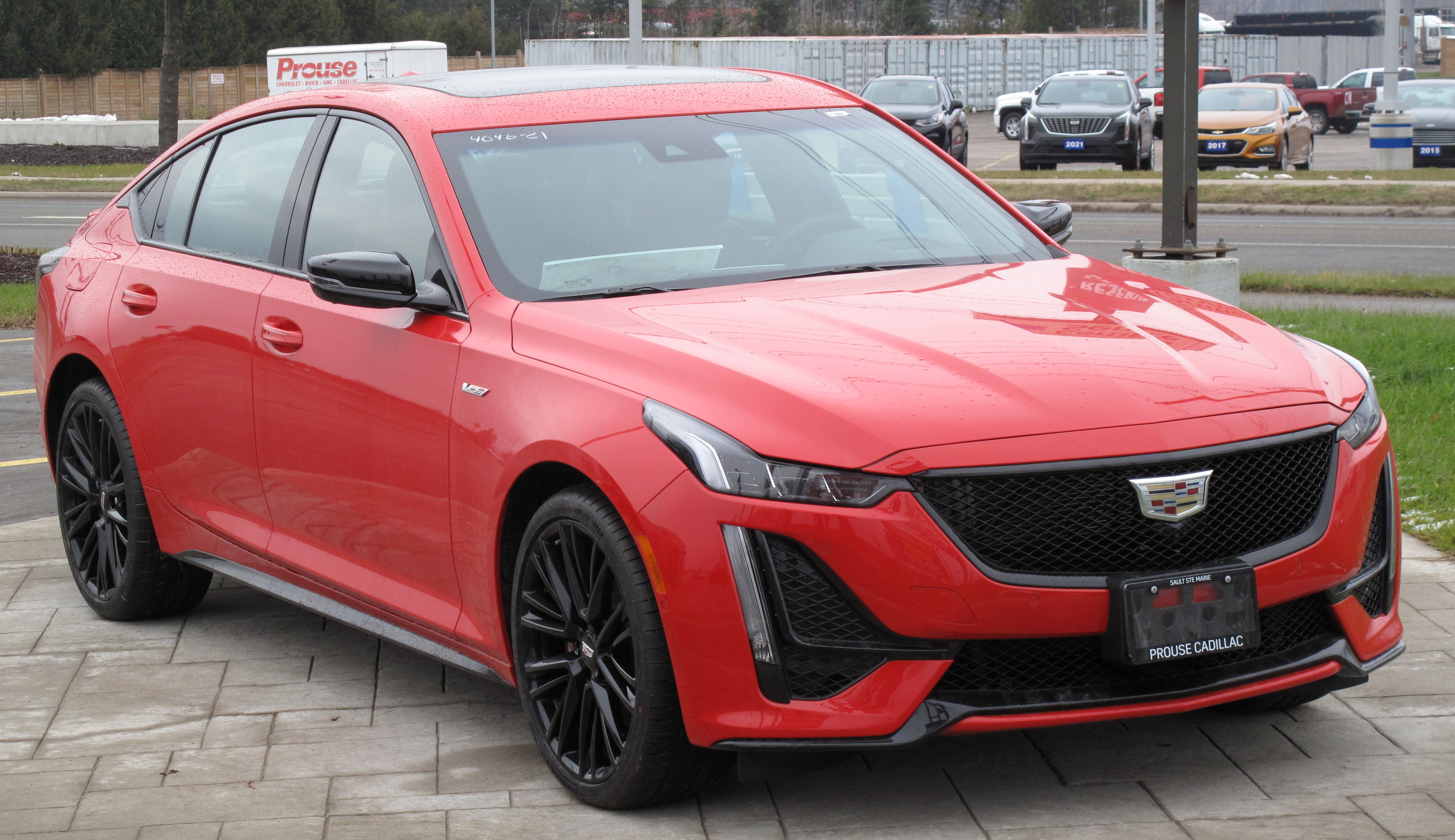
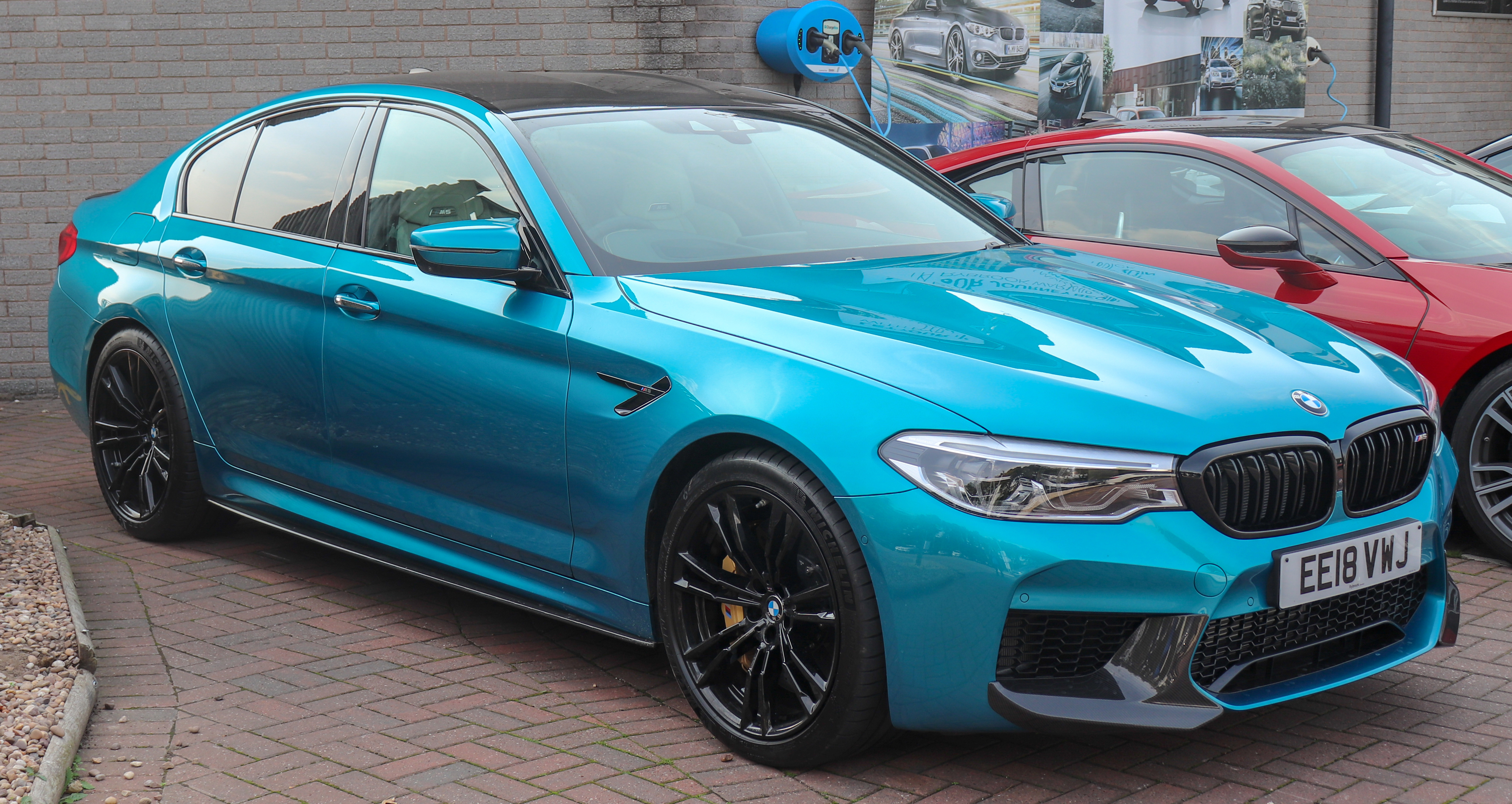
insanely expensive. So yeah, you can compete with an M5. Let's say the CT5 black wing is
competitive with the M5, let's say, but what does GM offer or what does anyone offer from
the American marketplace that will compete with just a regular five series? There's nothing
that is being made by an American car company right now that's at that level. I mean, yeah,
you could say maybe you could take the AT4 and that little twin turbo Cadillac, but that's not
the same body size. You know what I mean? It feels very much like when you're talking about
American brands, they're all focused on SUVs and we talked about this before with the Performance
SUVs and I think you and Don talked about it before and we've done videos about our podcast,
but it feels like that's where all the focus is going to. It's solely on that. Whereas BMW,
they know where their bread and butter is. They know what they're doing. So yeah,
so I feel like that that's kind of a miss where you could have Chevy come in and make that sedan
that is still a little bit, it's kind of that in between play and then especially if you can get it
and Chevy's been really good about this lately. I gotta say besides the Cadillacs,
a lot of their other cars like the Corvette is a good bank for the buck right now. Dollars,
donuts, it's a good value. Now, if they could do that and get that Chevy SS to come down under,
say that $60,000 price range, that's a good value car for what you get because the entry level
BMW is that $60,000 price point for a five series. So there's definitely something that could be made
there. But BMW does carry a lot of prestige, if you will, like the name of that. It's got a ton of
history associated with it. Whereas like with these American vehicles you're mentioning,
the focus has been so much on the SUV market, but I don't know if they can get back into that.
I don't know if it's possible. Isn't it funny that we're questioning whether or not a sedan,
a performance related sedan would suck? With the S2000 and the convertible
for Honda, that's another one. You gotta have to sort of question it because it's very one-dimensional.
It's not a family car, right? It doesn't have multiple functions. It's just a fun car,
fun weekend car, right? Probably not even a daily driver for most people. But a sedan is like a
multifaceted. You can do a lot of stuff with it. But still, what it's done compared to an SUV,
probably not. I mean, that leads very small people. I like sedans, especially performance ones and
wagons too, but it's such a small group of us compared to big picture. I mean, that's the same
thing. I would love to see them do like a V8 powered Explorer. Like if they just were like,
hey, SRT is coming back out with the SRT8 Durango or whatever. Be like, all right. We have the
ST. Yeah. And I love my wife's ST. Don't get me wrong. Great truck. But imagine you just pull up
and same thing. You get that V8 power, supercharged V8 to compete at the level that the SRT guys
were competing at. It'd be pretty cool if they could do that. I mean, if they're not going to
focus on the passenger car or even the sports car, let's be honest, besides the Mustang,
Ford doesn't really bring much more to the table as far as cars. I'm not lining up to go get a
four-tourist anymore. I'm not lining up. Well, I'm saying, but they were, how many of those cars
sold? Let's be honest, the four-tourist was a great selling vehicle and it sold. That was everywhere.
Exactly. And the show was pretty cool. Let's be honest, that Yamaha engine was not bad. I mean,
it was temperamental, it was front-wheel drive, but still, it was cool. The problem that you run
into is if they're not making that and they're only making, say, like the SUVs and the trucks,
then they need that option that's going to make the fast truck or the fast SUV. And that's shown
by their F-150s getting the lightning treatment. How many of these two-door aluminum-bodied F-150s
are running around taking people's lunch money these days? I mean, there's nothing faster from
stoplight to stoplight right now. And it's definitely a missed opportunity. The lightning
was such a great vehicle and now we have, well, that's ending anyway, but the EV lightning, which
I feel like, yeah, a lot of guys like it because it's got the on-board power and things like that.
But when they said lightning, every car guy went to Brian pulling up at racer's edge in his red,
his red on-board lightning. Oh, okay, I know, I know. You got to go get the NAS, but still.
The very anti-franchise up here, but I hear what you're saying.
I hear what you're saying. Yeah, I mean, what else do you think though? What other vehicles do you
think should be made again, but aren't being made again? Probably won't be made again.
And so, yeah, we talked about a little bit about Nissan. What about like an S-Chassis? What about
like a newer Sylvia slash 250SX type thing? I mean, it's all well and good, but you can't even get
them to get the Q50 to still sell in the United States when they're already selling them here.
You had, I just saw the Nismo, well, I'm sorry, the Nismo Skyline that they're doing over in Japan.
If they brought that over here, I still think that that would sell well enough that they wouldn't
have to design a new chassis from the ground up or do something from the ground up. And that's
the problem is how do you pitch, how do you go into a meeting and say, hey, I know that you're
leaving cars that guys that there are people that want in other markets. I know you're not
going to take care of that, but here, let me pitch this whole new car to try to sell it.
Yeah. And I mean, I think for these vehicles though, like in order to bring them back,
they have to make sense in my opinion. They can't just be like, oh man, make this high-powered,
all-wheel-drive monster and like everyone's going to buy it because it's not realistic, right? I like
to be somewhat realistic with these with an S-Chassis, like a newer Sylvia. For example,
you know, Nissan puts so much emphasis on the Z, obviously it's got a ton of history.
There's a large portion of 90s kids that are now growing up that have more income,
expendable income, that were completely fascinated by the S-13, 14, 15. I think if an S-16 were
introduced, I think it would hit. I think it's something that would need to be obviously turbo
charged. Front engine will drive to make it the way it was. I think the S-15 was already pretty
refined as it was. I don't think there have to be a ton of changes to it other than modern
safety bits and pieces. I think power-wise though, it would be a little bit tricky to make it
powerful enough to take care of the weight that all the modern safety stuff would add,
but not too powerful so it kind of conflicts with the Z. You know what I mean? Something in
the middle there. But I think there could be a market for that, like an actual sporty coupe
and bringing that back. Honda's trying to do that with bringing back the Integra. They try to do
that with bringing the CTR over and things like that. There's certainly a group there. It just has
to be done correctly. They need the right person in charge that's going to make sure that they push
it through with all the right touches and it's not completely watered down. I mean, that's my
concern is I don't know if Nissan knows how to build that car anymore. That's really the problem
also. I don't think as a company that they would know where to start. I mean, I just watched Tokyo
Auto Salon a couple of weeks ago and they were so excited about that or a concept car or whatever
it was. And the entire room just turned into crickets when it got unveiled because it was
such a missed mark compared to what you saw from Toyota. I mean, you're four days away. You have
somebody that's showing off a, you know, LFA successor, let's say, and then you go down the
block and there's a electric car with Aerobit stuck to the side of it. I don't know if Nissan
knows what they're doing. And I'm a diehard Nissan fan. It's just, I don't know if they could come
out with an S16 that would capture the market. I don't see it. The Silvia was such a unique car
because all the way back, even when it first initially came out, it was the higher end rear
wheel drive, slightly more luxury car when it first came out. And then even when you got into,
like don't get me wrong, S13s in the United States weren't as nice, but there was some really nice,
but there were some really nice Silvias, especially, you know, I don't know if a lot of people know,
but there was different, there was the Aces, there was Kings, there was Queens, there were different
levels of Silvias and those trim packages, they got really nice leather. They got, you know,
naturally aspirated SR 20 with an automatic versus the turbo one. There was, there was different
packages for what you were doing with the car. And I don't think Nissan builds cars that way
anymore. And they don't think about cars that way. But with that said, you know what they did
right though with the 240SX version, like the S13 in the U.S., they made it affordable. Yes.
It didn't have the most luxurious, like, you know, everyone talks about the dashes,
cracking, all this stuff. It's not the best, most luxurious materials, but it was affordable.
Yeah, 100%. It wouldn't get into one. You know, that was like your entry into like a sports car,
like a sporty, you know, sporty vehicle. And then if you really wanted to go a little bit more
premium, you could get the SE. So you got a rear window wiper. Yeah. The pricing kind of
got a little bit crazier when the next generation came out. But the materials got better too though.
So there's, there was sort of a straight off there. Yeah. At least in the U.S., you know.
Yeah. And by the time that the S14 ended with the, in the Kokis, the 97s, they were really
gorgeous cars. I mean, I thought so. Yeah, I really liked those cars. So I mean, as I said,
they're not, it's hard to say if, if the modern auto world could do, like, and I'm not trying to
knock just Nissan. I don't think any of the manufacturers could do what they were doing
in the 90s, exactly the same. Like it's not the 90s anymore. And that, that's the difference is
that those cars were a product of their environment. They were light. They had, you know, they were at
pushing the limits of their technology at the time, but they were great cars because of it.
They were fun cars because of that. And I don't know if cars are built
that same way anymore. I think a lot of it is manufactured fun, not happenstance fun. Like
those cars became sought after and fun and enjoyable because they were never meant to be
necessarily like, they were sporty and stuff like that. But no one ever thought that a little
S chassis would be as much fun as it was to throw into a corner. Drifting wasn't popular,
that wasn't a thing. And nobody thought like, Hey, let's build a car that can drift around
curves. But once they figured it out, people fell in love with it. Right. Right. I think people,
people forget that when, when we see like newer versions of vehicles like the Integra, for example,
come out, they're trying to sort of capitalize on the name. But when it first came out, it wasn't
meant to do all the things that it did, right? It was, it was never meant to sort of catapult
this new thriving industry that kind of blew up in the 90s. It just happened. It just happened,
right? Like with the base model civics, you know, these little 75 horsepower civics weren't meant
to do, you know, eight second quarter mile passes, but that's what ended up happening.
One thing, one, one other vehicle, I think that would make sense because my model have to make
sense. I don't know why, but with my, with my thinking, they have to be like something that
that people would actually, actually want and then the manufacturer would potentially make
some money from. And I think one vehicle that's not around anymore, the Mazda three speed was
like a really, really big, it had a really, really loyal following. And I think what the
second generation, I think it ended like 2013 ish, something like that 2012, 2013.
That had a lot of what we're seeing today, like five door hatchback layout, small engine, turbo
charge, you know, it was front wheel drive with LSD, but I think that type of a model today
makes perfect sense. Like an affordable opponent to the Type R and GR Corolla for Mazda and something
that's not automatic, obviously would have to be a six speed. I don't know if they'd ever do that
anymore, but even DCT and that would be fine. I mean, I'll take, I will, you know, I'm, I'm
getting old. I know that everyone's going to bash me, but listen, manuals are great when they're
great, but then there's also a lot of downsides too, especially when you start having fun with them.
There are, yeah, but I think also, I think also you have to appeal to the group that would be the
ones purchasing it. Like if, if you did a DCT for the type R, for example, for that full five,
I think you'd lose a core group of people that were interested in the car because they, they
were late, you know, the six speed to that vehicle. I think, excuse me, GR Corolla, same thing. And I
think with a Mazda three speed, if you were to redo it, it would make sense to do an all wheel
drive version as well. Yeah. Yeah. Manual and then an all wheel drive version. I mean, that would put
it in that same competition with the GR, GR, GR Corolla, that, you know, you'd be in that kind of
that, that similar field and I mean, with the right type of marketing, you could even go after
some of the Subaru guys, you know, at the end of the day, you could really start to even look at
that because they're not making an SCI currently in the US market. So you're just going after the
WRX. Could you outcompete the WRX with that car is the question. But if you could do it, if you
could hang in there, if Mazda could hang in there affordably and like make it so it's, it's an
actually affordable, you know, five door hatchback, but, you know, kind of the hot hatch of the old
days. I mean, I don't know, I think it would hit. I think it's something people would, would want.
I can get behind the Mazda one more than the Nissan one, which is scary. That's something I would
never say in my life, but I definitely, I could definitely see the Mazda being more of a, of a
short bet than trying to go with the Sylvia. I mean, honestly, I remember going to, I remember
going to lunch in a Mazda three speed when it first came out with another editor at the time
and, and he was ripping on it and I was like, man, the torque steer is like crazy. It's too
much in this car, but it was fun though. It was really fun, but I would imagine by like today's
standards, you could, you could, you know, cure some of that the way the LF5 did or the FKB even.
But I think at that time it was, it was wild, but it was fun. It was a blast to drive. I loved it.
Yeah. Well, so those are the ones that I think make sense and I can see coming back. I would love
to see come back, but, you know, being realistic, I know that if, excuse me, if any of these were
to come back, it would probably involve electrification or at the very least a hybrid
setup nowadays, but it would be cool. It's cool to dream, you know?
Well, I appreciate your time, guys. Let me see how I'm going to close it.
Let us know. Like if there's something, if there's a vehicle that you think would,
would make sense in today's market. I mean, something that makes sense, like, you know,
not a thousand horsepower civic or something, but, you know, something that makes sense.
You know, we'd love to hear about it.
Do you have any vehicles that you think that manufacturers should be bringing back? Do you
have any concept cars that you think that should have been finished?
Leave them in the comments down below. Give us a like and subscribe. We'll catch you on the next one.
About this episode
Exploring the vehicles that enthusiasts wish manufacturers would revive or create, the hosts dive into dream cars like the Honda S2000 and the Nissan IDX. They discuss the missed opportunities in the automotive market, including the need for a new Miata platform and the challenges facing Nissan with the potential R36. The conversation highlights the balance between nostalgia and modern performance, touching on how manufacturers can innovate while respecting their legacy. The episode is filled with passionate opinions and insights on what the future of beloved models could look like.
Are we witnessing the end of true enthusiast-focused cars?
In this episode of Behind the Wheel Podcast on the KONIG Wheels YouTube channel, we’re talking about the cars that absolutely should exist… but don’t.
A modern Honda S2000.
A true Nissan S16.
A next-generation Nissan R36.
Enthusiasts have been asking for these cars for years — so what’s taking so long? And when automakers finally bring these icons back, will they stay true to their roots… or end up watered down like the recent Prelude revival?
We break down:
Why a new S2000 feels inevitable — yet complicated
Whether Nissan still has room for a proper Silvia successor (and what it would take to follow the legacy of the Nissan Silvia)
What the future of the GT-R looks like after the long run of the Nissan GT-R
How emissions, electrification, and global regulations are reshaping performance cars
Whether nostalgia is helping or hurting modern car development
Are we asking for cars that can’t exist anymore?
Or are brands overthinking what enthusiasts really want?
Drop a comment and tell us:
What car deserves a comeback — and what can’t change when it returns?
2026 Behind the Wheel Podcast | All Rights Reserved
Thank you for tuning in, and if you enjoy our podcast, please SUBSCRIBE! We’re on Spotify, Apple Podcast, and iHeartRadio, and we always upload our full video interviews on our YouTube Channel: https://www.youtube.com/konigwheels (we’d love for you to subscribe there as well!) Thank you for listening!