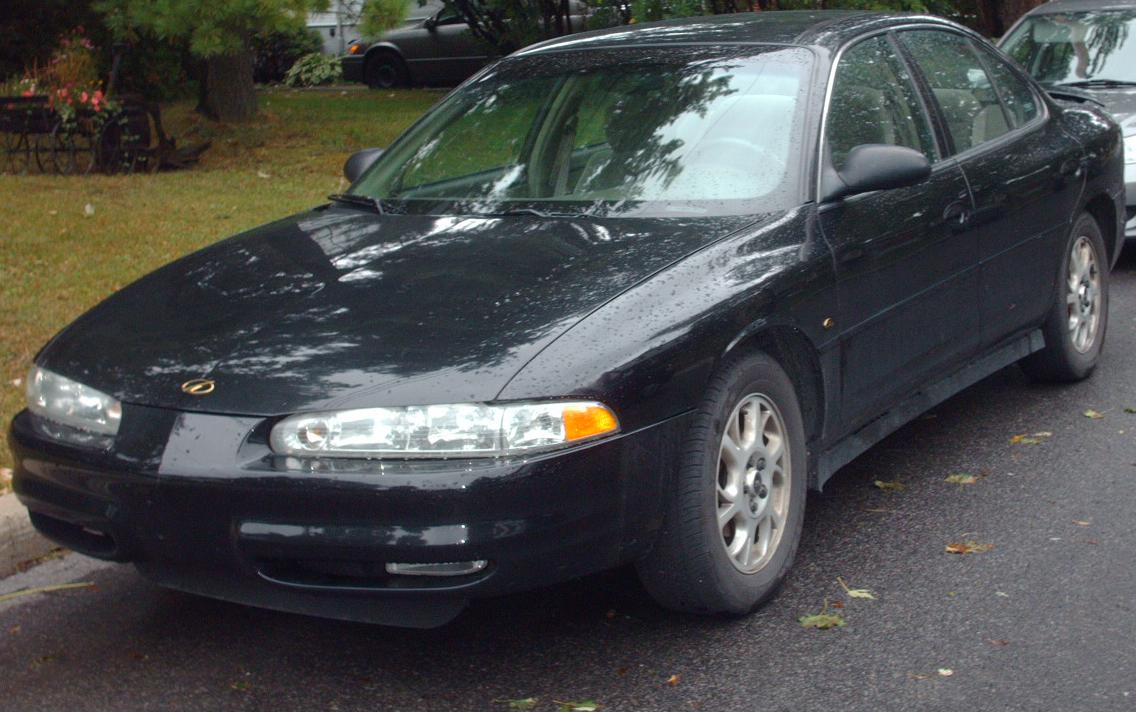
The Oldsmobile Intrigue is a mid-size car that was made by Oldsmobile. It’s the kind of vehicle people used for everyday driving like commuting and family trips. It may be mentioned because it’s an older model from a brand that’s no longer producing cars.
A road diet is when a road is redesigned to take away some space from regular driving lanes. That space is often used for things like bike lanes or safer crossings, which can make traffic feel slower or less convenient for cars.
DOT is the government agency that handles transportation—like roads and traffic planning. Here, the speaker is saying DOT’s plans don’t always match what people want or what happens on the ground.
Meeker Avenue is a particular street where the redesign happened. The speaker uses it as an example of how changes to lanes and parking affected local people.
Paid parking refers to parking spaces where drivers must pay a fee to park, often via meters or permits. In street redesigns, converting free parking to paid parking is commonly used to manage demand and fund changes, but it can also affect local access and perceptions of fairness.
MTA Transit is the public transportation system in the New York area. The speaker is saying that after the changes, some people had a much longer walk to reach it.
The Honda Civic is a small, everyday car made by Honda. People choose it because it’s usually efficient and easy to live with for commuting and errands. It may be mentioned because it’s a very common car on the road.
They’re using an analogy to say traffic doesn’t disappear—it gets redirected. If you close one path and don’t give drivers another good option, other roads can get more crowded.
Term
Department of Transportation
The Department of Transportation (DOT) is the government agency responsible for transportation policy, planning, and infrastructure oversight. In road-lane changes, DOT often provides traffic modeling and safety/impact analysis that influences decisions.
The Toyota Supra is a sports car from Toyota. It’s built to be fast and fun to drive, especially when you want strong acceleration. It’s usually discussed as a performance-focused car rather than a family commuter.
LIVE
Not sure if you've heard but gas prices are pretty high right now and as we enter summer
the best way to save money and keep it in your pocket is with a new or used e-bike.
And the best place to get one of those e-bikes is at Upway.
Upway sells certified pre-owned refurbished e-bikes and they have a great selection ready
and available to be delivered right to your door.
I guess the kids are calling this e-bike summer because everybody it seems is getting
on an e-bike to avoid those high gas prices and if you want even more money in your pocket
you can save $100 off any purchase of $800 or more at Upway with code TWOC100.
Just go to Upway.co and again enter code TWOC100.
Save money, have fun and get a certified pre-owned e-bike at Upway.
Emily has a great quote in the film which is that politics are about feelings not facts and I
think that is just right on and I think one thing that you learn in these various conversations
is facts aren't terribly helpful in persuading people. To the extent that people are persuadable
I think stories matter a lot which I think is one of the main reasons I made this documentary.
I think somebody sees a story with characters they can start to identify with that in a more
emotional way which seems to be how people actually make up their minds more than they
read some chart of statistics which just generally doesn't do it.
This is the War on Cars. I'm Doug Gordon. What does it take to redesign a street
to make it safer for everyone? In the US it typically takes a combination of terrible tragedy,
tenacious grassroots organizing and courageous political leadership. Even when these ingredients
come together success is never guaranteed. Disinformation, fear mongering, corruption
and lots of other factors can derail even the most necessary safety upgrades with every project
becoming a battle that's about more than just bike lanes. These themes and more are explored in
a new documentary changing lanes from director Ben Wolfe. Ben is here to talk about the documentary.
We also have three other guests whom I'll introduce in a moment but first you can find the War on
Cars at patreon.com slash the War on Cars pod. We depend on listener support so head on over there
sign up for just three dollars a month you will get access to bonus content, free stickers,
presale tickets to live events and more. Again that's patreon.com slash the War on Cars pod.
Okay so I'm going to actually take this directly from the film description of changing lanes.
It starts by saying when a beloved teacher is tragically killed in hit and run crash in Green
Point Brooklyn a grassroots movement emerges to transform a notoriously dangerous four-lane
boulevard into a safer two-lane street with protected bike lanes. While many applaud the
proposed road diet it also sparks a backlash led in part by a powerful local business owner.
Government support begins to waver, neighbors unite to challenge these entrenched interests
and they fight for a safer neighborhood. I think changing lanes is more than a film
about bikes and public space it's really about who wields power, the definition of community
and how regular citizens in partnership with dedicated elected officials can organize in
the face of deep corruption and other huge obstacles. It's very much a movie made for
the political and cultural moment we are in right now whether you care about bike lanes,
immigrant rights, trans rights, democracy itself. Changing lanes features a who's who of activist
planners and cultural icons including former NYC DOT commissioner Jeanette Sadekhan
and former Talking Heads frontman David Byrne. I'm not sure which of those is the cultural icon
but maybe they both are. Both? Yes, both. It's had many screenings, it's been at many festivals
around the country and it's finally available to stream as you listen to this on Amazon and Canopy.
I mentioned that the film's director Ben Wolfe is here. We are also joined by superstar neighborhood
activists and co-founders of Make McGinnis Safe, Kevin Lechera and Bronwyn Breitner and New York
state assembly member Emily Gallagher. Ben, Kevin, Bronwyn and assembly member Gallagher,
welcome to the war on cars. Thank you. Thank you. Reporting for duty. All right,
we're going to try to keep everybody straight. So Ben, let's start with you, you're the director of
the film. The film really attempts to do a lot of things, all of them very well. There's the history
of cycling, advocacy in the city, all the way up through the Jeanette Sadekhan era, changes that
really brought us to where we are today. There's the local political fight over
McGinnis Boulevard, which we're going to get to in a moment. What drew you to this particular
story and the way that you told it? For about the last 20 years or so, I've worked as a cinematographer
primarily and I've wanted to direct a documentary of my own for quite a long time and I've been sort
of a passionate cyclist in New York since I came here in 1991. I used to race bikes, now I pretty
much just get around on bikes when I can. So I started following a bunch of street safety efforts
and came across this McGinnis story, which sort of quickly became clear that that was going to be
the spine of this movie, the amount of passion on both sides, the conflict was very high and I
thought this will make for a great movie. I was also looking for something that would be a microcosm
of sort of American politics and this was very much that. So let's roll it back a little bit to
the context of the film. So we've mentioned McGinnis Boulevard, maybe Kevin or Bronwyn,
you could talk about where is McGinnis Boulevard, what's special or interesting about it that
caused this need for change on the street? I'm a four-generation green pointer and McGinnis
Boulevard is for the last 70 years, it has been a dividing line for the neighborhood. It's a highway
that basically connects two highways, the BQE to the LIE and has been used as a shortcut for
traffic and a speedway for vehicles and a dividing line for the neighborhood between east and west.
The dream point is a community that has really suffered under fossil fuel processing, extraction,
capitalism. It is a community that has had a tremendous amount of environmental devastation
because of the industries that were present there and the priorities of those powerful people
that ran those industries for profit and the working people that suffered because of that.
My family had worked in those industries as immigrants, as working class people in those
factories and alongside that industry they built the highways, the BQE and McGinnis Boulevard
and that roadway was present all throughout my childhood as kind of the edge of the world.
That is the place that you would never cross alone as a child. It was so dangerous
and so many people have been killed there over the years because of that.
McGinnis Boulevard was originally Oakland Street, which was a cobblestone, one-lane street that ran
all the way through the neighborhood north to south. When the Pulaski Bridge was being built by
Robert Moses and a lot of these highways were being built by Moses in that era, McGinnis Boulevard
was one of those major projects to connect those highways and displaced a lot of people and heard
a lot of people in its construction. So Bronwyn, McGinnis has this very deadly history and where
the film is concerned and where the advocacy efforts really pick up steam is in 2021 with the
tragic death of Matthew Jensen, who was a beloved school teacher. He was killed by a hit-and-run
driver as he was crossing the street on foot. I wonder if you could talk about your involvement
and the neighborhood reaction to that moment and what changes were promised in the wake of that
tragedy. So I've lived in North Brooklyn since 2004. I have two children. Both were attending
PS110 in May of 2021 when Matt Jensen was killed. Before that tragedy happened, I'm also an architect
and a local business owner in Brooklyn and also our firm was devastated by COVID. In November of 2020,
I joined some Zoom calls about the redesign of Meeker Avenue in our neighborhood thinking,
we've always, my husband and I, who's also my business partner and an architect, had always
kind of fantasized what the BQE could be on the underside of the BQE other than a filthy place
to store cars. And then that sort of piqued my interest. I had a lot of spare time. I joined
the community board one transportation committee in Brooklyn in January of 2021. And that was
really like my entry into transportation advocacy at all. I was the only member of the PS110 community
who was involved in the community board in any fashion. Now fast forward to just a few months
later when Mr. Jensen was killed. And I talk a lot about and think a lot about how this movement
emerged because our knee jerk reaction was not, you know, McGinnis Boulevard needs to be different.
We were traumatized and every kid was traumatized. He was such a wonderful teacher and a really
vibrant, funny human and really engaged with every kid. So that pain ran very deep. But what
happened was people started talking in their grief and in their sort of healing through conversation
about their own near misses on McGinnis as parents and as just neighbors. So that eventually stirred
up anger and people were really pissed. Like why is it have to be like this? It doesn't even make
any sense. McGinnis Boulevard is a 1.1 mile long road that is one lane street on the other side of
the plasque and a one lane street on the other side of Meeker. And it just widens for this one
very specific use and it creates a very dangerous condition. So, you know, I had a few connections.
Maybe I'd met Emily once, maybe not. I don't know. I'd met Kevin once, but I felt that like it was
sort of my duty in this new role on the community board to bring the voices of the parents who were
talking about this to some people who knew what to do with that feeling and try to sort of make a
change. So I think you're going to see some themes coming together throughout this. So number one,
you have Kevin, multi-generational green pointer. You've got, you know, the professional mom with
COVID time on her hand, let's say, you know, who is personally affected by this. And then you have
the dedicated assembly member Emily Gallagher, who we have with us remotely, assembly member
Gallagher. I wonder if you could talk about green point in the context of your political career,
because when you were elected for your first term, you really had taken on an old school
Brooklyn machine politics, and it was sort of this upstart campaign. I remember following it,
but McGinnis Boulevard was part of your advocacy before you entered elected office. So I wonder
if you could talk about it in that context. I mean, there's so much in the film that gets into
kind of gentrification, generational change, new folks moving to the neighborhood who are seeing
things in a different way. All of that is reflected in your candidacy and your time in office.
So I moved to Greenpoint in 2006. I had just graduated from college and I had
some good friends who lived there. And I just felt there was like a Sesame Street kind of vibe
there where you'd walk around and you'd see neighbors talking on the street corner. You'd
hear discussions about, you know, what was going on. And I pretty quickly in my time in Greenpoint
got pulled into local activism through a group called Nag, which had started out as neighbors
against garbage and had been founded in the 90s. You know, the neighborhood had really gone through
a lot even just in the short period between the founding of Nag and when I became a part of Nag
10 years later, there had been a massive rezoning in the neighborhood. The 2005 rezoning was really
one of the first rezonings that the city had done with mandatory inclusionary housing. And
there was a lot of tension in the neighborhood around this shift because the neighborhood had
collectively organized before that around a 197A plan, which had been a progressive vision of
how the waterfront and other parts of the neighborhood could be used to create more
housing and business space for the community that was already there and to kind of build in a
smart growth way. And that was used as an excuse to do the 2005 rezoning, but it was really
totally disregarded in the actual city planning of the neighborhood. So as a newcomer in 2006,
I was learning a lot about like these tensions and what it meant to think from like a ivory tower
about like what does gentrification look like? What does the neighborhood look like? What does
the neighborhood need? But also to actually learn from people who were lifelong residents or
longtime residents of the neighborhood. And I actually lived on McGinnis Boulevard when I
first moved there when there were a number of catastrophic crashes. And the thing about McGinnis
many people have died there, but hundreds more have been deeply and terribly injured,
like life-changing injuries. So I started talking about the boulevard with NAGS transportation
committee around 2012. But time and again, we would meet with politicians. They would tell us
that they agreed that it was terrible, but like it couldn't be done. And so this became just like
a thorn in my side because I'd seen changes happen in other places. They were happening
when Bill de Blasio was mayor. And I was like, I know that these things could happen on McGinnis,
but like I think the problem is actually like that the person who's representing us doesn't
necessarily want them to happen. And I ran for district leader in 2016. And I got 44% of the vote
in my district leader campaign, which is like an unpaid democratic party position. But I was
really trying to see like, you know, what's going on here. And one of the things that I learned in
my district leader campaign was that the assembly member had a lot of power. And I was also very
active on trying to advocate for congestion pricing. And I remember there was an incident where we
were trying to have a rally for congestion pricing. And we didn't know if he was going to come because
he couldn't decide if he was supportive or not of it. And I was like, you know, there's such a big
impacted street safety community in our district. I really feel like if I ran partially on street
safety like, and I ran against the assembly member, like maybe I could win. So I ran on that on
environmental stuff and on housing, because as a tenant, you know, I was watching rent go up,
I was part of a group also called MAD, Mobilization Against Displacement. You know,
we love fun little acronyms in the neighborhood. So all of this stuff kind of came together.
And when I ran, it was like a scrappy little campaign. I had Matt Kevin at the community
board, I had been on the community board before I was unceremoniously kicked off of it, in part
because I reported that, you know, like I helped find out that the
the district manager. Oh, this is a story in and of itself for sure. I'm sure we could go
on SUV. They used district funds to buy an SUV for the district manager. That's a whole other
story. But that gives you a little flavor of the neighborhood and how important cars are and how
central they are to the politics. And really, there's like this breakdown that happens in the
neighborhood with like, people who own things versus people who don't. And I knew that if I
ran against this very powerful assembly member, I would become blacklisted in the political
community. But I was so fed up with trying to negotiate that I was like, I might as well do
this, give something a try, be bold. And then I won. had just taken office when Matthew
Jensen was killed. It kind of overwhelmed me. And I remember Bronwyn called the office. And she
was like, do something. And I was like, Oh my God, I know exactly this feeling that she's having.
But I also know that what I could never get going was like a good ground game. So I was like,
you know, you guys have to organize for this. And I'll try to organize on the inside. And
you know, the rest is history. Alright, so we're going to get through some of that history quickly.
So Matthew Jensen is killed. You take office. This is all happening at around the same time.
You get a commitment from then mayor Bill de Blasio for what $40 million to redesign
McGinnis Boulevard for this one and a half mile stretch. That's so dangerous. And it's a big victory
of all of these organizing forces that you just described. We know how these things go. They take
time. And it is not done by the time de Blasio leaves office, we get a new mayor, Eric Adams,
who then proceeds to slow roll many street safety projects, including McGinnis Boulevard.
This is where the movie starts to get a little more, there's a little more intrigue,
let's say, introduced into the film. And we kind of have a number of let's call them villains for
the sake of, you know, narrative purposes, if not in reality, I'm sure you were all calling them this
in private conversations. But you have the Argento family, long time business owners in the
community who own Broadway stages of film and TV production studio. And you have some of the more
entrenched interests and they have a direct line to the mayor's office. And we now know
things start to unravel at this moment. Ben, I wonder if you could talk about sort of the narrative
structure of the film and how that plays into this, because there's lots of things going on at once.
And also, I would add, all of this is sort of clear in retrospect, you know, when I was making
this movie, at some point, I sort of didn't expect a positive outcome. It looked like this was just
going to be sabotaged. And also, pretty early on, I was hearing rumors that the reason it was being
sabotaged was these local business owners didn't want it to happen. But as a sort of trying to be
a responsible documentary filmmaker, I didn't want to just sort of throw out accusations that I
couldn't substantiate. So it's interesting from my point of view, we only were able to sort of
incorporate that stuff into the movie when some indictments came in, which was very late in the
game. We're getting way ahead of ourselves, spoiler alert. We are. But I'm just saying from my
perspective, it was an interesting thing, because I think people in the community understood what
was going on. And it was a very divided community, because it's not only a business owner, it also
becomes kind of a culture war thing. And that's what I was seeing a lot of at these public meetings
and whatnot. Like, sure, the business owners may be the ones bankrolling it, but they had
a whole lot of the older folks in the community or whatever sort of agreeing. Again, not because
these people were experts on street design, but because they just sort of chose sides based on,
I think, largely sort of on the new people versus the old people.
There are two scenes in the film I want to talk about. One is it's COVID. So a lot of the
community board meetings are on Zoom, and you cut together this epic community meeting
and all of the back and forth and all of the screaming that happens and people being cut off
and, you know, the Safe Streets advocates trying to cite facts and the number of people who are
killed and the other people accusing folks of, you know, gentrifying the neighborhood, where do
you come from, etc. So DOT comes to the community with a few different options for how to tackle
the redesign of McGinnis. And am I correct in saying that the most robust plan was the one
that got the most support from community organizers? Yes, there were dozens of people who came out
and spoke in favor of what was called Plan B, which was the road diet plan. And this, of course,
though, is met with a lot of opposition at some of the community meetings. We've been hearing loud
and clear from community members and elected officials that we need to move forward. We need
to make the changes on McGinnis that will improve safety. You're going to get kicked out if you
interrupt again. Just fair warning. I'm just against this bike idea. I don't think we should
mix bikes with cars and trucks and buses. This dieting of McGinnis Boulevard is just going to
create a traffic habit. This is a crazy idea. Where does all the traffic go? So where are the
people supposed to park their cars? As a single mom, I can't make it to key food on a bike with
a baby. It just makes sense to not have bike lanes. I would also recommend getting rid of some
of the greenery, cutting it down. Thanks for your comment, Shannon. We did a lot of outreach
related to this project. And overwhelmingly, you know, the bike lane and safety first cyclists
has been something that the community's been asking for. These Zoom meetings were so anonymous,
and there were always these folks who would call in with their first name last initial. They wouldn't
follow the rules and put in their actual names. And these folks were triggered by some other
neighborhood controversy around the open streets that had happened. I mean, this conflict that
Emily is referencing always existed, but this open streets thing really exacerbated and made very
public. This divide, this kind of political divide. So with these meetings being on Zoom,
they were very accessible and anonymous. So it was just madness, like, and people wouldn't turn
their cameras on and would just were so rude, you know, calling people names. I mean, my favorite
part of that scene in the film is when, you know, everybody's screaming, you don't listen to me,
you're not from the neighborhood, you know, it's all this point finger pointing about like,
who deserves to have a say. And you don't live here. I've lived here longer. You're not a real
green pointer. You know, you're not entitled to this. And they're used to this road being the
way it is. And they're mad. And they don't know about road diets and statistics and data and
precedence for all of this. And so they're calling in and screaming. And then the best part is when
suddenly Tony Argento comes on and introduce himself and says, my name is Tony Argento. I'm a
Greenpoint resident and a taxpayer, as if like, everyone in that room is not a taxpayer, right?
But he pays a hell of a lot more taxes than anyone else. So he, of course, is accustomed,
as Emily says so beautifully in the film, to having an exaggerated role and choices like this,
you know, you're not entitled to this. And they're used to this thing, this road being the way it
is. And they're mad. And they don't know about road diets and statistics and data and precedence
for all of this. And, and they don't, right, they don't take the time to care or learn about it.
And so they're calling in and screaming. And then the best part is when suddenly Tony Argento comes
on and introduce himself and says, my name is Tony Argento. I'm a Greenpoint resident and a taxpayer,
as if like, everyone in that room is not a taxpayer, right? But he pays a hell of a lot
more taxes than anyone else. So he, of course, is accustomed, as Emily says so beautifully in the
film, to having an exaggerated role and choices like this. There's a second part, I think, that
exemplifies a lot of what you're talking about, about the kind of nativism, the fears over gentrification
and change. There are a series of demonstrations in the street, the pro safe streets folks take to
the streets, have a big rally. And you see, as you capture in the film, a few apparently lifelong
Greenpointers, older folks, literally covering their ears and saying, like, nah, nah, nah, I can't
hear you. I don't want to listen to you. And some variation of go back to where you come from.
Yeah, this is where, to me, this is in a way a movie about democracy and maybe the failure of
democracy. To me, the essence of democracy is compromise. It's people expressing their points
of view and finding some kind of comfortable middle ground that satisfies most people. And
what we've seen a lot of in our sort of national politics, and we saw in Greenpoint was people
unwilling to listen to each other, not doing research, not knowing history, not talking to
their neighbors, just staking out a position and just excluding all other options. And from a
documentary filmmaker point of view, this is sort of goal. This was like the illustration of the
problem. Just piggybacking on that. The thing that I find bizarre, and I've started to believe
something, which I don't know if this is controversial to say, but like, the DOT came to
the community, all things being equal with these three options. And they're looking for feedback.
And I really genuinely do not understand this process. One of the options was not a safe plan.
It was this plan A that did not eliminate a lane of traffic and in fact did nothing to
reduce the number of vehicles or speeds of vehicles on McInnis Boulevard through design.
It removed all of the parking and put bike lanes in their sed, which we know because it's partially
installed. It is incredibly dangerous. You're just now putting a bike unprotected next to a highway.
Now, why the DOT feels it is a requirement for them to come to a community of regular citizens,
as you said in your intro, and ask their opinion on these three plans knowing that one of them is
very unsafe. I don't understand why that would be their process. I don't think it's a requirement
that they do that. I do think, of course, they have to come and present the plan that they prefer
and that they want to see. In this case, we had all of the political support that we needed through
Emily and Lincoln Ressler and Congresswoman Lydia Velazquez and our state senator at the time,
I think, was Julia Salazar and now Kristin Gonzales. We had everyone teed up and our coalition,
which had thousands of signatures asking for the removal of the lane of traffic. What it does is
it sets the community against each other because anyone who is uneducated does, I first thought,
when they said a road diet on McInnis, that's nuts. I genuinely was like, you can't do that.
That would be traffic Armageddon, which became the talking point of
the Keep McInnis Moving campaign. I genuinely am really super critical of that process.
Along those lines, Assemblymember Gallagher, there's a great moment in the film. You were
reelected. This is going on and this is incredibly controversial. The media is playing it out. Even
Ben, I think, you just fell into the both sides were dug in narrative, but you were elected Assemblymember
Gallagher. You very matter of factly, but it's so powerful in the film. I was reelected with
something like 76% of the vote. Is that correct? I think there's this real disconnect between what
DOT is presenting at these meetings and the screaming and the yelling that's happening in person
on the streets or on Zoom and what people are voting for and with, thanks to the organizing
that's happening around. I wonder if you could talk about that disconnect.
I think Bronwyn was right on when she said that the open streets controversy had a lot to do with
this, but I think also the changes that happened with Meeker Avenue, I think, were a real catalyst
as well because when I was a street safety advocate before I was an elected official,
there was not a lot that was actually making it all the way through in terms of safety
stuff. What DOT would sometimes do is a lot of feedback sessions and stuff with the community
board, but sometimes they wouldn't necessarily take the feedback. They just do what they felt
like would work best. Under Meeker Avenue, we advocated for a bike lane to be protected
and also enclosed bike lane, and they removed a lot of parking that had been free,
and then they put paid parking under there. A lot of the people who were living in Eastern
Green Point, in Green Point, you end up going from very centrally located on MTA Transit to
basically not having real access to MTA Transit without a 25-minute walk.
There's this area that's around Meeker Avenue where people really weren't able to access public
transit very easily. They were reliant on cars, and they felt very, very betrayed when this free
parking was taken away because many of them are older or they have physical limitations that make
walking that far hard or they don't like walking along the scary road, right?
So I had already been receiving a lot of correspondence from folks who were furious
that this parking had been taken away. It's a reality in Green Point and Williamsburg that
if we give an inch, you're not just going to take a mile, you're going to rip out everything that
we've ever had and take it with you. So we really let people know about what was at stake in the
election, that I was actually trying to do stuff that renters and regular constituents who relied
on public transit wanted. So those people were really motivated to show up. And the thing about
democracy is that it is controlled by who shows up, and there are different ways to find out about
where to show up. Well, I guess what I wanted to get at, I think that the film does this so well,
and you hit on this in your points, is that the bike lane becomes the thing you can fight.
The neighborhood is changing, the glass condos go up, the businesses change over, and you can't
protest out front of the glass tower when it's halfway built. You can't scream at the local
coffee shop owner who's filed all the necessary permits and is just trying to make a living,
but the bike lane, the traffic calming project becomes the thing that you can either keep
at the status quo or return to the status quo. Right. And so it does become, as the film really
explores, a proxy battle for all of these other cultural issues. Kevin, you wanted to jump in.
One of the first kind of bigger things that I participated in in the neighborhood as an organizer
was Emily's first campaign against Jolenthal in that assembly race. That election was June of 2020,
so it was right in the heart of everything that was happening with the pandemic.
Right. And in the neighborhood, there were so many other things that were going on. There was the
mutual aid and the open streets and just this tremendous growth of civic action when a lot
of these people, kind of the folks that were maybe supporting that previous assembly member,
had kind of gone to ground. There was a lot of folks that were out there that were wearing
their masks, but delivering food to their neighbors, getting masks to the hospitals,
participating during the uprising in the George Floyd protests throughout New York City.
And then Emily won. And this is why the leadership matters so much, because I remember when I had
first met Emily, one of the things that she had said, and we were talking about her running and
Emily might remember this, was she had said, we shouldn't have to organize as hard against our
leaders as we do against the enemies of this work or the oil companies or what have you.
And there was a lot of people that just accepted, well, that's just the devil we know.
And then we're starting to get into 2021. Folks started to come back and be like, okay, well,
now there's a vaccine and now I'm going to come back into civic life and wait a minute,
who are all these people? Who are all these new people? And I mean, they might have been new from
a time perspective, but from an experience perspective, these were people that had kept
the neighborhood alive and afloat throughout COVID, right? That had built these deep bonds
with their neighbors and had had this experience throughout those, you know,
nine months, 10 months, 11 months of saying, Greenpoint is not just a place that I live,
it is my home, right? And not long after that, Matt Jensen was killed. And I think that
what you see throughout 2021 and 2022 and through the McGinnis fight into 23 and 24,
with the open street, that is revanchism. Like that's the revolution and the counter-revolution,
right? It's people realizing, oh, no, I am not the one making this decision anymore.
There's that phrase, right, to a group in power that has always been in power.
Any measure of equality feels like oppression. Remember, we were organizing for the removal of
travel lanes on McGinnis Boulevard. Folks were saying, not only why are you arguing for your
own position, but why aren't you organizing for my position, the position that was in opposition
to ours? You know, the very first death on McGinnis Boulevard was a three-year-old boy,
Jimmy Bataglia. He was older when he was killed than the Boulevard itself. And he was playing
and he was hit a block and a half away from his house. And in those newspaper articles that talk
about him, what they note is that for the last six months, there was a group of mothers, a group
of parents in the neighborhood that had been petitioning for a traffic light at the base of
the Pulaski Bridge. And then you fast forward 20 years. And there is a woman that's featured
in a newspaper article in Daily News, Terry King, who was my across-the-street neighbor when I was
a child, who used to drag her chair out in the middle of the street and stop the trucks and flip
them off and blow smoke at them. And she says, there's been over 150 people killed here in the
last 20 years. And it's like, I think like, yes, this is the story of power, you know, the story
of decision making. It's also the story of a legacy of people that have always fought back
against this type of infrastructure in our community. That is something that,
to be a green pointer is to do that, right? You know, it was not new. It was not something that
new people to the neighborhood figured out. It was something that was, for me, deeply familiar
and part of a tradition. So Sarah and I are just wrapping up our book tour and we have traveled
to 32 cities in about seven months. And on each of those trips, I have stashed away
my Cleverhood Rover Raincape. It's perfect for when the weather turns out when we're out on tour,
which basically happens all the time. The whole thing stuffs nicely into its own pouch and then
fits really well inside my luggage or whatever bag I'm carrying as I explore a new city. Now,
through the end of June, listeners of the War on Cars can save 15% off the best rain here for
cycling, for walking, and for traveling with code, travelwithme. Just go to cleverhood.com
slash waroncars and enter code, travelwithme at checkout. Again, that's cleverhood.com
slash waroncars. I want to get back to the community organizing and Ben, I kind of put you
on the spot earlier. You know, you're saying like both sides dug in, but in the film and in my
experience and knowing this fight, the people who are on our side have to understand the other side
because the only way to get this stuff done and to reach new people is to understand what you're
up against to go into every conversation assuming the person is going to be against you and then
calculating from there. There's a really great scene in the film where Bronwyn and Kevin, you
guys are at a park and you're talking to people of varying levels of let's say skepticism. Tell me
why. Tell me why. I know it comes from a good place. I've been living here for 15 years. If you're
going to shut down one lane on the McGinnis, this whole neighborhood is going to suffer. This plan
was such a good compromise for the neighborhood. You keep parking, you keep the travel lanes,
you eliminate a lot of cut through traffic and you get protected bike lanes.
What's your hesitation? You're sighing. It's just opposite to my experience or experience or
anything. You know, traffic flows if you compare it to water, to oil, to anything other. If you
plug one way and don't provide an alternative, so the other ways are going to get more congested.
The difference is choice. If you cut off one path of water or oil, that oil or water is not
saying oh well perhaps I'll ride my bike today or perhaps I'll take the train today. This is
literally paint at least for the next like decade. If it doesn't work, if it is a disaster, if it
all falls apart, which no one believes it's reversible. I'd like to hear that. That's it. Yeah,
you should try everything to make things right but also have the option to reverse if your
calculation were misleading. If our calculation and the Department of Transportation's calculation
and the elected officials calculation is wrong, which I don't believe that it is,
but if it is then you know. We really hope that you know everybody's going to be safe for him.
We'll have less traffic. That's the hope. This is the goal of everyone. That's the hope. Thanks
again. Thanks again. I wonder if you could talk about that outreach and the mindset with which
you enter these conversations when you're approaching strangers because it's a great
organizing lesson I think. We spent just hundreds of hours in the park. We had one volunteer in
particular, Vincent Veldmanes, who was so committed and he wanted to be out in the farmers market
every single weekend for the entire summer and spring and fall, and he was. We would just set
up a little table and he certainly was continuing to edit his intro. If they had a bike helmet,
it'd be like, hey, do you hear about the new bike lanes coming in on Macintosh Boulevard?
We also edited the materials that we brought to people. In the beginning, I thought, well,
we have to have precedents. I printed out and laminated this precedent of Vanderbilt Avenue,
where they had done the road diet there and then done a pretty decent study and produced
this little flyer that showed it didn't change travel times for cars and the safety statistics
that had improved. But it turns out nobody cared about that at all when we were talking to them.
So, Bron, when you bring up something really interesting, I remember from the Prospect Park
West bike lane fight, Ryan Russo, deputy director of DOT, he had designed the bike lane. He was
well aware of all the stats. And I think they were doing maybe like a six-month follow-up
meeting to talk about all the stats. And they said, all the same stuff. Travel time for drivers
had not changed. Bike ridership had gone up by double digits. Safety had improved immensely.
And he goes on this long list of all of these positive effects. And the woman who was asking
him a question, one of the opponents of the bike lane, there's a pause after he finishes. And she
says, I don't agree with your facts. And there was almost no amount of reasoning with her that
could get her to understand that this was better. Emily has a great quote in the film, which is
that politics are about feelings, not facts. And I think that is just right on. And I think
one thing that you learn in these various conversations is facts aren't terribly helpful
in persuading people. To the extent that people are persuadable, I think stories matter a lot,
which I think is one of the main reasons I made this documentary. I think somebody sees a story
with characters. They can start to identify with that in a more emotional way, which seems to be
how people actually make up their minds more than they read some chart of statistics, which just
generally doesn't do it. I do think that one of the more winning arguments was the telling people
about the 30 to 50 percent cut through traffic statistic that DOT had released, that that
McGinnis Boulevard, as it was, was being used so much by cut through traffic as Kevin referenced
earlier to connect from the BQE to the LIE. There are your people who don't live in the
neighborhood, right? That's the issue right there. What's so interesting to me is that
leaning into that lived experience, saying to folks on a Sunday afternoon, if you were to cross
McGinnis Boulevard right now, what's going on? It's totally fine. It's empty. But if you were
to cross it during rush hour, what's happening? There's a ton of traffic. Well, why? Greenpoint
is a community that has suffered for so much of its modern history, right, from that extraction,
from companies or corporations or very wealthy people taking advantage of it. So to say the
truth, which is that these are people that are cutting through our neighborhood, that are taking
advantage, that aren't patronizing a business or driving their kids home from school, but literally
taking a 90 second shortcut to avoid using the interchange. And really for the first two years
of this campaign, having that consistent presence, there's another amazing advocate in our neighborhood,
Jan Peterson, who when I had first met Jan, and we'd kind of sat down and we were chatting and I
said, I wanted to get involved in this work. She goes, kid, listen to me. She goes, you have to
make your organizing inevitable, inevitable. And I think that that was the only way that we could
overcome a piece of infrastructure like McGinnis Boulevard that was also inevitable to be in the
park all the time, to be putting out videos, to be putting out graphics, to never let a period
of time go by where we could let someone else grab the wheel and steer the argument away.
And ultimately, the only thing that was able to overcome that for a time was a tremendous amount
of money spent by the Argentos to try to stop it. One of the things that Safe Streets advocates get
accused of is having this sort of backdoor access to elected officials. You hear all of these
conspiracy theories about the folks at transportation alternatives control the DOT,
and it's guys like Kevin Lechera who have a direct dial to the commissioner. They run the DOT. You
hear this kind of stuff. But actually what we see in the film is the Argento family hosting
a quite literally closed door meeting with DOT. Some of the elected officials are there,
but the advocates are trying to get into this meeting and standing outside and protesting.
Most of them are turned away at the door. So like everything becomes an act of projection by the
people, let's say on the right, or the defenders of the status quo. They are doing the thing that
they are accusing the other side of doing either subconsciously or to deflect from their own actions.
Emily or Ben, maybe you could talk about sort of that moment in this story of this very powerful
family almost like the Medici's feeling like people have to come to pay tribute to them
to get things through the neighborhood. That was the moment when I realized this was going to be
my movie. I showed up at that meeting which was built as a public meeting and then there were
security people at the doorway like physically keeping out people from the meeting.
But they let you in.
To call it a private meeting, a private meeting would be quaint. This was a private town hall
which is so much stranger to say.
Where the commissioner of the DOT at the time.
The commissioner of the DOT and mayoral officials and we're there.
And the Democratic Party Chair.
The Democratic Party Chair.
The Democratic Party Chair who didn't live in the neighborhood right at all.
So that's another act of projection too, right?
North Brooklyn at this important context, North Brooklyn was a Democratic machine stalwart
until Lincoln wrestler came along.
That's the city council member.
The city council member who ran to be district leader in 2008.
And one and then they like they could not let him have that seat.
They went after him like crazy to the point where he was beaten with one vote.
You know what by the former community board chair.
So there's this still this tension of like there was this machine where like it's for
everyone but it's not.
You have to be obedient.
You have to be carrying the water of the machine.
You're not doing your own thing.
You're doing the corporate thing.
And you know my predecessor was a part of that machine.
But he was known as the most benevolent part of that machine.
Like he would have a meeting with you.
You know most of the other ones wouldn't even have a meeting with you.
Or they'd yell at you in the meeting.
He was nice.
So it was like you have people who learned their entire time in the neighborhood.
That you know if you're in a club in this little club with the machine and with Greenpoint then
you're you're sitting at the table at the fundraiser.
You're invited to the Democratic club house which we still have in the neighborhood that nobody uses
anymore because I don't even know that I'd be allowed access to it right.
So it's like this whole idea that people were like running for positions and winning them
based on the broader community and not on the the people who had earned things.
Like at one of these meetings of the type of people who were at this private town hall
someone told my former chief of staff that he thought that you should have to own property
to be able to vote.
You know that is a grave misunderstanding of where the United States Constitution is today.
Although we've seen it could go back.
What I've learned in this job is that everybody wants attention from elected offices and from
agencies in part to get what they want but also in part to feel special
and to feel like they're a part of the inner circle.
And so when the inner circle moves or like the specialness isn't communicated in the way that
you're used to receiving it then it is not just about the issue.
It becomes about being suddenly unspecial.
It reminds me of the forgotten man discourse during the McCain campaign if to really date
myself.
You know that like that here's Barack Obama running a new generation.
He's black and representing people who have not had their voices heard in politics
and you just had this Joe the plumber discourse of like who's going to listen to these regular
white dudes anymore and that really shines through in the discourse even still today.
It's almost like I had to remind myself while you were talking assembly member that
we're talking about a bike lane and that's what's sort of wild about this.
So spoiler alert because we've already spoiled a few things in the film.
I want to get to sort of like where it all happens because despite the organizing
you could have just had Mayor Eric Adams say no way know how it's done.
I'm never going to unlock this money for this project.
I'm instructing my DOT to go do something else.
But almost Deus ex machina like there are these indictments that are handed down federal
charges against Adams state charges against Ingrid Lewis Martin who's one of his top aides
and then also the Argento family Gina and Tony are indicted because they it is later found out
bribed folks in the Adams administration to essentially kill this project including
Ingrid Lewis Martin. What if you talk about that?
Well I will say we don't go into detail about that.
Right it's sort of dropped in at the end.
It's at the very end it's sort of a coda and in fact that trial is just happening right now.
So these are all alleged crimes. It's pretty clear there was behind the scenes dealings.
I don't know that we still know every last detail we know like literally she got a little
role in a TV show for like 10 seconds.
Right Ingrid Lewis Martin who is basically Eric Adams right hand person for his entire
political career she like got a cameo on blue bloods and therefore her SAG card or something
and then free catering I believe.
I mean this is some 10 low stakes.
I would I I would be bribed for a lot more and I am not.
I would say yeah from my point of view what's sort of appalling about all this
is that it does seem that projects that save lives were scuttled for really incredibly small
vanity projects or whatever. It's just it is it is quite sad.
I mean this isn't even like somebody made a million dollars or something.
It's like no somebody you know got a cameo.
Yeah got to tell their their their cousin that they look on TV.
I'm on TV you know and for that literally people are going to die.
But she got to feel special.
Yeah.
Yeah and that's really what comes through in all of this is that it's it's really about who is
heard who matters renters versus owners younger people versus older people drivers versus motorists
hipsters versus natives whatever you want to however slice up the neighborhood
you can do it in this film during the making this movie I read Naomi Klein's book doppelganger
which really was very relevant.
She talks about the way all of our sort of political problems tend to it seems to be
a contemporary phenomenon they break into two like mirroring sides and it gets quite confusing
to people because the sides start to seem very similar and I really saw that happening here
and we haven't really talked about it so much but you know so you had to make McEnish safe group
but then you get this counter group which we can describe as astroturfed or whatever.
So it's not simply like business interests there's suddenly this new group and they're called
keep me getting this moving and they appear to also be led by mothers in the neighborhood
and they also are marching on the street and they also are collecting signatures again to the
sort of non-sophisticated person it starts getting quite confusing who's who whose side
should I be on and then it becomes I think a lot more again an identity thing we're like well I
know people on this side I don't really know the people on the other side so this is going to be
my side you know we had fought for two years through all these meetings through all this you
know what you would describe as as the grassroots work collecting petition signatures going to
businesses having meetings with our elected officials doing everything you know right right
and then all of a sudden there were wrapped vans with keep me Guinness moving on the side
parked in the crosswalks and there were all these paid staffers who looked pretty familiar to anybody
who'd been near Broadway stages film set as staff you know they were saying to people that if you do
this and leaning into real fears real trauma real tragedy that the neighborhood has faced over the
years they were saying you know it's all wood frame houses in Greenpoint on the eastern side of the
Boulevard you know there is a history of really tragic fires right you know where one house would
catch and the whole block would go and they were saying that if you do this the neighborhood will
burn to the ground even though we were saying at that point you know we're advocating to make the
bike lane wide enough so that fire trucks will be able to bypass all the traffic on me Guinness
and get to the location even though that was something but it really got crazy folks were
saying that if you do this they won't be able to deliver food to the neighborhood anymore
food will become so expensive that children could become malnourished right because of I mean just
really but again this is these are signs of the mirroring I was talking about yeah so the so now
both sides are about safety because one side is saying traffic violence the other thing is fire
and the and again you can get confused and it's also hard to distinguish the bad faith right kids
are gonna starve that's just patent bullshit from the stuff that's coming from a place of real fear
of like you know it's in living memory that houses burn down and so therefore if you do this this
could be a real fear never mind the actual people who have been killed on the street which is also
not just in living memory but like this week's memory let's say so it yeah becomes really hard
to distinguish like where do you look at a person and say no you're full of shit or look at a person
and say I hear you I have compassion for you as my neighbor and I want to talk with you about
your fears so there's one last question actually along these lines and I've asked you this at
screenings we are sitting here talking about the Argento family Eric Adams Ingrid Lewis Martin
neighborhood store owners people who show up to community meetings to scream no way know how you
spoke to Jeanette Sadek Khan Sam Schwartz all of these wonderful people but there aren't sit down
interviews with the opponents can you talk about that either decision or just outcome because you
tried and couldn't get them sure so when I would show up at various public events a question I
frequently heard I would have a camera and people would say who saw you on that was and again that
that somehow I had to be on the side and and that there are only two sides and you know again which
is to me is a sign of a sort of degenerating argument like actually we're discussing how to
make the street safer it's not you know there could be more than two sides but anyway and I would say
I'm not on the side I'm just trying to make a documentary here and as part of that I tried
to give everyone an opportunity to speak their mind and the people such as Bronwyn and Kevin that
were advocating for change were quite open to talking and were happy to explain their views
I kept trying to get folks from the other side to agree to an interview and that you know they
never exactly said no but it would just never happened so I think that that's one of those
things it sort of pierces the apparent symmetry of the two sides it's like well no one side is
quite open the other side is quite conspiratorial and suspicious maybe maybe also not completely
truthful about what their real motivations are one side you're reaching out to me and Kevin and
the other you're reaching out to Harvey Weinstein's yeah crisis PR company who's representing
keeping us moving and doesn't respond well and interestingly I heard from from their PR person
after the movie was done and he was very concerned with how Broadway stages and the Argentines were
portrayed and I said well you know I gave you guys every opportunity to participate in this and you
didn't do it so I said see the movie and I have never heard back from him you know I love this film
there's a reason I'm having you guys here I'm like such an advocate for the film itself because I think
like I said it speaks to more than just about bike lanes it's really about politics and change
and the moment we're in and the importance of grassroots organizing meeting up with good
political leadership I will tell people stay till the end of the credits keep watching don't
don't flip to something else there's like a marvel clip scene almost at the end where a let's call
him a superhero kind of drops in and it is a great little button to the whole thing but it
did get me thinking like oh this all falls apart without political leadership as hard as the two
of you Bronwyn and Kevin and everyone around make me get a safe work if you didn't have Emily if you
didn't have a new mayor who is breaking ground on this project I believe as we speak you guys were
at a big announcement recently it kind of all falls apart at the same time I don't think that
political leadership exists without the organizing and someone like assembly member Gallagher saying
there's this constituency of people in the neighborhood and maybe if I appeal to them
as much as I believe in this stuff myself it will help my political chances as well 200 percent
so Ben Wolfe, Kevin Lechera, Bronwyn Breitner and assembly member Emily Gallagher thank you all
for your work and thank you for joining The War on Cars you can stream changing lanes right now
on Amazon and Canopy I will put a link in the show notes
that's it for this episode of The War on Cars you can find info about changing lanes
including upcoming screenings at changing lanes dot com and remember you can support us and get
exclusive bonus content pre-sale access to live show tickets and more by signing up on Patreon
at futureon.com slash The War on Cars and huge thanks to everyone who makes The War on Cars
possible including our top contributors Charlie G of Human Powered Law in Portland, Oregon Mark
Hedlund Virginia Baker Brandon DeCoster and Dave Shulna the founder of the biking lawyer LLP in
Toronto Canada and please pick up a copy of our book life after cars freeing ourselves from the
tyranny of the automobile wherever you get your books you can learn more at lifeaftercars.com
The War on Cars is sponsored in part by our friends at Cleverhood listeners of The War on
Cars can save 15% on the best rain gear for cycling and walking now through the end of June
with code travelwithme just go to cleverhood.com slash war on cars thanks also to Upway for the
best prices on a brand new or refurbished e-bike or to sell your own bike go to upway.co plus you
can save $100 off any order of $800 or more with code TWOC100 The War on Cars is produced
with support from the Helen and William Mazer Foundation this episode was recorded at the
our theme music is by Nathaniel Goodman transcripts are by Russell Grad our logo
is by Danny Finkel I'm Doug Gordon and on behalf of my co-host Sarah Goodyear this is The War on Cars
About this episode
Rising gas prices and an e-bike sponsor set the stage before the conversation shifts to the documentary Changing Lanes. Hosts and a guest walk through McGinnis Boulevard’s history as a dangerous divider and shortcut, and how a hit-and-run death helped spark grassroots organizing for a road diet and protected bike lanes. The redesign becomes a proxy fight over power, gentrification, congestion, and even emergency access—where DOT stats often clash with lived experience and feelings.
What does it take to make a street safer for everyone? In the US, it typically requires a combination of tragedy, grassroots organizing, and political leadership. Even when these ingredients come together, success is never guaranteed, as so many projects become battles about more than just bike lanes. Changing Lanes, a new documentary from director Ben Wolf, covers the fight to make McGuinness Boulevard in Greenpoint, Brooklyn, safer following the tragic death of a beloved teacher at the hands of a hit-and-run driver. Featuring interviews with such notable figures as Janette Sadik-Khan and former Talking Heads frontman David Byrne, Changing Lanes moves beyond bike lanes to tell a story that's very much made for this political and cultural moment. Wolf joins us along with advocates Bronwyn Breitner and Kevin LaCherra, as well as New York State Assemblymember Emily Gallagher, to talk about how they fought to make McGuinness safe and the broader lessons they learned along the way.
***JoinThe War on Cars on Patreon and listen to ad-free versions of regular episodes, Patreon-only bonus content, invitations to live events, merch discounts and free stickers!***