Plow installation is when you put a snow plow on a truck to help clear snow. It requires some work to make sure it works well with the truck's systems.
Brake rotors are round metal pieces that work with brake pads to help the car stop. When you press the brakes, the pads squeeze the rotors to slow down the wheels.
A scan tool is a device that mechanics use to check what might be wrong with a car. It connects to the car's computer to find problems and help fix them.
The Chevrolet Equinox is a small SUV that many people use for everyday driving. The 2019 version has different engine choices and features that make it a good option for families.
Calipers are parts of the brakes that squeeze the brake pads against the wheels to help stop the car. It's important to handle them carefully when doing brake work.
The EBCM is a part of your car's braking system that helps keep the brakes working correctly, especially when you're driving on slippery roads. It controls how much pressure is applied to the brakes to prevent skidding.
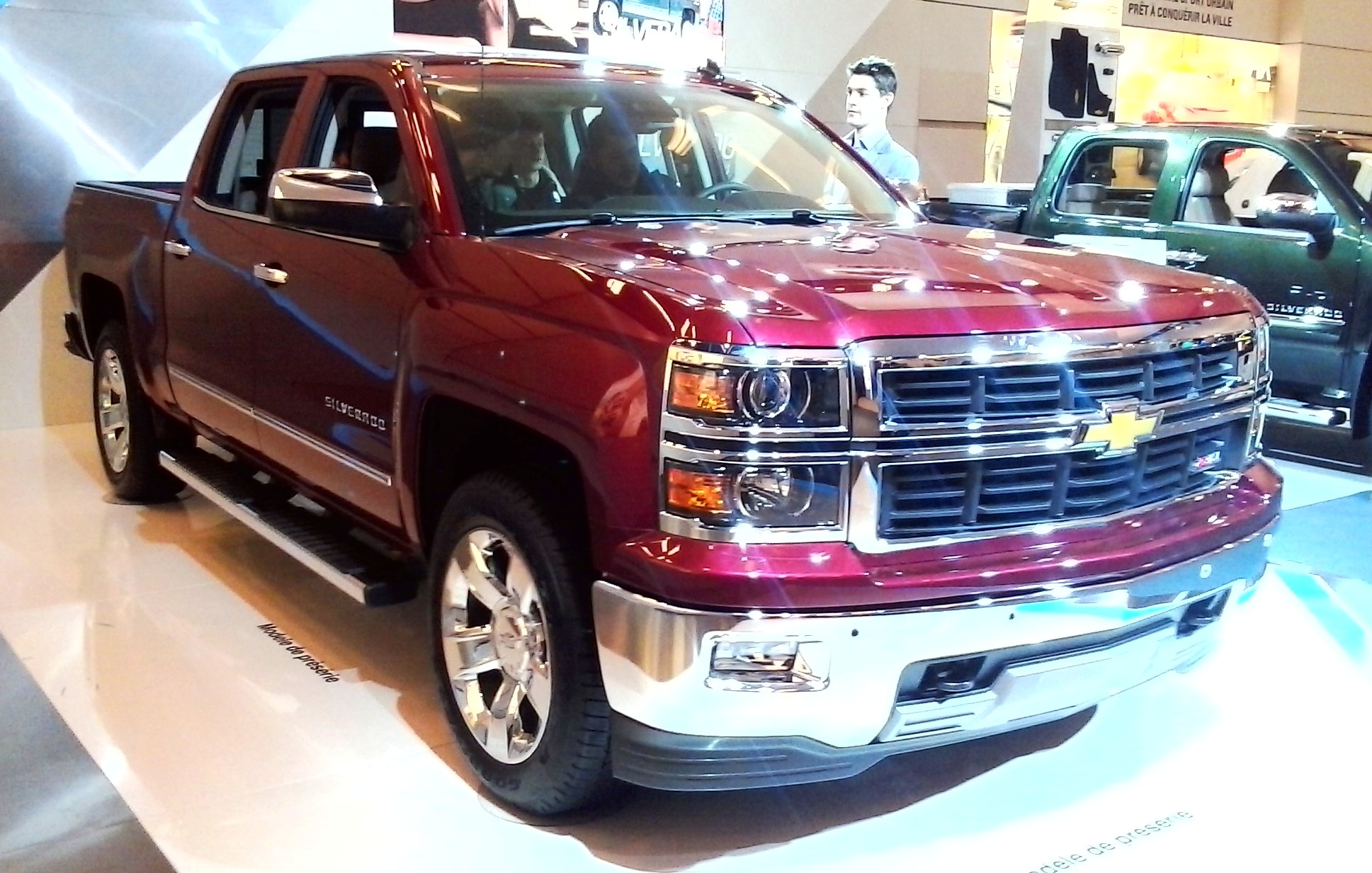
The Chevrolet Tahoe is a large SUV that can carry many passengers and cargo. The 2017 version is known for being powerful and having a lot of space inside.
The valve cover is a part on top of the engine that keeps oil inside and protects the engine parts. It can be taken off to check the engine's condition.
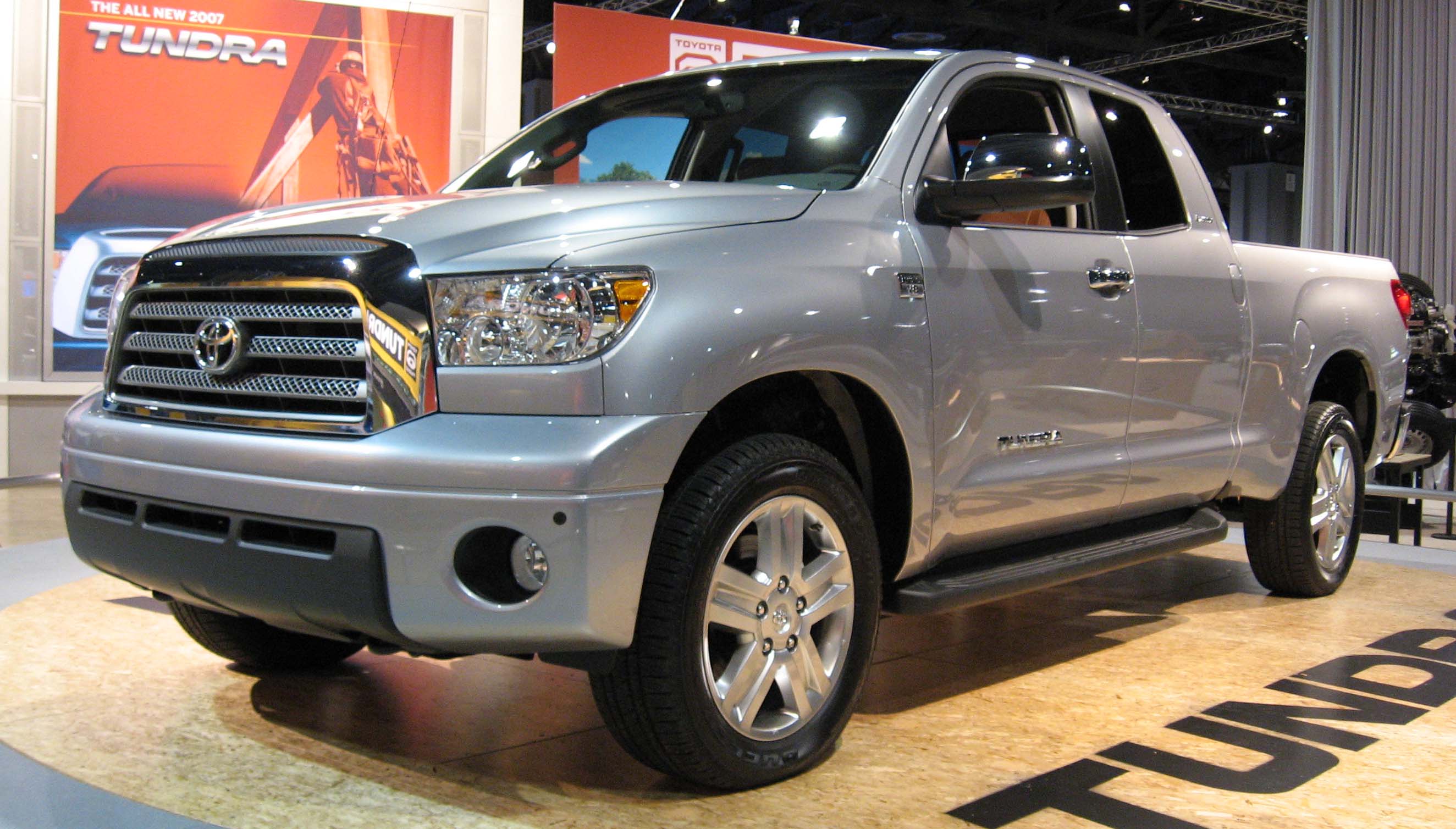
The Toyota Tundra is a big truck that people use for carrying heavy loads or going off-road. It's known for being tough and lasting a long time, which is why many people like to buy it.
A crank sensor helps the engine know how fast the crankshaft is turning and where it is positioned. This helps the engine run smoothly and efficiently.
The GMC Terrain is a small SUV that is good for families and has a lot of space inside. The 2021 version has new technology to keep you safe and entertained while driving.
A TSB, or Technical Service Bulletin, is a notice from car makers to help repair shops fix problems with cars. It tells them what issues to look for and how to fix them properly.
Vortec engines are a type of engine made by General Motors that are designed to run more efficiently and powerfully, often used in larger vehicles like trucks.
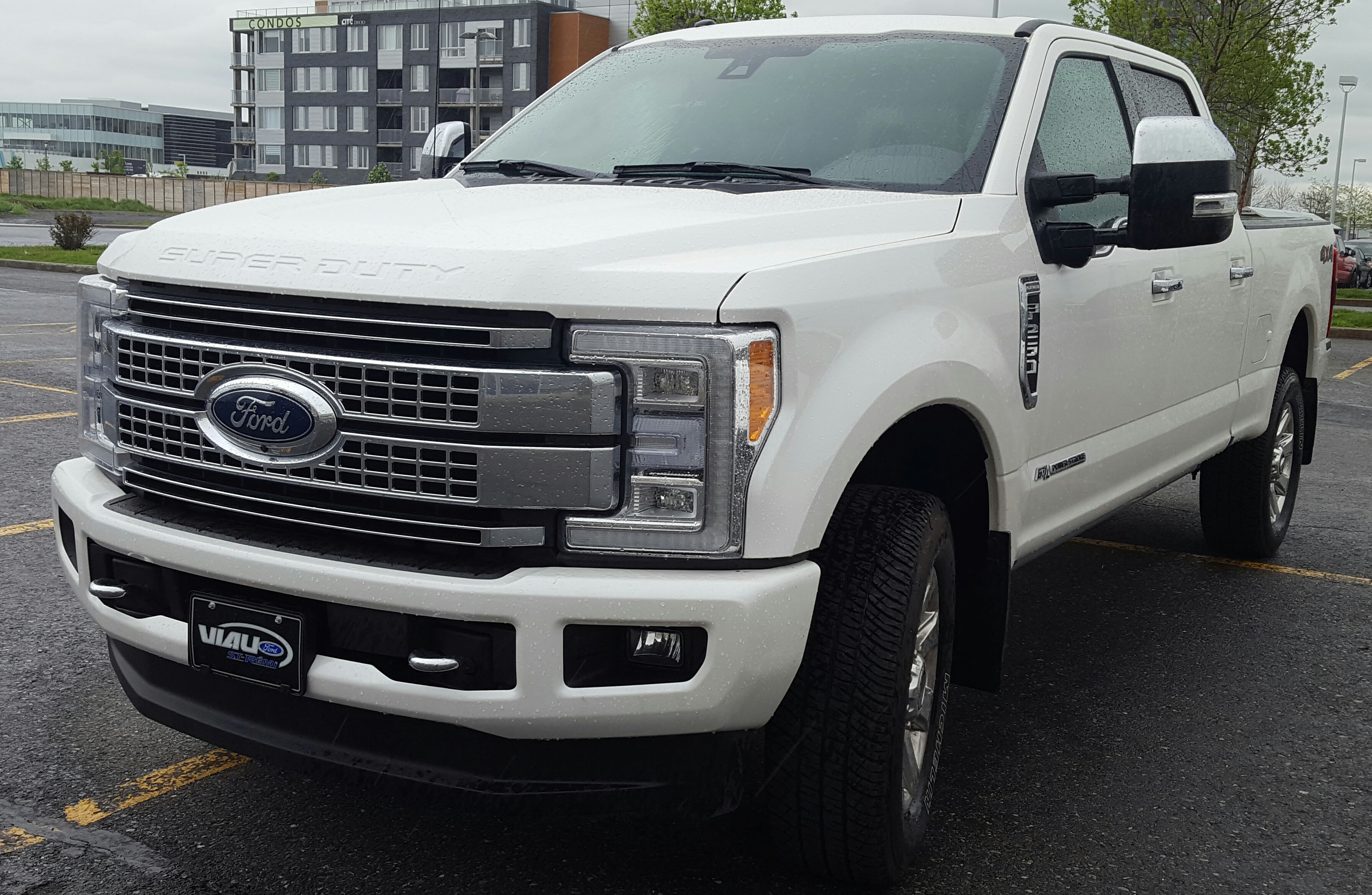
The Ford F-250 is a strong pickup truck that can carry heavy loads and tow trailers. It's great for people who need a reliable vehicle for work or outdoor activities.
A barn find is a car that someone has kept hidden away for years, usually in a barn. People often get excited about these finds because they can be rare and worth a lot if restored.
Lindy's is a business that works on car heating and cooling systems, like air conditioning. They help fix and maintain these systems to keep cars comfortable.
R134 is a chemical used in car air conditioning systems to keep the air cool. It's being replaced by newer types because it's better for the environment.
R1234 is a newer type of refrigerant used in car air conditioning that is better for the environment than older types. It's part of a shift to reduce harmful effects on the planet.
The AC system is what keeps the inside of your car cool. It works by blowing cold air into the cabin, which is especially nice during summer.
LIVE
Never run from a job, always run to the job. Hey, it's Jeff. Every shop says they're the best
and sure. Most have good Google reviews, but Promotive cuts through the marketing fluff and
partners with shops serious about investing in their team. You need a tool allowance,
more training, better paid time off, career advancement, or let's be real, we want more pay.
Promotives got your back. Schedule your career consultation with their recruiting team today,
just like so many of the other Jada mechanic listeners have already done. Whether they have
a role for you right away with a vetted shop or one was on your horizon, Promotive will help you
find your ideal fit because your career and your family deserve nothing less. Visit gopromotive.com
backslash Jeff or better yet, hit up the link in the podcast show notes below and thanks to Promotive
for the sponsorship of the Jada mechanic podcast. They took their truck in for a recall while it was
there. The dealer said, Hey, you know, you do for breaks and him not being a car guy, he just said,
yeah, whatever, do my breaks. So he gets it done. Now mind you, this is a 2019 half ton Silverado.
Pads and rotors front and rear $2,900 blown away.
Welcome back, ladies and gentlemen to another exciting episode of the Jada mechanic podcast.
Still here in beautiful, beautiful Raleigh, North Carolina at the ASTX 2025 Expo. It's
a little bit later at night. Some people had a couple drinks and we're sitting here and we're
going to record an episode. So, uh, you obviously can see that we're back here with check engine
junk. And actually this year, I did not have a couple drinks before the podcast. So that's a big
plus. We'll compare. Yeah. And then another new friend of mine, Brian Goche. How's it going? Good.
Yeah. Well, I say Goche in the Canadian way, but how do you pronounce your name? Gauthier.
Gauthier. Yeah. But in Canada. Oh, yeah, I know. Goche. That's a common last name there. Yeah,
a lot more than you think. Really? Yeah, for sure. So, but it's cool. Nonetheless,
no Canadians in your, in your family? Sort of. Sort of. Yeah. Okay. Right on. Got you. Yeah.
Cool. So, and this is your first time here. Absolutely. Yeah. And, and we have Chuck to
thank for that. Beyond grateful. Yes. Of kind of convincing you to go and then helping you out
get here. Chuck's been, I got to say, you have been the most fundamental this year for getting
people attendance at this, at the show. And I'll take the second right now to thank you for that,
because that's been pretty cool. And it's, again, I talk all the time about triple effect and ripples
that we do in this industry. And dude, you made a huge splash last year, right? Just by me.
Convincing me. Twisting your arm and say like, Hey, are you going to fucking go or not? Right.
So then he gets there and he's like, I saw it in Chuck's eyes. He was just, he was walking around
completely eyes like popped out of his head blown about how cool that was for to change his life.
And I mean, that's all we've wanted to do both of us now since is be able to share it with so many
people. So I'm glad to have you guys here. What do you think? It's an experience. Yeah, it truly is.
I've never been to anything remotely like this. Right. The closest thing I've ever experienced
is O'Reilly's would put on small classes. And I always found those to be far above my skill level.
Right. And the instructors there would would speak so far above me that I went there for the food
at that point. No, to touch on the skill level here, because I think I think you a little you
undersell yourself. And I think Chuck has said that, you know, you're picking stuff up, but
you're pretty new to this. Well, yes and no. Okay. So I've been in the mechanic industry for
over 20, 21 years. Wow. I've been at the current shot for going on 13. So I've been involved in
automotive industry most of my life. Right. Everything from tire swaps to starting out
and brakes and suspension and the usual stuff. Yeah. Unfortunately, for me, I fell into a shop
that needed my help more as a warm body that could produce work. Yeah. And that work is brakes,
struts, tires, stuff that when I tell the I tell people all the time and they look at me like
I got two heads, I average 10 to 12 cars a day by myself. Yeah, I believe that. And it's,
it's not that every job is big. And I'm super fast at it. It's, you know, I'm doing brakes on a
2019 Camry. And then at the same time, I have a two bay garage, the second bay, I've got tires and
brakes on a Silverado. And then just as soon as one's done, I'm pulling another one, you know,
I'm doing five or six before lunch, I'm taking lunch, Snapchat and him, and then right back at it.
Yeah. But throughout the years, it hasn't been an issue. And honestly, it didn't become something
that was relevant to me until TikTok. Right. COVID hit, we all, there we go. I get it. We all jumped
on TikTok and started making videos and meeting people. And, you know, I started realizing that
being in a small town of 5,000 people, and being in a shop that's considered highly respected,
right, doesn't mean we're the best there is. Yeah. The amount of stuff we would do and then turn
around and we would pull something in and it's got canned network codes. And I didn't know anything.
And I said to my boss, I said, what do we do about this? Oh, send it to the dealer. Right. And I,
okay, that's what we do. The backup for a minute, where's, where are you located?
Green, Maine. Green, Maine. You told me Maine before. Yeah. But I was trying to think where in
Maine. Right on. Right, Central Maine. Beautiful, beautiful state. Yeah, most of the time.
Little Canadian likes. Go as high north as you can. It's beautiful. Yeah. So, but... So you had
spent the bulk of your career then never really getting exposed to too much kind of
dyag work, like any kind of troubleshooting. It was just somebody, somebody would, you would
look at it and inspect it and be able to tell what part it needed. Yeah. Broken spring, you know,
leaky shock, that kind of stuff. Swap that out, brakes, tires, all that kind of jazz, you know.
But nobody ever mentored you into how to, how to troubleshoot electrical. If we had anything
electrical related, so we, we install a ton of plows. And then of course that is a more labor
intensive when it comes to the electrical part of it than the actual putting the plow on the truck.
And that's, whenever we get to the electrical part of that, or if we had a customer come in
that had an issue with it, my boss would just take over. Okay. And, and he had installed thousands
of plows, so I just let him do it. Yeah. It became annoying when it's like, well, I'd like to do this
too. And it, it wasn't going anywhere. Every time we got into something where I was like, oh, you
know, maybe I could figure this out. You know, after watching several videos, I mean, I followed
Rich, Chuck for years, before we even talked. And I would watch most of his videos and I'm like,
he's not a dealer. How come he's not sending it to the dealer? That's right. I think you got on my
radar, because I would get a comment if I didn't have a Diag video by 3pm. He's like, Hey, where's
my 3pm Diag video, dude? I know. Like what's going on here? But I think it's very easy in your,
your location in a rural area to get shoehorned into a hard part specific business, an undercar
specific business, where probably every shop in the area is ascended to the dealer type of shop.
But the beauty, I think that comes out of that. And what you learn at events like this and what
you learn from everyone else's videos, and you actually starting to convince your boss to allow
you to do more before he sends it to the dealer is that it's very easy for someone to become
the premier shop that is the dealer alternative in the area once you get that experience under
your belt. Yeah, because it, you know, Chuck and I have talked before, right? You can only go so far
if you just say, I only do undercar because you're and ship everything else to the dealer or to the
specialty shop. Because here's the reality, right? The dealers forever have kept their undercar prices
where it's competitive even with the aftermarket. They do that intentionally, right? That's why
the break prices go out the door at their lowest margin. The labor is trimmed a lot of time from
what the actual book time labor is on a break job to move it out to get so that because
what they want to be able to do is while the customer is there for say a check engine light
and the inspection gets done, they can still sell a break job, right? Whereas the undercar
specialists that are out there and they do it for $40 less an hour that, you know, then they have to
really compete. They have to really work hard. So I've always felt that the undercar specialty,
right? It's not always, it's a short game, right? You can only go so far in that in your career.
And it limits how much exposure you're going to get because as long as the dealer keep
slashing the prices on the undercar stuff and cars get more and more complex and the
customer takes it there, it's under warranty, whatever, you get less and less of the undercar
work if you run a shop like that. So I've always felt that it's been important to be
the alternative to the dealer or even better than the dealer, right? That's the ultimate goal is to
be able to offer them the same level of expertise and a better level of service.
Even at a higher price and it works, you know, 100%. Chuck's getting paid a lot more now
than what some of the dealers are getting paid to solve a lot of problems because you can do that.
That's what expertise brings. So not to run you down. No, I understand. You know what I mean,
right? No, I'm 50-50 on what you're saying. Yeah. Purely because of the quotes that I see coming
in from my customers where if they do go to the dealer for something or they have a newer vehicle,
they go there for a few years, some of the quotes that they bring back are crazy.
Crazy in terms of the price? I have a customer who, it's a friend of ours,
they took their truck in for a recall while it was there, the dealer said, hey, you know,
you do for brakes. Yeah. And him not being a car guy, actually, I messaged you about this,
he just said, yeah, whatever, do my brakes. So he gets it done and so we're having a conversation
later on and he says, yeah, I got the brakes done. I said, oh, just curious what they get you. Now,
mind you, this is a 2019 half ton Silverado. Yeah. Pads and rotors front and rear. Yeah. $2,900.
Yeah. Blown away. It's a lot, eh? I couldn't believe that. I said, and you paid that? He goes,
yeah, I needed brakes. Like, buddy, we get like, depending on quality apart, you know,
what you want installed, call it 400 and axle. That's 800 bucks. Yeah. And I had done the same
job with the same quality parts. Now, what do you do about the parking brake caliper in the back
on that car, on that truck? Excuse me. Get a scan tool, put it in service mode. So you have the scan
tool as well? Yes. When I joke around, I say we beat two rocks together. It's a joke. Okay.
Beyond that. Most automotive conferences, unfortunately, only focus on one side of the
shop. But Tectonic 2026, presented by Techmetric, is different. It's built for the whole shop.
Owners, advisors, and technicians all have sessions designed for the work they actually do
day to day. It's three days in Houston, packed with workshops, panels, and over a thousand people
from the industry are set to attend. You don't need to be a Techmetric customer to qualify.
Hit up the link in the show notes below and check out Tectonic 2026. Register now while you still
can to get the early bird pricing. It's not a joke. Right. Yeah. Some of the stuff that,
when I started really talking with Chuck, he said, we'll just pull up the wiring diagram. And I said,
cool, hang on, I'll Google that. And he said, excuse me, what? Yeah. And he goes, you don't have
wiring diagram. He says, no, should we? He goes, how do you fix stuff? So right then and there,
not to try and, and but this is how we have conversation is part of that $2,900 break job
that they charge your customer versus you quoting it out at 800 or even a thousand, right? Almost
call it one third. Let's just do round numbers, three grand and 1000. Part of that extra 2000
bucks covers the service information package that the dealership is forced to have. So you see what
I mean? So it's not like we, for years in this industry, we always used to try and be cheap,
cheap, cheap and undercut, undercut, undercut. But it was always like the first, Chuck's heard
me talk about it. The first shop I ever worked in, they didn't have a service information system.
They had a bunch of old CDs from all that or something. And they were like, back then the car
could be five years different. And for the most part, it was still the wiring harness was the same.
And it was the same engine in the same sensors, right? Now everything is changing every five
weeks, hypothetically. So you can't operate without one for the most part, right? And we're
talking dude before there was Google, right? So what my boss would have to do is call up
to the shop owner up the street that had one and say, hey, fax me, you ever seen a fax machine?
Oh yeah. Fax me, fax me pages off. I'm a little older than you, than I look. Okay. Well, I don't
know. Almost 37. There you go. So you see fax machines? Yeah. Oh yeah. Yeah. And he would fax
the pages down and then he would walk out and hand it to the technician. Now we undercut that shop
up the street door rate by $20. Why do you think we could? Because we didn't pay for that, right?
So that's something always when we're when we're comparing, we compare job to job,
which is okay to compare job to job. But when we compare job to job, we have to remember that
sometimes the reason they have to charge more is because they're they're equipped differently.
I don't want to say better, but equipped differently. Yeah. So that's when we when we
the technicians are always talking, you see it in all the groups all the time.
Oh my God, you're ripping that person off charging that much. Well, you don't know
their overhead and you don't know they're like it's the same thing. It's just you and your boss
at your shop, right? Correct. So that dealership has a 20 times the payroll just in non flat rate
people. So 20 times the payroll of people collecting the salary, it makes their door rate necessary
to be $160 an hour, right? Whereas your your boss's door rate is 95. So there's the differences
right there, right? So you're not wrong to say to your your friend, we could have. But my point
to you, Brian, is that your boss is only short changing himself. He's doing good by his customers,
but he's only short changing himself, which in turn, short changes you. Yes, I was going to
say, I think the only one getting short changed right now is me. Well, you know what I mean?
You collectively, your team, his team, which is just the two of you, he is. And again, that's
that's a fear based thing. It really is, you know, it's and it's talking. Chuck and I talked about
you and I, some of the earliest conversations you and I had, Chuck, was about value of what
you're actually giving to your customer. Because I would, Chuck and I were talking and I'm like,
dude, you're underselling yourself. You need to charge more. You're one hell of a talented guy.
You can charge. I probably told him you charge as much as you want and you'll be good. And it's
just a fear thing, right? It just has to come with with that. So please don't take it as I'm
running it down. No, no, no, I understand. Yeah. But the $800 break job is like in the circles
that I run in the industry, we kind of just like, we don't laugh about it. We just shake our head
because there's so much left that you're not getting exposure to. You're not getting a service
information program. The only training you're getting is at O'Reilly's after night that's free.
You know, you're not getting, they're not collecting money to provide the service information for one.
Yeah. What happens when you're charging $800 to $900 on a four-wheel break job
on let's say 19 Equinox and you didn't have the service information to read before because why
would I read it? It's a break job. That's right. And then you nuke the ABS module because you
didn't read the service information that tells you, I need to take off the reservoir cap before
I compress these calipers. And then you hope and pray that someone like me can come and reprogram
it and I may or may not be able to. That's not up to me, not up to my tooling. That's up to how
hurt the module got when those pressure values got changed. Because I know some sharp guys,
just like him, that some they've been able to recover and some they haven't. So the first time
that you drop that error onto a customer's car and you do the right thing and take care of it
because you should be, right? All of that money that you spent, that would have bought your subscription
for the year. Right. And you've got to do four more of those break jobs to pay for that EBCM,
the programming, maybe a rental car for the time that they're down. You're in main,
how available is a part like that? Plus, the other thing that we can't scale is what does it do
your reputation then when that customer takes that car out of there and goes, man, I was without
my car for five weeks. They didn't charge me anymore in a break job, excuse me, but they had
my car five weeks because of this break job. And of course, they don't understand that like,
if you try to tell a customer that you can kill a module now by doing a break job, nobody even
leaves you. Right. But we in the industry know what's happening. The pressure is going back.
It's a dumb design, 100%. It's not obviously the engineer that well, if when you push fluid back
up into the master cylinder, it corrupts a signal. Right. That's stupid. And then in the eyes of the
customer that spent the $2,900 and had no problem doing that at the dealer, if their break job was
$900 and this was the result of this, they might in their own head, if they had all the facts go,
I would have paid two grand to avoid this, two grand extra. And I'll guarantee they will tell you,
there's no way I'm ever paying a $900 break job again. Yep. I'll bring it to the dealer forever
now. Yeah. So not trying to, we're not here. No, I'm absorbing. Yeah. You know what I mean?
So like, tell me then, what's your kind of goal for you? Because we'll go back to the
conversation of you feel like a lot of this was out of your reach, some of the things that you
were watching or not out of your reach, but you're definitely behind. Is that fair to say?
Absolutely. Okay. So what's the goal for you immediate goal? Like say when you come home from
this and then say next, any year's time, what do you hope to be better at?
Uh, I mean, the generic response would be electrical dyke. Right. If I can get into just
understanding more of what I'm looking at and being able to take this information and say,
oh, okay, this isn't Chinese to me anymore. I can understand this or I can enough where
I'm not calling him every day saying, Hey, man, I got this code. Like, what do I do with this?
Right. You know, I, you pull up all these different codes and now understanding, I was in a class
today that was talking about what do you do if you scan a car and it pulls up 14 codes?
You know, you're only looking for one problem, but how do you select which problem this is?
Yeah. So that's, I want to be able to be more confident with that. Can I tell you what my
goal is for you when you go back? So, and again, not to me doing what I'm about to say is nothing
but to help you. I really, I don't care about your boss. Why would I care about your boss?
Um, you now have service information. Where did that come from? You. I gave him an
Identifix login, one of my logins. Okay. So my goal would be that this experience gives him
the confidence to go back and explain to his boss. This is why we need service information.
And the only reason that we've been getting by for the short period of time and that I've been
reading service information so we don't run into a master cap situation is because I have it.
And I don't have it forever. This is something you need to pay for. Yeah. And if that means you
need to increase your prices on the break jobs, sorry, I think you need to increase the prices
on the break job. 100% because when you talk about the amount of cards that you're pushing through
for a day every day, there's enough money coming in there to cover the cost of the service.
Oh, absolutely. Right. We're not talking going out and having to get three or four
service information providers like Chuck might have or lots of other shops. I know
they might have three different OEs, they might have Identifix, they might have ProDemand,
they might have Motor, they might have all that. I know shops that run with
four that are just aftermarket ones and then two that are just like OE. So it costs a ton of money
every month for them. That's why their break job sometimes is 2900 bucks. Now,
and here's what I hope for you with this login that when you get a car and it's got a check
engine light on, I want you to be able to just slow down, take the time, look at it and actually
start to read the service information and start to understand the systems. You may still need to
reach out to him and go, okay, so this is what I know now about the system. Where would you go?
And he's going to tell you, he's going to help you. Right. But what I want to see happen is that
your boss begins to see that like, wow, Brian can actually fix some cars, not just hang parts.
And then maybe your boss sees the business potential that is there.
It'll be tough. And the reason being is he just hit 60. When most people have a full plate,
he has three. He's doing stuff with the town, he's running a business, he's got rentals,
he's got the fire department. He's a very busy gentleman. When his eyes open, he's working.
One of the things I do admire about him, he is constantly doing something.
But I think he shined in the 90s when GM, when he did more GM stuff, rebuilt motors,
rebuilt those systems, TBI, getting out of the carbureted system, getting into vortex systems.
That stuff, people made phone calls to him because he knew. And as we got into the LS world,
he knows a fair amount. But so a very big job that is potential at the shop right now. And
this discussion is the point where if you understood how much I hope we get this job,
how much. So I got ahold of Chuck the other day, right before I was leaving for ASTA,
we had a 17 Tahoe come in with a collapsed lifter. And so it comes in and my boss immediately says,
I listened to it, it needs a motor. I said, well, I want to go listen to it. So I go out and I fire
it up and I listen to it and I put the scan tool on it and okay, yep, this cylinder, all right.
I'm going to pull a valve cover. He's gone to lunch, he's gone to do something. I can pull this
valve cover in like three minutes and I can see what's really going on here. And the valve cover
comes off. I find the lifters collapsed. I can see the rocker moving and I'm like, all right, cool.
I've now diagnosed that. I know what the problem is. So I've never rebuilt one of those. I've never
done this kind of job. So but I'm like, geez, you know, I've rebuilt Chevy 350s in the past. It's
not exactly the same, but I have an idea. And now I start researching it. I'm reaching out to him
saying, Hey, have you done this before? You know, what are we looking at here? Is this something
that's within my realm? And the discussion turns to, you know, yeah, it could be. So all right,
cool. So then my boss, he comes back, we have a small conversation about it. And the typical
answer is no, we're not getting into that. We don't have the time for that that's going to
tie up the shop. We can't do that. Right. And for the first time in a very, very long time,
he looks at me, he goes, Well, build a quote, see what you think. All right. Okay, we could do that.
So now I actually have to do in more research and pull up a quote and see what it's going to cost
and whatnot. Again, reaching out to him because there's programming involved, and it's, you know,
deleting it or whatever. So I'm like, All right, cool. So go back with my information and say, Hey,
you know, I think this is possible. Is it going to take me a little longer than someone who's
does it every day? Absolutely. For sure. But if I never do it, I'm never going to know how.
Right. So I said, Hey, this is what we can do it for. And the only downfall was he was like,
Yeah, well, I'll tell him like two or three grand over that just in case. I'm like, Why? Like,
in my opinion, if he goes for that, that's fine. I don't have a problem with that. That's a good
buffer. I don't have a problem. And if you lose the job because of it, it sucks that you won't get
to do it. But my goal with you being able to go back with the service information thing,
isn't just the service information. It's the perspective. And it doesn't have to be his perspective
because he didn't come to this event, obviously. But we can, we could feel the aura of other people's
perspective. And I think that your perspective will be changed by the time you get back. And you
want to do this job, obviously. And I think that that might have a defining effect on,
especially if he's got all of these things going on, that maybe you're coming back with a different
perspective that allows him to see how it might be a little more fit to start giving you the reins
on things that he normally wouldn't have given you the reins on things for the sheer fact that he
seems to be going in that direction just before you came here. I think it's going to be like a
snowball. And if you do get an opportunity to do a job like that, I think your boss very quickly,
because I think he likes the color of money, will realize we need to do a little bit more and a
little bit more and a little bit more over the years. What I've come to understand without being
directly told is that we wouldn't take on anything that he couldn't bail us out of. Right. So we
wouldn't get into rebuilds or bigger, you know, electrical stuff. Because once you take it apart,
if you can't put it back together, now you look, you got the egg on your face. Yeah. And if he can't
get us out of that. So that's what it's been. What's his level? Like, when you say you guys have
got a scan tool, if he hooks a scan tool up and looks at data, does he actually know what he's
looking at? Probably the majority of it, I would say. All right. And he can wire a plow. Yeah. So
could he wire, let's not get into can diagnostics and that working stuff like that. I would say
once you hit can, that's probably the end of what he can do. Right. I mean, as far as finding
shorts, a broken wire, understanding why the tail light doesn't light up, he can do all that.
Yeah. But Brian, who found the last two broken wires on the tundra? Oh, yeah. On the, what was
it, a Silverado evap thing or the evap thing was the tundra? The tundra was a whole bunch of issues.
What was the two broken wires in the back of a truck?
One of them was tundra and that was for the fuel pump driver module. Okay, correct. And then the
other one, it might have been a Silverado with an evap issue. I think that's what it was. No.
Who found those? Yeah, I did, finally. So before we continue to give you a little bit of a back
story to it, when Chuck really started helping me out, we had the joke going. How long before
you're sending it to the dealer? And my boss, we do towing as well, 24-hour towing. So he would go
off on a tow call and I would reach out to him and I'm like, hey, man, this is what I got.
This is what I'm dealing with. And he's like, okay, how long do we got? Give me five minutes.
Let me pull over on the side of the road. I'm going to call you on Snapchat real quick. I'm
going to pull open diagrams. Let's get through this. And he would just start unloading stuff.
And he helped me immensely. The amount of gratitude I have doesn't fit in this room.
Right. But I started feeling like I was bothering him. Even though he'd say, no,
no, you're not bothering me. He's trying to run a business. He's trying to have family time.
And the most annoying part to it is I'm like, hey, man, I need help with this. And he's like,
yeah, all right, I'll make the time. So by the time he does have a moment and he sends me this
information, an hour later, he's like, how far did you get? I'm like, it's gone. We had to move on.
So we never got to complete this task. And now I wasted his time, in a sense.
It's not a waste of my time. If it was a waste of my time, I wouldn't answer the call.
I wouldn't try to reach back out to you. And this goes for anybody. It's not like,
you're not that attractive. I like to help in the ways that I can help because I've had
immense help from other people that have helped me without asking anything for it.
And I wouldn't be where I am if I didn't have that help. No, don't get me wrong. I mean,
I would say 99% of myself is self-taught. But if we think about the 100-hour tundra,
my literal hardest diag, I might have figured it out. But who created the math channel?
Who knew how to do the math channel? It was Ryan. And he would create a better math channel than I
did. And he said, there's some anomalies here. And then at that point, I noticed we have an
aftermarket crank sensor. It was an aftermarket crank sensor. Not the math. No, not the math.
I don't know where you got the math from. No, maybe because before I looked at this truck,
they put a factory math on it. That was the only factory part that was on this thing.
And that was the only part that the used car lot I was doing this for,
that was the only part that they put on it. This thing got passed around to a couple Toyota
dealers before it got to them. An independent shop, obviously, with the aftermarket throttle body.
But what a wild ride. And what I said in my last video on it when I finally figured it out was
if I thought more like a dealer tech. And I just looked for, okay, I see aftermarket parts,
we're going to replace everything aftermarket. I probably would have looked at that crank sensor
to make sure it wasn't aftermarket and the truck would have been fixed. But it's one of those
things where if you don't know the history, you can't let the history corrupt you. You just
work the process, start at the beginning. Also, what do you learn from that? You learn nothing
from that. That's right. You learn that Toyotas don't like aftermarket part. You don't learn the
anomaly that caused the issue. You fix the truck, but you're not understanding what fixed the truck.
Correct. Yeah. Or why the truck was broken. Correct. And I'll say this about Chuck. I don't
know too many more people that are more giving of their time than him in this industry. And I really
big. But I've never seen somebody that I constantly is showing me how much time he's
giving of himself to other people. And I think that's really cool. So he doesn't mind. He's
frustrated, I think, when the truck goes away because you start to do something. That's just
a technician nature. Shit. I've had thousands of vehicles that I did a Diagon and the customer
decided to take it out there. Those cars drive me nuts. They drive me nuts almost as much as the
ones that I couldn't fix because I wanted to know. How would I have resolved it? What I've been
right? What I've been wrong? That's the crap that we'll eat at you. So Chuck's bothered by the fact
that the truck left, but he's not bothered by you asking. So ask away. We want to see growth
in this industry. I want to see growth anyway. And you're just an example of that. It's not a
situation of we think there's potential in you. That's why people are pouring into you,
as I like to say. It's a good thing. It really is. Like I said, the amount of gratitude I have
because throughout the years being in a small town, being in an area that no one's ever heard of,
not to say that we are in a decent shop and that we can't get it done. But at the same time,
knowledge has not been accessible. I don't make a lot of money. Everyone says, well,
it doesn't cost for training. It pays. And I understand. But when you have to decide of,
oh, I have to pay my bills this month, or I'm going to do some training, that's what it turns
into. And that's what I've been battling. When you're in that position, it's so hard to, when I
call someone, only to be told, well, yeah, you know, this isn't free. Knowledge isn't free.
Okay, well, you're clearly not someone I can reach out to anymore. And not because I don't have
respect for you, but I can't afford your time. And I can't be picking up the phone and saying,
all right, man, here's my credit card number. I got a question. For every one of me that is
willing to help people for free, you're going to find one of them. I thought one of the coolest
things about Stekler's class was that at the end of the class, he said, listen, I want you all to
take down my phone number. And if you have a problem, I want you to call me. And if I have
the time, I'm going to help you. And I don't expect you to pay for it at all. And to know that there's
other people that are like that is very uplifting. Because for Brian right now, I feel like his ceiling
is much lower than he wants it to be. And I think that he's going to go back with a lot of the tools
that helps him explain how he can raise that ceiling with his boss together.
Yeah. And that's the thing. And you have to think about it like this. Like I have to be,
because I've been guilty of it myself, is that if I've ever tried to say to somebody or deny them,
I'm not helping you because it's not for free. It's not even necessarily so much for the technician
that's asking the question. But I want your manager owner to do better. Right? Now that seems
a funny way to put it, because it seems like I'm punishing you for who you work for. But the only
way change happens sometimes is when you then go to them and say, the guy that I've always been asking,
because you won't do this, he's tired of being asked. And now he needs something in return,
or he just gave up on me. Because then it's like, you want them to go,
what's the final straw before I finally break down and buy a service information system?
You know? So that's why I want you to always, you know, don't look at that person immediately,
stops helping you or wants something in return as being greedy or gatekeeping, because they are
gatekeeping. But there's something to be said in this industry for why when people gatekeep,
sometimes it's to protect the industry. And it's protect to help the industry evolve.
Right? Like I am a big believer that you only should try and continue to reach down and help
somebody up who is only going to go plot back down again, because they don't want to take that
next step to just not fall down so much. You want to help someone who's willing to help themselves.
Yes. Absolutely. Right? So when we see that, it's not, I don't think it's gatekeeping. I'm very
upfront. I think it's doing what's right for the industry. And the unfortunate thing is sometimes
what's right for the industry is people just not being in it or getting out of it. You're
going to see that it's going to change. Chuck and I have talked about this. It's going to change an
industry where you're going to see a lot less shops. Brian Pollock already seeing it. Yeah,
I talked right now like the 2024s and 2025s and three more years when they hit some of the shops
that have service information but don't have OE service information, you're not going to be able
to get fixed. Brian talked about a 21 GMC terrain he had with a battery drain and what it ended up
doing to the car. Brian is one of those, it's not one of, he's the smartest guy I know. And it was
four hours from him from the time he looked at the car until it finally could get it again because
the battery drain on that particular thing corrupts the BCM. And then you have to re-unbrick
essentially the BCM. And the BCM file that you need is listed in a TSB that's not in the
aftermarket service information. It's only in the OE. So it took Brian four hours of finding
digging through information. Yeah, and then recovering a body control module all that bricked
because the rear wiper motor seized up, drained the battery down, and then guess what?
Lost corruption for the keys wouldn't start, it was a complete no go, right? That's not,
the OEs are doing this and they know what happens and they're completely fine with the fact that
the only people that have access to that information are their own people. They don't care about us
and our ability to fix their car. So as long as they keep giving the access to the information,
we can be on an equal playing field if we so choose to invest in ourselves.
But if we just say, I don't need that, well, there's going to be even a lot more cars that
are going to come in that we can't do. Because think about it, you tell your customer up and
it's like, I went out there and I put a new battery in it and now you've got a theft problem.
That happens, but it's happening more and more every day, but it used to never happen.
But we would see little things once in a while happen, it's like, you know,
people have been talking about what's coming, people have been talking about what's coming
for the last 10 years. And now it's, it ain't coming, it's fucking here. And we're, we're,
we're trying to see more people actually pull them up and go, you got to do something.
I feel like every 10, 15 years this happens, in a sense, because you look at the guys from,
call it way back, that dealt with points, right? Points was the system and that's what everybody
knew. And then you moved on and carburetors turning into TBI or points turning into HEI.
And that was, oh, geez, that's the dealer's trying to take over. We're never going to be able to
work on this. And then the group of people that adjusted to being able to work on a carburetor
and being able to work on regular distributors. And then we moved on to Vortec engines. And then
you get into that stuff. And now, oh, this is a fuel injection. We can't work on fuel. There's
too many wires as a computer now. We're never going to be able to fix this. And it just progresses.
And, and it truly turns into, as you've said, investing, whether it's in knowledge or tooling.
Yeah. So both. Yeah, both, definitely. I think the big thing back then, though, was what you needed
to have back then was a fundamental understanding of the new technology that was coming out.
Now we're verging in the last, I don't know, five to seven years into where it's becoming a struggle
to get access to the tooling or information needed to get that job done. So we're going beyond
just a fundamental understanding. We're going to a point where things that were originally just a
password, or if your battery died and you had an old GM, you would just have to make sure the
battery stayed good enough for 10 or, I mean, three, 10 minute cycles of the key. And, you know,
now a couple years ago, we were able to figure out key stuff with tools that would do algorithmic
based decisions. And now we're at a point where we don't have a choice but to connect to the OE
in order to get the seed information or the key information from the seed from the vehicle.
Yeah. And if you don't pay to play, you're going to fall behind. Yeah, there's right now,
which is rare. Yeah, ever in this industry, I think chocolate agree, never in our industry before
has there been so many people capable of fixing but didn't have access to what they needed to do
the fix. And that's like before we used to talk about a lot of people just weren't capable. I've
watched the capability come up with the average technician in the last 20 years since I've been
like it's crazy good how so many people are. Ryan Mullins has talked about like
crazy, crazy, great example, you know, how fast somebody can pick this stuff up if they
really invested in themselves. I mean, that's one thing Jim said too in both classes,
Cacones, if you take 20 minutes of extra time every single day to sit down after you've done
everything you need to do is 20 minutes of free time instead of scrolling on your phone that you
read information about the subject that you want to learn about. After three or four years,
I think he said you'll be in the top four or five percent of that particular
industry. And Ryan is a prime example of that because he went from being a being a parts guy
thinking that that would translate to a mechanic. I hope he could get him on here, man. Yeah,
translating that that would translate to a mechanic. Five years ago, realizing he stepped in
a big pile of shit that he had no experience for to now like I used to go on his lives to help him.
He doesn't need my help anymore. He doesn't need my help. He has a crazy understanding right now
of everything that's going on and it's cool as hell because it's not 10 year old cars.
It's like three and five year old cars and he's like right there. He's just so nonchalant about
it. You know, this is the middle of the night. You can tell he's had a bunch of energy drinks.
He's like, okay, here we go. And it's so he it's so refreshing because like I look at Ryan
tackle the car and it's like watching a kid with a new toy every time. You know what I mean?
Like he is just so enamored with the way the way form and what he's doing. It's so cool to watch.
Like it is so it's very motivating to watch. It gives me hope for this industry. That's what's
cool. And that's why I have hope for you because I want to see I don't want to see somebody with
potential work in a $95 an hour shop that won't buy service information. I don't want to see it
for my industry. You know, I'm not running down your boss. I don't mean it to sound like that.
But I've also you shared you jokes. Sometimes Snapchat's like, I've eaten a lot of peanut
butter in the last, you know, and I want to see better for you. You know what I mean? I'm not,
I'm not asking you like, what's your home situation like? Are you starving? I don't think you are.
No, but I eat just fine. Yeah. But you know what I mean? But I mean, I like you to have.
So ASTA wasn't something I was pre budgeted for.
Talk about making split decisions on a moment's notice.
I get a text from Chuck and he said, I got to talk to you. And I'm thinking, oh, man,
what did I do now? I'm like, I just sent him beef jerky. I just sent him a whole bunch of,
what did I do? I pissed him off. And I'm like, I'm panicking. And then so a few minutes goes by
phone rings. He's like, Hey, man, I got a question for you. And I'm like, yeah, what's up?
And he's like, Hey, do you want to go to ASTA? And I said,
first off, what's ASTA? Like, I don't, I don't know what this is. And he explains it. And I'm
like, wow, it's really like, I'm interested in that. He goes, do you want to go? And I'm like,
that's not really in my budget. And he goes, I didn't ask you that. I asked if you want to go.
And I said, okay, well, I, you know, I kind of have to think about this. And he's like, no,
no, no, I need an answer. I went, Oh, I go, do I have like five minutes? He goes, yeah,
call me back in five minutes. I need to know. Okay. So I'm already like, I'm going to make this
happen. Right. But I got to talk to the better half, make sure she's good with it. I get us,
you know, what is this going to cost me to get here? And so we ended up talking to her and she
was, yeah, you need this. Let's, let's make it happen. So I, I called Chuck back and I'm like,
Hey, man, like, I'll figure it out. I'll sell a kidney. I'll be there. Right. And it turned into
like, all right, cool. I'm going. And then it took a few days to like, okay, no, I'm going. I need
to figure this out. So all right, I make a phone call and because just like everywhere else, you
need the real ID to fly. So in the state of Maine, if it can be made difficult, they're going to
times that by 10, because why not? So I call and they say, yeah, you got to make an appointment.
It's okay. When's next available appointment? Now, mind you, this is like two and a half months
prior to ASTA. And they said September 1st. I said, Oh, okay. How long does it take to get
the real ID from there? Two averaging three weeks. I said, okay, that puts me literally hoping it
comes in the mail to get on a plane. Right. This isn't going to work. So now I'm like, all right,
what's it going to cost me to drive here? I don't care about the time it takes me to drive here.
I don't mind driving. Yeah, I like seeing the countryside. It doesn't bother me a bit.
I drive a new enough truck where I'm not too concerned about having an issue with it.
Right. Not to say I didn't prepare. But I said, all right, I tallied it up and I said,
okay, it's going to cost me $100 more to drive down than it is fly.
I'll have my vehicle. I can come and go as I want. It is a 15 hour trip.
It wasn't exactly the greatest time. That's a lot of seat time.
Well, and again, it wasn't that. I don't mind that. You set the cruise control at 80.
And when you're in an F-250, everybody moves. That's fine. Not a big deal.
As I was talking to Chuck, the day before I had gotten up at five, I had a record call to go to,
we're a 24 hour towing service. I took care of the tow call. I went to work.
I only had to work, thankfully, roughly about half the day. And I said, great,
I'm getting out a little early. I'll get some time to relax. A couple things,
you know, a couple of honeydew lists, couple things to do, take the ACs out, whatever.
Got to make sure everything's all set for I'm gone. That way she's all good.
And I said, I'm going to go to bed at like eight, nine o'clock. So about nine o'clock,
we let the dogs out to go to the bathroom. They got sprayed by a skunk.
Yeah. So now we're dealing with two dogs who are not exactly excited to get sprayed in the face.
We're not excited this happened. And they're running through the house.
You got to be kidding me. So now we're dealing with this. We're giving the dog baths. We're
trying to handle this. You know, she's telling me to go get rid of the skunk, you know, whatever.
So all right, now it's closer to 11. And I'm finally laying in bed and I'm already wound up.
I'm not ready for sleep. I'm laying there. We get the TV on doing everything. I'm thinking,
I need to fall asleep. I'm leaving at 130. I'm on the road at 130. And it's not going to happen.
To the point where I'm laying there and I'm trying to not touch my phone. I'm trying to not do
anything that's going to wake up my brain. Finally, I'm like, I'm done. Clearly, I'm just not going
to bed. So I reach over, I grab my phone. It's 126. All right, let's go. Got up through the rest
of the stuff in the truck. She looks at me and says, did you get any sleep? I said, no. She goes,
are you going to be okay to drive? I said, I got full coverage. And I hit the road. And I mean,
I feel like I made good time. I actually, my first stop was in Connecticut. I got my first coffee
from there because nothing in Maine is open before six. So that was a little brutal.
So I got first coffee and then I'm just, I'm motivating down the road and I'm just watching
all these Snapchat's come in. Hey guys, I'm already here. Hey, I'm going to get there soon. Hey, my
flight's delayed. So I was like, all right, cool, whatever. And I ended up getting here. I mean,
everyone was filtering in. I went right up to my room after checking in and everything and
just laid on the bed, stared at the ceiling for like 15 minutes and was like, all right,
I need to eat. So I have to go downstairs. So I threw out a Snapchat to the group and I said,
hey, what are we doing for dinner? Crickets. All right, you know what? I ain't got time for this.
I walked downstairs. I'm eating dinner. All of a sudden he's like, well, we're going to do this.
I'm like, I already got food. He goes, well, fine. Brian's out. I'm like, dude, it's been a day.
So we ended up, they went and did dinner and whatnot. I think I went up to the room for a
little bit and then they were downstairs hanging out. And so I'm going to go join them. I want to
meet everybody and I haven't got to meet anyone here. So we're sitting there and everyone's having
a conversation. They're having a great time. They got drinks going on and he looks at me and goes,
how are you still awake? I'm like, dude, I'm in zombie mode. I don't know. I think it was 10
o'clock. I said, I'm done. I'm out. Knowing that we had class the first day, I just wanted to
be alive. So but it was, it's an experience just to be able to be like, all right, I got a plan.
I got to pay the hotel. I got to pay to make sure, you know, I can travel, eat
and just be here basically that that being said, if we could step back a minute here
and go back to the call me back in five minutes thing, there's two main caveats to that.
One of the only reasons that you're here is because ASTA was nice enough to tell me I could pick
someone of my choice to bring and they would cover their registration. The second caveat to that
is that this motherfucker got on my life and bullied me into signing up for last year.
But the thing that I had in the back of my mind when I told you that you have five minutes to
answer me, you have five minutes to answer me, I could have waited a day, I could have waited two,
I could have waited a week, was that if I didn't pressure you, I was afraid that you might not
come. And if I was able to transport myself back into the body and mind of me a year ago
before I came to this, I would be intensely envious of the person that I am today after
coming here for the first time last year and coming now. And I could tell you that I might
have my own business, but I have to influence my own business the way that you need to influence
your own paycheck. And financially, the me today is a very different me than last year.
And I'm doing nothing different except I changed my perspective and my mindset on how I was doing
things and how I was valuing myself and standing up for the value of myself.
And that's, I have to kind of cut in and go, and I haven't really said it to you in a, I mean,
I think you know, but I'm very proud because I've seen the growth in you in the last year.
And I always, I've respected you from the moment I saw you, I respect people, you know,
real knows real, I respect people that I can see are putting effort in are at the level that you
already were. And it's not that you overnight became an even better technician, but it's just you,
I saw a switch in you where you're like, man, I'm worth it. And I'm going to start charging for
this. It's all the perspective. And it's, and it's, it's not me trying to corrupt. Everybody
looks at me sometimes when these, when they hear me rant, and it's like, you're trying to corrupt
people. I'm not, but I know how close all of us are to really feeling like I am good than I am
better than a lot of people. And it just, it's a, it's a mental thing. And all it is is value.
I, I am good because my boss couldn't fix that truck. And I did. I'm good because
my coworkers couldn't figure that car out. And I did. It's that perception that I'm not the same,
that something makes me different. And it's either it can be effort or it can be ability,
either one, it makes me different. And I'm going to shine with that. And that's all I want to
put onto the other technicians that listen to me all the time is where there's varying levels to
this. I'm never going to be as good as a lot of people I associate with. But man, I have done
some things that make me very proud of who I am in this industry. And all I want to be able to share
is like remind people, I'm not better than you. I just come at it with a different thing that
A, it ain't going to beat me. Right. And B, I also know when to walk away. And that's a tricky thing
to know. Right. And if I'm if it's not going to beat me, and somebody else that beat and I got it,
I'm going to, I'm going to wear that with pride. There's nothing wrong with that arrogance is not
arrogance, arrogance is confidence. Right. It's all in the person that is receiving. That's when
they choose to use one of those two words. We've all seen it. No, that's a really confident person.
They go, that's an arrogant son of a bitch. Right. It's all most of that is you see them as an arrogant
SOB, because you don't feel good about yourself. If you're a confident person, you recognize
another confident person. It's all about perspective, man. Yeah. Yeah. If you had talked to me
a little over two years ago, and you said, where do you see yourself and what are your
goals and whatnot? I would have told you, I'm already there. I've been at a shop a long time.
I have not bouncing around. I know enough to get by. And I'm pretty confident in what I do.
The skills I have, I have mastered and I, it's not a concern. Yeah. And I was good with that.
Yeah. When we started running into issues where like I said, I was reaching out to Chuck in and
you know, watching what he did and saying, well, GC, I've seen that problem. We sent it to the dealer.
You know, how come he's doing it? So then just about two years ago, you know, when you're the
mechanic in the family, yeah, everyone calls you. Yeah. Which is, you know, and I love helping family
and I'll help anyone that deserves that and whatnot. But my, my fiance's mother reaches out
and she has this 91 Cadillac and it's, I already don't want to work on it. Yeah. But it's her baby
and she loves it. And she's, and it's in very, very good shape for a 91 Caddy. It's still a 91
Caddy, but she says the AC doesn't work. And my first thought is I don't, I don't work on AC.
Right. Never have, don't know, can't tell you. And she goes, well, you know, it's a black car or
black interior and like, of course, the fiance's like, well, it's my mother. You know, I'm like,
all right, I'll figure something out. So I go get the car, I bring it down. It's been in the barn
for three, four years. I go bumper to bumper on it. I get it running pristine. I got it all cleaned
out. The brakes are great. The tires are great. It just needs the AC done. We have a shop that's
not far from us. That's what they do. Cooling and heating and HVAC. That's what they do. Right.
And they're amazing at it. So I call and say, Hey guys, you know, Brian at Lindy's, this is
what I got. What can you do? And they said, Oh, that's an old car. It's going to have to be converted
to 134 a. All right, this sounds expensive. Okay, well, not sorry, not to completely cut you up.
You guys don't have an AC machine. You don't have, okay, very, you don't have a set of manifold
gauges. I got an extra set. I'll send you. All right. So go out. No, we don't do AC.
So in in Maine, in Maine, you have to be licensed. You can't touch it with 601.
That makes that's Chinese tomorrow. I'll set you up with your 601 anyway. So in his 601,
is that just to buy the refrigerant? That's just to buy the refrigerant. Right. So he can service
the car technically. Yeah. Yeah. Yeah. Yeah. So in Canada, it's the same kind of thing. I have to
have a machine to evac it. We can't just so you need, well, you can't let it into the atmosphere,
but that doesn't mean you can't look at pressures. Yeah. So you can hook up pressures. And if you
want to go buy a vacuum pump, you can buy a vacuum pump and a back and put it in, put it into something.
Right. Right. That's all within legal. Your legal rights. The six that, and I'm just making assumptions,
but it's probably very exact same in Canada. I only need the license to go buy the dam
refrigerator. Correct. That's it. I can hook up and do whatever I want to the car. And there ain't
nobody walking around going, what did you do with that? Like you're supposed to document everything,
and guys do, but it's the same. The shop I work at right now, Chuck, we don't have a working AC
machine. Really? Really. We have an older, older snap on that has stopped working. I don't know
what's wrong, vacuum pump, who knows, who cares? I don't care. Right. And it's the same thing.
It's an old R134 machine. Right. Well, we don't even see a lot of 134 cars coming in anymore.
Right. In Canada. So it's a one, two, three, four thing. We have never, they never bought a machine.
And now they're like, do we buy a machine? I'm like, I'm not sure what machine you buy now,
because they're talking, they're going to get rid of 1234. And the next refrigerator is going to
flow out. So like you're going to see shops are going to have three fucking machines,
a 134, 1234, or whatever that comes next. Yeah. That's a lot of money for a shop. That goes back
to why is the brake job cost $2,900 or $800? Not to not to keep kicking a dead horse. But you
Yeah. So anyway, I send this car to that shop and they do the conversion on it. And he calls me
and he said, Hey, it's all converted. Everything went well. But the AC doesn't work. And I went,
excuse me, like I'm a little confused here. Like, and he goes, it's all converted. But we can't get
the system to power up. It doesn't work. And you either have to pay us to figure it out or,
you know, and to be honest with you, it's an older car and the technicians here don't really
want to do it. I said, All right, well, what do I owe you now? It was 400 bucks to do what they did.
I thought that was fair. I picked up the car, I bring it back. I start probing around checking
things to the most of my ability. And very quickly, I find out that this was pretty low. Right. So
I reach out to Chuck. And this is the first time I've ever really, you know,
conversation with him. And I'm like, Hey, man, like, I have this problem. And if it would mean the
world to me, if you could help me and I will pay you or whatever you want, like I'm not trying to
get it for free. Right. And he's like, Well, I'm a little busy, but I'll catch up with you. Okay.
So day goes by, he gets a hold of me. And I explain what's going on. And he's like,
sounds like a relay issue. He goes, But we'll check this, we'll check that. He's telling me,
you know, while he's on the road, Hey, check this, let me know what you find, do this, let me know
what you find. So I'm trying to take detailed videos and send them back to him. Like this,
am I doing this right? Is this what you want to see? And he goes, Okay, yeah, yeah. And
he's like, Hmm. Yeah, I don't know, man, like it, it's acting like a relay, but, you know,
I'm not there to check this. Like, all right. I said, Well, at this point, he seems confident.
What's a relay cost? Right. I make a phone call, get a relay sent up.
Hilarious that they didn't have one, but it's it is a 91 caddy.
Pop the relay in and boom, the whole system's working. Everything's fine. I get a hold of
it. Like, dude, it was the relay. Yeah. Like this is unbelievable. And he's like, Yeah,
I knew it. I should have just told you it was. So I'm like, All right. So I call up the radiator
shop. I'm like, Hey, like, not, not for nothing. But just so you guys know, if you're running into
it again, that was a relay. And the guy's like, Are you sure? I'm like, I put one in, it works.
It works perfect. And then, you know, later on, I get, we became better friends where, you know,
he didn't mind if I'd, Hey, what do you think of this? Or, you know, start talking back and forth.
And I think really quickly he felt bad because, well, he saw what I was going through.
And it's just kind of escalated from there. And there's been a few what I call small wins.
And to, I always kind of laugh because to me, like it's a huge win. I figure something out. I
diagnosed this, I found the problem and I repaired it. To him, it was five minutes. Yeah. He already
knew what it was. And he was like, Yeah, you'll figure it out. To me, I'm like, Holy crap, I did
this. It's the best feeling in the world, isn't it? It is. Yeah, that's right. I think we're,
we all get addicted to that, whether it's a dopamine kick or whatever, right? I know, like,
I like my ego stoked. So a challenging car. I know that's the only reason that I love it,
you know, is because it's like, it's replacing something that's missing in our lives, whatever,
like whether, you know, and, and, and it's perfectly cool. It's the best thing in the world.
And I mean, that's why when I know that you get excited about, I know how you feel about it.
That's why people are going to kind of want to continue to help you. Yeah. You know, it's
because of him that I, well, back to that relay, where we were trying to test things and he goes,
do you have, you know, what do you have to test this with them? I don't know, man, like, what's
going to work? He goes, do you got a light bulb? I said, Yeah, I got a light bulb. I go over the
shelf, rip one open. I don't even care. Walk back over and I'm messing with it. And then later on,
he comes out with the the check engine chuck load cage. And I don't think he was like, Yeah,
it's live. And I was like, take my money, send it to him. I said, I don't even know how to use this
yet. I'll take one. Yeah. And it wasn't long after he's like, man, I wish you had a power probe.
And I'm like, I can squeeze that this week. Rich, I have a power probe now. So let me ask you a
question too. Where, where's the load cage home or work at work? It's at work. Yes. Oh, I use
that as often as I can. Phil has seen you use it. Yes. And sorry to drop his name there. That's
okay. When he first got that, do you know what he said to him? What do you need that for? We're
never going to use that here. It's just a light bulb. It's just a light bulb. But to see that he's
been able back to the perspective thing to change his perspective, not yours, your bosses, to now
where has he ever asked to use it? Or he's just seeing you use it? No, he's just seeing me use it.
It's because of his, I don't want to give him an excuse, because of everything on his plate.
When we get a car in that needs that amount of diagnosing, he's usually busy with something
else. He might come take a look depending on what it is. But I'm usually, I'm trying to get in there.
I'm trying to get as far and deep as I can and figure it out before he says, all right, we don't
have time for this. But he's seeing you actively using it at a moment? Yeah. Then his perspective
has already begun to change for the better for you. So he still, I mean, I bought the whole power
probe kit. I mean, it comes with everything other than the brake finder, which I want one. Anyway,
so I will use that literally every chance I can. And not as he's drilled into my head, extremely
careful with it. I'm not just throwing power everywhere I can. But I'd rather use that tool
because I love the audible noise. I can go do something else. I can turn the key. I can do
whatever I want to do. And I can hear it. Yeah, I don't because I'm working alone. I'm bleeding
brakes by myself. Don't ask how. So I'm doing everything I can. So that tool is a second person
to me. So I'm using that tool every chance I get. And he'll come in and he'll do something small
that requires a test light or something. And I'll look over it. I'm like, Hey, man, try that. And
he's like, test light's fine. I'm like, Okay, yes, it is. But you should try this. You should ask him
what the amperage of the test light he's using is. Yeah, that's a fundamental question. There's
there's different ones, right? If you use the wrong one, you can cause some damage. So they say.
Or if you use the wrong one, you're not getting a true result that you maybe look for, like in an
accurate result. You use too small a one where you should be really trying to load. You're not
showing anything still. It's a little bit better than the DVOM, but not much more. You use a tiny
little 194 where we should be using like a 307, right? That's one example, right? Well, even going
to a multi meter, like you're just assessing up until I would say a year ago, never use one.
Other than setting it to voltage and saying is this alternator charging, right? That is the only
thing I've ever used it for. I've never used it for anything else. My first class that I took
here at ASTA really revolved around that and I'm going, Oh, I can use this for a lot more. Yeah.
Which is great. Again, I just haven't had this knowledge. I haven't had. We got to see if we
could get him the PDF from that class. Yeah. I'll work on it. Yeah. The other thing I'm going to
want to do, you're familiar with Scanderdanner?
Vaguely. I've heard the name. So Ryan Mullen credits a lot of Ryan's learning to
Chuck and Scanderdanner. So I'm going to ask you as a favor to me that you just dedicate 20 minutes
a day to go and watch. You don't even have to sign up for his premium membership, but I'll talk to
him about getting you one. I don't think it would be a problem too. And we'll get you set up with
him. And then there's, I don't know, thousands of hours of free videos of his that are on YouTube.
I just ask that you think about like watching one of his every day. Right. And one of his
Eric Oh from South Maine and Ivan from Pine Hollow and just watch their stuff, you know,
that's geared toward. And I guarantee you, young man, you will not have to, if you come back in a
year and you've been watching one of them like every day or for a week, you know, you are going
to be absolutely amazed. And Chuck and I will be bragging about you the way Chuck brags about Ryan,
about the growth that you will make and your ability to solve this stuff. And by then you're
going to be like, I want every problem car that gets towed into my boss's shop. So I already do.
Yeah, it feeds back to like so was it a month ago, two months ago, the Subaru,
Subaru would can network issues. Oh, he had a Subaru with can network issues that he couldn't
duplicate. They were intermittent. So you would drive this car for 15, 20 minutes flawless,
other than it's a Subaru with 197,000 miles. And then out of nowhere, it would not shift out of
park. The gate, all the lights came up, you know, multiple things stopped working. And you might
have that problem for an hour. You might have that problem for three minutes. There was at one
point where I pulled in the yard, all the lights are on, I put it in park and I'm like, all right,
cool, I don't even shut it off, run inside, grab the scan tool, run out, plug it in, turn it on,
look up lights ago. What's going on? And so I'm reaching out to Chuck again saying, like,
this is what I'm running into. And he's like, well, it's it's difficult. You're gonna have trouble,
but you know, figure it out. So all right, well, it was one of our slower days, a rarity, but it
worked out perfect where I was able to put four hours on this car. Now, I'm not going to say I
got far with it, because I the information I had wasn't information I understood. And
he was particularly busy that day. And I was already feeling like I was bothering him again.
So he's like, you got to do this, you got to find this, and then you're going to have to test
this. I'm like, all right, cool. And then a little bit goes by and he was, how you doing? I'm like,
dude, those wires are so buried in the dash that I don't have enough time to dig them out to find
them to test them. And maybe someone who's dealt with Subaru furthermore, or maybe someone as
experienced as him, would show up and know exactly where he can plug in and how to do this.
But I had the center console out, I had a chair, the seat out of it, I had part of the dash out
of it. And I'm now at the point where I either I have enough time to put this back together,
or I have enough time to go further, but I'm not going to be able to put it back together. And mind
you, we haven't even contacted the customer to say, Hey, do you want me to do this? Right. So I'm
just doing this on like, Hey, if I figure this out, great, if not. So I barely remember the cars I
worked on two days ago. Right. But with what he's telling, I do remember the Subaru being a Subaru,
and I remember thinking this is perfect because this is a single network, high speed network car.
It sounds like I had you digging towards a junction connector.
If you were pulling dash stuff apart. It was a center connector. Do you remember how we got to
that point? Did I have your resistance checking at the DLC? Did did you have no communication with
the scan tool? I had communication. But it was dropping like I couldn't see the ABS module after
a little bit. I could see the apology was shown. I was trying to have him have the system out of
specific junction connector then. Yeah. Okay. So but I so again, this turned into a vehicle that
I was waiting like this car's not worth a lot. Okay. So how much is this customer truly going
to put into this? Right. It's already not that great. It was a his kid's car that he drives to
high school. Yeah. Right. So finally, we get to the point where I said, all right, I just have to
put this back together. We're going to talk to the customer and then we're going to see, do they
want to pay us anything to actually dig into this? I did this on like, my boss walked out and said,
what are you doing? And I was like, you should go in the other room. So we put it all back together.
We contact the customer and my boss asked like, Hey, this is what's going on kind of. We may or
may not be able to figure this out. But if you want to pay us like four hours, we'll keep going at
it. If not, you're welcome to come get the car. Don't worry about the time we have in it. You
know, you didn't really, we didn't talk to you about that. And he goes, no, I'm gonna, I'm gonna
get a new car. So now I'm like, Oh, I'm okay with this. Does he want to sell it? And what's it worth?
Right. Because I'm thinking if I buy it for 500 bucks, and I can play with it, whether I do or
don't figure it out, I can part it out, sell it, crush it. At that point, if I sell it for 300,
then I paid 200 bucks for some knowledge and I'm good with that. I'm fine with that.
And he ends up saying, well, yeah, I'm going to sell it, but I want 1500. And I'm thinking,
this thing doesn't even run, you're not going to sell it. It's sold in two days. Some guy,
that's a Subaru guy come and got it and put it away. And I was like,
but this is the repetitive of like, I want to fix this. I'm starting to understand
the vehicles no longer available. One of the biggest things and I had him for like six hours,
I wasted, I won't say wasted. He helped me for six hours on a truck that was potentially hit by
lightning, whether or not it was that was like the that was the assumption, because it was driving
down the road, something happened, the truck no longer runs. And it was a 2007 Silverado.
You hit the key on it, and it just clicks like the starter's bad. Okay. But you go to the starter
relay, cross the relay, and it turns over, but it won't run. So starter's good. It's turning over.
We're, you know, we're testing wiring, we're seeing if we have, you know, testing load down
to it, we're checking the wire, seeing if there's bad grounds. I think if I remember,
he had no comms with the PCM on that one. Okay. So we would destroy, that's right. It was red,
right? Yeah. Yeah. He had no comms with the PCM. So he shows me on, we have a launch torque for
431 torque. An older one, yeah. Okay. You guys have a torque? Yeah, I think it is. Is it a Chinese
one or American? It's from Mac right off the truck. Is there a torque three or? Yeah,
or a turbo three. A good toolbox in its day though. Yeah. But either way. So we plug that in,
and he's like, oh yeah, I have one of those. I know exactly how to use it. I'll run you through it.
And he says, you need to know what a Kenning can't communicate with. So go to this,
and it's going to show you every module that is currently talking. Okay. So boom, this whole list
comes up, and oh, no PCM. The PCM's not there. Okay. So now we're going to mess with that.
Well, you would leave this truck sitting there for five or 10 minutes, not even touching it.
Key on, walk away, and you would come back and refresh the screen, and the PCM's talking,
and now the TCM's not. Okay. All right. So you start kind of messing with some stuff. All right.
And then all of a sudden it resets again, and now something else isn't talking. There's no ABS
module, but yet your TCM's back, and now you don't have PCM. There was no consistency to it.
And apparently it intrigued him enough where he was calling me like, all right, man, let's work
on this. Like, what are you doing after work? All right, cool. So now it doesn't run. So load it up
on the tow truck, back it around, drop it in the garage, call him. Hey, man, you available. I'm
busy with the family. All right. Well, I'm here for a while. I already brought this truck in. I'm
going to start just checking stuff. So messing with it, messing with it, messing with it. And
he comes to the assumption that, hey, you may need a PCM. Everything is pointing to the PCM
on this is bad. You know, we try this one, try this, tell me the info. Try this, try this,
tell me the info. All right, do this for me right now. So we're doing all these different tests,
diagnosing as best we can. And you know, the one of the things he had told me early on was,
if I'm going to help you, if I tell you to do it, this is how you do it, don't argue. Okay, cool.
We could do that. So we get to that point where he's like, I'm fairly confident this is a PCM.
This is, it fits the bill. We've tested everything. It fits the bill. So I said,
all right, I'll go talk to my boss. So I said, hey, by then he knew of Chuck and he knew how
much he was helping me. And I said, he is fairly confident this is our problem. We can fix this
truck. Now, again, we are in, I mean, the hours I put into this are just catastrophic to the point.
But it turned into it wasn't a money. It was, I want to know what's wrong with it.
So we get a PCM ordered, we okay the PCM, talk to the customer, he's like, yeah, whatever,
I need my truck back. Cool. We plug it in, we have no way of programming. So we have to make a phone
call. The guy that programs in our area, he might be by tomorrow, he might be by next week, right?
It's when he's available. So about a week goes by, he's still checking it with me every day,
like, hey, man, what's happening here? If I recall, after plugging in the new PCM,
obviously the vehicle won't start, but we could get it to do like a three second crank.
You could hit the key and it actually kind of wanted to crank and we're like, oh,
good sign, we're getting somewhere. So the day that the guy shows up to program it, he comes in
and plugs in, I'm sending him Snapchat's left and right, he's here, he's here, just like,
it's happening, the hood's open, we're going to do this. And the guy sitting there about five
minutes and looks at me, he goes, there's no calm. He's like, what? And he goes, there's no
communication. So what do you mean? He goes, I said, well, there was no communication with the
last PCM. When I plugged the new one in, I had it and it wasn't dropping it. As far as I can tell,
it was always there. And he goes, well, I need to let you know that if I go to program this and I
lose communication, that's it. And you still owe me. So we're looking at the boss and the boss
is like, well, no, don't do that. Let's see what else we can find. So he leaves, is what it is
kind of thing. I'm talking to him and he's like, all right, well, you've got pin fitment issues,
we got, we're start wiggling some wires here, we're getting reaction stuff's happening. All right,
you got a bad plug. Well, can't get a plug. So now I'm on market, I'm not done with this.
I'm on marketplace. I find a guy parting out a truck. I'm like, Hey, man, how much you want
for the whole damn thing? Okay, I drive an hour and a half. I purchased this truck. Okay, there's
no transmission in it. It's a pile of crap. And I look and I'm like, yep, same one. Let's go. I'll
take it. Bring the truck back, chop the harness. I'm in there one wire at a time. Putting this
all together. And I'm like, this is gonna work. This is gonna freaking work. Got it to the point
where it was all put back together. It looked like hell. But if it ran, I was going to be so damn
happy. And it would do the half crank thing. You'd hit it, go root, rip, and stop. So okay,
call the programming guy, come on back, we fixed it, we're good to go. He shows up the next day,
he would happen to be in town, it was perfect. And he plugs into it. And within five minutes,
he goes, I got no calm. I can't remember if you were, did you verify that he had no communication
by plugging in the scandal? Do you remember that?
I don't. I don't remember enough of this truck to remember how we got to where we were.
So by now, this truck has been at our shop for three months. Wow. The customer has already
went and purchased another vehicle. He's given up on it. And not that he's upset with us. It was
an older truck. He didn't really care. But if it was fixed cheap enough, he was gonna be good with
it. So now we're at the second point of this guy says, I'm losing communication with the PCM.
What do you want to do? Like, I don't know. I don't know what to do at this point. So the boss
says, all right, we've wasted enough time on this. Let's put it out back. We'll, we'll figure it out
later. And he goes, I'll try to buy the truck off the guy and we'll figure it out. So all right,
cool. So he ends up talking to the guy, the guy says, yeah, whatever, I'll just sell it to you
for 500 bucks. I don't care anymore. I want the truck gone. So we buy the truck. I'm telling him,
I'm excited. Like, we own this thing now. I'm, you know, I'm going to work on it when I can,
or I'm going to buy it off a fill, whatever we got to do. So a week goes by, I come to work.
Truck's gone. I'm like, what's, did we move it? Where's, where's the truck? Oh, we sold it to the,
the pick apart place. They come and got it. And I said, why'd you do that? We're done with it. We
put enough time into it. And I was like, um, okay, so now if anyone needs a brand new GM PCM
for an 07 to 10, I have one. I don't have a truck that it belongs to anymore. It's never been used.
I feel like I need to buy that PCM. Yeah. Actually, I think I still have the bad one too.
But again, this is like horror story after horror story of stuff that I want to dive in. I'm not
scared to dive into this. The more you tell me, the more it's like, okay, I want to put the hammer
down on this and call it because it's getting frustrating listening to, because I was, I've
been in shops like that before and you see shops like that. You do a lot of business for shops
like that, right? So I have goals for you, but I want to see, right? And Chuck has goals for you
to see. And, um, you know, it's, it's a situation of we're not ever going to, you know, be big
brothering you, you know, and to like listen, you need to do better. That's not what this is about.
And I want you to understand that I'm not here to pick on your boss or my, my ultimate goal,
I would love to see you get to a level where you can leave that shop behind, right? And not,
and not part on bad terms, but just like if, if, or here's the other scenario, if he's at 60
and say in three more years, you're like, you pull a Ryan Mullen and you become absolutely
like a killer. I would like to see if there was some way that you could purchase the shop.
That's what I would like to see for yourself. And then you watch yourself become this good
mechanic, great mechanic. And then we have to get you guided towards becoming a great businessman,
because it's not like you will see it when Chuck and I, we talk, there's a ton of guys out there
that are just killer mechanics. Business wise, they're really struggling, right? And that's my
whole thing is I want to be able to bridge this gap between technician and owner, technician and shop
manager, whatever, doesn't matter. Guide turn in the wrench, guide doing the numbers. I want to
bring that to a more cohesive unit and understand that as one transitions maybe to another,
that there's the learning never stops is my point. Absolutely. You learn how to fix cars,
now you learn how to do business. And then then we fix most of the problems in this industry.
It's just that and it's lack of confidence. But that would be my ultimate goal for Brian.
What do you see like in three years from now? That shop is yours. And you own it, or
your boss comes around and you guys become where you're not sending everything away,
you know, and you're not giving. I think we're on the path of at least that.
The and I'm sure Chuck can agree with me a year for go back a year. Again, we you got 20 minutes
to figure out what's going on before we're told get on the next one. Yeah. This past few, even
within the past few weeks, when back when I told him I'm going to ASTA, you just kind of stared
at me and was like, What's that? And I explained to him what it was. I said, This is happening. I'm
going to go into this, you know, vacation time, whatever it is, I don't care. I'm going. I'm
not going to be here this week. Right. And he was like, Oh, all right. And just kind of fluffed it
off. And then it, you know, as he started hearing me talk about it more with, you know, friends that
were at the shop and whatnot, like, Hey, yeah, I'm going to go do this. Now, like, Oh, what are you
what are you going to do? I said, Chuck set up all my classes, man, I'm going for electrical dyag,
just everything involved in that, because that's what I'm lacking. And it turned into like, Oh,
all right, well, he's taking it seriously. So you get to do a few more things. And again,
we go back to the small wins where trucks that, you know, you're not, we have no communication with
so tundras, not to jump around too much. Tundras, we do a crap ton of fuel pump drivers,
constantly, I stalk them to the point where when one gets towed in, and I go out there and I crank
it, the first thing I do is go grab one off the shelf, slide under and go to see if I can
drive this into the shop, because I don't have to tow it in just like the old four ones. Yeah.
Yeah. So we do a ton of those. But we, I was a few weeks back.
Tundra gets towed in doesn't run crank, crank no start, grab one off the shelf, plug it in,
crank no start. Okay. And he's already written it off of like, Well, we tried. Well, no, like,
let me get in there. You know, let me try something. Give me, give me a little bit of time on it.
He's like, Well, yeah, if you want to, okay, before you change your mind, you know, grab tow
truck, load it up, drop it in garage, and I'm start pulling wiring apart. And I'm realizing, Oh,
okay, I got a, I got a broken wire here. I already figured this out. Fix the wire, crank no start.
What is going on here? So now I'm talking to him. I said, I'm right into this. This is what I'm
doing. He's like, All right, you got to load test this, you got to load test that. All right, I'm on
it. And then trying to load test the pump. And he's like, I don't know if you could do that. I'm
like, Well, he did. He put the load tester in line on the pump and hit it. And I was like, Oh, man,
I'm like, I really hope that pump doesn't have a, you know, go to it. But he lit up the light bulb
going through the circuit. And the pump did not run. So the light bulb was able to light off four
amps. The pump did not use the rest of the amperage and amperage and run. Here you go.
Needs a pump. Yeah. So I mean, again, for me, a small win. I mean, a huge win on my end. But like,
we figured this out, we got this running, we got the truck fixed and away went.
I've got another one that unfortunately, the customer passed away while we had his truck. So
that's we that was a bunch of other issues that we fixed on it. And now we're like,
what do we do with the truck? So your, your boss is making progress.
Starting to, yeah. Yeah, coming around to it. And to the point where we,
he didn't really say a whole lot about ASTA up until I went to leave. And it was like two days
before he's like, well, I'm going to help you out with that. I'm like, okay. Wow, that's cool.
I'm like, all right. So I don't expect anything. I didn't ask whatever. So the day I was getting
ready to leave, he hands me some cash and says, here's, you know, for gas on your way down or
whatever. And then says something that I think blew us both out of the water where he's like,
well, if you're at the expo and you see something we really need, just call me. I'll give you the
credit card number. Perspective. And I went, really? Now, will that happen? I don't really know, but
that's not the answer I usually get. Right. So like, all right, something's going on here.
Can I tell him about what I brought with me? Oh, yeah. Yeah. Okay. So when we all got into the
ASTA group, as you know, we all started talking and somehow everyone got focused on me. And I was
like, all right, this is weird. But we got talking about the fact that we do a lot at my shop, but
we also don't. Transmissions, 17 to 19 or 14 to 19 GMs. I do one a month by myself. I mean, takes me,
I put up on the lift four hours later, it's on the ground ready for programming. Right. I feel
like I do pretty good at that. Again, this leads us back to our programming guy is could be tomorrow,
could be next week, could be two weeks from now. I've had customer trucks that they dropped it off,
and then they show up at the next day and they're like, oh, I see it outside. And I'm like, yeah,
training is done. Like, oh, okay, so I can get it. Well, no, it needs to be programmed. Like, oh,
how long is that going to take? I'm like, I'll let you know. So he gets here, he gets here. Yeah,
exactly. I don't have control over that. We run into this more and more. I had a traverse couple
weeks back that was reduced engine power, can network issues, whole bunch of stuff going on.
And again, talking to Chuck here. And he says, does it have backup sensors? I said, yeah. And he
goes, go, go under there. Just do just humor me. Go under there and look at the module. They're up
on the back bumper. All right, man, whatever. Go slide under there. He goes, it might be corroded,
side obstacle. Yeah, yeah. Yeah. And I look and I pop it out and sure enough, this thing is like
split in half. Yeah, it's bad. Yeah. I'm like, oh, okay. So I could just change this out. He goes,
well, needs to be programmed. Another situation where I can fix this in five minutes. I don't
have to put it on the lift, but it's not going to run. Right. It's not going to fix the problem.
So I'm telling everyone in the group about this and not to try to make everyone feel bad for me,
but I'm just, hey, you know, I'm not going to hide where I'm at and my capabilities and
Walker was in the chat and all of a sudden, and I have never met this man in my life. I couldn't,
up until now, I couldn't tell you what he looked like. And he goes, what's your address? And I'm
like, okay, man, like I'm taking. Sorry. Thanks. He's like, no, what's your address? I already told
you, you're not that attractive, Brian. He's like, what's your address? So I'm like, I don't know.
And it's, I'm, I'm Snapchatting just him. And I'm like, Hey, what's this guy's deal? Like I,
I don't just give out my address to anyone who walks by and he goes, no, he's, he's one of the
good ones. He just wants to help. I already explained the situation. I'm like, help with what?
He goes, he does, he does sets up for mobile programming and stuff, you know, everything
you need to program. I can't afford that. So all of a sudden they're talking back and forth in the
chat in code, talking about all this. Oh, a J 25 34. And you're going to need this and need that.
And what do you think about this? And I'm going, now mind you, I go to bed at 10. So I usually
silence the phone, but I'm listening to them. And I'm like, guys, you know, J 34, VCR, DVD,
I don't know, man, it don't matter. So I don't understand anything you guys are saying.
So whatever. And I said, well, Walker, I'll just talk to you at ASTA. Like we'll,
we'll talk, we'll become friends. And then you can, you know, if you want to help me out,
we'll talk then. And he was like, I already have your address. I'm like, what? Never mind, whatever.
So just kind of like, all right, I don't know what's going on, but whatever. I message him and
he's like, he's, he's setting you up with everything you need to program. Like, why? Because he wants
to see you succeed. He wants to help you. He's in a position where he can help you. Like, oh,
like he doesn't have to do that. Yeah, he knows. I said, well, I don't have any money. Yeah, he knows.
Don't worry about it. All right. Well, between the two of these guys, they're, you know, literally
changing my life. Yeah. So like, all right. And now, again, I wasn't expecting anything. So I'm
like, all right, I'm not going to get my hopes up. People say things all the time. You know,
I've been through this before, but whatever. A couple of days goes by and I do sell things
off to tick tock shop here and there. Nothing extravagant, but whatever makes a few bucks.
And something from top dawn shows up. And I'm, I didn't order anything. I forgot about this part.
This is hilarious. So I didn't, I didn't order anything from top dawn. Like, and I, I've seen
what it looks like a dongle that just a wireless dongle that plugs in and top dawn had reached
out to me about 50 million times trying to get me to promote their $30 the hell's the name of it.
I don't know either. I'm trying to be too tired to remember, honestly,
but the one that connects to your phone top, but not, no, not top length, the top
top flight or whatever, the bi-directional control, you know, and it's probably a great
product for its price or something. I don't have an interest in it. Yeah. So, and I've told them
every time that they blow up my phone, like, I'm sorry, I'm not interested. Thank you. Anyway,
I don't want it. I've had enough of the cheaper scan tools. I've had enough of working with that
stuff. I don't want to promote it. So this thing shows up and I don't know what it is. I'm looking
at it and I'm like, why did they send me this? What is going on here? So I message him. I'm like,
man, I'm about to throw it. Look what top dawn did. I'm going to throw this in the trash. Literally
throw it in the trash. Yeah. He goes, send me a picture of that. So I sent him a picture and he
goes, don't throw that away. Whatever you do, don't throw that away. He goes, that is a very
expensive pastor device. You need that. That's part of our like the big R. Yeah. Yeah. Yeah. Yeah.
I'm like, Oh, oh, good thing. I didn't throw that away. I'm like, Oh boy. So then I'm reaching
out to Walker. I'm like, did you send me this? He goes, yeah, I told you I was going to. Like,
I didn't know what it was. So and he goes, yeah, everything else is all put together and it's on
its way. I'm like, what do you mean everything else? He goes, you got a laptop, you got all the
plugins you need, you got everything you need for this. Like, okay, like, do you want something for
this? He goes, no, don't worry about it. Oh, okay. He goes, just when you get in a position in your
life where you can help someone else out, make sure you do. I can do that. Yeah. So that that
shows up at the shop and I kind of looked it over a little bit again. My laptop experience
ended when cell phones became laptops. Yeah, right. I never needed one again. And so I'm like,
great, now I got to figure this out. So I reach out to Chuck and I said, Hey, man, what do I do
with this? And he's like, well, you got to set up an account here, here and here. Okay, I can
figure that out. So three. Yeah, so I'm trying to figure this out. And it was going a little more
frustrating than I would have liked it to because GM wants a password between 15 and 20 characters
and they're very strict about that. Yeah. And I don't have the mental capacity to make a password
and remember it. That's 15 to 20 characters. So I'm like, I'm putting anything in there like
trying to write it in my phone as I do it. So I don't forget it. Finally, after like an hour and
a half and he had family stuff that night. So I was trying to not bother him. And then so I'm
reaching out to Walker, who also was busy. And I'm like, Hey, man, like, when you got a second,
I could use a hand with this. He's like, you just set up an account. I'm like,
okay, like second nature to us. Yeah. Yeah, no, it's nothing. And I'm like, great. So I'm trying
to figure it out. And then he had told me that I needed to link the the VCI to the laptop. Yeah,
I had to do that. So I'm trying to do that. And I don't know what I'm doing with this. And so I
reached out, I said, Hey, you know, you had said you, you give me a hand when you got a second
to hook this up. And he's like, Yeah, just download the app and do this and this and this.
I'm like, All right. So now I'm reading through the directions, like the whole little fine print.
And I'm like, Oh, okay, go to this website, download this, do this. All right. Now,
I'm two hours sitting at my kitchen table, figuring that out. Now I'm like, All right,
I got it figured out. And so he checks in, he goes, How are you doing on it? And I said,
Yeah, I went in, I went to this website, I did this, I downloaded this. He goes,
It was already on the laptop. I already did all that for you. And I'm like,
Well, you didn't say that. So I end up getting everything set up as I can get it. And to my
knowledge, it's ready to go. He brought it with him tomorrow. I'm going to sit down with him
after class. Very cool. We're going to have a how to navigate one on one, how to navigate
identify service information, not the confirmed fixes, how to get to the service information.
And we'll get them set up properly with accounts for the big three, get his device verified through
Chrysler, which needs to happen. And then we could tackle a GM first once he gets back home.
Which will be awesome. And one of the things they had said to me was we're not helping out
your shop. We're helping out you. Like, however that happens, whatever you do, this is for you.
Yeah. Like, all right, cool. So it wasn't long after they had sent everything that, you know,
Chuck reaches out and he goes, So what'd your boss say? Just, what do you say? I said, I don't know.
I kind of ran it by him. The reason he always said he didn't want to get into that stuff was
if we screw it up, we have to eat it. Right. And he doesn't again, this goes back to if he can't
bail us out of it, then he doesn't want to part of it. So I'm thinking, great, this is going to
turn into something where these guys just stuck their neck out, put in their time and effort.
I just thought of it. His boss is buying a proper battery maintainer tomorrow.
Oh, good, good, good. Yeah. Key piece of equipment.
Yeah. And it was, I was so worried that we're going to get to the point where I now have the
capability. I now have the people standing behind me and I'm not going to be allowed to do this.
So I don't think being allowed is going to be a problem. I think it's going to be.
So that conversation did happen and it turned into like, as long as you're sure of what you're doing
and he has come to actually have a lot of respect for Chuck to the point where
if we run into a problem, he's like, well, can you just call your friend?
Well, that's news to me. And what I would love to see is that if this is something that you have
acquired through your own means and you've trained yourself up and you're now doing things that are,
if on your customers' vehicles, that you keep some part of the pie that's created from that.
I think that's going to be the next conversation because I, as much as I want to just do this,
I also want it to not be something that my shop benefited off of me, off of them.
So whether or not, I mean, realistically, right now we're paying $300 to program an item.
Which is cheap. Yeah, that's what we pay. So there's no reason that the shop can't pay me.
Right. 100%. Even if it's not 300. And if you, the convenience factor alone
is worth at least then a little bit above the 300.
The not waiting, not waiting two weeks. It's worth 350 then. And that's how you
that's the thing he can tell you that not all cars are the same to program. So
not all get the same price. And that's it. I see everybody starting to yawn.
And I'm feeling the same. I'm about to fall asleep myself.
So, you know, we're going to check in with you, obviously not just through Snapchat,
but once in a while and three more months or whatever like that.
Yeah, I want to see how it's going. And just like you reach out to him,
feel free to reach out to me, you know, if he's busy or something like that.
I'm not his level. But I mean, I can certainly help you through some stuff too.
And I was going to say the majority of the stuff that I'm probably struggling with is probably
easy for the both of you anyway. Other than like that red truck where it was just
beating our heads against the wall, everything else has been something that
he probably would have figured out in 10, 15 minutes. But I've also, we've gotten to the point
where it's no longer, Hey, what's the answer? Yeah, it's what would you do?
I was just going to say the beauty of this isn't about how much time it takes you. It's
you're learning a process. You're developing your own process. And that's the most powerful thing
that any good diag tech ever walks away from this with, right? It's the process. It's not about,
like he said, he doesn't even remember cars from a week ago, because he's go so many going, right?
Now it's just it's muscle memory for him through his mental side of fixing the car. His process
is so refined. If we all could get to that level. Oh, shit. You want to talk about like
charging more for the dealer and making more money than the dealer? That's how it
gets. That's how it happens. So Chuck, dude, man, happy to be here as always. I think you're
awesome. I gotta be a friend of the show or something at this point. Yeah. And like I said,
I don't say it enough. I'm so proud to see the group, the growth that you have had in last year.
It's been really cool. I appreciate it. I can't thank you enough for how you've been a champion
for this event. It's been fantastic. And you know, going forward, like you have a home here
all the time. You know, I heard you say like you will always be wanting to come to this event as
much as possible. And I mean, and that's cool because it's that's how I felt since the very
first year I have. And to be see that transfer to the next person or the next person, it's just
cool. That's true power in this industry for changing industry. And that's what it's about.
Ryan, dude, man, I from the minute I got added to that Snapchat group and saw what you're
writing up first, I was like, we need to get him the fuck out of that shop. Well, it's like,
I want to, I don't want to, that's not fair to your boss. Right. I feel like he's not as closed
minded as maybe I made an assumption about and I would like to see. I think the word that best
describes him is comfortable. Yeah. Why strive for anything more than and that 60 I can totally
understand. So if we can get you guys both, you know, moving in a new direction, like I said,
that the best case is like, if he wants to walk away in five years and you can take it over,
that would be awesome. And if I can say at some point, I had just a small part in that,
I'm proud of that too. That's all this worth it. Yeah, you know, I can I can help Chuck. Chuck can
help me. And it's like, that's how I'm proud of what we're all doing for changing the industry. So
everybody, I love you all. Thanks for listening. You know how much I love you. Talk to y'all soon.
Take it easy. Later.
In this industry, you get what you pay for. Here's hoping everyone finds their missing 10 millimeter
and we'll see you all again next time.
About this episode
A lively discussion unfolds at the ASTA Expo, featuring Check Engine Chuck and Brian Gauthier, who share their experiences in the automotive repair industry. They delve into the importance of proper training, tools, and a supportive work environment. Brian recounts his journey from a basic mechanic to someone eager to tackle complex diagnostics, aided by mentorship from Chuck and others. The episode emphasizes the need for a mindset shift in the industry, advocating for better pay, training, and the value of investing in oneself and one’s career.
In this episode, Jeff Compton is joined by Check Engine Chuck and Brian Gauthier. Chuck and Jeff talk about the importance of investing in service information and ongoing education. They also speak on how sharpening diagnostic skills can change a technician's role and reputation. Brian also shares his experience transitioning from routine mechanical work to more advanced diagnostics. He also opens up about the challenges of working in a small-town shop with limited resources.
Timestamps: 00:00 "Chuck's Impact on Attendance"
08:13 "Better Than the Dealer"
12:00 "Cost Differences in Workplaces"
19:05 "Learning Effective Car Repairs"
23:23 Shifting Perspectives Shape Outcomes
29:01 "Chuck's Generosity and Frustrations"
32:11 Gatekeeping for Change
38:37 "Growth Through Focused Free Time"
45:06 "No Sleep, Still Driving"
47:48 "Transforming Through Mindset Shift"
54:52 Car Conversion Issues Explained
01:02:01 Daily Learning with Eric O.
01:04:52 Struggles with Subaru Diagnostics
01:12:35 "No Communication, Programming Risk"
01:17:23 Bridging Technician and Management Gaps
01:21:43 "Unexpected Generosity and Change"
01:24:50 "Tech Confusion and Programming Chat"
01:34:17 "Refining a Diagnostic Process"
01:35:04 "Industry Impact"
Follow/Subscribe to the show on social media! TikTok - https://www.tiktok.com/@jeffcompton7 YouTube - https://www.youtube.com/@TheJadedMechanic Facebook - https://www.facebook.com/profile.php?id=100091347564232