multi-agentic AI
This is AI that can work like a team. Instead of one chatbot doing everything, multiple AI parts coordinate to help you with a bigger task—like finding and planning a car purchase.
Chat Concierge
Chat Concierge is an AI assistant that helps you shop for a car. It can help you line up a test drive, get financing approval, and estimate what your current car might be worth.
live API checks
Instead of guessing, the system can look up up-to-date info from other computer systems while it’s helping you. That can make answers like pricing or trade-in estimates more accurate.
pre-approved for financing
Pre-approval is when a lender checks your credit and tells you what kind of loan you could get before you pick the car. It can make buying faster once you decide on a vehicle.
estimate trading value
Trading value is what a dealer might offer for your current car if you trade it in. An estimate helps you understand how much it could reduce the price of the next vehicle.
drive modes
Drive modes are buttons or settings that change how the truck drives. For example, one mode may be better for slippery roads, while another helps on rough terrain.
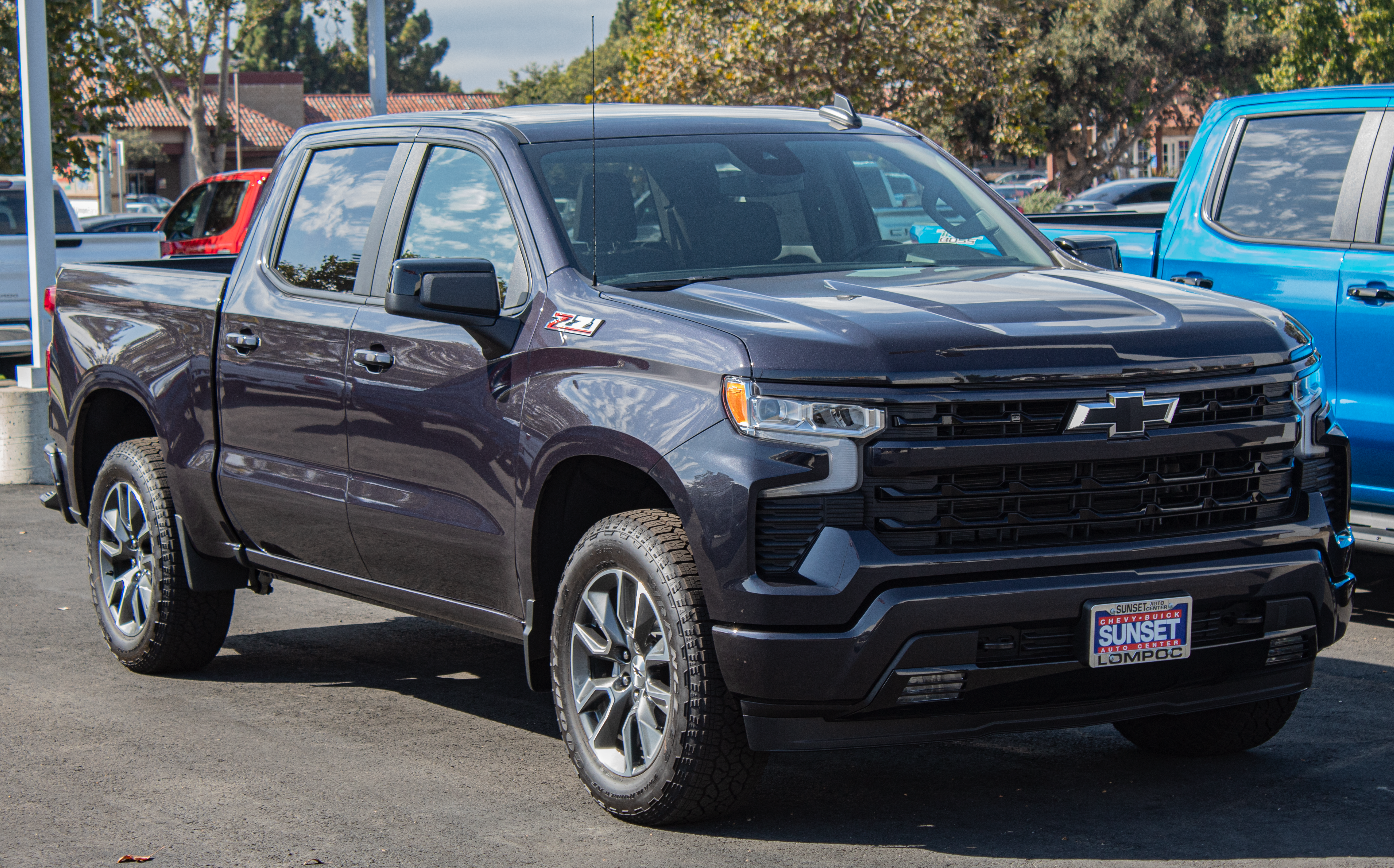
Chevrolet Silverado
The Chevrolet Silverado is a large pickup truck made for hauling and towing. It can also be set up to drive differently depending on the surface, like dirt or rough roads, using different drive modes. That’s why it comes up when people talk about capability-focused vehicles.
towing
Towing means pulling a trailer behind the vehicle. It’s one of the biggest reasons people buy trucks, because it affects what you can haul—like boats, campers, or equipment.

Chevrolet Silverado EV
The Chevrolet Silverado EV is an electric pickup truck. It’s designed to tow and perform like a traditional truck, but using an electric motor instead of a gasoline engine. That’s why it’s a frequent topic in EV discussions.
retail sales vs overall market
Retail sales are what customers actually buy. Looking at retail EV share alongside total car sales shows whether EVs are growing because of demand, not just because the market changed.
CPCA
CPCA is a Chinese auto industry group that tracks and estimates car sales. Their numbers are commonly referenced to understand how fast EVs are growing.
EV retail penetration
This is basically “how many of the cars people are buying are EVs.” If the number goes up, EVs are becoming more popular compared to gas cars.
passenger EV retail percentage
It’s the share of passenger cars sold that are electric. Higher means more people are choosing EVs when they buy cars.
month on month
This just means “this month compared to last month.” It’s a quick way to see if sales are getting better or worse right now.
year on year
This means “this month compared to the same month last year.” It helps you see whether things are improving over time.
oil price pressure
Oil price pressure describes how higher fuel costs make gasoline vehicles more expensive to run. That can push buyers toward EVs, especially in markets where fuel prices are a major part of total ownership cost.
price wars vs product wars
Instead of companies trying to win by making cars cheaper, they start trying to win by making better cars—like better features, range, and tech. It’s a different kind of competition.

Porsche Cayenne Turbo Coupe
This is the “Turbo Coupe” version of the Cayenne. The hosts mention it in the same China announcement as the Cayenne Turbo, so it’s positioned as a higher-end, more performance-oriented model.
direct oil cooled technology
This is a cooling method where oil is used to pull heat away from important parts. The goal is to keep the car performing strongly without overheating.
rear axle motor efficiency
This is a measure of how “good” the motor is at turning electricity into movement. If it’s efficient, the car can go farther and waste less energy as heat.
Regen
Regen is how an EV slows down while also recharging its battery. Instead of wasting energy as heat, the car turns some of that slowing energy back into electricity.
energy comes from 113 kilowatt hour pack
That number is how big the car’s battery is. A bigger battery usually means you can drive farther before needing to recharge.
Porsche Active Ride Suspension
This is an advanced suspension system that helps the car feel smoother and stay more stable. It uses electronics to adjust how the suspension behaves while you drive.
rear axle steering
This means the back wheels can steer too, not just the front wheels. It can make parking easier and help the car feel more stable at speed.
Burmeister
Burmeister is the brand of the car’s premium audio system. The “3D audio” part means it tries to make sound feel more surround-like inside the cabin.
augmented reality head up display
An augmented reality (AR) head-up display projects navigation and driving information onto the windshield view, often aligned with the real world. This can reduce the need to look down at the infotainment screen while improving situational awareness.
four zone climate control
This lets multiple people in the car set different temperatures. Instead of one temperature for everyone, the car can control zones separately.
QQ music
QQ Music is a music app/service used in China. The hosts are saying Porsche is including local streaming options in the car’s infotainment system.
Neti's cloud music
This is another music streaming service included in the car. The idea is that the car’s entertainment system is customized for what people in China use.
multi-intent commands and continuous listening
This is about how smart the voice assistant is. “Multi-intent” means you can ask for more than one thing at once, and “continuous listening” means it can keep listening for you more naturally.
charging network
A charging network is the infrastructure of charging stations available across regions, and its growth strongly affects EV adoption. The segment cites rapid year-over-year growth in the number of charging units, framing it as a key business and technology driver for EVs in China.
home installations
“Home installations” refers to EV charging equipment installed at residences, typically private chargers. The segment highlights that March growth was driven largely by these home installs, and that private charging accounted for most of the increase.
public charging infrastructure
Public charging infrastructure is the public network of charging stations you can use outside your home. More installed chargers generally means less waiting and more trip-planning flexibility.
battery swap stations
Battery swap stations let you exchange your car’s battery for a charged one instead of waiting to charge. It’s like a “quick refill” model for EV energy.
NEO
NEO is a company involved in running charging (and battery swap) locations. That matters because it shows EV drivers have more options than just plugging in at home.

BYD Tang
The BYD Great Tang is a new BYD SUV that’s getting a lot of attention right away. The episode explains that “how many orders” you hear can vary depending on whether the count includes refundable reservations or only non-refundable deposits.
pre-orders
Pre-orders are when customers say they want a car before it’s delivered, usually by putting down some money. The episode warns that not all “orders” are counted the same way, so numbers you see online may not match official reporting.
Scenar Finance
Scenar Finance is a data provider mentioned as having dealer-level information. Their numbers can look different from the automaker’s because they may include more types of customer commitments.
non-refundable deposits
A non-refundable deposit is a payment you can’t get back if you change your mind. In this case, BYD’s official “order” number only counts deposits of that type, so it may be lower than what dealers track.
refundable deposits and reservations
Refundable deposits and reservations are “softer” commitments—if you back out, you may get your money back. The episode uses this to explain why dealer numbers can be much higher than the manufacturer’s official count.
dynasty network
BYD’s dynasty network is its dealer/outlet network for selling and promoting cars. The episode says the Great Tang launch was pushed through a large number of these outlets.
CLTC range
CLTC range is an EV’s estimated driving distance based on a specific testing method used in China. Different countries use different test rules, so the number you see may not match what you’d get under other standards.
dual motor
A dual-motor EV has two electric motors working together, usually to help the car accelerate harder and grip the road better. It can also help the car adjust power to different wheels.
kilowatts
Kilowatts (kW) measure how much power the motor can make. If you’re used to horsepower, you can convert between them to compare EVs more easily.
all to 62
This is a quick-acceleration number—how fast the car gets up to about 62 mph. It’s one way people compare performance between cars.

Honda S600
The Honda S600 is a small sports car model name from Honda’s earlier lineup. In this podcast, it’s being brought up because there’s a new “Hyper S600” concept being unveiled and orders are opening. That’s why it’s relevant to a discussion about new vehicles using classic names.
pop-up speakers
Pop-up speakers are speakers that hide when you’re not using them and then come out when you turn the audio on. It’s mainly about making the cabin look sleek while still improving sound.
ambient lights
Ambient lights are the soft LED lights around the cabin that make the interior feel more stylish. They’re usually meant to create a relaxing or premium atmosphere.
queen seat
“Queen seat” means the front passenger gets a special, comfort-focused seat setup. Here it includes massage and a reclined “floating” position to feel more relaxing.
zero gravity
Zero gravity is a reclined seat position meant to feel lighter on your body. It’s meant to reduce fatigue, especially on longer rides.
38 decibels
38 decibels is a measure of how quiet the cabin is. Lower numbers generally mean less road and wind noise, but it depends on how the car was tested.
22 speaker sound system
A 22-speaker system means the car has lots of speakers placed around the cabin. The goal is to make music sound more “surround” and detailed.
armrest refrigerator
An armrest refrigerator is a small built-in cooler in the center armrest. It lets you keep drinks cold, and in this case it can also heat them.

Audi Etron
Audi makes an all-electric SUV called the e-tron coupe. The hosts are basically saying the new car’s shape looks similar to that kind of coupe-like EV design.
Purebev
Purebev means the car is fully electric and runs only on its battery. There’s no gasoline engine used to help extend the driving range.
GAC S600
GAC’s S600 is a new EV model that can be bought either as a full battery-electric car or as a “range-extended” EV. The “dual-motor all-wheel drive” version is the more performance-focused option.
Xingwan extended range technology
This is GAC’s name for the system that helps an EREV car go farther. Instead of relying only on charging, it can make electricity onboard to keep the car moving.

Land Rover Freelander
The Land Rover Freelander is a smaller SUV model from Land Rover. It’s the kind of vehicle people look at when they want an SUV that’s not as large as the brand’s biggest models. The podcast mention sounds like it’s about new information or an official announcement related to the name.
joint venture between Cherry and Jaguar Land Rover
This is a partnership between Cherry and Jaguar Land Rover to build the Freelander cars. The point is that the cars are designed with JLR-style looks, not just a random new brand’s styling.
all-terrain SUV
“All-terrain SUV” is a marketing and segment label for vehicles aimed at handling mixed surfaces—pavement, dirt roads, and rougher conditions. In this segment, it’s used to describe the Freelander 8’s positioning as rugged and boxy, not just a city-focused crossover.
Concept 97
Concept 97 sounds like an earlier show-car or design study. The hosts are saying the production Freelander 8 continues the look and direction from that earlier concept.
IMAX platform
An “IMAX platform” is basically the car’s main design and engineering foundation. The important part here is that it can be used for different types of electrified powertrains, not just one.
CATL
CATL is a company that makes EV batteries. The hosts are saying the Freelander 8 uses a battery pack designed to work well in tougher, off-road-ish conditions and to charge quickly.
6C charging rate
“6C” is a way to describe how fast a battery is being charged compared to its size. Higher numbers mean faster charging, but the real-world experience also depends on how the battery manages heat and how the charging slows down as it fills.
Leap Motor
Leap Motor is a Chinese company that builds EVs. The hosts are talking about how many cars they’re trying to sell and which new models they’re using to grow quickly.
transaction prices above 250,000 yuan
Transaction price is what buyers actually pay for the car. The hosts are using it to show that the D19 is positioned as a more expensive model than the lower-end versions.
split the range into four series with clear roles
This is about how the company organizes its EV lineup. Instead of treating every model the same, they group them by who they’re for—budget buyers, mainstream buyers, or higher-end customers.
China Cycle range
This is the test-based range estimate used in China for EVs. Different countries use different testing methods, so the number you see here may not match what you’d get under other testing standards.
LiDAR
LiDAR is a sensor that shoots laser light out and measures how long it takes to bounce back. That lets the car “see” the world in 3D so it can understand distances to things around it.
Qualcomm Snapdragon 8650
This is a computer chip inside the car that does the heavy AI calculations. A higher TOPS rating generally means the system can process more data quickly for things like sensing and driving decisions.
TOPS
TOPS is a way to describe how powerful the car’s AI computer is. More TOPS usually means it can handle more calculations at once, but it doesn’t guarantee the same results in every situation.
XPeng
XPeng (often stylized as Xpeng) is referenced as the company behind the flying-car unit ARIGE. The segment ties the brand to early traction at the Beijing Auto Show, emphasizing orders/pre-orders and the scale of interest.
modular flying car
“Modular” means the flying car is built in sections that can be changed or adapted. The idea is to make the design easier to update and potentially easier to support later.
detachable two-seater aircraft
It’s basically a car that can carry a small plane. The idea is that you drive it to where you want, detach the plane, and fly.
800 volt EREV platform
“800 volt” is about how the car’s electrical system is set up. Higher voltage can help the car charge faster. “EREV” means it’s mostly electric, but it can use a backup power source to keep going longer.
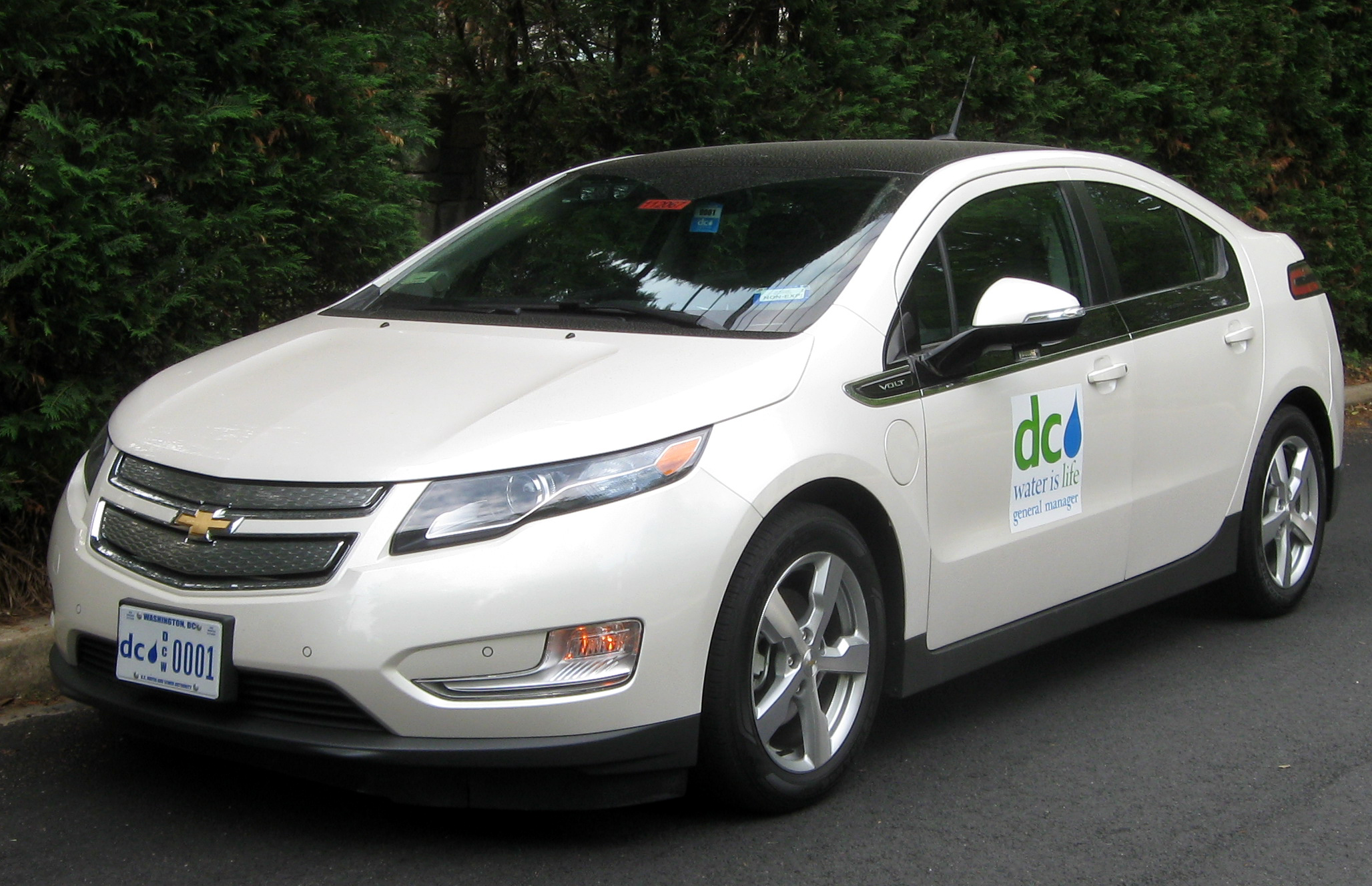
Chevrolet Volt
The Chevrolet Volt is a car that can drive on electricity, but it also has a gasoline engine to help extend how far you can go. The idea is that you use the electric motor most of the time, and the gas engine kicks in when you need more range. That’s why it’s often mentioned in EV history and technology discussions.
Class C license
This is about what kind of driver’s license you need. If it’s a common license category, more people can use the vehicle without special training.
Beijing Auto Show
This is a big car show in Beijing where companies reveal new cars and concepts. If something is shown there, it’s usually because the company thinks it could matter soon.
shooting break
A shooting break is a fancy-sounding name for a wagon that looks more “sporty” than a regular boxy station wagon. It’s meant to look sleek but still carry stuff.
800-volt platform
This is the EV’s electrical system design. Higher voltage can help the car charge faster and respond more quickly, especially when you use compatible fast chargers.

ID Era 9X
This is a new flagship electric SUV from SAIC Volkswagen aimed at the premium EV market in China. They’re selling it in multiple all-wheel-drive versions and reporting strong early pre-order interest.
Auto China
This is a big car show in China where companies reveal new vehicles. In this segment, it’s where the ID Era 9X was launched.
all-wheel drive trims
They’re saying the car will be sold in different packages, and every package uses all-wheel drive. More expensive trims usually add more features.
pre-sales
Pre-sales are when you can place an order before the car is officially on sale. Companies use the early demand numbers to judge interest and plan production.

Land Rover Range Rover
The Land Rover Range Rover is a large luxury SUV from Land Rover. It’s meant to be the top, most premium model in the lineup. Because it’s designed for comfort and capability, it often shows up in discussions about major new updates.
fold-down cinema screen
That’s a big entertainment screen for rear passengers that can fold down for viewing. It’s a “premium comfort” feature meant to make the car feel more like a lounge.
AI-driven software
“AI-driven software” in EV marketing usually refers to using machine learning for features like driver assistance, navigation optimization, voice interfaces, personalization, and predictive vehicle functions. The transcript frames SAIC Volkswagen’s pitch as comparing German engineering with Chinese AI software capabilities.
aftermarket upgrade
An aftermarket upgrade is something you buy after you already have the car. Instead of changing the whole car, it adds features—like extra lights—so other drivers can understand what the car is doing.
NIO
NIO is an electric-car company. They’re selling an add-on that you can install on some of their cars so other drivers can clearly see when the car is using assisted or autonomous driving features.
assisted driving indicator lights
These are extra lights on the outside of the car that show when the car is using driving-assist features. The idea is to help other drivers understand what the car is about to do.
navigate on autopilot
This is a driving-assist mode that can help the car with navigation and some driving actions. The podcast is saying the special assisted-driving light would turn on when that mode is being used.

NIO E-T5 touring
NIO also lists the E-T5 touring as eligible for the light upgrade. That means the add-on should work on that variant too, not only the base model.

NIO E-T9
The NIO E-T9 is one of the newer NIO cars mentioned as eligible for the light upgrade. NIO is offering it for both recent and older models.

NIO ES6
The NIO ES6 is one of the NIO electric models that can get the new assisted-driving lights. NIO is targeting both newer and older ES6 cars for the upgrade.
retrofit
A retrofit means you add something to a car after you already own it. Here, it’s an add-on that installs new lights so other drivers can tell when the car is in assist mode.

EC6
The NIO EC6 is another NIO electric model that NIO says can be upgraded with the new assisted-driving lights. It’s part of the same retrofit program.

EL6 Es6
The EL6 is an electric vehicle model that’s being mentioned alongside other EVs in a retrofit or upgrade context. The podcast is talking about updates that can be added to certain vehicles from earlier years. That matters because it can change how the car works or how it’s supported over time.
Capital One
Capital One is a company known for banking and loans. Here, they’re using AI to help people shop for cars and handle financing and trade-in estimates more easily.